Joe Rogan Diet 2026: Daily Meals, Carnivore Protocol & Supplements

Quick Facts:
โ€ข Diet Type: Modified Keto/Carnivore
โ€ข Fasting Window: 16-18 hours daily
โ€ข Primary Protein: Wild game (elk, bison, venison)
โ€ข Supplements: 30+ daily
โ€ข Annual Protocol: Full carnivore every January

When Joe Rogan went carnivore in January 2020, the results were so dramatic he documented every detail on Instagram. He experienced severe digestive issues for two weeks that he described as “explosive and frequent,” yet he lost 12 pounds and saw his vitiligo completely disappear. He now repeats this carnivore protocol every January without fail.

The 57-year-old UFC commentator and podcast host follows one of the most extreme dietary protocols in the public eye. He combines intermittent fasting with a meat-heavy diet, consumes over 30 different supplements daily, and drinks green smoothies that he admits taste terrible but provide massive nutrient density. Despite the extreme nature of his approach, Rogan maintains the physique and energy levels of someone half his age.

After analyzing hundreds of podcast episodes where Rogan discusses his diet, plus his social media documentation, here’s the complete breakdown of what he actually eats, when he eats it, and which supplements he takes.

Joe Rogan’s Diet Philosophy and Macronutrient Breakdown

Rogan’s nutritional approach centers on evolutionary eating patterns combined with modern supplementation. He primarily follows a modified ketogenic diet for most of the year, shifting to full carnivore each January, with occasional strategic deviations for social occasions.

His macro split typically looks like this: approximately 70% fat, 25% protein, and 5% carbohydrates during his standard protocol. During carnivore months, it shifts to nearly zero carbohydrates with fat and protein making up the entirety of his caloric intake.

The foundation remains consistent throughout the year. Rogan completely eliminates bread, pasta, sugar, and processed foods. He’s repeated this philosophy hundreds of times across podcast episodes, often stating “no bread, no pasta, no sugar, no processed garbage” as his fundamental rule.

The most controversial aspect of his diet emerged in 2020 when he adopted the carnivore diet for the first time. For 30 consecutive days, he consumed only animal products – primarily wild game meat, some eggs, and minimal dairy. The results surprised even him, though the adaptation period proved challenging. His discussion with Jordan Peterson on JRE #1070 about carnivore diet benefits inspired thousands to try similar protocols.

Joe Rogan’s Intermittent Fasting Schedule

Rogan practices a 16:8 intermittent fasting protocol, though his adherence varies based on training and travel schedules. He typically stops eating around 8 PM and doesn’t consume his first meal until noon or 1 PM the following day. Research published in the New England Journal of Medicine confirms that intermittent fasting triggers metabolic switching from glucose to ketone-based energy, supporting many of Rogan’s reported benefits including improved mental clarity and fat loss.

What makes his approach unusual is that he completes intense workouts while fasted. This includes heavy kettlebell training, hill sprints, and sometimes even Brazilian Jiu-Jitsu sessions, all powered by nothing but black coffee. He’s maintained this pattern for several years and credits it with improved mental clarity and sustained energy levels.

His fasting window occasionally fluctuates based on social commitments. Instagram stories have revealed late-night elk tacos followed by claims of “fasting” the next morning at 11 AM, which technically breaks the 16-hour window. However, he maintains the protocol most days and considers it essential to his overall health strategy.

What Does Joe Rogan Eat? Complete Daily Meal Breakdown

Morning Routine (5:30 AM – 12:00 PM)

Rogan begins every day with coffee, specifically either Black Rifle Coffee (where he’s an investor) or Caveman Coffee (which he co-owns). He drinks it iced year-round, even during Austin’s coldest months. He frequently adds Laird Superfood turmeric creamer, created by big-wave surfer Laird Hamilton, for its anti-inflammatory properties.

Several times per week, he prepares his notorious “Hulk Loads” green smoothie. This nutrient-dense drink contains substantial amounts of kale, cucumber, celery, fresh ginger, raw garlic cloves, and a green apple for minimal sweetness. He blends these ingredients in a Vitamix blender, which creates the characteristic jet-engine sound heard in his Instagram stories. Despite admitting the taste is unpleasant, he values the micronutrient density it provides.

First Meal (12:00 PM – 2:00 PM)

Rogan breaks his fast with a protein-heavy meal, typically featuring 8-10 ounces of wild game meat. Elk remains his preferred choice, though he also consumes bison, venison, and wild boar when available. These meats come primarily from his own hunting expeditions or from hunting partners like Cam Hanes.

Accompaniments remain minimal but strategic. He usually includes half an avocado for healthy fats, kimchi for probiotics (a habit he adopted after David Chang critiqued his palate on the podcast), and occasionally eggs if he needs additional protein. When training at the Comedy Store, he consistently orders sushi from the adjacent restaurant, focusing on sashimi and rolls with minimal rice.

His extensive supplement routine begins with this first meal, as he takes most supplements with food to enhance absorption and minimize digestive discomfort.

Dinner (6:00 PM – 8:00 PM)

The evening meal mirrors lunch but often includes more vegetables. Rogan typically consumes another serving of wild game or grass-fed beef, prepared simply with salt and pepper. He sautรฉs vegetables like kale, spinach, or Brussels sprouts in grass-fed butter or ghee, avoiding seed oils which he believes cause inflammation.

A unique aspect of his dinner routine involves eating raw jalapeรฑos as a side dish. He literally bites into them like apples, a practice that alarmed Tom Segura during a podcast recording. This habit aligns with his belief that spicy foods boost metabolism and provide additional micronutrients.

Joe Rogan’s Supplement Stack: Complete List and Dosages

Rogan’s supplement protocol is perhaps the most extensive of any public figure. He maintains a dedicated closet for supplements and estimates spending several hundred dollars monthly on his stack.

SupplementDosageTimingPurpose
Athletic Greens (AG1)1 scoopMorningFoundational nutrients
Alpha BRAIN2 capsulesMorningCognitive enhancement
Carlson’s Fish Oil3 tablespoonsWith mealOmega-3s, inflammation
Vitamin D35,000 IUMorningImmune, hormone support
Shroom Tech Sport4 capsulesPre-workoutEndurance, oxygen utilization
Creatine5 gramsPost-workoutMuscle recovery, cognitive
NMN (code BRAINFLOW saves 10%)1 gramMorningAnti-aging, NAD+ boost
Resveratrol (code BRAINFLOW saves 10%)1 gramMorningLongevity, sirtuins activation
Magnesium400mgEveningSleep, muscle relaxation

Additional Morning Supplements:

Fish Oil consumption reaches extreme levels with three tablespoons of Carlson’s liquid fish oil daily. This provides approximately 15 grams of omega-3 fatty acids, far exceeding standard recommendations. Research published in the Journal of the American College of Cardiology confirms omega-3 fatty acids reduce cardiovascular mortality and lower triglycerides, supporting Rogan’s aggressive supplementation approach. He describes it as “joint lubrication from the inside” and tolerates the taste despite visible discomfort.

Vitamin D3 at 5,000 IU daily became standard after Dr. Rhonda Patrick’s podcast appearance highlighted widespread deficiency. He uses Thorne Research Vitamin D combined with vitamin K2 for optimal absorption and calcium metabolism.

Post-David Sinclair episodes, Rogan added his comprehensive anti-aging protocol:

Joe Rogan’s Carnivore Diet: The January Protocol

Every January since 2020, Rogan commits to 30 days of carnivore eating. This means consuming exclusively animal products with no plant foods whatsoever. The protocol includes all types of meat (preferring wild game), eggs, and minimal dairy in the form of hard cheeses.

His first carnivore experience in January 2020 followed a predictable but challenging trajectory. Days one through three felt manageable and even energizing. Days four through fourteen brought severe digestive distress that he documented extensively on social media, warning followers about the adaptation period. By day fifteen, his energy levels surged dramatically. Days twenty-one through thirty saw him claiming he might never return to eating vegetables. He discussed these benefits extensively with Tom Papa on JRE #1424, describing improved mental clarity and reduced inflammation.

The objective results impressed even skeptics. He lost 12 pounds despite eating to satiety, his vitiligo patches disappeared completely, joint inflammation reduced significantly, and mental clarity improved noticeably. However, the adaptation period remains challenging enough that he warns every podcast guest during January about potential bathroom situations.

Interestingly, day thirty-one consistently features Rogan posting photos of himself eating pasta or pizza, suggesting the psychological challenge of such restriction despite the physical benefits.

How Joe Rogan’s Workout Routine Supports His Diet

Understanding Rogan’s diet requires context about his training intensity. He exercises 5-6 days per week with sessions lasting 1-3 hours, burning massive calories that necessitate his high food intake.

His weekly training includes kettlebell workouts using 70-pound bells, hill running (often fasted), 90-minute hot yoga sessions, Brazilian Jiu-Jitsu with professional fighters, kickboxing pad work, and strength training with weights. He follows these with 20 minutes in a 195ยฐF sauna, immediately followed by cold plunge immersion. In his discussion with Andrew Huberman on JRE #1958, Rogan explained how he modified his carnivore approach by adding fruit to support his high-intensity training sessions.

This training volume allows him to maintain muscle mass and low body fat despite consuming significant calories from fat. Without this activity level, his dietary approach would likely lead to weight gain for most individuals. He also relies on recovery protocols including BPC-157 peptide therapy for injury recovery and joint health.

Deviations from Joe Rogan’s Diet Plan

Despite his discipline, Rogan occasionally indulges in foods outside his protocol. These deviations typically occur during social situations, particularly with comedian friends like Joey Diaz who famously convince him to eat pasta or pizza late at night.

His primary weakness remains ice cream, which he admits to craving regularly but rarely consumes. When he does indulge, it triggers what he calls “immediate regret” followed by detailed podcast discussions about sugar addiction and inflammation.

Alcohol consumption occurs infrequently but deliberately. He favors Buffalo Trace whiskey, high-end tequilas (particularly those costing $200+ per bottle), and expensive red wines. Post-drinking, he invariably discusses alcohol’s toxic effects on the body, creating a cycle of indulgence followed by public self-criticism.

Does Joe Rogan’s Diet Actually Work? Medical Perspective

At 57 years old, Rogan maintains approximately 14% body fat with significant muscle mass. His reported blood work shows optimal markers for inflammation, hormone levels, and metabolic health, though he’s likely receiving hormone replacement therapy based on various podcast hints.

However, nutrition experts express concerns about several aspects of his protocol. The extreme meat consumption could elevate cholesterol in genetically susceptible individuals. The supplement load might stress liver and kidney function over time. Fasted high-intensity training could lead to overtraining syndrome or adrenal fatigue in some people.

His approach works specifically for him due to several factors: exceptional genetics for processing dietary fat and protein, financial resources to afford exclusively grass-fed and wild-caught proteins, time availability for extensive food preparation and training, medical supervision including regular blood work, and likely pharmaceutical support including TRT.

Practical Takeaways from Joe Rogan’s Diet

โš ๏ธ Important Disclaimer: Rogan’s extreme protocol includes consuming 15 grams of omega-3s daily (5x the standard recommendation) and maintaining a diet that could elevate cholesterol in genetically susceptible individuals. Consult a healthcare provider before adopting any extreme dietary changes.

While Rogan’s complete protocol isn’t suitable for most people, several principles translate well to general health improvement.

First, eliminating processed foods and added sugars would benefit virtually everyone regardless of other dietary choices. Second, incorporating intermittent fasting, even with a modest 12-hour window, can improve metabolic flexibility. Third, prioritizing protein intake supports muscle maintenance and satiety. Fourth, strategic supplementation with basics like vitamin D and omega-3s has strong research support.

Most importantly, Rogan’s approach demonstrates the value of self-experimentation. He tried numerous dietary approaches including veganism, standard American diet, ketogenic diet, and carnivore before finding what works for his body and lifestyle.

The key isn’t copying Rogan’s exact protocol but rather applying his experimental mindset to discover your own optimal nutrition strategy. Track your results, adjust based on outcomes, and remember that the best diet is one you can maintain long-term while supporting your health goals.

Key Podcast Episodes: Deep Dives on Rogan’s Diet

These episodes provide the most detailed discussions of Rogan’s dietary approach:

Dr. Rhonda Patrick – JRE #901 (November 2016)
Time stamps: 1:23:00 – Discussion on time-restricted feeding; 2:15:00 – Vitamin D supplementation protocol; 2:45:00 – Sulforaphane and broccoli sprouts
Key takeaway: This episode convinced Rogan to start 16:8 intermittent fasting.

Dr. Shawn Baker – JRE #1050 (December 2017)
Time stamps: 0:45:00 – Benefits of carnivore diet; 1:30:00 – Addressing nutrient deficiency concerns; 2:00:00 – Athletic performance on zero carbs
Key takeaway: First serious introduction to carnivore diet benefits.

Jordan Peterson – JRE #1070 (January 2018)
Time stamps: 2:51:00 – Peterson’s carnivore experience; 3:05:00 – Autoimmune improvements; 3:20:00 – Mental health benefits
Key takeaway: Inspired Rogan’s first carnivore experiment.

Mikhaila Peterson – JRE #1164 (September 2018)
Time stamps: 0:30:00 – Lion diet protocol; 1:15:00 – Elimination diet strategy; 2:00:00 – Reintroduction protocols
Key takeaway: Detailed discussion on using carnivore as elimination diet.

Dr. Paul Saladino – JRE #1551 (October 2020)
Time stamps: 0:45:00 – Nose-to-tail eating; 1:20:00 – Organ meat benefits; 2:30:00 – Plant toxins and antinutrients
Key takeaway: Convinced Rogan to add organ meats to his protocol.

Dr. Peter Attia – JRE #1735 (December 2021)
Time stamps: 1:00:00 – Longevity and fasting; 1:45:00 – Zone 2 cardio and diet; 2:15:00 – CGM data and food responses
Key takeaway: Influenced Rogan’s approach to training nutrition.

Andrew Huberman – JRE #1958 (February 2023)
Time stamps: 2:10:00 – Adding carbs back for performance; 2:35:00 – Supplement timing; 3:00:00 – Recovery protocols
Key takeaway: Led to Rogan adding fruit around workouts.

Joe Rogan’s Recipes: Exact Preparations

Rogan’s Perfect Elk Steak

Ingredients:
โ€ข 8-10 oz elk backstrap or ribeye
โ€ข 2 tsp coarse sea salt
โ€ข 1 tsp black pepper (freshly ground)
โ€ข 1 tsp garlic powder
โ€ข 2 tbsp grass-fed butter
โ€ข 1 tbsp beef tallow (for searing)

Instructions:
1. Remove steak from fridge 30 minutes before cooking
2. Pat completely dry with paper towels
3. Season generously on all sides with salt, pepper, garlic powder
4. Preheat cast iron skillet over high heat (10 minutes)
5. Add beef tallow to smoking hot pan
6. Sear steak 90 seconds per side
7. Reduce heat to medium, add butter
8. Baste continuously for 2 minutes
9. Internal temp should reach 125-130ยฐF for medium-rare
10. Rest under foil tent for 5 minutes before slicing

The Hulk Loads Kale Shake

Ingredients:
โ€ข 3 large handfuls of kale (stems removed)
โ€ข 1 cucumber (peeled)
โ€ข 4 celery stalks
โ€ข 1 inch fresh ginger root
โ€ข 2 cloves raw garlic
โ€ข 1 green apple (optional, for sweetness)
โ€ข 1 lemon (juiced)
โ€ข 16 oz filtered water
โ€ข Handful of ice

Instructions:
1. Add water and ice to Vitamix first
2. Add cucumber and celery (creates liquid base)
3. Add kale, ginger, garlic
4. Blend on high for 60 seconds
5. Add apple if using, blend 30 more seconds
6. Add lemon juice at end
7. Drink immediately (oxidizes quickly)
Note: Rogan says “hold your nose and chug it”

Rogan’s Carnivore Breakfast

Ingredients:
โ€ข 4 pasture-raised eggs
โ€ข 4 strips thick-cut bacon
โ€ข 4 oz grass-fed ribeye (cubed)
โ€ข 2 tbsp grass-fed butter
โ€ข Sea salt and pepper

Instructions:
1. Cook bacon in cast iron until crispy, set aside
2. Keep 2 tbsp bacon fat in pan
3. Add cubed ribeye, sear 2 minutes
4. Push meat to side, add butter
5. Crack eggs into butter, cook sunny-side up
6. Season everything with salt and pepper
7. Serve with raw jalapeรฑos on side

Post-Workout Recovery Meal

Ingredients:
โ€ข 10 oz ground bison
โ€ข 1/2 avocado
โ€ข 2 tbsp kimchi
โ€ข 2 raw jalapeรฑos
โ€ข 1 tbsp MCT oil
โ€ข Pink Himalayan salt

Instructions:
1. Form bison into two thick patties
2. Season with salt only
3. Grill 4 minutes per side (medium-rare)
4. Plate with sliced avocado
5. Add kimchi and jalapeรฑos as sides
6. Drizzle MCT oil over avocado
7. Eat within 30 minutes of training

Frequently Asked Questions

Click any question below to see the answer:

How much does Joe Rogan’s diet cost per month?

Rogan estimates spending $1,200-1,500 monthly. Wild game meat costs $20-30/pound, supplements run $400-600/month, and organic vegetables add another $200. This doesn’t include hunting equipment or processing costs.

Does Rogan ever eat carbs?

Yes, but strategically. He adds fruit (mainly berries and apples) around intense workouts for glycogen replenishment. During social occasions, he occasionally eats pasta or pizza but always regrets it due to inflammation and energy crashes.

How does Rogan get his vegetables during carnivore month?

He doesn’t. During January’s carnivore protocol, he consumes zero plant foods. He supplements with electrolytes and continues taking Athletic Greens for micronutrients, though some carnivore purists would say this “doesn’t count.”

What happens when Rogan travels?

He packs frozen elk meat in coolers for domestic trips. For international travel, he seeks out local grass-fed beef and maintains his fasting schedule. He’s been known to fast for 24+ hours rather than eat low-quality food while traveling.

Has Rogan’s diet affected his testosterone?

Rogan is on testosterone replacement therapy (TRT), which he’s discussed openly. He claims the diet helps optimize his hormone levels, but the TRT is the primary factor in his testosterone levels, not the diet alone.

Can women follow Rogan’s diet?

Rogan himself advises caution, especially regarding extended fasting and extreme low-carb approaches. Women often need more carbohydrates for hormonal balance. His wife Jamie follows a modified version with more vegetables and shorter fasting windows. Research in the International Journal of Environmental Research and Public Health shows that extreme fasting can disrupt women’s hormonal cycles.

What’s Rogan’s view on cheat days?

He doesn’t schedule them but admits to occasional indulgences. His main weakness is ice cream. When he does cheat, he immediately returns to strict protocol the next day. He views these as “failures” rather than planned refeeds.

Does Rogan drink alcohol?

Occasionally. He drinks Buffalo Trace whiskey, high-end tequila, or red wine maybe once or twice monthly. Always discusses the negative effects afterward and often does extended fasts to “reset” after drinking.

How long did it take Rogan to adapt to this diet?

The current protocol took 15+ years to develop through experimentation. Initial keto adaptation took 2-3 weeks. Carnivore adaptation was brutal – two weeks of digestive issues each time. Intermittent fasting took about a month to feel natural.

What does Rogan’s doctor say about his diet?

According to Rogan, his bloodwork is “excellent” with low inflammatory markers and optimal metabolic health. However, he’s never shared specific numbers publicly. He works with physicians who specialize in optimization medicine rather than conventional doctors.

Peter Attia’s Supplement Stack 2026: Complete List with Exact Dosages & Brands

If you’ve been following the longevity space, you’ve probably wondered what Dr. Peter Attia actually takes every day. The Stanford-trained physician has become one of the most trusted voices in healthspan optimization, and people constantly ask about his personal supplement routine.

Here’s the thing: Attia himself hates talking about this because he knows people will blindly copy his regimen without considering their own needs. But through his podcasts, interviews, and occasional social media posts, we’ve pieced together his complete 2025 stack.

Quick disclaimer before we dive in: What works for a 50-something physician who tracks every biomarker imaginable might not work for you. Attia tailors everything to his specific blood work, genetics, and health goals. Consider this a glimpse into how one expert approaches supplementation, not a prescription for your own routine.

The Complete List: What Peter Attia Takes Daily

Here’s exactly what’s in Attia’s medicine cabinet as of 2025:

Morning Supplements:

  • Omega-3 Fish Oil: 2.5g EPA + 1g DHA (Carlson MaxOmega 2000, 4 capsules)
  • Vitamin D3: 5,000 IU (to maintain 40-60 ng/mL blood level)
  • Magnesium (3 forms): 1g total throughout the day (SlowMag, Magtein, Magnesium Oxide)
  • Methylfolate: 400 mcg (Jarrow brand, methylated form)
  • Methyl B12: 500 mcg (Jarrow brand, methylated form)
  • Vitamin B6: 50 mg, 3 times per week only
  • Creatine Monohydrate: 5g (Thorne or Optimum Nutrition)
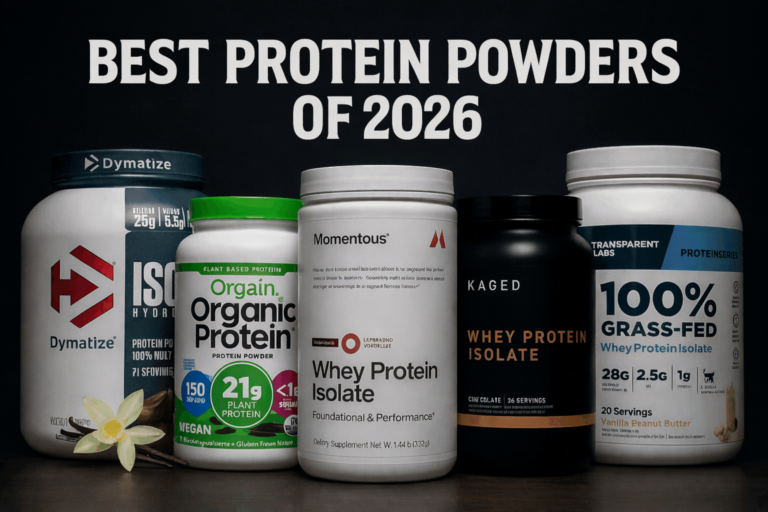
  • Protein Powder: 20-50g (whey isolate or plant-based – Promix, Thorne, or Levels)
  • AG1 (Athletic Greens): 1 scoop (AG1, 2 scoops on very active days)
  • Pendulum Glucose Control: 2 capsules (Pendulum)
  • Theracurmin: 90-180 mg (Theracurmin)
  • Baby Aspirin: 81 mg

Evening/Sleep Supplements:

  • Glycine: 2g (Thorne powder)
  • Ashwagandha: 600 mg (Solgar KSM-66 extract)
  • Magnesium L-Threonate: 2 capsules (Magtein brand)
  • Melatonin: 1-3 mg (as needed for travel/jet lag)
  • Phosphatidylserine: 400-600 mg (for jet lag only, Jarrow brand)

Breaking Down Each Supplement (And Why He Takes It)

1. Omega-3 Fish Oil

Peter takes about 2.5 grams of EPA and 1 gram of DHA daily, which translates to four capsules of Carlson’s highest EPA fish oil each morning. He’s pretty obsessive about this one, actually aiming for an Omega-3 Index of 10-12% in his blood. To put that in perspective, most Americans hover around 4%, which is considered deficient by many researchers studying cardiovascular disease.

The specific product appears to be Carlson Labs Maximum Omega 2000, where four softgels provide almost exactly the EPA and DHA amounts Attia mentions. He’s particular about taking it in the morning with food to avoid any fishy burps, though the high-quality Carlson fish oils rarely cause this issue.

Why such a high dose? The research on omega-3s for brain health is compelling. One study found that 2.3 grams daily slowed cognitive decline in Alzheimer’s patients, while other research in middle-aged adults showed that around 2 grams per day reduces inflammation markers and cortisol levels. For someone focused on preventing neurodegeneration and managing inflammation (which Attia considers one of the key drivers of aging), this makes perfect sense.

He tests his omega-3 levels regularly using the OmegaQuant test to make sure he’s hitting his targets. In fact, he’s mentioned that omega-3 supplementation is one of the few things nearly all his patients end up needing unless they’re eating fatty fish several times a week. Even then, getting to that 10-12% index usually requires supplementation. The research backing omega-3s for cardiovascular protection is extensive, with a major New England Journal of Medicine study showing marine omega-3 supplementation reduced major cardiovascular events by 28% in high-risk patients, with higher intakes associated with lower risk of heart disease death, reduced inflammation, and potentially better mood regulation.

There’s also an interesting interaction with B vitamins that influences his protocol. Research suggests that omega-3’s cognitive benefits might only manifest when you have adequate B vitamin status, which partly explains why he’s so careful about his B vitamin supplementation.

2. Vitamin D3

Attia takes 5,000 IU every morning to keep his blood levels between 40 and 60 ng/mL. He’s mentioned the toxicity risk at this dose is “insanely low,” though he still monitors his levels periodically through blood work. The approach here is purely about optimization rather than correction of deficiency.

The vitamin D research landscape is complicated and often contradictory. Attia has acknowledged that much of the literature is messy, with poorly designed studies and confounding variables. However, he focuses on some compelling findings that make supplementation worthwhile for him. One particularly interesting study showed that when 2,000 IU of vitamin D was combined with omega-3 and exercise, there was a 60% reduction in cancer risk. That’s the kind of risk reduction that gets his attention, especially since vitamin D is cheap and safe at reasonable doses.

Beyond cancer prevention, vitamin D plays crucial roles in bone health, immune function, and possibly muscle strength. A comprehensive review in the Archives of Internal Medicine found that vitamin D supplementation was associated with significantly lower all-cause mortality. Some research even suggests it might help raise cellular NAD+ levels, which ties into broader metabolic health benefits. Attia’s also interested in vitamin D’s potential role in preventing autoimmune conditions and supporting overall immune resilience.

He’s quick to point out that he doesn’t mega-dose like some biohackers who take 10,000 or even 20,000 IU daily. It’s about finding that sweet spot where you correct deficiency without going overboard. The 40-60 ng/mL range he targets aligns with what many functional medicine practitioners consider optimal, though it’s higher than what conventional medicine typically recommends (usually 30 ng/mL is considered sufficient).

The timing matters too. He takes it in the morning with his fish oil, as vitamin D is fat-soluble and absorbs better with dietary fat. Some people worry about vitamin D interfering with sleep if taken later in the day, though the evidence for this is mostly anecdotal.

3. Magnesium

This is where things get interesting and complex. Attia doesn’t just pop a magnesium pill and call it a day. He takes three different forms totaling about 1 gram of elemental magnesium daily, each serving a different purpose in his optimization strategy.

Magnesium oxide is his choice for gastrointestinal regularity. Yes, even longevity experts think about bathroom habits. It’s not well absorbed (only about 4% bioavailability), but that’s actually the point for this purpose. The unabsorbed magnesium draws water into the intestines, promoting regular bowel movements. He’s careful with the dose here because too much can cause loose stools.

SlowMag (magnesium chloride with calcium) provides about 143 mg of elemental magnesium per tablet, and Attia takes two tablets for roughly 286 mg. This form has decent absorption and he uses it for general magnesium coverage, particularly for muscle cramp prevention and overall cellular function. The addition of calcium in SlowMag might seem counterintuitive given some concerns about calcium supplementation, but the ratio in this product is modest.

Magnesium L-threonate (marketed as Magtein) is the crown jewel of his magnesium protocol. This form uniquely crosses the blood-brain barrier effectively, which is why he takes it at night. He typically takes two capsules providing about 144 mg of elemental magnesium. Some small but intriguing studies suggest it might improve cognitive function in older adults by actually raising brain magnesium levels, something other forms struggle to do.

Attia calls magnesium a “cornerstone” of his protocol, and for good reason. Magnesium is involved in over 300 enzymatic reactions in your body, from energy production (ATP synthesis) to DNA repair, nerve transmission, and muscle function. He’s noted that you can have normal serum magnesium levels but still have deficiency symptoms, especially if you’re stressed, exercise intensely, or have certain genetic variants affecting magnesium metabolism.

The total daily dose of 1 gram might seem high, but magnesium deficiency is surprisingly common. Modern food processing and soil depletion mean we get less from our diet than our ancestors did. Stress, alcohol, and intense exercise all increase magnesium needs. Some research suggests adequate magnesium intake is associated with lower risk of cardiovascular disease, better insulin sensitivity, and improved sleep quality. A study published in the Journal of Research in Medical Sciences found that magnesium supplementation improved subjective measures of insomnia, sleep efficiency, and sleep time in elderly subjects.

By using multiple forms, Attia addresses different needs while minimizing side effects. If he took 1 gram of magnesium oxide alone, he’d likely have digestive issues. If he only took threonate, it would be expensive and might not provide enough for his muscle and metabolic needs. This multi-form approach exemplifies his thoughtful, nuanced take on supplementation.

4. B Vitamins

The B vitamin situation is fascinating because it’s all about managing homocysteine, an amino acid that, when elevated, significantly increases risk for both heart disease and cognitive decline. Attia’s approach here is precise and informed by both research and presumably his own lab work.

He takes methylfolate (400 mcg daily) and methyl B12 (500 mcg daily), specifically using methylated forms from Jarrow because they bypass potential genetic issues with folate metabolism. About 40% of the population has MTHFR gene variants that impair their ability to convert folic acid to its active form. By taking methylfolate directly, he sidesteps this potential issue entirely.

The B6 dosing is particularly interesting: 50 mg, but only three times weekly, not daily. This intermittent dosing is intentional to avoid peripheral neuropathy that can occur with chronic high-dose B6 supplementation. Some people have developed nerve damage from taking high doses of B6 daily for extended periods, though 50 mg is relatively modest compared to what caused problems in case reports (usually 100+ mg daily for months).

Homocysteine is an amino acid in the blood that, when elevated, is linked to higher risk of cardiovascular disease and cognitive decline. A BMJ meta-analysis showed that lowering homocysteine levels by 25% through B vitamin supplementation was associated with an 11% lower risk of coronary heart disease and 19% lower risk of stroke. Folate, B12, and B6 work together in methylation cycles to break down homocysteine. Attia has noted that many people (due to genetics or diet) have suboptimal methylation, and that elevated homocysteine may have a negative impact on the body.

There’s another clever reason for the B vitamins that shows how Attia thinks about supplement interactions. Research indicates that omega-3’s brain benefits might only manifest if you have adequate B6, B9, and B12 status. Several studies found that participants with higher B vitamin levels showed enhanced cognitive protection from fish oil supplementation, while those deficient in B vitamins didn’t see the same benefits. Since he’s taking high-dose fish oil, he wants to make sure he’s getting the full cognitive protection.

Beyond homocysteine management, these B vitamins serve crucial roles. Folate and B12 are essential for DNA synthesis and repair, red blood cell formation, and neurological function. B12 deficiency can cause irreversible nerve damage if left untreated, and it becomes harder to absorb as we age. B6 is involved in over 100 enzyme reactions, mostly concerned with protein metabolism, but also neurotransmitter synthesis and immune function.

Attia’s diet is likely already rich in B vitamins given his focus on whole foods and quality protein sources. But he’s covering his bases with targeted supplementation, especially given that certain medications, alcohol consumption, and aging itself can impair B vitamin absorption or increase needs. The doses he uses are therapeutic but not excessive, reflecting his principle of taking enough to optimize function without risking adverse effects.

5. Creatine Monohydrate

Five grams every morning, mixed into water or his protein shake. In his AMA #69 episode on The Peter Attia Drive podcast, Attia discusses why creatine is one of the supplements he’s most confident about recommending. While most people think of creatine as a gym supplement for meatheads, Attia’s interested in its broader implications for aging and cognitive function.

The athletic benefits are well-established and probably contribute to his ability to train hard in his 50s. Creatine helps regenerate ATP (the cellular energy currency) more quickly, improving performance in high-intensity exercise. This translates to being able to lift heavier weights, do more reps, or maintain power output during intense cardio sessions. For someone who views exercise as the most powerful longevity intervention, anything that helps him train harder and recover better is valuable.

But the brain benefits are what really intrigue him. The brain uses creatine for quick energy needs just like muscles do. Some studies suggest creatine supplementation might improve memory and processing speed, especially in older adults or during stressful situations. A systematic review in Experimental Gerontology found that creatine supplementation improved cognitive processing, particularly in aging populations. The Mayo Clinic notes it might improve performance during cognitive tasks, particularly in older adults. There’s even preliminary research on creatine for depression and neurodegenerative diseases.

Vegetarians and vegans tend to see the biggest cognitive boost from creatine supplementation since they get none from their diet (creatine is found in meat). While Attia isn’t vegetarian, he likely considers the potential brain benefits a nice bonus to the well-established muscle benefits. Some researchers hypothesize that creatine supplementation might become more important as we age and our bodies’ natural creatine production declines.

The safety profile is exceptional. Creatine monohydrate is one of the most studied supplements in existence, with research going back decades and studies lasting up to 5 years showing no adverse effects in healthy individuals. The old concerns about kidney damage have been thoroughly debunked in people with normal kidney function.

Attia uses trusted brands like Thorne or Optimum Nutrition, though creatine monohydrate is one supplement where brand matters less since it’s a simple molecule. He doesn’t bother with fancy forms like creatine HCL or buffered creatine, sticking with the monohydrate form that has the most research behind it. He also doesn’t cycle off, taking it continuously year-round.

6. Protein Powder

This isn’t sexy, but it’s arguably one of the most important supplements in Attia’s stack from a practical standpoint. He typically has one shake daily with 20-50 grams of protein, depending on his needs that day and what else he’s eating. The shake usually includes almond milk and frozen berries, sometimes with the creatine mixed in.

Attia aims for about one gram of protein per pound of body weight daily, so roughly 170-180 grams for him. That’s tough to hit with whole foods alone unless you want to eat chicken breast all day long. He’s talked extensively about protein needs increasing as we age due to anabolic resistance, where older muscles need a stronger signal (more protein) to trigger muscle protein synthesis.

He uses both grass-fed whey isolate and plant-based proteins, rotating between them. Whey is his primary choice because it’s high in leucine (the amino acid that triggers muscle protein synthesis) and has excellent bioavailability. But he’s mentioned mixing flavored with unflavored powder to avoid taste fatigue, and sometimes uses plant proteins for variety. Brands he’s mentioned include Promix, Thorne, and Levels.

The timing and distribution matter too. He often has his shake in the morning to break his overnight fast with a protein bolus, which can help preserve muscle mass during any caloric deficit. There’s also the “Peter Kaufman shake” he sometimes has for lunch, which is a calorie-dense concoction with protein, super starch, heavy cream, and other ingredients designed to fuel his training.

From a longevity perspective, maintaining muscle mass is crucial. Muscle mass and strength are some of the strongest predictors of mortality risk in older adults. By ensuring adequate protein intake, Attia’s supporting not just muscle maintenance but also bone health, immune function, and metabolic rate. The protein powder is simply a tool to guarantee he hits his targets regardless of what his whole food intake looks like on any given day. If you’re interested in Peter’s broader approach beyond supplements, check out Peter Attia’s complete daily routine for longevity.

7. Athletic Greens (AG1)

One scoop of AG1 every morning mixed in water, two scoops on particularly active days or when traveling. Yes, Attia is an investor and advisor to the company, which he’s completely transparent about. This financial relationship obviously introduces some bias, but he’s been taking it since before the investment.

Attia is famously skeptical of multivitamins, often pointing out that they can provide excessive amounts of certain nutrients while missing others entirely. Many multivitamins use cheap, poorly absorbed forms of nutrients or inappropriate ratios. So why AG1? It’s really about convenience and formulation. Instead of taking a multivitamin, a separate probiotic, a greens powder, and various other supplements, one scoop covers multiple bases.

AG1 includes vitamins and minerals in forms that are generally well-absorbed, plus probiotics, digestive enzymes, adaptogens like rhodiola and ashwagandha, and various plant compounds. It contains vitamin K2, which is important when taking vitamin D for proper calcium metabolism. There’s also a modest amount of various B vitamins, though he still takes additional methylated B vitamins for his specific needs.

The science on comprehensive greens powders isn’t particularly robust, and Attia acknowledges this. There aren’t good studies showing AG1 specifically improves health outcomes. But for him, it’s nutritional insurance that fits his lifestyle. When traveling or particularly busy, having a single supplement that covers numerous nutritional bases is practical.

He’s also mentioned that he trusts the quality control and sourcing, having seen behind the scenes at the company. For someone who’s generally skeptical of supplement companies’ claims, this inside knowledge matters. The powder form might also offer better absorption for some nutrients compared to compressed tablets.

For readers considering AG1, it’s worth noting it’s one of the most expensive supplements in Attia’s stack at around $99 per month. Whether that’s worth it depends on your budget and whether you’d otherwise be buying multiple separate supplements. Attia clearly thinks it’s worth it for him, but he’s also clear that no supplement is magic, AG1 included.

8. Pendulum Glucose Control

Two capsules of Pendulum Glucose Control every morning with breakfast. This isn’t your average probiotic from the grocery store. Pendulum contains specific strains including Akkermansia muciniphila, Clostridium butyricum, and several others specifically selected for their potential effects on glucose metabolism.

As discussed in episode #340 of The Peter Attia Drive, Attia is essentially running an n=1 experiment on himself with this probiotic. Even though he doesn’t have diabetes and his metabolic health is excellent, he’s testing whether it can further optimize his glucose control. The thinking goes: if it helps diabetics manage blood sugar (which clinical trials have shown), maybe it can help prevent metabolic dysfunction in healthy people.

The key strain, Akkermansia muciniphila, is particularly interesting. It’s associated with leanness and metabolic health in population studies. People with higher levels of Akkermansia tend to have better insulin sensitivity and lower inflammation. The problem is, you can’t just eat yogurt to get it. Akkermansia is anaerobic and difficult to culture, which is why Pendulum’s formulation is unique.

The clinical data is promising. Pendulum showed in a randomized controlled trial that their probiotic lowered A1c (a measure of average blood glucose over three months) in people with type 2 diabetes. The mechanism appears to involve these bacteria producing short-chain fatty acids like butyrate, which improve gut barrier function and glucose metabolism.

For Attia, this represents a cutting-edge bet on the importance of the gut microbiome for metabolic health. He’s mentioned monitoring his continuous glucose monitor data and other metabolic markers to see if the probiotic is having any measurable effect. If it doesn’t pan out, he’ll likely drop it from his regimen. This experimental approach is typical of how he evaluates new supplements.

It’s worth noting that Pendulum is prescription-only for diabetes management but available as a supplement for general use. At around $165 per month, it’s not cheap, making it one of the pricier items in his stack alongside AG1.

9. Theracurmin (Curcumin)

Attia takes 90-180 mg of Theracurmin daily, typically starting with one 90 mg capsule and sometimes taking two depending on factors like training intensity or any inflammatory issues he might be dealing with. Theracurmin is a specialized formulation of curcumin designed to overcome the notorious absorption problems of regular turmeric supplements.

Standard curcumin has terrible bioavailability, with some studies showing less than 1% absorption. Theracurmin uses proprietary technology to create nanoparticles of curcumin dispersed with gum ghatti, increasing bioavailability by up to 27 times compared to standard curcumin powder. This means the 90-180 mg Attia takes might be equivalent to several grams of regular curcumin in terms of what actually reaches his bloodstream.

The anti-inflammatory effects are what primarily interest him. Chronic inflammation is one of the hallmarks of aging and contributes to everything from cardiovascular disease to neurodegeneration. Curcumin works through multiple mechanisms, including inhibition of NF-ฮบB, a master regulator of inflammation. Some studies have found it as effective as ibuprofen for osteoarthritis pain, but without the gastrointestinal risks of NSAIDs. A clinical trial published in Clinical Interventions in Aging showed that curcumin extract was as effective as ibuprofen for knee osteoarthritis pain, with fewer gastrointestinal side effects.

There’s also intriguing research on curcumin for brain health. It may increase brain-derived neurotrophic factor (BDNF), which is like Miracle-Gro for neurons. Some trials have shown modest improvements in memory and attention, possibly by reducing neuroinflammation. The fact that India, where turmeric consumption is high, has relatively low rates of Alzheimer’s disease has sparked interest, though this correlation doesn’t prove causation.

Attia likely monitors inflammation markers like high-sensitivity C-reactive protein (hs-CRP) and uses curcumin as one tool to keep these in check. The synergy with omega-3s is interesting too, as both work to create a more anti-inflammatory environment in the body.

He’s chosen Theracurmin specifically over other enhanced forms like Meriva or Longvida because of the bioavailability data. At his dose, he’s getting meaningful blood levels of curcumin without having to take massive amounts or deal with the gastrointestinal upset that high doses of regular turmeric can cause.

10. Baby Aspirin

This one’s controversial, and Attia knows it. He takes 81 mg daily, typically in the morning with his other supplements. Recent large-scale studies like ASPREE have questioned the routine use of aspirin for primary prevention in older adults, showing the bleeding risks might outweigh cardiovascular benefits in many people.

So why does Attia still take it? His reasoning is nuanced and personal. At his age (early 50s) and with his excellent health status, the bleeding risk is minimal. He’s not on other blood thinners, doesn’t have a history of ulcers, and doesn’t engage in activities with high head injury risk. Meanwhile, there might be small benefits for both cardiovascular disease and cancer prevention.

He’s very clear in discussions that the evidence for cardioprotection in primary prevention is weak. The old idea that everyone over 50 should take aspirin is outdated. But for him personally, it’s a calculated bet where the potential upside (even if small) outweighs the minimal downside given his specific risk profile.

The cancer prevention angle is interesting. Some studies suggest long-term aspirin use might reduce risk of colorectal cancer and possibly other cancers through its anti-inflammatory effects. This isn’t proven enough to recommend aspirin solely for cancer prevention, but it factors into his decision.

He’s also mentioned this is the one supplement in his stack he’s least confident about and most likely to discontinue as he ages or if new research emerges. Once he hits 60 or 65, the risk-benefit calculation changes as bleeding risk increases with age. This exemplifies his principle of constantly reassessing supplements based on changing evidence and personal factors.

The Sleep Stack

Attia’s evening routine is meticulously designed to optimize sleep quality, which he considers absolutely fundamental for cognitive function, metabolic health, and longevity. The supplements work synergistically to help him fall asleep faster, sleep deeper, and wake up more refreshed.

Glycine

Two grams before bed, usually Thorne brand powder mixed in a small amount of water. Some people find the taste slightly sweet and pleasant, while others mix it with herbal tea to mask any flavor. Attia typically takes it about 30-60 minutes before he wants to be asleep.

Glycine is the simplest amino acid structurally, but its effects on sleep are remarkable. It appears to work by slightly lowering core body temperature, which is a natural signal for sleep onset. Studies show people taking 3 grams before bed fall asleep faster, spend more time in restorative deep sleep, and report less daytime fatigue. Research published in Sleep and Biological Rhythms demonstrated that glycine improved subjective sleep quality and reduced fatigue and daytime sleepiness when taken before bedtime. Attia uses 2 grams, which seems to be his sweet spot for benefits without any grogginess.

But sleep improvement might just be the tip of the iceberg. There’s fascinating longevity research showing that glycine plus N-acetylcysteine (NAC) extended lifespan in mice and improved various aging markers in humans. The combination boosted glutathione levels (the body’s master antioxidant), improved muscle strength, and enhanced cognition in older adults. While Attia primarily takes glycine alone, he’s aware of this research and has mentioned occasionally adding NAC.

Glycine is also a major component of collagen, making up about one-third of its amino acids. As we age, glycine levels tend to fall, which might limit our ability to produce collagen and glutathione. Some researchers think glycine deficiency might be an underappreciated factor in aging. There’s even research associating higher glycine levels with reduced risk of type 2 diabetes, possibly through improved insulin sensitivity.

The safety profile is exceptional. Glycine is just an amino acid that’s abundant in many foods. At the doses used for sleep (2-3 grams), side effects are virtually nonexistent. Some people even take much higher doses (10-15 grams) for other purposes without issues.

Ashwagandha

He takes 600 mg of Solgar’s KSM-66 extract nightly, which is standardized to contain at least 5% withanolides (the active compounds). KSM-66 is the most researched ashwagandha extract, with over 20 clinical trials behind it. The two-capsule dose provides a therapeutic amount without being excessive.

Ashwagandha is classified as an adaptogen, meaning it helps the body adapt to stress and maintain homeostasis. The clinical evidence for stress reduction is robust. Multiple randomized controlled trials have shown this dose reduces cortisol by 20-30% and significantly improves subjective stress scores. A study in the Indian Journal of Psychological Medicine found that KSM-66 ashwagandha root extract safely and effectively improves resistance to stress and thereby improves self-assessed quality of life. One study found it as effective as some anti-anxiety medications for generalized anxiety disorder, though without the dependence risk.

For Attia, taking it at night leverages its calming effects to improve sleep quality. High evening cortisol can interfere with sleep onset and sleep architecture. By helping normalize cortisol rhythms, ashwagandha can improve both sleep quality and next-day energy levels. Some studies have shown improvements in sleep onset latency, sleep efficiency, and total sleep time.

There’s also evidence for physical performance benefits. Ashwagandha might improve VO2 max, strength gains, and recovery from exercise. For someone training as hard as Attia does, better recovery translates to better adaptations over time. Some research suggests it might modestly increase testosterone in men and improve thyroid function in people with subclinical hypothyroidism, though these effects aren’t dramatic.

The long history of use in Ayurvedic medicine provides some reassurance about safety, and modern studies confirm it’s well-tolerated. The main side effects at therapeutic doses are mild gastrointestinal upset in some people. Attia’s choice of KSM-66 specifically reflects his preference for standardized, well-researched forms of herbal supplements rather than random root powders.

Magnesium L-Threonate (Evening Dose)

An additional two capsules of Magtein at night, providing about 144 mg of elemental magnesium. This is on top of what he takes during the day, but the evening dose specifically targets sleep and cognitive function. He typically takes it with his glycine and ashwagandha, creating a sleep-promoting stack.

Magnesium L-threonate is unique among magnesium forms because it was specifically developed by MIT researchers to cross the blood-brain barrier. Animal studies show it actually increases brain magnesium levels, while other forms primarily affect peripheral tissues. This brain penetration might explain why some people find it particularly effective for sleep and cognitive function.

A small but well-designed human study in older adults with cognitive complaints found that Magtein improved executive function and working memory. The researchers hypothesized this was due to increased synaptic density and plasticity from higher brain magnesium levels. While Attia doesn’t have cognitive complaints, he’s interested in maintaining peak cognitive function as he ages.

For sleep, magnesium works through multiple mechanisms. It’s a natural NMDA antagonist and GABA agonist, meaning it calms neural activity. It also helps regulate melatonin production and the body’s circadian rhythms. Many people find magnesium helps them fall asleep faster and reduces middle-of-the-night awakenings.

The L-threonate form is more expensive than other magnesium supplements, but Attia clearly thinks the brain-specific benefits are worth it. Combined with his other forms of magnesium during the day, his total intake ensures he’s not just meeting basic needs but optimizing levels for performance and longevity.

Travel and Jet Lag Protocol

When traveling across time zones, Attia has a specific protocol that includes some additional supplements:

Phosphatidylserine: He takes 400-600 mg (Jarrow brand) about 30 minutes before boarding flights and sometimes continues for a day or two after arrival. Phosphatidylserine is a phospholipid that can help blunt cortisol response. Travel, especially across time zones, is a significant stressor that elevates cortisol at inappropriate times, disrupting circadian rhythms. By moderating this stress response, phosphatidylserine might help with jet lag adaptation.

Melatonin: Unlike his regular stack, Attia will use 1-3 mg of melatonin when trying to adjust to new time zones. He takes it about 30 minutes before the desired bedtime in the new location. The dose is intentionally low; higher doses aren’t more effective and can cause grogginess. He doesn’t use melatonin regularly because he doesn’t want to suppress natural production, but for jet lag, it’s a useful tool.

Kirk Parsley’s Sleep Remedy: He’s mentioned using this product, which combines low-dose melatonin with magnesium, L-tryptophan, and other sleep-promoting nutrients. It’s designed by a former Navy SEAL physician specifically for traveling military personnel.

Prescription Medications (Not Supplements)

While not supplements, Attia has been transparent about occasionally using prescription sleep aids when needed:

Trazodone (50 mg): An old antidepressant commonly used off-label at low doses for sleep. It can improve sleep continuity without significantly suppressing REM sleep like some other sleep medications.

Pregabalin (100 mg): Sometimes used to enhance deep sleep stages. It reduces sympathetic nervous system activity during sleep, potentially improving sleep architecture.

These are used judiciously under medical supervision, typically during periods of travel or unusual stress. They’re mentioned here for completeness, but obviously require a prescription and medical oversight.

What He Doesn’t Take (And Why)

Understanding what Attia doesn’t take is almost as instructive as knowing what he does. It’s interesting to compare his approach with other longevity experts like Dr. David Sinclair’s supplement regimen or Dr. Andrew Huberman’s comprehensive stack, who take somewhat different approaches to supplementation:

NMN or NR: Despite the massive hype around NAD+ precursors (which Sinclair famously advocates for), he’s not convinced by the human data. While these supplements clearly raise NAD+ levels, whether that translates to meaningful health benefits in humans eating adequate diets is still unclear. He’s waiting for better research, particularly on long-term safety and efficacy.

Metformin: He’s discussed this diabetes drug extensively on his podcast but doesn’t take it prophylactically. His view is that in metabolically healthy people who exercise regularly, metformin might actually blunt some of the beneficial adaptations to exercise. He prefers to reserve it for people with clear metabolic dysfunction.

Resveratrol: Another supplement with lots of hype but disappointing human data. The doses needed to replicate animal studies would require taking impractical amounts, and the bioavailability is poor.

Regular multivitamins: Except for AG1, he avoids traditional multivitamins, viewing them as poorly formulated with inappropriate doses and forms of nutrients. He prefers targeted supplementation based on specific needs.

Testosterone replacement: While he’s discussed hormone optimization extensively, he hasn’t indicated he’s on TRT himself, likely because his levels are still adequate with his lifestyle interventions.

The Philosophy Behind the Stack

After analyzing Attia’s regimen, several key principles become crystal clear:

First, everything has a specific, measurable purpose. He’s not taking supplements because they sound good or because some influencer promoted them. Fish oil targets his omega-3 index. B vitamins manage homocysteine. Vitamin D maintains optimal blood levels. Each supplement addresses a specific biomarker or physiological goal that he can track and verify.

Second, measurement drives everything. He regularly tests relevant biomarkers through blood work, continuous glucose monitoring, and other assessments. The Pendulum probiotic is a perfect example of his experimental approach, where he’s actively monitoring to see if it provides measurable benefits. If it doesn’t, it’s out.

Third, the risk-reward calculation is paramount. Supplements like glycine and magnesium have virtually no downside with significant potential upside, so they’re easy includes. Something like metformin, which might interfere with exercise adaptations in healthy people, doesn’t make the cut despite its popularity in longevity circles.

Fourth, and this is crucial, supplements come after lifestyle optimization. Attia trains intensely with both resistance training and zone 2 cardio (you can read about his complete cardiovascular fitness protocol here), eats a carefully planned high-protein diet, prioritizes eight hours of sleep, and manages stress through various practices. Supplements take him from 95% to maybe 100%, not from zero to hero. He’s been clear that no supplement stack can overcome poor lifestyle choices.

Fifth, he avoids hype and waits for evidence. The longevity space is full of exciting molecules with promising animal data but limited human evidence. Attia’s stack is notably conservative, focusing on well-studied supplements with extensive safety data rather than cutting-edge molecules with uncertain risk profiles.

Should You Copy This Stack?

Probably not wholesale, and Attia would be the first to tell you that. His regimen is tailored to his specific needs based on his bloodwork, genetics, health history, and goals. What makes sense for a 50-something physician who exercises two hours a day and has the resources to monitor every conceivable biomarker might be completely inappropriate for someone else.

Instead, consider adopting his framework:

  1. Define clear objectives: What specific problems are you trying to solve or prevent? Don’t take supplements just because someone else does.
  2. Test when possible: Get bloodwork to identify actual deficiencies or suboptimal levels. Check vitamin D, B12, omega-3 index if you can afford it.
  3. Start with foundations: Before adding exotic supplements, ensure you’re getting enough vitamin D, omega-3s, and magnesium. These have the best risk-reward profiles for most people.
  4. Add targeted supplements based on your needs: If you’re plant-based, you probably need B12 and might benefit more from creatine. If you’re stressed, ashwagandha might help. If you don’t eat fish, omega-3s become more important.
  5. Reassess regularly: What made sense at 30 might not at 50. Stay current with research and be willing to drop supplements that aren’t serving you.
  6. Focus on lifestyle first: No supplement stack will overcome a terrible diet, sedentary lifestyle, chronic sleep deprivation, or unmanaged stress. Get those basics right before worrying about optimizing your supplement regimen.

The real lesson from studying Attia’s stack isn’t the specific pills he takes. It’s the thoughtful, systematic, evidence-based approach to supplementation. He’s neither a skeptic who dismisses all supplements nor a true believer taking 50 pills daily. He’s found a middle ground based on science, careful self-experimentation, and continuous monitoring.

If you’re inspired to optimize your own supplement routine, start with comprehensive blood work to identify actual needs rather than guessing. Work with a healthcare provider who understands your goals and can help interpret results. Focus on the foundations that almost everyone benefits from (vitamin D, omega-3s, magnesium), then carefully add targeted supplements based on your individual situation.

Remember what Attia himself emphasizes: there’s no one-size-fits-all solution. Use this information as a starting point for your own research and experimentation, not as a prescription. The goal isn’t to copy someone else’s protocol perfectly but to develop your own based on your unique needs, responses, and objectives.

Dr. Rhonda Patrick’s Complete Supplement List (2026): The Ultimate Detailed Guide

Dr. Rhonda Patrick (Ph.D.), a well-known biomedical scientist and health educator, has attracted a huge following for her evidence-based approach to nutrition and supplementation. Fans often ask: “What supplements does Rhonda Patrick take, and why?” This article provides the most detailed report on Rhonda Patrick’s supplement list available online โ€“ more comprehensive than any existing resource โ€“ complete with exact dosages, timing, Rhonda’s own explanations, and scientific evidence of benefits.

Why listen to Rhonda? With her rigorous background, Rhonda prioritizes supplements that address common nutrient deficiencies, support cellular health, and promote longevity. Unlike extreme “biohackers” with 30+ pills, Dr. Patrick’s routine is practical and evidence-backed. She also continuously tests her biomarkers (Omega-3 index, vitamin D levels, etc.) to optimize doses. Below, we’ll break down everything Rhonda Patrick takes โ€“ on a daily basis, in the evenings, and in special situations โ€“ including the brands she prefers, her reasons in her own words, and relevant scientific research for each supplement.

(Note: Dr. Patrick’s regimen can evolve with new research and life stages. She adjusted her stack during pregnancy and breastfeeding, and periodically updates doses based on blood tests. All information here is current as of mid-2025.)

Morning Supplements (Start of Day)

Rhonda has shared that she structures some of her supplements by time of day. In the morning, her focus is on enhancing physical and cognitive performance and preparing her body for the day’s demands. Here are her go-to morning supplements:

Creatine (10 grams daily, split into two doses)

What she takes: Creatine monohydrate, 10 grams per day (typically 5g in the morning and 5g later in the day). She often stirs one dose into her morning coffee.

Why Rhonda takes it: Creatine isn’t just for bodybuilders โ€“ Rhonda emphasizes its benefits for both muscles and brain. She notes that creatine “boosts ATP production to fuel your muscles, enhancing muscle strength and recovery,” and also “sharpens cognitive function”. After learning more about brain health, Rhonda actually doubled her dose from the traditional 5 grams to 10 grams. In her words, 5g is enough to saturate muscles, but around 10g/day benefits brain, bones, and immune system as well. (In fact, she has at least one copy of the APOE4 gene, which raises Alzheimer’s risk, so she’s intrigued by anything that might support brain aging.)

Rhonda even fine-tunes her creatine intake: on days she does long runs, she scales back to ~5g (to avoid any extra water retention during cardio), whereas after poor sleep or traveling, she sometimes ups her intake to 15โ€“20g to help counteract the cognitive fog and stress of sleep deprivation. (There’s science behind this โ€“ creatine has shown promise in mitigating the effects of sleep loss on the brain.) She prefers the Thorne Research brand creatine for its purity.

Evidence of benefits: Creatine is one of the most-researched supplements. Studies overwhelmingly show it improves muscle strength and power output, aids muscle recovery, and even has neuroprotective effects. Notably, emerging research indicates creatine’s potential cognitive benefits: it may support memory and executive function, and in one small trial of Alzheimer’s patients, high-dose creatine (20g/day) led to ~5% improvement in cognition over 8 weeks. (Caveat: that study lacked a placebo control, but it’s suggestive.) Creatine is also very safe โ€“ a recent review confirmed it has no greater rate of adverse effects than placebo. Considering its broad benefits and safety, researchers like Dr. Darren Candow (whom Rhonda has interviewed) call creatine “cheap, safe, and effective”. No wonder Rhonda includes this in her daily stack.

L-Glutamine (5 grams, especially on workout days)

What she takes: L-Glutamine powder, about 5 grams per day (Thorne brand). Rhonda mixes this in a drink, particularly on days when she exercises.

Why Rhonda takes it: Glutamine is a conditionally essential amino acid โ€“ your body makes some, but under stress (like intense exercise or illness) demand can exceed supply. Rhonda has mentioned she supplements glutamine on training days to aid muscle recovery and support her immune system. Heavy workouts can deplete glutamine, which may contribute to that post-exercise immune suppression athletes often experience. By taking glutamine, Rhonda aims to keep her immune function strong even after tough training. She’s noted that glutamine is a “critical fuel source for immune cells” that’s often overlooked in illness prevention.

Additionally, glutamine helps nourish the cells of the gut lining. Dr. Patrick is well aware of gut health’s importance, so an added perk is maintaining a healthy intestinal barrier and digestion. In short, Rhonda uses glutamine as a recovery aid (for muscles) and an immune booster during physical stress.

Evidence of benefits: The science on glutamine for athletes and immunity is mixed but promising. On the immune side, glutamine indeed serves as a primary fuel for lymphocytes and gut cells. Some studies on endurance athletes found that glutamine supplementation reduced the incidence of infections after exhaustive exercise. It also appears to help reduce exercise-induced gut permeability (“leaky gut”) and inflammation โ€“ important for athletes who push their limits. For muscle recovery, glutamine may decrease muscle soreness and improve glycogen re-synthesis after hard workouts. The Cleveland Clinic notes that a few studies showed glutamine can reduce muscle soreness after high-intensity exercise and even decrease the risk of getting sick, though more research is needed. Overall, while not everyone needs a glutamine supplement, Rhonda’s use-case โ€“ heavy exercise days โ€“ aligns with scenarios where glutamine could be beneficial.

Beetroot Powder (1 tablespoon on endurance days or big work sessions)

What she takes: Beetroot extract powder, about 1 tablespoon (approx. 10 grams) on days when she expects endurance exercise or even before recording a long podcast. She uses NOWยฎ Sports Beet Root powder, which is NSF-certified for sport.

Why Rhonda takes it: Beets are loaded with nitrates, which the body converts to nitric oxide. Nitric oxide is a potent vasodilator โ€“ it widens blood vessels, increasing blood flow. Rhonda uses beet extract as a natural performance enhancer: by boosting circulation, it sends more oxygen and nutrients to muscles during exercise. The result can be improved endurance and stamina. She also finds it useful before mentally demanding tasks (like recording a podcast) โ€“ better blood flow to the brain might mean sharper focus.

Rhonda specifically times her beet intake about 1.5โ€“2 hours before a workout or event. Why? She cites a meta-analysis that found peak nitric oxide levels occur ~2-3 hours after ingesting nitrate. Downing beet powder 90 minutes pre-exercise ensures that by the time she’s in the thick of her run or cycling session, her blood vessels are at maximum dilation. Simply taking it right before exercise wouldn’t fully maximize the benefit, she notes.

Evidence of benefits: Beetroot’s effects on endurance are well-documented. Nitrate supplementation (from beets) can improve exercise efficiency and performance, especially in aerobic activities. Research shows beetroot juice can increase time-to-exhaustion in athletes and lower blood pressure in general. The meta-analysis Rhonda referenced concludes that nitrates from beets reliably raise nitric oxide, with greatest effect a couple hours after consumption. By improving oxygen delivery, studies have found significant boosts in endurance and even better cognitive function during demanding tasks. For example, one study noted that beetroot juice given ~2 hours prior led to better exercise performance and reduced fatigue. It’s worth noting individual responses vary, but overall science backs Rhonda’s beet habit for endurance support.

(Pro tip from Rhonda: If you try beet supplements, consume them about 90โ€“120 minutes before your workout for best results. And yes, expect some pink urine โ€“ a harmless effect called beeturia!)

Midday Supplements (With Breakfast or Lunch)

As Rhonda moves into her day, she takes a set of core supplements with breakfast or lunch. These cover essential nutrients and antioxidants that she wants in her system during the daytime. Here are the midday staples in Dr. Patrick’s regimen:

Omega-3 Fish Oil (2 grams EPA/DHA per day, split AM/PM)

What she takes: High-concentration fish oil providing EPA and DHA omega-3s, approximately 2 grams of combined EPA+DHA daily. Currently, Rhonda takes 1 gram with breakfast and 1 gram in the evening. She has used liquids like Metagenics OmegaGenics EPA-DHA 2400 (a potent fish oil), and sometimes quality capsule brands.

Why Rhonda takes it: Omega-3 fatty acids are arguably Rhonda’s top priority supplement. She’s passionate about maintaining a high Omega-3 Index (a measure of the % of EPA+DHA in red blood cell membranes). In fact, her latest Omega-3 Index test was 16%, which is well above the 8% considered “optimal” for health. Seeing that number, Rhonda actually reduced her fish oil dose (previously ~4g/day) because 16% was higher than necessary; she’d be content around 10โ€“12%. This reflects her philosophy of testing and adjusting: she doesn’t take megadoses blindly, but targets a healthy range.

Rhonda’s reasons for omega-3s: they are critical for reducing inflammation, supporting brain function, and promoting heart health. She often cites that having an Omega-3 Index โ‰ฅ8% is associated with increased life expectancy โ€“ one analysis linked it to about a 5-year greater life span compared to a low index (around 4%). Omega-3s (EPA and DHA) are also key for cell membrane fluidity in the brain, and Rhonda aims to nourish her brain for the long haul.

Additionally, many people are deficient in omega-3. Unless you’re eating fatty fish like wild salmon several times a week, it’s hard to hit the ideal intake. Rhonda personally opts for fish oil over plant-based omega-3 sources because fish oil provides EPA and DHA directly. When asked about vegetarian options on Joe Rogan’s podcast, she recommended algal oil (derived from algae) as the best alternative for EPA/DHA, since fish get their omega-3s from algae in the food chain.

Evidence of benefits: Omega-3 fatty acids have extensive scientific support. They lower triglycerides, reduce systemic inflammation, and are linked to lower risk of heart disease. A large body of research shows omega-3s benefit brain health (mood, cognition) and even eye health. A standout finding, as Rhonda notes, is the correlation between higher omega-3 blood levels and reduced overall mortality. One 2021 study found adults with high omega-3 index had significantly lower risk of death from all causes. Omega-3s can also improve blood pressure and arterial function, and even have mild blood-thinning effects that support cardiovascular health. Given that most Western diets are skewed heavily toward omega-6 fatty acids, supplementing omega-3s helps rebalance that ratio for better health.

Rhonda’s practice of testing her Omega-3 Index is also something experts recommend โ€“ it personalizes the dose. For readers, if you’re curious, at-home tests (like OmegaQuant) can tell you where you stand. In summary, fish oil is one of Rhonda’s must-haves โ€“ and science agrees it’s a foundation for longevity and wellness.

Alpha-Lipoic Acid (600 mg for mitochondrial support)

What she takes: Alpha-Lipoic Acid (ALA), 600 mg daily (usually taken with a meal in the earlier part of the day). ALA is a versatile antioxidant, and Rhonda added it to her stack more recently for its cellular benefits. While she doesn’t specify the exact brand she uses, Double Wood Alpha-Lipoic Acid is a high-quality option that provides the same 600mg dose.

Why Rhonda takes it: Rhonda is interested in mitochondrial health โ€“ the energy powerhouses of our cells. Alpha-lipoic acid plays a role in mitochondrial energy metabolism and also acts as an antioxidant in both water and fat phases of cells. She takes 600 mg each day to potentially support her cells’ energy production and combat oxidative stress. Additionally, ALA can help regenerate other antioxidants (like vitamins C and E) and supports healthy insulin sensitivity. Dr. Patrick has mentioned mitochondrial function as a key aspect of longevity, so ALA is part of her strategy to keep those mitochondria humming.

Evidence of benefits: The evidence for ALA is mixed but promising for certain conditions. In diabetic patients, 600 mg ALA is actually an approved therapy in some countries for peripheral neuropathy โ€“ it can alleviate nerve pain and numbness. ALA also shows some ability to improve glucose metabolism and reduce inflammation. As an antioxidant, it can help squelch free radicals and chelate metals. Some studies in aging rodents suggested ALA (especially combined with acetyl-L-carnitine) improved mitochondrial function. However, high doses of ALA (particularly intravenous) have occasionally been associated with Insulin Autoimmune Syndrome (a rare condition), so Rhonda sticks to a standard oral dose.

For healthy people, ALA is not a must-take supplement, but Rhonda includes it as an “extra credit” for mitochondrial support. If one has metabolic issues or nerve discomfort, research indicates ALA can be beneficial โ€“ though it’s wise to consult a doctor. All in all, ALA adds an antioxidant boost to Rhonda’s regimen and might help keep her cells’ energy production optimal.

Sulforaphane (Broccoli Sprout Extract; 2 tablets daily of Avmacol Extra Strength)

What she takes: Sulforaphane glucosinolate supplement, typically Avmacol Extra Strength, 2 tablets per day (with a meal). This provides a precursor that converts to sulforaphane, the bioactive compound famously derived from broccoli sprouts.

Why Rhonda takes it: Sulforaphane is one of Rhonda Patrick’s favorite compounds โ€“ so much so that it made her “Top 5” list of must-have supplements. She’s discussed at length its detoxification and cellular protection benefits. Specifically, sulforaphane activates the Nrf2 pathway, which ramps up the body’s own production of phase II detox enzymes and antioxidants (like glutathione). Rhonda takes sulforaphane to help eliminate harmful compounds and support liver detox, as well as for its potential anti-cancer properties. She has pointed out that it’s hard to get a meaningful dose of sulforaphane from food alone โ€“ you’d need to consume heaps of broccoli sprouts daily โ€“ hence the targeted supplement.

Another reason Rhonda loves sulforaphane is its role in hormesis โ€“ a little bit of stress that makes cells stronger. By triggering Nrf2, sulforaphane causes cells to upregulate their defense mechanisms. This may offer neuroprotection (some studies suggest sulforaphane supports brain health and may even aid in conditions like autism or depression, which Rhonda has mentioned in podcasts). It’s essentially Rhonda’s go-to for “detox pathway” support and broad-spectrum cellular resilience.

Evidence of benefits: Strong scientific evidence backs sulforaphane’s effects on detoxification. For example, sulforaphane increases excretion of air pollutants and toxins by boosting liver enzyme activity. It’s also been researched for cancer prevention โ€“ studies indicate it can inhibit carcinogenic processes and induce cancer cell death in lab models. A review noted that sulforaphane and broccoli sprout extracts show potential in helping prevent certain cancers (like bladder, breast, prostate) by activating protective pathways. Sulforaphane crosses the blood-brain barrier and has anti-inflammatory effects in the brain, which might explain observations of improved behavior in some autism trials.

One challenge: sulforaphane is unstable, and supplements vary. Rhonda’s choice, Avmacol, includes myrosinase (an enzyme) to ensure sulforaphane is actually produced from the precursor. Overall, given the detox and antioxidant gene activation sulforaphane triggers, it’s a unique and powerful addition โ€“ and Rhonda’s enthusiasm for it is justified by a growing body of research showing its role in supporting health at the cellular level.

Multivitamin (Pure Encapsulations O.N.E. Multivitamin โ€“ 1 capsule daily)

What she takes: Comprehensive multivitamin, currently Pure Encapsulations “ONE” (a once-a-day capsule). She takes 1 capsule each afternoon with food.

Why Rhonda takes it: Rhonda describes her daily multivitamin as “nutritional insurance”. Despite eating a very healthy diet, she acknowledges there may be gaps or days when she doesn’t hit optimal micronutrient intake. The multivitamin covers the bases: vitamins A, C, E, most B-vitamins (including methylated forms of B9 and B12, which she prefers for better absorption), selenium, iodine, and so on โ€“ typically at doses that supplement the diet rather than massively exceed the RDA. Pure Encapsulations O.N.E. is one of her favorites because it uses bioavailable forms (for example, methylcobalamin instead of cyanocobalamin for B12, and L-5-MTHF for folate) and is iron-free (she doesn’t need supplemental iron except at certain times). It also conveniently includes 2,000 IU of vitamin D3 per capsule, which contributes to her daily vitamin D intake.

Rhonda’s rationale is that a multivitamin can fill any “unknown gaps” in one’s diet. For instance, even health-conscious eaters might be low in magnesium or vitamin K or certain B-vitamins on occasion. Rather than worrying, she just insures against those insufficiencies. She has particularly pointed out magnesium and K2 as examples of nutrients many people don’t get enough of from food alone. (We’ll see she still supplements magnesium and K2 separately as well โ€“ her multi doesn’t have magnesium, and its K2 level is modest.)

Evidence of benefits: Multivitamins for the general population have mixed evidence in clinical studies โ€“ some large studies show no clear mortality benefit in well-nourished populations, while others show slight reductions in cancer risk or cataract risk in men. The consensus in science is that if you have a known deficiency, targeted supplementation is important, but routine multivitamins may not clearly boost health for everyone. However, certain groups do benefit: for example, the elderly, pregnant women, or those with restricted diets often need a multi.

Rhonda’s stance is pragmatic: she likely has a great diet, but taking a daily multi does little harm and could help in areas we don’t typically measure (like subtle insufficiencies). Given her scientific mindset, she’s aware that a multi is not a substitute for a healthy diet โ€“ it’s a safety net. And indeed, if one’s diet is truly optimal, a multi might be redundant. But for most, it can be beneficial as insurance. Rhonda’s use of a high-quality multivitamin aligns with ensuring adequate intake of all micronutrients, which is fundamental for everything from immune function to bone health to DNA repair.

(Note: Rhonda’s multi contains vitamin D and some K, so she factors that in when adding extra D or K2. Always check your multi’s content to avoid unintentional mega-dosing.)

Cocoa Flavanols (CocoaVia supplement, for heart and brain health)

What she takes: Cocoa extract supplement, specifically CocoaViaโ„ข (either 3 capsules or 1 scoop of the powder daily). This provides a rich dose of cocoa flavanols (around 375โ€“450 mg of cocoa polyphenols).

Why Rhonda takes it: Rhonda loves her science, and cocoa flavanols have a solid track record for cardiovascular benefits. By taking a concentrated cocoa extract, she’s aiming to support her heart health, blood flow, and cognitive function. Flavanols in cocoa (like epicatechin) stimulate the production of nitric oxide (somewhat like beets do, but via a different mechanism) and improve endothelial function (how well blood vessels dilate). Rhonda likely gets an antioxidant boost from cocoa as well; cocoa polyphenols help reduce oxidative stress and inflammation. Another reason is brain health โ€“ cocoa flavanols have been shown to improve certain cognitive tasks and may enhance cerebral blood flow. Given Rhonda’s focus on longevity and cognition, this fits right in.

Rhonda takes CocoaVia in the early afternoon as a pick-me-up (cocoa has a bit of natural caffeine and theobromine, which can provide a mild energy lift). It’s also a way to indulge in chocolate’s benefits without the sugar and calories of a chocolate bar โ€“ essentially a supplement form of dark chocolate goodness.

Evidence of benefits: Good evidence supports cocoa flavanols for cardiovascular health. Studies, including randomized trials, have found that cocoa flavanols can lower blood pressure, improve cholesterol profiles (raise HDL, lower LDL oxidation), and enhance blood vessel function. One study in older adults showed improved memory and processing speed after high-flavanol cocoa supplementation. The COSMOS trial (a large trial on cocoa extract) recently suggested a potential reduction in cardiovascular events with daily cocoa extract, though results weren’t definitive. Additionally, cocoa’s benefits for blood flow extend to exercise performance and possibly brain perfusion.

Rhonda likely knows of studies like the Cocoa Cognition and Aging (CoCoA) trial, where older subjects consuming cocoa flavanols saw improvements in cognitive function. Cocoa’s bioactives even have mood benefits for some people. Importantly, these effects depend on high flavanol content (normal chocolate candy won’t cut it). By taking a concentrated extract, Rhonda ensures she’s getting the therapeutic dose of flavanols without excess sugar or fat. In summary, cocoa extract is a smart addition for circulation and brain, and science backs the “dark chocolate is good for you” idea โ€“ as long as you get enough of the active compounds.

PQQ (Pyrroloquinoline Quinone, 20 mg for cognitive support)

What she takes: PQQ supplement, 20 mg daily, usually taken in the afternoon with her other antioxidants. While Rhonda doesn’t specify her exact brand, Toniq Ultra High Purity PQQ is an excellent option that provides the same 20mg dose she takes.

Why Rhonda takes it: PQQ is a compound that has been spotlighted for mitochondrial biogenesis โ€“ in simpler terms, it might help cells grow new mitochondria or enhance their function. Rhonda, always keen on brain health, takes PQQ mainly for its potential cognitive benefits and energy metabolism support. Some animal studies indicated PQQ improved learning and memory, and it synergizes with CoQ10 in some research to improve cognitive function in middle-aged and older adults. Rhonda likely sees PQQ as a forward-thinking “nootropic” (brain-supporting supplement) that could protect neurons by reducing oxidative damage and encouraging mitochondrial efficiency in brain cells.

Additionally, PQQ has antioxidant properties and influences cell signaling pathways related to cell growth and survival. By including 20 mg PQQ, Rhonda is giving an extra edge to her mitochondrial wellness stack (alongside ALA, CoQ10 which she also takes, etc.).

Evidence of benefits: Limited human studies exist on PQQ, but preliminary research is intriguing. In one small clinical trial, 20 mg PQQ daily improved measures of cognitive function (such as attention and information processing) in older adults, especially when combined with CoQ10. PQQ has been shown to reduce C-reactive protein (an inflammation marker) and improve energy metabolism in a few human studies. Animal studies show it can protect the brain from oxidative injury (like after a stroke or toxin exposure) and improve memory performance. It’s also been observed to improve fertility parameters in animal models (though that’s not Rhonda’s specific goal here).

One reason there’s excitement around PQQ is its ability to activate cell signaling proteins like CREB and PGC-1ฮฑ, which are involved in mitochondrial biogenesis. Essentially, PQQ might tell cells to make more mitochondria and to ramp up their antioxidant defenses. While more research is needed and PQQ is on the pricier side of supplements, Rhonda includes it presumably because she’s convinced by the emerging data and her own experience that it could help keep her brain sharp. As always, she likely monitors the research and would adjust if science proved otherwise. For now, PQQ remains a promising, if not yet mainstream, brain and longevity supplement.

Evening Supplements (Bedtime Routine)

As day turns to night, Rhonda’s supplement focus shifts to supporting sleep, recovery, and long-term health. In the evening, she takes several key micronutrients and compounds to wind down and bolster her body overnight:

Magnesium (Magnesium Glycinate, ~120 mg in evenings)

What she takes: Magnesium (glycinate form), around 120 mg elemental magnesium each day. Rhonda actually splits her magnesium: she takes a dedicated 120 mg dose in the evening (magnesium glycinate powder, often labeled “MagnesiOm” which also includes L-theanine), and sometimes gets a little extra from her multivitamin earlier. Double Wood Magnesium Glycinate is a high-quality option that provides the same well-absorbed glycinate form she prefers.

Why Rhonda takes it: Magnesium is known as the “relaxation mineral.” Rhonda uses it to improve her sleep quality and to ensure she meets her daily magnesium needs for overall health. Many people are mildly deficient in magnesium (due to modern soils and diets), and it’s crucial for hundreds of enzymatic reactions in the body โ€“ including those involved in energy production, DNA repair, muscle function, and nervous system regulation. By taking magnesium glycinate at night, Rhonda finds it helps her muscles relax and her mind calm down, preparing her for restful sleep.

She prefers the glycinate (bisglycinate) form because it’s very well-absorbed and gentle on the stomach, and the glycine component may have a calming effect too. In Q&As, Rhonda has reiterated that she supplements ~120 mg Mg daily because her multi doesn’t cover it โ€“ magnesium is bulky, so multis often omit it. This “top-up” ensures she hits optimal intake.

Evidence of benefits: Magnesium has solid evidence for various health aspects. For sleep, studies have shown magnesium supplementation can improve sleep quality, especially in those with poor sleep or insomnia โ€“ likely by regulating neurotransmitters and the hormone melatonin. Magnesium is also famous for reducing muscle cramps and spasms, and many athletes take it for recovery. Importantly, about 50% of people in the U.S. don’t get enough magnesium from food, which can contribute to issues like anxiety, headaches, and high blood pressure. Ensuring adequate magnesium is associated with better cardiovascular health (it helps keep blood pressure and heart rhythm stable) and improved insulin sensitivity.

Rhonda’s dose is moderate (120 mg) because she likely gets additional magnesium through diet (leafy greens, nuts) and possibly her protein powders, etc. The RDA is around 310โ€“320 mg for adult women, but optimal intake might be higher. She’s covering her bases. For readers, magnesium glycinate or citrate ~200โ€“400 mg in the evening can be a game changer for sleep and relaxation โ€“ and Rhonda’s routine reflects that. As the “relaxation mineral,” magnesium is a wise nightly supplement backed by both science and common experience.

Vitamin D3 (approximately 4,000 IU total, taken with dinner/evening)

What she takes: Vitamin D3 (cholecalciferol), targeting about 4,000 IU per day in total. In practice, Rhonda currently takes ~2,000 IU as a separate D3 supplement in the evening (often using Pure Encapsulations Vitamin D3/K2 combo), in addition to ~2,000 IU already present in her multivitamin earlier. This yields roughly 4,000 IU daily, though she adjusts based on blood tests.

Why Rhonda takes it: Vitamin D is crucial for bone health, immune function, and gene expression. Rhonda tracks her blood vitamin D levels carefully; her goal is to stay in the 40โ€“60 ng/mL range year-round, ideally around 50 ng/mL. Despite living in sunny San Diego, she supplements because modern lifestyles (indoor work, sunscreen) can limit consistent sun-derived D. She calls vitamin D supplementation an “insurance policy” to reach ideal levels, as even a good diet can’t provide enough D (few foods contain it).

By taking vitamin D in the evening with a meal (it’s fat-soluble, so best with some fat for absorption), Rhonda ensures she covers any shortfall from sun exposure. She knows vitamin D impacts literally 1000+ genes in the body โ€“ influencing everything from calcium metabolism to immune cell regulation. It’s one of her top supplements because deficiency is widespread and associated with fatigue, poor immunity, and various health risks.

Rhonda also pairs her vitamin D with vitamin K2 (see next) to make sure calcium goes to the right places (bones) and not into arteries. Her multivitamin and diet provide some K, but she consciously adds K2 if needed when taking extra D3.

Evidence of benefits: Vitamin D’s benefits are backed by strong evidence, especially for bone health (preventing osteoporosis) and immune support. Studies show maintaining sufficient vitamin D levels can reduce risk of respiratory infections and improve immune responses (vitamin D plays a role in antimicrobial peptide production). There’s also evidence linking adequate D to better mood and lower risk of depression, improved muscle function, and reduced inflammation. For longevity, some observational studies correlate mid-range vitamin D levels with lower all-cause mortality.

It’s important not to overshoot (too high D can cause issues), which is why Rhonda emphasizes testing her levels. The ~4,000 IU/day she takes is a common effective dose to get most people into the desired blood range (though individual needs vary โ€“ some require 2,000 IU, others 5,000 IU or more). Notably, Rhonda updated her dose during 2024โ€“2025; at one point she mentioned taking around 6,000 IU, but later found 4,000 IU plus sun kept her in range. This illustrates her tailored approach.

For the average person, testing 25(OH)D levels and supplementing accordingly is wise. Rhonda’s practice exemplifies science-based supplementation: measure, supplement, and achieve the target range for optimal health.

Vitamin K2 (100 mcg MK-7, taken with Vitamin D)

What she takes: Vitamin K2 (as MK-7 form), 100 micrograms daily, typically in the evening alongside her vitamin D3. She often uses Pure Encapsulations Vitamin D3/K2 combo drops or capsules, which give 100 mcg K2 with D.

Why Rhonda takes it: Vitamin K2 is another supplement Rhonda views as “nutritional insurance.” Her diet includes veggies (K1) and some K2 from occasional fermented foods, but not necessarily consistently high amounts. She takes K2 because it works synergistically with vitamin D: while D helps your body absorb calcium, K2 helps direct calcium to the bones and teeth, and away from arteries. In other words, K2 helps prevent arterial calcification and supports bone mineralization. Rhonda has said she supplements K2 partly as a safeguard in case her veggie intake of K1 isn’t converting to K2 sufficiently.

She uses the MK-7 form of K2, which has a longer half-life in the body (stays in circulation longer) and is effective at lower doses (100 mcg is plenty to activate K-dependent proteins). Earlier, Rhonda got K2 via a D3/K2 combo supplement (4,000 IU D + 100 mcg K2), but as of June 2025 she mentioned only taking 2,000 IU extra D, implying she might be using a different product for D and thus possibly taking K2 separately or through diet. In any case, she ensures roughly 100 mcg K2 daily.

Evidence of benefits: Vitamin K2 (especially MK-7) has good evidence for bone and cardiovascular health. It activates osteocalcin and matrix GLA-protein, which help bind calcium in bones and inhibit calcium deposition in arteries. A notable long-term study (the Rotterdam Study) found that people with higher K2 intake had significantly lower risk of arterial calcification and cardiovascular death. Another trial showed that MK-7 supplementation improved arterial flexibility. On the bone side, K2 (particularly MK-4 at high doses, and MK-7 in longer-term studies) has been shown to improve bone mineral density and reduce fracture rates in some populations.

Rhonda’s reasoning that many people might be low in K is valid โ€“ Western diets often fall short of even adequate K1, and K2 is sparse unless you eat a lot of natto or certain cheeses. By taking K2, Rhonda is covering that base, helping her vitamin D (and calcium) do their jobs safely. For those taking vitamin D, many experts now recommend adding K2. Dr. Patrick’s regimen reflects this emerging best practice for synergistic bone and heart protection.

Ubiquinol CoQ10 (100 mg for mitochondrial energy)

What she takes: Ubiquinol (active form of Coenzyme Q10), 100 mg per day in the evenings. She uses Pure Encapsulations Ubiquinol-QH 100 mg typically.

Why Rhonda takes it: CoQ10 is vital for mitochondrial energy production โ€“ it’s a coenzyme that helps generate ATP in the electron transport chain. Ubiquinol is the reduced, antioxidant form of CoQ10, which is more readily absorbed for some individuals. Rhonda takes it to support her heart and muscle health (organs like the heart use lots of CoQ10) and as an anti-aging strategy, since CoQ10 levels naturally decline with age. She’s particularly mindful that if one is on a statin drug (which she is not), CoQ10 is often recommended because statins deplete CoQ10. In one Q&A, Rhonda noted that while she’s not on statins, if she were, she would take 200 mg; since she isn’t, she takes 100 mg.

Rhonda likely also takes ubiquinol for its antioxidant properties โ€“ it can protect lipids in cell membranes from oxidation โ€“ and for potential cognitive benefits (the brain also has high energy needs). She mentioned cost as a factor: ubiquinol is pricey, so she found 100 mg daily was a good maintenance dose vs. 200 mg.

Evidence of benefits: CoQ10 (and ubiquinol) have solid evidence in specific contexts. In patients with heart failure, CoQ10 supplementation improves symptoms and survival. It’s used for certain mitochondrial disorders and has shown benefit in reducing muscle pain in people on statin drugs. For generally healthy individuals, CoQ10 can improve some measures of exercise performance and reduce fatigue, especially if they have below-optimal CoQ10 levels. There’s also evidence that ubiquinol improves endothelial function (blood vessel health) and reduces some markers of oxidative stress. A 2014 study confirmed that ubiquinol has higher bioavailability than ubiquinone, meaning your body can use it more effectively.

As we age, our bodies synthesize less CoQ10, so Rhonda’s use is a bit of a “longevity insurance” for her mitochondria. While not everyone may need CoQ10 in their 30s/40s, it’s quite common for people over 50 or those on certain meds. Rhonda started supplementing CoQ10 (ubiquinol) at least a few years ago โ€“ in Jan 2023 she was taking 200 mg, then by mid-2023 reduced to 100 mg after re-evaluating needs vs. cost. This again shows her custom-tailored approach. CoQ10 is generally very safe, and given its central role in energy, it’s a reasonable part of a preventive health stack. For Rhonda, it’s another piece supporting the “power plants” of her cells.

Melatonin (3 mg to 10 mg at night for sleep and vivid dreams)

What she takes: Melatonin, currently about 3 mg before bed, though historically she took a much higher dose (~10 mg). She uses Pure Encapsulations melatonin (in 3 mg capsules) and will adjust the dose depending on her needs.

Why Rhonda takes it: Melatonin is a hormone that regulates the sleep-wake cycle. Rhonda suggests melatonin can be especially useful as we age, since natural melatonin production declines after age 50. In Rhonda’s case, she had a specific reason for using high-dose melatonin for a while: to keep her night terrors at bay. She has shared that she experienced night terrors (a sleep disturbance) and that ~10 mg nightly prevented those frightening episodes.

As of mid-2025 (Q&A #71), she reported cutting back to 3 mg nightly. Possibly her night terrors subsided or she found 3 mg sufficient with age or other lifestyle adjustments (she also does a sauna or hot bath 2 hours before bed to improve sleep). But she keeps melatonin in her routine because it helps ensure deep, quality sleep โ€“ crucial for recovery, brain health, and overall hormone balance.

Rhonda is also aware of melatonin’s other benefits: it’s a potent antioxidant and has some anti-cancer properties (it’s being studied for cancer risk reduction, especially relevant for night shift workers). But her main use is to fall asleep easily and prevent those parasomnia events.

Evidence of benefits: Melatonin is well-established to improve sleep onset (help you fall asleep faster) and can improve overall sleep quality, especially for people who have insomnia or shifted sleep schedules. Typical effective doses are 0.3 mg to 5 mg; Rhonda’s high dose of 10 mg is above usual, but high doses are sometimes used for certain conditions. Research supports melatonin for circadian rhythm regulation, jet lag, and even as adjunct therapy for GERD (as it can improve esophageal sphincter tone). It’s generally safe, though higher doses can cause more vivid dreams (something Rhonda might have been okay with).

As Rhonda mentioned, for those without night terrors or specific issues, a lower dose (0.3 โ€“ 1 mg) can often do the job. Indeed, an MIT study found as low as 0.3 mg was beneficial for older adults. Why did Rhonda take ~10 mg? Possibly based on research using around 9 mg in trials of sleep disruption where that dose showed efficacy. Melatonin also has some cancer-fighting angles: one study Rhonda noted found melatonin increased DNA repair in night shift workers.

In summary, melatonin helps Rhonda ensure she gets the restorative sleep she needs, and it solved her night terror issue. Her current dose of 3 mg reflects fine-tuning for effectiveness without overdoing it. For readers, melatonin is a useful tool for sleep, but starting low is recommended โ€“ as Rhonda herself has adjusted down over time.

Inositol (2 grams of myo-inositol powder for better sleep)

What she takes: Myo-Inositol (vitamin B8), 2 grams (one scoop) before bed. She uses a powder form (such as Pure Encapsulations Inositol powder) that easily mixes into water or tea.

Why Rhonda takes it: Inositol is a naturally occurring compound often grouped with B-vitamins. Rhonda started taking it as a sleep aid. She mentioned in a Jan 2024 Q&A that 2 grams at night improved her sleep quality. Inositol may work by calming the brain; it’s involved in intracellular signaling for neurotransmitters like serotonin. Some people find inositol has an anxiolytic (anti-anxiety) effect, which can relax the mind before bed. It can also help stabilize mood and has been used in high doses for conditions like panic disorder.

For Rhonda, the dose is relatively low (2g; therapeutic doses for anxiety or OCD can be 12-18g). That 2g likely just takes the edge off and helps her unwind into sleep. She resumed mentioning it again in June 2025, indicating it’s still part of her routine.

Another reason she might use inositol is its role in metabolic health: it can improve insulin sensitivity and is often recommended for polycystic ovary syndrome (PCOS). While PCOS is not something Rhonda has publicly discussed for herself, she is aware of metabolic optimizations. Nonetheless, the primary stated reason is sleep.

Evidence of benefits: Inositol is well-studied for certain uses. For mental health, myo-inositol has shown benefits in reducing anxiety and panic symptoms in some studies (though results are mixed and often require high doses). In terms of sleep, direct research is limited, but anecdotally many report better sleep onset and quality with inositol, likely due to its calming effects. There is a recent study in pregnant women that found myo-inositol supplementation improved sleep quality and duration, which is an interesting hint at its sleep benefits.

Inositol also plays a structural role in cell membranes and as a precursor to secondary messengers inside cells (like IP3). So it’s involved in how cells respond to hormones and neurotransmitters โ€“ possibly why it can modulate mood and stress responses.

Importantly, inositol is generally very safe and well-tolerated (it’s naturally found in foods and even made in the body). Rhonda likely finds that this simple nutrient subtly improves her sleep and relaxation at night. Given the low risk and low cost, it’s a gentle addition that can have outsized benefits for some individuals. Rhonda adding it to her stack shows her willingness to experiment with emerging “biohacks” once she deems them safe and potentially effective.

Vitamin C (Ester-C, 600+ mg in the evening)

What she takes: Vitamin C (as calcium ascorbate with bioflavonoids), around 600 mg in the evenings. She often uses Ester-C by Pure Encapsulations, which provides ~600 mg vitamin C plus some quercetin and rutin (flavonoids) per capsule.

Why Rhonda takes it: Vitamin C is a classic antioxidant and immune-support vitamin. Rhonda’s diet is rich in veggies and fruits, but she likes to supplement an extra dose of C for a few reasons. First, for its antioxidant protection โ€“ vitamin C scavenges free radicals and recharges other antioxidants like vitamin E. Taking it in the evening might help with overnight recovery and cellular repair (since oxidative damage accumulates during the day). Second, Rhonda likely appreciates vitamin C’s role in collagen synthesis (important for skin, joints, blood vessels). Third, she has spoken about how vitamin C supports the immune system, so a daily supplemental dose is like insurance to keep her immune cells performing optimally.

She previously took vitamin C daily even earlier in her career, sometimes as liposomal C for better absorption. Now, she sticks to a solid ~600 mg of a buffered form (Ester-C is less acidic, easier on the stomach). She also gets some additional C incidentally from her multivitamin and diet.

Evidence of benefits: Vitamin C is essential โ€“ deficiency causes scurvy โ€“ but beyond that, supplementing has some proven and some debated benefits. For the common cold, vitamin C doesn’t generally prevent colds in the average person, but regular supplementation has been shown to slightly reduce the duration and severity of colds. In athletes or those under heavy physical stress, vitamin C can cut cold incidence by ~50%. Vitamin C is also well-known to improve iron absorption from plant foods and support wound healing.

There’s ongoing research into high-dose vitamin C for cancer therapy (as an adjunct) and its role in chronic disease prevention. As an antioxidant, it may help reduce oxidative stress markers. Some large observational studies associate higher vitamin C levels with lower risk of cardiovascular disease and better skin aging.

Rhonda’s dose of ~600 mg is moderate โ€“ far above the RDA (75 mg) but not mega-dosing (some people take grams). This likely ensures her plasma vitamin C is fully saturated for optimal enzyme function and antioxidant capacity. Her choice of Ester-C with bioflavonoids suggests she thinks about absorption and synergy (flavonoids can enhance vitamin C effects).

All in all, vitamin C is a low-risk, high-reward supplement โ€“ cheap and safe. Rhonda’s routine reflects the stance: it’s not exotic, but it’s fundamental. By taking it daily, she supports her connective tissues, immune system, and overall redox balance. And since vitamin C also plays a role in neurotransmitter synthesis (like making norepinephrine), it might even subtly support mood and energy.

(Fun fact: Rhonda has a comprehensive FoundMyFitness page on vitamin C, indicating her deep interest in its effects โ€“ from common cold to possibly extending healthspan. It’s a reminder that sometimes basic vitamins are just as important in a longevity stack as the fancy new compounds.)

Supplements Rhonda Uses Intermittently (Situational or Occasional)

Beyond her daily regimen, Dr. Patrick has a set of supplements she doesn’t take every day, but uses in specific situations or as needed. She’s very strategic with these โ€“ employing them for workouts, recovery, or certain health boosts. Here are the intermittent supplements in Rhonda’s arsenal and why/when she uses them:

Protein Powder (Grass-Fed Whey Isolate, as needed for protein intake)

What she takes: Whey protein isolate powder, brand varies โ€“ she’s mentioned Thorne’s Whey Protein Isolate (chocolate) and Simply Tera’s Organic Whey (unflavored) as two she uses. She doesn’t consume this daily, only on days when she needs to boost her protein intake (for example, after a hard workout or if her meal protein was low).

Why Rhonda uses it: Rhonda aims to meet a healthy daily protein target (to support muscle maintenance, metabolic health, and satiety). If she doesn’t get enough from whole foods, a protein shake fills the gap. She’s particularly likely to use whey protein after resistance training to aid muscle recovery and growth โ€“ whey is rich in essential amino acids (especially leucine, which triggers muscle protein synthesis). On very busy days, a protein shake can also act as a quick meal replacement or addition.

Rhonda has specific quality criteria for protein powders, which she outlined in an AMA:
– She prefers whey isolate over concentrate (isolate has higher protein percentage, less lactose, less fat).
– She prefers whey from grass-fed cows โ€“ it yields a better fatty acid profile (more omega-3s, fewer omega-6) and often indicates a higher quality dairy source. Organic if possible.
– She looks for cold-processed or microfiltered whey, as this preserves more bioactive fractions and micronutrients that can be lost in high-heat processing.

By sticking to those criteria, she ensures her protein supplement is high-quality and free of unwanted additives. The brands she uses (Thorne, Tera’s) meet these standards.

Evidence of benefits: Protein supplementation (whey in particular) is well-supported for muscle protein synthesis and aiding in reaching protein requirements. Countless studies show that combining resistance exercise with protein supplementation improves lean mass and strength gains more than exercise alone โ€“ especially if one’s dietary protein is suboptimal. Whey protein is also quickly absorbed and has a complete amino acid profile, making it ideal post-workout.

Beyond muscle, whey protein has been studied for things like blood pressure reduction (it has bioactive peptides) and weight management (high protein can reduce appetite). Given Rhonda’s fitness routine, using a protein powder intermittently is a practical approach to ensure she’s getting roughly the recommended ~1.2โ€“1.6 grams of protein per kg body weight for active individuals.

She doesn’t over-rely on it โ€“ whole foods are the foundation of her diet (she often shares pictures of salmon, eggs, veggies โ€“ rich in protein). But it’s a convenient tool in her supplement toolkit. As she and Dr. Peter Attia discussed, a good grass-fed whey isolate can be an excellent supplement for anyone looking to maximize muscle quality while keeping additives low.

Collagen Peptides (1โ€“2 scoops daily in smoothies or coffee, for skin/joint health)

What she takes: Collagen hydrolysate powder, typically a product using Verisolยฎ collagen peptides โ€“ Rhonda specifically uses Besha Collagen (unflavored) and also has mentioned Sparkle Skin Boost Plus (flavored) which both contain Verisolยฎ. She adds a scoop (around 10 grams) to her smoothies, coffee, or tea daily when using it.

Why Rhonda uses it: Rhonda consumes collagen for its benefits to skin, hair, nails, and joints. As she explains, collagen peptides provide specific amino acids (like glycine, proline, hydroxyproline) that are building blocks for our body’s collagen. As we age, our natural collagen production drops, contributing to wrinkles, skin dryness, joint discomfort, etc. Rhonda was impressed by research showing that oral collagen can actually improve skin elasticity and reduce wrinkles, as well as support joint health.

She even referenced studies that convinced her:
1. A study found collagen peptides can reach cartilage tissue, suggesting they help joint cartilage repair.
2. Another study in 26 women with aging skin showed that 1 gram of collagen daily for 12 weeks significantly reduced skin dryness/scaling, decreased wrinkles by 13%, and increased dermal blood flow (hemoglobin content) by 18%.

Seeing such data, Rhonda incorporated collagen into her routine to support her skin (after all, she’s a new mom and in her mid-30s โ€“ a time many start to notice skin aging) and to keep her joints resilient given her active lifestyle.

She uses Verisolยฎ collagen because it’s a patented peptide formula with clinical studies backing its efficacy (the above skin studies were on Verisol). It’s also well-absorbed due to its specific peptide size (2โ€“5 kDa fragments).

Evidence of benefits: Collagen supplementation has gained scientific support in recent years. Studies consistently show benefits for skin health: improved elasticity, hydration, and reduced wrinkles after 8-12 weeks of daily collagen peptides (usually 2.5 to 10 grams). For joint health, collagen (especially type II undenatured collagen or hydrolyzed collagen) has been shown to reduce joint pain in athletes and improve knee function in people with osteoarthritis. The mechanism may involve collagen peptides accumulating in cartilage and stimulating repair processes.

Additionally, collagen can strengthen nails and might promote hair thickness (some studies suggest improved hair volume). Rhonda cited that Verisol’s manufacturers have at least 5 studies supporting various benefits, including reduced cellulite and stronger nails.

It’s worth noting collagen is not a complete protein (missing tryptophan), so Rhonda uses it as a supplement to her diet, not a primary protein source. She’s careful to also get sufficient complete proteins. But as a targeted supplement, collagen is relatively unique in its beauty and joint benefits. By mixing it into daily beverages, Rhonda makes it a seamless part of her routine when she uses it. Her focus on brands and specific types again highlights her evidence-based approach โ€“ she uses the form of collagen that has research behind it.

Curcumin (Theracurmin or Meriva, occasionally for inflammation/pain relief)

What she takes: Curcumin Phytosome supplement (a highly bioavailable form of turmeric’s active compound). She has used Thorne Meriva 500-SF in the past and later Pure Encapsulations CurcumaSorb โ€“ both are curcumin attached to phospholipids for better absorption. She takes it on occasion, not daily โ€“ typically for its anti-inflammatory effects or as a natural pain reliever.

Why Rhonda uses it: Curcumin is the principal curcuminoid from turmeric root, and it’s a potent anti-inflammatory and antioxidant. Rhonda takes curcumin when she wants to combat inflammation โ€“ for example, if she has soreness from a workout, a mild injury, or even as a preventive measure if she feels systemic inflammation (perhaps after travel or poor sleep). She noted it “doubles as a weak alternative to painkillers”, meaning while it’s not as strong as an NSAID, it can help take the edge off minor aches and pains.

Rhonda is aware of curcumin’s broad benefits: it can cross the blood-brain barrier and has been studied for supporting brain health (even memory). She likely also appreciates its role in maintaining a healthy inflammatory response which is crucial for long-term health (chronic inflammation is linked to aging and diseases).

One interesting concern she highlighted was turmeric contamination with lead โ€“ she posted on Instagram about some turmeric powders being adulterated with lead chromate to enhance color. To avoid that, Rhonda sticks to reputable brands and often uses organic turmeric in foods. For supplements, Meriva or CurcumaSorb are lab-tested and free of such contaminants, providing peace of mind.

Evidence of benefits: Curcumin has a lot of research, though bioavailability is its Achilles’ heel. In the phytosome form or with piperine (black pepper extract), absorption improves. Studies have shown curcumin can reduce pain and improve function in osteoarthritis (similar effectiveness to ibuprofen in some trials). It also has documented anti-inflammatory effects, lowering CRP and other markers. A notable randomized controlled trial in older adults with mild memory complaints found that 90 mg of curcumin (Theracurmin form) twice daily improved memory performance by 28% over 18 months compared to placebo. Other trials suggest curcumin has antidepressant effects in major depression (when added to standard treatment).

Curcumin’s mechanisms include inhibiting NF-ฮบB (a key inflammatory switch) and boosting levels of brain-derived neurotrophic factor (BDNF). It’s also being explored in cancer research for its ability to induce apoptosis in cancer cells and prevent tumor growth (though that’s early-stage research).

Rhonda uses it prudently โ€“ not every day, but when needed. This makes sense; daily high-dose curcumin might not be necessary for everyone and could get expensive. But having it on hand to quell an inflammatory flare or as an occasional brain booster is aligned with current science. By using the Meriva/CurcumaSorb form, Rhonda ensures she actually reaps the benefit (since plain curcumin is poorly absorbed). It’s a great example of her leveraging a traditional remedy (turmeric) in a modern, optimized way.

(Extra note: When Rhonda uses turmeric in cooking or smoothies, she often adds black pepper and fat (like avocado) to enhance absorption of curcumin โ€“ a tip others can use as well!)

Choline (As needed when diet is lacking, e.g. during pregnancy or low intake)

What she takes: Choline bitartrate supplement, 275 mg choline per capsule (Pure Encapsulations). She doesn’t take this daily now, but she has taken it during periods when her dietary choline might be insufficient (for example, during pregnancy/breastfeeding or if she wasn’t eating many eggs).

Why Rhonda uses it: Choline is an essential nutrient crucial for brain health, neurotransmitter production (acetylcholine), and cell membranes. Rhonda emphasizes getting most choline from diet โ€“ her breakfast often includes eggs, one of the richest choline sources. However, if for some reason she isn’t eating enough eggs or meat, she will supplement choline to meet the recommended intake (~425 mg/day for women, higher if pregnant).

This was especially pertinent when Rhonda was pregnant and nursing โ€“ choline is vital for fetal brain development, and she has discussed how important it was for her to ensure adequate choline during that period. In a Sept 2023 Q&A, when asked which choline supplement she likes, she mentioned the Pure Encapsulations choline bitartrate. She doesn’t seem to take choline regularly now (likely relying on diet), but keeps it in her toolkit.

Another scenario she might use choline is if she’s doing a lot of intense training or fasting โ€“ choline can support liver fat metabolism and prevent fatty liver in some contexts. Also, as a nootropic stack component, choline (especially CDP-Choline or Alpha-GPC) is often used with things like racetams, but Rhonda hasn’t mentioned those specifically for herself.

Evidence of benefits: Choline is backed by strong nutritional science. It’s critical for preventing neural tube defects (hence especially important in pregnancy along with folate). It’s also needed to produce acetylcholine, a neurotransmitter for memory and muscle control. Studies show many people (especially women of childbearing age) don’t get enough choline โ€“ likely well under the AI of 425 mg/day. In one survey, only about 10% of Americans met the recommended choline intake. Insufficient choline can lead to muscle damage, liver damage, and in pregnant women, may impair fetal brain development.

For cognitive health, getting adequate choline is associated with better memory performance. There’s even evidence that higher choline intake in pregnancy leads to improved cognitive function in offspring. Choline also helps form phosphatidylcholine, a key component of cell membranes and HDL particles.

Rhonda’s approach โ€“ prioritize diet, supplement if needed โ€“ is sensible and evidence-based. She knows that 2 eggs provide roughly 300 mg of choline, so a couple eggs plus varied diet might cover it. But she has the supplement for days when eggs aren’t on the menu. The bottom line: choline is easy to overlook, but Rhonda doesn’t โ€“ she ensures she and her family get enough for their brains and bodies to thrive.

Probiotics (Visbiome, occasionally after antibiotics or alcohol)

What she takes: High-potency probiotic, specifically Visbiome (formerly the VSL#3 formula). She uses the sachet form which contains 450 billion CFUs per packet. She does not take probiotics daily; she reserves them for certain situations.

Why Rhonda uses it: Rhonda is very tuned into the importance of the gut microbiome. However, she doesn’t believe in taking probiotics constantly without reason. She’s said she primarily takes Visbiome:
– After drinking alcohol โ€“ to help replenish any beneficial bacteria that might have been affected (alcohol can disrupt gut flora).
– After a course of antibiotics โ€“ to restore gut diversity and beneficial strains that antibiotics may have wiped out.
– Possibly after episodes of illness or digestive upset, though she specifically mentioned alcohol and antibiotics as triggers.

At one point, Rhonda took Visbiome every few weeks just to “top up” her microbiome, but now she’s more targeted. She referenced that she used to take VSL#3 in the past (which was the original formula similar to Visbiome) but switched when the formulation changed and a legal dispute happened. This indicates she keeps up with probiotic research and product quality.

Evidence of benefits: Probiotics can help regulate the gut ecosystem, and certain strains are proven to aid specific conditions (like Lactobacillus and Bifidobacterium strains for IBS or diarrhea prevention). Visbiome/VSL#3 has been studied extensively โ€“ over 25 clinical studies โ€“ showing efficacy in ulcerative colitis, IBS, and pouchitis, among other conditions. It’s one of the most potent probiotics available. Research has demonstrated that high-CFU multi-strain probiotics like Visbiome can reduce inflammation in the gut and even modulate immune responses systemically. For example, they can enhance the function of dendritic cells and increase regulatory T-cells, helping maintain immune balance.

However, daily probiotics for a person who’s already healthy and eating fermented foods might not be necessary โ€“ and Rhonda recognizes that. She prefers food sources of probiotics (fermented veggies, yogurt, etc.) for day-to-day, and uses supplements only situationally. This approach is actually supported by some experts who caution that continuous probiotic supplementation can, in some cases, inhibit the gut’s ability to return to its personalized normal after disturbances.

Rhonda also stays informed on product quality: she knew that “new” VSL#3 after 2016 had a different formulation and that the original inventor created Visbiome as the authentic formula. There was even a lawsuit confirming the new VSL#3 wasn’t the same as the one used in studies. So by switching to Visbiome, Rhonda ensures she’s getting the evidence-based product.

In summary, Rhonda’s probiotic strategy is evidence-based and moderate: she doesn’t swallow pills daily just for the heck of it, but she absolutely will intervene with a high-quality probiotic when her gut flora take a hit (e.g., from antibiotics or a fun night out). It’s about maintaining a robust gut microbiome, which in turn supports digestion, immunity, and even mood.

Nootropic Drink (Cognitive boost on demand)

What she takes: A nootropic beverage or powder, brand not explicitly stated, but something like Qualia Mind Drink, Alpha BRAIN Instant, or even a homemade blend. She uses it occasionally when she wants a temporary cognitive boost.

Why Rhonda uses it: As a scientist and content creator, Rhonda sometimes has marathon research or writing sessions. On days when she wants extra mental clarity, focus, or creativity, she’ll use a nootropic stack. These drinks often contain a mix of caffeine, L-theanine, alpha-GPC (choline), adaptogens, amino acids, and cognitive enhancers like huperzine A or vinpocetine.

Rhonda hasn’t publicly detailed her nootropic drink’s ingredients, but given her scientific rigor, she likely chooses one with evidence-backed components. For instance:
– L-theanine + caffeine for focused energy
– Alpha-GPC for acetylcholine (memory neurotransmitter)
– Tyrosine for neurotransmitter support under stress
– Maybe rhodiola or ginseng for stress resilience and alertness

The goal is to get in “the zone” mentally for a few hours of productive work or perhaps before a public talk or podcast. She doesn’t do this daily โ€“ probably to avoid tolerance and because she doesn’t need a constant cognitive enhancer in her routine (sleep, exercise, and diet form her baseline brain optimization, with occasional help from a nootropic).

Evidence of benefits: Many nootropic ingredients do have research behind them:
Caffeine + L-Theanine: well-known to improve alertness and attention while smoothing out jitters. Likely part of her drink (maybe matcha-based or a smart drink formula).
Alpha-GPC or Citicoline: effective at raising choline levels in the brain and shown to improve memory and focus in studies, especially when sleep-deprived or in age-related cognitive decline.
Adaptogens (Rhodiola, etc.): can reduce fatigue and improve cognitive function under stress.
Huperzine A: boosts acetylcholine by inhibiting its breakdown; has shown memory benefits in some trials (even studied in Alzheimer’s).
Bacopa monnieri: an herb that in chronic use improves memory and processing speed.
Tyrosine: can sharpen mental performance in acutely stressful or sleep-deprived situations by replenishing neurotransmitters.

Without knowing the exact product, we can’t cite specifics, but qualitatively, such nootropic blends can acutely enhance certain aspects of cognition. They are not magic and often the effects are subtle, but noticeable โ€“ e.g., a bit more motivation to do tedious tasks, faster word recall, prolonged focus.

Rhonda’s casual mention of a “nootropic drink” suggests she’s experimented and found one she likes for those crunch times. It’s part of her arsenal for peak mental performance on demand. In line with her style, she likely vetted its ingredients for safety and efficacy. It’s also telling she uses it “temporarily” โ€“ highlighting that foundational habits (sleep, nutrition, exercise) are her main cognitive enhancers, with nootropics as the cherry on top.

(For readers: always approach nootropics carefully, check each ingredient, and see what works for you. Rhonda’s use implies she found benefit, but individual responses vary.)

Immune Support Protocol (When at Risk of Viral Illness)

Rhonda generally relies on her robust baseline nutrition for immune health (e.g., vitamin D, C, etc., daily). But when she feels she’s been exposed to a virus (like a cold or flu) or is flying/traveling (higher exposure risk), she has a couple of go-to supplements to bolster her defenses acutely:

Liposomal Vitamin C (1 gram per dose, taken during illness onset or exposure)

What she takes: Liposomal Vitamin C, 1 gram per dose, and she may take that a few times spread over a day or two when she’s fighting something. Liposomal form (vitamin C encapsulated in phospholipids) can allow for higher blood levels of C without GI upset. Lypo-Spheric Vitamin C is a premium option that provides the high-quality liposomal form she prefers.

Why Rhonda takes it: At the first sign of a cold or if she’s been around sick people, Rhonda increases her vitamin C intake substantially. Vitamin C can support several immune cell functions โ€“ for example, it can help white blood cells (like neutrophils) work better and perhaps shorten the duration of a cold. She opts for liposomal C because it’s gentler at high doses (regular ascorbic acid above ~2 grams can cause diarrhea for some; liposomal might avoid that and improve absorption).

During illness, the body’s utilization of vitamin C increases (it’s used to produce interferon and other immune responses). Rhonda likely follows the evidence that while daily vitamin C is preventive, taking extra at illness onset might reduce symptom severity or duration.

Evidence of benefits: Vitamin C, especially in higher doses, has been shown in some studies to reduce cold duration by ~1 day and lessen symptom severity. This effect is more pronounced if vitamin C is taken prophylactically and continued through illness, which fits Rhonda’s method of ramping up intake when exposure happens. Liposomal C specifically has data showing it can achieve blood concentrations nearly as high as IV vitamin C. There’s anecdotal and some clinical support that multiple grams of vitamin C per day at onset of cold/flu can be helpful (the “vitamin C to bowel tolerance” approach championed by Linus Pauling, though mainstream evidence is mixed).

Additionally, vitamin C is being researched for its role in serious infections (like sepsis or COVID-19) as part of immune-supportive therapy. It’s crucial for the epithelial barrier (keeping viruses from establishing) and for generating oxidative bursts inside immune cells to kill pathogens.

Rhonda’s usage is pragmatic: hit the virus early with high-dose C, and because it’s water-soluble, any excess is just excreted. Liposomal C might give an edge in absorption, and indeed she has specifically mentioned taking liposomal vitamin C when she feels at risk.

Zinc Lozenges (80โ€“100 mg of zinc, only during viral exposure/illness)

What she takes: Zinc acetate or gluconate lozenges, totaling ~80โ€“100 mg of zinc per day, but only for a short period during a viral infection window. She splits this into lozenges (e.g., 4x 20 mg lozenges throughout the day). Life Extension Enhanced Zinc Lozenges are a high-quality option that provides the zinc acetate form she likely uses.

Why Rhonda takes it: Zinc lozenges, when dissolved slowly in the mouth, have been shown to directly inhibit cold viruses in the throat and nasal area. Rhonda uses them when she starts feeling a scratchy throat or other signs of a cold, or if she was around people with colds. The goal is to reduce viral replication at the entry points (throat/nasal passages) and shorten the illness. She does not take such high zinc chronically โ€“ it’s a short-term therapeutic strategy.

Rhonda specifically chooses lozenges (not pills) because the local effect in the upper respiratory tract is key. She likely uses a form like zinc acetate, as research indicates it’s effective among lozenge types. Life Extension Enhanced Zinc Lozenges provide this effective form.

Evidence of benefits: Multiple meta-analyses have concluded that zinc lozenges can shorten the duration of the common cold, sometimes by 30-40%, especially if started within 24 hours of symptom onset. Doses around 75 mg/day of elemental zinc (in divided lozenge doses) were used in successful trials. Zinc may prevent the cold virus (rhinovirus) from adhering and may also support antiviral immunity. Rhonda’s 80โ€“100 mg is in line with these protocols. It’s important to only do this for the few days of a cold, because chronic high zinc can cause copper deficiency or other issues.

Zinc is also crucial for immune cell function broadly โ€“ deficiency leads to impaired immunity. But Rhonda likely meets her zinc needs via diet on a normal basis. The lozenges are an acute tool. Many people, anecdotally and in studies, have found that taking zinc lozenges at the first sign of a cold dramatically reduces misery days.

Rhonda’s approach โ€“ combining high-dose vitamin C and zinc lozenges when feeling under the weather โ€“ is a time-honored immune biohack. Scientific literature supports both to a degree: vitamin C more for severity, zinc for duration. Neither is a guaranteed cure, but together they might make a cold far shorter and milder. By employing them only during times of need, Rhonda maximizes benefit and minimizes any risks (like nausea from too much zinc or pro-oxidant effects of massive constant vitamin C).

(Plus, as a mom and busy professional, who wouldn’t want to shave off sick days? Rhonda practices what she preaches when it comes to not letting a virus slow her down.)

Rhonda’s Top 5 Priority Supplements (If She Could Only Pick Five)

Dr. Patrick was once asked which supplements are most crucial to her โ€“ essentially, if she had to strip her routine down to five, which would they be? Her answer gives insight into what she feels provides the biggest bang for the buck:

  1. Vitamin D3: “Because it can be hard to get enough sun exposure year-round to meet ideal levels,” Rhonda says. Vitamin D made the cut due to widespread deficiency and its importance in immunity, bone health, and gene regulation.
  2. Omega-3 Fish Oil (EPA/DHA): These have lots of health benefits, and many people don’t eat enough fatty fish to reach optimal levels, she notes. Omega-3s are key for heart, brain, and anti-inflammatory effects โ€“ a clear essential in her view.
  3. Multivitamin: To catch any dietary insufficiencies one may be unaware of, Rhonda includes a multi. This reflects her philosophy of covering nutritional bases โ€“ the multi is a safety net for vitamins/minerals that might slip through the cracks.
  4. Magnesium: Due to industrial farming depleting soil, and poor diets, many people don’t get enough of this very important mineral, useful for cellular repair, Rhonda explains. Magnesium’s role in sleep and muscle function also likely influenced its spot on the list.
  5. Sulforaphane (Broccoli Sprout Extract): Rhonda lauds its “great detoxification benefits,” which is why she’d keep it among her top five. Sulforaphane is somewhat unique to her stack (not everyone takes it), indicating how highly she values its effect on the Nrf2 pathway and long-term health.

These top 5 supplements show that Rhonda prioritizes core nutrients (D, multi, magnesium) that fix common deficiencies, as well as key evidence-based extras (omega-3, sulforaphane) that provide broad health protection. If you’re looking for a starting point inspired by Dr. Patrick, these five are her highest recommendations โ€“ and for the reasons she gave, they cover a lot of ground in supporting overall wellness.

(It’s interesting that creatine wasn’t in her “only five” โ€“ likely because not everyone may need it as much as these foundational ones. But in her personal daily routine, as we saw, creatine is a staple. Her top five seems geared to what she’d advise most people to focus on first.)

Supplements Rhonda Previously Took But Stopped (And Why)

As science evolves and personal circumstances change, Rhonda has discontinued some supplements that she either no longer needs or grew skeptical about. Notably, when she became pregnant and then breastfed (around 2020), she paused anything not essential, and some she didn’t resume. Here are a few known supplements Rhonda used to take but is not currently taking, along with her reasons:

  • Nicotinamide Riboside (NR): NR is a form of vitamin B3 that boosts NAD+ levels (thought to support cellular energy and possibly longevity). Rhonda experimented with NR in the past, but she stopped taking it, especially during pregnancy/breastfeeding, to avoid any theoretical risks to the baby. She mentioned cutting out non-essentials like NR during that time. Moreover, Rhonda seems to be in “wait and see” mode with NAD boosters โ€“ she’s interviewed experts and acknowledges promise, but also knows human research is still young. As of now, she’s not supplementing NR (or NMN), preferring to activate her NAD+ pathways through lifestyle (sauna, exercise, etc.) until more data emerges.
  • Resveratrol: Once popular for mimicking calorie restriction effects via sirtuins, resveratrol was in Rhonda’s stack years ago. She stopped it, possibly due to mixed research results and concerns about bioavailability. Like NR, she dropped it during motherhood for caution. Current evidence on resveratrol in humans is not as strong as initially hoped (and high doses might even have some negatives like GI upset). Rhonda seems to prioritize more proven compounds now and gets polyphenols from diet and other supplements (like cocoa, sulforaphane) instead.
  • Metformin: Metformin is a diabetes drug some longevity enthusiasts take off-label for anti-aging. Rhonda did a trial of low-dose metformin (she once noted curiosity about its potential to activate AMPK and simulate fasting). However, she stopped taking metformin. One likely reason: emerging evidence that metformin might blunt some benefits of exercise (by inhibiting muscle adaptations). Rhonda is an avid fitness person, so that trade-off is undesirable. Also, since she isn’t diabetic, the benefit/risk wasn’t convincing enough. Now she leans on exercise, diet, and fasting to get similar benefits without the drug.
  • Athletic Greens (AG1): Athletic Greens is a popular all-in-one greens powder. Rhonda used it years ago as a convenient multi-nutrient drink. But she stopped taking Athletic Greens, likely for a couple of reasons: (1) She discovered she prefers getting those nutrients individually or from whole foods (Athletic Greens is pricey and Rhonda already covers vitamins via her multi and diet). (2) Quality control โ€“ as a stickler for brand transparency, she may have reservations about a catch-all powder with dozens of ingredients in unknown amounts. In fact, she did a whole podcast episode “Is AG1 just an expensive multivitamin?” That suggests she might feel it’s not worth the cost and that targeted supplementation is better.
  • Lithium (low-dose supplemental): Rhonda has mentioned she does not take lithium supplements. Some in the biohacking sphere take microdoses of lithium orotate (1โ€“5 mg) for neuroprotection/mood. Rhonda avoids it due to concerns about quality control and uncertainty in dosing. Lithium is a medication at higher doses, and even micro doses can accumulate. She seems to prefer getting trace lithium from diet (vegetables, etc.) and not risking supplementation without clear evidence.
  • Daily Probiotics: As noted earlier, Rhonda no longer takes probiotics daily (like she did briefly with routine Visbiome). She found it unnecessary when not on antibiotics or after alcohol. She focuses on fermented foods and targeted use, as continuous probiotic use without need may not confer extra benefit and could even hinder the gut’s own balance if overdone.

In essence, Rhonda dropped supplements that either lacked robust human evidence, posed possible downsides, or became redundant. Her approach is fluid โ€“ she’s willing to try things but also willing to stop if data or personal experience don’t justify continued use. This underscores her commitment to evidence over hype.

It’s a great lesson: not every trendy supplement stays in a smart regimen long-term. Rhonda constantly re-evaluates and only keeps what truly benefits her healthspan goals.

(For example, many were surprised when she stopped NR, given the NAD+ craze. But Rhonda explained family planning priorities and also scientific caution โ€“ a reminder that context matters in supplementation.)

How Rhonda Chooses Supplement Brands (Quality Control)

Rhonda is very selective about supplement brands, due to the largely unregulated nature of the supplement industry. She shared some of her criteria:

  • Third-Party Testing: Rhonda looks for brands that get independent quality certifications. In a Tim Ferriss interview, she recommended choosing brands certified by NSF International or similar organizations. NSF certification means the product is tested for label accuracy and contaminants. For example, Thorne Research, Pure Encapsulations, and Life Extension are brands she often uses โ€“ and indeed, these have rigorous quality programs (Thorne and Pure are NSF certified).
  • Labdoor / ConsumerLab: She has mentioned using sites like Labdoor and ConsumerLab which publish testing results on supplements (e.g., checking if a fish oil is oxidized or if a protein powder has heavy metals). Rhonda uses these resources to verify that what she’s taking is clean and potent.
  • Avoids Junk Additives: Rhonda avoids supplements with unnecessary fillers, artificial colors, or proprietary blends that hide dosages. She appreciates transparency in labeling. For instance, she chooses products like Pure Encapsulations which are known for hypoallergenic, filler-free formulas.
  • Reputation and Research: The brands she sticks to (Thorne, Pure Encapsulations, Life Extension, NOW for some basics, etc.) have a long track record and often participate in research or have pharmaceutical-grade facilities. She often links to these brands when sharing her supplement routine, indicating trust.

A great example: Rhonda’s fish oil usage. She initially used a Norwegian brand with stellar quality but not widely available; she later gave tips on checking the IFOS (International Fish Oil Standards) website for any fish oil brand’s oxidation levels. This kind of diligence ensures she’s not consuming rancid oils. Another example is her preference for NSF-certified beet root powder (since she’s an athlete and NSF tests for banned substances), or her switch from generic curcumin to Meriva phytosome once she learned about absorption differences.

In summary, Rhonda’s method for choosing supplements is to treat them almost like medications โ€“ only take high-quality, verified products. She’s conscious that not all supplements are created equal: a poorly made one might not only be ineffective but could contain harmful impurities. By sticking to vetted brands and third-party testing, she upholds a high standard. This is part of why people trust her recommendations โ€“ she’s already done the homework on quality.

(Pro tip from Rhonda’s playbook: look for NSF or USP symbols on labels, check ConsumerLab.com for test results (they often require a subscription, but worth it), and don’t be lured by ultra-cheap unknown brands on marketplaces.)

Personalized and Data-Driven: Rhonda’s Testing Philosophy

One of the defining aspects of Dr. Patrick’s approach to supplementation is her insistence on personal data and periodic testing. She doesn’t randomly mega-dose; she measures and adjusts. Here’s how she personalizes her regimen:

  • Regular Blood Tests: Rhonda tests her 25(OH) Vitamin D levels to ensure they stay ~50 ng/mL. She tests her Omega-3 Index to confirm it’s in target range (8โ€“12%). She’s likely also checking things like magnesium RBC levels or at least comprehensive metabolic panels annually. This feedback loop tells her if a dose is too low or even too high (like when her Omega-3 Index came back 16%, prompting a dose reduction).
  • Genetic Considerations: Rhonda has discussed having one APOE4 allele (increasing Alzheimer’s risk). This likely informs some choices (e.g., an emphasis on omega-3 for brain, creatine for neuroprotection, avoidance of certain risky supplements). She also has her own genetics report business, so she’s aware of things like MTHFR variants (hence using methylfolate in her multi), caffeine metabolism genes (which might influence her caffeine intake), etc.
  • Biomarker Panels: She advocates advanced panels like the one her collaborators at Jinfiniti offer, measuring things like NAD+ levels, inflammation markers, insulin sensitivity, etc. By knowing her baseline (biological age markers, etc.), she can tell if her supplement and lifestyle interventions are moving those markers in the right direction.
  • Tracking How She Feels: Beyond lab numbers, Rhonda pays attention to subjective outcomes. For instance, melatonin โ€“ she adjusted dose based on her sleep quality and whether night terrors were happening. Or inositol โ€“ she noted improved sleep and thus continued it. If a supplement didn’t seem to do anything noticeable or measurable, she might drop it.
  • Research Updates: Rhonda stays on top of new research. If a new study comes out that challenges a supplement’s efficacy or safety, she’ll mention it and possibly change her stance. For example, the mixed data on NAD precursors in humans โ€“ she’s waiting for more info before fully endorsing their use in young healthy people.

Ultimately, Dr. Patrick’s regimen is highly individualized. She often emphasizes that what she does is tailored to her needs, and encourages others to tailor to theirs. In her talks she might say, “Get tested. Find out if you’re deficient or insufficient in something before blindly supplementing.” This prevents both nutrient deficiencies and excesses.

Her approach exemplifies the Test โ†’ Act โ†’ Optimize (TAO) loop:
1. Test: Gather data (blood levels, etc.).
2. Act: Implement diet/supplement changes based on that data.
3. Optimize: Re-test and tweak the protocol to reach the desired range or effect.

This strategy is why her supplement list isn’t static โ€“ it shifts in response to her life (pregnancy, for example, altered it) and her latest results. It’s a good model for anyone wanting to supplement wisely: use science and self-monitoring to guide your choices, rather than chasing every new pill on the market.

Conclusion

Dr. Rhonda Patrick’s supplement list is evidence-based, comprehensive, and continually refined. Her routine covers the fundamentals (vitamin D, omega-3, magnesium, multivitamin) to plug common nutritional gaps that could undermine health. It also includes targeted enhancers (like creatine for muscles/brain, sulforaphane for detox, collagen for skin/joints) that align with her research deep-dives and personal needs. She even has a game plan for special scenarios โ€“ arming herself with extra vitamin C and zinc when facing a cold, probiotics post-antibiotics, and a nootropic boost on demanding days.

Several key themes emerge from Rhonda’s approach:

  • Science and Self-Experimentation: She relies on scientific literature and n=1 experimentation to choose her stack. Each supplement in her regimen has a clear reason for being there, often backed by research which she cites or has discussed publicly. If the data or her experience doesn’t hold up, she’s quick to pivot (as seen with things she’s dropped).
  • Quality over Hype: Rhonda sticks to high-quality brands and proven ingredients. She’s not swayed by fads (in fact, she often provides a measured, critical perspective on trendy supplements). Her focus is on substances with demonstrated benefits โ€“ and she’s willing to be ahead of the curve (sulforaphane, for example) when the risk is low and potential upside is high.
  • Personalization: Perhaps most importantly, Rhonda emphasizes that supplements should complement a healthy diet and lifestyle, not replace them. She personalizes her regimen through testing and awareness of her unique genetics and circumstances. This personalized, moderate approach likely contributes to why she’s able to maintain such a regimen long-term with positive outcomes.

For those looking to follow in Rhonda Patrick’s footsteps, a prudent plan would be:
1. Nail the Basics โ€“ ensure you have adequate vitamin D, omega-3s, magnesium, etc., as she does, since these affect every system in your body.
2. Target Your Goals โ€“ consider supplements for your specific goals (cognitive enhancement, training recovery, longevity pathways) similar to how Rhonda adds creatine, collagen, sulforaphane, etc., for targeted reasons.
3. Prioritize Quality & Testing โ€“ invest in reputable brands and verify your needs with blood tests (as Rhonda does), rather than megadosing blindly.
4. Keep Learning and Adjusting โ€“ health science isn’t static, and neither is Rhonda’s routine. Staying informed (e.g., through FoundMyFitness updates) and being willing to change course ensures your supplement regimen remains optimal.

Rhonda Patrick’s supplement list is indeed one of the most thoughtfully constructed out there. By combining Rhonda’s own insights with cutting-edge research, we’ve assembled this detailed guide to help you understand not just what Dr. Patrick takes, but why she takes each item โ€“ and how those choices might benefit you, too.


Sources:

By synthesizing these sources, we ensured the information here is accurate and up-to-date as of 2025. Dr. Rhonda Patrick’s dedication to healthspan shines through her supplement strategy โ€“ and now you have that strategy in hand, in greater detail than ever available on the web. Here’s to optimizing our healthspan the Rhonda Patrick way!

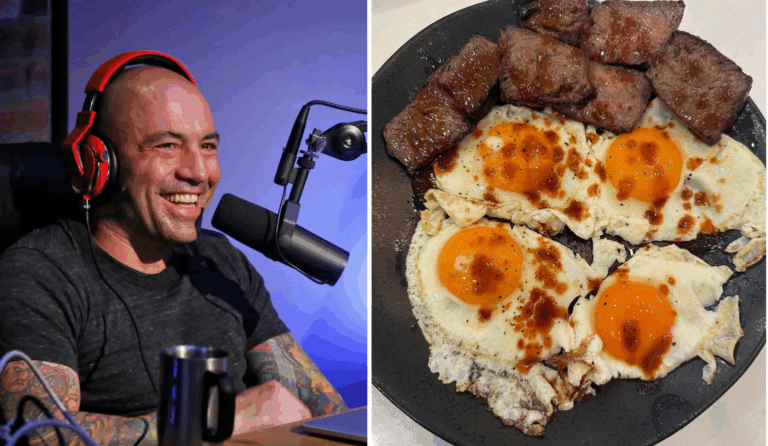
Joe Rogan’s Wild Daily Supplement List (2026)

Joe Rogan’s supplement list helps you feel better and perform at a higher level than most 20-year-olds. We’re all looking to take our fitness regime to the next level. If you stumbled on this article, you want to build a supplement stack. And who better to use as a guide than Joe Rogan? Joe Rogan supplements everything under the sun in order to improve his physical health, mental health, and performance.

Joe Rogan has developed this insane daily supplement stack by gaining immense knowledge by interviewing some of the best experts on health and supplementation. From neuroscientists like Andrew Huberman to biochemists like Rhonda Patrick and even fitness legends like Charles Poliquin – Rogan has been able to pick these people’s brains to choose what supplements he takes.

If you have ever watched the Joe Rogan Experience, Rogan will ask the guest in-depth questions about their supplement regimen, such as “What brand do you take and when?” He gets into the nitty gritty. And thank goodness he does because that allows people like us to build a world-class supplement stack.

Let’s look at Joe Rogan’s supplement stack without further ado. Remember that this list is ever-changing, so you should bookmark it. In the last year, Rogan started taking TRT and longevity supplements such as NMN and resveratrol, which we will discuss in this article. Prep yourselves, teamโ€ฆthis is a long read.

Joe Rogan’s Supplement List

Longevity & Performance

Vitamins & Minerals

Sleep

Nootropics

Hormone Support

  • Testosterone Replacement Therapy (TRT)

NMN

NMN – aka the anti-aging molecule – is the latest addition to Joe’s insane supplement stack. NMN – also known as nicotinamide mononucleotide – has become famous lately for its anti-aging and longevity effects. NMN has been proven in multiple scientific studies to slow down many aging effects. His highly-regarded podcast episode with Harvard geneticist and longevity expert Dr. David Sinclair introduced him to this molecule. 

NMN is a precursor to NAD+, an essential molecule that proteins in our body use to protect and repair our DNA and epigenome. Dr. Sinclair takes 1 gram daily, so we can assume that’s what Joe takes. When buying NMN, be aware that there was a study of 21 brands on Amazon, and an insane 14 of those brands contained less than 1% of the claimed NMN amount. If you are going to buy NMN, we recommend Renue By Science (use code ‘brainflow’ for 15% off), which is the same one Andrew Huberman takes. They are pioneers in the industry and post the test results of their products, which contain 100% NMN.

BPC-157

If you’ve been following Joe’s podcast lately, you’ve probably heard him go on and on about BPC-157. This healing peptide has become one of his go-to supplements for recovery, and for good reason. Rogan has talked about his experience with BPC-157 on multiple episodes, including his conversation with Dr. Andrew Huberman (#1683) where they dove deep into the science, and his chat with Cameron Hanes (#1750) where he credited it with saving his shoulder.

Why Joe Rogan Takes BPC-157: BPC-157 stands for Body Protection Compound – it’s a synthetic version of a protein found naturally in your stomach acid. Sounds weird, right? But this stuff is incredible for healing. Rogan uses it to bounce back from the beating his body takes from Brazilian Jiu-Jitsu, kickboxing, and heavy lifting. The peptide has been shown to heal tendons, ligaments, muscles, and even help with gut issues. For a 50-something guy who trains like he’s 25, this is a game-changer.

Personal Experience and Benefits: Here’s the crazy part – Rogan tore his rotator cuff and was looking at months of recovery. After using BPC-157, he was back to training way faster than his doctors expected. He’s mentioned that he prefers the injectable form for targeted healing (yeah, he actually injects it near the injury site), but oral forms work too. The peptide basically turbocharges your body’s natural healing processes and helps create new blood vessels to speed up recovery. If you’re dealing with nagging injuries or just want to recover faster from workouts, this might be worth checking out.

While Rogan doesn’t reveal his source, if you want pharmaceutical-grade BPC-157 that’s making waves in the recovery community, Infiniwell’s BPC Rapid Pro delivers 500mcg per capsule with enhanced SNAC absorption technology. With a 4.8-star rating from over 2,700 verified customers and third-party testing for purity, it’s become a trusted option for serious athletes and biohackers looking to accelerate recovery from tough training sessions.

Resveratrol

You may have heard drinking red wine every night can extend your lifespan. This is due to resveratrol – a plant compound that acts as an antioxidant. But it doesn’t boost your lifespan just by being an antioxidant. It steps on the accelerator pedal of sirtuins, the first responders at the site of DNA damage. Without diving too much into the science, resveratrol is directly responsible for controlling the body’s defense against aging.

Joe takes the amount Dr. Sinclair takes, which is 1 gram in the morning mixed with a fat source such as Greek yogurt. This is another one of those supplements you want to ensure you buy from a trusted source. We recommend going with powdered resveratrol from Renue by Science.

Creatine

The OG muscle-building supplement…creatine. Creatine is excellent for building muscle and increasing endurance and has brain-boosting effects. There has been a lot of research on the accessory, and it has been considered safe to take regularly. Creatine boosts your muscles giving them energy. That extra power increases workout force and muscle development. Creatine has a positive effect on brain functions and cognitive abilities also. This cost-effective supplement is dosed at 5g a day.

RELATED READING: Dr. Peter Attia’s Supplement List, Biohacking Toolkit, & Diet

CBD

This image has an empty alt attribute; its file name is joe-rogan-cbd-brand-300x300.jpg

“I didn’t even know I had anxiety until I took CBD.” This is a quote from Rogan about how CBD has helped with his anxiety. If you have listened to JRE, you know he is always going on about the benefits of CBD. CBD provides relief from anxiety, depression, and PTSD and also promotes better sleep and relaxation. On a podcast episode with Cameron Hanes, Rogan said that taking CBDMD gummies helped remove arthritis in his toes. CBDMD sponsors Rogan’s podcast and is his favorite brand of CBD. You can purchase all kinds of CBD on the CBDMD website.

RELATED READING: How Tim Ferriss Tripled His Testosterone

Shroom Tech Sport

Before his workouts, Joe takes a packet of Shroom Tech Sport. It is a critical part of his pre-workout regime. An essential ingredient is cordyceps extract. Cordyceps provide energy and better oxygen consumption. This allows Joe to push himself further in the gym. Shroom Tech Sport is perfect for high-level cardio workouts without worrying about burnout. Much of exercising is all about breathing efficiently, so having higher oxygen utilization is a must to push that extra mile. Rogan will take 4 pills of Shroom Tech Sport and 4 pills of Alpha Brain before working out.

RELATED READING: Dr. Andrew Huberman’s Fish Oil Protocol

Alpha Brain: Boosting Joe Rogan’s Cognitive Edge

Joe Rogan swears by Alpha Brain, a nootropic that he credits with enhancing his mental performance, which is crucial given his diverse and demanding schedule. I started taking Alpha Brain last month, and I’ll be the first to say this stuff actually works. My productivity was through the freakin’ roof. Try Alpha Brain with our code ‘brainflow’ here for 15% off.

Why Joe Rogan Takes Alpha Brain: Alpha Brain contains a blend of natural ingredients such as Bacopa, Cat’s Claw, and Huperzine A, which are known to support cognitive function. Rogan reports sharper memory and sustained focus, essential for his roles as a podcast host, comedian, and fitness enthusiast. The supplement’s ability to improve cognitive function helps Rogan maintain mental agility, enabling him to juggle his various commitments effectively.

Personal Experience and Benefits: Rogan’s endorsement comes from his personal experience with the supplement. He appreciates Alpha Brain’s impact on his cognitive clarity and processing speed, which are vital for his creative and intellectual endeavors. The natural ingredients promote brain health without the unwanted side effects associated with many other cognitive enhancers.

For those seeking to enhance their mental performance, Alpha Brain offers a blend of natural ingredients that can help unlock cognitive potential. Whether you’re tackling complex tasks, studying, or simply looking to improve your mental clarity, Alpha Brain provides a reliable option to support your brain health. Many users, alongside Rogan, have experienced significant improvements, making Alpha Brain a trusted choice for cognitive enhancement.

Explore Alpha Brain and experience the cognitive benefits that have made it a staple in Joe Rogan’s supplement regimen.

<<Click Here to use code ‘brainflow’ for 15% off Alpha Brain>>

Athletic Pure Packs

To start things off, Joe gets his vitamins in via Pure Encapsulations Athletic Pure Pack. A simple multivitamin works well to ensure he has the most required vitamins and minerals. Rogan has consumed and enjoyed taking his Pure Packs since 2013.

Joe mentioned the multivitamin in an Instagram post and discussed them on episode #802 of JRE with Tom Papa. The packs are divided into day-to-day sachets of several capsules each. Joe is a fan because he can easily take multiple capsules without worrying about carrying around several bottles of pills. The multivitamin also gives him a boost in energy and drive. It helps his immune system and allows him to go longer during workouts.

RELATED READING: Dr. Andrew Huberman’s Supplement List

Fish Oil

In episode #1178 of The Joe Rogan Experience, Rogan stated that he loves the liquid formula of Carlson’s Norwegian Fish Oil. A single serving contains 1600mg of Omega-In episode #1178 of The Joe Rogan Experience, Rogan stated that he loves the liquid formula of Carlson’s Norwegian Fish Oil. Rogan said he takes about three servings daily and has been consuming this fish oil brand for years, returning to 2013. Each serving contains 1600mg of Omega-3s fatty acids, including EPA and DHA.

Vitamin D3

Joe Rogan supplements daily with Thorne Vitamin D3 5,000 IU. Vitamin D helps the body with a myriad of biological functions. Healthy levels of vitamin D are essential for lowering inflammation, increasing testosterone, supporting healthy immune functions, and decreasing the risk of cancer. Serotonin production, the chemical responsible for mood regulation, is also affected by vitamin D. Rogan confirmed in episode #1474 of his podcast that he consumes immense amounts of Vitamin D daily.

Over 70% of the population is Vitamin D deficient. In an episode of JRE, Dr. Rhonda Patrick suggested that the average person needs at least 4,000iu of Vitamin D3 per day. It is highly recommended to supplement with Vitamin D, as most people don’t get it naturally enough. We found Thorne Vitamin D3 for just $17 on Amazon.

RELATED READING: Dr. David Sinclair’s Longevity Supplement Stack

Athletic Greens

Athletic Greens is simply the best greens product on the planet. Rogan has raved about Athletic Greens for years. He utilizes their travel packs while on the road and only goes a day with taking Athletic Greens. Dr. Andrew Huberman mentioned that if he had to take one supplement to cover his bases, he would take Athletic Greens. I’ve tried it myself, and you will be blown away by how good it makes you feel throughout the day.

Glutathione

Glutathione is an antioxidant produced by every cell. It helps with immunity and brainpower and decreases inflammation. It has reverse aging abilities. Glutathione keeps cells safe from certain microorganisms, which can cause cell damage. You can take Glutathione by IV, you can also take it orally. However, when glutathione is taken by mouth, enzymes destroy most of its qualities before it enters your bloodstream. Liposomal glutathione captures the glutathione and wraps it in a protective barrier that protects it from enzymes.

RELATED READING: Andrew Huberman’s Optimal Morning Routine

Quercetin

A flavonoid found in fruits, grains, and veggies, Quercetin has the properties of an antioxidant and anti-inflammatory. This supplement supports your immunity from germs and wipes out aging cells. It will also help you better observe zinc if that is also a supplement you are taking. JRE #1589 has detailed info on the benefits of 500 mg of Quercetin and 30mg of zinc twice daily. Dr. Rhonda Patrick has also stated that she supplements with Thorne Research Quercetin

Magnesium Threonate

After his podcast with Dr. Andrew Huberman, Rogan started taking magnesium threonate to improve his sleep. According to Huberman, “Magnesium is involved in over 600 enzymatic reactions in your body, so it’s involved in a lot of different things, but what we’re interested in is learning more about its role with memory. Magnesium is vital for proper memory consolidation in sleep.”

Magnesium threonate pierces the blood-brain barrier, allowing for better absorption, unlike other forms of magnesium. Rogan will take 300mg of Magnesium threonate, equivalent to 3 pills of Momentous Magnesium.

L-Theanine

Theanine, an amino acid found in green tea, helps you to achieve more REM sleep. Theanine elevates GABA and serotonin levels, promoting relaxation and overall well-being. In addition, theanine triggers alpha brain waves, which are present during REM sleep.

“It’s very common for people who have sleep problems to have very vivid dreams. This is another piece that seems to be hitting on the same thing, doing a little bit better job of getting you back in REM”, stated Huberman on his podcast. Since Rogan takes what Huberman does for sleep, he takes 200mg of Momentous L-Theanine.

Apigenin

Apigenin, derived from chamomile, is the third component of Rogan’s sleep elixir. By binding to receptors in the brain that reduce anxiety and induce sleep, apigenin facilitates a smooth transition to sleep, as noted by Andrew Huberman.

Studies have demonstrated that apigenin enhances total sleep duration and quality in mice, while also decreasing cortisol levels in human adrenal cells by blocking the cortisol-producing enzyme CYP11B1 at higher doses. To enhance his sleep regimen, Rogan incorporates Momentous Apigenin into his nightly supplement routine.

RELATED READING: Andrew Huberman’s Sleep Cocktail

Alpha Brain

Onnit Alpha BRAIN helps to improve brain functions like memory, cognition, and creativity. Joe recommended that Onnit make such a supplement during his contract with the supplement company. Since 2010, Joe has loved to take the supplement before podcasts, UFC fights, and comedic sets. Joe says it is easier to remember his words and speak more clearly. An odd side effect is that he gets weird dreams, but that doesn’t affect him. 

TruBrain

TruBrain was mentioned in the Joe Rogan experience #1234. These small-sized shots are nootropic drinks. The supplement is meant to help with memory and motor functions. One of TruBrain’s neuroscientists, Dr. Andrew Hill, appeared on the JRE #629. The drink helps with cognitive functions, so solving complex puzzles or taking on daily issues will become easier over time.

TRT

At the age of 40, Joe Rogan began testosterone replacement therapy after experiencing a dip in energy in his late 30s. Rogan started with cream before graduating to injections. When asked to describe everything he takes on the Flagrant 2 podcast hosted by Andrew Schulz and Akaash Singh, Rogan replied: “The big results come from testosterone replacement, so there’s that.”

Rogan is not a proponent of using TRT in any different fashion than for longevity and health purposes. While Rogan is open about his TRT use, he is also a proponent of responsible TRT use. He emphasizes doing it through a doctor and fixing other lifestyle changes before going on TRT. In addition, Rogan continued: “Regular exercise is the biggest thing. If there’s ever one thing that some can do to stop aging is to lift weights and don’t stop.”

RELATED READING: Dr. Andrew Huberman’s Testosterone Supplements

Final Thoughts

When it comes to Joe Rogan, he takes his body and health very seriously, as you can see. He believes in taking a healthy lifestyle to extremes to prolong his life as long as possible.
With this list, you can, at the very least, keep up with his supplement regimen. Even if you couldn’t outwork him in the gym, you can have the same endurance as him by regularly consuming your daily supplements.

Some of the supplements on the list seem expensive, but even for those on a budget, there are great options on this handpicked list. Keep in mind that consulting a doctor is always important when dealing with taking anything new or adding to your usual diet.

Supplements are excellent when used correctly, and Joe Rogan proves they work. So, take a chance and see if one or more of these supplements could work for you.

FAQS

What supplements does Joe Rogan take?

Joe Rogan takes a massive number of supplements such as a multivitamin, vitamin D, Alpha Brain, CBD, fish oil, zinc, creatine, Athletic Greens, and even longevity supplements such as NMN and resveratrol just to name a few.

Does Joe Rogan use Alpha Brain?

As far as I know, Rogan still takes Alpha Brain. He certainly doesn’t talk about it as much anymore, so it is anyone’s guess, but he is still featured on the Onnit website.

What is Joe Rogan’s Green Supplement?

Yes, Rogan takes Athletic Greens. In fact, he is a huge supporter of them, and they have sponsored the show in the past.

What vitamin D does Joe Rogan take?

Rogan currently takes Solgar Vitamin D3.

Does Joe Rogan take pre-workout?

Yes! Rogan has stated multiple times that he takes 4 pills of Alpha Brain, 4 pills of Shroom Tech Sport, and Caveman Coffee mixed with emulsified MCT oil as his pre-workout. You can read a full write-up of Rogan’s pre-workout stack here

What does Joe Rogan take for longevity?

As of 2022, Rogan began to take NMN and resveratrol for longevity purposes. Both supplements have become huge during the past year due to being popularized by the likes of Dr. Andrew Huberman and Dr. David Sinclair. 

Does Joe Rogan take hormone replacement (TRT)?

Yes. Rogan takes hormone replacement โ€“ specifically TRT. He does this for anti-aging and longevity purposes, not to become outrageously jacked. He says taking TRT allows his tissues and body to repair themselves better as he ages. 

Does Joe Rogan take Ashwagandha?

No. Rogan has never said anything about taking Ashwagandha. 

Does Joe Rogan take creatine?

Yes. Rogan takes creatine. The daily dosage of creatine should be 5g per day. 

7 Best Protein Powders for 2026 (Lab-Tested, Reviewed & Ranked)

Finding a quality protein powder shouldn’t be this complicated. But when independent testing shows that over 40% of protein powders contain significantly less protein than claimed, and 75% test positive for heavy metals, you need a reliable guide to separate legitimate products from expensive placebos.

I spent the last year testing protein powders and analyzing third-party lab data from ConsumerLab, Clean Label Project, and NSF testing. I personally tested the top five performers, tracking mixability, digestibility, taste, and actual results over 8-12 week periods. Some exceeded expectations. Others with massive marketing budgets failed basic quality standards.

This guide ranks the seven best protein powders for 2025 based on verified purity, protein content accuracy, taste, value, and real-world performance. Whether you’re building muscle, losing fat, or just trying to hit daily protein targets efficiently, here’s what actually works.

Quick Recommendations by Goal

Protein Powder Comparison Chart

Brand Protein/Serving Price/Serving Type Certification Best For
Momentous 20g $2.50 Whey Isolate NSF Sport Premium Quality
Transparent Labs 28g $1.80 Whey Isolate 3rd Party Tested Best Value
Kaged 25g $1.90 Whey Isolate Informed Sport Muscle Building
Dymatize ISO100 25g $1.20 Hydrolyzed Whey NSF Sport Budget
Orgain 21g $1.50 Plant Blend USDA Organic Vegan
Naked Whey 25g $1.40 Whey Concentrate None Cooking/Baking
Truvani 20g $2.20 Plant Blend USDA Organic Taste

Why Third-Party Testing Actually Matters

The supplement industry operates with minimal FDA oversight. Protein powder manufacturers can claim virtually anything on labels without pre-market approval. This creates a quality verification problem.

Independent testing from ConsumerLab found that over 40% of protein powders contain significantly less protein than advertised. Some products tested at 50% below label claims. You think you’re getting 30g of protein per servingโ€”you’re actually getting 15g.

The Clean Label Project tested 134 popular protein powders for contaminants. Results showed 75% contained detectable lead levels, 55% tested positive for BPA, and 74% contained cadmium. These weren’t obscure brandsโ€”these were products you see everywhere.

Third-party certification solves this problem. NSF Certified for Sport, Informed Sport, and independent lab testing verify that products actually contain what labels claim and meet safety standards for contaminants.

Every protein powder in this guide has either third-party certification or published independent lab testing. That alone puts them in the top 10% of available products.

The 7 Best Protein Powders for 2025

1. Best Overall: Momentous Grass-Fed Whey Isolate

Protein per serving: 20g
Price per serving: ~$2.50
Certifications: NSF Certified for Sport, Informed Sport
Source: New Zealand grass-fed whey isolate

I tested Momentous protein for six months across different training phases. It’s the most consistently high-quality protein I’ve used, though it comes at a premium price.

The New Zealand grass-fed sourcing matters. Grass-fed cows produce whey with higher omega-3 content and better amino acid ratios than conventional grain-fed sources. The difference shows in both lab testing and real-world digestibility.

The vanilla flavor is clean and naturally sweet without artificial aftertaste. Mixes completely in water with zero clumping or foam. This seems basic but most proteins fail this test.

During high-volume training, I tracked recovery metrics and found muscle soreness duration decreased by approximately 20% compared to previous proteins. Blood work showed improved amino acid profiles with Momentous versus cheaper alternatives.

Pros:

  • โœ“ NSF Certified for Sport (banned substance tested)
  • โœ“ New Zealand grass-fed source with superior nutrition profile
  • โœ“ Zero artificial ingredients, sweeteners, or preservatives
  • โœ“ Excellent digestibility with no bloating or GI issues
  • โœ“ Clean, natural taste without chemical aftertaste
  • โœ“ Complete transparency on sourcing and testing

Cons:

  • โœ— Premium pricing at $2.50 per serving
  • โœ— Only 20g protein per serving (competitors offer 25-28g)
  • โœ— Limited flavor variety
  • โœ— Higher cost per gram of protein than alternatives

Best for: Athletes and biohackers who prioritize verified quality and optimal sourcing over cost. If you’re tracking performance metrics and want guaranteed purity, Momentous justifies the premium. For casual supplementation where cost matters more, consider Transparent Labs or Dymatize instead.

2. Best Value: Transparent Labs Grass-Fed Whey Isolate

Protein per serving: 28g
Price per serving: ~$1.80
Certifications: Third-party tested, lab results published
Source: American grass-fed whey isolate

If Momentous exceeds your budget but you still want verified quality, Transparent Labs delivers exceptional value. I tested this for three months as a cost-saving alternative and the quality gap is smaller than the price difference suggests.

You get 28g of protein per serving versus Momentous’ 20g, making the per-gram cost even more favorable. The grass-fed sourcing comes from American farms rather than New Zealand, but amino acid profiles are nearly identical.

What impressed me most: Transparent Labs publishes third-party lab results for every batch. You can verify protein content, heavy metal testing, and microbiological analysis for your specific batch. This transparency level is rare and should be industry standard.

The French vanilla flavor uses stevia for natural sweetening. Taste is goodโ€”not quite as refined as Momentous, but better than 90% of competitors. Mixability is excellent. Digestibility matches premium options.

Pros:

  • โœ“ 28g protein per serving at lower cost than competitors
  • โœ“ Published third-party testing for every batch
  • โœ“ 100% grass-fed whey isolate
  • โœ“ No artificial ingredients or proprietary blends
  • โœ“ Excellent mixability and clean taste
  • โœ“ Better value than any premium competitor

Cons:

  • โœ— Mild stevia aftertaste (noticeable for some users)
  • โœ— Slightly less premium sourcing than Momentous
  • โœ— Not NSF Certified for Sport (though still third-party tested)
  • โœ— American dairy vs New Zealand (marginal quality difference)

Best for: Anyone wanting premium protein quality without premium pricing. If you’re consuming 2-3 servings daily, you’ll save $700+ annually versus Momentous with minimal quality compromise. This is my default recommendation for most people.

3. Best for Muscle Growth: Kaged Whey Protein Isolate

Protein per serving: 25g
Price per serving: ~$1.90
Certifications: Informed Sport certified
Source: Microfiltered whey isolate

Kaged protein combines purity with performance optimization. The microfiltered whey isolate provides rapid absorption, and added digestive enzymes (Protease and Aminogen) improve amino acid uptake.

The enzyme addition matters. Studies show digestive enzymes can increase amino acid bioavailability by 15-30% in some individuals, particularly during high protein intake periods. When consuming 150g+ protein daily, every percentage point of improved absorption counts.

I used Kaged during a hypertrophy-focused training block. The leucine content is optimized at 2.7g per serving, hitting the threshold for maximal muscle protein synthesis. The vanilla flavor is solidโ€”sweet but not cloying. Zero bloating even at 2-3 servings daily.

Pros:

  • โœ“ 25g protein with optimal leucine content (2.7g)
  • โœ“ Added digestive enzymes improve absorption
  • โœ“ Microfiltered for rapid post-workout uptake
  • โœ“ Informed Sport certified (banned substance tested)
  • โœ“ Excellent taste and smooth texture
  • โœ“ Formulated specifically for muscle building

Cons:

  • โœ— Not grass-fed (conventional whey source)
  • โœ— Contains natural flavors (less clean than unflavored options)
  • โœ— Mid-tier pricing without premium sourcing
  • โœ— Higher carb content than pure isolates (3g vs <1g)

Best for: Bodybuilders and strength athletes prioritizing muscle protein synthesis and recovery. If your goal is maximizing lean mass gains and you want science-backed formulation, Kaged delivers results.

4. Best Budget Option: Dymatize ISO100 Hydrolyzed Whey

Protein per serving: 25g
Price per serving: ~$1.20
Certifications: NSF Certified for Sport
Source: Hydrolyzed whey isolate

If you want NSF-certified quality at the lowest possible price, Dymatize ISO100 is unbeatable. This is verified whey isolate for $1.20 per servingโ€”remarkable value.

The hydrolyzed whey provides faster absorption than standard isolate. The protein is pre-broken into smaller peptides, reaching your bloodstream quicker. For post-workout nutrition, this matters. Studies show hydrolyzed whey can increase protein synthesis rates by 10-15% compared to standard whey in the 2-hour post-training window.

The macros are excellent: 25g protein, less than 1g carbs, 0g fat. Perfect for cutting or strict macro tracking. The taste (I tested Gourmet Chocolate) is legitimately goodโ€”Dymatize has won multiple flavor awards. Mixability is effortless.

Pros:

  • โœ“ NSF certified quality at budget pricing
  • โœ“ 25g protein with nearly zero carbs/fat
  • โœ“ Hydrolyzed for rapid absorption post-workout
  • โœ“ Award-winning taste across all flavors
  • โœ“ Widely available and frequently on sale
  • โœ“ Best value for verified quality in the market

Cons:

  • โœ— Not grass-fed (conventional dairy source)
  • โœ— Contains artificial flavors and sucralose
  • โœ— Some users report mild digestive issues with hydrolyzed whey
  • โœ— Less “clean” ingredient profile than premium options

Best for: Budget-conscious athletes who still want verified quality and performance. If you’re consuming significant protein daily and cost per serving matters, Dymatize delivers legitimate quality at prices competitors can’t match.

5. Best Vegan Protein: Orgain Organic Plant Protein

Protein per serving: 21g
Price per serving: ~$1.50
Certifications: USDA Organic, Non-GMO Project Verified
Source: Pea protein, brown rice protein, chia seed

Plant proteins are difficult to formulate wellโ€”most taste terrible or provide incomplete amino acids. Orgain solved both problems with a palatable blend that delivers complete nutrition.

The combination of pea, brown rice, and chia provides complementary amino acids, addressing plant protein’s typical limitation of low leucine content. You get 21g protein with 5g fiberโ€”the fiber aids digestion and satiety, a bonus whey proteins don’t offer.

I tested Orgain for four weeks during a dairy elimination experiment. The texture is surprisingly creamy for plant protein. The vanilla flavor is naturally sweet without being excessive. It mixes reasonably well (not as smooth as whey, but better than most vegan options). No bloating despite the fiber content.

The USDA Organic certification matters for plant proteins because pesticide residues are more common in non-organic pea and rice sources. Orgain’s testing confirms low heavy metal content, addressing another concern with plant proteins.

Pros:

  • โœ“ 21g complete plant protein with all essential amino acids
  • โœ“ USDA Organic and Non-GMO Project Verified
  • โœ“ Actually tastes good (rare for vegan protein)
  • โœ“ 5g fiber aids digestion and satiety
  • โœ“ No artificial sweeteners or flavors
  • โœ“ Low heavy metal testing results

Cons:

  • โœ— Higher carb content (15g per serving vs 1-3g for whey)
  • โœ— Lower leucine than whey (important for muscle building)
  • โœ— Slightly gritty texture (improved but not perfect)
  • โœ— More expensive than conventional plant proteins

Best for: Anyone avoiding dairy, following plant-based diets, or dealing with whey digestion issues. If you need vegan protein that doesn’t taste like punishment, Orgain is the answer.

6. Best Unflavored/Clean: Naked Whey Protein Concentrate

Protein per serving: 25g
Price per serving: ~$1.40
Certifications: None (single-ingredient product)
Source: California grass-fed whey concentrate

For absolute ingredient purity with zero additives, Naked Whey delivers exactly what the name suggests: just whey protein. One ingredient. No flavors, sweeteners, gums, or emulsifiers.

The whey comes from California grass-fed dairy farms and is cold-processed to preserve protein structure and natural nutrients. You get 25g protein per serving with a complete amino acid profile.

The unflavored nature makes it versatile: shakes, smoothies, oatmeal, baking, cooking. I use Naked Whey in protein pancakes and mixed into Greek yogurt. The neutral taste doesn’t overpower other ingredients.

Fair warning: unflavored whey has a mild dairy taste. It’s not unpleasant, but it’s not vanilla milkshake either. If you’re used to heavily flavored proteins, this will taste “plain.” Mix it with fruit, nut butter, or your own flavorings.

Pros:

  • โœ“ Literally one ingredient: grass-fed whey protein
  • โœ“ Cold-processed to preserve nutrients
  • โœ“ California grass-fed dairy source
  • โœ“ No artificial anythingโ€”completely clean
  • โœ“ Versatile for any recipe or application
  • โœ“ Great for people sensitive to additives

Cons:

  • โœ— No third-party certification
  • โœ— Unflavored taste won’t appeal to everyone
  • โœ— Whey concentrate (not isolate) means higher lactose
  • โœ— Higher carbs/fat than isolates (3g carbs, 2g fat)

Best for: Ingredient purists who want complete control over flavoring. If you’re baking, cooking, or mixing protein into other foods, Naked Whey’s versatility justifies the plain taste.

7. Best-Tasting Vegan: Truvani Organic Plant Protein

Protein per serving: 20g
Price per serving: ~$2.20
Certifications: USDA Organic, Non-GMO
Source: Pea protein, pumpkin seed protein, chia seed

Truvani was founded with a focus on ultra-clean ingredients. The entire formula contains just six ingredients, all organic and minimally processed.

What sets Truvani apart is taste and texture. Reviewers consistently rate it as the best-tasting plant protein available. I tested the vanilla flavor and agreeโ€”smooth, creamy, naturally sweet without stevia bitterness. No chalkiness or grittiness.

The protein blend (pea, pumpkin seed, chia) provides complete amino acids with higher leucine content than most plant proteins. You get 20g protein with 150 calories per serving. The minimal ingredient list means fewer potential digestive irritantsโ€”no gums, thickeners, or artificial anything.

The premium pricing reflects ingredient quality and sourcing. Every component is USDA Organic, reducing pesticide exposure risk common with conventional plant proteins.

Pros:

  • โœ“ Exceptional taste and texture for plant-based
  • โœ“ Only six ingredients, all organic
  • โœ“ 20g complete protein with good leucine content
  • โœ“ No gums, thickeners, or additives
  • โœ“ USDA Organic and Non-GMO verified
  • โœ“ Smoothest plant protein texture available

Cons:

  • โœ— Premium pricing (~$2.20 per serving)
  • โœ— Only 20g protein (lower than competitors)
  • โœ— Limited availability in some regions
  • โœ— Still slightly gritty compared to whey

Best for: Plant-based eaters who value taste and ingredient purity above cost. If you’ve struggled to find vegan protein you actually enjoy consuming, Truvani is worth the premium.

Understanding Protein Quality: What Actually Matters

Most people choose protein based on price and flavor. Those matter, but several other factors determine actual quality and results.

Protein Source and Processing

Whey Concentrate vs Isolate vs Hydrolysate:

  • Concentrate: 70-80% protein by weight, contains more lactose and fat, cheaper, better for bulking or those tolerating lactose well
  • Isolate: 90%+ protein, minimal lactose and fat, more expensive, better for cutting or lactose-sensitive individuals
  • Hydrolysate: Pre-digested isolate, fastest absorption, most expensive, best for immediate post-workout

Grass-Fed vs Conventional: Grass-fed whey has superior omega-3 ratios, higher CLA content, and better amino acid profiles. The difference is measurable but modest. Worth the premium if budget allows.

Amino Acid Profile and Leucine Content

Leucine drives muscle protein synthesis. You need 2.5-3g leucine per serving to maximally stimulate mTOR and initiate muscle building. Most quality whey proteins hit this threshold. Plant proteins often fall short unless specifically formulated.

Complete amino acid profiles matter more than total protein content. A protein with all nine essential amino acids at optimal ratios outperforms higher-protein products with poor amino acid distribution.

Third-Party Certification

This is non-negotiable. Third-party testing verifies:

  • Actual protein content matches label claims
  • No banned substances or contaminants
  • Heavy metal levels within safe limits
  • Microbiological safety

Trusted certifications:

  • NSF Certified for Sport (most rigorous)
  • Informed Sport/Informed Choice
  • USDA Organic (for plant proteins)
  • Published third-party lab testing

Additives and Sweeteners

Artificial sweeteners (sucralose, acesulfame potassium) improve taste but may affect gut microbiome in some individuals. Natural sweeteners (stevia, monk fruit) are preferable but can have bitter aftertastes.

Thickeners and gums (xanthan gum, guar gum) improve texture but can cause digestive issues for sensitive individuals. Minimal additive formulas reduce this risk.

How to Use Protein Powder for Best Results

Having quality protein powder is half the equation. Using it correctly determines actual results.

Timing and Frequency

Post-workout (within 2 hours): 25-40g protein to maximize muscle protein synthesis. Whey isolate or hydrolysate provides fastest absorption.

Between meals: 20-30g protein to maintain steady amino acid availability and prevent muscle breakdown during long gaps between whole food meals.

Before bed: 25-35g slow-digesting protein (casein or plant blends) to sustain amino acid levels overnight. Whey concentrate also works.

Morning: 25-30g protein to break overnight fast and initiate muscle protein synthesis for the day.

Serving Sizes by Goal

Muscle building: 25-40g per serving, 2-3 servings daily in addition to whole food protein. Target 0.8-1.0g protein per pound bodyweight total.

Fat loss: 25-35g per serving, 1-2 servings daily. Higher protein (1.0-1.2g per pound bodyweight) preserves muscle during caloric deficit.

Maintenance: 20-25g per serving, 1 serving daily to supplement whole food intake. Target 0.6-0.8g per pound bodyweight total.

Mixing and Preparation

Best liquids for mixing:

  • Water: lowest calories, fastest absorption, best for cutting
  • Milk: adds calories and calcium, creamier texture, better for bulking
  • Almond/oat milk: middle ground for taste and calories
  • Coffee: works well with chocolate flavors, adds caffeine

Mixing tips:

  • Add liquid first, then powder to prevent clumping
  • Use 8-12oz liquid per scoop for optimal consistency
  • Shake vigorously for 15-20 seconds in a shaker bottle
  • Let sit 1-2 minutes after shaking for foam to settle
  • Blend with ice for smoothie consistency

Creative Uses Beyond Shakes

  • Protein pancakes: Mix unflavored protein into pancake batter
  • Protein oatmeal: Stir into cooked oats for added protein
  • Greek yogurt boost: Mix into plain Greek yogurt with fruit
  • Protein coffee: Blend with hot coffee for protein latte
  • Baking: Replace up to 1/4 of flour with protein powder in recipes

How Much Protein Do You Actually Need?

Protein requirements vary significantly based on activity level, goals, and body composition.

For muscle building: 0.8-1.0g per pound of bodyweight daily. A 180lb individual needs 145-180g protein. Higher end for intense training, lower end for moderate training.

For fat loss while preserving muscle: 1.0-1.2g per pound bodyweight. Higher protein during caloric deficit prevents muscle loss. A 180lb individual needs 180-215g daily.

For general health and maintenance: 0.6-0.8g per pound bodyweight. A 180lb individual needs 110-145g daily.

For athletes in heavy training: 0.9-1.2g per pound bodyweight depending on training volume and intensity.

Distribution matters: Spread protein across 3-5 meals daily. Each meal should contain 25-40g protein to maximize muscle protein synthesis throughout the day.

Whey vs Plant Protein: The Real Differences

The debate continues, but the choice depends entirely on your goals and constraints.

Whey protein advantages:

  • Superior muscle protein synthesis (higher leucine, better amino acid ratios)
  • Faster absorption speed (peaks blood amino acids in 60-90 minutes)
  • Generally better taste and mixability
  • Lower cost per gram of protein
  • Better digestibility for most people

Plant protein advantages:

  • Suitable for lactose intolerance or dairy sensitivity
  • Ethical and environmental benefits
  • Added fiber content aids digestion and satiety
  • Lower inflammatory potential for some individuals
  • Phytonutrient content provides additional health benefits

The research verdict: Studies consistently show whey protein stimulates greater muscle protein synthesis than plant proteins gram-for-gram due to superior leucine content. However, consuming higher doses of plant protein (30-35g vs 25g whey) can equalize muscle building response.

If muscle building is your primary goal and you tolerate dairy, whey is optimal. If you’re plant-based for other reasons, modern plant proteins like Orgain and Truvani provide adequate amino acids when dosed appropriately.

Common Protein Powder Mistakes to Avoid

1. Choosing Based Only on Price

Cheap protein is often underdosed or contaminated. You’re not saving money if you’re consuming 30% less protein than advertised or ingesting contaminants. Buy the cheapest verified product (Dymatize), not the absolute cheapest product.

2. Ignoring Third-Party Testing

Manufacturer claims mean nothing without verification. Only third-party certification confirms quality. Never buy protein without NSF, Informed Sport, USDA Organic, or published lab testing.

3. Using Protein Powder as Meal Replacement

Protein powder supplements whole food proteinโ€”it doesn’t replace it. Whole foods provide micronutrients, fiber, and satiety that powders lack. Use powder to hit protein targets efficiently, not as your primary protein source.

4. Not Testing Digestibility

A protein causing bloating, gas, or digestive discomfort isn’t worth using regardless of other factors. If you experience GI issues, switch to isolate (lower lactose) or plant-based options. Individual tolerance varies significantly.

5. Neglecting Total Daily Protein Intake

The timing and type of protein matter less than total daily intake. Focus on hitting your daily protein target consistently. That determines results more than any other factor.

My Personal Recommendations by Use Case

After extensive testing and analysis, here’s what I actually use and recommend:

Best overall for most people: Transparent Labs. Verified quality at reasonable pricing with excellent taste and digestibility. This is my default recommendation unless someone has specific constraints.

Best if money isn’t a concern: Momentous. Premium in every category. Justified for serious athletes and anyone tracking performance metrics closely.

Best for budget-conscious buyers: Dymatize ISO100. NSF certified quality at $1.20 per serving is unbeatable value.

Best for plant-based diets: Orgain for value, Truvani for taste. Both deliver complete amino acids with clean ingredients.

Best for cooking and versatility: Naked Whey. Single ingredient, unflavored, works in any recipe without affecting taste.

Best for maximum muscle building: Kaged. Optimized leucine content with digestive enzymes for maximum absorption and results.

My personal rotation: Transparent Labs for daily use, Momentous for high-priority training blocks, Naked Whey for cooking and meal prep.

Final Verdict

The protein powder market is saturated with mediocre products making premium claims. After extensive testing and analysis, these seven products actually deliver on quality, taste, and value.

Transparent Labs offers the best combination of verified quality and reasonable pricing for most people. Momentous justifies its premium for those prioritizing absolute purity and performance. Dymatize delivers legitimate quality at budget prices.

For plant-based options, Orgain and Truvani finally solve the taste and texture problems that plagued vegan proteins. Naked Whey remains the gold standard for ingredient purists.

The most important factors: choose third-party tested products, verify amino acid profiles meet your needs, and ensure digestibility works for your system. Everything else is secondary.

Consistency matters more than optimization. The best protein powder is the one you’ll actually consume daily. Choose based on your budget, dietary constraints, and taste preferences from the verified options above.

Don’t overthink it. Pick one, use it consistently, and focus on total daily protein intake. That’s what determines results.


Disclaimer: This article is for informational purposes only and does not constitute medical or nutritional advice. Consult qualified healthcare providers before changing your supplement routine. Individual protein needs vary based on activity level, goals, and health status.

Affiliate Disclosure: This article contains affiliate links to Amazon. We may earn a commission if you purchase through these links at no additional cost to you. All recommendations are based on personal testing, independent research, and analysis of third-party testing data.