Monthly Reset Routine: How to Start Fresh Every Month

January gets all the fresh start energy. But here’s the thing: you don’t have to wait until a new year to reset your life. You get a new month every 30 days. That’s twelve opportunities per year to check in, clear out what’s not working, and start again with intention.

A monthly reset isn’t about overhauling everything. It’s about regular maintenance. The same way you’d clean your house or get an oil change. Small, consistent check-ins that prevent things from spiraling out of control in the first place.

Most people wait until something feels really broken before they try to fix it. The finances are a disaster. The closet is overflowing. The goals are completely off track. By then, fixing it feels overwhelming. A monthly reset catches things early, when they’re still manageable.

This is the routine I do at the end of every month. Takes about an hour total, sometimes less. And it’s the difference between feeling like life is happening to me versus feeling like I’m actually steering the ship.

When to Do Your Monthly Reset

The last weekend of the month works best for most people. You’re wrapping up one month and setting up the next. If that doesn’t work for your schedule, the first day or two of the new month is fine. The key is consistency. Same time every month so it becomes automatic.

Block it in your calendar. An hour to 90 minutes, depending on how thorough you want to be. Protect that time. This isn’t optional self-care that gets pushed aside when things get busy. This is maintenance that keeps everything else running smoothly.

Some people like to do it all in one sitting. Others spread it across a couple of days. There’s no wrong way. Find what works for you and stick with it.

Part 1: Review the Month

Before you plan forward, look back. What actually happened this month?

The Win List

Start positive. Write down everything you accomplished this month, big and small. The project you finished. The habit you kept. The difficult conversation you finally had. The meal you cooked. The workout you showed up for even when you didn’t feel like it.

We’re wired to focus on what went wrong and forget what went right. The win list counteracts that. It’s proof that you’re making progress even when it doesn’t feel like it. Looking back at a month of small wins adds up to something significant.

Be generous with yourself here. If you’re struggling to think of wins, you’re being too hard on yourself. Did you get out of bed? Feed yourself? Handle responsibilities? Those count too, especially during hard months.

The Lesson List

Now the stuff that didn’t go as planned. But instead of a failure list, make it a lesson list. What did you learn from what didn’t work?

Maybe you learned that you can’t do morning workouts when you’re staying up until midnight. That’s useful information. Maybe you learned that you overschedule yourself and then feel resentful. Also useful. Maybe you learned that a certain project drains you and needs to be delegated or dropped.

The lesson reframe keeps you from spiraling into shame. It wasn’t a failure. It was data. Now you can use that data to adjust.

The Highlight Reel

What were the best moments of the month? The memories you want to hold onto. The experiences that made you feel alive. The conversations that mattered. The small pleasures you don’t want to forget.

Write them down. Life moves fast and months blur together. A quick highlight reel keeps the good moments from disappearing into the fog. At the end of the year, you can look back at twelve months of highlights and remember what actually made you happy.

I keep all of this in a dedicated journal. One page per month. Wins on one side, lessons on the other, highlights at the bottom. Simple but powerful to look back on.

Related: How to Reset Your Life: 15 Ways to Start Fresh

Part 2: Reset Your Space

Your environment reflects and affects your mental state. A quick monthly tidy keeps things from getting out of control.

The Quick Declutter

This isn’t a deep clean. It’s a quick sweep for obvious clutter that’s accumulated over the month. The pile of mail. The clothes on the chair. The random items that don’t have a home. The stuff that’s been sitting out “temporarily” for three weeks.

Walk through each room with a bag or basket. Collect anything that needs to be put away, thrown out, or donated. Deal with it immediately. Ten minutes max. You’re not reorganizing your entire home. You’re just clearing the surface-level chaos that builds up when you’re busy living your life.

Pay special attention to flat surfaces. Counters, desks, tables, nightstands. That’s where clutter accumulates fastest. Clear them off and only put back what actually belongs there.

The Donation Box

Keep a donation box or bag somewhere accessible. Throughout the month, toss in anything you come across that you no longer need or want. At your monthly reset, take the box to a donation center. Then start fresh with an empty box.

This slow, steady approach to decluttering is more sustainable than occasional massive purges. You’re constantly filtering out what doesn’t serve you instead of letting it pile up until you’re overwhelmed.

The Digital Sweep

Clear your inbox. Unsubscribe from anything that arrived this month that you don’t need. Delete screenshots and random photos clogging your phone. Close browser tabs you’ve been meaning to read for weeks but never will.

Check your downloads folder. That’s where digital clutter hides. Delete what you don’t need. File what you want to keep.

Update apps and software if you’ve been putting it off. Restart your devices. A fresh digital slate feels almost as good as a clean room.

Part 3: Reset Your Finances

Money check-ins are easier when they’re regular. Monthly reviews keep small problems from becoming big ones.

The Spending Review

Look at what you actually spent this month. Not what you meant to spend. What actually went out the door. Most banking apps categorize this for you automatically.

No judgment, just observation. Where did your money go? Does that align with what you say matters to you? Any surprises? Any subscriptions you forgot you had? Any categories that are consistently higher than you’d like?

You don’t have to make dramatic changes. Just notice. Awareness alone often shifts spending behavior. When you know you’ll be looking at the numbers at the end of the month, you make different choices in the moment.

The Bill Check

Make sure everything got paid. Check for any late fees or missed payments. Set up autopay for anything that isn’t already automated. There’s no reason to spend mental energy remembering due dates in 2025.

Look at your upcoming month. Any large expenses coming? Birthdays, events, renewals, insurance payments? Knowing what’s ahead helps you plan instead of being caught off guard.

The Savings Check

Did you save what you intended to save? If not, why not? If yes, acknowledge that win.

Review your savings goals. Emergency fund, vacation fund, big purchase fund, whatever you’re working toward. Are you on track? Does anything need adjusting?

Make any transfers that need to happen. Start the new month with savings already moved, not sitting in checking where you might accidentally spend it.

Related: 10 Atomic Habits Hacks That Actually Work

Part 4: Reset Your Goals

Goals need regular attention or they fade into the background. Monthly check-ins keep them alive.

The Progress Check

Pull up your yearly goals. The ones you set in January or whenever you last did a big goal-setting session. Where are you on each one?

Be specific. If the goal was to read 24 books, how many have you read? If it was to save $10,000, what’s the balance? If it was to exercise three times a week, how many weeks did you actually hit that?

Numbers don’t lie. And tracking monthly means you catch problems early. If you’re six months in and only two books down, you know it’s time to adjust strategy or expectations.

The Goal Adjustment

Goals aren’t set in stone. Life changes. You change. What mattered in January might not matter in June. What seemed achievable then might be unrealistic now.

Monthly resets are permission to adjust. Drop goals that no longer serve you. Modify goals that need to be more realistic. Add new goals that have emerged. This isn’t quitting. It’s responding intelligently to new information.

The goal is not to achieve exactly what you wrote down twelve months ago. The goal is to keep moving in a direction that matters to you. Sometimes that requires course correction.

The Monthly Focus

Based on your bigger goals, what’s the focus for the coming month? Pick one to three priorities. Not twenty. Not even ten. A small number you can actually remember and work toward.

Write them somewhere visible. In your planner, on a sticky note, on your phone’s lock screen. You want to see them regularly so they stay top of mind throughout the month.

I use a paper planner for this. Something about physically writing the monthly focus makes it stick better than typing it. Plus, there’s something satisfying about flipping to a fresh month and setting new intentions.

Related: How to Plan the New Year Without Giving Up by February

Part 5: Reset Your Calendar

Look ahead at the coming month. Get proactive instead of reactive.

The Overview

Pull up your calendar and look at the whole month at once. What’s already scheduled? What’s coming up? Where are the busy weeks? Where are the gaps?

This big-picture view helps you see patterns you’d miss looking day by day. Maybe week three is completely packed and you need to protect some rest time around it. Maybe there’s a birthday you forgot about. Maybe there’s a deadline that requires prep work you haven’t scheduled yet.

The Scheduling

Add anything that needs to be on the calendar but isn’t yet. Appointments, deadlines, social plans, self-care time, recurring commitments. If it matters, it needs a time slot.

Schedule your priorities first. If exercise is a goal, put your workouts on the calendar before the month starts. If you need focused work time, block it. If you’ve been neglecting friends, schedule a coffee date now instead of hoping it happens spontaneously.

What gets scheduled gets done. What doesn’t gets pushed aside by whatever feels urgent in the moment.

The Buffer

Build in white space. Not every hour needs to be filled. Overscheduling leads to burnout and resentment. You need room for rest, spontaneity, and the inevitable things that will come up unexpectedly.

Look at your calendar and ask honestly: is this sustainable? If the answer is no, start removing things before the month even begins. Better to say no now than to cancel later or show up exhausted.

Part 6: Reset Your Wellbeing

Check in with yourself. How are you actually doing?

The Body Check

How’s your physical health? Energy levels. Sleep quality. Any nagging symptoms you’ve been ignoring. Any appointments you’ve been putting off.

Schedule any medical appointments that need scheduling. The dentist you’ve been avoiding. The checkup that’s overdue. The issue that’s been bothering you but not enough to deal with. Put it on the calendar during your monthly reset so it actually happens.

Notice patterns. Are you always exhausted at the end of the month? Are your headaches getting more frequent? Is your sleep consistently terrible? Monthly check-ins help you catch these patterns before they become serious problems.

The Mind Check

How’s your mental health? Stress levels. Anxiety. Mood. Overall sense of wellbeing.

Some months are harder than others. That’s normal. But if you notice a pattern of struggling month after month, that’s information worth paying attention to. Maybe something needs to change. Maybe you need support.

What helped your mental health this month? What hurt it? Try to do more of what helps and less of what hurts going forward. Simple but effective.

The Soul Check

Are you doing things that make you feel alive? Or just surviving and going through the motions?

When did you last do something purely for enjoyment? When did you last feel genuinely excited about something? When did you last laugh until your stomach hurt?

If you’re struggling to answer those questions, that’s a sign to prioritize fun and connection in the coming month. Life isn’t supposed to be all responsibilities and productivity. Make room for what fills you up.

Related: 15 Morning Habits That Will Change Your Life

The Monthly Reset Checklist

Here’s the full routine in checklist form:

Review (15 minutes)

Write your win list. Write your lesson list. Capture the month’s highlights.

Space (10 minutes)

Quick declutter of each room. Take donation items out. Digital sweep of inbox, phone, downloads.

Finances (15 minutes)

Review spending by category. Check all bills paid. Review and transfer savings. Note upcoming expenses.

Goals (10 minutes)

Check progress on yearly goals. Adjust as needed. Set one to three monthly priorities.

Calendar (10 minutes)

Review month ahead. Schedule priorities first. Build in buffer time.

Wellbeing (10 minutes)

Body check and schedule any appointments. Mind check and notice patterns. Soul check and plan something fun.

Making This a Real Habit

The monthly reset only works if you actually do it. Here’s how to make it stick.

Same time every month. Put it on repeat in your calendar. Last Sunday of every month, first of every month, whatever works. The consistency is what makes it automatic eventually.

Create a ritual around it. Maybe you do your monthly reset at your favorite coffee shop. Maybe you light a candle and put on background music. Maybe you pour a glass of wine and treat it like a date with yourself. The ritual makes it something you look forward to instead of another chore.

Don’t skip it when you’re busy. That’s usually when you need it most. Even a shortened version is better than nothing. Hit the highlights even if you can’t go deep on everything.

Track that you did it. Check it off somewhere. A running list of completed monthly resets is satisfying to look at and motivates you to keep the streak going.

Related: The 1-Hour Sunday Routine That Sets Up Your Entire Week

Why This Changes Everything

Without regular resets, life has a way of drifting. Months pass. Nothing really changes. You’re busy but not productive. Surviving but not thriving. Wondering where the time went and why you don’t feel any closer to the life you want.

Monthly resets interrupt that drift. They force you to look up from the daily grind and ask whether you’re headed in the right direction. They create natural checkpoints where you can celebrate progress, learn from mistakes, and course correct before you’ve wandered too far off track.

An hour a month. That’s all it takes. Twelve hours a year to stay intentional about your space, your money, your goals, your time, and your wellbeing. That’s a pretty good return on investment.

You don’t have to wait for January. You don’t have to wait for Monday. You don’t have to wait for some perfect moment when everything lines up. The next month is coming whether you’re ready for it or not. Might as well meet it with a plan.

7 Best Magnesium Supplements for Sleep in 2026 (Ranked & Reviewed)

You’ve probably tried everything at this point. The lavender pillow spray. The sleep podcasts. Maybe even that weird military sleep technique your friend sent you on TikTok. And yet here you are, 2 AM, scrolling through Amazon reviews for magnesium supplements wondering if they’re actually worth it or just another wellness rabbit hole.

Here’s the thing: magnesium genuinely can help with sleep. But the supplement aisle is a mess. Glycinate, threonate, citrate, oxide, taurate… there are over ten different forms, and most articles just regurgitate Amazon bestseller lists without explaining why any of it matters.

I dug through the research on this one. Looked at what Mayo Clinic doctors actually recommend. Compared prices per milligram of real, absorbable magnesium (not the inflated numbers on labels). Read through thousands of reviews to see what people experience in the real world, not just in clinical trials.

The short version? Magnesium glycinate is the best form for most people. It’s well-absorbed, easy on your stomach, and the glycine itself helps with relaxation. If you want brain benefits alongside better sleep, magnesium L-threonate is worth the premium price. And whatever you do, skip magnesium oxide. You’ll absorb almost none of it.

Below you’ll find the seven supplements that actually deliver, organized by what you’re looking for. Plus everything you need to know about forms, dosages, and what the science actually says.

Best Magnesium for Sleep at a Glance

7 Best Magnesium Supplements for Sleep (Detailed Reviews)

After weeks of research, these are the supplements that made the cut. Each one earned its spot for different reasons. Some for pure quality, others for value, a few for specific use cases. I’ve organized them so you can jump straight to what matters for your situation.

Best Overall: Pure Encapsulations Magnesium Glycinate

Pure Encapsulations Magnesium Glycinate

Pure Encapsulations has quietly become the brand that integrative medicine doctors actually recommend to patients. Not flashy, no influencer deals. Just a reputation built on doing supplements right.

The formula here is dead simple: magnesium glycinate, a capsule, and nothing else. No fillers. No flowing agents. No weird additives you can’t pronounce. For people with sensitivities or allergies, that matters more than you’d think. The hypoallergenic formula means it’s free from wheat, gluten, eggs, tree nuts, peanuts, and basically everything else that causes problems.

Glycinate is the form you want for sleep. The magnesium gets absorbed well (unlike oxide, which your body mostly ignores), and the glycine it’s bound to is itself a calming amino acid. So you’re getting a two-for-one effect: the relaxation benefits of magnesium plus the additional calm from glycine.

With 45,000+ Amazon reviews averaging 4.7 stars, the patterns are clear. People rave about finally sleeping through the night. The consistent theme in positive reviews: no stomach upset. That’s huge if you’ve tried citrate and spent the night in the bathroom.

The downsides? It’s not cheap. And at 120mg per capsule, you’ll need to take two or three to hit a therapeutic dose. But for quality this clean, the trade-off makes sense.

Price: $44-48 | Per Serving: $0.25 | Form: Glycinate | Mg/Capsule: 120mg | Servings: 180 | Rating: ⭐ 4.7 (45K+)

✓ What We Like
  • Hypoallergenic—no common allergens
  • Zero fillers or unnecessary additives
  • Glycine adds extra calming effect
  • Very gentle on the stomach
  • Healthcare practitioner trusted
✗ What We Don’t
  • Premium price point
  • Need 2-3 capsules for full dose

Best for: Anyone who wants a clean, high-quality glycinate without fillers, especially those with sensitive stomachs, allergies, or a history of reacting to supplements.

Skip this if: You’re on a tight budget or really hate swallowing multiple pills.

Best Value: Double Wood Magnesium Glycinate

Double Wood Magnesium Glycinate

Double Wood has built a reputation for offering quality supplements at prices that don’t make you wince. Their magnesium glycinate is a prime example.

You’re getting 400mg of magnesium glycinate per serving here. That’s a solid therapeutic dose without needing to swallow a handful of capsules. The formula is straightforward: magnesium glycinate in a vegetarian capsule. No unnecessary extras, no proprietary blends hiding what’s actually inside.

What makes this the value pick? Simple math. At around thirteen cents per serving, you’re getting glycinate (the preferred form for sleep) at nearly half the cost of premium brands. Double Wood manufactures in the USA and third-party tests their products, so you’re not sacrificing quality for price.

The Amazon reviews tell a consistent story. People report better sleep, reduced nighttime leg cramps, and an easier time winding down. The complaints that do pop up are mostly about capsule size (they’re not small) and the occasional person who didn’t notice a difference.

If you want to try magnesium glycinate without committing to a $45 bottle, this is your entry point.

Price: $19-25 | Per Serving: $0.13 | Form: Glycinate | Mg/Serving: 400mg | Servings: 180 | Rating: ⭐ 4.5 (15K+)

✓ What We Like
  • Excellent price for glycinate form
  • 400mg per serving—no pill stacking
  • Third-party tested
  • Made in USA
  • Vegetarian capsules
✗ What We Don’t
  • Capsules are fairly large
  • Less brand recognition than premium options

Best for: Budget-conscious shoppers who want the benefits of magnesium glycinate without paying premium prices.

Skip this if: You struggle with larger capsules or prefer ultra-established brands.

Best for Brain + Sleep: Life Extension Neuro-Mag

Life Extension Neuro-Mag Magnesium L-Threonate

This is the brain-focused option. L-threonate is fundamentally different from other magnesium forms because it’s the only one that actually crosses the blood-brain barrier and increases magnesium levels in the brain itself. MIT researchers developed it specifically for this purpose.

A 2024 randomized controlled trial put L-threonate to the test. Eighty adults with sleep problems took either 1g of Magtein (the patented L-threonate formula) or placebo for 21 days. The results were legitimately impressive: improved deep and REM sleep, better next-day mood, more energy, sharper mental clarity. Not just subjective reports either; they used Oura rings to track objective sleep metrics.

Life Extension uses that same Magtein formula. They’ve been around since the 1980s with a solid reputation in the supplement space, and their quality control is reliable.

Now here’s the catch. L-threonate contains less elemental magnesium per serving than glycinate (144mg versus the 200-400mg range you’d get elsewhere). If you’re primarily concerned about sleep and nothing else, glycinate gives you more bang for your buck. But if brain fog, memory, and cognitive performance are also on your radar, this two-birds-one-stone approach makes sense.

One thing to watch: some people find threonate slightly stimulating. If that’s you, take it earlier in the evening rather than right before bed.

Price: $30-40 | Per Serving: $1.00 | Form: L-Threonate | Mg/Serving: 144mg | Servings: 30 | Rating: ⭐ 4.6 (25K+)

✓ What We Like
  • Only form proven to increase brain magnesium
  • 2024 study shows real sleep improvements
  • Cognitive benefits alongside sleep
  • Patented Magtein formula
  • Trusted brand since 1980s
✗ What We Don’t
  • Premium price (~4x glycinate)
  • Lower elemental magnesium content
  • Requires 3 capsules per serving

Best for: Those wanting cognitive benefits (focus, memory, mental clarity) alongside better sleep. Particularly good for older adults or anyone dealing with brain fog.

Skip this if: You only care about sleep. Glycinate is more cost-effective for pure sleep support.

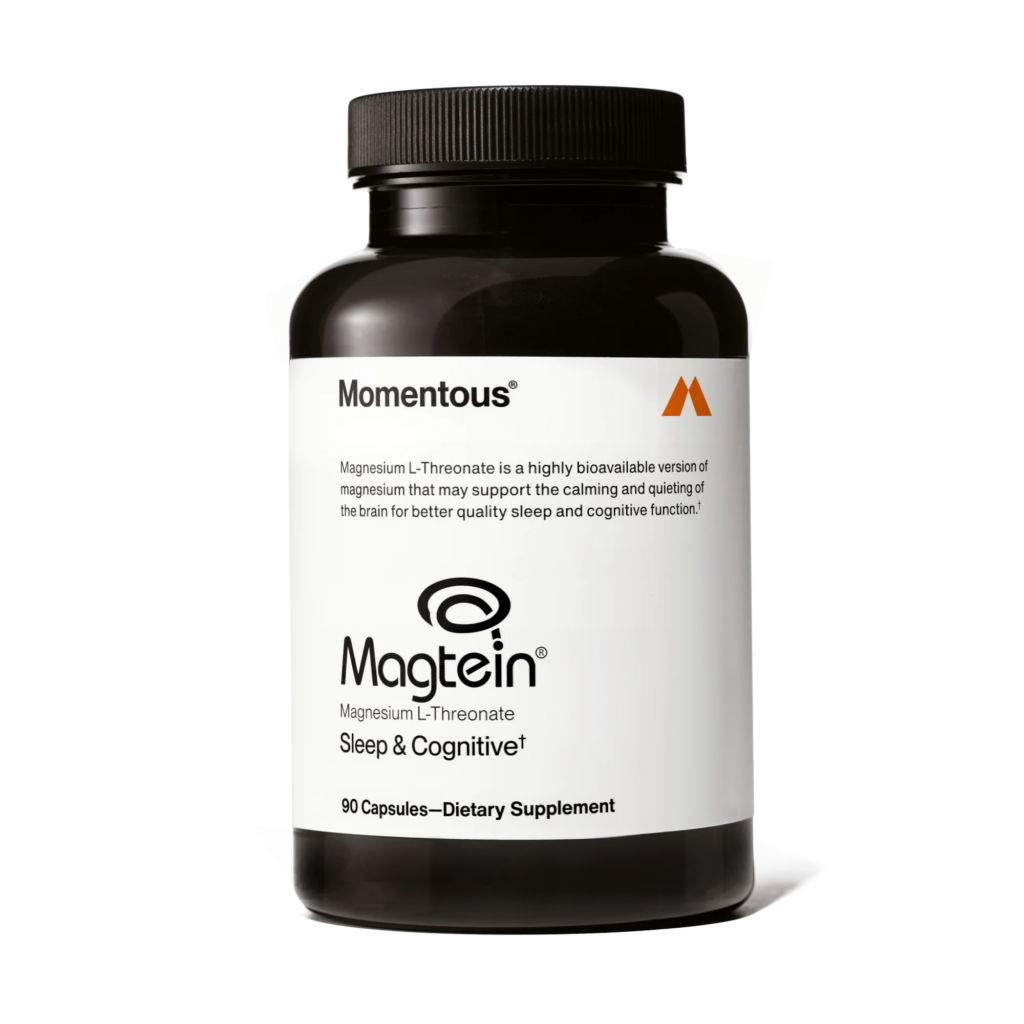
Best for Athletes: Momentous Magnesium L-Threonate

Momentous Magnesium L-Threonate for Athletes

Same Magtein formula as Life Extension, higher price. So why does this one exist?

Two words: NSF Certified for Sport.

If you’re an athlete subject to drug testing (collegiate, professional, Olympic), that certification is everything. It means independent labs have verified the product doesn’t contain any banned substances. No contamination with stimulants. No mystery ingredients that’ll pop on a test. For tested athletes, this isn’t optional.

Momentous has built their entire brand around this. They work with over 100 professional sports teams and individual elite athletes. Dr. Andrew Huberman recommends their threonate specifically as part of his sleep stack, which has driven massive awareness in the biohacking community.

The product itself performs exactly like Life Extension’s version: same Magtein, same brain-focused benefits, same sleep improvements. You’re paying extra for the certification, the brand reputation, and arguably the peace of mind.

Is that premium worth it? Depends entirely on who you are. For a tested athlete or someone who values knowing exactly what’s in their supplements, absolutely. For everyone else, Life Extension gives you the same active ingredient for significantly less.

Price: $49-55 | Per Serving: $1.70 | Form: L-Threonate | Mg/Serving: 145mg | Servings: 30 | Certifications: NSF Sport ✓

✓ What We Like
  • NSF Certified for Sport
  • Trusted by 100+ pro sports teams
  • Huberman-recommended
  • Same Magtein formula
  • Extremely clean formulation
✗ What We Don’t
  • Most expensive option on this list
  • Same ingredient as cheaper alternatives

Best for: Athletes subject to drug testing, biohackers following specific protocols, or anyone wanting the cleanest possible certification.

Skip this if: You’re not a tested athlete. Life Extension Neuro-Mag has the identical active ingredient for less.

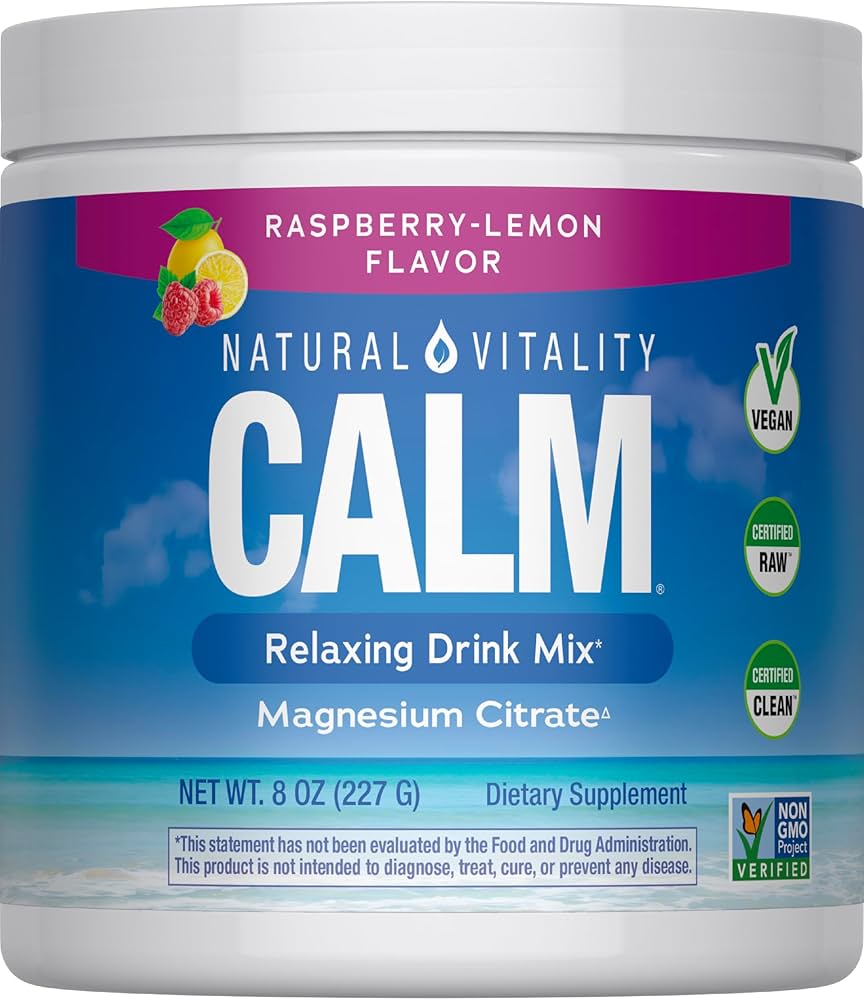
Best Powder: Natural Vitality Calm

Natural Vitality Calm Magnesium Powder

Hate swallowing pills? This is for you.

Natural Vitality has been making Calm since 1982, and it’s remained the #1 selling magnesium powder brand for good reason. You mix a couple teaspoons into water, it fizzes up, and you get a slightly tart drink that genuinely tastes decent. The ritual of making it (watching it fizz, drinking something warm before bed) becomes part of the relaxation routine itself.

The formula is magnesium citrate, which absorbs well and has the most clinical evidence behind it for sleep. Mayo Clinic specifically mentions citrate as the form with the most research support. It comes in multiple flavors: original (unflavored), raspberry-lemon, orange, cherry. Most people prefer raspberry-lemon.

Now, the elephant in the room: citrate has a laxative effect. There’s no way around this. Start with half a serving and see how your body responds. For some people, this is actually a benefit. If you deal with constipation, this kills two birds with one stone. For others, it means bathroom trips you didn’t sign up for.

The other thing: stevia. They use it for sweetness, and stevia aftertaste is polarizing. Some people don’t notice it. Others can’t stand it. Worth knowing before you buy a big container.

With 80,000+ reviews, this is one of the most-purchased magnesium products on Amazon. People genuinely love the calming ritual it creates.

Price: $23-28 | Per Serving: $0.22 | Form: Citrate (Powder) | Mg/Serving: 325mg | Servings: ~113 | Rating: ⭐ 4.6 (80K+)

✓ What We Like
  • No pills to swallow
  • Creates calming bedtime ritual
  • Highest magnesium per serving
  • Multiple flavors available
  • Great value for amount you get
✗ What We Don’t
  • Citrate causes laxative effect
  • Stevia aftertaste bothers some
  • Requires mixing, less convenient

Best for: People who hate pills, want a calming nighttime ritual, or deal with both sleep issues AND constipation.

Skip this if: You’re sensitive to citrate’s laxative effect or need grab-and-go convenience.

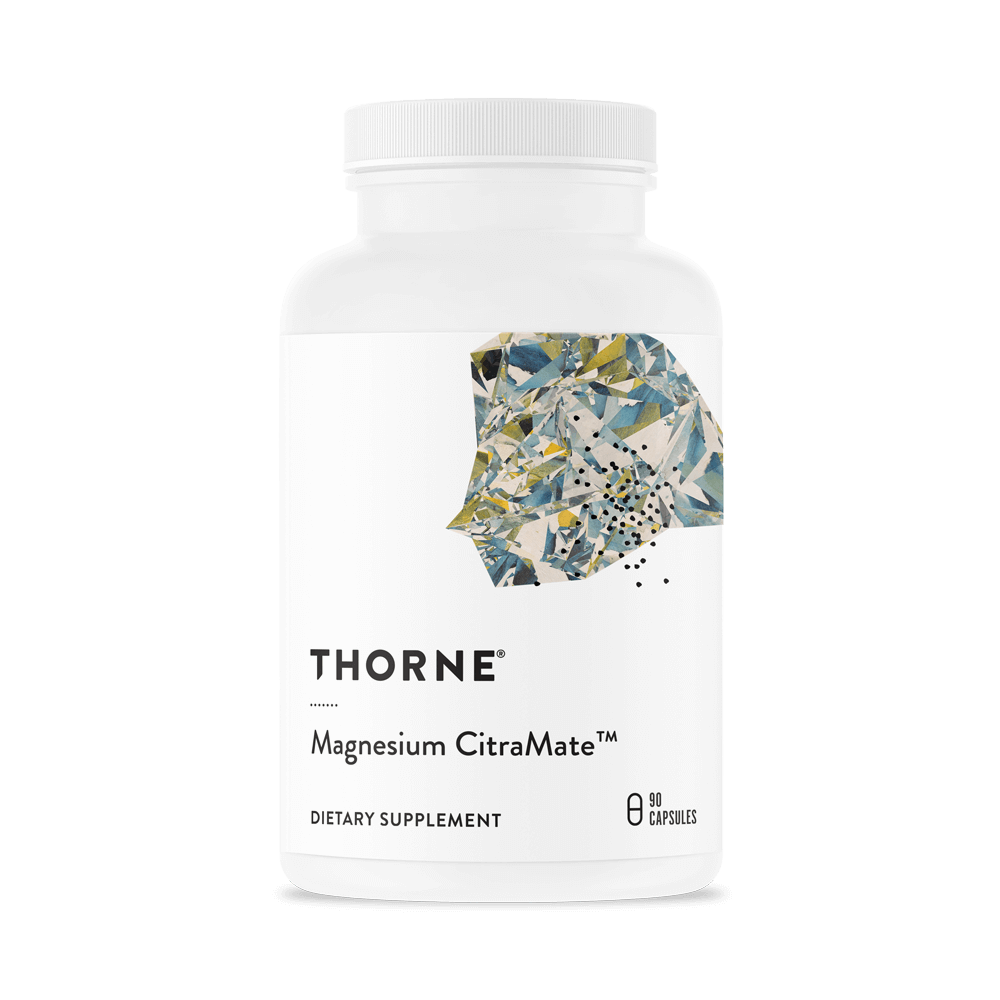
Most Trusted Brand: Thorne Magnesium Citramate

Thorne Magnesium Citramate

Thorne is the supplement brand that doctors actually use themselves.

They’re one of the few companies certified by Australia’s TGA (Therapeutic Goods Administration), which has stricter standards than the FDA. Their products are used by 100+ professional sports teams. Mayo Clinic sells Thorne supplements through their store. This isn’t marketing fluff. It’s a reputation earned over decades.

Citramate combines two forms: magnesium citrate (good absorption, research-backed for sleep) and magnesium malate (supports energy production and muscle function). The idea is you get relaxation benefits at night but also support for daytime energy and recovery. Whether that dual-form approach is noticeably better than single-form is debatable, but it’s a reasonable theory.

Each capsule delivers 135mg of elemental magnesium, which is a solid amount. Two capsules gets you to 270mg, right in the therapeutic sweet spot.

The one caveat: the citrate component can still cause mild GI effects in sensitive individuals. If you know you react poorly to citrate, Pure Encapsulations’ glycinate might be safer. But for most people, Thorne’s quality and reputation make this a solid choice.

Price: $25-32 | Per Serving: $0.30 | Form: Citrate + Malate | Mg/Capsule: 135mg | Servings: 90 | Rating: ⭐ 4.6 (2.6K+)

✓ What We Like
  • TGA Australia certified (strictest standards)
  • Trusted by pro sports teams and doctors
  • Sold through Mayo Clinic store
  • Dual-form blend
  • 135mg per capsule (fewer pills needed)
✗ What We Don’t
  • Citrate component may affect some GI systems
  • Not pure glycinate

Best for: Those who prioritize brand reputation and third-party verification above all else. Also great for athletes wanting muscle recovery benefits alongside sleep support.

Skip this if: You’re citrate-sensitive and want the gentlest option (go Pure Encapsulations glycinate instead).

Best Gummies: Nature Made Magnesium Glycinate Gummies

Nature Made Magnesium Glycinate Gummies

Sometimes you just want something that doesn’t feel like taking medicine. Gummies fit that bill.

Nature Made is the most pharmacist-recommended vitamin brand in the US, and they’ve finally made a glycinate gummy. That matters because most magnesium gummies use inferior forms like oxide or citrate. Glycinate in gummy form is relatively rare, and Nature Made pulls it off with USP verification (independent testing that confirms the product contains what the label claims).

Each two-gummy serving gives you 200mg of magnesium glycinate. The mixed berry flavor is pleasant without being aggressively sweet. They’re gluten-free and don’t use high fructose corn syrup.

The trade-offs are what you’d expect from any gummy. There’s added sugar (4g per serving). You’re paying more per milligram than capsules. And gummies generally have a shorter shelf life than pills.

But if the alternative is not taking magnesium at all because you hate pills? Gummies win. Compliance beats perfection every time. Taking a “less ideal” form consistently beats taking a “perfect” form sporadically.

Price: $14-20 | Per Serving: $0.23 | Form: Glycinate (Gummy) | Mg/Serving: 200mg | Servings: 60 | Certifications: USP Verified ✓

✓ What We Like
  • Actually uses glycinate (rare for gummies)
  • USP Verified—independently tested
  • Pleasant taste, easy to take
  • 200mg per serving
  • Affordable
✗ What We Don’t
  • Contains 4g sugar per serving
  • More expensive per mg than capsules

Best for: Anyone who hates swallowing pills and wants an enjoyable way to get their magnesium glycinate daily.

Skip this if: You’re avoiding sugar or want maximum value per dollar.

Magnesium Supplements for Sleep: Quick Comparison

Product Form Mg/Serving Price/Serving Rating Best For
Pure Encapsulations Glycinate 120mg $0.25 4.7★ Most people
Double Wood Glycinate 400mg $0.13 4.5★ Budget buyers
Life Extension Neuro-Mag L-Threonate 144mg $1.00 4.6★ Brain + sleep
Momentous L-Threonate 145mg $1.70 4.5★ Athletes
Natural Vitality Calm Citrate 325mg $0.22 4.6★ Powder lovers
Thorne Citramate Citrate/Malate 135mg $0.30 4.6★ Brand trust
Nature Made Gummies Glycinate 200mg $0.23 4.5★ Gummy format

Which Type of Magnesium Is Best for Sleep?

Walk into a supplement store and you’ll see magnesium citrate, magnesium oxide, magnesium glycinate, magnesium threonate, magnesium taurate… the list goes on. They’re not interchangeable. Some absorb well, others barely at all. Some help you sleep, others just send you to the bathroom.

Here’s what actually matters.

Magnesium Glycinate: The Gold Standard

If you’re taking magnesium specifically for sleep, glycinate should be your first choice for most situations.

Glycinate means the magnesium is bound to glycine, an amino acid that itself has calming properties. You’re essentially getting two relaxation compounds in one. The glycine enhances GABA activity. That’s the neurotransmitter that tells your nervous system to chill out.

Beyond the mechanism, glycinate just works well practically. It absorbs efficiently (around 80% bioavailability). It doesn’t cause the GI distress that citrate does. It’s gentle enough for daily long-term use. Cleveland Clinic specifically recommends glycinate or L-threonate for sleep, noting to avoid oxide.

Magnesium L-Threonate: For Your Brain AND Your Sleep

L-threonate is the specialty option. Developed by MIT researchers, it’s the only magnesium form that’s been shown to actually cross the blood-brain barrier and increase magnesium concentrations in the brain itself.

The 2024 research is compelling. In a randomized controlled trial, adults taking 1g of Magtein (the patented L-threonate) for three weeks showed measurable improvements in deep sleep, REM sleep, next-day energy, mood, and mental alertness. They used Oura rings to track objective metrics, not just subjective “I feel better” reports.

The catch? L-threonate delivers less elemental magnesium, around 144mg versus 200-400mg from glycinate products. It’s also significantly more expensive. If your main goal is just sleep and nothing else, glycinate gives you more magnesium for less money. But if brain fog, memory, and cognitive sharpness are also concerns, threonate’s dual benefits might justify the premium.

Magnesium Citrate: High Absorption, GI Caution

Here’s an interesting wrinkle: according to Mayo Clinic’s Dr. Denise Millstine, magnesium citrate actually has the most clinical evidence behind it for sleep specifically. The research backing it is stronger than other forms.

So why isn’t it the default recommendation? One word: laxative.

Citrate is an osmotic laxative. At sleep-supporting doses, it draws water into your intestines. Some people handle this fine. Others spend the night running to the bathroom. If you struggle with constipation, this might actually be a feature (two problems solved with one supplement). But for everyone else, it’s a significant downside.

If you try citrate, start with half the recommended dose and take it 2-3 hours , not right at bedtime.

Magnesium Taurate: The Heart-Healthy Option

Taurate binds magnesium to taurine, another calming amino acid. It’s particularly interesting for cardiovascular health and may help with blood pressure regulation. For sleep specifically, it’s less studied than glycinate or threonate, but the taurine component does have calming effects.

Consider this if you have heart health concerns alongside sleep issues.

What to Skip: Magnesium Oxide

Oxide is cheap, which is why it shows up in countless multivitamins and budget supplements. But your body absorbs only about 4% of it. Four percent. The rest passes right through you (often causing diarrhea in the process).

For general magnesium supplementation where you just need to hit RDA, oxide technically works, but you need to take a lot of it. For sleep specifically? It’s essentially worthless. Don’t waste your money.

Quick Form Comparison

Form Absorption Sleep Rating GI Tolerance
Glycinate High ⭐⭐⭐⭐⭐ Excellent
L-Threonate High (brain) ⭐⭐⭐⭐ Good
Citrate High ⭐⭐⭐ Poor (laxative)
Taurate Moderate ⭐⭐⭐ Good
Oxide Very Low (~4%) Poor

How Does Magnesium Actually Help You Sleep?

Magnesium isn’t a sedative. It won’t knock you out the way a sleeping pill does. Instead, it works through multiple pathways to create conditions where sleep comes more naturally.

It Activates Your Brain’s “Calm Down” System

Your brain runs on a balance between excitatory signals (stay alert, keep going) and inhibitory signals (relax, wind down). GABA is the main inhibitory neurotransmitter. When it’s active, neural firing slows down and you feel calmer.

Magnesium binds to GABA receptors, making them more responsive. At the same time, it blocks NMDA receptors, which are excitatory. This dual action (boosting the brake pedal while easing off the gas) helps quiet the mental chatter that keeps people awake.

People who describe their insomnia as “can’t turn off my brain” often respond well to magnesium for exactly this reason.

It Supports Melatonin Production

Melatonin is the hormone that signals bedtime to your body. Your brain naturally produces more as darkness falls. Magnesium is involved in the enzymatic processes that create melatonin.

In one clinical study, elderly participants taking 500mg of magnesium daily for 8 weeks had significantly higher serum melatonin levels compared to placebo (P = 0.007). That’s a meaningful difference: their bodies were producing more of their own sleep hormone.

It Reduces Cortisol

Cortisol is your stress hormone. It’s supposed to be high in the morning (helps you wake up) and low at night (lets you wind down). Chronic stress keeps cortisol elevated around the clock, which interferes with sleep.

That same study found magnesium supplementation significantly decreased cortisol levels (P = 0.008). Less cortisol at night means your body can actually shift into rest mode.

It Relaxes Muscles

If nighttime leg cramps or restless legs wake you up, magnesium might help directly. It acts as a natural muscle relaxant by blocking excess calcium entry into muscle cells (calcium causes contraction; magnesium promotes relaxation).

Mayo Clinic specifically mentions magnesium for people whose sleep is disrupted by leg cramps or restless leg syndrome.

How Much Magnesium Should You Take for Sleep?

Most sleep specialists recommend somewhere between 200-400mg of elemental magnesium, taken 30-60 minutes before bed.

Here’s what different sources suggest:

Source Recommended Dose
Mayo Clinic 250-500mg at bedtime
Cleveland Clinic 200mg nightly
Dr. Andrew Huberman 145-400mg (threonate or bisglycinate)
NIH Upper Limit 350mg/day from supplements

Start on the lower end (around 150-200mg) and assess how your body responds. Some people do great with lower doses. Others need to work up toward 400mg. If you’re using citrate, definitely start low to avoid GI surprises.

Important: “Elemental Magnesium” vs. Total Weight

This trips up a lot of people. A supplement might say “500mg Magnesium Glycinate” on the label, but that’s the weight of the whole compound (magnesium plus glycine together). The actual elemental magnesium might only be 50-100mg.

Look for “elemental magnesium” on the supplement facts panel. That’s the number that matters for dosing.

When to Take It

Aim for 30-60 minutes before you want to be asleep. This gives the magnesium time to absorb and start working.

If you’re using citrate, take it 2-3 hours before bed instead. The laxative effect kicks in faster than the sleep benefits, and you don’t want to be dealing with that at 2 AM.

Consistency matters more than perfect timing. Pick a time that works for your routine and stick with it. The sleep benefits build over days and weeks of regular use.

Who Benefits Most from Magnesium for Sleep?

Magnesium doesn’t work equally well for everyone. Some people see dramatic improvements. Others notice subtle changes. A few don’t respond at all. Here’s who tends to benefit most:

People with magnesium deficiency. This is a bigger group than you’d think. Estimates suggest 45-60% of Americans don’t get adequate magnesium from their diet. If you eat a lot of processed foods, drink alcohol regularly, or take certain medications (PPIs, diuretics), you’re at higher risk.

Older adults. Sleep problems affect roughly half of people over 65, and this is also the demographic with the most research support for magnesium supplementation. The landmark study showing improved sleep time, efficiency, and melatonin levels was conducted specifically in elderly subjects.

Women, especially during perimenopause and menopause. Hormonal shifts can wreak havoc on sleep, and women are at higher risk for magnesium deficiency in general. Many women find magnesium helps with both sleep quality and other menopausal symptoms.

People with anxiety-related insomnia. If your sleep problem is “can’t turn off my brain,” magnesium’s GABA-enhancing effects are particularly relevant. It’s not going to cure clinical anxiety, but it can take the edge off racing thoughts.

Those with restless legs or muscle cramps. Mayo Clinic specifically recommends trying magnesium for sleep disruption caused by leg cramps or restless leg syndrome.

Who Should Talk to a Doctor First

Magnesium is generally safe, but some situations require medical guidance:

  • Kidney disease: Your kidneys regulate magnesium excretion. Impaired function can lead to dangerous buildup.
  • Taking certain medications: Antibiotics (tetracyclines, fluoroquinolones), bisphosphonates, and some heart medications interact with magnesium. Usually you just need to space them out, but check with your doctor.
  • Heart conditions: While magnesium generally supports heart health, existing cardiac issues warrant medical supervision.
  • Pregnancy: Magnesium needs increase during pregnancy, but supplementation should be discussed with your OB.

Magnesium vs Melatonin: Which Is Better for Sleep?

This is one of the most common questions I see. The short answer: they work differently and aren’t really competitors. Many people use both.

  Magnesium Melatonin
How it works Calms nervous system, supports natural processes Directly signals “time to sleep”
Best for Anxiety-driven insomnia, daily long-term use, muscle tension Jet lag, shift work, short-term schedule resets
Long-term use Safe for ongoing daily use Better for short-term; may reduce natural production
Side effects GI issues (form-dependent) Grogginess, vivid dreams
Can combine? Yes, no known interactions

Magnesium is the better choice for nightly, long-term use. It works with your body’s natural systems rather than overriding them. It’s an essential mineral you need anyway, and consistent use builds benefits over time.

Melatonin is better for acute situations: crossing time zones, recovering from shift work, resetting after a disrupted schedule. It’s a hormone, not a mineral, and some research suggests long-term use might reduce your body’s natural melatonin production.

Many people use magnesium every night and add melatonin occasionally when needed. That’s a reasonable approach.

Side Effects and Safety Considerations

Magnesium supplements are generally well-tolerated, but side effects can happen, especially at higher doses or with certain forms.

Common Side Effects

The main issue is GI distress: diarrhea, nausea, stomach cramps. This is most common with citrate and oxide, much rarer with glycinate. Starting with a lower dose and building up usually helps.

Signs You’re Taking Too Much

Persistent diarrhea, nausea, muscle weakness, and low blood pressure can indicate excess magnesium. This is rare in people with healthy kidneys. Your body is pretty good at excreting what it doesn’t need. But if you’re stacking multiple supplements that contain magnesium, the totals can add up.

Drug Interactions

A few medications require spacing or monitoring:

  • Bisphosphonates (Fosamax, etc.): Take at least 2 hours apart (magnesium reduces absorption)
  • Tetracycline and fluoroquinolone antibiotics: Take 2-4 hours apart
  • Diuretics: May increase magnesium needs
  • Proton pump inhibitors (Prilosec, Nexium, etc.): Long-term use can cause magnesium deficiency

Who Should Avoid Magnesium Supplements

If you have kidney disease, do not take magnesium supplements without medical supervision. Your kidneys regulate magnesium levels, and impaired function can lead to dangerous accumulation.

Frequently Asked Questions

What form of magnesium is best for sleep?

Magnesium glycinate is the best form for most people. It’s well-absorbed, gentle on the stomach, and the glycine component adds calming benefits. Magnesium L-threonate is a good alternative if you also want cognitive benefits, though it costs more.

How much magnesium should I take for sleep?

Most experts recommend 200-400mg of elemental magnesium taken 30-60 minutes before bed. Start with 150-200mg to assess tolerance, then increase if needed. The NIH sets 350mg/day as the upper limit from supplements.

When should I take magnesium for sleep?

Take magnesium 30-60 minutes before bed. If using citrate, take it 2-3 hours before to avoid nighttime bathroom trips.

Can I take magnesium every night?

Yes. Unlike some sleep aids, magnesium is safe for long-term, nightly use. It’s an essential mineral your body needs anyway, and the benefits tend to build over time with consistent use.

Is magnesium glycinate better than citrate for sleep?

For most people, yes. Glycinate is gentler on the stomach and doesn’t have citrate’s laxative effect. Citrate technically has more clinical evidence behind it, but GI side effects make it less practical for many users.

How long does it take for magnesium to work for sleep?

Some people notice benefits within the first few nights. Most research suggests 1-4 weeks of consistent use for full effects. Be patient and take it at the same time each night.

Can I take magnesium and melatonin together?

Yes. There are no known interactions between magnesium and melatonin. They work through different mechanisms, and some supplements combine both ingredients.

Does magnesium help with anxiety and sleep?

Yes. Magnesium activates GABA receptors (calming) and helps reduce cortisol (stress hormone). It’s particularly helpful for insomnia driven by racing thoughts or anxiety.

Which magnesium doesn’t cause diarrhea?

Magnesium glycinate and bisglycinate are the gentlest on digestion. Avoid citrate and oxide if you’re prone to GI issues.

Is magnesium safe for long-term use?

Yes, for most people. Stay under 350mg/day from supplements, ensure healthy kidney function, and be mindful of medication interactions. It’s an essential mineral your body uses continuously.

Can magnesium help you stay asleep, not just fall asleep?

Evidence suggests magnesium improves overall sleep quality and efficiency, which includes staying asleep. By calming the nervous system and supporting natural sleep architecture, many users report fewer nighttime wakings.

Why is magnesium threonate so expensive?

L-threonate is a patented formula (Magtein®) developed by MIT researchers. It requires licensing fees, and the research behind it—particularly the blood-brain barrier crossing—justifies premium pricing. You’re paying for a specialty form with unique cognitive benefits, not just general magnesium.

The Bottom Line

For most people wanting better sleep, Pure Encapsulations Magnesium Glycinate is where I’d start. Clean formula, trusted brand, gentle on the stomach, and glycinate is the form sleep specialists recommend most often.

On a budget? Double Wood Magnesium Glycinate gives you the same form as the premium pick at nearly half the price—400mg per serving without the sticker shock.

Want brain benefits too? Life Extension Neuro-Mag or Momentous (if you need NSF certification) deliver L-threonate’s unique ability to increase brain magnesium levels. The 2024 research on deep sleep and cognitive improvements is genuinely compelling.

Hate pills? Natural Vitality Calm creates a pleasant bedtime ritual, just watch out for the citrate laxative effect. Or grab Nature Made’s glycinate gummies for something easier.

Set realistic expectations. Magnesium isn’t a sleeping pill—it won’t knock you out in twenty minutes. It works by supporting your body’s natural systems, and that takes time. Give it two to four weeks of consistent use before deciding if it’s helping.

And if your sleep issues persist despite trying magnesium, talk to a doctor. Supplements can support good sleep, but they’re not a substitute for addressing underlying conditions like sleep apnea, chronic anxiety, or other medical issues.

Medical Disclaimer: This content is for informational purposes only and doesn’t constitute medical advice. Always consult your healthcare provider before starting any new supplement, especially if you have health conditions or take medications.

Affiliate Disclosure: This article contains affiliate links. If you purchase through these links, we may earn a small commission at no extra cost to you. We only recommend products we’ve thoroughly researched and believe in.


How to Date Yourself: 20 Solo Valentine’s Day Ideas

0

Valentine’s Day is coming and you’re single. Maybe you’re newly single and still processing. Maybe you’ve been single for a while and you’re fine with it but tired of the annual reminder. Maybe you’re in that weird situationship zone where you’re technically not single but also definitely not getting flowers on February 14th.

Whatever your situation, here’s a thought: what if instead of dreading Valentine’s Day or pretending it doesn’t exist, you actually made it good? Not in a sad, compensating way. In a genuinely enjoyable, treat yourself, main character energy kind of way.

Dating yourself isn’t just some coping mechanism for single people. It’s actually a skill that makes your whole life better. People who enjoy their own company are happier, less anxious, and weirdly enough, tend to have better relationships when they do couple up. Because they’re not looking for someone to complete them. They’re already complete. They’re just looking for someone worth sharing their already-good life with.

So this Valentine’s Day, take yourself out. Or stay in. Whatever sounds better to you. Here are 20 ideas ranging from cozy nights at home to actual solo adventures, all designed to make February 14th something you actually look forward to.

The Stay-In Solo Dates

Not everyone wants to go out on Valentine’s Day. Maybe you hate crowds. Maybe you hate the inflated prix fixe menus at restaurants. Maybe you just really love your couch. These ideas are for you.

1. The Fancy Dinner for One

Cook yourself something you’d never make on a random Tuesday. We’re talking the recipe you bookmarked six months ago that has 47 ingredients and takes two hours. Or order from the nicest restaurant in town that you’ve been wanting to try but never have an occasion for. This is your occasion.

Set the table properly. Use the nice dishes. Light candles. Pour wine into an actual wine glass, not the mug you usually use. Put your phone in another room. Eat slowly. Taste everything. Pretend you’re a food critic reviewing the meal.

There’s something powerful about giving yourself the experience you’d want someone else to give you. You don’t need a date to have a nice dinner. You just need to decide you’re worth the effort.

2. The Movie Marathon

Pick a theme. Rom-coms you loved in high school. Every movie a specific actor has ever made. Films from a decade you weren’t alive for. Award winners you pretended to have seen but never actually watched.

Stock up on snacks. The good stuff. Movie theater candy, fancy popcorn, whatever you actually want to eat instead of what you think you should eat. Build a nest on your couch with blankets and pillows. Commit to doing absolutely nothing productive for the entire day or evening.

No checking your phone during the movies. No doing laundry during the boring parts. Full immersion. When’s the last time you actually watched something without simultaneously scrolling?

3. The Spa Night

Transform your bathroom into a spa. This doesn’t require spending hundreds of dollars. It requires intention.

Start with a hot bath or long shower. Add bath bombs or epsom salts if you’re a bath person. Use a face mask. Do the full skincare routine you never have time for. Deep condition your hair. Give yourself a manicure. Moisturize like your life depends on it.

Light a candle that smells incredible. Put on music or a podcast you love. Wear your softest pajamas after. The goal is to feel like you just spent $300 at a spa when you actually spent $30 and never left your apartment.

Related: The Self-Love Glow Up: A 14-Day Valentine’s Challenge

4. The Nostalgia Night

Pull out the stuff from your past that makes you happy. Old photo albums. Yearbooks. The box of random memories you keep in your closet. Journals from ten years ago if you can handle the cringe.

Make the food you loved as a kid. Watch the movies you were obsessed with in middle school. Listen to the playlist that defined your college years. Let yourself be sentimental without judgment.

There’s something grounding about reconnecting with who you used to be. It reminds you how far you’ve come. And honestly, sometimes the best company is past you, who was going through it but made it out fine.

5. The Creative Night

Make something. Anything. Paint even if you’re terrible at it. Write poetry even if it’s embarrassing. Bake something complicated. Knit a very ugly scarf. Build something from a YouTube tutorial.

The point isn’t to create something good. It’s to remember that you’re a person who can make things, not just consume them. Most of us spend our days taking in content and information. Creating something, even something bad, uses a completely different part of your brain.

Put on music. Pour a drink. Let yourself be a beginner at something without any pressure to be impressive.

6. The Reading Day

Remember when you used to read for fun? Before screens took over every spare moment? Bring that back.

Go to a bookstore or library and pick something that sounds genuinely interesting. Not something you think you should read. Something you actually want to read. Trashy romance? Great. Epic fantasy? Perfect. Self-help that promises to change your life? Go for it. If you have a Kindle, load it up with a few options so you can switch if something isn’t hitting right.

Then spend the day reading. In bed. On the couch. In a coffee shop. Wherever you’re most comfortable. Let yourself get lost in someone else’s story for a while. There’s a reason people used to do this before TikTok existed.

7. The Game Night for One

Video games count as a date activity when you’re the one playing. Dust off the console or download something new. Pick a game you can really sink into. RPGs, puzzle games, simulation games where you build a farm or a city or a life.

If video games aren’t your thing, do puzzles. Actual jigsaw puzzles are weirdly meditative. Or break out a deck of cards and learn a new solitaire variation. Or do the crossword in pen like a psychopath.

The goal is engaged entertainment that requires your brain to participate, not just passive scrolling that leaves you feeling empty.

The Going-Out Solo Dates

Going places alone feels weird at first. Then it feels amazing. You can do exactly what you want, stay as long as you want, and leave when you’re done without consulting anyone. Solo dates are a superpower once you get comfortable with them.

8. The Solo Dinner Out

Eating alone at a restaurant is intimidating exactly once. After that, you realize nobody is paying attention to you and the freedom is incredible.

Pick a restaurant you’ve been wanting to try. Make a reservation for one. Sit at the bar if that feels less exposed, or request a table if you want the full experience. Bring a book or just people-watch. Order whatever you want without having to compromise or share.

Valentine’s Day might be busy at restaurants, so book ahead. Or intentionally go somewhere low-key that won’t be packed with couples. Either way, you’re treating yourself to a meal someone else cooked and you don’t have to do dishes. That’s a win.

9. The Movie Theater Date

Going to the movies alone is genuinely better than going with someone. You don’t have to agree on what to see. You don’t have to share the armrest. You can sit wherever you want. You get all the popcorn.

See the movie none of your friends wanted to see with you. See something outside your usual genre. Go to a matinee and have the whole theater almost to yourself. Go to the fancy theater with the reclining seats and order food.

Bonus: the person sitting next to you won’t whisper questions about the plot.

10. The Museum or Gallery Day

Museums are perfect for solo dates. You can spend 45 minutes staring at one painting if you want. Or breeze through entire wings because you’re not interested. Nobody’s waiting for you. Nobody’s bored.

Find a museum or gallery you’ve never been to, or revisit one you haven’t seen in years. Let yourself wander without a plan. Read the little plaques. Sit on the benches. Actually look at things instead of just walking past them so you can say you went.

Most museums have a cafe. Get a fancy coffee and a pastry and feel very cultured and European about the whole thing.

11. The Nature Date

Get outside. Go for a hike. Walk on a beach. Find a park you’ve never been to. Sit by water and watch it do water things.

February isn’t peak outdoor weather in most places, so dress appropriately. But there’s something about being in nature alone that resets your brain. No podcast in your ears. No music. Just you and the trees and your own thoughts.

Pack a thermos of something warm. Bring a snack. Take photos of things that look pretty. Let yourself move slowly and notice details you’d normally rush past.

Related: How to Reset Your Life: 15 Ways to Start Fresh

12. The Spa Day Out

If your budget allows, book an actual spa treatment. Massage. Facial. Whatever sounds most appealing. This is the one day a year you have full permission to spend money on pure relaxation without guilt.

If a full spa isn’t in the budget, get a manicure or pedicure at a nail salon. Or find a place that does blowouts and treat yourself to fancy hair. Small luxuries count.

The point is letting someone else take care of you for an hour. Lying there while a professional makes you feel good. You deserve that.

13. The Bookstore and Coffee Date

This is my personal favorite solo date. Go to a bookstore, preferably an independent one with character. Wander through every section. Pick up books based purely on their covers. Read first pages. Make a pile of maybes.

Buy at least one book. Then take it to a coffee shop and read the first chapter while drinking something delicious. If the bookstore has a cafe built in, even better. You don’t have to move.

This is what people did for dates before Netflix existed, and honestly, it’s still better than Netflix.

14. The Concert or Show

Going to concerts alone is underrated. You can stand wherever you want. You can leave early if it’s bad. You can stay until the very end without someone tugging your arm. You can fully experience the music without making conversation.

Check what’s happening in your city on Valentine’s Day. Local bands, comedy shows, theater performances, open mics. Something’s happening somewhere. Go to it.

You’ll probably feel weird for about five minutes. Then you’ll be too into the show to care. And you might end up talking to interesting strangers who are also there alone.

The Adventure Solo Dates

These are for when you want to actually do something. When you want Valentine’s Day to be memorable instead of just pleasant.

15. The Day Trip

Pick a town within a couple hours of where you live that you’ve never properly explored. Drive there. Walk around. Find a local restaurant for lunch. Pop into shops. Pretend you’re a tourist in your own region.

Solo road trips are incredibly freeing. You control the music. You control the stops. You can take a weird detour if something catches your eye. No negotiating, no compromising, just pure freedom.

Pack snacks. Make a playlist. Let yourself get a little lost.

16. The Class or Workshop

Learn something new on Valentine’s Day. Take a cooking class. Do a pottery workshop. Try an art class. Learn to make cocktails. Take a dance lesson.

These usually have other people in them, so you might make friends. Or you might just focus on the activity and leave with a new skill. Either way, you’re investing in yourself and coming home with more than you left with.

Check local listings or sites like Airbnb Experiences for what’s available. Many places run special Valentine’s-themed workshops specifically for singles who want to do something fun.

17. The Fancy Hotel Night

This one requires budget, but hear me out. Book a nice hotel in your own city for one night. Somewhere with fluffy robes and fancy toiletries and room service.

Check in. Order room service. Take a bath in a tub that isn’t yours. Watch TV in a giant bed. Sleep without any of your regular responsibilities nearby. Wake up and get the breakfast buffet. Pro tip: bring your own silk pillowcase from home. Hotel pillows are fine but silk pillowcases are better for your skin and hair, and it makes any bed feel more luxurious.

It’s a staycation without the staying at home part. The novelty of a different space, even in your own city, makes everything feel more special. You’re not just sitting on your couch again. You’re having an experience.

18. The Physical Challenge

Do something active that pushes you a little. Go rock climbing at an indoor gym. Take a spin class. Try hot yoga. Go ice skating. Book a surf lesson if you’re somewhere warm.

Physical challenges release endorphins and give you something to be proud of. You’ll finish and feel accomplished rather than just relaxed. Sometimes that’s the energy you need.

Plus, these activities are way less awkward to do alone than you’d think. Everyone’s focused on not falling off the climbing wall or dying in spin class. Nobody cares that you came by yourself.

Related: 15 Morning Habits That Will Change Your Life

19. The Shopping Spree

Buy yourself the Valentine’s present you wish someone else would get you. Jewelry. Flowers. Chocolate. That thing you’ve been wanting but keep telling yourself you don’t need.

Go to actual stores if you can. The experience of shopping in person, trying things on, touching things, is completely different from clicking buttons online. Take your time. Don’t rush. Treat yourself like a VIP customer.

Set a budget so you don’t go overboard, but within that budget, let yourself have things that make you happy without justifying why you deserve them. You deserve them because you exist and you want them. That’s enough.

20. The Volunteer Date

This one flips the script entirely. Instead of focusing on yourself, spend Valentine’s Day giving to others.

Volunteer at an animal shelter. Help out at a soup kitchen. Visit a nursing home. Bring coffee and treats to a homeless shelter. Find a cause you care about and give it your time.

This isn’t about feeling superior or earning karma points. It’s about getting outside your own head and connecting with something bigger than your relationship status. Helping others genuinely makes you feel better. It’s science. And it’s a pretty good way to spend a day that might otherwise spiral into self-pity.

How to Actually Enjoy a Solo Date

Here’s the thing about dating yourself: it can feel awkward at first. Especially if you’ve never done it before. Here’s how to make it actually enjoyable instead of just something you’re enduring to prove a point.

Put your phone away. Not on the table. Not in your pocket where you can feel it buzz. In your bag. On silent. Maybe in your car. The whole point is to be present with yourself, and you can’t do that if you’re scrolling between bites or texting during the movie.

Actually dress up. Not for other people. For yourself. Wear what makes you feel good. Do your hair. Put on makeup if that’s your thing. You’re more likely to enjoy an experience when you feel like you look good.

Don’t apologize for being alone. Don’t explain to the hostess that you’re waiting for someone. Don’t make jokes about being a loner. Just say “table for one” like it’s the most normal thing in the world. Because it is.

Let yourself feel whatever comes up. Maybe you’ll feel great. Maybe you’ll feel a little sad or lonely at moments. That’s okay. You don’t have to perform happiness. Just notice what you’re feeling without judging it.

Document it if you want. Take photos. Journal about it. Not for social media, just for yourself. Solo dates are worth remembering too.

Why Solo Dates Matter Beyond Valentine’s Day

Dating yourself isn’t just a cute activity for single people on February 14th. It’s a life skill that makes everything better.

People who enjoy their own company are less likely to stay in bad relationships just to avoid being alone. They have higher standards because they’re not desperate. They bring more to partnerships because they have a full life outside of them.

Learning to enjoy solo time also makes you more interesting. You develop your own tastes and opinions. You try things other people wouldn’t choose. You have experiences to bring to conversations instead of just watching the same shows everyone else watches.

And honestly? Some of the best memories are ones you made alone. The trip you took by yourself. The concert where you knew nobody. The restaurant where you sat at the bar with a book. These experiences shape you in ways that shared experiences don’t.

Related: 10 Atomic Habits Hacks That Actually Work

Make This Valentine’s Day Yours

You have 20 ideas. You don’t need all of them. Pick one. Or combine a few. Or use this list as a starting point and come up with something entirely your own.

The point is to stop treating Valentine’s Day like something that happens to you and start treating it like something you create. Whether you’re single by choice, single by circumstance, or just single for right now, you get to decide what this day means.

It can be a reminder of what you don’t have. Or it can be a celebration of who you are and what you enjoy. The circumstances are the same either way. Only the perspective changes.

So take yourself out. Or stay in. Eat good food. Do something fun. Buy yourself flowers if you want flowers. Be the partner you’re waiting for.

You’re better company than you think. This Valentine’s Day is the perfect time to prove it to yourself.

Related: February Reset: How to Get Back on Track When Your Resolutions Failed

The Self-Love Glow Up: A 14-Day Valentine’s Challenge

0

Valentine’s Day is coming, and if you’re single, you’re probably bracing yourself for two weeks of heart-shaped everything and couples posting kissing selfies. If you’re in a relationship, you might be stressed about gifts and reservations and whether your partner will remember to do literally anything.

Either way, here’s a radical idea: what if this Valentine’s season was actually about you?

Not in a sad, eating ice cream alone way. In a genuine, intentional, “I’m going to spend two weeks becoming the best version of myself” way. A self-love glow up that has nothing to do with anyone else and everything to do with how you feel when you look in the mirror, check your bank account, or think about your future.

This 14-day challenge is designed to help you show up for yourself the way you wish someone else would. Spoiler alert: when you start treating yourself like someone worth taking care of, everything changes. Your confidence. Your energy. The way you carry yourself. Even the way other people respond to you.

Ready to fall in love with your own life? Let’s do this.

Why a Self-Love Glow Up Actually Works

Here’s what nobody tells you about glow ups: the external stuff only sticks when the internal stuff shifts first.

You can buy all the skincare products, get the haircut, reorganize your closet. But if you still talk to yourself like garbage and put yourself last on every list, you’ll end up right back where you started. Maybe with better skin, but still feeling the same way inside.

Real transformation happens when you start treating yourself like someone you actually like. Someone you’d go out of your way for. Someone whose needs matter.

This challenge hits both sides. Some days focus on the outer glow up stuff because let’s be honest, looking good feels good. Other days dig into the mindset, the habits, the way you talk to yourself when no one’s listening. By day 14, you won’t just look different. You’ll feel different in a way that actually lasts.

The timing isn’t accidental either. February is when most people have already abandoned their New Year’s resolutions and are feeling pretty defeated about it. This is your chance to start fresh with something that doesn’t require a gym membership or a complete life overhaul. Just two weeks of showing up for yourself, one day at a time.

Related: February Reset: How to Get Back on Track When Your Resolutions Failed

How This Challenge Works

Each day has one focus. Some take five minutes. Some take an hour. None require you to be a morning person, have your life together, or own matching activewear.

You can start on February 1st and finish on Valentine’s Day. Or start whenever you’re reading this. The dates don’t matter as much as the consistency. Do them in order if you can, but if you miss a day, just pick up where you left off. This isn’t about perfection. It’s about progress.

Grab a notebook or open a note on your phone. You’ll want somewhere to write down thoughts, track your progress, and reflect on what’s actually working. A guided journal helps if you’re someone who stares at blank pages wondering what to write.

Let’s get into it.

Day 1: The Brain Dump

Before you can glow up, you need to know what you’re working with.

Set a timer for 15 minutes. Write down everything that’s been taking up space in your head. The stuff you’re stressed about. The things you’ve been avoiding. The goals you keep meaning to start. The relationship drama. The money worries. The random to-do items that pop into your brain at 2 AM.

Don’t organize it. Don’t judge it. Just get it all out of your head and onto paper. This isn’t a to-do list you need to tackle. It’s just a brain dump to create some mental space.

Once you’re done, look at the list. Circle anything that’s actually within your control to change. Put a line through anything that’s just worry without action. Star the top three things that would make the biggest difference in how you feel.

You don’t have to do anything about it yet. Today is just about awareness. Sometimes seeing everything written down makes it feel way more manageable than when it’s all swirling around in your head.

Day 2: The Closet Edit

Pull out everything from your closet. Yes, everything. Pile it on your bed so you can’t go to sleep until this is done. (Trust me, this motivation hack works.)

Now sort it into four piles: love it, maybe, donate, and trash.

The “love it” pile is for clothes that fit right now, make you feel amazing, and you actually wear. Not clothes that fit three years ago. Not clothes that would look great “if you just lost ten pounds.” Clothes that work for the body you have today.

The “maybe” pile goes into a bag in the back of your closet. If you don’t reach for any of it in the next month, donate the whole bag without opening it.

Everything else goes. Donate what’s in good condition. Trash what isn’t.

When you’re done, you should be able to see every piece of clothing you own. No more digging through piles of stuff you hate to find the three shirts you actually wear. Getting dressed in the morning becomes so much easier when everything in your closet is something you’d actually choose. I switched to velvet hangers a few years ago and it’s embarrassing how much of a difference it made. Everything looks neater, nothing slides off, and my closet finally looks like it belongs to someone who has their life together.

Related: How to Reset Your Life: 15 Ways to Start Fresh

Day 3: The Compliment Detox

Today you’re paying attention to your inner voice. That running commentary in your head that narrates your entire life.

Notice every time you say something negative about yourself. Out loud or in your head, it counts. “I look so tired.” “That was stupid.” “I can’t believe I ate that.” “Why am I like this?”

Every single time you catch yourself, stop. Replace it with something neutral or kind. Not fake positivity. Just basic decency. The kind of thing you’d say to a friend.

“I look tired” becomes “I’ve been working hard lately.”

“That was stupid” becomes “I’m still learning.”

“I can’t believe I ate that” becomes “I ate something I enjoyed, and that’s fine.”

This feels weird at first. Maybe even fake. Do it anyway. The way you talk to yourself shapes how you feel about yourself, and most of us have been trash-talking ourselves for so long we don’t even notice anymore.

Today is just about noticing. Tomorrow you’ll keep practicing. Eventually, the kinder voice starts to feel natural.

Day 4: The Pamper Night

Tonight, you’re treating yourself like you’re preparing for a date with someone you really want to impress. Except the date is with yourself, and no one’s going to bail at the last minute.

Take a long shower or bath. Throw in some bath bombs if you’re a bath person. (I grabbed a set on Amazon and honestly, they make a random Tuesday feel like a spa day.) Use the fancy products you’ve been saving for a special occasion. Newsflash: this is the special occasion.

Do a face mask. I love the LAPCOS sheet mask variety packs because you get like ten different ones and they actually work. Deep condition your hair. Paint your nails if that’s your thing. Moisturize everything.

Put on comfortable clothes that make you feel good. Not the ratty old t-shirt with holes. I’m talking silky pajamas that make you feel like the main character. The cozy robe. Whatever makes you feel like a person who has their life together.

Light a candle. I’m obsessed with Voluspa. They’re not cheap but they last forever and make your whole space smell incredible. Put on music you love or a show that makes you happy. Make yourself something delicious to eat or order your favorite takeout.

Bonus points: put a silk pillowcase on your bed so when you finally climb in after all this, your skin and hair get the royal treatment while you sleep. It’s the little things.

This isn’t about being productive. It’s about enjoying your own company. About remembering that spending time alone doesn’t have to mean feeling lonely. Some of the best nights are the ones where you’re not performing for anyone else.

Day 5: The Money Check-In

Time to look at your finances. I know, I know. But self-love includes financial self-care, and avoiding your bank account isn’t doing you any favors.

Log into everything. Checking account. Savings. Credit cards. Any other accounts you pretend don’t exist.

Write down the numbers. Total in savings. Total debt. Monthly income. Monthly expenses (best guess is fine).

No judgment. This isn’t about feeling bad. It’s about knowing where you stand so you can make decisions from clarity instead of denial.

Pick one small financial action to take today. Cancel a subscription you forgot about. Set up automatic transfers to savings, even if it’s just $25 a month. Pay an extra $20 toward a credit card. Make a budget for the rest of the month.

Future you will be so grateful that present you stopped avoiding this. Financial peace of mind is one of the most underrated forms of self-care. If you need a kick in the pants to actually get your money together, I Will Teach You to Be Rich by Ramit Sethi is hands down the best personal finance book I’ve ever read. No shame, no judgment, just practical systems that actually work.

Related: 10 Atomic Habits Hacks That Actually Work

Day 6: The Movement Day

Move your body today in whatever way feels good. Not punishment. Not earning calories. Just movement because it feels nice to be in your body.

This could be a workout if that’s your thing. But it could also be a long walk, a dance party in your kitchen, stretching while watching TV, or a yoga video on YouTube.

The only rule is that it has to feel good while you’re doing it, not just after. If you hate running, don’t run. If you love swimming, swim. If you just want to walk around the neighborhood and listen to a podcast, perfect.

Pay attention to how your body feels during and after. Most people notice they feel happier, calmer, and more energized after movement. Your brain literally releases chemicals that improve your mood. It’s not woo-woo. It’s science.

The goal today isn’t to start an intense fitness routine. It’s to remember that moving your body is a gift, not a punishment. When exercise becomes something you do because you love your body instead of something you do because you hate it, everything shifts.

Day 7: The Digital Detox

Halfway through. Today, you’re taking a break from the parts of the internet that make you feel bad about yourself.

Go through your social media follows. Unfollow, mute, or unfriend anyone who consistently makes you feel inadequate, jealous, or annoyed. Influencers whose “candid” photos are clearly professionally shot. That girl from high school who humble-brags about everything. News accounts that just spike your anxiety without giving you useful information.

Your feed should make you feel inspired, entertained, or informed. Not worse about your own life.

While you’re at it, turn off notifications for apps that don’t actually need your immediate attention. Do you really need to know the second someone likes your post? Does that sale alert actually serve you?

For the rest of today, limit your phone time as much as possible. Notice how often you reach for it out of habit rather than intention. Notice how it feels to be slightly bored without immediately filling that space with scrolling.

This one day won’t change your entire relationship with your phone. But it might show you how much mental space gets eaten up by mindless scrolling and how much better you feel when you reclaim some of it.

Day 8: The Forgiveness Letter

This is the hard one. Today you’re writing a forgiveness letter. To yourself.

We all carry stuff. Mistakes we made. Things we wish we’d done differently. Versions of ourselves we’re embarrassed by. Relationships we screwed up. Opportunities we missed. Years we feel like we wasted.

Write it down. All of it. The stuff you’re still beating yourself up about, even if it happened years ago.

Then write the forgiveness. Acknowledge that you were doing the best you could with what you knew at the time. Recognize that holding onto guilt and shame isn’t serving you. Give yourself permission to let it go.

This isn’t about pretending everything was fine or avoiding accountability. It’s about recognizing that punishing yourself forever doesn’t undo anything. You can learn from mistakes without letting them define you.

When you’re done writing, you can keep the letter or destroy it. Some people find it cathartic to burn it or tear it up. Do whatever feels right.

Fair warning: this one might bring up some emotions. Let them come. Cry if you need to. That’s part of the release.

Day 9: The Boundary Practice

Today you’re practicing saying no. Or at least “not right now.”

Think about where in your life you’ve been overextending yourself. Saying yes when you want to say no. Taking on other people’s problems. Agreeing to things out of guilt rather than genuine desire.

Pick one boundary to set today. It doesn’t have to be huge. Maybe it’s telling a friend you can’t make it to something you don’t actually want to attend. Maybe it’s not responding to a work email after hours. Maybe it’s telling someone you need time to think before committing to their request.

Practice the actual words. “I can’t make it, but thanks for thinking of me.” “Let me check my schedule and get back to you.” “I’m not able to take that on right now.”

Notice how it feels. Probably uncomfortable. Maybe guilty. That’s normal. Boundaries feel selfish at first, especially if you’re not used to having them. But protecting your time and energy isn’t selfish. It’s necessary.

People who get upset when you set boundaries are usually the ones who benefited most from you not having any.

Day 10: The Future Self Letter

You wrote to your past self on Day 8. Today you’re writing to your future self.

Write a letter to yourself one year from now. Describe the life you want to be living. How you want to feel. What you want to have accomplished. What kind of person you want to have become.

Get specific. Not just “I want to be happy” but what does happiness look like for you? What are you doing on a random Tuesday? Who’s in your life? What does your morning routine look like? How do you spend your free time?

Write it like it’s already happened. “I wake up feeling rested because I finally fixed my sleep schedule. I have a job that challenges me without draining me. I’m in a relationship with someone who actually shows up for me. I have savings in the bank and don’t panic when unexpected expenses come up.”

This isn’t magical thinking. Clarity about what you want is the first step toward getting it. You can’t aim for something you haven’t defined.

Save this letter somewhere you’ll find it again. Set a calendar reminder for one year from today to read it. You might be surprised how much of it came true.

Related: How to Plan the New Year Without Giving Up by February

Day 11: The Skill Day

Learn something new today. Not something useful for work or productive for your to-do list. Something just for you.

Watch a YouTube tutorial on something you’ve always been curious about. Try a recipe you’ve never made. Attempt a craft project. Learn a TikTok dance. Figure out how to do your eyeliner differently. Try a new hairstyle.

The point isn’t to master anything. It’s to remember that you’re capable of growth and learning, and that it can actually be fun when there’s no pressure attached.

Being a beginner at something is good for your brain. It creates new neural pathways. It reminds you that you don’t have to be good at everything immediately. It brings back a sense of play that most adults have completely lost.

Bonus points if you learn something you’ve been putting off because you thought you’d be bad at it. You probably will be bad at it. That’s fine. Being bad at something is the first step toward being kind of okay at it.

Day 12: The Gratitude Shift

Gratitude gets a bad rap because it’s been turned into toxic positivity by people who think you can just “think positive” your way out of real problems. That’s not what this is.

Today, you’re practicing gratitude with specificity. Not generic “I’m grateful for my family” stuff. Specific, concrete things you can actually feel.

Write down 10 things you’re genuinely grateful for today. Make them specific and sensory.

Not “I’m grateful for my home” but “I’m grateful for how warm my apartment is when it’s cold outside and I’m drinking coffee on the couch.”

Not “I’m grateful for my friends” but “I’m grateful for the voice message Sarah sent me yesterday that made me laugh so hard I snorted.”

Not “I’m grateful for my health” but “I’m grateful my legs work and I can go on walks and I don’t have to think about breathing because my lungs just do it.”

The specificity is what makes this work. It forces you to actually notice the good stuff instead of just saying words you don’t really feel.

Do this for a few minutes every day and your brain literally starts scanning for positive things instead of just threats and problems. It’s not about ignoring what’s hard. It’s about not ignoring what’s good.

Day 13: The Environment Reset

Your physical environment affects your mental state more than you probably realize. Today, you’re making your space feel good.

Pick one area that’s been bothering you. Your bedroom. Your desk. Your bathroom. Your car. Wherever you spend time that currently feels chaotic or neglected.

Clean it thoroughly. Organize what stays. Throw out what doesn’t belong. Add one thing that makes it feel more intentional. A plant. A sunrise alarm clock that makes waking up feel less brutal. A nice candle. Fresh flowers. A photo that makes you happy. I added a sunrise alarm to my nightstand last year and it genuinely changed how I feel about mornings.

The goal isn’t Instagram-perfect minimalism. It’s creating a space that supports the person you’re becoming instead of reflecting the chaos you’re leaving behind.

Notice how it feels to be in that space after you’re done. There’s a reason “clean your room” is such clichéd advice. A tidy space really does create a calmer mind. And you deserve to exist in spaces that feel good.

Related: The 1-Hour Sunday Routine That Sets Up Your Entire Week

Day 14: The Celebration

You made it. Today is about celebrating yourself.

Take yourself on a date. An actual date. Whatever you would want someone else to plan for you, plan it for yourself.

Maybe that’s a nice dinner at a restaurant you’ve been wanting to try. Maybe it’s a movie and popcorn. Maybe it’s a spa day or a hike or a bookstore browse followed by your favorite coffee. Maybe it’s ordering fancy takeout and watching your comfort show in your coziest clothes.

The only requirement is that it’s something you genuinely enjoy, and you do it without apology or guilt.

At some point today, reflect on the past two weeks. What did you learn about yourself? What felt hard? What felt surprisingly good? What do you want to keep doing?

Write yourself a little note of appreciation. Thank yourself for showing up. For trying. For investing in your own wellbeing when you could have just scrolled through your phone for two weeks instead.

This isn’t the end. It’s a foundation. The habits and mindset shifts you’ve practiced can continue way past these 14 days. But today, just appreciate how far you’ve come.

What Comes After the Challenge

So you’ve completed 14 days of intentionally caring for yourself. Now what?

Pick three to five things from this challenge that felt most impactful and keep doing them. Maybe it’s the weekly closet maintenance. Maybe it’s the daily gratitude practice. Maybe it’s the regular movement that feels good instead of punishing.

Self-love isn’t a destination you arrive at. It’s a daily practice. Some days you’ll be great at it. Other days you’ll fall back into old patterns of negative self-talk and putting yourself last. That’s normal. The goal isn’t perfection. It’s direction.

The way you treat yourself sets the standard for how you allow others to treat you. When you know your own worth, you stop accepting less than you deserve. In relationships, in work, in friendships, in every area of your life.

You don’t need to wait for someone else to make you feel special. You don’t need a relationship to have a good Valentine’s Day. You don’t need external validation to know that you’re worthy of love and care and attention.

You can give all of that to yourself. And honestly? You should. Because you’re the one person who’s guaranteed to be there for your entire life. Might as well make it a good relationship.

Your Glow Up Starts Now

Fourteen days. That’s all this takes. Two weeks of showing up for yourself in small but meaningful ways.

By Valentine’s Day, you could be someone who speaks kindly to herself. Someone who knows her finances and isn’t afraid to look at them. Someone whose closet only contains clothes that make her feel amazing. Someone who sets boundaries without guilt. Someone who’s made peace with her past and has a clear vision for her future.

That’s not a different person. That’s still you. Just the version who finally decided she was worth the effort.

Start tomorrow. Or start today. The best time to begin taking care of yourself was years ago. The second best time is right now.

Happy Valentine’s season. Now go fall in love with your own life.

Related: 15 Morning Habits That Will Change Your Life

9 Weekly Habits That Will Change Your Life

Everyone obsesses over daily habits. Wake up at 5 AM every day. Journal every morning. Work out every single day. Meditate daily. Read daily. The pressure to show up perfectly every 24 hours is exhausting.

And honestly? It’s not how most successful people actually live. They miss days. They have off days. They’re human.

Here’s something nobody talks about: weekly habits are just as powerful, sometimes more so. They give you flexibility. They let you have off days without derailing everything. They create rhythm without rigidity.

A week is long enough to make real progress but short enough to course correct. You can spread things out. You can batch similar tasks. You can have a bad Tuesday and still crush the week overall.

The goal isn’t to pack every day with perfect habits. It’s to build a week that consistently moves you forward, even when individual days are messy.

Here are the weekly habits that make the biggest difference, organized by the areas of life they impact. Pick what resonates. Build your own rhythm. That’s the point.

The Weekly Reset

This is the foundation. One hour, once a week, to get your life in order. Most people do this on Sunday, but it works any day that gives you space to think.

Review the week that just happened. What got done? What didn’t? What worked and what needs to change? This isn’t about beating yourself up. It’s about gathering information so next week can be better. You can’t improve what you don’t examine.

Plan the week ahead. Look at your calendar. Identify what’s coming. Decide your top priorities for the week, not fifteen things, just the three to five that would make this week a success. Everything else is secondary.

Clear the mental clutter. Do a brain dump of everything floating around in your head. Get it on paper so you can stop carrying it around. Then decide what actually needs to happen this week versus what can wait.

Handle the admin. Batch all those small annoying tasks you’ve been putting off. Emails, appointments, bills, messages. Knock them out in one focused block instead of letting them interrupt your week.

This single habit changes everything. You start each week knowing what matters instead of reacting to whatever feels urgent. You’re proactive instead of constantly playing catch-up. The Sunday scaries disappear because you’ve already faced the week and made a plan.

A planner makes this easier if you’re someone who thinks better on paper. There’s something about physically writing things down that makes them feel more real and manageable.

Related: The 1-Hour Sunday Routine That Sets Up Your Entire Week

Movement and Energy

You don’t need to work out every day. Three to four times a week is enough for most people to see real results and feel good. Trying to exercise daily often leads to burnout or injury. Weekly thinking gives you flexibility.

Schedule your workouts like appointments. Look at your week and decide which days make sense for movement. Put them on the calendar. Treat them like meetings you can’t cancel.

Mix it up. Maybe Monday is strength training, Wednesday is cardio, Saturday is a long walk or yoga. Variety keeps things interesting and works different parts of your body.

Have a backup plan. Can’t make it to the gym? A 20-minute home workout counts. Don’t have an hour? A 15-minute walk still moves the needle. The goal is consistency over the week, not perfection every session.

What matters is that by the end of each week, you’ve moved your body multiple times. Some weeks will be four great workouts. Some weeks will be two okay ones. Both are fine. Both are progress.

A yoga mat at home means you always have options, even when getting to a gym isn’t happening.

Related: 12 Healthy Habits of People Who Stay Fit

Food and Nourishment

Daily meal planning is tedious. Weekly meal planning is manageable. One session of thinking about food saves you from the daily “what’s for dinner” stress that drains your energy and willpower.

Plan your meals for the week. Doesn’t have to be fancy. Just knowing what you’re eating for dinner each night removes a huge amount of daily decision fatigue.

Grocery shop once. One trip, one list, done for the week. No more running to the store constantly because you forgot something or didn’t plan ahead.

Prep what you can. Wash and chop vegetables. Cook a batch of protein. Prepare grab-and-go breakfasts or lunches. Even an hour of prep on Sunday makes weeknight cooking so much faster.

You don’t have to meal prep like those people with fifteen identical containers. Even just having a plan and the ingredients on hand makes a massive difference in how the week goes.

Meal prep containers help if you want to batch cook. Glass ones last longer and don’t hold onto smells.

Connection and Relationships

Relationships don’t maintain themselves. They need intentional time and attention. Weekly habits help you stay connected without relying on spontaneous plans that never happen.

Schedule quality time with your partner. A weekly date night doesn’t have to be expensive or elaborate. Cooking together, watching a movie, taking a walk. Just protected time where you’re focused on each other, phones away, distractions gone.

Reach out to one friend or family member. Send a text. Make a call. Set up a coffee date. Friendships fade when no one takes initiative. Be the one who reaches out, at least once a week. Don’t keep score. Just stay connected.

Have one social activity. Whether it’s dinner with friends, a class, a hobby group, or just meeting someone for coffee. Regular social connection is as important for your health as exercise and sleep. It’s not optional, even for introverts.

Loneliness creeps up slowly. You don’t notice it happening until you realize you haven’t seen your friends in months. Weekly social habits prevent that drift. They keep the relationships that matter alive and active instead of slowly fading away.

Put it on the calendar. Treat social time like any other important appointment. Because it is.

Rest and Recovery

Rest is productive. It’s how your body and mind recover so you can keep showing up. Weekly rest habits prevent burnout before it happens.

Take at least one full rest day. A day with no work, no obligations, no catching up. Just rest, fun, or whatever you feel like. Your productivity the other six days depends on this.

Do something just for enjoyment. A hobby that has no purpose other than you enjoy it. Reading for pleasure. Playing a game. Making art. Gardening. Whatever refills your tank.

Protect your sleep, especially on weekends. Sleeping in too late on weekends disrupts your rhythm and makes Monday harder. Try to stay within an hour of your normal sleep schedule even when you don’t have to wake up early.

A sunrise alarm clock helps maintain consistent wake times by waking you up gently with light instead of a jarring alarm.

Related: 10 Things to Do Every Night Before Bed

Finances and Future Self

Money stress compounds when you’re not paying attention. A quick weekly check-in keeps you aware and in control without obsessing over every purchase.

Review your spending once a week. Takes five minutes. Look at what came in, what went out, what’s coming up. No judgment, just awareness. You can’t improve what you’re not tracking.

Check your accounts and upcoming bills. Make sure nothing unexpected is lurking. Catch problems early before they become emergencies. Know what’s due this week so nothing sneaks up on you.

Ask yourself one question. “Did my spending this week reflect my priorities?” If you value experiences but spent mostly on stuff you don’t care about, that’s useful information. If you’re saving for something important but had too many impulse purchases, now you know.

This habit removes the anxiety that comes from financial avoidance. When you’re checking in weekly, there are no scary surprises. You know where you stand. You can make adjustments before small problems become big ones.

It also builds financial confidence over time. The more you engage with your money, the less scary it becomes. The less scary it becomes, the better decisions you make.

Home and Environment

A little maintenance every week prevents the big, overwhelming cleanups that happen when you let things slide for too long.

Do one load of laundry. Keeping up with laundry weekly means it never becomes a mountain. Wash, dry, fold, put away. Done.

Tidy for 15 to 20 minutes. Not deep cleaning. Just putting things back where they belong. Clearing surfaces. Maintaining the baseline so your space doesn’t descend into chaos.

Handle one small home task. The thing you’ve been meaning to do. Change the air filter. Clean out that drawer. Wipe down the fridge. Just one. These small tasks pile up when ignored but stay manageable when tackled weekly.

Living in a maintained space reduces stress in ways you don’t notice until it’s gone. Your environment affects your mood, focus, and energy more than you realize.

Storage bins help keep things contained when you’re trying to maintain order without spending hours organizing.

Related: How to Organize Your Life in One Week

Learning and Growth

Personal growth doesn’t happen by accident. It happens when you intentionally make time for it. Weekly learning habits compound into massive growth over months and years.

Read or listen to something educational. A book, a podcast, an article. Something that teaches you or makes you think. Even one hour a week of intentional learning adds up.

Work on a skill you’re developing. Whatever you’re trying to get better at. Practice, study, or do the thing. Regular weekly practice beats occasional intense bursts.

Reflect on what you’re learning. Not just consuming but processing. What did you take away from that book or podcast? How does it apply to your life? Reflection is where learning becomes growth.

The Five Minute Journal includes reflection prompts that help you process your experiences instead of just rushing through them.

Related: 10 Atomic Habits Hacks That Actually Work

Self-Care and Maintenance

Taking care of yourself isn’t indulgent. It’s maintenance. Weekly self-care habits keep you functioning at your best instead of running on empty.

Do something that’s just for you. Not productive, not useful, just enjoyable. A bath. A walk. Time alone with a book. A face mask and a show. Something that refills your cup.

Check in with yourself. How are you feeling? What do you need? Are you running on empty or feeling okay? Self-awareness helps you catch burnout before it hits.

Take care of the body stuff. The grooming and maintenance things that slip when you’re busy. Nails, skincare, hair care. A weekly rhythm keeps these from becoming overwhelming catch-up sessions.

Self-care isn’t selfish. It’s how you stay well enough to take care of everything else. Put it on the calendar like any other important commitment.

Related: The 30-Day Glow Up Challenge

Building Your Weekly Rhythm

You don’t need to do all of these things. That would just create a new kind of overwhelm. The point is to look at the different areas of your life and make sure each one gets some attention over the course of a week.

Start by picking one or two habits from the areas that need the most attention right now. Maybe your fitness has slipped, so you commit to scheduling three workouts this week. Maybe your relationships have suffered, so you make a point to reach out to one friend.

Build slowly. Add habits only when the current ones feel sustainable. A weekly rhythm that you follow beats an ambitious plan that falls apart by Wednesday.

The magic of weekly habits is flexibility. Missed your Monday workout? You still have six more days. Didn’t meal prep on Sunday? Do it Tuesday evening. The week gives you room to adjust without feeling like you’ve failed.

Think of your week as a container. Each area of life needs some space in that container, but the exact arrangement can shift based on what’s happening. Some weeks work gets more space. Some weeks relationships do. The weekly view lets you balance it all.

What matters is that by the end of each week, you’ve touched on the things that matter to you. Not perfectly. Not the same way every week. Just consistently enough that nothing falls too far behind.

What Changes When You Think in Weeks

Daily habits put pressure on every single day. Miss a day and you’ve “broken the streak.” That kind of thinking can be motivating, but it can also be discouraging and rigid. One slip and you feel like starting over.

Weekly habits zoom out. They let you see the bigger picture. They give you grace for bad days while still keeping you accountable to progress.

When you think in weeks, you stop trying to have perfect days and start trying to have good enough weeks. That’s more sustainable. That’s more realistic. That’s how lasting change actually happens.

You become less reactive. Instead of waking up each day wondering what to do, you have a rhythm. You know what this week needs from you. You’re not making it up as you go.

You feel more in control. The chaos of daily life feels more manageable when you’re operating from a weekly plan instead of moment to moment. You have a structure that holds you even when individual days get crazy.

You make actual progress. Small actions, repeated weekly, compound into real change over months and years. Fitness improves. Relationships deepen. Skills develop. Money grows. All from showing up consistently at the weekly level.

You also get better at predicting and planning. After a few weeks of running this rhythm, you start to know yourself better. You learn which days work best for which activities. You learn how much you can realistically take on. That self-knowledge is invaluable.

Start this week. Pick a few habits from this list. Put them on your calendar. See how it feels to live with a weekly rhythm instead of daily pressure.

A week from now, you’ll have built momentum. A month from now, you’ll have established patterns. A year from now, you’ll look back and wonder how such small weekly habits created such big changes.

That’s the power of thinking in weeks. Not perfection. Just consistency. One week at a time.

Related: 15 Daily Habits That Will Change Your Life