
Let’s be honest about something upfront: you’re not going to transform your entire life in seven days. Anyone promising that is selling you something. A week isn’t enough time to build lasting habits, reorganize every closet, digitize years of paperwork, and emerge as a completely different person.
But a week is enough time to create serious momentum. To clear the clutter that’s been weighing on you. To set up a few systems that make daily life feel less chaotic. To prove to yourself that change is possible, which might be the most valuable thing of all.
The key is focusing on high-impact areas and letting go of perfectionism. You’re not aiming for a magazine-worthy home or a flawless productivity system. You’re aiming for noticeably better than where you started.
Start With the Visible Mess
There’s a reason every organization guide starts with physical clutter: it’s the fastest way to feel like you’re making progress. Walking into a clean room does something to your brain that no amount of digital organization can match. It signals that things are under control, even when other areas of life still feel chaotic.
This isn’t just psychological—there’s actual biology behind it. Research from UCLA found that people who described their homes as cluttered or full of unfinished projects had higher levels of cortisol (the stress hormone) throughout the day. Those who described their homes as restful had healthier cortisol patterns. Your environment isn’t neutral. It’s either draining you or restoring you.
Pick the one space that bothers you most. For most people, it’s the kitchen counter, the bedroom, or whatever room you see first when you come home. Don’t try to organize the entire house. Just pick that one space and make it clean enough that it stays clean with minimal effort.
This means getting rid of things, not just rearranging them. The pile of mail that’s been sitting there for weeks? Sort it now—trash the junk, file what matters, deal with anything urgent. The random items that migrated to surfaces where they don’t belong? Put them away or get rid of them. Flat surfaces attract clutter like magnets, so the goal is to clear them completely and then keep them clear.
Be ruthless about what you keep. That drawer full of takeout menus, dead batteries, and mystery cables? Most of it can go. The magazines you’ve been meaning to read for six months? You’re not going to read them. Letting go of stuff is uncomfortable at first, but the relief afterward is worth it. You’re not just clearing physical space—you’re clearing mental space too. A few simple storage bins can help contain what’s left, but don’t buy them until you know what you’re keeping.
If you have time after your priority space, move to the next one. But don’t spread yourself thin trying to touch every room. One fully organized space beats five half-organized ones.
Related: The Perfect One-Hour Morning Routine
Create Three Systems That Run Themselves
Organization isn’t really about one-time cleanups. It’s about systems that prevent messes from accumulating in the first place. The difference between chronically disorganized people and those who seem to have it together isn’t discipline or willpower—it’s that organized people have set up their lives so that staying organized requires almost no effort. The work happens upfront when designing the system. After that, it runs on autopilot.
In a week, you don’t have time to overhaul everything, but you can set up three systems that will keep running long after the week ends. Pick from the areas causing you the most friction:
A landing zone. Designate one spot near your door for keys, wallet, sunglasses, and anything else you grab on your way out. This alone can save ten minutes of frantic searching every morning. A small tray, a wall-mounted key holder, or a simple basket works. The simpler it is, the more likely you’ll use it. Some people add a charging station so their phone lives there too—one spot for everything you need on your way out the door.
A paper processing system. Mail, receipts, school forms, random documents—paper breeds chaos faster than almost anything else. Set up three folders or trays: one for things that need action, one for things you’re waiting on, and one for things to file. A label maker makes these categories impossible to ignore. Touch each piece of paper once and put it in its place. Process the action folder daily.
A closing routine. Spend ten minutes every night resetting your space to baseline. Dishes done, counters cleared, tomorrow’s clothes laid out, bag packed with what you need. This single habit prevents the slow accumulation that turns a clean house into a disaster zone over the course of a week. It also means you wake up to calm instead of chaos, which sets a completely different tone for the day.
A weekly planning session. Sunday evening or Monday morning, look at your calendar and identify the three most important things you need to accomplish that week. Write them down somewhere you’ll see them. This takes five minutes and dramatically increases the odds you’ll focus on what matters instead of just reacting to whatever feels urgent. Without this weekly check-in, days blur together and the important-but-not-urgent stuff never gets done.
You don’t need all four of these. Pick the two or three that address your biggest pain points and ignore the rest for now. The goal is working systems, not a perfect setup. One habit that sticks beats four that fall apart by Wednesday.
Related: 10 Atomic Habits Hacks That Actually Work
Do a Brutal Calendar Audit
Disorganized time creates just as much stress as a disorganized home, but it’s harder to see. Pull up your calendar for the next two weeks and look at it critically. How much of what’s scheduled there genuinely matters to you? How much is just inertia—things you said yes to once and never reconsidered?
Most people’s calendars are filled with commitments that made sense at some point but no longer serve them. The recurring meeting that could be an email. The social obligation you dread every time it comes around. The volunteer role you took on three years ago when your life looked different. These things accumulate silently until your calendar is full of other people’s priorities and almost empty of your own.
Cancel or reschedule at least one thing that isn’t essential. This feels uncomfortable, but it’s practice for the boundary-setting that organized people do automatically. If your calendar is so packed that removing one thing feels impossible, that’s a sign you need to remove more, not less.
Then block time for the things that always get pushed aside. Exercise, meal prep, focused work, rest—whatever you keep meaning to do but never quite get to. Put it on the calendar like any other appointment. Research from the American Psychological Association shows that scheduling specific times for tasks dramatically increases follow-through compared to vague intentions. “I’ll work out this week” almost never happens. “I’m working out Tuesday and Thursday at 7am” has a fighting chance.
A week isn’t enough to completely restructure how you spend your time. But it’s enough to identify where your time goes and make one or two strategic changes.
Clear Digital Clutter (The Quick Version)
A full digital declutter can take weeks. But there’s a fast version that handles the worst of it in an hour or two spread across your week. Digital clutter is insidious because it doesn’t take up physical space, so it’s easy to ignore until you have 47,000 unread emails, a phone full of apps you forgot existed, and files scattered across three different cloud services with no organization whatsoever.
The mental weight of digital chaos is real even if you can’t see it piling up in the corner of your room. Every notification, every overflowing inbox, every “I’ll sort that later” folder represents an open loop your brain is trying to track.
Email first. Don’t try to get to inbox zero—just stop the bleeding. Unsubscribe from ten newsletters you never read. Create one folder called “To Process” and move everything non-urgent there. Going forward, handle new emails immediately: respond, delegate, schedule time for it, or archive it. The backlog can wait; preventing new backlog is the priority. Most email overwhelm comes from letting messages sit unprocessed, creating a growing pile of decisions you haven’t made yet.
Phone next. Delete apps you haven’t opened in months. Turn off notifications for everything except calls, texts, and whatever calendar app you use. Move social media apps off your home screen or into a folder that requires extra taps to access. These small changes reduce the constant low-level distraction that fragments your attention all day. The average person checks their phone 96 times a day—that’s once every ten minutes during waking hours. Every unnecessary notification is an interruption that pulls you out of whatever you were doing and costs you focus.
Desktop last. If your computer desktop is covered in files, create one folder called “To Sort” and drag everything into it. A clean desktop isn’t just aesthetically pleasing—it reduces decision fatigue every time you open your laptop. You can organize the “To Sort” folder later when you have time. Same goes for your physical desk—a simple desk organizer keeps the small stuff from spreading everywhere.
Related: The 5-Minute Rule Changed How I Get Things Done
Handle the One Thing You’ve Been Avoiding
Every disorganized person has at least one thing—a drawer, a pile, a project, an overdue task—that they’ve been avoiding for weeks or months. It sits in the back of their mind taking up mental space, creating low-grade anxiety every time they think about it. You know exactly what yours is. You probably thought of it just now.
This week, deal with it.
Maybe it’s the junk drawer that’s become impossible to open. Maybe it’s the stack of documents you need to scan. Maybe it’s scheduling that appointment you’ve been putting off. Maybe it’s the conversation you need to have or the email you’ve been drafting in your head for weeks. Whatever it is, the weight of avoiding it is almost certainly worse than just doing it.
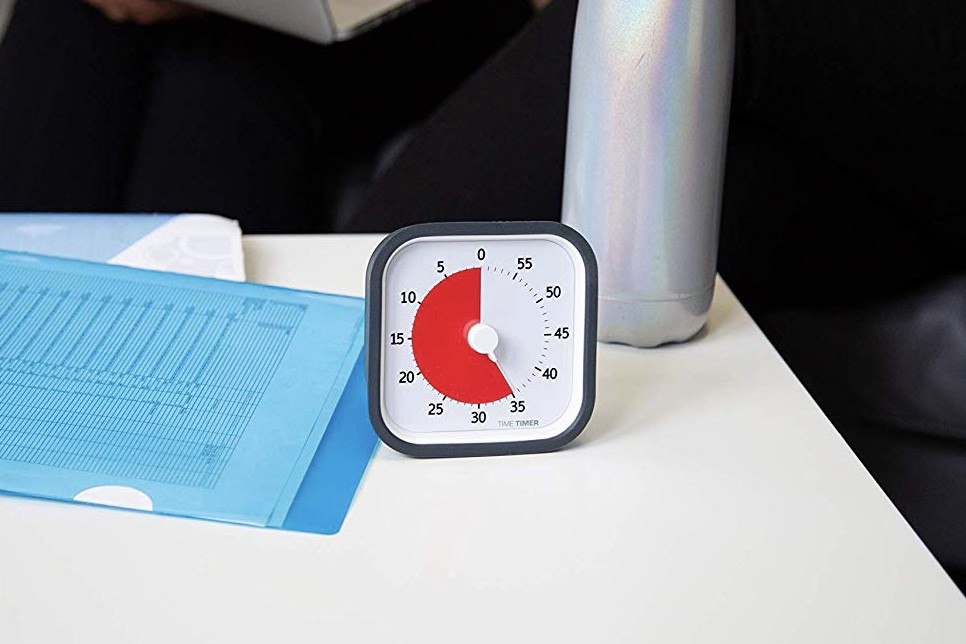
Set a timer for thirty minutes and make progress. You might not finish, but you’ll break the spell of avoidance. Most things we procrastinate on aren’t that hard once we start—it’s the starting that feels impossible. The anticipation of the task is almost always worse than the task itself. Once you’re five minutes in, the resistance usually fades.
Clearing this one thing will free up more mental energy than organizing three closets. The stuff that weighs on us psychologically matters more than the stuff that’s just physically messy. When you finally handle that nagging item, you’ll feel a relief disproportionate to the actual effort it required. That’s how you know it was taking up more mental space than you realized.
What Not to Attempt This Week
Part of organizing your life is accepting what you can’t do right now. Trying to do everything at once is the fastest way to burn out and give up entirely. One week is a sprint, not a marathon, and treating it like a marathon will leave you exhausted with nothing to show for it. Here’s what to skip during your one-week sprint:
Don’t try to organize spaces you rarely use. The garage, the attic, the spare bedroom full of stuff—these can wait. Focus on the spaces you live in every day. The return on investment is much higher when you organize spaces you see and use constantly. That storage unit can stay chaotic for another month.
Don’t buy a bunch of organizational products. The Instagram-worthy clear bins and matching containers are appealing, but they’re not what makes the difference. Getting rid of stuff matters more than finding prettier ways to store it. Organize first, then buy only what you need. Most people buy organizing supplies as a form of productive procrastination—it feels like progress without requiring the harder work of actually deciding what to keep and what to let go.
Don’t overhaul your entire filing system. If your paperwork is a disaster, just set up a simple “in” folder and deal with new stuff correctly. The backlog can be tackled gradually over the coming weeks.
Don’t try to build five new habits at once. Pick one, maybe two. Make them stick before adding more. Trying to change everything simultaneously is how most organization attempts fail.
Related: 15 Daily Habits That Will Change Your Life
The Real Goal of This Week
Seven days from now, you’re not going to have a perfectly organized life. That’s not the point. The point is to create enough momentum and visible progress that you want to keep going. To prove that you’re capable of change. To remove a few sources of daily friction so you have more energy for what matters.
Small wins compound. A clean kitchen makes you want to clean the bathroom. One good system working smoothly makes you want to set up another. Progress creates motivation, not the other way around. This is why starting small and finishing something matters more than starting big and abandoning it halfway through.
The people who stay organized long-term aren’t the ones who did a massive overhaul once. They’re the ones who built small systems, maintained them, and gradually expanded over time. One week is just the beginning—but it’s the most important part, because it proves the beginning is possible.
By the end of the week, aim for this: one space that feels genuinely organized, two or three systems that are starting to become automatic, and one nagging thing finally handled. That’s not a complete transformation, but it’s a foundation you can build on. And building beats planning every time.