
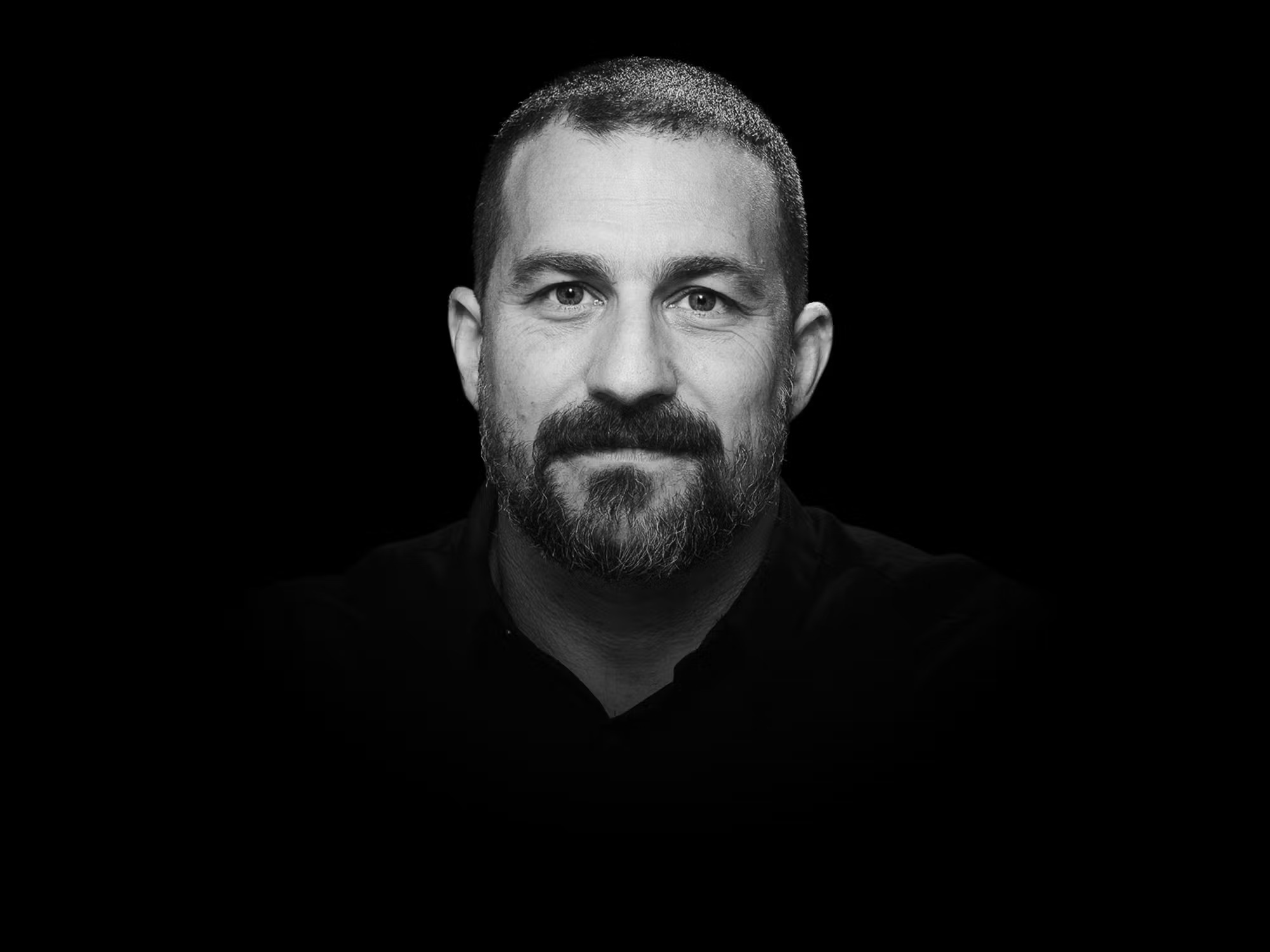
Andrew Huberman has shared, retracted, and updated his supplement stack across hundreds of podcast episodes over the past five years. Most of the articles ranking for this topic are frozen in 2023, still listing supplements he has quietly dropped and missing the ones he added in his June 2024 Rhonda Patrick interview and his 2025 AMA updates.
This guide fixes that. Everything in it reflects what Huberman is actually taking as of April 2026, sourced directly from his own words on Huberman Lab, his June 2024 Rhonda Patrick interview, his Tim Ferriss appearances, his X posts, and his 2025 AMA episodes. Every dose, every brand, every timing detail comes from him, not guesswork.
Three categories: what he takes daily, what he uses situationally, and what he explicitly avoids. Plus dosing protocols, pricing, study citations, and his actual reasoning for every choice. If you want the most complete and current Huberman supplement resource on the internet, you’re in the right place.
⚡ Reader Favorites From Huberman’s Stack
The three products our readers buy most from this guide. All three match what Huberman actually uses.
Recovery Peptide
Infiniwell BPC-157 Rapid Pro
Oral BPC-157 with SNAC tech. What Huberman used for his L5 injury recovery.
Shop · Code WELCOME15 (new customers)Longevity / NAD+
Renue by Science NMN
The exact NMN brand Huberman and Rogan both use. Sublingual powder form.
Shop · Code FLOW10 10%Huberman’s Supplement Brand
Momentous
Huberman uses a lot of Momentous products. Their full Huberman Lab line is third-party tested and NSF certified.
Shop · Code BRAINFLOW 15%Andrew Huberman’s Supplement Stack at a Glance (2026)
What’s actually in the stack as of April 2026, pulled directly from Huberman’s own statements. The last major confirmation came in his June 2024 Rhonda Patrick interview, with additional tweets and AMA mentions filling in since then.
| Supplement | Huberman’s Dose | Primary Purpose |
|---|---|---|
| Longevity & NAD+ | ||
| NMN | 1 to 2 g sublingual, morning | NAD+ precursor, energy |
| NR (Nicotinamide Riboside) | 500 mg daily | NAD+ precursor |
| Peptides (As Needed) | ||
| BPC-157 | 250 to 500 mcg during injury recovery | Tissue repair, angiogenesis |
| Daily Foundation | ||
| Optimum Nutrition Opti-Men | 1 dose daily (25+ years) | Baseline vitamins/minerals |
| Fish Oil (EPA/DHA) | 2 to 3 g EPA daily | Brain, mood, cardiovascular |
| Vitamin D3 | 5,000 to 10,000 IU daily | Hormone function, immune |
| Vitamin K2 | Dose not stated | Cardiovascular, calcium direction |
| Ginger Root | ~1,000 mg with meals | Gastric motility, digestion |
| Digestive Enzymes | 1 capsule with meal | Protein/fat/carb digestion |
| Grape Seed Extract | 400 to 800 mg with food | Vascular function, blood flow |
| Sleep Cocktail (Nightly) | ||
| Magnesium L-Threonate | 140 mg before bed | Parasympathetic activation |
| Apigenin | 50 mg before bed | Sleep onset (men only) |
| L-Theanine | 100 to 300 mg before bed | Alpha brain waves, calm |
| Glycine (3-4 nights/week) | 2 g before bed | Sleep onset, body temp |
| GABA (3-4 nights/week) | 100 mg before bed | Inhibitory neurotransmission |
| Inositol | 900 mg (occasional) | Sleep depth |
| Nootropics (Occasional) | ||
| Alpha-GPC | 300 to 600 mg, 3-5x/week max | Acetylcholine, focus |
| L-Tyrosine | 500 mg, max 1x/week | Dopamine precursor |
| Phenylethylamine (PEA) | 500 mg, every 1-2 weeks | Dopamine spike |
| Caffeine (Yerba Mate, Gorilla Mind, Jocko Go) | Varies (~95-480 mg) | Alertness, focus |
| Hormone Support (Daily) | ||
| Tongkat Ali | 400 mg morning, no cycling | Free testosterone + LH |
| Fadogia Agrestis | 600 mg, cycled 8-12 wks on / 2-4 off | Luteinizing hormone |
| Zinc | 15 mg (via multivitamin) | Testosterone synthesis |
| Boron | 2 to 4 mg daily | Lowers SHBG |
| Previously Daily (Still Uses Sometimes) | ||
| Creatine Monohydrate | 5 to 10 g daily | Cognitive + physical |
| Ashwagandha | 300 mg 2x/day, max 1 week | Cortisol reduction |
| Rhodiola Rosea | 100 to 200 mg pre-workout | Reduce perceived exertion |
| AG1 (Athletic Greens) | 1 to 2 servings daily | Vitamins, minerals, probiotics |
What Changed in 2026
If you’ve read older Huberman supplement articles, a few things worth knowing:
- Ginger Root and Digestive Enzymes joined the daily stack in June 2024 after Huberman mentioned them on Rhonda Patrick’s podcast. Most articles still don’t list these.
- Grape Seed Extract got added in November 2023. Huberman takes 400 to 800 mg daily for vascular function. Very few competitor articles cover this.
- NMN is no longer legally sold as a supplement in the US as of late 2023. Huberman still uses it, sourcing from Renue by Science, but Amazon has pulled it and most mainstream brands dropped it.
- Huberman’s testosterone went from ~600 ng/dL to the high 700s-low 800s after adding Tongkat Ali and Fadogia. He confirmed this on Tim Ferriss’s show.
- Caffeine preferences shifted in 2025 to Yerba Mateina sugar-free cans, Jocko Go, and Derek’s Gorilla Mind Drink. He posted this on X in April 2025.
- L-Theanine was not mentioned in his June 2024 stack, suggesting it may have moved from daily to occasional.
Longevity and NAD+ Protocol
NAD+ is a coenzyme central to cellular metabolism. Levels decline measurably with age. A 2012 study by Massudi et al. documented this decline across human tissues. Longevity researchers, including David Sinclair at Harvard, have focused on NAD+ precursors as a way to restore youthful levels. The two most popular are NMN and NR.
NMN (1 to 2 Grams Sublingually)
Huberman takes 1 to 2 grams of NMN (nicotinamide mononucleotide) every morning, placing it under his tongue and letting it dissolve. “I personally take about 2 grams per morning under my tongue. Definitely, subjective feeling of an increase in energy,” he said on Joe Rogan.
He uses Renue by Science NMN, the same brand Joe Rogan uses. This is a meaningful choice because of what happened to NMN in late 2023.
The FDA issue: In late 2023, the FDA determined that NMN can no longer legally be sold as a dietary supplement in the United States. Amazon pulled it from their platform. Momentous, which had been Huberman’s go-to brand for NMN, stopped selling it. Renue by Science is one of the few reputable companies that still carries it directly.
Why sublingual: Placing NMN under the tongue bypasses first-pass liver metabolism, which can degrade a significant portion of orally swallowed NMN. Sublingual absorption delivers more intact NMN to the bloodstream.
Honest expectations: Huberman says he takes NMN because it makes a noticeable difference in his daily energy, not because he believes it will extend his lifespan. He’s explicit that the lifespan data for NAD+ precursors in humans isn’t there. The benefits he reports are subjective: more sustained mental and physical energy throughout the day.
Same NMN Huberman Uses
Renue by Science NMN Powder
100 grams (~3 month supply) for around $65. Third-party tested. Sublingual powder form. Same brand Huberman and Joe Rogan both use.
Code FLOW10 saves 10%
Shop Renue NMN →NR (Nicotinamide Riboside) (500 mg Daily)
NR is the other major NAD+ precursor. Huberman takes 500 mg daily. He confirmed this in his November 2023 AMA, where he clarified that he takes both NMN and NR.
Both NMN and NR convert to NAD+ in the body, but they take slightly different metabolic routes. Some researchers argue that taking both covers more ground for cellular energy production. The science on whether the combination is actually superior to either alone is still developing.
Why this matters: If you are going to take NAD+ precursors, Huberman’s dual approach (NMN sublingually plus NR orally) represents the more complete coverage strategy. If you want to simplify and pick one, NR is easier to source legally in the US, while NMN requires finding a vendor that still sells it.
Related Reading
Andrew Huberman’s NAD+ Protocol Explained – Exact NMN and NR dosing, brand, and timing
Peptides: BPC-157
BPC-157 is a synthetic peptide derived from a protective protein originally found in stomach acid. Huberman brought it into mainstream conversation after using it for a back injury that would not respond to conventional treatment.
“I had an L5 root compression injury after performing deadlifts that was not healing with massage and electric therapy,” he said. “After just 2 injections of BPC-157, I was pain-free with all symptoms alleviated.” He called it “one of the most promising peptides for recovery and repair” in his discussion with Dr. Craig Koniver.
How it works: BPC-157 promotes angiogenesis (the growth of new blood vessels) through the Src-Caveolin-1-eNOS pathway. More blood vessels means more oxygen and nutrients reaching injured tissue, which accelerates repair. A 2019 review called its healing effects “remarkable” across multiple tissue types, though most research is still in rodent models.
Huberman’s stance: BPC-157 isn’t a daily supplement. It is a targeted tool for when conventional treatment fails. “Exhaust conventional options first,” is his framing. Physical therapy, sleep optimization, protein intake, and rest all come before peptides.
Dose: 250 to 500 mcg per day for the duration of your injury recovery, then stop. Injectable BPC-157 is the traditional delivery method, though oral formulations with SNAC (sodium N-[8-(2-hydroxybenzoyl) amino] caprylate) technology have recently become available as a needle-free alternative.
FDA status update (2026): As of April 15, 2026, the FDA removed BPC-157 from Category 2 of the 503A bulk drug substances list. The Pharmacy Compounding Advisory Committee (PCAC) is scheduled to review it on July 23, 2026. If the review goes favorably, BPC-157 could return to legal compounding pharmacy status.
Needle-Free BPC-157
Infiniwell BPC-157 Rapid Pro (Oral)
Pharmaceutical-grade oral BPC-157 with SNAC technology for stomach acid survival. 500 mcg per capsule. Over 3,000 five-star reviews. First-time customers save 15% with code WELCOME15.
Shop BPC-157 Rapid Pro →Related Reading
Andrew Huberman on BPC-157: The Complete Guide – Huberman’s exact injury protocol and mechanism breakdown
Foundational Daily Supplements
Beyond the hormone stack, Huberman takes a handful of foundational supplements that address vitamin gaps, support cardiovascular health, and handle the basics of nutrition. These make up the bedrock of his protocol.
Fish Oil (2 to 3 Grams EPA Daily)
Fish oil is the single supplement Huberman talks about most. He has said on multiple occasions that if you take nothing else, take omega-3s. Sixty percent of the brain is made of fat, and omega-3 fatty acids (specifically EPA and DHA) play a structural and functional role in neurons, membrane fluidity, and neurotransmitter signaling.
“I am a big believer, based on really good peer-reviewed data, that you want to get two grams of EPA in your system every day for the anti-depressant effects, the blood lipid profile effects,” Huberman told Derek from More Plates More Dates.
Dose: Huberman targets 2 to 3 grams of EPA per day, which is higher than the “1 gram minimum” he recommends for the general population. He gets his from a combination of Thorne Super EPA capsules (available on Amazon) and Carlson Labs lemon-flavored liquid, often adding it to oatmeal with salt.
Quality matters: Fish oil oxidizes easily. You want a product that has been third-party tested for oxidation levels and heavy metals. The International Fish Oil Standards (IFOS) certification is the gold standard. Good oxidation scores are under 10. Anything above that is compromised.
For vegans and vegetarians, algae-derived omega-3s are the answer. Plant sources like flax, chia, and walnuts contain ALA, which converts to EPA at a rate of only 0.2 to 6 percent. Algae-based omega-3s bypass that conversion problem entirely.
Vitamin D3 (5,000 to 10,000 IU Daily)
Huberman calls vitamin D a “hormone,” not a vitamin, because it affects the expression of more than 1,000 genes in the human body. He takes 5,000 to 10,000 IU of Momentous Vitamin D daily (available on Amazon), adjusting based on bloodwork. He confirmed this dose range in his June 2024 interview with Rhonda Patrick at the 1 hour 25 minute mark.
Research suggests that over 70 percent of Americans are deficient in vitamin D, with many operating well below the 30 to 50 ng/mL range considered optimal. Low vitamin D has been linked to reduced testosterone, weakened immune function, low mood, and poor bone health.
Pair with K2: High-dose vitamin D increases calcium absorption. Vitamin K2 directs that calcium into bones and teeth rather than letting it accumulate in arteries. If you take more than 2,000 IU of D3, pairing it with K2 is a smart move. Huberman added K2 after noticing improved cardiovascular markers on his bloodwork.
The multivitamin he takes (Opti-Men) contains only 1,500 IU per serving, so the bulk of his vitamin D comes from his standalone supplement.
Vitamin K2
Huberman mentioned adding K2 on the MPMD podcast, saying his cardiac markers improved after incorporating it. He does not specify a dose or brand.
There are two forms: K1 (found in plants) and K2 (from fermentation and animal products). K2 is the more bioavailable form for cardiovascular and bone benefits. K2 itself comes in two subtypes, MK-4 and MK-7. MK-7 has longer half-life and better bioavailability, which is why most supplements use it.
Dose range: The NIH’s suggested adequate intake is 90 mcg for women and 120 mcg for men. Most K2 supplements come in 45 to 200 mcg doses. NOW Vitamin K2 MK-7 is a solid budget option at 100 mcg per capsule (grab it on Amazon).
Multivitamin: Optimum Nutrition Opti-Men
Huberman has taken the same multivitamin for over 25 years: Opti-Men by Optimum Nutrition (available on Amazon). He admitted to Rhonda Patrick in June 2024 that this is “more a result of habit than recent research,” but said his bloodwork shows no issues, so he keeps taking it.
That’s how he gets his daily zinc (15 mg) instead of taking a standalone zinc supplement. Opti-Men also delivers 1,500 IU of vitamin D, B-complex vitamins, trace minerals, and amino acid blends.
Honest take: Multivitamins are controversial in longevity circles. Some researchers argue they are largely unnecessary if you eat a varied diet. Huberman’s position is pragmatic: he has taken one for 25 years, his bloodwork looks fine, so he sees no reason to change. If you want to follow his stack exactly, this is it.
Ginger Root (~1,000 mg with Meals)
This one is new. Huberman mentioned taking ginger capsules with his daily meals during his June 2024 Rhonda Patrick interview. He said it helps with digestion and reduces bloating. Most older Huberman supplement guides don’t have this.
The research backs him up. A 2011 study by Hu et al. and a 2008 study by Wu et al. both found that ginger increases gastric motility and gastric emptying in healthy humans. The typical dose used in studies is around 1.2 grams, which is close to what Huberman takes.
Dose: Huberman did not specify his exact brand or dose, but ginger capsules typically come in 500 mg each. Two capsules with food gets you to 1,000 mg. Take it with your biggest meal of the day for best effect. Nature’s Way Ginger Root is what most people reach for (pick it up on Amazon).
Digestive Enzymes (With Meals)
Another recent addition. Huberman takes digestive enzymes with at least one meal per day. At 49 years old, natural enzyme production starts to decline, which can lead to bloating, gas, and incomplete breakdown of food.
Digestive enzymes vary enormously between brands. Some focus on protease (protein breakdown), others on lipase (fat) or amylase (carbs). Broad-spectrum formulas cover all three plus lactase for dairy and alpha-galactosidase for beans and cruciferous vegetables.
Dose: One capsule with the meal you find most difficult to digest. Experiment to find what works. This is one of those supplements where self-testing beats general protocols. Physician’s Choice Digestive Enzymes (on Amazon) is a solid broad-spectrum formula that covers all the bases.
Grape Seed Extract (400 to 800 mg Daily)
One of the more overlooked supplements in Huberman’s stack. He mentioned adding grape seed extract during his November 2023 AMA. The dose is 400 to 800 mg daily, usually with a meal, and the purpose is vascular function and blood flow.
Grape seed extract contains oligomeric proanthocyanidins (OPCs), which are potent antioxidants. A 2022 meta-analysis of 19 trials in Pharmacological Research found that grape seed extract has blood pressure and heart rate lowering properties. For someone already focused on cardiovascular longevity, it fits.
Dose: 400 to 800 mg daily with food. NOW Grape Seed Extract is a reliable option (available on Amazon).
Related Reading
Rhonda Patrick’s Complete Supplement List – Huberman frequently cites Patrick’s research – see her own stack
The Sleep Stack
If Huberman became famous for one thing outside of the testosterone protocol, it would be his sleep cocktail. He has talked about it on Joe Rogan, Lex Fridman, Tim Ferriss, and on his own podcast more times than anyone can count. Millions of people have tried it, and for most, it works on the first night.
Huberman laid out the exact formula on Episode #84 (Sleep Toolkit): “That cocktail of 50 mg of apigenin, 300 to 400 mg of magnesium threonate or bisglycinate, and 200 to 400 mg of theanine, for me, has been the best way to consistently fall asleep quickly and stay asleep most if not the entire night.”
Magnesium L-Threonate (140 mg)
Magnesium is involved in over 600 enzymatic reactions in the body. When supplemented, it activates the parasympathetic nervous system, which slows the heart and relaxes muscles. Approximately 48 percent of Americans are not getting enough magnesium from diet alone.
Huberman prefers Momentous Magnesium L-Threonate specifically because MIT researchers developed it to cross the blood-brain barrier more effectively than other forms. Magnesium Bisglycinate (also called Glycinate) also crosses, and he notes both can work. L-Threonate is patented and sold as “Magtein,” which is why it costs more.
Dose: Huberman’s confirmed dose is 140 mg of L-Threonate taken 30 to 60 minutes before bed. He has mentioned different doses over the years (100 to 200 mg, or 200 to 400 mg), but his most recent public position is 140 mg of threonate.
If you go with Glycinate, the standard dose is higher (200 mg or more) because it is a different absorption profile. Glycinate is a lot cheaper (often one-tenth the cost per 100 mg).
Apigenin (50 mg, Men Only)
Apigenin is the active compound in chamomile tea that makes it relaxing. Concentrated into a 50 mg dose, it becomes a meaningful sleep tool. Huberman takes Momentous Apigenin 30 minutes before bed.
Critical warning for women: Huberman explicitly states that women should not take apigenin because it suppresses estrogen. For men, this isn’t an issue at the dose and timing he uses. For women, even short-term estrogen suppression can affect mood, libido, and bone health.
If you are a woman following the rest of Huberman’s sleep stack, skip apigenin. The magnesium plus theanine combination still works well. Some women substitute ashwagandha or additional glycine.
Related Reading
Best Anti-Aging Peptide Stack for Women Over 40 – Female-specific hormone optimization beyond Huberman’s male-focused stack
L-Theanine (100 to 300 mg)
L-Theanine is an amino acid naturally found in tea. It increases alpha brain wave activity, which is associated with calm wakefulness and easier transition into sleep. Unlike sedatives, it does not make you groggy. You can grab Momentous L-Theanine (on Amazon) or from Momentous direct with code BRAINFLOW for 15% off.
Dose: Huberman has used 100 to 300 mg at various times. If you are new to theanine, start at 100 mg and work up. Some people find higher doses too stimulating, while others sleep through the night only with 300+ mg.
Side effect to know: Theanine can intensify dreams. If you have a history of nightmares, night terrors, or sleepwalking, start cautiously or skip it entirely.
Recent shift: Theanine wasn’t mentioned in Huberman’s June 2024 daily stack to Rhonda Patrick, which some observers took as a sign he may have moved it to occasional use. That said, he has referenced it in the sleep cocktail many times since, so it’s still a core piece of the protocol for most people.
Glycine and GABA (3 to 4 Nights Per Week)
On top of the base sleep stack, Huberman adds 2 grams of glycine and 100 mg of GABA three to four nights per week. He described this combination as “a hard hit over the head” and does not recommend taking it every night.
Why not daily: Huberman’s philosophy is to avoid taking compounds that directly mimic the neurotransmitter systems you are trying to manipulate. GABA is the main inhibitory neurotransmitter in the brain, and taking exogenous GABA directly has diminishing returns and potential tolerance issues. For the nights you do use it, Thorne PharmaGABA is the cleanest option at 100 mg per capsule (grab it on Amazon).
Glycine is an amino acid that improves sleep quality by lowering core body temperature. A study by Yamadera et al. showed that 3 grams of glycine before bed improved subjective sleep quality and shortened the time to sleep onset.
For straight glycine, NOW Glycine comes in 1,000 mg capsules (on Amazon). You’ll need two capsules to hit Huberman’s 2-gram dose.
Collagen tip: Collagen peptides are about 33 percent glycine by weight. A standard 12-gram collagen serving delivers 4 grams of glycine. If you already take collagen, try shifting it to the evening.
Inositol (900 mg, Occasional)
Huberman occasionally adds 900 mg of Momentous Myo-Inositol to his sleep stack. He mentioned it on Podcast #78 (OCD) saying it noticeably improved the depth and quality of his sleep, particularly for staying asleep after waking in the middle of the night.
Inositol is a type of sugar found in the brain that plays a role in cell signaling and neurotransmitter function. It is sometimes used for anxiety, OCD, and sleep.
Naming note: There are at least three forms of inositol on the market: myo-inositol, D-chiro-inositol, and inositol hexaphosphate (IP6). If a supplement just says “inositol,” it is usually myo-inositol, but check the label to be sure. Huberman takes myo-inositol specifically.
Huberman’s Sleep Stack Bundle
Momentous Sleep Pack
The exact sleep cocktail Huberman recommends. Magnesium L-Threonate (145mg) + Apigenin (50mg) + L-Theanine. Third-party tested. Code BRAINFLOW saves 15%.
Shop the Sleep Pack at Momentous →Related Reading
The 9 Best Sleep Supplements Backed by Science – Deep dive on magnesium forms, apigenin, theanine, and more
Nootropics and Focus (Occasional Use)
Huberman is careful about nootropics. He does not take them daily. He reaches for them only when he needs to push harder on a workout or grind through a writing or analysis session. “If I’ve slept well, I don’t take it,” he told Tim Ferriss. The cost of daily use is tolerance, dependence, and blunted effect when you actually need the edge.
Alpha-GPC (300 to 600 mg, 3 to 5 Times Per Week)
Alpha-GPC is a choline compound that raises acetylcholine levels in the brain. More acetylcholine means sharper focus, better memory formation, and improved mind-muscle connection during training.
Huberman uses 300 mg as his standard dose and will occasionally push to 600 mg. “If I really want to push a workout hard, or a work session, a writing session, or data analysis session hard, I’ll take 300 mg,” he told Tim Ferriss. “At 600 mg, I’m on the outer edge of what is comfortable for me.” He noted that adding coffee on top of 600 mg can push him over the edge.
Stroke risk update: In Podcast #80, Huberman flagged a 2021 study published in JAMA Neurology showing an association between long-term daily Alpha-GPC use and increased stroke risk at the 10-year mark. The dose in that study was 1,200 mg daily (400 mg three times), which is vastly more than Huberman’s occasional use.
The proposed mechanism is that Alpha-GPC increases TMAO, a compound associated with atherosclerosis. Huberman’s solution, borrowed from Dr. Kyle Gillett, was to add 600 mg of garlic extract (containing allicin) on the same days he takes Alpha-GPC. His bloodwork showed TMAO drop after adding garlic.
Protocol: 300 to 600 mg Alpha-GPC, 3 to 5 times per week max, paired with 600 mg garlic extract on dose days. You can grab Alpha-GPC on Amazon, and Life Extension Optimized Garlic on Amazon delivers the 600 mg allicin-standardized dose Huberman references.
L-Tyrosine (500 mg, Max Once Per Week)
L-Tyrosine is an amino acid, and it is the precursor to dopamine and norepinephrine. Taking 500 mg on an empty stomach can give you a focused, motivated state for a few hours. Huberman describes it as useful for pushing through a late-night deadline or unusually demanding mental task. You can pick it up on Amazon for about $15.
The catch: it comes with a crash. The dopamine boost is short-lived, and you feel the dip when it wears off. “You don’t want to use it when you are already sleep-deprived,” Huberman warns.
Dose variability: Sensitivity to L-Tyrosine varies enormously. Some people feel it clearly at 100 mg. Others need 1,000 to 2,000 mg. Start low. Huberman uses 500 mg and caps frequency at once per week.
Alternative he avoids: Mucuna Pruriens contains L-Dopa, the direct precursor to dopamine. Huberman describes it as too intense with too much of a crash.
Phenylethylamine (PEA) (500 mg, Every 1 to 2 Weeks)
PEA (also called beta-phenylethylamine) is another dopamine-related compound. Chocolate is naturally rich in it, which is partly why chocolate can feel stimulating and mood-elevating.
Huberman pairs 500 mg of PEA with 300 mg of Alpha-GPC for a short, sharp focus window. “It leads to a sharp and transient increase in dopamine that lasts around 30 to 45 minutes,” he explained. The combination feels more regulated than L-Tyrosine, but the window is shorter.
Caution: PEA is a strong stimulant. Side effects include rapid heart rate, agitation, and irritability. People with ADHD or mood disorders should be especially careful. Most commercial PEA powders suggest starting at 125 mg, which is much lower than Huberman’s 500 mg. Err on the low end if you are new to it.
Also important: don’t confuse PEA (Phenylethylamine) with Phenylalanine, which is a different compound that frequently appears in the same search results.
Caffeine (Yerba Mate, Gorilla Mind, Jocko Go)
Caffeine isn’t a supplement in the traditional sense, but Huberman has been explicit about his preferences. In an April 2025 X post, he listed his go-tos:
- Yerba Mate, either brewed loose leaf or Yerba Mateina sugar-free cans (he mentioned drinking 4 cans)
- Jocko Go, the energy drink from Jocko Willink (95 mg caffeine)
- Gorilla Mind Drink, Derek from More Plates More Dates’s energy drink (200 mg caffeine)
- Yerba Mateina cans (120 mg caffeine per can)
Huberman’s general caffeine rule is to delay his first dose by 90 to 120 minutes after waking. This allows adenosine levels to naturally drop first, avoiding the post-caffeine crash in the afternoon.
Hormone Support Stack
Huberman’s hormone stack is where he gets the most attention, and for good reason. He claims his total testosterone went from around 600 ng/dL six years ago to the high 700s/low 800s after dialing in four specific compounds: Tongkat Ali, Fadogia Agrestis, Zinc, and Boron. He confirmed this on Tim Ferriss’s podcast and has referenced the bloodwork repeatedly since.
Tongkat Ali (400 mg Daily)
Tongkat Ali, also known as Eurycoma longifolia, is a flowering plant native to Southeast Asia where it has been used in traditional medicine for centuries. Huberman takes 400 mg every morning and does not cycle it. Every morning, Huberman takes 400 mg of Momentous Tongkat Ali. “I take 400 mg of tongkat ali per day. I take it early in the day because it has a bit of a stimulant effect. I’ve been taking it for years. I’ve never cycled it,” he told Tim Ferriss in episode #660.
A 2022 meta-analysis covering 5 randomized controlled trials found Tongkat Ali reliably increases total testosterone versus placebo across doses from 100 to 600 mg per day. It works by lowering SHBG (sex hormone-binding globulin) and supporting luteinizing hormone production, which between them free up more testosterone for your cells to actually use.
On Tim Ferriss’s podcast, Huberman was asked which two supplements he would keep from a list of four (Tongkat Ali, Fadogia Agrestis, Omega-3s, Rhodiola Rosea). He picked Tongkat Ali and Omega-3s. That is telling. Of all four testosterone-adjacent compounds he takes, Tongkat Ali is the one he would not give up.
Dose: 400 mg once per day in the morning. Huberman specifically warns against taking it later in the day because the mild stimulant effect can disrupt sleep. He takes it every day and notes that the effect appears to compound over the second and third month of continuous use.
Cycling: Huberman does not cycle Tongkat Ali. He monitors his blood work (particularly liver enzymes) and has not seen any reason to stop. If your bloodwork shows elevated liver markers, that would be a reason to pause.
Fadogia Agrestis (600 mg, Cycled)
Fadogia Agrestis is a plant native to Nigeria. The stem has been used in African traditional medicine, and more recently, it has become a core piece of the biohacker testosterone protocol thanks to Huberman and his guest Dr. Kyle Gillett.
Fadogia works on a completely different pathway. It bumps luteinizing hormone (LH), which signals your testes to produce more testosterone directly. “Fadogia increases luteinizing hormone, which stimulates the testes to produce more testosterone,” Huberman explained on Joe Rogan #1673. On his own podcast, Dr. Kyle Gillett compared the effect to hCG but without the estrogen spike that hCG causes.
Dose: 600 mg per day, cycled 8 to 12 weeks on and 2 to 4 weeks off. Most biohackers use Double Wood Fadogia on Amazon.
Why the cycling matters: A 2009 rat study found kidney and liver enzyme disruption at high doses of Fadogia. This has not been replicated in humans, but Gillett and Huberman err on the side of caution. For people not doing regular bloodwork, Gillett recommends either 600 mg every other day or 600 mg three times per week (Monday, Wednesday, Friday) as a more conservative protocol.
Important note: Human research on Fadogia is limited. Most of the evidence is animal data and anecdotal. Huberman monitors his blood work to confirm it isn’t causing harm, and he suggests you do the same. This is not a “take it and forget it” supplement.
Zinc (15 mg Daily via Multivitamin)
Zinc is critical for testosterone production, but only if you are deficient. “If you have adequate zinc levels, adding more zinc will not boost your testosterone. Only that not getting enough is likely to decrease testosterone levels,” Huberman clarified in his interview with Dr. Gillett.
A 2020 paper in Expert Review of Endocrinology & Metabolism Journal by Wrzosek et al. showed that testosterone levels are negatively impacted by deficiencies in zinc, magnesium, and vitamin D. Zinc is required for the synthesis of luteinizing hormone and follicle-stimulating hormone, both of which drive testosterone production in the testes.
Dose: Huberman does not take a standalone zinc supplement. He gets 15 mg daily from his Optimum Nutrition Opti-Men multivitamin. The NIH RDA for men is 11 mg, with 40 mg as the upper limit. Zinc picolinate is considered the most bioavailable form.
Boron (2 to 4 mg Daily)
Boron is a trace mineral that gets almost no attention outside the biohacking world, but Huberman takes 2 to 4 mg daily. He mentioned this on the More Plates More Dates podcast around the 3 hour 9 minute mark.
What boron actually does: it lowers SHBG. Most of your testosterone is bound to SHBG and biologically useless in that bound state. When SHBG drops, more free testosterone becomes available to bind receptors and do work. Dr. Kyle Gillett backed this up on Huberman’s podcast.
There is no official RDA for boron, but the NIH lists 1 to 13 mg/day as an acceptable safe range for adults. Huberman’s 2 to 4 mg range puts him well within safe limits.
Related Reading
Andrew Huberman’s Testosterone Protocol: Full Breakdown – How all four hormone supplements work together
Huberman’s Exact Hormone Stack
Momentous Hormone Support Bundle
Tongkat Ali (400mg) + Fadogia Agrestis + Zinc Picolinate + Boron. Huberman-formulated, third-party tested. Code BRAINFLOW saves 15%.
Shop the Hormone Bundle at Momentous →Previously Used Regularly (May Still Use Occasionally)
One of the most important distinctions that older Huberman supplement articles miss: several compounds he used to take daily are no longer part of his daily protocol. He still uses them situationally. Here are the big ones.
Creatine Monohydrate (5 to 10 Grams)
Huberman used to take Momentous Creatine daily, and still does when he remembers. He takes it primarily for cognitive benefits, not for muscle gains. “I am not on the creatine train for gym gains. I use it to support brain function and the neural networks for focus,” he said.
Dr. Andy Galpin called creatine the “Michael Jordan” of supplements on Huberman’s podcast. It supports ATP regeneration in both muscle and brain tissue. Creatine has been shown to sharpen short-term memory and executive function, especially in people running on limited sleep or eating a vegetarian diet.
Dose by body weight: “If you weigh 185 to 250 pounds, you can get away with and probably should be taking 10 grams or so of creatine per day, which is what I do,” Huberman said. Under 185 pounds, 5 grams is standard.
Timing: Flexible. Morning or post-workout both work. Huberman says he takes it whenever he remembers, often mixing the powder into whatever he is drinking at the time.
Ashwagandha (300 mg Twice Daily, Max One Week)
Ashwagandha is an adaptogenic herb from the Indian subcontinent. In a randomized controlled trial by Chandrasekhar et al., it reduced cortisol by about 20 percent and subjective stress by about 40 percent compared to placebo.
Huberman uses ashwagandha during particularly stressful weeks, but deliberately does not take it chronically. “I would only do this if I was feeling like I was not managing my short and medium-term stress well,” he told Tim Ferriss. He caps use at one week maximum to avoid tolerance and dependence.
Dose: 300 mg in the early afternoon and another 300 mg in the evening.
Critical timing rule: Do not take ashwagandha before exercise. The beneficial hormonal adaptations from exercise come partly from the short cortisol spike it triggers. Ashwagandha blunts that spike, which means blunting the training adaptation.
Which extract: KSM-66 and Sensoril are the two most studied. KSM-66 uses only the root. Sensoril uses root plus leaves and standardizes to a higher withanolide concentration (10%+ vs 5%). Jarrow Ashwagandha uses the KSM-66 extract and is one of the most affordable quality options on Amazon.
Related Reading
Peter Attia’s Supplement Stack: Longevity-Focused Approach – How Attia’s stack differs from Huberman’s
Rhodiola Rosea (100 to 200 mg Pre-Workout)
Huberman started taking Rhodiola before workouts after discussing adaptogens with Dr. Andy Galpin and Layne Norton on his podcast. “Rhodiola rosea is probably the best addition to my physical performance stack that I’ve added in a long time. It is really striking,” he said on Tim Ferriss’s podcast.
Rhodiola reduces perceived exertion during hard workouts, which lets you push slightly harder for slightly longer. It also has documented effects on fatigue reduction and potential cognitive benefits.
Dose: 100 to 200 mg before workouts, taken alongside Alpha-GPC on hard training days. Rhodiola has a mild stimulant effect, so avoid taking it close to bedtime.
Quality markers: Look for extracts standardized to 3 percent rosavins and 1 percent salidroside. Amounts as low as 50 mg have been shown to reduce fatigue in research, with 680 mg as the suggested upper limit due to a bell-curve effect.
Related Reading
Andrew Huberman on Dopamine: The Complete Guide – How dopamine drives motivation and why supplements matter less than you think
AG1 (Athletic Greens)
Huberman has been drinking AG1 (Athletic Greens) since 2012, roughly a decade before they became a sponsor of his podcast (find it on Amazon). “I have been using AG1 since 2012 because it is the simplest, most straightforward way for me to get my basis of important vitamins, minerals, and probiotics.”
Dose: 1 to 2 servings per day, usually mixed with water in the morning.
AG1 is expensive relative to a standalone multivitamin, and the research on greens powders is mixed. Some critics argue that the marketing overshoots the evidence. Huberman’s position is that he uses it for convenience and has seen no downside in 12+ years of daily use.
L-Glutamine
Huberman has taken glutamine since his college days, primarily for its immune benefits. Glutamine supports intestinal barrier function and acts as fuel for immune cells. He has also discussed its potential role in reducing sugar cravings through glutamine-sensing neurons in the gut that signal satiety to the brain.
Dose: Huberman has not specified his exact dose. People use anywhere from 1 to 10 grams per day. Dr. Galpin mentioned on Huberman’s podcast that his athletes take 20 grams per day, split between morning and evening.
N-Acetyl Cysteine (NAC)
Huberman takes NAC when he is fighting a cold or flu. NAC is a precursor to glutathione, the body’s master antioxidant. A 1997 study by De Flora et al. showed NAC reduces flu symptom severity and duration.
Dose: 600 to 900 mg three times per day when sick, then stop once you recover.
Supplements Huberman Explicitly Avoids
Most supplement articles only tell you what an expert takes. Huberman is just as vocal about what he does not take and why. These are the ones he has publicly warned against.
- Melatonin: “Do NOT use melatonin. It is an endogenous hormone and over-the-counter doses are way too high.” Typical store-bought doses (3-10 mg) are vastly higher than what the body produces naturally. Huberman has repeated this warning across multiple podcast episodes.
- 5-HTP / Tryptophan: Causes him insomnia after initial sleep onset. He tested it himself and found it counterproductive.
- Mucuna Pruriens: Contains L-Dopa, the direct precursor to dopamine. Huberman finds the spike too intense and the crash too severe.
- Tribulus Terrestris: No observable testosterone benefit despite the marketing. Huberman officially dropped it from his stack.
- High-dose Turmeric: Turmeric is a DHT inhibitor at high doses. For men concerned about hormone profiles, this can be counterproductive. Huberman avoids supplementation but is fine with turmeric in food.
Monthly Cost Breakdown
Running the full Huberman protocol isn’t cheap. Below is a realistic cost breakdown at different tiers.
| Tier | What’s Included | Monthly Cost |
|---|---|---|
| Essential | Sleep stack + D3 + Fish Oil + Creatine | $80 to $100 |
| Essential + Hormones | Above + Tongkat Ali + Fadogia + Boron | $140 to $180 |
| Full Stack | Everything including NMN, NR, Alpha-GPC, nootropics | $250 to $350 |
| Full Stack + AG1 | Everything above plus AG1 daily | $350 to $450 |
The code BRAINFLOW takes 15% off Momentous, which can cut $30 to $60 off the monthly cost depending on which supplements you stack. The code FLOW10 saves 10% on Renue by Science (NMN and NR).
Where to Start If You’re New
Do not try to run Huberman’s full stack from day one. His protocol evolved over years of self-experimentation, bloodwork, and refinement. The supplements below, in order, are the best starting points.
Month 1: Fix your sleep. Start with Magnesium L-Threonate (140 mg) and L-Theanine (200 mg) 30 minutes before bed. This alone is life-changing for most people. If you are a man, add 50 mg apigenin. Give it two to three weeks before evaluating.
Month 2: Fill obvious gaps. Add vitamin D3 (5,000 IU) and omega-3s (2 grams EPA). Get a vitamin D blood test first. Most people are low and will feel the difference within 4 to 6 weeks.
Month 3: Add foundations. Creatine monohydrate (5 g daily), and if budget allows, a multivitamin. Cognitive and physical baseline starts to solidify here.
Month 4+: Targeted additions. Hormone support (Tongkat Ali, Fadogia), longevity compounds (NMN, NR), and nootropics come in now. Get bloodwork done before and after so you can confirm you’re actually benefiting, not just spending.
Huberman tests his blood twice yearly through Function Health. You should do the same if you are going to spend money on supplements. Without data, you are guessing.
Frequently Asked Questions
What does Andrew Huberman take every morning?
Every morning Huberman takes 400 mg Tongkat Ali, 600 mg Fadogia Agrestis (when cycled on), 2 to 4 mg boron, his Opti-Men multivitamin, 2 to 3 grams of EPA from fish oil, 5,000 to 10,000 IU vitamin D3, vitamin K2, 1 to 2 grams sublingual NMN, 500 mg NR, and 400 to 800 mg grape seed extract with food. He takes ginger root and digestive enzymes with at least one meal.
How much Tongkat Ali does Huberman take?
400 mg per day, taken first thing in the morning. He does not cycle it and has taken it continuously for years. His bloodwork has remained normal throughout.
Does Huberman still take NMN?
Yes. He takes 1 to 2 grams sublingually every morning from Renue by Science. When the FDA determined NMN could no longer be sold as a dietary supplement in the US in late 2023, Momentous dropped it and Amazon pulled it, but Renue by Science still carries it directly. Huberman’s position is that NMN gives him sustained energy throughout the day.
Related Reading
David Sinclair’s Supplement List for Longevity – The Harvard scientist’s NMN and resveratrol protocol
What is in Huberman’s sleep stack?
His core sleep cocktail is 140 mg Magnesium L-Threonate, 50 mg Apigenin (men only), and 100 to 300 mg L-Theanine, taken 30 to 60 minutes before bed. On three to four nights per week he adds 2 grams Glycine and 100 mg GABA. Occasionally he adds 900 mg Inositol.
Why does Huberman avoid melatonin?
Huberman considers over-the-counter melatonin doses (typically 3 to 10 mg) to be far too high. The body produces melatonin in microgram amounts, so supplement doses are often 100x to 1,000x physiological levels. This can disrupt natural melatonin production and has been linked to next-day grogginess and hormone disruption in men and women.
What multivitamin does Andrew Huberman take?
Optimum Nutrition Opti-Men. He has been taking the same multivitamin for over 25 years. He admitted to Rhonda Patrick in June 2024 that it is “more a result of habit than recent research,” but his bloodwork shows no issues, so he keeps taking it.
Does Huberman take Tongkat Ali daily or cycle it?
Daily, no cycling. He contrasts this with Fadogia Agrestis, which he cycles 8 to 12 weeks on and 2 to 4 weeks off. Tongkat Ali’s effects appear to compound over the second and third month of use, which is part of why continuous dosing works better than intermittent.
Can women take Huberman’s supplement stack?
Most of the stack is fine for women, but Apigenin is not. It suppresses estrogen, and Huberman has explicitly warned women against taking it. Women can still use the magnesium + theanine portion of the sleep stack. Women considering Tongkat Ali or Fadogia should check with their doctor because the hormone effects have different implications for female physiology.
Does Huberman take BPC-157 regularly?
No. Huberman used BPC-157 to recover from an L5 nerve root compression injury that was not responding to conventional treatment. He stopped once the injury healed. He views BPC-157 as a targeted tool for when conventional options fail, not a daily supplement.
How much does Huberman’s full stack cost per month?
The full stack runs $250 to $350 per month without AG1, or $350 to $450 with AG1. Essentials-only (sleep stack, vitamin D, fish oil, creatine) comes in at $80 to $100. Adding hormone support brings it to $140 to $180. Code BRAINFLOW saves 15 percent on Momentous, which can bring costs down meaningfully.
What does Huberman take for focus?
Alpha-GPC (300 to 600 mg, 3 to 5 times per week max), L-Tyrosine (500 mg, once per week max), Phenylethylamine (500 mg, every 1 to 2 weeks), and caffeine from Yerba Mate, Jocko Go, or Gorilla Mind energy drinks. He takes these strategically, not daily, to avoid tolerance.
Bottom Line
Huberman’s supplement protocol is the most discussed, copied, and debated stack in the performance and longevity space. The reason it works for so many people is that it isn’t random. Every compound has a specific purpose, dose, timing, and mechanism. Huberman doesn’t take anything without bloodwork support and scientific rationale.
That said, don’t assume copying his stack will produce identical results. He is a 49-year-old male with specific health markers, training volume, and stress load. Your biology is different. The stack is a template, not a prescription.
Start small. Fix sleep first. Add from there. Get bloodwork. Adjust. The real value of Huberman’s approach is the framework, not the specific supplements: understand the mechanism, time the dose correctly, measure the results, and iterate.
Pick up the complete Huberman Lab supplement bundles at Momentous with code BRAINFLOW for 15% off.
Related Reading
- Andrew Huberman’s Testosterone Protocol: The Complete Breakdown
- Andrew Huberman’s NAD+ Protocol: Exact NMN and NR Doses
- Andrew Huberman on BPC-157: The Complete Guide
- Andrew Huberman on Peptides: Complete Guide
- Andrew Huberman’s Anti-Aging Protocol
- Dr. Peter Attia’s Supplement Stack
- Dr. Rhonda Patrick’s Complete Supplement List
- Dr. David Sinclair’s Supplement List for Longevity
Disclaimer: This article is for informational purposes only and does not constitute medical advice. Supplements can interact with medications and medical conditions. Always consult with a qualified healthcare provider before starting any new supplement protocol. This article contains affiliate links. We may earn a commission on purchases made through these links at no additional cost to you.
Good day very nice site!! Man .. Excellent .. Amazing .. I’ll bookmark your
blog and take the feeds also? I am happy to find a lot of helpful
info right here within the put up, we need develop extra strategies on this regard, thank you
for sharing. . . . . .
Thanks for the text it is truly an informative text, thanks for posting it.
Great website can’t imagine a more informative website.
I was excited to find this website. I want to to thank you for ones time just for this wonderful read!! I definitely enjoyed every part of it and i also have you saved to fav to see new things on your website.
I blog often and I seriously thank you for your content. This great article has truly peaked my interest.
I’m going to bookmark your website and keep checking for new
details about once per week. I opted in for your
RSS feed as well.