Elon Musk is the SpaceX and Tesla CEO, and is well-known around the world. This tech mogul had a tough childhood, often on the receiving end of vicious bullying in school and a harsh upbringing. One such beating landed him in hospital after he was pushed down a concrete stairwell. In such unforgiving surroundings, he found solace in books.
The written word offers a getaway from reality, nourishes your imagination, and ultimately opens up your mind to new ideas and possibilities. Almost all successful people are avid readers, and it isn’t just for the informational value. Texts give you a unique perspective on life, love, family, science, and everything around you.
Predictably, successful people thrive from exploiting unique opportunities. Such freedom of thought remains stifled by mainstream content. Some of the titles Elon Musk finds inspiring are timeless classics, while some are relatively new releases. We will explore the most notable titles that he found inspiring over time.
 Elon Musk was born to a South African father and a Canadian mother in 1971. He grew up in Pretoria, South Africa, before moving to Canada at 17. The harshness of his early childhood years sparked an interest in fantasy and science fiction.
One of the most famous, if not the most famous title in this category is The Lord of the Rings. The book tells the story of Frodo Baggins and his quest to save the world from the evil Lord Sauron at Mount Doom. This masterpiece tells of a captivating adventure by a noble hobbit as he takes evil head-on. On the way he faces fear, doubt, betrayal, and he triumphs.
It is easy to see why the book would captivate the mind of a young boy who is constantly bullied and left feeling left out. The idea of hope and the eventual victory against the odds is a priceless motivator.
In Benjamin Franklin: An American Life, Walter Isaacson delves into the life of one of the most well-known American figures in history. This writer, who also wrote Steve Jobs and Einstein, captures the life and character of America’s most famous founder.
When we talk of the founding fathers, the first name in mind is Benjamin Franklin. This brilliant mind rose from being an apprentice to America’s favorite writer, inventor, scientist, diplomat, businessman, and one of the country’s best ever leaders. The book follows Franklin’s journey from Boston, Philadelphia, London, Paris, and back home to Boston.
Benjamin Franklin was a driving force and offered his wisdom in the realization of the Declaration of Independence. This brilliant mind also played an active role in America’s alliance with France, a treaty that effectively ended the revolution. The establishment of a near-perfect Constitution would have remained a tricky proposition without the participation of minds like Franklin’s.
An examination of one of America’s favorite leaders and hands-down one of history’s brilliant minds is bound to be an inspiration to everyone.
Einstein: His Life and Universe is the second book by Walter Isaacson that inspired Elon Musk. The author articulately pens this Einstein biography and examines many questions that people had concerning the most famous scientist of all time.
Isaacson helps us understand how Einstein’s mind worked, as well as what made him a genius. Among the subjects covered in this book is the scientist’s rebellious nature and the birth of his scientific imagination. The text follows Einstein’s journey from his days as a desk clerk who couldn’t secure a teaching job, to the man whose mind unraveled the cosmos to humanity.
In this book, we get a closer look at how the dislike for conventional wisdom spurred what was considered an ordinary mind to unprecedented heights in science.
A closer examination of Elon Musk’s own modus operandi draws some stark similarities. Elon has through the years worked to sail into uncharted waters in space exploration and bring humankind a new level of consciousness and knowledge.
Peter Thiel is an excellent entrepreneur, a businessman, venture capitalist, investor, and hedge fund manager. It is safe to say that he knows a thing or two about building a better future by capitalizing on what many people don’t know.
This particular book explores how one can wade into unexplored territory and create something entirely unique. Charting into new frontiers demands that one learn to think independently and continually seek to establish new things.
Zero to One traverses embracing unfamiliarity and harnessing the creative power of innovation in new fields of interest. Peter Thiel effectively pushes the reader to ask the pertinent questions that ultimately help you find value in unexpected places.
Elon Musk speaks of how the book contains essential information that shows Thiel’s tools for success with multiple companies.
Superintelligence: Paths, Dangers, Strategies examines the potential outcomes if AI exceeds human intelligence. In delving into this topic, Bostrom effectively lays a foundation on the possible outcomes in the human-machine relationship.
Human dominance comes from the unique abilities of our brains in comparison to other animals. This superiority bears a level of dependency by other species such as gorillas. Bostrom keenly examines the potential effects of machine brains developing superintelligence, and the sort of dependencies on AI by humans that would subsequently develop.
In this unique publication, the author explores possibilities and risks in equal measure. Bostrom anchors all reasoning on dependencies and human survival should such an imbalance come about.
“Worth reading Superintelligence by Bostrom. We need to be super careful with AI. Potentially more dangerous than nukes.” – Elon Musk, Twitter
The life of Howard Hughes inspired the movie The Aviator, starring Leonardo DiCaprio and Martin Scorsese. Howard Hughes: His Life and Madness examines the soul beneath the image the world sees. Hughes was a businessman, investor, film director, engineer, a philanthropist, and a one-of-a-kind pilot.
Howard became a millionaire at 18 after the death of his father. He subsequently set his eyes on Hollywood in 1925. In 1938, he flew around the globe in the then record time of three days, 19 hours, and 17 minutes. He was a man of many feats, and an eccentric who once bought a Vegas hotel that tried to kick him out.
Hughes was a man of many talents, and he enjoyed significant success in each of them. Often, the men who excel in many fields remain enigmas in the eyes of the world. With books like these, one gets a peek behind the curtain and gets an idea of who the man behind the mask is.
The mind of such a man remains a fascination for many. In a CNN interview, Elon Musk brands it a ‘cautionary tale.’
‘The Hitchhiker’s Guide to the Galaxy’ by Douglas Adams
In an interview with “CBS Sunday Morning”, Musk discusses the profound impact that The Hitchhiker’s Guide to the Galaxy has had on him. At 12 or 15 years, he had an existential crisis, pushing him to read books that demystified the meaning of life. At that point, everything seemed pointless to him. This Douglas Adams book brought more positivity to the topic compared to similar works by Nietzsche and Schopenhauer.
In reading the book Elon Musk speaks of how he came to the realization that to understand the universe, it all starts with knowing which questions to ask. He speaks of how we should work with what comes closest to giving us the answers we need. Through all this, he understood that it would be good if humankind expanded the existing knowledge of the universe.
This inspiration to know more about the known universe is a clear indicator of where his rocket science interest started.
This book series inspired Elon Musk as a kid. He says that it pushed him to develop a keen interest the business of space exploration. The author brings to life a world that has descended into chaos and barbarism. The Old Empire’s implosion necessitates the establishment of a new age for humankind.
Leading the noble venture is Hari Sheldon and his team of psychologists. Together, this team must create a new world, courtesy of the Foundation that’s dedicated to science and technology. This inspired beginning shall, in turn, herald the birth of a new empire.
The second book, Foundation and Empire, addresses the struggle for power in a largely lawless universe. At this point, the human race is at the threshold of enlightened life. All dreams could however fail as barbarism and disorder threaten the growth of the new world. In this text, the challenges we face today take center stage.
In his third and final book of the trilogy, Second Foundation, Adams brings about the theme of manipulation. A rogue mutant strain corrupts the mind of men, bends their wills, directs their thoughts, and reshapes their desires. Inevitably, this results in the destruction of the universe.
A close examination of the aspects of human nature explored in these books reveals that order, chaos, rebirth, and life as we know it rests on order, justice, and virtue. Without these, the human race has little chance of survival, even with interstellar travel.
Engineering is often overridden with a myriad of confusing terminology and complex concepts. In Structures: Or Why Thing Don’t Fall Down, however, Gordon peels all that back and brings out its basic principles in a well-articulated, witty text.
In this book, the reader gets a vivid idea of why suspension bridges hold all that weight and how dams handle an insane amount of water. Gordon simplifies the complicated engineering that enable the construction of skyscrapers. This incredible piece helps the reader understand how all major structures stand, and the engineering behind it all.
The book offers informal enlightenment and a greater understanding of the forces that hold together our world. Gordon covers buildings, eggshells, and aircraft among other essential structures in our world. The author masterfully explains how everything works without oversimplification or the incorporation of unnecessary jargon.
On KCRW’s Design and Architecure Show Musk stated, “It is really, really good if you want a primer on structural design.”
Elon Musk has a keen interest on AI and its effect if current development trends persist. There’s an unrivaled effort by governments and corporations to develop human-level intelligent, as reflected by the billions of dollars in investment each year. It is possible that within a decade, AI could match and surpass human intelligence.
Once AI develops to such levels, it will have a need and reason for survival, same as humankind. This level of technology presents a unique challenge altogether. Our rival now becomes a more powerful, more cunning, alien force. Barrat intricately examines tech visionaries, advanced AI systems, and industry watchdogs in outlining the risk in humankind’s relentless pursuit for advanced AI.
The question remains; can we peacefully coexist with advanced AI, especially when such intelligence exceeds and dwarfs our own?
Elon Musk remains interested on the possibility of AI exceeding human intelligence, and the opportunities and risks in such a world.
Conclusion
Elon Musk is no doubt an avid reader. His list of inspirational books indicates a preference for titles that explore the unknown and unconventional. Among these titles are books on technology and AI, and the changes to the world that may come about should AI capabilities exceed human intelligence.
These books also explore the lives of iconic historical figures such as Einstein, Benjamin Franklin, and Howard Hughes. To be great, one must have an understanding of how these people lived, how their minds worked, and what made them great.
It is imperative that we make careful picks when deciding what to read, because ultimately, what we read molds our minds and mentalities a great deal. For Elon Musk, these are exceptional titles, and they played a role in him becoming the man he is today. Grab a copy of the ones you haven’t already read yet and feed your mind with the same content that inspired Elon.

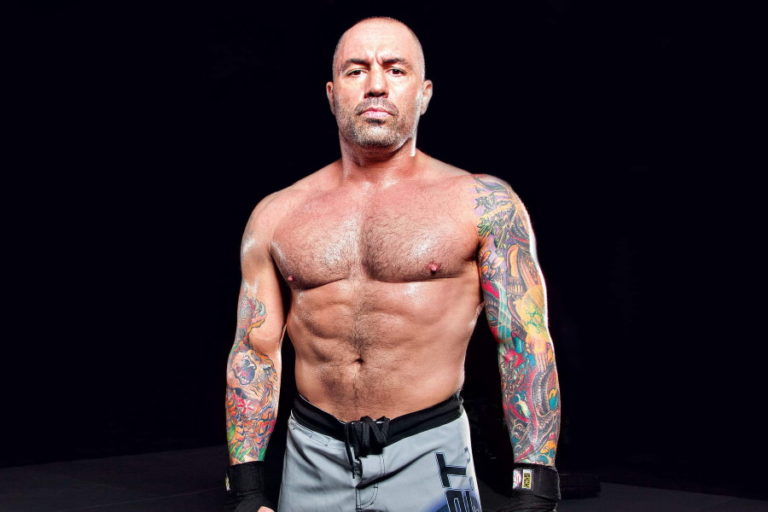
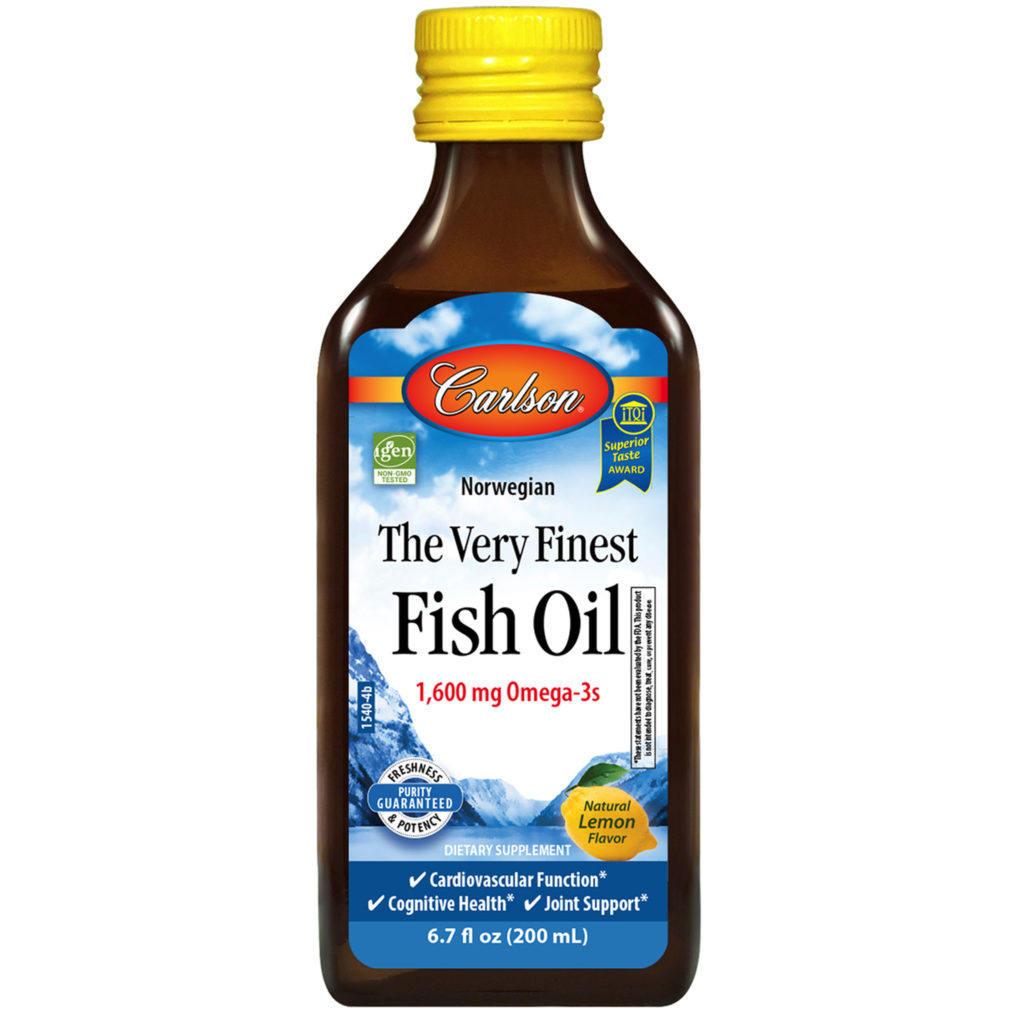
 If you’ve listened to any podcast where Joe Rogan talks about nutrition, you know he is an avid fan of omega-3 fish oils. In a podcast with Tom Papa, Joe dives into how much he values omega fish oils, and how they are “super, super important for brain function”. He specifically supplements with Carlson’s Super Omega-3 fish oil according to a Youtube video below where he gives a tour of his supplement cabinet, along with the same Instagram post from 2013.
Lately, Joe has been all about krill oil due to it’s bioavailability as a source of DHA. In a podcast Joe did with Dr. Rhonda Patrick, she mentions the importance of taking both Krill Oil and Fish Oil to get the unique benefits of each – which are both crucial for brain function. Joe hasn’t mentioned what krill oil he takes, but we’re going to go out on a limb here and guess it’s the new Onnit Krill Oil product that just recently dropped.
RELATED READING: Biohacker Dr. Andrew Huberman’s Complete Supplement List
If you’ve listened to any podcast where Joe Rogan talks about nutrition, you know he is an avid fan of omega-3 fish oils. In a podcast with Tom Papa, Joe dives into how much he values omega fish oils, and how they are “super, super important for brain function”. He specifically supplements with Carlson’s Super Omega-3 fish oil according to a Youtube video below where he gives a tour of his supplement cabinet, along with the same Instagram post from 2013.
Lately, Joe has been all about krill oil due to it’s bioavailability as a source of DHA. In a podcast Joe did with Dr. Rhonda Patrick, she mentions the importance of taking both Krill Oil and Fish Oil to get the unique benefits of each – which are both crucial for brain function. Joe hasn’t mentioned what krill oil he takes, but we’re going to go out on a limb here and guess it’s the new Onnit Krill Oil product that just recently dropped.
RELATED READING: Biohacker Dr. Andrew Huberman’s Complete Supplement List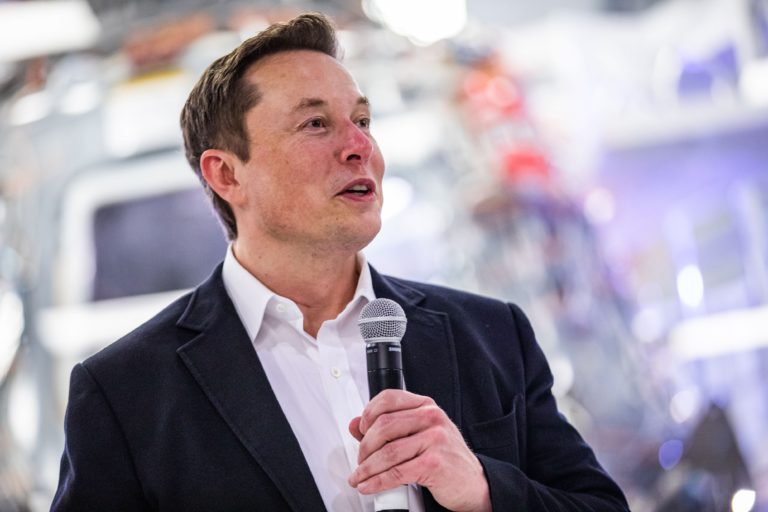



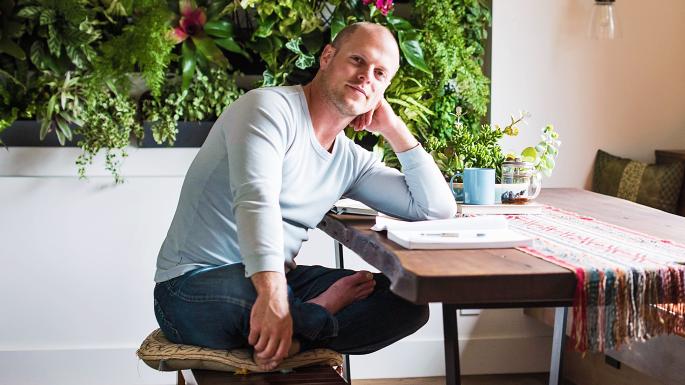 The Slow-Carb Diet is a rapid weight loss plan. Tim Ferriss claims people can lose 20 pounds of body fat in 30 days without exercise using the program. Ferriss describes in “The 4-Hour Workweek: Slow-Carb I” how he effortlessly lost 25 pounds using the plan. He assures his readers that they can do the same by using five slow-carb diet rules outlined in the book.
The five slow-carb diet rules are easily incorporated into your lifestyle because they are built on a concept known as the minimum effective dose principle or MED for short. MED was first made famous by fitness expert Arthur Jones and involved finding the smallest dose required to produce the best outcome.
Anything less than MED will not work, and you’ll end up spinning your wheels. In other words, MED means that you get maximum results by performing the minimum amount of work.
The Slow-Carb Diet utilizes the MED concept in its five slow-carb diet rules, and they are geared to help your body optimally burn fat and shed pounds. For six consecutive days, you eat from a slow-carb diet food list (the minimum). During this time, you should limit meals to four a day and cut out refined carbs and fruit. You don’t want to drink your calories, either, so avoid drinking those that are high in them.
The seventh day is a cheat day, and you can eat whatever you want. Tim Ferriss even joked in the book about how he had a bountiful pepperoni and sausage pizza for breakfast on the seventh day and still lost weight.
Related:
The Slow-Carb Diet is a rapid weight loss plan. Tim Ferriss claims people can lose 20 pounds of body fat in 30 days without exercise using the program. Ferriss describes in “The 4-Hour Workweek: Slow-Carb I” how he effortlessly lost 25 pounds using the plan. He assures his readers that they can do the same by using five slow-carb diet rules outlined in the book.
The five slow-carb diet rules are easily incorporated into your lifestyle because they are built on a concept known as the minimum effective dose principle or MED for short. MED was first made famous by fitness expert Arthur Jones and involved finding the smallest dose required to produce the best outcome.
Anything less than MED will not work, and you’ll end up spinning your wheels. In other words, MED means that you get maximum results by performing the minimum amount of work.
The Slow-Carb Diet utilizes the MED concept in its five slow-carb diet rules, and they are geared to help your body optimally burn fat and shed pounds. For six consecutive days, you eat from a slow-carb diet food list (the minimum). During this time, you should limit meals to four a day and cut out refined carbs and fruit. You don’t want to drink your calories, either, so avoid drinking those that are high in them.
The seventh day is a cheat day, and you can eat whatever you want. Tim Ferriss even joked in the book about how he had a bountiful pepperoni and sausage pizza for breakfast on the seventh day and still lost weight.
Related: 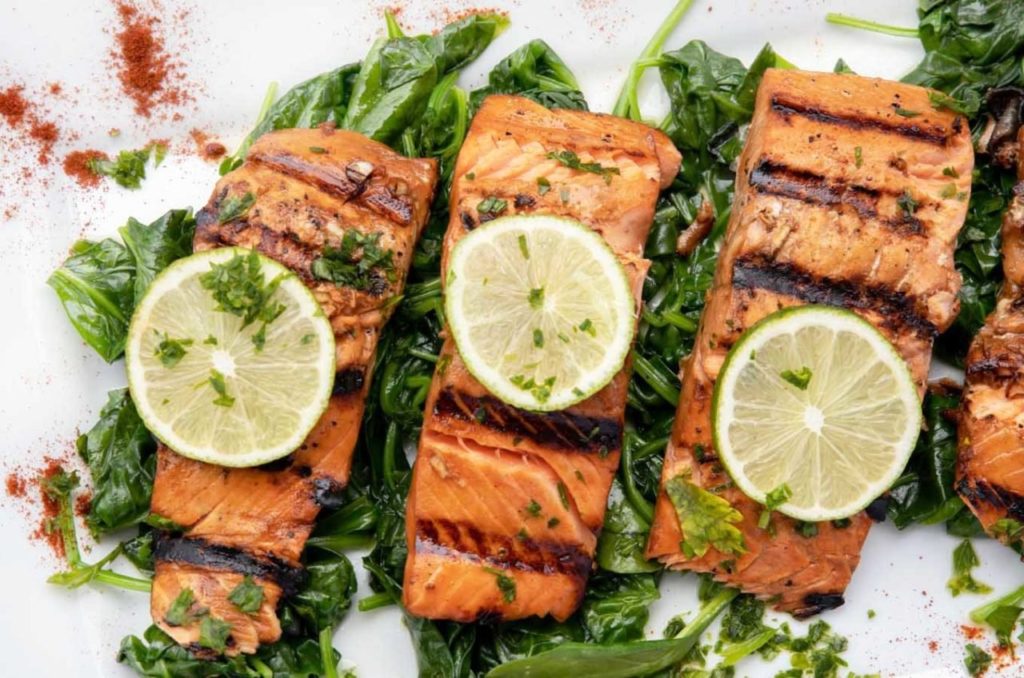 The Slow-Carb Diet is a rapid weight loss method that Tim Ferriss says is the only one besides the extreme Cyclical Keto Diet that blasted stubborn body fat from his waist. The method incorporates five food types: protein, vegetables, legumes, fats, and some spices. Each meal consists of as much as you want of the first three types, plus fewer amounts of the last two.
The plan is similar to a Ketogenic Diet in some ways. For instance, both involve eating protein and limiting carbs to boost weight loss. However, the main difference is that the Slow-Carb Diet does not throw your body into ketosis as a method of weight loss the same way as the Ketogenic Diet does.
Related:
The Slow-Carb Diet is a rapid weight loss method that Tim Ferriss says is the only one besides the extreme Cyclical Keto Diet that blasted stubborn body fat from his waist. The method incorporates five food types: protein, vegetables, legumes, fats, and some spices. Each meal consists of as much as you want of the first three types, plus fewer amounts of the last two.
The plan is similar to a Ketogenic Diet in some ways. For instance, both involve eating protein and limiting carbs to boost weight loss. However, the main difference is that the Slow-Carb Diet does not throw your body into ketosis as a method of weight loss the same way as the Ketogenic Diet does.
Related:  Five fundamental rules dictate how to use the Slow-Carb Diet. Tim Ferris assures us if we follow the five slow-carb diet rules to the letter, we can’t go wrong.
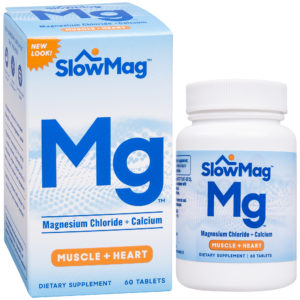
 Because the Slow-Carb Diet could cause a loss of excess water, it’s recommended that you replenish lost electrolytes daily with Calcium (1,000 mg) and Magnesium, 400 mg daily, and 500 mg at night to sleep better. It’s also recommended that you supplement with 99 mg of Potassium at every meal.
  According to the author, you can mix and match anything from the slow carb diet food list, constructing each meal with one pick from each of the groups below. The choices that produced the quickest fat loss for the author are starred.
 The Slow-Carb Diet suggests that you repeat meals as often as you can. That’s because deviating from the slow carb diet food list could decrease your chances of hanging in there and succeeding.
Breakfast – Be sure to get 30 grams of protein within 30 minutes of waking. Having eggs first thing in the morning provides an easy way to do this while also boosting your success rate by 10 percent.
Sample Slow-Carb Breakfast Ideas:
The Slow-Carb Diet suggests that you repeat meals as often as you can. That’s because deviating from the slow carb diet food list could decrease your chances of hanging in there and succeeding.
Breakfast – Be sure to get 30 grams of protein within 30 minutes of waking. Having eggs first thing in the morning provides an easy way to do this while also boosting your success rate by 10 percent.
Sample Slow-Carb Breakfast Ideas:
 Beverages – Remember, don’t drink sugary soft drinks or fruit juices. Caffeine is ok, too. Make these substitutions for high-calorie beverages you’d normally drink:
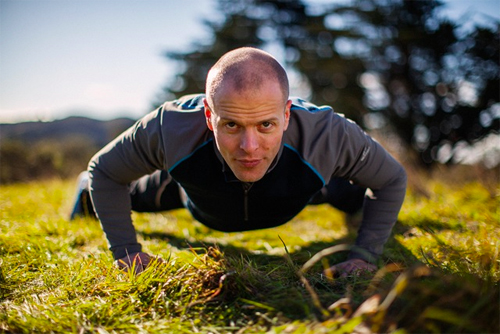 Ferriss discusses eight common mistakes and misunderstandings inherent to the Slow-Carb Diet. Of the eight, the first three listed below are responsible for about 90 percent of stalling problems, according to Ferriss:
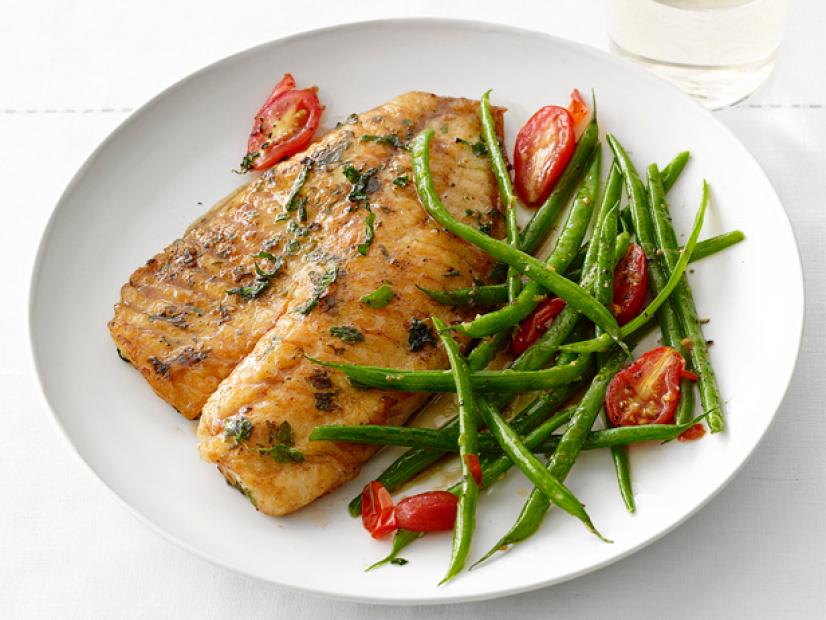 When Tim Ferris discusses the lab science behind bleaching flour in Rule #1, a key process to enriching food that is a big part of the American diet and making us fat, his storytelling skill and humorous approach makes for a compelling read. What’s more, he accomplishes the same throughout “The 4-Hour Body,” keeping you interested and wanting to read more.
Now, if that translates to America successfully using the Slow-Carb Diet to lose unwanted pounds, then Ferriss has a winner on his hands that is comparable to that of the current and popular Keto Diet fad. With the current obesity epidemic the nation is embroiled in, that doesn’t sound like such as bad thing, either.
Regarding that,
When Tim Ferris discusses the lab science behind bleaching flour in Rule #1, a key process to enriching food that is a big part of the American diet and making us fat, his storytelling skill and humorous approach makes for a compelling read. What’s more, he accomplishes the same throughout “The 4-Hour Body,” keeping you interested and wanting to read more.
Now, if that translates to America successfully using the Slow-Carb Diet to lose unwanted pounds, then Ferriss has a winner on his hands that is comparable to that of the current and popular Keto Diet fad. With the current obesity epidemic the nation is embroiled in, that doesn’t sound like such as bad thing, either.
Regarding that, 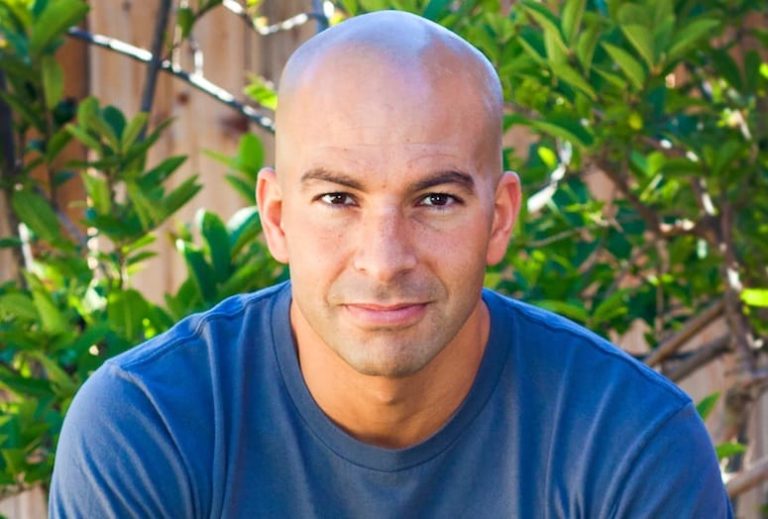
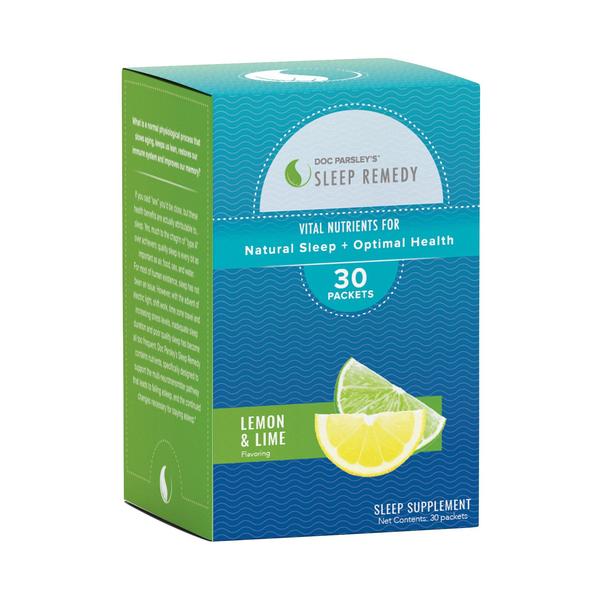 Dr. Attia has mentioned he will typically combine some variation his other supplements with Doc Parsley’s Sleep Remedy. When he flies, he will take a double dose of this stuff in order to sleep through the flight. This sleep cocktail is jam-packed with loads of sleep promoting supplements such as:
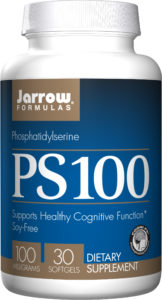 Before bed, Peter will take a supplement called phosphatidylserine in order to lower adrenal output and reduce stress levels. Supplementing with phosphatidylserine has even been
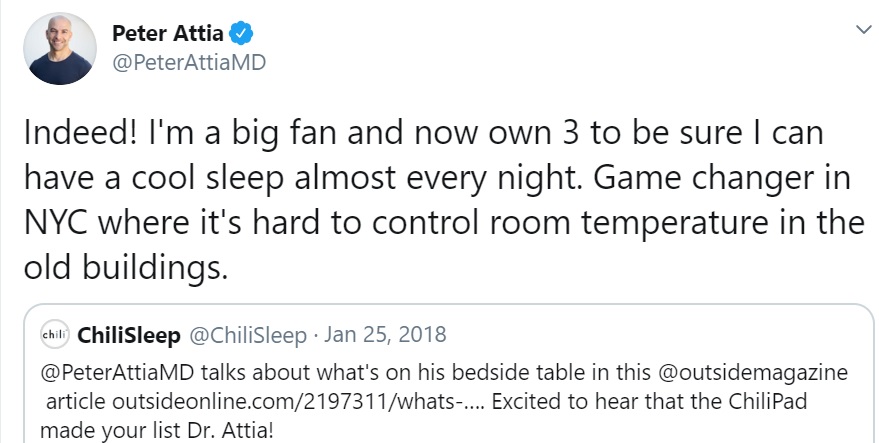 Our body temperatures actually lower when we sleep, with the suggested room temperature for optimal sleep ranging between 60 to 67 degrees. Dr. Attia mentions in a tweet below that he has 3 of these things, and uses them while living in large cities with typically older buildings where it’s hard to control temperatures, especially during the summer.
The OOLER will maintain the temperature of your mattress with precision all night, even if the temperature in your room may be fluctuating. You can
Our body temperatures actually lower when we sleep, with the suggested room temperature for optimal sleep ranging between 60 to 67 degrees. Dr. Attia mentions in a tweet below that he has 3 of these things, and uses them while living in large cities with typically older buildings where it’s hard to control temperatures, especially during the summer.
The OOLER will maintain the temperature of your mattress with precision all night, even if the temperature in your room may be fluctuating. You can 

 In order to improve your sleep, your going to have to completely change your relationship with sleep, including the behaviors that have an effect on it. If you are not exercising and are drinking everyday, it is almost impossible to even get a decent night of sleep consistently.
Here is what Peter had to say about this on Tim Ferriss’ podcast:
“I mean this sleep is a hard thing because it’s sort of like exercise in the sense that you can’t just give somebody a pill that makes sleep better. It really comes down to changing. You have to sort of accept you’re going to make behavior change. You have to prioritize this thing and it’s not just the eight hours you want to spend in bed. It’s the buildup to it.”
Dr. Attia advises completely changing your behavior if you want to improve your sleep, and that there is no magic pill. You should make sure you are covering your bases by exercising and eating healthy, then you can master your own sleep protocol. See what works for you.
In order to improve your sleep, your going to have to completely change your relationship with sleep, including the behaviors that have an effect on it. If you are not exercising and are drinking everyday, it is almost impossible to even get a decent night of sleep consistently.
Here is what Peter had to say about this on Tim Ferriss’ podcast:
“I mean this sleep is a hard thing because it’s sort of like exercise in the sense that you can’t just give somebody a pill that makes sleep better. It really comes down to changing. You have to sort of accept you’re going to make behavior change. You have to prioritize this thing and it’s not just the eight hours you want to spend in bed. It’s the buildup to it.”
Dr. Attia advises completely changing your behavior if you want to improve your sleep, and that there is no magic pill. You should make sure you are covering your bases by exercising and eating healthy, then you can master your own sleep protocol. See what works for you.