8 Tools to Biohack Your Way to Better Sleep

3

If you’re like me, you probably stumbled upon this article because you have trouble sleeping. Fortunately, there are ways to “biohack” our sleep using tools to manipulate our bodies and environment, promoting better sleep. The days of drinking tea and counting sheep are over… in today’s day in age, we have access to some incredible tools that promote sleep.

We can use devices to track our sleep, and then implement new devices and tools and see if they are working based on the data. It’s been estimated that 30-40% of Americans have sleep issues. There is no glory in working off 4-5 hours of sleep per night. In fact, it can lower our lifespan and cause further health issues. We need to be getting at the very least seven hours of restful sleep. Keyword – restful. I was appalled when I first started tracking my sleep only to see I spent a very small amount of time in deep REM sleep. Once I started “biohacking” my sleep, my life changed. Sleep is the key to everything. It allows our brains and bodies to heal, reduces the risk of diabetes and heart disease, and allows us to manage stress better.

In the past, I was sleeping 5-6 hours a night and running off caffeine to get through the day. My blood pressure was high, and my adrenal system was completely blown out. I was all about the hustle, but have realized I get MUCH more done on a good night of sleep. Here are seven devices that have drastically improved the quality of my sleep.

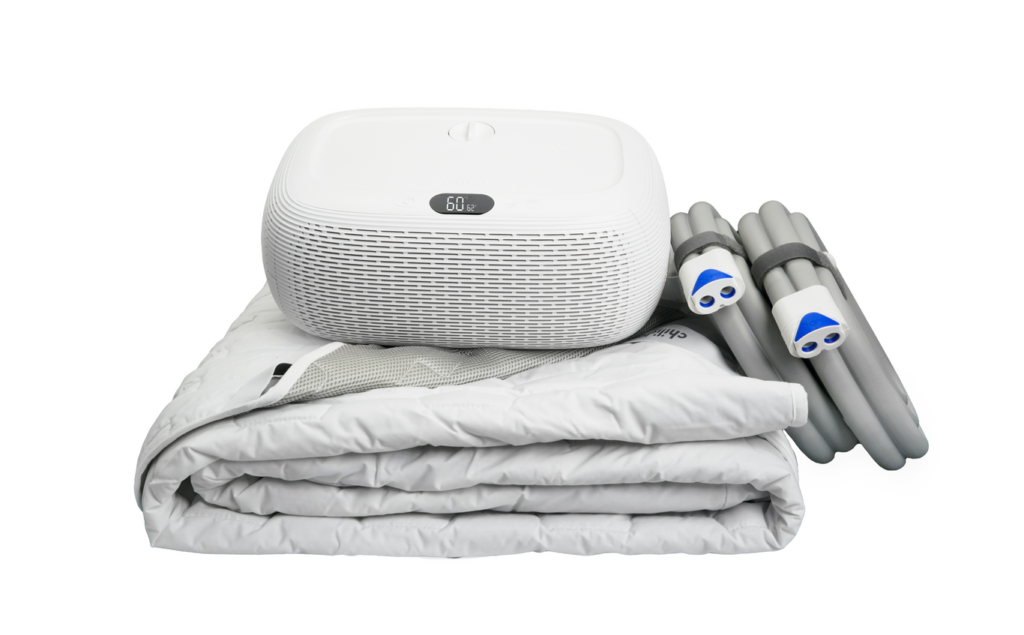
Ooler Sleep System

We can’t start this list without mentioning the OOLER Sleep System by ChiliSleep. An absolute legend among biohackers, the OOLER Sleep System is used by the likes of Joe Rogan, Tim Ferriss, Dr. Peter Attia, and Dr. Andrew Huberman.

I bought the OOLER Sleep System a few months ago and it completely changed my sleep (and life). I find that I fall asleep faster while maintaining a deeper sleep. So, what is the OOLER Sleep System you might ask? Well, it is a best-in-class hydro-powered sleep system that allows you to control the temperature of your bed.

The science is clear, we sleep and recover better at cooler temperatures. How often have you woken up in the middle of the night being too hot or cold? The Ooler Sleep System solves that. More so, a 2012 study showed that our thermal environment is the most important factor in having a good night’s sleep. Further studies suggest the optimal sleep temperature is 65 degrees Fahrenheit. This could wreak havoc on your energy bill, especially during the summer. The OOLER allows you to sleep at this temperature without sending your electric bill through the roof.

According to their website: “OOLER allows the reproduction of the original sleep to wake cycle as our cave dwelling ancestors had it. We rise with the sun and we go down with sun. Our bodies warm up as we wake and cool down when the sun goes down. The results begin the first night. From the moment you find your perfect sleeping temperature, we’re dedicated to helping you enjoy a lifetime of better sleep.”

Trust me, it saves money on your electric bill and allows you to fine-tune your body to be at the optimum temperature while sleeping. By using code ‘OOLER15’, you can save 15% on the OOLER Sleep System on the ChiliSleep website. 

RELATED READING: Dr. Peter Attia’s Biohacking Toolkit

A Good Mattress

We spend around a third of our life in bed. Think about it… we will spend tens of thousands of dollars on a vehicle to commute to work but might shutter at the fact of spending a thousand or two on a mattress. I was like this too, always opting for the more affordable mattress and finding a cheap mattress topper at Target. But hear me out.. once I invested in a high-quality mattress, my sleep drastically improved, thus improving my productivity throughout the day. I would say the extra thousand dollars I spent on a mattress has paid itself off 10 times over because of how productive I am with a good night of sleep.

I went and splurged on a Puffy Mattress, more specifically the Puffy Lux Mattress. It has drastically improved my sleep. They were voted the best online mattress of 2021 and have a 101-night sleep trial along with a lifetime warranty. Here is a link to their website.

RELATED READING: Biohacker Dr. David Sinclair’s Supplement Stack for Longevity

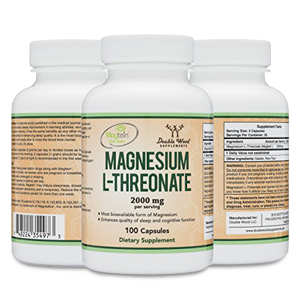
Sleep Supplement Stack

When you first think of sleep supplements you might think of melatonin, but that’s actually not the best thing to take for sleep. Your body naturally produces melatonin. If you’re like me, you’ve probably taken melatonin only to have wild dreams and wake up at 2-3 in the morning.

Dr. Andrew Huberman is an expert in this field and recommends a scientifically proven sleep supplement stack. I did a deeper write-up of it here, but it consists of the following:

I’ve also had great success with Qualia Night and Calm.

RELATED READING: Dr. Andrew Huberman’s Supplement List

Blue Light Blocking Glasses

We all know we shouldn’t look at screens an hour before bed. We should just sit by the fire and read a book while sipping tea – but, let’s be real –  we’re all on our gadgets before bed. And if you’re not, then kudos to you, but for us technological degenerates, it’s best to do that late-night screen time while wearing blue light-blocking glasses.

Not all blue light-blocking glasses are made the same. I highly recommend picking up a pair of Felix Grays. Not only are they stylish, but they work better than any blue light-blocking glasses on the market. These glasses are sharp and are great to wear to work or out in public.

Weighted Blanket

Weighted blankets provide comfort and security, ease stress and anxiety, improve sleep quality, and calm the nervous system. Ever since I’ve switched to a weighted blanket, I can’t sleep without it.. I take it everywhere. The weight from the blanket mimics deep pressure simulation.

In fact, a 2020 study done in Sweden found that weighted blankets improved sleep in those with major depressive disorder, ADHD, bipolar disorder, and generalized anxiety disorder. Multiple other studies support this same thesis. Trust me, you will notice a huge difference on the first night. If you have anxiety or have trouble staying asleep once you fall asleep, I highly recommend trying out a weighted blanket. You can pick a cheap one up on Amazon for around $30 – or, if you want to get a high-quality one that looks better, functions better, and can actually be used as a comforter – I recommend the Puffy Weighted Blanket.

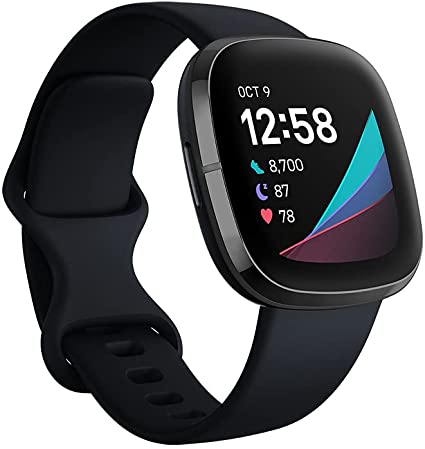
Sleep-Tracking Smartwatch

A smartwatch is an absolutely crucial tool when it comes to tracking your sleep. You’ll be given data on your sleep, such as how often you wake up and how much time you actually spend in REM sleep. With this data, you can then tinker with your sleep routine to see what works and what doesn’t. It allows you to be your own test dummy.

Not all sleep trackers are made the same, that’s why I recommend the FitBit Sense Smartwatch. It comes with an app that offers personalized recommendations to improve the quality of your sleep. The watch also has a smart alarm that wakes you up at an optimal time each morning. The FitBit Sense also comes with a pedometer, voice assistant, Bluetooth calls and texts, menstrual health tracking, and much more.

Blackout Curtains

If you have difficulty falling asleep at night, the light in your room could be the culprit. Blackout curtains are the perfect remedy for blocking out the sun in the morning, or streetlights during the middle of the night. Light plays a major role in our body’s biochemistry – the darker your room, the more melatonin your body will naturally produce.

You should also make a valiant effort to get away from all screens an hour before bed. A recent study from 2018 published in the American Journal of Epidemiology actually linked even a small amount of light in your room while you’re sleeping to increased depression.

With that being said, if you have any light leaking through your windows, you should definitely invest in some blackout curtains. Fortunately, they’re extremely inexpensive. You can pick up a pair of blackout curtains on Amazon for less than 20 bucks.

Dr. Rhonda Patrick on Children’s Supplementation & Baby Products

We trust nobody more than Dr. Rhonda Patrick regarding which supplements to take. Her reputation has been growing over the recent years. She gives her audience the best advice on what to intake and from what sources to trust. She emphasizes getting as many nutrients as you can get from your diet. Supplements then fill in any missing nutrients needed by the body. The case also applies when it comes to children. It is vital to remember that we are all different, and our bodies might have other deficiencies when considering all her advice. It would be best if you, therefore, prioritized the supplementation of your child or children to their medical, dietary, or genetic needs. Rhonda has also been keen on discussing the supplements that she gives to her son. She is inclined to provide him with chewable supplements. This is, of course, tied to the child’s age as you have to wait for the child to get to a comfortable age to start chewing things. The age varies from one child to another, and they all reach this stage.

Dr. Rhonda Patrick on Children Supplementation

There are several supplements that Rhonda points out to be crucial in a child’s development. They include the following: RELATED READING: Dr. Rhonda Patrick’s Complete Supplement List

Multivitamin

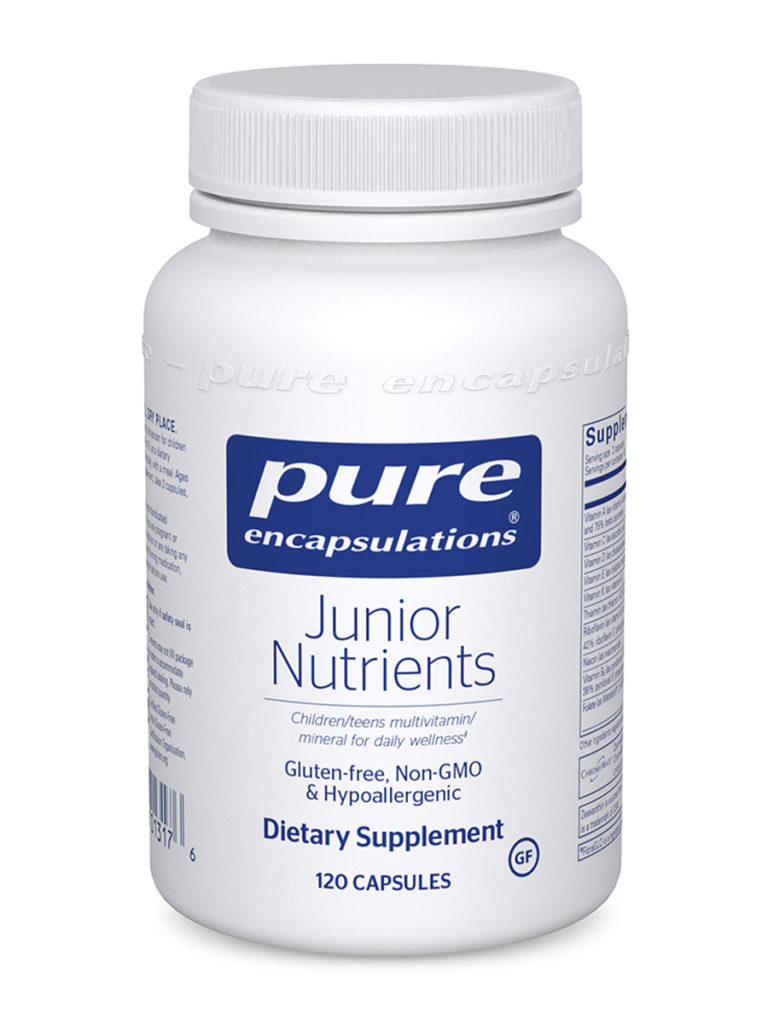
Rhonda was asked which multivitamins she likes for children, and she mentioned two. The first one was the Pure Nutrients Gummies by Pure Encapsulations that her son seemed to prefer. He eats them more regularly. Rhonda noted that it was a challenge finding gummies with zero sugar. The only reason she chose Pure Encapsulations PureNutrients was that it uses xylitol. There’s a little juice in the gummies, which equals 2g of sugar per serving. She brushes her son’s teeth shortly after he takes them. The other was a Nordic Naturals product with zero sugars, Nordic Naturals Zero Sugar Kid’s Multi Gummies. She also added that you should supplement children between 2-3 years with two gummies. If they are above four, you can increase them with four gummies. This product helps take care of the bulk of micronutrients her son might need. RELATED READING: Dr. David Sinclair’s Longevity Supplement List

Omega-3 Fish Oil

When it comes to the fish oil, Rhonda gives her son Nordic Naturals EPA/DHA Gummies for Children (she trust Nordic Naturals extensively and uses it as her own fish oil supplement). Rhonda claims that children given fish oil for six months have a 42% reduction in anti-social behavior in a Twitter post. She then adds that the same children had a 62% reduction in anxiety after 12 months. RELATED READING: Dr. Rhonda Patrick’s Fish Oil Protocol

Vitamin D3

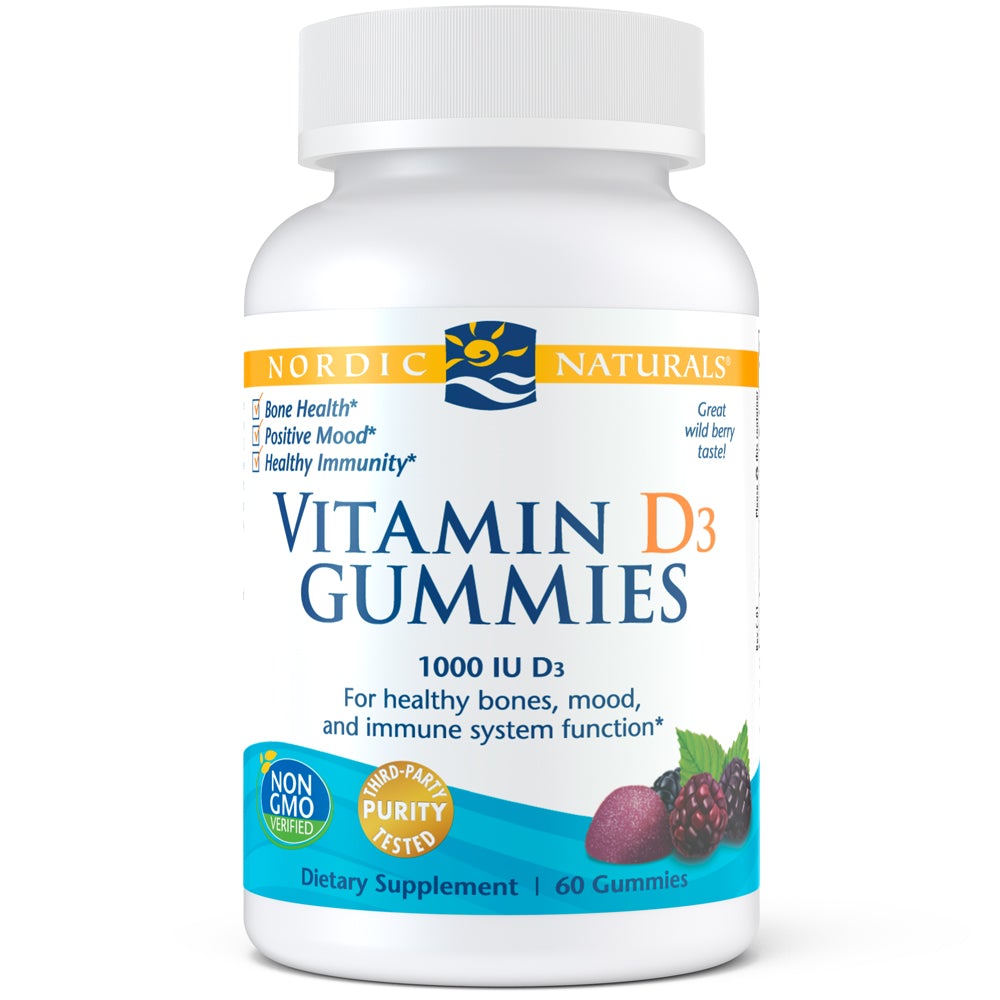
The primary source of Vitamin D is exposure to sunlight. On top of that, Rhonda states that you can add on top of that content in the Pure Nutrients multivitamin. She had previously mentioned that she adds on top of that some D3 gummies which have zero sugar. Rhonda gives her son Nordic Naturals D3 Gummies. She uses the supplement in conjunction with breastfeeding and limited exposure to sunlight. However, breastmilk from the mother does not have enough amounts of vitamin D and is considered insufficient to prevent vitamin D deficiency. During the winter or when her son gets limited sunlight exposure, she increases his vitamin D intake. She expressed through an Instagram post that Carlson’s D3 drops contain 400IU per drop and 365 drops per bottle. Nordic Naturals D3 Gummmies are administered at 1,000iu per dose. They are, however, becoming less essential, especially if you come from a region where your child can get adequate exposure to sunlight. RELATED READING: A Deep Dive on Dr. Rhonda Patrick’s Diet 

Breastfeeding Probiotics

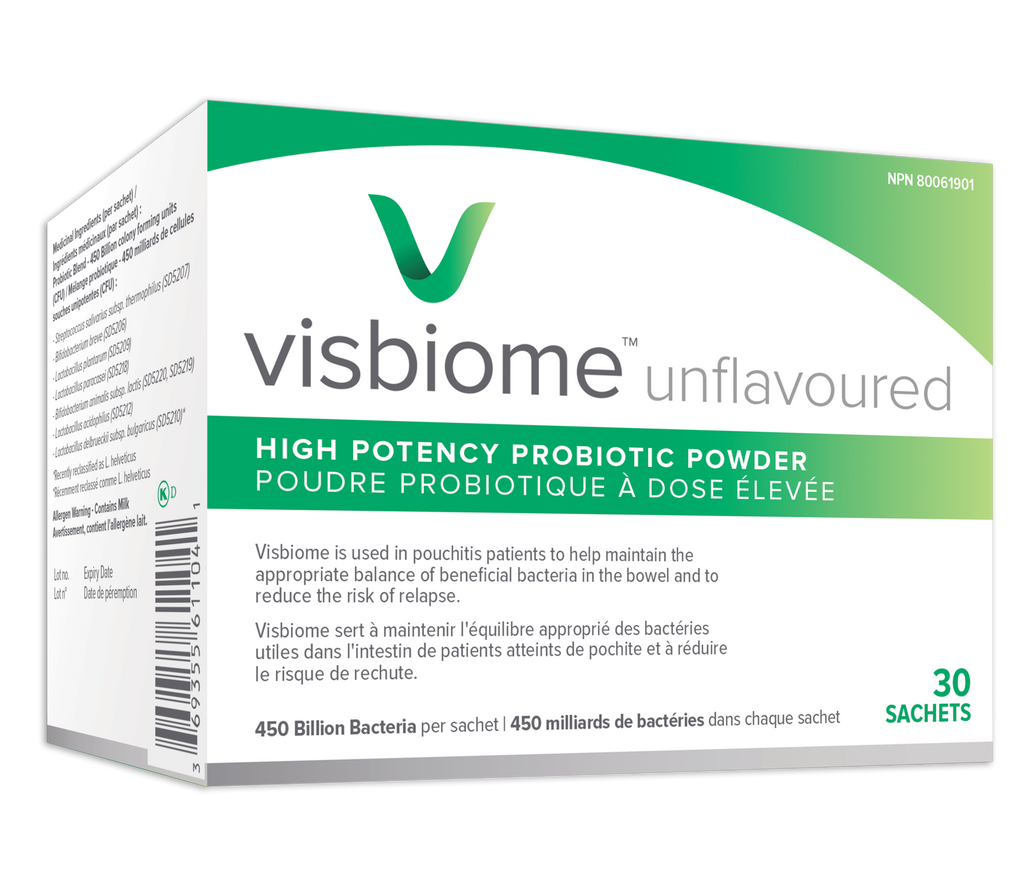
The probiotics were more for breastfeeding women. Rhonda took a sachet daily of Visbiome probiotics while she was breastfeeding. She started taking them during her third trimester, and continued even while nursing her son. Women who took the Visbiome sachets noticed a difference. The probiotics go a long way to reduce the inflammatory biomakers in the breastmilk. This was the case especially for women who took Visbiome during their late pregnancy and when nursing their newborns. RELATED READING: Dr. Rhonda Patrick’s Exercise Routine

Vitamin C

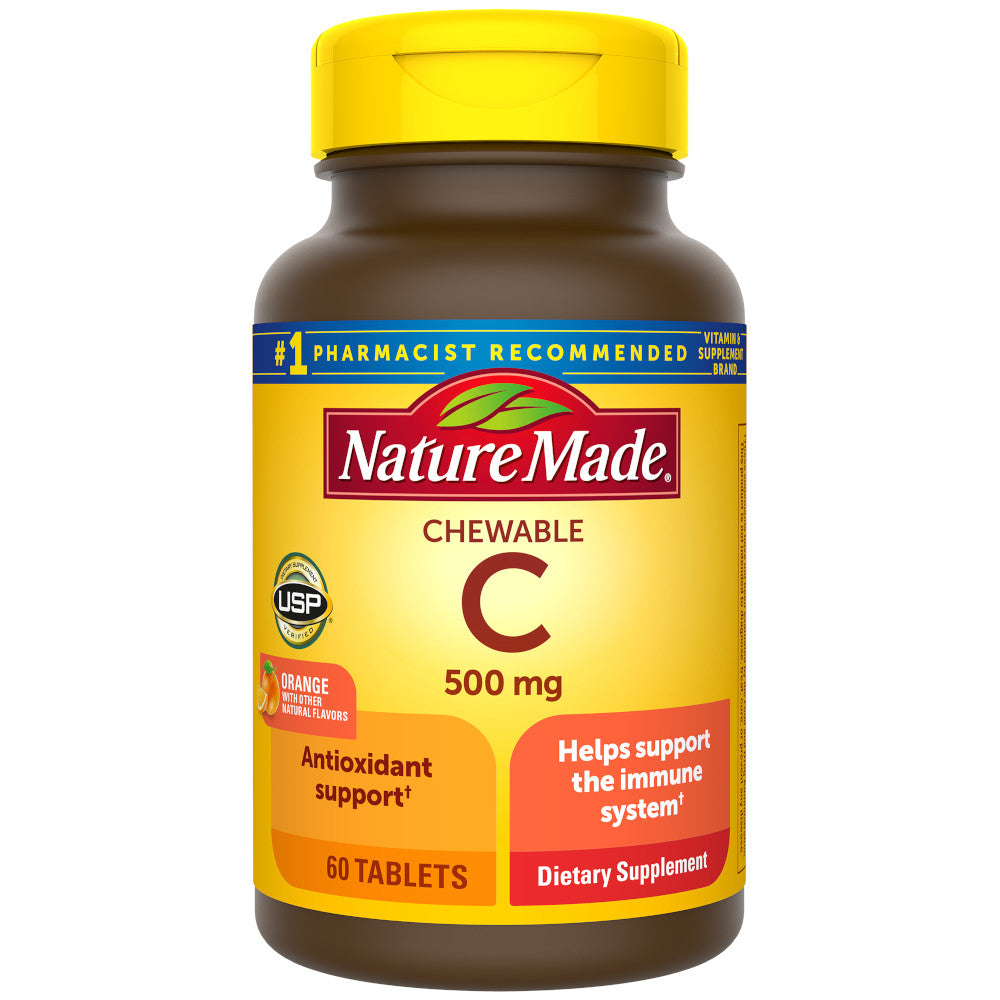
Rhonda points out vitamin C to be crucial as it is necessary for preventing common colds in children. Dr. Patrick gives her children chewable Vitamin C. Vitamin C can also come in handy in shortening the duration of the common colds in children, especially toddlers. She says that she supplements her son with vitamin C made from Swanson. Since the supplements can be challenging to break at times, she breaks them down into smaller pieces and gives them to him since they will be easier to chew. Vitamin C is an essential nutrient in babies. It plays a critical role in immunity, collagen production, and protection from radical damage. It is more abundant in breastmilk and whole foods such as strawberries, papaya, and bell pepper. It is, however, recommended to consult a medical provider before adding the supplement to your child’s routine.

Rhonda’s Method for Choosing Supplement Brands

The supplement industry is increasingly becoming popular and expanding. The major demerit is it is largely unregulated. This comes by surprise, especially if you consider the stringent regulations imposed on the pharmaceutical industry. The two industries go hand in hand, and it is pretty astonishing to find very few rules regarding the supplement industry. The situation amplifies the vital need to find a good supplement that you can rely on. In an interview, Rhonda recommended that you be keen on the supplement brand you want to buy from. She went on to say that you should always make sure that it is certified by the NSF(National Sanitary Foundation). Their role in the market is to test and certify the supplements before they are distributed. They also ensure that these supplements do not have contaminants or undeclared ingredients. Rhonda went on and also talked about labdoor.com. This site can allow you to check if a specific supplement has any contaminant. She gave an example of choosing a cocoa supplement; she went to the site and noticed that they were low on heavy metals. The brands we provided are brands trusted by Dr. Patrick. You can’t go wrong with anything by Nordic Naturals or Pure Encapsulations.

Dr. Rhonda Patrick Baby Products

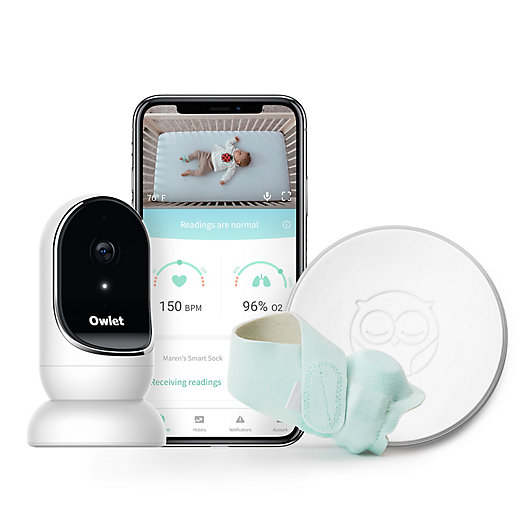
  • Owlet Smart Sock: This sock-like device checks an infant’s oxygen levels and heart rates. It also has an integrated alarm that beeps if it dips below the usual levels.
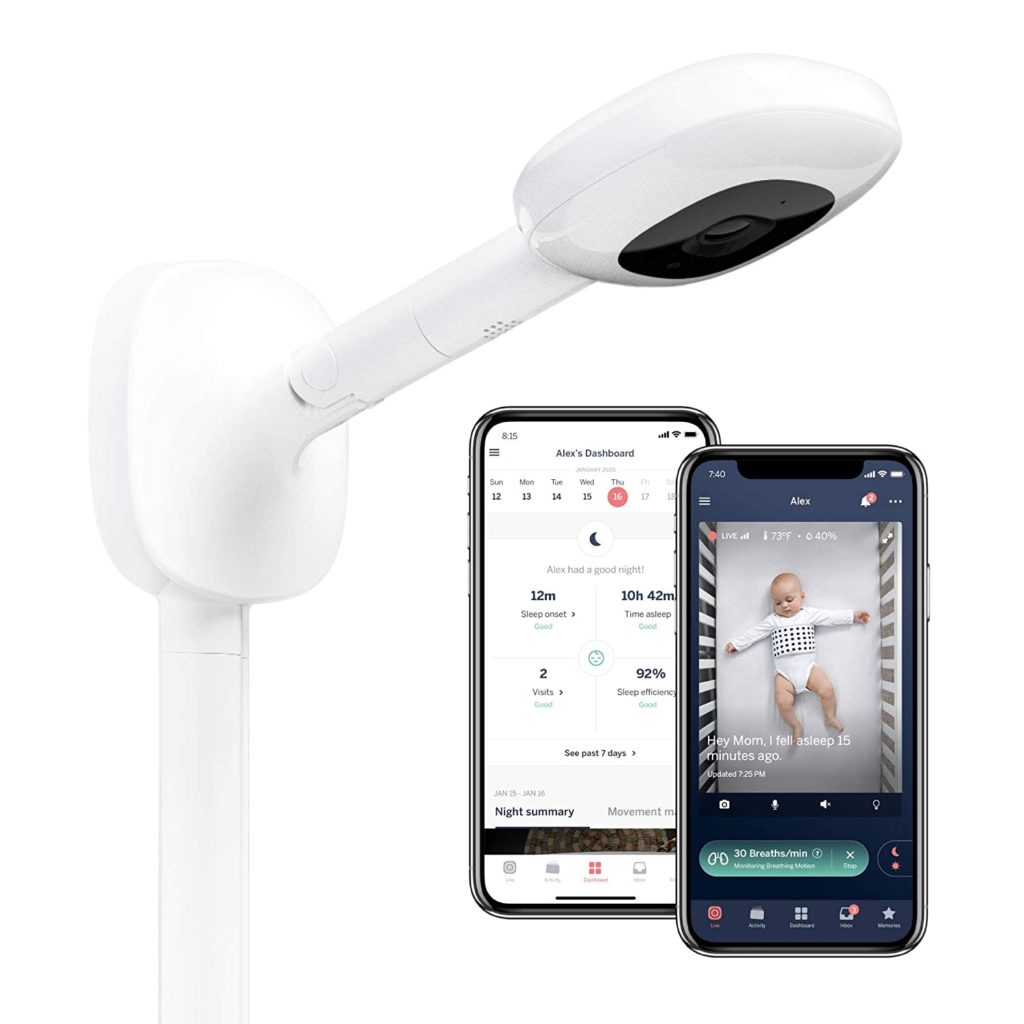
  • Nanit Smart Baby Monitor: This is a camera integrated into a monitor that sends streaming videos of the baby to your phone. The monitor also has push notifications that go straight to your phone and alert you of what the baby is up to.
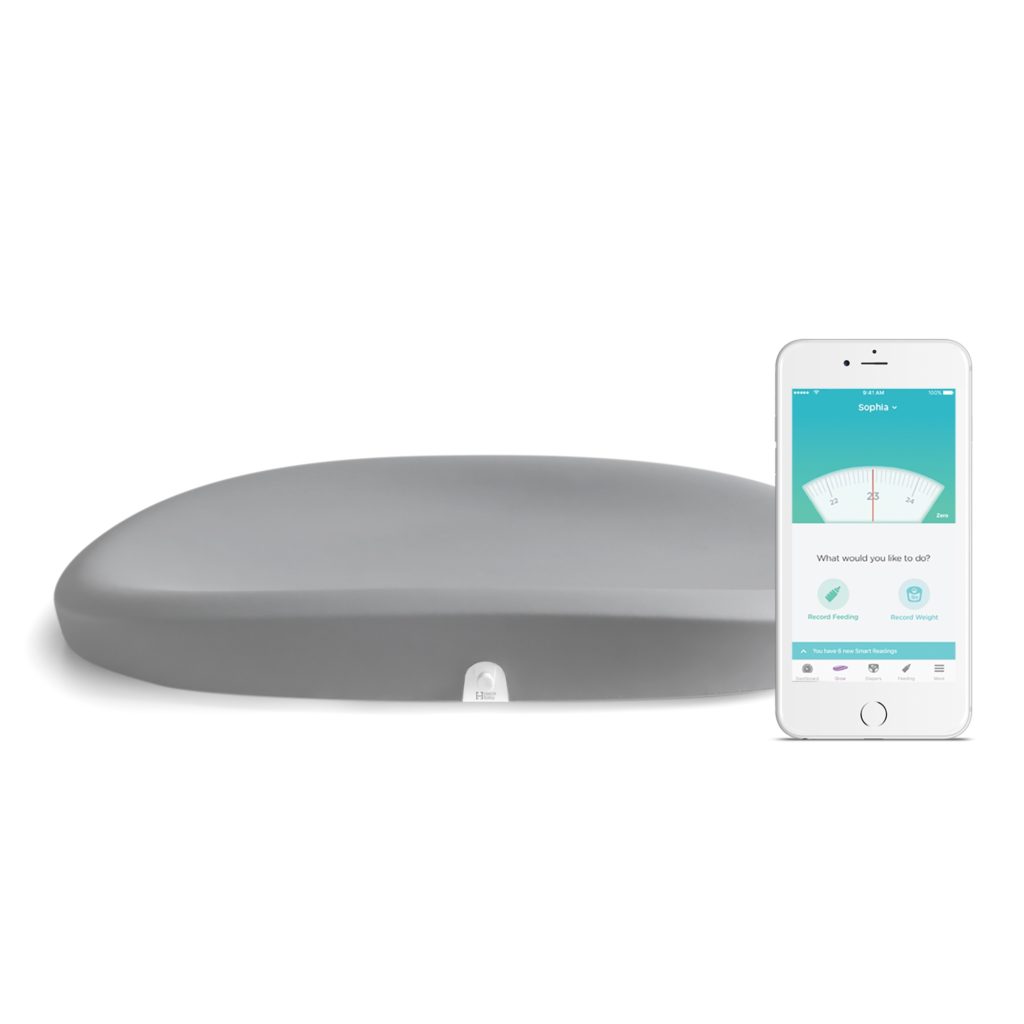
  • Hatch Baby Grow Smart Scale – It is a precise scale that helps you monitor the weight of the infant, before and after feeding them.
  • Stem Cell Banking – Such an example is LifeBank USA. It is a storage facility for the mother’s placenta after giving birth. It contains numerous pluripotent stem cells that can be later used.

Monitoring Oxygen Levels and Heart Rate – Owlet Smart Sock

As stated, the Owlet Smart Sock is a fragrance-free cotton sock. It can measure both oxygen levels and heart rate. It can then communicate the measurements to a device via Bluetooth. You can also install the smart sock application on your phone. From the application, you can get notifications of the measurements on your baby. It also has an alarm that goes off in any unusual readings. This device can be critical against SIDS (which stands for Sudden Infant Death Syndrome). It can provide you with the necessary time to react if the child’s vitals dip during their sleep.

Pros of Owlet Smart Sock

  1. The sock has a wide range. It can communicate via Bluetooth at a range of upto 100 feet. It can also connect to your wifi network.
  2. The system works for both android and iOS platforms.
  3. The intelligent sock has an extended battery life of up to 18 hours. The device is also rechargeable.
  4. The Owlet Smart Sock comes with four booties. They come in two different sizes, offering both closed and open options for each size.

Cons of Owlet Smart Sock

  1. The smart sock is vulnerable to false alarms. This can be when a child burps.
  2. The accessory price is relatively high, $299, which comes due to a lack of any other competitor in the industry.

Sound & Video Monitoring – Nanit Pro Smart Monitor

Rhonda went on her Patreon post to recommend the Nanit Smart Baby Monitor. It keeps you in tune with your baby’s well being. You can be able to monitor your child’s breathing, motion, and sleep. The device is similar to the usual baby monitors but comes integrated with:
  • 5’ floor stand,with an HD camera attached at the end of the stand
  • The HD camera comes equipped with night vision to monitor the child even in darkness
  • You can stream what your baby is upto directly to your device, regardless of the platform
Once you have the camera set up in the baby’s crib, you can monitor all their activities on your phone in another room. The whole setup goes for about $364 at retail and saves you peace of mind.

Growth Scale – Hatch Baby Grow Smart Scale

The Hatch Baby Grow Smart Scale is another accessory that Rhonda recommended in her Patreon post. The idea of the Hatch Smart Scale was brought up after a breastfeeding mother was worried that her child did not get enough nutrition. She decided to weigh the child instead of consulting a doctor. She figured that she could use the weight of her child to track everything. Some of the functionalities of the Hatch Smart Scale include:
  • A scale that sells for around $130
  • A software that lets you monitor the weight of the baby keeps a count of the diapers, and also keeps count of how often the kid feeds
  • The scale has a smooth surface that can act as a baby changing facility

Closing Remarks

People are quickly becoming aware of their nutrition and those around them, like their children. Others like Rhonda Patrick are shedding light on the latest research and new information around human health. We have compiled a list of the supplements she advised for children and are looking forward to her updated information. Shoot us an email if you have any additional questions

Dr. Rhonda Patrick’s Exercise Routine

Rhonda Patrick is a doctor with an independent mind. Rather than follow the usual road, she embarked on a path that’s obviously interesting for anyone health-minded, but also looking to keep fit. As a nutrigenomics promoter, Dr. Rhonda’s food intake is based on her personal genetic needs. Her diet is mainly whole foods, heavily backed by organic vegetables. Her morning diet is well catered through her green smoothie packed with micronutrients. Dr. Rhonda is also a fan of sporadic fasting. You can tell her exercise routine is a unique routine worthy of unearthing, as highlighted already. The beautiful thing is her routine is not pseudoscience or “gym-bro” science – but something backed by research and proven to work. Dr. Patrick holds a PhD in biomedical science and has extensively researched metabolism, nutrition, and aging faculties. Her approach to aging, nutrition, and longevity is revolutionary.

Rhonda Patrick’s Exercise Routine

Weekly, Rhonda incorporates multiple types of training. Below are the three main training styles Dr. Patrick does. 1. Endurance Training – Prevents age-related decline in mitochondrial respiratory capacity – helping your muscle cells produce ATP similar to your younger self 2. High-Intensity Training – Boosts mitochondrial biogenesis – increasing the number of young, healthy mitochondria your body makes 3. Resistance/Strength Training – Maintains or increases muscle mass, strength & power – all of which decline without training. According to Rhonda, the three topmost workouts are fundamental in preventing muscle degeneration. According to Dr. David Sinclair, maintaining muscle mass plays a key role in longevity. These workouts include resistance training, endurance training, and high-intensity training. Mainly a large population is comfortable with an exercise routine that offers limited varieties. However, a combination or a wholesome version is more beneficial for a decent achievement. RELATED READING: Dr. David Sinclair’s Supplement List for Longevity If you are limited to just a particular training, you are likely to miss out on the benefits of the others. If your training is only cycling and running, the muscle-preserving benefits of weight lifting will be missed. If perhaps you concentrate only on weight lifting, it is evident that you’ll be lacking in the mitochondrial benefits derived from endurance training. Recovery is just as important as exercising, this is why you should also check out Dr. Rhonda Patrick’s Supplement Stack.

Rhonda’s Weekly Exercise Routine

  • Endurance Training – Endurance exercises aid the muscle cells in the production of ATP. It also preserves respiratory capacity. On the Joe Rogan Experience, Rhonda mentioned that she aims to do a 3-mile run a few times a week.
  • High-intensity training – Spinning classes, Squat jumps.A highly intensified exercise multiplies the load of young, healthy mitochondria made in the body. Examples include spinning classes, CrossFit, and sprinting. Just do a Google search of HIIT training and you’ll be provided with a myriad of workouts.
  • Resistance/ Strength Training – Strength training will help in improving insulin sensitivity. It also enhances and maintains muscle power, strength and mass – all keys to longevity and enhancing quality of life.
  • Stretching/ flexibility – Flexibility saves you the agony when bending to pick things. In animals, flexibility exercises inhibit the growth of tumors. So try to fit in a yoga class or two per week. Or, just try and do some stretching every morning.
RELATED READING: Dr. Rhonda Patrick’s Diet

Endurance Training

In a week, Rhonda sets out for a three-mile run. This is repeated three times. She notes that this gives her a boost in cognitive. If Rhonda has a great decision to make, she is animated to take that run. Aerobics or endurance training is proved to enhance the development of new neurons by a dual fold. Whatever time one starts endurance exercise, structural modifications that occur in brains due to age are almost reversed completely.

High-Intensity Training

Rhonda high-rank squat jumps and spinning as great options for high-intensity training. After giving birth to her son, she picked spinning as part of her exercise regime. She feels it was vital in avoiding postpartum depression. High-intensity interval working out is proved for increased mitochondrial capacity in various generations. The capacity was increased by 49% for younger people, and for older ones, 69% in three weeks. Insulin sensitivity is also improved, and ribosomes and mitochondrial proteins are in the cells.

Mobility/flexibility training

Yoga and ballet are fantastic examples of this that Rhonda does. They help to maintain and enhance her flexibility. It has also been shown that flexibility slows tumor though in mouse models. Daily stretches delayed cancer cell growth by 50% for a mouse model. This is without using any form of treatment. Yoga workouts are linked to suppressed breast cancer tumors. Gentle stretches also impact inflammation resolution and immune cell fatigue. RELATED READING: Dr. Rhonda Patrick’s Fish Oil Protocol

Rhonda Patrick on the Benefits of Exercise

Exercise encourages the growth of new neurons

In the brain, neurons support processing and communication. To keep up with the development pace of this world, the neurons need to be constantly renewed. The signaling mechanism for growth is the BDNF. This is proof that we can apply workouts to maintain and regenerate neurons.

Memory Retention and Improved Learning

The majority of runners and regular runners in aerobics notice that memory dispensation and consolidation are enhanced during exercise. Rhonda noted that those who exercised for 15 minutes after introducing a new skill performed better. The benefit, however, was witnessed after sleep. Sleep is considered among the mechanisms of memory consolidation. RELATED READING: Dr. Andrew Huberman’s Complete Supplement List

Delayed Biological Aging

This is measured through telomere length. In a study of people’s lifestyles, those who took regular high intensified exercises enjoyed an average of nine-year telomeres. Telomeres are the caps at our DNA strands. They protect DNA from damages. They can be likened to the phone cases that act as phone cases. In the event of worn-out telomeres, DNA remains highly exposed to damage. Rhonda notes that, interestingly, aging cannot be concluded by a single proxy. This is what she likes to compare it to the age of a car. The board or engine cannot comprehensively be a parameter considering other smaller parts that may have severely been damaged or replaced.

Reduction in the Decline of the Immune System

Naturally, with age, the immune system declines. A young person who braved many illnesses at a young age may be somewhat vulnerable in old age. In a study cited by Rhonda, older persons who worked out regularly exhibited immune system functions anticipated for their juniors by 30 years.

Muscle Aging/Degeneration is Slowed

Muscle loss is closely related to aging. This increases frailty and could reduce mobility. Exercising well into old age could delay this. Luckily all types of workouts stave off the aging of muscles. Endurance exercise improves insulin sensitivity and mitochondrial function, high-intensity exercise boosts mitochondrial biogenesis, and resistance exercise increases muscle mass, strength, and power. Exercise enhances the proper decline of skeletal muscle. It mitigates muscle mass loss. Aging stimulates physiological advancements in the muscle. Resistance training has been demonstrated to produce significant enhancements in cardiovascular fitness. The intensity of resistance training, however, has been inadequately outlined. Dr. Rhonda brings into consideration the effect of intensity. Severe molecular and metabolic reaction to resistance working out to a moment of muscular failure does not disagree with the former native endurance workout. Myocardial function is maintained or boosted in the acute reaction to high-intensity resistance exercise. Contraction strength seems to mediate the acute vascular reaction to resistance workouts. Domino effects of physiological adaptations reveal that strength workouts to temporary muscle failure release many physiological adaptations. These may be responsible for the progress in cardiovascular fitness. The adaptations may have consisted of phenotypic exchange from llx type towards lla muscle fibers and vascular adjustments. This also includes capillarization. Resistance workouts to instant muscle failure cause enough heightened stimuli to develop constant physiological adaptations to boost cardiovascular health. This review is the first to bring up such a conclusion, if only to motivate a changing paradigm. The paradigm itself is the misnomer that addresses cardiovascular workouts as spirited by modality. RELATED READING: What Dr. David Sinclair Eats to Live Longer

Dr. Rhonda Patrick’s Exercise Style

Rhonda states that strength training, high intensity, and endurance exercises are indispensable in diverting muscle aging. Here are some tips from Dr. Patrick herself.

Don’t Be Content

For overall healthy cells, different variations of exercises are needed. It is not healthy to follow only one type and leave out the others. Challenge yourself and be sure to mix up your workouts! Shoot for 4-5 days of exercise and allow yourself to rest and recover.

Aerobic Training Compared To High Interval Training

Aerobic exercises are necessary physical actions that accelerate the heart rate and breathing. They encourage overall body health, cardiovascular, and brain. For Rhonda, all forms are necessary. She, therefore, is all-inclusive in her exercise routine. She runs and cycles. Cycling increases the development of many neurotransmitters. The neurotransmitters are good for memory and learning. A person who exercises in this area has improved recall. Endurance training helps the body to reproduce mitochondria.

Dr. Rhonda Patrick: Is Eating before Exercises Beneficial Or Detrimental?

Physical activities may be anaerobic or aerobic. A meta-analysis has been conducted to compare exercising in a fasted state or eating before you exercise. It has been concluded that pre-feeding somehow improves an aerobic exercise of durations longer than one hour. However, it seems ineffective for aerobic training of less than an hour. Similarly, anaerobic exercises are improved in that you can run until exhaustion. For high-intensity interval workouts, pre-feeding is less effective. There is robust development in glucose sensitivity but an extra improvement on the mitochondrial alteration to the use of fatty acids. This is quite sensible, according to Dr. Patrick. Your mitochondria are highly prepared to use fatty acids in pre-feeding. On the other hand, it is observed that in a fasted state, you are depleting available glucose while more fatty acids remain for energy. A lot of action is available in the genes responsible for the moderation of the metabolism of fatty acids. Upon pre-feeding, these adaptations are suppressed in connection to the uptake of fatty acids. The bottom-line thus though the mitochondria are highly ready for the uptake of available fatty acid, the adaptations that would support this uptake are somewhat oppressed. As per modern research, proteins or amino acids can be consumed hours after exercise. This has been debatable because they are needed for muscle growth. It is good to note that this is not the same if you are in a pre-fasted state. Logically, if you fasted for about sixteen hours, you have exhausted stored proteins. In this case, then you should take proteins within an hour’s window after exercise. In Dr. Rhonda’s exercise routine, she considers many factors that are somewhat left out in some other approaches. Just as in the car aging example, one body part cannot be the final determinant of overall body health. On the same ground then, a particular exercise regime may not address a whole body. Combining suitable exercises will give a far better and healthy outcome. Rhonda’s routine is geared towards an overall result rather than the most popular weight loss. It is undoubtedly a brainer and a worthy course.

Dr. Rhonda Patrick’s Fish Oil Protocol & Recommended Brand

Dr. Rhonda Patrick has a PhD in biomedical sciences and has published a multitude of research papers. Rhonda has been featured on numerous podcasts, and went mainstream after being featured on Joe Rogan’s podcast. Rhonda is big on taking supplements, and she is a huge fan of fish oil because of it’s endless health benefits, as well as being heavily researched.

What Fish Oil Does Dr. Rhonda Patrick Use?

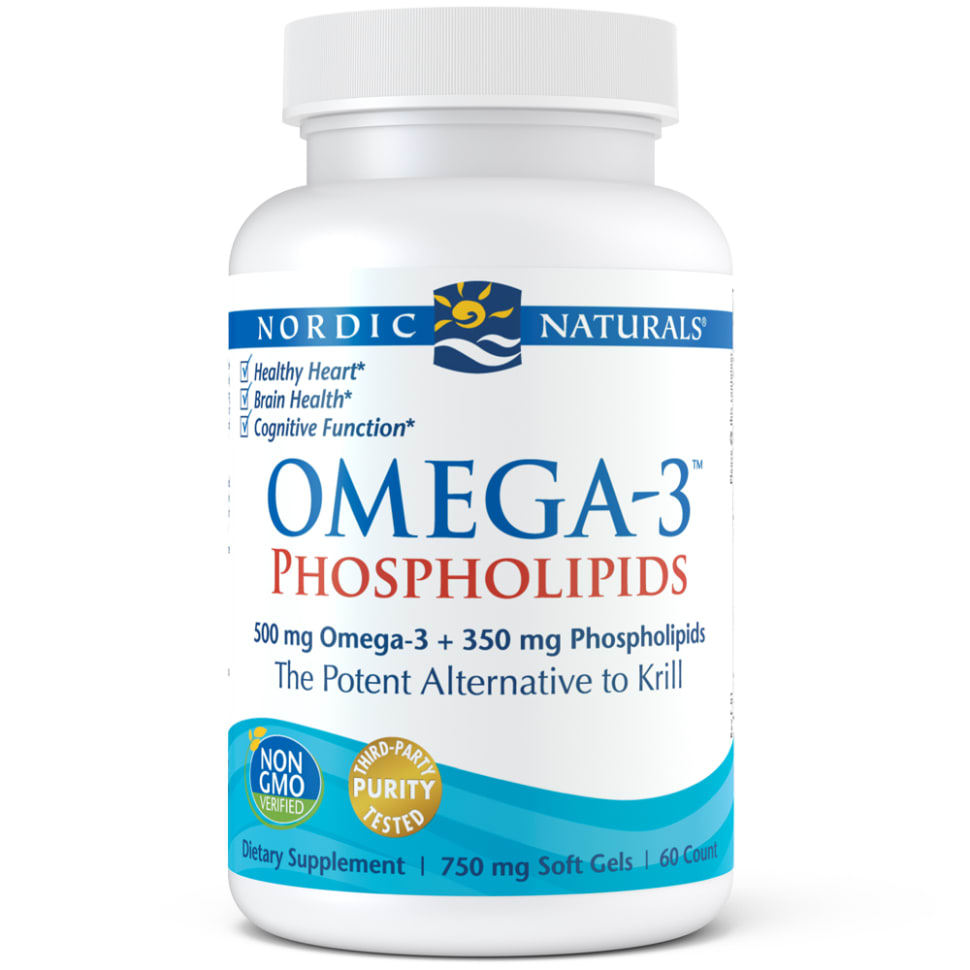
Rhonda’s recommended fish oil supplement is Nordic Naturals ProOmega 2000, which is in triglyceride form (making it up to 70% more bio-available than the commonly found ethyl ester form). In addition to her regular Omega-3 fish oil supplement, Rhonda takes Omega-3’s in phospholipid form as well, either through salmon roe cavier, or Nordic Naturals Omega-3 Phospholipids. She typically takes 2 of the Nordic Naturals ProOmega 2000 and 4 of the Nordic Naturals Omega-3 Phospholipids daily. Rhonda has mentioned the Nordic Naturals brand on many podcasts when asked about her favorite fish oil brands. Nordic Naturals is the Ferrari of fish oil supplements. It is NSF-certified and delivers concentrated Omega-3s with a minimum of 1100 mg of EPA and DHA in 90% triglyceride form. Research shows that fish oil products in the molecular form are absorbed up to 70% better than the ethyl ester form (which is typically what you will find in most fish oil supplements). A recent review of Nordic Naturals on Amazon stated: “I came across these through reviews and I tried a bottle of these that lasted a month as I was taking 3 capsules per day as per other health website reviews. My Triglycerides came down to 122 with in a month!” So yeah, it’s top of the line stuff.

Dr. Rhonda Patrick’s Fish Oil Dosage & Brand

To quickly summarize before we going into more details on the benefits of supplementing with Omega 3’s, here is Dr. Rhonda Patrick’s Daily Fish Oil Stack: She also describes her fish oil supplementation stack in the tweet below. RELATED READING: Dr. Rhonda Patrick’s Supplement List

Omega-3 Fish Oil Benefits

As you know, Rhonda loves supplementing with Omega-3 fish oil due to the unbelievable amount of health benefits. In the tweet below, Rhonda mentions a recent study that showed by supplementing with a high-dose of fish oil per day lowered triglyceride levels by 20-30% in people with high triglycerides. You can find a link to the study here. Other than lowering triglycerides, fish oil supplementation has many other heart health benefits. According to studies, fish oil supplementation increases levels of “good” HDL cholesterol, as well as lowering blood pressure in those with high blood pressures. Your brain is made up of almost 60% fat, and a majority of those fats are Omega-3 fatty acids. So they seem pretty important for brain health, right? It’s true, Omega-3 fatty acids are crucial for overall brain health. Even more, studies have suggested that people with certain mental disorders actually have lower levels of Omega-3 fatty acids in their brain. Research suggests that supplementing with an Omega-3 fish oil supplement can improve, as well as prevent the onset, of some mental disorders. Research has also shown that supplementing with fish oil – especially one rich in EPAs – may help reduce symptoms of depression. RELATED READING: Dr. Rhonda Patrick’s Diet Omega-3 fish oil also helps to reduce inflammation. Chronic inflammation has some nasty things that may come with it, such as diabetes, obesity, heart disease, and depression. Fish oil has powerful anti-inflammatory properties and can help reduce symptoms of these inflammatory diseases. And for the fellas, Rhonda recently tweeted a link to a new study, which showed that taking fish oil for three months was associated with higher semen volume, higher total sperm count, larger testis, and higher free testosterone to LH ratio than men who didn’t supplement with fish oil. Among the above benefits, Omega-3’s also improve eye health, improve bone and joint health, improve sleep, and help keep your skin, nails, and hair healthy. RELATED READING: Dr. Andrew Huberman’s Supplement List

Rhonda Patrick’s Omega-3 Phospholipid Supplement

You can find Omega-3 supplements in three forms: ethyl ester, triglyceride, and phospholipid. Most fish oil on the market is in ethyl ester form, which is not absorbed nearly as well as triglyceride and phospholipid. Rhonda aims to get in both triglyceride form and phospholipd form. With that being said, in addition to Nordic Naturals ProOmega 2000, Rhonda also takes fish oil in phospholipid form via Nordic Naturals Phospholipids. You may be wondering why Rhonda takes this in addition to her regular fish oil supplement, and it’s simply to increase the chance of DHA being absorbed. DHA is best consumed in the phospholipid form, which allows it to cross the blood-brain barrier. In fact, Rhonda even published her own paper in which she proposes a mechanism for the phospholipid form of DHA to play a role in the prevention of APOE4-associated Alzheimer’s Disease.
Be aware though, this supplement has a pungent smell and taste. So make sure to take these with a meal. You can pick up Nordic Naturals Phospholipids on Amazon. RELATED READING: Dr. David Sinclair’s Supplement List for Longevity

Conclusion

As you can see, Dr. Rhonda Patrick takes quite a bit of fish oil per day – up to 5 to 6 grams per day. Many recommendations error on the side of caution by telling you to only take 250-1000 mg per day. Not only does this save supplement companies money by allowing them to make their fish oil in smaller doses, but it is simply not true. Accumulating research suggests that to get the full benefit of fish oil, you need to be taking it at a higher dose. For adults, this mean at least 3-4 grams per day. This is why Rhonda takes 5-6 grams of fish oil in both the phospholipid and triglyceride form daily. Let’s face it, your large bottle of fish oil in ethyl ester form from Costco is simply not going to make much of a difference. So if you want to maximize the benefits of Omega-3 fatty acids by replicating Dr. Rhonda Patrick’s fish oil stack, take 2 capsules daily of Nordic Natural ProOmega 2000, and 4 capsules of Nordic Naturals Phospholipids. This will put you in the 5-6 gram daily range – and by taking it in triglyceride and phospholipid form, you will be able to reap the full benefits of Omega-3 fish oil like Dr. Patrick.  

The Complete Guide to the Pomodoro Study Technique

The Pomodoro Technique is a popular time management method that has been helping students and professionals alike to maintain focus and productivity. This technique involves breaking work sessions into intervals, typically 25 minutes of focused work followed by a short break, to promote sustained concentration and reduce mental fatigue. The method takes its name from the Italian word “pomodoro,” meaning tomato, inspired by the tomato-shaped kitchen timer that its creator, Francesco Cirillo, initially used. By embracing the Pomodoro Technique, students can manage their tasks more efficiently and minimize interruptions. With a precise method for setting goals, tracking progress, and overcoming challenges such as anxiety and stress, the Pomodoro Timer Study Method has proven to be an effective tool for enhancing academic performance. Various apps and software are also available to help users customize their Pomodoro experience and optimize their study sessions.

Key Takeaways

  • The Pomodoro Technique involves breaking study sessions into focused intervals with short breaks.
  • Implementing this method can help students manage tasks, minimize interruptions, and reduce anxiety.
  • Numerous apps and software are available for customizing and enhancing the Pomodoro experience.

The Pomodoro Technique

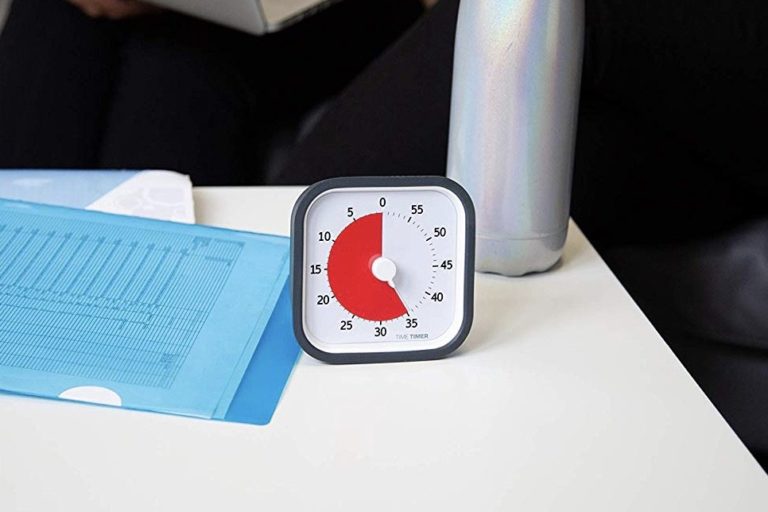
The Pomodoro Technique is a time management method developed by Francesco Cirillo in the late 1980s to help people maintain focused work and better manage their time. The technique uses a timer to break work into focused intervals, typically 25 minutes long, called pomodoros. These focused work sessions are followed by short breaks, allowing the individual to recharge and maintain mental clarity throughout the day. Named after the tomato-shaped kitchen timer that Cirillo used as a university student, the Pomodoro Technique offers a structured approach to tackling tasks and helping break up work sessions into manageable, productive periods. During the 25-minute pomodoro work intervals, individuals are encouraged to concentrate solely on the task at hand, thus minimizing distractions and increasing productivity. Following each pomodoro, a short break – typically five minutes – is taken to help maintain mental clarity and prevent fatigue. The technique has gained popularity thanks to its simplicity and effectiveness in promoting sustained concentration. It has even evolved into digital formats, with various Pomodoro Timer applications available for desktop and mobile devices. These apps aim to help individuals focus on any task, be it studying, writing, or coding, by providing a customizable timer that adheres to the Pomodoro Technique’s principles. To implement the Pomodoro Technique, individuals can follow these basic steps:
  1. Choose a task and set a timer for 25 minutes.
  2. Work on the task until the timer rings, then mark off one pomodoro session on a piece of paper or digitally.
  3. Take a five-minute break and use this time to rest or engage in a non-demanding activity.
  4. Repeat steps 1-3, and after completing four pomodoros, take a longer break between 15 to 30 minutes.
By following these steps and incorporating the Pomodoro Technique into daily routines, individuals can enhance their time management skills, stay focused on tasks, and ultimately increase productivity throughout the day. RELATED READING: Biohacker Dr. Andrew Huberman’s Complete Supplement List

Getting Started with Pomodoro Timer

The Pomodoro Technique is a widely-used time management method that improves productivity and focus. Initially developed by Francesco Cirillo, it employs a simple kitchen timer to break work or study sessions into focused intervals, followed by short breaks. This section will provide the essential steps to start with the Pomodoro Timer study method from a third-person perspective. First, one needs to decide on the task or subject they want to work on during their Pomodoro session. It’s essential to have a clear goal and dedicate full attention to the chosen task. Once the task is decided, set the Pomodoro timer for 25 minutes, which marks the duration of a typical work interval. During the 25-minute interval, remaining focused and committed to the task is crucial without distractions. In case a distraction arises, quickly take note of it and return to the task at hand. When the timer rings, take a 5-minute break to recharge. This short break helps maintain concentration and prevents burnout. After completing four consecutive Pomodoro intervals, take a more extended break, usually between 15 to 30 minutes, to ensure adequate recovery time. It’s worth mentioning a few tools that can help during Pomodoro sessions. While a simple kitchen timer can be an effective option, other digital tools like Pomofocus or Aesthetic Pomodoro Timer can be equally helpful. These tools often provide customization options for interval durations, break times, and aesthetic themes to suit individual preferences. In conclusion, incorporating the Pomodoro Timer study method can significantly enhance focus, productivity, and time management. By adhering to these steps and regularly practicing, one can develop a consistent work routine and maximize their study sessions.

Benefits for University Students

The Pomodoro Technique offers numerous advantages to university students striving to enhance their productivity and learning experience. This time management method breaks down studying into manageable intervals, known as pomodoros, that usually last for 25 minutes, followed by short breaks. One of the primary benefits of the Pomodoro Technique is its ability to improve focus and concentration. By allocating specific time frames for tasks, students can minimize distractions and maintain a consistent level of attention throughout the study session. This focused approach enables students to learn more effectively and retain information better. Another significant advantage of this method is its capacity to reduce burnout and mental fatigue. Incorporating short breaks between pomodoros allows students to rest their minds, preventing them from becoming overwhelmed by lengthy study periods. These breaks also offer opportunities to review information, reinforce learning, and refresh mental energy, resulting in higher productivity levels. Furthermore, the Pomodoro Technique encourages students to manage their time more efficiently. Students can better track their progress and gauge the time required to complete each task by breaking tasks into smaller, time-bound segments. This heightened sense of accountability increases productivity and more effective time use. In conclusion, the Pomodoro Technique is a valuable method for university students seeking to enhance their productivity, focus, learning, and time management skills. Students can minimize distractions and optimize their academic performance by fostering a structured, disciplined approach to studying. RELATED READING: Inside Andrew Huberman’s Optimal Morning Routine

Managing Tasks and Interruptions

The Pomodoro Technique is a well-known time management method that promotes maximum focus and productivity. It effectively manages tasks, interruptions and switches between focused work sessions and frequent short breaks. This ensures sustained concentration and minimizes mental fatigue. To implement the Pomodoro Technique, organize your tasks in a to-do list. Break your work into smaller, manageable tasks. Then, begin a focused work session by setting a timer for 25 minutes. These 25-minute intervals are called pomodoros. After the time is up, take a 5-minute break. Repeat this pattern until four pomodoros are completed, followed by a longer break of 15-30 minutes, depending on your level of fatigue. Interruptions are often inevitable when working. Manage them effectively by using the short breaks between pomodoros to attend to small, urgent tasks that require little time (e.g., making a phone call or checking an email). For more time-consuming and critical interruptions, allocate a specific number of pomodoros to handle them. The Pomodoro Technique offers several benefits, including improved concentration, increased productivity, and better daily work management. By breaking down tasks into smaller pieces and maintaining regular breaks, you’ll be able to handle interruptions effectively, keep focused on your to-do list, and achieve optimal productivity levels.

Setting Goals and Tracking Progress

The Pomodoro Timer Study Method is a highly effective technique for managing study time and increasing productivity. It primarily focuses on setting clear goals, minimizing distractions, and taking regular short breaks to maintain focus and energy. One essential aspect of the Pomodoro Technique is setting specific and measurable goals before starting any study session. Students must identify the tasks they must complete during a Pomodoro session, such as reading a book chapter, writing an essay, or reviewing lecture notes. By setting clear objectives, individuals can purposefully direct their focus and increase the likelihood of accomplishing more during their study time. Studying using the Pomodoro Technique involves dividing work periods into intervals traditionally set at 25 minutes, known as “pomodoros.” After each interval, individuals take a short break lasting around 5 to 10 minutes. These short breaks allow the mind to rest and process information, ultimately helping to combat procrastination and maintain focus throughout a longer study session. Tracking progress is another crucial component of the Pomodoro Timer Study Method. Students can use a simple handwritten list, an app, or a digital tool to record completed tasks and the number of pomodoros it took to complete them. This tracking provides a sense of accomplishment and helps participants gauge their efficiency and make necessary adjustments to their study approach. The Pomodoro Timer Study Method emphasizes setting specific goals, managing study intervals, taking regular short breaks, and tracking progress. By adopting this structured approach to studying, individuals can enhance their focus, reduce procrastination, and maximize productivity during their study sessions.

Tools and Customization

The Pomodoro Technique is an effective time management method that helps individuals to maintain focus and reduce mental fatigue. The Italian word “pomodoro” means “tomato,” the technique was named after the tomato-shaped kitchen timer used by its creator, Francesco Cirillo. Several websites and applications have been developed to accommodate the growing popularity of this method. One such website is Pomofocus, a customizable Pomodoro timer that works on desktop and mobile browsers. This handy tool is suited for various activities, such as planning, coding, and studying. Its user-friendly interface allows individuals to create customized focus sessions and break durations, helping to prevent overlearning and reduce stress. Another popular option is Study Pomodoro Timer, a free web app that offers a timer and task list features, assisting users in their studies and other activities. This web app effectively splits the time into sessions and breaks, cultivating a balanced workflow. For those who prefer a more traditional approach, a physical tomato timer or any standard kitchen timer can be employed to adhere to the Pomodoro Technique. This method can be easily implemented using paper for planning and tracking. In conclusion, the Pomodoro Technique offers various tools and customization options to cater to users’ individual preferences. Whether working on a PC, mobile device, or a traditional kitchen timer, this technique promotes efficiency and minimizes mental fatigue.

Pomodoro Timer Apps and Software

The Pomodoro Technique is a popular time management method that helps increase efficiency and productivity during a workday by breaking tasks into 25-minute intervals, commonly known as Pomodoro intervals, followed by short breaks. These intervals help maintain focus and prevent burnout. Several Pomodoro timer apps and software have been developed to enhance the benefits of this technique. Some of the best Pomodoro timer apps include Forest, Be Focused, Toggl Track, MarinaraTimer, and Pomodor. These applications provide a timer for Pomodoro intervals and allow users to customize the length of their work intervals, short breaks, and even long breaks. Long breaks, typically taken after completing four Pomodoro intervals, help maintain sustained energy throughout the work day. A robust feature present in these apps is the ability to track progress. Users can monitor the number of intervals completed and assign a check mark for each completed task. Tracking enables individuals to assess their efficiency and make necessary adjustments to improve productivity. Tomatotimer is another highly recommended Pomodoro timer available with a simple user interface. It is a web-based application that can be accessed easily without downloading or installing. In conclusion, utilizing Pomodoro timer apps enhances the benefits of the Pomodoro technique and assists in maintaining focus, discipline, and efficiency during the workday. Apps like Forest, Be Focused, Toggl Track, MarinaraTimer, and Pomodor are highly recommended for individuals looking to optimize their productivity and manage time effectively. RELATED READING: Joe Rogan’s Legendary Daily Supplement List

Dealing with Anxiety and Stress

The Pomodoro Timer Study Method is a practical approach to combat anxiety and stress during work or study sessions. Using 25-minute intervals allows individuals to focus on tasks without feeling overwhelmed by constant pressure. During each break, breathing exercises can be a beneficial way to alleviate stress. Incorporating deep, slow breaths helps calm the mind and lower anxiety levels. Coupled with the Pomodoro method, the user stays productive while maintaining mental well-being. Available for various platforms like Windows, Mac, and Chrome, many Pomodoro Timer applications can be tailored to user preferences. The timers offer features such as customizable alarm sounds and checkmarks to mark completed tasks. These allow individuals to personalize their experience, making it more enjoyable and less anxiety-inducing. In essence, the Pomodoro Timer Study Method helps to balance productivity with mental health. By adopting this technique alongside breathing exercises and platform-specific applications, users can effectively manage anxiety and stress while still accomplishing their goals.

Beat Procrastination with The Pomodoro Technique

Everyone procrastinates from time to time; most of us do it often. Then some folks are plagued by procrastination. Especially at work, this bad habit is counterproductive and often causes guilt – it’s avoidance behavior that only worsens things. Research shows that procrastinating students “tend to get lower grades” and workers “produce lower-quality work,” as reported by Psychology Today. The often-cited Procrastination at Work Scale found 12 types of procrastination at work, and further research has developed some answers. Procrastinators benefit from timelines, minor delays [breaks], scheduling work into “achievable chunks,” and tuning out distractions. Additionally, more easily achieved goals can be rewarding. The Pomodoro Technique is a straightforward way to confront the procrastinator in all of us. The time management method considers the above and adds a specific structure. Cirillo advises short 25-minute achievable work periods, short 5-minute breaks, and avoiding distractions. Every three or four work cycles, you earn a 30-minute break and refresh for another three or four cycles with a sense of accomplishment. Hopefully, with few distractions, the short focused sessions produce more achievement than just another day of little avoidances by the end of the day. RELATED READING: Joe Rogan’s Intense Morning Routine

Time-Boxing as Strategy

Remember the last time you set out on a task thinking it would be short work, the hours later you are still at the same task? I’m sure you do – everybody does. It’s human nature to contemplate a future task in simple terms only to find it’s not that simple. The Parkinson Law says, “work expands to fill the time available.” Parkinson tried to understand why governmental bureaucracies keep expanding. He found part of the answer is that job tasks tend to become more complicated when time is available. A popular solution is to limit time for specific tasks or time-boxing. Setting goals and realistic time limits have shown to increase performance. Individuals and workgroups become more intent on doing the work in a timely manner. Estimates are that about half our time at work is spent on “busy work” Here again, the Pomodoro Technique addresses this facet of human nature, so the pomodoros of the method are like time-boxes. RELATED READING: The Best Brain Foods for Studying and Test-Taking

The Planning Fallacy

The Planning Fallacy is another angle of the Pomodoro Technique addresses. When we plan for a task, we do it with optimism and underestimate the time involved. Here, experience is ignored even when the same general task has been done before. Outside observers of the work to be done tend toward pessimism and overestimate the time needed. Since the 1980s, there have been quite a few studies of the phenomenon that we often underestimate in timing tasks. One study found that the same applies to workgroups. The most common example is major construction projects that always seem to be delayed.

The Pomodoro Technique Steps

The following steps are a bare outline to start a new way of working, especially for beginners.
  • Have a timer on hand or use one of the many apps available.
  • Plan out the work and time needed to accomplish the tasks.
  • Outline the plan in 25-minute time increments (pomodoros).
  • Schedule a 5-minute break after each pomodoro and a 30-minute mid-day break.
Several things to remember:
  • Follow the plan and keep a record of any variances.
  • When the timer sounds, take the break avoiding distractions.
  • Each break is to rest the mind.
  • Break large tasks into practical pomodoro increments.
Most importantly, use this efficiency method mindfully and keep the journal at least until the time management strategy becomes second nature. This method works better as you develop your ideas and refinements of this time management method, and always stay on schedule. Also, reflection on the events of the past workday in the first planning stage is important.

Why does the Pomodoro Technique work?

The Pomodoro Technique is a logical plan based on human factors. By the time Francesco Cirillo developed the method, much work had been done on time management and human factors, and it was available to him. Human Factors examines the limits and the strengths of humans in the context of our social environment – how humans manage life. Time Management is all about efficiency and optimization. Cirillo clearly understood that the science of time management had to be simplified at so many levels. He broke the barrier between academic research and practical experience. The human attention span varies between individuals. However, averages range from 20 to 40 minutes. Optimum work follows with the attention span. Then considering the work can be boring, engaging, or drudgery. The 25-minute focused work period, to 5-minute break; then repeat the cycle allows for a short attention span. Closely related is our ability to remain focused. Distraction is an almost constant impairment to an optimum workflow for individuals and groups. The Pomodoro Technique 5-minute breaks are critical for recharging. The breaks should not be distracting in themselves. Breaks must be calm and not focused. It’s not an opportunity to have some screen time. It is common knowledge that computers and smartphones are very distracting. Distracting to the point that psychologists are coining new words to describe addictive behaviors and conditions. In the focused pomodoros, distractions should be avoided but anticipated. Audio devices should be off, and phones set to silent. Each pomodoro is a dedicated burst of work focused only on the goal at hand. Distractions will occur and must be dealt with. Keeping a journal of variances is not a small part of the method. Individuals can review the day before in the planning phase to develop strategies to avoid distraction. While planning the day ahead for groups and workgroup leaders, paying attention to the journal is essential. Distractions are internal or external, often both. We must be mindful of our emotions and reactions to external distractions – then plan how to react. Setting realistic goals within time frames helps us accomplish more. An essential economic rule helps understand structured time frames’ importance and practical necessity. The Law of Diminishing Returns means that the more input in units, the successive units of input create less value. In other words, If a work task is set out and performed at a certain point, spending more time on the task changes the outcome very little. The Pomodoro Technique time frames and planning creates a dynamic for optimized performance. RELATED READING: How to Increase IQ by Increasing Grey Brain Matter

The Pomodoro Technique and Francesco Cirillo
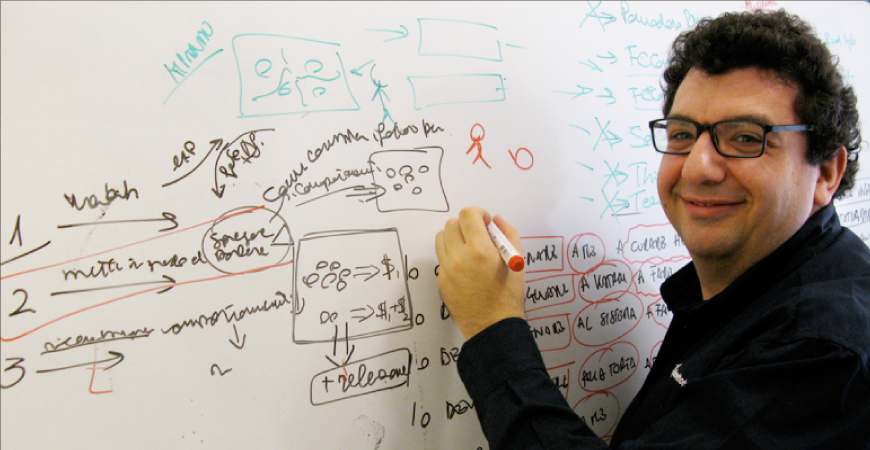
A simple method, the Pomodoro Technique addresses humans’ complexities at work. From personal experience, education, and research, Francesco Cirillo has taken his simple time management strategy to the world. He is an IT expert and has successfully operated major consulting firms for more than 20 years. “I developed The Pomodoro Technique – a cutting-edge, disruptive strategy that helps individuals and teams to boost productivity,” wrote Cirillo. The author has developed his own online publishing house and can boast over 2.5 million downloads of The Pomodoro Technique. You can pick up his book The Pomodoro Technique, on Amazon. Cirillo’s time management method addresses the foibles we share in common, some with better success than others. Achieving the day’s tasks can be optimized with a little discipline and method. Time management strategies evolved in the 20th century, and that development made a significant stride with the Pomodoro Technique. Since the 1980s, when the technique debuted, research over research has proven it is a valuable tool to optimize quality work for individuals and work teams – at every level of any organization.