15 Best Anti-Aging Foods for Women

0

Aging is a natural process, but who says we can’t age gracefully? As I delve into the world of nutrition, I’ve discovered that what we eat plays a significant role in how we look and feel as the years go by. It’s fascinating to see how certain foods can help keep our skin radiant, our minds sharp, and our bodies energetic.

Take blueberries, for instance. Studies show that just a handful a day can reduce the risk of type 2 diabetes and lower blood pressure. Green leafy vegetables are another powerhouse; people who consume them regularly have brains that appear up to 11 years younger and a 16% lower risk of heart attacks. Imagine adding these and other anti-aging foods to your diet and reaping the benefits of a youthful glow and vibrant health. Let’s explore the 15 best anti-aging foods for women that can make a real difference.

1. Olive Oil

Olive oil stands out as a powerful anti-aging food. It’s rich in monounsaturated fats (MUFAs), comprising about 73% of its total fat content. MUFAs offer strong anti-inflammatory effects, which contribute to reducing skin aging.

Studies have shown that a diet high in MUFAs can reduce the risk of severe skin aging. For example, a 2012 study found that individuals consuming olive oil-rich diets had a lower risk of serious skin aging issues. The anti-inflammatory properties of both MUFAs and the antioxidants in olive oil, such as tocopherols and beta carotene, are thought to be responsible for these effects.

Antioxidants play a crucial role in protecting the skin from damage. Olive oil contains antioxidants like phenolic compounds, which combat inflammation and help maintain youthful skin. These compounds work by neutralizing free radicals, preventing them from causing cellular damage.

Besides its role in skincare, olive oil improves overall health. It’s linked to a lower risk of heart disease and can help manage blood pressure. Research supports that the polyphenols in olive oil provide these protective benefits.

Including olive oil in your diet is simple. Use it as a salad dressing, drizzle it over vegetables, or incorporate it into cooking. Its versatility and health benefits make it an essential part of any anti-aging regimen.

  • Rich in MUFAs: Helps reduce skin aging and inflammation.
  • High in Antioxidants: Protects against cellular damage.
  • Versatile in Use: Easy to include in various dishes.
  • Heart Health: Reduces the risk of heart disease and manages blood pressure.

By making olive oil a regular part of your diet, you can reap its anti-aging benefits and support overall well-being.

RELATED READING: 7 Most Powerful Supplements for Anti-Aging

2. Red Wine

Red wine stands out as a notable anti-aging beverage due to its rich resveratrol content. Resveratrol, a powerful antioxidant found in the skin of red grapes, activates sirtuins proteins that help reduce the effects of aging. These proteins, specifically SIRT1, protect the body against cellular damage. If you would like to get resveratrol without drinking alcohol like myself, you can get resveratrol in supplement form from my favorite supplement company Renue By Science. Use code ‘brainflow’ for 10% off your order!

Red wine also offers polyphenolic flavonoids, which combat UV radiation and pathogen stress. Such components are crucial for maintaining skin health and elasticity. Examples of grape varieties rich in resveratrol include Muscat, Malbec, Pinot Noir, and Syrah. Wines made from these grapes provide higher concentrations of beneficial compounds.

To maximize benefits, choose red wines from cool, moist regions as they typically contain higher resveratrol levels. However, it’s essential to consume red wine in moderation. One should ideally not exceed 5 fluid ounces per day to safely enjoy its anti-aging properties without adverse effects.

While some experts argue that red wine’s health benefits might be overstated, others suggest alternative sources of antioxidants. Blueberries, cranberries, and peanuts also offer resveratrol. Despite this debate, moderate red wine consumption may still be a valuable part of an anti-aging diet.

In addition to its anti-aging qualities, red wine can also reduce risks associated with heart disease, diabetes, and hypertension. Its potent antioxidants contribute significantly to overall health and longevity, making it a well-rounded choice for women looking to maintain youthful vitality.

RELATED READING: Harvard Scientist David Sinclair Reveals His Anti-Aging Supplement Stack

3. Yogurt
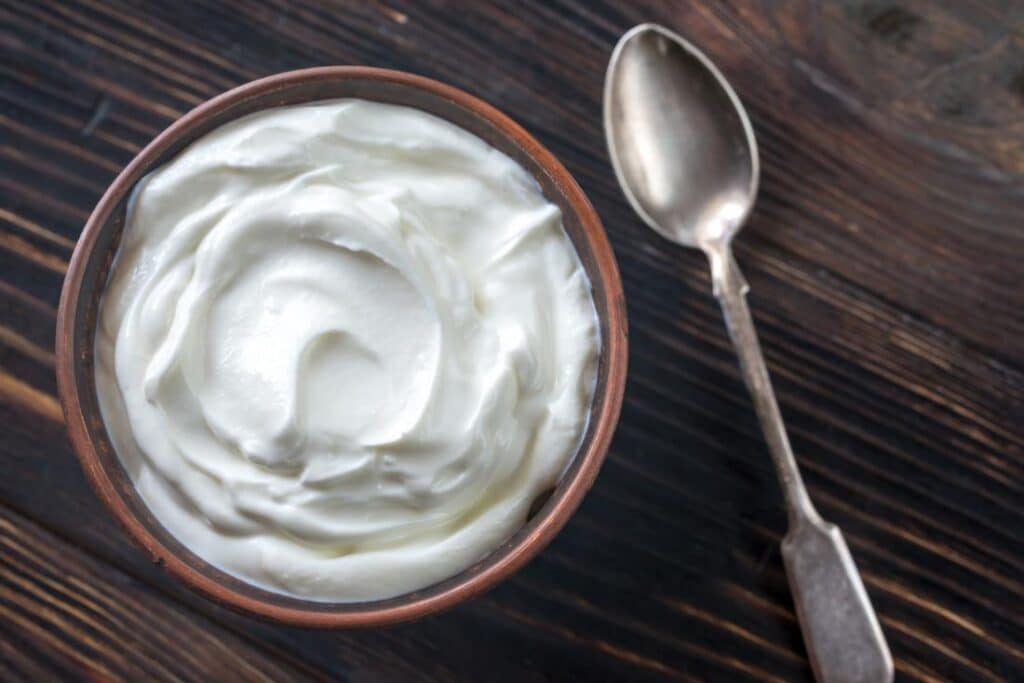
Yogurt is an excellent anti-aging food due to its rich calcium content, which helps stave off osteoporosis. This benefit is particularly crucial for women as they age. Yoghurt also contains probiotics, which help maintain gut health and diminish age-related intestinal illnesses. By promoting a healthy digestive system, yogurt can enhance overall well-being.

In addition to its digestive benefits, yogurt can smooth skin and soothe the stomach. Some studies suggest that consuming yogurt regularly could help lower blood pressure. This dairy product’s versatility means it can be enjoyed in various forms, making it easy to incorporate into daily diets.

Furthermore, the probiotics in yogurt support the skin’s microbiome, contributing to a more youthful complexion. With its potential to keep the skin hydrated and reduce inflammation, yogurt can be a valuable addition to a skincare regimen. For instance, eating yogurt with live cultures can help balance skin flora, leading to fewer acne flare-ups and improved skin texture.

Incorporating yogurt into meals or snacks is straightforward. Some popular options include adding it to smoothies, using it as a base for salad dressings, or having it as a standalone snack with fruits or honey. These combinations not only enhance the flavor but also amplify the health benefits.

Yoghurt’s comprehensive health benefits make it a standout among anti-aging foods. By supporting bone health, digestive wellness, and skin care, it offers women an easy and delicious way to enhance their diets and promote graceful aging.

RELATED READING: 7 Longevity Benefits of NMN: Boost Energy, Repair Cells, and More

4. Fatty Fish
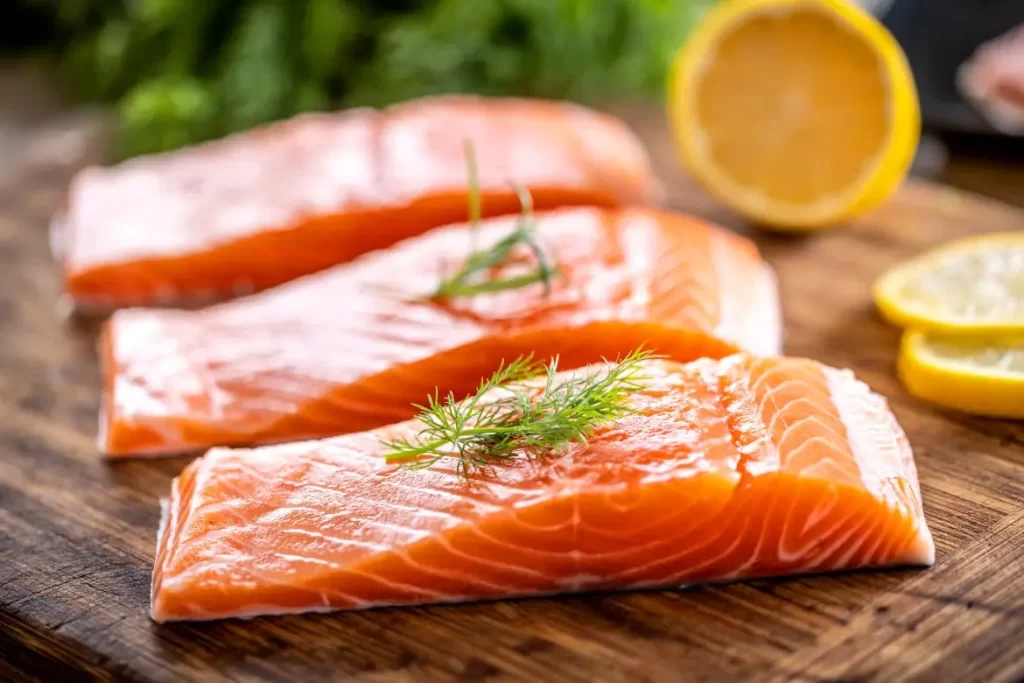
Fish, particularly fatty fish like salmon, offer substantial anti-aging benefits. It’s packed with omega-3 fatty acids, which contribute to keeping skin moisturized and reducing inflammation. Studies show that people incorporating fatty fish into their diets often experience fewer signs of aging, such as wrinkles and dryness.

Salmon contains astaxanthin, a carotenoid antioxidant responsible for its pink color. Astaxanthin has been linked to improvements in skin elasticity and hydration. According to a study, participants with sun-damaged skin who consumed astaxanthin and collagen for 12 weeks observed significant enhancements in skin elasticity and hydration. However, it’s unclear if these benefits stem from astaxanthin, collagen, or a combination of both.

Besides omega-3 and astaxanthin, fish is high in protein, crucial for collagen and elastin production. Collagen and elastin are proteins vital for maintaining skin strength, plumpness, and elasticity, preventing sagging, and promoting a youthful appearance. Protein in fish also aids wound healing, keeping skin healthy and resilient.

Fish like salmon is also a rich source of selenium. Selenium is an antioxidant and mineral that supports DNA synthesis and repair, protecting skin from UV damage. Adequate selenium levels may reduce the severity of skin conditions like psoriasis.

Incorporating fish, especially salmon, into the diet offers multiple anti-aging advantages due to its nutrients like omega-3 fatty acids, astaxanthin, protein, and selenium. These components together help maintain healthier, more youthful skin.

RELATED READING: 7 Powerful Anti-Aging Benefits of Berberine

5. Cocoa
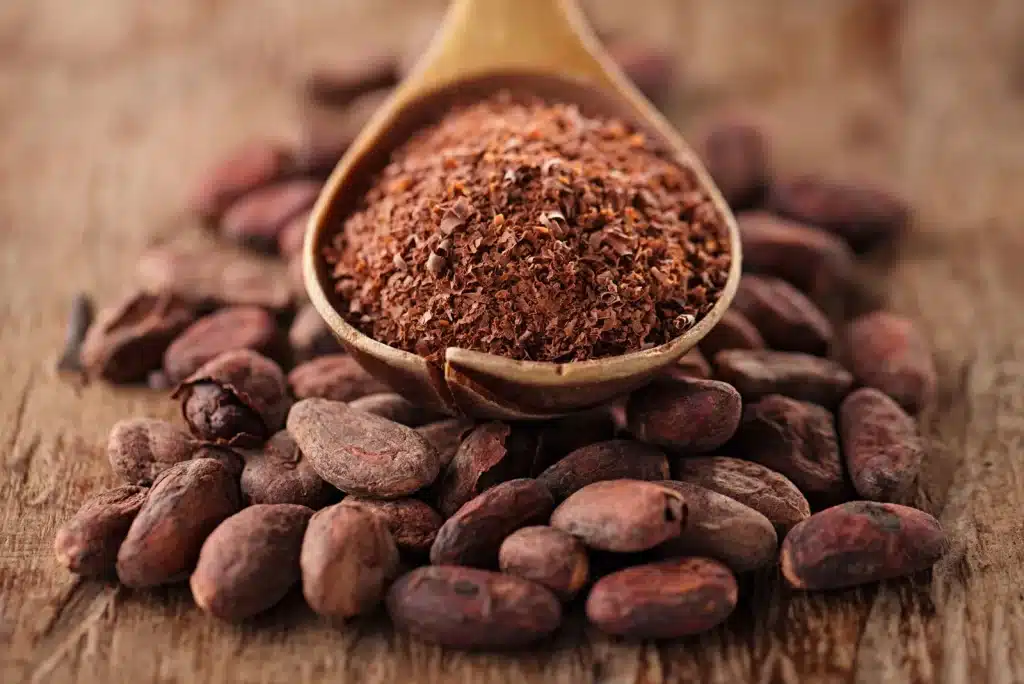
Including cocoa in your diet offers several anti-aging benefits, particularly for skin health. Cocoa contains potent antioxidants known as flavanols, which could protect the skin from sun damage and improve its overall appearance. A high-quality 24-week study found that participants who consumed a flavanol-rich cocoa beverage experienced significant improvements in skin elasticity and facial wrinkles.

Flavanols enhance blood flow to the skin, which aids in nourishment and improves skin moisture. To maximize these benefits, choose dark chocolate varieties with at least 70% cocoa solids—higher cocoa content equates to more flavanols.

While results from various studies are mixed, the potential skin benefits of dark chocolate consumption are promising. It’s crucial to avoid chocolates with high added sugar content, as excessive sugar can counteract the positive effects of flavanols.

Apart from skin benefits, cocoa supports overall health. Consumption in moderation might help maintain cardiovascular health by improving blood flow and lowering blood pressure. It’s a delicious way to incorporate antioxidants into your diet that promote healthy, youthful skin.

RELATED READING: We Ranked the 5 Best Skincare Products for Women

6. Oats
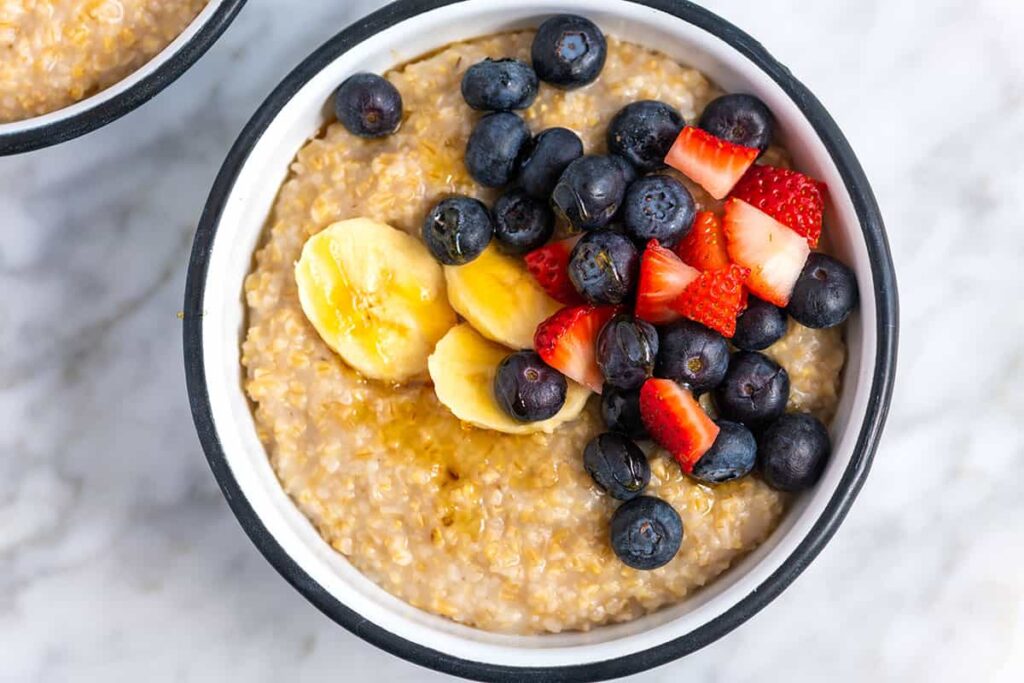
Oats, loaded with dietary fiber and beta-glucans, stand out as a top anti-aging food. Unlike refined breads, rice, and pasta, oats don’t spike blood sugar levels. This makes them ideal for maintaining steady energy throughout the day and reducing the risk of type 2 diabetes.

The high fiber content in oats helps lower cholesterol. This is crucial for heart health, a key concern as we age. Studies show a diet rich in oats can significantly improve cardiovascular health by reducing LDL cholesterol.

Beta-glucans in oats are also known for their immune-boosting properties. These compounds enhance the body’s defense mechanisms and help reduce inflammation. Chronic inflammation is a major contributor to aging and age-related diseases.

Oats benefit the skin as well. They help reduce inflammation, which makes the skin look younger. Moreover, oats can improve skin hydration and combat dryness, leaving the skin smooth and supple.

For those with weight management goals, oats are a great option. They provide a sense of fullness and help control appetite. With excess weight linked to numerous health issues, incorporating oats into the diet can aid in longevity.

Porridge, made from rolled oats, offers a versatile breakfast option. It can be a base for other anti-aging foods like nuts, berries, and flax seeds, enhancing nutritional intake.

Oats are easy to integrate into the daily diet. Whether in the form of porridge, overnight oats, or added to smoothies, they provide substantial health benefits. For optimal results, choose plain, unflavored oats without added sugars or artificial ingredients.

Incorporating oats into my diet consistently has helped me feel more energetic and maintain better overall health. It’s a simple yet effective change that can have a profound impact on aging gracefully.

7. Nuts
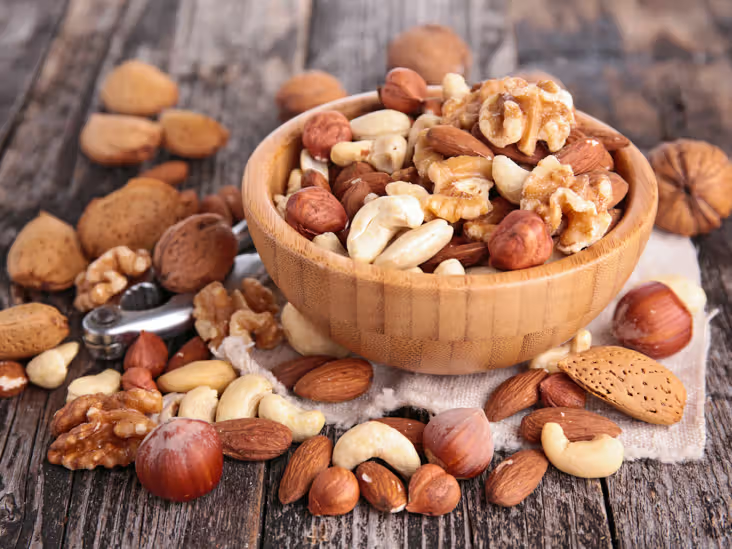
Nuts are an essential part of the Mediterranean diet and a top anti-aging food. They include peanuts, pistachios, almonds, walnuts, cashews, hazelnuts, and Brazil nuts. These nuts contain phytosterols, antioxidants, minerals, vitamins, fiber, protein, and healthy fats.

Despite being high in calories, moderate consumption of nuts doesn’t cause weight gain. In fact, studies show that even people with type 2 diabetes can benefit from eating almonds. These nuts lower blood glucose levels and improve satiety. According to a study published on PubMed, nuts help lower bad cholesterol, enhance cognitive health, improve good cholesterol, reduce cancer risks, and fight inflammation. This optimizes organ functions and skin health.

Eating nuts as part of a balanced diet can add years to your life by preventing chronic diseases like cancer, cardiovascular disease, and cognitive decline. Nuts contain both monounsaturated and polyunsaturated fats, which have been linked to lower heart disease and type 2 diabetes risks. Because vascular factors are connected to cognition, nuts may slow cognitive decline in older adults.

Some of the best nuts for anti-aging are chestnuts, walnuts, and pecans. Chestnuts are particularly beneficial due to their nutrient density. Pecans are rich in antioxidants. Walnuts, known for their high omega-3 content, support brain health and reduce inflammation.

If you want glowing skin, include nuts in your daily diet. Pumpkin and sunflower seeds are high in vitamin E, which benefits skin health. Almonds help reduce inflammation, preventing premature aging. Walnuts make an excellent snack option.

Incorporating a variety of nuts into your diet provides essential nutrients and supports overall health, making them a crucial addition to any anti-aging regimen.

8. Oranges

Oranges are loaded with water, making them excellent for hydrating skin and cells. These fruits are an outstanding source of vitamin C, which is crucial for collagen production. Collagen helps keep skin supple and firm by improving its structural integrity.

Oranges contain more than 170 different phytochemicals and over 60 flavonoids. These compounds offer various health benefits, including anti-inflammatory and antioxidant properties. By reducing inflammation, oranges help combat signs of aging and maintain skin health.

Rich in fiber, oranges aid in digestion and promote overall gut health. A healthy gut can improve nutrient absorption and have a positive impact on skin appearance. The natural sugars in oranges provide a quick energy boost without causing a spike in blood sugar levels, making them an ideal mid-day snack.

Incorporating oranges regularly into my diet has enhanced my skin’s elasticity and overall glow. Whether consumed as a snack, in salads, or as fresh juice, the consistent intake of this vitamin-packed fruit can offer significant anti-aging benefits.

9. Blueberries
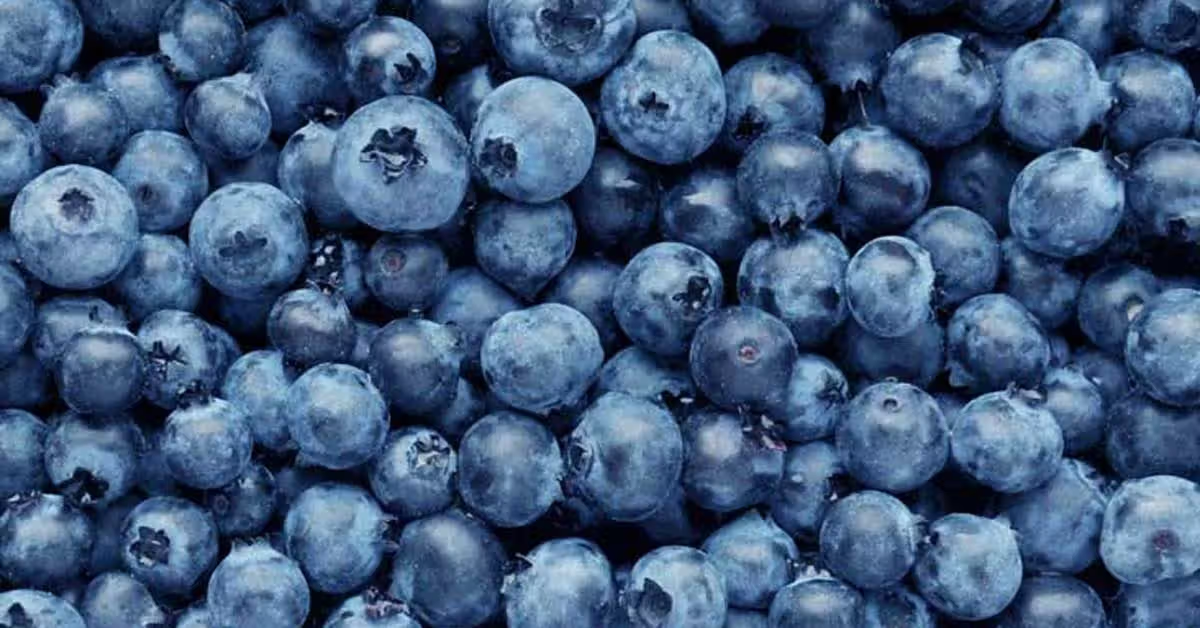
Blueberries rank high among the best anti-aging foods for women. Rich in antioxidants and packed with vitamins, these small fruits offer significant health benefits. Research shows that adding blueberries to your diet can reduce the risk of heart attacks and lower blood pressure, supporting cardiovascular health.

Cardiovascular Benefits

Studies involving animal subjects reveal that a blueberry-enriched diet significantly reduces the incidence of cardiovascular disease. For humans, one study with over 120,000 participants indicated that consuming a handful of blueberries daily cuts the risk of type 2 diabetes. This makes blueberries a powerful addition to heart-healthy diets.

DNA Protection

Blueberries provide excellent protection for DNA against damage, even from strong cosmic radiation. NASA has even studied blueberry intake to safeguard astronaut DNA from such extreme conditions. Including blueberries in your diet ensures that your DNA stays protected, reducing the chances of mutations and related issues.

Skin Health and Anti-aging

Blueberries also offer anti-aging benefits for the skin. The skin of blueberries contains anthocyanins, powerful antioxidants that combat signs of aging by lowering inflammation and oxidative stress. Whether fresh, frozen, or freeze-dried, blueberries keep your skin healthy and vibrant. Including other berries like strawberries and raspberries can intensify these skin health benefits.

Cognitive Health

Polyphenols in blueberries help prevent Alzheimer’s disease and memory loss. Studies back this claim, showing the effectiveness of polyphenols in keeping cognitive functions robust with age. Consuming blueberries consistently benefits both mental clarity and memory.

Versatility

Blueberries are versatile and can be easily incorporated into various dishes. Add them to cereals, smoothies, or salads. This ease of use makes it simpler to incorporate them into your daily diet, ensuring you reap all their anti-aging benefits.

10. Avocados
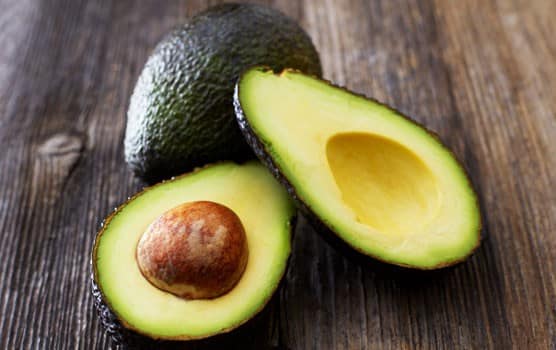
Avocados are rich in healthy fats that benefit your skin. Studies done by nutritionists show that people eating foods high in monounsaturated fats, like avocados, tend to experience less skin aging. Avocados contain zeaxanthin and lutein, compounds that maintain eye health and lower the risk of macular degeneration. These properties make avocados a powerful addition to any anti-aging diet.

You can enjoy avocados in several ways. Add them to smoothies, sandwiches, and salads. Avocado toast is a popular option, providing a delicious and nutritious way to incorporate this fruit into your daily meals. Considering their versatility, avocados are easy to include in any diet plan.

Here’s a quick table outlining the key benefits of avocados:

Component Benefit
Monounsaturated Fats Reduces skin aging
Zeaxanthin & Lutein Supports eye health, lowers macular degeneration risk

Avocados also offer additional nutritional benefits. They contain vitamins E and C, which are powerful antioxidants that protect skin cells from damage. One avocado provides 15% of the daily value for vitamin E and 17% for vitamin C in optimal health diets.

Eating avocados can help maintain a youthful appearance. The fats in avocados keep your skin hydrated and soft. This leads to a smoother complexion and reduced appearance of wrinkles.

In light of their significant health benefits, avocados should be a regular part of any anti-aging regimen. From promoting skin health to supporting eye function, avocados offer a multifaceted approach to aging gracefully.

11. Strawberries

Strawberries are rich in antioxidants, making them an excellent choice for combating the signs of aging. They contain a variety of nutrients essential for reducing damage caused by free radicals, which our bodies encounter daily. By incorporating strawberries into my diet, I get the benefit of antioxidants that support skin health and vitality.

Strawberries pair perfectly with a wide range of breakfast options. Whether I’m enjoying waffles, pancakes, or oatmeal, adding strawberries elevates my meal and delivers essential nutrients. Their high vitamin C content helps boost collagen production, which is vital for maintaining skin elasticity and reducing wrinkles.

Strawberries are also beneficial for overall health beyond their anti-aging properties. They can help in reducing inflammation and oxidative stress. Free radicals are unstable molecules that can accelerate aging, and antioxidants like those found in strawberries neutralize these molecules. Regular consumption of strawberries aids in maintaining a healthier, more youthful complexion.

In terms of versatility, strawberries are unmatched. Whether fresh, frozen, or in smoothies, their unique properties remain intact. They are not only tasty but also a practical addition to my diet, enhancing both flavor and nutritional value. The antioxidants in strawberries include anthocyanins, which help lower inflammation – another factor in aging.

Incorporating strawberries into my diet offers a delicious and effective way to combat aging. By adding them to various meals, I make use of their full nutritional profile to keep my skin looking youthful and radiant.

12. Coffee
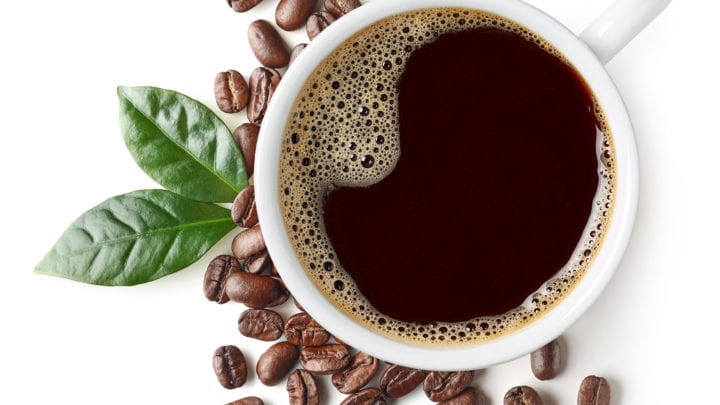
Coffee, enjoyed in moderation, offers significant anti-aging benefits. Consuming 3 to 5 cups per day can help reduce the risk of Alzheimer’s, Parkinson’s, type 2 diabetes, heart disease, and various cancers. Coffee achieves these effects through several mechanisms, including reducing inflammation, particularly age-related inflammation known as inflammaging.

Specific components in coffee, like caffeine, play a critical role in mitigating age-related health issues. Caffeine’s anti-amyloidogenic activity can slow down the protein clumping process, which contributes to aging. According to a study by Stanford University, caffeine may counteract age-related inflammation, thus offering protective benefits.

Despite these advantages, coffee does have potential drawbacks. For instance, an increased risk of osteoporosis is associated with excessive consumption. However, considering the overall body of research, moderate coffee intake offers far more benefits than disadvantages.

Benefits of Coffee for Anti-Aging

  1. Reduction in Neurodegenerative Diseases: Regular coffee consumption can lower the risk of Alzheimer’s and Parkinson’s diseases.
  2. Anti-Inflammatory Effects: Coffee helps combat inflammaging, reducing age-related inflammation.
  3. Chronic Disease Prevention: Consistent, moderate coffee intake is linked to a reduced risk of type 2 diabetes, heart disease, and certain cancers.
  4. Protein Clumping Slowdown: Caffeine’s anti-amyloidogenic activity helps slow down the protein clumping process, playing a role in aging.
  • Moderation: Stick to 3 to 5 cups per day to maximize benefits.
  • Potential Side Effects: Be aware of the increased risk of osteoporosis with high consumption.

From a health perspective, coffee stands out as a valuable addition to an anti-aging diet when consumed in moderation. Combining it with other anti-aging foods like avocados and strawberries enhances its overall benefits.

13. Tomatoes

Tomatoes rank high on the list of anti-aging foods thanks to their rich nutrient profile. Not only are they versatile in various recipes, but they also pack potent antioxidants like lycopene, which supports skin health by fighting free radicals. This helps reduce the appearance of wrinkles and fine lines.

Incorporating tomatoes into your diet offers additional benefits due to their vitamin C and potassium content. Vitamin C aids collagen production, which is crucial for maintaining skin elasticity. Potassium helps in hydrating skin cells, giving you that youthful glow. Whether you prefer tomatoes in salads, soups, or sauces, their anti-aging properties remain effective.

Scientific studies show that diets rich in tomatoes can help lower the risk of certain chronic diseases, including heart diseases and cancers. This makes tomatoes not only a beauty-enhancing food but also a health-boosting one. The carotenoids in tomatoes, like beta-carotene and lutein, further protect the skin from UV damage, another major aging factor.

Eating fresh tomatoes or using tomato-based products like paste and juice can equally contribute to these benefits. However, if you have sensitivities, it’s essential to consult a healthcare professional before adding significant quantities to your diet. Tomatoes, packed with essential nutrients and antioxidants, serve as an excellent addition to any anti-aging regimen you adopt.

14. Tofu

WASHINGTON, DC – SEPTEMBER 18: Air Fryer Orange Tofu photographed for Voraciously in Washington, DC on September 18, 2023 (Photo by Scott Suchman for The Washington Post; food styling by Lisa Cherkasky for The Washington Post)

Tofu, a versatile and high-protein food, holds significant anti-aging benefits attributed to its rich nutrient content. High in protein, tofu provides essential amino acids crucial for maintaining muscle mass and skin elasticity. Consuming tofu regularly helps support collagen production, a key factor in reducing wrinkles and keeping skin firm.

Tofu is also a source of isoflavones, which mimic estrogen in the body. For women, especially post-menopausal, consuming isoflavone-rich foods like tofu can aid in maintaining skin thickness and moisture levels. Studies suggest that these isoflavones help diminish the appearance of fine lines and wrinkles by improving skin elasticity.

In addition to protein and isoflavones, tofu contains vitamins and minerals beneficial for the skin. It’s rich in iron, calcium, and magnesium, which support overall skin health. Iron aids in oxygen transport, promoting a healthy complexion, while calcium contributes to skin’s barrier function and hydration levels.

Eating tofu doesn’t just benefit the skin; it’s also good for heart health. It contains no cholesterol and is low in saturated fats, making it a heart-healthy protein source. For those seeking to integrate tofu into their diet, options include tofu stir-fries, salads, soups, and smoothies.

Pairing tofu with other protein-rich foods like chicken, fish, and eggs further enhances its benefits. A diet combining various protein sources and rich in fruits and vegetables ensures diverse nutrient intake, supporting healthier, younger-looking skin.

To maximize the anti-aging benefits of tofu, combine it with a balanced diet and an active lifestyle. This multifaceted approach can help maintain youthful skin and overall well-being.

15. Leafy Greens
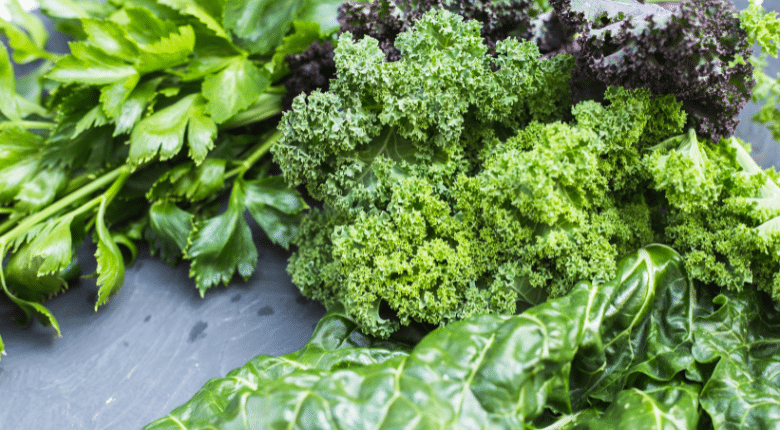
Incorporating these 15 anti-aging foods into your diet can make a significant difference in how you look and feel. From the skin-boosting benefits of avocados and strawberries to the heart-healthy properties of tofu and fatty fish, each of these foods offers unique advantages. Don’t underestimate the power of a balanced diet rich in antioxidants, vitamins, and healthy fats. Remember, it’s not just about adding these foods to your meals but also maintaining an active lifestyle and staying hydrated. By making mindful choices, you’re investing in your long-term health and well-being.

5 Best Ab Exercises for a Flat Stomach and Strong Core

0

Getting a flat stomach isn’t just about looking good in a swimsuit; it’s also about building core strength and improving overall health. I know firsthand how challenging it can be to find the right exercises that truly target the abdominal muscles. After trying countless routines, I’ve discovered five ab exercises that consistently deliver results.

These exercises aren’t just effective—they’re also easy to incorporate into any fitness routine, whether you’re a beginner or a seasoned athlete. With a bit of dedication and consistency, you’ll be on your way to achieving that flat stomach you’ve always wanted. Let’s dive into the top five ab exercises that will help you sculpt a stronger, leaner core.

Understanding Abs Anatomy and Importance

Knowing the anatomy of the abs helps in targeting specific muscle groups for effective exercises.

Key Muscle Groups for a Flat Stomach

The ab muscles consist of four groups: rectus abdominis, transverse abdominis, external obliques, and internal obliques. The rectus abdominis, known as the “six-pack,” runs vertically along the front of the abdomen. The transverse abdominis lies beneath it, providing stability to both the pelvis and spine. The external obliques sit on each side of the torso, working diagonally for trunk rotation and lateral flexion. Lastly, the internal obliques reside under the external obliques with similar functions, assisting with motion and posture control.

Benefits of Strong Core Muscles

Strong core muscles boost balance, prevent lower back pain, and improve posture. A developed core makes daily activities, like lifting objects and twisting movements, more manageable. It enhances performance in physical exercises and sports, reducing the risk of injuries. Additionally, a strong core supports better digestion by maintaining proper organ alignment.

5 Effective Ab Exercises for a Flat Stomach

Aiming for a flat stomach requires specific exercises targeting different abdominal muscles. Here are five highly effective ab exercises to help achieve this goal.

Plank Variations for Core Stability

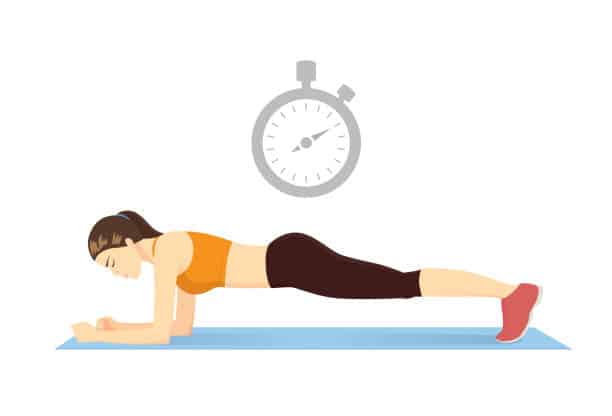
Planks significantly enhance core strength. Classic planks target the rectus abdominis, while side planks emphasize the external obliques. To increase the intensity, try plank variations such as forearm planks, which reduce wrist strain, or plank jacks, which combine cardio with stability by adding leg movements.

To start a plank program, aim to hold the classic plank position for 20-30 seconds initially, focusing on maintaining proper form with a straight back and engaged core. Gradually increase the duration by 10-15 seconds each week until you can comfortably hold a plank for 2-3 minutes. For an added challenge, incorporate side planks and forearm planks into your routine, aiming to hold each position for similar durations. Mixing these variations will ensure balanced core development and prevent monotony.

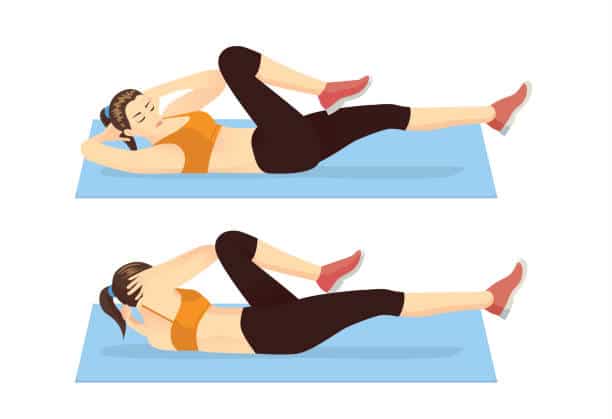
Bicycle Crunches for Oblique Engagement

Bicycle crunches effectively engage the obliques. While lying on your back, alternate bringing your knees to your chest and your elbows to your knees. This dynamic movement works your entire abdominal region, especially the sides. Performing 3 sets of 15 reps each can maximize results.

To ensure you’re getting the most out of your bicycle crunches, focus on controlled, deliberate movements rather than speed. Engage your core throughout the exercise, exhaling as you twist to bring your elbow to your knee. Start with 3 sets of 15 reps, and as your strength and endurance improve, gradually increase to 4 or 5 sets, or add more reps per set. Consistency is key, so aim to include bicycle crunches in your routine 3-4 times a week for optimal results.

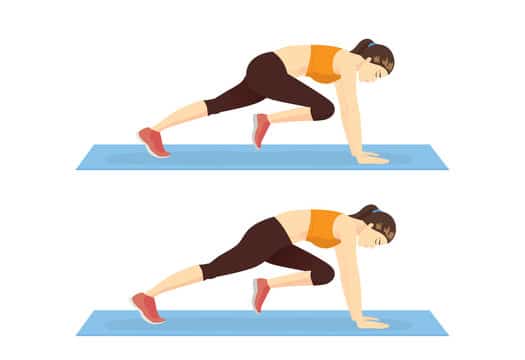
Mountain Climbers for Cardio and Muscle Tone

Mountain climbers are excellent for combining cardio with core engagement. Start in a high plank position, then alternate bringing your knees toward your chest quickly. This exercise not only tones your abs but also boosts heart rate. Aim for 3 sets of 30 seconds each to feel the burn.

To maximize the effectiveness of mountain climbers, focus on maintaining a steady pace and proper form. Keep your core engaged, your back flat, and your hands directly under your shoulders. As you become more comfortable with the movement, gradually increase the duration of each set by 10-15 seconds, working up to 1 minute per set. Additionally, consider adding variations such as cross-body mountain climbers, where you bring your knee toward the opposite elbow, to further challenge your core and keep your workouts interesting.

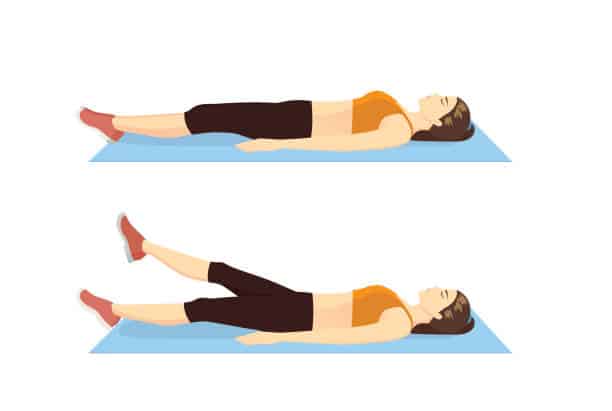
Leg Raises for Lower Ab Activation

Leg raises efficiently target the lower abs. Lie on your back with your legs extended, then lift them towards the ceiling while keeping your lower back pressed to the floor. Lower your legs slowly without touching the ground. Performing 3 sets of 12 reps ensures significant activation of the lower abdominal muscles.

For optimal results with leg raises, maintain a controlled pace and focus on form. Keep your core engaged throughout the movement and avoid using momentum to lift your legs. As you build strength, gradually increase the number of reps or add more sets, aiming for 4-5 sets of 15 reps. To add variety and further challenge your lower abs, try incorporating variations such as hanging leg raises or adding ankle weights. Consistently including leg raises in your routine will help enhance your lower abdominal strength and definition.

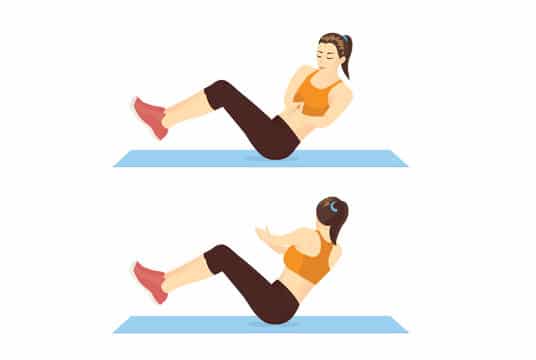
Russian Twists for a Full Core Workout

Russian twists provide a comprehensive core workout. Sit on the floor with your knees bent, lean back slightly, and twist your torso to touch the floor beside you with each hand. Using a weight or medicine ball increases resistance. Completing 3 sets of 20 twists ensures the engagement of multiple abdominal muscles.

To maximize the benefits of Russian twists, maintain a controlled motion and keep your core engaged throughout the exercise. Ensure that your back stays straight and avoid hunching your shoulders. As your strength improves, gradually increase the resistance by using heavier weights or adding more twists per set, aiming for 4 sets of 25 twists. Additionally, elevate your feet off the ground to further challenge your balance and core stability. Incorporating Russian twists into your regular workout routine will enhance overall core strength and definition.

These exercises offer a robust approach to achieving a flat stomach by targeting various abdominal muscles through different movements and intensities.

Tips for Maximizing Ab Workout Benefits

Earning a flat stomach requires more than just targeted exercises. Here are some tips to ensure you get the most out of your ab workouts.

Incorporating Consistency and Frequency

Performing ab exercises consistently is crucial. Aim for 3-4 sessions per week to allow your muscles to develop while giving them time to recover. Incorporate variety into your routines. For example, mix plank variations, bicycle crunches, and mountain climbers in different sequences. This prevents muscle adaptation and keeps workouts effective.

Combining Cardio and Strength Training

While ab exercises build muscle, combining them with cardio burns fat. Engage in 30 minutes of moderate to high-intensity cardio, such as running, swimming, or cycling, on most days of the week. Strength training should not be ignored. Include compound movements like squats and deadlifts to enhance overall muscle tone and boost metabolism, aiding in fat reduction around the midsection.

Common Mistakes to Avoid in Ab Training

Avoid common mistakes to get the most out of your ab exercises. By focusing on proper technique, you’ll maximize effectiveness and minimize injury risk.

Proper Form and Technique

Proper form and technique are crucial for effective ab training. Many people perform exercises like sit-ups and crunches incorrectly, putting strain on their necks and backs. Engage your core, not your neck, to avoid discomfort. Maintain a neutral spine to protect your lower back. For exercises like planks, ensure your body forms a straight line from shoulders to heels.

Overemphasis on Ab Workouts

Focusing solely on ab workouts is a common pitfall. While core-specific exercises are vital, neglecting other muscle groups limits overall fitness progress. Combine ab routines with full-body workouts to achieve balanced results. Including cardio, strength, and flexibility training provides comprehensive benefits. Remember, spot reduction isn’t effective; incorporate diverse activities for optimal fat loss and muscle toning.

Final Thoughts

Achieving a flat stomach isn’t just about aesthetics; it’s about building a strong core that supports overall health and well-being. By incorporating these ab exercises into my routine and focusing on proper form I can enhance my balance and posture while minimizing the risk of injury. Remember consistency is key and combining these exercises with a well-rounded fitness plan that includes cardio and strength training will yield the best results. Let’s commit to our fitness journey and enjoy the benefits of a stronger healthier core.

Peter Attia’s Cardiovascular Fitness Protocol: VO2 Max, Zone 2, & 80/20 Rule

I’ve always been fascinated by the intersection of science and fitness, and few people embody this blend better than Dr. Peter Attia. His cardiovascular fitness protocol has been making waves for its innovative approach to improving heart health and overall endurance. Unlike traditional methods, Attia’s protocol dives deep into the nuances of exercise physiology, offering a more personalized and effective way to boost cardiovascular performance.

What sets Attia’s approach apart is its focus on data-driven strategies and continuous optimization. By leveraging metrics like VO2 max and heart rate variability, he tailors workouts that maximize efficiency and results. If you’re looking to elevate your fitness game, understanding and implementing Peter Attia’s cardiovascular fitness protocol could be a game-changer. Let’s explore what makes this method so unique and how it can transform your fitness journey.

Overview of Peter Attia’s Cardiovascular Fitness Protocol

Dr. Peter Attia’s cardiovascular fitness protocol employs a personalized, data-driven strategy that focuses on key fitness metrics to optimize heart health and endurance.

Understanding the 80/20 Rule for Optimal Training

Peter Attia emphasizes a balanced approach where 80% of training volume is dedicated to Zone 2 activities and 20% to high-intensity VO2 max efforts. This principle isn’t arbitrary but is based on maximizing the physiological benefits of aerobic base-building while incorporating crucial intervals to push limits and enhance performance.

Zone 2 training forms the cornerstone of this methodology, focusing on maintaining a steady aerobic effort that enhances mitochondrial efficiency. By spending significant time in Zone 2, whether cycling indoors, running on a treadmill, swimming, or rowing, I’ve found that I can sustain longer durations of exercise without tapping into anaerobic metabolism prematurely. This not only improves endurance but also lays a robust foundation for more intense workouts.

The Role of Zone 2 Training

Zone 2 training sessions focus on maintaining a steady aerobic effort that enhances mitochondrial efficiency. Attia recommends dividing Zone 2 workouts into multiple sessions if necessary, ensuring each session spans at least 30 minutes to achieve optimal physiological benefits. Modalities for Zone 2 training include cycling (preferably indoors), treadmill walking/running, swimming, or rowing, aiming for a consistent intensity that avoids glycolysis dominance.

VO2 Max Training Modalities

VO2 max sessions involve high-intensity intervals lasting between 3 to 8 minutes, typically structured as 4 minutes on and 4 minutes off. Attia emphasizes finding the right intensity where the initial effort allows sustainable performance throughout the interval. Suitable modalities include cycling (both stationary and outdoors), running, stair climbers, and rowing machines, each chosen based on individual efficiency and fitness level.

Practical Considerations

Attia advises against overly sporadic or excessively intense VO2 max efforts, advocating for a measured approach that aligns with personal fitness capabilities. His preference leans towards maintaining endurance and consistency over prolonged periods, rather than sporadic bursts of high-intensity activity.

RELATED READING: Dr. David Sinclair’s Anti-Aging Supplement List

Components of the Fitness Protocol

Dr. Peter Attia’s cardiovascular fitness protocol comprises various key elements to ensure a comprehensive and balanced approach to heart health and endurance. Each component addresses unique facets of fitness essential for overall cardiovascular well-being.

Strength Training

Strength training forms a critical part of Attia’s protocol. It includes exercises like squats, deadlifts, and bench presses to build muscular strength and support cardiovascular health. This type of training boosts muscle mass and increases metabolic rate, aiding fat loss and improving long-term heart health. Regular strength training also enhances bone density and joint function, reducing injury risk.

Cardiovascular Exercises

Cardiovascular exercises are central to the protocol. They involve activities like running, cycling, and swimming to elevate heart rate and improve cardiorespiratory endurance. These exercises help increase VO2 max, a key metric for cardiovascular fitness, and promote efficient oxygen utilization in muscles. Integrating various intensity levels such as high-intensity interval training (HIIT) and Zone 2 training ensures comprehensive cardiovascular conditioning.

Stability and Mobility Training

Stability and mobility training ensures functional movement and injury prevention. This component involves exercises like yoga, Pilates, and balance drills to maintain joint flexibility and muscle coordination. Stability training targets core muscles, enhancing balance and posture, while mobility exercises promote full-range joint movement. Combined, these exercises support sustained cardiac health by facilitating safe and effective performance in other fitness activities.

RELATED READING: Peter Attia’s Complete Supplement List, Biohacking Toolkit, & Diet

Training Schedule and Recommendations

Peter Attia’s cardiovascular fitness protocol involves a structured yet flexible training schedule to optimize heart health. This section covers the frequency, duration, and balance of workouts based on Attia’s guidelines.

Structuring the Training Week

Attia structures his training week around a realistic commitment of 4-5 hours per week dedicated solely to cardiovascular fitness, excluding other activities like rucking. His weekly breakdown includes:

  • Monday: Lower body strength training with stability exercises.
  • Tuesday & Thursday: Zone 2 sessions, each lasting 45-60 minutes.
  • Wednesday: Upper body strength training with stability exercises.
  • Friday: Repeat of Monday’s lower body routine.
  • Saturday: Morning Zone 2 session followed by afternoon upper body strength training.
  • Sunday: Zone 2 session in the morning followed by dedicated VO2 max training in the afternoon.

Frequency and Duration of Workouts

Workouts typically include three to four cardiovascular sessions per week, with each session lasting between 30 to 60 minutes. The aim is to ensure consistency and gradual progression in cardiovascular fitness. For Zone 2 training sessions, a duration of around 45 to 60 minutes is optimal to maximize mitochondrial function and metabolic flexibility. High-Intensity Interval Training (HIIT) sessions are shorter, typically 20 to 30 minutes, to avoid overtraining and increase efficiency.

Balance Between Strength and Cardio Exercises

A balanced regimen is crucial for comprehensive fitness. Peter Attia recommends integrating strength training alongside cardiovascular exercises. The optimal schedule includes two to three strength training sessions per week. This approach helps build lean muscle mass and supports cardiovascular health. For instance, combining compound movements like squats and deadlifts with cardio activities, such as cycling or running, ensures a well-rounded fitness routine. This balance prevents muscle imbalances and supports overall energy efficiency and endurance.

RELATED READING: How Andrew Huberman Raises His NAD Levels

Equipment and Tools Recommended

Dr. Peter Attia’s cardiovascular fitness protocol calls for using specific tools to maximize workouts, whether at home or in the gym.

Essentials for Home and Gym Training

Effective training at home or in the gym requires equipment like:

  1. Heart Rate Monitor: Key for tracking heart rate variability (HRV) and workout intensity. Models like the Polar H10 or Garmin HRM-Pro provide accurate readings.
  2. Stationary Bike: Crucial for Zone 2 training sessions. The Wahoo KICKR and Peloton offer robust options for various fitness levels.
  3. Treadmill: Essential for cardiovascular exercises. The NordicTrack T Series includes advanced features to enhance training.
  4. Dumbbells and Kettlebells: Necessary for strength training sessions. Bowflex SelectTech and Rogue Kettlebells are reliable choices.
  5. Resistance Bands: Useful for both strength and stability exercises. You can pick them up for dirt cheap on Amazon.
  6. Yoga Mat: Important for mobility and flexibility routines. You can also pick up a yoga mat for $20 on Amazon.

Incorporating these tools ensures a comprehensive workout that aligns with Dr. Attia’s cardiovascular fitness protocol.

RELATED READING: Andrew Huberman Reveals His Insane Daily Supplement List

Benefits of the Protocol

Dr. Peter Attia’s cardiovascular fitness protocol offers numerous advantages. These benefits extend beyond physical fitness, influencing overall health and longevity.

Impact on Longevity and Healthspan

The protocol positively impacts longevity and healthspan. By focusing on personalized and data-driven metrics like VO2 max and heart rate variability (HRV), it tailors workouts to individual needs. Higher VO2 max is associated with reduced mortality risk and better cardiovascular health. Attia’s emphasis on sustainable exercise routines, including Zone 2 training, enhances mitochondrial function and metabolic flexibility. These improvements contribute to longer healthspan by delaying the onset of age-related diseases. Examples include improved insulin sensitivity and decreased inflammation levels.

Improvement in Cardiovascular Health

Improving cardiovascular health is a core component of Attia’s protocol. Tracking metrics such as heart rate variability ensures that workouts align with optimal efficiency. The combination of Zone 2 training and strength exercises promotes fat oxidation and cardiovascular endurance. This approach addresses different aspects of heart health, ensuring balanced development. Incorporating equipment like heart rate monitors and stationary bikes helps maintain precise tracking of progress. Regular cardiovascular exercises like running or cycling boost heart function, reducing the risk of cardiovascular diseases.

RELATED READING: Decoding Peter Attia’s Sleep Supplement Stack

Conclusion

Dr. Peter Attia’s cardiovascular fitness protocol offers a comprehensive and data-driven approach to enhancing heart health and endurance. By focusing on metrics like VO2 max and HRV workouts can be tailored for maximum efficiency. The inclusion of Zone 2 training strength training and stability exercises ensures a balanced and effective fitness regimen.

This protocol not only aims to improve cardiovascular health but also contributes to longevity and delays age-related diseases. Utilizing recommended equipment like heart rate monitors and stationary bikes can further optimize the results. Embracing Attia’s method can lead to sustainable routines that significantly impact both healthspan and lifespan.

Dr. Peter Attia’s Insights on Improving VO2 Max and Longevity

As someone always looking to optimize my overall health and longevity, I’m frustrated I haven’t focused on my VO2 max before. I’ve recently become obsessed with VO2 max after hearing Peter Attia discuss it at length on his podcast.

I’ve found his approach fascinating, especially how he breaks down complex concepts into actionable advice. Whether you’re an athlete aiming to boost endurance or someone looking to improve daily life, understanding VO2 max through Attia’s lens can provide invaluable benefits.

Understanding VO2 Max and Its Importance

VO2 max, a key metric for cardiovascular fitness, measures the maximum amount of oxygen the body can utilize during exercise. This section dives into the basics and significance of VO2 max.

What Is VO2 Max?

VO2 max, also known as maximal oxygen uptake, quantifies the highest rate at which oxygen is consumed during intense physical activity. It’s measured in milliliters of oxygen used per kilogram of body weight per minute (ml/kg/min). Generally, higher VO2 max indicates better aerobic fitness. Athletes, for instance, often have higher values compared to non-athletes, reflecting their enhanced capacity to perform sustained exercise.

Why VO2 Max Matters for Longevity and Health

Numerous studies have established a relationship between VO2 max and overall mortality risk, showing that higher VO2 max levels correlate with a decreased risk of death. For instance, one study revealed that an increase in VO2 max was linked to a 21% lower risk of mortality over a 45-year period, even after accounting for factors such as blood pressure, cholesterol levels, and smoking status. Another study demonstrated that every 1 mL/min*kg increase in VO2 max corresponded to a 9% relative reduction in the risk of all-cause mortality.

RELATED READING: Dr. David Sinclair’s Supplement List for Longevity

Exploring Dr. Peter Attia’s Perspectives on VO2 Max

Peter Attia, in conversation with Tim Ferriss, shared his insights on improving VO2 Max, an essential marker of cardiovascular fitness. VO2 Max, the maximum rate of oxygen consumption during exercise, can be significantly enhanced through strategic training methods, according to Attia.

Attia highlights that while research often cites modest improvements over short periods, sustained training can yield remarkable gains in VO2 Max—potentially up to 25-50%. The key, he emphasizes, lies in building a robust aerobic base through consistent, focused training efforts.

Building the Aerobic Base

Attia uses the analogy of building a pyramid, where VO2 Max represents the peak. To achieve a high peak, one must establish a broad base, which involves spending approximately 80% of aerobic training time in Zone 2. Contrary to common belief, effective VO2 Max enhancement begins with extended periods of moderate-intensity training rather than solely intense workouts.

Zone 2 Training

Zone 2 training involves maintaining a moderate effort level where conversation is possible but not effortless. Attia suggests using lactate measurement (targeting 1.7 to 2 mmol/L) or perceived exertion (where talking is feasible but challenging) as reliable indicators of Zone 2 intensity. Sessions typically range from 60 to 90 minutes, with frequency gradually increasing as fitness improves.

RELATED READING: The Complete Guide to Dr. Peter Attia’s Workout Routine

Zone 5 Intervals

For peak development, Zone 5 intervals—lasting 3 to 8 minutes—are crucial. These intense intervals, performed with a 1:1 work-to-rest ratio, push cardiovascular limits. Attia recommends starting with sessions like the 4×4 workout: four sets of 3-8 minute efforts with equal recovery periods, once per week.

Implementation and Frequency

Implementing these strategies varies based on fitness levels. Beginners might start with two Zone 2 sessions weekly, progressing to three sessions totaling about three hours as fitness improves. Zone 5 workouts, focused on peak development, are ideal once per week to avoid overtraining.

How VO2 Max Can Predict Lifespan

VO2 max serves as a strong predictor of lifespan. Dr. Attia notes that higher VO2 max levels correlate with lower mortality rates. He refers to research showing that individuals with higher VO2 max values have significantly reduced risks of chronic diseases, particularly cardiovascular ones. Improved aerobic capacity through regular exercise not only enhances longevity but also boosts daily function and metabolic health. Dr. Attia advocates for incorporating VO2 max improvement into daily routines for better overall health outcomes.

RELATED READING: How Andrew Huberman Raises NAD Levels for Longevity

Practical Applications of VO2 Max Knowledge

Understanding VO2 max offers actionable benefits for enhancing health and performance. Applying this knowledge can lead to practical improvements in fitness and overall well-being.

Training Approaches to Improve VO2 Max

Focusing on structured exercise regimens effectively boosts VO2 max. High-intensity interval training (HIIT) demonstrates significant efficacy in improving aerobic capacity. HIIT alternates short bursts of intense activity with rest intervals. Studies show HIIT increases VO2 max more efficiently than moderate-intensity continuous training.

Endurance training consistently also elevates VO2 max. Regular long-duration exercises, like distance running or cycling, enhance cardiovascular efficiency. Incorporating varied exercises, such as swimming or rowing, engages different muscle groups, promoting comprehensive cardiovascular development.

The Role of Lifestyle and Diet in Enhancing VO2 Max

Diet and lifestyle choices significantly affect VO2 max. Consuming a balanced diet rich in antioxidants, lean proteins, and complex carbohydrates supports optimal cardiovascular function. Foods like berries, lean meats, whole grains, and leafy greens provide necessary nutrients.

Maintaining a healthy weight also impacts VO2 max. Regular physical activity, combined with mindful eating habits, helps in weight management. Engaging in daily activities like walking, gardening, or yoga contributes to cardiovascular health.

Quality sleep is crucial for muscle recovery and performance. Aim for 7-9 hours of sleep to ensure complete recovery and readiness for physical activities.

Strategically using these applications enhances VO2 max, leading to improved health and performance.

RELATED READING: Andrew Huberman Reveals His Insane Daily Supplement List

Conclusion

Dr. Peter Attia’s insights on VO2 max underscore its vital role in health and performance optimization. By focusing on cardiovascular health and leveraging advancements like heat therapy and blood flow restriction training we can significantly enhance our aerobic capacity. Wearable devices and AI-driven data analysis offer personalized training plans that make tracking progress easier than ever. It’s clear that maintaining a balanced lifestyle with regular exercise a healthy diet and quality sleep remains essential for maximizing VO2 max and achieving long-term health benefits.

Andy Galpin on Protein Intake: Optimize Your Diet for Peak Performance & Health

0

When it comes to optimizing protein intake, few voices resonate as strongly as Dr. Andy Galpin’s. As a renowned exercise physiologist and professor, Galpin’s insights have helped countless individuals fine-tune their nutrition for maximum performance and health. His research and practical advice cut through the noise, offering clear, actionable steps.

In this article, I’ll dive into Dr. Galpin’s key recommendations on protein consumption. Whether you’re an athlete looking to boost muscle recovery or simply someone aiming to improve overall health, understanding the nuances of protein intake can be a game-changer. Let’s explore what makes his approach so effective.

Essential Insights on Protein Intake by Andy Galpin

Dr. Andy Galpin offers valuable insights into optimizing protein intake for muscle growth and overall health. His recommendations are based on extensive research and practical experience.

Overview of Protein Needs for Muscle Growth

Andy Galpin emphasizes the importance of adequate protein intake for muscle growth. He recommends consuming 0.7 to 1.0 grams of protein per pound of body weight daily for those aiming to increase muscle mass. This range supports protein synthesis and helps repair muscle tissues after workouts. For example, a 154-pound individual should aim for 112 to 154 grams of protein each day. Sources include lean meats, dairy, legumes, and protein supplements.

Timing Protein Intake for Optimal Results

Galpin also underscores the significance of timing. Consuming protein at strategic times boosts muscle protein synthesis. He suggests distributing protein intake evenly across meals, roughly every 3 to 4 hours. Post-workout, having a protein-rich meal or supplement within 30 minutes can enhance recovery. For instance, this could involve a shake containing 20-30 grams of protein immediately after exercise. This timely consumption ensures that muscles receive necessary nutrients during critical recovery windows.

RELATED READING: Dr. Andy Galpin’s Complete Supplement Stack

Nutritional Strategies for Hypertrophy

Dr. Andy Galpin emphasizes the importance of precise nutritional strategies to maximize hypertrophy. Key elements include macronutrient balance and nutrient timing.

The Role of Macronutrient Balance

Maintaining a balanced macronutrient intake is essential for muscle growth. Protein, carbohydrates, and fats play specific roles in hypertrophy. For example, protein supplies the building blocks for muscle repair, while carbohydrates provide the energy needed for intense workouts. Fats support hormone production, which affects muscle growth. Dr. Galpin recommends tailoring the intake of these macronutrients to individual goals and body composition. Typically, a higher protein intake alongside moderate carbohydrates and healthy fats helps optimize muscle development.

Nutrient Timing and Its Impact on Muscle Development

Nutrient timing significantly influences muscle development. Consuming protein and carbohydrates around workout times enhances muscle recovery and growth. Dr. Galpin suggests eating a protein-rich meal or supplement within 30 minutes post-workout to support recovery. Additionally, distributing protein intake evenly across meals throughout the day ensures a constant supply of amino acids for muscle synthesis. Proper nutrient timing can help maximize the anabolic response and improve overall gains.

RELATED READING: My Review of Momentous Grass-Fed Protein

Common Misconceptions About Protein and Fitness

Many people misunderstand protein’s role in fitness, often leading to suboptimal results. Dr. Andy Galpin provides clarity on common misconceptions.

Debunking Protein Myths

Several myths about protein persist in fitness circles. One myth is that consuming excessive protein leads to kidney damage. However, studies show that high protein intake doesn’t harm kidneys in healthy individuals. Another myth is that plant-based proteins are inferior. While plant proteins may lack some amino acids, combining different sources ensures a complete protein profile. Some people believe protein shakes alone can build muscle. In reality, they supplement a balanced diet but can’t replace whole foods.

The Science Behind Protein Requirements

Understanding protein needs is crucial for effective fitness strategies. The recommended protein intake aligns with Dr. Galpin’s suggestion of 0.73 to 1 gram per pound of body weight. This range ensures optimal muscle protein synthesis. Research highlights that spreading protein intake evenly across meals maximizes muscle growth. Post-workout protein consumption within 30 minutes further enhances recovery by providing essential amino acids when muscles are most receptive. Consuming both animal and plant-based proteins provides a diverse amino acid profile, promoting better muscle health.

RELATED READING: Andrew Huberman Reveals His Complete Supplement List

Practical Tips for Implementing Andy Galpin’s Advice

Dr. Andy Galpin’s protein intake recommendations can significantly enhance your performance and health. Here are practical tips to implement his advice effectively.

Dietary Adjustments for Improved Protein Intake

To align with Dr. Galpin’s guidelines, increase your protein intake to 0.7 to 1.0 grams per pound of body weight. If you’re looking to bulk up and build muscle, shoot for 1 grams of protein per pound of body weight. Begin by incorporating high-protein foods in every meal. Include lean meats like chicken breast, turkey, and beef, as well as plant-based options like tofu, lentils, and quinoa. Eat Greek yogurt, cottage cheese, and eggs for breakfast, which are rich in protein and easy to prepare. Focus on having balanced meals combining proteins with moderate carbohydrates and healthy fats. Opt for whole grains, nuts, seeds, and avocados to complement your protein sources.

What Protein Brand Does Andy Galpin Use?

Andy Galpin, a renowned expert in exercise physiology and human performance, partners with Momentous, a premium supplement brand known for its high-quality protein products. Dr. Galpin trusts Momentous Grass Fed Whey for his protein needs because of their commitment to purity, efficacy, and scientific backing. Whether you’re aiming to build muscle, recover faster, or simply improve your overall health, Momentous offers a range of protein supplements to suit your goals.

As a special offer, you can use the code BRAINFLOW for 15% off your Momentous purchase. This discount is a great opportunity to experience the same top-tier protein supplements that Dr. Galpin relies on for his fitness regimen. Don’t miss out on enhancing your nutrition with the best in the market!

Conclusion

Dr. Andy Galpin’s insights on protein intake provide a valuable framework for anyone looking to optimize their performance and health. By focusing on a daily protein range of 0.7 to 1.0 grams per poud of body weight, we can better support muscle growth and recovery. Incorporating high-protein foods and balanced meals into our diets, along with strategic use of protein supplements post-workout, ensures we’re meeting our nutritional needs. Tracking protein consumption helps us stay aligned with these recommendations, ultimately enhancing our overall wellness and fitness goals.