
21 Daily Habits to Start Living a Healthy Life Today

0

Living a healthy life doesn’t have to be complicated. It’s often the small, daily habits that make the biggest difference. From connecting with loved ones to squeezing in just 15 minutes of exercise, these simple actions can lead to a happier, healthier you.

Imagine adding a few more years to your life just by moving a bit more each day. Studies show that even minimal exercise can extend your lifespan and reduce the risk of premature death. Plus, staying in touch with your mind and body through self-care activities can significantly boost your overall well-being.

Establishing Physical Wellness

Incorporate Regular Exercise

Exercise plays a crucial role in maintaining physical wellness. Regular activity can include walking, jogging, cycling, or even yoga. The goal isn’t to meet extreme fitness standards but to stay active. For instance, exercising beyond the recommended 150 minutes per week can reduce early death risk by 35%. Even those who exercise less experience benefits. Individuals over 60 see a 22% lower risk of early death with any physical activity. Aim for at least 15 minutes of daily exercise to increase your lifespan by adding up to three years.

Balance Your Diet

A balanced diet lays the foundation for physical wellness. Incorporate a variety of plant foods such as fruits, vegetables, nuts, seeds, whole grains, and beans. This dietary diversity decreases disease risk, promotes longevity, and improves gut health. For example, consuming turmeric, rich in curcumin, helps prevent diseases like diabetes and cardiovascular conditions. It’s essential to reduce intake of foods linked to adverse effects, like honey and citrus juice, that can lead to urinary incontinence. Always prioritize nutrient-dense foods to enhance overall health and mood.

Prioritize Hydration

Staying hydrated is key to physical wellness. Water supports every system in the body, helping to regulate temperature, transport nutrients, and remove waste. Aim to drink at least eight 8-ounce glasses daily. Hydration improves energy levels and physical performance. It can also aid in weight management by curbing hunger cravings. Avoid sugary drinks and excessive caffeine since they can lead to dehydration. Choose water, herbal teas, or infused water with fruits for a refreshing and hydrating alternative.

Enhancing Mental Health

Develop a Gratitude Practice

Expressing gratitude can significantly improve mental health. Writing down things I’m grateful for, whether they are small daily occurrences or significant life events, helps shift my focus to the positive. Keeping a gratitude journal or simply reflecting on positive aspects of my life reduces feelings of stress and anxiety. Studies show that gratitude practices can enhance overall well-being and happiness.

Dedicate Time for Mental Breaks

Taking regular mental breaks boosts cognitive function and creativity. Short, frequent breaks throughout the day refresh my mind and prevent burnout. Activities like going for a short walk, enjoying a hobby, or simply sitting quietly for a few minutes can make a big difference. Research indicates that mental breaks improve productivity and maintain mental sharpness.

Practice Mindfulness and Meditation

Mindfulness and meditation are powerful tools for mental clarity and emotional stability. Setting aside time each day to practice mindfulness helps me stay present and manage stress better. Activities include breathing exercises, guided meditation sessions, and mindful observation. Numerous studies validate that mindfulness practices reduce symptoms of depression and anxiety, enhancing overall mental health.

Optimizing Sleep

Set a Consistent Sleep Schedule

A consistent sleep schedule boosts overall health. I aim to go to bed and wake up at the same times each day, even on weekends. This helps regulate my body’s internal clock, making it easier to fall asleep and wake up naturally. Research shows that irregular sleep patterns can disrupt circadian rhythms and impact overall well-being, so consistency is key.

Create a Restful Environment

Creating a restful environment enhances sleep quality. I keep my bedroom cool, dark, and quiet to signal to my body that it’s time to rest. Using blackout curtains and a white noise machine helps eliminate external distractions. Additionally, I avoid screens before bedtime as the blue light can interfere with melatonin production. Comfortable bedding and a supportive mattress also make a big difference in achieving restful sleep. By optimizing my sleep environment, I ensure I wake up refreshed and ready for the day.

Building Healthy Relationships

Make Time for Social Connections

Investing in social connections is vital for mental and emotional well-being. Surround myself with people who support and inspire me. Whether it’s family, friends, or colleagues, allocating time to nurture these relationships is crucial. Regular meet-ups, phone calls, or even a quick message can make a difference. Evidence suggests that socializing can prevent loneliness, reduce stress, and boost moods.

Communicate Openly and Regularly

Open communication forms the cornerstone of strong relationships. Ensure to express feelings, thoughts, and needs honestly and respectfully. Regularly check in with loved ones to discuss concerns and share experiences. According to research, transparent communication reduces misunderstandings and fosters trust and intimacy, improving the quality of relationships.

Personal Growth and Learning

Set and Review Personal Goals

Setting and reviewing personal goals keeps me focused and motivated. I start by outlining clear, achievable objectives. For example, I set weekly fitness targets or plan to read a certain number of books each month. Evaluating my progress regularly helps gauge my achievements and identify areas for improvement. This process ensures I remain aligned with my long-term aspirations and provides a sense of accomplishment.

Learn a New Skill or Hobby Regularly

Learning new skills and hobbies stimulates my brain and keeps me engaged. Picking up activities like painting, coding, or playing an instrument broadens my knowledge and enriches my life. For instance, I joined a cooking class last month, which not only improved my culinary skills but also introduced me to new cuisines. Regularly dedicating time to these pursuits nurtures my creativity and enhances my personal growth.

Environmental Influences

Minimize Screen Time

Reducing screen time can boost overall well-being. Recent studies suggest that excessive screen use may lead to eye strain, disrupted sleep, and reduced physical activity. I strive to limit my screen exposure by setting specific times for digital device use. For example, I avoid screens at least an hour before bed to improve sleep quality. Implementing the “20-20-20” rule, where I look at something 20 feet away for 20 seconds every 20 minutes, helps reduce eye strain.

Surround Yourself With Nature

Spending time in nature offers numerous health benefits. People who regularly spend time outdoors report lower stress levels and improved mood. I make it a point to incorporate nature into my daily routine by taking short walks in nearby parks or simply spending time in my garden. Even brief exposure to nature, such as a 10-minute walk, can significantly reduce anxiety and boost creativity.

Routine and Discipline

Establish Morning and Evening Routines

Creating consistent routines helps structure the day, ensuring productivity and well-being. In the morning, I focus on activities that set a positive tone for the day. These include a short workout to energize my body, a balanced breakfast to fuel my mind, and brief mindfulness meditation to center my thoughts. Establishing a calming evening routine aids in winding down. I avoid screens an hour before bed, read a physical book, and practice journaling to reflect on my day and plan for the next. These routines promote better sleep and a more focused mind throughout the day.

Maintain a Clean and Organized Living Space

A tidy environment significantly impacts mental clarity and stress levels. Keeping my living space clean and organized ensures that I can focus on what’s important without unnecessary distractions. I set aside 10-15 minutes daily to declutter, ensuring that everything has its place. This habit increases my productivity and creates a more inviting atmosphere in my home. Additionally, I deep clean and organize different areas weekly, creating a consistent schedule that maintains cleanliness and order. This practice helps reduce anxiety and promotes a sense of control and well-being.

Contribution and Community

Volunteer and Engage in Community Service

Volunteering brings a sense of purpose to my life. Helping others not only benefits the community but also improves my own mental health. An evaluation of social participation found that individuals who volunteer feel more connected and less isolated. Whether it’s assisting at a local food bank, participating in community clean-up events, or supporting local charities, engaging in community service fosters a sense of belonging and purpose.

Practice Acts of Kindness

Small acts of kindness make a big impact on my well-being and the happiness of others around me. Simple gestures, like holding the door for someone, complimenting a coworker, or sharing a meal, can brighten someone’s day and create a positive atmosphere. Scientific research links kindness with increased levels of serotonin, the hormone that stabilizes mood and promotes feelings of well-being. By incorporating acts of kindness into my daily routine, I contribute to a more compassionate and connected community.

These practices show that contributing to the community and practicing kindness enhance not just the lives of others but also significantly uplift my own well-being.

Conclusion

Adopting these 21 daily habits has the potential to transform your life significantly. By focusing on physical wellness, mental health, and building strong relationships, you’ll create a solid foundation for a healthier lifestyle. Embracing personal growth and contributing to your community enriches your life and fosters a sense of purpose. Small acts of kindness can make a big difference not just for others but for your own well-being too. Start incorporating these habits into your daily routine and watch as your life becomes more balanced, fulfilling, and connected.


15 Easy Life Hacks to Improve Your Health in Just 15 Minutes a Day

Life’s hectic, and finding time to prioritize our health often feels impossible. Between work, family, and daily responsibilities, it’s easy to push healthy habits to the back burner. But what if I told you that improving your health doesn’t require hours at the gym or a complete diet overhaul?

In fact, you can significantly boost your well-being with just 15 minutes a day. From quick nutrition fixes to simple lifestyle changes, these scientifically backed life hacks are designed to fit seamlessly into your busy schedule. Ready to feel better and live healthier without the stress? Let’s dive into 15 easy ways to enhance your health in no time at all.

Essential Daily Habits

Start Your Day With Lemon Water

Drinking lemon water first thing in the morning can boost your hydration and provide a quick vitamin C source. I ensure I stay hydrated by squeezing half a lemon into a glass of warm water and drinking it on an empty stomach. This simple habit can help flush toxins out of your system and kick-start your metabolism. According to Scripps, even slight dehydration can contribute to fatigue, making this a vital morning ritual.

Incorporate Stretching Into Morning Routine

Incorporating stretching into my morning routine helps reduce muscle stiffness and improve blood circulation. I dedicate 5-10 minutes each morning to stretch major muscle groups. This practice can enhance flexibility and prepare my body for the day ahead. It’s a small investment of time that pays off in better posture and reduced body aches. Pausing to stretch and breathe can also lower stress levels and increase focus.

Nutritional Adjustments

Opt for Whole Grains Over Refined

Whole grains contain more nutrients and fiber than refined grains. By choosing options like brown rice, quinoa, and whole wheat bread, I boost my fiber intake, which helps digestion and keeps me feeling full longer. For example, switching from white pasta to whole grain pasta provides more vitamins and minerals. Nutrients like B vitamins, iron, and magnesium are often stripped during the refining process, making whole grains a more nutritious option.

Stay Hydrated With Infused Water

Staying hydrated is essential for overall health. Infused water not only keeps me hydrated but also adds a burst of flavor without added sugars or calories. I like to use combinations of fruits, vegetables, and herbs such as lemon and cucumber or mint and berries. This makes drinking water more enjoyable. While plain water can get monotonous, infused water provides a tasty alternative that encourages me to drink more throughout the day. Proper hydration supports bodily functions like nutrient transportation and temperature regulation.

Fitness Tips and Tricks

Use Commercial Breaks for Fitness Bursts

During commercial breaks, use the time for quick fitness bursts. Do simple exercises such as jumping jacks, push-ups, or squats. Each commercial break, typically lasting around two to three minutes, offers a perfect window for a quick workout, contributing to overall daily activity levels.

Incorporate Desk Exercises at Work

Incorporate desk exercises during work hours to stay active. Perform seated leg raises, chair dips, or desk push-ups. These exercises help maintain muscle tone and enhance circulation, particularly for those sitting for prolonged periods. They fit seamlessly into your day without requiring extra time away from tasks.

Mental Health Boosters

Daily Journaling for Emotional Clarity

Writing regularly in a journal offers remarkable emotional clarity. Every day, I set aside 10 minutes to jot down my thoughts. Reflecting on my feelings helps me identify stressors and celebrate achievements. Journaling can reduce anxiety and boost mood. Start with a simple gratitude list if you’re not sure where to begin. Recording positive experiences fosters a more optimistic mindset.

Practice Mini-Meditation Sessions

Integrating mini-meditation sessions into my day improves focus and reduces stress. Even just a 5-minute session makes a significant difference. I like to find a quiet spot, close my eyes, and focus on my breathing. Guided apps can help if you’re new to meditation. Regular practice enhances mental clarity, calms the mind, and provides a sense of peace, making it easier to handle daily challenges.

Sleep Optimization

Establish a Soothing Nighttime Routine

Creating a calming pre-sleep ritual can signal your body it’s time to relax. I find activities like reading a physical book, practicing gentle yoga, or taking a warm bath work wonders. Keep your bedroom environment serene by lowering lights and reducing noise. Consistency matters, so try to go to bed and wake up at the same times every day, even on weekends.

Limit Screen Time Before Bed

The blue light from screens interferes with melatonin production, a hormone crucial for sleep. To optimize rest, I stop using electronic devices at least an hour before bedtime. Instead, I opt for activities that don’t involve screens, such as drawing or listening to calming music. If avoiding screens isn’t possible, consider using blue light filters or wearing blue light-blocking glasses to mitigate the effects.

Social and Lifestyle Improvements

Schedule Regular Social Activities

I find that scheduling regular social activities significantly boosts my mental well-being. Social interaction reduces stress and improves mood, according to various studies. Weekly meetups, like a book club or coffee with friends, provide a necessary break from routine. Joining groups or clubs that share my hobbies helps me stay engaged and fulfilled. Additionally, these activities often encourage physical activity, like joining a local sports team or hiking group, which benefits both body and mind.

Take Walking Meetings

Incorporating walking meetings into my day has transformed my productivity and health. Walking meetings combine physical activity with work, making them efficient and beneficial. According to research, walking can enhance creativity and problem-solving skills. Thus, instead of meeting in a conference room, I suggest taking the discussion outdoors. It’s simple to add a stroll after a meal or during a break, which can effectively cut blood glucose levels in half. These walking sessions also offer a change in environment, which can lead to innovative ideas and a more relaxed conversation.

Environmental Tweaks

Enhance Air Quality With Plants

Houseplants improve indoor air quality. Studies from NASA show plants like spider plants, peace lilies, and snake plants remove common toxins from the air. By placing a few of these in my living and working spaces, I notice a cleaner atmosphere and fewer allergy symptoms. Not only do they purify the air, but they also add a touch of nature and relaxation to the environment.

Create a Clutter-Free Living Space

Tidiness impacts mental health. By maintaining a clutter-free home, I reduce stress and improve focus. Research from the Princeton Neuroscience Institute indicates that clutter can overwhelm the visual cortex, making it harder to process information and focus. I spend a few minutes daily organizing my space. Simple acts like sorting mail immediately, returning items to their place, and regularly decluttering transform my home into a serene and productive haven.

Conclusion

Improving your health doesn’t have to be a daunting task. By integrating these simple life hacks into your daily routine, you can make significant strides in both your physical and mental well-being. Small changes like drinking lemon water in the morning or squeezing in desk exercises at work can have a big impact over time.

Remember, it’s all about consistency and finding what works best for you. Whether it’s optimizing your sleep or enhancing your environment with plants, every little bit counts. Prioritize your health even in the busiest of schedules and watch how these small steps lead to big improvements.

5 Powerful Creatine Benefits for Women: Boost Muscle, Brain, Mood & More

Navigating the world of supplements can be overwhelming, especially with so many options promising to boost your health and fitness. One standout that’s both well-researched and widely used is creatine. While often associated with male athletes, creatine offers a range of benefits for women too.

From building lean muscle mass to enhancing brain function, creatine’s perks extend beyond the gym. It helps you train harder and recover faster, making it a valuable addition to any fitness routine. But the benefits don’t stop there—creatine can also improve mood, sleep quality, and even menstrual symptoms.

Ready to discover how this powerhouse supplement can support your health and fitness goals? Let’s dive into five powerful benefits of creatine for women.

Exercise performance and strength

Creatine enhances exercise performance and strength. It helps produce more ATP, the energy currency cells use during high-intensity activities like weightlifting, sprinting, and high-intensity interval training (HIIT). This extra energy boost can help women push harder during workouts, leading to improved performance and increased strength.

Evidence supports these claims. According to the National Center for Biotechnology Information (NCBI), creatine supplementation significantly improves exercise performance. Women using creatine consistently see enhanced muscle power and increased workout efficiency. Creatine is one of the most affordable supplements on the market. I personally take Momentous Creatine Monohydrate after hearing Dr. Andrew Huberman saying that he takes it, and I love it!

Strength improvements from creatine supplementation are noteworthy. Research from the National Institutes of Health (NIH) has shown that creatine can help increase muscle mass, which naturally boosts strength levels. Women who supplement with creatine often report greater gains in strength compared to those who do not use it.

For example, women who lift weights while supplementing with creatine can often lift more weight and perform more reps, resulting in faster strength gains. This same principle applies to other forms of exercise, such as sprinting, where creatine can help improve sprint times and overall speed.

The role of creatine in reducing muscle fatigue is another key factor. By aiding in the rapid regeneration of ATP, creatine helps reduce the time muscles need to recover between intense bursts of activity. This means women can maintain higher levels of performance throughout their workouts with shorter rest periods needed between sets or intervals.

To experience these benefits, a proper supplementation routine is crucial. Recommended dosages typically range from 3 to 5 grams per day. Timing also matters—taking creatine post-workout can maximize its absorption and effectiveness, according to several fitness experts. Click here to get the same creatine I use.

Creatine offers valuable benefits for women looking to improve their exercise performance and strength. It provides an energy boost, enhances muscle power, supports strength gains, and reduces muscle fatigue. With consistent use and proper dosing, creatine can be a powerful tool in any woman’s fitness arsenal.

RELATED READING: Top 5 Best Skincare Products For Women Over 40

Mood, mental health, and memory

Creatine positively impacts mood, mental health, and memory, which is crucial for overall well-being. Studies have shown that creatine can help reduce symptoms of depression and anxiety. For example, women with major depressive disorder reported improvements in their mood after taking creatine supplements.

Mentally, creatine supports cognitive functions. Supplementing with creatine has been linked to better memory retention and faster mental processing. A study demonstrated that individuals consuming creatine showed significant improvements in short-term memory tasks. These benefits are particularly valuable for women balancing various roles and responsibilities.

Creatine also aids overall brain health. It ensures sufficient ATP production, which is essential for brain function. This can lead to enhanced problem-solving skills and better focus. For instance, athletes often experience improved cognitive performance under stress when supplementing with creatine.

Incorporating creatine into a daily routine offers multiple mental health benefits while supporting physical performance. This makes creatine a great supplement choice for women looking to enhance both their physical and mental well-being.

RELATED READING: 7 Powerful Supplements for Anti-Aging

Menstrual health and hormonal balance

Creatine benefits menstrual health and hormonal balance. Some studies indicate that creatine may increase estrogen levels, which helps regulate the menstrual cycle and balance hormones. Women often face hormonal fluctuations during their cycles, and creatine might ease symptoms like severe PMS and mood swings.

The connection between a woman’s menstrual cycle and her creatine levels is significant. Higher creatine levels might lower severe PMS symptoms, help in hormone balance, and smoothen menstrual cycles. Balancing hormones can lead to fewer cramps, better mood, and more energy throughout the month.

Creatine’s potential benefits extend beyond just reducing PMS symptoms. Improved hormone balance might even support overall reproductive health. Though more studies are required, some research suggests that creatine can provide additional benefits during pregnancy, including increased blood flow to the womb and promoting the baby’s growth.

For women approaching menopause, creatine can be particularly beneficial. As estrogen levels drop, muscle and bone strength tend to decline. Creatine supplements like Nutricost Creatine, combined with resistance training, may counteract this, supporting muscle mass increase and overall strength.

Incorporating creatine into a daily routine could offer a smoother menstrual cycle and better hormonal balance, leading to overall improved health and well-being. Consulting a healthcare professional is essential to determine the appropriate dosage, typically ranging from 3 to 5 grams per day, to ensure maximum benefits.

RELATED READING: 7 Important Longevity Benefits of Taking NMN

Fertility

Creatine might play a role in improving fertility. Research indicates that creatine is an important element in fertilization. Although there’s limited research on creatine supplementation during pregnancy, insights suggest potential benefits for reproductive health. Specifically, creatine can support the early stages of pregnancy, aiding in cellular energy production.

An increase in creatine levels may also boost estrogen production. With higher estrogen levels, women can experience better menstrual cycle regulation and hormonal balance. This improved balance could enhance fertility by promoting a healthier reproductive environment.

For those trying to conceive, maintaining balanced energy levels is crucial. Creatine helps by supporting the body’s energy systems, ensuring cells function optimally. This is beneficial during the ovulation and implantation phases, where energy demands are higher.

Adding creatine to a daily supplement routine could be a strategic move for women focusing on their fertility. Although dosages vary, a typical supplementation amount is about 3 to 5 grams per day. Ensure to consult with a healthcare provider to tailor the dosage to individual needs and circumstances.

While creatine shows promise in supporting fertility and early pregnancy, more research is needed to fully understand its effects. However, the existing data provides a hopeful glimpse into how this supplement could aid in reproductive health.

Healthy Aging

Creatine’s benefits extend beyond fitness and fertility. It can also support healthy aging by preserving muscle mass and cognitive function. As we age maintaining strength and mental clarity becomes crucial and creatine can be a valuable ally in this process.

I’ve found that incorporating creatine into my routine has made a noticeable difference in my overall well-being. It’s a simple addition to my daily regimen that offers a multitude of benefits.

Whether you’re looking to boost your workout performance support reproductive health or simply age gracefully creatine could be worth considering. Always consult with a healthcare provider to tailor the dosage to your specific needs.

7 Important Benefits of Taking Creatine for Health and Performance

If you’re looking to enhance your workout performance or boost your muscle strength, you’ve probably heard of creatine. This popular supplement is known for its ability to improve short bursts of speed and power, making it a staple for athletes like sprinters and weight lifters. But its benefits aren’t limited to just physical performance.

Research shows that creatine not only helps generate the ATP needed for the first few seconds of high-intensity exercise but also aids in producing new ATP to keep you going longer. While it’s generally safe for most people when taken as directed, it’s crucial to consult your doctor before starting any supplement. Let’s dive into seven important benefits of taking creatine and how it might help you achieve your fitness and health goals.

Benefits of Creatine for Athletic Performance

Increases Muscle Strength and Endurance

Creatine supplementation directly ties to muscle strength and endurance gains. Studies show a significant increase in muscle mass when combined with resistance training. For instance, athletes observed substantial improvements in their back squats and bench presses after taking creatine consistently. The supplement helps delay the onset of fatigue, allowing for longer and more intense workout sessions. I started supplementing with Momentous Creatine after hearing Andrew Huberman mention he takes the brand on his podcast. You can use code ‘brainflow’ for 15% off your order!

Enhances Quick Energy Production

Creatine provides a rapid energy boost during high-intensity exercises. It acts by increasing the phosphocreatine stores in muscles, which aids in the quick regeneration of ATP (adenosine triphosphate). This is crucial for short bursts of explosive activity, such as sprinting or heavy lifting. Without needing a loading phase, those who take lower maintenance doses still achieve similar performance enhancements, making it a practical choice for athletes seeking immediate effects.

RELATED READING: Andrew Huberman’s Supplement List: The Complete Guide

Creatine and Muscle Recovery

Accelerates Muscle Repair Post-Exercise

Creatine supplementation can speed up muscle repair. Researchers found that creatine might enhance muscle force recovery after eccentric-induced muscle damage in healthy individuals. In a study published in the Journal of the International Society of Sports Nutrition, participants who took creatine supplements showed faster recovery rates. When physical inactivity strikes due to injury or chronic illness, such as arthritis, creatine may help prevent muscle loss. By promoting beneficial changes in muscle protein and cells, creatine offers a protective effect on muscles, aiding in their recovery and growth.

Reduces Muscle Damage and Soreness

Creatine can also reduce muscle damage and soreness. Multiple studies show that creatine supplementation during resistance training helps in minimizing acute strength loss induced by concurrent exercise. It’s effective in reducing markers of muscle damage, leading to less muscle soreness post-exercise. Research published in Sports Medicine has indicated that creatine might prevent muscle breakdown and support quicker recovery times between workouts. When combined with resistance training, creatine can provide substantial benefits in muscle preservation and reduced inflammation, making it a valuable supplement for athletes and active individuals.

RELATED READING: Harvard Scientist David Sinclair Reveals His Anti-Aging Supplement Stack

Creatine’s Impact on Brain Function

Supports Cognitive Processing and Memory

Creatine helps support cognitive processing by stabilizing brain energy levels. Stress can deplete these energy resources, impacting cognitive functions. Research indicates that supplementing with creatine may enhance short-term memory and intelligence tasks, especially in high-stress situations. For instance, a study found improvements in working memory and mental tasks among participants supplementing with creatine.

Potential Benefits in Neurodegenerative Disorders

Creatine’s role as an antioxidant provides potential benefits in neurodegenerative disorders. Oxidative stress and inflammation often accompany conditions like Parkinson’s and Huntington’s diseases. Given creatine’s antioxidant properties, it may help mitigate oxidative damage and neuronal death. Studies have shown that creatine supplementation can slow disease progression by maintaining energy levels and reducing oxidative stress in the brain. This makes it a promising adjunct therapy for managing neurodegenerative conditions.

Creatine for Weight Management

Assists in Muscle Mass Gain

By promoting muscle mass gain, creatine aids weight management. Increasing lean muscle mass enhances the body’s ability to burn calories, even at rest. Studies have shown that creatine supplementation, when combined with resistance training, leads to significant increases in muscle fiber size and strength. For instance, individuals taking creatine can experience an increase in fat-free mass by 2–4 pounds within four to six weeks. This increase in muscle mass can accelerate basal metabolic rate (BMR), thus contributing to weight management.

Potentially Improves Metabolic Rate

Creatine enhances cellular energy metabolism, supporting mitochondrial function, which plays a crucial role in energy production. Enhanced mitochondrial function improves overall energy supply, leading to increased energy expenditure. For individuals with metabolic syndrome, this boost in energy can reduce fatigue and promote physical activity, which is essential for weight management. Research indicates that creatine supplementation improves insulin sensitivity, enabling better glucose utilization for energy. Enhanced glucose metabolism can significantly reduce the risk of high blood sugar levels, commonly associated with diabetes and insulin resistance. Consequently, this improved metabolic efficiency aids in managing body weight and overall metabolic health.

By combining muscle mass gain and improved metabolic rate, creatine emerges as a valuable supplement for effective weight management.

Cardiovascular Health and Creatine

Possible Improvement in Heart Function

Creatine supplementation shows potential in improving heart function, particularly in ischemic conditions. Studies on rat hearts demonstrated that administration of phosphoenolpyruvate during reperfusion helped restore myocardial energy after ischemic damage. This indicates that creatine, through its involvement in energy metabolism, might aid in cardiac recovery. Researchers found that treatments incorporating creatine phosphate in cardioplegic solutions during ischemic events improved both metabolic and functional outcomes in heart tissues.

Reduction in Risk Factors for Heart Diseases

Creatine may help reduce risk factors associated with heart diseases by improving overall muscle performance. Enhanced muscle function can contribute to better cardiovascular health through increased physical activity and efficiency in energy utilization. Patients with chronic conditions such as Chronic Obstructive Pulmonary Disease (COPD) have shown improved exercise performance with creatine supplementation, according to a study published in Thorax in 2005. Increased physical activity levels, resulting from better muscle performance, correlate with lower cardiovascular risk factors, including reduced blood pressure and improved lipid profiles.

Creatine and Bone Health

Enhances Bone Regeneration

Creatine may support bone regeneration by improving muscle function and strength. Stronger muscles provide better support to bones, reducing the risk of injury and promoting quicker recovery. Enhanced muscle function can indirectly aid bone repair processes, making it an essential supplement for those recovering from bone injuries or surgery.

May Increase Bone Density

Research indicates that creatine supplementation could positively influence bone density, especially in older adults. Creatine, when paired with resistance training, can boost muscle mass, which in turn supports better bone health. This combination enhances skeletal strength, potentially mitigating the risk of osteoporosis and fractures, particularly among elderly women. Studies suggest that women, who naturally store less creatine than men, may benefit even more from supplementation during various life stages.

Creatine’s Role in Aging

Supports Overall Health in Older Adults

Creatine supplementation can significantly support overall health in older adults. Evidence shows that creatine enhances muscle strength and physical function, critical factors in maintaining mobility and reducing fall risk among the elderly. Creatine works by improving muscle mass and overall physical performance. Research also indicates that creatine supplementation can increase bone density, indirectly supporting bone health and reducing osteoporosis risks, especially in older women. This influence on muscle and bone health plays a vital role in the overall well-being of older adults, enabling a more active and independent lifestyle.

May Improve Quality of Life in Elderly

By supporting muscle strength and cognitive function, creatine may improve the quality of life in the elderly. Studies highlight creatine’s potential to enhance cognitive performance, particularly working memory and intelligence in older adults. Better cognitive health directly impacts life quality, enabling more autonomy and less dependency. Creatine also supports heart health by improving energy availability in heart tissues and reducing arrhythmias, contributing to better cardiovascular function. Healthier muscles, bones, and brains combine to enhance overall life quality for elderly individuals, who can experience increased vitality and reduced age-related complications.

Conclusion

Creatine offers a wide range of benefits that extend beyond just enhancing workout performance. From boosting muscle strength and repair to supporting brain function and heart health it’s clear that creatine is a valuable supplement for both young and older adults. Its positive impact on aging, including improved physical function and cognitive health, makes it a powerful ally in maintaining vitality and reducing age-related complications. By incorporating creatine into your routine you can enjoy these multifaceted benefits and support your overall well-being.

7 Powerful Testosterone Boosting Foods for Men

As men age, testosterone levels naturally decline, affecting everything from muscle mass to sex drive. But did you know that what you eat can play a significant role in maintaining healthy testosterone levels? A balanced diet rich in specific nutrients can help keep your hormone levels in check.

I’ve researched the best foods that can boost testosterone production naturally. From spinach’s magnesium to oysters’ zinc, these foods are packed with essential nutrients that support hormone health. Let’s dive into the seven best testosterone-boosting foods every man should consider adding to his diet. At the end of this list, you’ll discover three scientifically-backed supplements recommended by Andrew Huberman that are proven to support and enhance testosterone levels.

Fatty Fish

Fatty fish like mackerel, herring, salmon, sardines, and trout are excellent for boosting testosterone. They are rich in omega-3 fatty acids, which benefit sperm health and support hormone production. Omega-3s improve blood circulation, essential for overall sexual health.

A notable component of fatty fish, vitamin D, has been linked to increased testosterone levels. Tuna, in particular, is high in vitamin D, contributing to testosterone production and longevity. Studies show that vitamin D positively affects male hormone levels, making it a significant nutrient for men seeking to maintain or boost their testosterone. This is why I highly recommend supplementing with both Vitamin D and Omega-3s. I use Momentous supplements for both, which is the same brand endorsed by Dr. Andrew Huberman. Use code ‘brainflow’ for 15% off your order at checkout.

Eating fatty fish or taking fish oils in moderation can help increase a person’s total dietary fat intake in a healthy way. Healthy fats are crucial because cholesterol is a building block of testosterone. Without sufficient cholesterol, the body can’t produce this hormone effectively. Including fatty fish in your diet ensures you receive the essential fatty acids necessary for testosterone synthesis.

In addition to these benefits, incorporating fatty fish into meals provides other health advantages. For example, it supports heart health and reduces inflammation, both of which are important for overall well-being and hormonal balance.

For optimal results, aim to include fatty fish in your diet two to three times a week. Grilled salmon, a mackerel salad, or sardines on whole wheat toast are delicious ways to enjoy these beneficial fish. By doing so, you boost your testosterone levels and support your overall health.

RELATED READING: How Tim Ferriss Tripled His Testosterone Naturally

Shellfish

Shellfish like oysters and clams are excellent for boosting testosterone. They’re packed with zinc and selenium crucial for hormone production. Including shellfish in my diet has significantly improved my energy levels and overall well-being.

Incorporating these testosterone-boosting foods into your daily meals can make a noticeable difference. Whether it’s adding berries to your breakfast or enjoying a seafood dinner these small changes can have a big impact. Prioritizing these nutrient-rich foods helps support not just hormone health but overall vitality.

Moreover, the high-quality protein found in shellfish aids in muscle recovery and growth, making it an ideal choice for those looking to enhance their physical performance. Regular consumption of shellfish can also provide essential omega-3 fatty acids, which contribute to heart health and reduce inflammation. Embracing these dietary adjustments can lead to a more balanced and energized lifestyle.

RELATED READING: Harvard Scientist David Sinclair Reveals Anti-Aging Supplement Stack

Eggs

Eggs are a powerhouse food for boosting testosterone levels. Research shows that both whole eggs and egg whites can increase testosterone, but whole eggs provide a greater impact. In a study involving 30 resistance-trained young men, those who consumed three whole eggs daily for 12 weeks experienced a greater increase in testosterone levels compared to those who consumed six egg whites. This suggests that the yolk, not just the whites, holds significant nutritional value.

Whole eggs contain several nutrients that promote healthy testosterone levels. They’re rich in protein and healthy fats, which support overall hormone production. Moreover, eggs are a source of vitamin D and selenium. Vitamin D, found primarily in the yolk, has been linked to higher testosterone levels. Selenium, another essential nutrient, plays a role in the antioxidant processes that can benefit hormonal health.

Including eggs in your diet can be versatile. For breakfast, try scrambled eggs or an omelet loaded with vegetables like spinach and tomatoes, which also support hormonal health. For a post-workout meal, boiled eggs offer quick and easy nutrition to aid muscle recovery and boost testosterone. If you enjoy baking, incorporating whole eggs into your recipes can add nutritional value while supporting your testosterone levels.

Eggs are not just for breakfast or snacks; they’re a valuable addition to any meal. Whether you prefer them poached, scrambled, boiled, or in an omelet, the nutrient profile of whole eggs supports testosterone production and overall health. By incorporating eggs into your daily diet, you leverage a natural, nutrient-dense food to aid hormone balance and increase testosterone levels.

RELATED READING: Andrew Huberman Takes These 3 Supplements to Boost Testosterone

Dark, Leafy Greens

Dark leafy greens are excellent for boosting testosterone levels due to their high magnesium content. Magnesium plays a crucial role in hormone regulation, particularly for older men. Collard greens, kale, and spinach are top choices, packed with essential micronutrients.

Magnesium in these vegetables helps reduce oxidative stress. Oxidative stress can negatively impact testosterone levels, making it important to include these greens in your diet. By lowering oxidative stress, magnesium aids in maintaining optimal testosterone production.

Consuming dark leafy greens also offers additional health benefits. They are high in fiber, promoting digestive health, and nutrient-dense, providing vitamins and minerals essential for overall well-being. Regular intake can help support heart health, bone density, and immune function.

Integrate these greens into your meals to harness their testosterone-boosting properties. Add spinach to smoothies, sauté kale as a side dish, or include collard greens in salads. Ensuring a variety of these vegetables in your diet can contribute significantly to hormonal health.

Research underscores the advantages of dark leafy greens, linking them to improved testosterone levels. Studies highlight that men with higher magnesium intake generally have better testosterone levels. Thus, incorporating these greens can be a strategic move to enhance hormonal balance.

Making dark leafy greens a staple in your diet can support testosterone production and overall health. Their rich magnesium content and additional nutritional benefits make them essential for men aiming to boost their hormone levels naturally.

RELATED READING: Andrew Huberman’s Complete Daily Supplement Stack

Cocoa

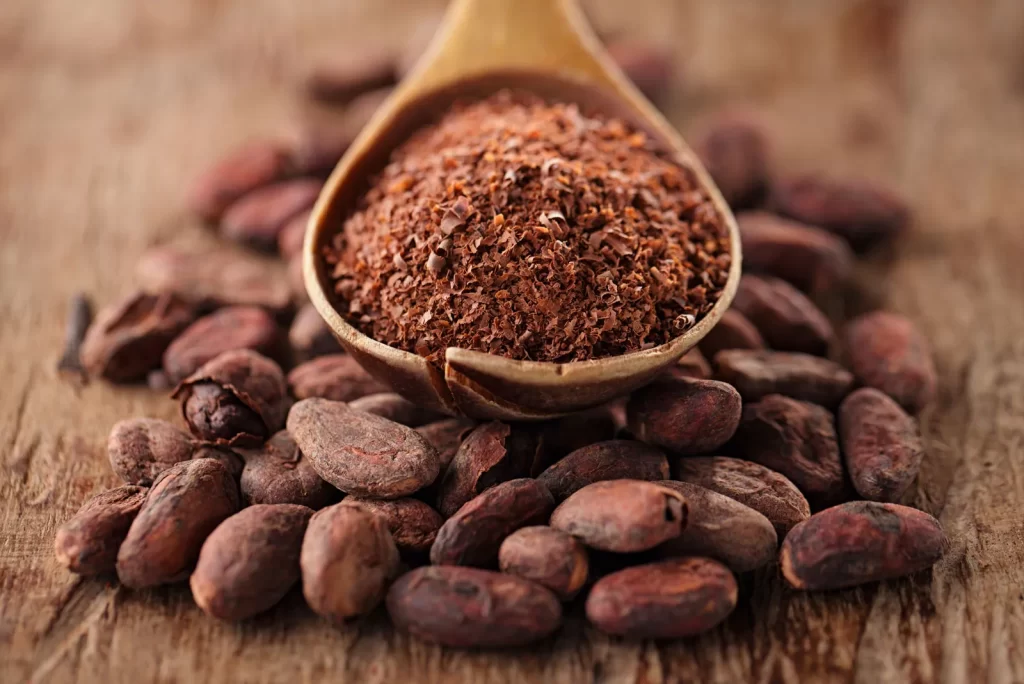
Cocoa products such as cocoa nibs and powder are rich in flavonoid antioxidants and magnesium, vital for testosterone levels. Research suggests that specific cocoa flavonoids like apigenin and quercetin may help boost testosterone production. These flavonoids enhance hormone synthesis and protect Leydig cells, which are responsible for testosterone production.

Including cocoa products in your diet introduces these beneficial compounds and supports your overall hormonal health. For example, adding a spoonful of cocoa powder to your morning smoothie or enjoying a small piece of dark chocolate can be simple ways to integrate these nutrients into your daily routine.

Magnesium present in cocoa products lowers oxidative stress, which otherwise reduces testosterone levels. This mineral is crucial for overall hormonal balance. Consuming cocoa aids in maintaining a steady supply of magnesium, ensuring optimal testosterone production.

Incorporating cocoa products in moderation can improve your hormonal health without compromising your dietary balance. The antioxidants in cocoa not only support testosterone levels but also provide additional health benefits, such as improved cardiovascular health and better brain function.

Whether you choose cocoa nibs, powder, or dark chocolate, these cocoa derivatives offer a tasty and effective way to support testosterone production naturally.

RELATED READING: 7 Longevity Benefits of Taking NMN

Avocados

Avocados make a nutritious addition to any diet, especially for those looking to boost testosterone levels naturally. One of the key components in avocados is boron, a mineral known for increasing levels of sex hormones like testosterone. Magnesium, another critical mineral found in avocados, also supports overall hormonal health.

Eating a scoop of avocado daily can help elevate testosterone due to the presence of boron. Boron is essential for increasing sex hormones and testosterone production. Remember to opt for consuming natural sources of boron, like avocados, rather than supplements, which should be taken only under medical supervision.

In addition to boron and magnesium, avocados are rich in healthy fats. These fats play a crucial role in synthesizing testosterone and other hormones. Healthy fats from foods like avocados support the endocrine system, leading to better hormonal balance and overall well-being.

The high antioxidant content in avocados combats oxidative stress, which can harm cells, including those responsible for testosterone production. By incorporating avocados into your diet, you benefit from these antioxidants, promoting health and reducing damage from free radicals.

Avocados also provide essential nutrients to vegetarians, making them an ideal choice for those on plant-based diets seeking to boost their testosterone levels naturally. Packed with vitamins and minerals, avocados support overall health while contributing specific benefits for hormonal health.

To maximize the benefits, consider integrating avocados into various meals. Use them in salads, sandwiches, or smoothies. Avocado toast offers a delicious and nutritious breakfast option, ensuring you get these essential nutrients at the start of your day. Remember to store avocados properly for optimal freshness and nutrient preservation.

Adding avocados to your daily diet can significantly contribute to boosting testosterone levels naturally while providing numerous other health benefits.

RELATED READING: Joe Rogan’s Supplement List: The Complete Guide

Berries, Cherries, and Pomegranates

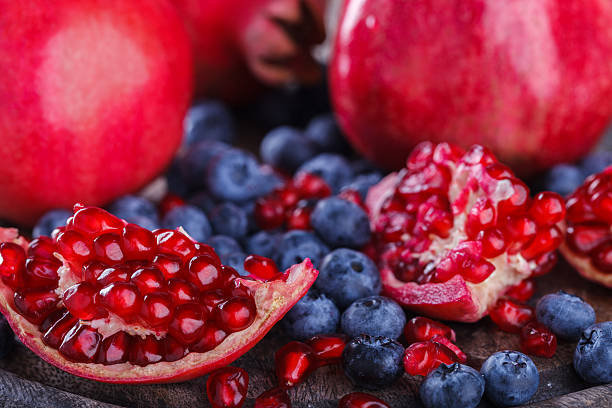
Berries, cherries, and pomegranates are some of the best fruits for boosting testosterone. These fruits are rich in flavonoid antioxidants, which play a significant role in hormone production and protection. Flavonoids like anthocyanins and flavonols found in these fruits increase testosterone levels while ensuring Leydig cells, the testosterone-producing cells, remain undamaged.

Pomegranates are particularly beneficial due to their high antioxidant content. Studies have shown that regular consumption of pomegranate juice can increase testosterone levels by 24% within two weeks. This effect is attributed to the fruit’s ability to enhance nitric oxide levels, which improves blood flow and supports hormone synthesis.

Cherries also offer unique advantages. They contain melatonin, which regulates sleep patterns. Better sleep improves overall hormone regulation, including testosterone production. Cherries’ anti-inflammatory properties further support hormonal health by reducing oxidative stress and preventing cellular damage in testosterone-producing cells.

Berries, especially blueberries and strawberries, are nutritional powerhouses. They’re high in vitamins C and K, manganese, and fiber. The antioxidants in berries reduce oxidative stress, a factor that can negatively impact testosterone levels. Consuming a variety of berries ensures you receive a broad spectrum of nutrients, maximizing the benefits for testosterone production.

Incorporating these fruits into your diet is simple. Add pomegranate seeds to salads, mix cherries in your yogurt, or include a handful of berries in your morning smoothie. Regular intake can promote better hormonal balance and overall health. Use fresh or frozen varieties to keep your diet versatile and enjoyable.

By integrating berries, cherries, and pomegranates into your meals, you can harness their powerful antioxidants and nutrients to support and enhance testosterone production.

Proven Testosterone Supplements

When it comes to boosting testosterone naturally, I’ve found that some of the most effective supplements are ones recommended by Andrew Huberman. His insights into Tongkat Ali, Fadogia Agrestis, and Zinc are not just science-backed—they’ve been game-changers in my own routine. I trust Double Wood Supplements, a third-party tested and affordable brand. You can get a four-month supply of this entire stack for less than $60 on Amazon:

When I first started diving into ways to naturally boost testosterone, I kept hearing about Andrew Huberman’s recommendations for Tongkat Ali, Fadogia Agrestis, and Zinc. Huberman’s podcast is a goldmine for anyone interested in optimizing health, and his science-backed approach really resonated with me. He talks a lot about how Tongkat Ali helps increase free testosterone by lowering cortisol and reducing something called SHBG (sex hormone-binding globulin), which can otherwise tie up your testosterone and make it less available. Pair that with Fadogia Agrestis, which stimulates luteinizing hormone (the signal your body sends to make more testosterone), and you’ve got a dynamic duo that packs a serious punch.

Then there’s zinc—something I hadn’t thought much about until I realized it’s one of the most common deficiencies in the world. Huberman often points out that without enough zinc, your body just can’t produce testosterone efficiently. It’s also a game-changer for immune health and recovery. After adding it to my routine, I felt a noticeable difference—fewer sluggish days and better workouts overall. Hearing Huberman break it all down made me feel confident about trying these three supplements, and I can honestly say they’ve made a real difference in how I feel, both in the gym and day-to-day. If you’re looking to support your T levels naturally, this trio is definitely worth a shot.