The Beginner’s Guide to the Ketogenic Diet

0

If you’re here, chances are you’ve heard the buzz about the keto diet and are curious to see what it’s all about. Maybe you’ve seen those Instagram-worthy plates piled high with avocado and bacon, or maybe you’ve heard a friend rave about the energy boost and weight loss they’ve experienced.

Whatever brought you here, welcome! I’m so excited to be your guide on this journey into the world of keto. Whether you’re just dipping your toes into the low-carb waters or ready to dive in headfirst, I’ve got you covered with all the tips, tricks, and tasty recipes you’ll need to get started. So, grab a cup of coffee (yes, you can still have coffee!), and let’s get started on this delicious adventure together!

What is the Keto Diet?

The keto diet, short for ketogenic, is a low-carb, high-fat diet that has taken the wellness world by storm. At its core, the diet focuses on drastically reducing your carbohydrate intake and replacing it with healthy fats. This shift in macronutrients pushes your body into a state called ketosis, where it becomes incredibly efficient at burning fat for energy instead of relying on glucose from carbs. This not only helps with weight loss but also offers various other health benefits that many people find appealing.

When you’re on the keto diet, your daily intake typically consists of about 70-75% fat, 20-25% protein, and just 5-10% carbs. This might sound like a big change, especially if you’re used to a diet rich in bread, pasta, and other starchy foods. But don’t worry—there are plenty of delicious options to choose from, like creamy avocado, savory meats, and rich cheeses. The key is finding the right balance of foods that keep you satisfied while staying within your carb limit, which is usually around 20-50 grams of net carbs per day.

The keto diet isn’t just about shedding pounds; it’s about fueling your body in a way that promotes sustained energy and mental clarity. Many people report feeling more focused and less hungry throughout the day, thanks to the steady energy supply from fats. Additionally, research suggests that the keto diet can help with managing conditions like type 2 diabetes, epilepsy, and even certain neurological disorders. Whether you’re here to lose weight, boost your energy levels, or explore the potential health benefits, the keto diet offers a flexible approach to achieving your goals.

What Foods Can You Eat On The Keto Diet?

One of the best things about the keto diet is the wide variety of delicious foods you can enjoy while staying on track. The key is to focus on healthy fats, moderate protein, and low-carb veggies. Let’s dive into some of the staples that will become your new best friends in the kitchen!

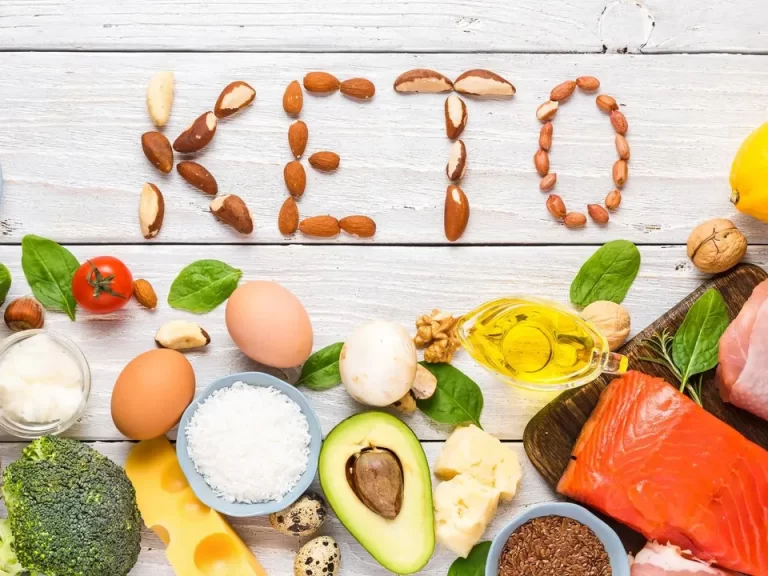
First up, fats are your new fuel! Think buttery avocados, rich olive oil, and all the nuts and seeds your heart desires. You can also indulge in full-fat dairy like cheese, cream, and butter. These foods not only keep you full and satisfied but also help your body stay in that fat-burning mode we talked about earlier. And don’t forget about fatty fish like salmon and mackerel—they’re not only keto-friendly but packed with those heart-healthy omega-3s.

Next, let’s talk protein. On keto, it’s all about quality over quantity. You want to choose moderate portions of meats like chicken, beef, pork, and lamb. Eggs are also a fantastic option—perfect for any meal of the day. Pair these proteins with non-starchy vegetables like leafy greens, broccoli, cauliflower, and zucchini. These veggies are low in carbs but high in nutrients, making them the perfect base for your meals. And for those moments when you’re craving something crunchy, think about swapping out your usual snacks for things like cheese crisps, pork rinds, or even a handful of olives. With so many delicious options, sticking to the keto diet feels more like a treat than a challenge!

Keto Diet Food List

Here’s a quick and handy list of foods you can enjoy on the keto diet:

Healthy Fats:

  • Avocados
  • Olive oil
  • Coconut oil
  • Butter and ghee
  • Nuts and seeds (almonds, walnuts, chia seeds, flaxseeds)
  • Fatty fish (salmon, mackerel, sardines)

Protein:

  • Meat (beef, pork, lamb)
  • Poultry (chicken, turkey)
  • Eggs
  • Bacon
  • Sausages (check for added sugars)

Dairy:

  • Cheese (cheddar, mozzarella, feta)
  • Cream cheese
  • Heavy cream
  • Full-fat Greek yogurt (in moderation)

Low-Carb Vegetables:

  • Leafy greens (spinach, kale, arugula)
  • Broccoli and cauliflower
  • Zucchini
  • Asparagus
  • Bell peppers (in moderation)
  • Mushrooms

Snacks and Extras:

  • Olives
  • Pickles (sugar-free)
  • Pork rinds
  • Cheese crisps
  • Dark chocolate (85% cacao or higher, in moderation)

Beverages:

  • Water
  • Coffee (with heavy cream or unsweetened almond milk)
  • Tea (unsweetened)
  • Bone broth

These are just a few of the delicious options you can include in your keto-friendly meals!

What Are the Benefits of the Keto Diet?

The keto diet offers a range of benefits that go beyond just weight loss, making it a popular choice for many people looking to improve their overall health and well-being. Let’s explore some of the key benefits you can expect when following a keto lifestyle.

1. Weight Loss: One of the most well-known benefits of the keto diet is its effectiveness for weight loss. By drastically reducing your carbohydrate intake and replacing it with healthy fats, your body enters ketosis, a state where it burns fat for energy instead of glucose. This shift can lead to significant weight loss, especially in the first few weeks as your body adjusts. Plus, the high-fat content of the diet helps keep you feeling full and satisfied, reducing the urge to snack on high-carb foods.

2. Improved Energy Levels and Mental Clarity: Many people report feeling more energized and mentally sharp when following a keto diet. Without the blood sugar spikes and crashes that come from a high-carb diet, your energy levels tend to be more stable throughout the day. Additionally, the brain can efficiently use ketones (the byproducts of fat breakdown in ketosis) as a powerful energy source, leading to improved focus and mental clarity. This makes the keto diet popular not just for weight loss but also for boosting productivity and cognitive function.

3. Better Blood Sugar and Insulin Levels: The keto diet can be particularly beneficial for those managing type 2 diabetes or insulin resistance. By cutting out most carbs, the diet helps stabilize blood sugar levels and reduce the need for insulin. This can lead to better overall blood sugar control and may even reduce the need for medication in some cases. Additionally, the diet’s emphasis on healthy fats and low-carb veggies can improve heart health by reducing inflammation and promoting healthy cholesterol levels.

Overall, the keto diet offers a holistic approach to health that can help you not only lose weight but also feel more energized, mentally sharp, and in control of your blood sugar levels.

Can the Keto Diet Help with Weight Loss?

If you’ve been searching for a way to shed those stubborn pounds and finally feel in control of your weight, you’re in the right place. The keto diet isn’t just another passing fad; it’s a time-tested approach that’s helping people everywhere transform their bodies and their relationship with food.

Imagine eating delicious, satisfying meals that not only taste great but also work with your body to burn fat more efficiently. That’s the magic of keto! This diet taps into your body’s natural fat-burning abilities by changing the way you think about carbs and embracing the power of healthy fats. Whether you’re looking to slim down, feel more energized, or simply enjoy a more balanced lifestyle, the keto diet could be the game-changer you’ve been waiting for. Let’s explore how this low-carb, high-fat approach can help you achieve your weight loss goals and maintain them for the long haul.

  • How Keto Promotes Weight Loss: The keto diet helps with weight loss by fundamentally changing how your body fuels itself. Normally, your body relies on carbohydrates for energy, breaking them down into glucose, which is then used for fuel. However, when you drastically reduce your carb intake on the keto diet, your body is forced to find an alternative energy source. This is where ketosis comes in. In ketosis, your body starts breaking down stored fat into molecules called ketones, which it then uses for energy. This shift not only burns fat but also helps regulate appetite, making it easier to stick to your diet without feeling constantly hungry.
  • The Role of Appetite Control: One of the key reasons the keto diet is so effective for weight loss is its impact on hunger hormones. High-carb diets can lead to spikes and crashes in blood sugar, often leaving you feeling hungry and reaching for snacks. The keto diet, with its emphasis on fats and proteins, provides a more stable source of energy, which can help keep those hunger pangs at bay. Many people find that they naturally eat less on the keto diet, simply because they feel fuller for longer periods. This makes it easier to create a calorie deficit, which is essential for weight loss.
  • Sustained Weight Loss and Fat Loss: Beyond the initial drop in weight, which is often due to water loss as your body depletes its glycogen stores, the keto diet can lead to sustained fat loss. Because your body becomes more efficient at burning fat for energy, it continues to tap into those fat stores, especially when combined with regular exercise. Over time, this can lead to significant reductions in body fat percentage and overall weight. Plus, the keto diet can help preserve muscle mass during weight loss, which is crucial for maintaining metabolism and long-term weight management.

In summary, the keto diet can be highly effective for weight loss, thanks to its unique approach to fueling the body, controlling appetite, and promoting fat burning. Whether you’re looking to shed a few pounds or make a more significant transformation, the keto diet offers a structured yet flexible way to achieve your weight loss goals.

What Are the Downsides of the Keto Diet?

While the keto diet has many benefits, it’s important to be aware of the potential downsides so you can make an informed decision about whether it’s the right fit for you. Like any diet, keto has its challenges, and it’s not without its drawbacks. Here are some things to consider before diving into a keto lifestyle.

1. The Keto Flu: One of the most common side effects people experience when starting the keto diet is what’s often referred to as the “keto flu.” This isn’t an actual flu but a collection of symptoms that can make you feel pretty lousy during the first few days or weeks as your body adjusts to burning fat instead of carbs. Symptoms can include headaches, fatigue, nausea, and irritability. These symptoms are usually temporary and can be mitigated by staying hydrated, replenishing electrolytes, and gradually easing into the diet. However, they can be a rough start for some people.

2. Nutrient Deficiencies: Because the keto diet limits certain food groups, particularly fruits, starchy vegetables, and whole grains, it can be challenging to get all the nutrients your body needs. Fiber, for instance, is crucial for digestive health, and it can be tough to meet your fiber needs on a strict keto diet without careful planning. Additionally, certain vitamins and minerals like potassium, magnesium, and vitamins C and D can be harder to come by. To avoid deficiencies, it’s important to focus on a variety of low-carb vegetables, consider supplementation, and perhaps cycle in and out of strict keto phases.

3. Sustainability and Social Challenges: The restrictive nature of the keto diet can make it difficult to stick with in the long term. It requires a significant shift in how you eat, which can be challenging when dining out, attending social gatherings, or even just cooking for a family that might not be on the same diet. The high-fat, low-carb approach also means giving up many comfort foods and favorites like bread, pasta, and most desserts, which can feel restrictive over time. For some people, this can lead to feelings of deprivation and make the diet harder to maintain in the long run.

While the keto diet offers impressive benefits, it’s important to weigh these potential downsides. The key is to listen to your body, stay informed, and make adjustments as needed to ensure that your keto journey is both enjoyable and sustainable.

What to Do On The First Day of Keto

Starting the keto diet can feel a bit overwhelming, but with a solid plan, your first day can set the tone for a successful journey. The key is to approach it with excitement and preparation. Here’s how to kick off your keto journey on the right foot.

1. Plan Your Meals Ahead of Time: The best way to ensure you stick to the keto guidelines is to plan out your meals in advance. Start your day with a keto-friendly breakfast, like scrambled eggs cooked in butter with a side of avocado. For lunch, you might opt for a salad loaded with leafy greens, grilled chicken, and a generous drizzle of olive oil. Dinner could be something as simple as a fatty cut of meat paired with roasted non-starchy vegetables. Having a meal plan will help you avoid the temptation of high-carb foods and keep you on track. Don’t forget to have some keto-friendly snacks on hand, like nuts, cheese, or hard-boiled eggs, to keep hunger at bay between meals.

2. Focus on Hydration and Electrolytes: One of the things that often catches people off guard on their first day of keto is how quickly their bodies can start losing water and electrolytes. This is because cutting out carbs causes your body to shed water weight, which can lead to dehydration and an imbalance in electrolytes. To counter this, make sure to drink plenty of water throughout the day. You can also sip on bone broth or add a pinch of salt to your water to help replenish lost sodium. Magnesium and potassium are also important, so consider incorporating foods like leafy greens, avocados, and nuts into your meals.

3. Prepare Mentally and Stay Positive: The first day of keto can be a big adjustment, especially if you’re used to a diet higher in carbs. It’s normal to experience cravings or even feel a bit low on energy as your body begins to adapt. The key is to stay positive and remind yourself why you’re making this change. Focus on the benefits you’re working towards, like weight loss, better energy, and improved health. It can also help to connect with others who are on the same journey, whether through online forums, social media, or even friends and family. Having a support system can make all the difference as you navigate the early days of keto.

By planning your meals, staying hydrated, and keeping a positive mindset, your first day on the keto diet can be the start of something truly transformative. Remember, every step you take is bringing you closer to your goals!

The Bottom Line

As you embark on your keto journey, remember that every step you take is part of a larger process of transformation. The keto diet isn’t just about changing the way you eat; it’s about embracing a new lifestyle that can bring you closer to your health and wellness goals. Whether you’re here to lose weight, boost your energy, or simply feel better in your own skin, the keto diet offers a flexible and sustainable approach that can fit into your life.

It’s normal to have ups and downs as you adjust to this new way of eating, but with preparation, patience, and a positive mindset, you’ll find your groove. Celebrate the small victories, learn from any setbacks, and keep experimenting with delicious, keto-friendly meals that make you excited to stay on track.

Remember, this is your journey, and you have the power to make it as enjoyable and fulfilling as possible. With the knowledge and tips you’ve gathered, you’re well-equipped to navigate the challenges and reap the rewards of the keto diet. Here’s to a healthier, happier you—one delicious, low-carb meal at a time!


7 Best Supplements and Vitamins for Weight Loss: Effective and Safe Options

Losing weight can feel like an uphill battle, but the right supplements and vitamins can make a world of difference. With so many options out there, it’s tough to know which ones truly work. That’s where I come in—I’ve sifted through the noise to bring you the seven best supplements and vitamins for weight loss.

I was once a staunch advocate for Amazon, relying on it for all my supplement needs until I stumbled upon iHerb. They’ve quickly become the Amazon of the supplement world, offering a vast array of products at significantly lower prices, transforming my approach to health and wellness.

What was even more surprising is that half of the products on this list are available for under $10, making it an affordable choice for those looking to supplement their diet without breaking the bank.

From multivitamins that boost your daily nutrient intake to fiber that keeps you feeling full, these supplements offer various benefits tailored to your weight loss journey. Whether you’re looking to curb your appetite, improve gut health, or enhance your workout performance, there’s something here for everyone. Let’s dive into the essentials that could help you achieve your weight loss goals more effectively and efficiently.

The 7 Best Supplements and Vitamins for Weight Loss

Multivitamin: Covering Your Bases

Multivitamins provide a comprehensive blend of essential vitamins and minerals that support overall health and well-being. These supplements are designed to fill nutritional gaps in the diet, ensuring that the body receives adequate nutrients necessary for optimal functioning. Including a multivitamin can help maintain energy levels, support immune function, and promote overall metabolic health, which can indirectly aid in weight management.

In addition to supporting weight management, multivitamins offer several other health benefits. They contribute to improved heart health by providing nutrients such as vitamin D, magnesium, and folic acid, which are important for cardiovascular function. Multivitamins also support bone health by supplying calcium and vitamin D, crucial for maintaining bone density and preventing osteoporosis. Furthermore, they can enhance skin health, thanks to vitamins A, C, and E, which have antioxidant properties that protect against cellular damage. By ensuring a well-rounded intake of essential nutrients, multivitamins can support overall health and vitality, making them a beneficial addition to a balanced diet and healthy lifestyle. Life Extension is a trusted brand and it’s only $18 on iHerb!

Green Tea Extract: Boosting Fat Oxidation

Green tea extract is renowned for its fat-burning properties, primarily due to the presence of catechins such as epigallocatechin gallate (EGCG). Studies have found that this compound can enhance fat oxidation and improve metabolic rate. One study indicated that participants consuming green tea extract lost up to 3.5 kg more compared to a control group over 12 weeks. Consuming green tea extract as part of a balanced diet and exercise regimen can yield effective weight loss results.

In addition to its weight loss benefits, green tea extract is rich in antioxidants, which help combat oxidative stress and reduce inflammation. These antioxidants can support cardiovascular health by improving blood vessel function and lowering LDL cholesterol levels. Moreover, green tea extract has been linked to improved brain function, potentially enhancing cognitive performance and providing neuroprotective effects. The combination of these benefits makes green tea extract a valuable supplement for overall health and well-being, beyond just weight management. You can pick up a 3-month supply of NOW Foods Green Tea Extract for just $7.

Protein Supplements: Supporting Muscle Mass

Protein supplements are vital for supporting muscle mass, especially during weight loss. Increasing protein intake helps preserve lean body mass and keeps metabolism from slowing down. Popular forms like whey protein powder provide a convenient way to increase protein consumption. By promoting muscle preservation, protein supplements ensure that the majority of weight lost comes from fat rather than muscle.

Beyond its role in weight loss, protein offers numerous other health benefits. Adequate protein intake is essential for muscle repair and growth, making it particularly beneficial for those engaged in regular physical activity. Protein also helps regulate hormones related to appetite and satiety, which can help control food cravings and reduce overall calorie intake. Additionally, consuming protein-rich foods or supplements can improve bone health by increasing calcium absorption and supporting bone density. These combined benefits highlight the importance of incorporating protein supplements into a balanced diet for overall health and effective weight management. Use code ‘brainflow’ for 15% off Momentous Grass-Fed Whey, which is the same brand Dr. Andrew Huberman uses.

Fiber: Promoting Satiety and Gut Health

Fiber is essential for promoting satiety and supporting gut health. Dietary fiber expands in the stomach, creating a feeling of fullness, which helps reduce overall calorie intake. Foods high in fiber include fruits, vegetables, whole grains, and legumes. Fiber supplements can be particularly useful for those struggling to meet their daily intake. By enhancing satiety and improving digestive health, fiber aids in weight management.

In addition to its weight management benefits, fiber offers several other health advantages. High fiber intake is associated with a reduced risk of developing chronic diseases such as heart disease, type 2 diabetes, and certain types of cancer. Fiber helps regulate blood sugar levels by slowing the absorption of sugar, which can be particularly beneficial for individuals with diabetes or those at risk. Moreover, fiber supports regular bowel movements and prevents constipation by adding bulk to the stool. Psyllium husk, a popular fiber supplement, is especially effective in promoting digestive health and regularity. Incorporating fiber into your diet, whether through whole foods or supplements, provides comprehensive health benefits that extend beyond weight management. You can get a fiber supplement for just $12 on iHerb.

Probiotics: Aid in Digestive Health

Probiotics support digestive health by balancing the gut microbiota. A healthy gut can improve the absorption of nutrients and overall metabolic health. Research suggests that certain probiotic strains can aid in weight loss by reducing fat absorption and influencing appetite-regulating hormones. Including probiotic-rich foods like yogurt or taking probiotic supplements may contribute positively to weight loss efforts.

In addition to their role in weight management, probiotics offer numerous other health benefits. They help strengthen the immune system by promoting the growth of beneficial bacteria, which can protect against infections and illnesses. Probiotics also play a crucial role in reducing inflammation, which is linked to various chronic diseases, including heart disease and inflammatory bowel disease. Furthermore, maintaining a balanced gut microbiota can improve mental health by influencing the gut-brain axis, potentially reducing symptoms of anxiety and depression. Incorporating probiotics into your diet, whether through supplements or fermented foods, can enhance overall health and well-being, making them a valuable addition to a comprehensive weight loss strategy. Physician’s Choice is the number one rated probiotic on Amazon.

Vitamin D: Link to Fat Storage and Metabolism

Vitamin D plays a role in fat storage and metabolism. Deficiencies in vitamin D have been linked to increased fat storage and weight gain. Adequate levels of this vitamin help regulate fat metabolism and promote the breakdown of stored fat. Spending time in sunlight, consuming fortified foods, or taking vitamin D supplements can ensure sufficient levels and support weight management.

In addition to its role in weight management, vitamin D is crucial for several other health functions. It aids in the absorption of calcium and phosphorus, essential for maintaining healthy bones and teeth. Vitamin D also supports the immune system, helping the body fend off infections and diseases. Emerging research suggests that vitamin D may have a protective effect against certain cancers and cardiovascular diseases. Furthermore, adequate vitamin D levels are associated with improved mood and cognitive function, highlighting its importance for mental health. Ensuring sufficient vitamin D intake through sunlight exposure, diet, or supplementation can provide comprehensive health benefits beyond just weight management. I’d go with NOW Foods Vitamin D3, where you can get a four month supply for just $6.

Carnitine: The Fat-Blasting Amino Acid

Carnitine, a naturally occurring amino acid derivative, plays a crucial role in energy production by transporting fatty acids into the mitochondria, where they are burned for energy. This process can enhance fat oxidation and promote weight loss. Several studies suggest that carnitine supplementation can improve exercise performance, increase fat burning during physical activity, and support overall metabolic health.

In addition to its fat-burning properties, carnitine offers several other health benefits. It has been shown to improve cardiovascular health by reducing markers of oxidative stress and inflammation, which are linked to heart disease. Carnitine also supports cognitive function and has potential neuroprotective effects, making it beneficial for brain health. Furthermore, carnitine may enhance recovery after exercise by reducing muscle soreness and fatigue. Including carnitine supplements as part of a balanced diet and regular exercise routine can provide these multifaceted health benefits, supporting both weight management and overall well-being. Use code ‘brainflow’ for 15% off Momentous Acetyl L-Carnitine.

How Weight Loss Supplements Work

Metabolic Enhancement

Many weight loss supplements function by boosting the body’s metabolism. For example, caffeine increases metabolic rate by stimulating the central nervous system. Green tea extract stands out by promoting fat oxidation, essentially increasing the number of calories burned even while at rest. Both of these supplements have been extensively researched, offering effective solutions for those aiming to enhance their metabolic rate and burn fat more efficiently.

Appetite Suppression

Effective appetite suppression is another critical role played by weight loss supplements. Casein protein powder can help control hunger by creating a sensation of fullness. Consuming fiber supplements is also beneficial, as fiber expands in the stomach, leading to prolonged feelings of satiety. These ingredients can curb overeating and promote better portion control, assisting your weight loss journey by managing caloric intake more effectively.

Fat Absorption Reduction

By inhibiting the absorption of fats in the digestive system, certain supplements can support weight loss. Fiber supplements work by binding to fat molecules, preventing their full absorption and aiding their excretion from the body. This mechanism helps reduce overall fat intake, thus facilitating weight management. By incorporating these supplements, one can effectively minimize fat absorption and promote a healthier weight loss regimen.

Benefits and Risks of Weight Loss Supplements

Understanding Potential Benefits

Weight loss supplements offer several benefits for managing weight loss. Many supplements increase metabolism, causing the body to burn more calories. For example, green tea extract contains catechins, which boost metabolism and fat oxidation. Protein supplements, like casein protein powder, help control appetite by making you feel fuller longer. Fiber supplements aid in reducing fat absorption and promoting digestive health. These supplements complement a balanced diet and exercise routine, supporting significant weight loss.

Recognizing Common Risks and Side Effects

While supplements have benefits, they also pose risks. The unregulated nature of dietary supplements means they may contain harmful ingredients or interact with medications. Over-the-counter weight loss pills, often claim to offer quick results, but their safety and efficacy aren’t always proven. Common side effects include digestive issues, increased heart rate, and high blood pressure. Consultation with a healthcare provider is crucial before adding supplements to your regimen to ensure they’re safe and effective for you.

Choosing the Right Weight Loss Supplements

Assessing Quality and Efficacy

Selecting effective weight loss supplements requires examining their quality and efficacy. I ensure products have undergone third-party testing and carry certifications from trusted organizations. This guarantees the supplement’s quality and accurate ingredient listings. Checking customer reviews on platforms with high traffic can provide insight into others’ experiences. For example, a supplement rating of 4.5 stars from over 2,500 reviews indicates widespread satisfaction and positive outcomes.

Considering the active ingredients plays a critical role. Ingredients like catechins, found in green tea extract, have been shown to support weight loss and maintenance. However, not all compounds are equally effective. Caffeine, while popular, may not offer significant long-term weight reduction. It’s essential to research and verify claims using peer-reviewed studies and reliable sources. This way, I ensure the supplements I choose are backed by scientific evidence and deliver the promised benefits.

Considerations for Specific Health Needs

Certain health conditions or dietary restrictions require careful consideration when choosing supplements. If I have a medical condition, such as hypertension or diabetes, I’ll consult my healthcare provider before starting any supplement regimen. Some ingredients, like synephrine found in bitter orange, may negatively impact individuals with heart conditions. To avoid adverse effects, it’s best to discuss any potential risks with a medical professional.

For those following specific diets, like a vegan or gluten-free lifestyle, checking labels for hidden animal products or gluten is crucial. Many supplements use fillers or capsules derived from gelatin or wheat, which can conflict with dietary needs. By verifying the ingredient list and opting for certified vegan or gluten-free supplements, I ensure compatibility with my health requirements and lifestyle choices. It’s always advisable to tailor supplement intake to align with my unique health profile and nutritional needs.

Conclusion

Choosing the right supplements and vitamins for weight loss requires careful consideration and research. It’s crucial to prioritize quality and efficacy by looking for third-party testing and certifications. Always consult a healthcare provider to avoid harmful interactions and ensure the supplements align with your health needs. By staying informed and cautious you can make better choices that support your weight loss journey effectively and safely.

Elon Musk’s X Sues Advertisers: A Battle for Billions and Antitrust Allegations

In the ever-dramatic world of social media, Elon Musk’s platform, X (formerly known as Twitter), has taken center stage once again. This time, it’s not about tweets or tech innovations but a high-stakes legal battle. X has filed a lawsuit against a group of advertisers, accusing them of orchestrating a massive boycott that has cost the platform billions in revenue. The lawsuit, filed in a federal court in Texas, also alleges that these actions violate antitrust laws. Let’s dive into the nitty-gritty of this unfolding drama.

The Genesis of the Conflict

It all started in November 2022 when Elon Musk, the tech mogul known for his ventures with Tesla and SpaceX, acquired Twitter. The acquisition was met with a mix of excitement and skepticism. Musk’s vision for the platform was ambitious, aiming to transform it into a more open and freewheeling space for public discourse. In a bold move, Musk rebranded Twitter to X, signaling a new era for the platform. The rebranding was more than just a name change; it was a statement of intent. Musk wanted to break away from the old Twitter and create something entirely new. However, not everyone was on board with this vision.

The Advertiser Boycott

The initial reactions to Musk’s takeover were mixed. While some users and tech enthusiasts were excited about the changes, many advertisers were wary. Concerns began to surface about Musk’s management style and the direction in which he was taking the platform. Advertisers were particularly concerned about Musk’s hands-on approach and his tendency to make abrupt changes. The fear was that these changes could create an unpredictable environment, making it difficult for advertisers to plan and execute their campaigns effectively. As these concerns grew, a significant number of advertisers decided to pull their funds from the platform. This boycott was not just a minor blip; it was a massive withdrawal of advertising dollars that had a substantial impact on X’s revenue.

The Legal Battle Unfolds

Faced with a significant drop in revenue, X decided to take legal action. The lawsuit, filed in a federal court in Texas, targets the World Federation of Advertisers and its member companies. X alleges that these advertisers conspired to withhold advertising dollars, causing financial harm to the platform. The lawsuit claims that the advertisers’ actions were not just financially damaging but also illegal. X argues that the boycott was an attempt to stifle competition and manipulate the market, violating antitrust laws. The World Federation of Advertisers, a global organization representing the interests of advertisers, is at the center of this legal battle. X accuses the federation of orchestrating the boycott and coordinating the actions of its member companies.

Antitrust Laws and Social Media

Antitrust laws are designed to promote fair competition and prevent monopolistic practices. In the context of this lawsuit, X argues that the advertisers’ boycott constitutes an illegal attempt to manipulate the market and stifle competition. The outcome of this lawsuit could have far-reaching implications for the digital advertising industry. If X’s claims are upheld, it could set a precedent for how antitrust laws are applied to social media platforms and their relationships with advertisers.

Financial Impact on X

The financial impact of the advertiser boycott on X has been significant. The platform has reportedly lost billions of dollars in revenue, a substantial blow for any company, let alone one undergoing a major transformation. Quantifying the exact financial damage is challenging, but the lawsuit provides some insight. X is seeking compensation for the lost revenue, which it claims amounts to billions of dollars. This figure underscores the scale of the boycott and its impact on the platform. Looking ahead, the long-term financial projections for X are uncertain. The outcome of the lawsuit will play a crucial role in determining the platform’s financial future. If X wins, it could recover some of the lost revenue and potentially secure punitive damages. However, if the lawsuit fails, the financial outlook could be bleak.

Seeking Compensation and Damages

X’s lawsuit is built on the premise that the advertiser boycott was illegal and financially damaging. The platform is seeking compensation for the lost revenue and punitive damages for the alleged antitrust violations. The legal grounds for this compensation are rooted in antitrust laws, which prohibit actions that stifle competition and manipulate the market. The potential outcomes of the lawsuit are varied. If X wins, it could receive substantial compensation and punitive damages. This would not only help recover the lost revenue but also send a strong message to advertisers about the consequences of such actions. On the other hand, if the lawsuit fails, X could face further financial challenges and a potential loss of credibility.

The Broader Implications

The lawsuit highlights the ongoing tensions between social media platforms and advertisers. This relationship has always been complex, with both parties relying on each other for success. However, the advertiser boycott and subsequent lawsuit have brought these tensions to the forefront. To understand the current conflict, it’s essential to look at the historical context. Social media platforms have always been a battleground for advertisers, with various controversies and conflicts arising over the years. This lawsuit is just the latest chapter in this ongoing saga. The outcome of this lawsuit could have significant implications for the future of social media advertising. If X’s claims are upheld, it could lead to changes in how advertisers approach social media platforms and how these platforms manage their relationships with advertisers. The lawsuit also raises important questions about antitrust law enforcement in the digital age. As social media platforms continue to grow and evolve, the application of antitrust laws to these platforms will become increasingly important. The outcome of this lawsuit could set important precedents for how antitrust laws are applied to social media platforms. It could also lead to changes in the legal frameworks governing these platforms and their relationships with advertisers. If X’s claims are upheld, it could lead to changes in regulation, with stricter rules governing the actions of advertisers and social media platforms. This could have far-reaching implications for the digital advertising industry and the broader tech sector.

Looking Ahead: What’s Next for X and Advertisers?

In summary, the lawsuit filed by X against a group of advertisers is a high-stakes legal battle with significant financial and legal implications. The outcome of this lawsuit could reshape the relationship between social media platforms and advertisers and set important precedents for antitrust law enforcement in the digital age. As the legal battle unfolds, all eyes will be on the courtroom. The outcome of this lawsuit will have far-reaching implications for X, the advertisers involved, and the broader digital advertising industry. One thing is certain: the world of social media is never short of drama, and this lawsuit is just the latest twist in the tale.

FAQs

What prompted the advertiser boycott against X? The boycott was driven by concerns over Elon Musk’s management style and the direction he was taking the platform after acquiring Twitter and rebranding it to X. What are the main allegations in X’s lawsuit against the advertisers? X alleges that the advertisers conspired to withhold advertising dollars, causing financial harm to the platform and violating antitrust laws. How significant was the financial impact of the boycott on X? The boycott reportedly resulted in billions of dollars in lost revenue for X, significantly impacting the platform’s financial health. What are antitrust laws, and how do they apply to this case? Antitrust laws are designed to promote fair competition and prevent monopolistic practices. X argues that the advertisers’ boycott constitutes an illegal attempt to manipulate the market and stifle competition. What could be the potential outcomes of the lawsuit? If X wins, it could receive substantial compensation and punitive damages. If the lawsuit fails, X could face further financial challenges and a potential loss of credibility. How could the outcome of this lawsuit impact the future of social media advertising? The outcome could lead to changes in how advertisers approach social media platforms and how these platforms manage their relationships with advertisers. It could also set important precedents for antitrust law enforcement in the digital age.

Sources

  1. National Review – X Sues Advertisers for Boycotting Social Media Platform After Elon Musk’s Twitter Takeover
  2. The Verge – Elon Musk’s Twitter Rebrand to X
  3. TechCrunch – Advertiser Boycott of Twitter
  4. Forbes – Understanding Antitrust Laws
  5. Business Insider – Financial Impact of Advertiser Boycott on X
  6. Reuters – Legal Battle Between X and Advertisers

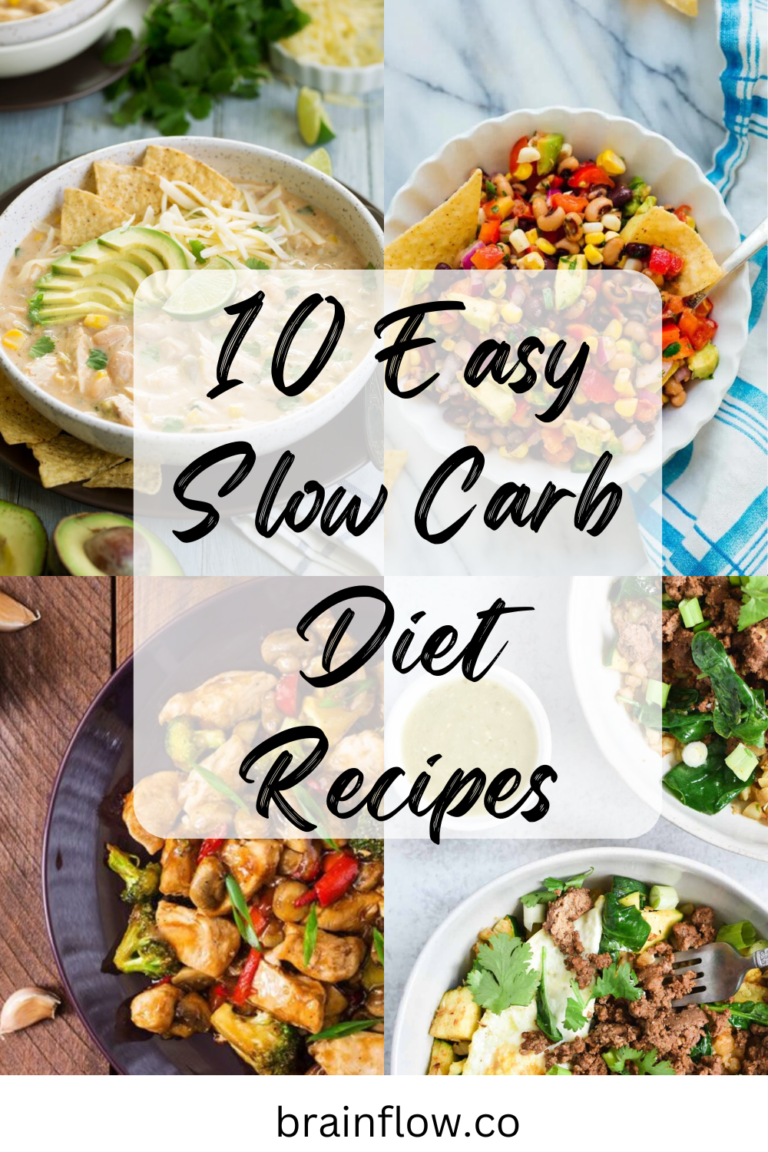
10 Amazing Slow Carb Diet Recipes You’ll Love to Try

Struggling to find delicious recipes that align with the slow carb diet? You’re not alone. When I first started, I found myself constantly searching for meals that were both satisfying and compliant with the plan. After experimenting in the kitchen and tweaking various recipes, I’ve discovered some truly amazing dishes that make sticking to the diet a breeze.

Understanding the Slow Carb Diet

Key Principles and Benefits

The slow carb diet focuses on eating nutrient-dense, low-glycemic foods to help manage blood sugar levels and promote weight loss. Developed by Tim Ferriss, this diet encourages consuming protein, legumes, and vegetables while avoiding high-glycemic foods. By sticking to this plan, I’ve experienced steady energy levels and noticeable weight loss. Another key principle is the implementation of a “cheat day” once a week, where any food is allowed. This helps satisfy cravings and prevent burnout. The diet doesn’t just improve physical health; it also boosts mental clarity and overall well-being.

Foods to Include and Avoid

Foods to include are lean proteins, legumes, and green vegetables. For example, I include chicken breasts, black beans, and spinach in my meals. These foods provide essential nutrients while keeping carb intake low. On the drinks front, unsweetened tea and black coffee are approved, and a glass or two of red wine is also fine.

Avoid high-glycemic foods, which includes white bread, rice, and pasta. Dairy products, except cottage cheese, are also off the table. I stay away from soy products, most fruits (except lemons and limes), and starchy vegetables like potatoes. Oatmeal and popcorn aren’t allowed either. However, I find the diet manageable because it only needs to be followed six days a week, with the seventh day as a “cheat day” to eat whatever I like.

15 Amazing Slow-Carb Diet Recipes

Keto Chicken Salad

Image Credit: kimandkalee.com

This keto chicken salad comes together in no time and is perfect for a quick meal. Enjoy it in lettuce wraps for a delicious and low-carb lunch option.

Slow Cooker Turkey Chili

Image Credit: soreyfitness.com

Sorey Fitness’ slow cooker turkey chili is perfect for feeding the entire family. It’s easy to prepare, just toss it into the crockpot, and it’s sure to be a hit with everyone!

Mediterranean Chopped Salad

Image Credit: apaigeofpositivity.com

A Page of Positivity’s Mediterranean chopped salad will brighten your day with its vibrant mix of bell peppers, cucumber, tomatoes, and beets.

Keto Chicken Soup

Image Credit: healthyseasonalrecipes.com

A bowl of soup makes for an ideal lunch on a chilly day. With this keto chicken soup recipe from Healthy Seasonal Recipes, you can enjoy a healthy and comforting bowl any day of the week.

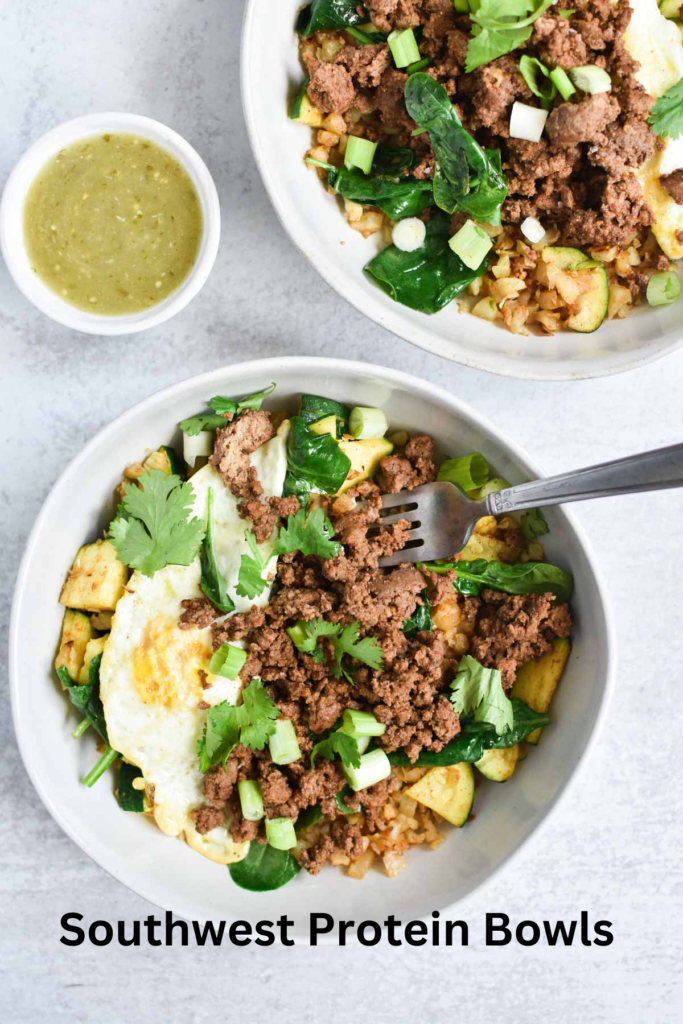
Southwest Beef Protein Bowls

Image Credit: thedizzycook.com

Add a touch of Southwest flavor to your next lunch with these beef protein bowls from The Dizzy Cook, packed with meat and veggies.

PF Chang’s Lettuce Wraps Remade

Image Credit: iowagirleats.com

For a taste of the Southwest at lunch, try these beef protein bowls from iowagirleats.com, filled with a hearty mix of meat and veggies.

Low Carb Burrito Bowl

Image Credit: laurafuentes.com

Cut down on carbs in your favorite Mexican lunch with Laura Fuentes’ low-carb burrito bowls recipe. It’s also a fantastic option for a quick and easy dinner!

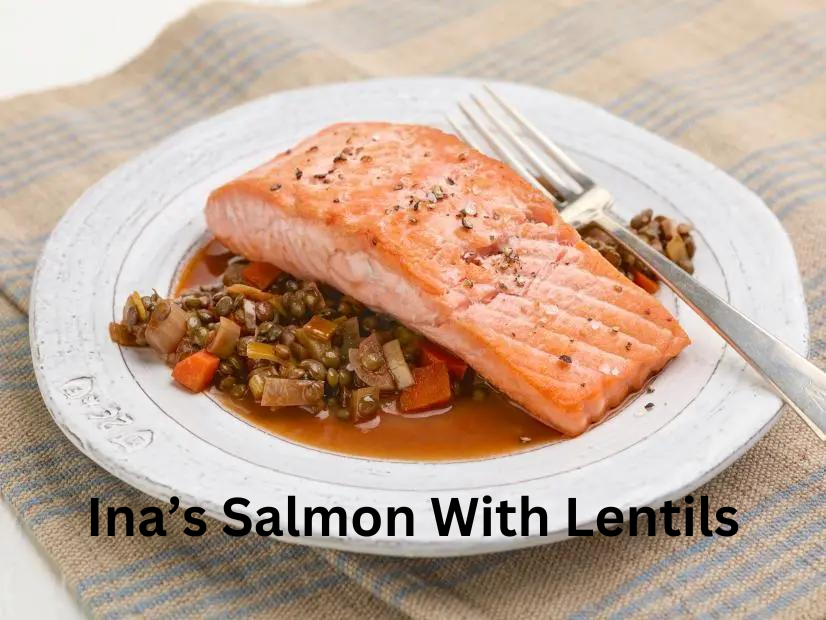
Ina’s Salmon With Lentils

Image Credit: foodnetwork.com

Ina Garten’s salmon with lentils combines tender salmon with savory lentils, carrots, and onions, enhanced by red wine vinegar. This nutritious dish is easy to prepare and perfect for a wholesome, satisfying meal.

Spanish Seafood Soup

Image Credit: sweetloveandginger.com

Enjoy a clean and healthy take on a classic Spanish Style Seafood Stew from Sweet Love and Ginger. Packed with hearty, spicy flavors, this stew is perfect for seafood lovers and those who enjoy a bit of a kick in their meals.

Cowboy Caviar

Image Credit: cookieandkate.com

Cowboy caviar by cookieandkate.com is a vibrant mix of black-eyed peas, black beans, tomatoes, corn, bell pepper, onion, and cilantro, all tossed in a tangy Italian dressing. While often thought of as a warm-weather salad, its ingredients are available year-round, making it a perfect dish anytime.

White Chicken Chili

Image Credit: cookingclassy.com

This white chicken chili combines tender chicken, white beans, and green chilies in a creamy, flavorful broth. It’s a simple, comforting dish that’s perfect for busy weeknights and can be customized with your favorite toppings like avocado, cheese, and tortilla chips. Using rotisserie chicken makes it even quicker to prepare, ensuring a hearty and satisfying meal in under an hour. For the full recipe, visit Cooking Classy.

Slow Carb Chicken and Vegetable Stir Fry

Image Credit: 4hourbodyrecipes.com

This slow carb chicken and vegetable stir-fry from 4HourBodyRecipes is a quick and healthy dinner option, ready in about 30 minutes. Combining chicken with a variety of vegetables like broccoli, bell peppers, and mushrooms, it’s flavored with soy sauce and red pepper flakes for a delicious kick. Perfect for a nutritious family meal, this stir-fry can be easily customized with your favorite veggies.

Tips for Succeeding on the Slow Carb Diet

Meal Planning Strategies

Effective meal planning ensures staying on track with the slow carb diet. I prepare meals in advance, focusing on protein-rich foods, legumes, and vegetables. Prepping ingredients saves time and helps prevent impulsive eating. I use a weekly menu to outline breakfasts, lunches, and dinners. For instance, I might plan to have Spicy Beef Stir Fry on Monday, Garlic and Herb Grilled Chicken on Wednesday, and Hearty Pumpkin Chili on Friday. Bulk cooking is another strategy I employ; I cook large portions and store them for the week. This approach keeps me consistent and aligned with my diet goals.

Importance of Consistent Eating Schedule

Maintaining a consistent eating schedule stabilizes metabolism and improves energy levels. I eat at the same times daily, ensuring my meals are spaced evenly. This practice prevents blood sugar spikes and keeps cravings at bay. For example, I eat breakfast within 90 minutes of waking up, lunch around noon, and dinner by 7 PM. Snacks are planned between main meals if needed. Consistency has not only aided my weight loss but also enhanced my overall well-being.

Final Thoughts

Exploring these 15 amazing slow carb diet recipes has been an exciting journey. Each dish not only aligns with the principles of the slow carb diet but also brings a burst of flavor and nutrition to the table. By incorporating these recipes into your meal plan, you can enjoy a diverse range of satisfying meals while staying committed to your dietary goals.

Remember, consistency is key. With the right preparation and a bit of creativity, you can make the slow carb diet a sustainable and enjoyable part of your lifestyle. Happy cooking!

5 Longevity Benefits of Resveratrol: Boost Your Health and Extend Your Life

0

When it comes to unlocking the secrets of longevity, resveratrol has been making waves in the health and wellness community. This naturally occurring polyphenol, found in foods like grapes, berries, and peanuts, boasts an impressive array of benefits that go beyond just being an antioxidant. With each serving of resveratrol providing the equivalent of 42 cups of grapes, it’s no wonder this compound has captured so much attention. I recently started using Renue By Science’s Lipo Resveratrol, and the benefits have been surprisingly more than I initially expected.

From protecting brain health to improving blood pressure, resveratrol seems to be a powerhouse for promoting a longer, healthier life. But what exactly makes it so special? In this article, I’ll dive into five key longevity benefits of resveratrol, exploring how this potent compound could be your ticket to aging gracefully and staying vibrant for years to come.

Overview of Resveratrol and Longevity

The Connection Between Resveratrol and Aging

Resveratrol, a polyphenol, has drawn attention for its potential role in promoting longevity. Scientific studies have indicated that resveratrol influences aging through its interaction with molecular pathways. It activates sirtuins, enzymes linked to aging and cellular health. By enhancing sirtuin activity, resveratrol may promote DNA repair, improve mitochondrial function, and reduce cellular stress. Research has also shown that resveratrol extends the lifespan of various organisms, including yeast and mice, suggesting its potential benefits for humans.

Key Sources of Resveratrol

Resveratrol is naturally present in several foods. Grapes, especially the skin, contain high levels of resveratrol. Red wine has also been identified as a significant source due to the fermentation process involving grape skins. Berries such as blueberries, cranberries, and raspberries provide decent resveratrol content. Peanuts and pistachios also contain this beneficial compound. Consuming these foods can be an excellent way to incorporate resveratrol into your diet, contributing to potential longevity benefits.

RELATED READING: I Took Resveratrol For 30 Days: Here Are My Results

1. Enhancing Cardiovascular Health

Impact on Blood Pressure and Circulation

Resveratrol significantly impacts blood pressure and circulation. Studies show that resveratrol can help manage blood pressure levels. It promotes the production of nitric oxide (NO), a molecule that relaxes blood vessels and improves blood flow. This results in lower blood pressure, reducing the strain on the cardiovascular system.

For instance, research on rats has shown that resveratrol can increase NO levels, leading to improved vasodilation and better circulation. Additionally, it helps reduce oxidative stress, which often contributes to hypertension. By enhancing vascular function and reducing blood vessel stiffness, resveratrol supports a healthier circulatory system.

Protective Effects Against Heart Disease

Resveratrol offers protective effects against heart disease. This polyphenol works by reducing inflammation and preventing the oxidation of low-density lipoprotein (LDL) cholesterol, which is a key factor in the development of atherosclerosis.

In vitro studies have demonstrated that resveratrol can decrease superoxide production and enhance antioxidant defenses. This reduces oxidative damage to blood vessels. Research also indicates that resveratrol’s anti-inflammatory properties can lower the risk of plaque formation in arteries.

Resveratrol’s dual action of lowering blood pressure and protecting against oxidative stress makes it a valuable ally in maintaining cardiovascular health.

RELATED READING: Harvard’s David Sinclair Reveals His Anti-Aging Supplement List

2. Neuroprotective Benefits of Resveratrol

Support for Cognitive Functions

Resveratrol boosts cognitive functions by enhancing cerebral blood flow. Increased blood flow ensures proper oxygen and nutrient supply to the brain, which improves memory and learning. For instance, a study demonstrated that resveratrol promotes vasodilation during cognitively demanding tasks, leading to better performance. Additionally, resveratrol protects the brain’s blood-brain barrier (BBB), securing the nutrients the brain needs and blocking unwanted toxins. This barrier’s integrity is crucial for brain longevity and cognitive function.

Prevention of Neurodegenerative Diseases

Resveratrol offers protection against neurodegenerative diseases by reducing oxidative stress and neuroinflammation. It clears harmful β-amyloid plaques, which are key in the development of Alzheimer’s disease. Notably, resveratrol interferes with the production of these plaques, lowering the risk of Alzheimer’s and other neurodegenerative conditions. Furthermore, studies have shown that resveratrol decreases oxidative damage in nerve tissues and supports overall brain health. This provides a protective effect, keeping the brain functioning optimally as it ages.

RELATED READING: 7 Best Supplements for Anti-Aging

3. Anti-Cancer Properties of Resveratrol

Roles in Cell Cycle Regulation and Apoptosis

Resveratrol impacts cancer cells by regulating the cell cycle and inducing apoptosis. It activates p53, a protein that promotes apoptosis in damaged cells, through extracellular-signal-regulated protein kinases (ERKs) and p38 kinase. For example, liver cancer cells show decreased levels of p38 MAP kinases, Akt/PKB, and Pak1, leading to reduced cyclin D1 expression and inhibited cell proliferation. These mechanisms help prevent cancer cell growth and proliferation.

Chemopreventive Effects

Resveratrol demonstrates several chemopreventive mechanisms that reduce cancer risk. It inhibits oxidative stress and reduces inflammation, two major contributors to cancer progression. It also activates sirtuins, proteins that regulate cellular health and DNA repair. By enhancing DNA repair and reducing cellular damage, resveratrol lowers mutation rates and cancer risk. Furthermore, its ability to modulate estrogen metabolism provides protective effects against hormone-related cancers like breast cancer. Taking these factors into account, resveratrol emerges as a potent agent in cancer prevention.

4. Metabolic Benefits and Diabetes Management

Influence on Blood Glucose Levels

Resveratrol impacts blood glucose levels significantly. A meta-analysis of 11 randomized controlled trials reported that resveratrol effectively lowers blood glucose (Liu K et al., 2014). Another study observed similar results, showing that resveratrol administration reduces fasting blood glucose in individuals with metabolic syndrome (Mendez-del Villar M et al., 2014). These findings make resveratrol a compelling supplement for blood sugar management.

Effects on Insulin Sensitivity

Resveratrol also enhances insulin sensitivity. The same meta-analysis above noted an improvement in insulin sensitivity markers among participants. Resveratrol achieves this by activating the AMPK pathway, which increases glucose uptake in cells and improves metabolic function. Additionally, another study found that resveratrol administration boosts insulin secretion, offering further benefits for those managing insulin resistance (Mendez-del Villar M et al., 2014).

These influences on blood glucose and insulin sensitivity underscore resveratrol’s potential in diabetes management.

RELATED READING: 7 Powerful Longevity Benefits of NMN

5. Resveratrol’s Role in Inflammation and Oxidative Stress

Modulating Inflammatory Processes

Resveratrol significantly modulates inflammatory processes, aiding in longevity. Chronic inflammation contributes to age-related diseases like arthritis, cardiovascular illnesses, and neurodegeneration. Resveratrol inhibits pro-inflammatory mediators such as cytokines and COX enzymes, reducing inflammation at the molecular level (Li et al., 2002). For example, in animal studies, resveratrol has been shown to decrease markers of inflammation in tissue samples significantly. Its ability to downregulate NF-kB, a protein complex involved in inflammatory responses, highlights its potential as an anti-inflammatory agent.

Antioxidant Actions and Cellular Health

Resveratrol’s antioxidant actions directly impact cellular health. Oxidative stress occurs when there’s an imbalance between free radicals and antioxidants, leading to cellular damage. Resveratrol neutralizes free radicals, minimizing oxidative damage and enhancing cellular longevity. Studies show its effectiveness in reducing lipid peroxidation and boosting enzymatic activity of superoxide dismutase and catalase. By maintaining the redox balance within cells, resveratrol supports overall cell function and longevity, promoting healthier aging.

Resveratrol’s contributory role in inflammation and oxidative stress exemplifies its broader potential in promoting health and longevity.

Where to Buy

When it comes to choosing a high-quality resveratrol supplement, it’s essential to select a product that is both effective and trustworthy. After extensive research and personal experience, I highly recommend Renue By Science’s Lipo Resveratrol. Here’s why:

  1. Superior Absorption: Renue By Science uses advanced liposomal encapsulation technology, which significantly enhances the absorption of resveratrol into your bloodstream, ensuring you get the maximum benefits.
  2. High Purity and Potency: The Lipo Resveratrol by Renue By Science is made with the purest form of resveratrol, ensuring you receive a potent dose with every serving.
  3. Quality and Transparency: Renue By Science is known for its commitment to quality. They provide third-party testing results for all their products, ensuring you receive a supplement free of contaminants and accurately labeled for its potency.
  4. Cutting-Edge Science: Renue By Science is at the forefront of supplement research, continuously innovating and improving their products based on the latest scientific findings.
  5. Trust and Reliability: As a user of Renue By Science Lipo Resveratrol, I can personally attest to its benefits and effectiveness. The noticeable improvements in my overall well-being and longevity are a testament to the quality of this product.

Exclusive Discount

For those interested in trying Renue By Science’s Lipo Resveratrol, I have an exclusive offer for you. Use code BRAINFLOW at checkout to receive 10% off your purchase.

Experience the longevity benefits of resveratrol with a supplement you can trust. Visit Renue By Science to make your purchase today.

Conclusion

Resveratrol offers a multitude of benefits that can significantly impact our health and longevity. By modulating inflammation and minimizing oxidative damage, it supports cellular health and enhances our body’s natural defenses. Its potential in promoting cardiovascular and neurological health, along with its anti-cancer and metabolic benefits, makes it a powerful ally in our quest for a longer healthier life. Embracing resveratrol as part of a balanced lifestyle could be a key step toward achieving optimal well-being.