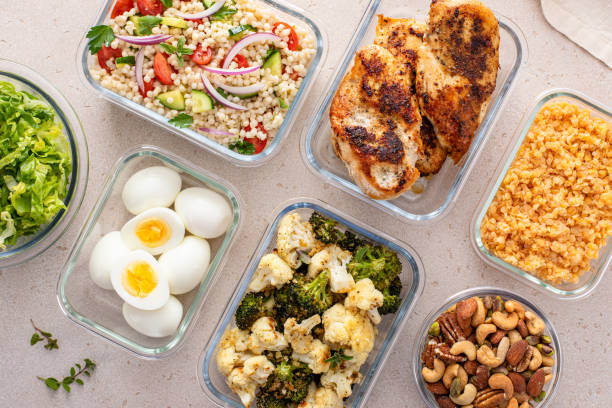
7 GLP-1 Lunch Ideas That Actually Keep You Full

Lunch is the meal that falls apart first on GLP-1 medications.

Breakfast is fine because you have a routine. Dinner is fine because someone else is eating with you or you have enough energy to cook. But lunch? Lunch happens in the middle of a workday when your appetite is already gone and the easiest option is to just skip it. Or grab something small that barely counts. A granola bar. Some crackers and hummus. Maybe half a sandwich you don’t finish.

The problem with skipping lunch or filling it with carbs is that it puts your entire protein target at risk. If you miss 25 to 35 grams of protein at midday, you’re asking breakfast and dinner to carry the full load, and that almost never works out on a suppressed appetite. You end up 30 or 40 grams short by bedtime with no realistic way to make it up.

These seven lunches are built for the specific conditions GLP-1 users deal with at midday: low appetite, limited time, possible nausea, and the need to pack in protein without eating a huge amount of food.

Why Lunch Is the Weakest Link

GLP-1 medications slow gastric emptying, which means food sits in your stomach longer than it used to. By lunchtime, a lot of people still feel full from breakfast. A 2025 joint advisory from the American Society for Nutrition and the Obesity Society found that GLP-1 users experience caloric reductions of 16 to 39 percent, with much of that reduction concentrated at the meals people feel least motivated to eat.

Lunch is usually that meal. And the problem is environmental too. At home, you can control what’s available. At work, you’re limited to what you packed or what’s within walking distance. That friction is enough to turn “I’ll eat something in a bit” into skipping lunch entirely.

Willpower won’t solve this. Having lunch options that are already prepped, already portioned, and easy enough to eat even when you’re not particularly hungry will.

1. Mediterranean Chicken Grain Bowl

Protein: ~35g | Calories: ~420

Four ounces of grilled or baked chicken over half a cup of quinoa or farro, with cucumber, cherry tomatoes, a spoonful of hummus, and a squeeze of lemon. Feta optional but good.

All the components hold up for three to four days in the fridge without getting soggy, which makes it a strong meal prep option. The grains stay chewy, the vegetables stay crisp if you store them in a separate compartment, and the chicken reheats fine in a microwave or tastes perfectly good cold. Pack it in glass meal prep containers with divided sections so nothing gets mushy by Wednesday.

The hummus adds healthy fat and a few extra grams of protein while keeping the whole thing moist. Without some kind of sauce or dressing, grain bowls dry out in the fridge and become hard to eat when your appetite is already reluctant. Tzatziki works too if you want to rotate flavors. So does a simple lemon-olive oil dressing with dried oregano. The key is having something wet in there so day-three leftovers don’t feel like punishment.

2. The Protein-Stacked Wrap

Protein: ~32g | Calories: ~380

A whole wheat tortilla with three ounces of deli turkey, a slice of Swiss cheese, spinach, mustard, and thin-sliced avocado. Roll it tight and slice it in half.

Eat this with one hand at your desk while pretending you’re paying attention to a meeting. It’s portable, it doesn’t smell, and it doesn’t require reheating. All of that matters more than people realize when you’re trying to eat consistently on a medication that makes food feel like an afterthought.

Turkey and cheese together push you past 30 grams of protein, and the avocado adds fat that slows digestion further, which extends how long you feel satisfied afterward. If deli turkey feels too processed, swap it for leftover baked chicken sliced thin. Same protein, no nitrates.

You can also make two or three of these on Sunday night, wrap them individually in foil, and stash them in the fridge. They hold up through Wednesday without getting soggy as long as you keep the avocado toward the center where it stays insulated.

3. Tuna-Stuffed Avocado

Protein: ~30g | Calories: ~340

Cut an avocado in half, scoop out a little extra room, and fill each half with tuna salad. Use Greek yogurt instead of mayo, add mustard, salt, pepper, and a squeeze of lemon.

Small, dense, and packed with protein. The avocado acts as both the vessel and the healthy fat source, so you’re not dealing with bread or crackers unless you want them. Good option for days when your appetite is on the lower end but you can still eat something.

Two stuffed halves is a full lunch. If that feels like too much, eat one half now and save the other for a late afternoon snack. Squeeze lemon on the exposed avocado to stop it from browning.

This lunch also travels well if you prep it in a sealed container with the lemon juice already applied. It doesn’t need to be heated and there’s nothing that gets worse sitting in a work fridge for a few hours.

4. Egg Drop Soup (Upgraded)

Protein: ~26g | Calories: ~280

Heat two cups of low-sodium chicken broth on the stove. Whisk three eggs in a bowl, then slowly pour the eggs into the simmering broth while stirring. The eggs cook instantly into those soft ribbons you get at Chinese restaurants. Add a handful of chopped spinach or baby bok choy if you want greens, and finish with a splash of soy sauce and sesame oil.

Save this one for bad nausea days. Warm broth is one of the most tolerable foods on GLP-1 medications because it’s liquid, it’s salty, and it goes down without requiring much chewing or digestion effort. Adding eggs turns it from a snack into something with real protein content. The whole thing takes about five minutes on a stove and also works in a microwave if you stir the broth and add the beaten eggs in stages.

You can make this more filling by dropping in some rice noodles or leftover rice. But on the days when your stomach is really fighting you, keep it simple. Broth, eggs, soy sauce. That’s enough. You can also make the broth base ahead and store it in the fridge, then just reheat and swirl in the eggs fresh when you’re ready to eat. The eggs only take 30 seconds to cook in hot broth, so even the “cooking” part is barely cooking.

Related: What to Eat on GLP-1 When You Have No Appetite

5. Cottage Cheese Lunch Box

Protein: ~28g | Calories: ~320

A cup of cottage cheese in the center of a plate or container, surrounded by whatever you have: grape tomatoes, sliced bell pepper, a handful of almonds, some whole grain crackers, a few slices of turkey. Think of it as an adult Lunchable built around a protein base instead of processed cheese.

What makes this format work is that it’s modular. You eat the components you feel like eating and leave the rest. On a good appetite day, you might eat everything. On a low day, you eat the cottage cheese and a few bites of turkey and call it done. Either way, the protein minimum gets hit because the cottage cheese alone is 24 to 28 grams.

If plain cottage cheese doesn’t appeal to you, try the flavored varieties that have come out in the past couple years. Brands like Good Culture and Muuna make small-batch versions with less of that watery texture that turns people off. Or just stir in a pinch of everything bagel seasoning. Sounds weird, works surprisingly well, and makes it feel more like a savory dip than a diet food.

6. Black Bean Soup (15-Minute Version)

Protein: ~27g | Calories: ~350

Saute half a diced onion and two cloves of garlic in olive oil for a couple minutes. Dump in two cans of black beans (don’t drain them), a cup of chicken broth, cumin, salt, and a pinch of chili powder. Simmer for 10 minutes. Blend half of it with an immersion blender or in a Magic Bullet and stir the blended portion back in. Top with a dollop of Greek yogurt and a squeeze of lime.

This makes about four servings, so you’re looking at one cooking session that covers most of the week’s lunches. Black beans are one of the highest-protein legumes at about 15 grams per cup, and two servings in a bowl puts you in solid range. The Greek yogurt on top adds another 4 to 5 grams and cuts the heat if you went heavy on the chili powder.

Soup is a format that GLP-1 stomachs tend to handle well. The liquid base means less mechanical digestion, and the warmth is soothing rather than heavy. A 2024 study in the International Journal of Obesity noted that GLP-1 users commonly shift toward softer, less calorie-dense foods as their preferences change on medication. Soups fit that pattern naturally.

Freeze individual portions in mason jars (leave an inch of headroom) and you’ll have lunch available for weeks. Thaw overnight in the fridge and reheat at work.

7. Protein Smoothie Bowl

Protein: ~30g | Calories: ~340

Blend one scoop of Orgain protein powder with half a frozen banana, a quarter cup of frozen berries, and just enough almond milk to make it thick (less than you’d use for a drinkable smoothie). Pour it into a bowl. Top with a tablespoon of granola, a few sliced almonds, and chia seeds.

Somewhere between a meal and a snack, which is exactly right for a midday meal on GLP-1 medications. It feels lighter than a full lunch but packs 30 grams of protein. The bowl format makes it feel more like food than a smoothie you gulp down, and the toppings add crunch that tricks your brain into registering it as a real meal.

Keep frozen fruit and protein powder stocked and this becomes a five-minute lunch you can make at home. If you’re at the office, prep the frozen ingredients in a bag the night before and blend it at work if there’s a blender available. Otherwise, pre-blend it at home, pour it into a sealed jar, and eat it at lunch. It thickens in the fridge, which actually improves the texture.

For a chocolate version, use chocolate protein powder, frozen banana, a tablespoon of peanut butter, and cocoa nibs on top. Tastes like dessert, performs like a real meal. The peanut butter adds another 4 grams of protein and enough fat to keep you going through the afternoon without a crash.

Making Lunch Happen When You Don’t Want to Eat

The biggest barrier to lunch on GLP-1 medications isn’t having the right recipes. It’s the gap between knowing you should eat and actually doing it when your body is telling you it doesn’t need food right now.

A few strategies that help close that gap:

Set an alarm. It sounds basic, but a midday reminder to eat works better than relying on hunger signals that aren’t firing anymore. Your medication has turned off the normal cues. You have to replace them with external ones.

Prep on Sunday, not the day of. Every lunch on this list can be made ahead and stored for three to four days. The ones that require cooking (the soup, the grain bowl, the egg drop soup) take 15 minutes total and yield multiple servings. Having lunch already in the fridge removes the decision-making that kills midday eating. You don’t have to figure out what to eat. You just open the container.

Eat protein first. If you can only get down half your lunch before your stomach says stop, make sure the first half was the protein. The grain, the crackers, the fruit can all be skipped without much consequence. The chicken, the eggs, the cottage cheese can’t.

And keep LMNT electrolyte packets at your desk. A lot of people mistake dehydration for not being hungry. Sipping electrolytes through the morning can actually make it easier to eat at lunch because your body isn’t confusing thirst signals with fullness signals.

One more thing: don’t wait until you’re hungry. That signal may never come. Think of lunch the same way you think of taking your medication. You don’t wait to feel like doing it. You do it because it’s the time and because you know what happens if you don’t.

More on this: GLP-1 Dose Adjustment: Signs Your Dose Is Too High or Too Low

The Protein Math at Lunch

If you’re aiming for 90 to 100 grams of protein per day (which is where most GLP-1 users should land according to current clinical guidance), lunch needs to carry about a third of that load. Skipping it or filling it with low-protein food means dinner has to make up 60 to 70 grams, and that almost never happens on a suppressed appetite.

A daily multivitamin helps cover micronutrient gaps from reduced eating, but it can’t replace the protein you miss at lunch. Only food does that.

A food scale helps here. The difference between three ounces and five ounces of chicken in your grain bowl is 14 grams of protein. When you’re trying to hit a specific target on limited calories, that kind of precision pays off.

All seven lunches on this list deliver 26 to 35 grams of protein. Pick two or three that sound tolerable, prep them on the weekend, and rotate through the week. The variety keeps you from burning out on one meal, and the prep removes the friction that makes lunch the first meal to disappear.

A realistic day might look like: yogurt bowl for breakfast (25g), Mediterranean grain bowl for lunch (35g), sheet pan salmon for dinner (34g), and a string cheese snack somewhere in between (7g). That’s 101 grams of protein without anything fancy, without spending more than 15 minutes cooking at any point, and without forcing yourself to eat huge portions at any single meal.

See also: 10 High Protein Meals for GLP-1 Users That Actually Taste Good

Lunch on a GLP-1 doesn’t have to be complicated or big. It has to be consistent. Twenty-five grams of protein at midday, five days a week, is 625 grams of protein per month that your muscles get to keep instead of losing to a skipped meal. That’s the math that matters.

Don’t miss: GLP-1 Meal Prep: 7 Days of Easy Meals in Under 2 Hours

10 High Protein Meals for GLP-1 Users That Taste Amazing

You already know you need more protein. Your doctor said it. Every GLP-1 article on the internet says it. The research says it. But knowing you need protein and actually eating enough of it on a suppressed appetite are two very different problems.

Most GLP-1 users fall short every single day. Not because they don’t care, but because when your appetite is low, you default to whatever is easiest. Crackers. Toast. A few bites of whatever is in front of you. And the protein target quietly gets missed, day after day, while your body chips away at muscle it can’t afford to lose.

Research from 2025 recommended that GLP-1 patients aim for 80 to 120 grams of protein per day to preserve lean mass during weight loss. That’s a lot when you’re barely eating 1,200 calories. It means nearly every meal has to be protein-forward by design, not by accident.

These 10 meals are built for that exact problem. Every one hits at least 25 grams of protein. None take more than 15 minutes. And all of them are gentle enough to work even on the days when your stomach is being difficult.

1. The Five-Minute Egg Scramble

Protein: ~28g | Calories: ~320 | Time: 5 minutes

Three eggs scrambled with a handful of spinach and a sprinkle of feta cheese. Crack the eggs into a bowl, whisk, pour into a non-stick pan over medium heat. Add the spinach after about 30 seconds so it wilts into the eggs. Stir gently until the eggs are just set (not rubbery), then crumble feta on top. Done.

Eggs are one of the most tolerable proteins on GLP-1 medications because they’re soft, mild, and digest easily compared to red meat or heavy poultry dishes. If three eggs feel like too much, start with two and stir a tablespoon of cottage cheese into the scramble for a protein bump without extra volume. Eat it with whole wheat toast if your appetite allows, or eat it straight out of the pan standing at the counter. No judgment on GLP-1 mornings.

2. Greek Yogurt Power Bowl

Protein: ~30g | Calories: ~350 | Time: 3 minutes

One cup of plain Greek yogurt topped with a handful of berries, a tablespoon of chia seeds, and a small drizzle of honey if you need the sweetness. Not vanilla yogurt. Not flavored. Plain. The flavored versions have sugar that takes up calorie space better spent on protein.

There’s a reason this is the meal GLP-1 users come back to more than any other. Cold food tends to sit better on a nauseous stomach. Creamy textures go down without much effort. And one cup of plain Greek yogurt alone packs around 17 to 20 grams of protein depending on the brand. The chia seeds add fiber and another 2 grams of protein plus they thicken everything into something that feels more substantial.

For a bigger protein hit, stir in half a scoop of Orgain protein powder before adding toppings. Vanilla or chocolate both mix well. That bumps you past 30 grams in something that still feels like a snack, not a chore.

You can also prep these the night before by layering yogurt, berries, and chia seeds in a mason jar. Refrigerate overnight and the chia seeds absorb liquid, creating an almost pudding-like texture by morning. Grab it on your way out. No thought required.

3. Chicken and Rice Bowl

Protein: ~35g | Calories: ~420 | Time: 10 minutes (with pre-cooked chicken)

Four ounces of sliced baked chicken over half a cup of brown rice with roasted broccoli and a drizzle of low-sodium soy sauce. If you batch cook chicken and rice on Sunday, this becomes a two-minute reheat during the week. Switch the soy sauce to lemon and olive oil for a Mediterranean angle, or go with salsa and lime for a Tex-Mex version. Same base, different flavor, so day four of meal prep doesn’t feel like day one.

This is the easiest meal on the list to scale down when your appetite disappears. Half the chicken, half the rice, all the broccoli. Still 20+ grams of protein at a portion size that won’t fight your stomach.

Related: GLP-1 Meal Prep: 7 Days of Easy Meals in Under 2 Hours

4. Turkey Lettuce Wraps

Protein: ~30g | Calories: ~280 | Time: 10 minutes

Brown four ounces of lean ground turkey with a splash of soy sauce, garlic, and a pinch of ginger. Spoon it into butter lettuce cups and top with shredded carrots, sliced cucumber, and a squeeze of sriracha or lime.

No bread, no heavy carbs, just protein wrapped in something crisp. The lettuce cups force small portions naturally since each one only holds so much, and you end up eating slowly without trying. That pacing matters. On GLP-1 medications, eating too fast is one of the fastest ways to trigger nausea, and these wraps build in a speed limit without you having to think about it.

If ground turkey triggers any stomach issues (the fat rendering during cooking bothers some people even in lean versions), swap it for canned chicken or shredded rotisserie chicken tossed in the same sauce. Double the batch and refrigerate half for tomorrow. The turkey honestly tastes better cold in the lettuce cups the next day.

A note on the sauce: you can get creative here without changing the protein math at all. Peanut sauce turns these into a Thai-inspired wrap. Hoisin and green onion goes more Chinese-American. Keep the turkey base the same and just rotate the sauce so you don’t burn out on one flavor.

5. Cottage Cheese and Fruit Plate

Protein: ~28g | Calories: ~300 | Time: 2 minutes

A cup of cottage cheese with sliced peaches (fresh or canned in juice, not syrup), a handful of almonds, and a sprinkle of cinnamon. No cooking involved at all.

Cottage cheese delivers 24 to 28 grams of protein per cup depending on the brand. The soft texture is easy on a sensitive stomach, and cold foods tend to go over better than hot ones after a dose increase. If you can’t stand the curds, blend it smooth in a food processor. Tastes completely different that way.

6. Tuna Salad Snack Plate

Protein: ~32g | Calories: ~310 | Time: 5 minutes

Drain a can of tuna, mix it with a tablespoon of Greek yogurt instead of mayo, a squeeze of mustard, salt, and pepper. Serve on whole grain crackers or with cucumber slices and cherry tomatoes.

The Greek yogurt swap keeps it lighter than traditional tuna salad. Regular mayo sits heavier and the oil can trigger that queasy feeling some people get after eating on semaglutide. Greek yogurt gives you the creaminess without the grease, and it sneaks in a few extra grams of protein.

Tuna is also one of the cheapest proteins you can buy. Two to three cans per week at roughly a dollar each gives you 60+ grams of protein for about three bucks. Keep it to two or three servings per week though, because of mercury. Light tuna has less mercury than albacore, so go with light if you’re eating it regularly. Canned salmon is a good alternative for the other days and brings omega-3s along with it.

7. Protein Smoothie That Doesn’t Taste Like Chalk

Protein: ~30g | Calories: ~280 | Time: 2 minutes

One scoop of Orgain Organic Protein, one cup of almond milk, half a frozen banana, a big pinch of spinach, and ice. Blend in a Magic Bullet for 30 seconds. The frozen banana makes this creamy instead of watery. The spinach is undetectable once blended.

This is the emergency meal. The one you reach for when cooking feels impossible, when nausea is hovering, or when you realize at 7 PM that you’ve only eaten 40 grams of protein all day.

On the worst days, strip it down to nothing. Protein powder, ice, water. It won’t taste great, but it puts 21 grams of protein into your body in under a minute. That’s 21 more than skipping it entirely, which is what most people do when food sounds awful.

If you want to remove every barrier between you and this smoothie, batch-prep smoothie packs. Throw the banana, spinach, and a scoop of protein powder into individual freezer bags on Sunday. When you need one during the week, dump a bag into the blender with liquid and ice. No measuring, no thinking, no standing in the kitchen wondering what to eat while your appetite window closes.

A lot of GLP-1 users find that their appetite comes in short windows. You might not be hungry at all and then suddenly have about 20 minutes where food sounds tolerable. A pre-packed smoothie bag turns that narrow window into 30 grams of protein instead of a missed opportunity.

8. Sheet Pan Salmon and Vegetables

Protein: ~34g | Calories: ~400 | Time: 15 minutes

Lay a salmon fillet (about 5 ounces) on a sheet pan with asparagus and cherry tomatoes. Drizzle everything with olive oil, salt, pepper, and lemon juice. Bake at 400F for 12 minutes. The asparagus and tomatoes roast alongside the fish and come out right without any timing tricks. Salmon also brings omega-3 fatty acids, which research suggests may help reduce inflammation and support lean mass during weight loss.

If fresh salmon feels expensive, frozen fillets from Costco or Trader Joe’s bring the per-serving cost down to four or five dollars. Thaw in the fridge overnight and they cook identically. This is the one that feels like a real dinner, not just fuel. On days when you’re tired of eating for survival, that distinction makes a difference.

See also: The Complete Semaglutide Food Guide: What to Eat and What to Skip

9. Black Bean and Egg Breakfast Burrito

Protein: ~26g | Calories: ~380 | Time: 8 minutes

Scramble two eggs, warm up a quarter cup of canned black beans, and roll both into a whole wheat tortilla with a tablespoon of salsa and a small slice of avocado. The black beans add fiber and extra protein on top of the eggs. The avocado gives you healthy fat without the heaviness of cheese or sour cream.

These freeze better than almost anything else on this list. Make four or five on Sunday, wrap each one tightly in foil, and freeze. Reheat in the oven at 350F for about 15 minutes or microwave for 90 seconds. Having a few in the freezer means there’s always a 26-gram protein meal standing between you and a sleeve of crackers for dinner.

10. Chicken Caesar Salad (Simplified)

Protein: ~36g | Calories: ~380 | Time: 5 minutes (with pre-cooked chicken)

Chopped romaine, four ounces of sliced baked chicken, a tablespoon of parmesan cheese, two tablespoons of light Caesar dressing. Toss and eat. With pre-cooked chicken, this takes less time to put together than it does to order delivery.

Cold salads tend to work well on nausea days, and the crunch of romaine is satisfying in a way that softer foods miss. Skip the croutons to keep carbs low, or toss a small handful in if you need the extra calories. On a GLP-1 medication, undereating is a bigger risk than overeating for most people, so don’t strip your salad down to nothing just because you can.

You can also roll everything into a whole wheat tortilla for a portable version. Adds about 130 calories and some fiber, which makes it sturdier for a packed work lunch.

Quick Protein Snacks for the Gaps

Even with solid meals, there will be days when you come up short. A few high-protein snacks kept on hand can close a 15 to 20 gram gap without requiring another full meal.

Hard-boiled eggs are the obvious one. Two eggs give you 12 grams and you can cook a batch on Sunday that lasts all week in the fridge. String cheese packs 7 grams each. Beef or turkey jerky runs about 10 grams per ounce, though the sodium is high so keep it to one serving.

A single-serve cup of Greek yogurt adds 12 to 15 grams and fits in a work bag. Roasted edamame is another good option that people don’t think about: half a cup has 14 grams of protein and doesn’t need refrigeration.

A 2024 clinical review in Obesity Reviews found that distributing protein across multiple meals and snacks throughout the day was more effective for muscle preservation than consuming the same total amount in fewer sittings. So those snacks aren’t just gap-fillers. They’re doing real work for your body composition even if they feel like afterthoughts.

The point isn’t to rely on snacks as your primary protein source. It’s to have a fallback so that a bad appetite day doesn’t turn into a 40-gram protein day.

How to Actually Hit Your Protein Target

Ten meals is great. But the real question is: how do you string enough of them together to hit 80 to 120 grams of protein when you barely want to eat?

Aim for three meals that each deliver 25 to 35 grams of protein, plus one high-protein snack. A 2025 review in the International Journal of Obesity recommended protein targets between 0.8 and 1.6 grams per kilogram of body weight for GLP-1 patients. For most people, that lands somewhere between 80 and 130 grams depending on body size.

A day might look like: Greek yogurt bowl for breakfast (30g), chicken Caesar for lunch (36g), sheet pan salmon for dinner (34g). That’s 100 grams from three meals, none of which required more than 15 minutes.

On bad appetite days, lean on the smoothie and the yogurt bowl. They go down easiest and together they deliver 60 grams. Add a couple of hard-boiled eggs at some point and you’re at 72. Not perfect, but a different world from the 30 grams most people actually consume on their worst days.

Tracking helps more than people expect, at least at first. You don’t need to weigh every gram forever, but spend one or two weeks logging your food in MyFitnessPal or Cronometer. Most people discover they’re getting significantly less protein than they assumed. Seeing the actual numbers in front of you changes behavior faster than any article can.

Stay hydrated too. LMNT electrolyte packets in your water help with the lightheadedness and fatigue that come from eating less, and proper hydration actually makes eating easier. Dehydration worsens nausea, and nausea kills appetite, and low appetite means low protein. Breaking that cycle starts with drinking enough.

More on hydration: The GLP-1 Hydration Guide: Why Water Matters More Than You Think

The Supplement Safety Net

Even with high-protein meals, reduced overall intake means micronutrient gaps show up fast. A daily multivitamin covers the basics while your eating patterns stabilize. Vitamin D, B12, iron, and magnesium are the most common deficiencies on GLP-1 medications. All of them cause fatigue, brain fog, and weakness that get blamed on the drug when the real culprit is nutritional.

A kitchen food scale is also worth the $12 investment. The difference between 3 ounces and 5 ounces of chicken is 14 grams of protein. That gap adds up across a full day, and eyeballing portions is less accurate than most people think, especially when your sense of “a normal amount of food” is still recalibrating.

Worth reading: Thinking About Stopping GLP-1? How to Transition Without Regaining

The Endocrine Society reported in 2025 that up to 40% of weight lost on semaglutide can come from lean mass, including muscle. That number drops significantly when people prioritize protein and add resistance training. But it requires being intentional about what you eat, not just how much.

You don’t need complicated recipes or expensive ingredients. You need a short list of meals that reliably deliver 25+ grams of protein, that you can make without thinking about it, and that your stomach will accept. Pick three or four favorites from this list. Stock the ingredients. Stop winging it at meal time and let the protein show up by default.

What to Expect Your First Month on Ozempic or Mounjaro

Nobody prepares you for how weird the first month feels.

Not your doctor, who gave you a quick rundown and a prescription. Not TikTok, where everyone seems to drop 15 pounds in two weeks with zero side effects. Not even the medication guide, which reads like it was written by a lawyer who has never actually taken the drug.

The first month on Ozempic or Mounjaro is a strange middle ground. Your appetite changes before the scale does. Your body reacts in ways you didn’t expect. Some days you feel great, and other days you wonder if the medication is even doing anything, or worse, if it’s doing too much.

Here’s what actually happens, week by week, based on what the research shows and what thousands of GLP-1 users report in real life. No hype. No horror stories. Just the truth about month one so you know what’s coming.

Before Your First Injection

Your starting dose is intentionally low. For semaglutide (Ozempic, Wegovy), that’s 0.25 mg per week. For tirzepatide (Mounjaro, Zepbound), it’s 2.5 mg per week. These aren’t therapeutic doses. They’re not meant to produce significant weight loss yet. They exist to let your body adjust to the medication gradually, which reduces the intensity of side effects when you eventually move up.

Think of the first month as the onboarding phase. The medication is introducing itself to your digestive system, your appetite signals, and your blood sugar regulation. Everything that happens in these four weeks is laying groundwork for the months that follow.

A few things worth doing before that first shot:

  • Stock your kitchen with bland, protein-rich foods (eggs, Greek yogurt, chicken, crackers, broth)
  • Buy electrolytes now, not after you’re already dehydrated
  • Pick a consistent injection day and time so it becomes routine
  • Take a starting photo and measurements if you want to track progress (the scale alone won’t tell the whole story)
  • Clear your schedule of big food-centered events for the first week if you can

You don’t have to do all of this. But the people who prep for month one tend to have an easier time than those who wing it.

Week 1: The Adjustment

Your first injection is anticlimactic. The needle is small. The injection itself takes a few seconds. Most people barely feel it.

What happens next varies a lot from person to person. Some people feel the appetite suppression kick in within 24 to 48 hours. Food just stops calling to them the way it used to. Others don’t notice much of anything in week one, especially on semaglutide’s low starting dose.

The most common week one experiences:

  • Mild nausea, especially after eating too much or too fast
  • Reduced appetite that comes and goes
  • Slight fatigue or a “flat” energy feeling
  • Mild bloating or gas
  • Some people feel nothing at all, and that’s normal too

If nausea shows up, it’s usually because you ate more than your slowed stomach could handle. The medication is already slowing your gastric emptying, which means your pre-medication portion sizes are now too big. This is the most common mistake in week one: eating like you used to. Your brain hasn’t caught up to what your stomach is doing yet.

Eat smaller meals. Eat slowly. Skip the greasy takeout. If you do those three things, week one is manageable for most people.

Helpful guide: The Complete Semaglutide Food Guide: What to Eat and What to Skip

Week 2: Side Effects Peak (Then Start Fading)

For most people, week two is the roughest stretch of the entire first month. The medication has fully built up in your system, and your body is still figuring out how to coexist with it.

Nausea tends to peak somewhere around days 8 through 14. It doesn’t hit everyone, but when it does, it can range from a mild background queasiness to “I can’t look at food without my stomach flipping.” The good news is that it almost always fades. Clinical trials for semaglutide found that GI side effects were most common during dose escalation periods and typically improved over time.

Other things that might show up in week two:

  • Constipation or diarrhea (sometimes alternating between the two)
  • Headaches, often from dehydration or eating too little
  • Acid reflux, especially if you eat close to bedtime
  • Feeling full after a few bites
  • Low energy in the afternoon

The constipation catches a lot of people off guard. Slowed gastric emptying means everything moves slower, not just food through your stomach but through your entire digestive tract. Fiber, water, and movement help. If it persists, a magnesium supplement or psyllium husk in water can make a real difference.

Hydration matters more in week two than any other time. You’re eating less, which means less water from food. You might be nauseous, which means you’re not drinking as much as usual. And the medication itself can increase fluid loss through GI side effects. LMNT electrolyte packets become a lifeline here. Real sodium and potassium doses with no sugar, so they don’t make nausea worse.

Read more: The GLP-1 Hydration Guide: Why Water Matters More Than You Think

Week 3: Your New Appetite Becomes Real

This is when most people start saying “oh, so this is what it does.”

The novelty of the first two weeks wears off, and what’s left is a genuinely different relationship with food. You’re not just less hungry. You’re less interested in food. The constant background noise of cravings, snack urges, and “what should I eat” thoughts starts to quiet down.

For some people, this is a relief. For others, it’s disorienting. Food has been a source of comfort, entertainment, and stress management for years. When that suddenly goes quiet, it can feel strange in a way nobody warns you about.

What week three typically looks like:

  • Side effects from week two are noticeably improving
  • Appetite suppression feels more consistent day to day
  • You might start seeing 2 to 5 pounds on the scale, mostly from eating less
  • Energy levels begin stabilizing
  • You’re learning how much food your body actually wants right now

The weight loss at this point is modest, and that’s by design. The STEP 1 trial published in the New England Journal of Medicine showed that weight loss on semaglutide was statistically significant by week four, but the real acceleration came after dose increases in months two through five. The starting dose is doing its job. Just not the job you’re impatient for.

This is also when protein becomes non-negotiable. Your appetite is down, your portions are smaller, and if you’re not intentional about what fills those smaller portions, you’ll lose muscle along with fat. Protein first at every meal.

If a full meal feels like too much, a shake counts. Orgain Organic Protein blended with ice and water or almond milk gets you 21 grams of protein in under a minute. On days when cooking feels impossible, that alone can keep you from falling behind.

Week 4: Finding Your Rhythm

By the end of the first month, most people have settled into some version of a routine. You know which foods sit well and which ones don’t. You’ve figured out that eating slowly actually matters. You’ve probably identified your personal side effect pattern and learned how to manage it.

The scale might show 3 to 8 pounds lost, depending on your starting weight, how much your appetite changed, and whether you were already eating relatively well before starting. Some people lose more. Some lose less. Both are normal at this dose.

What matters more than the number is the pattern. If your appetite is consistently lower, you’re eating smaller portions without feeling deprived, and the side effects are manageable, the medication is working. The bigger weight loss comes with dose increases, which typically start around week four or five.

Things that tend to click by the end of month one:

  • You stop eating out of boredom or habit and start eating when you’re actually hungry
  • You recognize the difference between “I could eat” and “I need to eat”
  • You’ve identified 3 to 5 meals that work well for you and stopped overcomplicating it
  • You’ve accepted that some days are easier than others

Your doctor will likely increase your dose at the end of month one or early in month two. For semaglutide, that usually means going from 0.25 mg to 0.5 mg. For tirzepatide, from 2.5 mg to 5 mg. Expect a mini version of weeks one and two as your body adjusts to the higher dose. The side effects are usually milder the second time around because your body already knows the medication.

Related: 9 Signs Your GLP-1 Dose Needs Adjusting

The Side Effects Nobody Mentions

Beyond the GI stuff that everyone talks about, there are a few first-month experiences that catch people off guard because nobody warned them.

Your Taste Preferences Change

Foods you loved might suddenly taste different or unappealing. Sweets are the most common shift. Lots of people report that sugar tastes “too sweet” or that their go-to comfort foods just don’t hit the same way anymore. This is your brain’s reward system recalibrating, and it’s actually a good thing for long-term weight management. But it can feel like a loss at first.

You Might Not Feel Like Yourself

Some people experience mild mood changes in the first month. Lower energy, feeling flat, or a general sense of “blah.” This is usually linked to eating significantly fewer calories than your body is used to, not a direct drug effect. Making sure you’re eating enough (even when you don’t feel like it) and staying hydrated usually helps. If it persists beyond the first month, bring it up with your doctor.

Sulfur Burps

Nobody puts this in the brochure. Some GLP-1 users get sulfur-tasting burps, especially in the first few weeks. It’s related to the slowed gastric emptying and it tends to fade as your body adjusts. Avoiding high-fat meals and carbonated drinks reduces it. Not glamorous, but worth knowing about so you’re not caught off guard.

Social Eating Gets Complicated

Dinner with friends, family meals, work lunches. Food is deeply social, and when you’re suddenly eating a quarter of what everyone else is, people notice. Some ask questions. Some comment. Some push food on you. Having a simple answer ready (“I ate earlier” or “I’m not that hungry tonight”) helps more than trying to explain the medication every time.

What to Have in Your Kitchen for Month One

You don’t need a complete pantry overhaul. But having the right things on hand makes the hard days much easier.

  • Eggs and Greek yogurt (protein you can eat when nothing else sounds good)
  • Crackers and plain bread (bland carbs for nausea days)
  • Chicken broth (hydration plus light nutrition when eating feels impossible)
  • Ginger tea or ginger chews (natural nausea relief)
  • Bananas and applesauce (gentle on the stomach)
  • Protein powder for shakes on days when solid food isn’t happening
  • Electrolyte packets for daily hydration support
  • A Magic Bullet blender so making a protein shake takes 30 seconds, not a decision

A daily multivitamin is also worth starting in month one. When your food intake drops by 20 to 40 percent, micronutrient gaps open up fast. Vitamin D, B12, iron, and magnesium are the most common shortfalls on GLP-1 medications. A basic daily vitamin covers the floor while your eating patterns stabilize.

When to Call Your Doctor

Most first-month side effects are uncomfortable but not dangerous. There are a few things that warrant a call, though.

  • Nausea or vomiting that’s so severe you can’t keep fluids down for more than 24 hours
  • Sharp, persistent abdominal pain (especially upper right or radiating to your back)
  • Signs of dehydration: dark urine, dizziness when standing, rapid heartbeat
  • Symptoms of low blood sugar if you’re also on diabetes medication: shakiness, sweating, confusion
  • Any allergic reaction: swelling, rash, difficulty breathing

These are rare. Most people get through month one with nothing worse than some nausea and a general feeling of “this is weird.” But knowing the red flags means you won’t waste time worrying about normal side effects or miss something that actually matters.

The Realistic First Month Timeline

Here’s the honest version, stripped of marketing hype.

In the first month, the Endocrine Society and multiple clinical trials show that most people lose between 2 and 8 pounds on the starting dose. Some of that is water weight from eating less. Some is genuine fat loss. The medication isn’t failing if the number is small. The starting dose isn’t designed for dramatic results. It’s designed to get your body ready for the doses that produce dramatic results.

The average person on semaglutide in the STEP 1 trial went on to lose about 15% of their body weight over 68 weeks. That’s roughly 35 pounds for someone starting at 230. But almost none of that happened in month one. It built gradually over months two through five as doses increased.

Your first month isn’t the results phase. It’s the foundation phase. And the people who treat it that way, who focus on managing side effects, building food habits, and trusting the process, tend to do better in months three through twelve than the ones who panic because the scale didn’t move enough in week two.

More reading: GLP-1 Plateau? 8 Reasons Your Weight Loss Stalled (And How to Fix Each One)

It Gets Easier

That’s the thing nobody tells you when you’re white-knuckling through week two with nausea and a fridge full of food you can’t look at. Month one is the hardest part. Not because the medication gets worse, but because everything is new. Your body is adjusting. Your eating patterns are shifting. Your expectations are running ahead of reality.

By month two, most of the rough edges have smoothed out. Your side effects are predictable. Your appetite has settled into its new normal. And the weight starts coming off in a way that actually feels sustainable instead of forced.

You just have to get through the first thirty days. And now you know exactly what those thirty days look like.

Sermorelin Peptide: Benefits, Dosing, Side Effects & What Works

0

If you’ve spent any time looking into growth hormone optimization, you’ve probably hit a wall of clinic marketing pages that all say the same thing. “Sermorelin boosts GH! Anti-aging miracle! Call now!”

Not helpful.

What you actually need is someone who’s looked at the clinical data, compared it to what real users experience, and can tell you what this peptide will and won’t do for you. That’s what this is.

I’ve spent months digging through every published study on sermorelin, reading through hundreds of Reddit threads and forum posts, and I’ve run it myself. Here’s everything I’ve learned, with zero fluff and zero clinic sales pitches.

What Is Sermorelin?

Sermorelin acetate (technical name: GRF 1-29 NH₂) is a synthetic peptide made up of 29 amino acids. It’s identical to the first 29 amino acids of your body’s natural growth hormone-releasing hormone (GHRH), which is a 44-amino acid molecule produced in your hypothalamus.

Those first 29 amino acids are all your pituitary needs. They contain the full biological activity of the entire GHRH molecule. Researchers figured this out in the early 1980s after Roger Guillemin and Andrew Schally’s labs first isolated GHRH from tumor tissue.

Think of sermorelin as a signal booster for your pituitary gland. Instead of injecting synthetic growth hormone directly (like HGH), sermorelin tells your pituitary to make more of its own. That distinction matters a lot, and I’ll explain why.

The molecular weight is 3,358 daltons with a CAS number of 86168-78-7 (free base). It comes as a lyophilized powder that you reconstitute with bacteriostatic water before injecting subcutaneously. If you’ve used any other research peptide, the process is identical.

Key Benefits of Sermorelin

Before we get into the weeds, here’s a quick snapshot of what sermorelin actually does. I’m breaking this into tiers based on how strong the evidence is, because I think you deserve to know the difference between what’s been proven in clinical trials and what people report anecdotally.

Backed by Clinical Evidence

  • Increases growth hormone and IGF-1 levels. The Corpas 1992 study showed a roughly 25% IGF-1 increase, and the Khorram 1997 trial showed a 107% increase in nocturnal GH and 28% increase in IGF-1 within two weeks.
  • Builds lean muscle mass. Men in the Khorram study gained an average of 1.26 kg of lean body mass over 16 weeks. That’s not dramatic, but it’s real and statistically significant.
  • Improves skin thickness and elasticity. Both men and women saw significant improvements in skin thickness in clinical trials. This is one of the most consistent findings across studies.
  • Boosts immune function. A companion immunology study on the Khorram cohort found 50% increased B cell responsiveness and a 70% increase in IL-2 receptor-expressing lymphocytes.
  • Enhances cognitive performance. The Vitiello 2006 study (n=89) found improvements in performance IQ, picture arrangement, and processing speed after 6 months.
  • Improves insulin sensitivity. Unlike HGH, which can worsen insulin resistance, sermorelin actually improved insulin sensitivity in the Khorram trial.

Strongly Supported by User Reports (Limited Clinical Data)

  • Deeper, more restorative sleep. This is the number one thing people notice first, usually within the first 1 to 2 weeks. Interestingly, the Vitiello study didn’t find sleep improvements, but the anecdotal evidence is overwhelming.
  • Faster workout recovery. Reduced soreness and shorter recovery windows are reported consistently across forums, Reddit, and clinic feedback.
  • Fat loss, especially around the midsection. GH promotes lipolysis (fat breakdown), and users reliably report reductions in abdominal fat over 2 to 3 months.
  • More energy and better mood. Not the jittery kind. More like a baseline elevation that people describe as “feeling 10 years younger.”
  • Improved libido. Men in the Khorram study reported this, and it’s echoed frequently in community reports.

Theoretical (Based on What GH Does Generally)

  • Bone density improvement. GH stimulates osteoblast activity, but no sermorelin-specific trials have measured this.
  • Cardiovascular benefits. GH improves cardiac output and vascular function in studies, but again, not tested directly with sermorelin.
  • Long-term anti-aging effects. Reasonable to infer from the GH data, but no longitudinal sermorelin studies exist to confirm it.

I want to be straight with you about this. A lot of what gets marketed as “sermorelin benefits” is actually evidence for growth hormone benefits broadly. Sermorelin raises GH. GH does X. Therefore sermorelin does X. That logic is reasonable, but it’s not the same as a clinical trial proving it directly.

Related reading: 5 Best Peptides for Muscle Growth & Strength

🏆 Our #1 Pick
TRUSTED BY BRAINFLOW READERS

Paramount Peptides — Sermorelin 10mg

🇺🇸 American-owned manufacturer out of Southern California. 12+ years in business. Every batch is synthesized in-house and HPLC tested to 99%+ purity. Not a reseller. Not imported. Built from scratch in their own lab.

🧪 99%+ HPLC Purity 🇺🇸 Made in USA 📦 Free Shipping $300+ ⭐ 5.0 / 5.0 Rating 🔬 In-House Synthesis
💰
$80.00 per vial → $72.00 with code
Use code BRAINFLOW at checkout to save 10%
Shop Sermorelin at Paramount → For research purposes only

Sermorelin Dosing Guide: Quick Reference

If you just want the protocol without the deep dive, here it is. I go into much more detail in the full dosing section below, but this gives you the essential framework.

Dosing Tiers

  • Starter dose: 100 to 200 mcg nightly for the first 2 weeks (assess tolerance)
  • Standard clinical dose: 200 to 300 mcg nightly (what most anti-aging docs prescribe)
  • Aggressive dose: 300 to 500 mcg nightly (experienced users, body composition goals)
  • Community dose: 500 mcg to 1 mg nightly (what many on r/peptides report as their sweet spot)

Key Rules

  • Inject subcutaneously 30 minutes before bed
  • Empty stomach required. Minimum 1 to 2 hours since your last meal. Elevated insulin from food (especially carbs) blunts the GH response significantly.
  • Cycle it. 5 days on, 2 days off each week. Take a full month off every 3 to 4 months.
  • Use insulin syringes. 29 to 31 gauge. Inject in the abdomen (2+ inches from navel), thigh, or upper arm. Rotate sites.

Reconstitution

  • For a 5 mg vial: Add 2.5 mL of bacteriostatic water = 2 mg/mL concentration
  • For 200 mcg dose: Draw 10 units (0.1 mL) on an insulin syringe
  • For 300 mcg dose: Draw 15 units (0.15 mL) on an insulin syringe
  • For 500 mcg dose: Draw 25 units (0.25 mL) on an insulin syringe

Storage

  • Unreconstituted: Refrigerate. Good for months.
  • Reconstituted: Refrigerate. Use within 2 to 4 weeks. Never freeze.

If you’re ready to start and want a reliable source, our readers trust Paramount Peptides for their Sermorelin. 🇺🇸 American-made, 99%+ purity, and code BRAINFLOW saves you 10% at checkout.

The FDA History (This Is What Sets Sermorelin Apart)

Here’s something most articles get wrong or skip entirely. Sermorelin has a real FDA history. Not theoretical. Not “it’s being studied.” It was actually approved, used in clinical practice, and the full regulatory record is public.

The timeline:

In 1990, the FDA approved Geref Diagnostic (the IV version) for evaluating pituitary function. Then in September 1997, they approved Geref (the treatment version) manufactured by EMD Serono for treating growth hormone deficiency in children. The approved dose was 0.03 mg/kg subcutaneously at bedtime.

It stayed on the market for over a decade. Then in 2008, EMD Serono voluntarily pulled it.

Why? Not safety. Not side effects. The company faced manufacturing supply chain issues with the active ingredient, and recombinant HGH had become the standard of care for pediatric GH deficiency. The market had shrunk to the point where it wasn’t commercially viable.

This matters because in March 2013, the FDA published a formal determination (Federal Register 78 FR 14095) explicitly confirming that Geref was NOT withdrawn for reasons of safety or effectiveness.

That single determination is why compounding pharmacies can still legally make sermorelin today under Section 503A of the FD&C Act. And as of early 2025, sermorelin sits on Category 1 of the FDA’s interim 503A bulks list, meaning it’s fully eligible for compounding. That puts it in a completely different legal position than peptides like BPC-157, Ipamorelin, and CJC-1295, which were placed in Category 2 (effectively banned from compounding) in December 2024.

No other GH peptide has this regulatory track record. Not one.

How Sermorelin Actually Works

When you inject sermorelin subcutaneously, it enters your bloodstream and binds to GHRH receptors on somatotroph cells in your anterior pituitary. These receptors are G-protein coupled receptors, and when sermorelin locks in, it kicks off a signaling cascade.

The short version: receptor activation triggers adenylyl cyclase, which converts ATP to cyclic AMP (cAMP), which activates Protein Kinase A, which ultimately causes your pituitary to release stored growth hormone into your bloodstream. The whole process from injection to GH release takes about 15 to 60 minutes.

But here’s the part that makes sermorelin fundamentally different from injecting HGH directly.

The Self-Limiting Safety Mechanism

Your body has a built-in brake pedal called somatostatin. When GH levels rise, your hypothalamus releases somatostatin, which directly opposes sermorelin’s effect on the pituitary. It shuts down the signal.

This means sermorelin produces pulsatile GH release, mimicking your body’s natural rhythm, rather than the sustained “square wave” elevation you get from injecting synthetic HGH. Your GH goes up, somatostatin kicks in, GH comes back down. Just like it’s supposed to.

The practical upside: you basically can’t overdose on sermorelin the way you can with HGH. No matter how much you inject, somatostatin will cap your GH output. Your pituitary also has a finite production capacity, and the receptors themselves desensitize with prolonged stimulation.

That’s not true with HGH. When you inject synthetic growth hormone, it bypasses every single feedback loop. It goes straight into your blood regardless of what your body’s regulatory systems say. That’s why HGH carries risks of acromegaly, insulin resistance, and other problems that sermorelin functionally cannot cause at normal doses.

A 2006 editorial in Clinical Interventions in Aging by Dr. Richard Walker made this exact argument, calling sermorelin a potentially superior approach to managing adult-onset GH insufficiency precisely because of this self-regulating mechanism.

Half-Life and Timing

Sermorelin has a very short half-life of about 11 to 12 minutes. That sounds like a problem, but it’s actually not. You don’t need sermorelin hanging around in your blood for hours. You just need it to hit the pituitary, trigger a GH pulse, and get out of the way.

Peak GH release happens within 15 to 60 minutes after injection. The pulse itself lasts about 2 hours. Then your body’s normal feedback mechanisms clean things up.

This is why bedtime dosing is the standard protocol. Your body’s largest natural GH pulse happens during the first 90 minutes of deep slow-wave sleep. Injecting sermorelin 30 minutes before bed amplifies that natural surge instead of creating an artificial one at a random time.

What the Clinical Research Actually Shows

Let me be upfront about something. The sermorelin evidence base is real but limited. We’re not talking about huge multi-thousand-person randomized controlled trials here. Most adult studies had fewer than 25 participants. But the data we do have is consistent and comes from credible institutions.

The Corpas Study (1992): Reversing Age-Related GH Decline

This NIH-funded study by Corpas and colleagues took 10 elderly men (ages 60 to 78) and treated them with sermorelin twice daily for 14 days at two different doses (0.5 mg and 1.0 mg).

At the higher dose, the results were striking. Mean 24-hour GH levels, GH peak amplitude, and IGF-1 all increased significantly. The kicker? After treatment, there were no significant differences between the elderly men and the young untreated control group. The age-related GH decline was essentially reversed.

IGF-1 increased approximately 25%. No adverse effects on glucose, blood pressure, or other lab values.

Small study? Yes. But the finding that you can restore an elderly person’s GH profile to that of a young adult with a peptide is not trivial.

The Khorram Study (1997): The Most Comprehensive Aging Trial

Khorram et al. at UCSD ran the most thorough sermorelin aging study we have. It was a single-blind, placebo-controlled trial with 19 subjects (9 men, 10 women) ages 55 to 71. Treatment lasted 16 weeks at 10 µg/kg nightly.

The results for men were impressive. Nocturnal GH increased roughly 107%. IGF-1 rose about 28% within two weeks. Lean body mass increased by an average of 1.26 kg. Skin thickness improved significantly. Insulin sensitivity actually got better, not worse. And men reported improved well-being and libido.

Here’s the honest part that most articles skip: the benefits strongly favored men over women. Women saw similar GH and IGF-1 increases but did NOT gain lean body mass. Only skin thickness improved equally in both genders.

A companion study on the same cohort (published in the Journal of Clinical Immunology) found profound immune-enhancing effects: 50% increased B cell responsiveness, significant increases in immunoglobulins, and a 70% increase in IL-2 receptor-expressing lymphocytes.

Side effects were minimal. Just transient hyperlipidemia that resolved by study end.

The Vitiello Study (2006): Cognitive Benefits

The largest study using actual sermorelin in adults came from Vitiello and colleagues, who treated 89 healthy older adults with Geref (the brand name sermorelin) for 6 months.

Cognitive function improved, specifically performance IQ, picture arrangement, and processing speed. Higher GH levels correlated with higher cognitive scores.

Interesting negative finding: sleep quality did NOT improve in this study, which contradicts what most users report anecdotally. My best guess is that self-reported sleep quality improvements are driven by changes in deep sleep architecture that standard sleep questionnaires don’t capture well.

Andrew Huberman’s Experience (And Why He Stopped)

Since Huberman is one of the most-cited voices in the peptide space, his experience with sermorelin deserves its own section.

He used 200 to 400 mcg subcutaneously before bedtime, initially 3 to 5 nights per week. On the Huberman Lab podcast and in his episode with Dr. Craig Koniver, he shared what happened.

The good: dramatically deeper sleep in the first part of the night and noticeably improved workout recovery.

The bad: his sleep tracker data showed that sermorelin was destroying his REM sleep in the second half of the night. He also experienced a consistent spike in PSA (prostate-specific antigen) that correlated directly with sermorelin use. Came off, PSA dropped. Went back on, PSA went back up.

He also noted vivid dreams that became disruptive enough to reduce his dosing frequency before eventually discontinuing.

His takeaway was that the response to sermorelin is highly individual. He classified it as Category 1 (GHRH analogs) among peptides, calling this category the “most thoroughly tested in humans” and “perhaps the most advantageous to explore.” But his personal experience didn’t match the hype.

That tracks with what I see in the community. Roughly 60 to 70% of long-term users report meaningful benefits. The other 30 to 40% either notice minimal effects or experience side effects that outweigh the positives. That’s a better hit rate than most peptides, but it’s not 100%, and anyone telling you otherwise is selling something.

If those odds sound reasonable to you and you want to see what sermorelin does for your sleep and recovery, Paramount Peptides carries the 10mg vial at $80. Use code BRAINFLOW for 10% off. It’s the same source I use.

How to Dose Sermorelin: The Full Breakdown

I gave you the quick reference earlier. Now let’s get into the details and the reasoning behind each recommendation.

The FDA-approved pediatric dose was 0.03 mg/kg at bedtime (so roughly 200 to 300 mcg for most adults). Clinical trials used doses ranging from 0.5 mg twice daily (Corpas) to 10 µg/kg nightly (Khorram).

For adult off-label use, there’s a noticeable gap between what clinics prescribe and what the community actually uses.

Starting protocol: 100 to 200 mcg nightly for the first 2 weeks to assess tolerance. This lets you identify any side effects at a lower dose before ramping up. Most people feel nothing at this dose, which is the point. You’re testing, not treating.

Standard maintenance: 200 to 300 mcg nightly. This is what most anti-aging clinics prescribe, and it aligns with the FDA-approved dosing range. If you’re working with a doctor, this is probably where they’ll put you.

Aggressive protocol: 300 to 500 mcg nightly. Some clinics and experienced users go here, particularly for body composition goals. The Corpas study used 500 mcg to 1 mg twice daily, so there’s clinical precedent for this range.

Community preference: Many experienced users on r/peptides and bodybuilding forums report that 500 mcg to 1 mg daily is where they see meaningful results. Whether that’s due to underdosing by clinics or inflated expectations by users is debatable, but it’s worth knowing about.

Why Timing Matters More Than Most People Think

Inject on an empty stomach. This isn’t optional. Elevated insulin from food, especially carbs, directly blunts the GH response. One study found that a carbohydrate meal reduced GH secretion by up to 80%. If you eat dinner at 7pm and go to bed at 10pm, you’re fine. If you’re eating at 9:30pm and injecting at 10pm, you’re basically wasting your dose.

Bedtime is the standard and for good reason. Your body’s largest natural GH pulse happens during the first 90 minutes of deep slow-wave sleep. Injecting sermorelin 30 minutes before bed amplifies that natural surge instead of creating an artificial one at a random time.

Morning dosing on an empty stomach is sometimes used by athletes who want daytime IGF-1 elevation, but you’re fighting against the body’s natural cortisol peak and missing the nocturnal GH surge. I don’t recommend it unless you have a specific reason.

Cycling Protocols

The most common approach is 5 days on, 2 days off within each week. This helps maintain receptor sensitivity and gives your GHRH receptors a break from continuous stimulation.

For longer-term cycling, 3 months on followed by 1 month off is a popular maintenance schedule. Some people run it 12 to 16 weeks on, then 6 to 10 weeks off. And some practitioners argue that sermorelin’s self-limiting mechanism means continuous use is fine since the somatostatin feedback loop prevents overstimulation anyway.

I split the difference. Five on, two off weekly, with a month break every 3 to 4 months. That’s worked well for me without any noticeable decline in response.

Reconstitution and Storage Details

Standard reconstitution: add bacteriostatic water to the lyophilized powder. For a 5 mg vial, adding 2.5 mL gives you a concentration of 2 mg/mL, making dosing math easy.

Use a 29 to 31 gauge insulin syringe. Inject subcutaneously in the abdomen (2+ inches from your navel), thigh, or upper arm. Rotate injection sites to avoid building up scar tissue.

Store unreconstituted vials in the refrigerator. Once reconstituted, keep refrigerated and use within 2 to 4 weeks (follow your pharmacy’s guidance). Never freeze reconstituted peptide. And don’t shake the vial when mixing. Gently swirl it. Peptides are fragile molecules and aggressive agitation can degrade them.

Side Effects and Safety

From the original FDA prescribing information based on 350 patients, the side effect profile is mild. Here’s what was actually reported:

  • Injection site reactions (pain, swelling, redness): ~16% of users
  • Headache: less than 1%
  • Facial flushing: less than 1%
  • Dizziness: less than 1%
  • Nausea: less than 1%

No generalized allergic reactions. No deaths. No serious adverse events highlighted.

That’s a remarkably clean safety profile for a peptide that was on the market for over a decade.

The Thyroid Issue

The prescribing information flagged a 6.5% incidence of hypothyroidism during treatment. The mechanism makes sense: growth hormone upregulates an enzyme (Type 2 deiodinase) that converts T4 to T3, potentially depleting T4 stores and unmasking underlying subclinical thyroid issues.

Get your thyroid panel checked before starting sermorelin and recheck it every 3 to 6 months. This is non-negotiable. If your TSH starts creeping up or your free T4 drops, you need to address that, either by adding thyroid support or adjusting your sermorelin dose.

Anti-GRF Antibodies

About 70% of users develop antibodies against the sermorelin molecule at some point during treatment. That number sounds alarming, but the clinical significance appears to be minimal. Per the prescribing data, the antibodies don’t affect growth response and often disappear between testing intervals. It’s something to be aware of, not something to panic about.

Who Should Not Use Sermorelin

Active cancer or malignancy (GH and IGF-1 promote cell growth of all types), intracranial lesions, pregnancy or breastfeeding, and untreated hypothyroidism. If you’re on glucocorticoids, they’ll blunt the GH response. If you have a history of pituitary issues, work closely with an endocrinologist.

The IGF-1 and Cancer Question

This deserves a direct answer because I see it come up constantly and most articles either dodge it or dismiss it.

Yes, higher IGF-1 levels are associated with increased risk of certain cancers (colorectal, breast, prostate, thyroid) in large population studies. That’s real data from hundreds of thousands of people, and pretending it doesn’t exist would be irresponsible.

However, meta-analyses of people actually using GH therapy haven’t shown increased cancer mortality. And sermorelin’s self-limiting mechanism makes it very unlikely to push IGF-1 to the supraphysiological levels where the risk signal gets strongest. You’re not spiking IGF-1 to bodybuilder-on-HGH levels. You’re restoring it closer to where it was when you were 30.

My take: if you have a family history of hormone-sensitive cancers, this conversation belongs between you and your doctor, not in a Reddit thread. For otherwise healthy adults, the risk appears manageable with proper monitoring. Get IGF-1 tested at baseline and every 3 to 6 months.

Sermorelin vs. HGH, CJC-1295, Ipamorelin, and MK-677

Sermorelin vs. HGH

This is the comparison that matters most. Sermorelin stimulates your own GH production. HGH replaces it with an external source.

Sermorelin wins on safety (self-limiting mechanism, can’t produce supraphysiological levels), cost (roughly one-fifth to one-third the price), legal accessibility (no federal off-label restrictions), and preservation of pituitary function (it actually maintains your natural GH axis instead of suppressing it).

HGH wins on raw potency and speed of results. If your pituitary is severely damaged or age-declined to the point where it can’t respond to GHRH stimulation, sermorelin won’t work. HGH bypasses that problem entirely.

For most healthy adults looking to optimize GH levels, I think sermorelin is the better starting point. Save HGH for cases where sermorelin isn’t enough.

Sermorelin vs. CJC-1295 and Ipamorelin

CJC-1295 (without DAC, also called Mod GRF 1-29) is a modified version of the same 29 amino acids with substitutions to extend its half-life to about 30 minutes. It works on the same GHRH receptor.

Ipamorelin is a different class entirely. It’s a growth hormone releasing peptide (GHRP) that works on the ghrelin receptor (GHS-R1a), not the GHRH receptor.

Here’s the key distinction: as of late 2024, both CJC-1295 and Ipamorelin were effectively banned from compounding by the FDA’s PCAC decision. Sermorelin remains Category 1 (legal).

When these peptides were all available, the optimal stack was a GHRH analog (sermorelin or CJC-1295) combined with a GHRP (ipamorelin). This produced multiplicative, not just additive, GH release because you’re hitting two different receptor systems simultaneously. According to research reviewed in Translational Andrology and Urology, GHRH alone produced a 20-fold GH increase while the combination of GHRH plus GHRP-2 produced a 54-fold increase.

Important mistake to avoid: stacking sermorelin with CJC-1295 is redundant. They both hit the same receptor. Always pair a GHRH analog with a GHRP for actual synergy.

Related reading: Ipamorelin & CJC-1295 Blend Guide · Sermorelin vs. Ipamorelin vs. CJC-1295

Sermorelin vs. MK-677

MK-677 (ibutamoren) is an oral ghrelin mimetic. Its main advantages are convenience (pill, not injection) and a 24-hour half-life. But it comes with significant downsides: it ramps up appetite hard, can spike insulin and blood glucose, causes water retention, and has been linked to elevated prolactin in some users.

For someone who absolutely cannot handle injections, MK-677 is an option. For everyone else, sermorelin is the better-tolerated choice with a cleaner side effect profile.

With CJC-1295 and Ipamorelin now banned from compounding, sermorelin is the last GH peptide standing with real legal footing. If you’ve been waiting to pull the trigger, Paramount Peptides has Sermorelin 10mg in stock with free shipping on qualifying orders. Code BRAINFLOW saves you 10%.

Related reading: Tesamorelin Peptide Guide: Benefits, Dosage & Side Effects

What Results to Expect (And When)

Based on the clinical data combined with thousands of user reports, here’s a realistic timeline. Keep in mind that individual responses vary, and about 30 to 40% of users don’t respond as strongly as the rest.

Weeks 1 to 2: Improved sleep quality and vivid dreams are usually the first things people notice. Some report a subtle energy boost during the day. Don’t expect visible changes yet. If you’re not sleeping noticeably deeper by week 2, consider bumping your dose up slightly.

Weeks 2 to 4: Better workout recovery, improved mental clarity, and mood improvement. Sleep continues to deepen. You might start noticing your skin looks a bit different. Some people report waking up feeling more “restored” than usual.

Months 1 to 2: Energy levels stabilize at a higher baseline. Subtle body composition shifts start (you might notice clothes fitting slightly differently). Skin texture improvement becomes noticeable. This is where a lot of people start questioning whether it’s working because the changes are gradual. It is. Keep going.

Months 2 to 3: This is where real body composition changes start showing. Reduced abdominal fat, firmer muscle tone, improved skin elasticity. IGF-1 bloodwork should reflect changes by now. If your IGF-1 hasn’t moved at all after 8 to 10 weeks, your dose might be too low or the product quality might be the issue.

Months 3 to 6: Peak cumulative effects. Lean muscle gains become visible. Fat loss plateaus at a new, lower set point. Recovery from training is consistently better. Hair and nail growth may improve.

The single most common mistake is quitting before month 3. If you’re not willing to commit to at least 90 days of consistent use, sermorelin probably isn’t the right tool for you.

Where to Buy Sermorelin

Sermorelin requires a prescription for legal compounding. You can access it through:

Telehealth platforms: Several offer all-inclusive programs at $150 to $225 per month including medication, consultation, and bloodwork. These are the easiest entry point and the fastest way to get started legally.

Anti-aging and longevity clinics: More expensive ($200 to $500+ per month) but typically include more comprehensive monitoring and a physician who actually understands peptides.

Compounding pharmacies (with a physician prescription): Major compounders like Empower Pharmacy and Olympia Pharmaceuticals produce sermorelin. Medication-only costs typically run $150 to $350 per month.

If you’re looking at research peptide suppliers, quality control is the primary concern. Third-party testing (HPLC purity analysis) and certificate of analysis from an independent lab should be non-negotiable. Huberman himself warned that “gray market quality control is essentially nonexistent.” I’d echo that.

When sourcing research peptides, look for:

  • HPLC purity testing (99%+ purity)
  • Independent third-party certificate of analysis
  • Mass spectrometry verification
  • Transparent company with actual contact information
  • Consistent positive reviews from verified buyers

For the best balance of quality, testing transparency, and value, I recommend Paramount Peptides. They’re an 🇺🇸 American-owned manufacturer based in Southern California with over 12 years in the space. Everything is synthesized in-house (not resold from overseas suppliers), every batch gets HPLC purity testing, and their Sermorelin 10mg vial runs $80 before discount. Use code BRAINFLOW at checkout for 10% off. It’s the source I keep coming back to.

Frequently Asked Questions

Is sermorelin FDA-approved?

It was FDA-approved from 1997 to 2008 under the brand name Geref. It was voluntarily discontinued for commercial reasons. The FDA explicitly confirmed it was NOT withdrawn for safety or efficacy concerns. It’s now legally available through compounding pharmacies under Section 503A.

Is sermorelin the same as HGH?

No, and the distinction matters. Sermorelin stimulates your pituitary to produce its own growth hormone. HGH is a direct injection of synthetic growth hormone that bypasses your body’s regulatory systems. Sermorelin works with your body. HGH works around it.

How long does it take to work?

Most people notice sleep improvements within 1 to 2 weeks. Meaningful body composition changes typically require 2 to 3 months of consistent use. Give it at least 90 days before you decide whether it’s working for you.

Can sermorelin help with weight loss?

Indirectly, yes. Increased GH promotes fat metabolism, particularly visceral (abdominal) fat. But it’s not a weight loss drug. Think of it as a body recomposition tool that works best alongside proper nutrition and training. If your diet is garbage, sermorelin isn’t going to fix that.

Is sermorelin banned in sports?

Yes. WADA bans it under Section S2 (Peptide Hormones) at all times, both in and out of competition. If you’re a tested athlete, sermorelin is off-limits.

Can women take sermorelin?

Yes, but the clinical data suggests women may experience fewer body composition benefits than men. The Khorram 1997 study showed that skin thickness improved equally in both genders, but lean mass gains were only significant in men. Women may benefit more from sleep, skin, immune, and recovery effects.

Does sermorelin increase testosterone?

No direct evidence for this. The Corpas study showed no effect on testosterone levels during treatment. If you need testosterone optimization, that’s a separate conversation.

Can I stack sermorelin with other peptides?

Yes, but be smart about it. Don’t stack it with CJC-1295 (same receptor, redundant). The ideal stack was sermorelin plus a GHRP like ipamorelin, but ipamorelin is now banned from compounding. Some people stack sermorelin with BPC-157 for recovery, though BPC-157 is also in regulatory limbo. If you’re stacking, do it under medical supervision.

How do I know if it’s working?

Get bloodwork. Check IGF-1 at baseline, then again at 6 to 8 weeks. If IGF-1 has increased, sermorelin is doing its job even if you don’t “feel” dramatically different yet. Sleep tracking data (deep sleep percentage) is another useful objective marker.

🇺🇸 Ready to Start?

Get Sermorelin From the Source Our Readers Trust

Paramount Peptides. 🇺🇸 American-made. In-house synthesis. 99%+ HPLC-verified purity. 12+ years. 5.0-star reviews. Every vial built from scratch in their Southern California lab. $80 per 10mg vial, or $72 with code BRAINFLOW.

Free shipping on orders $300+ · For research purposes only

The Bottom Line

Sermorelin is, in my opinion, the most sensible entry point for anyone interested in growth hormone optimization. It’s the only GH-related peptide with actual FDA history, it works within your body’s natural regulatory framework, and its safety profile across decades of clinical use is reassuring.

It’s not magic. It’s not going to make you look 25 again or add 20 pounds of muscle. What it will do, based on the research and real-world experience, is meaningfully improve your sleep quality, support better body composition over time, enhance recovery, and potentially slow some of the downstream effects of age-related GH decline.

The fact that it remains legally compoundable while most other GH peptides have been banned gives it a practical advantage that can’t be overstated right now.

Start with 200 mcg nightly, give it a real 3-month commitment, monitor your bloodwork, and adjust from there. That’s the protocol. Everything else is just detail.

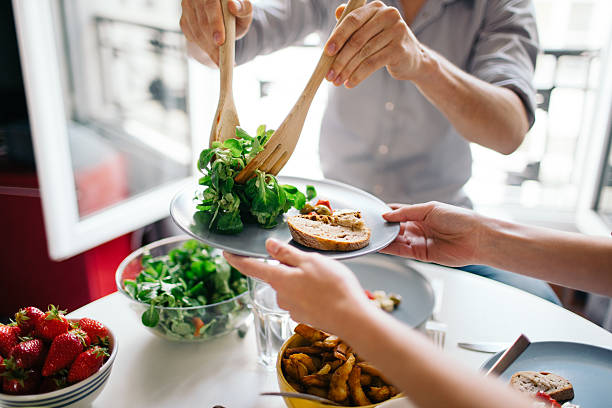
The Ultimate GLP-1 Diet Plan: What Foods to Eat and Avoid

You’re eating 40% less on GLP-1 medications, but most people have no idea how to maximize those limited calories.

Get it wrong, and you’ll lose muscle mass along with fat, experience nutrient deficiencies, and regain everything when you stop the medication. Get it right, and you can transform your body composition in ways that actually last.

Here’s the truth nobody’s telling you: GLP-1 drugs aren’t magic. They’re tools that work best with the right nutritional strategy. Whether you’re on Ozempic, Wegovy, Mounjaro, or considering starting, this guide shows you exactly how to eat for maximum results while preserving your health.

I’ve spent months digging into the research on this because the standard advice (“just eat less”) completely misses the point. When you’re already eating less by default, the question isn’t how much you eat. It’s what you eat. And most people are getting it wrong in ways that will catch up with them.

Understanding Your New Relationship with Food on GLP-1s

Research published in the New England Journal of Medicine shows that people on GLP-1 medications naturally reduce calorie intake by 16-39%. This dramatic decrease happens because the drugs slow gastric emptying and increase satiety signals. You’re simply not hungry.

But here’s the challenge: when you’re eating 1,200 calories instead of 2,000, every bite matters exponentially more. You can’t afford empty calories. You can’t skip protein. You can’t ignore micronutrients. The margin for error shrinks to almost nothing.

Most people on GLP-1s make critical mistakes. Eating too little protein (hello, muscle loss). Avoiding fats entirely (goodbye, hormone production). Living on processed “diet” foods that leave them malnourished despite losing weight.

The scale goes down, but so does their energy, hair quality, and overall health. That’s not the kind of weight loss anyone should be celebrating.

Your body doesn’t care that you’re on medication. It still needs specific nutrients to function. And when your food intake drops by a third or more, you need to be strategic about every single meal.

The Foundation: Protein Is Non-Negotiable

If you remember nothing else from this guide, remember this: you need 100+ grams of protein daily, regardless of how little appetite you have.

Research in Clinical Nutrition found that inadequate protein intake during rapid weight loss leads to significant lean muscle loss, slower metabolism, and weight regain. This is the number one problem with GLP-1 weight loss that nobody talks about enough.

Think about it. You’re losing 1-2 pounds per week. Without adequate protein, up to 25% of that could be muscle. That’s not weight loss. That’s a body composition disaster.

Your goal isn’t just to weigh less. It’s to preserve the metabolically active muscle that keeps your metabolism running while you lose fat. Muscle is what prevents the rebound weight gain that so many people experience when they stop GLP-1s.

Prioritize complete proteins at every meal: eggs, Greek yogurt, cottage cheese, chicken breast, fish, lean beef, tofu, or protein powder. If you can only manage three bites of dinner, make them protein bites. Everything else is secondary.

Daily Protein Distribution

  • Breakfast: 30-40g (3 eggs + Greek yogurt)
  • Lunch: 30-35g (4 oz chicken breast + cottage cheese)
  • Dinner: 30-35g (4 oz salmon or lean beef)
  • Snacks: 10-20g (protein shake or nuts)

Can’t eat that much solid food? Protein shakes, bone broth, and Greek yogurt become your best friends. Liquid calories are easier to consume when appetite is suppressed.

I keep Momentous Grass-Fed Whey Protein stocked at all times (save 15% with code BRAINFLOW). It’s the same brand trusted by Andrew Huberman and used by elite athletes. Unlike cheaper proteins that can cause bloating on GLP-1s, Momentous mixes smoothly and actually stays down when nausea hits.

I blend it with berries and spinach for a complete meal replacement that provides 25g of clean protein. On days when the thought of chewing food makes your stomach turn, a well-made shake can be the difference between hitting your protein target and falling 40 grams short.

Related: Andrew Huberman’s Complete Supplement List

Strategic Carbohydrates: Quality Over Quantity

GLP-1 medications improve insulin sensitivity, but that doesn’t mean carbs don’t matter.

Studies in Diabetes Care show that blood sugar stability enhances GLP-1 effectiveness and reduces side effects like nausea. The wrong carbs at the wrong time can make your side effects significantly worse. The right carbs can actually help you feel better.

Focus on fiber-rich, complex carbohydrates that provide sustained energy and support digestive health. You need at least 25-35g of fiber daily to prevent the constipation that plagues many GLP-1 users. This is not optional. Constipation on GLP-1s can get serious if you’re not proactive about fiber.

Best Carb Choices

Whole grains like steel-cut oats, quinoa, and brown rice provide B vitamins and sustained energy. Start with smaller portions (1/4 to 1/2 cup cooked) since GLP-1s slow digestion significantly. What used to be a normal serving now feels like Thanksgiving dinner.

Legumes pull double duty, providing both carbs and protein while feeding beneficial gut bacteria. Lentils, chickpeas, and black beans are some of the most nutrient-dense foods you can eat on limited calories.

Non-starchy vegetables should fill half your plate at every meal. Broccoli, spinach, bell peppers, and cauliflower provide volume without calories, helping you feel satisfied despite smaller portions. They’re also packed with micronutrients you desperately need on reduced calories.

Fruits, especially berries, provide antioxidants and fiber with controlled sugar. Limit to 1-2 servings daily, always paired with protein or fat to slow absorption. An apple with almond butter beats an apple alone every time.

Carbs to Minimize

White bread, pastries, and sugary snacks cause blood sugar spikes that worsen GLP-1 side effects. Many users report increased nausea after eating simple carbs. Your body is telling you something. Listen to it.

Alcohol also hits differently on GLP-1s. Like, completely differently. Many users report severe nausea and delayed gastric emptying after even one drink. If you do drink, stick to one serving with food and see how you react before pushing it.

For Research Purposes Only

Paramount Peptides | 99%+ Purity, USA-Manufactured

If you’re exploring peptide research alongside your health optimization journey, Paramount Peptides is where I source my compounds. They’re an American-owned manufacturer based in Southern California with 12+ years in the industry. Every batch is synthesized in-house and verified through HPLC and mass spectrometry testing.

Their catalog includes research-grade BPC-157, Thymosin Beta 4, GHK-Cu, NAD+, and specialized blends like the Wolverine Stack and KLOW collection. All compounds exceed 99% purity. Not “up to 99%” like some vendors claim. Actually verified above 99%.

🧬 Free shipping on orders over $300 | All products are for laboratory research use only | Peptide vials, tablets, topicals, and sublingual strips available

Use code BRAINFLOW for 15% off your order

Healthy Fats: Essential for Hormone Health

Don’t fear fat just because you’re trying to lose weight. This is one of the biggest mistakes I see people make on GLP-1s.

You need healthy fats for hormone production, vitamin absorption, and satiety. Research in Nutrients shows that moderate fat intake improves GLP-1 response and enhances weight loss sustainability. Cutting fat too aggressively can actually stall your progress and mess with your hormones in ways you’ll feel.

Aim for 40-60g of healthy fats daily from sources like avocado, olive oil, nuts, seeds, and fatty fish. These fats also help with the absorption of fat-soluble vitamins (A, D, E, K) that many GLP-1 users become deficient in.

Add 1/4 avocado to meals, drizzle olive oil on vegetables, or snack on 10-15 almonds. Small amounts provide big benefits without overwhelming your reduced stomach capacity.

Omega-3 fatty acids from salmon, sardines, or supplements are particularly important for reducing inflammation during rapid weight loss. Your body is going through a lot right now. Give it the building blocks it needs.

Meal Timing and Frequency on GLP-1s

Forget traditional three-meals-a-day thinking. With slowed gastric emptying, smaller, more frequent meals work better for most GLP-1 users.

Large meals often trigger nausea, bloating, and discomfort that can last for hours. I’ve talked to people who forced themselves to eat a “normal” dinner and spent the entire evening miserable. It’s not worth it. Eat less, eat more often.

Optimal Eating Schedule

  • 6-7 AM: Light protein-rich breakfast
  • 9-10 AM: Small snack if needed
  • 12-1 PM: Moderate lunch with vegetables
  • 3-4 PM: Protein snack
  • 6-7 PM: Smaller dinner
  • 8-9 PM: Optional light protein if hungry

Stop eating 2-3 hours before bed to prevent reflux, a common GLP-1 side effect. If you experience morning nausea, try starting with just protein and adding other foods as the day progresses.

Listen to your body’s new signals. You might feel full after just a few bites. Stop immediately. Pushing through fullness on GLP-1s often leads to vomiting or severe discomfort lasting hours. This isn’t like before where you could just tough it out. Your digestive system is operating on completely different rules now.

Related: 15 Morning Habits That Will Change Your Life

Hydration: More Critical Than You Think

This is the most underrated part of the GLP-1 diet conversation. GLP-1 medications can reduce your thirst sensation while you still need just as much water. Maybe more.

Dehydration worsens every common side effect. Constipation, fatigue, headaches, brain fog, all of it gets worse when you’re not drinking enough. Aim for 80-100 ounces of fluid daily.

Water should be your primary beverage, but bone broth, herbal tea, and sugar-free electrolyte drinks count too.

One important tip: avoid drinking large amounts with meals as this can worsen nausea. Instead, sip throughout the day between meals. Think of it as constant low-level hydration rather than chugging a glass at mealtime.

Add a pinch of sea salt and lemon to water for natural electrolytes. Many GLP-1 users report feeling noticeably better with proper electrolyte balance, especially during the initial adjustment period when side effects are at their worst.

Sample 7-Day GLP-1 Meal Plan

Here’s a realistic week of eating on GLP-1s. Nothing fancy, nothing that requires a culinary degree. Just practical meals that hit your protein targets and keep side effects manageable.

Day 1

  • Breakfast: 2 scrambled eggs with spinach, 1/2 cup berries
  • Snack: Greek yogurt with almonds
  • Lunch: Grilled chicken salad with olive oil dressing
  • Snack: Protein shake
  • Dinner: Baked salmon, steamed broccoli, 1/4 cup quinoa

Day 2

  • Breakfast: Protein smoothie with spinach and berries
  • Snack: Cottage cheese with cucumber
  • Lunch: Turkey and avocado lettuce wraps
  • Snack: Hard-boiled egg
  • Dinner: Lean beef stir-fry with mixed vegetables

Day 3

  • Breakfast: Greek yogurt parfait with low-sugar granola
  • Snack: Apple slices with almond butter
  • Lunch: Lentil soup with side salad
  • Snack: Protein bar (check for 15g+ protein, under 5g sugar)
  • Dinner: Grilled shrimp, zucchini noodles, marinara

Day 4

  • Breakfast: Overnight oats with protein powder, chia seeds, berries
  • Snack: Turkey roll-ups with cheese
  • Lunch: Tuna salad over greens with olive oil
  • Snack: Handful of walnuts
  • Dinner: Chicken thighs with roasted sweet potato and asparagus

Day 5

  • Breakfast: 2 eggs over easy, 1/2 avocado, whole grain toast
  • Snack: Protein shake
  • Lunch: Black bean bowl with salsa, Greek yogurt, and veggies
  • Snack: Celery with peanut butter
  • Dinner: Baked cod with roasted cauliflower and quinoa

Day 6

  • Breakfast: Cottage cheese with peaches and a sprinkle of granola
  • Snack: Hard-boiled egg and handful of cherry tomatoes
  • Lunch: Grilled chicken wrap with hummus and veggies (whole wheat)
  • Snack: Greek yogurt
  • Dinner: Turkey meatballs with zucchini noodles and marinara

Day 7

  • Breakfast: Protein pancakes (protein powder + egg + banana)
  • Snack: Mixed nuts and dark chocolate square
  • Lunch: Salmon salad with avocado and lemon dressing
  • Snack: Bone broth with a pinch of sea salt
  • Dinner: Slow cooker chicken with bell peppers, onions, and brown rice

Adjust portions based on your tolerance and appetite. Some days you’ll eat most of this. Other days you’ll barely get through half. Both are okay. The key is consistently prioritizing protein and vegetables, even on low-appetite days.

Managing Common GLP-1 Side Effects Through Diet

Clinical trials published in Diabetes, Obesity and Metabolism report that up to 44% of GLP-1 users experience gastrointestinal side effects. That’s nearly half. The good news is that the right dietary choices can make a massive difference in how you feel.

For Nausea

Eat bland, room-temperature foods. Cold foods often trigger less nausea than hot. Ginger tea and peppermint actually help here, not just folk remedies.

Small frequent meals are your best defense. Avoid spicy, greasy, or heavily seasoned foods, especially in the first few weeks. Some users find success with the BRAT diet (bananas, rice, applesauce, toast) during severe nausea episodes.

If nausea is worst in the morning, try keeping crackers or dry toast by your bed and eating a few before you even stand up. This sounds like pregnancy advice because it basically is. The mechanism is similar.

For Constipation

Increase fiber gradually, not suddenly. A sudden jump in fiber when your digestion is already slow will make things worse, not better.

Add prunes, chia seeds, or psyllium husk. Stay hydrated (this is where that 80-100 ounces becomes critical). Consider magnesium citrate supplements. Movement and exercise also help maintain regularity.

If you’re not going at least every other day, talk to your doctor. GLP-1 constipation can escalate if you ignore it.

For Fatigue

This often signals inadequate calories or nutrients. If you’re dragging through the day, you’re probably not eating enough. I know that sounds counterintuitive when you’re trying to lose weight, but severe restriction on GLP-1s will backfire.

Ensure you’re getting minimum calories (1,200 for women, 1,500 for men) and consider a multivitamin. B12 supplementation may help, as rapid weight loss can deplete stores faster than most people realize.

For Acid Reflux

Avoid tomatoes, citrus, chocolate, and caffeine. Eat smaller portions and stay upright for at least 30 minutes after meals. Lying down after eating on GLP-1s is asking for trouble.

Some users need prescription acid reducers while adjusting to the medication. Don’t tough this out if it’s affecting your quality of life. Talk to your prescriber.

Related: 10 Atomic Habits Hacks That Actually Work

Supplements to Consider on GLP-1s

Reduced food intake almost always means nutrient gaps. You’re eating less food, which means less of everything, including the vitamins and minerals your body needs to function.

Research in the Journal of Clinical Medicine suggests specific supplements benefit rapid weight loss patients:

  • Multivitamin: Covers basic micronutrient needs when food intake is low
  • Protein powder: Helps reach daily targets when appetite is suppressed
  • Vitamin D: Often deficient during weight loss, especially if you’re indoors a lot
  • B-complex: Supports energy metabolism when calories are restricted
  • Omega-3: Reduces inflammation during rapid body composition changes
  • Probiotics: Supports gut health, which GLP-1s can disrupt
  • Magnesium: Helps with constipation, sleep, and muscle recovery
  • Fiber supplement: If dietary intake is insufficient (and for most GLP-1 users, it is)
  • Collagen: May help with skin elasticity as you lose weight

Always discuss supplements with your healthcare provider, especially if you have other medical conditions or take additional medications. This isn’t a “take everything on the list” situation. It’s a “figure out what you specifically need” conversation.

Exercise and the GLP-1 Diet

Exercise amplifies GLP-1 benefits, but your reduced calorie intake affects performance. You’re not going to set any personal records right now. That’s fine. That’s not the goal.

Focus on resistance training to preserve muscle mass. This is arguably more important than any cardio you could do. Aim for 2-3 strength sessions weekly, even if they’re just 20 minutes. Bodyweight exercises count. Resistance bands count. Anything that challenges your muscles counts.

Time carbohydrates around workouts for energy. A small banana before and protein shake after provides fuel without overwhelming your system.

Walking remains the best cardio for GLP-1 users. It’s gentle, aids digestion, and doesn’t dramatically increase appetite like intense cardio might. Aim for 7,000-10,000 steps daily. A 20-minute walk after dinner also helps with blood sugar and digestion.

Listen to your body. Some days you’ll have less energy, and that’s okay. A lighter workout is always better than no workout. And no workout is always better than pushing so hard you feel sick for the rest of the day.

Transitioning Off GLP-1 Medications

Eventually, you might stop GLP-1 medications. This is where most people get scared, and they should be paying attention.

Studies show that without lifestyle changes, weight regain is common after stopping. The habits you build while on GLP-1s determine whether your results are temporary or permanent. This is why the “just take the drug” approach fails so many people.

Continue prioritizing protein and vegetables. Maintain smaller portion sizes. Your stomach has adapted to less food, and if you let it, it’ll stay that way. But if you go back to loading up plates like before, it’ll stretch right back out.

Keep the meal timing that works for you. Most importantly, don’t return to old eating patterns that led to weight gain initially. That’s not “going back to normal.” That’s going back to the problem.

Consider working with a registered dietitian during transition. They can help adjust calories appropriately as your appetite returns while maintaining weight loss.

The Psychology of Eating on GLP-1s

GLP-1 medications change your relationship with food in ways nobody prepares you for.

Many users report that food “noise” disappears. The constant thoughts about eating, the planning of meals, the cravings that used to run your day. All of it goes quiet. This is liberating but also disorienting if you’re not expecting it.

You might grieve the loss of food as entertainment or comfort. That’s a real thing and it’s completely normal. Food has been tied to your emotions, your social life, your stress relief for years or decades. When that connection weakens overnight, it can feel like something is missing.

Find new coping mechanisms. Pick up hobbies that aren’t centered around eating. Some users benefit from therapy to address emotional eating patterns that the medication reveals but doesn’t resolve.

GLP-1s are tools, not cures. They provide a window of opportunity to reset your habits and learn what your body actually needs versus what your mind wants. Use this time wisely. The medication won’t last forever, but the habits you build during it can.

Common Mistakes to Avoid

Don’t eat too little thinking it speeds weight loss. Severe restriction leads to muscle loss, nutrient deficiencies, and metabolic slowdown. The goal is steady, sustainable loss. Not a crash.

Avoid comparing your journey to others. Weight loss rates vary based on starting weight, dosage, and individual biology. Focus on your progress, not Instagram transformations from people who may or may not be telling the full story.

Don’t ignore warning signs. Severe fatigue, hair loss, or mood changes signal problems. These aren’t normal side effects of weight loss. They’re signs that something in your nutrition needs to change. Work with your healthcare provider to adjust your approach.

Never skip protein to save calories. This is the fastest way to lose muscle and set yourself up for rebound weight gain. Protein is your insurance policy for maintaining metabolism. Cut carbs if you need to cut something. Cut fats slightly if you must. But never cut protein.

Don’t treat this like a temporary diet. The entire point is building eating habits that will sustain your results after the medication stops. If you’re white-knuckling through a restrictive plan you hate, you’ll drop it the second the prescription ends. Build something you can live with long-term.

The Bottom Line

Success on GLP-1 medications comes down to consistency with the basics. Prioritize protein at every meal. Fill half your plate with vegetables. Include healthy fats. Stay hydrated. Listen to your body’s new signals.

This isn’t a temporary diet. It’s training for your future relationship with food. The habits you build while on GLP-1s determine whether you maintain your results or end up back where you started. Every meal is a chance to practice.

The number on the scale matters less than most people think. What matters is preserving muscle, maintaining energy, and feeling good in your body. When you focus on those things, the weight loss follows naturally. And more importantly, it stays off.

Your GLP-1 medication has given you a window. This nutrition plan makes sure you use it wisely, lose weight in a way that’s actually healthy, and build habits that last long after the prescription runs out.

The best diet isn’t the most restrictive one. It’s the one that nourishes your body while working with your medication. Not against it.

This guide is for educational purposes only. Always work with your healthcare provider and consider consulting a registered dietitian for personalized nutrition planning while on GLP-1 medications.

Related: How to Reset Your Life and Start Fresh