
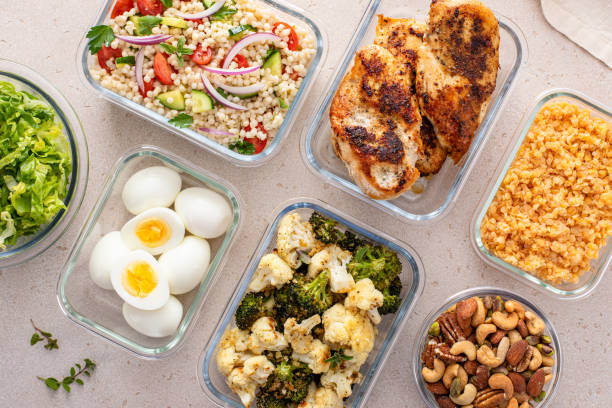
You already know you need more protein. Your doctor said it. Every GLP-1 article on the internet says it. The research says it. But knowing you need protein and actually eating enough of it on a suppressed appetite are two very different problems.
Most GLP-1 users fall short every single day. Not because they don’t care, but because when your appetite is low, you default to whatever is easiest. Crackers. Toast. A few bites of whatever is in front of you. And the protein target quietly gets missed, day after day, while your body chips away at muscle it can’t afford to lose.
Research from 2025 recommended that GLP-1 patients aim for 80 to 120 grams of protein per day to preserve lean mass during weight loss. That’s a lot when you’re barely eating 1,200 calories. It means nearly every meal has to be protein-forward by design, not by accident.
These 10 meals are built for that exact problem. Every one hits at least 25 grams of protein. None take more than 15 minutes. And all of them are gentle enough to work even on the days when your stomach is being difficult.
1. The Five-Minute Egg Scramble
Protein: ~28g | Calories: ~320 | Time: 5 minutes
Three eggs scrambled with a handful of spinach and a sprinkle of feta cheese. Crack the eggs into a bowl, whisk, pour into a non-stick pan over medium heat. Add the spinach after about 30 seconds so it wilts into the eggs. Stir gently until the eggs are just set (not rubbery), then crumble feta on top. Done.
Eggs are one of the most tolerable proteins on GLP-1 medications because they’re soft, mild, and digest easily compared to red meat or heavy poultry dishes. If three eggs feel like too much, start with two and stir a tablespoon of cottage cheese into the scramble for a protein bump without extra volume. Eat it with whole wheat toast if your appetite allows, or eat it straight out of the pan standing at the counter. No judgment on GLP-1 mornings.
2. Greek Yogurt Power Bowl
Protein: ~30g | Calories: ~350 | Time: 3 minutes
One cup of plain Greek yogurt topped with a handful of berries, a tablespoon of chia seeds, and a small drizzle of honey if you need the sweetness. Not vanilla yogurt. Not flavored. Plain. The flavored versions have sugar that takes up calorie space better spent on protein.
There’s a reason this is the meal GLP-1 users come back to more than any other. Cold food tends to sit better on a nauseous stomach. Creamy textures go down without much effort. And one cup of plain Greek yogurt alone packs around 17 to 20 grams of protein depending on the brand. The chia seeds add fiber and another 2 grams of protein plus they thicken everything into something that feels more substantial.
For a bigger protein hit, stir in half a scoop of Orgain protein powder before adding toppings. Vanilla or chocolate both mix well. That bumps you past 30 grams in something that still feels like a snack, not a chore.
You can also prep these the night before by layering yogurt, berries, and chia seeds in a mason jar. Refrigerate overnight and the chia seeds absorb liquid, creating an almost pudding-like texture by morning. Grab it on your way out. No thought required.
3. Chicken and Rice Bowl
Protein: ~35g | Calories: ~420 | Time: 10 minutes (with pre-cooked chicken)
Four ounces of sliced baked chicken over half a cup of brown rice with roasted broccoli and a drizzle of low-sodium soy sauce. If you batch cook chicken and rice on Sunday, this becomes a two-minute reheat during the week. Switch the soy sauce to lemon and olive oil for a Mediterranean angle, or go with salsa and lime for a Tex-Mex version. Same base, different flavor, so day four of meal prep doesn’t feel like day one.
This is the easiest meal on the list to scale down when your appetite disappears. Half the chicken, half the rice, all the broccoli. Still 20+ grams of protein at a portion size that won’t fight your stomach.
Related: GLP-1 Meal Prep: 7 Days of Easy Meals in Under 2 Hours
4. Turkey Lettuce Wraps
Protein: ~30g | Calories: ~280 | Time: 10 minutes
Brown four ounces of lean ground turkey with a splash of soy sauce, garlic, and a pinch of ginger. Spoon it into butter lettuce cups and top with shredded carrots, sliced cucumber, and a squeeze of sriracha or lime.
No bread, no heavy carbs, just protein wrapped in something crisp. The lettuce cups force small portions naturally since each one only holds so much, and you end up eating slowly without trying. That pacing matters. On GLP-1 medications, eating too fast is one of the fastest ways to trigger nausea, and these wraps build in a speed limit without you having to think about it.
If ground turkey triggers any stomach issues (the fat rendering during cooking bothers some people even in lean versions), swap it for canned chicken or shredded rotisserie chicken tossed in the same sauce. Double the batch and refrigerate half for tomorrow. The turkey honestly tastes better cold in the lettuce cups the next day.
A note on the sauce: you can get creative here without changing the protein math at all. Peanut sauce turns these into a Thai-inspired wrap. Hoisin and green onion goes more Chinese-American. Keep the turkey base the same and just rotate the sauce so you don’t burn out on one flavor.
5. Cottage Cheese and Fruit Plate
Protein: ~28g | Calories: ~300 | Time: 2 minutes
A cup of cottage cheese with sliced peaches (fresh or canned in juice, not syrup), a handful of almonds, and a sprinkle of cinnamon. No cooking involved at all.
Cottage cheese delivers 24 to 28 grams of protein per cup depending on the brand. The soft texture is easy on a sensitive stomach, and cold foods tend to go over better than hot ones after a dose increase. If you can’t stand the curds, blend it smooth in a food processor. Tastes completely different that way.
6. Tuna Salad Snack Plate
Protein: ~32g | Calories: ~310 | Time: 5 minutes
Drain a can of tuna, mix it with a tablespoon of Greek yogurt instead of mayo, a squeeze of mustard, salt, and pepper. Serve on whole grain crackers or with cucumber slices and cherry tomatoes.
The Greek yogurt swap keeps it lighter than traditional tuna salad. Regular mayo sits heavier and the oil can trigger that queasy feeling some people get after eating on semaglutide. Greek yogurt gives you the creaminess without the grease, and it sneaks in a few extra grams of protein.
Tuna is also one of the cheapest proteins you can buy. Two to three cans per week at roughly a dollar each gives you 60+ grams of protein for about three bucks. Keep it to two or three servings per week though, because of mercury. Light tuna has less mercury than albacore, so go with light if you’re eating it regularly. Canned salmon is a good alternative for the other days and brings omega-3s along with it.
7. Protein Smoothie That Doesn’t Taste Like Chalk
Protein: ~30g | Calories: ~280 | Time: 2 minutes
One scoop of Orgain Organic Protein, one cup of almond milk, half a frozen banana, a big pinch of spinach, and ice. Blend in a Magic Bullet for 30 seconds. The frozen banana makes this creamy instead of watery. The spinach is undetectable once blended.
This is the emergency meal. The one you reach for when cooking feels impossible, when nausea is hovering, or when you realize at 7 PM that you’ve only eaten 40 grams of protein all day.
On the worst days, strip it down to nothing. Protein powder, ice, water. It won’t taste great, but it puts 21 grams of protein into your body in under a minute. That’s 21 more than skipping it entirely, which is what most people do when food sounds awful.
If you want to remove every barrier between you and this smoothie, batch-prep smoothie packs. Throw the banana, spinach, and a scoop of protein powder into individual freezer bags on Sunday. When you need one during the week, dump a bag into the blender with liquid and ice. No measuring, no thinking, no standing in the kitchen wondering what to eat while your appetite window closes.
A lot of GLP-1 users find that their appetite comes in short windows. You might not be hungry at all and then suddenly have about 20 minutes where food sounds tolerable. A pre-packed smoothie bag turns that narrow window into 30 grams of protein instead of a missed opportunity.
8. Sheet Pan Salmon and Vegetables
Protein: ~34g | Calories: ~400 | Time: 15 minutes
Lay a salmon fillet (about 5 ounces) on a sheet pan with asparagus and cherry tomatoes. Drizzle everything with olive oil, salt, pepper, and lemon juice. Bake at 400F for 12 minutes. The asparagus and tomatoes roast alongside the fish and come out right without any timing tricks. Salmon also brings omega-3 fatty acids, which research suggests may help reduce inflammation and support lean mass during weight loss.
If fresh salmon feels expensive, frozen fillets from Costco or Trader Joe’s bring the per-serving cost down to four or five dollars. Thaw in the fridge overnight and they cook identically. This is the one that feels like a real dinner, not just fuel. On days when you’re tired of eating for survival, that distinction makes a difference.
See also: The Complete Semaglutide Food Guide: What to Eat and What to Skip
9. Black Bean and Egg Breakfast Burrito
Protein: ~26g | Calories: ~380 | Time: 8 minutes
Scramble two eggs, warm up a quarter cup of canned black beans, and roll both into a whole wheat tortilla with a tablespoon of salsa and a small slice of avocado. The black beans add fiber and extra protein on top of the eggs. The avocado gives you healthy fat without the heaviness of cheese or sour cream.
These freeze better than almost anything else on this list. Make four or five on Sunday, wrap each one tightly in foil, and freeze. Reheat in the oven at 350F for about 15 minutes or microwave for 90 seconds. Having a few in the freezer means there’s always a 26-gram protein meal standing between you and a sleeve of crackers for dinner.
10. Chicken Caesar Salad (Simplified)
Protein: ~36g | Calories: ~380 | Time: 5 minutes (with pre-cooked chicken)
Chopped romaine, four ounces of sliced baked chicken, a tablespoon of parmesan cheese, two tablespoons of light Caesar dressing. Toss and eat. With pre-cooked chicken, this takes less time to put together than it does to order delivery.
Cold salads tend to work well on nausea days, and the crunch of romaine is satisfying in a way that softer foods miss. Skip the croutons to keep carbs low, or toss a small handful in if you need the extra calories. On a GLP-1 medication, undereating is a bigger risk than overeating for most people, so don’t strip your salad down to nothing just because you can.
You can also roll everything into a whole wheat tortilla for a portable version. Adds about 130 calories and some fiber, which makes it sturdier for a packed work lunch.
Quick Protein Snacks for the Gaps
Even with solid meals, there will be days when you come up short. A few high-protein snacks kept on hand can close a 15 to 20 gram gap without requiring another full meal.
Hard-boiled eggs are the obvious one. Two eggs give you 12 grams and you can cook a batch on Sunday that lasts all week in the fridge. String cheese packs 7 grams each. Beef or turkey jerky runs about 10 grams per ounce, though the sodium is high so keep it to one serving.
A single-serve cup of Greek yogurt adds 12 to 15 grams and fits in a work bag. Roasted edamame is another good option that people don’t think about: half a cup has 14 grams of protein and doesn’t need refrigeration.
A 2024 clinical review in Obesity Reviews found that distributing protein across multiple meals and snacks throughout the day was more effective for muscle preservation than consuming the same total amount in fewer sittings. So those snacks aren’t just gap-fillers. They’re doing real work for your body composition even if they feel like afterthoughts.
The point isn’t to rely on snacks as your primary protein source. It’s to have a fallback so that a bad appetite day doesn’t turn into a 40-gram protein day.
How to Actually Hit Your Protein Target
Ten meals is great. But the real question is: how do you string enough of them together to hit 80 to 120 grams of protein when you barely want to eat?
Aim for three meals that each deliver 25 to 35 grams of protein, plus one high-protein snack. A 2025 review in the International Journal of Obesity recommended protein targets between 0.8 and 1.6 grams per kilogram of body weight for GLP-1 patients. For most people, that lands somewhere between 80 and 130 grams depending on body size.
A day might look like: Greek yogurt bowl for breakfast (30g), chicken Caesar for lunch (36g), sheet pan salmon for dinner (34g). That’s 100 grams from three meals, none of which required more than 15 minutes.
On bad appetite days, lean on the smoothie and the yogurt bowl. They go down easiest and together they deliver 60 grams. Add a couple of hard-boiled eggs at some point and you’re at 72. Not perfect, but a different world from the 30 grams most people actually consume on their worst days.
Tracking helps more than people expect, at least at first. You don’t need to weigh every gram forever, but spend one or two weeks logging your food in MyFitnessPal or Cronometer. Most people discover they’re getting significantly less protein than they assumed. Seeing the actual numbers in front of you changes behavior faster than any article can.
Stay hydrated too. LMNT electrolyte packets in your water help with the lightheadedness and fatigue that come from eating less, and proper hydration actually makes eating easier. Dehydration worsens nausea, and nausea kills appetite, and low appetite means low protein. Breaking that cycle starts with drinking enough.
More on hydration: The GLP-1 Hydration Guide: Why Water Matters More Than You Think
The Supplement Safety Net
Even with high-protein meals, reduced overall intake means micronutrient gaps show up fast. A daily multivitamin covers the basics while your eating patterns stabilize. Vitamin D, B12, iron, and magnesium are the most common deficiencies on GLP-1 medications. All of them cause fatigue, brain fog, and weakness that get blamed on the drug when the real culprit is nutritional.
A kitchen food scale is also worth the $12 investment. The difference between 3 ounces and 5 ounces of chicken is 14 grams of protein. That gap adds up across a full day, and eyeballing portions is less accurate than most people think, especially when your sense of “a normal amount of food” is still recalibrating.
Worth reading: Thinking About Stopping GLP-1? How to Transition Without Regaining
The Endocrine Society reported in 2025 that up to 40% of weight lost on semaglutide can come from lean mass, including muscle. That number drops significantly when people prioritize protein and add resistance training. But it requires being intentional about what you eat, not just how much.
You don’t need complicated recipes or expensive ingredients. You need a short list of meals that reliably deliver 25+ grams of protein, that you can make without thinking about it, and that your stomach will accept. Pick three or four favorites from this list. Stock the ingredients. Stop winging it at meal time and let the protein show up by default.


1 Comment