Tim Ferriss’ Bedtime Cocktail for Sleep

Tim Ferriss is a 5-time New York Times best-selling author and an early-stage tech investor in companies such as Uber, Shopify, Facebook, Alibaba, and dozens of other companies. He has earned the nickname “the Oprah of audio” due to the success of his podcast, The Tim Ferriss Show, which has been downloaded over 200 million times and aims to deconstruct the habits and practices of the top-performing people in the world. Tim has a reputation of being a self-experimenter, trying a wide range things to optimize and improve his life. Among one of the things he found to dramatically improve his sleep is his “Bedtime Cocktail”. Tim has said this cocktail will knock him out like a light, and some of his friends who are life-long insomniacs have said it’s better than prescription medication for a good night’s sleep. Tim learned this recipe from his friend, the late and great Seth Roberts, PhD. Besides better sleep, some of Seth’s readers noticed a dramatic increase in strength while exercising. Let’s take a look at what you’ll need to make Tim’s legendary apple cider vinegar & honey sleep concoction. RELATED: Joe Rogan’s Insane Supplement Stack

Tim Ferriss’ Bedtime Cocktail Recipe

Ingredients

Instructions

  1. Steep the Juniper Ridge Tea for around five minutes.
  2. Add 2 tablespoons of the Bragg’s Unfiltered Apple Cider Vinegar and 1 tablespoon of the raw honey into the tea.
  3. Stir and allow the honey to melt into the hot tea. Allow a few minutes to cool, and then bottoms up. At this point, you can also get creative and add your own ingredients like Turmeric or Cayenne.
In the YouTube video below that covers Tim’s bedtime routine, he mentions mixing the apple cider vinegar and unfiltered honey in with the Juniper Ridge Spring Tip Tea. But, in his book, Tools of Titans, he only mentions mixing the apple cider vinegar and unfiltered honey with hot water. Both will work, but we recommend mixing it with the Juniper Ridge Spring Tip Tea, as it tastes better and provides an additional calming effect. RELATED: David Sinclair’s Longevity Supplement Stack

Benefits of Raw Honey

Honey – more specifically raw, unfiltered honey – has been considered a sleep remedy for thousands of years in traditional Chinese medicine, dating as far back as the Ming Dynasty. Honey causes your body to release serotonin due to a rise in insulin. Serotonin, a neurotransmitter known for improving happiness, is then converted into melatonin which regulates sleep. When you are sleeping, your brain uses a lot of energy in the form of glycogen. Your brain will first tap your liver glycogen, which is can be built up from eating raw honey before bed and contains an ideal ratio of fructose to glucose. This will help your brain function during the night, increasing your likelihood of having a good night’s sleep. Also, by eating raw honey, you will have a gradual release of insulin throughout the night improving sleep, as opposed to a blood sugar “spike” caused by pure can sugar. Really make sure you are taking raw honey, as it is 22% better at making liver glycogen than the cooked stuff you will find at the grocery store. If this sounds crazy to you, try checking out The Honey Revolution for more of the complicated science behind it.

Benefits of Apple Cider Vinegar

Like honey, vinegar has been used as a remedy for insomnia for a long time. Apple cider vinegar gets all the buzz for its wide range of health benefits. Apple cider vinegar contains an amino acid profile that helps combat fatigue, allowing you to feel well-rested upon waking. The ancient Greeks also used apple cider vinegar as a disinfectant and antibiotic. Taking apple cider vinegar before bed also helps regulate the bacteria in your mouth, causing a reduction in the dreaded “morning breath”. Besides have a reputation as a sleep-aid, apple cider vinegar improves gut health, regulates blood sugar, reduces cholesterol, and helps with weight loss. If you are interested in more of what Tim Ferriss does before bed to improve sleep, check out this post on Tim Ferriss’ Bedtime Routine.

Joe Rogan’s Anti-Aging Supplements – NMN & Resveratrol

Joe Rogan is a notorious biohacker, with an insanely famous supplement stack. Most recently, Joe hosted Harvard professor of genetics and longevity expert Dr. David Sinclair on his podcast. During his work at Harvard, Dr. Sinclair has been able to discover two compounds that have been shown to increase longevity in clinical trials – NMN & Resveratrol. Joe being Joe, he started the same anti-aging regime that Dr. Sinclair follows. You can check it out below.

Joe Rogan’s Anti-Aging Supplement Stack

  • NMN – 1 gram in the morning – (Buy Here)
  • Resveratrol – 0.5 grams in the morning – (Buy Here)

<<Use code ‘brainflow’ for 15% off on your entire Renue by Science order.>>

Benefits of NMN

NMN – also known as nicotinamide mononucleotide – is the hottest thing to hit the longevity scene, as it has been clinically proven in studies to extend lifespan. It does so by converting into a molecule called NAD+, which is described below. Here’s what this study had to say about NMN:

“Across the kingdom of life, an increase in intracellular levels of NAD+ triggers shifts that enhance survival, including boosting energy production and upregulating cellular repair. In fact, the slow, ineluctable process of aging has been described as a “cascade of robustness breakdown triggered by a decrease in systemic NAD+ biosynthesis and the resultant functional defects in susceptible organs and tissues.” Aging is marked by epigenetic shifts, genomic instability, altered nutrient sensing ability, telomere attrition, mitochondrial dysfunction, cellular senescence, stem cell exhaustion, and dysregulated intercellular communication.,

By middle age, our NAD+ levels have plummeted to half that of our youth. Numerous studies have demonstrated that boosting NAD+ levels increases insulin sensitivity, reverses mitochondrial dysfunction, and extends lifespan., NAD+ levels can be increased by activating enzymes that stimulate synthesis of NAD+, by inhibiting an enzyme (CD38) that degrades NAD+, and by supplementing with NAD precursors, including nicotinamide riboside(NR) and nicotinamide mononucleotide (NMN)., A conceptual framework called NAD World, formulated over the last decade by developmental biologist Shin-ichiro Imai, MD, PhD, of Washington University School of Medicine, posits NMN as a critical, systemic signaling molecule that maintains biological robustness of the communication network supporting NAD+.

Taken orally, NMN is rapidly absorbed and converted to NAD+. In numerous studies, supplementation with NMN has increased NAD+ biosynthesis, suppressed age-related adipose tissue inflammation, enhanced insulin secretion and insulin action, improved mitochondrial function, improved neuronal function in the brain, and more. Here, we look at the science behind NMN, its stability, possible pharmacokinetics, transport, function, and ability to induce biosynthesis of NAD+. Supplementing NMN may be an effective nutraceutical anti-aging intervention, with beneficial effects on a wide array of physiological functions.”

We do not recommend buying NMN off Amazon or trying to buy the cheapest NMN supplement. In fact, there was a study that tested 21 NMN supplements off Amazon and found that an astounding 14 of them contained LESS THAN 1% of the NMN claimed on the bottle. This is why we recommend Renue by Science, as they are pioneers in the industry and contain 100% of the ingredients claimed on the label.

RELATED READING: Dr. David Sinclair’s Anti-Aging Supplement Stack

Benefits of Resveratrol

You may have heard that drinking a glass of wine per day has been known to increase lifespan. This is due to resveratrol. Resveratrol – made famous by Dr. David Sinclair – is part of a group of compounds known as polyphenols. Resveratrol is an antioxidant that protects the body from damage that can put you at a higher risk of age-related diseases such as heart disease, diabetes, heart disease, and even cancer. Dr. Sinclair believes that resveratrol works hand-in-hand with NMN. Resveratrol is needed to activate sirtuins (a protein that protects our DNA and epigenome), while NMN is needed to fuel the sirtuins. Dr. Sinclair recommends mixing 0.5g of resveratrol with 1g of NMN in the morning with yogurt. RELATED READING: Renue by Science NMN Review: My 90-Day Journey Here is an excerpt from Boston Mag regarding Sinclair’s discovery of resveratrol’s longevity properties: “True to form, he got to work, harder and faster than anyone else, Imai says. He screened some 20,000 substances until, one day, his collaborator called to say that he’d gotten a hit: resveratrol, a molecule found in red wine that has long been suspected to play a role in human health. Sinclair couldn’t believe what he was hearing and knew others wouldn’t, either. So he set out to disprove the finding right on his dining room table, where he lined up a series of petri dishes filled with yeast that had been fed different substances. When he discovered that the dish with yeast that lived 50 percent longer had been fed resveratrol, he cried out to his wife, “I think we have found something important here.” Like NMN, resveratrol is one of those supplements you should avoid buying on Amazon and only buy from a trusted source. We once again recommend Renue by Science for resveratrol powder. RELATED READING: Joe Rogan’s Insane Supplement Stack

Dr. Rhonda Patrick’s Hydrolyzed Collagen Brand

Dr. Rhonda Patrick is a biomedical professional and researcher, who has made the rounds on podcasts such as The Tim Ferriss Show and The Joe Rogan Experience. She is also the founder of her blog, FoundMyFitness, which also features a podcast. When it comes to biohacking and supplements, nobody knows more than Rhonda Patrick.

Dr. Rhonda Patrick’s Hydrolyzed Collagen Brand

Great Lakes Wellness, 2 Pk Collagen Hydrolysate Unflavored Beef Protein Kosher 16 Oz Cans and Measuring Spoons Combo Pack Now why you are here – Dr. Rhonda Patrick takes Great Lakes Hydrolyzed Collagen as her collagen brand of choice. You can pick it up on Amazon. Rhonda mixes her Great Lakes Collagen in her famous micronutrient smoothie. RELATED READING: Dr. Rhonda Patrick’s Supplement Stack

What is Collagen?

Collagen is a protein. Not only is it just a protein, but it is the most abundant protein found in the human body. Collagen is found in the bones, muscles, skin, and tendons. To be frank, collagen is what holds the human body together. Collagen production heavily declines with age. This is why it is essential to supplement with collagen. RELATED READING: Dr. David Sinclair’s Anti-Aging Supplement Stack

Benefits of Hydrolyzed Collagen

Rhonda has been an enormous fan of hydrolyzed collagen for a while now due to it’s endless amount of benefits. Here are just a few benefits of supplementing with hydrolyzed collagen powder:
  • Improves skin health
  • Relieves joint health
  • Prevents bone loss
  • Boosts muscle mass
  • Promotes heart health
  • Increases strength of hair and nails
To summarize, supplementing with collagen is one of the best things you can do for longevity. Collagen is found in our hair, skin, and nails. By supplementing with collagen you not only promote a more youthful appearance, but improve the overall health of your joints, bones, and skin.  

Dr. Andrew Huberman’s Diet: Foods, Time-Restricted Eating, & Supplements

For the past 10 years, Dr. Huberman has devoted between 12 and 16 hours a day to the practice of fasting, also called time-restricted eating. While some adjust their eating patterns to lose weight, combat dietary concerns or even as a tool to enhance fitness goals, this renowned neurobiologist limits his eating times to a relatively short window of every day for scientific reasons.

While a tenured professor at Stanford University School of Medicine, Dr. Huberman has conducted extensive research around neuroscience, the study of the brain and its connection to the body’s organs. His findings further explore the brain’s impact on how we act, feel, and ultimately are health-wise. Dr. Huberman asserts that improvements in mental focus, liver health, muscle, longevity, and blood glucose levels, as well as weight loss and fat loss all are byproducts of time-restricted eating combined with a specific diet.

Momentous has partnered with Huberman Lab and is what Huberman currently takes for the majority of his supplements. Use code ‘brainflow’ for 15% off on the Momentous website.

Dr. Andrew Huberman’s Diet

The practice of time-restricted eating is not uncommon. Still, many who attempt to fast may not follow a specific dietary plan or may follow a program that does not lead directly to mental and physical health improvement. Time-restricted feeding specifically means to contain food consumption in a specific window of time or during particular times of the day. Fasting is essentially the opposite: fasting is the time period when you are not providing nutrition to your body. Both time periods of fasting and time-restricted feeding are vital parts of the doctor’s approach to full physical and mental health. Dr. Huberman’s plan provides for nutritional needs as well as takes advantage of the fasting period to utilize additional elements that address energy and mental sharpness. Let’s look at exactly how Dr. Huberman practices time-restricted eating and fasting, when he does (and doesn’t) eat, and which foods he counts vital in this dietary plan. RELATED READING: Dr. David Sinclair’s Anti-Aging Protocol

Fasting Time Period

The crux of Dr. Huberman’s diet is the fasting time period. His pattern is to fast or refrain from eating (but not hydrating or drinking some liquids) for 12 to 16 hours daily. Occasionally, he finds that the fasting time period needs to be shorter, but that is the exception rather than the rule.

The time dedicated to fasting typically is overnight following dinner and then from waking up after sleeping about 8 hours until approximately noon. The total fasting hours include sleep time.

Does coffee break a fast for Dr. Huberman?

Hydration with water is permitted during the fasting time period as well as some additional drinks containing caffeine. This includes coffee and Yerba mate.

RELATED READING: Dr. Andrew Huberman’s Supplement Stack

Hydration

Upon waking up, water is a part of Dr. Huberman’s intermittent fasting diet. He starts the day with plenty of water that is flavored with lemon and, surprisingly, salt. His research has determined that many who follow a lower-carbohydrate diet can be sodium deficient, so adding salt to his hydration first thing in the day can help combat that potential problem for him and prevent any issues that being deficient in sodium might cause when he works out.

Interestingly, coffee or caffeinated beverages are not part of his early morning routine. Instead, he waits one and a half or two hours after he wakes up to enjoy a cup of coffee or Yerba mate. Delaying the caffeine allows him to feel the effects of caffeine nearing the end of the fasting period when it is needed the most.

RELATED READING: Dr. David Sinclair’s Anti-Aging Supplement List

Working Out
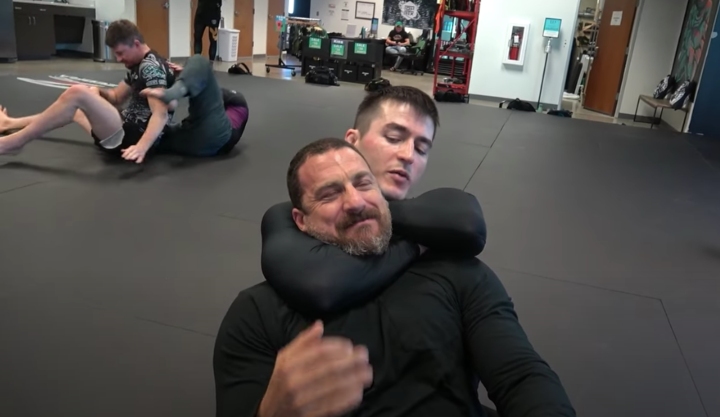
Fitting in time for fitness training is a regular part of Dr. Huberman’s day. He plans to get in his workout near the end of the fasting period. This means that after his hydration and caffeine but before his first meal, he will make time to exercise. Huberman practices various workout types such as weightlifting, Brazilian jiu-jitsu, as seen in the picture above, and cardio. After working out, he typically will take his EAAs, or essential amino acids, for the day. His supplements are taken as needed or with the evening meal.

RELATED READING: David Sinclair’s Exercise Routine & Diet for Longevity

First Meal: Midday

Surprisingly, Dr. Huberman’s appetite determines the first “real” meal of the day. Some days he eats a larger meal, and others, it is smaller, depending on how intense his workouts are. When he is training harder with resistance exercises, his midday meal will be bigger and contain more carbohydrates than on other days.

Regular Midday Meals

Regular midday meals usually contain no or minimal carbohydrates and lean heavily into protein. He enjoys eating lean red meat protein like ground beef or a ribeye steak. He usually accompanies his protein with one or more of his favorite vegetables like spinach, tomatoes, avocados, or broccoli.

This meal prep includes the healthy fat olive oil, perfect for grilling or sauteing up the meal. In addition, he likes to throw in Brazil nuts for another healthy fat that provides a punch of protein to this meal used to break his lengthy fasting period. Tim Ferriss also utilizes Brazil nuts as part of his protocol that naturally tripled his testosterone.

RELATED READING: Dr. Peter Attia’s Biohacking Toolkit

Midday Meals When Expending a Lot of Energy

For those heavy workout days, Dr. Huberman will increase his carbohydrate intake during this first meal. In addition to lean protein, healthy fats, and an assortment of vegetables, he will also consume some starchy carbohydrates like a bowl of rice or oatmeal.

Food purists may be amazed to learn that he likes to include a pat of butter in his occasional oatmeal. Still, he notes that his blood work is evaluated regularly to ensure he is not ingesting too much of anything, including saturated fats like those found in butter. He sometimes also likes to include fruit with these larger midday meals.

Afternoon Activities

Even though Dr. Huberman doesn’t officially plan for a large afternoon snack, he does fit in extra protein and hydration throughout the day. He may grab a handful of nuts like almonds to increase his protein intake and decrease hunger. He also includes plenty of hydration throughout the day, continuing to focus on water to stay healthy and minimize hunger between meals. Occasionally Dr. Huberman will also take some of his supplements (read Dr. Huberman’s Complete Supplement Stack here) or EAAs and occasionally Athletic Greens. RELATED READING: 8 Tools to Biohack Your Way to Better Sleep

Athletic Greens
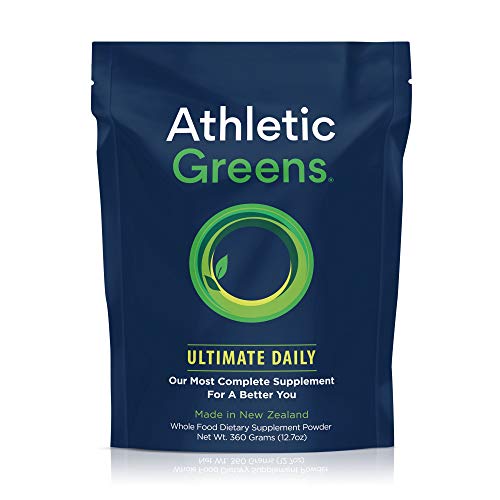
Athletic Greens Ultimate Daily, Whole Food Sourced All in One Greens Supplement Powder, NSF Certified, GlutenFree, Vegan and Keto Friendly, 30 Day Supply, 360 Grams (Athletic Greens Ultimate Daily) Occasionally in the afternoon or even after an intense workout, Dr. Huberman likes to mix up a nutritious drink full of vitamins and minerals. His nutrient-packed convenience solution is Athletic Greens. This drink comes as a powder in individual or bulk packages that can be mixed with 8 ounces of water for an individual serving. This gluten- and dairy-free supplemental drink provides 75 minerals, vitamins, and whole-food-sourced nutrients without any added sugars, flavors, or unhealthy preservatives. This beneficial beverage is a favorite of Dr. Huberman because it is an easy way to add in a healthy dose of nutrition without having to take the time to food prep or do more than shake or stir the powder in a glass. Besides dietary supplements, Dr. Huberman eats whole foods as close to their natural state as possible other than this Athletic Greens drink. RELATED READING: Dr. Rhonda Patrick’s Supplement List

Dinner: The Last Supper Before Fasting Again

For the day’s final meal, Dr. Huberman continues his healthy eating habits. For his dinner, he eats the most significant volume of food of any meal. As a policy, he likes to talk for a walk just before or following this evening meal, depending on his schedule. And, in a switch up with his previously eaten food, this meal focuses on one main component: carbohydrates. Dinner consists mainly of carbs or starchy foods, the only time of the day that is his priority for these types of foods. For this portion of his meal, he likes to nosh on rice or pasta as a base for the rest of his meal. However, Dr. Huberman also includes a tasty lean protein to complement his higher carbohydrate or starchy meal. Some common choices that he might select are salmon or tuna fish. In addition, the doctor likes to include a fresh green salad with lots of veggies alongside his starch and lean protein meal. RELATED READING: Tim Ferriss’ Supplement List

Dinner Timing

One key concept motivating Dr. Huberman’s time-restricted eating pattern is how the body digests food. His extensive research and understanding of how the body digests and metabolizes food and his experience have led him not to eat his dinners too close to bedtime. He always tries to eat dinners that are not meat-heavy because he can notice a distinct difference in his sleep quality if he overeats meat too close to bedtime. Dr. Huberman speculates that the gastric clearance for meat products is lengthier than other foods like the carbohydrates and lean proteins he does eat, which contributes to the sleep disturbances he experiences when he consumes a dinner with a lot of meat. As a result, he chooses to dine on leaner proteins at this final meal of the day and plan his meal for a few hours prior to bedtime rather than eating late or just before bed. RELATED READING: Dr. Andrew Huberman’s Sleep Cocktail

Supplements

In addition to following a relatively strict and consistent time-restricted eating schedule, Dr. Huberman supplements his dietary intake with some nutrients and products. While he strives to eat a healthy, balanced diet, the doctor believes that including many of these keeps him in optimal health and helps to ward off potential negative, avoidable health issues.

He consistently takes his supplements in the morning after his training every day, while some may occasionally accompany a meal or be taken mid-afternoon between meals. Instead of pro- or post-biotics, his regimen typically includes:

  • NMN (Nicotinamide Mononucleotide) – NMN is a famous anti-aging supplement known as the “miracle molecule”. Huberman began taking it in 2022 and uses Momentous NMN. Use code ‘Brainflow’ at checkout for 15% off!
  • Momentous Whey Protein – this dairy-based protein powder can be mixed up into fruit or veggie shakes and is used to assist with muscle growth
  • Multivitamin That Includes Vitamin B – to help metabolize foods more quickly
  • Boron – supplements are taken for their anti-inflammatory and anti-aging effects; 2-4mg
  • Vitamin K2 – aids in calcium retention to help bones, heart, teeth and nervous system
  • Omega-3 Fish Oil – at least 2g of EPA (he prefers Thorne Fish Oil and Carlson’s Fish Oil with lemon flavor) is taken for its effects as an antidepressant, blood lipid profile effects, as well as its effects on skin health and mental health
  • Vitamin E – occasional use for its antioxidant effects
  • Green Tea Extract – occasional use for its ability to reduce cholesterol levels, increase alertness, and decrease cancer risks
  • Garlic Extract – occasional use for lowering blood pressure and cholesterol levels
  • Creatine Monohydrate – to enhance exercise and muscle performance
  • L-Glutamine – for its positive effects on the immune system, neural functions and intestinal functions
  • Acetyl-L-Carnitine – used for fat loss properties
  • Alpha-GPC – used for brain health; early in the day he will take 300mg, 2 or 3x a week
  • L-Tyrosine – used for brain health; he will occasionally add 500mg to his regimen
  • Phenylethylamine (PEA) – this focus and work aid is sometimes included in his regimen with 500mg once every one to two weeks for bouts of intense work
  • Apigenin – aids sleep; when used, 50mg. This, along with magnesium and L-theanine are form his famous sleep cocktail.
  • Magnesium L-Threonate  – a nootropic that boosts brain function as well as aid in sleep; when used, 300-400mg. Be sure to use Magnesium L-Threonate as it is the only one that can penetrate the blood-brain barrier.
  • L-Theanine – aids sleep; when used, 200-400mg. Huberman specifically uses Suntheanine.
  • Tongkat Ali – aids in testosterone levels; when used, takes 400 mg
  • Fadogia extract – aids in testosterone levels; when used, takes 425 mg
  • low-sugar fermented foods – although not a supplement, Dr. Huberman tries to eat a few servings of foods like kimchi, sauerkraut or natto as they decrease the number of inflammatory markers in the body
RELATED READING: Dr. Rhonda Patrick’s Fish Oil Protocol

Exceptions to the Rule: When You Need to Break the Fast

Dr. Huberman has an off day just like everyone else. Occasionally, he doesn’t feel like fasting all the way to midday, so he might break his fast early and have a healthy, filling breakfast. When he needs the extra energy in the morning that a meal can provide, he whips up some tasty eggs to enjoy. Dr. Huberman notes that eating three or four eggs for breakfast can give him a protein infusion that will up his energy and does not disrupt his fasting pattern in the long run.

For the midday meal, Dr. Huberman occasionally adds carbohydrates to his breakfast meal when he feels his extra physical exertions with working out warrant it. He may also have an Athletic Greens shake before or after his morning workout or as an addition to his mid-afternoon snacking time.

One thing that Dr. Huberman does not switch up is his basic schedule. He typically always eats his meals during the same windows of time each day. He prefers to stick to the time-restricted frames that work best for him: fasting for 12 to 16 hours each day and confining his eating during the remaining eight to ten hours. Dr. Huberman has been practicing this intermittent fasting/time-restricted eating pattern for many years, so his sleeping and waking times remain much the same.

RELATED READING: Joe Rogan’s Insane Supplement Stack

Dr. Huberman’s Lifestyle for Good Health

This well-respected neurobiologist is in optimal health thanks to a science-backed nutritional plan and a lifestyle that takes advantage of the natural body cycles of food digestion and processing. His continued research on the brain and its connection to our overall health keeps Dr. Huberman at the forefront of the common discussion about treating our bodies well with nutritious, beneficial foods and supplements.

His own healthy lifestyle approach based on time-restricted eating and fasting periods shows that Dr. Huberman understands what it takes to do the right thing for your brain and body health and lives it out every day with his commitment to his diet and lifestyle choices.

RELATED READING: Dr. Andrew Huberman’s Optimal Morning Routine

Tim Ferriss’ Fear-Setting Exercise: Everything You Need to Know

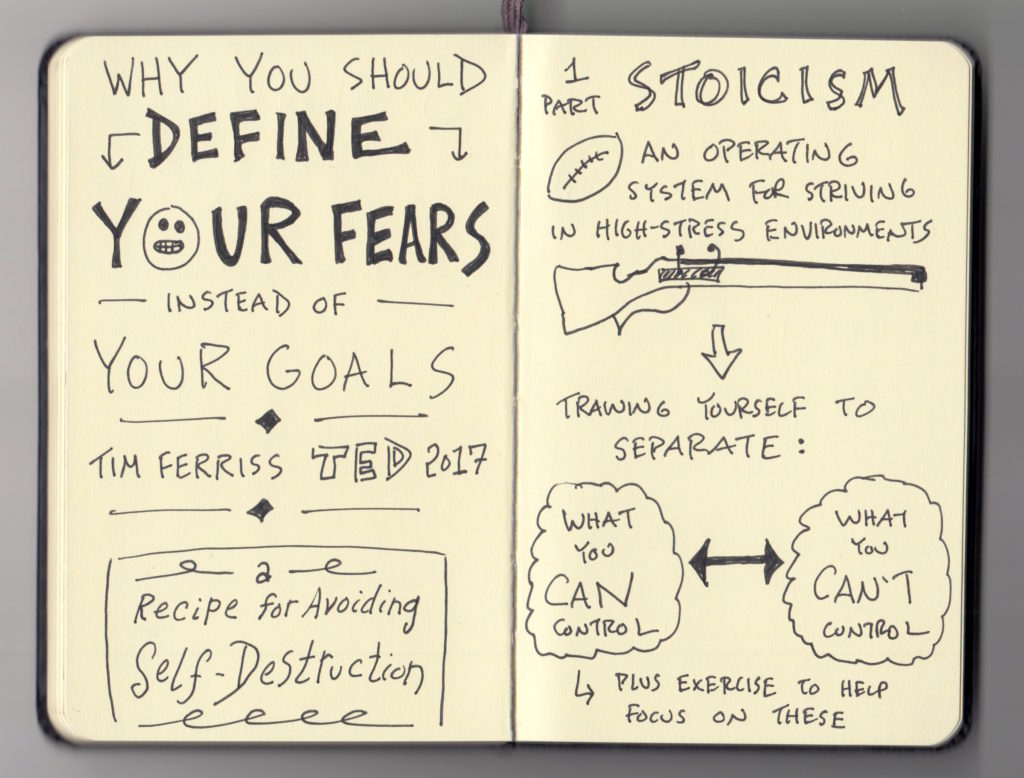
I was reading the 4-Hour Workweek by Tim Ferris last week. In one of his chapters, he talks about taking control of your life and controlling your fears. He gives an excellent exercise in his book’s chapter 24 (“Face Your Fears”). Fear-Setting is a helpful exercise that will give new insight and understanding about your fears. The exercise is simple: list all of your fears from the most to the least important… For example, my list would look something like this: 1) Dying Prematurely 2) Becoming Homeless 3) Losing My Job 4) Rejection 5) Fear of Public Speaking 6) Failure After you have your list, you need to score each fear on a scale from 1-10, with ten being the most severe. For me, my fears would score something like this: 1) Dying Prematurely – 9 2) Becoming Homeless – 7 3) Losing My Job – 5 4) Rejection – 4 5) Fear of Public Speaking – 2 6) Failure – 1 The next step is to identify the top 3 fears on your list and focus on them. These are some of the fears that are holding you back from living a great life. RELATED READING: Tim Ferriss’ Complete Supplement Stack

How to do Tim Ferriss’ Fear-Setting Exercise

To get started with the fear-setting, grab yourself a notebook and allow yourself 30 minutes of uninterrupted time. Fear-Setting takes three pages. This section will explain the exercise in detail. We will outline how to handle the three pages of the fear setting worksheet.
Page 1: Fears and doubts

Start by writing down all your fears for the situation at hand. It can be anything from “I’m afraid I’ll make a fool of myself” to “What if I can’t do it?” Next, write down all your doubts. It is where you list all the reasons why you think your fears are justified. For example, you might write “I’m not smart enough” or “I don’t have enough experience.”

Page 2: Risks and rewards

Now it’s time to list out the risks and rewards. It will help you to clarify the pros and cons of taking action. For example, if you’re afraid of public speaking, the risk might be that you’ll make a fool of yourself, and the reward might be that you’ll have the opportunity to share your ideas with a large audience.

Page 3: A plan of action

The final step is to develop a plan of action to help you overcome your fear. For example, if you’re afraid of public speaking, then you might want to start by practicing in front of a small group of people. By doing this exercise, you can start to take action in the face of fear and make better decisions. RELATED READING: Dr. Andrew Huberman’s Sleep Cocktail

Find clarity, conquer fear and take action

Once done with the exercise, there is newfound clarity. The fear-setting worksheet brings not just a list of risks and rewards but a plan of action to address the fears head-on. That’s not all; conquering said fears could also lead to remarkable personal growth. It becomes easier to take on new challenges when success in one area has already been tasted.

Uncovering fear disguised as optimism

There is a certain kind of optimism that masquerades as fear. Fear setting shines a light on this false sense of security by uncovering the root of the worry. It could be something like “I don’t want to try because I’m afraid I’ll fail” or “I’m not sure if I can do it, so I shouldn’t bother.”

A useful technique

The fear-setting technique might seem counterintuitive, but it works. We often want to ignore our fears because they are unpleasant to contemplate. But if left unchecked, they can curdle into anxiety and stop us from taking action. The fear setting gives you the clarity to take on life with gusto. By doing this exercise, you can start to take action in the face of fear and make better decisions. RELATED READING: Tim Ferriss’ Slow Carb Diet: The Complete Guide

Understanding Stoicism

Ahhhh, the stoics. This exercise really made me this of Stoicism, a philosophy I’ve been interested in for a while. Stoicism teaches that you should be indifferent to the things you can’t control and instead focus on the things you can handle. It is a great way to deal with fear. If you focus on the things you can control, such as your thoughts and actions, you will be less afraid of the things you can’t control, such as the future. RELATED READING: The Pomodoro Technique Explained: Hack Your Productivity

Fear Warps Up Your Thinking and Inhibits Action

Tim Ferris points out that our fears are usually irrational. We fear things that are extremely unlikely to happen, or if they do occur, the consequences won’t be as dire as we expected. We can’t live life avoiding everything which might have a negative outcome. Our lives are not determined by the specific events that happen but rather by how we react to them. Tim Ferris talks about the “fear bias in a fear setting.” The fear bias is our natural tendency to overestimate the risk of adverse events and underestimate the probability of positive ones. When we are faced with a choice, our fear often causes us to make the wrong decision. For example, let’s say you are offered a new job. Your fear might cause you to turn down the job offer, even if it is a great opportunity because you are afraid of the unknown. RELATED READING: Dr. Andrew Huberman’s Diet Or, you might be scared to start your own business, even though the chances of success are higher than failure because you are afraid of losing your job. Tim Ferris gives an excellent example of how our fear has the power to warp our thinking and inhibit action. He talks about his experience with taking cold showers. He had read somewhere that cold showers were good for you, so he decided to take them to get in shape. The initial resistance was extremely high the first few times he turned on the shower. He couldn’t bring himself to step into the cold water. He failed several times before finally succeeding. After taking his first few cold showers, his hair became thicker, and he had more energy throughout the day. However, the most critical benefit of taking cold showers was that it helped him overcome the fear. RELATED READING: Dr. David Sinclair’s Anti-Aging Supplement List

Use fear setting to clarify your thinking and take action in the face of fear

The fear-setting exercise is very effective at helping you clarify your thinking and take action in the face of fear. Fear setting is a way to force yourself to face your fears and assess the risks and rewards of taking action. When you are afraid, it is tough to think straight. The fear bias causes us to make the wrong decisions. Fear setting aims to help you overcome your fear and make better decisions. RELATED READING: Dr. Andrew Huberman’s Complete Biohacking Supplement List

When to Use Fear Setting

Tim Ferris recommends using fear setting when you have a big decision to make. The best time to use fear setting is when you are afraid of taking action or procrastinating. For example, if you want to quit your job and start a business but are too afraid, it might be good to do some fear setting. The best way to use fear setting is to sit down and write out a list of pros and cons. For example, if you are afraid of public speaking, you might want to list the pros and cons of giving a speech. The pros might be that you will have the opportunity to share your ideas with a large audience. The cons might be that you will have to speak in front of many people. Next, write out all the possible outcomes resulting from your decision. In this case, if you give a speech and it goes poorly, then the outcome would be an embarrassment. If it goes well, the result would be respect from your peers and a sense of accomplishment. Finally, rank each outcome from one to ten based on how bad it would be if it occurred. In this case, embarrassment might be ranked at a five. And respect from your peers and a sense of accomplishment might both be ranked at an eight. By doing this exercise, you can understand the risks and rewards of taking action. You can also develop a plan of action to help you overcome your fear. RELATED READING: Dr. Peter Attia’s Biohacking Toolkit

FAQ

Can I share my fears and doubts with someone else? It can be helpful to talk about your fears and doubts with someone else. It will help you to get a different perspective on the situation. However, it is essential to make sure the person you are sharing your fears with understands that this is a confidential exercise. It can be helpful to seek professional help if you are struggling to implement this exercise. Can I use the fear setting for personal growth? Yes. You can use the fear setting for personal growth in several ways: 1. It can help you to identify your fears and doubts. 2. It can help you understand the risks and rewards of taking action. 3. It can help you develop a plan of action to address your fears. What if I’m not sure what my fears are? If you’re not sure what your fears are, you can start by thinking about the situation at hand. What is getting in your way? What is holding you back from doing whatever it is you want to do? Can I use the fear setting for a specific area of my life, or does it have to be for a particular goal? Fear settings can be used in any area of your life, although the exercise works best when trying to achieve a specific goal. Can I use fear setting more than once? Yes, you can use fear setting more than once. It is recommended that you exercise regularly to keep track of your worries and doubts. It will help you stay on track and take action in the face of fear. RELATED READING: Dr. David Sinclair’s Longevity Diet & Exercise Protocol

Conclusion

Tim Ferriss, the author of The 4-Hour Workweek, is notorious for his use of fear setting as a tool to keep track of his fears and doubts. The fear setting has helped him clarify his thinking and overcome the hurdles put in front of him. With this information, you can use fear setting to conquer your fears and take action in the face of fear.