Rhonda Patrick Sulforaphane Guide: Broccoli Sprouts, Dosage, & Supplements

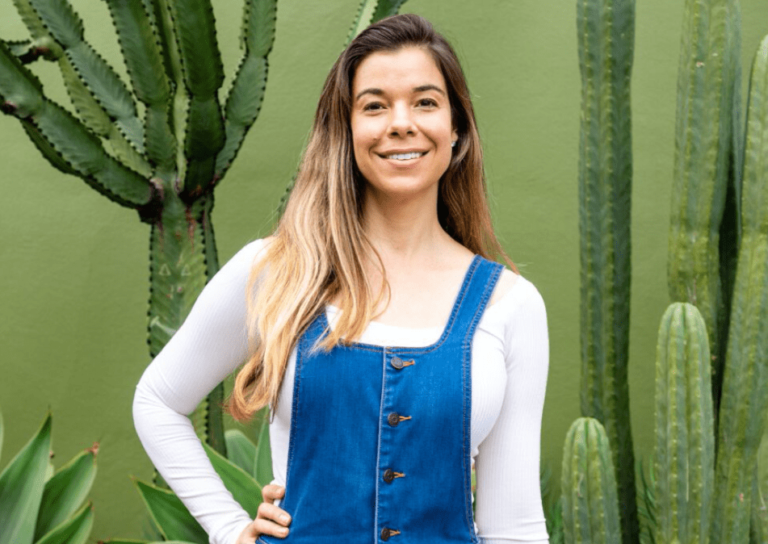
Dr. Patrick’s graduate study focused on the relationship between mitochondrial metabolism, apoptosis, and cancer. Her breakthrough research revealed that a protein required for cell survival had two different mitochondrial localizations with distinct functions, tying its anti-apoptotic activity to a previously unknown involvement in mitochondrial respiration and structure preservation.

Dr. Patrick has previously worked at the Salk Institute for Biological Sciences on aging studies. She aims to disrupt the current quo and inspire the general population to think about wellness and our lifespan in a proactive, preventive manner.

She is no stranger when it comes to believing natural options can be better at curing cancer than the typical checmicals or prescriptions. She loves veggitables and has found that even doctors during the roman era agreed that certain veggies can be of great benefit.
Currently, her love and notability are based on her research into sulforaphane.

What is Sulforaphane?

Plants have compounds that they employ to defend themselves. These compounds are called phytochemicals. Furthermore, plants developed these compounds to be harmful to smaller creatures. Even tiny organisms are meant to be affected, like pathogens.

When it comes to phytochemicals, what is harmful to a virus or small animal has a negligible impact on a human. When consumed in modest doses, many of these phytochemicals have beneficial benefits for humans. However, if consumed in large quantities, they become poisonous. This is known as the hormetic effect. Basically, there is a “sweet spot” where consuming just enough of something is beneficial but that benefit decreases as you consume more until you are in harm.

Sulforaphane is the result of a chemical interaction between glucoraphanin and myrocinase. Now, glucoraphanin is a phytonutrient derived from plants that has a favorable hormetic effect.

Sulforaphane stimulates what is known as the NRF2 pathway, which promotes positive cell functions:

  • Redox equilibrium and cell detoxification.
  • Protection against oxidative stress through redox regulation.
  • immune-modulating properties and anti-inflammatory effects.
  • Protection from oestrogen quinone metabolites. This process maintains the stability of the p53 protein. P53 is known to suppress tumors.
  • Removal of heavy metals from cells.
  • Adipogenes regulation and skeletal metabolism.

This is only the tip of the iceberg; NRF2 has a far broader impact. A lot of the technical details have been omitted; however, all of the basic information comes from an excellent study written by Christine Houghton.

As a consequence, sulforaphane continues to be studied for its possible role in immortality, cancer prevention, and so more. Rhonda has recently been inspired by research that discovered that sulforaphane from broccoli sprouts improved the body’s immunological response against the influenza virus1. It specifically enhanced the synthesis of an enzyme by natural killer cells (a type of white blood cell), which may improve antiviral defensive responses.

Rhonda’s very comprehensive video about Sulforaphane may help you learn more about all this.

While growing your sulforaphane from sprouts is a cheaper option, sulforaphane pills are a more practical but expensive road to go down. However, growing sprouts requires time and preparation, and it isn’t always feasible while traveling or employed. For example, Rhonda’s time is more restricted now that she has a toddler, so she is taking sulforaphane supplements. Therefore, the finest sulforaphane supplements on the market are discussed here in this article a little bit lower.

RELATED READING: Dr. Rhonda Patrick’s Supplement Stack

How Rhonda Patrick Grows Broccoli Sprouts
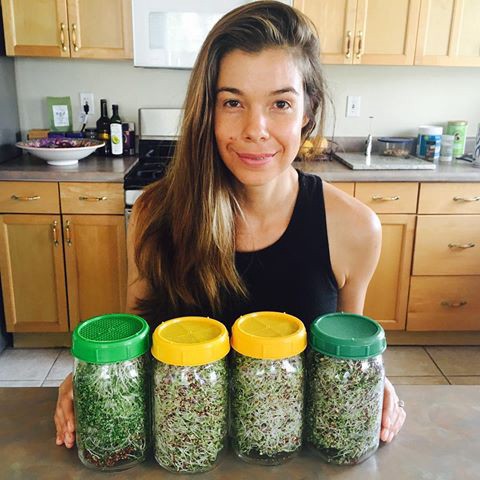
Rhonda prefers to obtain her sulforaphane from home-grown broccoli sprouts. Sprouts are simple to cultivate with a little effort. You’ll need the following items to replicate Rhonda’s identical broccoli sprout blooming setup:

  • Ball Mason jars, preferably quart size with a wide opening (Amazon Link)
  • Sprouter lids with a wide opening to suit Ball jars (Amazon Link)
  • Organic broccoli seeds (Amazon Link)

Keep in mind that many have said that a lot of broccoli seed dealers are offering “Raab” seeds — promoted as normal broccoli seeds. Despite appearing somewhat similar when fully matured, they belong to a distinct family of brassicas than ordinary broccoli. It is not known yet if these seeds include sulforaphane once grown. until further study is done, try to avoid them when purchasing seeds.

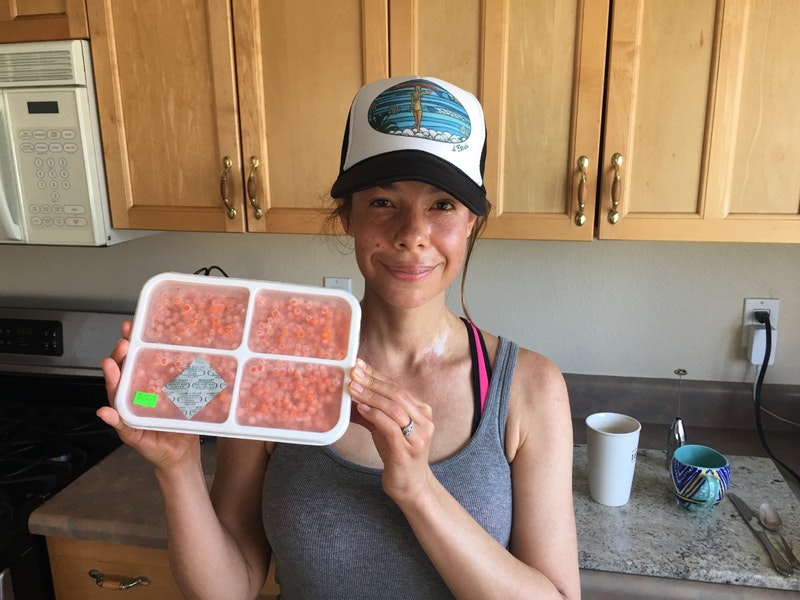
Rhonda’s Instagram shows the size of the mason jars she utilizes, and she has videos on how she used to go about warming sprouts. She was previously freezing them in zip locks as soon as the sprouts in the jar were ready. However, she has lately ceased freezing them. She instead chooses to store them in the fridge after harvest. This is because she has experienced stomach discomfort while consuming cold sprouts as opposed to fresher sprouts.

Rhonda harvests every three days, which indicates that the sprouts have more glucoraphanin while they are young. Below is a great video where Dr. Patrick discusses her process in depth.

RELATED READING: Dr. Rhonda Patrick’s Diet: The Complete Guide

Sulforaphane Dosage

According to Rhonda, the greatest evidence regarding dose comes from clinical studies. If you wish to replicate their findings, strive for 40mg up to 60mg of sulforaphane. This is around 100 grams to 140 grams in fresh sprouts.

This is based on the assumption that 1g of fresh sprouts equals 0.425mg of sulforaphane.
To put this in context, Rhonda’s mason jars produce about 280 grams of fresh weight per jar when filled, bringing 1 jar around 120mg in sulforaphane concentration.

Rhonda claims to eat up to 4 ounces of broccoli sprouts many times each week. In terms of consumption, you should definitely follow Rhonda’s lead and add the sprouts to smoothies and mix them in a Blendtec – to disguise the taste. Juicing should be avoided since it removes the prebiotic fiber.

All About Bioavailability

Bioavailability is a subset of absorption that refers to the proportion of a medication that enters the systemic circulation after it has been given. So when a drug is given intravenously, its bioavailability is one hundred percent. However, when a drug is given via a method other than intravenous, its bioavailability is usually lower than when it is administered through an intravenous route, owing to digestion and first-pass metabolism, among other factors.

When it comes to nutritional supplements, phytochemicals, and other vitamins that are administered via the mouth, bioavailability is often defined as the amount or percentage of the ingested dosage that is absorbed inside the body.

Rhonda had originally made a video on increasing the bioavailability of sulforaphane in sprouts by warming them. However, after debating the procedure with accredited Jed Fahey, she has now halted the task. By not warming the sprouts, that eliminates the danger of overheating the sprouts and, as a result, inhibiting the myrocinase enzyme – which would be undesirable.

RELATED READING: Dr. David Sinclair’s Longevity Supplement Stack

Sulforaphane Supplements

Vitamins, omega-3 fats, herbs, minerals such as calcium, and other herbal products are examples of dietary supplements. And if you do decide to take one, you are not alone in your decision. Approximately half of all adults in the United States do so. Dietary supplements are available in several different forms, including pills, capsules, candies, and shakes, as well as beverages and energy bars, among others. Vitamins D and B12 are among the most popular nutritional supplements.

One of the top experts in sulforaphane/NRF2 study, Jed Fahey, cautions us to be careful about the supplements we take in a discussion with Rhonda Patrick on her podcast. His lab, which has tested numerous supplements over the decades, has discovered that many of them are bad and don’t contain what they claim to. Most healthy people who eat a nutrient-rich diet don’t need many supplements unless there is a deficiency they can’t help.

There three primary methods to ingest sulforaphane:

  • Pure Sulforaphane
  • Glucoraphanin + Myrosinase
  • Glucoraphanin only

The following sulforaphane supplements were evaluated and utilized in clinical trials by Jed Fahey’s team:

Prostaphane

Nutrinov, a French company, presently produces Prostaphane, one of the most prestigious sulforaphane supplements currently on the market. However, Prostaphane is only accessible in France. Unlike other sulforaphane supplements, it only includes sulforaphane rather than glucosinolate.

It is marketed to assist with prostate aging, but since the supplement is pure sulforaphane, it has numerous additional advantages. Because it is exclusively available in France, Rhonda was importing it into the United States via an international business. However, currently, the website and maybe even the business are offline. This could change in the future and if so, we will provide a link for you to check out. Fortunately, there seems to be a new American option. In comes BROQ.

Superhuman Health has partnered with the French producers of Prostaphane to provide a nearly similar medication named BROQ for the United States. Currently, they are in cooperation with the firm behind Prostaphane. BROQ includes dosages of sulforpahane per pill just like Prostaphane.
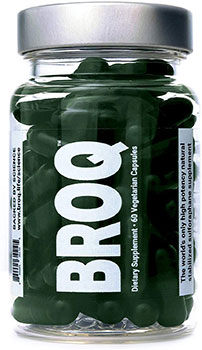
During a recent Q&A, Ronda was questioned about BROQ, and she said that although in principle it should be the identical supplement, she will continue to use her stock of Prostaphane until she receives confirmation from a scientific acquaintance that it is the same.

Avmacol
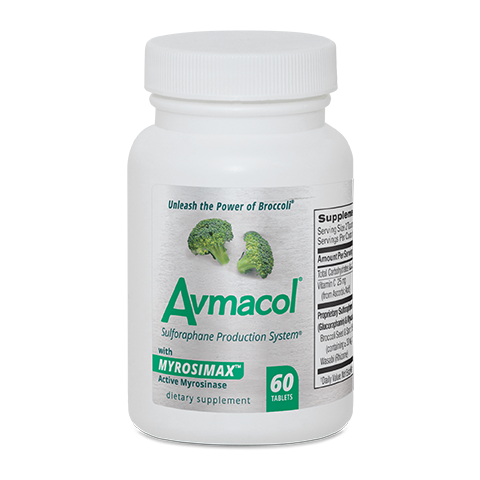
Prior to the launch of BROQ, the greatest competitor to Prostaphane was Avmacol by Nutramax Laboratories. It includes glucoraphanin (sulforaphane glucosinolate) derived from broccoli seeds, as well as the enzyme myrocinase.

They now produce it in two strengths: normal strength with 15 mg of sulforaphane glucinosalate per pill and enhanced strength with 30mg per 1 capsule.
It’s at a bioavailability of 35%, which equates to around 5.25mg of sulforaphane per normal strength pill or 10.5mg each extra strength pill.

Crucera-SGS
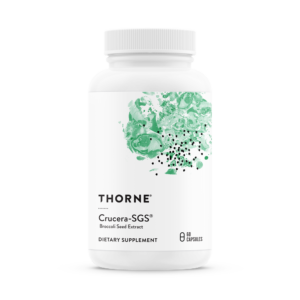
Thorne’s Crucera-SGS is the most recent sulforaphane supplement that Jed Fahey and his colleagues have put through its paces. Glucoraphanin (sulforaphane glucosinolate, or SGS) is included in this supplement, however, it does not contain the extra myrocinase enzyme. Strangely enough, our intestines actually contain bacteria that turn glucoraphanin into sulforaphane, which is beneficial for human health.

It is difficult to predict how much each individual needs, and it is not as beneficial as eating more active myrocinase.

Unlike many other broccoli sprout supplements that are useless, the three supplements listed above have been evaluated and utilized in clinical studies, so we can be certain that they include what they claim.

  • Prostaphane/BROQ is the supplement with the highest bioavailability.
  • Avmacol is the supplement with the second-highest bioavailability.

Using supplements rather than farmed sprouts has the advantage of reducing the danger of infection – such as with pregnant women or those with weak immune systems.

If sprouts are not kept fully sterile, they face the danger of bacterial contamination, while sprouts that are made into capsules do not run the risk of bacterial growth.
Rhonda’s Recommendation is to take two pills of Prostaphane per day.

Moringa Powder

Rhonda began taking Moringa in 2020, after the more recent findings of Jed Fahey as discussed in her podcast episode with him. Originally plucked from the Drumstick Tree, moringa is made from the leaves, which are then collected, dried, and ground into a fine powder. Moringin, an isothiocynate with characteristics comparable to sulforaphane, is found in the plant’s leaves.

Subjects in Jed’s Moringa research drank it as a cold-brewed tea, according to the results.
This may be prepared by combining moringa leaves with room temperature water and allowing it to sit for at least ten min before drinking. They recommend a powder-to-water ratio of 1:100

Making hot tea is discouraged because the myrocinase enzyme found in moringa is sensitive to temperature, and it is essential to maintain its stability. Jed’s research found that Kuli Kuli Moringa was the most effective.

Several phytochemicals and vitamins of importance in the leaves are quickly degraded by intense sunshine or heat after harvest, according to their FAQs, therefore it is important to exercise care while sourcing. In contrast to a large amount of money, time, and effort that has been invested in researching sulforaphane and broccoli sprouts, research on Moringa is still very much in its adolescence.

No human studies have been done to establish what dosage of moringa should be used to get the desired effects of the plant’s different properties. However, Jed recommends that you take at least a tsp of moringa powder every day as part of your regular regimen.

More research may be required to demonstrate any kind of equivalence between Moringa and sulforaphane dosage.

RELATED READING: Dr. Andrew Huberman’s Fish Oil Protocol

Final Thoughts

Sulforaphane is a fantastic antioxidant. It is a potent activator of the NRF2 pathway, which is essential because it regulates the expression of over 200 genes, including antioxidant and anti-inflammatory genes, as well as genes that remove toxic chemicals from the body.

Sulforaphane also has excellent cancer-prevention properties and may be used to relieve the symptoms of some illnesses. As a result, sulforaphane has the potential to lower cancer risk and potentially destroy cancer cells. This is achievable because sulforaphane has been proven to reduce DNA adducts, a form of DNA damage that has been linked to the development of cancer. NRF2 aids in the prevention of cancer by deactivating carcinogens and boosting their excretion, as well as by activating anti-oxidant genes and genes implicated in inflammation.

Additionally, the antioxidant sulforaphane has been shown to enhance the expression of a gene known as NQ01 in breast tissue. NQ01 is engaged in a number of critical activities related with detoxification, and it also plays a role in the prevention of the degradation of the tumor suppressor protein p53, which is essential for tumor suppression. P53 is a very essential gene to be aware of since it is found in over 50% of adult cancer patients who have a mutant or damaged P53 gene. As a result, it is critical that our P53 gene continues to function properly.

Furthermore, Sulforaphane has been shown to lower the risk of developing cancer, cardiovascular disease, and even neurological disorders in certain studies. The idea that sulforaphane might be the secret to immortality, or at the absolute least that it could be used to delay the aging process, is also being considered by some researchers.

Dr. Rhonda Patrick’s Diet Plan (2025)

Dr. Rhonda Patrick is a well-known scientist and researcher featured on the Joe Rogan Experience, TED Talks, The Tim Ferris Show, and other podcasts. She worked as a Senior Scientist in Bioinformatics at Varian Medical Systems for many years before quitting her job to focus on research full time.

Dr. Rhonda is also very interested in fitness and nutrition and has made this a large part of her life and career. She knows so much about food and exercise that even Tim Ferriss said she’s “one of the most impressive humans beings [he’s] ever met.”

Needless to say, when Dr. Rhonda talks about health and diet, it is worth our attention! In this article, we will look at Dr. Rhonda’s diet and the reasons behind it, as well as how she eats on a day-to-day basis.

Dr. Rhonda Patrick Diet: The Facts

Dr. Rhonda Patrick follows a micronutrient-dense Paleo diet to obtain at least 90% of her nutrients from food when it comes to diet. She eats mainly vegetables and fruits and sources all meat and fish from wild animals that feed on their natural diets in their natural habitats.

Rhonda also avoids grains, legumes, nuts/seeds, and dairy because she feels they are not evolutionarily appropriate for humans to eat. As an alternative to dairy milk, she drinks nut milk made out of almonds or cashews instead.

On top of this base, the diet is added lots of healthy fats such as coconut oil, avocado oil, or MCT oil (which stands for medium-chain triglyceride). This is because fats are very efficient to obtain energy from, providing many other health-promoting benefits.
Dr. Rhonda also supplements vitamin D (because she does not get enough sunlight), fish oil, magnesium, potassium, calcium, zinc, iodine, curcumin (a natural anti-inflammatory), and the probiotics VSL#3 Prescript-Assist.

RELATED READING: Dr. Rhonda Patrick’s Supplement Stack

Dr. Rhonda Patrick Diet: The Nutrients

Now let’s take a look at the nutrients she focuses on and why to understand how they improve our health. We will divide the nutrients into two categories- foods to avoid and foods to include:

Foods to Avoid

Daily, Rhonda makes sure she doesn’t consume any added sugar or refined grains. This is because these types of food are not healthy for us and because there may be legal consequences. This past year, a judge ordered Coca-Cola to pay $3.3 million for misleading advertising campaigns that claimed their drinks were “scientifically proven” as part of an anti-obesity plan. Dr. Rhonda Patrick may have saved herself 3.3 million dollars by staying away from Coke in the first place!

Dr. Rhonda also limits her protein consumption to 0 .8 grams of protein per kilogram of body weight or 48 grams total per day. She understands that too much protein can be harmful, so she tries to stay within these limits, which is brilliant because excess amounts of anything (even healthy things) can be dangerous for our health!

Foods to Include

On the other hand, Dr. Rhonda eats a variety of nutrient-dense foods which are high in fiber and good fats like vegetables, low sugar fruits, legumes, nuts & seeds, high-quality sources of animal protein, wild-caught fish, little to no red meat, whole grains, and olive oil. Foods like these are low in fructose, contributing to type II diabetes, heart disease, obesity, liver disease, tooth decay, and more.

RELATED READING: Dr. David Sinclair’s Diet & Exercise Protocol for Longevity

Dr. Rhonda Patrick Diet: The Recommendations

When it comes down to specifics, Dr. Rhonda references the Mediterranean diet for its ability to improve both your physical and mental health. She eats a modified version of this diet with some restrictions on her blood sugar levels (more on that later). We will look at her foods in her “typical” daily meal plan, which you can read here. Although this isn’t exhaustive, it gives us a pretty good idea of what Dr. Rhonda eats daily and why, which is the goal of this article!

What does Dr. Rhonda Patrick eat in a Day?

Here is a snapshot of what a regular day looks like for Dr. Rhonda:

Breakfast: steel cut oats cooked in unsweetened almond milk + almonds soaked overnight with salt added + 2 fried + 2 pieces of nitrate-free bacon

Snack: fruit + half an avocado or some full-fat yogurt

Lunch: big green salad with 4 cups of greens, sliced mushrooms, grated carrots, chopped tomatoes & cucumbers + 2 tablespoons olive oil &
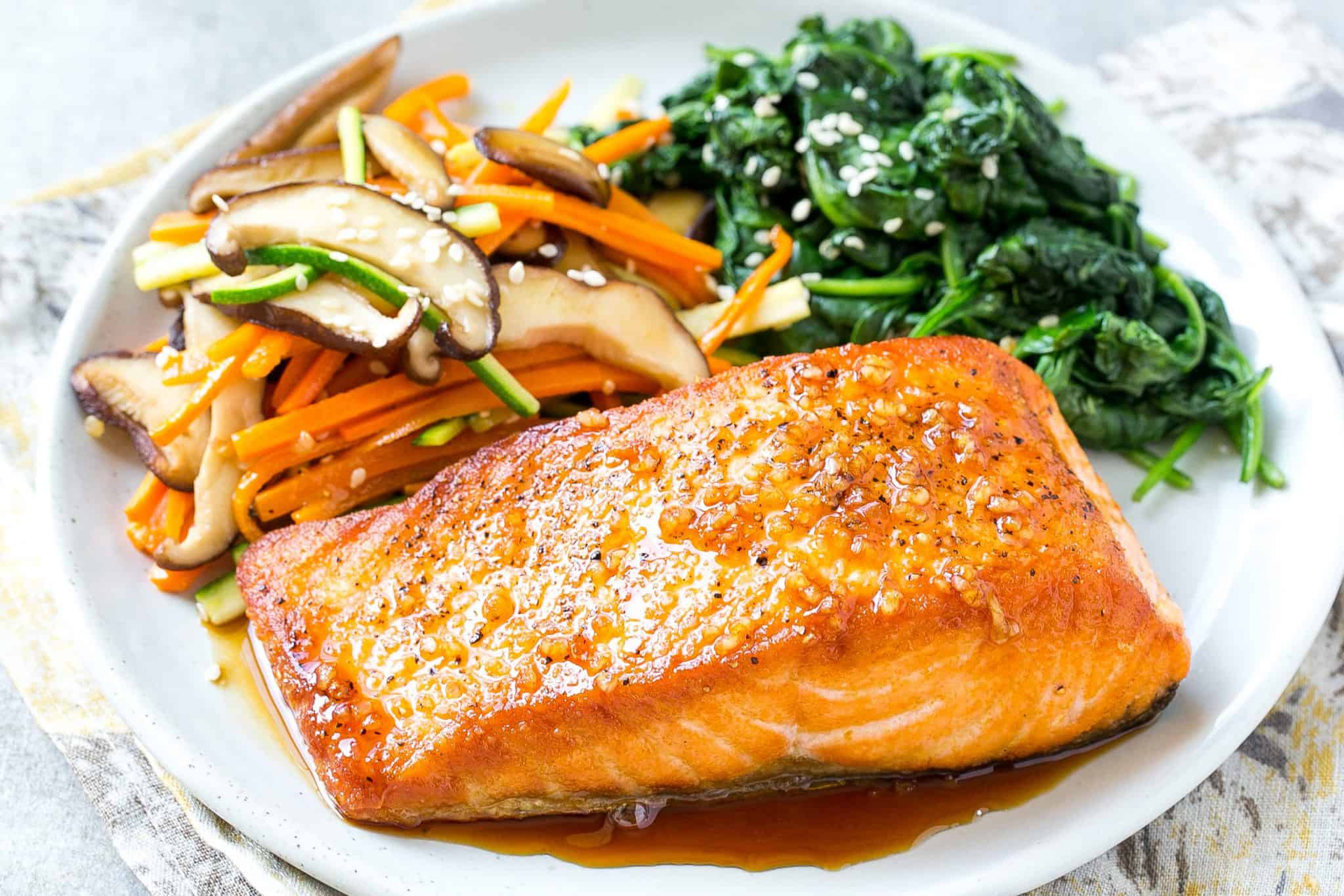
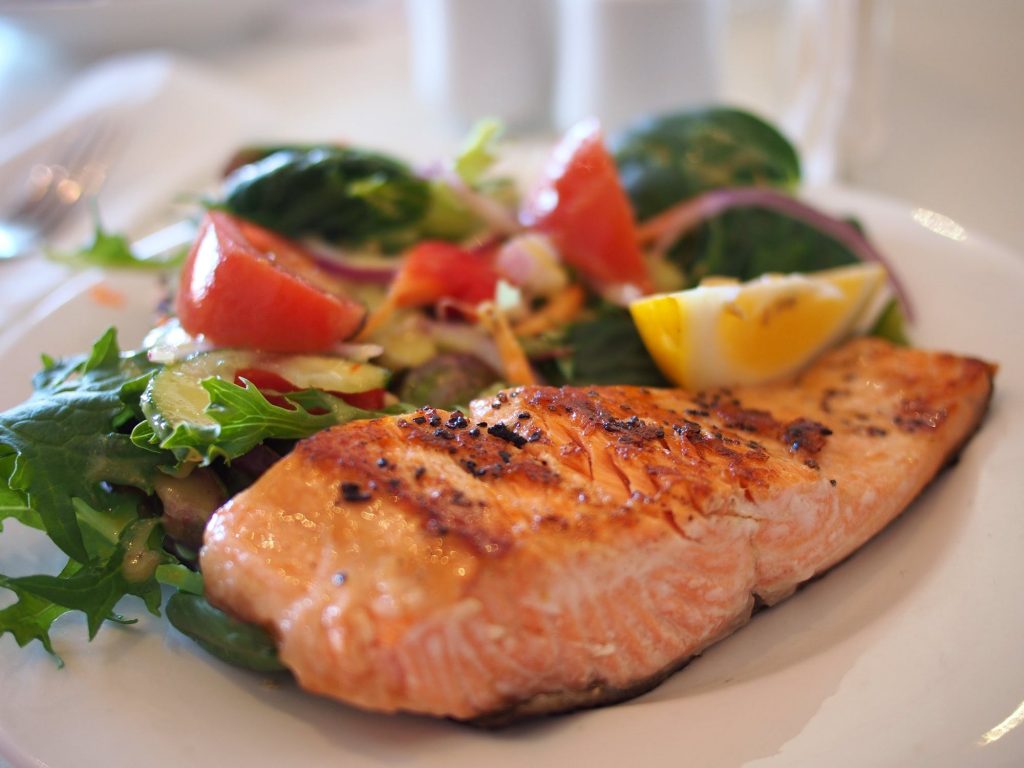
vinegar dressing + 8 ounces of wild salmon cooked in ghee (clarified butter)

Dinner: A lot of vegetables roasted in coconut oil or grilled + grass-fed steak
On top of this, she drinks a protein shake every morning and before going to bed. She also has between 1 and 3 cups of coffee daily because it’s high in antioxidants (but not too much).

Breakfast- For breakfast, Dr. Rhonda typically starts her day with a cup of coffee with grass-fed unsalted butter and Brain Octane oil. Coffee not only has many health benefits, but it also provides essential antioxidants, increases mental clarity, and improves our fitness performance. However, adding butter to your coffee may not be for everyone, so feel free to use coconut oil instead if you prefer!

In addition, she will have an egg white omelet with spices like turmeric or ginger, sea vegetables like dulse flakes, wild-caught smoked salmon (not farmed), sauerkraut, and fermented veggies like kimchi.

Lunch- Lunch is typically a big plate of vegetables and eggs served with olive oil and balsamic vinegar dressing on the side. This provides an optimal ratio of omega 3:6 fatty acids, which our bodies need to stay healthy! Her favorite greens are spinach, kale, collard greens, swiss chard, mustard greens, dandelion greens, etc.

For proteins, she can eat pastured chicken or shellfish such as oysters and mussels. It’s worth noting that some people don’t eat shellfish because it has been known for its ability to bioaccumulate toxic pollutants, making it unsafe to consume. Dr. Rhonda chose to limit her intake anyway because she eats wild-caught salmon most days of the week which provides a similar nutritional profile as shellfish but with almost zero risk!

Dinner- For dinner, Dr. Rhonda chooses a lean protein source such as grass-fed beef, pastured chicken, pastured pork, or wild-caught fish. In addition, she will have plenty of vegetables, and if she isn’t having a type of legume that day, she will supplement with half a scoop of pea protein to ensure she gets enough good quality complete proteins in her diet.

This simple plan is nutrient-dense at every turn, and it follows some easy rules:

  • Avoid refined grains (like white pasta or white rice).
  • Avoid added sugars.
  • Eat vegetables with every meal.
  • Balance your healthy fats.

This is so important for optimal health because it promotes a more robust immune system, provides satiation, reduces inflammation, slows down aging, balances our hormones, boosts serotonin levels, which can improve mood & mental health, etc.

RELATED READING: Dr. Rhonda Patrick’s Fish Oil Protocol & Brand

The Essential Foods Breakdown

Proteins

A high-quality protein source such as wild fish or grass-fed beef has a high concentration of essential amino acids (EAAs), which can be broken down so the body can use them for vital processes. The proteins found in plants sources such as quinoa or beans/legumes have incomplete amino acid profiles and must be ingested together to ensure all EAA’s are present and “complemented” to form a whole protein. This is not necessary for proteins found in animal sources, as these are already complete proteins.

Fats

The quality of fats eaten on Dr. Rhonda Patrick’s diet is very important because it plays an essential role in the absorption of fat-soluble vitamins, which play a vital role in many processes our body needs to function. Vitamin A for skin health and vision, Vitamin D3 for immune system support and mood regulation (among other things), Vitamin E for muscle growth and repair, and Vitamin K2 to maintain strong bones and healthy teeth. All these can only be absorbed when taken with high-quality fats such as olive oil or coconut oil.

Also, certain fatty acids like Omega 3, Docosahexaenoic acid (DHA), and Eicosapentaenoic acid (EPA) are essential because our bodies cannot make them. These fatty acids also protect against heart disease, depression, cancer, Alzheimer’s, arthritis/joint pain, and even help keep your skin healthy and youthful-looking.

Healthy fat intake:

Healthy fats are essential because they contain fatty acids like omega 3s, critical for brain health. A large body of research demonstrates that low omega-three intakes are linked with almost every disease you can think of, including depression, cardiovascular disease, autoimmune diseases, ADD/ADHD, and many more. To protect our brains as we age into our 50s-60s (when the brain starts shrinking), it’s essential to eat foods high in fat like avocados, salmon, grass-fed meat.

Carbohydrates

The main problem with consuming carbohydrates on Dr. Rhonda Patrick’s diet is that it inhibits fat burning in the liver. When glucose stores from carbohydrates are high enough to last a day or more, they bind to proteins called “glycogen” inside cells which inhibit biochemical pathways related to metabolism. This doesn’t mean you can never eat carbohydrates again; it just means that they need to be consumed in moderation and with a high-quality protein source.

Low carbohydrate intake – The goal of eating low carbohydrates is to suppress the growth of harmful bacteria in the gut, called pathogenic overgrowth. These bacteria can “eat” carbohydrates, and when there are too many carbs around, they grow out of control. This dramatically increases inflammation in the body because your immune system can’t tell which signals are coming from you (your cells) or which ones are coming from these bacteria.

Limiting carbohydrate intake to shallow levels reduces their food supply so that they don’t have enough energy to stay active inside of you and therefore can’t turn up inflammation.

RELATED READING: Rhonda Patrick’s Sulforaphane Guide: Broccoli Sprouts, Dosage, & Supplements

What does this mean?

This means that Dr. Rhonda Patrick’s diet consists mainly of healthy fats such as fish, avocado, olive oil, nuts and seeds, coconut oil/butter/milk, etc., and quality proteins such as lean meats and eggs. The primary source of carbohydrates is from vegetables such as leafy greens like spinach or kale. In this way, vegetable consumption makes up most of Dr. Patrick’s diet, a common trend among those who subscribe to a holistic, healthy lifestyle.

Why does Rhonda Patrick’s diet work?

There are many reasons why Dr. Rhonda Patrick’s diet works to help her stay healthy and maintain muscle mass, but there are two main factors that stand out: the quality of proteins and fats she consumes and the lack of carbohydrates.

For one, the protein sources she eats are of high quality. Fish and eggs are excellent sources of healthy fats and proteins that our bodies need to function correctly. In addition, Dr. Patrick’s diet is deficient in carbohydrates, which means it is lower calorie, helping her maintain a lean body mass while staying active.

Other benefits from eating this way include having a reduced risk for heart disease due to a higher antioxidant intake from leafy greens, berries, and other fruits – improved digestion due to antioxidant consumption and an increase in fiber consumption – reduced inflammation caused by grains, legumes, and sugars.

The primary concern with consuming more fat will be nutrient deficiencies such as vitamins A & D; however, Dr. Patrick makes a point to take a vitamin D supplement and consume foods high in vitamin A if she eats fatty fish.

RELATED READING: Dr. Peter Attia Supplements, Biohacking Toolkit, & Diet

Who does this Rhonda Patrick’s diet work for?

This type of diet works best for active and wants to maintain their lean body mass, which is achieved by eating adequate protein and avoiding sugars, grains, and processed carbohydrates that contribute to inflammation and obesity. In addition, it’s beneficial for those who have an autoimmune disease or chronic pain as the micronutrient-dense fats provide more powerful anti-inflammatory benefits than other food sources.

Dr. Rhonda Patrick has a particular diet, and it’s necessary to address specific components that may or may not fit into your lifestyle or preferences. For example, Dr. Patrick is a vegetarian primarily; however, she uses collagen protein that contains collagen from an animal source. If you are vegan, you will need to find another source of collagen protein that isn’t made with extracts from cows or pigs. Also, Dr. Patrick uses nutrient-dense smoothies on some days; however, this may not be feasible for everyone due to time constraints, so feel free to modify her diet in ways that work for you!

Now let’s discuss why Dr. Rhonda Patrick’s dietary choices are beneficial for athletes and those looking to maintain muscle mass, as well as strength and endurance.

RELATED READING: Tim Ferriss Supplement List: The Complete Guide

Muscle Mass

Having sufficient protein intake is essential for athletes (or anyone who wants to build muscle). Dr. Rhonda Patrick’s diet provides a good amount of protein which helps promote muscle growth and repair, especially after exercise. Additionally, having healthy fats with every meal helps the body take in fat-soluble vitamins so necessary processes can occur, including muscle health and growth. Finally, limiting carbohydrate intake limits a process called glucose-induced insulin resistance, which inhibits the uptake of amino acids by cells responsible for synthesizing proteins needed for building muscles — thus halting or slowing your gains!

Carbohydrates are necessary for endurance and energy levels during workouts because they are the primary fuel source your body uses during physical activity. When glucose is stored in muscles as glycogen, it can produce ATP (the energy currency of cells). Glycogen is depleted through exercise, which requires carbohydrate intake during exercise to maintain proper levels.

Strength/Power

Carbohydrates are also crucial for athletes looking to maintain strength and power because glucose provides much-needed “energy” when lifting heavy things or sprinting at top speed. Not having sufficient carbohydrates during these activities will not only make you weaker but may lead to increased fatigue and poor performance, resulting in injury. Consuming carbohydrates with a high-quality protein source post-workout ensures that the body has what it needs for muscle repair, which is critical for overall strength and endurance.

As previously mentioned, Dr. Rhonda Patrick’s diet provides a good amount of protein through foods like chicken, eggs, beef liver, nuts/seeds (walnuts), etc. Protein intake is essential simply because it helps rebuild damaged muscle fibers that occur post-workout (and sometimes during exercise, depending on how intense the activity was).

Having healthy fats with every meal furthers this process by providing the fuel necessary to synthesize proteins needed for muscle growth. Healthy fats also provide a source of antioxidant protection from free radicals, which can inhibit muscle repair and cause fatigue – so don’t negate their role! Carbohydrates also come into play because they help replenish glycogen, allowing for better muscle performance the next time you’re in the gym.

Having sufficient protein intake is essential for athletes (or anyone who wants to build muscle). Dr. Rhonda Patrick’s diet provides a good amount of protein which helps promote muscle growth and repair, especially after exercise.

RELATED READING: Dr. David Sinclair’s Supplement List for Longevity

Endurance/Energy

Carbohydrates are also crucial for athletes looking to maintain strength and power because glucose provides much-needed “energy” when lifting heavy things or sprinting at top speed. Not having sufficient carbohydrates during these activities will not only make you weaker but may lead to increased fatigue and poor performance, resulting in injury. Consuming carbohydrates with a high-quality protein source post-workout ensures that the body has what it needs for muscle repair, which is critical for overall strength and endurance.

Dr. Rhonda Patrick’s diet promotes healthy gut microbiota (beneficial bacteria in the gut), helping prevent Alzheimer’s and heart disease, and increasing exercise performance while reducing fatigue.

Finally, limiting carbohydrate intake limits a process called glucose-induced insulin resistance, which inhibits the uptake of amino acids by cells responsible for synthesizing proteins needed for building muscles — thus halting or slowing your gains!

Dr. Rhonda Patrick’s diet provides good protein through foods like chicken, eggs, beef liver, nuts/seeds (walnuts), etc. Protein intake is essential simply because it helps rebuild damaged muscle fibers that occur post-workout (and sometimes during exercise, depending on how intense the activity was). Having healthy fats with every meal furthers this process by providing the fuel necessary to synthesize proteins needed for muscle growth. Healthy fats also offer antioxidant protection from free radicals, which can inhibit muscle repair and cause fatigue — so don’t negate their role! Carbohydrates also come into play because they help replenish glycogen, allowing for better muscle performance the next time you’re in the gym.

Rhonda Patrick’s diet also helps provide many other health benefits, such as promoting healthy gut microbiota (healthy bacteria in the gut), helping prevent Alzheimer’s and heart disease, and increasing exercise performance while reducing fatigue.

The following are the basics in terms of what Dr. Rhonda Patrick’s eats:

  • Preworkout: 30g fast-absorbing protein powder (100 calories) + unsweetened cocoa powder (15-25 calories). She drinks this about an hour before exercising.
  • Post-workout: Salad greens, mixed veggies, oil, and vinegar dressing for a little extra fat that will help absorb fat-soluble vitamins from salads eaten earlier in the day.

In terms of quantities when it comes to each nutrient above, they depend on which foods she is eating at each meal as well as total calorie intake — but her primary source of nutrients include an extraordinary amount of fruit and vegetables daily with moderate amounts of meat/fish/poultry for protein (including 1 to 2 portions of dairy).

Dr. Rhonda Patrick’s diet is high in micronutrients but low in calories, so it’s crucial to eat frequently throughout the day; she eats every two hours! Processed foods should also be kept out of her diet as much as possible, which includes sweets like cookies and cakes! Overall, Dr. Rhonda Patrick’s diet provides nutrient-rich lean protein, healthy fats, and a good amount of fruits and vegetables.

RELATED READING: The Slow Carb Diet by Tim Ferriss: The Complete Guide

Rhonda Patrick’s Daily Supplements

Rhonda Patrick is just as intentional and research-driven when it comes to supplements as she is with her diet. She doesn’t take anything without a good reason; every supplement included in her routine has solid evidence to back up the benefits. Her routine is focused on filling nutritional gaps, supporting cellular health, and optimizing brain and body function.

If you’re wondering what she is taking each day, I have outlined that below. From foundation-type staples to more targeted supplements, Vitamin D, and magnesium, sulforaphane to PQQ-all figure into her general health strategy, respectively. In the list below, I include the brands she used, which hopefully will make life a little bit easier when looking for them.

Conclusion

In diving into Dr. Rhonda Patrick’s diet, we’ve explored how a low-carb approach can do wonders for your gut health and boost your endurance in those long, grueling workouts. We’ve also touched on why protein isn’t just good for bulking up but is crucial for everything from muscle repair to keeping your brain’s chemistry in check. And let’s not forget about fats – they’re not just for flavor; they’re key players in keeping your brain sharp and reducing inflammation throughout your body.

But the benefits don’t stop there. Imagine potentially lowering your risk for Alzheimer’s or dementia – pretty cool, right? There’s even research showing that a ketogenic diet can slash insulin resistance by up to 60% in just a month. So, if you’re looking to optimize your health through diet, this approach might just be worth considering.

What Running Shoes Does David Goggins Wear?

5

Ask any runner, and they will tell you just how important it is to have the right shoes. Proper running shoes go a long way in giving runners the performance they need. The benefits they offer aren’t just in speed either. An adequate running shoe with the right amount of cushion also gives runners the stamina they need to go the distance when it matters the most.

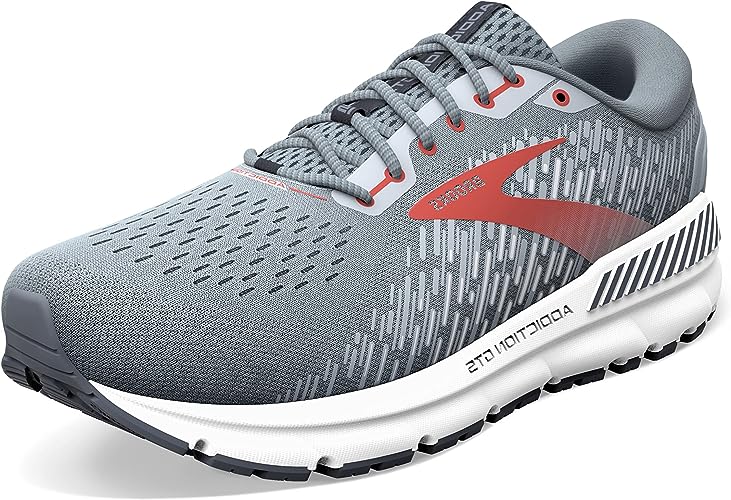
One runner who understands this fact more than anyone else is marathon runner David Goggins. Good running shoes are the difference between running fast and running out of steam to this elite athlete. This is why David Goggins wears Brooks Addiction running shoes.

Who Is David Goggins?

In 2006, David Goggins ran 101 miles in less than twenty hours. Later that year, he completed the Las Vegas Marathon in less than four hours. Thanks to his efforts, he soon received an invitation to the Badwater Ultramarathon –- a prestigious invite-only event. The result? He placed 5th among some of the best runners in the world. Despite this fantastic achievement, however, Goggins wasn’t done. A mere three months later, he earned second place in the Ultraman World Championships Triathlon. Since then, he has continued to compete in various ultramarathons.

However, David Goggins is more than just your typical athlete. Before getting into running, Goggins was an accomplished Navy SEAL and served in the military for 20 years. It was not until the loss of his friends in a combat incident that Goggins entered the world of long-distance running. Since then, he has raised over $2 million for the Special Operations Warrior Foundation. With all these accomplishments, it’s easy to see why some consider him an inspiration.

Of course, these accomplishments also mean that David Goggins knows more than anyone else just how important it is to have the right gear. In the case of running, that means having the right pair of shoes. For Goggins, that means never leaving the house without his pair of Brooks Addictions.

RELATED READING: Build Resilience With David Goggins’ Morning Routine

What Makes The Brooks Addiction A Shoe Worth Wearing

Most serious runners will instantly recognize the name, Brooks. In the world of running, they are one of the leading shoe designers and have created many of the top shoes used by elite runners today. The Brooks Addiction is no different. This is a top-class shoe that even the most serious runner should consider. This shoe is designed for both maximum comfort and maximum support. It provides excellent arc support and is designed to fit a wide range of foot types. This shoe is the perfect option for runners who need to go the distance.

However, this shoe is also the perfect companion for casual runners or non-runners. Thanks to the generous cushioning that adapts to a runner’s stride, weight, and speed, this shoe also reduces the impact on a runner’s joints. Likewise, the Extended Progressive Diagonal Rollbar strategically positions arc support in such a way as to naturally guide and support a runner’s body in its natural path of motion.

Finally, the shoe is also designed with a very generous fit. This makes it the perfect choice for anyone with flat or high-volume feet. This also applies to anyone who needs to wear specialized orthotics. In short, the Brooks Addiction is the perfect choice for anyone looking for comfort or pain relief.

This makes the Brooks Addiction a fantastic shoe for any runner or walker. It’s little wonder why a top performer like David Goggins would choose this shoe as his favorite.

Of course, it isn’t just the shoes he wears that allowed David Goggins to achieve what he has. His achievements are a result of years and years of hard work and dedication. If it weren’t for all this effort, he wouldn’t have been able to achieve the success he has had as a motivational speaker. His experience is a large part of why many fans and supporters enjoy listening to him. However, that doesn’t mean that the shoes he wears haven’t had a minor part in his success. To put it another way, there is a reason that David Goggin’s favorite shoe is the Brooks Addiction.

Finding A Shoe That Fits In More Ways Than One

When it comes to running, finding a shoe that fits is essential. It should also fit in more ways than one. An excellent running shoe is comfortable. It should be a joy to wear from when you put it on to when you take it off. It should also offer a reasonable degree of cushioning. A shoe with inadequate cushioning can increase the chances of suffering from pain or discomfort.

Finally, an excellent running shoe offers your foot all the support it needs. It can help to reduce the chances of a severe injury. Many good shoes have one or two of these qualities. The best shoes, like the Brooks Addiction, can provide all these qualities.

Runners are different, and not all will prefer the identical shoe. All of them, however, can agree that shoes like the Brooks Addiction are on another level.

Tim Ferriss’ 5-Step Morning Routine

Tim Ferriss is a best-selling author, angel investor, entrepreneur, and podcast host. Throughout the last decade, Tim has interviewed hundreds of the most successful people in the world. We’re talking people at the top of their fields such as Jamie Foxx, Peter Thiel, and Arnold Schwarzenegger. He’s learned their best practices, tried them himself, and then passed on his favorites to his audience.

One of his favorite questions to ask his guests is “What does your morning routine look like?”. After hearing hundreds of morning routines of the world’s most productive people, Tim has put together a bulletproof morning routine unlike any other.

Ferriss believes that morning routines should be strictly followed. Tim told Forbes that, “in the morning and elsewhere, the more constraints I can create where I fly on autopilot and get a result I need or enjoy, the more horsepower, the more calories I have to allocate to being creative, and to doing things where thinking should actually be applied.”

Tim Ferriss’ Morning Routine

Keep in mind that Ferriss only checks off all five routines 30 percent of the time. “But you can always knock off at least one,” he writes. “And if you tick off three, I find the likelihood of the day being a home run infinitely greater.”

Start Strong by Making Your Bed

“It’s hard for me to overstate how important this ritual has become,” Tim Ferriss writes, reflecting on the impact of making his bed every morning. Life is unpredictable, often throwing us curveballs we can’t control. Yet, by taking just a few minutes to make his bed, Tim gains a sense of order and mastery over his environment. “No matter how s—ty your day is … you can make your bed,” he explains. “And that gives you the feeling, at least it gives me the feeling, even in a disastrous day, that I’ve held on to the cliff ledge by a fingernail and I haven’t fallen. There is at least one thing I’ve controlled.”

This seemingly small habit isn’t just about tidiness—it’s about creating a foundation for resilience and discipline. The act of making your bed symbolizes starting the day with a win, no matter how small, and reinforces a mindset of accomplishment and control.

Naval Admiral William H. McRaven echoed this sentiment in his renowned 2014 commencement speech at UT-Austin. He said, “If you make your bed every morning you will have accomplished the first task of the day. It will give you a small sense of pride, and it will encourage you to do another task and another and another. By the end of the day, that one task completed will have turned into many tasks completed.”

Both Ferriss and McRaven highlight the cascading effect of starting the day with a simple, deliberate action. It’s not about perfection but about setting a tone for the rest of your day. When life feels overwhelming, this small ritual can serve as a grounding force, reminding you that even amidst chaos, there are things within your control. So, make your bed—it’s more than just a chore; it’s a cornerstone of a productive, disciplined, and resilient mindset.

RELATED READING: Tim Ferriss Supplement List: The Complete Guide

Titanium Tea: Supercharge the Morning

Ferriss developed a morning cocktail that immediately wakes him up, which he refers to as “Titanium Tea”. He prefers this mixture over coffee, as it gives him clearer, longer-lasting energy.

To make Titanium Tea you will need the following ingredients:

To put it all together you will also need:

To make this tea, Tim takes a flat teaspoon each of pu-erh aged black tea, green tea, and turmeric and ginger shavings, adds hot water, and lets it steep for one to two minutes. Then, in his mug, he’ll add one to two tablespoons of coconut oil or Quest MCT Oil Powder for a dose of medium-chain triglycerides, which some studies have shown to be linked to promoting fat burning.

It’s “excellent for cognition and fat loss,” Ferriss writes.

RELATED READING: Dr. David Sinclair’s Supplement List

Meditation: The Power of Mindfulness

The second activity in Tim’s success-boosting morning routine is meditation, which allows him to “get 30 to 50 percent more done that day with less stress.” While gathering material for his new book “Tribe of Mentors”, Ferriss found that over 90% of the people he interviewed all had some form of daily mindfulness practice – saying, “Despite the fact that these are people from tennis to surfing to cryptocurrency to fill-in-the-blank, like any field you can possibly imagine — some type of morning mindfulness or meditation practice would span I’d say 90% of the respondents.”

He spends 20 minutes every morning meditating, followed by a two-minute decompression period where he lets his mind do whatever it pleases. Tim practices Transcendental Meditation, Vipassana Meditation, or uses a guided meditation app such as Headspace.

There is an abundance of scientific evidence showing meditation has a tangible positive effect on the amygdala, the part of the brain responsible for emotions, fight or flight responses, and memory. “So meditation, or mindfulness practice, it’s really about, to me, decreasing emotional reactivity so you can proactively create your day and create your life; versus, just being a walking reflex that sometimes screws up,” Ferriss said. Even legendary hedge fund investor Ray Dalio has said that Transcendental Meditation has been “the single biggest influence” on his life, and credits it to his success.

RELATED READING: Dr. Andrew Huberman’s Morning Routine

Light Exercise: Wake Up Your Mind & Body

This is “light” exercise for a reason—Tim Ferriss doesn’t dive into a full-blown workout first thing in the morning. Instead, he opts for five to ten reps of a simple exercise to gently wake up his mind and body. His go-to is push-ups, but the choice is entirely yours. You can try sit-ups, squats, burpees, or even jumping jacks—whatever feels natural and gets your body moving.

As Ferriss explains, “The 5 to 10 reps here are not a workout. They are intended to ‘state prime’ and wake me up. Getting into my body, even for 30 seconds, has a dramatic effect on my mood and quiets mental chatter.” This simple act of engaging your body has a profound impact, creating a bridge between groggy morning sluggishness and the mental clarity you need to seize the day.

The beauty of this approach lies in its simplicity and efficiency. There’s no need to change into gym clothes or commit to a lengthy session. In less than a minute, you can shift your physical and mental state, giving yourself a head start on feeling energized and focused.

For an added boost, Tim sometimes follows his light exercise with a 60-second cold shower. This brief but invigorating ritual can further amplify the benefits of waking up your body, leaving you refreshed and ready to tackle whatever comes next. If a cold shower feels too extreme, even splashing your face with cold water or standing in a cooler-than-usual shower for a few moments can provide similar benefits.

The takeaway? Light exercise isn’t about burning calories or building muscle—it’s about signaling to your brain and body that it’s time to transition from rest to action. By dedicating just 30 seconds to a few reps of movement, you’ll not only feel more awake but also lay the foundation for a positive and productive morning.

RELATED READING: Peter Attia’s Sleep Protocol

Clear Your Mind with Morning Pages

While sipping his tea, Ferriss will then take a seat at his kitchen table to begin journaling. This allows him to get thoughts from his head to paper, clearing his mind and relieving anxious thoughts before the day starts.

Tim uses the Five Minute Journal – writing down three things that he is grateful for and three things that would make the day great.

He also practices the more free-form “Morning Pages” method developed by Julia Cameron, author of “The Artist’s Way”. This method allows you five minutes to lay all your anxieties out on paper, so the thoughts are not distracting you during the day. There is great power to actually writing your problems down on paper. Ferriss wrote on his blog, “Morning pages don’t need to solve your problems. They simply need to get them out of your head, where they’ll otherwise bounce around all day like a bullet ricocheting inside your skull.”

RELATED READING: Dr. Rhonda Patrick’s Fish Oil Protocol & Brand

Creating Your Own Routine

Crafting your own morning routine is an opportunity to set the tone for your day and align it with your goals. Maybe you’re inspired to follow Tim Ferriss’s approach, or perhaps you want to personalize it to better fit your lifestyle. The beauty of a morning routine lies in its flexibility—there’s no one-size-fits-all formula.

Tim himself admits he rarely achieves all five of his morning habits every single day. In fact, he only checks off the full list about 30% of the time. His goal isn’t perfection but consistency, aiming to complete at least three out of the five habits. This highlights an essential truth: even small wins in the morning can create a ripple effect throughout your day. By tackling a portion of your routine, you set yourself up to feel accomplished and energized, which boosts productivity and happiness.

When creating your routine, consider starting with one or two practices that resonate most with you. Maybe it’s journaling to clear your mind, meditating for mental clarity, or moving your body to jumpstart your energy. Over time, you can build on these habits and refine them as you discover what works best. The key is to keep your routine simple and achievable—something that adds value to your day rather than feeling like another item on your to-do list.

Also, be kind to yourself. Life happens, and some mornings might not go as planned. That’s okay. A rigid routine can feel restrictive, so aim for progress, not perfection. Remember, the goal is to create a system that supports you, not something that weighs you down.

By designing a routine that feels authentic and attainable, you’ll be well on your way to owning your mornings, conquering your days, and, ultimately, becoming the productive powerhouse you aspire to be—just like Tim. Whether you adopt his methods or craft something entirely unique, the act of prioritizing your mornings is a game-changer. So go ahead, start small, and let your morning routine evolve into something that inspires and empowers you every single day.

4-Hour Body Supplement Cheat Sheet

2

The 4-Hour Body is one of the numerous books by author Tim Ferriss that debuted at #1 on the New York Times Bestseller List. Ferriss describes The 4-Hour Body as “the result of an obsessive quest, spanning more than a decade, to hack the human body. It contains the collective wisdom of hundreds of elite athletes, dozens of MDs, and thousands of hours of jaw-dropping personal experimentation.

The 4-Hour Body was a ground-breaking work in “hacking” your way to a healthier lifestyle by focusing tiny changes that produce massive results. The book teaches you many crazy “hacks”, such as how to triple your testosterone, increase fat-loss 300%, and even describes how Tim was able to gain 34 pounds of muscle in just 28 days, without using steroids, and only spending four hours TOTAL in the gym.

As you can imagine, The 4-Hour Body is jam-packed with supplements. Below you will find all of Tim’s most popular supplement protocols – from the PAGG Stack for fat-loss, to the supplements Tim took in order to gain 34 pounds of muscle in his famous Geek to Freak experiment, and even what he took to triple his testosterone – this 4HB cheat sheet has it all.

4-Hour Body Supplement Cheat Sheet

The Four Horsemen of Fat-Loss: PAGG

Ferriss has admittedly tried everything under the sun when it comes to maximizing fat-loss. After having success with stacking ephedrine, caffeine, and Aspirin, Ferriss noticed heavy side effects and even withdrawals resulting in severe headaches when trying to come off that heavy cocktail of stimulants.

This resulted in Tim searching for a more sustainable fat-loss supplement stack that produced similar results. Thus, the PAGG Stack was born. The PAGG Stack consists of the following four stimulant-free supplements:

Policosanol (Nature’s Life Policosanol): 20-25 mg

Alpha-lipoic acid (Vitamin Shoppe ALA 300 mg): 100-300 mg (Tim will take 300 mg with each meal, but he does not recommend this if you have acid reflux issues)

Green tea flavanols (Mega Green Tea Extract 325 mg EGCG) – decaffeinated with at least 325 mg EGGG: 325 mg

Garlic extract (Allicin 6000 Garlic 650 mg): AT LEAST 200 mg (Tim typically uses 650+ mg)

Daily PAGG intake is timed before meals and bed – producing the following schedule:

Prior to breakfast: AGG

Prior to lunch: AGG

Prior to dinner: AGG

Prior to bed: PAG (omit the green tea extract)

So, prior to meals, you will take AGG, which is simply PAGG minus policosanol. Follow this dosing schedule six days a week. Be sure to take one day off each week and one week off every two months. Tim emphasizes that this week off is critical.

The Fat-Loss X-Factor: Cissus Quadrangularis

Ferriss covers a new mainstream supplement called cissus quadrangularis (CQ) in his section of the book called Damage Control: Preventing Fat Gain When You Binge. Ferriss began experimenting with high-dose CQ while taking it for joint repair but noticed that while taking it in combination with PAGG, he noticed an increased anti-obesity and anabolic (muscle gain) effect. After diving into some more research, it was implicated that CQ prevented fat gain during “binges”.

Ferriss continued experimenting with CQ and says of it in his book: “For those who can afford it, I believe CQ is very effective for minimizing unwanted fat gain while overfeeding.” He notes that he does not take it continuously but will use it during weeks 8-12 of a muscle growth cycle, after a joint sprain, or on an off day. Ferriss also refers to it as the “morning-after pill” for fat-gain. If you can afford CQ along with PAGG, you should get it. Take 2,400 mg three times per day prior to meals. We were unable to locate the exact brand Ferriss takes, but we highly recommend this brand by Double Wood Supplements.

RELATED READING: Tim Ferriss’ Complete Daily Supplement List

Geek to Freak

Geek to Freak is a famous experiment ran by Tim where he gained 34 pounds of muscle in 28 days. Yes, you read that right… 34 pounds! Not only that, Ferriss was able to lower his bodyfat percentage from 16.72% to 12.23%.

This was done in only two 30-minute workouts per week, with a total of four hours of time in the gym over the 28 days. Tim did this by following a strict workout regime that he detailed in The 4-Hour Body, along with a daily supplement routine that we have detailed below:

Morning: NO-Xplode (2 scoops), Slo-Niacin (or timed-release niacinamide, 500 mg)

Each meal: ChromeMate (chromium polynicotinate, not picolinate, 200 mcg), alpha-lipoic acid (from PAGG Stack, 200 mg)

Pre-workout: BodyQUICK (2 capsules 30 mins. prior), this is a nootropic supplement that is no longer available as of 2020. For a pre-workout nootropic, we recommend the highly-regarded Genius brand.

Post-workout: Micellean Casein Protein Powder (30 g micellar casein protein)

Prior to bed: Policosanol (23 mg), ChromeMate (200 mcg), alpha-lipoic acid (200 mg), Slo-Niacin (500 mg)

No anabolics were used.

RELATED READING: Harvard Scientist David Sinclair’s Longevity Supplement Stack

Adventures in Tripling Testosterone

Believe it or not, Tim was able to increase his testosterone from 244.8 ng/dL to 653.3 ng/dL. Yes, Ferriss naturally was able to triple his testosterone. Below you will find his two protocols that did this. The first one is for long-term maintenance, while the second is for a short “nitro” boost. You can read more in detail about this in our popular article How Tim Ferriss Tripled His Testosterone. Here are the two protocols Tim outlined in The 4-Hour Body:

Protocol #1: Long-Term and Sustained

Protocol #2: Short-Term and Fun “Nitro Boost”

20-24 Hours Prior to Sex

Ferriss recommends consuming at least 800 milligrams of cholesterol with three hours of going to sleep, the night before you plan to have incredible sex. You can get 800 milligrams of cholesterol from at least four whole eggs. What’s the point of doing this? Easy, testosterone is derived from cholesterol, which is mainly produced during sleep from between midnight and 4-6 in the morning.

Four Hours Prior to Sex

A Quick Note on Vitamin D

If you take a look at the long-term “Protocol #1”, you can see that Vitamin D plays an important role in raising testosterone. If you’re not spending a good amount of time outside in the sunlight each day, you are likely deficient in Vitamin D – which can wreak havoc on your testosterone levels.

Ferriss recommends taking a Vitamin D test to establish your baseline levels, then tracking them as you begin supplementation. Blood tests are expensive, but there are cheaper at-home saliva tests that are extremely accurate. We have always recommended Everlywell’s saliva mail-kit that you can pick up on Amazon, which is cheaper and more convenient than visiting a doctor. You can then compare your “before and after” results are eight weeks after you begin your supplementation.

RELATED READING: Andrew Huberman’s Daily Supplement Protocol

Occam’s Protocol

Occam’s Protocol is workout and supplement regime designed by Ferriss in which he gained 15 pounds of muscle in just 4 weeks, all while spending less than 30 minutes per week in the gym. As this is just a cheat sheet for the supplements, we won’t dive into the actual workout program.

Protein Shake

On Occam’s Protocol, Ferriss recommends making the following protein shake, drinking half of it in the morning and half at night before bed. This is actually a fantastic idea. As soon as you wake up, your body is in a fasted state, so if you are looking to build muscle it is best to hit your body with protein as fast as possible. It’s also beneficial to drink the other half before bed, as it will give your body protein to help repair tissue while you sleep. If you don’t want any chunks in your protein shake, it’s important to have a high-quality blender. Tim has mentioned many times that he is a huge fan of Vitamix, and recommends the Vitamix 5200 in The 4-Hour Chef. They are a bit pricey, but they can blend anything and will last a lifetime. Here are the ingredients for the protein shake:

  • 24 ounces (or 3 cups) 2% whole milk
  • 30g whey protein isolate (Tim uses chocolate flavored Isopure Protein)
  • 1 banana
  • 3 heaping tablespoons of almond butter that has no added sugar (can’t beat Barney’s Almond Butter for this)
  • 5 ice cubes

Occam’s Prescriptions

In addition to the protein shake, Occam’s Protocol calls for the following supplement stack:

  1. Cissus Quadrangularis (Tonniq CQ 1200mg): 2,400 mg, three times per day (described above in the PAGG section)
  2. Alpha-Lipoid Acid (Vitamin Shoppe ALA 300mg): 300mg taken 30 minutes before each meal (this is the A in the PAGG Stack from above)
  3. L-Glutamine (Optimum Nutrition L-Glutamine): L-Glutamine is an amino acid that helps with intestinal repair, muscle repair, and recovery. It also helps improve the absorption of nutrients.
  • Consume 80 grams per day for the first five days every two hours
  • After five-day loading period consume 10-30 grams post-workout.

4. Creatine Monohydrate (Optimum Nutrition Micronized Creatine Monohydrate): Creatine is one of the most studied supplements on the planet and has been shown to increase maximal force production and protein synthesis.

  • Optional “Loading Phase”: 10-30 grams per day for five to seven days
  • Take 3.5 grams in the morning and before bed during the 28-day duration. Ferriss says to mix in 5-6 grams total as you could lose one to two grams in the solution.

Slow Carb Diet Supplements

If you even opened The 4-Hour Body, you have probably heard of Ferriss’ famous fat-loss diet called the Slow Carb Diet. The diet is easy to follow and actually works, which is what makes it so popular. Ferriss notes that the diet can cause you to lose excess water and electrolytes. For those of you who are either on this diet or consider it, Ferriss recommends a few supplements: