
BPC-157 for Gut Health: Leaky Gut, IBS, IBD, Ulcers & More (2026 Guide)

0

BPC-157 was discovered in human gastric juice. It stays stable in stomach acid for over 24 hours. And it has healed ulcers, repaired intestinal damage, and restored gut barrier function in study after study.

For people struggling with gut issues โ€” leaky gut, NSAID damage, ulcers, IBD, chronic gastritis โ€” BPC-157 has become one of the most talked-about options in the biohacking world. And for good reason. The research is promising, and thousands of people report real improvements in their digestive health after using it.

This guide covers the science behind gut healing, which conditions respond best, dosing protocols, timeline expectations, and how to get the best results from BPC-157 for your gut.

The Short Answer

BPC-157 has strong evidence for gut healing, especially for conditions involving tissue damage.

Strongest evidence: NSAID-induced damage, gastric ulcers, post-surgical healing, alcohol-related damage, fistulas

Good evidence: Leaky gut, IBD (Crohn’s, ulcerative colitis), GERD, chronic gastritis

Limited evidence: IBS, SIBO, microbiome issues

Best form for gut issues: Oral BPC-157 (arginine salt)

Typical protocol: 250-500 mcg daily for 4-8 weeks

What Is BPC-157?

Body Protection Compound-157 is a 15-amino-acid peptide that was isolated from human gastric juice by researchers at the University of Zagreb in the early 1990s. It’s a fragment of a larger protective protein your stomach naturally produces.

What makes BPC-157 different from most peptides is that it doesn’t break down in stomach acid. Most peptides fall apart within minutes in your stomach. BPC-157 stays intact for over 24 hours. This stability is exactly why it works so well for gut conditions when taken orally โ€” it survives long enough to actually reach and heal damaged tissue.

Since its discovery, over 100 studies have looked at BPC-157’s effects on different tissues. The gut healing research is particularly impressive, showing consistent results across ulcers, intestinal damage, colitis, and barrier dysfunction.

If you’re dealing with gut issues and want to try BPC-157, the key is using the right form. For gut healing, you need oral BPC-157 with the arginine salt (not acetate). Infiniwell Rapid Pro is formulated specifically for oral use and gut applications. Code IW15 gets you 15% off.

How BPC-157 Heals Gut Tissue

BPC-157 promotes gut healing through several connected pathways. Understanding these helps explain why it’s so effective for digestive conditions.

Tight Junction Repair

Your gut barrier depends on tight junction proteins that seal the spaces between intestinal cells. When these junctions fail, you get “leaky gut” โ€” increased intestinal permeability that lets bacteria, toxins, and undigested food particles into your bloodstream.

A 2020 study found that BPC-157 increases expression of tight junction proteins like ZO-1 and occludin. It also raised transepithelial electrical resistance, which is a direct measure of how well your gut barrier is working. The researchers said BPC-157 “recovered all leaky-gut-syndrome-deranged molecular pathways” in rats with NSAID-induced gut damage.

Blood Vessel Formation

Healing needs blood flow. Research from 2020 showed that BPC-157 activates a signaling pathway (VEGFR2-Akt-eNOS) within 30 minutes that promotes new blood vessel formation at injury sites. It also boosts nitric oxide production by about 35%, which helps with blood flow to damaged tissue.

Protection Before and After Injury

Most protective compounds only work if you take them before damage happens. A 2018 review noted that BPC-157 works both before AND after tissue damage occurs. This is huge โ€” it means BPC-157 can help heal existing gut damage, not just prevent new damage.

Reducing Inflammation

BPC-157 lowers inflammatory markers like IL-6, IFN-ฮณ, and TNF-ฮฑ. These are the same inflammatory signals involved in IBD, gastritis, and other gut inflammation. By calming this inflammatory response, BPC-157 creates better conditions for healing.

Gut Conditions and What the Research Shows

Leaky Gut Syndrome

Leaky gut means your intestinal barrier lets through substances that normally wouldn’t pass. This triggers immune responses and inflammation linked to autoimmune conditions, food sensitivities, and chronic health issues.

The tight junction research mentioned above is directly relevant here. BPC-157 increased ZO-1 expression, upregulated occludin and claudins, and stabilized intestinal permeability in animal models.

Evidence Rating: MODERATE โ€” Consistent results in animal models of increased intestinal permeability. The mechanism is clear and the results are reproducible.

Real-World Reports: Many people report reduced food sensitivities and better digestion after 4-8 weeks of oral BPC-157. Those with identifiable causes of gut damage (NSAID use, alcohol, acute injury) tend to see the fastest results. Chronic, long-standing permeability issues may take longer but often still respond.

Looking for oral BPC-157? For gut healing, you need the arginine salt form that stays stable in stomach acid. Infiniwell Rapid Pro uses stabilized BPC-157 designed for oral use. Code IW15 saves 15%.

Gastric Ulcers

Gastric ulcers have the strongest evidence behind them.

A 2004 study compared BPC-157 to famotidine (Pepcid) for NSAID-induced ulcers in rats:

TreatmentDosageUlcer Area Reduction
Famotidine40,000 ng/kg60.8%
BPC-157 (injection)800 ng/kg65.5%

BPC-157 achieved better ulcer reduction at a dose 50 times lower than famotidine. That’s not a typo โ€” 50 times lower.

In chronic ulcer models (12-day treatment), BPC-157 produced 59.9% reduction in ulcer area versus 34.3% for famotidine.

Alcohol-Induced Damage: In chronic 3-month alcohol consumption models, BPC-157 could prevent, reduce, OR reverse gastric lesions. In acute alcohol intoxication studies, it reduced mortality from 25% to 0%.

Evidence Rating: STRONG (Animal) โ€” Consistent results across multiple ulcer models with impressive numbers.

NSAID-Induced Gut Damage

BPC-157 has been called a “NSAID antidote” because it counteracts damage from these common painkillers across multiple organs.

A 2011 study showed BPC-157 strongly protects against diclofenac toxicity. It worked whether given by injection OR in drinking water. The protection extended beyond the gut to counteract liver and brain toxicity from the same drugs.

Similar protection has been shown against aspirin, ibuprofen, celecoxib, and indomethacin.

Evidence Rating: STRONG (Animal) โ€” Consistent, dose-dependent protection across multiple NSAIDs.

Practical Use: If you take NSAIDs regularly for arthritis or chronic pain and experience GI side effects, BPC-157 has solid research support for protection and healing. For this use case, oral BPC-157 makes the most sense since it protects your stomach and intestines directly. Infiniwell Rapid Pro uses the stable arginine salt form designed for oral absorption. Use code IW15 for 15% off.

Inflammatory Bowel Disease (Crohn’s and Ulcerative Colitis)

BPC-157 was actually tested in human clinical trials for ulcerative colitis โ€” one of the few peptides to make it that far.

Animal Research: A 2017 study found BPC-157 healed colitis and repaired colon-colon anastomosis at the same time. Intestine strength was 2-3 times higher than controls.

Human Trials: BPC-157 went through Phase I and Phase II trials for ulcerative colitis in the early 2000s (sponsored by Pliva, Croatia). A Phase II trial abstract from 2005 described it as “effective in ulcerative colitis” with “no toxicity reported.”

The trials showed promise, though full peer-reviewed papers were never published due to the company being acquired. The safety data was clean and the preliminary efficacy signals were positive.

Evidence Rating: MODERATE โ€” Strong animal evidence plus human trial data showing safety and early efficacy signals.

GERD and Acid Reflux

Most articles miss this one, but BPC-157 has interesting effects on esophageal sphincter function that could matter for GERD.

A 2006 study found BPC-157 recovers failed sphincters in rats with long-term esophagitis (12-20 months). It increased lower esophageal sphincter pressure to normal levels and reversed both visible and microscopic esophagitis.

This is different from PPIs and H2 blockers, which reduce acid without fixing sphincter dysfunction. BPC-157 may actually address a root cause of reflux.

Evidence Rating: MODERATE โ€” Consistent sphincter effects in animals. Directly relevant mechanism for GERD.

For GERD and reflux: Oral BPC-157 targets the esophagus and stomach directly. Infiniwell Rapid Pro capsules are designed for gut and digestive applications. Use code IW15 for 15% off.

IBS

There isn’t direct research on BPC-157 for irritable bowel syndrome yet. However, BPC-157 affects gut motility (it slows intestinal movement) and reduces enteric serotonin release โ€” both potentially relevant for IBS-D. It also has anti-inflammatory effects that might help if inflammation is part of your IBS picture.

Evidence Rating: LIMITED โ€” No direct studies, but relevant mechanisms exist.

Real-World Reports: People with identifiable inflammation or structural gut damage report more benefit than those with purely functional IBS. If your IBS started after a gut infection or food poisoning, you might be a better candidate.

SIBO and Microbiome Issues

No studies exist on BPC-157 and the microbiome. BPC-157 heals tissue โ€” it doesn’t directly change which bacteria live in your gut. However, by healing the gut lining and reducing inflammation, it may create better conditions for a healthy microbiome to establish itself.

Evidence Rating: LIMITED โ€” No direct evidence, but gut healing could indirectly support microbiome health.

Fistulas

This is one of BPC-157’s more unique applications. A 2008 study found it healed colocutaneous fistulas better than sulfasalazine. Other research has shown healing of gastrocutaneous, esophagocutaneous, rectovaginal, and vesicovaginal fistulas.

Fistula closure worked even when BPC-157 treatment was delayed for a full month after the fistula formed.

Post-Surgical Healing

Research on intestinal anastomosis (surgical reconnection of intestines) shows BPC-157 improved all parameters โ€” visible healing, tissue structure under microscope, and physical strength. Values comparable to healthy animals were achieved by day 7 after surgery.

The Gut-Brain Connection

About 95% of your body’s serotonin is made in the gut, so BPC-157’s effects on neurotransmitters matter for gut function.

A 2016 review covered BPC-157’s brain-gut axis effects. It modulates both dopamine and serotonin systems, reduces enteric serotonin release, and increases survival of enteric neurons in lab cultures.

These effects suggest BPC-157 may help with the gut-brain signaling issues that contribute to many digestive problems.

Oral vs Injectable for Gut Issues

For gut conditions, oral BPC-157 is the better choice. The peptide works locally where you need it when taken by mouth.

Why Oral Works for Gut Healing

  • Stays stable in your stomach: BPC-157 survives gastric acid for 24+ hours
  • Direct contact: Oral delivery puts the peptide right on damaged gut tissue
  • Works from the inside: Strengthens tight junctions from the luminal side
  • Easier: No injection equipment or technique needed

The Salt Form Matters a Lot

Not all oral BPC-157 is the same. The salt form makes a huge difference in whether it actually works:

PropertyArginine SaltAcetate Salt
Oral bioavailability~90%~3%
After 5 hours in stomach acid85% still intact1% still intact
Best useOralInjectable
PriceHigherLower

For oral gut applications, arginine salt is the only form that makes sense. Standard acetate salt breaks down too fast in stomach acid to deliver meaningful doses to your intestines.

When Injectable Might Help Too

Subcutaneous injection can add to oral BPC-157 when you want systemic effects (whole-body inflammation, gut-brain axis), faster absorption, or you’re also treating soft tissue injuries elsewhere.

Some people do both: oral for direct gut effects, injectable for system-wide support.

Dosing and Protocols

Standard Doses

GoalDaily DoseNotes
Mild digestive support200-250 mcgGood starting point
Standard gut healing250-500 mcgMost common
Severe conditions (IBD, ulcers)500-750 mcgHigher end

Most people use flat doses (250-500 mcg) rather than calculating by body weight.

Standard Oral Protocol for Gut Healing

  • Form: BPC-157 arginine salt (capsule or sublingual)
  • Dose: 500 mcg once daily OR 250 mcg twice daily
  • Timing: Empty stomach โ€” 30 min before meals or 2+ hours after
  • Duration: 4-8 weeks
  • Rest period: Equal time off (4-8 weeks)

Timing Tips

Empty stomach is important because it ensures the peptide contacts gut tissue directly without food getting in the way.

Split dosing (AM/PM) may give more consistent coverage. Some people like morning and evening dosing for ongoing gut support.

How Long Until You See Results?

PhaseTimelineWhat to Expect
InitialDays 3-7Subtle reduction in discomfort; less bloating
Early responseWeek 1-2Better digestion; less inflammation
Real progressWeek 2-4Significant symptom improvement
Full protocolWeek 4-8Maximum healing response

Acute damage heals faster than chronic conditions. Recent damage heals faster than years-old dysfunction. But even long-standing gut issues often respond given enough time.

Stacking for Better Results

BPC-157 + L-Glutamine is the most common gut healing stack. Glutamine (5-10g daily, empty stomach) provides fuel for intestinal cells while BPC-157 speeds up repair.

BPC-157 + Zinc Carnosine (75mg twice daily with meals) is popular for gastritis and ulcers. Zinc carnosine has its own evidence for mucosal healing.

BPC-157 + KPV Peptide targets severe inflammation. Combined capsules with both peptides are available for IBD and serious gut inflammation.

Best Oral BPC-157 for Gut Healing

For oral gut applications, you need the arginine salt form that survives stomach acid. Infiniwell Rapid Pro BPC-157 uses stabilized BPC-157 designed for oral bioavailability.

View Infiniwell Rapid Pro โ†’

Prefer sublingual? Try Infiniwell BPC LX Pro Spray

Use code IW15 for 15% off your first order

Safety, Side Effects, and Legal Status

What the Research Shows

BPC-157 has a clean safety profile in animal studies. Researchers couldn’t find a lethal dose. No birth defects, genetic damage, or allergic reactions were seen. A 2025 pilot study gave 10-20 mg IV to 2 people (way higher than normal doses) and found no problems with heart, liver, kidney, thyroid, or blood sugar markers.

Reported Side Effects

Common (mild): Nausea (rare), mild headaches, fatigue, dizziness

Less common (from user reports): Heart palpitations, anxiety or panic (possibly from dopamine effects), depression (rare)

Most people report no side effects at standard doses.

Who Should Be Cautious

  • Active cancer or cancer history (the blood vessel formation could theoretically feed tumors)
  • Pregnant or breastfeeding
  • Athletes in WADA-tested sports (banned since 2022)

Drug Interactions

PPIs and H2 Blockers: No known bad interactions. Many people take BPC-157 while on acid-reducing medications.

NSAIDs: BPC-157 counteracts NSAID damage. Some sources suggest avoiding NSAIDs during BPC-157 use since they might slow healing, but many people use both.

Legal Status

In September 2023, the FDA classified BPC-157 as Category 2 โ€” meaning compounding pharmacies can’t make it and doctors can’t legally prescribe it. Products are sold as “research chemicals.” This doesn’t mean it’s dangerous โ€” just that it hasn’t gone through the full FDA approval process.

Quality and Sourcing

Studies of online peptides found that 30% contain wrong amino acid sequences and 65% exceed endotoxin safety limits. Quality matters.

What to Look For

  • Third-party COA (Certificate of Analysis) from an independent lab
  • HPLC purity โ‰ฅ98%
  • Mass spectrometry confirming correct molecular weight
  • Endotoxin testing below detection limits

Red Flags

  • No COA available
  • COA only from the manufacturer (not independent)
  • Prices that seem too cheap
  • Medical claims (illegal for research chemicals)
  • No indication of which salt form

Frequently Asked Questions

Can BPC-157 heal leaky gut?

BPC-157 increases tight junction protein expression and reduces intestinal permeability in studies. Many people report improvements in food sensitivities and digestive symptoms after 4-8 weeks. Results are often better when there’s a clear cause of gut damage.

Is oral or injectable BPC-157 better for gut health?

Oral is generally better for gut conditions. The peptide is stable in stomach acid and works directly on digestive tissue. Use arginine salt for oral โ€” acetate salt breaks down too fast.

How long does BPC-157 take to heal the gut?

Initial effects may appear in 3-7 days. Real improvement usually happens at 2-4 weeks. Full protocols run 4-8 weeks. Even chronic conditions often respond given enough time.

Can I take BPC-157 with a PPI?

No bad interactions have been documented. Many people take both together. BPC-157’s stability in gastric acid means reduced stomach acid shouldn’t affect it much.

Does BPC-157 help with IBS?

There’s limited direct research on BPC-157 for IBS, but it affects gut motility and inflammation. People with post-infectious IBS or inflammation-related symptoms tend to report better results.

Is BPC-157 safe for long-term use?

Animal studies show no toxicity even at high doses. Standard approach is 4-8 week cycles with rest periods. Many people do multiple cycles over time with good results.

Can BPC-157 help with Crohn’s or ulcerative colitis?

BPC-157 reached Phase II trials for ulcerative colitis with positive preliminary results. Animal evidence is strong. Many people with IBD report symptom improvements, though it’s not a replacement for proven IBD treatments.

What’s the best dose for gut healing?

Standard is 250-500 mcg daily. Severe conditions may use 500-750 mcg. Take on empty stomach for direct gut tissue contact.

Why does oral BPC-157 work for gut conditions?

BPC-157 was discovered in gastric juice and is naturally stable in stomach acid. When taken orally, it survives digestion and makes direct contact with damaged gut tissue. This is why the arginine salt form (which is even more stable) works so well.

Is BPC-157 FDA approved?

No. The FDA classified BPC-157 as Category 2 in 2023, meaning it can’t be compounded or prescribed. This is a regulatory classification, not a safety judgment โ€” BPC-157 has a clean safety record in research.

The Bottom Line

BPC-157 is one of the most promising peptides for gut health. The research shows consistent healing effects across ulcers, intestinal damage, leaky gut, colitis, and more. Thousands of people have used it successfully for digestive issues.

The evidence is strongest for conditions involving actual tissue damage โ€” NSAID damage, ulcers, alcohol-related gut issues, post-surgical healing, and inflammatory conditions like IBD. Leaky gut and chronic gastritis also respond well in many cases.

For gut healing specifically, oral BPC-157 with the arginine salt is the way to go. It survives stomach acid and works directly on damaged tissue. Take 250-500 mcg daily on an empty stomach for 4-8 weeks.

If you’ve been struggling with gut issues and haven’t found relief from conventional approaches, BPC-157 is worth considering. The safety profile is excellent, the research is promising, and many people report meaningful improvements in their digestive health.

References

  1. Park JM, et al. BPC 157 Rescued NSAID-cytotoxicity Via Stabilizing Intestinal Permeability and Enhancing Cytoprotection. Curr Pharm Des. 2020. PMID: 32445447
  2. Hsieh MJ, et al. Therapeutic potential of pro-angiogenic BPC157 is associated with VEGFR2 activation and up-regulation. J Mol Med. 2020. PMID: 33051498
  3. Sikiric P, et al. Novel Cytoprotective Mediator, Stable Gastric Pentadecapeptide BPC 157. Curr Pharm Des. 2018. PMID: 29879879
  4. Xue XC, et al. Protective effects of pentadecapeptide BPC 157 on gastric ulcer in rats. World J Gastroenterol. 2004. PMID: 15052688
  5. Ilic S, et al. Pentadecapeptide BPC 157 and its effects on a NSAID toxicity model. Life Sci. 2011. PMID: 21295044
  6. Petrovic I, et al. BPC 157 therapy to detriment sphincters failure. J Pharmacol Sci. 2006. PMID: 17116974
  7. Klicek R, et al. BPC 157 effective in the healing of colocutaneous fistulas in rats. J Pharmacol Sci. 2008. PMID: 18818478
  8. Sikiric P, et al. Brain-gut Axis and Pentadecapeptide BPC 157. Curr Neuropharmacol. 2016. PMID: 27138887
  9. Duzel A, et al. BPC 157 in the treatment of colitis and ischemia. J Physiol Pharmacol. 2017. PMID: 29358856
  10. Sever M, et al. Gastric pentadecapeptide BPC 157 and short bowel syndrome in rats. Dig Dis Sci. 2009. PMID: 19093208

Medical Disclaimer

This article is for informational purposes only and is not medical advice. BPC-157 is not FDA-approved for any medical use. The information here is based on preclinical research and user reports. Talk to a healthcare provider before using any peptide or supplement. Results vary and research peptides carry risks.
BPC-157 Oral vs Injection: Which Works Better?

0

BPC-157 has become one of the most talked-about peptides in regenerative medicine. Athletes use it to speed up tendon recovery. People with gut issues take it hoping to heal their intestinal lining. But one question keeps coming up: should you take BPC-157 orally or inject it?

The answer depends on what you are trying to treat. Oral and injectable BPC-157 work through the same mechanisms, but they reach different tissues at different rates. This guide breaks down the research on both forms, compares their effectiveness for specific conditions, and covers the practical details of dosing, reconstitution, and sourcing.

The Short Answer

Injectable BPC-157 absorbs faster and delivers more peptide into the bloodstream. It works better for musculoskeletal injuries like tendons, ligaments, and muscles. Oral BPC-157 theoretically targets gut issues more directly since the peptide originates in gastric juice, but real-world reports on gut healing are mixed. Most users report better results with injectable for nearly everything.

For the version most likely to work, go injectable. If needles are a dealbreaker and gut issues are the main concern, oral is worth trying. Enhanced formulations like Infiniwell’s Rapid Pro BPC-157 use improved delivery systems that may increase absorption compared to standard capsules.

What Is BPC-157?

BPC-157 stands for Body Protection Compound-157. It is a synthetic peptide made up of 15 amino acids, originally isolated from a protein found in human gastric juice. The principal researcher behind most BPC-157 studies is Dr. Predrag Sikiric at the University of Zagreb in Croatia, who discovered it in 1993.

What makes BPC-157 unusual is its stability. Research shows it remains stable in human gastric juice for over 24 hours, which is remarkable for a peptide. Most peptides get destroyed by stomach acid within minutes. This stability is why oral administration is even a conversation with BPC-157 when it would be pointless for most other peptides.

The peptide has been studied for wound healing, tissue repair, gut protection, and recovery from various injuries. Over 100 animal studies exist showing positive effects. The catch? Only three small human studies have been published, and they all come from the same research group.

Related Reading: Complete Guide to BPC-157: Benefits, Dosage & What the Research Says

How BPC-157 Works

BPC-157 operates through multiple pathways regardless of how you take it:

  • Angiogenesis: It activates VEGF receptors and stimulates new blood vessel formation, which accelerates healing by improving blood flow to damaged tissue
  • Growth factor signaling: Studies show BPC-157 upregulates growth hormone receptor expression in tendon fibroblasts, which may explain its tissue repair effects
  • Nitric oxide modulation: It influences the NO system in ways that protect tissues and promote healing
  • Anti-inflammatory effects: It reduces inflammatory markers and protects cells from oxidative stress

The mechanisms appear identical whether you inject it or swallow it. The difference comes down to how much gets where, and how fast.

Injectable BPC-157: What the Research Shows

Injectable BPC-157 is the most studied form. Nearly all animal research uses either intraperitoneal (into the abdominal cavity), intramuscular, or subcutaneous injection.

A 2022 pharmacokinetics study measured what happens after injection. The findings:

  • Half-life is short (15-30 minutes in rats, 5-30 minutes in dogs)
  • Peak concentration hits within 3-9 minutes after intramuscular injection
  • Absolute bioavailability after intramuscular injection was 14-19% in rats and 45-51% in dogs

That 45-51% bioavailability in dogs is likely closer to what humans experience. It means roughly half of what you inject actually makes it into systemic circulation and can get to work on your tissues.

Tendon and Ligament Healing

This is where injectable BPC-157 has the strongest evidence. A study on transected Achilles tendons in rats found that BPC-157 treatment resulted in full recovery with improved biomechanical properties, better functional outcomes, superior collagen formation, and faster reestablishment of tendon integrity.

Research into the mechanism showed BPC-157 accelerates tendon fibroblast outgrowth, improves cell survival under stress, and increases cell migration through the FAK-paxillin pathway. Translation: it helps tendon cells move to the injury site and survive long enough to repair the damage.

A 2025 systematic review of BPC-157 in orthopedic sports medicine found consistent positive outcomes across muscle transection models, tendon injuries, ligament tears, and even bone healing. The reviewers noted that despite doses ranging from 6 ฮผg/kg to 20 mg/kg across different studies, beneficial effects were consistently observed.

How to Inject BPC-157

Two injection methods are commonly used:

Subcutaneous (SubQ): Inject into belly fat, thigh, or upper arm. The peptide distributes systemically from there. This is easier for beginners and works well for general healing support.

Intramuscular (IM): Inject directly into or near the injured muscle or tendon. This provides more targeted delivery for localized injuries. If you have a specific tendon issue, injecting close to that area may produce faster results.

The general principle: inject as close to the injury as you safely can for localized problems. For systemic support, belly fat works fine.

Oral BPC-157: The Theory vs Reality

BPC-157 was discovered in gastric juice. It stays stable in stomach acid for 24+ hours. Logically, oral administration should be perfect for gut issues.

The research partially supports this. Reviews of BPC-157’s effects on the gastrointestinal tract show it heals esophageal lesions, protects against NSAID-induced damage, improves sphincter function, and accelerates healing of intestinal anastomoses. Multiple studies have used oral administration successfully.

A study on medial collateral ligament healing found that oral BPC-157 (given in drinking water) was equally effective as intraperitoneal injection for healing transected ligaments over 90 days. Both routes produced consistent functional, biomechanical, and histological improvements.

The Oral Bioavailability Problem

Nobody has actually measured oral bioavailability of BPC-157 in a published study. The peptide survives stomach acid, but surviving digestion and absorbing into the bloodstream are different things.

Some companies claim standard BPC-157 has around 3% oral bioavailability, while newer arginate forms allegedly reach 90%. These numbers get repeated everywhere, but no peer-reviewed data supports them. They appear to originate from manufacturer claims, not independent research.

What we do know from animal studies: oral BPC-157 works for some conditions. The question is whether it works as well as injectable, and for which conditions.

The Gut Healing Paradox

Despite BPC-157 originating from gastric juice and theoretically being ideal for gut healing, user reports on oral BPC-157 for gut issues are surprisingly poor.

Forum threads show users complaining they cannot find a single report of someone curing gastritis or ulcers with oral BPC-157 despite the peptide being studied for exactly that purpose. Meanwhile, reports of injectable BPC-157 healing tendons and muscles are abundant.

This disconnect between theory and practice is worth noting. The animal studies on gut healing used controlled conditions and specific injury models. Real-world gut issues are messier and may not respond the same way.

Head-to-Head Comparison

FactorInjectableOral
Bioavailability45-51% (based on dog studies)Unknown (claims range 3-90%)
Onset of Effects24-48 hours (commonly reported)1-2 weeks (commonly reported)
Best ForTendons, muscles, joints, ligamentsGut issues, convenience, needle-phobia
Research SupportStrong (most studies use injection)Moderate (some studies, less data)
User ReportsGenerally positive for injuriesMixed, especially for gut healing
ConvenienceRequires reconstitution, refrigeration, sterile techniqueSimple, travel-friendly, no needles
Targeted DeliveryYes (can inject near injury)No (systemic only)
Cost Per Dose$8-12 (plus supplies)$3-7 (capsules/liquid)

When to Choose Injectable BPC-157

Injectable is the better choice for:

  • Tendon injuries: Achilles, rotator cuff, patellar tendonitis, tennis elbow, golfer’s elbow
  • Muscle strains and tears: Any acute or chronic muscle injury
  • Ligament damage: MCL, ACL (though not a replacement for surgery), ankle sprains
  • Joint issues: Inflammation, cartilage support, post-surgical recovery
  • When speed matters: If you need the fastest possible healing response
  • Localized injuries: Anything where you can inject close to the problem

The research is clearest here. Studies on wound healing consistently show BPC-157 accelerates recovery in tendons, ligaments, muscle, bone, and skin when injected.

For injectable BPC-157, quality matters. Paramount Peptides offers a 10mg vial with third-party testing and COA verification. Use code BRAINFLOW for 15% off.

Best Injectable BPC-157

Paramount Peptides BPC-157 10mg

Third-party tested, lyophilized powder with COA verification

Get BPC-157 10mg

Use code BRAINFLOW for 15% off

When to Choose Oral BPC-157

Oral makes more sense for:

  • Gut-specific issues: Leaky gut, IBS, gastritis, ulcers, NSAID-induced GI damage, inflammatory bowel conditions
  • Convenience priority: Travel, busy schedules, no access to sterile supplies
  • Needle aversion: If injections are a complete dealbreaker
  • General wellness maintenance: Lower-dose systemic support over longer periods
  • Esophageal issues: GERD, reflux, esophagitis

If you go the oral route, consider formulations designed for better absorption. Infiniwell’s Rapid Pro BPC-157 uses an enhanced delivery system that may improve bioavailability compared to standard capsules. Use code IW15 for 15% off your first order.

Best Oral BPC-157

Infiniwell Rapid Pro BPC-157

Enhanced absorption formula designed for maximum oral bioavailability

Get Rapid Pro BPC-157

Use code IW15 for 15% off first order

Related Reading: 4 Best BPC-157 Capsules on the Market (In-Depth Review)

Can You Use Both Together?

Yes. Some practitioners recommend dual protocols for complex situations.

Example protocol:

  • Oral: 500 mcg daily for gut support and systemic effects
  • Injectable: 250-500 mcg subcutaneously near injury site for localized healing

This makes sense if you are dealing with both gut issues and a musculoskeletal injury, or if you want systemic support while targeting a specific problem area. There is no research specifically on combined protocols, but anecdotally users report no issues with this approach.

Related Reading: Wolverine Peptide Stack Complete Guide (BPC-157 + TB-500)

Dosing Protocols

Injectable Dosing

Body WeightDaily Dose
Under 150 lbs200-300 mcg
150-200 lbs300-400 mcg
Over 200 lbs400-500 mcg

Frequency is typically once daily, though some people split into two doses 12 hours apart for acute injuries. Cycle length is usually 4-8 weeks on, 2-4 weeks off.

Oral Dosing

Standard oral doses range from 250-500 mcg once or twice daily. Some protocols go up to 1,000 mcg daily for gut healing. Take on an empty stomach, 30-60 minutes before meals.

For sublingual administration (holding liquid under the tongue for 60-90 seconds before swallowing), absorption may be somewhat better than straight swallowing since some peptide can absorb through the oral mucosa.

Reconstitution for Injectable

If you are using lyophilized (freeze-dried) powder:

  1. Clean the vial stopper with an alcohol swab
  2. Draw bacteriostatic water into a syringe (use BAC water, not sterile water, for multi-use vials)
  3. Inject slowly down the vial wall, not directly onto the powder
  4. Gently swirl or roll to dissolve. Never shake.
  5. Let sit 5-10 minutes until fully dissolved
  6. Solution should be clear. Discard if cloudy.

Common reconstitution: 5 mg powder + 5 mL bacteriostatic water = 1 mg/mL concentration. At this concentration, 0.25 mL (25 units on an insulin syringe) = 250 mcg.

How Long Until Results?

This varies significantly by administration route and condition.

Injectable Timeline

  • 1-2 days: Initial reduction in inflammation and pain (commonly reported)
  • 3-5 days: Noticeable improvement in acute injuries
  • 1-2 weeks: Significant improvement in tendon and joint pain
  • 2-4 weeks: Major healing progress for acute injuries
  • 4-6+ weeks: Required for chronic conditions

Oral Timeline

  • 7-10 days: Some users report reduced gut symptoms
  • 3-6 weeks: Potential tissue healing for chronic inflammation

The faster onset with injectable is one of its main advantages. If you need quick results, oral is not the way to go.

Side Effects and Safety

BPC-157 has a remarkably clean safety profile in animal studies. The 2025 systematic review noted that across all studies, no toxic effects were reported. Researchers could not establish a lethal dose even at extremely high amounts.

Reported side effects are generally mild and transient:

Injectable:

  • Injection site pain, redness, or swelling
  • Mild dizziness or lightheadedness
  • Temporary fatigue
  • Mild nausea
  • Headaches (less common)

Oral:

  • Nausea (especially at higher doses)
  • Digestive discomfort
  • Bloating

The big caveat: human safety data is extremely limited. Only about 30 people total have been studied in published trials. Long-term effects are completely unknown. The animal safety profile is reassuring, but animals are not humans.

The VEGF Question

BPC-157 promotes angiogenesis (new blood vessel formation) through VEGF pathways. Some people worry this could theoretically promote tumor growth. The research has not shown this, and some studies even suggest anti-tumor effects, but this remains an open question without long-term human data.

If you have active cancer or a history of certain cancers, discuss with your oncologist before using any peptide that affects angiogenesis.

Quality and Sourcing

This matters more than most people realize. Research has found that a significant percentage of peptide supplements are contaminated, contain incorrect amino acid sequences, or exceed endotoxin safety thresholds.

What to look for:

  • Third-party Certificate of Analysis (COA) with batch-specific testing
  • HPLC purity verification of 98% or higher (99%+ preferred)
  • Mass spectrometry confirming molecular identity
  • Endotoxin testing (especially for injectable)
  • Verifiable reviews and reputation

Red flags:

  • No COA provided or COA does not match lot number
  • Purity below 95%
  • Unusually low prices
  • Cryptocurrency-only payment
  • No verifiable customer feedback

For oral BPC-157, Infiniwell’s Rapid Pro BPC-157 provides third-party testing and uses an enhanced delivery system designed to improve absorption. Use code IW15 for 15% off your first order. For injectable, Paramount Peptides offers a 10mg vial with COA verification. Code BRAINFLOW saves 15%.

BPC-157 Salt Forms Explained

You will see different salt forms marketed:

BPC-157 Acetate: The standard form used in most research. Works well for injection. Claims of very low oral bioavailability (around 3%) circulate but lack published verification.

BPC-157 Arginate: A newer form supposedly developed for better oral bioavailability. Some sources claim it reaches 90% oral bioavailability, but I could not find peer-reviewed studies confirming this. The arginine salt may provide additional stability and absorption benefits.

BPC-157 Sodium: Another salt form occasionally seen. Less common than acetate.

Bottom line: if you are injecting, standard acetate is fine. For oral use, arginate formulations may offer advantages, but treat the specific bioavailability claims with skepticism until better data exists.

Legal Status

BPC-157 exists in a gray area legally:

  • United States: Not FDA-approved for any medical use. Sold as a research chemical. Legal to purchase but technically not for human consumption.
  • WADA/Sports: Banned in all competitive sports under the peptide hormones category.
  • NCAA: Banned substance.
  • Most Countries: Similar unregulated status. Not approved as a drug, sold as research material.

If you compete in tested sports, do not use BPC-157 regardless of the form.

Frequently Asked Questions

Is oral or injectable BPC-157 better?

Injectable is more effective for most uses, especially musculoskeletal injuries. It has higher bioavailability, faster onset, and more research support. Oral may be better for gut-specific issues due to direct contact with the digestive tract, though real-world reports are mixed.

What is the bioavailability of oral BPC-157?

Unknown. No published study has quantified oral bioavailability in humans or animals. Claims range from 3% for standard acetate to 90% for arginate forms, but these numbers lack peer-reviewed verification. We know BPC-157 survives stomach acid, but actual absorption rates remain unmeasured.

How long does BPC-157 take to work?

Injectable users often report initial effects within 1-2 days and significant improvement within 1-2 weeks. Oral users typically report slower onset, with noticeable effects at 1-2 weeks and meaningful changes at 3-6 weeks.

Can you take BPC-157 orally and inject it at the same time?

Yes. There are no known interactions between the two routes. Some practitioners recommend combined protocols for complex situations requiring both systemic and localized effects.

Does oral BPC-157 work for tendon injuries?

Probably, but less effectively than injectable. One study showed oral BPC-157 healed ligament injuries comparably to injection over 90 days, but this was in rats with controlled conditions. For tendon injuries, injectable remains the preferred choice based on both research and user reports.

Is BPC-157 safe?

Animal studies show an excellent safety profile with no established lethal dose. However, human safety data is extremely limited (about 30 people total in published studies). Long-term effects are unknown. Use at your own risk and ideally under medical supervision.

Does BPC-157 need to be refrigerated?

Lyophilized (freeze-dried) powder can be stored at room temperature or refrigerated. Once reconstituted with bacteriostatic water, it must be refrigerated and used within 2-4 weeks. Oral capsules are typically stable at room temperature. Oral liquids usually require refrigeration after opening.

Where do you inject BPC-157?

For systemic effects, subcutaneous injection into belly fat is standard. For localized injuries, inject as close to the affected tissue as safely possible. Rotate injection sites to avoid irritation.

What is BPC-157 arginate?

BPC-157 arginate is a salt form of the peptide combined with arginine. It was developed to improve oral bioavailability compared to the standard acetate form. Manufacturers claim significantly higher absorption rates, though peer-reviewed verification of these claims is lacking.

Can BPC-157 cause cancer?

No evidence suggests BPC-157 causes cancer. Some studies even suggest anti-tumor effects. However, because BPC-157 promotes angiogenesis (new blood vessel formation), theoretical concerns exist about its use with active tumors. No long-term human studies exist to definitively answer this question.

The Bottom Line

If you are dealing with a tendon, muscle, ligament, or joint injury and want the best chance of results, injectable BPC-157 is the way to go. The research is stronger, the bioavailability is higher, and user reports are more consistently positive.

If your primary concern is gut health, oral BPC-157 makes theoretical sense given the peptide’s origin in gastric juice. Just temper your expectations since real-world results for gut healing are not as impressive as you might expect from the animal research.

For convenience without needles, Infiniwell’s Rapid Pro BPC-157 offers an enhanced oral formulation that may bridge some of the bioavailability gap. They also offer a BPC LX Pro oral spray for sublingual absorption. Use code IW15 for 15% off your first order.

Whichever route you choose, source from reputable suppliers with third-party testing, start with lower doses to assess tolerance, and remember that BPC-157 remains an experimental peptide without FDA approval or extensive human safety data. The animal research is promising, but we are still in early days of understanding how this peptide works in humans.

References

  1. He M, et al. Pharmacokinetics, distribution, metabolism, and excretion of body-protective compound 157. Front Pharmacol. 2022;13:1026182.
  2. Gwyer D, Wragg NM, Wilson SL. Gastric pentadecapeptide body protection compound BPC 157 and its role in accelerating musculoskeletal soft tissue healing. Cell Tissue Res. 2019;377(2):153-159.
  3. Chang CH, et al. The promoting effect of pentadecapeptide BPC 157 on tendon healing involves tendon outgrowth, cell survival, and cell migration. J Appl Physiol. 2011;110(3):774-780.
  4. Staresinic M, et al. Gastric pentadecapeptide BPC 157 accelerates healing of transected rat Achilles tendon. J Orthop Res. 2003;21(6):976-983.
  5. Cerovecki T, et al. Pentadecapeptide BPC 157 (PL 14736) improves ligament healing in the rat. J Orthop Res. 2010;28(9):1155-1161.
  6. Seiwerth S, et al. Stable Gastric Pentadecapeptide BPC 157 and Wound Healing. Front Pharmacol. 2021;12:627533.
  7. Xue XC, et al. Protective effects of pentadecapeptide BPC 157 on gastric ulcer in rats. World J Gastroenterol. 2004;10(7):1032-1036.
  8. Sikiric P, et al. Stable gastric pentadecapeptide BPC 157: novel therapy in gastrointestinal tract. Curr Pharm Des. 2011;17(16):1612-1632.
  9. Chang CH, et al. Pentadecapeptide BPC 157 Enhances the Growth Hormone Receptor Expression in Tendon Fibroblasts. Molecules. 2014;19(11):19066-19077.
  10. Vukojevic J, et al. Emerging Use of BPC-157 in Orthopaedic Sports Medicine: A Systematic Review. HSS J. 2025;21(1):1-16.

Medical Disclaimer: This content is for informational purposes only and does not constitute medical advice. BPC-157 is not FDA-approved for human use. Consult a healthcare provider before using any peptide. This article contains affiliate links.

Wrecked Pre-Workout Review (2026): Is It Worth the Hype?

First time I took Wrecked, I made the rookie mistake of going full send with two scoops. Twenty minutes later I was lit up like a Christmas tree. Not jittery. Not anxious. Just completely dialed in and ready to move some weight.

The pump on arm day was almost uncomfortable in the best way possible. By my third set of curls, my biceps felt like they were about to split the skin. I’ve taken a lot of pre-workouts over the years, and most were forgettable. Some were decent. A few made me question my life choices while staring at the ceiling at 3am wondering why my heart was doing the cha-cha slide.

Wrecked hit different.

After running through multiple tubs and testing it against other pre-workouts in my rotation, here is my complete breakdown of whether Huge Supplements Wrecked is worth your money. If you want to see how it stacks up against the competition, check out my full best pre-workout supplements roundup.

Wrecked Pre-Workout at a Glance

WRECKED PRE-WORKOUT SPECS
Price$49.95 ($1.25/serving at 1 scoop, $2.50 at 2 scoops)
Servings40 (at 1 scoop) / 20 (at 2 scoops)
L-Citrulline10,000mg (pure, not malate)
Beta-Alanine6,400mg
Caffeine375mg total (300mg anhydrous + 75mg from di-caffeine malate)
Alpha Yohimbine1mg
Third-Party TestedNo
FlavorsPeach Rings, Raspberry Mojito, Rainbow Burst, Bomb Popsicle, Blue Razz, Sour Gummy, Orange Burst

Who Should Buy Wrecked Pre-Workout

Stim veterans who need something that actually works. If you have built up caffeine tolerance to the point where 200mg feels like decaf, Wrecked will remind you what a real pre-workout feels like. The combination of 375mg caffeine plus alpha yohimbine creates a synergy that hits harder than the caffeine alone would suggest.

Lifters who chase the pump. Ten grams of pure L-citrulline is legitimately massive. Most pre-workouts give you 6g of citrulline malate, which is really only about 3.4g of actual citrulline after you account for the malic acid. Wrecked gives you nearly three times that amount of the stuff that actually matters for vasodilation.

Anyone who wants clinical doses without paying $3+ per serving. At $1.25 for a single scoop (which is plenty for most people), you are getting one of the most loaded formulas on the market at a reasonable price point.

Who Should Skip Wrecked

Tested athletes. Wrecked is not third-party tested and contains ingredients that could flag you in NCAA or WADA drug testing. If you compete in tested sports, go with something Informed Sport certified like Transparent Labs instead.

Evening lifters. With 375mg of caffeine and stimulants that last 4-5 hours, taking this after 4pm is basically volunteering for insomnia. I learned this the hard way. Twice.

Stimulant-sensitive people. The alpha yohimbine can cause anxiety, rapid heartbeat, and general discomfort in people who do not tolerate it well. If regular pre-workouts make you feel off, Wrecked will probably make you feel worse.

Beginners. This is not a starter pre-workout. If you are new to supplements, try something with 150-200mg caffeine first and work your way up. Jumping straight into Wrecked is like learning to drive in a Lamborghini.

My Experience With Wrecked

I have been using Wrecked on and off for about eight months now, cycling it with lower-stim options to keep my tolerance in check. Here is what I have noticed across probably 50+ workouts.

Energy and Focus

The energy comes on smooth but strong. I usually feel it kick in around the 20-minute mark. It is not a sudden spike, more like someone gradually turning up a dial. By the time I am through my warm-up sets, I am locked in.

What separates Wrecked from most pre-workouts is the focus component. The combination of 5g L-tyrosine, 1g Alpha-GPC, and 300mcg Huperzine A creates this mental clarity that makes distractions disappear. I catch myself actually wanting to do that extra set instead of looking for excuses to leave. If you are interested in the science behind pre-workout timing and ingredients, I broke down Andrew Huberman’s pre-workout protocol in another article.

The energy lasts about 2-3 hours at full intensity, then tapers off gradually. There is no crash. I have taken plenty of pre-workouts that leave me feeling like garbage two hours later. Wrecked just fades out naturally.

Pumps

This is where Wrecked really shines. The 10g citrulline dose combined with agmatine and taurine produces legitimately uncomfortable pumps on arm days. By my third set of curls, my biceps feel like they are about to split the skin. Vascularity goes through the roof too.

On leg days the pump is less noticeable (probably because there is more muscle mass to fill), but I still get that full, tight feeling in my quads by the end of the session.

Strength

It is hard to say how much of this is the pre-workout versus just having good days, but I have hit several PRs while using Wrecked. The confidence boost alone probably accounts for some of it. When you feel dialed in, you are more willing to load up the bar and go for it.

The Alpha Yohimbine Factor

This is the ingredient that makes Wrecked controversial. Alpha yohimbine (also called rauwolscine) is a potent stimulant that some people love and others absolutely cannot tolerate.

For me, the 1mg dose hits the sweet spot. It is enough to feel the extra edge without the anxiety or racing heart that higher doses cause. But I know people who get sweaty palms and feel uncomfortable even at this level. If you have never taken yohimbine before, start with half a scoop to see how you respond.

Wrecked Pre-Workout Ingredients Breakdown

Let us look at what is actually in this thing and whether the doses make sense based on the research.

L-Citrulline (10,000mg)

This is the pump ingredient. Your body converts citrulline to arginine, which produces nitric oxide, which dilates blood vessels and increases blood flow to muscles.

Research suggests 6-8g is the effective range for performance benefits. Wrecked gives you 10g of pure L-citrulline, not citrulline malate. That is a massive dose. For context, most “clinical dose” pre-workouts give you 6g of citrulline malate, which only contains about 3.4g of actual citrulline.

Verdict: Way above clinical threshold. This is a serious pump dose.

Beta-Alanine (6,400mg)

Beta-alanine builds up carnosine in your muscles over time, which buffers the acid that causes that burning sensation during high-rep sets. Studies show the clinical dose is 3.2-6.4g daily for improved high-intensity exercise performance.

Wrecked hits the top end of this range. You will feel the tingles. If paresthesia bothers you, this might be too much. Personally, I have gotten used to it and almost miss it when I take stim-free pre-workouts.

One thing to note: beta-alanine works through accumulation, not acute effects. Taking it before your workout does not do anything special for that specific session. The benefits come from consistent daily use over 2-4 weeks.

Verdict: Full clinical dose. Expect intense tingles.

Betaine Anhydrous (5,000mg)

Betaine may improve power output and work capacity. Research typically uses 2.5g doses, so Wrecked gives you double that. Studies show potential benefits for body composition, work capacity on lifts like bench press, and overall power output when taken consistently.

Verdict: Well above clinical dose.

L-Tyrosine (5,000mg)

Tyrosine is a precursor to dopamine and norepinephrine. Supplementing with it may help maintain cognitive performance under stress. The dose here is substantial. Most pre-workouts include 1-2g if they include it at all.

Verdict: Heavy dose for focus and mood.

Taurine (3,000mg)

Taurine supports hydration and may have some performance benefits. It is found in most energy drinks for a reason. Three grams is a solid dose.

Verdict: Good supporting ingredient.

Agmatine Sulfate (1,500mg)

Agmatine may enhance nitric oxide synthesis through a different pathway than citrulline. Stacking them together attacks pumps from multiple angles. 1.5g is a reasonable dose.

Verdict: Solid addition for pump enhancement.

Alpha-GPC (1,000mg)

Alpha-GPC is a choline source that may improve focus and mind-muscle connection. Research suggests it can enhance power output and psychomotor performance in trained athletes. 600mg is typically considered effective, so 1g is generous.

Verdict: Above average dose for cognitive enhancement.

Caffeine Anhydrous (300mg) + Di-Caffeine Malate (100mg)

The caffeine setup here is smart. Caffeine anhydrous hits fast for immediate energy. Di-caffeine malate (which yields about 75mg of caffeine) releases more slowly to extend the effects and reduce crash potential.

Total caffeine content is around 375mg, which is high but not extreme. For reference, that is roughly equivalent to four cups of coffee. Meta-analyses confirm caffeine improves endurance by 2-4% and provides strength benefits at doses between 3-6mg per kg of bodyweight.

Verdict: High but manageable for experienced users. Too much for beginners.

Theobromine (200mg)

Theobromine is the stimulant found in chocolate. It is smoother and longer-lasting than caffeine, which helps extend the energy curve without adding jitteriness.

Verdict: Nice supporting stimulant.

Rauwolfia Vomitoria Extract / Alpha Yohimbine (1mg)

This is the spicy ingredient. Alpha yohimbine blocks alpha-2 adrenergic receptors, which increases norepinephrine release. The result is more energy, sharper focus, and some thermogenic effects.

The downside is that some people respond terribly to it. Possible side effects include:

  • Anxiety and restlessness
  • Rapid heartbeat
  • Sweating
  • Nausea
  • Elevated blood pressure

The 1mg dose in Wrecked is on the lower end (some products use 2-3mg), which makes it more tolerable for most people. Important note: yohimbine is banned in several countries including Canada, UK, and Australia. It is legal in the US but banned by the NCAA and WADA.

Verdict: Love it or hate it ingredient. Start with half a scoop to assess tolerance.

Huperzine A (300mcg)

Huperzine A is a nootropic that inhibits acetylcholinesterase, which may improve memory and cognitive function. It is commonly paired with Alpha-GPC for enhanced focus effects.

Verdict: Good nootropic addition.

BioPerine Black Pepper Extract (10mg)

BioPerine improves absorption of other ingredients. It is a small but smart addition that helps you actually use what you are taking.

Verdict: Standard absorption enhancer.

How Wrecked Compares to Other Pre-Workouts

I have used a lot of pre-workouts. Here is how Wrecked stacks up against some popular options I rotate through. For the full breakdown of my top pre-workout picks, check out my complete guide.

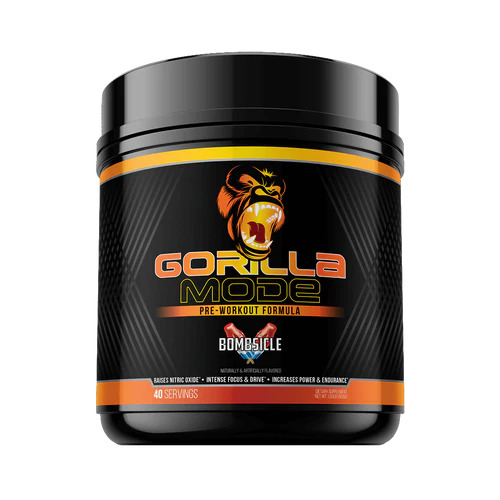
Wrecked vs Gorilla Mode

Gorilla Mode is my other go-to pre-workout. Here is how they compare:

  • Citrulline: Gorilla Mode has 9g vs Wrecked’s 10g
  • Creatine: Gorilla Mode includes 5g, Wrecked has none
  • Caffeine: Gorilla Mode has 350mg vs Wrecked’s 375mg
  • Testing: Gorilla Mode is third-party tested by Dyad Labs, Wrecked is not
  • Price: Both run about $1.25-3.00 per serving depending on scoop count

The main difference is the stimulant profile. Gorilla Mode hits hard but clean. Wrecked has that extra edge from the alpha yohimbine that some people love and others cannot handle. If you respond well to yohimbine, Wrecked probably feels stronger. If you do not, Gorilla Mode is the better choice.

Wrecked vs Transparent Labs BULK

Transparent Labs BULK is cleaner but less intense. It uses natural sweeteners, includes L-theanine to smooth out the caffeine, and is Informed Sport certified for tested athletes. The citrulline dose is lower (8g malate, so really about 4.5g actual citrulline).

If you compete in tested sports or prefer a smoother energy curve, BULK is the move. If you want maximum intensity and do not care about certification, Wrecked hits harder.

Wrecked vs Legion Pulse

Legion Pulse is research-focused with conservative ingredient choices. Nothing exotic, everything backed by studies. The 1:1 caffeine-to-theanine ratio makes it one of the smoothest pre-workouts I have used.

Pulse is better for beginners or people who want predictable, reliable effects. Wrecked is for people who have outgrown beginner pre-workouts and want something with more firepower.

Flavors and Mixability

I have tried Peach Rings and Rainbow Burst. Both are solid. Peach Rings tastes like the candy it is named after. Rainbow Burst is a generic fruit punch flavor that is inoffensive.

Mixability is decent but not perfect. With 30+ grams of powder per full serving, you need more water than most pre-workouts. I use about 12-16oz. There is usually a little sediment at the bottom no matter how much you shake it, but it is not gritty or unpleasant to drink.

Some people complain about the taste online. Pre-workout taste is subjective, but I have had much worse. If you are used to heavily sweetened supplements, you might find Wrecked a bit more “supplement-y” than others.

Side Effects and Safety

Let me talk about the stuff that matters.

Caffeine sensitivity: 375mg is a lot. If you are not used to high caffeine intake, start with half a scoop. Even at half dose, you are getting nearly 190mg, which is more than a large coffee.

Alpha yohimbine tolerance: This is the ingredient most likely to cause problems. These effects are dose-dependent and individual. Some people feel nothing at 1mg. Others feel terrible. The only way to know is to start low and assess.

Beta-alanine tingles: With 6.4g, you will feel paresthesia (that tingly, itchy sensation in your face and hands). It is harmless but can be intense. It fades after about 20-30 minutes and decreases with consistent use over time.

Sleep disruption: Do not take this within 5-6 hours of bedtime. The caffeine half-life means you will still have significant stimulants in your system hours after your workout.

Blood pressure: Both caffeine and yohimbine can temporarily increase blood pressure. If you have hypertension or heart conditions, talk to a doctor before using this or any stimulant pre-workout.

Drug interactions: Yohimbine can interact with MAOIs, blood pressure medications, and some antidepressants. Check with a pharmacist if you take any prescriptions.

Value Analysis

At $49.95 for 40 single-scoop servings, Wrecked costs $1.25 per serving. That is competitive for a pre-workout with this ingredient profile.

The catch is that Huge Supplements recommends working up to two scoops for “full effects,” which doubles the cost to $2.50 per serving and cuts your servings in half.

Honestly? One scoop is plenty for most people. I use two scoops occasionally for heavy leg days or when I am feeling flat, but single scoop gives me everything I need 90% of the time. If you are someone who needs two scoops to feel anything, your caffeine tolerance might be the problem, not the pre-workout.

Compared to competitors:

  • Gorilla Mode: $1.50-3.00/serving
  • Transparent Labs BULK: $1.67/serving
  • Legion Pulse: $2.14/serving
  • Wrecked: $1.25/serving

Wrecked offers solid value for the formula you are getting.

The Third-Party Testing Question

Wrecked is not third-party tested. This matters for two reasons.

First, tested athletes should stay away. Without independent verification, there is no guarantee the product does not contain banned substances (intentionally or through contamination). The alpha yohimbine alone is enough to flag you in some testing protocols.

Second, you are trusting the label accuracy. Huge Supplements manufactures in a cGMP-certified, FDA-registered facility, which provides some quality assurance. But without third-party testing, you cannot independently verify that what is on the label matches what is in the tub.

For recreational lifters who do not compete, this is probably fine. For anyone who gets tested, it is a dealbreaker.

Frequently Asked Questions

Is Wrecked the strongest pre-workout?

Huge Supplements markets it that way, but “strongest” is subjective. In terms of total active ingredients and stimulant load, it is up there. However, products like Wrecked Enraged (Huge’s even more intense option) and various underground pre-workouts with DMAA or DMHA hit harder. For a mainstream, legal pre-workout, Wrecked is among the most potent available.

Should I start with one scoop or two?

Start with one scoop. Actually, start with half a scoop if you have never taken a high-stim pre-workout before. The alpha yohimbine affects people differently, and you do not want to find out you are sensitive to it after taking a full dose.

Can I take Wrecked every day?

You can, but you will build tolerance fast. I recommend using it 3-4 times per week for hard training days and cycling off completely for a week every 6-8 weeks. This keeps it effective without needing to constantly increase the dose.

Why does Wrecked not have creatine?

Probably to keep serving size manageable and let users dose creatine separately. Creatine needs to be taken daily anyway (not just on training days), so including it in a pre-workout you might not use every day does not make much sense. Just buy creatine monohydrate separately and take 5g daily. Same logic applies to protein powder – keep your basics separate from your pre-workout.

Is the alpha yohimbine safe?

At 1mg, it is generally well-tolerated by most people. That said, yohimbine is banned in several countries due to potential side effects at higher doses. If you have heart conditions, anxiety disorders, or take medications that interact with stimulants, avoid it. When in doubt, ask your doctor.

What is the difference between Wrecked and Wrecked Enraged?

Wrecked Enraged is Huge Supplements’ even more intense formula. It has more stimulants (including eria jarensis and halostachine) but removes the pump ingredients. Think of Wrecked as the balanced option and Enraged as pure stimulant overload. Most people should stick with regular Wrecked.

Can women take Wrecked?

Yes, but the full dose might be too much. Women generally respond to stimulants more strongly than men at equivalent doses. Starting with half a scoop is smart. The formula itself has nothing gender-specific about it.

Final Verdict

Wrecked is one of the most loaded pre-workouts you can buy without venturing into sketchy grey-market territory. The 10g citrulline dose delivers serious pumps. The stimulant stack provides intense, lasting energy. The nootropic ingredients keep you focused and dialed in.

It is not for everyone. The alpha yohimbine is polarizing. The lack of third-party testing rules it out for tested athletes. And beginners should start with something less intense.

But if you are an experienced lifter who has built up tolerance to regular pre-workouts and wants something that actually works? Wrecked delivers. It lit me up like a Christmas tree the first time I took it, and it still hits hard months later when I use it strategically.

At $1.25 per serving, it is hard to find a better value for this level of formula. Just start with half a scoop, assess your tolerance, and do not take it anywhere near bedtime.

โœ… Pros

  • 10g pure L-citrulline (massive pump dose)
  • Fully transparent label with clinical doses
  • Smooth, long-lasting energy without crash
  • Strong focus and mood enhancement
  • Great value at $1.25/serving
  • 40 servings per tub at single scoop

โŒ Cons

  • Not third-party tested
  • Alpha yohimbine causes issues for some
  • No creatine included
  • Too intense for beginners
  • Not suitable for evening training
  • Banned for NCAA/WADA athletes

This article contains affiliate links. I only recommend products I have actually used.

References

  1. Gonzalez AM, Trexler ET. Effects of Citrulline Supplementation on Exercise Performance in Humans: A Review of the Current Literature. J Strength Cond Res. 2020;34(5):1480-1495.
  2. Sale C, Saunders B, Harris RC. Effect of beta-alanine supplementation on muscle carnosine concentrations and exercise performance. Amino Acids. 2010;39(2):321-33.
  3. Cholewa JM, et al. Effects of betaine on body composition, performance, and homocysteine thiolactone. J Int Soc Sports Nutr. 2013;10(1):39.
  4. Marcus L, Soileau J, Judge LW, Bellar D. Evaluation of the effects of two doses of alpha glycerylphosphorylcholine on physical and psychomotor performance. J Int Soc Sports Nutr. 2017;14:39.
  5. Astorino TA, Roberson DW. Efficacy of acute caffeine ingestion for short-term high-intensity exercise performance: a systematic review. J Strength Cond Res. 2010;24(1):257-265.

Medical Disclaimer: This content is for informational purposes only. Consult a healthcare provider before starting any supplement, especially if you take medications or have health conditions. Pre-workout supplements contain stimulants and are not recommended for individuals with cardiovascular conditions, anxiety disorders, or sensitivity to caffeine or yohimbine.

The 7 Best Pre-Workout Supplements of 2026 (Actually Tested)

I’ve blown through more pre-workout tubs than I’d like to admit. Most of them were garbage. Fancy labels, aggressive names, and formulas stuffed with underdosed ingredients that did nothing except make my pee neon yellow.

After six years and probably $2,000 wasted on products that promised the world, I’ve figured out what actually works. These seven pre-workouts earned their spot through real training sessions, not marketing hype.

The Best Pre-Workout Supplements at a Glance

How I Ranked These Pre-Workouts

I weighted five criteria, scored each product, and ranked accordingly.

Label Transparency (20%) โ€” Full ingredient disclosure with individual doses, or proprietary blend hiding the numbers? Any product using a prop blend got docked automatically. You can’t evaluate what you can’t see.

Clinical Dosing (30%) โ€” I cross-referenced every formula against peer-reviewed research. L-citrulline needs 6-8g for measurable effects. Beta-alanine needs 3.2g minimum. Caffeine efficacy starts around 3mg/kg bodyweight. Products hitting these thresholds scored higher than those falling short.

Third-Party Testing (20%) โ€” Published certificates of analysis from independent labs (Dyad, Labdoor, Informed Sport, NSF) verify what’s on the label matches what’s in the tub. Products with publicly available COAs ranked above those without.

Value (20%) โ€” Price per serving adjusted for ingredient quality. A $50 tub with clinical doses beats a $30 tub with pixie-dusted garbage. I calculated cost-per-gram of key actives to compare apples to apples.

User Consensus (10%) โ€” Aggregated reviews from Amazon, Reddit, and fitness forums. Individual experiences vary, but patterns across thousands of reviews reveal consistency issues, flavor problems, or efficacy trends that single-person testing misses.

Pre-Workout Comparison

ProductL-CitrullineCaffeineServingsTestedCost
Gorilla Mode9g pure350mg20-40Dyad Labs$1.50-3.00
CBUM Essential4g pure200mg30No$0.83
Gorilla Mode Nitric10g pure0mg40Dyad Labs$1.50
Transparent Labs BULK8g malate200mg30Informed Sport$1.67
Huge Wrecked8g pure350mg40No$1.25
Legion Pulse8g malate350mg21Labdoor$2.14
NitroSurge3g pure180mg30Yes$1.00

What Makes a Pre-Workout Worth Buying

Most of the industry is smoke and mirrors. Here’s what the labels actually mean.

L-Citrulline handles pumps. Your kidneys convert it to arginine, which produces nitric oxide, which opens up blood vessels. More blood flow equals better pumps and nutrient delivery. Research uses 6-8g. Most companies throw in 2-3g, slap “clinical strength” on the label, and hope you don’t check. One study showed 8g of citrulline malate boosted reps to failure by 53%. That’s not a small number.

Quick note on labeling: citrulline malate is about 56% actual citrulline. So 8g of citrulline malate really means 4.5g of the stuff that matters. Pure L-citrulline is 100% active. Do the math when comparing.

Beta-alanine makes you tingle. It builds carnosine in your muscles over time, buffering the acid that causes that burning sensation during high-rep sets. You can push through more reps before hitting failure. Clinical dose is 3.2-6.4g daily. One thing people miss: beta-alanine works through accumulation. Taking it right before your workout doesn’t do anything special. The tingles start in about 15 minutes no matter when you take it.

Caffeine is still king for performance. Blocks adenosine, spikes adrenaline, sharpens focus. Meta-analyses confirm 2-4% endurance improvement and strength benefits too. Research doses land between 3-6mg per kilogram of bodyweight, so 200-400mg for most people.

Proprietary blends hide underdosing. When a label says “Performance Matrix: 5,000mg” and lists 12 ingredients without individual amounts, run. That 5g could be 4.8g filler with pixie dust of everything else. Transparent labels exist for a reason.

The 7 Best Pre-Workouts of 2026

1. Gorilla Mode

Gorilla Mode Pre-Workout

Best Overall | โญ 4.5/5 (14,000+ reviews) | $1.50-3.00/serving

Derek from More Plates More Dates got fed up explaining why every pre-workout sucked. So he made his own. Two scoops gets you 9g of pure L-citrulline (not malate), 5g creatine monohydrate, 3g glycerol, 350mg caffeine, and 600mg Alpha-GPC. Third-party tested by Dyad Labs.

That citrulline dose is more than double what most “clinical” pre-workouts offer. I noticed the pump difference immediately. My arms looked noticeably fuller by the third set of curls. They also include creatine, which most competitors skip entirely because it costs more.

You can run it at one scoop (175mg caffeine, 4.5g citrulline) for a moderate session or double up when you need the full experience. No beta-alanine means no tingling. Full dose runs $3/serving and packs serious caffeine, so evening training is out unless you want to stare at the ceiling until 2am. Glycerol clumps in humid weather, which is annoying but doesn’t affect performance.

โœ… Pros

  • 9g pure L-citrulline (highest on market)
  • Includes 5g creatine monohydrate
  • Third-party tested by Dyad Labs
  • Flexible dosing (1 or 2 scoops)
  • No beta-alanine tingles

โŒ Cons

  • $3/serving at full dose
  • 350mg caffeine rules out evening training
  • Glycerol clumps in humidity

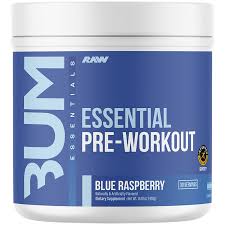
2. CBUM Essential Pre

CBUM Essential Pre-Workout

Best Value | โญ 4.5/5 | $0.83/serving

Chris Bumstead puts his name on plenty of products. This is one he actually takes. At $24.99 for 30 servings, you’re paying less per workout than a medium Starbucks.

Raw Nutrition kept it simple: 4g citrulline, 3.2g beta-alanine (exactly the clinical dose), 200mg caffeine from green coffee beans, tyrosine for focus, taurine, and pink salt for electrolytes. Nothing flashy. Everything dosed properly for this price point.

I liked that the caffeine comes from a natural source. Felt smoother than the synthetic stuff in most pre-workouts. 200mg is enough to feel something without the heart-racing anxiety that 350mg+ causes in a lot of people. If you need more, just double scoop.

โœ… Pros

  • $0.83/serving (best value)
  • Clinical 3.2g beta-alanine dose
  • Natural caffeine from green coffee
  • Includes electrolytes

โŒ Cons

  • 4g citrulline below clinical threshold
  • No creatine included
  • No third-party testing published

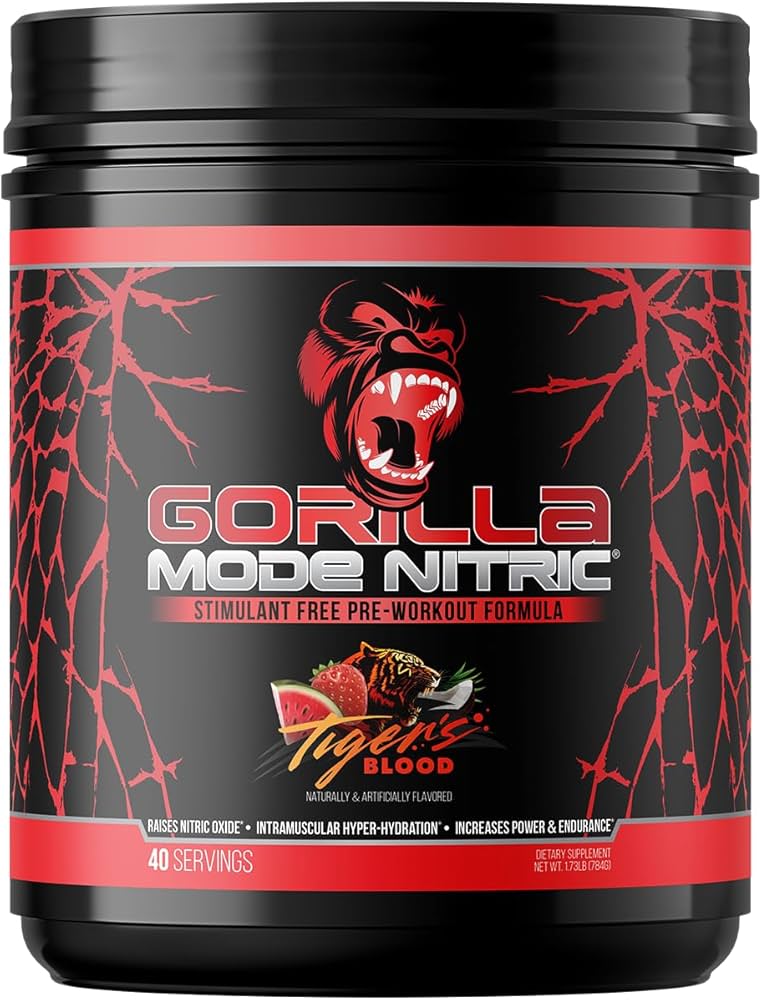
3. Gorilla Mode Nitric

Gorilla Mode Nitric Stim-Free Pre-Workout

Best Stimulant-Free | โญ 4.6/5 (3,500+ reviews) | $1.50/serving

I train at 7pm most days. Caffeine at that hour means I’m awake until midnight. Most stim-free pre-workouts solve this problem by being basically useless. Gorilla Mode Nitric is different.

10g pure L-citrulline. 4g glycerol. 1.5g sodium nitrate. 1g agmatine. 508mg VasoDrive-AP. They attacked nitric oxide production from every angle. Dyad Labs tests it.

Here’s what caught me off guard: pumps from Nitric actually beat the regular stimulant version on arm days. Caffeine constricts blood vessels. Take it out and the NO boosters work without interference. For pure pump-focused sessions, the stim-free option might genuinely be better.

โœ… Pros

  • 10g pure L-citrulline (highest available)
  • Multi-pathway NO approach
  • Zero caffeine for evening training
  • Third-party tested by Dyad Labs

โŒ Cons

  • No energy boost whatsoever
  • High sodium from nitrates
  • Glycerol clumping issues

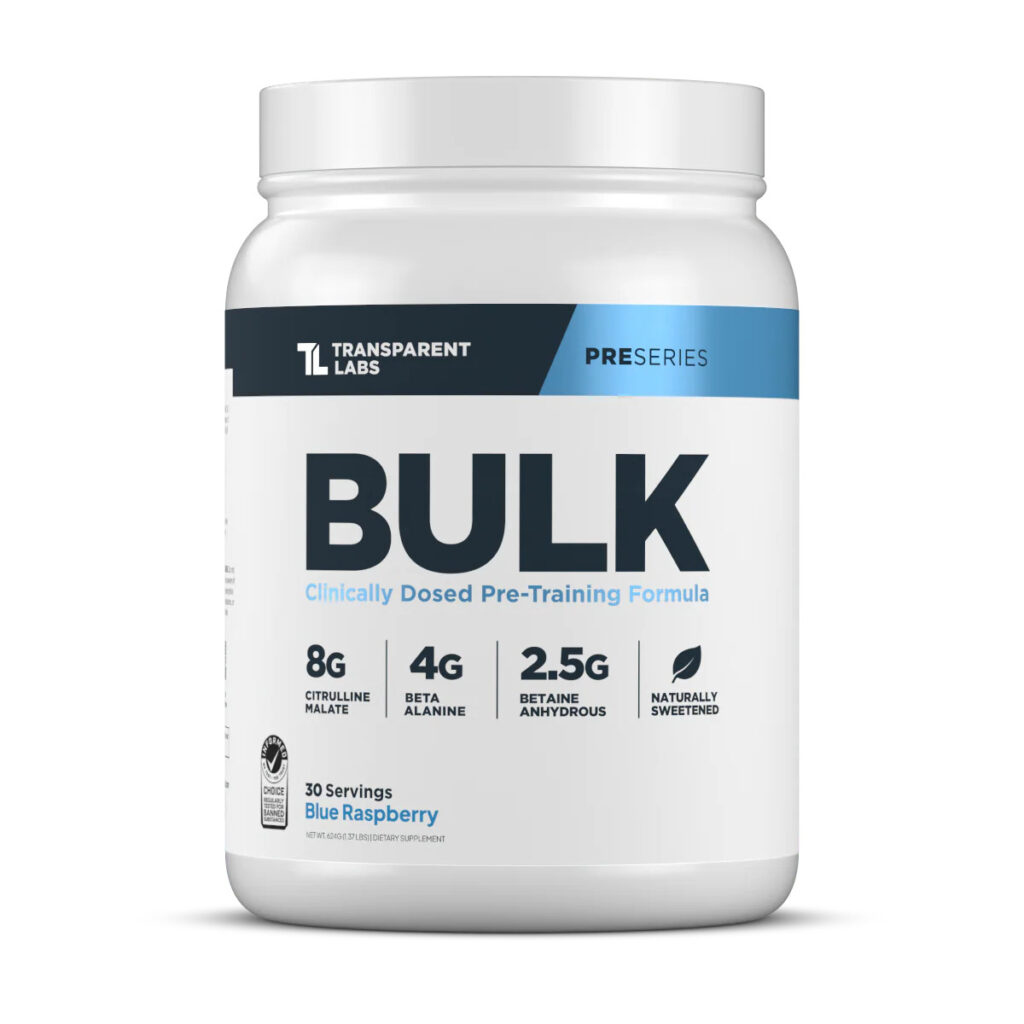
4. Transparent Labs BULK

Transparent Labs BULK Pre-Workout

Best Clean Formula | โญ 4.5/5 (8,200+ reviews) | $1.67/serving

No artificial sweeteners. No artificial colors. No proprietary blends. Every ingredient listed with exact doses. Informed Sport certified for competitive athletes who get drug tested. If you care about what goes in your body beyond just “does it work,” this is your pick.

8g citrulline malate, 4g beta-alanine, 2.5g betaine, 200mg caffeine paired with 200mg L-theanine. That caffeine-theanine combo is the highlight. Research shows theanine takes the edge off caffeine without killing the energy.

Trade-off is the stevia. Natural sweetener, but it has that slightly bitter aftertaste some people hate. Blue Raspberry hides it best.

โœ… Pros

  • Zero artificial ingredients
  • Informed Sport certified
  • L-theanine reduces jitters
  • Fully transparent label

โŒ Cons

  • Stevia aftertaste
  • Only ~4.5g actual citrulline (malate form)
  • Strong beta-alanine tingles at 4g

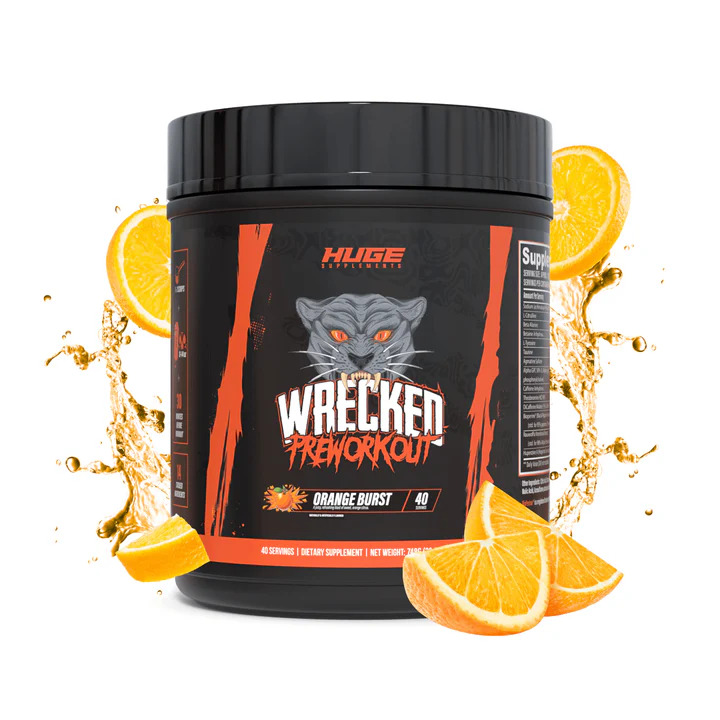
5. Huge Supplements Wrecked

Huge Supplements Wrecked Pre-Workout

Best High-Stim | โญ 4.4/5 (6,100+ reviews) | $1.25/serving

This one isn’t for everyone. Actually, it’s probably not for most people.

8g L-citrulline. 4g beta-alanine. 3.5g betaine. 1g Alpha-GPC. 350mg caffeine. And then they added alpha-yohimbine on top of all that. If you’ve built up caffeine tolerance to the point where normal pre-workouts feel like water, Wrecked will remind you what “feeling something” means.

Alpha-yohimbine is intense. Sharpens focus, cranks up energy, has some thermogenic effects. Also causes anxiety, racing heart, and general misery in people who don’t tolerate it. Start with half a scoop. I’m serious.

No third-party testing published, which matters if you’re competing in tested sports. NCAA and WADA athletes should skip this entirely. For everyone else with high stim tolerance who trains during the day? Solid option at $1.25/serving.

โœ… Pros

  • Massive doses across the board
  • Alpha-yohimbine for stim junkies
  • 1g Alpha-GPC for focus
  • $1.25/serving (great value)

โŒ Cons

  • Alpha-yohimbine causes anxiety in some
  • No third-party testing
  • Not for beginners or evening training

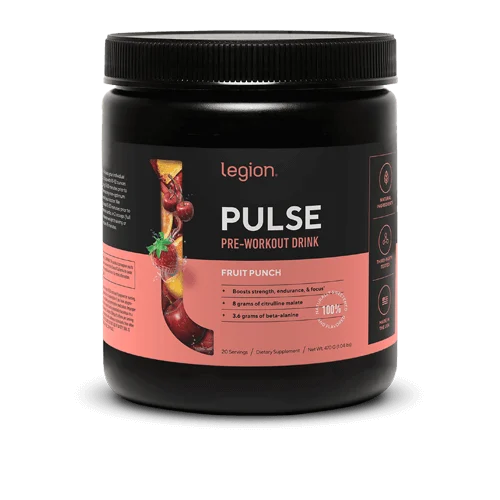
6. Legion Pulse

Legion Pulse Pre-Workout

Best for Beginners | โญ 4.4/5 (11,500+ reviews) | $2.14/serving

Legion’s approach is boring on purpose. Only ingredients with solid research. Only doses that match the studies. Nothing exotic that might cause problems. The result is reliable and predictable, which is exactly what you want when you’re new to this stuff.

8g citrulline malate, 3.6g beta-alanine, 2.5g betaine, 350mg caffeine matched with 350mg L-theanine. That 1:1 ratio takes the edge off. Studies show the combo improves focus while cutting jitters.

Natural sweeteners. Natural colors. Labdoor verified the label accuracy independently. They also make a caffeine-free version if you want the same base formula without stimulants.

โœ… Pros

  • 1:1 caffeine-theanine ratio
  • Labdoor verified for accuracy
  • All-natural sweeteners/colors
  • Caffeine-free version available

โŒ Cons

  • $2.14/serving (most expensive)
  • Only 21 servings per tub
  • Uses citrulline malate not pure

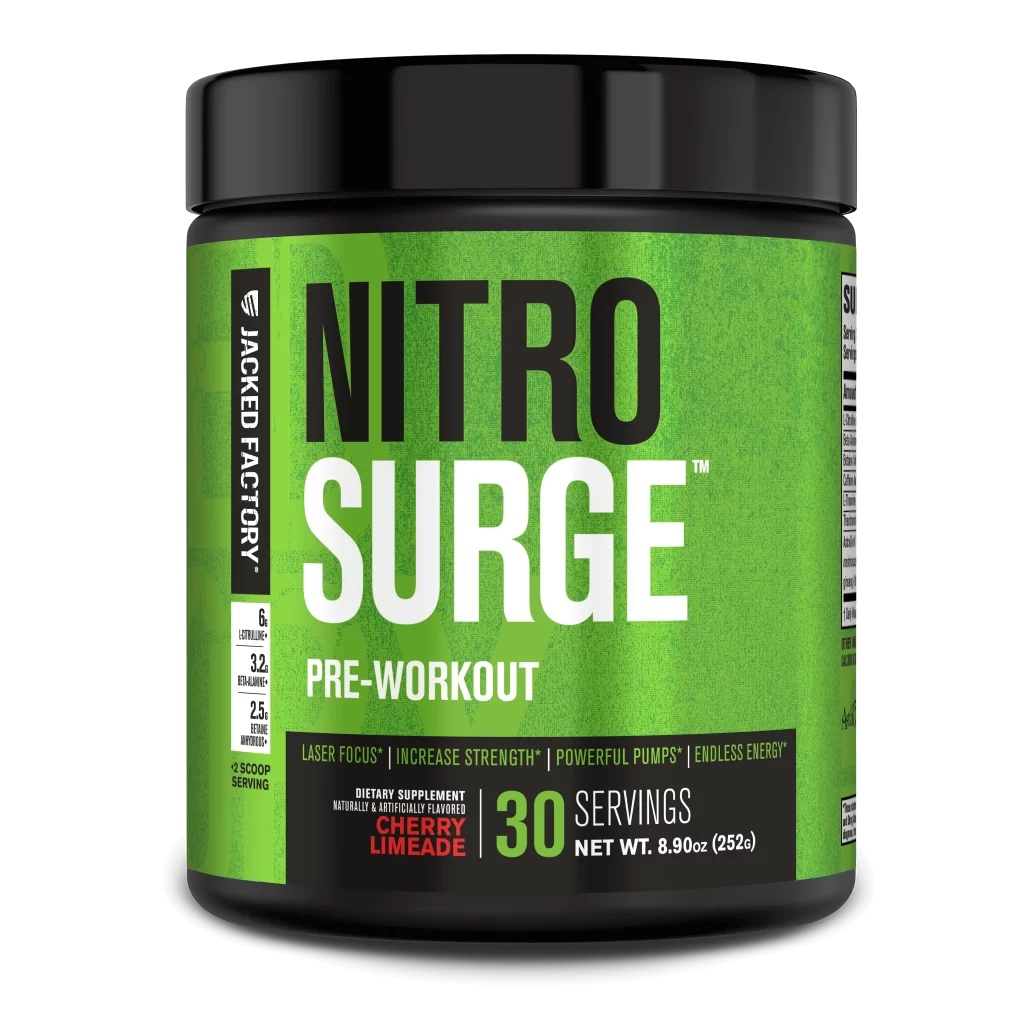
7. Jacked Factory NitroSurge

Jacked Factory NitroSurge Pre-Workout

Best Budget | โญ 4.3/5 (42,000+ reviews) | ~$1.00/serving

NitroSurge owns Amazon’s pre-workout category because it’s good enough at the cheapest price. That’s not an insult. Being “good enough” for a dollar beats being “slightly better” for three dollars when you’re burning through a tub every month.

3g L-citrulline (half the clinical dose). 1.6g beta-alanine (also below threshold). 180mg caffeine with some L-theanine. Technically underdosed across the board. But you’ll still feel a difference compared to training with nothing, especially if you’ve never used pre-workout before.

Jacked Factory actually publishes third-party testing, which is rare at this price point. 42,000 Amazon reviews averaging above 4 stars says something about consistency.

โœ… Pros

  • ~$1.00/serving (cheapest)
  • Third-party tested despite price
  • 180mg caffeine won’t overwhelm
  • 42,000+ positive reviews

โŒ Cons

  • Citrulline underdosed at 3g
  • Beta-alanine underdosed at 1.6g
  • Experienced lifters will want more

Which Pre-Workout Should You Buy?

Budget under $1/serving: NitroSurge

Best bang for buck: CBUM Essential at 83 cents

Best formula regardless of price: Gorilla Mode

Train after 5pm: Gorilla Mode Nitric

Get jittery from caffeine: Transparent Labs or Legion Pulse

High caffeine tolerance: Wrecked

Compete in tested sports: Transparent Labs (Informed Sport certified)

Pre-Workout Timing and Caffeine Tolerance

Take it 20-30 minutes before you start warming up. Caffeine hits peak blood concentration around 30-60 minutes after ingestion. Taking it as you walk through the gym door means peak effects might not hit until you’re already mid-workout.

Effects last 2-4 hours depending on the dose and your metabolism. Caffeine has roughly a 5-hour half-life, meaning half the dose is still in your system five hours later. That’s why evening training and stimulant pre-workouts don’t mix well.

Empty stomach absorbs faster. Some people get nauseous from caffeine without food. If that’s you, eat something light an hour before.

Daily use builds tolerance within a week or two. Two ways to handle it: cycle off completely for 7-10 days every couple months, or save pre-workout for hard training days only (3-4x per week). Use stim-free during deload weeks to reset caffeine sensitivity while keeping the pump ingredients.

Pre-Workout Side Effects and Safety

Pre-workouts are safe for healthy adults who follow the label. Problems come from stacking multiple caffeine sources or ignoring recommended doses.

Caffeine overdose symptoms include rapid heartbeat, anxiety, nausea, and tremors. Most people hit discomfort around 400-600mg total. If your pre-workout has 350mg, that’s your caffeine for the day. Skip the afternoon coffee.

Beta-alanine tingles are harmless. Just your nerves reacting to the compound. Goes away after a few weeks of consistent use.

Caffeine temporarily spikes blood pressure. If you have hypertension, talk to a doctor before using stimulant pre-workouts. Stim-free options are generally safer.

Drug interactions exist with MAOIs, some antidepressants, heart meds, and blood pressure medications. Citrulline’s nitric oxide effects can interact with ED drugs. Check with a pharmacist if you take prescriptions.

Frequently Asked Questions

Do pre-workouts actually work?

The ingredients work when dosed properly. Caffeine is the most studied performance enhancer in sports nutrition. Citrulline improves pumps and endurance at 6-8g. Beta-alanine helps muscular endurance over time. A systematic review confirmed clinical-dose formulas improve strength, power, and endurance versus placebo. Underdosed proprietary blends? Not so much.

Can I take pre-workout every day?

You can, but tolerance builds fast. Most people get better results using it 3-4 times per week for hard sessions. Taking a full week off stimulants every couple months helps reset sensitivity.

Why did my pre-workout stop working?

Caffeine tolerance. Your adenosine receptors adapted. Options: take 7-14 days off all caffeine, switch to stim-free temporarily, or try a higher-stim formula if you’ve been using moderate doses.

Why does pre-workout make you tingle?

Beta-alanine causes paresthesia. Harmless tingling in your face, neck, and hands. It’s just how the compound interacts with nerve endings. Goes away after a few weeks of regular use. Choose a formula without beta-alanine if you hate it.

Citrulline vs citrulline malate?

Citrulline malate combines L-citrulline with malic acid. The malate adds about 44% dead weight. So 8g citrulline malate contains roughly 4.5g actual citrulline. Pure L-citrulline is 100% active. Account for this when comparing labels.

Is pre-workout safe for beginners?

Yes, but start with half a scoop to assess tolerance. Products with moderate caffeine (150-200mg) and L-theanine are gentler entry points than high-stim formulas. Build up gradually.

Is pre-workout safe for women?

Same formulas work for everyone. Caffeine response can vary with menstrual cycle. Some women need less during certain phases. Start lower and adjust. Avoid during pregnancy and breastfeeding.

Does pre-workout help with weight loss?

Marginally. Caffeine has mild thermogenic effects and can help you train harder, burning a few more calories. But no pre-workout will overcome eating too much. It’s a training tool, not a fat burner.

Is clumpy pre-workout still safe to use?

Probably. Clumping happens with glycerol-containing formulas in humid conditions. If it’s within the expiration date and doesn’t smell weird, break up the clumps and use it. Toss it if it smells off or looks discolored.

The Best Pre-Workout Overall

For most people, Gorilla Mode is the answer. Best citrulline dosing on the market, flexible serving sizes, third-party tested. If budget matters, CBUM Essential delivers quality at 83 cents per serving.

Pick one. Use it for a month. See how you respond. Adjust from there.

This article contains affiliate links. I only recommend products I’ve actually used.

References

  1. Pรฉrez-Guisado J, Jakeman PM. Citrulline malate enhances athletic anaerobic performance and relieves muscle soreness. J Strength Cond Res. 2010;24(5):1215-1222.
  2. Astorino TA, Roberson DW. Efficacy of acute caffeine ingestion for short-term high-intensity exercise performance: a systematic review. J Strength Cond Res. 2010;24(1):257-265.
  3. Haskell CF, et al. The effects of L-theanine, caffeine and their combination on cognition and mood. Biol Psychol. 2008;77(2):113-122.
  4. Owen GN, et al. The combined effects of L-theanine and caffeine on cognitive performance and mood. Nutr Neurosci. 2008;11(4):193-198.
  5. Harty PS, et al. Multi-ingredient pre-workout supplements, safety implications, and performance outcomes: a brief review. J Int Soc Sports Nutr. 2018;15(1):41.

Medical Disclaimer: This content is for informational purposes only. Consult a healthcare provider before starting any supplement, especially if you take medications or have health conditions. Pre-workout supplements contain stimulants and are not recommended for individuals with cardiovascular conditions, anxiety disorders, or caffeine sensitivity.

8 Best Fish Oil Supplements of 2026 (Tested & Ranked)

๐Ÿ“‹ Key Takeaways

  • Form matters more than marketing โ€” Triglyceride (TG) and re-esterified triglyceride (rTG) forms absorb 40-50% better than cheaper ethyl esters. If the label doesn’t specify form, assume ethyl ester.
  • Total fish oil โ‰  omega-3s โ€” A “1000mg fish oil” capsule may contain only 300mg of actual EPA+DHA. Always check the Supplement Facts panel for combined EPA and DHA amounts.
  • IFOS 5-star is the gold standard โ€” This certification tests for potency, purity, oxidation, and contaminants. Nearly 50% of fish oils exceed oxidation limits, so third-party testing matters.
  • Most healthy adults need 500-1000mg EPA+DHA daily โ€” Higher doses (2-4g) are used for triglyceride reduction and require physician supervision.
  • Fish burps signal quality issues โ€” Rancid or poorly formulated fish oil causes burps. Quality products in triglyceride form with proper enteric coating shouldn’t cause this.

Let me save you from making a $40 mistake: that giant bottle of fish oil at Costco might be the worst value in the store.

Not because it’s bad fish oil. But because you’d need to take 4-5 capsules to match what a quality concentrated formula delivers in one or two. By the time you factor in the actual EPA and DHA per dollar, the “bulk deal” costs more than the premium stuff.

I’ve spent the last month digging through clinical trials, IFOS certifications, and oxidation reports to find which fish oils actually deliver what they promise. The supplement industry loves to hide behind confusing labels, so I’ll show you exactly how to read them and which products are worth your money.

Whether you’re here for heart health, brain optimization, or your doctor mentioned omega-3s for your triglycerides, this guide cuts through the noise.

Best Fish Oil Supplements at a Glance

How We Tested and Ranked These Fish Oil Supplements

We analyzed 30+ fish oil supplements across six criteria, cross-referencing IFOS certifications, ConsumerLab reports, and clinical literature:

  • Omega-3 Form & Bioavailability (30%) โ€” Triglyceride vs ethyl ester form, absorption enhancers, EPA:DHA ratios
  • Purity & Testing (25%) โ€” IFOS certification, oxidation markers (TOTOX), heavy metal testing, COA availability
  • Potency & Value (20%) โ€” Actual EPA+DHA per serving, price per gram of omega-3, not per capsule
  • Sustainability (10%) โ€” MSC or Friend of the Sea certification, fish sourcing, environmental practices
  • User Experience (10%) โ€” Fish burps, pill size, taste, Amazon ratings across 1000+ reviews
  • Transparency (5%) โ€” Batch-specific COAs, clear labeling of form and source

How to Choose the Best Fish Oil Supplement

Here’s the dirty secret of fish oil marketing: “1000mg Fish Oil” on the front label means almost nothing. What matters is how much EPA and DHA is inside that 1000mg. The rest is saturated fat and other fatty acids that provide zero omega-3 benefits.

A typical drugstore fish oil delivers only 300mg of combined EPA+DHA per 1000mg capsule. A concentrated formula delivers 700-900mg. You’d need three drugstore capsules to match one quality capsule.

Here’s how to read a fish oil label correctly:

  1. Flip to the Supplement Facts panel (ignore the front label entirely)
  2. Find EPA and DHA listed separately in milligrams
  3. Add them together for total beneficial omega-3s
  4. Note the serving size (often 2-3 capsules, not one)
  5. Divide price by total omega-3s to get your actual cost per gram

When you do this math, “cheap” fish oil often costs more than premium options.

Triglyceride vs Ethyl Ester: The Absorption Gap Nobody Talks About

Fish oil comes in different molecular forms, and this dramatically affects how much your body actually absorbs.

Natural Triglyceride (TG) is how omega-3s exist in fish. Your body recognizes this form and absorbs it efficiently. The downside: TG oils max out around 30% omega-3 concentration, so you need bigger or more capsules.

Ethyl Ester (EE) is created by removing the glycerol backbone to concentrate the omega-3s. This allows higher potency (up to 90% concentration) but comes with a catch: your body doesn’t absorb it as well. Studies show EE forms have 40-50% lower bioavailability than triglyceride forms. [1]

Re-esterified Triglyceride (rTG) is the best of both worlds. It starts as ethyl ester for concentration, then gets converted back to triglyceride form for absorption. You get high potency AND high bioavailability. Premium brands like Nordic Naturals, Viva Naturals, and Sports Research use this form.

Bottom line: If a label doesn’t specify “triglyceride” or “rTG” form, assume it’s ethyl ester. You’ll need to take more to achieve the same blood levels.

The Oxidation Problem: Why Fresh Fish Oil Matters

Here’s something that should concern you: studies have found that nearly 50% of tested fish oil products exceed recommended oxidation limits. [2] Oxidized fish oil doesn’t just taste bad and cause fish burps โ€” it may actually be pro-inflammatory and raise LDL cholesterol, the opposite of what you’re trying to achieve.

Oxidation is measured by three markers:

  • Peroxide Value (PV) โ€” Measures primary oxidation. Should be โ‰ค5 meq/kg.
  • Anisidine Value (AV) โ€” Measures secondary oxidation. Should be โ‰ค20.
  • TOTOX Value โ€” Combined oxidation score (2ร—PV + AV). Should be โ‰ค26, excellent products score under 10.

The IFOS (International Fish Oil Standards) certification tests every batch for these markers. Products with IFOS 5-star ratings have passed the most stringent purity and freshness tests available. This is why we weight third-party testing heavily in our evaluations.

Signs your fish oil may be rancid:

  • Strong fishy, sour, or cardboard-like smell
  • Bitter or off taste (bite a capsule to test)
  • Cloudy, discolored oil
  • Soft, mushy capsules instead of firm ones
  • Frequent fish burps (quality oil shouldn’t cause this)

The 8 Best Fish Oil Supplements of 2025

1. Viva Naturals Triple Strength Omega-3

Best Overall | โญ 4.6/5 (11,000+ Amazon reviews)

EPA: 1,500mg | DHA: 570mg | Total Omega-3: 2,250mg | Form: rTG | Serving: 2 softgels | Certifications: IFOS 5-star, Labdoor A (96.1) | Price: ~$0.44/serving

Viva Naturals wins our top spot because it delivers what actually matters: the most omega-3s per dollar in a rigorously tested product. With 2,250mg total omega-3s per serving (including an impressive 1,500mg EPA), this delivers therapeutic dosing in just two capsules.

The IFOS 5-star certification and Labdoor A grade (96.1 score) confirm this isn’t cutting corners to hit that price point. They use the rTG form for superior absorption, source from wild-caught small fish (anchovies, sardines, mackerel), and include natural lemon oil to prevent fish burps.

For context: you’d need 7-8 capsules of standard drugstore fish oil to match what two Viva Naturals capsules deliver. When you calculate price per gram of omega-3, this beats products that cost twice as much per bottle.

Pros:

  • Highest omega-3 content per serving on this list (2,250mg)
  • IFOS 5-star certified for purity and potency
  • Re-esterified triglyceride form for 40-50% better absorption
  • Exceptional value when calculated per gram omega-3
  • High EPA ratio ideal for inflammation and heart health

Cons:

  • Large softgels may be difficult for some to swallow
  • High EPA:DHA ratio not ideal if you specifically need more DHA
  • Some users report occasional fishy aftertaste

Best for: Anyone who wants the best combination of quality, potency, and value. Those needing higher EPA for inflammation, cardiovascular support, or mood. People tired of taking 4+ capsules daily to hit therapeutic doses.


2. Nordic Naturals Ultimate Omega

Best Premium | โญ 4.6/5 (47,000+ Amazon reviews)

EPA: 650mg | DHA: 450mg | Total Omega-3: 1,280mg | Form: rTG | Serving: 2 softgels | Certifications: Friend of the Sea, Non-GMO, COA available | Price: ~$0.37/serving

Nordic Naturals appears as the #1 pick across Healthline, Good Housekeeping, Yahoo Health, and most other major publications for good reason. They’ve built their reputation on transparency and quality control that goes beyond industry standards.

Every batch is third-party tested, and you can scan the QR code on any bottle to see the actual Certificate of Analysis for your specific product. Their fish oil is sourced from wild-caught sardines and anchovies, processed in their own Norwegian facility that runs on biofuel, and delivered in the highly bioavailable triglyceride form.

The lemon flavoring is subtle enough to prevent any fishy aftertaste without being artificial-tasting. At 1,280mg omega-3s per two-softgel serving, you’re getting solid dosing from the most trusted name in fish oil.

Pros:

  • Batch-specific COA via QR code โ€” industry-leading transparency
  • Triglyceride form for superior absorption
  • Friend of the Sea certified sustainability
  • Natural lemon flavor prevents fish burps
  • 47,000+ positive Amazon reviews

Cons:

  • Lower omega-3 per serving than Viva Naturals
  • Softgels are fairly large
  • Two capsules per serving (not one)

Best for: Those who want the most recognized, trusted name in fish oil with verifiable quality. People who prioritize brand reputation and transparency over maximum potency per dollar.


3. Sports Research Triple Strength Omega-3

Best for Sustainability | โญ 4.6/5 (38,000+ Amazon reviews)

EPA: 690mg | DHA: 460mg | Total Omega-3: 1,250mg | Form: rTG | Serving: 1 softgel | Certifications: IFOS 5-star, MSC Certified, Non-GMO | Price: ~$0.31/serving

Sports Research stands out for its sustainability credentials. Their fish oil comes from MSC (Marine Stewardship Council) certified Alaska Pollock fisheries โ€” the gold standard for sustainable wild-caught seafood. If you care about ocean health alongside your own health, this is the choice.

Beyond sustainability, the product delivers: IFOS 5-star certified, rTG form, and a one-softgel serving size that makes daily compliance easy. At 1,250mg omega-3s per single capsule, you’re getting solid dosing without multiple pills.

The Alaska Pollock sourcing is interesting โ€” it’s a larger fish than anchovies but still relatively low on the food chain, meaning lower contaminant accumulation. Sports Research’s 10-step refinement process removes any remaining impurities.

Pros:

  • MSC certified sustainable Alaska Pollock
  • IFOS 5-star certified
  • One softgel per serving (convenient)
  • Traceable sourcing
  • 38,000+ positive reviews

Cons:

  • Lower total omega-3s than Viva Naturals
  • Softgels are quite large
  • Some reports of fishy aftertaste

Best for: Environmentally-conscious buyers who want verified sustainable sourcing. Those who prefer a one-pill-per-day routine. Good middle ground between premium quality and value.


4. Carlson The Very Finest Fish Oil (Liquid)

Best Liquid | โญ 4.7/5 (15,000+ Amazon reviews)

EPA: 800mg | DHA: 500mg | Total Omega-3: 1,600mg | Form: TG | Serving: 1 teaspoon (5ml) | Certifications: IFOS certified, Non-GMO | Price: ~$0.60/serving

If you hate swallowing pills โ€” or need higher doses that would require too many capsules โ€” liquid fish oil is the answer. Carlson has been making fish oil since 1965 and their liquid formula has won multiple taste awards.

One teaspoon delivers 1,600mg of omega-3s from wild-caught Norwegian fish. The lemon (or orange) flavor actually tastes pleasant rather than just masking fishiness. You can take it straight, mix into smoothies, or drizzle on food.

Carlson uses a nitrogen-flush bottling process that displaces oxygen and prevents oxidation. This is why their liquid fish oil stays fresh much longer than competitors. Just refrigerate after opening and use within 100 days.

Pros:

  • Award-winning taste โ€” actually pleasant
  • Easy to take for pill-averse people
  • IFOS certified
  • Nitrogen-flushed for freshness
  • Multiple flavor options (lemon, orange, mixed berry)

Cons:

  • Must refrigerate after opening
  • Less convenient for travel
  • Higher price per serving than capsules
  • Shorter shelf life once opened

Best for: Anyone who struggles with pills. Those needing high doses (2-4g/day) for triglyceride management. Parents giving fish oil to children. People who want to add omega-3s to smoothies or food.


5. Life Extension Super Omega-3 Plus

Best for Biohackers | โญ 4.6/5 (3,500+ Amazon reviews)

EPA: 750mg | DHA: 510mg | Total Omega-3: 2,520mg | Form: TG + Krill | Serving: 4 softgels | Certifications: IFOS, Non-GMO, COA available | Price: ~$0.52/serving

Life Extension takes the kitchen-sink approach: their Super Omega-3 Plus combines fish oil with krill oil, olive polyphenols (equivalent to 4+ tablespoons of EVOO), sesame lignans, and astaxanthin. It’s designed for comprehensive cardiovascular and antioxidant support.

The olive extract provides hydroxytyrosol, a polyphenol with strong research behind its cardiovascular benefits. The krill oil adds phospholipid-bound omega-3s for brain penetration. The astaxanthin serves as a potent antioxidant that also protects the omega-3s from oxidation.

Yes, it’s four softgels per serving. But you’re getting a multi-ingredient formula that would otherwise require several separate supplements.

Pros:

  • Multi-ingredient cardiovascular formula
  • Olive polyphenols + krill + astaxanthin included
  • COA available for every batch
  • Life Extension’s pharmaceutical-grade standards
  • Natural lemon flavor

Cons:

  • Four softgels per serving
  • More expensive than single-ingredient fish oils
  • Contains shellfish (krill) โ€” not for shellfish allergies

Best for: Biohackers and optimizers who want comprehensive cardiovascular support in one product. Those following Mediterranean-style protocols. People who would otherwise stack multiple supplements.


6. Nature Made Burp-Less Ultra Omega-3

Best Budget | โญ 4.7/5 (18,000+ Amazon reviews)

EPA: 683mg | DHA: 252mg | Total Omega-3: 1,400mg | Form: EE (enteric coated) | Serving: 1 softgel | Certifications: USP Verified | Price: ~$0.21/serving

Nature Made delivers the best balance of affordability and verified quality. The USP Verified mark means an independent lab has confirmed the product contains what’s on the label, is free from harmful contaminants, and was made according to FDA manufacturing standards.

At about $0.21 per serving with 1,400mg omega-3s in a single softgel, the value is hard to beat. Yes, it’s ethyl ester form (not triglyceride), but the enteric coating helps with absorption and eliminates fish burps for most people.

This is the #1 pharmacist-recommended fish oil brand according to Pharmacy Times surveys. If your doctor recommends fish oil and you want something affordable from a trusted name, this is the safe choice.

Pros:

  • USP Verified โ€” gold standard for quality assurance
  • One softgel per serving
  • Enteric coating prevents fish burps
  • Available everywhere (pharmacies, grocery stores)
  • #1 pharmacist recommended brand

Cons:

  • Ethyl ester form (lower bioavailability than TG)
  • Lower DHA content relative to EPA
  • Large softgel size

Best for: Budget-conscious buyers who want verified quality. Those just starting fish oil supplementation. Anyone who wants a trusted pharmacy brand they can pick up anywhere.


7. Thorne Super EPA

Best for Athletes | โญ 4.6/5 (2,800+ Amazon reviews)

EPA: 425mg | DHA: 270mg | Total Omega-3: 750mg | Form: EE | Serving: 1 gelcap | Certifications: NSF Certified for Sport | Price: ~$0.40/serving

For competitive athletes subject to drug testing, Thorne’s NSF Certified for Sport designation is essential. This certification means every batch is tested for 270+ substances banned by major sports organizations including WADA, NFL, MLB, NHL, and NCAA.

Thorne supplies fish oil to over 100 professional sports teams and multiple Olympic athletes. Their quality control includes four rounds of testing per batch. The “Super EPA” formula emphasizes EPA over DHA, which research suggests may be more beneficial for exercise-induced inflammation and recovery.

The per-capsule omega-3 content is lower than some competitors, so you may need 2-3 capsules to hit higher doses. But for athletes, the NSF certification is non-negotiable.

Pros:

  • NSF Certified for Sport โ€” tested for 270+ banned substances
  • Trusted by 100+ pro sports teams
  • Four rounds of testing per batch
  • High EPA ratio for inflammation
  • Smaller capsule size than most

Cons:

  • Lower omega-3 per capsule (need 2-3 for full dose)
  • Ethyl ester form
  • Premium pricing

Best for: Competitive athletes, Olympians, and professionals subject to drug testing. Anyone who needs absolute certainty their supplement won’t cause a positive test. Recovery-focused training protocols.


8. Nordic Naturals Algae Omega

Best Vegan | โญ 4.5/5 (3,200+ Amazon reviews)

EPA: 195mg | DHA: 390mg | Total Omega-3: 715mg | Form: Algal oil | Serving: 2 softgels | Certifications: Vegan certified, Non-GMO, COA available | Price: ~$0.67/serving

Here’s something most people don’t realize: fish don’t actually make omega-3s. They get them from eating algae. Algae-based supplements cut out the middleman, delivering EPA and DHA directly from the original source โ€” with zero ocean ecosystem impact.

Nordic Naturals’ Algae Omega is cultivated in controlled tanks, completely eliminating concerns about mercury, PCBs, and other ocean contaminants. It’s also genuinely sustainable โ€” no fish populations harmed.

The omega-3 content is lower than fish-based options, with a DHA-heavy ratio (390mg DHA vs 195mg EPA). This makes it particularly good for brain health and pregnancy, where DHA is the priority.

Pros:

  • 100% plant-based, vegan certified
  • Zero ocean ecosystem impact
  • No contaminant concerns (grown in tanks)
  • High DHA ratio ideal for brain health
  • Nordic Naturals quality standards

Cons:

  • Lower total omega-3s than fish oil
  • Higher cost per gram of omega-3
  • Lower EPA (not ideal for inflammation focus)
  • May need multiple servings for therapeutic doses

Best for: Vegans, vegetarians, and those avoiding animal products. Pregnant women prioritizing DHA. People concerned about ocean sustainability. Those with fish allergies who still want EPA/DHA.

Fish Oil Supplement Comparison Chart

ProductEPA+DHAFormServingCertificationRating
Viva Naturals Triple Strength2,070mgrTG2 softgelsIFOS 5-star4.6/5
Nordic Naturals Ultimate Omega1,100mgrTG2 softgelsFriend of the Sea4.6/5
Sports Research Triple Strength1,150mgrTG1 softgelIFOS, MSC4.6/5
Carlson The Very Finest (Liquid)1,300mgTG1 tspIFOS4.7/5
Life Extension Super Omega-3 Plus1,260mgTG+Krill4 softgelsIFOS4.6/5
Nature Made Burp-Less935mgEE1 softgelUSP Verified4.7/5
Thorne Super EPA695mgEE1 gelcapNSF Sport4.6/5
Nordic Naturals Algae Omega585mgAlgal2 softgelsVegan, Non-GMO4.5/5

Fish Oil Dosing Guide: How Much Do You Actually Need?

The optimal dose depends entirely on your health goals. Here’s what the research supports:

GoalEPA+DHA DoseNotes
General health maintenance500-1,000mg/dayEquivalent to 2 fatty fish meals weekly
Heart disease (secondary prevention)1,000mg/dayAmerican Heart Association recommendation
Triglyceride reduction2,000-4,000mg/dayFDA-approved indication; requires physician supervision
Depression/mood support1,000-2,000mg/dayHigher EPA ratio (โ‰ฅ60%) shows best results
Rheumatoid arthritis/joint pain2,500-3,000mg/dayReduces morning stiffness, may decrease NSAID need
Pregnancy/breastfeeding200-300mg DHA minimumCritical for fetal brain development
Eye health (dry eye)1,000-2,000mg/dayMay take 3+ months to see improvement

FDA upper limit: Stay under 3,000mg/day of combined EPA+DHA without physician supervision. Up to 5,000mg/day may be used under medical guidance for specific conditions.

EPA vs DHA: Which Ratio Do You Need?

EPA and DHA serve different functions in your body. Choosing the right ratio can optimize results for your specific goals:

Higher EPA (2:1 or greater EPA:DHA) is better for:

  • Depression and mood disorders โ€” EPA shows stronger antidepressant effects [3]
  • Inflammation and joint pain
  • Cardiovascular protection (based on REDUCE-IT trial)
  • Exercise recovery

Higher DHA (1:1 or DHA-dominant) is better for:

  • Brain health and cognitive function โ€” DHA is the primary omega-3 in brain tissue
  • Pregnancy and infant development
  • Eye health (DHA concentrates in the retina)
  • Age-related cognitive decline prevention

For general health: A balanced ratio works fine. Most fish oils naturally lean slightly EPA-heavy, which is appropriate for most adults.

Does Fish Oil Actually Work? What the Research Shows

Fish oil research is more nuanced than supplement marketing suggests. Here’s what the landmark trials found:

REDUCE-IT (2019): The trial that changed cardiovascular guidelines. 8,179 statin-treated patients with elevated triglycerides took 4g/day of pure EPA (icosapent ethyl/Vascepa). Results: 25% relative reduction in cardiovascular events including heart attacks, strokes, and cardiac death. [4]

Important caveat: The mineral oil placebo may have inflated results by raising LDL in the control group. Also, atrial fibrillation hospitalizations increased slightly (3.1% vs 2.1%).

VITAL (2019): The largest primary prevention trial (25,871 healthy adults) found no significant reduction in major cardiovascular events with 1g/day fish oil. However, subgroup analysis showed 28% reduction in heart attacks (P=0.003), 50% reduction in fatal MI, and 40% reduction among those with low fish intake. [5]

STRENGTH (2020): Used 4g/day of EPA+DHA combination and showed zero cardiovascular benefit while increasing atrial fibrillation. This raised questions about whether DHA negates EPA’s benefits. [6]

The takeaway: Low doses (1g/day) in healthy people show minimal cardiovascular benefit. Higher doses (2-4g/day) in at-risk populations โ€” especially those not already eating fish โ€” show meaningful effects. Pure EPA may be more effective than EPA+DHA combinations for cardiovascular protection, though this remains debated.

How to Stop Fish Oil Burps

Fish burps happen when oil breaks down in your stomach rather than your intestines. The oil floats on stomach contents near your esophageal sphincter, releasing volatile compounds when you burp. Here’s how to prevent it:

  • Choose enteric-coated capsules โ€” They dissolve in your intestines, bypassing stomach breakdown entirely
  • Use triglyceride form โ€” Better absorption means less undigested oil causing problems
  • Take with food โ€” Especially fat-containing meals (eggs, avocado, nuts) to mix with stomach contents
  • Freeze your capsules โ€” Delays breakdown in the stomach (don’t constantly remove and replace)
  • Split high doses โ€” Take half in the morning, half at dinner
  • Take at night โ€” Sleep through any aftertaste

Red flag: Heavy lemon or citrus flavoring may mask rancidity. If a product needs strong flavoring to be palatable, question its freshness.

What Supplements Stack Well With Fish Oil?

Fish oil pairs synergistically with several other compounds:

The Cardiovascular Stack:

  • Fish oil (1-2g EPA+DHA)
  • CoQ10 (100-200mg) โ€” especially if on statins
  • Magnesium (300-400mg)
  • Vitamin K2 (100-200mcg MK-7)

The Brain Health Stack:

  • Fish oil (1g+ with higher DHA ratio)
  • Phosphatidylserine (100-300mg)
  • Bacopa monnieri (300mg)
  • Lion’s mane (500-1000mg)

The Anti-Inflammatory Stack:

  • Fish oil (2-3g with higher EPA ratio)
  • Curcumin with piperine (500-1000mg)
  • SPMs (Specialized Pro-resolving Mediators) for resolution phase

Fish Oil Side Effects and Drug Interactions

Fish oil is generally very safe, but there are interactions worth knowing:

Blood thinners (warfarin, aspirin, clopidogrel): Fish oil has mild blood-thinning effects. A large retrospective study of 573 warfarin patients found fish oil did NOT significantly alter INR control or bleeding incidence at typical doses. [7] However, inform your doctor and stop 1-2 weeks before surgery.

Blood pressure medications: Fish oil may have additive blood pressure lowering effects. Monitor BP when starting, especially at higher doses.

Diabetes medications: Fish oil may affect blood sugar at very high doses. Monitor glucose if taking 3g+/day.

Potential side effects (uncommon):

  • Fish burps, fishy aftertaste (sign of quality issues)
  • Mild GI upset, loose stools at high doses
  • Increased bleeding risk at very high doses
  • Atrial fibrillation risk may increase slightly at 4g+/day

Fish Oil vs Krill Oil vs Algae Oil

How do the alternatives compare?

Fish Oil delivers the highest omega-3 concentration per dollar. Available in TG, EE, and rTG forms. The most extensively researched form with the largest clinical evidence base.

Krill Oil provides omega-3s bound to phospholipids, which may enhance brain penetration. Contains astaxanthin (antioxidant). Lower total omega-3s per serving but potentially better absorbed. More expensive per gram of omega-3. Best for: brain health focus, those who prefer smaller capsules.

Algae Oil is the vegan option that delivers EPA and DHA directly from the original source (fish get their omega-3s from eating algae). Zero ocean ecosystem impact, zero contaminant concerns. Typically DHA-dominant. Best for: vegans, pregnancy, sustainability focus, fish allergy.

How Long Does Fish Oil Take to Work?

  • Blood omega-3 levels increase: 2-4 weeks
  • Red blood cell membrane saturation: 3-6 months
  • Optimal Omega-3 Index (8%+): 4-6 months of consistent use
  • Triglyceride reduction: 2-4 weeks at therapeutic doses
  • Blood pressure effects: 8-12 weeks
  • Joint pain improvement: 2-3 months
  • Mood/depression effects: 3-8 weeks
  • Dry eye improvement: 3+ months

Fish oil is a long-game supplement. Don’t expect dramatic overnight changes โ€” the benefits accumulate over months as omega-3s incorporate into cell membranes throughout your body.

Fish Oil Supplement FAQs

How much fish oil should I take daily?

For general health, aim for 500-1,000mg of combined EPA+DHA daily โ€” equivalent to eating fatty fish twice weekly. Those with heart disease should target 1,000mg/day (AHA recommendation). Triglyceride reduction requires 2-4g/day under physician supervision. FDA recommends staying under 3g/day without medical oversight.

When is the best time to take fish oil?

Always take with a meal containing fat โ€” this dramatically improves absorption regardless of the time of day. Morning vs evening doesn’t significantly affect absorption. For joint pain, some find evening dosing reduces morning stiffness. For fish burp prevention, taking at night lets you sleep through any aftertaste.

Is fish oil safe during pregnancy?

Yes, and beneficial. DHA is critical for fetal brain and retinal development, with the greatest need during the third trimester. Studies show maternal DHA supplementation leads to higher cognitive scores in children and reduces preterm birth risk by 11%. Aim for 200-300mg DHA minimum daily. Avoid cod liver oil due to vitamin A toxicity risk.

Should I refrigerate fish oil?

Refrigerate liquid fish oil after opening โ€” exposure to air accelerates oxidation. Use opened liquid within 3 months. Capsules are more stable but benefit from cool, dark, dry storage. Refrigeration is optional for capsules but recommended in warm climates or if experiencing fish burps (frozen capsules delay stomach breakdown).

What’s the difference between fish oil and cod liver oil?

Fish oil comes from the flesh of fatty fish and provides pure EPA and DHA. Cod liver oil comes from fish liver and contains high levels of vitamins A and D in addition to omega-3s. Cod liver oil dosage is limited by vitamin content โ€” taking enough for therapeutic omega-3 doses could cause vitamin A toxicity. Choose fish oil when you need omega-3s without vitamin concerns.

Can I take fish oil with blood thinners?

Generally yes at normal doses. A large study found fish oil under 3g/day can safely be taken with warfarin, aspirin, or clopidogrel without significantly altering INR or increasing bleeding. However, always inform your doctor, and stop fish oil 1-2 weeks before any scheduled surgery.

Why does my fish oil cause burping?

Fish burps usually indicate either rancid oil or poor formulation. Quality fish oil in triglyceride form with proper manufacturing shouldn’t cause significant burping. Try: enteric-coated capsules, taking with fatty food, freezing capsules, or switching brands. Persistent fish burps despite these measures suggest the product may be oxidized.

Is more EPA or DHA better?

It depends on your goal. Higher EPA (2:1+ ratio) is better for depression, inflammation, heart health, and exercise recovery. Higher DHA is better for brain health, pregnancy, eye health, and cognitive function. For general health, a balanced ratio works well. Most fish oils are naturally EPA-dominant.

How do I know if my fish oil is rancid?

Cut open a capsule and smell/taste the oil. Fresh fish oil should have minimal odor โ€” perhaps a faint ocean smell. Rancid oil smells strongly fishy, sour, or like cardboard, and tastes bitter. Visual signs include cloudy, discolored oil or soft, mushy capsules. Nearly 50% of products exceed oxidation limits, so this test is worth doing.

What does IFOS 5-star mean?

IFOS (International Fish Oil Standards) is the most comprehensive fish oil certification. Each star represents passing a different category: (1) meets contaminant standards, (2) omega-3 concentration exceeds 60%, (3) passes oxidation tests, (4) PCBs and dioxins within limits, (5) heavy metals tested. Five stars means the product passed all categories.

Which Fish Oil Supplement Should You Buy?

After testing and analyzing over 30 fish oil supplements, the differences between quality products and mediocre ones are clear. The best fish oil supplements share a few key traits: they use the triglyceride or re-esterified triglyceride form for superior absorption, carry third-party certifications like IFOS 5-star or USP Verified, and deliver enough EPA and DHA per serving that you’re not swallowing a handful of pills every day.

Price per bottle is meaningless โ€” what matters is price per gram of actual omega-3s. When you run those numbers, many “budget” fish oils end up costing more than premium options because of their low concentration. A quality concentrated formula delivers 1,000-2,000mg of EPA+DHA in one or two capsules, while cheap drugstore brands require 4-5 capsules to hit the same dose.

For most people, the sweet spot is an IFOS-certified fish oil in rTG form with at least 1,000mg combined EPA+DHA per serving. Athletes need NSF Certified for Sport products. Vegans should look for algae-based options. And anyone who hates swallowing pills will be better served by a quality liquid formula.

Whatever you choose, consistency matters more than perfection. A good fish oil taken daily will outperform the “perfect” fish oil sitting unopened in your cabinet. Pick one from our list above, take it with a fat-containing meal, and give it 3-6 months to see the full benefits.

Disclosure: This article contains affiliate links. We only recommend products we’d take ourselves or give to family. See our full editorial policy.

References

  1. Dyerberg J, et al. Bioavailability of marine n-3 fatty acid formulations. Prostaglandins Leukot Essent Fatty Acids. 2010;83(3):137-141.
  2. Albert BB, et al. Fish oil supplements in New Zealand are highly oxidised and do not meet label content of n-3 PUFA. Sci Rep. 2015;5:7928.
  3. Sublette ME, et al. Meta-analysis of the effects of eicosapentaenoic acid (EPA) in clinical trials in depression. J Clin Psychiatry. 2011;72(12):1577-1584.
  4. Bhatt DL, et al. Cardiovascular Risk Reduction with Icosapent Ethyl for Hypertriglyceridemia (REDUCE-IT). N Engl J Med. 2019;380(1):11-22.
  5. Manson JE, et al. Marine nโˆ’3 Fatty Acids and Prevention of Cardiovascular Disease and Cancer (VITAL). N Engl J Med. 2019;380(1):23-32.
  6. Nicholls SJ, et al. Effect of High-Dose Omega-3 Fatty Acids vs Corn Oil on Major Adverse Cardiovascular Events (STRENGTH). JAMA. 2020;324(22):2268-2280.
  7. Bender NK, et al. Effects of marine fish oils on the anticoagulation status of patients receiving chronic warfarin therapy. J Thromb Thrombolysis. 1998;5(3):257-261.
  8. GOED (Global Organization for EPA and DHA Omega-3s). Voluntary Monograph for Omega-3 Products. Version 5. 2019.
  9. Harris WS. The Omega-3 Index: From Biomarker to Risk Marker to Risk Factor. Curr Atheroscler Rep. 2009;11(6):411-417.
  10. Stonehouse W, et al. DHA supplementation improved both memory and reaction time in healthy young adults. Am J Clin Nutr. 2013;97(5):1134-1143.
  11. Carlson SE, et al. DHA supplementation and pregnancy outcomes. Am J Clin Nutr. 2013;97(4):808-815.

Medical Disclaimer: This content is for informational purposes only and is not medical advice. Consult your healthcare provider before starting any supplement, especially if you take medications or have health conditions. Last reviewed January 2026.