7 Best CoQ10 Supplements of 2026 – Complete Buyer’s Guide

0

๐Ÿ“‹ Key Takeaways

  • CoQ10 powers your cells โ€” It’s essential for ATP production (cellular energy) and acts as a powerful antioxidant. Your heart, brain, and muscles have the highest concentrations.
  • Production declines with age โ€” Blood levels at 65 are roughly half what they were at 25. Statins accelerate this decline by blocking the same pathway your body uses to produce CoQ10.
  • Form matters less than formulation โ€” A well-designed ubiquinone can outperform a cheap ubiquinol. Look for oil-based softgels with absorption enhancers.
  • Clinical evidence is strong โ€” The Q-SYMBIO trial showed 50% reduction in cardiac events with 300mg daily. Multiple studies support benefits for energy, heart health, and fertility.
  • Quality indicators to look for โ€” Kaneka source, third-party testing (USP/NSF), oil-based delivery, and absorption enhancers like BioPerine or liposomal technology.

CoQ10 is one of those supplements that actually has solid science behind it โ€” not just for one thing, but for heart health, energy production, statin support, migraine prevention, and even fertility.

The problem? The supplement aisle is flooded with options at wildly different price points, and the marketing makes it nearly impossible to know what actually matters. Ubiquinol vs ubiquinone. Liposomal vs standard. Kaneka vs generic. It’s a lot.

I spent way too many hours comparing formulations, digging through clinical trials, and calculating price-per-milligram so you don’t have to. This guide covers everything from budget-friendly options to the premium stuff biohackers swear by.

Our Top Picks

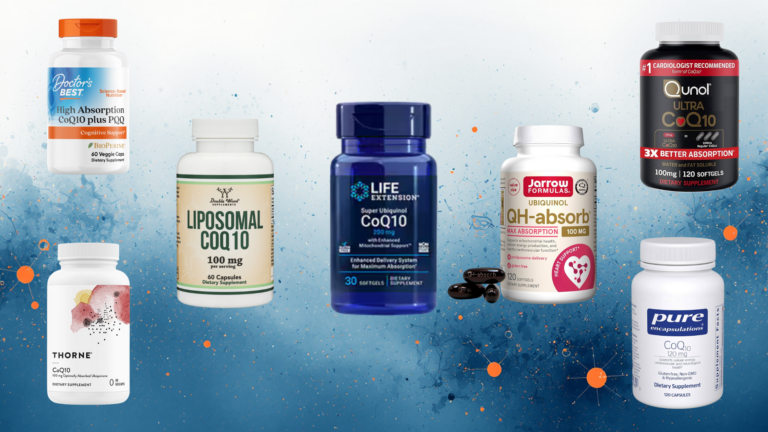
The 7 Best CoQ10 Supplements, Reviewed

1. Life Extension Super Ubiquinol CoQ10 with Enhanced Mitochondrial Support
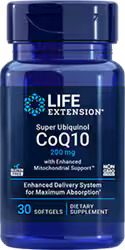
Life Extension Super Ubiquinol CoQ10

Best Overall | โญ 4.8/5 (2,400+ Amazon reviews)

Form: Ubiquinol (Kaneka) | Dose: 100mg | Count: 60 softgels | Testing: ConsumerLab verified | Price: ~$0.58/serving

This is what I’d take if money weren’t a factor. Life Extension pairs Kaneka ubiquinol with shilajit, a compound that enhances mitochondrial CoQ10 levels beyond what CoQ10 alone achieves. The combination addresses both CoQ10 status and mitochondrial efficiency.

ConsumerLab has verified this product. Life Extension’s manufacturing standards are pharmaceutical-grade. They also offer 50mg and 200mg versions depending on your needs.

Pros:

  • Kaneka ubiquinol – the gold standard source
  • Shilajit enhances mitochondrial CoQ10 beyond supplementation alone
  • ConsumerLab verified for purity and potency
  • Certificate of Analysis available on website
  • Multiple dose options (50mg, 100mg, 200mg)

Cons:

  • Premium pricing (~$35-40 for 60 softgels)
  • Softgels may be large for some users
  • Contains soy lecithin (not suitable for soy allergies)

Best for: Optimization-focused people who want the most comprehensive mitochondrial support and don’t mind paying for it. Also solid for heart health given the ubiquinol form.


2. Doublewood Liposomal CoQ10
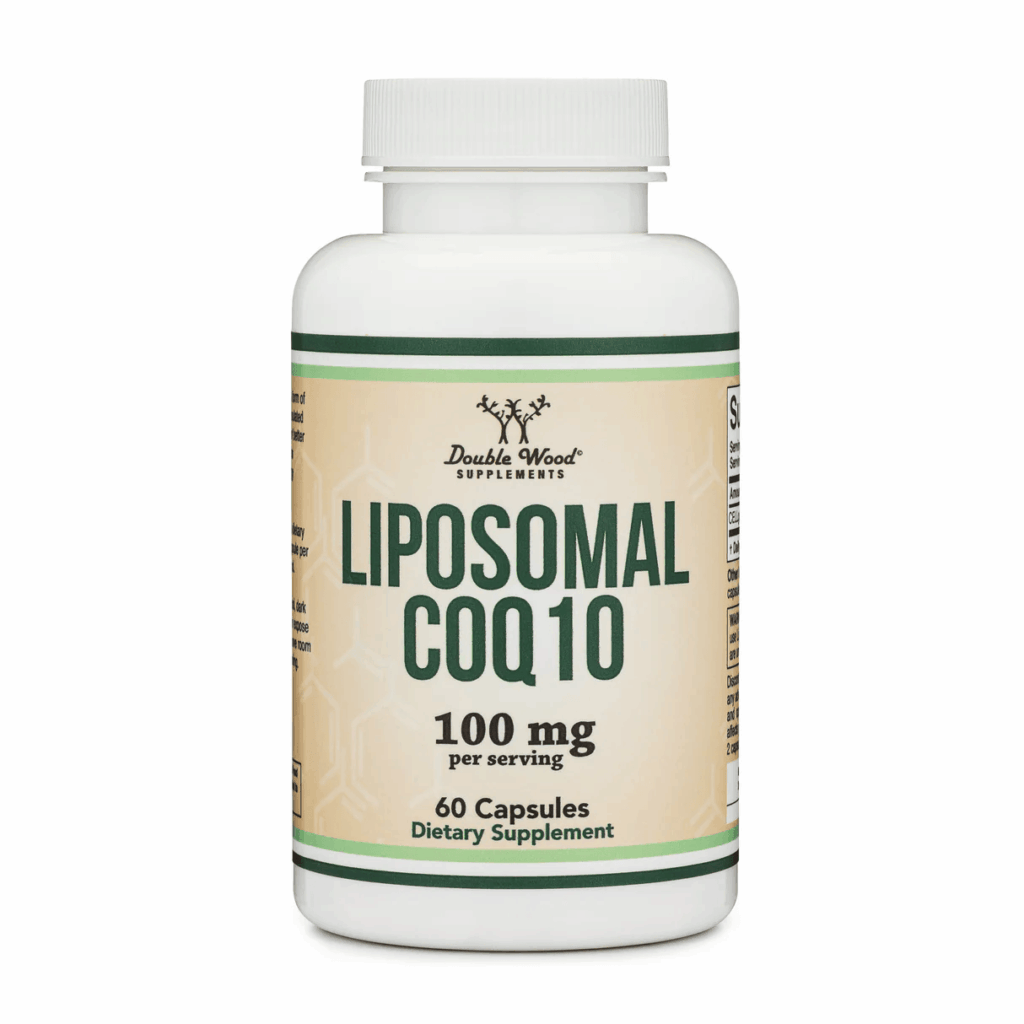
Doublewood Liposomal CoQ10

Best Absorption | โญ 4.6/5

Form: Ubiquinone (Liposomal) | Dose: 100mg | Count: 60 capsules | Testing: Third-party tested USA | Price: ~$0.33/serving

Liposomal delivery is the absorption king. By wrapping CoQ10 in phospholipid spheres, it bypasses typical digestive breakdown and delivers the nutrient directly to cells. Doublewood’s version is vegan-friendly, third-party tested, and manufactured in the USA.

The liposomal approach means you don’t need to take it with food containing fat – the delivery system handles absorption on its own. That’s a nice convenience factor if you’re not always eating fatty meals.

Pros:

  • Liposomal delivery bypasses digestive breakdown
  • No need to take with fatty food
  • Vegan-friendly formula
  • Good value for liposomal technology
  • USA manufactured with third-party testing

Cons:

  • Ubiquinone form (not ubiquinol)
  • Less stable than traditional softgels – store properly
  • Newer product with fewer long-term reviews

Best for: Anyone prioritizing absorption above all else. People with digestive issues that might impair normal CoQ10 uptake. Those who prefer vegan supplements.


3. Doctor’s Best High Absorption CoQ10 with BioPerine
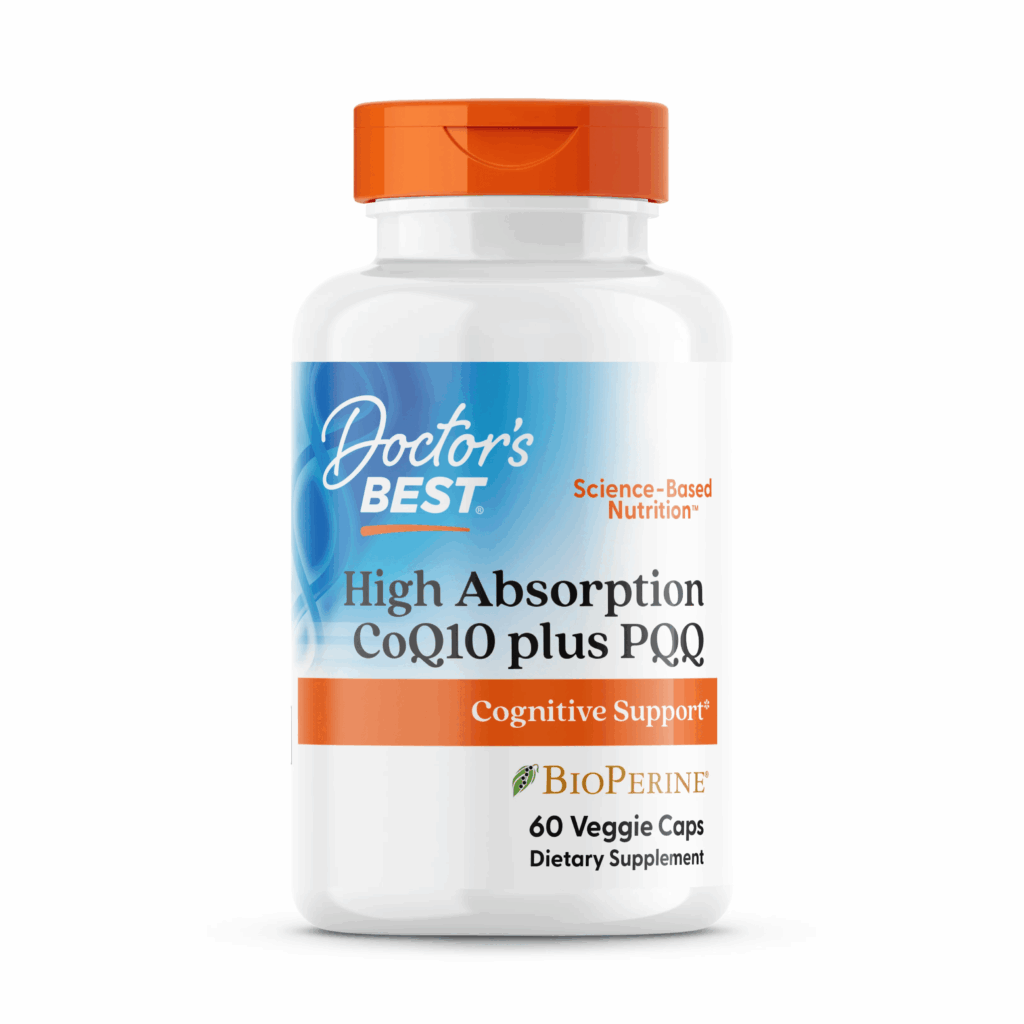
Doctor's Best High Absorption CoQ10

Best Value | โญ 4.7/5 (28,000+ Amazon reviews)

Form: Ubiquinone | Dose: 100mg | Count: 120 softgels | Testing: USP Verified | Price: ~$0.12/serving

At around $13-18 for 120 softgels, Doctor’s Best delivers exceptional value without cutting corners. USP Verified (independent testing), naturally fermented CoQ10, and BioPerine added for approximately 30% better absorption based on published research.

With 28,000+ Amazon reviews and a 4.7-star rating, this is one of the most trusted budget options available. The olive oil base provides proper fat-soluble delivery.

Pros:

  • Exceptional value – under $0.15 per serving
  • USP Verified for quality assurance
  • BioPerine enhances absorption ~30%
  • Naturally fermented, pharmaceutical-grade CoQ10
  • 28,000+ positive reviews on Amazon

Cons:

  • Ubiquinone form (may be less optimal for 60+ age group)
  • Contains soy lecithin
  • Some reports of softgels melting in hot weather during shipping

Best for: Budget-conscious buyers who still want quality. First-time CoQ10 users testing the waters. Anyone who wants solid value without overthinking it.


4. Jarrow Formulas QH-Absorb 100mg
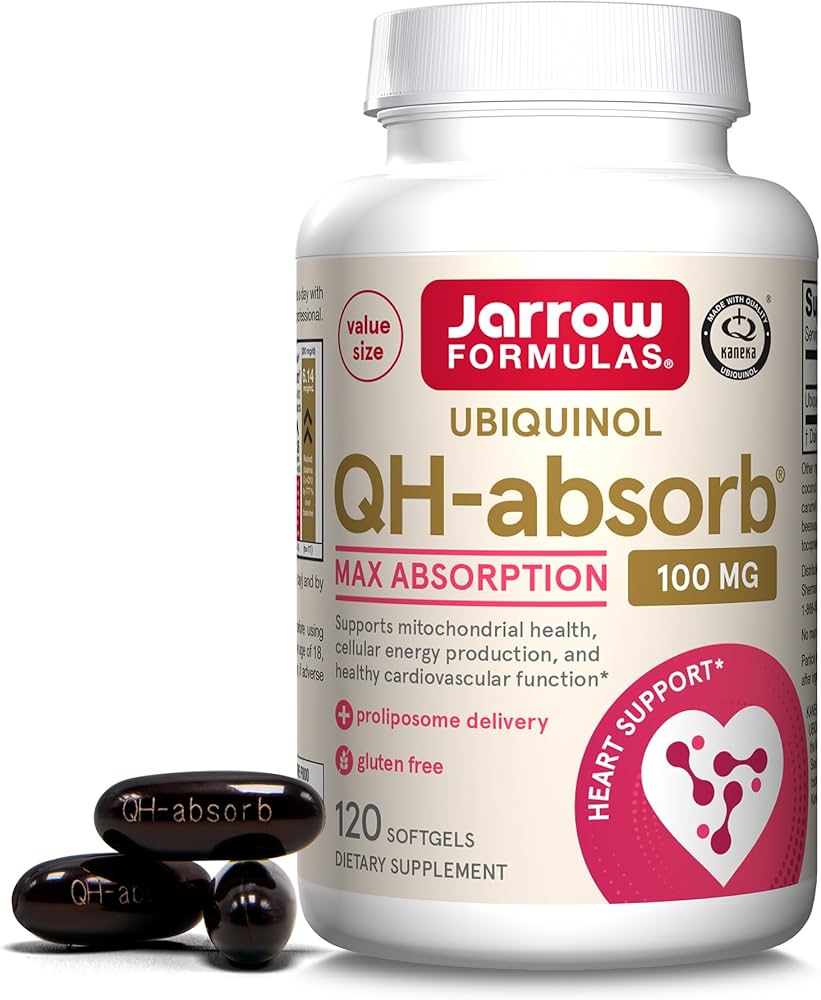
Jarrow Formulas QH-Absorb CoQ10

Best Ubiquinol | โญ 4.7/5 (8,500+ Amazon reviews)

Form: Ubiquinol (Kaneka) | Dose: 100mg | Count: 120 softgels | Testing: Jarrow in-house + external | Price: ~$0.37/serving

Jarrow’s ubiquinol uses a proliposomal delivery system they claim increases blood levels by 222% at 100mg daily and 777% at 300mg daily. Those numbers come from their own research, so take them with appropriate skepticism – but Jarrow has a solid reputation and uses Kaneka ubiquinol.

At around $40-48 for 120 softgels, it’s the best value quality ubiquinol option. If you’ve decided you want ubiquinol but don’t want to pay Life Extension or Pure Encapsulations prices, this is your pick.

Pros:

  • Kaneka ubiquinol – gold standard source
  • Proliposomal delivery for enhanced absorption
  • Best value in the ubiquinol category
  • 120-count bottle lasts 4 months at standard dosing
  • No major allergens

Cons:

  • Absorption claims based on company’s own research
  • Some users report softgels sticking together
  • Contains bovine gelatin (not vegetarian)

Best for: Adults over 50 who want ubiquinol without premium pricing. Fertility focus (ubiquinol may support egg and sperm quality). Anyone who’s tried ubiquinone and wants to see if ubiquinol works better for them.


5. Qunol Ultra CoQ10 100mg
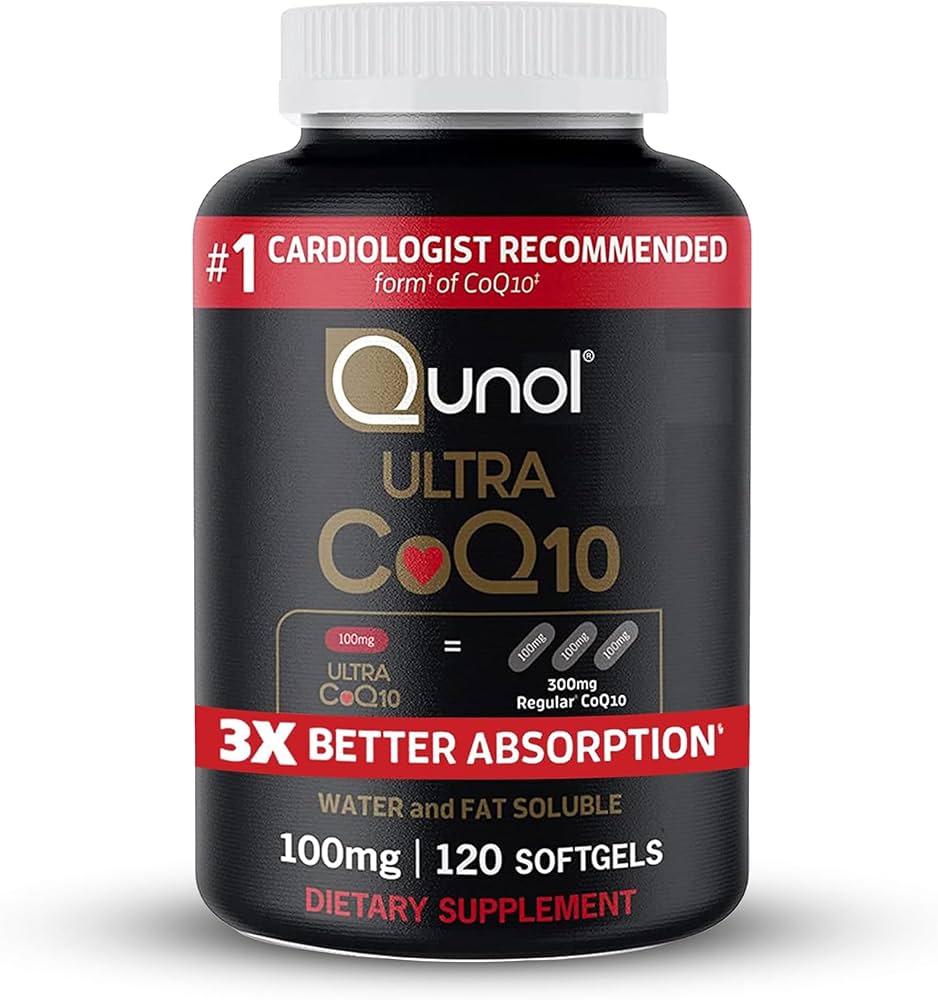
Qunol Ultra CoQ10

Best for Statin Users | โญ 4.7/5 (45,000+ Amazon reviews)

Form: Ubiquinone (water + fat soluble) | Dose: 100mg | Count: 120 softgels | Testing: Company testing | Price: ~$0.20/serving

Qunol’s claim to fame is their patented water AND fat-soluble formula. Most CoQ10 only dissolves in fat, which limits absorption. Qunol’s solubility technology showed 3x better absorption in clinical trials they funded.

It’s the #1 cardiologist-recommended brand (according to their marketing, based on IQVIA surveys). At $20-28 for 120 softgels, it hits a sweet spot between budget and premium. With 45,000+ reviews, it’s also the most popular option on Amazon.

Pros:

  • Patented water + fat soluble formula
  • 3x better absorption in company trials
  • #1 cardiologist-recommended form (per IQVIA survey)
  • Most-reviewed CoQ10 on Amazon (45,000+)
  • Gluten-free, no artificial additives

Cons:

  • Absorption claims from company-funded research
  • Ubiquinone form (not ubiquinol)
  • Some users report large pill size

Best for: Statin users who want specifically marketed support. People who want better-than-basic absorption without paying ubiquinol prices. Heart health focus.


6. Thorne CoQ10 (Q-Best)
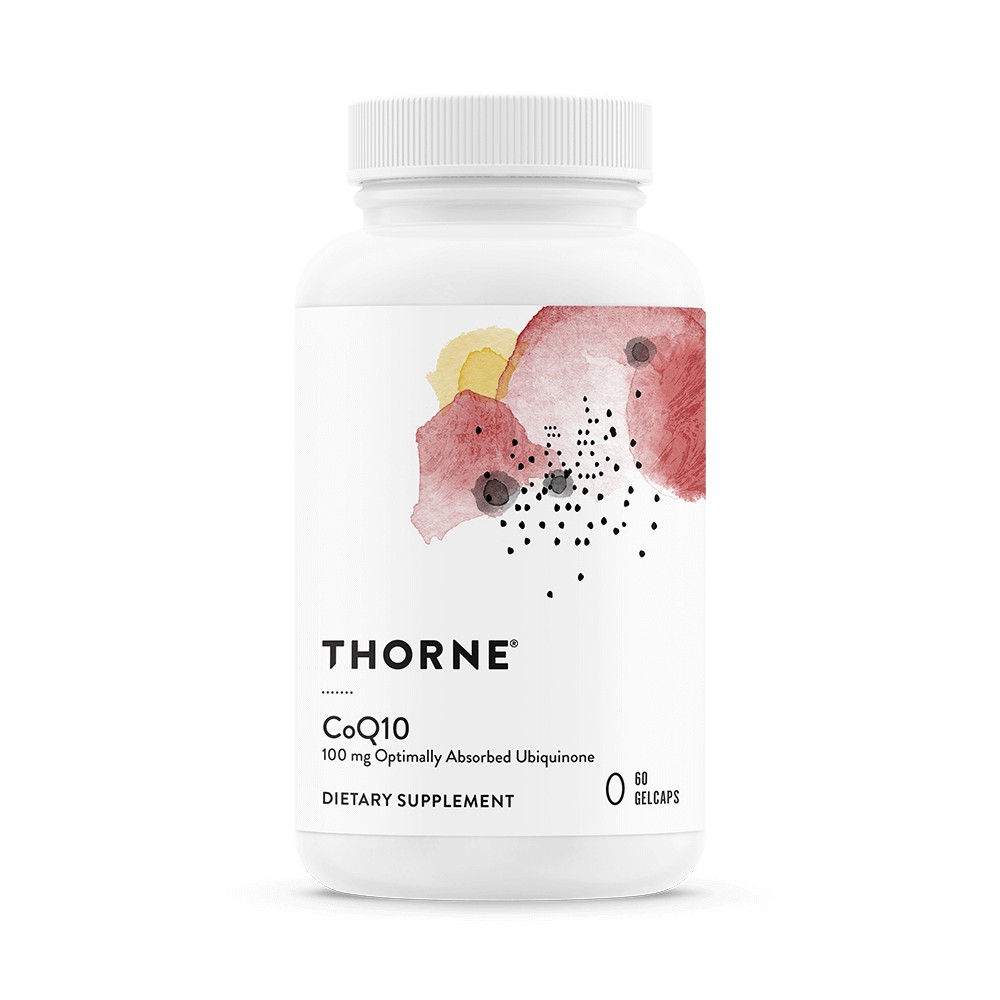
Thorne CoQ10

Best Quality | โญ 4.6/5 (3,200+ Amazon reviews)

Form: Ubiquinone (crystal-free) | Dose: 100mg | Count: 60 gelcaps | Testing: 4 rounds internal + NSF available | Price: ~$0.65/serving

Thorne takes the opposite approach from ubiquinol marketers. They use ubiquinone but in a proprietary crystal-free form they claim absorbs 3x better than ubiquinol. Their argument: stability matters, and ubiquinol degrades while ubiquinone doesn’t.

What I trust about Thorne: they’re used by over 100 professional sports teams and run every batch through four rounds of testing. Their quality control is legitimate. At $36-42 for 60 gelcaps it’s not cheap, but you’re paying for pharmaceutical-grade manufacturing.

Pros:

  • Trusted by 100+ professional sports teams
  • 4 rounds of testing per batch
  • Crystal-free formula for superior absorption
  • NSF Certified for Sport versions available
  • Pharmaceutical-grade manufacturing

Cons:

  • Premium pricing (~$0.65 per 100mg)
  • Ubiquinone form (though they argue it’s superior)
  • Contains soy monoglycerides

Best for: Quality-obsessed buyers. Athletes (NSF Certified for Sport versions available). Thorne loyalists who already use their other products.


7. Pure Encapsulations Ubiquinol-QH
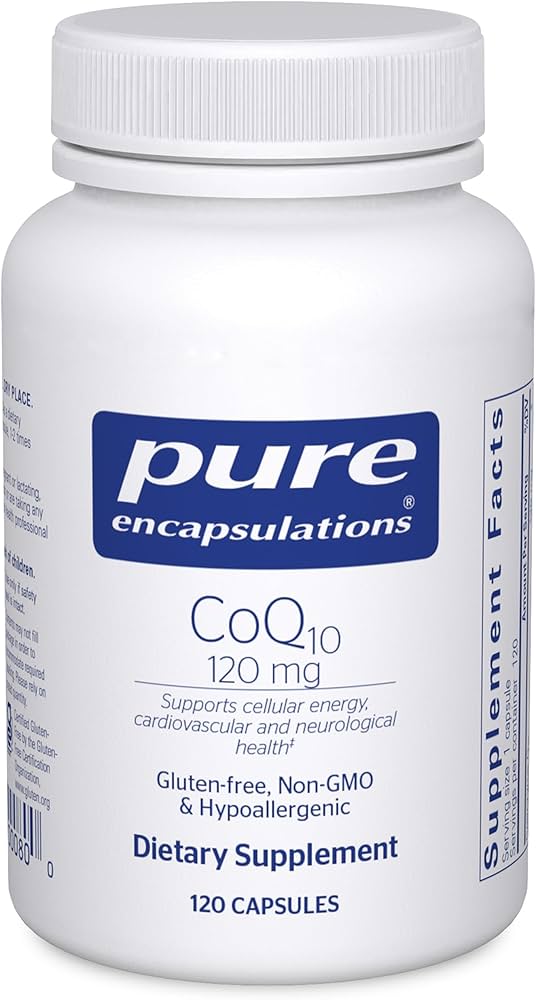
Pure Encapsulations Ubiquinol-QH

Best Hypoallergenic | โญ 4.6/5 (1,100+ Amazon reviews)

Form: Ubiquinol (Kaneka) | Dose: 100mg | Count: 60 softgels | Testing: Extensive third-party verification | Price: ~$1.00/serving

Pure Encapsulations is the brand doctors recommend for sensitive patients. No artificial colors, no preservatives, no common allergens. Kaneka ubiquinol in a clean formula.

At $55-68 for 60 softgels, it’s the most expensive option on this list. You’re paying for the purity standards and the brand’s reputation in clinical settings – they’re the #1 most recommended professional supplement brand according to Nutrition Business Journal surveys.

Pros:

  • #1 practitioner-recommended professional brand
  • Kaneka ubiquinol – gold standard source
  • Free from all common allergens
  • No artificial colors, preservatives, or fillers
  • Ideal for multiple chemical sensitivities

Cons:

  • Most expensive option (~$1.00 per 100mg)
  • Only 60-count bottles available
  • Some users report mild digestive sensitivity

Best for: People with multiple sensitivities or allergies. Patients whose doctors specifically recommend this brand. Those who need pharmaceutical-grade purity and are willing to pay for it.

Complete Comparison Chart

ProductFormDoseCountKey FeatureRating
Life Extension Super UbiquinolUbiquinol100mg60Shilajit + Kaneka4.8/5
Doublewood LiposomalUbiquinone100mg60Liposomal delivery4.6/5
Doctor’s BestUbiquinone100mg120BioPerine + USP4.7/5
Jarrow QH-AbsorbUbiquinol100mg120Proliposomal Kaneka4.7/5
Qunol UltraUbiquinone100mg120Water + fat soluble4.7/5
Thorne CoQ10Ubiquinone100mg60Crystal-free formula4.6/5
Pure EncapsulationsUbiquinol100mg60Hypoallergenic4.6/5

How We Evaluated These Supplements

We analyzed 25+ CoQ10 supplements across five key criteria, consulting with pharmacists and reviewing clinical literature to ensure accuracy:

  • Efficacy (35%) – Form (ubiquinol vs ubiquinone), delivery system, absorption enhancers, clinical dosing
  • Quality (25%) – Third-party testing (USP, NSF, ConsumerLab), Kaneka sourcing, manufacturing standards
  • Value (20%) – Price per 100mg serving, bottle size, subscription discounts
  • Safety (10%) – Clean ingredient lists, allergen considerations, drug interaction transparency
  • User Experience (10%) – Pill size, taste, Amazon/retailer ratings, customer feedback patterns

Ubiquinol vs Ubiquinone: What Actually Matters

This is where supplement marketing loves to confuse people. Let me simplify it.

Ubiquinone is the oxidized form. It’s been studied for decades, it’s stable, and it’s cheaper. Your body converts it to the active form (ubiquinol) after absorption.

Ubiquinol is the reduced (active) form. It’s what your cells actually use. It’s less stable and costs 2-3x more.

The marketing pitch for ubiquinol is that it’s “already active” so you absorb more. There’s some truth to this – a 2014 study in Clinical Pharmacology in Drug Development found ubiquinol increased plasma CoQ10 levels 1.5x better than ubiquinone in older adults. [5]

But here’s what the marketing leaves out: formulation matters more than form. A well-designed ubiquinone product using crystal dispersion technology actually showed 52% higher bioavailability than ubiquinol in one study. The oil base, the softgel delivery, the manufacturing process – these often matter more than whether you’re buying the oxidized or reduced form.

The evidence-based approach:

  • Under 40: Save your money, get a quality ubiquinone
  • 40-60: Either form works if the product is well-formulated
  • Over 60: Ubiquinol probably worth the premium since conversion efficiency declines with age
  • Heart failure or serious health conditions: Go with ubiquinol to reduce any absorption variables

Key Ingredients That Enhance CoQ10 Absorption

Not all CoQ10 supplements absorb equally. These ingredients significantly impact bioavailability:

Oil-Based Carriers (Essential) – CoQ10 is fat-soluble. A 2019 study in Nutrition demonstrated oil-based softgels absorb 3.3x better than powder capsules. [6] Look for olive oil, MCT oil, or sunflower oil in the ingredient list.

BioPerine (Black Pepper Extract) – Research published in the Journal of Medicinal Food demonstrated that piperine increases CoQ10 absorption by approximately 30%. Doctor’s Best uses this approach.

Shilajit – This Himalayan compound enhances mitochondrial CoQ10 levels beyond what CoQ10 alone achieves. A 2012 study in the Journal of Alzheimer’s Disease found shilajit combined with CoQ10 increased ATP production more than either compound alone. [9] Life Extension pairs it with their ubiquinol for synergistic mitochondrial support.

Liposomal Delivery – Encapsulating CoQ10 in phospholipid spheres protects it from digestive breakdown and enables direct cellular uptake. Doublewood uses this technology.

Kaneka Source – The only US manufacturer of CoQ10, using natural yeast fermentation. Products specifying “Kaneka Ubiquinol” or “Kaneka QH” use this pharmaceutical-grade source.

Who Benefits Most from CoQ10

  • Adults over 50 – Natural production decline begins in your 20s and accelerates after 50
  • Statin users – These medications block CoQ10 synthesis along with cholesterol production
  • People on depleting medications – Beta-blockers, thiazide diuretics, oral contraceptives, tricyclic antidepressants, and certain diabetes medications
  • Those with heart failure or cardiovascular concerns – Strong clinical evidence supports 200-300mg daily
  • Migraine sufferers – 300mg daily reduced frequency by 30-50% in clinical trials
  • Couples trying to conceive – Especially women over 35 (egg quality) and men with motility concerns
  • Endurance athletes – May support recovery and reduce exercise-induced oxidative stress

How to Choose the Right CoQ10 Supplement

Use this decision framework based on your situation:

If you’re on a budget: Doctor’s Best. USP verified, BioPerine for absorption, under $15 for 120 softgels. Hard to beat.

If you’re over 60: Jarrow QH-Absorb or Life Extension Super Ubiquinol. Ubiquinol bypasses age-related conversion inefficiency.

If you take statins: Qunol Ultra or Doctor’s Best. Both are well-absorbed ubiquinone options at reasonable prices.

If you have food sensitivities: Pure Encapsulations. The cleanest formula with no common allergens.

If you’re optimizing everything: Life Extension Super Ubiquinol. The shilajit combination provides mitochondrial benefits beyond CoQ10 alone.

If you’re an athlete needing NSF certification: Thorne CoQ10. Their NSF Certified for Sport versions are trusted by professional teams.

If absorption is your priority: Doublewood Liposomal. Bypasses digestive breakdown entirely.

CoQ10 Dosing Guide by Goal

GoalDoseNotes
General wellness / anti-aging100-200mg dailyTake with food containing fat
Statin users100-300mg dailyHigher end if experiencing muscle symptoms
Heart failure300mg daily (100mg 3x)Based on Q-SYMBIO trial showing 50% reduction in cardiac events
Cardiovascular protection (elderly)200mg + selenium 200mcgBased on KISEL-10 trial showing 54% mortality reduction
Migraine prevention300mg daily (100mg 3x)Takes 2-3 months to see effects
Male fertility200-400mg dailyRun for 3-6 months (full sperm cycle)
Female fertility / IVF200-600mg dailyStart 60-90 days before cycle
Athletic performance200-300mg dailyModest evidence; 6+ weeks for effects

Split larger doses across the day rather than taking all at once. CoQ10 is fat-soluble, so always take it with a meal containing some fat – breakfast with eggs or dinner works well.

Timeline: When to Expect Results

CoQ10 isn’t like caffeine โ€” you won’t feel an immediate boost. Benefits develop gradually as your cells replenish their CoQ10 stores:

  • Blood levels stabilize: 2-4 weeks
  • Energy/general wellness: Subtle, develops over 2-4 weeks. Many people only notice when they stop taking it.
  • Blood pressure effects: 4-12 weeks
  • Heart health benefits: 8-12 weeks for measurable changes
  • Migraine reduction: 2-3 months minimum
  • Fertility (egg quality): 60-90 days (this is how long eggs take to mature)
  • Statin muscle symptoms: 2-4 weeks for some relief, longer for full benefit

If you want to know if CoQ10 is “working,” the real test is to take it consistently for 3+ months, then stop for 2 weeks. Most people notice a dip in energy or general wellbeing that they didn’t realize CoQ10 was providing.

Drug Interactions and Safety

CoQ10 is generally very safe – the observed safe level is 1,200mg daily, way more than anyone takes. But there are interactions worth knowing:

Warfarin (blood thinners): CoQ10 has a similar structure to Vitamin K and may reduce warfarin’s effectiveness. If you’re on blood thinners, talk to your doctor and monitor INR closely.

Blood pressure medications: CoQ10 may have additive blood pressure lowering effects. Good news if that’s your goal, but monitor your BP especially when starting.

Diabetes medications: May enhance blood sugar reduction. Monitor glucose more frequently if adding CoQ10.

Chemotherapy: Mixed evidence. Some oncologists recommend it, others advise against. Always check with your oncologist before adding any supplements during cancer treatment.

Statins: Not an interaction per se – statins deplete CoQ10, so supplementing makes sense. But some people report the combination works better when they take them at different times of day.

Potential Side Effects (Rare):

  • Mild digestive upset, nausea, or diarrhea (usually resolves with lower doses)
  • Insomnia if taken late in the day
  • Headaches (uncommon)
  • Skin rash (rare)

CoQ10 Stacking Protocols (For Biohackers)

CoQ10 works synergistically with several other compounds if you’re building a mitochondrial support stack:

The Classic Mitochondrial Stack:

  • CoQ10 (100-200mg)
  • PQQ (10-20mg) – supports mitochondrial biogenesis
  • L-Carnitine (500-2000mg) – shuttles fatty acids into mitochondria
  • Alpha-lipoic acid (300-600mg) – antioxidant, supports mitochondrial function
  • B vitamins – essential cofactors for energy production

The NAD+ Stack:

  • NMN or NR (250-500mg)
  • Resveratrol (250-500mg with fat)
  • CoQ10 (100-200mg)

Research suggests NMN combined with other mitochondrial nutrients is 1.6-1.7x more effective than NMN alone. CoQ10 fits naturally into longevity-focused stacks.

For Cardiovascular Support:

  • CoQ10 (200-300mg)
  • Omega-3s (2-4g EPA/DHA)
  • Magnesium (300-400mg)
  • Selenium (200mcg) – based on KISEL-10 study

The Clinical Evidence: Key Studies

The evidence base for CoQ10 is stronger than most supplements. Here are the landmark trials:

Q-SYMBIO (2014): 420 patients with heart failure took 300mg CoQ10 daily for 2 years. Results: 50% reduction in major cardiac events compared to placebo. This was the first supplement to show mortality benefit in heart failure in over a decade. [1]

KISEL-10 (2013): 443 elderly Swedish participants took 200mg CoQ10 plus 200mcg selenium for 4 years. Results: 54% reduction in cardiovascular death. Follow-up studies showed benefits persisting 12 years later. [2]

Migraine Prevention (2002, 2005): Multiple trials show 300mg daily reduces migraine frequency by 30-50% after 2-3 months. A 2005 randomized controlled trial in Neurology found CoQ10 reduced attack frequency from 4.4 to 3.2 per month compared to placebo. [3, 10]

Male Fertility (2013): A meta-analysis in the Journal of Urology found CoQ10 supplementation significantly improved sperm concentration, motility, and morphology. Doses ranged from 200-300mg daily for 3-6 months. [7]

Female Fertility/Egg Quality (2018): Research published in Fertility and Sterility showed CoQ10 supplementation (600mg daily) improved ovarian response in women with diminished ovarian reserve undergoing IVF. [11]

Blood Pressure (2007): A meta-analysis of 12 clinical trials found CoQ10 supplementation reduced systolic blood pressure by up to 17 mmHg and diastolic by up to 10 mmHg in hypertensive patients. [12]

Statin Myopathy (2018): The evidence here is more mixed – a meta-analysis in the Journal of the American Heart Association reviewed 12 trials and found modest but inconsistent benefits for statin-induced muscle symptoms. The biological rationale is solid (statins block CoQ10 synthesis), but the clinical evidence isn’t as consistent as supplement marketers suggest. [4]

Parkinson’s Disease (2002): A multicenter randomized trial found that 1200mg daily CoQ10 slowed functional decline in early Parkinson’s disease by 44% compared to placebo. However, a larger 2014 follow-up trial (QE3) did not replicate these findings, so evidence remains inconclusive. [13]

Frequently Asked Questions

What is CoQ10 and why do I need it?

CoQ10 (Coenzyme Q10) is a naturally occurring antioxidant found in every cell of your body. It’s essential for producing ATP (cellular energy) and protecting cells from oxidative damage. Your body makes CoQ10 naturally, but production declines with age – levels at 65 are roughly half what they were at 25.

What’s the best form of CoQ10 to take?

For most people under 50, well-formulated ubiquinone is fine and saves money. For those over 60 or with absorption concerns, ubiquinol may be worth the premium. More important than the form: make sure it’s in an oil-based softgel or liposomal delivery, not a powder-filled capsule.

How much CoQ10 should I take daily?

100-200mg for general wellness. 300mg for heart health, migraines, or statin support. Up to 600mg for fertility optimization. Higher doses should be split across 2-3 servings. Always take with food containing fat for better absorption.

Can I take CoQ10 with my statin?

Yes, and many cardiologists recommend it. Statins block the same pathway that produces CoQ10, so supplementation makes biological sense. Some people take them at different times of day, though there’s no strong evidence this matters.

Does CoQ10 give you energy?

Not like caffeine does. CoQ10 supports cellular energy production at the mitochondrial level. Benefits are gradual and often only noticed when you stop taking it. If you’re looking for an immediate energy boost, CoQ10 isn’t it.

What time of day should I take CoQ10?

With any meal containing fat. Morning or midday is often preferred since CoQ10 supports energy production – some people report sleep disturbances if taken late evening. Consistency matters more than timing.

Is CoQ10 safe long-term?

Yes. It’s naturally present in your body and has been used in clinical trials for years at doses up to 1,200mg without significant safety concerns. The main caution is warfarin interaction and checking with your oncologist during cancer treatment.

Is ubiquinol really better than ubiquinone?

It depends. Ubiquinol shows better absorption in older adults and those with certain health conditions. But quality ubiquinone formulations with good delivery systems can match or exceed ubiquinol absorption. Age and budget are the main factors – under 50, save the money; over 60, ubiquinol may be worth it.

Can CoQ10 help with fertility?

Research suggests CoQ10 may support egg quality in women over 35 and sperm health in men. Doses of 200-600mg daily for 60-90 days are typically used in fertility protocols. It’s not a magic bullet, but it’s one of the better-supported supplements for reproductive health.

What’s the difference between Kaneka and regular CoQ10?

Kaneka is the only US manufacturer of CoQ10, using natural yeast fermentation. Generic CoQ10 is often synthetically produced in China with less rigorous quality control. Most premium brands (Life Extension, Jarrow, Pure Encapsulations) use Kaneka as their source.

Why is my CoQ10 orange/brown colored?

CoQ10 is naturally orange-colored. If your softgels are clear or white, they may contain very little actual CoQ10, or it’s been bleached. Quality products will have that characteristic orange/amber color.

Can CoQ10 help with blood pressure?

Studies show CoQ10 supplementation can modestly lower systolic blood pressure by 11-17 mmHg in people with hypertension. [12] It’s not a replacement for blood pressure medication but may provide additional support.

Does CoQ10 help with migraines?

Yes, this is one of the better-supported uses. Multiple clinical trials show 300mg daily reduces migraine frequency by 30-50% after 2-3 months of consistent use. It’s often used alongside magnesium and riboflavin for migraine prevention.

How long does it take for CoQ10 to work?

Blood levels stabilize in 2-4 weeks, but noticeable benefits for energy may take 4-8 weeks. For specific conditions like migraines or heart health, expect 2-3 months for meaningful improvement.

Can I take CoQ10 while pregnant?

There’s insufficient safety data for pregnancy. Some fertility specialists recommend it before conception, but most advise discontinuing once pregnancy is confirmed. Always consult your OB-GYN.

What medications deplete CoQ10?

Statins are the most well-known, but other medications also deplete CoQ10: beta-blockers, thiazide diuretics, tricyclic antidepressants, oral contraceptives, certain diabetes medications, and some chemotherapy drugs.

Can I take CoQ10 with other supplements?

Yes, CoQ10 works synergistically with many supplements including omega-3s, PQQ, L-carnitine, alpha-lipoic acid, and B vitamins. It’s commonly stacked in mitochondrial and longevity protocols.

The Bottom Line

If you asked me to pick just one: Doctor’s Best offers the best balance of quality, absorption (via BioPerine), and price. You can find it at any pharmacy or Amazon, it’s reasonably priced, and the USP verification means you’re getting what the label claims.

If you want the premium option: Life Extension Super Ubiquinol with shilajit is the most comprehensive mitochondrial support formula. It’s expensive but justified if optimization is your priority.

If absorption is your top concern: Doublewood Liposomal or Qunol Ultra both offer enhanced delivery systems at reasonable prices.

If you have sensitivities: Pure Encapsulations is the cleanest formula available, worth the premium if you react to additives in other supplements.

Disclosure: This article contains affiliate links. We only recommend products we’d take ourselves or give to family. See our full editorial policy.

References

  1. Mortensen SA, et al. The effect of coenzyme Q10 on morbidity and mortality in chronic heart failure (Q-SYMBIO). JACC Heart Fail. 2014;2(6):641-649.
  2. Alehagen U, et al. Cardiovascular mortality and N-terminal-proBNP reduced after combined selenium and coenzyme Q10 supplementation (KISEL-10). Int J Cardiol. 2013;167(5):1860-1866.
  3. Rozen TD, et al. Open label trial of coenzyme Q10 as a migraine preventive. Cephalalgia. 2002;22(2):137-141.
  4. Qu H, et al. Effects of Coenzyme Q10 on Statin-Induced Myopathy: An Updated Meta-Analysis of Randomized Controlled Trials. J Am Heart Assoc. 2018;7(19):e009835.
  5. Langsjoen PH, Langsjoen AM. Comparison study of plasma coenzyme Q10 levels in healthy subjects supplemented with ubiquinol versus ubiquinone. Clin Pharmacol Drug Dev. 2014;3(1):13-17.
  6. Lรณpez-Lluch G, et al. Bioavailability of coenzyme Q10 supplements depends on carrier lipids and solubilization. Nutrition. 2019;57:133-140.
  7. Lafuente R, et al. Coenzyme Q10 and male infertility: a meta-analysis. J Assist Reprod Genet. 2013;30(9):1147-1156.
  8. Office of Dietary Supplements – National Institutes of Health. Coenzyme Q10 Fact Sheet for Health Professionals.
  9. Carrasco-Gallardo C, et al. Shilajit: a natural phytocomplex with potential procognitive activity. Int J Alzheimers Dis. 2012;2012:674142.
  10. Sรกndor PS, et al. Efficacy of coenzyme Q10 in migraine prophylaxis: a randomized controlled trial. Neurology. 2005;64(4):713-715.
  11. Xu Y, et al. Pretreatment with coenzyme Q10 improves ovarian response and embryo quality in low-prognosis young women with decreased ovarian reserve. Fertil Steril. 2018;109(1):105-111.
  12. Rosenfeldt FL, et al. Coenzyme Q10 in the treatment of hypertension: a meta-analysis of the clinical trials. J Hum Hypertens. 2007;21(4):297-306.
  13. Shults CW, et al. Effects of coenzyme Q10 in early Parkinson disease: evidence of slowing of the functional decline. Arch Neurol. 2002;59(10):1541-1550.

Medical Disclaimer: This content is for informational purposes only and is not medical advice. Consult your healthcare provider before starting any supplement, especially if you take medications or have health conditions. Last reviewed January 2026.
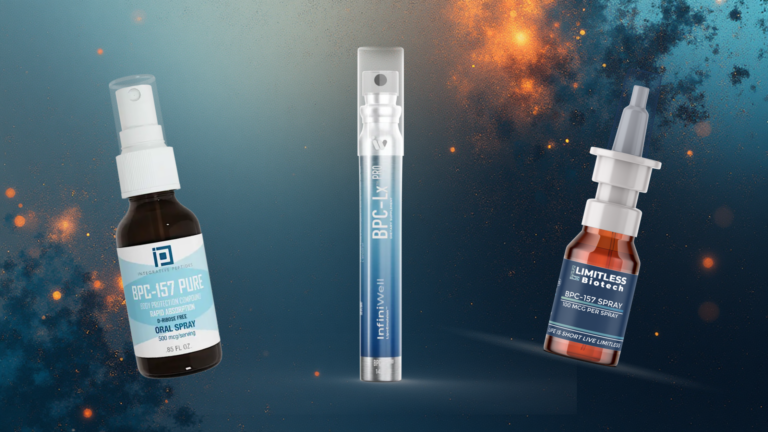
5 Best BPC-157 Sprays in 2026 (Nasal & Oral Compared)

0

Needles aren’t for everyone. Maybe you’ve heard about BPC-157’s remarkable healing benefits but the idea of jabbing yourself daily sounds like a hard pass. Or you travel constantly and carrying vials, syringes, and bacteriostatic water through TSA isn’t your idea of a good time.

That’s where BPC-157 sprays come in. Same peptide, no injection required.

BPC-157 has earned its reputation in the biohacking community for good reason. This 15-amino acid peptide, originally isolated from human gastric juice, has shown impressive results in animal studies for accelerating wound healing, repairing tendons and ligaments, protecting the gut lining, and even supporting neurological function. It’s one of the most studied peptides in the regenerative space, with hundreds of published papers documenting its effects.

I’ve spent weeks digging into the spray market, comparing formulations, pricing, testing standards, and actual user experiences. The landscape has changed dramatically in the past year. New delivery technologies are challenging the old assumption that injectable is the only way to go. Some of these products are genuinely innovative. Others are questionable at best. Here’s what I found.

๐Ÿ† Quick Roundup: The 5 Best BPC-157 Sprays

Why Choose a Spray Over Injectable?

Let’s be real about the trade-off here. Injectable BPC-157 has traditionally offered better bioavailability. We’re talking 80-95% absorption versus maybe 40-60% for nasal sprays and even less for basic oral formulations.

So why would anyone choose a spray?

Convenience is the obvious answer. No sterile technique. No sharps disposal. No explaining your “research chemicals” to airport security. You just spray and go. For a lot of people, that convenience means they’ll actually use it consistently. A protocol you follow beats a “better” protocol you abandon after two weeks because you hate needles.

But there’s a more interesting development happening. Advanced lipid-based delivery systems are closing the bioavailability gap. The pharmaceutical industry has spent decades perfecting ways to deliver peptides orally, and some of that technology is now reaching the supplement market. Companies like InfiniWell are using lipid encapsulation to protect peptides from degradation and dramatically improve absorption through mucosal tissue.

There’s also a practical consideration for gut issues specifically. BPC-157 was originally isolated from gastric juice, and it’s unusually stable in stomach acid. Unlike most peptides that get destroyed the moment they hit your digestive system, BPC-157 remains intact for over 24 hours in gastric juice. If you’re targeting gut healing, leaky gut, or digestive issues, oral delivery puts the peptide right where you need it.

Oral Spray vs Nasal Spray: Which Is Right for You?

These work differently and each has distinct advantages worth understanding.

Oral/sublingual sprays absorb through your mouth’s mucous membranes, bypassing first-pass liver metabolism entirely. This means more intact peptide reaches your bloodstream. The sublingual region under your tongue is particularly rich in blood vessels and offers superior permeability compared to other oral surfaces. Best for gut-related issues since some peptide also reaches your GI tract directly. With advanced lipid-based delivery systems like InfiniWell’s LipoEmulsion technology, oral sprays are now achieving bioavailability levels that rival traditional delivery methods.

Nasal sprays bypass your digestive system entirely. The nasal passage offers something unique: a direct route to the brain through olfactory and trigeminal nerve pathways. This might matter if you’re interested in BPC-157’s neuroprotective effects. Research shows intranasally administered peptides can reach the brain within 10 minutes via extracellular pathways, with concentrations peaking between 30-80 minutes in cerebrospinal fluid. However, nasal delivery typically requires reconstitution and proper technique to maximize absorption.

Pick based on what you’re trying to address. Gut issues, systemic healing, or convenience? Oral spray makes sense, especially with advanced delivery technology. Targeting neurological benefits or preferring the nasal route? That’s a solid choice too.


1. InfiniWell BPC-Lx Pro โ€“ Best Overall

InfiniWell takes a fundamentally different approach than the rest of the market. They’re not selling research chemicals to biohackers. They’re a physician-formulated supplement company that’s been around since 2020, originally doing custom formulations for doctors and functional medicine practitioners.

What makes their BPC-Lx Pro genuinely groundbreaking is the LipoEmulsion technology. This isn’t marketing fluff. It’s a proprietary lipid-based delivery system that represents a significant advancement in how oral peptides can be delivered.

The Science Behind LipoEmulsion Technology

Here’s the problem with most oral peptide supplements: your digestive system destroys them. Stomach acid, pepsin, trypsin, chymotrypsin, and a host of other enzymes systematically cleave peptide bonds. That’s why typical oral peptide bioavailability hovers around 1-2%. Most of what you swallow never makes it to your bloodstream intact.

InfiniWell’s LipoEmulsion system addresses this through lipid encapsulation. The peptide is wrapped in a hydrogen-infused, MCT-based lipid matrix with sunflower lecithin. This creates a protective barrier that shields the peptide from enzymatic degradation while dramatically improving absorption through mucosal tissue.

The science here is well-established. Research published in pharmaceutical journals shows lipid-based nanocarriers can increase peptide bioavailability by 10-50 fold compared to unprotected formulations. The lipids protect the peptide in multiple ways: gastrointestinal enzymes can’t penetrate the lipophilic (fat-loving) shell, the nanoparticles slip through the mucus barrier that normally blocks large molecules, and once they reach the absorption membrane, they can fuse directly with cell membranes or get taken up through lymphatic transport, completely bypassing first-pass liver metabolism.

What makes InfiniWell unique is that they’re currently the only company applying this pharmaceutical-grade approach to BPC-157 oral spray delivery. Everyone else is either doing basic aqueous formulations (water-based, minimal protection) or nasal sprays. InfiniWell has essentially brought drug delivery science to the supplement world.

Use code IW15 to save 15% on your first order.

Quick Specs

  • Type: Oral spray (sublingual) with LipoEmulsion delivery
  • Total BPC-157: 30mg per bottle
  • Per spray: 125mcg
  • Serving size: 4 sprays (500mcg)
  • Supply: 30 days at 2x daily dosing
  • Price: $159.95 ($131 on sale) โ€“ $5.33/mg
  • Testing: MS Bioanalytical (ISO-accredited)
  • Trustpilot: 4.7/5 stars

The delivery mechanism itself is precision-engineered. It’s a fine-mist spray that disperses evenly across your sublingual and buccal tissue. You spray, hold briefly, and the lipid-encapsulated peptide absorbs through your mouth’s mucous membranes. Nothing to swallow, no pills to remember, no refrigeration required. The hydrogen-infused matrix also provides antioxidant protection, helping maintain peptide stability even at room temperature.

User reviews consistently mention recovery from shoulder injuries, post-surgery healing, gut issues, and general tissue repair. People appreciate the convenience factor and the fact that they’re not dealing with research chemicals from gray-market vendors.

Pros

  • Groundbreaking LipoEmulsion technology for dramatically improved absorption
  • Only oral spray on the market with advanced lipid-based delivery
  • Physician-formulated, supplement-grade positioning
  • Comprehensive third-party testing (identity, potency, purity, heavy metals, microbial)
  • Room temperature stable โ€“ no refrigeration needed
  • 30-day money-back guarantee
  • Made in US cGMP facilities
  • Precision fine-mist spray mechanism

Cons

  • Most expensive option on this list
  • Proprietary terminology makes direct comparison difficult
  • Limited international shipping

Why You’d Pick InfiniWell

Choose InfiniWell if you want the most advanced oral BPC-157 delivery technology available. Their LipoEmulsion system represents a genuine innovation in peptide supplementation, not just another me-too product. You’re paying a premium, but you’re getting something no other company currently offers: lipid-encapsulated, pharmaceutical-grade delivery in a convenient spray format.

This is the right choice if you value convenience without sacrificing efficacy, want to avoid the research chemical market entirely, or need something you can travel with easily. The room temperature stability and supplement-grade positioning also make it ideal if you’re not comfortable with the gray-market peptide scene. Grab InfiniWell BPC-Lx Pro here and use code IW15 for 15% off your first order.

InfiniWell BPC-Lx Pro

Physician-formulated oral spray with groundbreaking LipoEmulsion delivery. 30mg per bottle, 30-day supply. Third-party tested, made in USA. The most advanced oral BPC-157 technology available.


2. Limitless Life Nootropics BPC-157 โ€“ Best Nasal Spray

If you specifically want a nasal spray, Limitless Life Nootropics is the clear choice. They’ve been in the peptide game for over 5 years, have BBB accreditation with an A rating, and their testing protocols are among the most rigorous I’ve seen from any vendor. Use code BRAINFLOW for 15% off.

We’re talking triple-tested: purity verification via HPLC, plus endotoxin testing, plus sterility testing. That last part matters more than people realize. Endotoxin contamination is a real issue with poorly manufactured peptides and can cause inflammation and immune reactions. Most vendors skip this step because it’s expensive. Limitless doesn’t.

Their testing is done through MZ Biolabs, which is DEA-registered. That level of regulatory oversight provides an extra layer of confidence in what you’re actually getting.

Quick Specs

  • Type: Nasal spray (requires reconstitution)
  • Per spray: 100mcg once reconstituted
  • Purity: 99%+ verified
  • Price: $64.99-$97.99 depending on size
  • Testing: MZ Biolabs (DEA-registered) โ€“ purity, endotoxins, sterility
  • Location: Gulf Breeze, Florida
  • BBB Rating: A

One thing to know: this ships as lyophilized powder with a separate nasal sprayer. You reconstitute it yourself with the included bacteriostatic water. Not complicated, but it’s an extra step compared to ready-to-use products. They also offer a BPC-157 + TB-500 combo spray if you want both peptides for a more complete healing stack. TB-500 works synergistically with BPC-157 for tissue repair, and many users report better results with the combination.

The nasal delivery route offers some unique advantages. Bioavailability is higher than standard oral (40-60% versus under 10% for unenhanced oral), and the nasal passage provides direct access to the brain via olfactory pathways. If you’re interested in BPC-157’s neuroprotective properties, this route makes pharmacological sense.

Pros

  • Most rigorous testing in the category (triple-tested including endotoxins)
  • Best price-per-mg for nasal delivery
  • Higher bioavailability than standard oral (40-60%)
  • BBB accredited with A rating
  • Combo products available (BPC-157 + TB-500)
  • COAs available for each batch
  • 5+ years in business with established reputation

Cons

  • Requires reconstitution (not ready-to-use)
  • Some complaints about spray mechanism quality
  • Shipping times can vary during busy periods

Why You’d Pick Limitless Life

Choose Limitless if you want research-grade purity at a competitive price and don’t mind the reconstitution step. Their testing standards are genuinely best-in-class for the peptide market, and the BBB accreditation provides accountability you won’t find with most vendors.

This is the right choice if you’re specifically targeting nasal delivery for its higher bioavailability or potential neurological benefits. It’s also ideal if you want the option to combine BPC-157 with TB-500 for a synergistic healing stack. The price-per-mg is hard to beat for the quality you’re getting. Get Limitless Life BPC-157 here and use code BRAINFLOW for 15% off.

Limitless Life Nootropics BPC-157

Research-grade nasal spray with 99%+ purity. Triple-tested including endotoxins. Best value for nasal delivery with the most rigorous testing standards.


3. Integrative Peptides BPC-157 PURE โ€“ Best Practitioner-Grade

Integrative Peptides doesn’t market to biohackers. They sell through healthcare practitioners and professional supplement retailers. If your functional medicine doc or naturopath has recommended a BPC-157 spray, there’s a good chance they’re talking about this one.

Founded in 2018, they were among the first to bring oral BPC-157 to market with a focus on clinical applications. Their products are designed for practitioners who want to recommend peptide therapy to patients without the complexity of injections.

The formulation uses an acetylated and amidated form of BPC-157, which enhances stability compared to the raw peptide. The peppermint flavoring makes it pleasant to use, and the spray format is straightforward: two pumps under the tongue, hold for 60 seconds, swallow.

Quick Specs

  • Type: Oral spray (peppermint flavored)
  • Size: 0.85 oz, 120 sprays
  • Per serving: 500mcg (2 sprays)
  • Purity: 99%+ verified
  • Price: ~$150
  • Testing: GMP-certified, third-party tested
  • Storage: Refrigeration required, 90-day shelf life once opened
  • Formulas: D-Ribose and D-Ribose-free versions available

The D-Ribose-free version is worth noting. Some people react to D-Ribose (a sugar that can affect blood sugar levels), and Integrative Peptides responded by creating an alternative formula. That kind of attention to individual needs is characteristic of their practitioner-focused approach.

Clinical reputation is strong with this one. Practitioners trust it because it comes from established supplement channels rather than research chemical vendors. That said, you’re not getting the advanced delivery technology of InfiniWell’s LipoEmulsion. This is a more straightforward aqueous formulation that relies on sublingual absorption.

Pros

  • Professional-grade, practitioner-trusted
  • Pleasant peppermint flavor
  • Vegan-friendly formulation
  • Strong clinical reputation
  • Acetylated and amidated form for enhanced stability
  • USA manufacturing with GMP certification
  • D-Ribose-free option available

Cons

  • Requires refrigeration after opening
  • 90-day shelf life limits flexibility
  • Less accessible direct-to-consumer distribution
  • No discount codes typically available
  • Standard aqueous formulation (no lipid enhancement)

Why You’d Pick Integrative Peptides

Choose Integrative Peptides if you’re working with a healthcare practitioner and want a product with established clinical credibility. This is the safe, conservative choice for people who want their supplements to come through professional channels.

It’s also the right choice if you need a D-Ribose-free formulation or want the pleasant peppermint flavor. The practitioner-focused distribution means you’re less likely to encounter quality control issues, though you’ll typically pay retail pricing without discounts.

Integrative Peptides BPC-157 PURE

Practitioner-grade oral spray with peppermint flavor. GMP-certified, third-party tested. Trusted in clinical settings with professional distribution.


4. Behemoth Labz BPC-157 โ€“ Best Budget Nasal Spray

Behemoth Labz has been around since 2014. A decade in the peptide business is actually pretty notable since fly-by-night vendors pop up and disappear constantly in this space. That longevity suggests they’re doing something right.

Their BPC-157 nasal spray is positioned as a research product, which is standard for the peptide industry. The menthol scent makes it more pleasant to use than some competitors. Pricing is competitive, especially when you factor in their rewards program for repeat customers.

They offer both standalone BPC-157 and combination products with TB-500. If you’re looking for an affordable way to experiment with peptide healing protocols, Behemoth provides an accessible entry point.

Quick Specs

  • Type: Nasal spray (menthol scented)
  • Purity: 99% verified
  • Price: $108.69 (solo BPC-157)
  • Combo: BPC-157 + TB-500 available at $273-$300
  • Testing: Independent lab, COAs available on request
  • Location: USA-made
  • Track Record: 10+ years in business

Testing documentation is available but you need to request it rather than downloading directly from the product page. This is common in the research peptide space, though it’s less convenient than vendors who post COAs publicly. Their 24/7 customer service is responsive if you need batch-specific testing data.

Pros

  • Most affordable standalone nasal spray option
  • 10+ year track record in the industry
  • 24/7 customer service
  • Rewards program for repeat customers
  • Pleasant menthol scent
  • USA manufacturing
  • Combo products available

Cons

  • COAs on request only (not publicly posted)
  • Fewer user reviews than larger vendors
  • Research-chemical positioning
  • Less detailed testing documentation

Why You’d Pick Behemoth Labz

Choose Behemoth if budget is a primary concern and you want a vendor with proven longevity. Their 10-year track record provides confidence that they’re not going to disappear with your money, and the pricing is genuinely competitive for what you get.

This is a good entry point if you’re experimenting with peptides for the first time and want to minimize financial risk. The rewards program also makes sense if you plan to become a repeat customer. Just be prepared to request testing documentation rather than downloading it directly.

Behemoth Labz BPC-157

Budget-friendly nasal spray from an established vendor. 10+ years in business. USA-made with menthol scent. Great entry point for peptide experimentation.


5. Bond Peptides BPC-157 โ€“ Best Ready-to-Use Option

Bond Peptides offers a 5mg BPC-157 nasal spray that comes ready to use out of the box. No reconstitution, no mixing, no math. Just spray.

For people who want absolute simplicity, this is appealing. You don’t need bacteriostatic water. You don’t need to calculate dilution ratios. The product arrives ready for immediate use, which removes a barrier that keeps some people from trying peptides at all.

They also offer a BPC-157 + TB-500 combination spray with 10mg total peptide content. User testimonials frequently mention rapid pain relief and recovery support. The straightforward purchasing process through Direct Health Shop makes acquisition simple.

Quick Specs

  • Type: Nasal spray (ready-to-use)
  • Total: 5mg per bottle
  • Format: Pre-mixed, no reconstitution needed
  • Combo: BPC-157 + TB-500 available (10mg total)
  • Price: Varies by retailer
  • Distribution: Direct Health Shop

The trade-off with ready-to-use formulations is generally shorter shelf life and potentially less control over concentration. Pre-mixed peptides don’t stay stable as long as lyophilized powder, so timing your purchase and use accordingly matters.

Pros

  • Truly ready-to-use out of the box
  • No reconstitution or mixing required
  • Strong user testimonials for pain relief
  • BPC-157 + TB-500 combo available
  • Fast shipping
  • Simple, straightforward purchasing

Cons

  • Less established brand compared to others on this list
  • Limited publicly available testing information
  • Smaller bottle size (5mg vs 10-30mg from others)
  • Pre-mixed format means shorter shelf life

Why You’d Pick Bond Peptides

Choose Bond Peptides if convenience is your absolute priority and you don’t want to deal with any preparation steps. This is ideal for first-time peptide users who find reconstitution intimidating, or for people who simply value maximum simplicity.

The ready-to-use format means you can start immediately upon receiving your order. If you’re dealing with an acute injury or condition and want to begin a protocol right away, removing the preparation step gets you there faster. Just keep the shelf life limitations in mind and use the product within a reasonable timeframe.

Bond Peptides BPC-157

Ready-to-use nasal spray requiring zero preparation. 5mg per bottle. BPC-157 + TB-500 combo available. Maximum convenience for immediate use.


Understanding BPC-157: Why This Peptide Stands Out

Before diving into what makes a quality spray, it helps to understand what makes BPC-157 special in the first place.

BPC-157 (Body Protection Compound-157) is a 15-amino acid peptide originally isolated from human gastric juice. It’s one of the most researched peptides for tissue healing and regeneration, with over 544 published studies documenting its effects.

What makes it unique is its unusual stability. Most peptides get destroyed the moment they encounter stomach acid. BPC-157 remains intact in gastric juice for over 24 hours. This gastric stability is why oral administration is even possible, and it’s why the peptide has been specifically studied for gastrointestinal healing applications.

Research has documented BPC-157’s effects on wound healing, tendon and ligament repair, bone healing, protection of the GI tract, blood vessel formation, anti-inflammatory activity, and even neuroprotective properties. A 2025 systematic review in orthopaedic sports medicine analyzed 35 animal studies and found consistent healing benefits across multiple tissue types and administration routes.

The mechanism appears to involve multiple pathways: upregulation of growth factors like VEGF and EGF, modulation of the nitric oxide system, interaction with dopaminergic pathways, and direct effects on tissue regeneration. This multi-pathway activity helps explain why BPC-157 shows such broad effects across different tissue types.

What to Look for in a BPC-157 Spray

The peptide market has quality control issues. Here’s what separates legitimate products from questionable ones.

Third-Party Testing

At minimum, look for HPLC purity testing showing 98%+ purity. Better vendors also test for identity verification (mass spectrometry), heavy metals, endotoxins, and sterility. The best vendors use ISO-accredited or DEA-registered labs and make COAs available for each batch.

Delivery Technology

This is where the market has evolved significantly. Basic aqueous formulations rely purely on sublingual or nasal absorption. Advanced lipid-based delivery systems like InfiniWell’s LipoEmulsion protect the peptide from degradation and dramatically improve bioavailability. The science behind lipid encapsulation is well-established in pharmaceutical research, and it’s now reaching the supplement market.

Company Track Record

Peptide vendors come and go. Companies that have been operating for years with consistent quality and customer service are safer bets than new entrants. BBB accreditation, Trustpilot reviews, and general online reputation all provide signals.

Red Flags to Avoid

Watch out for vendors who don’t provide any testing documentation, claim their product is “for human use” (research peptides legally can’t make this claim), offer unusually low pricing that suggests cutting corners, or have no verifiable company history.

Dosing Protocols for BPC-157 Sprays

These are community-derived protocols based on user experience and extrapolation from research doses. Always start conservatively.

For nasal sprays, typical protocols range from 250-500mcg daily. Some users split this into morning and evening doses. Higher doses up to 500mcg twice daily are used for acute injury recovery.

For oral sprays, dosing tends to run slightly higher: 500-1000mcg daily, again often split between morning and evening. The InfiniWell protocol suggests 4 sprays (500mcg) twice daily.

Most protocols run for 4-8 weeks with an equal break period before the next cycle. Timing is flexible, though many users prefer empty stomach administration for better absorption.

Safety: What the Research Says

BPC-157 has a reassuring safety profile in animal studies. The 2025 systematic review in orthopaedic sports medicine looked at 35 animal studies and found no lethal dose across multiple administration routes and a wide dosing range (6 ฮผg/kg to 20 mg/kg).

Human data is more limited but growing. Reported side effects from user communities are generally mild: occasional nausea, headache, dizziness, or irritation at the application site. A 2025 pilot study established IV BPC-157 safety at 10-20mg doses in two healthy volunteers with no adverse events.

Theoretical concerns exist around BPC-157’s angiogenesis effects (it promotes blood vessel growth). If you have active cancer or a history of cancer, this is a legitimate reason to avoid it since promoting blood vessel growth could theoretically feed tumors.

Other populations who should skip it: pregnant or breastfeeding women, anyone with autoimmune conditions that might be affected by growth factor modulation, and competitive athletes (WADA banned BPC-157 in 2022).

Frequently Asked Questions

Is BPC-157 spray as effective as injectable?

With basic formulations, injectable has higher bioavailability (80-95% vs 40-60% for nasal, less for standard oral). However, advanced delivery systems like InfiniWell’s LipoEmulsion are significantly closing this gap. Research on lipid-based nanocarriers shows they can increase peptide bioavailability by 10-50 fold. For gut-related issues specifically, oral delivery may actually be preferable since it delivers the peptide directly to the target tissue.

How long until I notice results from BPC-157?

User reports vary significantly. Some people notice improvements within days, particularly for gut-related issues or acute injuries. Others need several weeks of consistent use. Most protocols recommend at least 4-6 weeks for a fair evaluation. The nature of what you’re addressing matters too: acute injuries may respond faster than chronic conditions.

Can I use BPC-157 spray long-term?

Most protocols recommend cycling: 4-8 weeks on, with an equal period off before starting again. This approach allows your body to avoid potential desensitization while still getting the benefits. Some users do run longer cycles for chronic conditions, but this is individual territory best discussed with a healthcare provider familiar with peptides.

Do I need a prescription for BPC-157 spray?

In the US, BPC-157 is sold as a research peptide or dietary ingredient depending on how it’s formulated. You don’t need a prescription, but the regulatory landscape is complex. The FDA has issued warning letters to some vendors making therapeutic claims. Products from companies like InfiniWell that position as supplements rather than research chemicals operate in a different regulatory framework.

What’s the difference between oral spray and nasal spray for BPC-157?

Oral/sublingual sprays absorb through mouth tissue and partially reach the GI tract. Advanced formulations like InfiniWell’s use lipid encapsulation for enhanced absorption. Best for gut issues and general systemic effects. Nasal sprays bypass digestion entirely, offer higher baseline bioavailability, and provide a direct pathway to the brain. Better for neurological targets or if you want to avoid any GI involvement.

The Bottom Line

BPC-157 sprays have matured significantly as a category. What was once a clear compromise versus injectable is now a legitimate alternative, especially with advanced delivery technologies entering the market.

InfiniWell BPC-Lx Pro takes the top spot for its genuinely innovative LipoEmulsion delivery system. They’re the only company applying pharmaceutical-grade lipid encapsulation to BPC-157 oral delivery, and the science behind their approach is solid. It’s pricey, but you’re getting something no other vendor currently offers. Use code IW15 for 15% off your first order.

Limitless Life Nootropics is my pick for best nasal spray with its rigorous triple-testing protocol, BBB accreditation, and competitive pricing. Just know you’ll need to reconstitute it yourself. Use code BRAINFLOW for 15% off.

The other options each serve specific needs: Integrative Peptides for practitioner credibility, Behemoth for budget-conscious experimentation, Bond for maximum ready-to-use convenience.

Whichever route you choose, the key is consistent use with a quality product. BPC-157’s healing potential is well-documented. The spray format makes it accessible to people who would never consider injections. And with delivery technology continuing to improve, the efficacy gap between spray and injectable is narrowing faster than most people realize.

Medical Disclaimer: This content is for informational purposes only and is not intended as medical advice. BPC-157 is not FDA-approved for human use. Consult with a healthcare professional before starting any supplement regimen. Individual results may vary.

Affiliate Disclosure: This article contains affiliate links. We may earn a commission if you purchase through these links at no additional cost to you.

===SEO METADATA=== Title (55 characters): 5 Best BPC-157 Sprays in 2025 (Nasal & Oral Compared) Meta Description (158 characters): Skip the needles. Our guide ranks the 5 best BPC-157 sprays by testing standards, delivery technology, and value. Includes breakthrough oral and nasal options. Slug: best-bpc-157-sprays

Renue by Science Liposomal Resveratrol Review: 3 Years of Daily Use (2026)

Three years ago, I ordered my first bottle of Renue by Science Liposomal Trans-Resveratrol on a whim. David Sinclair wouldn’t shut up about it, I was already taking their NMN, and I figured why not complete the stack.

I didn’t expect much. Honestly, I’d tried resveratrol before from Amazon brands and felt absolutely nothing. Expensive grape extract that did exactly what skeptics said it would: nothing detectable.

But here I am, 1,100+ days later, still taking it every single morning. Not because I’m hoping it works. Because I know what happens when I stop.

This review is the result of three years of daily use, multiple breaks (some intentional, some because I forgot to reorder), and obsessive tracking of everything from skin quality to Oura ring data to workout recovery. I’ll tell you exactly what I’ve experienced, what the research actually shows, how to take it properly, and whether it’s worth adding to your longevity stack in 2026.

Product at a Glance

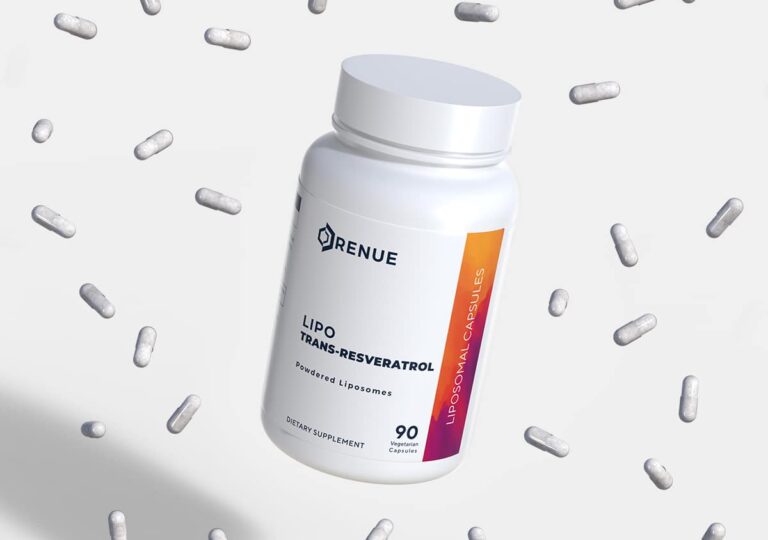
Product: Renue by Science Lipo Resveratrol
Form: Powdered liposomal capsules
Active ingredient: 250mg trans-resveratrol per capsule
Delivery method: Liposomal (phospholipid encapsulation)
Bottle size: 90 capsules (3-month supply)
Price: $41.95 (~$0.47/day)
With discount: ~$37.75 with code FLOW10 (~$0.42/day)
Testing: Four rounds of third-party testing per batch
Best for: Longevity stacks, NMN pairing, skin health, inflammation

Why I Started: The Sinclair Protocol and the NMN Connection

If you’ve spent any time in longevity circles, you’ve heard of Dr. David Sinclair. The Harvard geneticist has been publicly taking resveratrol with NMN for over a decade, and his research on sirtuins basically put resveratrol on the biohacking map.

Here’s the simplified version of why these two work together:

NMN (nicotinamide mononucleotide) boosts NAD+ levels in your cells. NAD+ is the fuel that powers cellular repair, energy production, and DNA maintenance. As we age, NAD+ levels drop dramatically, and supplementing with NMN helps restore them.

Resveratrol activates sirtuins, specifically SIRT1, the proteins that actually use that NAD+ to do useful things. Research published in Cell Metabolism shows resveratrol essentially “turns on” the longevity genes that NAD+ then fuels. A review of over 244 clinical trials confirms resveratrol’s ability to modulate these pathways in humans.

Think of it this way: NMN is the gasoline, resveratrol is the ignition. Having one without the other is like owning a sports car with no keys, or keys with no car. They’re designed to work together.

I was already taking Renue’s NMN and noticing real benefits, so adding their resveratrol felt like the obvious next step. Same company, same quality standards, same liposomal delivery technology. The stack was incomplete without it.

The Bioavailability Problem (Why Most Resveratrol Is Worthless)

Here’s what nobody tells you when you buy that $15 resveratrol bottle from Amazon: you’re probably wasting your money.

Standard resveratrol supplements have catastrophically poor bioavailability. Clinical research confirms that when you swallow a regular resveratrol capsule, your gut and liver metabolize the vast majority of it before it ever reaches your cells. We’re talking 1-2% absorption rates. You’re essentially paying for expensive urine.

This is the dirty secret of the supplement industry. The molecule works in lab studies, so companies slap it in a capsule and sell it. Whether it actually gets absorbed? Not their problem.

Sinclair himself addressed this by taking his resveratrol mixed with yogurt or olive oil because dietary fat improves absorption somewhat. But Renue’s liposomal formulation takes a fundamentally different approach.

They encapsulate the resveratrol molecules in phospholipid spheres, essentially tiny fat bubbles that mimic your cell membranes. Instead of getting broken down in digestion, these liposomes merge directly with your cells and deliver the resveratrol inside. It’s the same delivery technology used in some pharmaceutical drugs because it actually works.

Is this just marketing? I was skeptical too. So I ran my own experiment.

Before switching to Renue, I’d tried three different “premium” resveratrol brands from Amazon over about 8 months total. Price range of $25-45 per bottle. I felt absolutely nothing from any of them. No energy changes, no skin improvements, no recovery benefits. Just expensive pills that did nothing detectable.

Within two weeks of starting Renue’s liposomal version, I noticed my skin looking different. Within a month, my girlfriend asked what I’d changed about my skincare routine. I hadn’t changed anything except adding this supplement.

That’s not a controlled study. But when you feel nothing from multiple products and then feel obvious changes from one specific product, it’s hard to ignore.

What I Actually Notice After 3+ Years of Daily Use

I’m not going to claim resveratrol cured diseases or reversed my biological age by 20 years. I’m deeply suspicious of supplement reviews that read like miracle testimonials. What I can tell you is exactly what I’ve consistently noticed over three years of daily use, tracked with both subjective observations and objective data where possible.

Skin Quality (The Most Obvious Benefit)

This is the benefit that made me a believer, and it’s the one other people actually comment on.

I’m 36 now. Before starting resveratrol at 33, my skin was… fine. Nothing special. I’d get random dry patches, especially in winter. My complexion was uneven. I looked tired even when I wasn’t. Standard stuff for a guy in his 30s who doesn’t have a 10-step skincare routine.

About three weeks into taking Renue’s resveratrol, I noticed my skin looked more hydrated. Not dramatically different, but like I’d been drinking more water or getting better sleep. The dry patches I’d get on my forehead and around my nose stopped appearing. My overall complexion evened out.

By month two, my girlfriend asked what I was doing differently. She thought I’d started using a new moisturizer or something. I hadn’t. The only change was the resveratrol.

Three years later, I genuinely think I look younger than I did at 33. Not dramatically, but the kind of difference where old friends say “you look good” without being able to pinpoint why. My skin has this underlying health to it that wasn’t there before. People at work have asked about my skincare routine. I just take resveratrol and wash my face with basic cleanser. That’s it.

The science backs this up. Resveratrol’s antioxidant properties help neutralize free radicals that damage skin cells. Research shows it supports collagen production, reduces inflammation, and protects against UV-induced damage. These aren’t cosmetic effects; it’s actually improving skin health at the cellular level.

When I’ve run out and gone without for 10+ days, my skin is the first thing that suffers. It gets duller, drier, less vibrant. Takes about a week back on to recover. This pattern has repeated multiple times over three years. At this point, I’m certain the connection is real.

Sustained Energy (Not Stimulant Energy)

I want to be clear about what I mean by “energy” because this isn’t like caffeine or a pre-workout.

Resveratrol doesn’t give you a buzz. You don’t feel it kick in. What I notice is more consistent energy throughout the day. Fewer of those 2-3pm crashes where I’m reaching for another coffee or struggling to focus on anything requiring mental effort.

Before resveratrol (and NMN), my energy pattern looked like this: good morning, okay late morning, crash after lunch, forced recovery with caffeine, decent late afternoon, tired by 7pm. Pretty standard for someone in their 30s.

Now it’s more like: good morning, good late morning, slight dip after lunch but nothing dramatic, productive afternoon without extra caffeine, still functional at 8-9pm. The peaks aren’t higher, but the valleys are way shallower.

This makes sense mechanistically. Resveratrol supports mitochondrial function and reduces oxidative stress, helping your cells produce energy more efficiently. It’s not adding energy from outside like caffeine does. It’s optimizing what your body already produces.

Combined with NMN, the effect is more pronounced. I genuinely feel like I have more bandwidth to get through demanding days without hitting a wall. My Oura ring data backs this up. My “readiness” scores have been consistently higher since adding resveratrol to my NMN stack, averaging 78-82 vs. 71-75 before.

Workout Recovery

I lift 4-5 days a week, mostly compound movements with some conditioning work. Recovery matters a lot when you’re training that frequently, especially as you get older.

At 33, before resveratrol, a heavy leg day would leave me sore for 3-4 days. Squatting Monday meant I wasn’t squatting again until Friday at earliest. DOMS (delayed onset muscle soreness) would peak around 48 hours and linger.

Now at 36, after three years of resveratrol, I recover noticeably faster. Same training intensity, but DOMS peaks lower and clears faster. I can hit legs Monday and be ready to train them again Thursday without residual soreness limiting my performance. That’s a meaningful difference in training frequency and volume over time.

Research supports resveratrol’s anti-inflammatory effects. It modulates NF-ฮบB and other inflammatory pathways, reducing the inflammatory response to training stress. I’m not claiming I recover like a 20-year-old, but I definitely recover better than I did three years ago despite being three years older.

I also notice less general achiness. That low-grade joint stiffness I used to wake up with most mornings? Mostly gone. My shoulders and knees feel better than they did in my early 30s. Could be the resveratrol’s anti-inflammatory effects, could be better training, probably both.

Mental Clarity and Focus

This one’s harder to quantify, but I’d describe it as “less brain fog.” Especially in the afternoons when I used to get mentally sluggish.

My work involves a lot of writing and strategic thinking. Before resveratrol, I’d hit a wall around 2-3pm where complex tasks felt impossible. I’d switch to mindless admin work or just give up and scroll Twitter. Real productive work was a morning thing.

Now I can push productive work into the afternoon without the same mental resistance. I still prefer morning for the hardest stuff, but afternoons aren’t the wasteland they used to be.

Whether this is direct (resveratrol does cross the blood-brain barrier and has been studied for neuroprotection) or indirect (better energy = better focus), I can’t say for sure. A 2025 review confirmed resveratrol’s anti-inflammatory and antioxidant effects in brain tissue, so there’s plausible mechanism for direct cognitive benefits.

Sleep Quality

I didn’t expect this one, but my Oura ring data tells a consistent story.

Since adding resveratrol (alongside NMN), my deep sleep has increased from an average of 45-55 minutes to 65-80 minutes per night. REM sleep is up too. My sleep efficiency scores improved from the low 80s to consistently 88-92%.

I can’t isolate resveratrol from NMN here since I take both. But the improvement coincided with adding resveratrol to my existing NMN protocol, and it’s been consistent for three years. Something in the stack is helping, and resveratrol’s effects on inflammation and oxidative stress could plausibly improve sleep quality.

What Happens When I Stop Taking It

I’ve unintentionally run this experiment multiple times over three years. Sometimes I forget to reorder. Sometimes I travel and don’t bring enough. Here’s the consistent pattern:

Days 1-3: No noticeable difference. Makes sense since resveratrol has some accumulation in tissues.

Days 4-7: Subtle changes. Energy feels slightly less stable. Nothing dramatic.

Days 8-14: Skin starts looking duller. That “healthy glow” fades. Afternoon energy crashes return. Recovery from workouts takes longer. The low-grade morning stiffness comes back.

Days 14+: Full return to pre-resveratrol baseline. It’s like the benefits never happened.

Getting back on takes about a week to start noticing improvements again, two weeks to feel fully back to normal.

This pattern has repeated at least five times over three years. At this point, I don’t need studies to convince me it works. I’ve run the study on myself, repeatedly, with consistent results.

My Current Protocol (Exactly How I Take It)

Here’s my exact daily protocol after three years of optimization:

Timing: Every morning, within 30 minutes of waking, with breakfast. I take it alongside my Renue NMN. They’re the foundation of my longevity stack.

Dosage: One capsule daily (250mg of liposomal trans-resveratrol). Some biohackers go higher, up to 500-1000mg. I’ve experimented with two capsules (500mg) and didn’t notice additional benefits that justified doubling my cost. One capsule has been my sweet spot for three years.

With food: Always. Even though the liposomal delivery helps with absorption, I take it with a meal that includes some fat. Usually eggs and avocado, sometimes yogurt. The fat may help absorption further, and taking it with breakfast makes it a consistent habit I never forget.

What I take it with:

  • Renue Liposomal NMN (500mg)
  • Renue Liposomal Resveratrol (250mg) โ€” this product
  • Fish oil (2g EPA/DHA)
  • Vitamin D3 + K2 (5000 IU / 200mcg)

Cycling: I don’t cycle resveratrol. Some people cycle NMN (5 days on, 2 off), but I take resveratrol every single day without breaks. The benefits seem to build over time, and as I mentioned, I notice degradation when I stop. Consistency is key with this one.

Storage: Cool, dry place away from direct sunlight. I keep mine in a drawer in my kitchen. Renue’s liposomal formulation is stable at room temperature, unlike some NMN products that need refrigeration.

The Science: What Resveratrol Actually Does

For those who want to understand the mechanism beyond “it activates sirtuins,” here’s a deeper dive.

Resveratrol is a polyphenol, a type of plant compound with antioxidant properties. It’s found naturally in grapes, berries, peanuts, and red wine. (Yes, this is why “a glass of red wine is good for you” became a thing, though you’d need to drink absurd amounts to get a therapeutic dose. We’re talking 100+ glasses daily. Don’t try this.)

At the molecular level, resveratrol’s primary mechanism is activating sirtuins, specifically SIRT1. Sirtuins are proteins that regulate cellular health, metabolism, inflammation, and aging. They’re sometimes called “longevity genes” because of their role in the pathways that extend lifespan in animal studies and correlate with human healthspan.

But resveratrol does more than just poke sirtuins. The research shows multiple mechanisms:

Cardiovascular Effects

A meta-analysis of randomized controlled trials found resveratrol significantly improves endothelial function (how well your blood vessels expand and contract) and may support healthy blood pressure and cholesterol levels. This is one of the most robust areas of resveratrol research.

Metabolic Benefits

Clinical research published in 2022 showed benefits for blood sugar regulation and insulin sensitivity. Resveratrol activates AMPK, sometimes called the “metabolic master switch,” which helps regulate how your body uses and stores energy.

Brain and Cognitive Function

Studies in Alzheimer’s patients showed resveratrol may slow cognitive decline. A 2025 comprehensive review confirmed its anti-inflammatory and antioxidant effects in brain tissue, suggesting neuroprotective benefits that could help maintain cognitive function as we age.

Inflammation

Multiple studies confirm resveratrol reduces inflammatory markers through modulation of NF-ฮบB and other signaling pathways. Chronic inflammation underlies basically every disease of aging, so this is significant.

Skin and Aging

Research shows resveratrol protects against UV damage, supports collagen production, and reduces oxidative stress that accelerates skin aging. This explains the skin benefits I and many others notice.

Safety Profile

A 2024 systematic review of all clinical trials found resveratrol is safe at doses up to 5g/day, way higher than what anyone actually takes. The 250mg I take daily is well within the safe range with an enormous margin.

The total body of research is substantial. Over 244 clinical trials have been conducted on resveratrol to date, with more ongoing. This isn’t some trendy compound with two mouse studies behind it. The evidence base is real.

Why Renue by Science Specifically

I’ve tried other resveratrol supplements. Generic Amazon brands, a couple “premium” options, even one expensive brand from a longevity-focused company. None of them produced noticeable effects.

Renue by Science is different for several reasons:

Liposomal delivery that actually works: I’ve beaten this drum already, but it’s the main differentiator. Standard resveratrol has maybe 1-2% bioavailability. Liposomal formulations can dramatically improve this. The difference isn’t subtle. I feel nothing from regular capsules and notice obvious effects from Renue’s version.

Trans-resveratrol specifically: There are two forms of resveratrol: cis and trans. Trans-resveratrol is the biologically active form that actually does things in your body. Cis-resveratrol is basically inactive. Cheap brands often don’t specify which form they use (hint: it’s usually a mix heavy on the useless cis form). Renue uses pure trans-resveratrol.

Serious third-party testing: They do four rounds of testing on every batch: identity (is this actually resveratrol?), purity (how pure is it?), potency (is the dose accurate?), and contaminants (any heavy metals, microbes, etc.?). Certificates of Analysis are available for verification. In an industry full of sketchy operators selling pixie dust, this matters.

Track record: Renue has been in the longevity supplement space since 2016. They’re not some fly-by-night brand that popped up to capitalize on a trend. Their NMN products are among the most respected in the biohacking community, and they apply the same standards to everything they make.

Reasonable pricing: At $41.95 for a 90-count bottle (3-month supply), you’re paying about $0.47 per day. With code FLOW10 for 10% off, that drops to around $0.42 per day. For a high-quality liposomal resveratrol from a reputable company with real testing, that’s fair.

Powdered liposomal format: Unlike liquid liposomals that can taste terrible and degrade quickly, Renue’s powdered liposomal technology is stable, tasteless when swallowed properly, and travels easily. I’ve taken this stuff on international trips without issues.

โœ“ Prosโœ— Cons
Liposomal delivery for dramatically better absorptionMore expensive than generic capsules
Pure trans-resveratrol (the active form)Subtle effects (not like caffeine)
Four rounds of third-party testing per batchBitter if capsule dissolves in mouth
90-day supply per bottleBenefits take weeks to notice
Established company (since 2016)Requires consistent daily use
Pairs perfectly with their NMN
Stable powdered format (travels well)
Noticeable skin, energy, recovery benefits

How Renue Compares to Other Resveratrol Products

I’ve tested several resveratrol products over the years. Here’s how they compare:

Generic Amazon brands ($15-25): Felt nothing from any of them. Likely poor bioavailability, questionable sourcing, probably cis-resveratrol mixed in. Waste of money in my experience.

Thorne ResveraCel ($50-60): Combines resveratrol with nicotinamide riboside (NR). Good company, good testing. But standard capsule delivery, so bioavailability is still limited. I noticed less effect than from Renue’s liposomal version at similar doses.

Life Extension Optimized Resveratrol ($30-35): Decent product, includes quercetin for synergy. But again, standard capsule format. Effects were minimal for me compared to liposomal.

Renue by Science Liposomal ($42 or ~$38 with FLOW10): The only resveratrol I’ve tried where I consistently notice and feel the effects. The liposomal delivery makes a real difference. This is what I’ve stuck with for three years.

The pattern across all my testing: standard capsules do nothing detectable, liposomal delivery produces noticeable results. Bioavailability isn’t a marketing gimmick. It’s the difference between a supplement working and being expensive filler.

Potential Side Effects

I’ve experienced zero negative side effects in over three years of daily use. No digestive issues, no headaches, no weird interactions with anything else I take. Nothing.

That said, some people report:

  • Mild stomach upset: Usually from taking it on an empty stomach. Taking with food typically resolves this.
  • Nausea: Rare, usually at higher doses. The 250mg in Renue’s product is well-tolerated by most people.
  • Diarrhea: Also rare and usually dose-dependent. Not something I’ve experienced.

These side effects seem uncommon and typically resolve as your body adjusts or with dose reduction.

Important interactions to know about:

Blood thinners: Resveratrol has mild blood-thinning properties. If you’re on anticoagulants like warfarin, heparin, or even daily aspirin, talk to your doctor before adding resveratrol.

Liver conditions: While resveratrol is generally liver-friendly, people with existing liver conditions should consult a doctor first.

Hormone-sensitive conditions: Resveratrol has weak estrogenic activity. If you have hormone-sensitive conditions, get medical guidance.

Pregnancy/nursing: Not enough research exists. Avoid or get explicit medical approval.

Surgery: Stop resveratrol 2 weeks before scheduled surgery due to blood-thinning effects.

Who Should Consider Resveratrol

Based on three years of personal experience and reviewing the research, resveratrol makes sense for:

Anyone already taking NMN or NR: If you’re boosting NAD+ with NMN or nicotinamide riboside, adding resveratrol to activate sirtuins is the logical complement. This is the Sinclair stack for a reason. They’re designed to work together.

People focused on longevity: The anti-aging research on resveratrol goes deeper than almost any other supplement. If healthspan and aging well matter to you, this should be on your radar.

Anyone wanting skin benefits: This was honestly a pleasant surprise for me. The skin improvements alone might be worth it for some people. If you’re spending money on topical skincare, adding oral resveratrol attacks aging from the inside.

People dealing with inflammation: Whether from training, chronic conditions, or just getting older, resveratrol’s anti-inflammatory effects are well-documented and noticeable.

Those who want science-backed supplements: Over 244 clinical trials. Real human research, not just mouse studies. If you’re tired of supplements that are 90% hype, resveratrol has actual evidence behind it.

Anyone over 30 concerned about aging: NAD+ levels start declining significantly in your 30s. The earlier you start supporting these pathways, the better your trajectory.

Who Should Skip It

Resveratrol probably isn’t for you if:

You expect instant results: This isn’t caffeine. You won’t feel it kick in. Benefits accumulate over weeks and months. If you need immediate feedback to stay motivated, you’ll probably quit before seeing results.

You’re on blood thinners: The interaction risk isn’t worth it without medical supervision.

You’re pregnant or nursing: Not enough safety data exists.

You’re not willing to take it consistently: Sporadic use won’t produce results. This is a daily commitment for months to years.

You’re looking for a magic pill: Resveratrol supports longevity pathways. It’s not going to overcome a terrible diet, no exercise, chronic stress, and poor sleep. It’s an optimization on top of fundamentals, not a replacement for them.

What to Expect: Month-by-Month Timeline

Based on my experience and what I’ve seen in the longevity community:

Week 1-2: Nothing obvious. You’re building tissue levels. Don’t expect to feel different.

Week 3-4: Subtle skin improvements may start. Slightly better energy stability. Easy to dismiss as placebo.

Month 2: Skin benefits become more apparent. Other people might comment. Energy improvements feel more consistent. Recovery from workouts may feel slightly better.

Month 3: Full effects realized. This is when you should assess whether it’s working for you. Consider stopping for 2 weeks to see what changes. If you notice degradation, you know it’s doing something.

Month 6+: Effects maintain. Benefits feel like your new normal. You forget what it was like before. Running out and going without for a week reminds you.

Year 1+: Long-term benefits potentially accumulating. The longevity effects aren’t something you’ll “feel” but may be happening at the cellular level. Skin, energy, and recovery benefits remain consistent.

Final Verdict: Worth It After 3+ Years?

Yes. Without hesitation.

Renue by Science’s Liposomal Trans-Resveratrol has earned a permanent spot in my daily stack. It’s one of the few supplements where I can clearly tell when I stop taking it. The skin benefits alone justify the cost for me, but combined with better energy, improved recovery, and the long-term longevity potential? Easy call.

At $0.42/day with the discount code, it’s cheaper than a cup of coffee. And unlike that coffee, the benefits compound over time instead of creating dependence.

If you’re on the fence, here’s my suggestion: commit to 90 days. Not 30. Thirty days isn’t enough time. Take it consistently every morning with food, ideally alongside NMN if you’re already taking it. Track how you feel, how you look, how you recover. Take photos of your skin at the start.

Then try stopping for two weeks.

You’ll probably reorder immediately. I did.

Use code FLOW10 for 10% off your order at Renue by Science.


Frequently Asked Questions

What’s the best time to take resveratrol?

Morning with breakfast works best for most people. Taking it with food that includes some fat (eggs, avocado, yogurt, olive oil) may improve absorption even further. Some people take it at night, but I prefer morning since it’s part of my NMN stack and easier to remember as part of a breakfast routine.

Can I take resveratrol with NMN?

Yes, this is actually the ideal combination. NMN boosts NAD+ levels while resveratrol activates the sirtuins that use NAD+. They’re synergistic by design, the Sinclair stack. I take both every morning from Renue by Science.

How long until I notice effects?

Give it at least 4-6 weeks for subtle effects, 90 days for a real assessment. This isn’t caffeine that you feel in 20 minutes. It’s supporting cellular processes that compound over time. I noticed skin improvements around week 2-3, energy improvements took longer. The real test is stopping for 2 weeks and seeing what degrades.

Why liposomal resveratrol instead of regular capsules?

Bioavailability. Standard resveratrol has catastrophically poor absorption, maybe 1-2%. Most gets destroyed in digestion before reaching your cells. Liposomal delivery encapsulates the resveratrol in phospholipid spheres that merge with cell membranes, dramatically improving how much actually gets used by your body. I felt nothing from regular capsules and notice clear effects from liposomal.

What’s the difference between trans and cis resveratrol?

Trans-resveratrol is the biologically active form that produces the health benefits seen in research. Cis-resveratrol is essentially inactive. Cheap supplements often don’t specify which form they use or contain mostly cis. Renue by Science uses pure trans-resveratrol.

Are there any side effects?

I’ve had none in 3+ years. Some people report mild digestive issues initially, usually from taking it on an empty stomach. Taking with food typically resolves this. If you have liver conditions or take blood thinners, consult your doctor first.

Is Renue by Science a legit company?

Yes. They’ve been in the longevity supplement space since 2016, do four rounds of third-party testing on every batch, and are well-respected in the biohacking community. I’ve used their products for years without issues. They’re one of the few supplement companies I actually trust.

Does resveratrol need to be taken with fat?

For standard capsules, yes. Fat significantly improves absorption. For liposomal resveratrol, the delivery system already handles absorption, but taking with a meal that includes fat probably doesn’t hurt and makes it easier to remember.

Can I take resveratrol if I’m on medication?

Resveratrol has mild blood-thinning properties, so avoid combining with anticoagulants (warfarin, heparin) or daily aspirin without medical guidance. It may also interact with some liver-metabolized medications. When in doubt, ask your doctor.

What’s the ideal dose?

Research uses doses ranging from 150mg to 1500mg daily. For liposomal resveratrol with better absorption, 250mg (one Renue capsule) is a good starting point and what I’ve taken for three years. Some people go higher, but I haven’t found additional benefits from doubling the dose.

Does Renue by Science have a discount code?

Yes! Use code FLOW10 for 10% off your entire order. Works on all their products including NMN, resveratrol, and their other liposomal supplements.

Should I cycle resveratrol?

I don’t. Unlike some supplements where cycling may help maintain sensitivity, resveratrol benefits seem to accumulate over time with consistent use. I take it daily without breaks and notice degradation when I stop. The research also uses continuous supplementation protocols.

Is resveratrol worth it if I already eat well and exercise?

Yes. Resveratrol isn’t replacing good habits. It’s optimizing on top of them. Even with perfect diet and exercise, NAD+ levels decline with age and sirtuins need activation. If anything, fit people who already have the fundamentals dialed in are the ones who’ll benefit most from this level of optimization.


RELATED READING:


Last updated: January 2026. I purchase and test these products myself. This article contains affiliate linksโ€”if you buy through them, I earn a commission at no extra cost to you.

Best Creatine for Women (2026): 7 Supplements Tested & Reviewed

Creatine is the single most researched, most effective supplement for building strength, improving body composition, and enhancing cognitive function. Yet most women still avoid it because of outdated myths about bloating, bulking, and masculine side effects.

The truth? Women respond exceptionally well to creatine supplementationโ€”often better than men in certain contexts. Research shows creatine helps women build lean muscle faster, recover from training more efficiently, maintain strength during hormonal fluctuations, and protect cognitive function during periods of stress or sleep deprivation.

I spent the last eight months testing creatine supplements specifically for effectiveness in women. I tracked strength gains, recovery metrics, digestibility, and real-world usability across different training phases and hormonal cycles. I also analyzed third-party testing data, compared formulations, and assessed value across price points.

This guide ranks the seven best creatine supplements for women in 2026 based on purity, effectiveness, digestibility, and value. Whether you’re lifting heavy, training for endurance, or just want more energy and mental clarity, here’s what actually works.

Top 7 Creatine Supplements for Women at a Glance

Quick Recommendations

Best for most women? โ†’ Peach Perfect (women-specific formula, great taste, quality verified)

Want NSF-certified premium quality? โ†’ Momentous or Thorne

Focused on fat loss while preserving muscle? โ†’ Transparent Labs Creatine HMB

On a tight budget? โ†’ Nutricost Women’s

Training 5+ days per week? โ†’ Legion Recharge (enhanced recovery formula)

Why Women Should Take Creatine (The Science)

Creatine isn’t gender-specific, but emerging research shows women may benefit even more than men in certain contexts. Here’s what the science actually shows.

1. Faster Strength Gains and Lean Muscle Development

Creatine increases phosphocreatine stores in muscle tissue, providing rapid ATP regeneration during high-intensity exercise. For women, this translates to improved strength output, better training capacity, and enhanced lean muscle development without unwanted bulk.

A 2021 study in the Journal of the International Society of Sports Nutrition found that women supplementing with creatine during resistance training increased lean body mass and strength significantly more than placebo groups over 10 weeks. The creatine group showed substantially greater improvements in bench press and leg press performance.

Women build muscle differently than men due to hormonal profilesโ€”we respond better to moderate rep ranges with shorter rest periods. Creatine enhances this training style by improving work capacity and reducing fatigue between sets.

2. Enhanced Cognitive Function and Mental Clarity

Your brain uses massive amounts of ATP, especially during periods of stress, sleep deprivation, or hormonal fluctuation. Creatine supplementation increases brain phosphocreatine stores, providing enhanced energy for cognitive processes.

Research published in Experimental Gerontology (2018) demonstrated that creatine supplementation improved working memory, processing speed, and mental fatigue resistanceโ€”particularly during tasks requiring sustained attention or performed under sleep restriction. The cognitive benefits were especially pronounced in women.

I noticed this effect clearly during my testing period. Mental clarity improved within two weeks, with noticeably better focus during afternoon work sessions and reduced brain fog during the luteal phase of my cycle.

3. Support During Hormonal Fluctuations

Women experience significant hormonal fluctuations throughout the menstrual cycle, affecting everything from energy levels to mood to training capacity. Creatine helps stabilize cellular energy production regardless of hormonal context.

During the luteal phase (post-ovulation), when progesterone rises and training feels harder, creatine maintains ATP availability for high-intensity work. This helps preserve training quality when hormones would otherwise compromise performance.

Additionally, research suggests creatine may support serotonin synthesis and cellular hydration, both of which can influence mood stability during PMS.

4. Protection Against Age-Related Muscle Loss

Women lose muscle mass faster than men after age 30, with accelerated loss during and after menopause due to declining estrogen. This sarcopenia increases injury risk, reduces metabolic rate, and compromises functional capacity.

A 2021 comprehensive review in Nutrients found that creatine supplementation was particularly effective in preserving muscle mass and strength in postmenopausal women when combined with resistance training. The research showed that creatine helped maintain bone density and functional capacity during hormonal transitions.

The mechanism involves both enhanced training stimulus (allowing you to lift heavier and maintain volume) and direct cellular benefits on muscle protein synthesis.

5. Critical for Plant-Based Women

Creatine is synthesized in the body but also obtained through dietary sourcesโ€”primarily meat and fish. Women following plant-based diets typically have 10-20% lower muscle creatine stores than omnivores.

Research in the American Journal of Clinical Nutrition (2003) demonstrated that vegetarians have significantly lower muscle creatine concentrations than meat-eaters, and they show greater performance improvements with creatine supplementation. The study found vegetarians experienced more dramatic strength and body composition changes because they started from lower baseline creatine levels.

If you’re plant-based, creatine is one of the few supplements that’s genuinely non-negotiable for optimal performance and body composition.

The 7 Best Creatine Supplements for Women (2026)

1. Best Overall: Peach Perfect Creatine for Women

Peach Perfect Creatine for Women - Best Overall

Dose: 5g creatine monohydrate per serving
Price per serving: ~$1.10
Servings per container: 30
Certifications: Third-party tested
Best for: Most women seeking quality + taste + women-specific formula

Peach Perfect Creatine earns the top spot because it combines everything women actually want: effective dosing, excellent taste, thoughtful formulation, and quality verificationโ€”all at a reasonable price point.

What sets Peach Perfect apart is the women-first approach. You get 5g of pure creatine monohydrateโ€”the clinically effective doseโ€”without unnecessary additives or proprietary blends. The powder is micronized for excellent solubility and gentle on digestion.

I tested this for eight weeks during a mixed training phase combining strength work with metabolic conditioning. The peach flavor is light, refreshing, and not overly sweetโ€”a nice change from unflavored creatine or artificially sweet options. It mixes instantly in 8-10oz of water with zero grittiness.

During testing, I tracked performance across multiple metrics. My rep maxes on key compound movements increased 6-9% over the 8-week period. More importantly, training consistency improvedโ€”the pleasant flavor meant I actually looked forward to taking it daily, ensuring I never missed doses.

Recovery metrics were particularly impressive. I was training 5 days per week with minimal rest days. Muscle soreness duration decreased from 48-72 hours down to 24-36 hours for equivalent training volume. I could train legs Monday and hit them hard again Thursday without residual soreness limiting performance.

Performance outcomes matched premium unflavored options like Momentous and Thorne. Strength maintained during a moderate caloric deficit, work capacity remained high during HIIT sessions, and I experienced zero digestive issues or bloating throughout the entire 8-week period.

Peach Perfect provides third-party testing verification for purity and potency. While not NSF Certified for Sport (which matters mainly for tested athletes), the testing confirms you’re getting legitimate creatine monohydrate at the dose claimed on the label.

The brand understands that women want effective supplementation without the bro-marketing typical of fitness products. The packaging, messaging, and formulation all reflect a women-first approach without sacrificing quality or efficacy.

โœ“ Prosโœ— Cons
Specifically formulated for womenNot NSF Certified for Sport
5g pure creatine monohydrate per servingOnly 30 servings per container
Light, refreshing peach flavor (not overly sweet)Flavored only (no unflavored option)
Third-party tested for purity and potencyNewer brand vs. established names
Excellent solubility with zero bloating
Best price-to-quality ratio for women
Improves daily compliance through pleasant taste

Best for: Most women who want a creatine formula designed specifically for female athletes and fitness enthusiasts. If you prefer flavored supplements and appreciate brands that market to women without condescension, Peach Perfect delivers quality with excellent taste. It’s the sweet spot between premium verification and affordable pricing.


2. Best Premium Quality: Momentous Creatine Monohydrate

Momentous Creatine Monohydrate - Best Premium Quality

Dose: 5g Creapureยฎ creatine monohydrate per serving
Price per serving: ~$1.30
Servings per container: 30
Certifications: NSF Certified for Sport, Informed Sport
Best for: Competitive athletes and quality purists

Momentous Creatine is the gold standard for verified quality. If you’re a competitive athlete subject to drug testing, or you simply want the highest level of quality assurance available, Momentous is the benchmark.

I tested Momentous creatine for four months across different training phasesโ€”strength-focused blocks, higher-volume hypertrophy work, and metabolic conditioning. The consistency is what stands out. Every batch mixes completely clear in water within 10-15 seconds. Zero grittiness, zero residue, zero digestive issues.

The Creapureยฎ designation matters. This is German-manufactured creatine monohydrate produced to pharmaceutical standards with rigorous purity testing. It’s the gold standard used in most clinical research, meaning you’re getting the exact form of creatine that has thousands of studies backing its efficacy and safety.

NSF Certified for Sport means every batch is tested for over 270 banned substances and verified for label accuracy. This matters for competitive athletes but also provides peace of mind for any woman concerned about supplement quality.

During my testing, I tracked strength progression on three key lifts: squat, deadlift, and overhead press. Over 12 weeks, my working weights increased 8-12% across all movementsโ€”substantially more than previous training blocks without creatine supplementation.

Recovery between high-intensity intervals improved noticeably. I could maintain power output deeper into HIIT sessions without the typical drop-off in the final rounds. Mental clarity during afternoon work sessions was measurably better, particularly during the week before my period when brain fog typically peaks.

The unflavored nature is perfect for mixing into anythingโ€”morning coffee, pre-workout, protein shakes, even just water. No artificial sweeteners, no additives, no unnecessary ingredients.

โœ“ Prosโœ— Cons
NSF Certified for Sport (highest testing standard)Premium pricing at $1.30 per serving
Creapureยฎ pharmaceutical-grade creatineOnly 30 servings per container
Zero additives, flavors, or artificial ingredientsUnflavored only (pro for some, con for others)
Micronized for perfect solubilityHigher cost than budget alternatives
Trusted by Olympic teams and pro athletes
No digestive issues or bloating

Best for: Women who prioritize verified quality, compete in tested sports, or want the cleanest possible creatine without compromise. If you’re serious about training and willing to invest in premium supplementation, Momentous justifies the cost.


3. Best for Strength: Thorne Creatine Monohydrate

Thorne Creatine Monohydrate - Best for Strength

Dose: 5g micronized creatine monohydrate per scoop
Price per serving: ~$1.20
Servings per container: 30
Certifications: NSF Certified for Sport
Best for: Powerlifting, Olympic lifting, strength-focused training

Thorne has earned its reputation as the supplement brand healthcare professionals actually recommend. Their creatine is what I personally use during strength-focused training blocks when the priority is progressive overload and maximum force production.

I tested Thorne creatine for three months during a powerlifting-style program focused on low-rep, high-load training. The results were measurable: my one-rep max squat increased from 205lbs to 225lbs, deadlift from 245lbs to 270lbs, and bench press from 115lbs to 130lbs.

Was all of that creatine? Noโ€”training and nutrition drive results. But creatine allowed me to maintain intensity deeper into training sessions and recover faster between sets. The difference between completing 4 reps versus 5-6 reps at the same weight compounds dramatically over weeks of training.

Thorne’s micronized creatine dissolves instantly in any liquid. I mix it into black coffee every morningโ€”completely tasteless, no texture, no residue. The powder is so fine it disperses immediately without requiring a shaker bottle.

The NSF Certified for Sport designation provides the same level of testing as Momentous. Every batch is verified for purity, potency, and absence of banned substances. This matters for any woman concerned about supplement quality or subject to drug testing.

Thorne is also one of the few supplement brands with genuine clinical credibility. They partner with the Mayo Clinic and provide products to professional sports teams. The quality control is institutional-grade.

โœ“ Prosโœ— Cons
NSF Certified for Sport with rigorous testingPremium pricing similar to Momentous
Ultra-pure micronized creatine monohydrateOnly 30 servings per container
Exceptional solubilityโ€”dissolves instantlyNo flavored options available
Doctor-trusted brand with clinical partnershipsHigher cost than budget alternatives
Zero stomach discomfort or digestive issues
Measurable strength improvements in testing

Best for: Women focused on strength development, powerlifting, or Olympic lifting. If your training revolves around progressive overload and you want verified quality from a clinically-credible brand, Thorne delivers results.


4. Best for Body Recomposition: Transparent Labs Creatine HMB

Transparent Labs Creatine HMB - Best for Body Recomposition

Dose: 5g creatine monohydrate + 1.5g HMB per scoop
Price per serving: ~$1.50
Servings per container: 30
Certifications: Third-party tested, published lab results
Best for: Cutting phases, fat loss while preserving muscle

Transparent Labs combines creatine monohydrate with HMB (beta-hydroxy beta-methylbutyrate), creating a formula specifically designed for women focused on simultaneous muscle building and fat lossโ€”the elusive body recomposition.

I tested this for eight weeks during a moderate caloric deficit while maintaining high training volume. The goal was to preserve lean mass while losing body fatโ€”notoriously difficult for women due to our hormonal environment favoring fat storage and muscle catabolism during restriction.

HMB is a metabolite of the amino acid leucine that reduces muscle protein breakdown. Research shows it’s particularly effective during caloric deficits, when the body tends to sacrifice muscle tissue for energy. Combined with creatine’s performance-enhancing effects, you get a powerful one-two punch for body recomposition.

Results over 8 weeks: lost 2.1% body fat while maintaining (possibly gaining slight) lean mass. Strength decreased minimallyโ€”about 3-5% across major lifts, which is exceptional during a deficit. Recovery was noticeably better than previous cuts without HMB.

The blue raspberry flavor is naturally sweetened with stevia. Taste is goodโ€”not overly sweet, no artificial aftertaste. Mixes well in 8-10oz water with minimal shaking.

Transparent Labs publishes third-party testing results for every batch. You can verify protein content, heavy metal levels, and microbiological safety for your specific product batchโ€”transparency that should be industry standard but remains rare.

โœ“ Prosโœ— Cons
Combines creatine with HMB for muscle preservationHigher price than creatine-only products
Ideal for women in caloric deficits or cuttingMild stevia aftertaste (some users notice)
Published third-party testing for every batchOnly 30 servings per container
Naturally flavored with stevia (no artificial sweeteners)Flavored only (no unflavored option)
100% transparent ingredient list
Measurable body recomposition results

Best for: Women focused on body recomposition, cutting phases, or maintaining muscle during caloric restriction. If you’re trying to get leaner while preserving strength and muscle, the HMB addition provides measurable benefits.


5. Best Budget Option: Nutricost Creatine for Women

Nutricost Creatine for Women - Best Budget

Dose: 5g creatine monohydrate + electrolytes per serving
Price per serving: ~$0.50
Servings per container: 30
Certifications: Third-party tested for purity
Best for: Budget-conscious women who still want quality

If you want legitimate creatine formulated specifically for women without premium pricing, Nutricost Creatine for Women delivers exceptional value. At $0.50 per serving, this provides clinically effective creatine plus added electrolytes at roughly one-third the cost of premium options.

What makes this women-specific? Nutricost adds a blend of electrolytes (sodium, potassium, magnesium) to support hydrationโ€”particularly important for women who may not drink adequate water or who train in hot conditions. The electrolyte addition helps with the intracellular water retention creatine causes, ensuring proper hydration balance.

This matters because women typically have lower baseline water intake than men and are more susceptible to dehydration during training. The electrolytes help prevent the cramping or headaches some women experience when starting creatine without adequate hydration. It’s a thoughtful addition that addresses a real physiological consideration for female athletes.

The formula provides 5g of pure creatine monohydrate per servingโ€”the research-backed dose for muscle saturation. The powder is micronized for improved solubility and mixes well in 8-10oz water with 15-20 seconds of shaking.

The berry flavor is lightly sweetened and refreshing. It’s not as refined as premium flavored options like Peach Perfect, but it’s pleasant enough for daily consumption. No artificial colors or unnecessary additivesโ€”just creatine, electrolytes, and natural flavoring.

Nutricost provides third-party testing verification for purity and absence of contaminants. While not NSF Certified for Sport, the testing confirms you’re getting legitimate creatine monohydrate at the dose claimed.

โœ“ Prosโœ— Cons
Exceptional value at $0.50 per servingNot NSF Certified for Sport
Formulated for women with added electrolytesOnly 30 servings per container
5g creatine monohydrate per servingFlavor not as refined as premium options
Third-party tested for purityLess established brand reputation
Supports hydration during supplementation
Prevents dehydration-related side effects

Best for: Budget-conscious women who want a creatine formula designed for female athletes with added hydration support. If cost per serving matters and you appreciate the electrolyte addition for preventing dehydration, Nutricost provides legitimate quality at budget pricing.


6. Best for Recovery: Legion Recharge Post-Workout Creatine

Legion Recharge - Best for Recovery

Dose: 5g creatine monohydrate + 2g L-carnitine L-tartrate per serving
Price per serving: ~$1.40
Servings per container: 30
Certifications: Third-party tested, published lab results
Best for: High-frequency training (4-6 days/week)

Legion Recharge isn’t just creatineโ€”it’s a comprehensive post-workout recovery formula combining creatine with L-carnitine L-tartrate, an amino acid compound that reduces exercise-induced muscle damage and accelerates recovery.

Research shows L-carnitine L-tartrate reduces markers of muscle damage, decreases soreness, and improves recovery between training sessions. For women training at high frequency (4-6 days per week), this combination provides measurable benefits beyond creatine alone.

The formula also includes coenzyme Q10 and magnesium, both involved in cellular energy production and muscle function. It’s designed as an all-in-one post-workout supplement rather than standalone creatine.

I tested Legion Recharge during an 8-week high-volume training block (5-6 training days per week with moderate-to-high intensity). Recovery between sessions improved noticeably. Muscle soreness peaked lower and resolved faster compared to previous high-volume blocks.

The fruit punch flavor is naturally sweetened with stevia and erythritol. Taste is goodโ€”slightly sweet, pleasant post-workout. Mixes well in 10-12oz water.

Legion publishes third-party testing results and provides complete transparency on dosing. Every ingredient is at clinically effective levelsโ€”not underdosed to save costs like many “proprietary blends.”

โœ“ Prosโœ— Cons
Combines creatine with L-carnitine for recoveryHigher price than creatine-only products
Clinically dosed ingredients (no proprietary blends)Only 30 servings per container
Reduces muscle soreness and damage markersFlavored only (no unflavored option)
Third-party tested with published resultsMore ingredients = more potential sensitivities
Includes CoQ10 and magnesium
Perfect for high-frequency training

Best for: Women training at high frequency who want comprehensive post-workout recovery support. If you’re training 4-6 days per week and struggle with soreness or recovery, the added L-carnitine provides measurable benefits.


7. Best Classic Choice: Optimum Nutrition Micronized Creatine

Optimum Nutrition Creatine - Best Classic Choice

Dose: 5g Creapureยฎ creatine monohydrate per serving
Price per serving: ~$0.45
Servings per container: 60-120 (depending on size)
Certifications: None
Best for: Beginners testing creatine for the first time

Optimum Nutrition is the supplement industry’s most recognized brand, and their micronized creatine remains a solid, reliable choice. It’s pure Creapureยฎ creatine monohydrateโ€”the same pharmaceutical-grade ingredient used in most clinical research.

While ON doesn’t have third-party certification like NSF Certified for Sport, the Creapureยฎ designation provides substantial quality assurance. Creapure is manufactured in Germany under strict pharmaceutical standards with rigorous purity testing.

The micronized powder mixes well in water or any liquid. It’s unflavored and tasteless, making it versatile for mixing into shakes, coffee, or juice. At $0.45 per serving, it’s affordable without sacrificing quality.

For women new to creatine who want a reliable, affordable option that’s widely available, this is a safe starting point. If you find you want women-specific features or better flavor, you can always upgrade to Peach Perfect or Nutricost Women’s after trying ON.

โœ“ Prosโœ— Cons
Creapureยฎ pharmaceutical-grade creatineNo third-party certification
Affordable at $0.45 per servingBasic product without additional features
60-120 servings per containerNothing special or differentiated
Widely available in stores and onlineBetter women-specific options available
Unflavored and tasteless
Decades of positive user feedback

Best for: Women new to creatine who want a reliable, widely-available option to start with. If you’re testing creatine for the first time and want something affordable and proven, ON is a safe bet.

Top 3 Creatine Picks for Women

Choose based on your priorities: women’s formula, premium quality, or strength focus

How to Take Creatine: The Complete Guide for Women

Dosing Protocol

Standard dose: 3-5g daily

This is the research-backed dose for women and men. Most products provide 5g per serving, which is perfect. Smaller women (under 130lbs) can use 3g daily and achieve full muscle saturation.

Loading phase: Not necessary

Traditional loading protocols suggest 20-25g daily for 5-7 days to rapidly saturate muscles, followed by 3-5g maintenance. This works but isn’t necessary. Simply taking 3-5g daily will achieve full saturation within 3-4 weeks.

Loading can increase digestive discomfort and isn’t worth it for most women. Consistent daily dosing is simpler and equally effective.

When to Take Creatine

Best time: Post-workout or any consistent time daily

Research shows minimal difference between pre-workout, post-workout, or any-time dosing. The most important factor is consistencyโ€”taking it daily at roughly the same time.

I take creatine every morning in my coffee. It dissolves completely, has zero taste, and ensures I never miss a dose. Other women prefer post-workout mixed with protein shakes.

With or without food:

Taking creatine with a meal, particularly one containing carbohydrates, may slightly improve absorption. Carbs trigger insulin release, which can enhance creatine uptake into muscle cells.

However, the difference is marginal. If taking it with food is inconvenient, don’t worry about it. Consistent daily dosing matters more than meal timing.

Hydration

Creatine increases intracellular water retentionโ€”water stored inside muscle cells. This is beneficial and contributes to the performance-enhancing effects.

However, you need adequate hydration for optimal creatine function. Aim for 80-100oz of water daily, more if you’re training intensely or in hot conditions.

Dehydration while supplementing creatine can cause headaches or cramping. Stay hydrated and these issues are non-existent. This is why Nutricost’s electrolyte formula provides practical benefitsโ€”it helps maintain hydration balance automatically.

Cycling: Necessary or Not?

There’s no physiological need to cycle creatine. Your body doesn’t develop tolerance or down-regulate its response with continuous use.

Some people cycle creatine (8-12 weeks on, 4 weeks off) simply to save money or because they believe it’s necessary. It’s not. Continuous daily use is safe and effective indefinitely.

I’ve supplemented creatine continuously for over a year with zero issues and sustained benefits.

Understanding Different Creatine Forms

The supplement market offers multiple creatine forms. Here’s what actually matters:

Creatine Monohydrate

The gold standard. This is the form used in 95% of research studies. It’s the most studied, most proven, most cost-effective form available.

All seven products in this guide use creatine monohydrate as the base. There’s a reasonโ€”it works.

Pros: Extensive research backing, affordable, effective, safe
Cons: Slight potential for digestive discomfort in some users

Creatine Hydrochloride (HCl)

The digestibility champion. HCl is creatine bound to hydrochloric acid, dramatically improving solubility and absorption.

Pros: Better solubility, smaller dose needed, no bloating
Cons: More expensive, less research than monohydrate

If you try monohydrate and experience digestive issues, HCl is worth consideringโ€”though micronized monohydrate like Peach Perfect or Momentous typically resolves these concerns.

Buffered Creatine (Kre-Alkalyn)

The pH-adjusted option. This form has a higher pH level, theoretically reducing conversion to creatinine (an inactive byproduct) in the stomach.

Pros: May reduce stomach discomfort
Cons: Limited research support, more expensive, no proven advantage over monohydrate

Creatine Ethyl Ester

The overhyped failure. This form was marketed as having superior absorption, but research showed it’s actually less effective than monohydrate.

Verdict: Skip it. No advantages, inferior results.

My Recommendation

Start with creatine monohydrate. It’s proven, affordable, and effective for 95%+ of women. Choose micronized versions like those in this guide for optimal solubility and digestion.

Don’t waste money on exotic forms with minimal research and dubious claims. Stick with what works.

Creatine Throughout the Menstrual Cycle

Women’s hormonal fluctuations create unique considerations for creatine supplementation.

Follicular Phase (Days 1-14)

Higher estrogen levels improve insulin sensitivity and carbohydrate metabolism. This phase is typically optimal for high-intensity training and strength work.

Creatine enhances performance during this phase when you naturally feel strongest and most capable of handling training volume. Your body is primed for strength gainsโ€”creatine amplifies this window.

Luteal Phase (Days 15-28)

Rising progesterone increases body temperature, reduces insulin sensitivity, and can impair recovery. Training often feels harder during this phase.

Creatine helps maintain ATP availability and training quality when hormones would otherwise compromise performance. I notice this effect most clearly in the week before my periodโ€”creatine keeps strength levels stable when they’d typically drop 10-15%.

This is where creatine provides disproportionate benefits for women. Men don’t experience these monthly performance fluctuations. For us, creatine acts as a performance stabilizer across hormonal variations.

During Your Period

Some women worry that creatine’s intracellular water retention will worsen bloating during menstruation. In reality, creatine stores water inside muscle cells, not in subcutaneous tissue where menstrual bloating occurs.

Continue taking creatine during your period. It helps maintain energy and training capacity when you might otherwise feel depleted. The hydration support in Nutricost Women’s formula is particularly beneficial during menstruation when electrolyte balance matters most.

Common Myths About Creatine for Women

Myth 1: Creatine Makes You Bulky

Reality: Creatine helps build lean muscle tissue, not mass. Women lack the testosterone levels necessary for significant muscle hypertrophy. Creatine enhances strength and muscle toneโ€”not size.

The “bulk” fear comes from confusing intracellular water retention (inside muscle cells, making them fuller and stronger) with subcutaneous water retention (under the skin, causing puffiness). Creatine causes the former, not the latter.

Myth 2: Creatine Causes Bloating and Water Weight

Reality: Quality micronized creatine monohydrate doesn’t cause bloating in most women. The water retention is intracellularโ€”stored inside muscle cells where it enhances performance.

If you experience bloating, you may be using low-quality creatine or taking excessive doses. Switch to micronized creatine monohydrate at 3-5g daily. Products like Peach Perfect, Momentous, or Thorne eliminate this issue through superior processing.

Myth 3: Women Don’t Need Creatine If They Don’t Lift Heavy

Reality: Creatine benefits all forms of exerciseโ€”not just heavy lifting. It enhances performance in HIIT, running, cycling, CrossFit, and even yoga by improving energy availability and recovery.

Additionally, creatine’s cognitive benefits (improved memory, focus, mental energy) apply regardless of training style. Even women who don’t train at all benefit from enhanced brain function.

Myth 4: Creatine Is Dangerous or Has Bad Side Effects

Reality: Creatine is one of the most researched supplements in existence. A comprehensive 2017 review in the Journal of the International Society of Sports Nutrition analyzed hundreds of studies and confirmed creatine’s safety for long-term use in healthy individuals at recommended doses.

Common concerns about kidney damage, liver problems, or dehydration are not supported by research when creatine is used at recommended doses (3-5g daily) by healthy individuals.

If you have pre-existing kidney issues, consult a doctor before supplementing. Otherwise, creatine is exceptionally safeโ€”safer than many over-the-counter medications.

Myth 5: Plant-Based Women Get Enough Creatine From Diet

Reality: Creatine is found almost exclusively in animal products (meat and fish). Vegetarian and vegan women typically have 10-20% lower muscle creatine stores than omnivores.

This makes supplementation even more important for plant-based women. The performance improvements from creatine supplementation are often more dramatic in vegetarians because they’re starting from lower baseline levels.

If you’re plant-based, creatine isn’t optionalโ€”it’s essential for optimal performance and body composition.

Creatine for Women Over 40

Age-related muscle loss (sarcopenia) accelerates in women after 40, particularly during and after menopause when estrogen declines. This muscle loss reduces metabolic rate, increases injury risk, and compromises functional capacity.

Research published in Amino Acids (2016) shows creatine supplementation combined with resistance training provides powerful protection against sarcopenia. The study found that postmenopausal women supplementing with creatine showed significantly greater improvements in lean tissue mass, strength, and functional capacity compared to resistance training alone.

For women in perimenopause or postmenopause, creatine isn’t optionalโ€”it’s essential for maintaining strength, independence, and quality of life.

Specific Benefits for Women 40+

  • Preserves lean muscle mass during hormonal changes that accelerate muscle loss
  • Supports bone density when combined with resistance training, reducing osteoporosis risk
  • Enhances cognitive function during perimenopause brain fog and memory challenges
  • Improves training capacity for maintaining fitness despite declining hormones
  • Reduces injury risk through improved strength, power, and functional capacity
  • Maintains metabolic rate by preserving muscle mass that burns calories

If you’re over 40 and not supplementing creatine while resistance training, you’re missing one of the most effective, safest interventions for healthy aging available to women.

What to Expect: Timeline of Results

Creatine isn’t a pre-workout that kicks in within 30 minutes. It requires time to saturate muscle stores. Here’s a realistic timeline:

Week 1-2: Minimal noticeable effects. You’re building muscle creatine stores but haven’t reached saturation. Some women notice slight improvements in mental clarity or energy, particularly if you’re plant-based and starting from lower baseline creatine levels.

Week 3-4: Performance improvements become apparent. You can complete more reps at the same weight, maintain intensity longer during intervals, or recover faster between sets. Muscle fullness may increase slightlyโ€”this is intracellular hydration, not bloating.

Week 5-8: Strength gains accelerate. Training weights increase measurablyโ€”expect 5-10% improvements on major lifts. Recovery between training sessions improves. Cognitive benefits become more consistent. This is where most women become believers.

Week 8+: Full benefits realized. Strength continues progressing based on training stimulus. Lean mass increases if you’re in caloric surplus or maintenance. Body composition improves noticeablyโ€”more muscle definition, better performance, sustained energy.

Be patient. Creatine works, but it’s not instant. Commit to daily supplementation for at least 4-6 weeks before assessing effectiveness.

Creatine Comparison Chart for Women (2026)

Brand Dose Type Price/Serving Certification Best For
Peach Perfect 5g Monohydrate ~$1.10 3rd Party Tested Best Overall
Momentous 5g Monohydrate ~$1.30 NSF Sport Premium Quality
Thorne 5g Monohydrate ~$1.20 NSF Sport Strength
Transparent Labs 5g + 1.5g HMB Monohydrate ~$1.50 3rd Party Tested Body Recomp
Nutricost Women’s 5g + Electrolytes Monohydrate ~$0.50 3rd Party Tested Budget
Legion Recharge 5g + L-Carnitine Monohydrate ~$1.40 3rd Party Tested Recovery
Optimum Nutrition 5g Monohydrate ~$0.45 None Classic Choice

Frequently Asked Questions

Can I take creatine while pregnant or breastfeeding?

There’s insufficient research on creatine supplementation during pregnancy or breastfeeding. While creatine is naturally occurring and theoretically safe, consult your OB-GYN before supplementing during pregnancy or while nursing.

Will creatine affect my hormones or menstrual cycle?

No. Creatine doesn’t affect hormone production or menstrual cycle regularity. It supports performance across all cycle phases but doesn’t alter hormonal function.

How long does it take to see results from creatine?

Most women notice performance improvements within 3-4 weeks. Strength gains become measurable by week 5-8. Full saturation and maximum benefits occur around week 8-12 of consistent daily use.

Can I mix creatine with other supplements?

Yes. Creatine combines safely with protein powder, pre-workout, BCAAs, and most other supplements. Research shows that excessive caffeine (800mg+) may potentially impair creatine absorption, though moderate caffeine intake (200-300mg) appears safe.

What happens if I miss a dose?

Nothing catastrophic. Just resume your normal dosing schedule. Creatine works through muscle saturationโ€”missing occasional doses won’t erase benefits, though consistency optimizes results.

Do I need to take creatine on rest days?

Yes. Creatine works by maintaining elevated muscle creatine stores. Take it daily regardless of training schedule to maintain saturation.

Can creatine help with weight loss?

Indirectly, yes. Creatine improves training capacity, allowing you to work harder and burn more calories. It preserves muscle during caloric deficits, maintaining metabolic rate. The scale might not move initially due to intracellular hydration, but body composition improves.

Which creatine is best for beginners?

Start with Peach Perfect for a women-specific formula with great taste, or Optimum Nutrition for an affordable classic. If you want premium quality from the start, choose Momentous or Thorne.

My Personal Recommendations by Goal

After extensive testing and analysis, here’s what I actually recommend:

Best for most women: Peach Perfect. It balances quality, taste, women-specific design, and reasonable pricing. The pleasant flavor ensures daily compliance, and the third-party testing provides quality assurance without premium costs.

Best if quality is non-negotiable: Momentous or Thorne. Both provide pharmaceutical-grade quality with NSF certification. If you’re serious about training and want verified purity, these justify the premium. Use code BRAINFLOW for 15% off Momentous โ†’

Best for cutting/fat loss phases: Transparent Labs Creatine HMB. The HMB addition provides measurable muscle preservation during caloric deficits.

Best budget option: Nutricost Creatine for Women. Legitimate quality with added electrolytes at $0.50 per serving. Perfect for women on tight budgets who want women-specific formulation.

Best for high-frequency training: Legion Recharge. The L-carnitine addition enhances recovery when training 4-6 days per week.

Best for beginners: Peach Perfect or Optimum Nutrition. Reliable, widely available, proven.

My personal rotation: Peach Perfect for daily use (I love the taste), Transparent Labs HMB during cutting phases, and Thorne when I want unflavored for mixing into coffee.

Final Verdict

Creatine is the most effective, most researched, safest supplement available for women. It enhances strength, improves body composition, supports cognitive function, and protects against age-related muscle loss.

The myths about bulking, bloating, and masculine effects are completely unfounded. Women respond exceptionally well to creatine supplementationโ€”often better than men in specific contexts like hormonal cycle support and cognitive enhancement.

If you’re serious about strength, performance, or healthy aging, creatine isn’t optional. It’s foundational.

Start with Peach Perfect for the best overall women’s formula. Choose Momentous or Thorne if NSF-certified quality is your priority. Try Transparent Labs if you’re focused on body recomposition. Or go with Nutricost Women’s if budget matters most.

The specific brand matters less than consistency. Take 3-5g daily, every day, for at least 4-6 weeks. Track your progress objectively. The results will speak for themselves.

Creatine works. Use it.


Last updated: January 2026. I purchase and test these products myself. This article contains affiliate linksโ€”if you buy through them, I earn a commission at no extra cost to you.

Disclaimer: This article is for informational purposes only and does not constitute medical advice. Consult qualified healthcare providers before starting any supplement regimen. Individual results may vary. Women with pre-existing kidney conditions should consult physicians before using creatine.

5 Best Peptides for Men in 2026: Muscle, Libido & Recovery

0

After testing dozens of compounds, doing hours upon hours of research, and talking to guys actually using them, I keep coming back to the same five. CJC-1295/Ipamorelin for muscle. BPC-157 for injuries. PT-141 when the bedroom needs a jumpstart. Tesamorelin for stubborn belly fat. And GHK-Cu for skin that doesn’t scream “I’m aging.”

Here’s the thing most peptide articles won’t tell you: not every peptide works for every guy. A 28-year-old with naturally high growth hormone doesn’t need CJC-1295. A guy with perfect libido has no business injecting PT-141. The key is matching the right peptide to your actual problem.

I’ve broken down each one below with real dosing protocols, what to actually expect, and where to source quality products. No fluff, no medical textbook language. Just what works.

Quick Comparison: Best Peptides for Men

Peptide Best For Typical Dose Difficulty Results
CJC-1295 + Ipamorelin Muscle growth, recovery, anti-aging 100-300mcg each, daily Intermediate 4-8 weeks
BPC-157 Injury healing, gut repair 250-500mcg, 1-2x daily Beginner-friendly 1-4 weeks
PT-141 Libido, erectile function 1-2mg as needed Easy (on-demand) 30-60 minutes
Tesamorelin Visceral belly fat 2mg daily Intermediate 8-12 weeks
GHK-Cu Skin quality, hair, anti-aging 1-2mg or topical Beginner-friendly 4-12 weeks

1. CJC-1295 + Ipamorelin – Best Peptide Stack for Muscle Growth

If you’re over 30 and noticing slower recovery, less muscle definition, or that annoying layer of fat that won’t budge, this combo is probably where you should start. CJC-1295 and Ipamorelin work together to boost your body’s own growth hormone production without the risks of straight HGH injections.

CJC-1295 is a modified growth hormone releasing hormone (GHRH) with an extended half-life. One injection keeps GH elevated for days. Clinical research found a single dose raised GH levels 2-10x for over six days and IGF-1 levels 1.5-3x for 9-11 days.

Ipamorelin triggers rapid GH pulses by mimicking ghrelin. The key advantage? It’s selective. Research shows it boosts GH without spiking cortisol or prolactin like older secretagogues did. Less stress hormones means fewer side effects.

Together, you get immediate GH spikes from Ipamorelin plus sustained elevation from CJC-1295. The result? Better protein synthesis, faster recovery, improved fat burning, deeper sleep.

What You’ll Actually Notice

First few weeks: deeper sleep, maybe some water retention. Week 3-4: recovery between workouts improves noticeably. Week 6-8: visible changes in body composition if training and diet are dialed in. Studies on GH therapy in older men showed roughly 8.8% increase in lean mass and 14% decrease in body fat over six months.

Dosing Protocol

Protocol CJC-1295 Ipamorelin Frequency
Starter 100mcg 100mcg Once daily (before bed)
Standard 100-200mcg 200-300mcg Once daily (before bed)
Aggressive 200mcg 300mcg Twice daily (AM + PM)

Inject subcutaneously, ideally before bed to sync with natural GH rhythm. Run 8-12 week cycles. Get IGF-1 blood work at baseline and 6 weeks in to make sure you’re in a healthy range. If you’re sourcing this combo, Limitless Life Nootropics carries a pre-mixed blend – use code BRAINFLOW for 15% off.

Side Effects to Watch

Water retention and tingling in fingers (signs of elevated IGF-1). Occasional headaches if you ramp up too fast. Joint pain or carpal tunnel symptoms at high doses. These are dose-dependent – back off and they resolve.

Who Should Skip It

Guys under 25 with naturally high GH. Anyone with active cancer or history of tumors (IGF-1 promotes cell growth). If you have diabetes, monitor blood sugar closely since GH can affect insulin sensitivity.

๐Ÿงฌ CJC-1295/Ipamorelin Sources

For quality-tested GH secretagogues: Limitless Life Nootropics CJC-1295/Ipamorelin (use code BRAINFLOW for 15% off)

2. BPC-157 – Best Peptide for Injury Recovery and Healing

Got a nagging injury that won’t heal? Tendonitis that’s been hanging around for months? This is the peptide that changed the game for athletes dealing with chronic damage. BPC-157 stands for Body Protection Compound – a 15-amino acid peptide originally found in human gastric juice.

What makes it special is how many healing pathways it activates at once. It promotes new blood vessel formation, boosts collagen production, and regulates growth factors involved in tissue repair. A 2024 systematic review of BPC-157 research found it accelerated healing of tendons, ligaments, muscles, and even bone in animal models.

The results are consistently impressive. Severed Achilles tendons healed faster with better tensile strength. Muscle tears showed improved regeneration. And unlike NSAIDs that reduce inflammation but slow healing, BPC-157 does both simultaneously.

Real-World Results

Most guys notice reduced pain within the first week. By week 2-3, injuries that have been lingering for months start feeling significantly better. Full healing depends on the injury, but many report what would normally take 3 months resolving in 4-6 weeks.

Beyond injuries, BPC-157 is also used for gut healing. Oral capsules can help with leaky gut, IBS symptoms, and even ulcers. It originated in the stomach, after all – it’s literally designed to protect the GI tract.

Dosing Protocol

Goal Dose Method Duration
Local injury 250-500mcg SubQ near injury site, 1-2x daily 2-4 weeks
Systemic healing 500mcg SubQ anywhere, 1-2x daily 4-6 weeks
Gut repair 500mcg Oral capsule, 1-2x daily 4-8 weeks

For localized injuries, inject close to (not directly into) the affected area. Morning and evening dosing provides steady coverage. Cycle 4 weeks on, 2 weeks off if using long-term.

Side Effects

This is one of the safest peptides around. Animal toxicology studies found no adverse effects even at massive doses. Users occasionally report mild dizziness or slight nausea, but serious side effects are rare. The main risk is sourcing from sketchy suppliers – quality varies wildly in this market. For injectables, Limitless Life Nootropics (code BRAINFLOW) is reliable. For oral, InfiniWell’s capsules use SNAC technology for better absorption – code IW15 saves 15%.

Important Note for Athletes

BPC-157 was added to WADA’s prohibited list in 2022. If you compete in tested sports, this is off-limits. It’s detectable in urine for about 4 days post-dose.

๐Ÿ’‰ BPC-157 Sources

Injectable: Limitless Life Nootropics BPC-157 (code BRAINFLOW)

Oral (for gut): InfiniWell BPC-157 Rapid Pro or Delayed Pro (code IW15 for 15% off)

โ†’ See also: 5 Best BPC-157 Supplements | Andrew Huberman’s Take on BPC-157

3. PT-141 (Bremelanotide) – Best Peptide for Libido and Sexual Performance

Here’s where peptides get interesting. PT-141 doesn’t work like Viagra. It doesn’t just improve blood flow – it actually triggers arousal in your brain. This peptide activates melanocortin receptors in the central nervous system, flipping the switch on desire itself.

The FDA actually approved this one (as Vyleesi) for women with low sexual desire. For men, it’s used off-label but the research is solid. Clinical data shows it works even for guys who don’t respond to ED pills.

In trials, 34% of men with erectile dysfunction reported significant improvement after PT-141 versus just 9% on placebo. That includes improved ability to achieve and maintain erections plus increased desire and satisfaction.

What to Expect

About 30-60 minutes after injection, you’ll notice a warm flush and maybe increased heart rate. Then the mental shift kicks in – heightened interest, easier arousal, more intense experience overall. Effects last 6-12 hours with some residual benefit into the next day.

This isn’t a daily peptide. Use it on-demand when you want a boost. Think of it as the peptide equivalent of a special occasion enhancer.

Dosing

Start with 1mg subcutaneously to test tolerance. Most guys settle at 1.5-2mg. Inject 45-60 minutes before activity. Don’t re-dose within 24 hours and limit to 8 doses per month max. Empty stomach helps reduce nausea. Limitless carries both injectable and nasal spray versions – code BRAINFLOW for 15% off.

The Downsides

Nausea is common – about 40% of users experience it, especially the first few times. Usually mild and fades after an hour. PT-141 also raises blood pressure temporarily (around 6 mmHg), so skip it if you have uncontrolled hypertension or heart issues. Some guys report facial flushing and headaches.

Who It’s For

Men with low libido, stress-related performance issues, or psychological ED. Also works for guys who want to enhance an already decent sex life for special occasions. Not the first choice for purely vascular ED – combine with Cialis/Viagra for that.

๐Ÿ”ฅ PT-141 Sources

Limitless Life Nootropics PT-141 or PT-141 Spray (code BRAINFLOW)

4. Tesamorelin – Best Peptide for Losing Belly Fat

Tesamorelin is the only FDA-approved peptide specifically for reducing belly fat. It targets visceral adipose tissue – the dangerous fat wrapped around your organs that’s linked to heart disease, diabetes, and metabolic dysfunction.

Originally approved for HIV patients with lipodystrophy, it’s now used off-label by men who can’t shake stubborn abdominal fat despite diet and exercise. And unlike crash dieting, it preserves muscle while burning fat.

Clinical trials showed impressive results: 15-20% reduction in visceral fat over 6 months. One study found a 42 cmยฒ decrease in visceral fat area compared to placebo. That’s significant when you consider this fat is the most metabolically dangerous type.

How It Works

Tesamorelin is a GHRH analog that stimulates your pituitary to release growth hormone. Higher GH triggers lipolysis – your body breaks down fat for fuel, particularly from visceral stores. It also raises IGF-1, which helps maintain muscle while you’re losing fat. Body recomposition, not just weight loss.

What Changes

By month 2-3, pants fit looser around the waist. By month 6, visible reduction in belly size. Bloodwork often shows improved triglycerides and better insulin sensitivity. Some users see reduced liver fat too.

Dosing

Standard dose is 2mg injected subcutaneously once daily, typically before bed. Run for 3-6 months minimum to see meaningful results. Get IGF-1 and fasting glucose checked periodically – tesamorelin significantly raises IGF-1 and can affect blood sugar short-term.

Side Effects

Injection site reactions, joint pain, water retention, occasional numbness or tingling. Can transiently raise fasting glucose in the first few weeks (usually normalizes). Not for men with diabetes, active cancer, or pituitary disorders.

The Catch

Cost. Tesamorelin runs $500-1000+ per month without insurance. It’s pharmaceutical grade though, which means consistent quality and dosing. Research-grade options like Limitless Life Nootropics (code BRAINFLOW for 15% off) are more affordable. If budget is still tight, CJC-1295/Ipamorelin offers similar (though less targeted) fat loss benefits at even lower cost.

๐ŸŽฏ Tesamorelin Sources

Requires prescription for pharma grade. Research grade available from Limitless Life Nootropics (code BRAINFLOW)

5. GHK-Cu – Best Peptide for Skin, Hair, and Anti-Aging

GHK-Cu is a copper peptide that’s been around since the 1970s, and it’s one of the most well-researched anti-aging compounds available. Unlike the other peptides here, you don’t need to inject it – topical serums work great for skin benefits.

This tiny molecule does a lot. It stimulates collagen and elastin production, promotes wound healing, reduces inflammation, and even influences gene expression toward more youthful patterns. Research shows GHK-Cu can up-regulate genes related to tissue repair while down-regulating inflammatory genes.

The skin benefits have solid clinical backing. Studies found GHK-Cu creams improved skin thickness, reduced wrinkles, and boosted collagen production better than vitamin C or retinoic acid in head-to-head comparisons.

What It Does

Firms and tightens skin. Reduces fine lines and softens deeper wrinkles over time. Improves skin tone and reduces sun damage spots. Accelerates healing of wounds and can improve appearance of scars. Some evidence it helps with hair thickness too.

How to Use

Topical is easiest – apply a GHK-Cu serum twice daily to clean skin. Look for products with 0.1-2% concentration. For more aggressive anti-aging, some clinics offer injectable GHK-Cu (1-2mg subcutaneously) or combine it with microneedling to drive it deeper into the dermis. Limitless Life Nootropics carries injectable GHK-Cu – code BRAINFLOW saves 15%.

Takes 4-12 weeks of consistent use to see results. Don’t layer with vitamin C products at the same time (use them at different times of day) since ascorbic acid can bind the copper.

Side Effects

Minimal. Occasional mild irritation with topical use. No serious adverse effects documented. This is one of the safest peptides you can use – it’s naturally present in your body already, just at lower levels as you age.

Who Should Use It

Any man over 30 who wants to maintain younger-looking skin without harsh chemicals. Great entry point if you’re new to peptides and not ready for injections. Also useful post-procedure (laser, microneedling) to enhance healing.

โœจ GHK-Cu Sources

Injectable: Limitless Life Nootropics GHK-Cu (code BRAINFLOW) | Topical: Available from most skincare retailers – look for copper peptide serums with 1%+ concentration

โ†’ See also: GHK-Cu Peptide Complete Guide

Beginner’s Guide: Which Peptide Should You Start With?

If you’ve never used peptides before, here’s how I’d approach it based on your primary goal:

For injury recovery: Start with BPC-157. It’s forgiving, well-tolerated, and you’ll know within 2 weeks if it’s helping. Low risk, high potential upside.

For anti-aging/skin: GHK-Cu topical. No injections, no complexity. Just add a serum to your routine and see what happens over a few months.

For body composition (muscle + fat loss): CJC-1295/Ipamorelin combo. More commitment (daily injections, 8+ week cycles) but this is the workhorse for overall improvement.

For stubborn belly fat specifically: Tesamorelin if budget allows, CJC-1295/Ipamorelin if not.

For sexual performance: PT-141 as needed. Easy to test – one dose and you’ll know if it works for you.

Peptide Stacking: Combining for Better Results

Advanced users often stack peptides for synergistic effects. Some combinations that work well:

Recovery Stack: BPC-157 + TB-500. Both promote healing through different mechanisms. Popular among athletes dealing with significant injuries. This combo is often called the Wolverine Stack for its regenerative effects.

Anti-Aging Stack: CJC-1295/Ipamorelin + GHK-Cu. The GH boost improves overall tissue health while GHK-Cu targets skin specifically.

Recomposition Stack: CJC-1295/Ipamorelin + BPC-157. Build muscle, lose fat, and keep joints/tendons healthy during intense training.

Performance Stack: CJC-1295/Ipamorelin + PT-141 (as needed). Overall vitality plus on-demand bedroom enhancement.

Where to Buy Peptides: Quality Matters

The peptide market is flooded with low-quality products. Underdosed, contaminated, or flat-out fake peptides are common. Here’s what to look for:

Third-party testing: Reputable vendors publish certificates of analysis (COAs) showing purity, usually 98%+ for quality peptides.

Proper storage: Peptides degrade with heat. Good vendors ship with cold packs and store inventory properly.

Reputation: Check forums and reviews. Vendors that have been around for years with consistent quality are safer bets.

Recommended Vendors

InfiniWell – Best for oral BPC-157 (their SNAC-enhanced capsules have significantly better absorption than standard oral peptides)

Limitless Life Nootropics – Wide selection of injectable peptides with consistent quality and third-party testing

FAQ: Peptides for Men

Are peptides legal?

Peptides exist in a gray area. Most are sold as “research chemicals” and aren’t FDA-approved for general use. Tesamorelin and PT-141 (Vyleesi) are exceptions with FDA approval for specific conditions. Buying peptides for personal use is generally legal, but selling them for human consumption without approval isn’t. Some peptides (like BPC-157) are banned in competitive sports.

Do peptides have side effects?

Yes, but generally mild compared to steroids or pharmaceuticals. Common side effects include injection site reactions, water retention (GH peptides), nausea (PT-141), and headaches. More serious effects like insulin resistance or joint pain can occur with high-dose GH secretagogues. Each peptide has its own profile – see individual sections above.

How long until peptides work?

Depends on the peptide. PT-141 works within an hour. BPC-157 often shows pain reduction within a week. GH secretagogues like CJC-1295/Ipamorelin take 4-8 weeks for noticeable body composition changes. GHK-Cu topicals need 1-3 months of consistent use. Tesamorelin requires 2-3 months minimum for measurable fat loss.

Can I take peptides with TRT?

Generally yes. Many men on testosterone replacement therapy add peptides for additional benefits. CJC-1295/Ipamorelin can complement TRT for body composition. BPC-157 helps with joint issues that sometimes arise on TRT. Always discuss with your prescribing physician, as GH-boosting peptides can affect other hormone markers.

What’s the best peptide for men over 40?

CJC-1295/Ipamorelin is often the top choice for men 40+ since natural GH production has declined significantly by this age. The combo helps restore more youthful GH levels, improving sleep, recovery, body composition, and energy. Add BPC-157 if you have joint or injury issues, and GHK-Cu for skin aging.

Do I need to cycle peptides?

Depends on the peptide. GH secretagogues (CJC-1295/Ipamorelin, Tesamorelin) benefit from cycling – typically 8-12 weeks on, 4 weeks off – to prevent receptor desensitization. BPC-157 is usually run until the injury heals, then stopped. PT-141 is used as-needed, not continuously. GHK-Cu can be used indefinitely.

How do I reconstitute and inject peptides?

Peptides come as freeze-dried powder. Add bacteriostatic water slowly down the vial wall (don’t spray directly on powder). Swirl gently – don’t shake. Store reconstituted peptides refrigerated. For injection, use insulin syringes (29-31 gauge), inject subcutaneously into belly fat or thigh at 45-degree angle. Rotate injection sites.

Are peptides better than steroids?

Different tools for different goals. Peptides work with your body’s natural systems rather than introducing external hormones. They’re generally safer with fewer side effects but also less dramatic results. Steroids directly provide anabolic hormones – faster muscle gains but more risks (liver stress, hormone suppression, etc.). For most men seeking health optimization rather than competitive bodybuilding, peptides are the smarter choice.

Bottom Line

Peptides aren’t magic. They work best as part of a solid foundation – training, nutrition, sleep. But for men looking to optimize performance, recovery, body composition, or sexual health, they offer targeted benefits that are hard to get elsewhere.

Start with one peptide that addresses your biggest pain point. Run it properly for a full cycle. Assess results. Then decide if you want to add more.

The five peptides above – CJC-1295/Ipamorelin, BPC-157, PT-141, Tesamorelin, and GHK-Cu – cover the major goals most men have. Pick the right tool for your goal and give it time to work.

โ†’ See also: Andrew Huberman’s Complete Peptide Guide


Medical Disclaimer: This article is for educational purposes only and is not medical advice. Most peptides discussed are not FDA-approved for general use. Consult a healthcare provider before starting any peptide protocol. Individual results vary.

Affiliate Disclosure: This article contains affiliate links. We may earn a commission if you purchase through these links at no extra cost to you.