

Mention copper peptides in a dermatologist’s office and you’ll get either a knowing nod or a flat dismissal. GHK-Cu doesn’t get much middle ground.
The research isn’t up for debate. GHK-Cu has more peer-reviewed studies behind its anti-aging effects than almost any skincare ingredient, going back decades, and most of it predates the beauty brands now selling it.
This copper-bound peptide was discovered in human blood plasma back in 1973 by Dr. Loren Pickart, who noticed that blood from young people promoted tissue repair far better than blood from older people. The difference came down to GHK-Cu levels.
By age 60, your GHK-Cu levels have dropped to about 40% of what they were at 20, a decline from roughly 200 ng/mL in your blood plasma at age 20 to about 80 ng/mL by age 60. That decline tracks with visible aging, slower wound healing, thinning hair, and loss of skin elasticity. The obvious question is whether restoring those levels does anything.
This guide covers the science of GHK-Cu, from molecular mechanisms to practical protocols, backed by the trials and studies behind each claim. Updated September 2026 with current pricing and where GHK-Cu stands with the FDA.
Nearly half off everything at Everest Peptides
Everest Peptides' card processor is offline right now, so instead of waiting it out they're running a bank payment sale. Every peptide is 40% off, and code BRAINFLOW stacks another 15% at checkout. Pay with Zelle or Pay by Bank, same day shipping before 3pm ET, every batch third-party tested with the COA on the product page. Rated 4.9 on Trustpilot.
Shop the 40% off sale Code BRAINFLOW at checkout. Zelle and Pay by Bank only during the sale.What Is GHK-Cu? The Science Behind the Peptide
GHK-Cu is three amino acids (glycine-histidine-lysine) bound to a copper ion. For something that small, its range of biological effects is striking.
Your body produces GHK-Cu naturally, with the highest concentrations found in blood plasma, saliva, and urine. It’s part of your body’s natural repair and regeneration system. When you get injured, GHK-Cu levels spike at the wound site, directing the healing process from start to finish.
The copper does real work here. It’s central to collagen synthesis, wound healing, angiogenesis (new blood vessel formation), and antioxidant defense. The catch is that free copper is toxic and causes oxidative damage. Research published in Biomedicines explains how GHK-Cu acts as a safe copper delivery system, bringing this essential mineral exactly where it’s needed without the toxic side effects.
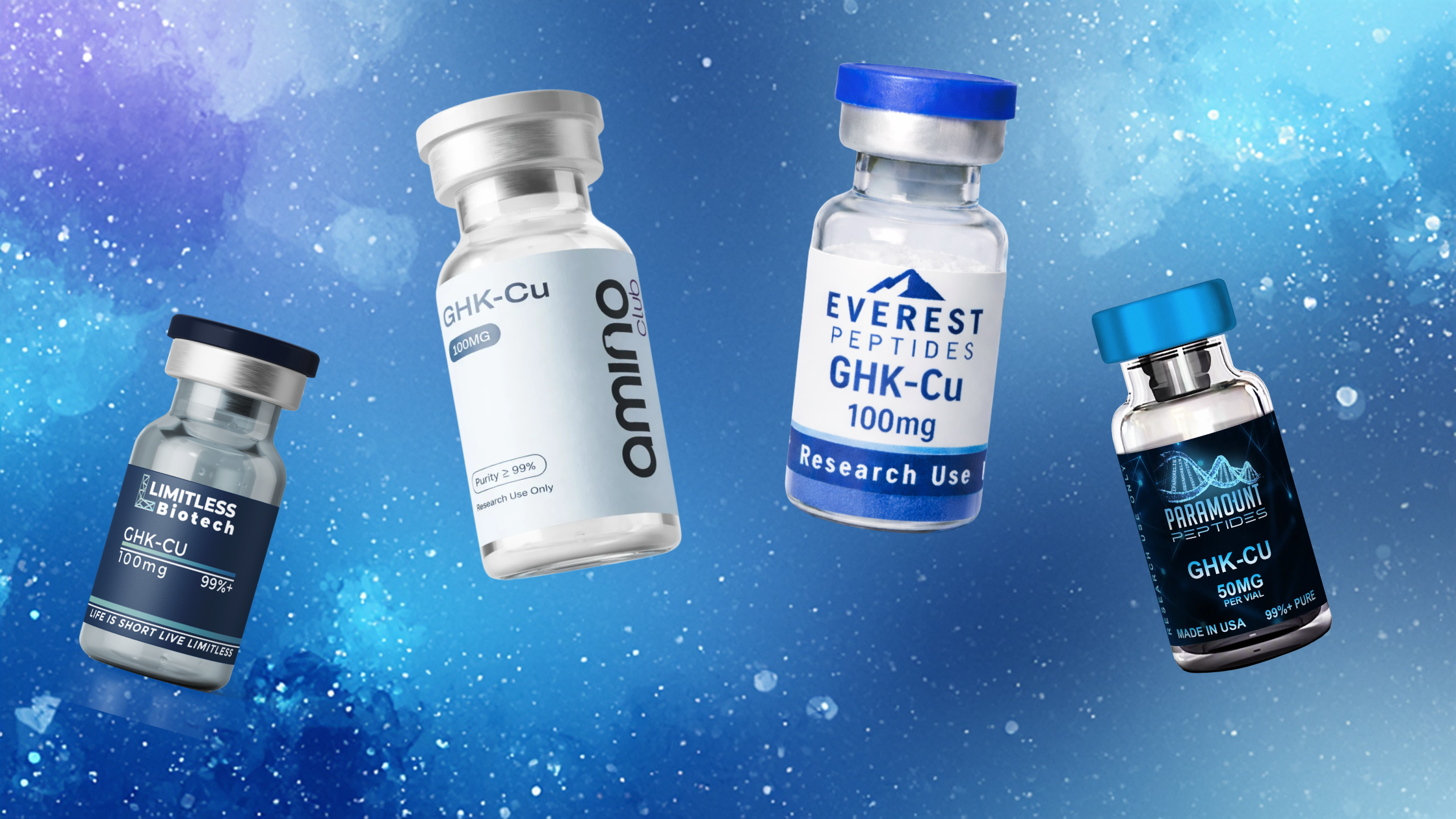
If you want GHK-Cu in vial form, Paramount Peptides is my top pick. They synthesize it in-house in Irvine, California rather than relabeling imported powder, the 50mg vial is $55.25 with a lot-specific COA from Accumark Labs posted on the page, and code BRAINFLOW takes 10% off, landing just under $50. For a peptide whose whole job depends on the copper being bound correctly, buying from the lab that ran the chemistry matters.
For topical use, Infiniwell’s GHK-Cu serum is the one my readers and I keep coming back to. Apply it directly and let the peptide do the work. Code WELCOME15 saves 15% there.
How Dr. Pickart Discovered GHK-Cu
Dr. Pickart wasn’t looking for it. While researching liver disease in 1973, he noticed that human albumin from younger individuals contained a factor that stimulated tissue repair. After years of isolation and characterization, he identified that factor as GHK-Cu.
The healing effect was expected by then. The mechanism was the surprise. Later research using gene microarray analysis showed that GHK-Cu influences approximately 31% of the human genome. Rather than randomly flipping genetic switches, it resets aged gene expression patterns toward younger, healthier ones.
GHK-Cu upregulates genes involved in antioxidant response, DNA repair, protein metabolism, and cell growth. It downregulates genes associated with inflammation, fibrinogen synthesis, and various disease processes including cancer metastasis.
Gene Expression: The Real Anti-Aging Mechanism
Most anti-aging ingredients work on the surface, moisturizing skin or providing antioxidants. GHK-Cu operates at the genetic level, changing how your cells express aging-related genes. Peer-reviewed genomic research documented GHK-Cu altering over 4,000 human genes when applied to fibroblast cultures, roughly one-third of your entire genome nudged back toward a younger expression pattern.
BrainFlow Recommended Source
Paramount Peptides: GHK-Cu 50mg
Synthesized in-house in Irvine, California by a lab that’s been making its own peptides for over 12 years. $55.25, or about $49.73 with code BRAINFLOW. Every lot ships with a third-party COA from Accumark Labs at 99% or better purity, with the lot history posted on the product page.
If a vial ever fails HPLC at a licensed lab, they refund the order plus your $100 testing fee. Standard card checkout, no account needed to see pricing.
Shop GHK-Cu at Paramount · Code BRAINFLOW Saves 10%For laboratory and research use only. Made in the USA. Free shipping over $300.
What GHK-Cu Does (According to Research)
GHK-Cu affects multiple body systems, which is why research has explored it for everything from wound healing to cancer prevention. What the studies found:
- Reduces wrinkles and fine lines with 55.7% wrinkle volume reduction in a 12-week RCT
- Stimulates collagen and elastin production at the fibroblast level, outperforming both vitamin C and retinoic acid in clinical comparisons
- Promotes hair growth by enlarging follicles, prolonging the growth phase, and stimulating VEGF and dermal papilla cells
- Accelerates wound healing across skin, bone, intestinal tissue, and nerve tissue in animal models
- Fights chronic inflammation by suppressing TNF-alpha, IL-6, and NF-kB while boosting anti-inflammatory IL-10
- Supports gut health with new 2025 data showing protective effects in ulcerative colitis through the SIRT1/STAT3 pathway
- Boosts antioxidant defenses by increasing superoxide dismutase, catalase, and glutathione peroxidase
- Activates DNA repair genes that fix UV damage, oxidative lesions, and maintain telomere integrity
- Resets gene expression across 4,000+ genes, nudging aged patterns back toward younger, healthier states
- Suppresses cancer-related genes including metastasis markers, while increasing tumor suppressor expression
- Shows neuroprotective potential with anti-anxiety and pain-reducing effects in animal models
Worth breaking each of these down individually.
Skin Rejuvenation and Anti-Aging
This is where GHK-Cu has the strongest clinical evidence. Multiple human trials have shown measurable improvements in skin aging markers.
A 2015 double-blind clinical trial published in Clinical, Cosmetic and Investigational Dermatology examined 71 women with photodamaged facial skin. Half used a facial cream containing GHK-Cu, the other half used placebo. After 12 weeks, researchers measured results using high-resolution photography, ultrasound imaging, and digital analysis software.
The GHK-Cu group showed statistically significant improvements across multiple markers: fine line depth, wrinkle severity scores, skin laxity on ultrasound, overall photoaging scores, and skin thickness. The placebo group showed no significant changes.
The GHK-Cu cream also beat both vitamin C and retinoic acid formulations on overall improvement scores, which the researchers hadn’t expected. Those were instrument readings and standardized grading scales, not subjective assessments.
A 2022 randomized controlled trial in Dermatologic Therapy (n=71, 12 weeks) backed this up with more specific numbers. The 1% GHK-Cu cream group saw a 55.7% reduction in wrinkle volume and a 32.8% reduction in wrinkle depth compared to control. Head-to-head against Matrixyl 3000 (palmitoyl pentapeptide-4), GHK-Cu was superior at stimulating collagen I production (2.1-fold versus 1.4-fold), a meaningful gap against one of the most popular anti-aging peptides on the market.
Research in Wound Repair and Regeneration showed how this works at the cellular level. GHK-Cu stimulates collagen synthesis in human fibroblasts while also increasing decorin production (a proteoglycan that regulates collagen fibril formation). It promotes glycosaminoglycan synthesis, the “filler” molecules that give skin volume, and it raises metalloproteinase inhibitors while lowering the destructive metalloproteinases.
In plain terms, GHK-Cu tells your skin to build more structural support while reducing the enzymes that break that structure down. Renovation and preservation at the same time.
A Phase II clinical trial for topical GHK-Cu in photoaging (NCT05239615) was completed in 2024, though results haven’t been published yet. The fact that registered clinical trials are running at all signals that the research community takes this peptide seriously enough to invest in formal evaluation.
For topical GHK-Cu, Infiniwell’s GHK-Cu serum is what I use and what BrainFlow readers keep coming back to. Apply it directly to the areas you want to target. Code WELCOME15 saves 15%.
Wound Healing and Tissue Repair
GHK-Cu’s wound healing properties are documented well enough that it’s been built into some medical wound dressings. A study published in The Journal of Trauma examined GHK-Cu-impregnated collagen dressings on burn patients and found accelerated healing rates, reduced scarring compared to standard dressings, decreased infection rates, and better pain management during recovery.
The mechanisms involve multiple healing pathways. GHK-Cu attracts immune cells to wound sites and stimulates angiogenesis. It increases growth factor production including VEGF and TGF-beta, promotes keratinocyte migration for re-epithelialization, and modulates inflammation to prevent chronic wound states.
Animal studies went further. Research published in Molecular and Cellular Biochemistry showed GHK-Cu accelerated healing of intestinal lesions, promoted bone fracture repair, and sped nerve regeneration after injury.
A 2025 review in the International Journal of Medical Sciences covering studies from 2016 to 2025 confirmed GHK-Cu’s position as a leading tripeptide for wound management, highlighting newer delivery systems like nanoparticle conjugates and hydrogels (including the clinical derivatives TriHex and TriHex 2.0) that improve fibroblast migration, ECM remodeling, and wound closure while adding antimicrobial activity. The delivery technology is catching up to the science.
If you’re serious about tissue repair and recovery, GHK-Cu in vial form offers systemic benefits topicals can’t match. The dosing section below covers reconstitution, injection basics, and where to source a vial with a real COA behind it.
Gut Health: The Ulcerative Colitis Connection
This is a newer area of GHK-Cu research that most people haven’t heard about yet. While BPC-157 gets all the attention for gut healing, GHK-Cu has its own impressive data here.
A 2025 study published in Frontiers in Pharmacology evaluated GHK-Cu in a dextran sulfate sodium (DSS)-induced mouse model of ulcerative colitis. The researchers found GHK-Cu worked through the SIRT1/STAT3 signaling pathway to reduce mucosal damage, improve epithelial barrier function, and suppress the inflammatory cascade that drives UC progression. They mapped the mechanisms with network pharmacology and molecular docking, then confirmed them with cell culture and animal experiments.
This builds on older data showing GHK-Cu could suppress intestinal ulcers and protect gastric mucosa. The 2025 study is the first to map the specific pathway through SIRT1, a protein also linked to longevity and caloric restriction benefits. The overlap between GHK-Cu’s anti-aging mechanisms and its gut-protective effects makes sense once you see the pathway. Inflammation drives both aging and gut disease, and GHK-Cu hits that inflammation from several angles.
If you’re dealing with gut inflammation and already looking at peptides like BPC-157, GHK-Cu may offer complementary benefits through different pathways.
Hair Growth and Follicle Enlargement
Male pattern baldness affects 50% of men by age 50, and female pattern hair loss affects 40% of women by menopause. GHK-Cu has shown promise for both, and the research here is getting more interesting.
A 2007 study published in the FASEB Journal examined GHK-Cu’s effects on isolated hair follicles. Researchers found that GHK-Cu enlarged follicles in culture, stimulated hair shaft elongation, prolonged the anagen (growth) phase, and increased the number of follicles actively growing.
The comparison data against minoxidil is what’s drawn recent attention. A 2023 study in Bioactive Materials tested GHK-Cu in an advanced ionic liquid microemulsion delivery system and found it kicked off hair follicle growth at day 6 in mice, compared to day 9 for 5% minoxidil. The GHK-Cu formulation also stimulated significantly more VEGF and HGF secretion than minoxidil, which means better blood supply and growth factor signaling to follicles.
The mechanism works on several fronts: improved blood flow to follicles through angiogenesis (via VEGF), reduced DHT-related inflammation around follicles, activation of dermal papilla cells (the stem cells that control hair growth), reduced follicle apoptosis through elevated Bcl-2/Bax ratios, and stimulation of the Wnt/beta-catenin signaling pathway that controls hair cycle regulation.
Human trials using topical GHK-Cu formulations have reported increased hair count in treated areas, thicker hair shafts measured by trichoscopy, reduced shedding within 2-3 weeks of starting treatment, and improved scalp condition with less inflammation and dandruff.
One practical tip gaining traction is to pair GHK-Cu with microneedling. The microneedles create tiny channels in the scalp that let the peptide penetrate deeper and reach the follicular bulge where stem cells reside. Apply GHK-Cu immediately after microneedling for best absorption. Some clinicians report this combo outperforms either treatment alone.
Real User Results: Hair Regrowth Timeline
Weeks 1-3: Most users notice reduced shedding when washing or brushing hair, often the first sign GHK-Cu is working. Weeks 4-8: Increased “peach fuzz” in thinning areas as dormant follicles reactivate. Weeks 8-16: Visible thickening in areas that were thinning, though results vary by individual. Month 6+: Maximum benefits typically show up, though consistent use is required to maintain them.
💧 BrainFlow Pick for Topical GHK-Cu
Infiniwell GHK-Cu Serum
Apply directly to skin or scalp, no vials, no mixing, no reconstitution. The serum I use and the one BrainFlow readers keep coming back to for hair and skin both.
Shop Infiniwell GHK-Cu → Code WELCOME15 Saves 15%First-time order discount.
Anti-Inflammatory and Immune Effects
Chronic low-grade inflammation, what scientists call “inflammaging,” drives most age-related diseases. Research compiled in Biomedicines shows GHK-Cu strongly modulates inflammatory responses.
GHK-Cu suppresses pro-inflammatory cytokines including TNF-alpha, IL-1, and IL-6, the same markers elevated in aging and chronic disease. It reduces NF-kB activation (a master inflammatory signaling pathway), increases anti-inflammatory IL-10, and boosts antioxidant enzyme production including superoxide dismutase.
The effects extend beyond skin. GHK-Cu appears to rebalance the immune system toward how it functioned when you were younger, with potential benefits throughout the body. Researchers have proposed it as a possible alternative to corticosteroids for inflammatory skin conditions, which would be a significant development if validated in larger trials.
Antioxidant Protection and DNA Repair
Free radical damage accumulates with age, hitting DNA, proteins, and lipids. GHK-Cu strengthens your body’s antioxidant defenses through several mechanisms.
Studies show GHK-Cu increases expression of antioxidant enzymes including superoxide dismutase, catalase, and glutathione peroxidase. It chelates free copper and iron ions that would otherwise generate destructive hydroxyl radicals through Fenton chemistry. It also activates DNA repair enzymes that fix oxidative damage to genetic material.
Gene expression analysis found GHK-Cu upregulated genes involved in DNA repair, including those that correct UV-induced damage, repair oxidative lesions, and maintain telomere integrity.
Potential Neuroprotective Effects
Research here is more preliminary, but animal studies suggest GHK-Cu may have neuroprotective properties. Research published in Neuroscience Letters found GHK-Cu reduced pain sensitivity in rodent models, showed anti-anxiety effects in behavioral tests, and protected neurons from oxidative damage.
The doses involved are tiny, and the specific findings are worth naming. A 2015 study found doses as low as 0.5 mg/kg reduced pain response in mice, an effect researchers linked to GHK’s structural resemblance to cimetidine, a compound already used clinically to reduce pain in digestive conditions.
Separately, a 2017 study found that just 0.5 mcg/kg, a thousand times smaller a dose, reduced aggressive behavior in rats that had been provoked with electric shocks, and a related 2015 trial found the same microdose increased exploratory behavior and cut freeze responses in a maze test, the standard marker researchers use for reduced anxiety. In a 70kg human, that anti-aggression and anti-anxiety dose works out to roughly 35 mcg, far below what’s typically used for skin or wound-healing goals.
The mechanism may involve copper’s role in neurotransmitter synthesis, GHK-Cu’s anti-inflammatory effects on brain tissue, and promotion of nerve growth factors. Promising, but this area needs far more human research before anyone can draw firm conclusions.
Cancer-Suppressive Gene Expression
This is probably the most unexpected finding in GHK-Cu research. A 2010 study published in Cancer Letters examined GHK-Cu’s effects on aggressive colon cancer cell lines.
The peptide suppressed genes associated with metastasis and cancer spread, increased expression of tumor suppressor genes, reduced cancer cell growth without affecting normal cells, and altered the tumor microenvironment to be less favorable for cancer progression.
This isn’t a one-off finding either. A separate animal study from Dr. Pickart’s group, published in 2014, found that a combination of GHK-Cu and vitamin C suppressed the growth of sarcoma-180, an aggressive cancer model in mice. Two independent studies, four years apart, using different cancer models, pointing the same direction.
This doesn’t mean GHK-Cu treats cancer. These were in vitro and animal studies, not human trials. But the findings suggest GHK-Cu may help maintain cellular environments that resist cancer development, which is reassuring data for long-term use.
How Long GHK-Cu Stays Active
Worth understanding before you plan a protocol. GHK-Cu clears fast, with a plasma half-life of roughly 30 to 60 minutes after injection. Enzymes in your blood break it down quickly, which is exactly why topical formulations often lean on penetration enhancers to get the peptide into skin before it degrades, and why injectable protocols favor daily dosing over infrequent large doses.
That fast clearance is a little deceptive on its own, though. The gene expression changes GHK-Cu triggers, the mechanism behind most of what this article covers, persist well beyond the peptide’s time in your blood. Once it flips those genetic switches, the downstream effects on collagen and elastin production keep running for days.
That’s the same pattern MOTS-c and several other peptides show: short plasma presence, long functional effect. It’s also why daily consistency matters more than hitting a peak blood concentration.
GHK-Cu vs Retinol: How They Compare
This is one of the most common questions in anti-aging skincare right now, and it’s worth addressing directly since the research lets us compare them.
The 2015 clinical trial found GHK-Cu outperformed retinoic acid on overall photoaging improvement scores. Retinol still has the edge for deep wrinkles and acne, but GHK-Cu is gentler, better tolerated, and addresses aging at the gene expression level rather than just forcing faster cell turnover. For people who can’t tolerate retinoids (sensitive skin, rosacea, eczema), GHK-Cu is the strongest alternative backed by real clinical data.
The smart approach is to alternate them on different nights, so you get benefits from both without the destabilization issues.
How to Use GHK-Cu: Dosing Protocols
The research is solid, but practical application is where most people get stuck. This is how to use GHK-Cu based on clinical studies and real-world experience.
Topical Application for Skin
Topical GHK-Cu has the strongest clinical evidence, with multiple trials showing effectiveness at specific concentrations.
Concentration: Clinical studies showing significant results used formulations containing 0.1% to 1% GHK-Cu. You don’t need ultra-high concentrations. Even 0.1% showed measurable benefits in the 12-week facial study. Higher concentrations (1-2%) may work faster but aren’t necessarily more effective long-term.
Most studies applied it twice a day, morning and evening. If you’re new to it, once a night for the first week is enough to check tolerance. GHK-Cu is generally non-irritating, but some people get mild redness when first starting.
Step-by-step application:
- Cleanse face thoroughly to remove oil, dirt, and makeup
- Apply 3-5 drops of GHK-Cu serum to slightly damp skin (enhances absorption)
- Gently pat and press into skin, don’t rub vigorously
- Focus on areas of concern: forehead lines, crow’s feet, nasolabial folds, neck
- Wait 10-15 minutes before applying other products to allow full absorption
- Follow with moisturizer if desired (GHK-Cu isn’t inherently moisturizing)
On timing, the first two weeks usually bring better texture and hydration. Fine lines start softening around weeks 4 to 6 and tone evens out. By weeks 8 to 12 wrinkle depth and firmness change visibly, and the biggest gains land around months 4 to 6 with continued use.
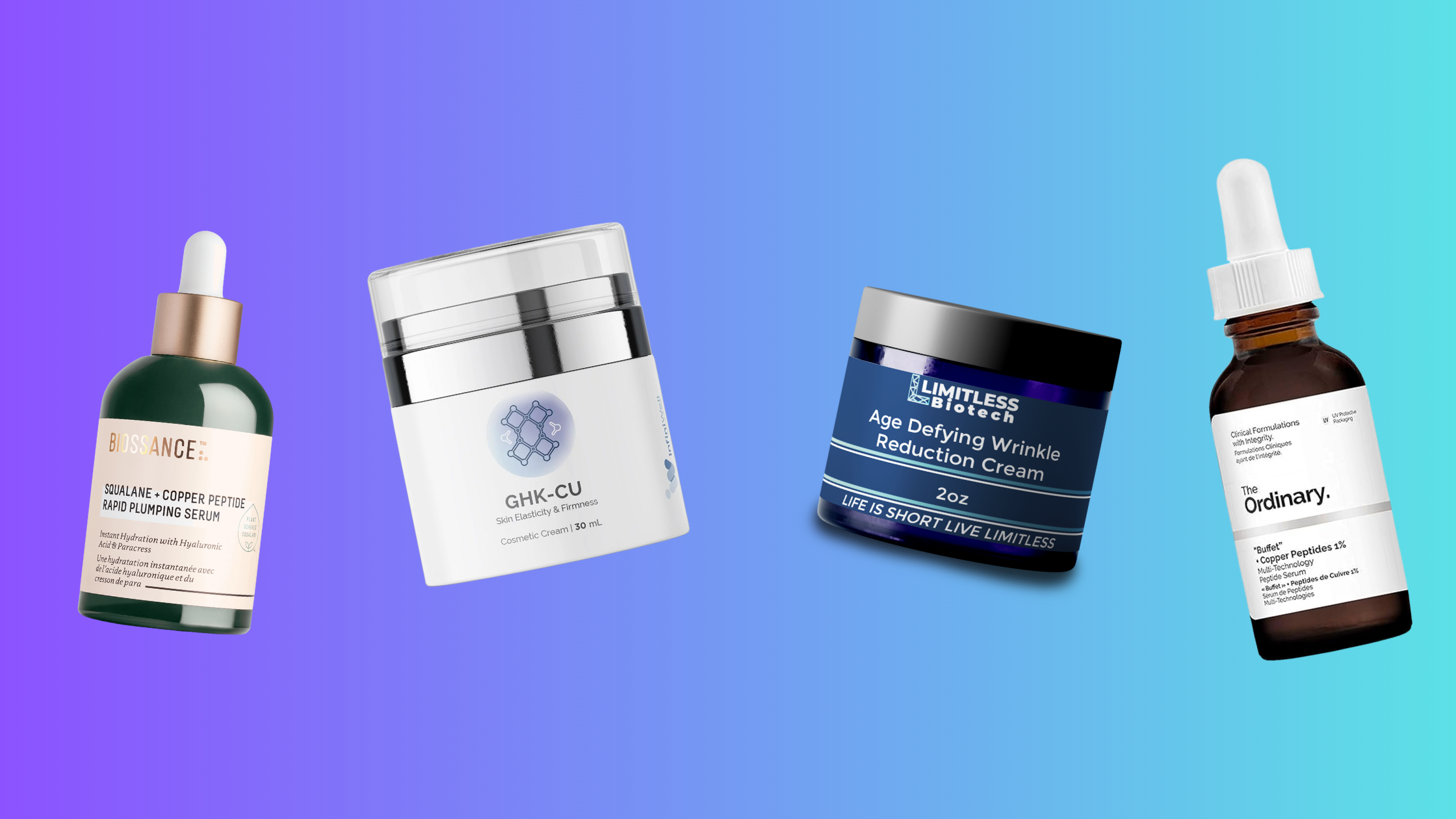
The topical I use is Infiniwell’s GHK-Cu serum, and it’s the one BrainFlow readers keep recommending to each other. It replaced The Ordinary in my own routine. Apply directly, let the peptide do the work. Code WELCOME15 saves 15%.
Topical Application for Hair Loss
Hair regrowth requires getting GHK-Cu onto your scalp. Coating the hair shafts does nothing.
Formulation options: Copper peptide shampoos work if you use them 2-3 times weekly and leave the product on your scalp 3-5 minutes before rinsing. Leave-in treatments or serums should be applied daily to dry scalp, focusing on thinning areas. Look for 0.5-1% GHK-Cu or equivalent copper peptide complex.
Application technique:
- Part hair in sections to expose scalp in thinning areas
- Apply copper peptide solution directly to scalp using dropper or spray
- Massage gently for 2-3 minutes to enhance absorption and blood flow
- Leave on, do not rinse if using a leave-in treatment
- Apply once or twice daily for at least 3 months before assessing results
A dermaroller (0.5-1.0mm) on the scalp before applying GHK-Cu creates microchannels that improve penetration to the follicular level, and the serum should go on immediately after. Once a week is the cadence, never daily, so the scalp heals between sessions. Some clinicians report the combination outperforms either treatment alone for hair density.
Realistic expectations: Most people notice reduced shedding within 2-4 weeks. Visible regrowth in thinning areas typically takes 3-6 months of consistent daily use. Results vary based on the cause and extent of hair loss. GHK-Cu works best for thinning hair, not complete baldness where follicles are scarred shut.
Plenty of people run GHK-Cu alongside minoxidil (Rogaine). Apply minoxidil first, wait four hours, then the GHK-Cu. Some dermatologists recommend the pair over either one alone.
GHK-Cu Vials for Systemic Effects
GHK-Cu in vial form provides systemic anti-aging effects beyond what topical application can reach. This is the route used by serious biohackers and anti-aging physicians for whole-body benefits.
Typical dosing protocol: 1-3 mg subcutaneously, 2-4 times per week (some protocols use daily dosing). Injection sites include abdomen, thighs, or upper arms. Rotate sites to prevent irritation. Evening use is often preferred since GHK-Cu may support sleep quality and overnight tissue repair.
What people tend to report on a vial protocol, in order:
- Weeks 1-2: Better sleep and a subtle lift in energy
- Weeks 3-6: Skin improving from the inside out (tone, faster healing of minor cuts), less inflammation and joint discomfort, quicker recovery from training
- Weeks 8-12: Visible skin quality changes, sometimes hair growth without any topical, better overall vitality
- Month 4+: Accumulated benefits, including sustained inflammation reduction and improved tissue repair capacity
On cycling, some practitioners run 8 to 12 weeks on and 4 weeks off to head off any adaptation. Others use it continuously without apparent tolerance. There’s no consensus, and individual response varies.
Reconstitution: GHK-Cu arrives as a freeze-dried powder that needs bacteriostatic water before use. Wipe both vial tops with an alcohol swab first.
For a 50mg vial, adding 2mL of bacteriostatic water gives you 25mg/mL, so 1mg is 0.04mL, or 4 units on a standard insulin syringe, and a 2mg dose is 8 units. Inject the water slowly down the inside wall of the vial rather than straight onto the powder, then swirl gently, never shake. GHK-Cu often takes on a faint blue tint from the copper, which is normal. Refrigerate immediately and use within 4 to 6 weeks.
The injection itself is close to painless with a fine, short insulin syringe (29 to 31 gauge). Pinch a fold of fat, go in at around 45 degrees, and inject slowly into the subcutaneous layer, not muscle.
The lower abdomen, outer thigh, and love-handle area are the standard sites. Rotate between at least three or four spots. Using the same one repeatedly can cause local irritation or changes in the fat tissue over time.
When you’re injecting, verified purity is the whole game, and with GHK-Cu there’s a second question most COAs don’t answer, which is whether the copper is bound. That’s why I buy from the lab that made it.
Paramount Peptides synthesizes GHK-Cu in-house in Irvine, California, posts a lot-specific COA from Accumark Labs on the 50mg product page with the history behind it, and refunds the order plus your $100 testing fee if a vial ever fails HPLC. It’s $55.25, or about $49.73 with code BRAINFLOW, and volume pricing drops to $52.49 at 5 to 9 vials and $49.86 at 10 or more. Research use only.
Combining GHK-Cu with Other Actives
GHK-Cu can be combined with other evidence-based skincare ingredients, but timing and formulation compatibility matter.
The one hard rule is retinoids. Copper peptides and retinol or tretinoin destabilize each other in the same routine, so alternate nights instead. Everything else in a typical routine plays fine with GHK-Cu, with a little sequencing.
The sunscreen row clears up a common mix-up. Unlike retinoids, GHK-Cu doesn’t make skin more sun-sensitive, and a 2014 study found it may help block UV damage rather than worsen it, which is why the comparison table earlier lists its sun sensitivity as low. That’s a reason to keep wearing SPF, not skip it, since daily sunscreen protects the collagen gains GHK-Cu is helping you build.
Safety, Side Effects, and Contraindications
GHK-Cu has an excellent safety profile. It’s naturally occurring in your body, non-toxic, and active at very low concentrations. That doesn’t mean there are zero considerations.
Common Side Effects (Minimal)
Topically, the most you’re likely to see is mild redness or tingling in the first few days, which settles on its own. Irritation past that usually means it’s being layered with a retinoid, and a rare few people get a short purge as turnover picks up. If that happens, drop to every other night until skin adjusts, then work back up.
Vial users report mild redness at the site that fades within hours, the occasional bruise that comes with any injection, and now and then some mild nausea early on that goes away with continued use. Serious side effects from properly dosed GHK-Cu are exceptionally rare in the literature.
Allergic reactions are rare, but real. If you develop hives, facial swelling, or any difficulty breathing after applying or injecting GHK-Cu, stop immediately (wash off a topical with cool water) and get medical attention. That’s a different situation from ordinary mild redness and shouldn’t be waited out.
The “Copper Uglies”: When More Isn’t Better
This deserves real coverage instead of a footnote, because it directly contradicts the “more peptide, faster results” instinct. Some people using copper peptide skincare, GHK-Cu included, report the opposite of what they signed up for: skin that looks more aged, not less, after weeks of use. The community has a blunt name for it, the copper uglies.
There’s a plausible mechanism behind it. A 2016 study in the Journal of Aging Science found that GHK-Cu significantly increased expression of MMP-1 and MMP-2, enzymes that break down collagen, and it did so even at the lowest concentration tested. Under normal conditions this is part of the healthy remodeling process, tearing down old collagen to build newer, better collagen in its place.
But a 2023 study in the Journal of Investigative Dermatology found that when MMP-1 runs elevated for too long, the result flips from remodeling to net collagen loss, fragmented dermal fibers, and more of the inflammatory signaling associated with older-looking skin.
Put together, that’s a coherent explanation for something copper peptide users have reported anecdotally for years without a clear mechanism attached to it. It doesn’t mean GHK-Cu causes this in most people, most of the clinical trial data shows the opposite, meaningful improvement, not damage. What it does mean is that this isn’t a compound where doubling the concentration or the frequency doubles your results. Overdoing it appears to be the real risk factor.
Practically, that argues for exactly the approach any careful GHK-Cu protocol should already follow: start at a lower concentration, patch test on a small area first, and increase gradually rather than jumping straight to a 2% serum applied twice daily. If your skin starts looking worse, thinner, more crepey, more reactive, rather than better, that’s the signal to scale back, not push through.
Who Should Avoid GHK-Cu
A short list, but each one matters.
- Wilson’s Disease or any copper metabolism disorder. The condition causes copper to accumulate, so anything copper-containing is off the table without a physician’s sign-off.
- Pregnancy and breastfeeding. No studies have looked at it. It’s naturally occurring and probably fine, but probably isn’t the standard here.
- Active skin infections or open wounds without medical supervision. It promotes healing, but not on an active infection.
- Anyone under 18. There’s no research on copper peptides in a still-developing body, so this one’s a simple pass rather than a judgment call.
Drug Interactions
GHK-Cu has minimal drug interactions. It doesn’t affect cytochrome P450 enzymes the way many drugs and supplements do, and no known interactions with common medications exist.
One exception worth flagging: if you’re using GHK-Cu from vials while on anticoagulants (blood thinners), expect a higher bruising risk at injection sites. Not dangerous, just cosmetically annoying.
Long-Term Safety
Unlike many anti-aging compounds with concerning long-term safety profiles, GHK-Cu has decades of use data. Studies have examined continuous use for months to years without identifying cumulative toxicity or tolerance development.
The cancer-suppressive gene expression data is particularly reassuring. Rather than promoting abnormal cell growth, GHK-Cu appears to suppress it, the opposite of what you’d expect from something that promotes tissue regeneration, and a good sign for long-term safety.
Stacking GHK-Cu for Maximum Benefits
GHK-Cu works well on its own, but strategic stacking can amplify results. What makes sense, based on mechanisms and evidence, breaks down like this.
With Other Anti-Aging Peptides
Many people combine GHK-Cu from vials with growth hormone secretagogues for broader anti-aging benefits. The mechanisms are complementary: GH peptides optimize hormone levels while GHK-Cu handles tissue repair and gene expression.
The common version is CJC-1295/Ipamorelin before bed for GH optimization (covered in our ipamorelin CJC-1295 blend guide), plus GHK-Cu two or three times a week for systemic repair. Together they hit several aging mechanisms at once.
For injury healing, some athletes run GHK-Cu alongside BPC-157 and TB-500. The three work through different mechanisms. BPC-157 targets specific injuries, TB-500 provides systemic recovery, and GHK-Cu handles collagen synthesis and inflammation. We detailed the combination in our Wolverine Stack guide.
If you’d rather not juggle three vials, Paramount sells the same three pre-blended as GLOW (GHK-Cu 50mg + BPC-157 10mg + TB-500 10mg), and KLOW adds KPV for inflammation. All four peptides come out of the same California lab, and code BRAINFLOW works on the blends too.
With NAD+ Boosters
GHK-Cu addresses tissue repair and gene expression. NAD+ precursors like NMN or NR support cellular energy and DNA repair. The mechanisms complement each other for broader anti-aging effects.
A typical pairing is GHK-Cu from vials two or three times a week, plus a daily oral NAD+ precursor (250-500mg NMN or 300-600mg NR). Plenty of longevity-focused people run this as the base of a broader protocol.
With Evidence-Based Supplements
Certain supplements support GHK-Cu’s mechanisms or address complementary aging pathways.
None of these are required, but they feed the process GHK-Cu is driving.
- Collagen peptides, 10-15g daily, supply the amino acids for the collagen GHK-Cu is telling your fibroblasts to build
- Vitamin C, 500-1000mg daily split in two, is the cofactor collagen synthesis can’t run without
- Oral hyaluronic acid, 100-200mg daily, may add hydration alongside topical GHK-Cu
- Vitamin E, CoQ10, or alpha-lipoic acid add antioxidant support on top of the enzymes GHK-Cu upregulates on its own
GHK-Cu Regulatory Status in 2026
GHK-Cu’s status with the FDA is split by how it’s used, which is worth knowing before you buy either form.
Topical and other non-injectable GHK-Cu went back to FDA Category 1 in 2026, meaning compounding pharmacies can prepare it again. As a cosmetic ingredient it was never restricted, which is why serums have stayed on shelves throughout.
Injectable GHK-Cu is the piece still pending. It was not part of the July 23-24, 2026 advisory committee meeting that voted on BPC-157, TB-500, KPV, and four others. It’s scheduled for a later committee review before the end of February 2027, alongside Melanotan II and a few more. Until then, research-grade GHK-Cu vials are sold for laboratory use only, and nothing about that changes with the July vote.
Frequently Asked Questions
Does GHK-Cu really work?
Yes, and it has more clinical backing than most anti-aging ingredients. A 12-week randomized trial documented a 55.7% reduction in wrinkle volume, and GHK-Cu outperformed both vitamin C and retinoic acid on overall photoaging scores in controlled testing. The effects are real but gradual, so consistency over months matters.
Is GHK-Cu better than retinol?
They work differently. Retinol still leads for deep wrinkles and acne, but GHK-Cu is gentler, doesn’t cause peeling or sun sensitivity, and works at the gene-expression level. For sensitive skin, rosacea, or anyone who can’t tolerate retinoids, GHK-Cu is the strongest evidence-backed alternative. Many people alternate the two on different nights.
How long until GHK-Cu shows results?
Texture and hydration improvements often show within the first two weeks. Fine lines start softening around weeks 4-6, with visible wrinkle and firmness changes by weeks 8-12. Maximum benefits typically land at 3-6 months of consistent use.
Should I use topical GHK-Cu or vials?
Topical has the strongest clinical evidence for skin and hair and is the easiest starting point. Vials add systemic effects (recovery, inflammation, sleep, whole-body anti-aging) that topicals can’t reach. Plenty of people use both: a serum for the face and a vial protocol for systemic benefits.
Is GHK-Cu safe to use long-term?
It has decades of use data with no identified cumulative toxicity or tolerance, and it’s naturally produced in your body. The main exceptions are people with Wilson’s Disease or other copper metabolism disorders, and anyone pregnant or breastfeeding, who should avoid it out of caution.
What are the “copper uglies”?
A community term for skin that looks worse, not better, after copper peptide use, thought to be linked to GHK-Cu overactivating collagen-degrading enzymes (MMP-1 and MMP-2) at high concentrations or frequency. It’s uncommon, and most clinical trial data shows the opposite effect, but it’s the reason to start with a lower concentration and patch test rather than jumping straight to daily high-strength use.
How long does GHK-Cu stay active in your system?
Its plasma half-life is short, roughly 30 to 60 minutes after injection. The gene expression changes it triggers last much longer than that, commonly cited as persisting for days, which is why the effects don’t disappear the moment the peptide clears your blood.
Does GHK-Cu help with hair loss?
For thinning hair, yes, with the caveat that it works on live follicles, not scarred ones. Follicle studies show it enlarges follicles and extends the growth phase, a 2023 mouse study had it starting regrowth three days ahead of 5% minoxidil, and users typically see shedding drop inside a month with visible thickening at three to six months. Scalp application, ideally with weekly microneedling, is the route.
How much GHK-Cu do people inject?
Community protocols mostly run 1 to 3mg subcutaneously, two to four times a week, some daily. On a 50mg vial mixed with 2mL of bacteriostatic water, 1mg is 4 units on an insulin syringe. None of this is approved dosing, and the anti-anxiety and pain findings in animals used doses a thousand times smaller, so more is not the goal.
Where can I buy GHK-Cu?
For vials, BrainFlow points readers to Paramount Peptides GHK-Cu 50mg, synthesized in-house in California with an Accumark Labs COA on every lot and a purity refund guarantee. Code BRAINFLOW saves 10%. For a topical serum, Infiniwell’s GHK-Cu is the one our readers use, and code WELCOME15 saves 15% on a first order.
The Verdict: Does GHK-Cu Work?
After decades of research, clinical trials, and real-world use, the answer is yes. It works when you use it properly with quality products.
GHK-Cu has more peer-reviewed evidence behind its anti-aging effects than almost any other skincare or longevity compound. This isn’t one or two studies. There are over 100 published papers examining various aspects of GHK-Cu biology.
What it will do, based on controlled trials, is measurably improve wrinkles, firmness, and skin thickness, support regrowth in thinning hair, lower systemic inflammation, speed tissue repair, and push gene expression back toward a younger pattern. Vial use adds whole-body effects on top of that.
What it won’t do is reverse 30 years of aging in 30 days, erase deep wrinkles that took decades to form, regrow hair where follicles are scarred shut, work without months of consistent use, or make up for bad sleep, bad food, chronic stress, or smoking.
Give it at least three months before judging. Texture and inflammation changes often show inside a few weeks, but the before-and-after transformations people post usually represent six to twelve months of dedicated use.
If you’re new to GHK-Cu, start topical for skin and track it with photos for three months. If you want the systemic effects, vials reach what serums can’t. Both sources are in the section below.
Where to Buy GHK-Cu
After testing multiple suppliers and comparing quality, pricing, and testing standards, I recommend two sources depending on how you want to use GHK-Cu.
For GHK-Cu in vial form: Paramount Peptides is what I use and point readers toward. They’ve synthesized their own peptides in Irvine, California for over 12 years, which puts them in a small group of vendors that make what they sell instead of relabeling imported powder. The 50mg vial is $55.25, about $49.73 with code BRAINFLOW, and every lot ships with a third-party COA from Accumark Labs at 99% or better purity, with the lot history posted on the page.
They back it with a guarantee nobody else I use offers. If a vial fails an HPLC test at any licensed lab, they refund the order and reimburse your $100 testing fee. Pricing is visible without an account, checkout is a normal card checkout, and the GHK-Cu page showed well over a thousand vials in stock at the time of this update. They also carry BPC-157, TB-500, and the pre-blended GLOW and KLOW if you’re building a broader recovery protocol. Code BRAINFLOW saves 10%.
For topical GHK-Cu: Infiniwell’s GHK-Cu serum is the one I use daily and the one our community keeps coming back to. Apply it directly to the areas you want to target. No mixing, no reconstitution. Code WELCOME15 saves 15%.
GHK-Cu Vials
Paramount Peptides
50mg vial, synthesized in-house in Irvine, California. Accumark Labs COA on every lot with the history posted. Purity refund guarantee covers your testing fee.
$55.25 · About $49.73 with code BRAINFLOW
Shop GHK-Cu Vials →For laboratory research use only · Made in the USA
Topical GHK-Cu Serum
Infiniwell
Apply directly to skin. No vials, no mixing. The serum BrainFlow readers keep coming back to.
Code WELCOME15 saves 15%
Shop GHK-Cu Serum →First-time order discount
Final Thoughts
GHK-Cu works best as part of a broader approach to aging, not as an isolated fix. Combine it with proper sleep (7-9 hours), resistance training (which maintains muscle and bone as you age), quality nutrition emphasizing protein and micronutrients, stress management, and sun protection.
Used with realistic expectations and a product you can verify, GHK-Cu is one of the most research-backed anti-aging compounds you can buy. Decades of science sit behind it, and the safety record is about as clean as this category gets.
Just be patient. Cellular changes take time to show. Commit to the process, track your results with photos, and give it at least 3-6 months before judging whether it’s working for you.
Medical Disclaimer: The information in this article is for educational purposes only and is not intended as medical advice. GHK-Cu is a research compound and topical cosmetic ingredient. Injectable use should only be undertaken under medical supervision. Always consult a qualified healthcare provider before starting any peptide therapy. Individual results may vary. This article does not constitute a doctor-patient relationship, and the author is not liable for any decisions made based on this information.
Affiliate Disclaimer: This article contains affiliate links to Paramount Peptides and Infiniwell. If you purchase through these links, we may earn a commission at no additional cost to you. We only recommend products from suppliers we trust and believe offer genuine value. Our editorial content is not influenced by affiliate partnerships, and all opinions expressed are our own based on research and available evidence.
Last updated September 2026.
2 Comments