
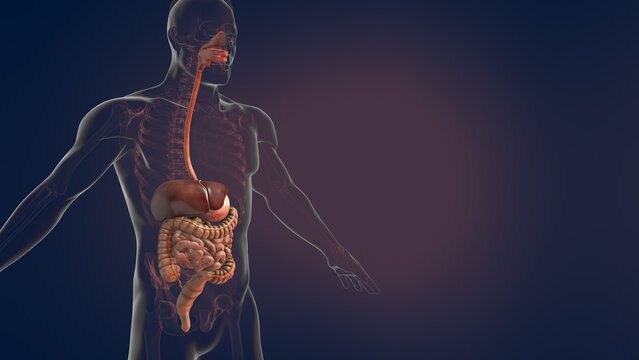
BPC-157 was discovered in human gastric juice. It stays stable in stomach acid for over 24 hours. And it has healed ulcers, repaired intestinal damage, and restored gut barrier function in study after study.
For people struggling with gut issues — leaky gut, NSAID damage, ulcers, IBD, chronic gastritis — BPC-157 has become one of the most talked-about options in the biohacking world. And for good reason. The research is promising, and thousands of people report real improvements in their digestive health after using it.
This guide covers the science behind gut healing, which conditions respond best, dosing protocols, timeline expectations, and how to get the best results from BPC-157 for your gut.
Nearly half off everything at Everest Peptides
Everest Peptides' card processor is offline right now, so instead of waiting it out they're running a bank payment sale. Every peptide is 40% off, and code BRAINFLOW stacks another 15% at checkout. Pay with Zelle or Pay by Bank, same day shipping before 3pm ET, every batch third-party tested with the COA on the product page. Rated 4.9 on Trustpilot.
Shop the 40% off sale Code BRAINFLOW at checkout. Zelle and Pay by Bank only during the sale.What’s In This Guide
The Short Answer
BPC-157 has strong evidence for gut healing, especially for conditions involving tissue damage.
Strongest evidence: NSAID-induced damage, gastric ulcers, post-surgical healing, alcohol-related damage, fistulas
Good evidence: Leaky gut, IBD (Crohn’s, ulcerative colitis), GERD, chronic gastritis
Limited evidence: IBS, SIBO, microbiome issues
Best form for gut issues: Oral BPC-157 (arginine salt)
Typical protocol: 250-500 mcg daily for 4-8 weeks
What Is BPC-157?
Body Protection Compound-157 is a 15-amino-acid peptide that was isolated from human gastric juice by researchers at the University of Zagreb in the early 1990s. It’s a fragment of a larger protective protein your stomach naturally produces.
What makes BPC-157 different from most peptides is that it doesn’t break down in stomach acid. Most peptides fall apart within minutes in your stomach. BPC-157 stays intact for over 24 hours. This stability is exactly why it works so well for gut conditions when taken orally — it survives long enough to actually reach and heal damaged tissue.
Since its discovery, over 100 studies have looked at BPC-157’s effects on different tissues. The gut healing research is particularly impressive, showing consistent results across ulcers, intestinal damage, colitis, and barrier dysfunction.
If you’re dealing with gut issues and want to try BPC-157, the key is using the right form. For gut healing, you need oral BPC-157 with the arginine salt (not acetate). Infiniwell Rapid Pro is formulated specifically for oral use and gut applications. Code IW15 gets you 15% off.
How BPC-157 Heals Gut Tissue
BPC-157 promotes gut healing through several connected pathways. Understanding these helps explain why it’s so effective for digestive conditions.
Tight Junction Repair
Your gut barrier depends on tight junction proteins that seal the spaces between intestinal cells. When these junctions fail, you get “leaky gut” — increased intestinal permeability that lets bacteria, toxins, and undigested food particles into your bloodstream.
A 2020 study found that BPC-157 increases expression of tight junction proteins like ZO-1 and occludin. It also raised transepithelial electrical resistance, which is a direct measure of how well your gut barrier is working. The researchers said BPC-157 “recovered all leaky-gut-syndrome-deranged molecular pathways” in rats with NSAID-induced gut damage.
Blood Vessel Formation
Healing needs blood flow. Research from 2020 showed that BPC-157 activates a signaling pathway (VEGFR2-Akt-eNOS) within 30 minutes that promotes new blood vessel formation at injury sites. It also boosts nitric oxide production by about 35%, which helps with blood flow to damaged tissue.
Protection Before and After Injury
Most protective compounds only work if you take them before damage happens. A 2018 review noted that BPC-157 works both before AND after tissue damage occurs. This is huge — it means BPC-157 can help heal existing gut damage, not just prevent new damage.
Reducing Inflammation
BPC-157 lowers inflammatory markers like IL-6, IFN-γ, and TNF-α. These are the same inflammatory signals involved in IBD, gastritis, and other gut inflammation. By calming this inflammatory response, BPC-157 creates better conditions for healing.
Gut Conditions and What the Research Shows
Leaky Gut Syndrome
Leaky gut means your intestinal barrier lets through substances that normally wouldn’t pass. This triggers immune responses and inflammation linked to autoimmune conditions, food sensitivities, and chronic health issues.
The tight junction research mentioned above is directly relevant here. BPC-157 increased ZO-1 expression, upregulated occludin and claudins, and stabilized intestinal permeability in animal models.
Evidence Rating: MODERATE — Consistent results in animal models of increased intestinal permeability. The mechanism is clear and the results are reproducible.
Real-World Reports: Many people report reduced food sensitivities and better digestion after 4-8 weeks of oral BPC-157. Those with identifiable causes of gut damage (NSAID use, alcohol, acute injury) tend to see the fastest results. Chronic, long-standing permeability issues may take longer but often still respond.
Looking for oral BPC-157? For gut healing, you need the arginine salt form that stays stable in stomach acid. Infiniwell Rapid Pro uses stabilized BPC-157 designed for oral use. Code IW15 saves 15%.
Gastric Ulcers
Gastric ulcers have the strongest evidence behind them.
A 2004 study compared BPC-157 to famotidine (Pepcid) for NSAID-induced ulcers in rats:
| Treatment | Dosage | Ulcer Area Reduction |
|---|---|---|
| Famotidine | 40,000 ng/kg | 60.8% |
| BPC-157 (injection) | 800 ng/kg | 65.5% |
BPC-157 achieved better ulcer reduction at a dose 50 times lower than famotidine. That’s not a typo — 50 times lower.
In chronic ulcer models (12-day treatment), BPC-157 produced 59.9% reduction in ulcer area versus 34.3% for famotidine.
Alcohol-Induced Damage: In chronic 3-month alcohol consumption models, BPC-157 could prevent, reduce, OR reverse gastric lesions. In acute alcohol intoxication studies, it reduced mortality from 25% to 0%.
Evidence Rating: STRONG (Animal) — Consistent results across multiple ulcer models with impressive numbers.
NSAID-Induced Gut Damage
BPC-157 has been called a “NSAID antidote” because it counteracts damage from these common painkillers across multiple organs.
A 2011 study showed BPC-157 strongly protects against diclofenac toxicity. It worked whether given by injection OR in drinking water. The protection extended beyond the gut to counteract liver and brain toxicity from the same drugs.
Similar protection has been shown against aspirin, ibuprofen, celecoxib, and indomethacin.
Evidence Rating: STRONG (Animal) — Consistent, dose-dependent protection across multiple NSAIDs.
Practical Use: If you take NSAIDs regularly for arthritis or chronic pain and experience GI side effects, BPC-157 has solid research support for protection and healing. For this use case, oral BPC-157 makes the most sense since it protects your stomach and intestines directly. Infiniwell Rapid Pro uses the stable arginine salt form designed for oral absorption. Use code IW15 for 15% off.
Inflammatory Bowel Disease (Crohn’s and Ulcerative Colitis)
BPC-157 was actually tested in human clinical trials for ulcerative colitis — one of the few peptides to make it that far.
Animal Research: A 2017 study found BPC-157 healed colitis and repaired colon-colon anastomosis at the same time. Intestine strength was 2-3 times higher than controls.
Human Trials: BPC-157 went through Phase I and Phase II trials for ulcerative colitis in the early 2000s (sponsored by Pliva, Croatia). A Phase II trial abstract from 2005 described it as “effective in ulcerative colitis” with “no toxicity reported.”
The trials showed promise, though full peer-reviewed papers were never published due to the company being acquired. The safety data was clean and the preliminary efficacy signals were positive.
Evidence Rating: MODERATE — Strong animal evidence plus human trial data showing safety and early efficacy signals.
GERD and Acid Reflux
Most articles miss this one, but BPC-157 has interesting effects on esophageal sphincter function that could matter for GERD.
A 2006 study found BPC-157 recovers failed sphincters in rats with long-term esophagitis (12-20 months). It increased lower esophageal sphincter pressure to normal levels and reversed both visible and microscopic esophagitis.
This is different from PPIs and H2 blockers, which reduce acid without fixing sphincter dysfunction. BPC-157 may actually address a root cause of reflux.
Evidence Rating: MODERATE — Consistent sphincter effects in animals. Directly relevant mechanism for GERD.
For GERD and reflux: Oral BPC-157 targets the esophagus and stomach directly. Infiniwell Rapid Pro capsules are designed for gut and digestive applications. Use code IW15 for 15% off.
IBS
There isn’t direct research on BPC-157 for irritable bowel syndrome yet. However, BPC-157 affects gut motility (it slows intestinal movement) and reduces enteric serotonin release — both potentially relevant for IBS-D. It also has anti-inflammatory effects that might help if inflammation is part of your IBS picture.
Evidence Rating: LIMITED — No direct studies, but relevant mechanisms exist.
Real-World Reports: People with identifiable inflammation or structural gut damage report more benefit than those with purely functional IBS. If your IBS started after a gut infection or food poisoning, you might be a better candidate.
SIBO and Microbiome Issues
No studies exist on BPC-157 and the microbiome. BPC-157 heals tissue — it doesn’t directly change which bacteria live in your gut. However, by healing the gut lining and reducing inflammation, it may create better conditions for a healthy microbiome to establish itself.
Evidence Rating: LIMITED — No direct evidence, but gut healing could indirectly support microbiome health.
Fistulas
This is one of BPC-157’s more unique applications. A 2008 study found it healed colocutaneous fistulas better than sulfasalazine. Other research has shown healing of gastrocutaneous, esophagocutaneous, rectovaginal, and vesicovaginal fistulas.
Fistula closure worked even when BPC-157 treatment was delayed for a full month after the fistula formed.
Post-Surgical Healing
Research on intestinal anastomosis (surgical reconnection of intestines) shows BPC-157 improved all parameters — visible healing, tissue structure under microscope, and physical strength. Values comparable to healthy animals were achieved by day 7 after surgery.
The Gut-Brain Connection
About 95% of your body’s serotonin is made in the gut, so BPC-157’s effects on neurotransmitters matter for gut function.
A 2016 review covered BPC-157’s brain-gut axis effects. It modulates both dopamine and serotonin systems, reduces enteric serotonin release, and increases survival of enteric neurons in lab cultures.
These effects suggest BPC-157 may help with the gut-brain signaling issues that contribute to many digestive problems.
Oral vs Injectable for Gut Issues
For gut conditions, oral BPC-157 is the better choice. The peptide works locally where you need it when taken by mouth.
Why Oral Works for Gut Healing
- Stays stable in your stomach: BPC-157 survives gastric acid for 24+ hours
- Direct contact: Oral delivery puts the peptide right on damaged gut tissue
- Works from the inside: Strengthens tight junctions from the luminal side
- Easier: No injection equipment or technique needed
The Salt Form Matters a Lot
Not all oral BPC-157 is the same. The salt form makes a huge difference in whether it actually works:
| Property | Arginine Salt | Acetate Salt |
|---|---|---|
| Oral bioavailability | ~90% | ~3% |
| After 5 hours in stomach acid | 85% still intact | 1% still intact |
| Best use | Oral | Injectable |
| Price | Higher | Lower |
For oral gut applications, arginine salt is the only form that makes sense. Standard acetate salt breaks down too fast in stomach acid to deliver meaningful doses to your intestines.
When Injectable Might Help Too
Subcutaneous injection can add to oral BPC-157 when you want systemic effects (whole-body inflammation, gut-brain axis), faster absorption, or you’re also treating soft tissue injuries elsewhere.
Some people do both: oral for direct gut effects, injectable for system-wide support.
Dosing and Protocols
Standard Doses
| Goal | Daily Dose | Notes |
|---|---|---|
| Mild digestive support | 200-250 mcg | Good starting point |
| Standard gut healing | 250-500 mcg | Most common |
| Severe conditions (IBD, ulcers) | 500-750 mcg | Higher end |
Most people use flat doses (250-500 mcg) rather than calculating by body weight.
Standard Oral Protocol for Gut Healing
- Form: BPC-157 arginine salt (capsule or sublingual)
- Dose: 500 mcg once daily OR 250 mcg twice daily
- Timing: Empty stomach — 30 min before meals or 2+ hours after
- Duration: 4-8 weeks
- Rest period: Equal time off (4-8 weeks)
Timing Tips
Empty stomach is important because it ensures the peptide contacts gut tissue directly without food getting in the way.
Split dosing (AM/PM) may give more consistent coverage. Some people like morning and evening dosing for ongoing gut support.
How Long Until You See Results?
| Phase | Timeline | What to Expect |
|---|---|---|
| Initial | Days 3-7 | Subtle reduction in discomfort; less bloating |
| Early response | Week 1-2 | Better digestion; less inflammation |
| Real progress | Week 2-4 | Significant symptom improvement |
| Full protocol | Week 4-8 | Maximum healing response |
Acute damage heals faster than chronic conditions. Recent damage heals faster than years-old dysfunction. But even long-standing gut issues often respond given enough time.
Stacking for Better Results
BPC-157 + L-Glutamine is the most common gut healing stack. Glutamine (5-10g daily, empty stomach) provides fuel for intestinal cells while BPC-157 speeds up repair.
BPC-157 + Zinc Carnosine (75mg twice daily with meals) is popular for gastritis and ulcers. Zinc carnosine has its own evidence for mucosal healing.
BPC-157 + KPV Peptide targets severe inflammation. Combined capsules with both peptides are available for IBD and serious gut inflammation.
Best Oral BPC-157 for Gut Healing
For oral gut applications, you need the arginine salt form that survives stomach acid. Infiniwell Rapid Pro BPC-157 uses stabilized BPC-157 designed for oral bioavailability.
Prefer sublingual? Try Infiniwell BPC LX Pro Spray
Use code IW15 for 15% off your first order
Safety, Side Effects, and Legal Status
What the Research Shows
BPC-157 has a clean safety profile in animal studies. Researchers couldn’t find a lethal dose. No birth defects, genetic damage, or allergic reactions were seen. A 2025 pilot study gave 10-20 mg IV to 2 people (way higher than normal doses) and found no problems with heart, liver, kidney, thyroid, or blood sugar markers.
Reported Side Effects
Common (mild): Nausea (rare), mild headaches, fatigue, dizziness
Less common (from user reports): Heart palpitations, anxiety or panic (possibly from dopamine effects), depression (rare)
Most people report no side effects at standard doses.
Who Should Be Cautious
- Active cancer or cancer history (the blood vessel formation could theoretically feed tumors)
- Pregnant or breastfeeding
- Athletes in WADA-tested sports (banned since 2022)
Drug Interactions
PPIs and H2 Blockers: No known bad interactions. Many people take BPC-157 while on acid-reducing medications.
NSAIDs: BPC-157 counteracts NSAID damage. Some sources suggest avoiding NSAIDs during BPC-157 use since they might slow healing, but many people use both.
Legal Status
In September 2023, the FDA classified BPC-157 as Category 2 — meaning compounding pharmacies can’t make it and doctors can’t legally prescribe it. Products are sold as “research chemicals.” This doesn’t mean it’s dangerous — just that it hasn’t gone through the full FDA approval process.
Quality and Sourcing
Studies of online peptides found that 30% contain wrong amino acid sequences and 65% exceed endotoxin safety limits. Quality matters.
What to Look For
- Third-party COA (Certificate of Analysis) from an independent lab
- HPLC purity ≥98%
- Mass spectrometry confirming correct molecular weight
- Endotoxin testing below detection limits
Red Flags
- No COA available
- COA only from the manufacturer (not independent)
- Prices that seem too cheap
- Medical claims (illegal for research chemicals)
- No indication of which salt form
Frequently Asked Questions
Can BPC-157 heal leaky gut?
BPC-157 increases tight junction protein expression and reduces intestinal permeability in studies. Many people report improvements in food sensitivities and digestive symptoms after 4-8 weeks. Results are often better when there’s a clear cause of gut damage.
Is oral or injectable BPC-157 better for gut health?
Oral is generally better for gut conditions. The peptide is stable in stomach acid and works directly on digestive tissue. Use arginine salt for oral — acetate salt breaks down too fast.
How long does BPC-157 take to heal the gut?
Initial effects may appear in 3-7 days. Real improvement usually happens at 2-4 weeks. Full protocols run 4-8 weeks. Even chronic conditions often respond given enough time.
Can I take BPC-157 with a PPI?
No bad interactions have been documented. Many people take both together. BPC-157’s stability in gastric acid means reduced stomach acid shouldn’t affect it much.
Does BPC-157 help with IBS?
There’s limited direct research on BPC-157 for IBS, but it affects gut motility and inflammation. People with post-infectious IBS or inflammation-related symptoms tend to report better results.
Is BPC-157 safe for long-term use?
Animal studies show no toxicity even at high doses. Standard approach is 4-8 week cycles with rest periods. Many people do multiple cycles over time with good results.
Can BPC-157 help with Crohn’s or ulcerative colitis?
BPC-157 reached Phase II trials for ulcerative colitis with positive preliminary results. Animal evidence is strong. Many people with IBD report symptom improvements, though it’s not a replacement for proven IBD treatments.
What’s the best dose for gut healing?
Standard is 250-500 mcg daily. Severe conditions may use 500-750 mcg. Take on empty stomach for direct gut tissue contact.
Why does oral BPC-157 work for gut conditions?
BPC-157 was discovered in gastric juice and is naturally stable in stomach acid. When taken orally, it survives digestion and makes direct contact with damaged gut tissue. This is why the arginine salt form (which is even more stable) works so well.
Is BPC-157 FDA approved?
No. The FDA classified BPC-157 as Category 2 in 2023, meaning it can’t be compounded or prescribed. This is a regulatory classification, not a safety judgment — BPC-157 has a clean safety record in research.
The Bottom Line
BPC-157 is one of the most promising peptides for gut health. The research shows consistent healing effects across ulcers, intestinal damage, leaky gut, colitis, and more. Thousands of people have used it successfully for digestive issues.
The evidence is strongest for conditions involving actual tissue damage — NSAID damage, ulcers, alcohol-related gut issues, post-surgical healing, and inflammatory conditions like IBD. Leaky gut and chronic gastritis also respond well in many cases.
For gut healing specifically, oral BPC-157 with the arginine salt is the way to go. It survives stomach acid and works directly on damaged tissue. Take 250-500 mcg daily on an empty stomach for 4-8 weeks.
If you’ve been struggling with gut issues and haven’t found relief from conventional approaches, BPC-157 is worth considering. The safety profile is excellent, the research is promising, and many people report meaningful improvements in their digestive health.
References
- Park JM, et al. BPC 157 Rescued NSAID-cytotoxicity Via Stabilizing Intestinal Permeability and Enhancing Cytoprotection. Curr Pharm Des. 2020. PMID: 32445447
- Hsieh MJ, et al. Therapeutic potential of pro-angiogenic BPC157 is associated with VEGFR2 activation and up-regulation. J Mol Med. 2020. PMID: 33051498
- Sikiric P, et al. Novel Cytoprotective Mediator, Stable Gastric Pentadecapeptide BPC 157. Curr Pharm Des. 2018. PMID: 29879879
- Xue XC, et al. Protective effects of pentadecapeptide BPC 157 on gastric ulcer in rats. World J Gastroenterol. 2004. PMID: 15052688
- Ilic S, et al. Pentadecapeptide BPC 157 and its effects on a NSAID toxicity model. Life Sci. 2011. PMID: 21295044
- Petrovic I, et al. BPC 157 therapy to detriment sphincters failure. J Pharmacol Sci. 2006. PMID: 17116974
- Klicek R, et al. BPC 157 effective in the healing of colocutaneous fistulas in rats. J Pharmacol Sci. 2008. PMID: 18818478
- Sikiric P, et al. Brain-gut Axis and Pentadecapeptide BPC 157. Curr Neuropharmacol. 2016. PMID: 27138887
- Duzel A, et al. BPC 157 in the treatment of colitis and ischemia. J Physiol Pharmacol. 2017. PMID: 29358856
- Sever M, et al. Gastric pentadecapeptide BPC 157 and short bowel syndrome in rats. Dig Dis Sci. 2009. PMID: 19093208
Medical Disclaimer
This article is for informational purposes only and is not medical advice. BPC-157 is not FDA-approved for any medical use. The information here is based on preclinical research and user reports. Talk to a healthcare provider before using any peptide or supplement. Results vary and research peptides carry risks.
1 Comment