The GLP-1 Protein Problem: How to Hit Your Goals When You’re Never Hungry

How much protein did you eat yesterday?

If you’re on a GLP-1 medication and you have to think about it for more than three seconds, the answer is probably “not enough.”

This is the quiet crisis nobody warns you about when you start Ozempic, Wegovy, Mounjaro, or Zepbound. The drugs work exactly as advertised. Your appetite vanishes. The weight drops. And somewhere along the way, your muscles start disappearing too.

Research presented at ENDO 2025, the Endocrine Society’s annual meeting, put a number on it. Approximately 40% of the weight lost from semaglutide comes from lean mass, including muscle. Not fat. Muscle.

That’s not a rounding error. That’s nearly half your weight loss coming from tissue you desperately want to keep.

Why This Matters More Than You Think

Muscle isn’t just for aesthetics. It’s metabolically active tissue that burns calories even when you’re sitting on the couch. Lose muscle and your resting metabolic rate drops. Your body needs fewer calories to maintain itself. And the moment you stop the medication or reduce your dose, those extra calories have nowhere to go except back onto your frame as fat.

This is how people end up in the dreaded rebound cycle. Lose 50 pounds on GLP-1s. Lose 10 pounds of that from muscle. Stop the medication. Regain 60 pounds because their metabolism now runs slower than before they started.

Muscle also matters for blood sugar control, bone density, balance, and basic functional strength. The older you get, the more critical it becomes. Sarcopenia, age-related muscle loss, is already a risk factor for people with type 2 diabetes. Losing additional muscle on top of that accelerates the decline.

The Endocrine Society study found that women and older adults are at particularly high risk for muscle loss on semaglutide. But here’s the good news buried in the same research: higher protein intake appears to protect against it.

The Math on What Your Body Actually Needs

The standard recommendation for protein is 0.8 grams per kilogram of body weight. That’s the bare minimum to prevent deficiency in a healthy adult who isn’t trying to lose weight or preserve muscle mass.

For GLP-1 users, that number is laughably low.

Clinical guidelines for patients on GLP-1 medications recommend 1.0 to 1.5 grams of protein per kilogram of body weight daily. Some experts push that even higher, to 1.6 grams per kilogram, especially if you’re doing resistance training.

Let’s translate that into real numbers.

If you weigh 180 pounds (about 82 kg), your protein target lands somewhere between 82 and 131 grams per day. If you’re actively strength training, aim for the higher end.

At 200 pounds (91 kg), you’re looking at 91 to 145 grams daily.

At 150 pounds (68 kg), target 68 to 109 grams.

Now think about what you ate yesterday and ask yourself honestly whether you came anywhere close to those numbers.

Why Getting Enough Is So Hard Right Now

GLP-1 medications reduce caloric intake by 16 to 39 percent compared to placebo. That’s according to a review of the clinical research. When you’re eating a third less food overall, hitting your protein targets requires serious intentionality.

The problem compounds because appetite suppression doesn’t care about macronutrients. You don’t feel less hungry for carbs specifically or fats specifically. You just feel less hungry, period. And when you finally do eat, there’s a good chance you’re reaching for whatever’s convenient rather than whatever has the most protein.

A cross-sectional study of GLP-1 users found that while 75% of participants reported eating more protein since starting medication, only 43% actually consumed at least 1.2 grams per kilogram. Just 10% hit 1.6 grams per kilogram. And a mere 5% reached 2.0 grams per kilogram.

People think they’re eating enough protein. They’re wrong. The perception gap is enormous.

Protein First. Everything Else Second.

When your eating window shrinks and your stomach capacity drops, the order you eat food matters. Protein has to come first. Before the salad. Before the bread. Before the side of rice.

If you get full after eating half of what’s on your plate, you want that half to be the chicken breast, not the mashed potatoes. Structure every meal so the highest-protein item gets eaten first while you still have room.

This single habit change can dramatically increase your protein intake without requiring you to eat any more food than you’re already eating. Same volume. Better composition.

Wondering what kinds of snacks work for this approach? We put together a full breakdown of high-protein snacks designed specifically for GLP-1 users.

The 25-Gram Rule

Your body can only use so much protein at once for muscle building. The research points to somewhere around 25 to 40 grams per meal as the optimal range for stimulating muscle protein synthesis.

Eating 100 grams of protein at dinner and nothing the rest of the day isn’t nearly as effective as spreading 100 grams across four meals. Your muscles need regular protein deliveries throughout the day, not one massive dump followed by hours of nothing.

Structure your eating around hitting at least 25 grams at breakfast, lunch, and dinner. Then fill gaps with protein-rich snacks.

What does 25 grams actually look like?

About 3.5 ounces of chicken breast. Four eggs. One cup of Greek yogurt plus a handful of almonds. A can of tuna. A cup and a half of cottage cheese. A protein shake with a scoop and a half of powder.

None of these are huge portions. But if you’re not measuring or paying attention, it’s easy to eat less than you think.

High-Protein Foods That Actually Work on GLP-1s

Not all protein sources are created equal when you’re dealing with reduced appetite and a sensitive stomach. Some foods pack a lot of protein into small volumes. Others require you to eat a mountain of food to hit your numbers.

Prioritize density.

Greek yogurt delivers about 17 grams per cup in a format that goes down easy even on nauseous days. Cottage cheese packs even more at 28 grams per cup. Both are cold, soft, and gentle on digestion.

Eggs are workhorses. Six grams each, easy to prepare a dozen different ways, and one of the most bioavailable protein sources that exists. Three eggs plus cheese gets you to 25 grams before you’ve finished your morning coffee.

Lean meats like chicken breast, turkey, and fish give you roughly 7 grams of protein per ounce. A 4-ounce serving (about the size of a deck of cards) hits 28 grams. Canned tuna and salmon work when cooking feels like too much effort.

For days when chewing solid food sounds miserable, protein powder fills the gap. A quality option like Orgain delivers 21 grams per scoop without a weird chemical aftertaste. Blend it with frozen fruit, a tablespoon of nut butter, and milk for a 40-gram protein smoothie that takes two minutes to make.

The Case for Tracking (At Least Temporarily)

Most people dramatically overestimate how much protein they eat. The study showing only 43% of GLP-1 users hit minimum protein targets proves the point. Everyone thinks they’re doing fine. Most aren’t.

For at least two weeks, track everything you eat with an app like MyFitnessPal or Cronometer. Weigh your food with a kitchen scale. Look at actual grams of protein consumed versus what you assumed you were eating.

The gap will probably shock you.

That “big” chicken breast you thought was 30 grams of protein? Probably closer to 18 when you weigh it. The handful of nuts you snacked on? Maybe 4 grams instead of the 10 you imagined.

You don’t need to track forever. But a couple weeks of honest data collection teaches you what real portions look like and where your gaps are hiding.

Supplements Can Bridge the Gap

Getting all your protein from whole foods is ideal. It’s also unrealistic for a lot of GLP-1 users whose appetites have completely collapsed.

Protein powder isn’t cheating. It’s a practical tool for hitting targets when eating enough food isn’t physically possible.

One shake per day can add 20 to 40 grams of protein depending on how you make it. That might be the difference between falling short and actually hitting your goals.

Other high-protein supplements worth considering: collagen peptides (10+ grams per scoop, dissolves into coffee or smoothies invisibly), protein bars for portable snacks, and bone broth for days when drinking something warm sounds better than eating.

While you’re at it, make sure you’re staying hydrated. Protein metabolism requires water, and dehydration makes everything harder. Adding electrolyte packets to your water helps replace the minerals you’re likely not getting enough of from food.

The goal is consistency, not perfection. Whatever helps you hit your numbers day after day is the right approach for you.

Resistance Training Is Non-Negotiable

Protein intake alone isn’t enough. Your muscles need a reason to stick around. That reason is mechanical stress from resistance training.

Without the signal that muscles are being used for something, your body has no incentive to maintain them during a caloric deficit. It’ll happily break them down for energy. Protein or no protein.

A case series from patients prioritizing muscle preservation on GLP-1s found that those doing resistance training 3 to 5 days per week while eating adequate protein either maintained their lean mass or actually gained muscle while losing significant body fat. One patient lost 26.8% of their body weight while increasing lean mass by 2.5%.

That’s the goal. Lose fat. Keep muscle. Or even build some.

You don’t need a gym membership or complicated equipment. Bodyweight exercises, resistance bands, or a set of dumbbells at home are enough to provide the stimulus your muscles need. Want specifics? Here’s our guide on exercise strategies for GLP-1 users.

Two to three sessions per week targeting all major muscle groups. That’s the minimum effective dose.

Meal Prep Removes the Excuses

When appetite is low, motivation to cook drops even lower. Nobody wants to spend an hour making dinner they don’t even feel like eating.

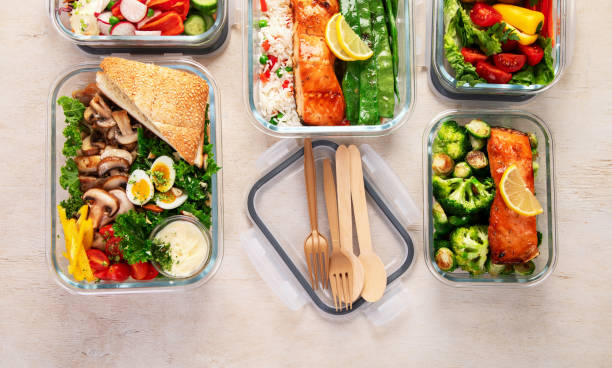
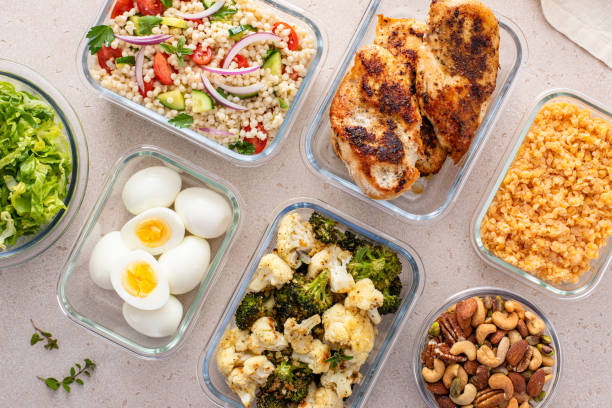
The solution is front-loading the effort. Spend one hour on a weekend preparing protein for the entire week. Grill a batch of chicken. Bake some salmon. Hard boil a dozen eggs. Portion everything into glass containers so grabbing protein takes five seconds instead of twenty minutes.

When eating feels like a chore, convenience wins. Make the highest-protein option also the easiest option and you’ll hit your targets by default.

Keep grab-and-go protein in the fridge at all times. String cheese. Deli turkey. Pre-portioned cottage cheese. Protein shakes already mixed. When you need to eat but don’t want to cook, these become your fallback.

What a High-Protein Day Looks Like

Sometimes it helps to see the whole picture laid out.

Breakfast: Three-egg omelet with cheese and vegetables. About 24 grams of protein.

Mid-morning snack: Greek yogurt cup. About 15 grams.

Lunch: 4 ounces grilled chicken over salad with feta cheese. About 35 grams.

Afternoon snack: Protein shake. About 25 grams.

Dinner: 4 ounces salmon with roasted vegetables. About 28 grams.

Evening snack if hungry: Cottage cheese with berries. About 14 grams.

Total: roughly 141 grams of protein.

Notice how the portions aren’t huge. There’s no force-feeding required. Just consistent protein at every eating occasion, spread throughout the day.

Scale this up or down based on your specific needs. The framework matters more than the exact numbers.

Watch for Warning Signs

Your body tells you when protein intake is too low. Learn to recognize the signals.

Constant fatigue that sleep doesn’t fix often points to inadequate protein. So does prolonged muscle soreness after workouts that should have recovered by now. Hair thinning or falling out. Nails that break easily. Feeling weaker even though you’re exercising regularly.

These symptoms take time to develop, which is part of the problem. By the time they show up, you’ve been undereating protein for weeks or months.

Don’t wait for warning signs. Track your intake proactively. Assume you’re eating less than you think until the data proves otherwise.

Curious about other ways to support your body on GLP-1s beyond diet? Some people are combining their medication with peptides that support fat loss and muscle retention.

The Long Game

GLP-1 medications can produce dramatic weight loss. Whether that weight loss improves your health long-term depends almost entirely on what kind of weight you lose.

Lose mostly fat while preserving muscle and you’ll end up lighter, stronger, more metabolically healthy, and far less likely to regain the weight.

Lose a significant chunk of muscle along with the fat and you’re setting yourself up for metabolic slowdown, rebound weight gain, and a body that’s actually weaker than before you started.

Same medication. Same weight loss. Completely different outcomes based on whether you prioritized protein.

For those also interested in naturally supporting their GLP-1 levels through diet, we covered foods and supplements that boost your body’s own GLP-1 production.

Forty percent muscle loss is the default. It doesn’t have to be your outcome.

Eat the protein. Lift the weights. Track your intake. And stop assuming you’re eating enough when you probably aren’t.
15 Must-Have Foods for Long-Term Success on GLP-1 Medications

Your appetite has changed. Your relationship with food has shifted. But your grocery store hasn’t gotten the memo.

Walking through those aisles now feels different. Half the stuff you used to grab without thinking doesn’t work for you anymore. The other half might actually make you feel terrible.

You need a new list. One built specifically for how your body works now.

This isn’t a generic “eat healthy” guide. This is a targeted grocery list for people on Ozempic, Wegovy, Mounjaro, Zepbound, or any other GLP-1 medication. Foods that support your results, minimize side effects, and actually taste good enough to eat week after week.

Print this out. Take it to the store. Stock your kitchen with foods that work with your medication instead of against it.

The Protein Section: Your New Best Friend

Protein isn’t optional anymore. It’s the single most important macronutrient for GLP-1 users.

When you eat less overall, you risk losing muscle along with fat. Ohio State University recommends at least 60 grams of protein daily while on GLP-1 medications. If you’re strength training (which you should be), you need even more.

The challenge? Your appetite has vanished. Eating enough protein takes conscious effort.

Stock up on these.

If you’re also researching peptides for fat loss, we broke down the top options worth looking into.

1. Eggs

Cheap. Versatile. Packed with 6 grams of protein each plus vitamins and healthy fats.

Hard boil a dozen on Sunday and you’ve got grab-and-go protein all week. Scrambled eggs take five minutes when you don’t feel like cooking. Egg muffins reheat beautifully for busy mornings.

Keep at least two dozen in your fridge at all times.

2. Chicken Breast

The gold standard for lean protein. About 31 grams of protein per 4-ounce serving with minimal fat.

Buy it fresh or frozen. Grill a batch on the weekend and slice it for salads, wraps, or just eating plain when you need quick protein. Rotisserie chicken from the deli works too when you’re short on time or energy.

Chicken digests easier than fattier meats, which matters when your stomach is sensitive.

3. Greek Yogurt

Not regular yogurt. Greek yogurt. The difference matters.

Plain Greek yogurt packs about 17 grams of protein per cup. It’s also easier to digest than many solid proteins, making it perfect for days when eating feels difficult.

Buy plain and add your own berries. The flavored versions are loaded with sugar you don’t need.

4. Cottage Cheese

Cottage cheese is having a moment, and for good reason. One cup delivers about 28 grams of protein.

It’s also super versatile. Eat it plain. Mix with fruit. Blend into smoothies. Use as a base for savory bowls with cucumber and everything bagel seasoning.

The texture takes getting used to if you’re not a fan, but the protein payoff makes it worth trying.

5. Fish (Salmon, Cod, Tilapia)

Fish provides high-quality protein plus omega-3 fatty acids that support heart health and reduce inflammation.

Salmon is the star for omega-3s. Cod and tilapia are leaner and even easier to digest. Canned tuna and salmon work when you need something fast.

Aim for fish at least twice a week.

6. Protein Powder

Sometimes you just can’t eat enough solid food to hit your protein targets. Protein powder fills the gap.

When solid food feels like too much effort, protein powder fills the gap fast. Orgain is what sits on my counter right now. 21 grams per scoop, no weird aftertaste, and it blends into pretty much anything. Toss it in a smoothie, stir it into oatmeal, or just shake it up with water when you need protein and can’t face actual cooking.

We put together a full list of high-protein snacks for GLP-1 users if you need more ideas beyond what’s here.

The Produce Section: Fiber and Nutrients

Vegetables and fruits provide fiber, vitamins, and minerals your body needs even more now that you’re eating less overall. Fiber also helps with the constipation many GLP-1 users experience.

One important note. Cooked vegetables digest easier than raw during the adjustment period. If raw salads make you bloated or uncomfortable, steam or roast your veggies instead.

7. Leafy Greens

Spinach. Kale. Arugula. Mixed greens.

Low in calories, high in nutrients, and gentle on your digestive system when cooked. Sautéed spinach with garlic takes three minutes and pairs with everything.

Fresh greens for salads. Frozen spinach for cooking. Both work.

8. Berries

Blueberries, strawberries, raspberries, and blackberries are lower in sugar than most fruits while being packed with antioxidants and fiber.

They satisfy sweet cravings without the blood sugar spike of candy or pastries. Frozen berries are just as nutritious as fresh and way more affordable.

Add them to yogurt, blend into smoothies, or eat them plain as a snack.

9. Cruciferous Vegetables (With a Caveat)

Broccoli, cauliflower, and Brussels sprouts are nutritional powerhouses. But they’re also notorious for causing gas.

If bloating is already a problem for you, go easy on these during the early weeks. Cooking them thoroughly helps. Some people tolerate them fine. Others need to limit them permanently.

Experiment and see how your body responds.

10. Avocados

Healthy fats, fiber, and potassium in one package. Avocados add creaminess and satisfaction to meals without the digestive issues that come with heavy dairy.

Half an avocado on eggs, in a salad, or mashed on toast makes everything better.

Buy them firm and let them ripen at home so you always have one ready when you need it.

The Whole Grains Section: Smart Carbs

Carbs aren’t the enemy. But refined carbs that spike your blood sugar don’t help you.

Focus on whole grains that provide sustained energy and fiber. These digest slower and keep you satisfied longer.

11. Oats

Steel-cut or rolled oats. Not the instant packets loaded with sugar.

Oats provide fiber that helps with regularity (a common concern on GLP-1s) and give you steady morning energy. Make overnight oats for zero-effort breakfasts. Cook a batch on the weekend and reheat portions throughout the week.

Add protein powder or Greek yogurt to boost the protein content.

12. Quinoa

Quinoa is technically a seed, but it cooks like a grain and provides something most grains don’t. Complete protein.

One cup of cooked quinoa has about 8 grams of protein plus fiber and iron. Use it as a base for bowls, mix into salads, or serve as a side dish.

It cooks in 15 minutes and keeps in the fridge for days.

13. Brown Rice

A staple that’s easy to digest and pairs with almost any protein.

Buy it in bulk or grab the microwavable pouches for convenience. Brown rice provides more fiber and nutrients than white rice without being hard on your stomach.

More on this: How to Exercise on GLP-1 for Fat Loss and Muscle Retention

The Pantry Essentials: Supporting Players

These items round out your meals, add flavor, and provide backup options for days when cooking feels impossible.

14. Nuts and Nut Butters

Almonds, walnuts, and pistachios provide healthy fats, protein, and fiber in a portable package.

A small handful makes a satisfying snack. Almond butter on apple slices hits the spot when you want something sweet but substantial.

Watch portions since nuts are calorie-dense. But a measured serving is a perfect GLP-1 friendly snack.

15. Canned Beans and Lentils

Beans are fiber and protein powerhouses. Black beans, chickpeas, and lentils work in soups, salads, bowls, or as sides.

Canned versions are just as nutritious as dried and way more convenient. Rinse them to reduce sodium.

Keep several cans in your pantry for quick meal additions.

The Hydration and Digestion Helpers

What you drink matters as much as what you eat. And a few key items can make side effect management much easier.

Ginger Tea

Nausea is the most common GLP-1 side effect. Ginger helps.

Real ginger root works, but honestly boxed ginger tea is just easier. Keep a box in the pantry. When nausea creeps in, brew a cup and sip it over twenty minutes. It won’t eliminate the queasiness completely but it takes the sharp edge off.

Fiber Supplement

If constipation becomes an issue (and it does for many people), a fiber supplement helps keep things moving.

Getting enough fiber through food alone is tough when your appetite barely exists. Metamucil bridges the gap. Stir a scoop into water once a day. It’s bland and unglamorous but your digestive system will thank you, especially during those first few weeks when everything feels backed up.

Electrolyte Packets

When you’re eating less and potentially dealing with nausea or diarrhea, electrolyte imbalances happen. You might feel tired, dizzy, or just off.

I started using LMNT electrolyte packets and the difference was noticeable within a couple days. Less brain fog, fewer headaches, and my energy leveled out. I toss one in my water bottle every morning now. They taste good without being overly sweet, which matters when your stomach is already iffy.

What to Skip at the Store

Just as important as knowing what to buy is knowing what to leave on the shelf.

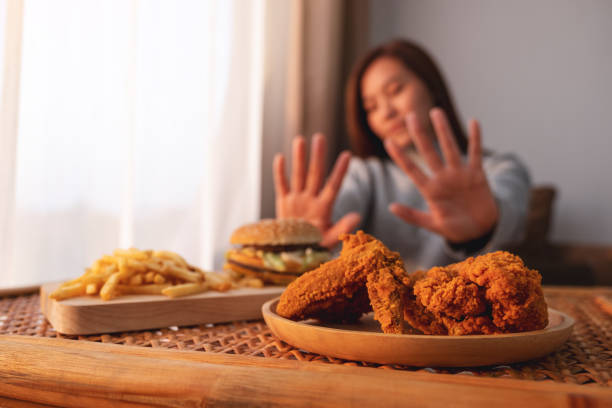
Fried foods are the biggest offender. Anything breaded, battered, or deep-fried will sit in your stomach like a rock and make nausea ten times worse.

Put the soda back. Sweet tea and juice too. Those are empty calories that spike your blood sugar and actively work against your medication.

Walk past the frozen dinner aisle. Same goes for chips, cookies, and anything with an ingredient list you can’t pronounce. Ultra-processed foods offer barely any nutrition and tend to trigger the worst GI symptoms.

Full-fat ice cream, heavy cream, and rich cheeses? They digest slowly and can ramp up nausea on injection days especially.

And alcohol. It’s empty calories on top of everything else. It taxes your liver (which is already processing medication), and let’s be honest, it destroys your willpower around food choices.

A Sample Week’s Grocery List

Here’s what a typical grocery run might look like.

Proteins: 2 dozen eggs, 2 lbs chicken breast, 1 lb salmon, 2 containers Greek yogurt, 1 container cottage cheese, 1 container protein powder

Produce: 1 bag spinach, 1 container mixed berries, 1 head broccoli, 2 avocados, 1 cucumber, 1 container cherry tomatoes, 1 lemon

Grains: 1 container oats, 1 bag quinoa, 1 bag brown rice

Pantry: 1 jar almond butter, 1 can black beans, 1 can chickpeas, olive oil

Other: Ginger tea, electrolyte packets

This gives you the building blocks for breakfasts, lunches, dinners, and snacks without overbuying or wasting food.

Meal Prep Makes Everything Easier

When you feel lousy, you’re not going to want to cook. Having food ready to grab makes the difference between eating well and ordering pizza.

Spend an hour on Sunday prepping basics. Grill chicken. Hard boil eggs. Cook a batch of quinoa. Wash and chop vegetables. Portion out snacks.

Invest in decent glass storage containers for this. Plastic stains, warps, and holds onto smells. Glass goes from fridge to microwave to table without any of that. Load them up on prep day and you’ve got five days of meals waiting for you when cooking sounds miserable.

Want to support your GLP-1 results without medication alone? Here’s our guide on boosting GLP-1 naturally through food and supplements.

Track What You’re Actually Eating

With a reduced appetite, it’s easy to under-eat without realizing it. Tracking helps you make sure you’re hitting your protein targets and getting enough nutrition overall.

A simple kitchen scale removes all the guesswork from portioning. Most people overestimate protein and underestimate fats by a pretty wide margin. Weighing your food for even two weeks recalibrates your sense of what a real serving looks like. After that, you can probably eyeball it.

You don’t need to weigh everything forever. But a few weeks of accurate tracking teaches you what proper portions actually look like.

Building Sustainable Habits

This grocery list isn’t a diet. It’s a framework for eating in a way that supports your body while on GLP-1 medications.

The foods that work for you now will likely become your permanent staples. Your tastes are changing. Your relationship with food is evolving. Lean into it.

Stock your kitchen with foods that make you feel good. Skip the stuff that doesn’t serve you anymore. Make eating well as easy as possible by having the right ingredients on hand.

Your grocery list is the foundation. Everything else builds from there.

Take this list to the store. Fill your cart with foods that work. Come home and prep what you can. Your future self, the one who doesn’t feel like cooking, will thank you.

The Complete Guide to Managing GLP-1 Side Effects (Without Giving Up)

You started Ozempic, Wegovy, Mounjaro, or Zepbound expecting weight loss. What you got instead was nausea that won’t quit, a bathroom schedule that’s completely unpredictable, and the lingering question of whether this is even worth it.

It is worth it. But only if you know how to manage what’s happening to your body right now.

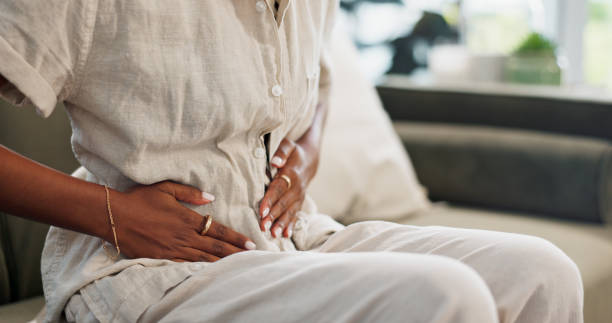
Here’s the reality. Up to 50% of people on GLP-1 medications experience gastrointestinal side effects. Nausea hits the hardest and most often. Constipation, diarrhea, bloating, and acid reflux round out the list of common complaints.

The good news? For most people, these side effects are temporary. They peak during the first few weeks and whenever you increase your dose, then gradually fade as your body adjusts.

The bad news? “Temporary” can still mean weeks of discomfort if you don’t know what you’re doing.

This guide breaks down exactly what’s happening in your body, why it’s happening, and what you can do about each specific side effect. No vague advice. No “talk to your doctor” cop-outs. Actual strategies that work.

Why GLP-1 Medications Cause Side Effects in the First Place

Understanding the “why” helps you manage the “what.”

GLP-1 medications mimic a hormone your body naturally produces in response to eating. This hormone tells your pancreas to release insulin, signals your brain that you’re full, and slows down how fast food moves through your digestive system.

That last part is the problem. Your stomach now empties slower than it used to. Food sits there longer. Your entire digestive timeline has shifted.

Your body isn’t broken. It’s adjusting to a new normal. But during that adjustment period, things get uncomfortable.

Clinical research published in PMC confirms that most GI side effects are dose-dependent and temporary. They’re worst at the beginning and during dose increases, then taper off as your system adapts.

Knowing this helps psychologically. You’re not stuck with these symptoms forever. You’re in a transition phase.

For those looking at additional options beyond medication, we wrote a deep dive on the best peptides for weight loss worth checking out.

Nausea Is Going to Hit First

Nausea affects 15% to 50% of people on GLP-1 medications, depending on the specific drug and dosage. It’s the side effect most likely to make people quit treatment entirely.

Don’t quit. Manage it instead.

What’s Actually Happening

Your stomach is emptying slower than your brain expects. The disconnect between what your body is used to and what’s actually happening creates that queasy, unsettled feeling.

The medication also affects receptors in your brain’s nausea center directly. It’s a double hit.

How to Fight Back

Start by cutting your portions in half. This is non-negotiable. Your stomach can’t handle the volume it used to. Trying to eat normal-sized meals will make you miserable.

Then slow way down when you eat. Eating fast overwhelms your already-sluggish digestive system. Chew thoroughly. Put your fork down between bites. Make meals last at least 20 minutes.

Grease is going to wreck you right now. Fatty foods take the longest to digest under normal circumstances. On GLP-1s, they sit in your stomach even longer. Fried foods, creamy sauces, and fatty meats are your worst enemies during this phase.

Ginger is worth trying and this isn’t just folk medicine. Harvard Health specifically recommends ginger-based foods or drinks for managing GLP-1 nausea. Ginger tea became my go-to after the first rough week on semaglutide. Steep a bag, sip it slow, and within 20 minutes the worst of the nausea usually backs off. It’s cheap and it works.

Watch out for strong smells too. When you’re already nauseous, pungent odors push you over the edge. Skip the scented candles. If someone’s making fish in the break room, take a walk.

After eating, stay upright. Give your stomach at least 2-3 hours to work before you lie down. Reclining slows digestion even further and can trigger acid reflux on top of the nausea.

And stay hydrated, but sip slowly. Chugging water when you’re nauseous makes things worse. Small, frequent sips throughout the day work better than big gulps.

Then Comes the Constipation

Up to 35% of people on higher-dose GLP-1s for weight loss experience constipation. It makes sense when you think about it. Everything is moving slower now, including your bowels.

What’s Actually Happening

Slower gastric emptying means slower transit time through your entire digestive tract. Water gets absorbed from your stool for longer, making it harder and more difficult to pass.

Add in the fact that you’re eating less food overall, and there’s simply less bulk moving through your system.

What Helps

Drink more water. Seriously. Dehydration makes constipation dramatically worse, and when you’re eating less food, you’re also getting less water from food. You need to compensate. Aim for at least 64 ounces daily, more if you’re active.

Fiber helps too, but increase it gradually. Too much too fast can backfire with bloating and gas. Add fiber-rich foods slowly over a week or two. Berries, leafy greens, beans, and whole grains are all good sources. If you’re struggling to get enough through food alone, Metamucil is worth adding to your morning routine. One scoop in a glass of water, done. It doesn’t taste great but it gets the job done without the cramping that some cheaper fiber supplements cause.

Get moving. Physical activity stimulates your digestive tract. Even a 15-minute walk after meals can help. You don’t need intense exercise. Gentle, consistent movement works.

If diet and lifestyle changes aren’t cutting it, over-the-counter stool softeners are worth trying. Clinical recommendations support using them for GLP-1 related constipation when other strategies fall short.

One more thing. When you feel the need to go, go. Don’t put it off. Holding it makes constipation worse over time.

See also: Best High-Protein Snacks for GLP-1 Users

Or Maybe It’s Diarrhea Instead

Some people get constipation. Others get diarrhea. A lucky few get both at different times. Long-acting GLP-1 formulations tend to cause more diarrhea than short-acting ones.

What’s Actually Happening

The medication affects how your intestines handle fluid and electrolytes. Some people’s systems overcorrect for the slower stomach emptying, leading to loose stools.

Getting It Under Control

Try cutting out dairy for a while. Lactose can worsen diarrhea, so dropping milk, cheese, and ice cream until things stabilize is a good first move.

This might sound counterintuitive if you’ve been reading about fiber, but scale it back when diarrhea is the problem. Fiber is great for constipation. Not so much here. Wait until your system settles before adding it back in.

Hydration matters even more with diarrhea since you’re losing fluids fast. Water, clear broths, and electrolyte drinks help replace what you’re losing.

Go bland for a few days. The BRAT diet (bananas, rice, applesauce, toast) isn’t just for stomach bugs. These foods help firm things up while giving your gut a break.

Pay attention to what triggers episodes for you specifically. Everyone reacts differently. A simple food diary for a couple weeks can reveal patterns you’d never catch otherwise.

Dealing With Bloating and Gas

Food sitting in your stomach longer means more time for gas to build up. Bloating is annoying, uncomfortable, and sometimes embarrassing. Here’s how to deal with it.

Ditch the carbonation first. Sparkling water, soda, beer. All of it introduces extra air into your digestive system, and that air has nowhere to go when everything is moving slowly.

Slow down at meals. Fast eating means swallowing air, and swallowed air contributes directly to bloating. Chew thoroughly. Take your time.

Some healthy foods are notorious gas producers, and you might need to limit them during the early weeks. Beans, broccoli, cabbage, onions, and Brussels sprouts all fall into this category. You can add them back gradually once your system adjusts.

Check labels on anything marked “sugar-free” while you’re at it. Sugar alcohols like sorbitol, xylitol, and maltitol cause gas and bloating in a lot of people and they’re hiding in all kinds of products.

A short walk after eating helps gas move through your system instead of building up. Even ten minutes makes a difference.

That Burning Feeling After Eating

Slower stomach emptying means food and stomach acid sit together longer. That combination can splash back up into your esophagus, causing that burning sensation.

So What Do You Do About It?

Gravity is your ally here. Stay upright for at least 2-3 hours after meals. Lying down lets stomach contents splash back up, and that’s exactly what causes the burn.

If nighttime reflux is wrecking your sleep, try elevating the head of your bed or using a wedge pillow. It makes a bigger difference than you’d expect.

Certain foods are reflux magnets. Tomatoes, citrus, chocolate, coffee, alcohol, and spicy foods can all trigger or worsen it. Cut them during the adjustment period and reintroduce slowly to see what you can tolerate.

Smaller meals help too. A full stomach puts more pressure on your lower esophageal sphincter, and that’s what lets acid creep upward. Three smaller meals plus snacks beats two big ones every time.

Not sure what kind of workouts make sense right now? We covered that in our guide on exercising on GLP-1 medications.

Why You’re So Tired All of a Sudden

This one catches people off guard. You’re eating less. That means fewer calories. Fewer calories can mean less energy, especially at first.

What’s Actually Happening

Your body is adjusting to a lower calorie intake. If you’re also not getting enough protein, you may be losing muscle mass, which further reduces your metabolic rate and energy levels. The fix is straightforward but takes discipline.

Protein needs to be at the top of your list. It preserves muscle mass and provides more sustained energy than carbs. Aim for protein at every meal. When whole foods aren’t practical, a scoop of Orgain protein powder in a shaker bottle takes thirty seconds and gives you 21 grams of protein. On days when the thought of cooking makes you nauseous, that’s a lifeline.

Even when you’re not hungry, eat something. Your body needs fuel. Small, frequent meals maintain steadier energy levels than skipping eating entirely and then crashing by 2pm.

If you’re tired and haven’t been drinking enough water, dehydration might be the whole problem. It’s one of the most common and most overlooked causes of fatigue on GLP-1s.

Your body is going through real changes right now. Give it recovery time. That means 7-9 hours of sleep nightly, not as a luxury but as part of your treatment.

The Dose Escalation Strategy

Most GLP-1 medications start at a low dose and gradually increase over weeks or months. This isn’t arbitrary. It’s designed to let your body adjust.

Every time you increase your dose, expect a mini-repeat of the adjustment period. Side effects often resurface or intensify temporarily before settling down again.

UVA Health specifically recommends asking your doctor about starting with the lowest possible dose and being patient with the escalation schedule.

Rushing to higher doses won’t get you results faster. It’ll just make you miserable.

If side effects are severe at your current dose, talk to your prescriber about staying at that dose longer before increasing. Some people do better with a slower escalation than the standard protocol.

Meal Planning for Easier Digestion

What you eat matters more now than it ever did. Your digestive system is pickier. Treat it accordingly.

Start every meal with lean protein. Chicken, fish, eggs, and low-fat dairy all digest easier than fatty cuts of meat. Getting protein in first matters because you might feel full before you finish everything on your plate.

Cook your vegetables instead of eating them raw, at least during the adjustment period. Cooking breaks down fiber and makes everything easier on your gut. Save the big raw salads for later once your system has settled in.

Keep meals simple for now. Heavy sauces, tons of seasoning, and complex recipes sound great but they’re hard on a sensitive stomach. Grilled chicken with steamed vegetables beats chicken alfredo right now, even if it’s less exciting.

Meal prep will save you on the bad days. When you feel lousy and don’t want to cook, having easy meals ready to grab makes all the difference. A good set of glass meal prep containers pays for itself in the first week. Portion out chicken, vegetables, and rice on Sunday and you’ve eliminated five days of decision-making when you barely have the energy to open the fridge.

Tracking What Works for You

Everyone responds differently. What triggers nausea in one person might be fine for another. The only way to figure out your personal patterns is to track them.

Keep a simple log of what you eat, when you eat it, and how you feel afterward. Note any side effects and their severity. After a week or two, patterns emerge.

Maybe you notice that eating after 8 PM always causes reflux. Or that dairy specifically triggers your nausea. Or that walking after dinner prevents your usual evening bloating.

This data is personal and valuable. It lets you customize your approach instead of following generic advice that may not apply to your body.

A cheap digital food scale makes tracking painless. Weigh your chicken, log it, move on. After a couple weeks you’ll be able to eyeball portions accurately without it.

When to Actually Call Your Doctor

Most side effects are manageable at home. Some are not. Know the difference.

Call your doctor if you experience:

Severe or persistent vomiting that prevents you from keeping food or fluids down. Signs of dehydration like dark urine, dizziness, or rapid heartbeat. Severe abdominal pain that doesn’t improve with dietary changes. Symptoms that worsen instead of improving over time. Any new or concerning symptoms not covered here.

Seek immediate medical attention for:

Signs of pancreatitis like severe upper abdominal pain radiating to your back. Severe allergic reactions. Symptoms of thyroid tumors like a lump in your neck, difficulty swallowing, or persistent hoarseness.

These serious complications are rare, but they exist. Don’t ignore warning signs hoping they’ll go away.

See also: How to Increase GLP-1 Naturally

The Light at the End of the Tunnel

Here’s what nobody tells you when you start GLP-1 medications. The first few weeks are the hardest. They’re supposed to be hard. Your body is learning a completely new way of processing food.

Most people see significant improvement in side effects by week 4-6 at any given dose. Some people adjust faster. Some take longer. But almost everyone adjusts eventually.

The weight loss benefits, the metabolic improvements, the freedom from constant food thoughts. These rewards are on the other side of the adjustment period. They’re worth pushing through the temporary discomfort to reach.

Use the strategies in this guide. Be patient with your body. Track what works and what doesn’t. And remember that what you’re experiencing is normal, temporary, and manageable.

You’ve got this.

10 Foods to Ditch If You Want Real Results on GLP-1 Medications

You started your GLP-1 medication expecting things to change. And they did. Your appetite quieted down. The constant food noise in your brain finally went silent. You stopped thinking about lunch at 9 AM.

But what nobody warned you about: what you eat matters just as much as how much you eat now. Maybe even more.

GLP-1 medications like Ozempic, Wegovy, Mounjaro, and Zepbound work by slowing down your digestion and keeping you fuller longer. That’s what makes them so effective. But it’s also why certain foods can completely derail your progress or make you feel absolutely miserable.

I’ve spent months researching the clinical data and talking to people actually taking these medications. The pattern is clear. Some foods that seemed harmless before can now trigger brutal side effects or stall your results entirely.

Here are the ten foods you need to rethink if you’re serious about thriving on GLP-1 therapy.

1. Greasy Fried Foods

This one tops every list for good reason. Fried chicken, french fries, onion rings, anything that took a swim in hot oil is now your stomach’s worst enemy.

Fat already takes the longest to digest of any macronutrient. Your GLP-1 medication slows digestion even further. Put those together and you’ve got food sitting in your stomach for hours longer than it should. Nausea that won’t quit. Bloating that makes you feel six months pregnant. Sometimes actual vomiting.

Cleveland Clinic researchers specifically call out high-fat foods as a major trigger for worsening GLP-1 side effects. The slower gastric emptying combined with fat’s natural digestive demands creates a perfect storm of discomfort.

I’m not saying you can never eat anything fried again. But that basket of mozzarella sticks you used to demolish without thinking? Those days are probably behind you. If you do want something crispy, an air fryer is a solid workaround. You get the texture without drowning everything in oil, and most people on GLP-1s tolerate air-fried food much better than the deep-fried version.

When eating out, grilled or baked options are your best bet. Most restaurants will sub grilled chicken for fried if you ask. It’s a small change that makes a huge difference in how you feel afterward. And this applies no matter how you’re getting your GLP-1s – whether it’s prescribed through your doctor, filled at a compounding pharmacy, or you’re sourcing research-grade compounds from a supplier like Amino Club (code BRAINFLOW saves 20%). The dietary side of this is the same across the board.

2. Sugary Drinks and Sodas

Regular soda. Sweet tea. Those fancy coffee drinks with pumps of vanilla and caramel. Fruit juice that’s marketed as healthy but is really just sugar water with vitamins sprinkled on top.

GLP-1 medications work partly by helping regulate your blood sugar. When you dump a bunch of liquid sugar into your system, you’re fighting against what the medication is trying to do. But there’s another problem that doesn’t get talked about enough. Liquid calories don’t trigger the same fullness signals that solid food does. Your brain doesn’t register them the same way.

So you’re taking in hundreds of empty calories that do nothing to satisfy you while spiking your blood sugar and potentially diminishing your medication’s effectiveness. A single Starbucks Frappuccino can pack 400+ calories, and you won’t feel even slightly more full after drinking it.

Water is your best friend now. If plain water bores you, try sparkling water with a squeeze of lemon or lime. Herbal teas work great too, and there are some genuinely good options out there if you branch out beyond the standard chamomile. Peppermint tea can actually help with nausea, which is a nice bonus when you’re adjusting to your dose.

One thing worth mentioning: a lot of people on GLP-1s find that their taste for sweet drinks just disappears over time. Things that tasted normal before suddenly taste overwhelmingly sweet. Your palate is changing, and honestly that works in your favor here.

Related Reading: GLP-1 Hydration Guide

3. Processed Deli Meats and Hot Dogs

Bologna. Salami. Those pre-packaged lunch meats that seem so convenient. Hot dogs at every summer barbecue.

These foods are loaded with sodium, preservatives, and often hidden fats that can trigger inflammation and worsen digestive symptoms. The high sodium content also contributes to water retention, which messes with your ability to track actual progress on the scale. You might be losing fat but the number won’t budge because you’re holding onto water from all that sodium.

Beyond the side effect concerns, processed meats are just empty calories when you’re eating less overall. When your appetite is reduced, every bite needs to count nutritionally. A few slices of deli ham give you surprisingly little protein compared to the same calories from actual chicken breast or fish. And the protein you do get comes packaged with nitrates, sodium, and fillers that aren’t doing your body any favors.

The real fix is meal prepping actual protein on the weekend. Grill a few chicken breasts, bake some salmon, hard boil a dozen eggs. Takes maybe an hour and sets you up for the whole week. When Tuesday hits and you’re staring into the fridge wanting something easy, you’ll reach for the prepped chicken instead of the Oscar Mayer.

If you’re working on building better daily habits, this is one of the highest-impact changes you can make. It solves the convenience problem without sacrificing nutrition.

Related Reading: Best Peptides for Weight Loss

4. Alcohol

This one hurts to write because I get it. A glass of wine with dinner. Cocktails with friends. Beer at the game.

But alcohol and GLP-1 medications have a complicated relationship that goes deeper than most people realize.

First, alcohol can increase your risk of low blood sugar, especially if you’re also managing diabetes. Second, it’s pure empty calories that your reduced appetite can’t really afford. A couple glasses of wine is 300 calories you could’ve spent on actual food that keeps you full and nourished. Third, and this is the part that catches people off guard, alcohol lowers your inhibitions around food choices.

You know how after a couple drinks, those loaded nachos suddenly seem like a fantastic idea? That effect doesn’t go away because you’re on medication. But the consequences hit harder now. You eat the greasy food, your slowed digestion can’t handle it, and you spend the rest of the night feeling awful.

Ohio State’s nutrition experts recommend limiting alcohol consumption significantly while on GLP-1 therapy. Both alcohol and the medication affect your liver, so combining them regularly isn’t ideal for your long-term health either.

If you do drink occasionally, stick to lower-calorie options and have them with food. A glass of dry wine or a simple spirit with soda water is a lot easier on your system than a sugary margarita or a heavy craft beer. But honestly, many people find they naturally lose interest in alcohol once they start GLP-1s anyway. The same appetite suppression that reduces food cravings seems to dampen the desire to drink for a lot of users.

🧬

Exploring GLP-1 Research Compounds?

Amino Club carries research-grade GLP-1 receptor agonist compounds alongside their full peptide lineup. Every batch is 99%+ purity guaranteed with independent third-party lab testing from accredited US laboratories. Free shipment protection on every order.

Use code BRAINFLOW for 20% off your first order + free shipping

Browse Amino Club →

5. Carbonated Beverages

Even the zero-calorie ones. Even sparkling water for some people.

When digestion slows down, gas has nowhere to go. Carbonation introduces extra air into your digestive system, and that air gets trapped. The bloating, pressure, and discomfort can last for hours. WeightWatchers nutrition experts note that even healthy fats can cause issues when digestion is slowed, and carbonation makes everything worse.

Some people tolerate sparkling water just fine. Others find that any carbonation at all makes them feel like they’re about to pop. You’ll have to figure out where you fall on that spectrum, and it might change as you adjust to the medication.

If you were a diet soda person before starting medication, this adjustment might be the toughest one on this list. A lot of people lean on diet soda as their zero-calorie treat, and giving it up feels like losing a crutch. Try weaning off gradually rather than quitting all at once. Replace one can per day with flat water, herbal tea, or water infused with fruit. Cucumber and mint in a pitcher of water sounds boring until you actually try it.

One hack that’s worked for a lot of people: if you miss the ritual of cracking open a cold can, stock your fridge with flavored still water in cans. It scratches the same itch without the carbonation issue.

6. Spicy Foods

Hot wings. Thai food with five-star heat levels. That ghost pepper hot sauce you put on everything.

Spicy foods can irritate your stomach lining even under normal circumstances. When your stomach is emptying more slowly, capsaicin has more time to cause problems. Heartburn, acid reflux, and nausea are common complaints, and they tend to be worse than what you’d experience without the medication.

This is also one of those areas where timing matters. Eating spicy food on an empty stomach is rough even for people not on GLP-1s. On the medication, it can be genuinely painful. If you’re going to eat spicy, make sure you’ve had something bland and protein-rich first to coat your stomach. Don’t make a spicy dish the first thing you eat that day.

The sensitivity often decreases as your body adjusts to the medication over time. Many people find they can gradually reintroduce moderate spice after the first few months. So if you love spicy food, you probably don’t have to give it up permanently. Just dial it back during the adjustment phase, especially when you’re ramping up your dose. Start with mild heat and work your way up based on how your body responds.

Worth noting: ginger actually tends to be well-tolerated and can help with nausea. So if you’re craving something with a kick, ginger-forward dishes might be a better option than straight-up chili heat while you’re adjusting.

Related Reading: GLP-1 Lunch Ideas: Stay Full

7. White Bread, Pasta, and Refined Carbs

Plain bagels. White rice. Regular pasta. Crackers. Anything made with refined flour that’s been stripped of its fiber and nutrients.

These foods spike your blood sugar quickly, then crash it just as fast. You end up hungry again sooner, fighting against the appetite suppression your medication provides. They’re also nutritionally empty, giving you calories without much actual benefit. And when you’re eating less food overall, wasting calories on something that doesn’t serve your body is a bad trade.

UCLA Health’s Dr. Vijaya Surampudi recommends focusing on whole grains, fruits, vegetables, and lean proteins instead. These foods provide steady energy without the blood sugar roller coaster.

The swaps are easier than you’d think. Cauliflower rice or brown rice instead of white. Whole grain bread instead of white bread. Chickpea pasta or lentil pasta instead of regular, which actually gives you a solid protein boost at the same time. These aren’t dramatic lifestyle overhauls. They’re small switches that add up over weeks and months.

One thing to keep in mind with carbs specifically: you don’t need to go full keto or eliminate them entirely. Your brain runs on glucose and your workouts need glycogen. The goal is choosing carbs that give you sustained energy and actually contain nutrients, not cutting them out altogether. A sweet potato is a completely different animal than a white dinner roll, even though they’re both “carbs.”

Related Reading: The Ultimate GLP-1 Diet Plan: What Foods to Eat and Avoid

8. Cream-Based Sauces and Rich Dairy

Alfredo sauce. Heavy cream in your coffee. Full-fat ice cream. Those creamy salad dressings that make everything taste amazing but sit in your stomach like concrete.

High-fat dairy products fall into the same category as fried foods when it comes to digestion speed. They take a long time to process under normal circumstances, and even longer when your stomach is already moving slowly from the medication. The richness that used to feel indulgent now often just feels heavy and nauseating.

The tricky part is that dairy sneaks into a lot of foods you wouldn’t think about. Cream-based soups, quiche, creamy pasta dishes, cheese-heavy casseroles. If a recipe calls for heavy cream, half-and-half, or lots of butter, it’s going to be harder on your system than something built around broth, tomato, or olive oil.

Not all dairy is a problem though. Low-fat Greek yogurt is actually one of the best foods you can eat on GLP-1s. It’s packed with protein, has probiotics that support gut health, and most people digest it without issues. Cottage cheese is another winner. It’s the heavy, high-fat dairy that tends to cause problems, not dairy as a whole category.

If you’re a coffee person who can’t imagine life without cream, try switching to a splash of oat milk or almond milk. It takes a few days to adjust but most people stop missing the cream pretty quickly. If you’re exploring different approaches to optimizing your energy levels, cutting back on heavy dairy is one of the changes people notice fastest.

9. Large Portions of Anything

This isn’t a specific food, but it might be the most important item on this list.

Before GLP-1 medication, you could probably power through a big meal even if you felt stuffed afterward. Uncomfortable, sure, but manageable. Now overeating has real consequences. Your body cannot process large amounts of food efficiently anymore, and eating past the point of comfortable fullness often triggers nausea, vomiting, and severe bloating that can last for hours.

The medication is designed to help you eat less. Fighting against that signal by forcing down large portions defeats the entire purpose and makes you feel terrible in the process. This is especially true at restaurants, where portion sizes are built for people eating 2,500-3,000 calories a day. A standard restaurant entree might be two or three meals worth of food for you now.

A few strategies that help. Use smaller plates at home. It’s a psychological trick, but it works. Serve yourself about half of what you normally would and wait twenty minutes before deciding if you want more. At restaurants, ask for a to-go box when your food arrives and put half away before you start eating. That way you’re not staring at a full plate trying to use willpower to stop eating.

Eat slowly. Actually chew your food. Put your fork down between bites. These sound like things your grandmother would say, but they matter more now than ever because the consequences of overeating are so much more immediate and uncomfortable.

Most people find they need far less food than they expected to feel satisfied. A meal that would’ve been a snack before might genuinely fill you up now. Trust that signal. Your body isn’t lying to you.

Related Reading: High-Protein Meals for GLP-1 Users

10. Sugary Breakfast Cereals and Pastries

Frosted flakes. Pop-tarts. Donuts. Muffins from the coffee shop that are cake pretending to be breakfast.

Starting your day with a sugar bomb is a bad idea for anyone. But when you’re on GLP-1 medication and eating less overall, a sugary breakfast is a waste of precious eating capacity. You get a blood sugar spike followed by a crash. Zero protein to preserve muscle mass. Minimal nutrients. And you’ve used up a significant chunk of your reduced appetite on something that does nothing for you.

Protein at breakfast matters more now than ever. When you’re in a caloric deficit (which most GLP-1 users are), your body can start breaking down muscle for energy if you’re not getting enough protein. Muscle loss is the number one concern that doctors and dietitians flag for GLP-1 patients, and a protein-rich breakfast is one of the easiest ways to protect against it.

Nutrition experts consistently recommend eating protein first at every meal to ensure you get enough before feeling full. Eggs are probably the most versatile option – scrambled, hard boiled, made into an omelet with vegetables. Greek yogurt with a handful of berries and some nuts. Cottage cheese with fruit. A protein smoothie if you’re not into solid food in the morning.

If you’re someone who doesn’t usually eat breakfast, the medication might actually make that easier since your appetite is suppressed anyway. But when you do eat your first meal, make it count. Front-loading protein early in the day sets you up to hit your protein goals even when your appetite drops off later.

Related Reading: Best High-Protein Snacks for GLP-1 Users

What to Eat Instead

Knowing what to avoid is only half the picture. Let’s talk about what actually works, because the goal isn’t just eliminating foods – it’s building a way of eating that supports the medication and makes you feel good.

Protein needs to be the foundation. I can’t stress this enough. On GLP-1s your appetite is reduced, which means you’re eating fewer total calories, which means you’re at higher risk of losing muscle along with fat. Protein is what prevents that. Chicken breast, fish, eggs, tofu, shrimp, lean ground turkey, low-fat Greek yogurt, cottage cheese – these should be showing up at every single meal. Aim for at least 25-30 grams of protein per meal if you can.

Vegetables are your secret weapon for volume. When you can’t eat much, vegetables let you fill your plate without burning through your calorie budget. Leafy greens, broccoli, cauliflower, peppers, zucchini, asparagus, green beans. Roast them with a little olive oil and seasoning and they actually taste great. The fiber also helps with the constipation that a lot of GLP-1 users deal with, which is a nice secondary benefit nobody talks about.

Fruits are fine and you should eat them. There’s a weird diet culture thing where people act like fruit is bad because it contains sugar. It’s not. Berries are particularly great because they’re lower in sugar and packed with antioxidants, but any fruit is better than a pastry. An apple with some almond butter is a solid snack that gives you fiber, healthy fat, and something sweet without the blood sugar crash.

For carbs, go with whole grain versions of what you already like. Brown rice, quinoa, oats, whole grain bread, sweet potatoes. These digest more slowly, keep your blood sugar stable, and actually contain vitamins and minerals. You don’t need to eat a ton of them, but don’t fear them either.

Healthy fats in reasonable amounts round things out. Avocado, olive oil, nuts, seeds, fatty fish like salmon. The key word is reasonable – fat slows digestion the most of any macronutrient, and your digestion is already slowed. A quarter of an avocado on your eggs is great. Half an avocado might sit heavy. You’ll learn your limits pretty quickly.

A day of eating might look something like this: eggs with spinach and a slice of whole grain toast for breakfast. Grilled chicken over a big salad with olive oil dressing for lunch. Salmon with roasted broccoli and a small portion of brown rice for dinner. Greek yogurt with berries as a snack if you need one. Nothing complicated, nothing expensive, and you’re hitting your protein targets while staying in a caloric deficit.

The people who do best on GLP-1s are the ones who meal prep. Even just a little bit on Sunday – grilling chicken, roasting a sheet pan of vegetables, cooking a batch of rice or quinoa – sets you up to eat well all week without having to think about it when you’re tired and hungry.

Related Reading: How to Exercise on GLP-1: Best Workouts for Fat Loss and Muscle Retention

The Adjustment Period Is Real

Many of these food sensitivities are worst during the first few weeks on medication and whenever you increase your dose. Your body needs time to adapt. What makes you miserable at week two might be totally fine at week twelve.

Keep a simple food journal during the adjustment period. Doesn’t need to be fancy. Just note what you ate and how you felt an hour or two afterward. Patterns will emerge. Maybe fatty foods always bother you but spicy is fine. Maybe dairy is your trigger but fried food is manageable in small amounts. Everyone’s different, and the only way to figure out your personal triggers is to pay attention.

Something else worth tracking: how much water you’re drinking. Dehydration is common on GLP-1s because you’re eating less food (which normally contributes to your water intake) and some people experience nausea that makes them not want to drink either. But dehydration makes every side effect worse. Force yourself to sip water throughout the day even when you don’t feel thirsty. A lot of the nausea and headaches people blame on the medication are actually just dehydration.

If you’re struggling with the adjustment phase, remember that feeling stuck is temporary. The first few weeks are the hardest. It gets easier. Your body adapts. The side effects lessen. And once you find your groove with eating, the whole process becomes pretty automatic.

Eating Out on GLP-1s

Restaurant meals are where a lot of people trip up, because you’re not in control of how the food is prepared. A few strategies that make it easier.

Look at the menu before you go. Decide what you’re ordering ahead of time when you’re not hungry or influenced by what everyone else is getting. Most restaurants post their menus online. Pick something protein-forward with vegetables and you’re usually in good shape.

Don’t be afraid to modify. Ask for grilled instead of fried. Get the sauce on the side. Sub a side salad for fries. Servers deal with dietary requests all day long and no one is going to bat an eye.

Appetizer portions are often perfect now. A lot of people on GLP-1s find that an appetizer-sized portion is actually all they need for a meal. Ordering from the appetizer menu or getting a half portion when available saves money and keeps you from facing a mountain of food you can’t finish.

Skip the bread basket. It lands on the table before your meal, you eat a couple pieces out of habit, and now you’ve filled up on empty refined carbs before your actual protein and vegetables arrive. Just ask them not to bring it.

The Big Picture

GLP-1 medications are powerful tools. But they work best when you work with them instead of against them.

That means making peace with eating less. It means accepting that some of your old favorite foods just don’t agree with you anymore. It means prioritizing nutrition over volume and protein over everything else.

The upside that nobody expects: many people report that their food preferences naturally shift over time. The greasy, sugary foods that used to seem irresistible lose their appeal. Healthier options start tasting better. Your palate literally changes. A lot of users describe it as finally feeling free from the foods that used to control them.

You’re eating less now, so make every bite work for you. Choose foods that support your goals, preserve your muscle, and make you feel good after eating them. Your body is going through a significant change. Give it the right fuel, and you’ll be amazed at what becomes possible.

Related Reading: How to Increase GLP-1 Naturally: Supplements and Foods That Actually Work

Quick Reference: Foods to Limit on GLP-1s

Keep this list handy when grocery shopping or deciding what to order at restaurants.

Limit or avoid: Fried foods, sugary drinks, processed meats, alcohol, carbonated beverages, very spicy foods (especially early on), refined carbs, heavy cream-based dishes, oversized portions, sugary breakfast items.

Prioritize instead: Lean proteins at every meal, vegetables for volume and fiber, fruits for natural sweetness, whole grains in moderate amounts, plenty of water, herbal tea, low-fat dairy like Greek yogurt and cottage cheese, and meals you prepare yourself where you control the ingredients.

Remember that this is personal. What bothers one person might be fine for another. Pay attention to your body’s signals and adjust accordingly. The goal isn’t perfection. It’s building a way of eating that supports the medication and helps you feel your best while the weight comes off.

30 Simple Ways to Refresh Your Life This Spring

You know that restless feeling when spring hits? Like you want to change everything at once but don’t know where to start?

That urge is real. Longer days and warmer weather trigger something in your brain that makes you crave renewal. The problem is, most people either ignore it or try to overhaul their entire life in one weekend and burn out by Tuesday.

There’s a better approach. Small, intentional refreshes in the areas that actually matter. Not a complete life makeover, but targeted changes that create momentum without overwhelming you.

Here are 30 simple ways to refresh your life this spring. Pick a few that resonate, ignore the rest, and start where you are.

Refresh Your Morning

1. Wake up 15 minutes earlier. Not to be more productive. Just to have a few quiet minutes before the day demands something from you. Coffee in silence. Watching the light change. Whatever feels like a gift to yourself.

2. Open the windows first thing. Fresh air does something to your brain that recycled indoor air doesn’t. Even five minutes of circulation changes the energy of a room.

3. Drink water before coffee. Your body has been without hydration for hours. Give it what it actually needs before you reach for caffeine. I keep an Owala water bottle on my nightstand so it’s the first thing I see when I wake up.

4. Step outside within the first hour. Morning light exposure sets your circadian rhythm for the entire day. Even two minutes on a porch or balcony counts.

5. Change your alarm sound. If you’ve been waking up to the same jarring tone for months, your body starts dreading it before you’re even conscious. Switch to something that doesn’t make you want to throw your phone.

Refresh Your Space

6. Clear one surface completely. Your kitchen counter. Your nightstand. Your desk. Pick one flat surface that’s become a dumping ground and make it completely clear. Keep it that way for a week and notice how it affects your mental state.

7. Wash your windows. Sounds boring, but the difference in how much light comes through clean versus grimy windows is dramatic. Your whole room will feel brighter.

8. Switch out heavy bedding for something lighter. If you’re still sleeping under your winter comforter, you’re probably waking up sweaty and groggy. Lighter layers for spring means better sleep.

9. Add something living to your space. A plant, fresh flowers, herbs on a windowsill. Something that grows and changes. It sounds small but it shifts the energy of a room in a way that’s hard to explain until you experience it.

10. Change your scent. Whatever candle or room spray you’ve been using all winter, retire it. Bring in something fresh and light. I switched to an essential oil diffuser last spring and now I associate certain scents with certain seasons. Eucalyptus and citrus for spring. It’s like a sensory reset button.

11. Donate one bag of stuff. You don’t need to Marie Kondo your entire house. Just fill one bag with things you don’t use, don’t need, or don’t even like. Get it out of your space today.

Related: The Ultimate Spring-Cleaning Checklist for Your Entire Life

Refresh Your Body

12. Move outside instead of inside. If your workout has been confined to a gym or living room all winter, take it outdoors. Walk, run, bike, do yoga in the backyard. Same movement, completely different experience. I keep an Amazon Basics yoga mat that’s easy to roll up and take outside when the weather cooperates.

13. Try one new fruit or vegetable. Winter eating tends to get repetitive. Hit the produce section and grab something you haven’t had in months or have never tried at all. Spring produce is worth exploring.

14. Schedule the appointments you’ve been avoiding. Dentist. Eye doctor. Annual physical. That weird thing you’ve been ignoring. Spring is a good time to catch up on maintenance you let slide.

15. Dry brush before you shower. Takes two minutes, improves circulation, exfoliates dead winter skin. Your body has been hibernating under layers for months. Help it wake up.

16. Fix your water intake. Most people are mildly dehydrated and don’t even notice because they’re so used to it. Track your water for three days and see where you actually land. Then adjust.

17. Take your lunch outside. If you’ve been eating at your desk or in front of screens, change the location. Even sitting on a bench for 20 minutes breaks up the day in a way that feels refreshing.

Refresh Your Mind

18. Do a brain dump. Get everything out of your head and onto paper. Every task, worry, idea, and half-formed thought. Don’t organize it yet, just empty it. The relief is immediate.

19. Unfollow accounts that drain you. Scroll through who you follow on social media. If someone consistently makes you feel bad about yourself, your life, or your progress, unfollow them. This isn’t drama. It’s maintenance.

20. Start a simple journal practice. Three sentences at night about your day. Or three things you’re grateful for in the morning. Or just whatever’s on your mind with no structure at all. The format matters less than the consistency.

21. Read something that isn’t on a screen. A physical book or magazine. Something you hold in your hands that doesn’t ping you with notifications. Your brain processes information differently when it’s not backlit.

22. Learn one new thing. Not a whole course or certification. Just one new skill, recipe, fact, or technique. Being a beginner at something keeps your brain flexible.

23. Plan something to look forward to. Doesn’t have to be big. A day trip. Dinner at a restaurant you’ve been wanting to try. A weekend with nothing scheduled. Having something on the calendar changes how you experience the present.

Related: How to Reset Your Life: 15 Ways to Start Fresh

Refresh Your Relationships

24. Reach out to someone you’ve lost touch with. Not with obligation or guilt. Just a simple message saying you thought of them. Most people are happy to hear from old friends but waiting for the other person to reach out first.

25. Set one boundary you’ve been avoiding. That thing someone keeps doing that bothers you but you haven’t addressed. That commitment you keep honoring even though you resent it. Spring cleaning includes relationships too.

26. Schedule time with someone who energizes you. Not someone you should see or have to see. Someone you actually want to spend time with. Put it on the calendar before life fills up the space.

Refresh Your Routine

27. Audit your subscriptions. What are you paying for monthly that you forgot about or no longer use? Streaming services, apps, boxes, memberships. Cancel the ones that aren’t adding value. That money can go somewhere better.

28. Rearrange one room. You don’t need new furniture. Just move what you have. A different layout can make a space feel completely new without spending anything. Sometimes a room stops working and you don’t notice until you change it.

29. Create one new ritual. Something small that marks the season. Sunday morning farmers market. Friday evening walks. Monthly solo dates. Rituals create rhythm, and rhythm creates stability.

30. Plan your weeks on paper. If you’ve been running on mental to-do lists and scattered phone notes, try writing out your week in one place. A Blue Sky planner gives you a visual overview that apps can’t replicate. There’s something about seeing your whole week on paper that makes everything feel more manageable.

Related: How to Build a Daily Routine That Actually Works

How to Actually Use This List

Thirty things is a lot. You’re not meant to do all of them at once.

Here’s a better approach: scan the list and notice which three or four items made you think “oh, I should actually do that.” Those are your starting points. Something about them resonated, which means you’re more likely to follow through.

Pick one from each category if you want balance. Or pick three from the same category if one area of your life needs more attention than others.

Start this week. Not next week, not when things calm down. The whole point of a refresh is to inject new energy into your current life, not to wait for perfect conditions.

You can always come back to this list later and pick a few more. Small changes compound over time. By the end of spring, you’ll have shifted more than you realize.

The Point of a Spring Refresh

This isn’t about becoming a different person or overhauling your entire existence. It’s about clearing out what’s stale and making room for what’s next.

Winter accumulates things. Heavy blankets, heavy meals, heavy routines, heavy energy. Spring is for shedding. Lighter mornings, lighter spaces, lighter thoughts.

There’s actual science behind the spring refresh urge. Longer daylight hours increase serotonin production and decrease melatonin during waking hours. Your body naturally has more energy and your mood stabilizes. Working with this biological shift instead of against it makes change feel less forced.

You don’t need to earn a refresh by being productive enough or deserving enough. The season is changing. You’re allowed to change with it.

When Resistance Shows Up

You might read this list and feel overwhelmed instead of inspired. That’s normal. Sometimes the gap between where you are and where you want to be feels too wide to bridge with “simple” changes.

If that’s happening, shrink the action. Instead of “clear one surface completely,” just clear one corner of one surface. Instead of “wake up 15 minutes earlier,” try five minutes. The goal isn’t to check boxes. The goal is to create momentum.

Momentum builds on itself. One small win makes the next one easier. Before you know it, you’ve refreshed more of your life than seemed possible when you started.

Pick something from this list. Do it today. Notice how it feels to take one small action in the direction of the life you actually want.

That’s how real change happens. Not through massive overhauls, but through small, intentional choices repeated over time.

Spring is here. Use it.