GLP-1 Plateau? 8 Reasons Your Weight Loss Stalled (And How to Fix It)

Three months in. Down 22 pounds. Feeling like a completely different person. Then one Monday morning you step on the scale and it reads the same number as last week. Okay, no big deal. Water weight, probably. But then Tuesday is the same. Friday is the same. Two weeks later, still the same.

Welcome to the GLP-1 plateau. Almost everybody hits one.

A mathematical modeling study published in Obesity mapped out exactly how weight loss trajectories work on semaglutide and tirzepatide. The pattern is predictable: rapid loss in the first several months, a gradual slowing, and then a leveling off typically around 12 to 24 months. The researchers found that GLP-1 medications work by weakening the body’s appetite feedback loop, but that loop eventually adapts and finds a new equilibrium.

In plain English? Your body catches on. It figures out that you’re eating less, and it starts conserving energy to match. That doesn’t mean the medication stopped working. It means your body adjusted. And the fix is rarely “try harder.” It’s usually “try differently.”

Here are the eight most common reasons the scale stops moving on GLP-1 medications, and what you can actually do about each one.

1. Your Metabolism Did the Math Before You Did

This is the big one, and it’s not your fault. When you lose weight, your body doesn’t just get smaller. It gets more efficient. A smaller body burns fewer calories at rest, during exercise, and even while sleeping. Your total daily energy expenditure drops.

But here’s where it gets frustrating. The drop in calorie burn is often bigger than what you’d expect just from weighing less. Researchers call this adaptive thermogenesis. StatPearls reports that weight loss plateaus affect approximately 85% of dieters, and metabolic adaptation is one of the primary drivers. Your body starts running on less fuel because it perceives prolonged calorie restriction as a potential threat.

Total energy expenditure can decrease by roughly 15% after losing just 10% of body weight. Some of that is expected. Some of it is your body being a little too clever for your own good.

What actually helps

Don’t slash calories further. That usually backfires by driving even more adaptation. Instead, focus on preserving or building muscle through resistance training (muscle is metabolically active tissue that keeps your calorie burn higher) and make sure your protein intake isn’t slipping. Eating too little on a GLP-1 can accelerate muscle loss, which tanks your metabolism even further.

Some people find success with small, temporary increases in calorie intake for a day or two each week. Not a binge. Just bringing calories up to around maintenance level, mostly from carbohydrates. This can help briefly reset hormones like leptin that regulate metabolism. It’s not a magic trick, but it can nudge things in the right direction.

Related Reading: How to Adjust Your Workouts on GLP-1 Medications

2. You’re Not Eating Enough (Seriously)

This sounds backwards. You’re trying to lose weight. How can eating too little be the problem?

When GLP-1 medications suppress your appetite aggressively, some people barely eat 800 to 1,000 calories a day without realizing it. At that level, your body goes into full conservation mode. Metabolism plummets. Muscle breaks down for energy. Hormones that regulate fat burning start working against you.

A 2025 study in Frontiers in Nutrition found that GLP-1 users were falling short on almost every major nutrient category. They weren’t just eating less. They were eating too little to support basic body functions. And when your body doesn’t have enough incoming fuel, it protects fat stores and burns muscle instead. The exact opposite of what you want.

If the scale has stalled and you’re eating under 1,200 calories most days, try adding food, not removing it. An extra 200 to 300 calories of protein-rich food can actually restart weight loss by giving your body permission to stop hoarding energy.

3. Protein Intake Slipped Without You Noticing

This one sneaks up on people. In the first few weeks on a GLP-1, you’re focused. Eating clean. Hitting your protein targets. Then the routine sets in. Meals get smaller and lazier. A handful of crackers here. Some fruit there. Before you know it, you’re eating 40 grams of protein a day when you need three times that.

Low protein doesn’t just cost you muscle. It slows your metabolism (less muscle means lower calorie burn), reduces the thermic effect of food (protein requires more energy to digest than carbs or fat), and leaves you more likely to lose lean mass than fat during continued weight loss.

Get honest about your numbers. Track for even three days and see where you land. Most GLP-1 users need at least 1.2 grams of protein per kilogram of body weight daily to preserve muscle during active weight loss. If math isn’t your thing, a simple rule works: aim for at least 20 grams at every meal or snack.

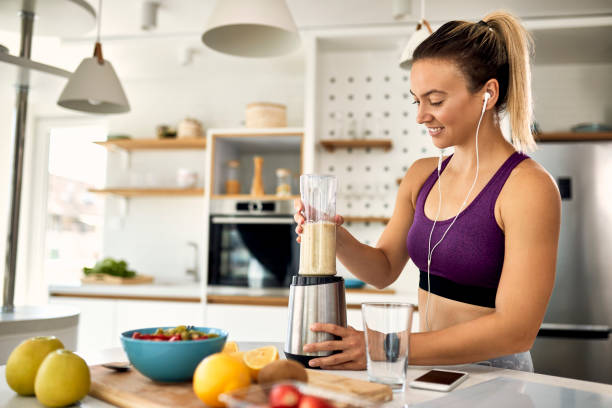
On the days when eating feels impossible, a protein shake is better than nothing. I keep a bag of Orgain Organic Protein in the pantry specifically for plateau phases when I can tell my intake has dropped off. It’s 21 grams per scoop and the vanilla flavor blends into just about anything, smoothies, oatmeal, even stirred into coffee if you’re desperate. If making a full smoothie sounds like too much effort during a plateau (and it probably does), a Magic Bullet blender removes the friction. Scoop of protein, handful of frozen fruit, some milk, blend for ten seconds, drink it from the same cup. No cleanup motivation required. The difference between a 40-gram day and a 70-gram day is literally one shake, and that gap matters more than most people think.

Related Reading: What to Eat When GLP-1 Kills Your Appetite (But You Still Need Nutrition)

4. Your Dose Needs a Conversation

GLP-1 medications are designed to be titrated upward gradually. You start low. Side effects settle. Then you increase. But some people plateau on a dose that’s simply not high enough for their body to keep losing weight at this stage.

This doesn’t mean you should demand a higher dose at the first sign of a stall. True plateaus last more than two to three weeks. Normal weight fluctuations from water, hormones, and digestion can easily mask continued fat loss for a week or two. But if the scale genuinely hasn’t moved in a month and you’re not on the maximum dose, it’s worth having a conversation with your prescriber.

Some people also respond better to a different class of medication altogether. If you’ve been on semaglutide (Ozempic or Wegovy) and plateaued hard, tirzepatide (Mounjaro or Zepbound) targets an additional hormone pathway (GIP) that can reignite progress. It’s not giving up on GLP-1. It’s upgrading the tool.

5. Sleep Is Wrecking Your Progress Behind the Scenes

If you’re getting fewer than seven hours of sleep consistently, your weight loss is fighting an uphill battle that has nothing to do with food or medication.

Poor sleep raises ghrelin (the hunger hormone) and lowers leptin (the fullness hormone). It increases cortisol, which promotes fat storage, especially around the midsection. And it reduces insulin sensitivity, meaning your body handles blood sugar less efficiently. All of these effects stack on top of each other, and they can easily override the appetite-suppressing benefits of your GLP-1 medication.

The fix sounds simple but isn’t always easy. Prioritize seven to nine hours of sleep. Keep your bedroom cool and dark. Cut caffeine after noon. Put your phone in another room at bedtime if you have to. Sleep isn’t a luxury during weight loss. It’s a load-bearing wall. Knock it out and everything built on top of it starts to crack.

6. Dehydration Is Doing More Damage Than You Realize

GLP-1 medications suppress thirst right alongside hunger. So not only are you eating less food (and therefore getting less water from food), you’re also less likely to reach for a glass of water because your body isn’t sending the signal.

Mild dehydration slows digestion, reduces energy levels, increases water retention (your body holds onto fluid when it thinks supply is low), and makes constipation worse. All of which can stall the scale or make a plateau feel longer than it actually is.

Aim for at least 64 ounces of water daily. Set a reminder on your phone if your thirst cues are unreliable. And consider adding electrolytes, because when you eat less food, you’re getting less sodium, potassium, and magnesium from meals. Those minerals matter for everything from muscle function to digestion.

LMNT electrolyte packets have been solid for this. I toss one in a water bottle first thing in the morning and it’s become one of those small habits that I notice when I skip. Zero sugar, no weird fillers, and the watermelon salt flavor is surprisingly good. When people ask what changed after a plateau, hydration is usually the most boring but most overlooked answer I can give them.

Are You Actually Plateaued, or Just Impatient?

Honest question. Because a lot of “plateaus” aren’t plateaus at all.

Weight fluctuates by 2 to 5 pounds daily based on water retention, sodium intake, hormones, bowel movements, and how much glycogen your muscles are storing. If you weigh yourself once on a random morning and compare it to a random morning last week, you’re basically comparing noise.

Real plateaus last at least three to four weeks of consistent weigh-ins. Anything shorter than that could easily be your body temporarily holding water while still losing fat underneath. This happens a lot. People lose a pound of fat but retain a pound of water, and the scale looks flat for two weeks before suddenly dropping three pounds overnight.

If you’re going to track weight, do it daily and look at the weekly average. That smooths out the noise and gives you a much more accurate picture of what’s actually happening. A digital scale first thing in the morning, after the bathroom, before eating or drinking, is the most consistent data point you’ll get.

7. You Stopped Moving (Or Never Really Started)

Early in GLP-1 treatment, the medication does most of the heavy lifting. Appetite drops, calories drop, weight drops. Exercise feels optional because the results come so fast without it.

Then the plateau hits and suddenly exercise isn’t optional anymore. It’s the lever you haven’t pulled yet.

The kind of exercise matters too. Walking is great for general health and burns some calories, but it won’t do much to break a metabolic plateau. What you need is resistance training. Lifting weights, resistance bands, bodyweight exercises. Anything that tells your muscles they need to stick around. Building or maintaining muscle raises your resting metabolic rate, which directly counteracts the adaptive thermogenesis that caused the plateau in the first place.

You don’t need to live at the gym. Two to three sessions per week hitting your major muscle groups, even 20 to 30 minutes each, is enough to make a measurable difference. The people who maintain the most weight loss on GLP-1 medications long term are consistently the ones who pair the drug with regular strength training. There’s no study that doesn’t show this.

Related Reading: The GLP-1 Morning Routine for Better Results

8. Stress and Alcohol Are Quietly Undermining Everything

Chronic stress keeps cortisol elevated. Elevated cortisol promotes fat storage and increases cravings for high-calorie comfort foods, even when your GLP-1 medication is doing its best to suppress appetite. It also disrupts sleep (see reason 5), creating a feedback loop that makes everything harder.

Alcohol is the other silent plateau-maker. It’s empty calories that displace nutrient-dense food. It disrupts sleep architecture even when it helps you fall asleep initially. And it can worsen GLP-1 side effects like nausea and acid reflux, which makes eating well-balanced meals harder the next day.

You don’t have to quit drinking entirely or eliminate every source of stress in your life (good luck with that). But if you’re stuck in a plateau and you’re averaging more than two or three drinks a week, or you’re running on cortisol and caffeine, those are worth addressing before blaming the medication.

What a Plateau-Busting Week Actually Looks Like

If you’ve read through all eight reasons and feel a little overwhelmed, here’s a simplified game plan. You don’t need to overhaul your life. You need to tweak a few things and be patient.

  • Check your protein. Are you genuinely hitting 80+ grams daily? If not, that’s the first fix.
  • Check your calories. Under 1,200 most days? Add a protein-rich snack or shake.
  • Check your water. Under 64 ounces? Set a timer and drink up.
  • Check your sleep. Under seven hours? That’s a bigger deal than you think.
  • Check your movement. Doing any resistance training at all? If not, start with two 20-minute sessions this week.
  • Check your stress and alcohol. Be honest about both.

Tackle two of these at a time. Don’t try to fix everything at once. Give each adjustment two weeks before evaluating if it’s making a difference. Plateaus rarely have one single cause. They’re usually a pile-up of three or four small things that add up to a stall.

A daily multivitamin is worth adding if you haven’t already, not because it breaks plateaus directly, but because nutrient gaps quietly undermine everything else you’re doing. Amazon Basics multivitamin gummies are cheap, easy to take, and they at least cover the baseline while you work on getting more nutrition from real food. One less thing your body has to fight without.

Related Reading: 15 Must-Have Foods for Long-Term Success on GLP-1 Medications

The worst thing you can do during a GLP-1 plateau is panic. The second worst thing is nothing. Plateaus break when you identify the actual bottleneck and address it directly, not by eating less, exercising more, or white-knuckling through another week of frustration. Your body adapted. Now you adapt back.


What to Eat When GLP-1 Kills Your Appetite (But You Still Need Nutrition)

You’re standing in front of an open fridge at noon. Nothing looks good. Nothing sounds good. You ate half a yogurt for breakfast and you’re still not even close to hungry.

And yet somewhere in the back of your mind, you know this isn’t right.

GLP-1 medications like Ozempic, Wegovy, Mounjaro, and Zepbound are doing exactly what they’re supposed to do. Your appetite is quieter than it’s been in years. The constant food noise? Gone. The late night snacking? A thing of the past. But here’s the part that catches people off guard: your body didn’t stop needing nutrition just because your brain stopped asking for it.

This is the silent problem nobody talks about when the weight starts falling off. You’re eating less (great), but you might also be eating far too little of the stuff your body actually runs on (not great).

Let’s talk about what to do about it.

The Weird Paradox of Losing Weight But Running on Empty

Here’s a number that stopped me in my tracks. A 2025 study published in Frontiers in Nutrition looked at the actual food diaries of people on GLP-1 medications. What they found was kind of alarming. Participants were falling short on calcium, iron, magnesium, potassium, vitamin A, vitamin C, vitamin D, vitamin E, vitamin K, and choline.

That’s not one or two gaps. That’s basically the whole alphabet.

The researchers also found that only 43% of participants hit even the minimum recommended protein intake for preserving muscle during weight loss. And most people weren’t eating enough fruits, vegetables, grains, or dairy to meet basic dietary guidelines.

This isn’t about willpower or laziness. When your appetite drops by 25% or more (which is exactly what these medications are designed to do), every bite you take carries more weight. The margin for junk food, empty calories, or skipped meals gets razor thin. What you eat when you’re barely eating matters more than it ever has.

What Your Body Actually Needs Right Now

Protein Is the Non-Negotiable

You’ve probably heard this already, but it’s worth repeating because the numbers are honestly a little scary. In the STEP 1 trial, one of the biggest studies on semaglutide, participants lost an average of about 13.6 kilograms. Of that total weight loss, roughly 38% came from lean body mass, not fat. That includes muscle.

Losing nearly four out of every ten pounds from muscle instead of fat is a big deal. Muscle is what keeps your metabolism running. It’s what keeps you strong and mobile as you age. And once it’s gone, it’s much harder to rebuild than fat is to lose.

Most experts now recommend somewhere between 1.2 and 1.6 grams of protein per kilogram of body weight per day for people actively losing weight on GLP-1 medications. For a 180-pound person, that works out to roughly 98 to 130 grams of protein daily. If you’re strength training (and you should be), you might need even more.

The tricky part? Hitting those numbers when you can barely finish half a chicken breast.

The Vitamins Quietly Dropping Behind the Scenes

A large retrospective study of over 461,000 adults on GLP-1 medications found that 22.4% developed a diagnosed nutritional deficiency within their first year of treatment. Vitamin D was the most common, but iron, calcium, and B vitamins showed up frequently too.

What makes this tricky is that you might not notice these deficiencies at first. They creep in slowly. Fatigue you blame on stress. Hair that thins so gradually you don’t connect it to your medication. Nails that suddenly break more easily. Brain fog you chalk up to a bad night of sleep.

A daily multivitamin helps, but it’s not a silver bullet. Most multivitamins are formulated for someone eating 2,000+ calories a day. If you’re eating closer to 1,200 or 1,400, a standard multi won’t cover the gap on its own. Talk to your doctor about getting blood work done a few months into treatment. It’s one of those things that’s easy to skip but really worth doing.

That said, something is still better than nothing. These Amazon Basics multivitamin gummies are under ten bucks and cover the basics without swallowing a horse pill on an already queasy stomach. Gummies go down way easier than tablets when nausea is an issue. Pop two in the morning and at least you’ve got a baseline covered while you work on getting more nutrients from actual food.

Fiber Still Matters (Especially Now)

Constipation is one of the top side effects people report on GLP-1 medications. Makes sense when you think about it. Your stomach is emptying slower. You’re eating less food overall. There’s just less volume moving through your system.

Fiber helps keep things moving. But here’s the catch: if you increase fiber too fast, you’ll trade constipation for bloating and gas, which is somehow worse when you already feel full all the time. Add fiber gradually. An extra serving of vegetables today, some berries tomorrow, maybe some oats the day after. Give your gut a week or two to adjust before going all in.

Related Reading: 15 Must-Have Foods for Long-Term Success on GLP-1 Medications

How to Eat When Literally Nothing Sounds Good

This is the part where most nutrition advice falls apart for GLP-1 users. Telling someone to “eat balanced meals” is useless when the thought of food makes them want to crawl back into bed.

So here’s the shift that actually helps: eat by the clock, not by hunger. Set reminders on your phone if you have to. Three small meals and two snacks, spaced roughly three hours apart. You’re not waiting for hunger cues that may never come. You’re treating food like medication, because right now, that’s basically what it is.

Keep portions tiny. We’re talking a few bites of protein, a small handful of something with fiber, maybe a piece of fruit. That’s it. If you try to sit down to a full plate, your brain and your stomach are both going to say no. Small and frequent beats big and overwhelming every single time.

Meal prep helps more than you’d expect too. When you’re not hungry, the last thing you want to do is stand in a kitchen deciding what to cook. Having containers of shredded chicken, pre-portioned Greek yogurt, hard boiled eggs, or overnight oats in the fridge removes the decision entirely. You open, you eat, you move on.

One more thing. Eat slowly. Your stomach is emptying at a crawl right now. Shoving food down fast is a fast track to nausea. Take your time, chew thoroughly, and stop before you feel stuffed. “Comfortably not empty” is the goal. Not full.

Meals That Go Down Easy

Morning (Even If Breakfast Sounds Terrible)

Breakfast is usually the hardest meal for people on GLP-1 medications. You wake up and your body says absolutely not. But skipping breakfast means you’re already behind on protein and nutrients before the day even starts.

Smoothies are honestly a lifesaver here. You can pack 30+ grams of protein into something that goes down like a cold drink. A scoop of protein powder, a handful of spinach (you won’t taste it), half a banana, some frozen berries, and a splash of milk or almond milk. Done in two minutes, consumed in five.

I’ve been using Orgain Organic Protein in my morning smoothies and it’s one of the few powders that doesn’t make me gag when my appetite is low. 21 grams of plant-based protein per scoop, no weird chemical aftertaste, and it actually blends smooth instead of turning into a chalky mess. The creamy chocolate fudge flavor mixed with frozen bananas tastes like a milkshake. If you’re forcing yourself to eat in the morning, this makes it a lot easier.

If smoothies aren’t your thing, try Greek yogurt with a few nuts and berries. Or a single scrambled egg with a piece of toast. The bar is low right now. Something is always better than nothing.

Midday Fuel That Doesn’t Take Much Effort

Lunch on GLP-1 medications doesn’t need to be a production. Cottage cheese with some fruit. A small turkey and avocado wrap. A cup of bone broth with a handful of crackers and cheese. Half a tuna salad sandwich on whole grain bread.

The pattern you want to aim for is simple: a protein source, something with fiber, and ideally a healthy fat. You don’t need to hit all three perfectly every time. But if most of your meals have at least two of those three, you’re doing better than the majority of GLP-1 users out there.

Dinner Without the Dread

By evening, some people find their appetite has woken up a little bit. Others are still running on fumes. Either way, keep dinner simple and soft. Foods that are easy to chew and digest tend to go down better than anything heavy or greasy.

Baked salmon with roasted sweet potato. A small bowl of chicken soup with some whole grain bread. Ground turkey stir fry with rice and soft cooked vegetables. Scrambled eggs (yes, again) with sautéed spinach. None of this needs to be fancy. It just needs to get nutrients in.

If you’re eating out and struggling with portions, don’t feel weird about ordering an appetizer as your main course. Restaurants are used to it by now. A cup of soup and a small side salad with protein on top can be a perfectly solid dinner.

Related Reading: The GLP-1 Restaurant Survival Guide

The Liquid Nutrition Strategy

When chewing feels like a chore, drinking your nutrition is a real option. Not as a long-term replacement for actual food, but as a bridge for the days or weeks when solid meals just aren’t happening.

Protein shakes are the obvious one. Look for something with at least 20 grams of protein and minimal added sugar. A lot of the pre-made options at the grocery store are loaded with sweeteners that can trigger nausea on GLP-1 medications, so check labels or make your own at home.

Bone broth is another underrated option. It’s warm, savory, easy on the stomach, and gives you collagen and some protein without feeling like a meal. Keep a carton in the fridge and heat up a mug when you need something but can’t face actual food.

Electrolytes are the other liquid worth paying attention to. When you’re eating less food, you’re also getting fewer electrolytes from food. Combine that with the dehydration risk that already comes with GLP-1 medications and you’ve got a recipe for headaches, fatigue, and muscle cramps. I keep LMNT electrolyte packets in my desk drawer and toss one in a water bottle every afternoon. No sugar, solid dose of sodium, potassium, and magnesium. Tastes good enough that I actually drink the whole thing instead of letting it sit there for three hours. The citrus salt flavor is the one to start with if you’ve never tried them.

Smoothie bowls let you sneak in a surprising amount of nutrition. Blend frozen fruit, protein powder, a handful of greens, and some nut butter into a thick base, then top it with granola and seeds. It feels more like a treat than a health food, which honestly makes all the difference when your appetite is on strike.

You don’t need a $300 Vitamix for any of this. A Magic Bullet sits on your counter, takes up barely any space, and blends a single-serving smoothie in about 15 seconds. You blend right in the cup you drink from, toss it in the dishwasher, done. Removing every possible barrier between you and actually eating is the whole game right now.

Foods That Make Everything Worse

Not all foods are created equal when your stomach is already moving in slow motion. Some things are going to sit like a brick and make you miserable. A few to watch out for:

  • Fried or greasy foods take forever to digest under normal circumstances. On GLP-1 medications, they take even longer. The nausea and bloating aren’t worth it.
  • Super spicy meals can irritate an already sensitive stomach. If you love heat, dial it way back during the adjustment period.
  • Carbonated drinks create gas in a digestive system that’s already sluggish. Swap soda and sparkling water for flat water or herbal tea until things settle down.
  • Large portions of raw vegetables can cause bloating. Cooked or steamed veggies are much easier on your system right now.
  • High-sugar foods and drinks cause blood sugar spikes that can make nausea worse. They’re also wasting valuable calorie space on stuff your body doesn’t need.

This doesn’t mean these foods are permanently off the table. Most people find they can reintroduce things gradually as their body adjusts. But in those first weeks especially, sticking to gentler options makes the whole experience way more manageable.

Related Reading: How to Adjust Your Workouts on GLP-1 Medications

A Sample Day That Actually Hits Your Numbers

People keep saying “eat more protein” and “eat nutrient dense foods” without ever showing what that looks like in practice. So here’s an example day. It’s not a rigid plan. Just a template to show that you can hit your targets even with a tiny appetite.

7:30 AM – Protein smoothie (protein powder, frozen berries, spinach, almond milk, tablespoon of peanut butter). About 30g protein.

10:30 AM – Small handful of almonds and a string cheese. About 12g protein.

1:00 PM – Half a turkey and cheese wrap with a side of baby carrots and hummus. About 22g protein.

4:00 PM – Greek yogurt cup with a drizzle of honey and some granola. About 15g protein.

7:00 PM – Small piece of baked salmon (about 4 ounces), half a sweet potato, steamed broccoli. About 28g protein.

That’s roughly 107 grams of protein across five small eating windows. None of those meals are big. None of them require a ton of effort. And none of them are going to make you feel like you swallowed a bowling ball.

Adjust the specifics to whatever foods you actually like and can tolerate. The framework is what matters: protein at every eating opportunity, some fiber and vegetables worked in throughout the day, healthy fats here and there, and nothing so large it triggers nausea.

Related Reading: The GLP-1 Morning Routine for Better Results

When to Talk to Your Doctor

There’s a difference between reduced appetite and barely being able to eat. If you’re consistently eating under 800 calories a day, if you’re losing weight faster than 2-3 pounds per week, if you’re dealing with hair loss, constant fatigue, dizziness, or muscle weakness, those are signals your body is running too low on fuel.

Your dose might need adjusting. Your doctor might want to run labs to check for deficiencies. Either way, don’t just push through it and assume this is normal. Being on a GLP-1 shouldn’t feel like starving. If it does, something needs to change.

About 92% of patients in one large study hadn’t seen a dietitian before starting their GLP-1 prescription. If you have the option, even one or two sessions with a registered dietitian who understands these medications can make a huge difference. They can look at what you’re actually eating (or not eating) and build a plan around your appetite, your food preferences, and your specific nutritional gaps.

The medication is doing its job. Now it’s your turn to make sure the food you do eat counts for something.

GLP-1 and Exercise: The Workout Adjustments Nobody Talks About

Here’s something wild that I didn’t see coming when I started looking into GLP-1 medications: the weight you lose isn’t all fat.

I know. That sounds obvious when you say it out loud. But most people don’t think about it until they’re a few months in and something feels off.

The scale keeps going down (great!) but you’re also feeling weaker, looking a little softer than expected, and wondering why your arms seem less toned even though you weigh less. Turns out, a chunk of that weight loss can come from muscle. And that changes everything about how you should be exercising right now.

Wait, You Can Lose Muscle on These Medications?

Yep. And it’s not a small amount for some people.

A review published in PubMed looked at six different semaglutide trials with over 1,500 people. What they found was honestly kind of shocking: the amount of muscle people lost ranged from almost nothing to 40% of their total weight loss.

That’s a huge difference. And the medication was basically the same across all these studies.

So what made the difference? What people did while taking it. Their exercise. Their protein intake. The stuff that seems like extra credit but actually isn’t.

Here’s why this matters beyond just wanting toned arms. Muscle burns calories even when you’re doing nothing. Lose a bunch of it and your metabolism slows down. Which means when your appetite eventually comes back (and it will, whether you stay on the medication or not), you’ll be burning fewer calories than before you started.

Not exactly the setup you want for keeping the weight off long term.

Why Your Normal Workout Routine Probably Isn’t Cutting It

Most people think about exercise and weight loss pretty simply: burn calories, lose weight. So they hop on the treadmill or elliptical, do their 45 minutes, and call it good.

That math worked fine before. But on a GLP-1, everything’s different.

You’re already eating way less because your appetite tanked. Like, dramatically less. Some people are accidentally eating half what they used to without even trying. So you’re already in a big calorie deficit just from the medication doing its thing.

Adding a bunch of cardio on top of that? You’re not creating more benefit. You’re digging a deeper hole.

When your body needs energy and you’re not giving it enough food, it starts looking for fuel wherever it can find it. Fat is one option. Muscle is another. And here’s the thing: your body doesn’t automatically protect your muscle. It needs a reason to keep it around.

Cardio doesn’t give it that reason. Lifting weights does.

Related Reading: The GLP-1 Protein Problem: How to Hit Your Goals When You’re Never Hungry

What Happens When You Add Resistance Training

So there’s this case series published in PMC that followed people on semaglutide and tirzepatide who actually did resistance training consistently. We’re talking 3-5 times a week, focusing on the big compound movements, plus eating enough protein.

The results were pretty striking.

In most GLP-1 studies, people lose somewhere between 26-40% of their weight as lean tissue (aka muscle). But these people? Only 8.7%. And get this: two out of three of them actually gained muscle while losing fat.

They weren’t fitness influencers or gym rats. They just showed up consistently with weights. That was the difference.

When you lift something heavy, your muscle fibers get stressed. Then your body repairs them and builds them back. That process sends a signal: hey, this tissue is being used, we need to keep it. Without that signal, your body has no particular reason to prioritize holding onto muscle when it’s looking for energy.

Cardio tells your body to be efficient. Resistance training tells your body to be strong. Right now, you want the second one.

You Don’t Need to Become a Gym Person

I want to be clear about something: we’re not talking about spending hours in the gym or following some complicated bodybuilding program.

Three sessions a week. Twenty to thirty minutes each. That’s genuinely enough.

The movements that matter are the ones that work multiple muscles at once:

  • Squats (or leg press if squats feel weird right now)
  • Deadlifts or Romanian deadlifts
  • Rows (dumbbell, cable, machine, whatever you have)
  • Some kind of press (bench press, overhead press, even push-ups)
  • Lunges or step-ups for balance and single-leg work

That’s the skeleton. You can add other stuff if you want, but those movements are doing the heavy lifting. Literally.

And honestly? You’ll probably need to use lighter weights than you did before starting the medication. That’s normal. You’re eating less fuel, so expecting the same performance isn’t realistic. Drop the weight, keep the form clean, and focus on consistency over intensity.

The Energy Thing Is Real

One thing nobody really warns you about: your energy levels get kind of unpredictable on these medications.

Some days feel almost normal. Others, you’re absolutely dragging by 2pm and you have no idea why. This isn’t you being lazy. It’s just physics. You’re running on significantly less fuel than your body is used to.

A few things that help:

Train when you actually have energy. For most people that’s morning, before the day wears them down and before that calorie deficit starts really hitting. If mornings aren’t your thing, pay attention to when you tend to feel most capable and schedule your workouts there.

Keep the sessions short and focused. Twenty minutes of real effort beats 45 minutes of wandering around the gym too tired to push hard. Get in, hit your movements, get out.

Accept that some workouts will be mediocre. A so-so session you actually finish is worth way more than an ambitious plan you skip because it feels like too much. Showing up matters more than performing right now.

Related Reading: Morning Routine for GLP-1 Users: Set Up Your Day for Maximum Results

Dealing With Nausea Around Workouts

Okay, let’s talk about the stomach stuff. Because GLP-1 medications are famous for causing nausea, bloating, and general digestive weirdness. And trying to exercise when your stomach is unhappy? Miserable.

Timing makes a huge difference here.

These medications slow down how fast food moves through your stomach. So that meal you ate two hours ago? It might still be sitting there. Exercising on a half-full stomach leads to nausea, acid reflux, and workouts that end early.

Try waiting at least three hours after eating before you train. Some people do better training completely fasted in the morning before eating anything. Sounds rough, but with appetite suppressed you might not feel hungry anyway, and an empty stomach often feels better during movement.

Also worth knowing: the day you take your injection (and sometimes the day after) tends to be when side effects peak. If nausea is worst during that window, just skip training those days. Fighting through it isn’t tough, it’s counterproductive. You’ll build negative associations with exercise that make showing up harder in the long run.

And if nausea hits mid-workout? Stop. Seriously. Do some light stretching, call it a day, try again tomorrow. Pushing through just makes everything worse.

The Protein Problem (And How to Actually Solve It)

Your muscles need protein to repair themselves after training. No protein, no repair, no signal to preserve muscle. It’s pretty direct.

The problem? Eating enough protein on a GLP-1 is genuinely hard. Your appetite is tanked. Protein-rich foods (meat, eggs, dairy) tend to be heavy and filling. When you’re already not hungry, facing down a chicken breast feels like a chore.

But the research keeps pointing to how much this matters. The STEP 4 trial published in JAMA made it clear that lifestyle factors (including what people ate) played a real role in outcomes. This wasn’t just about the medication doing its thing. Nutrition mattered.

Aim for at least 60-75 grams of protein a day. If you’re lifting consistently, more is better (some people target close to 1 gram per pound of their goal body weight). Since you’re eating less food overall, protein has to become the priority. It’s not about calories at this point. It’s about composition.

Some practical stuff that helps:

Front-load your protein. Eat your highest-protein meal earlier in the day when appetite is slightly more present. Don’t save it for dinner when eating feels hardest.

Protein shakes fill gaps. I keep Orgain protein powder around for days when solid food isn’t happening. It mixes smooth, doesn’t taste chalky, and goes down easier than trying to chew through meat. I tried a bunch of brands before finding one that didn’t make nausea worse (most of them are weirdly thick and unpleasant).

Time protein around your workouts. Getting 20-30 grams within a couple hours of lifting helps with muscle repair when it’s most active. A shake right after training works. So does Greek yogurt, cottage cheese, deli turkey, eggs, whatever you can tolerate.

Prep protein in advance. Decision fatigue is real when you’re low on fuel. I keep glass meal prep containers stacked with pre-cooked stuff: grilled chicken, hard boiled eggs, sliced deli meat. Nothing exciting, but ready to grab without having to think about it.

Don’t Forget About Water (Seriously)

This one surprised me: dehydration is super common on GLP-1 medications.

It makes sense when you think about it. You’re eating less food (and food contains water). Some people have digestive issues that deplete fluids. The general “not hungry” feeling sometimes extends to “not thirsty” too. It adds up.

Training while dehydrated makes everything feel harder than it should. You’ll feel weaker, tire faster, and recover slower. Some of that fatigue you’re blaming on the calorie deficit might actually just be dehydration.

Plain water helps, but electrolytes matter too. You’re getting less sodium, potassium, and magnesium through food, so replacing them helps prevent the muscle cramps, headaches, and general blah feeling that comes with dehydration.

I keep LMNT packets in my gym bag. No sugar, solid electrolyte content, and a taste I can actually drink (the citrus salt one specifically). There are other options out there, that’s just what works for me.

Signs you might be under-hydrated:

  • Fatigue that doesn’t get better with sleep
  • Headaches, especially during or after exercise
  • Muscle cramps or weird weakness during workouts
  • Dark yellow urine (should be pale)
  • Getting dizzy when you stand up quickly

Sip consistently throughout the day instead of chugging a bunch at once. Your body absorbs it better that way.

Related Reading: 15 Must-Have Foods for Long-Term Success on GLP-1 Medications

How to Tell If You’re Losing Too Much Muscle

The scale going down fast feels amazing. But not all weight loss is equal, and there are some warning signs that you’re losing more muscle than you want to.

Your strength is dropping even though you’re still training. If weights that felt fine a few weeks ago suddenly feel heavy, and this keeps happening across multiple sessions (not just one off day), something’s up.

You look “softer” even though you weigh less. This one’s subtle. Your clothes fit looser, the number on the scale is down, but the mirror shows less definition than you expected. That’s often muscle loss happening alongside fat loss.

Daily stuff feels harder. Carrying groceries, climbing stairs, getting up from the floor. These aren’t workouts, but they reflect your overall strength. If normal activities feel more difficult, that’s a sign.

You just feel kind of shaky and less capable. Less stable, less strong, less physically robust in ways that don’t match simply weighing less.

If you notice these signs, bump up your protein first (easiest thing to change), add another resistance training day if you can, and consider cutting back on cardio if it’s a big part of your routine. The ratio between fat loss and muscle loss isn’t locked in. You can shift it.

What About After You Stop (or Reduce) the Medication?

Here’s where I think most people don’t think far enough ahead.

These medications aren’t usually taken forever. Some people hit their goal and taper off. Others stay on a maintenance dose. Either way, appetite is going to come back closer to normal eventually.

If you’ve lost a lot of muscle during treatment, your metabolism is now lower than it was before. When hunger returns (and it will, because these are strong biological drives being temporarily suppressed), you’ll be burning fewer calories at rest than when you started.

That’s basically a setup for regaining weight.

But if you’ve kept your muscle through resistance training and adequate protein, you maintain more of that calorie-burning capacity. You also build exercise habits during a time when the medication makes everything easier. Appetite isn’t fighting you for energy. Cravings aren’t derailing your consistency.

Think of this phase as building infrastructure. The weight loss is going to happen pretty much regardless of what you do (the medication works). Whether you keep it off depends a lot on what you did along the way.

Related Reading: Dining Out on GLP-1: A Restaurant Survival Guide That Actually Works

Putting It All Together

None of this needs to be complicated.

Three resistance training sessions a week, 20-30 minutes each, hitting the big compound movements. At least 60 grams of protein a day (more is better), timed around your workouts when possible. Enough water and electrolytes to stay hydrated. Light walking or easy movement on your off days. And actual rest when your body tells you it needs to recover.

You’re not training for performance right now. You’re training for preservation.

The goal is to hold onto muscle while your body burns fat for fuel, build habits that will stick around after this phase ends, and set yourself up for actually maintaining your results long term.

The scale tells you one number. But what that number actually means (how much of it is fat vs muscle, how your metabolism is doing, how you’ll fare when appetite comes back) depends a lot on what you’re doing in the gym and the kitchen right now.

Morning Routine for GLP-1 Users: Set Up Your Day for Maximum Results

The first few weeks on semaglutide, my mornings were a disaster.

I’d roll out of bed feeling queasy, pour coffee because that’s what I always did, skip breakfast because food sounded awful, and then spend the rest of the morning wondering why I felt shaky, foggy, and completely useless. By noon I’d barely eaten anything and my energy was in the basement.

It took me way too long to realize that what worked before these medications doesn’t work anymore. The order of operations matters now. And once I figured out a morning routine that actually worked with the medication instead of fighting against it, everything changed.

More energy. Less nausea. Better results on the scale. And honestly, it’s not complicated once you understand what’s going on.

What’s Actually Happening to Your Body in the Morning

GLP-1 medications change several things that directly affect how you feel when you wake up.

They slow gastric emptying, which is a fancy way of saying food moves through your stomach slower than before. If you ate dinner at 8pm, you might still feel full or uncomfortable when you wake up at 7am. That food is still hanging around in there.

They also mess with hunger signals in ways that take getting used to. Waking up with zero appetite is common. Like genuinely no interest in food whatsoever. This seems great at first (no more battling morning cravings!) until you realize you still need fuel to function.

And something I didn’t expect: caffeine hits differently now. Coffee on an empty stomach when you’re eating half what you used to can make you jittery, anxious, or even more nauseous. The medication slows down how quickly caffeine gets absorbed, so it kind of sits there and hits you all at once.

Understanding these changes is the first step to building a morning routine that actually works.

Start With Water (Yes, Before Coffee)

I know. You want coffee first. I get it. But hear me out.

Dehydration on GLP-1 medications is more common than people realize. You’re eating less food, and food contains a lot of water. Some people have digestive issues that deplete fluids. And when your appetite is suppressed, your thirst often gets suppressed too.

After sleeping for seven or eight hours, you’re already starting the day dehydrated. Add medication-related dehydration on top and you’re beginning in a hole that affects your energy, your mood, and even how nauseous you feel.

What works for me: a full glass of water before I even get out of bed. I keep it on my nightstand so there’s zero friction. Then another glass or two before I touch coffee.

Some mornings I add electrolytes to that first glass. I use LMNT packets because they don’t have sugar and the citrus salt flavor is tolerable first thing in the morning. Since you’re eating less food overall, you’re getting less sodium and potassium naturally. Replacing them helps with that foggy, dragging feeling that’s easy to blame on the medication when it might just be an electrolyte issue.

Related Reading: GLP-1 Side Effects Guide: What to Expect and How to Handle Them

Rethinking Your Coffee Routine

Coffee was my entire personality before semaglutide. Wake up, start the pot, drink it while doing nothing else, feel human. That was the routine.

It stopped working almost immediately on the medication.

Caffeine on a completely empty stomach, when your overall food intake has dropped significantly, can spike anxiety and make nausea worse. Your stomach is already processing things slower, so that coffee just sits there irritating everything.

I’m absolutely not telling you to quit coffee. That would be mean. But shifting when you drink it makes a real difference.

The adjustment that worked for me: water first, then something small with protein, then coffee. The food doesn’t need to be a full breakfast. Even a few bites of something can buffer the caffeine and make the whole experience less aggressive on your system.

Some people find they need less caffeine overall now. Others just need to not drink it on an empty stomach. Experiment and see what your body tolerates.

Why You Still Need to Eat Something

The appetite suppression is the whole point of these medications. You’re not hungry. Food doesn’t appeal to you. So why force it?

Because your body still needs fuel to function, even if your brain has stopped sending hunger signals.

When I was skipping breakfast entirely, I felt awful by mid-morning. Shaky, irritable, low energy, brain fog. I blamed the medication, but really I just wasn’t giving my body what it needed to work properly.

Think of morning nutrition less like eating because you’re hungry and more like taking a vitamin. You’re not doing it because it sounds appealing. You’re doing it because your body requires certain inputs to operate.

A trial published in JAMA looking at semaglutide outcomes found that lifestyle factors, including nutrition habits, played a significant role in results. It wasn’t just about the medication working on its own. What people ate and when they ate it actually mattered.

Best Foods for a GLP-1 Morning

When appetite is low and nausea is lurking, you need foods that go down easy, sit well, and actually provide something useful.

Protein in the morning is worth prioritizing. It stabilizes blood sugar so you don’t get that mid-morning crash, it helps protect muscle mass during weight loss, and it tends to keep energy more consistent even when you’re eating less overall.

Heavy protein foods like steak and eggs can feel like too much when appetite is suppressed though. So finding lighter options that still deliver protein is key.

Things that tend to work well:

  • Greek yogurt (high protein, smooth, not too heavy)
  • Cottage cheese with some fruit
  • A protein shake or smoothie (liquids are often easier than solids)
  • Overnight oats with protein powder mixed in
  • A couple bites of leftover chicken or deli turkey
  • String cheese or cheese and crackers

I keep Orgain protein powder around specifically for mornings when solid food isn’t happening. Blend it with almond milk and maybe half a banana and you’ve got 25+ grams of protein without having to chew anything. Sounds lazy but it genuinely works when nothing else appeals.

The key is having grab-and-go options ready. When your brain is foggy and food sounds unappealing, you’re not going to cook something elaborate. Make decisions in advance so morning-you just has to execute.

Related Reading: Best High-Protein Snacks for GLP-1 Users

Managing Morning Nausea

Some people wake up feeling totally fine. Others spend the first hour of every day fighting queasiness, especially during early weeks or after bumping up to a higher dose.

Ginger genuinely helps with this. It’s not just an old wives’ tale. There’s actual research showing ginger reduces nausea, and tons of people on GLP-1 medications swear by it. I keep ginger chews on my nightstand and have one before getting up if I’m feeling off.

Eating something small can also settle nausea, even when eating is the last thing you want to do. An empty stomach sometimes makes queasiness worse. A few crackers, a piece of toast, something bland and easy can actually help.

Avoid anything greasy or heavy first thing. Your digestion is already slowed down, and greasy food just sits there making everything worse.

Temperature matters too, weirdly. Cool or room temperature foods often go down better than hot foods for people dealing with medication-related nausea. A cold protein shake might work when hot oatmeal makes you gag.

And fresh air helps more than you’d expect. Stepping outside for a few minutes or just opening a window can settle an upset stomach faster than sitting inside trying to will the nausea away. One more thing on nausea: it often improves over time. The first few weeks or after each dose increase tend to be the worst. Your body adjusts. So if mornings are really rough right now, it probably won’t stay that way forever. Most people find that by month two or three, the queasiness becomes much more manageable or disappears entirely.

When You Take Your Injection Affects Your Mornings

If you’re on a weekly injection like Ozempic, Wegovy, or Mounjaro, the timing of your dose affects how you feel for days afterward.

Side effects tend to peak in the 24-48 hours after injection. So if you’re taking your shot Sunday night and then having rough Monday mornings every single week, that’s not random. That’s the medication hitting its peak effect.

Playing with injection timing can help. Some people inject Friday evening so the worst of the side effects happen over the weekend when they can rest and don’t have to function at full capacity. Others find mornings work better than evenings. There’s no universal answer, but experimenting with different days and times can make a noticeable difference.

Whatever timing you choose, stay consistent. Injecting at random times means your body never settles into a predictable rhythm. Pick a day and time and stick with it so you know what to expect each week. It also helps to plan lighter mornings after injection days if possible. If you know Mondays are rough because you inject Sunday night, don’t schedule important meetings or demanding workouts for Monday morning. Work with your body’s patterns instead of constantly fighting against them.

Morning Movement (Even Just a Little)

Exercise on GLP-1 medications is its own topic and honestly more nuanced than most people realize. But specifically for mornings, some kind of movement can genuinely help with how you feel.

I’m not talking about crushing a workout at 6am. Just moving your body a bit to get things going.

Light movement can actually help with nausea. It gets your digestion moving (literally) and helps shake off that sluggish, uncomfortable feeling you might wake up with. A ten minute walk around the block. Some stretching. A few minutes of yoga. Nothing intense.

There’s also the muscle preservation angle. A systematic review published in PubMed found that physical activity during GLP-1 treatment affected body composition outcomes. People who moved more kept more muscle. And muscle matters because it’s what keeps your metabolism running once you’re done losing weight.

If you’re going to do resistance training (and you probably should be), morning can be a good time for it. Energy levels tend to be higher before the day wears you down. Just make sure you’ve had water and ideally some protein first.

Related Reading: How to Exercise on GLP-1: Best Workouts for Fat Loss and Muscle Retention

Building Your Own Routine

Everyone’s morning looks different based on their schedule, their side effect profile, and what their body tolerates. But here’s a general framework that works for most people on these medications.

Wake up and drink a full glass of water before getting out of bed. Add electrolytes if you tend to feel foggy or have headaches.

If nausea is present, have a ginger chew or something similar and wait a few minutes before trying to eat.

Eat something with protein within the first hour or so. Doesn’t have to be big. A shake, some yogurt, a few bites of whatever protein you have ready.

Then have your coffee. After water and after some food.

Do some kind of movement, even if it’s just a short walk or stretching for ten minutes.

That’s it. Nothing complicated. But it’s the opposite of what most people do naturally (which is coffee first, food maybe later, no water until they remember). The whole process takes maybe 30-45 minutes from waking up to being ready for your day. That might feel like a lot if you’re used to stumbling out of bed and rushing straight into things. But the payoff in terms of energy, reduced nausea, and just feeling functional is worth it. And once it becomes habit, you don’t even think about it anymore.

Expect to Adjust Over Time

What works in your first week might not work in your eighth week. What works at a lower dose might fall apart when you titrate up.

Your body keeps adjusting to this medication. Side effects shift. Appetite fluctuates. Energy levels change. The morning routine that worked perfectly last month might need tweaking next month.

Stay flexible. If something stops working, try a different approach. Maybe you need more protein earlier. Maybe you need to push coffee back even later. Maybe your injection timing needs to change.

There’s no perfect permanent formula. Just paying attention and adjusting as you go.

The Non-Negotiables

While specifics might shift, a few things stay true regardless:

Hydration comes first. Before coffee, before food, before anything else. You’re more dehydrated than you realize, and it affects everything.

Protein matters more than other nutrients right now. When you’re eating less overall, what you do eat needs to count. Protein protects muscle mass and stabilizes energy. Prioritize it.

Something beats nothing. A small amount of food is better than no food. A short walk is better than no movement. Don’t let perfect be the enemy of good enough.

Your body is doing something significant. Be patient with it. If mornings are rough, they usually improve as you adjust to the medication. And having a routine that works with the process instead of against it makes a real difference in how you feel and what kind of results you get.

Related Reading: 7 Simple Habits That Supercharge Your GLP-1 Weight Loss

Dining Out on GLP-1: A Restaurant Survival Guide That Actually Works

The first time I went to a restaurant on Ozempic, I ordered a $32 salmon entree and took three bites.

Three bites. Then I was completely, uncomfortably full. I spent the next hour pushing food around my plate, trying to look normal while my friends finished their meals and ordered dessert. The server kept asking if something was wrong with my food. Nothing was wrong with it. I just physically couldn’t eat it.

That experience made me avoid restaurants for almost a month. I didn’t know how to handle eating out when my appetite had basically vanished. It felt awkward, wasteful, and honestly kind of sad.

But here’s what I eventually figured out: dining out on GLP-1 medications isn’t impossible. It just requires a completely different approach than what you’re used to. Once you know the strategies, restaurants become totally manageable again.

Why Restaurants Feel So Difficult Now

GLP-1 medications do two things that make restaurant dining tricky.

First, they dramatically reduce how much food you can eat in one sitting. Your appetite is suppressed and your stomach empties slower, so what used to feel like a normal portion now feels like Thanksgiving dinner. You get full fast and stay full for a long time.

Second, they can make certain foods harder to tolerate. Rich, greasy, heavy dishes that you used to enjoy might now trigger nausea or sit like a brick in your stomach. Your body’s relationship with food has genuinely changed.

Restaurant portions are designed for people eating normal amounts. A standard entree assumes you’re going to eat the whole thing (or most of it). When your capacity has dropped to maybe a quarter of what it used to be, the math just doesn’t work anymore.

The good news is there are ways to adapt. You just have to think about restaurant meals differently than before.

The Appetizer-as-Entree Strategy

This single shift made the biggest difference for me.

Appetizers are designed to be smaller. They’re meant to be eaten before a larger meal. Which means they’re actually sized appropriately for someone whose appetite is suppressed.

A shrimp cocktail, a cup of soup, a small salad with grilled chicken, some lettuce wraps, a tuna tartare. These are entree-sized portions now. Order them without guilt or explanation.

Some restaurants have “small plates” sections that work the same way. Tapas-style places are actually ideal because everything comes in smaller portions by design. You can order two or three things and share them, eating whatever amount works for you.

If anyone asks why you’re just having an appetizer, you don’t owe them your medical history. “I’m not super hungry” or “this is plenty for me” are complete sentences.

Related Reading: The Ultimate GLP-1 Diet Plan: What Foods to Eat and Avoid

The Box-It-First Technique

If you do order an entree (maybe there’s nothing good in the appetizer section, or you really want a specific dish), ask for a to-go box right when the food arrives.

Before you take a single bite, put half or even two-thirds of the meal in the box. Close it up, set it aside. Now you’re looking at a reasonable portion that won’t overwhelm you, and you’ve got lunch or dinner for tomorrow already handled.

This removes the psychological pressure to finish what’s on your plate. You’re not wasting food because you’re literally saving it. And you don’t have to watch a half-eaten entree sit there making you feel guilty while everyone else finishes their meals.

I do this basically every time I order something substantial now. It’s become automatic. Ask for box, divide the food, eat the smaller portion, take the rest home. Simple system that works.

Sharing Works Better Than You’d Expect

Splitting dishes with whoever you’re eating with is another easy strategy.

Order one entree for two people, maybe add a side or appetizer to share. You’ll probably still have leftovers. If the other person wants more food, they can order something additional for themselves.

“We’re going to share” is all you need to say. Most restaurants are totally fine with this. Some will even split the dish onto two plates for you if you ask.

This works especially well at places with large portions, which is honestly most American restaurants. You’re not being weird or cheap. You’re being practical about how much food you can actually eat.

Choosing What to Order

Not all restaurant foods sit equally well when your digestion is slowed down and your tolerance for heavy meals has dropped.

Protein-forward dishes tend to work best. Grilled chicken, fish, shrimp, lean steak. These give you nutritional value in a smaller volume and don’t tend to trigger as much nausea as richer options.

A review published in PubMed looking at body composition during GLP-1 treatment found that protein intake affected how much muscle people retained during weight loss. Since you’re eating less overall, making protein a priority when you do eat matters more than before. Restaurant meals are a chance to get some quality protein in.

Foods that tend to cause problems: anything super greasy or fried, cream-based sauces, very rich or heavy dishes. These sit in your stomach forever when gastric emptying is already slow. A fried chicken sandwich that used to be no big deal might now leave you feeling awful for hours.

Spicy food is hit or miss. Some people tolerate it fine. Others find it makes nausea worse. Know your own patterns.

Restaurant Types That Work Well

Some cuisines are naturally easier to navigate than others on these medications.

Sushi restaurants are honestly great. Sashimi is pure protein with no filler. A few pieces of nigiri, a miso soup, maybe a small salad. The portions are naturally small, it’s easy to stop when you’re full, and there’s no visible waste if you don’t finish everything.

Mediterranean places tend to work well too. Grilled proteins, hummus, vegetables, reasonable portion sizes. A mezze platter gives you variety without overwhelming volume. Kebabs with a side salad is usually a safe bet.

Steakhouses require some navigation. Order the smallest cut they have (often a 6oz filet) and skip the sides or just get vegetables. The bread basket and baked potato that used to be part of the experience might not be worth the stomach space anymore.

Mexican can be tricky because of the chips and cheese-heavy dishes. Fajitas without tortillas (just eat the meat and vegetables), fish tacos eaten as a bowl, or a small portion of grilled protein work better than the cheesy combo platters.

Italian is probably the hardest. Pasta portions are huge and carb-heavy, which fills you up without much protein. If you really want pasta, order an appetizer portion. Otherwise, look for grilled fish or chicken dishes.

Related Reading: 10 Foods to Ditch If You Want Real Results on GLP-1 Medications

Timing Your Restaurant Meals

When you eat matters almost as much as what you eat now.

If you have a dinner reservation at 7pm, you probably shouldn’t eat a full lunch at 1pm. Your stomach is processing food slower, so that lunch might still be sitting there six hours later. You’ll show up to dinner already full and unable to eat anything.

On days when I have restaurant plans, I eat very light earlier in the day. A protein shake, maybe some yogurt, nothing substantial. This leaves actual room for dinner.

Injection timing matters too if you’re on a weekly medication. The 24-48 hours after your shot tend to be when appetite is most suppressed and side effects are strongest. Scheduling a nice dinner for the day after injection day is probably not the move. You’ll be sitting there unable to eat while paying premium prices for food you can’t touch.

If you can, plan restaurant outings for later in your injection cycle when appetite has recovered a bit and nausea is less likely to crash the party.

Dealing With Alcohol

A lot of restaurant meals involve drinks. Happy hour, wine with dinner, cocktails with friends. And alcohol on GLP-1 medications is its own thing.

Many people find their alcohol tolerance drops significantly. One glass of wine hits like two or three used to. The reasons make sense: you’re eating less food to buffer the alcohol, and slower gastric emptying means it sits in your stomach longer before absorption.

Getting unexpectedly drunk at a work dinner because you didn’t realize your tolerance had changed is not a great experience. Trust me on this.

If you’re drinking, go slower than you think you need to. One drink sipped throughout the entire meal is probably plenty. Alternate with water. Pay attention to how you feel instead of keeping pace with the table.

The STEP 4 trial published in JAMA noted that lifestyle factors, including alcohol consumption, were part of the overall picture during treatment. While moderate drinking isn’t prohibited, being aware of how differently it affects you now is worth keeping in mind.

Some people find they just don’t want alcohol as much anymore. The medication seems to reduce the appeal for some users. If that’s you, lean into it. Mocktails exist for a reason.

When Nausea Shows Up Uninvited

Sometimes you get to a restaurant and realize your stomach is not cooperating. The smell of food triggers queasiness. Nothing on the menu sounds even remotely appealing. The thought of eating makes you want to leave.

Options that have saved me in this situation:

Soup or broth. Something warm and gentle that doesn’t demand much from your digestive system. Most restaurants can accommodate this even if it’s not specifically on the menu.

Ginger in some form. Ginger ale (real ginger ale, not just ginger-flavored sugar water), ginger tea if they have it, or ginger chews you brought with you. I keep ginger chews in my bag permanently now. If queasiness hits, one or two of these can settle things enough to get through the meal.

Small bites eaten slowly. If you can manage to eat something, take tiny bites and chew thoroughly. Don’t rush. Give your stomach time to process each bite before adding more.

Permission to not eat much. Sometimes the answer is ordering something small, taking a few bites, and focusing on the company instead of the food. The people who care about you want you there. They don’t actually care how much you eat.

Related Reading: GLP-1 Side Effects Guide: What to Expect and How to Handle Them

The Social Side of Eating Out

Meals are social. And when you’re barely touching your food while everyone else has a normal meal, people notice. They comment. They worry. It can get awkward.

A few ways to handle this:

Be matter-of-fact if it comes up. “I’m on a medication that affects my appetite. I’m totally fine, just not very hungry.” You don’t have to go into detail. Most people accept a simple explanation and move on.

Order strategically so small portions don’t stand out. An appetizer on an appetizer plate looks normal. A half-eaten entree looks concerning. Choosing dishes where eating less is less visible helps.

Stay engaged with the conversation. Meals aren’t just about food. Be present, participate, enjoy the company. When you’re actively involved in what’s happening at the table, nobody cares what’s on your plate.

Take food home openly. “This was so good, I’m saving the rest for tomorrow” sounds better than leaving a mostly-full plate for the server to silently judge. It normalizes the situation and makes it clear nothing is wrong.

If you’re with people you’re close to, being honest often makes things easier. Once your friends or family understand what’s going on, they stop worrying and start adapting. They might even help by suggesting places with better options or being flexible about splitting dishes.

Fast Food and Casual Chains

Not every restaurant meal is a nice sit-down dinner. Sometimes you’re grabbing something quick at a chain restaurant or fast food place.

These can actually be easier to navigate in some ways. Portion options are more flexible. You can order kids meals, single items, or sides without anyone looking at you weird.

A grilled chicken sandwich without the bun, eaten with a fork. A small order of grilled nuggets. A side salad with some protein added. A cup of chili. These are all available at most casual chains and represent reasonable portions for where your appetite is now.

The traps to avoid: combo meals designed to be huge, anything deep fried if your stomach doesn’t tolerate it well, and drinking your calories in sodas or milkshakes when you barely have room for actual food.

What to Do Before You Go

A little preparation makes restaurant meals way easier.

Look at the menu online before you get there. Decide what you’re ordering in advance. This eliminates the stress of scanning options while hungry, tired, or pressured by a hovering server. You already know what works for you.

If you’re going somewhere new, check if they have appetizers or small plates that would work. Some restaurants are just not set up for small eaters and it’s better to know that before you’re sitting there scanning a menu full of huge entrees.

Consider timing. If you know you have dinner plans, eat light during the day so you actually have appetite when you need it.

Bring ginger chews or whatever helps you manage nausea, just in case. Having a backup plan if your stomach decides not to cooperate gives you confidence.

Related Reading: Best High-Protein Snacks for GLP-1 Users

Reframing Restaurant Meals

This is maybe the most important mindset shift.

Restaurant meals used to be about the food. Going out to eat meant consuming a specific dish you wanted. The food was the point.

Now, restaurant meals might need to be more about the experience. The company, the atmosphere, getting out of your house, celebrating something, connecting with people. The food becomes secondary.

When you stop measuring the success of a restaurant meal by how much you ate and start measuring it by whether you enjoyed yourself, the whole thing gets easier. You had a nice time, you ate what you could, you took the rest home. That’s a successful meal.

A trial published in the New England Journal of Medicine showed that people on semaglutide lost significant weight while still living their normal lives. That includes eating at restaurants. The medication doesn’t require you to become a hermit who never goes out. It just requires some adaptation.

It Gets Easier

The first few restaurant experiences on GLP-1 medications feel strange. You’re learning a new relationship with food in public. Of course it’s awkward.

But it normalizes faster than you’d expect. You figure out your go-to orders at your regular spots. You learn the timing that works for you. You stop worrying about what other people think about your portion sizes.

And honestly? Leaving a restaurant without that stuffed, uncomfortable, why-did-I-eat-so-much feeling is actually kind of nice. Not needing to unbutton your pants on the drive home. Not regretting your choices for the next three hours.

That part might even be an upgrade.

The medication changed the rules. But eating out isn’t off the table. You just play by different rules now.