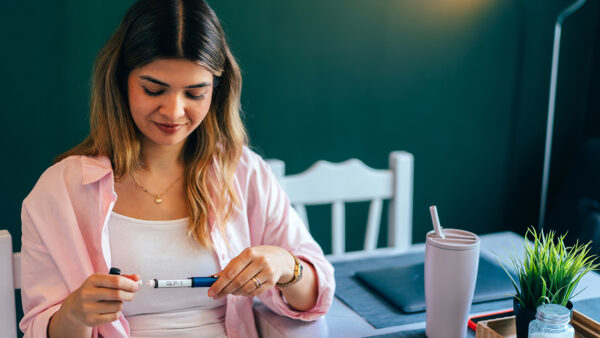

You got the prescription. You’re taking the weekly injection. The scale is moving in the right direction.
So why does it feel like you could be doing better?
What most people don’t realize about GLP-1 medications like Ozempic, Wegovy, Mounjaro, and Zepbound is that the drug only gets you part of the way there. Every major trial that produced those headline numbers paired the medication with diet and activity coaching. Take the coaching away and two things happen. People lose less, and a bigger share of what they lose is muscle instead of fat.
That second part is the one nobody warns you about. It’s the difference between losing 30 pounds and looking strong, and losing 30 pounds and looking deflated.
The habits that close that gap aren’t complicated. They don’t require hours at the gym or meal prep that takes over your entire Sunday. But they do require intention. These are the seven that separate people who get good results from people who get serious results on GLP-1 therapy.
The 7 Habits (Tap to Jump)
1. Prioritize Protein Like Your Results Depend on It (Because They Do)
This is the single most important habit on this list. If you take nothing else away from this article, take the fact that you need to eat more protein than you think you do.
GLP-1 medications crush your appetite. That’s the point. But when you’re eating less food overall, you’re also eating less protein by default. And that creates a serious problem.
Your body needs protein to maintain muscle mass. When you don’t get enough, your body starts breaking down muscle tissue for energy. You lose weight, sure. But a big chunk of that weight is muscle, not fat.
One study cited by former FDA Commissioner Dr. David Kessler found that 40% of weight loss in patients on semaglutide came from lean body mass, in plain terms, muscle and organ tissue, not fat. About a third of that was muscle specifically. That’s a problem that builds over time, because muscle is what keeps your metabolism running. Lose too much and everything slows down. Your metabolism, your strength, even everyday things like carrying groceries get harder as you age.
NASM, the group that certifies personal trainers, puts the target at roughly 0.7 to 1 gram of protein per pound you weigh. So if you’re around 180 pounds, you’re looking at 126 to 180 grams a day. That’s a lot, especially with barely any appetite left. But it’s the number that protects your muscle.
The way to make it work is to eat protein first at every single meal. Before the vegetables, before the carbs, before anything else. That way, even if you get full after a few bites, you’ve covered the most important nutrient. The rest of the plate is secondary.
Good sources include chicken breast, fish, eggs, Greek yogurt, cottage cheese, and lean beef. When whole foods aren’t practical, protein powder closes the gap fast. I’ve tried a dozen brands and keep coming back to Orgain. It mixes smooth, doesn’t taste chalky, and has 21 grams per scoop without a lot of artificial junk.
Protein by the Numbers
Save this table. It’s the fastest way to eyeball whether a meal is pulling its weight.
Stack two or three of these at each meal and the daily target stops feeling impossible. Three eggs and a cup of Greek yogurt alone gets you to 38 grams before you’ve even had lunch.
Quick heads up while we’re on the subject of protecting muscle. The research-minded readers here tend to go one step further and look into compounds studied for recovery and tissue repair alongside all of this. Paramount Peptides is where I point them, made in-house in the USA with an independent COA on every lot, and code BRAINFLOW takes 10% off. Research use only, and it sits alongside the habits below, never in place of them.
📌 Keep Reading: Best High-Protein Snacks for GLP-1 Users
2. Lift Weights (Yes, Really)
Cardio is great. Walking is wonderful. But if you’re serious about maximizing your GLP-1 results, you need to pick up some weights.
Resistance training does something cardio can’t. It sends a direct signal to your body that says “we need this muscle, don’t break it down for energy.” Without that signal, your body has no reason to preserve muscle tissue during weight loss. It will cannibalize your quads right alongside your belly fat, and you won’t know it’s happening until you’re lighter on the scale but softer everywhere you care about.
Research published in Gastroenterology Advisor confirms that patients on GLP-1 therapy who skip resistance training are more likely to lose muscle and strength as they lose weight. They also end up with what fitness professionals call “skinny fat.” The scale says they lost weight, but they don’t look or feel the way they expected to.
You don’t need to become a bodybuilder. Two to three sessions per week of basic strength training makes a noticeable difference. Focus on compound movements that work multiple muscle groups at once: squats, deadlifts, rows, presses, and lunges. These exercises give you the most return on your time investment.
If you’ve never lifted before, start with bodyweight exercises at home. Push-ups, squats, lunges, and planks require zero equipment. A set of adjustable dumbbells expands your options without taking over your living room. The key is consistency. A mediocre workout you do three times a week beats a perfect workout you do once a month.
Your 20-Minute Starter Routine
No gym, no equipment required. Do this three times a week and you’re already ahead of most people.
Rest a minute between sets. As it gets easier, add reps before you add weight. There’s no rush.
3. Eat Smaller Meals More Frequently
Your digestive system works differently now. GLP-1 medications slow down gastric emptying, which means food sits in your stomach longer than it used to. Big meals that you handled fine before now lead to nausea, bloating, and that uncomfortable fullness that lingers for hours.
The solution is to spread your eating across the day instead of cramming it into two or three big meals. Think four to six smaller eating occasions: a protein-rich breakfast, a mid-morning snack, a moderate lunch, an afternoon snack, a lighter dinner. Each one should be small enough that you finish it comfortably without pushing through discomfort.
This approach also makes hitting your protein targets much easier. Instead of trying to consume 50 grams of protein at dinner when you’re barely hungry, you spread it across the day in portions your body can handle and absorb.
Planning ahead is non-negotiable here. Know what you’re going to eat before you get hungry. Keep high-protein snacks accessible so you’re not reaching for crackers when appetite does strike. Batch cooking on Sunday takes about an hour and covers the whole week. A set of glass meal prep containers makes this a lot easier, and the food tastes better reheated than it does in plastic.
What a Day Might Look Like
This is the shape, with the protein counted so you can see how five small meals get a 180-pound person past 126 grams without a single big plate.
Nobody needs to follow this exactly. It’s a shape to build your own around: small, protein-forward, spaced out so nothing overwhelms your stomach. Notice that no single meal is over 42 grams. That is what makes the number reachable.
4. Stay Obsessively Hydrated
Water doesn’t get the attention it deserves. On GLP-1 medications, hydration becomes even more important than usual.
There are three reasons hydration matters even more right now:
- The medication itself can dehydrate you, especially early on when nausea is more common. Losing fluids without replacing them stresses your kidneys and makes fatigue worse.
- You’re eating less food overall, which means less water from food too. Fruits and vegetables are mostly water, so cutting food cuts fluids alongside it.
- Thirst can disguise itself as hunger. Your brain sometimes mixes up the two signals, so you eat when a glass of water was what you needed.
Aim for at least 64 ounces of water daily, more if you’re active or in a hot climate. Keep a bottle with you at all times. Drink a full glass before each meal. If plain water doesn’t appeal to you, add lemon, lime, or cucumber, or an LMNT electrolyte packet, which also replaces the sodium and potassium you’re missing from smaller meals. Herbal teas count. Anything with added sugar doesn’t.
The 64-Ounce Day, Without Thinking About It
Muddle the fruit or herbs a little before adding water so the flavor comes through. A pitcher in the fridge means it’s ready before you’re thirsty enough to reach for something worse.
📌 Keep Reading: Best Peptides for Weight Loss
5. Track What You Eat (At Least in the Beginning)
Nobody wants to log every bite of food forever. It’s tedious and annoying. But in the early months of GLP-1 therapy, tracking gives you data you can use to close gaps you didn’t know existed.
Studies consistently show that people underestimate their calorie intake by 30% or more. They forget about the handful of nuts, the taste of the kid’s mac and cheese, the creamer in the coffee. Without tracking, you’re guessing. And most people are terrible at guessing. A fifteen-dollar digital food scale changes everything. Turns out most people’s “tablespoon” of peanut butter is closer to three.
More importantly for GLP-1 users, tracking shows you whether you’re hitting your protein targets. You might think you’re eating enough until you add it up and realize you’re falling 50 grams short every day. That gap is the difference between maintaining muscle and losing it.
Use MyFitnessPal or Cronometer. Spend five minutes after each meal logging what you ate. Don’t stress about perfect accuracy. A rough estimate beats no data. After a few weeks, patterns emerge and you can ease up on the tracking while keeping the awareness.
What to Log
- Portion sizes, weighed at least once so you learn to eyeball them
- Protein grams specifically, not just total calories
- The hidden extras: dressings, oils, coffee creamer, sauces
- Water intake alongside food
- How you felt afterward: full, still hungry, or queasy
That last one matters more than people expect. It’s the fastest way to notice a portion or food that isn’t sitting well before it becomes a pattern.
6. Sleep Like It’s Part of Your Treatment Plan
Sleep affects everything on this list. Your appetite hormones. Your insulin sensitivity. Your energy levels. Your ability to recover from workouts. Your willpower around food at 10 PM.
When you don’t sleep enough, your body produces more ghrelin (the hunger hormone) and less leptin (the fullness hormone). You wake up hungrier and less able to feel satisfied, which directly undermines everything the GLP-1 medication is trying to do. Poor sleep also impairs the prefrontal cortex, the part of your brain responsible for impulse control. That’s why late-night snacking is such a common and frustrating pattern. The brain is too tired to say no.
Aim for seven to nine hours per night. Consistent timing matters more than total hours. Going to bed at 11 PM and waking at 7 AM every day will serve you better than random eight-hour windows. Cool room, dark environment, no screens for 30 minutes before bed. None of this is a secret, it’s just the stuff most people know and skip anyway.
If you’re struggling with sleep, treat it as a clinical priority, not an inconvenience. Talk to your doctor. Consider what caffeine timing, stress levels, or screen exposure might be interfering. GLP-1 therapy asks a lot of your metabolism. Give your body the recovery time it needs to keep up.
Your Wind-Down Checklist
- Set an alarm for bedtime, not just for waking up
- No screens for 30 minutes before lights out
- Keep the room around 65-68°F
- Cut caffeine after 2 PM
- Swap scrolling for reading or light stretching
None of these are hard on their own. Stacked together, they’re the difference between tossing and turning and falling asleep.
7. Build a Support System
Nobody loses weight or changes lifelong habits purely on willpower, and trying to do it in isolation makes an already hard thing harder.
People who succeed on GLP-1 therapy consistently have some form of support around them. A partner who eats healthy meals with them. Friends who encourage their progress. A doctor or dietitian who monitors their progress. An online community of others going through the same experience. It doesn’t have to be formal or expensive. But isolation is consistently associated with worse outcomes.
Intermountain Health emphasizes that the clinical trials demonstrating GLP-1 effectiveness included education and support alongside medication. The drugs work measurably better when combined with guidance and accountability.
Tell your close friends and family what you’re doing and why it matters. Be specific about what helps and what doesn’t. Consider joining an online community of GLP-1 users. Reddit and Facebook groups are full of people sharing real experiences, recipes, and encouragement. If your budget allows, a registered dietitian who understands GLP-1 medications is one of the highest-return investments you can make during this process.
Do This This Week
- Tell one person specifically what would help you
- Find one online community and just read for a week before posting
- Ask your doctor the one question you’ve been sitting on
- Book your next follow-up appointment now instead of “later”
Small, specific asks land better than vague ones. “Can you not offer me dessert right now” gets you further than “please support my weight loss journey.”
What Most People Get Wrong
The biggest mistake people make with GLP-1 medications is treating them as a standalone solution. They get the prescription, take the injection, and wait for magic to happen. Magic doesn’t happen. Chemistry happens, biology happens, but without supporting habits the medication delivers a fraction of what it’s capable of.
The second biggest mistake is trying to overhaul everything at once. Going from zero gym sessions to five per week. Rewriting your entire diet overnight. Tracking every macro with obsessive precision from day one. That approach lasts about two weeks before burnout sets in and the whole thing collapses.
Add one habit at a time. Master it until it feels automatic. Then layer in the next one. Start with protein because it has the most immediate impact and the clearest feedback loop. Once hitting your protein target feels like second nature, add resistance training. Then hydration. Then tracking. Then sleep. Something like this:
The order matters less than the consistency. Habits built slowly stick. Habits built in a frantic two-week burst don’t.
It also helps to treat bad days as data instead of failures. If you’re nauseous after a dose increase and couldn’t eat a full meal, that’s the medication doing its job rather than you doing something wrong. Adjust, adapt, keep the overall pattern moving forward. The medication works over weeks and months, not individual days. Your habits should be evaluated the same way.
The Research Peptide Angle: What Some GLP-1 Users Are Also Exploring
A growing group of biohackers and longevity-focused GLP-1 users are layering in research peptides alongside the lifestyle habits above. The reasoning is that GLP-1 medications suppress appetite and drive fat loss, but they don’t do anything for muscle preservation, recovery, or skin quality as your body changes shape. That is where the research compounds come in, and three names come up more than any others.
Everything at Paramount Peptides is synthesized in-house in the USA with an independent COA on every lot, and code BRAINFLOW takes 10% off. All of it is sold for laboratory research use only. None of it replaces the seven habits above, and none of it replaces your prescriber.
The Long Game
Almost nobody talks about this part. Most people who lose weight on GLP-1 medications regain some or all of it when they stop taking the drug. That’s not an argument against the medication, though. The smarter move is to build habits that will sustain you regardless of what happens with your prescription.
The protein habit. The strength training habit. The hydration habit. The sleep habit. These habits matter well beyond your current weight loss. They’re the foundation for keeping it off for the rest of your life. Researchers are now seeing a pattern in GLP-1 patients who stop treatment: the weight that comes back is mostly fat, while the muscle they lost stays gone. Recent research on GLP-1 discontinuation points to resistance training as one of the clearest ways to prevent that. The muscle mass you build and preserve becomes your metabolic insurance policy when the medication is no longer doing the heavy lifting.
Think of your time on GLP-1 therapy as a window, not a permanent state. The medication makes it easier to eat less and lose weight. Use that window to wire in the habits that carry you forward. If you approach GLP-1s as a temporary fix, you’ll get temporary results. If you approach them as a catalyst for permanent change, you’ll build something that lasts.
Questions People Ask About These Habits
How long before these habits make a difference?
Hydration and smaller meals help almost immediately, usually within days. Protein and strength training take longer to show up on a scale or in the mirror, closer to 3-4 weeks, because you’re building and preserving muscle rather than chasing a quick number.
Do I really need a protein supplement, or can I get enough from food?
Food first, always. But when your appetite has shrunk to a few hundred calories a day, hitting 120+ grams from whole food alone is tough. A scoop of powder is often the easiest way to close that last gap without forcing down food you don’t want.
What if an injury or mobility issue rules out strength training?
Resistance bands and seated exercises still send the same “preserve this muscle” signal as free weights. Talk to a physical therapist about what’s safe for your specific situation. Some resistance is almost always better than none.
Won’t tracking my food forever feel obsessive?
It’s meant to be temporary. Most people track closely for the first 4-8 weeks to learn their patterns, then ease off once the awareness sticks. If tracking ever starts feeling anxious rather than useful, that’s worth mentioning to your doctor or dietitian.
What if I’m too nauseous to eat much some days?
That happens, especially right after a dose increase. On those days, prioritize small sips of water and whatever protein you can tolerate, even if it’s just a few bites of yogurt. One rough day doesn’t undo the pattern. Contact your doctor if nausea is severe or lasts more than a couple of days.
Can I still eat out or have treats?
Yes. Appetite is so reduced on these medications that portions naturally shrink anyway. Lead with protein when you order, and treat dessert as an occasional choice rather than something off-limits. Rigid restriction tends to backfire faster than moderation does.
If I can only start with one habit, which one?
Protein. It’s the habit with the clearest feedback loop and the biggest downstream effect on how much muscle you keep. Get that dialed in first, then layer in the rest.
The Takeaway
Seven habits. Nothing on this list requires a gym membership you’ll cancel in March or a diet plan you’ll abandon by Thursday. All of them are powerful when applied with consistency over time.
You don’t need to be perfect. You need to be consistent. Some days you’ll nail every habit. Other days you’ll barely manage one. That’s normal and expected and fine. What matters is the pattern over weeks and months, not what happened on Tuesday.
Quick Reference: The 7 Habits
- Protein first at every meal
- Strength train 2-3 times a week
- Eat smaller meals, more often
- Drink at least 64 oz of water daily
- Track your food for the first few months
- Protect 7-9 hours of sleep
- Build a support system around you
The medication is doing its part. The habits are your part. Start with whichever feels most doable right now, get it locked in, and build from there. Six months from now, looking back at where you started will tell you everything about whether the approach worked.
Research Peptide Disclaimer: Paramount Peptides products mentioned in this article are sold for laboratory research purposes only. They are not approved by the FDA for human consumption or therapeutic use. All information is for educational purposes only and does not constitute medical advice. Consult a qualified healthcare provider before beginning any peptide research protocol.
This article contains affiliate links, including Amazon links. BrainFlow may earn a commission on qualifying purchases at no additional cost to you. We only recommend products and sources we use ourselves.