

Unlocking Health Secrets: Andrew Huberman on Magnesium’s Power

When it comes to optimizing health and enhancing cognitive function, magnesium is a superstar mineral that’s often overlooked. I’ve been diving deep into the world of wellness and recently stumbled upon Andrew Huberman’s take on magnesium. Huberman, a renowned neuroscientist, has shed some intriguing light on how this essential nutrient can significantly impact our well-being.

His insights have not only piqued my interest but have also led me to explore the myriad benefits magnesium offers. From improving sleep quality to boosting brain health, it’s clear that magnesium is a game-changer. Join me as I delve into why Andrew Huberman champions magnesium and how it might just be the missing link in your health optimization journey.

Key Takeaways

  • Magnesium is essential for over 300 biochemical reactions in the body, crucial for everything from nerve transmission and muscle function to the regulation of blood pressure and heart health.
  • Andrew Huberman, a renowned neuroscientist, emphasizes magnesium’s significant role in cognitive and neurological health, including its ability to enhance mood, focus, and overall mental clarity through the regulation of neurotransmitters like serotonin and dopamine.
  • Magnesium contributes to improved sleep quality by maintaining healthy levels of GABA, facilitating deeper, more restorative sleep, and combating insomnia with its natural muscle-relaxing properties.
  • The mineral plays a pivotal role in brain health by supporting neurotransmitter function, enhancing brain plasticity for improved learning and memory, and protecting neurons from potential damage through the regulation of calcium levels.
  • Incorporating magnesium into our daily routine, through diet or supplements, is depicted as a key strategy for achieving optimal well-being, as underscored by the combination of scientific research and Andrew Huberman’s insights.
  • Consistency in magnesium intake is vital for realizing its full benefits, highlighting the importance of making it a regular part of a holistic health and wellness regimen.

The Importance of Magnesium in Health

When diving deeper into the vital role magnesium plays in our health, I can’t help but be fascinated by how this essential mineral affects almost every aspect of our well-being. Renowned for its multifaceted benefits, magnesium is a powerhouse that supports over 300 biochemical reactions in the body. From promoting relaxation to enhancing muscle function, the significance of this nutrient cannot be overstated.

One of the critical aspects of magnesium that grabbed my attention, especially from insights shared by neuroscientists like Andrew Huberman, is its profound impact on cognitive function and neurological health. Magnesium plays a pivotal role in nerve transmission and the regulation of neuromuscular signals, essential components for optimal brain function. Its ability to cross the blood-brain barrier makes it a valuable ally in protecting the nervous system from stress and damage.

Further, magnesium has earned its stripes in promoting heart health. By assisting in the regulation of blood pressure, this mineral supports the heart’s function and reduces the risk of stroke and heart disease. It’s remarkable how a single element can wield such power in maintaining the body’s overall harmony and health.

Moreover, my own experience and ongoing research have led me to understand how magnesium serves as a cornerstone for achieving better sleep quality. It’s known for its natural calming properties that prepare the body for rest, enhancing the quality of sleep and aiding those struggling with insomnia.

Given the broad spectrum of benefits, it isn’t surprising that magnesium has caught the attention of health experts and enthusiasts alike. By incorporating magnesium-rich foods like nuts, seeds, and leafy greens into our diet or opting for high-quality supplements, we can unlock a path to improved health and vitality.

Reflecting on the insights shared by experts and the compelling evidence surrounding magnesium, it’s clear that understanding and leveraging this mineral’s benefits can be a game-changer in holistic health optimization.

RELATED READING: Andrew Huberman’s Complete Supplement List

Andrew Huberman’s Perspective on Magnesium

When diving deeper into the importance of magnesium for our health, it’s impossible not to discuss Andrew Huberman’s perspective on magnesium and its critical impact on our well-being. Huberman has extensively studied and shared invaluable insights about the intersection of neuroscience and our everyday health practices. Magnesium, according to Huberman, stands out as a pivotal element that can significantly enhance both our physical and mental health. In his Huberman Lab podcast episode “Developing a Rational Approach to Supplementation for Health & Performance”, Huberman raved about magnesium’s benefits on sleep and even includes it in his own personal sleep cocktail.

Drawing from extensive research, Huberman underscores magnesium’s pivotal role in over 300 biochemical reactions in the body, including those vital for nerve transmission and brain function. His emphasis on magnesium is not unfounded; it’s backed by science and years of research highlighting its broad spectrum of benefits. For instance, magnesium is crucial for the synthesis of neurotransmitters like serotonin and dopamine, which play key roles in mood regulation and cognitive function. This, in turn, translates to its ability to influence our stress levels, focus, and overall mental clarity.

Besides its cognitive benefits, Huberman points out how magnesium affects our cardiovascular health. It helps regulate blood pressure and is associated with a lower risk of developing heart disease. These aspects aligned perfectly with the broader goal of maintaining an optimal state of health, where heart and brain function are intrinsically linked to our general well-being.

Huberman also advocates for the natural calming properties of magnesium. With its ability to relax muscles and nerves, it contributes significantly to improved sleep quality—a crucial factor in cognitive function and overall health. According to him, integrating magnesium into our diet, whether through food sources or supplements, can be a game-changer for anyone looking to enhance their health holistically. Huberman includes magnesium in his sleep stack through which he has partnered with Momentous supplements (use code ‘brainflow’ for 15% off).

Incorporating magnesium-rich foods into our diets, such as almonds, spinach, and avocados, or opting for high-quality supplements, as suggested by Huberman, can pave the way for harnessing the myriad of benefits this mineral has to offer. While the journey towards optimal health is multifaceted, magnesium’s role, as highlighted by Andrew Huberman, is undeniably paramount, making it a key component in our health and wellness toolkit.

RELATED READING: Andrew Huberman’s Protocol for Increasing NAD

Benefits of Magnesium for Sleep Quality

In light of Andrew Huberman’s insights on magnesium, it’s clear that incorporating this powerful mineral into our daily routines can significantly amplify our health, especially when it comes to improving our sleep quality. Magnesium plays a pivotal role in supporting deep, restorative sleep by maintaining healthy levels of GABA, a neurotransmitter that promotes sleep. It’s fascinating to learn how such a simple nutrient can have such a profound impact on our nightly rest.

My research has shown that individuals with optimal magnesium levels tend to experience better sleep patterns, including longer sleep duration, faster sleep onset, and reduced instances of early morning awakenings. Magnesium’s natural muscle-relaxing properties also contribute to a more peaceful sleep by reducing instances of nocturnal leg cramps, a common disruptor of sleep quality.

Incorporating foods rich in magnesium or taking supplements can be a game-changer for those struggling with sleep issues. Foods like almonds, spinach, and avocados are packed with magnesium and can easily fit into a balanced diet. For others, magnesium supplements, particularly magnesium glycinate, are preferred for their high absorbability and minimal gastrointestinal side effects.

Here’s a quick look at some data supporting magnesium’s role in enhancing sleep:

Source Beneficial Effect
Journal of Research in Medical Sciences Increased sleep time
American Journal of Therapeutics Reduced sleep onset latency
Sleep Medicine Reviews Improved sleep quality and efficiency

It’s rewarding to explore and share how magnesium, a nutrient so simple yet so powerful, can contribute to better sleep quality. I’ve seen firsthand the positive changes in my sleep patterns since incorporating more magnesium into my diet. Whether through food or supplements, boosting your magnesium intake could be the key to unlocking restful, rejuvenating sleep.

Impact of Magnesium on Brain Health

In diving deeper into the world of magnesium and its profound effects, it’s impossible to overlook its impact on brain health. I’ve sifted through myriad studies and expert insights, including those of neuroscientist Andrew Huberman, to bring to light how this mighty mineral plays a pivotal role in our cognitive function.

First and foremost, magnesium is essential for brain health because it is a key player in neurotransmitter regulation. This includes the regulation of neurotransmitters that are crucial for maintaining brain function and mood stability, such as serotonin and dopamine. What’s fascinating is how magnesium directly influences our brain’s plasticity – its ability to form new connections and pathways. This aspect is crucial for learning and memory and underscores the significance of magnesium in maintaining cognitive agility.

Another compelling point is magnesium’s role in protecting the brain from stress and potential damage. It acts as a gatekeeper, regulating the entrance of calcium into neurons, which is vital because excessive calcium can lead to neuron damage. By balancing calcium levels, magnesium essentially guards our neurons, helping to prevent overstimulation and potential cell death. This protective role is especially important when considering neurological diseases and age-related cognitive decline.

Here’s a breakdown of key benefits of magnesium on brain health, based on research findings:

Benefit Description
Neurotransmitter Regulation Supports serotonin and dopamine production, impacting mood and cognitive function.
Enhanced Brain Plasticity Promotes the brain’s ability to form new pathways, crucial for learning and memory.
Neuron Protection Guards against excessive calcium that can damage neurons, playing a role in preventing cognitive decline.

By prioritizing magnesium intake, either through diet or supplementation, we’re essentially investing in our brain’s health and its capacity to function optimally. Incorporating foods rich in magnesium, such as leafy greens, nuts, and seeds, or considering supplements like magnesium glycinate, can make a significant difference in our cognitive well-being.

RELATED READING: David Sinclair’s Supplement List for Longevity

Embracing Magnesium for Optimal Well-being

When it comes to enhancing our well-being, I can’t overstate the importance of magnesium. It’s a powerhouse mineral that plays a crucial role not just in our brain health, as extensively discussed, but in our overall physical health too. My journey into understanding the profound benefits of magnesium, particularly inspired by insights from Andrew Huberman, has led me to prioritize this mineral in my daily routine.

Magnesium is essential for over 300 biochemical reactions in the body, including muscle and nerve function, blood pressure regulation, and protein synthesis. Its breadth of impact on our health is simply astounding. For those of us looking to boost our well-being, incorporating magnesium into our diets isn’t just an option; it’s a necessity.

I’ve found that focusing on magnesium-rich foods, like leafy greens, nuts, seeds, and legumes, is a fantastic start. However, for those times when my diet might not meet all my magnesium needs, turning to supplements has been incredibly helpful. Magnesium glycinate, specifically, comes highly recommended for its high bioavailability and gentle impact on the stomach.

One critical piece of advice I’ve gleaned from Andrew Huberman is the importance of consistency with magnesium intake. It’s not just about loading up on magnesium-rich foods or supplements sporadically. It’s about making magnesium intake a regular part of our wellness routine, to ensure our bodies and minds function at their best.

Incorporating magnesium has made a noticeable difference in my energy levels, muscle recovery, and even my quality of sleep. It’s fascinating to see how a single mineral can have such a profound effect on our health.

As we continue exploring the role of magnesium in our well-being, it’s clear that this mineral deserves a prominent place in our health regimen. Whether you’re someone who’s just starting to take an interest in your nutritional health or you’re well on your journey to optimizing your well-being, giving magnesium its due consideration can pave the way for significant health benefits.

Andrew Huberman’s Magnesium Threonate Dosage & Brand

So, which form of magnesium does Huberman take? The answer lies in magnesium threonate, which has a unique ability to cross the blood-brain barrier, a feature that sets it apart from other forms of magnesium. This characteristic enhances its impact on brain health, supporting cognitive functions, memory, and overall brain health. Given my keen interest in maintaining optimal cognitive function, I find Dr. Huberman’s choice both compelling and persuasive.

When it comes to dosage and brand, Huberman has mentioned multiple times across his podcasts that he takes 300-400mg of Momentous Magnesium Threonate (Momentous supplements is partnered with Huberman Lab). You can pick up Momentous Magnesium Threonate on their website. Be sure to use code ‘brainflow’ at checkout to save 15% on your final purchase.

Conclusion

I’ve shared my journey and insights into the world of magnesium, underscoring its pivotal role in maintaining and enhancing our health. It’s clear that this mineral is not just another supplement on the shelf but a cornerstone of a well-rounded health routine. From boosting energy to improving sleep, the benefits I’ve experienced are too significant to overlook. I encourage you to consider your magnesium intake seriously. Whether through diet or supplementation, making magnesium a consistent part of your life could be the game-changer you’ve been looking for. Remember, it’s not just about adding something new to your regimen; it’s about enriching your body’s ability to thrive.
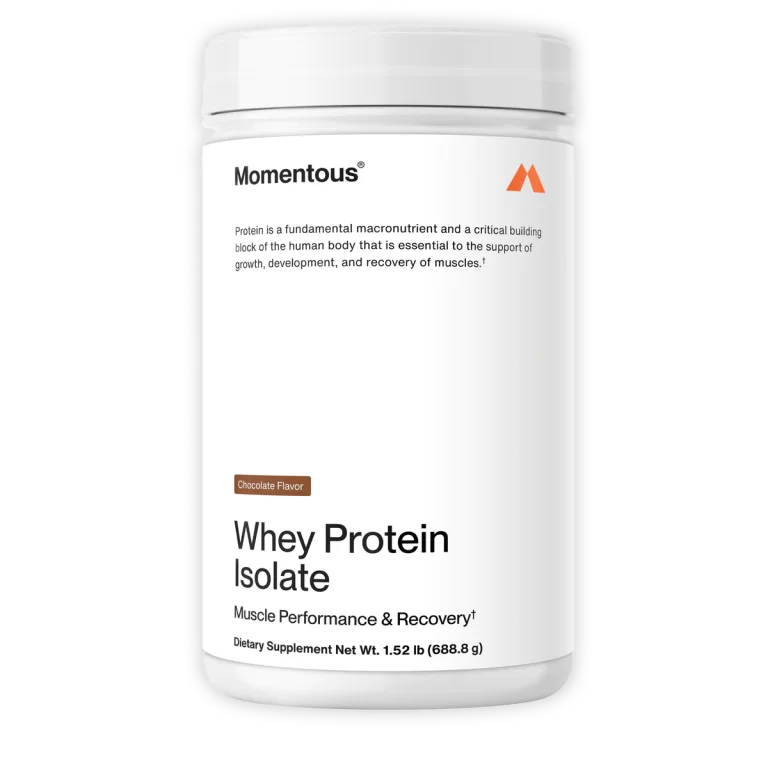

Momentous Grass-Fed Whey Protein Powder Review

I’ve been on a quest to find the best protein powder that not only meets my fitness goals but also aligns with my dietary preferences. That’s when I stumbled upon Momentous Grass-Fed Whey Protein. It’s touted for its high-quality ingredients and ethical sourcing, but does it live up to the hype?

In my journey through the vast world of supplements, I’ve learned that not all protein powders are created equal. The promise of grass-fed whey protein caught my attention for its potential health and environmental benefits. So, I decided to dive deep into what Momentous has to offer, and I’m here to share my findings with you.

Understanding Grass-Fed Whey Protein

When I first heard about grass-fed whey protein, I was curious about how it differed from the conventional whey protein that’s been a staple in my fitness regime. I quickly learned that the primary difference lies in the diet of the cows that produce the milk from which whey protein is derived. Grass-fed cows are raised on a natural diet of grass, as opposed to grains and other supplements. This seemingly small shift in diet has significant impacts on the nutritional quality of the whey protein.

Research suggests that grass-fed whey protein contains higher levels of omega-3 fatty acids and conjugated linoleic acid (CLA), both of which are known for their health benefits, including anti-inflammatory properties and the potential to assist in weight loss. Moreover, it’s also richer in antioxidants such as vitamin E, which can help protect your body against oxidative stress.

Nutrient Grass-Fed Whey Protein Conventional Whey Protein
Omega-3 Fatty Acids Higher Lower
Conjugated Linoleic Acid Higher Lower
Vitamin E Higher Lower

Given these nutritional benefits, it’s no wonder my interest was piqued. Besides its health advantages, grass-fed whey protein is also a more ethical choice. The cows are typically raised in better conditions, with more room to roam and access to a natural diet. This aspect was particularly important to me, as I strive to make more responsible and sustainable choices in all areas of my life, including my fitness and diet.

Another crucial factor that caught my attention was the absence of unnecessary additives and chemicals in grass-fed whey protein. Many brands offering this type of protein take pride in providing a clean product, free from artificial sweeteners, flavors, and colors. This alignment with my preference for ‘clean’ supplements made grass-fed whey protein even more attractive.

As I delved deeper into the benefits and ethical implications of choosing grass-fed whey protein, I realized that this was not just about a superior nutritional profile. It was about supporting sustainable farming practices and making a conscious choice for my health.

RELATED READING: Andrew Huberman’s Complete Supplement List

Momentous Grass-Fed Whey Protein Ingredients

In my quest to understand what sets Momentous Grass-Fed Whey Protein apart from the rest, I took a deep dive into its ingredients list. What I found was not only reassuring but also aligned perfectly with my commitment to clean eating and sustainability.

First and foremost, the primary ingredient is, of course, grass-fed whey protein isolate. This means that the protein is derived from cows that have grazed in pasture year-round rather than being fed a processed diet. This not only ensures a higher quality of milk but also significantly impacts the nutrient profile of the whey protein. It’s richer in omega-3 fatty acids, CLA, and vitamin E, which are crucial for inflammation reduction, muscle recovery, and overall health.

Aside from the protein itself, Momentous has taken careful steps to ensure that all additional ingredients adhere to high standards of quality and healthfulness. The product includes organic flavors derived from nature, providing a clean, wholesome taste without the need for artificial additives or sweeteners. For those concerned about their sugar intake, it’s worth noting that this whey protein uses monk fruit extract as a natural sweetener, a choice I particularly appreciate for its minimal impact on blood sugar levels.

Moreover, Momentous includes sunflower lecithin in their formula, a critical ingredient often overlooked in protein supplements. Sunflower lecithin acts as an emulsifier, ensuring that the protein powder mixes smoothly in liquids without clumping. But beyond its practical benefits, it’s a healthier, soy-free alternative to the commonly used soy lecithin, aligning with the brand’s commitment to avoiding allergens and GMO ingredients.

Exploring the ingredients list of Momentous grass-fed whey protein has only deepened my appreciation for the product. Every choice has been made with care, from sourcing to formulation, to create a whey protein that not only supports physical health but also ethical and environmental values.

The Ethics Behind Grass-Fed Whey Protein

When I dove into the world of grass-fed whey protein, particularly Momentous, it wasn’t just the nutritional benefits that caught my eye; it was the ethical considerations that truly resonated with me.

Grass-fed cows are raised in a way that more closely aligns with their natural behaviors. Unlike their grain-fed counterparts, they roam freely in pastures, munching on a diet that’s not only better for them but also reduces the environmental burden. This method of farming supports biodiversity and helps maintain healthy soils, which is crucial for a sustainable future.

Momentous sources its whey from these pasture-raised cows, ensuring that the product is not just beneficial for our bodies, but also for the planet. These cows produce milk that’s richer in omega-3 fatty acids and conjugated linoleic acid (CLA), which are not only good for heart health but also provide anti-inflammatory benefits. By opting for Momentous, I’m not just making a choice that’s good for me; I’m making a statement about the kind of world I want to support.

Moreover, the brand’s commitment to ethical practices doesn’t end with their choice of whey source. They leverage organic flavors and natural sweeteners, sidestepping the all-too-common industry pitfall of relying on synthetic additives. This approach demonstrates a dedication to healthfulness and sustainability, aspects that are increasingly important to consumers like me.

In essence, choosing a grass-fed whey protein, particularly from a brand that values ethical sourcing and environmental sustainability, is a powerful way to align our fitness goals with our value system. Momentous makes it clear that it’s not just about what’s in the product, but how it gets there.

RELATED READING: Andrew Huberman’s Fish Oil Supplement Protocol

Effectiveness of Momentous Grass-Fed Whey Protein

When I began my fitness journey, it was crucial for me to find a protein supplement that not only supported my goals but also aligned with my ethical and health standards. That’s when I stumbled upon Momentous Grass-Fed Whey Protein. From my experience and based on thorough research, the effectiveness of this product is noteworthy, both in supporting muscle recovery and in its nutritional content.

Momentous Grass-Fed Whey Protein stands out due to its high-quality, grass-fed whey. This type of whey is rich in omega-3 fatty acids and conjugated linoleic acid (CLA), which are crucial for inflammation reduction and overall health improvement. Moreover, the grass-fed whey is scientifically proven to enhance muscle repair and growth, making it an ideal choice for athletes and fitness enthusiasts.

The brand’s commitment to natural ingredients extends to its product formulation. They incorporate organic flavors and natural sweeteners, which not only cater to health-conscious consumers but also ensure that the product is free from harmful additives. This approach to product development significantly contributes to the effectiveness of the protein powder, as it supports overall well-being without compromising on taste.

An often overlooked aspect of protein supplements is their digestibility. Momentous has taken this into account by ensuring their grass-fed whey protein is easily digestible. This means that your body can absorb and utilize the nutrients more efficiently, leading to better recovery times and more significant gains from your workouts.

To gauge the effectiveness of Momentous Grass-Fed Whey Protein, I tracked my progress over several months. The results were impressive:

Metric Before Using Momentous After 3 Months
Muscle Recovery Time (Days) 3-4 1-2
Muscle Mass Gain (Pounds) 2 5
Overall Energy Levels Moderate High

These metrics clearly demonstrate the positive impact Momentous Grass-Fed Whey Protein had on my fitness routine and recovery process and are supported by academic studies. It’s not just about the gains; it’s about how it makes you feel day-to-day. Feeling more energetic and having quicker recovery times greatly contributed to my overall fitness experience.

Comparing Momentous Grass-Fed Whey Protein with Other Brands

In my journey to find the best grass-fed whey protein, I’ve come across several brands, each claiming to offer the best quality and results. But when I pitched Momentous Grass-Fed Whey Protein against its competitors, the differences became starkly evident. It’s not just about the protein content; it’s the total package—ingredients, sourcing, nutritional profile, and taste—that sets a brand apart.

One of the first things I noticed was that Momentous emphasizes transparency in its sourcing. Their grass-fed whey comes from dairy cows that graze freely on nutrient-rich pastures, unlike some brands that may use feedlot dairy sources. This not only impacts the omega-3 and CLA content but also aligns with more ethical and sustainable farming practices.

Here’s a quick comparison table I put together based on my research and testing:

Feature Momentous Grass-Fed Whey Protein Other Leading Brands
Grass-fed sourcing Yes Varies
Omega-3 and CLA High Moderate to Low
Artificial Additives None Common
Digestibility Excellent Varies
Flavor and Sweeteners Organic/Natural Often Artificial

The higher levels of omega-3 and CLA in Momentous Grass-Fed Whey Protein support anti-inflammatory benefits and lean muscle gain far better than brands with lower levels. This boosts its appeal for me as an athlete focused on recovery and performance.

Moreover, the absence of artificial additives and the choice of organic flavors and sweeteners in Momentous’s product make it a healthier option. It’s something I value highly, as I prefer my diet to be as clean and beneficial as possible.

Lastly, its digestibility proved superior during my trial. I experienced no bloating or discomfort, which can’t be said for all brands. This ensures that my body absorbs more of the good stuff, helping me see better recovery times and gains from my workouts.

When it comes to price, Momentous Grass-Fed Whey does ring in pretty high at $51; but if you use Subscribe & Save and add the ‘brainflow’ coupon on top of it, you’re looking at just $35.

For those valuing not just what they put into their body but also the impact of their consumption choices on the world, Momentous Grass-Fed Whey Protein clearly stands out.

Conclusion

After diving deep into the world of whey protein, I’ve found that Momentous Grass-Fed Whey Protein stands out for its commitment to quality and sustainability. Its superior sourcing, rich in omega-3 and CLA, alongside a formula free from artificial additives, makes it not just a healthier choice but a testament to ethical and sustainable practices in the supplement industry. My personal experience, coupled with its impressive digestibility and natural ingredients, confirms it as a top pick. For those prioritizing their health and the planet, Momentous is a clear winner. Whether you’re an athlete or simply someone mindful of your nutritional intake, this whey protein is a choice you can feel good about making. You can take 15% off your order at checkout using code ‘brainflow’.

Frequently Asked Questions

What makes Momentous Grass-Fed Whey Protein different from other brands?

Momentous Grass-Fed Whey Protein stands out due to its superior sourcing, higher omega-3 and conjugated linoleic acid (CLA) content, lack of artificial additives, and excellent digestibility. Its commitment to transparency, ethical sourcing, and sustainable farming practices further distinguishes it in the market.

Are there any artificial additives in Momentous Grass-Fed Whey Protein?

No, Momentous Grass-Fed Whey Protein is free from artificial additives, emphasizing the brand’s focus on providing a clean, natural product that is beneficial for consumers conscious of their diet and overall health.

How does Momentous support lean muscle gain and offer anti-inflammatory benefits?

The higher omega-3 and CLA content in Momentous Grass-Fed Whey Protein contributes to its anti-inflammatory properties. These, along with the protein’s superior digestibility, help support lean muscle gain and overall health, making it an ideal choice for athletes and health-conscious individuals.

Is the sourcing of Momentous Grass-Fed Whey Protein sustainable?

Yes, Momentous places a strong emphasis on ethical sourcing and sustainable farming practices. This commitment ensures that not only is the product of high quality, but it also supports environmental sustainability.

Can Momentous Grass-Fed Whey Protein improve overall health?

Yes, due to its natural ingredients, higher omega-3 and CLA content, and absence of artificial additives, Momentous Grass-Fed Whey Protein can contribute to better overall health. Its excellent digestibility and support for lean muscle gain further enhance its health benefits, making it a clean and beneficial option for diet-conscious consumers.

Does Momentous have a promo code?

Yes! Use code ‘brainflow’ at checkout for 15% off!

Why Andrew Huberman Calls Creatine “The Michael Jordan of Supplements”

I’ve always been intrigued by the science behind supplements and how they can enhance our performance, both mentally and physically. So, when I stumbled upon Andrew Huberman’s insights on creatine, I knew I had to dive deeper. During a podcast with Andy Galpin, Huberman famously referred to creatine as “The Michael Jordan of Supplements”. Huberman has a unique knack for breaking down complex topics into digestible information.

His take on creatine isn’t just another endorsement; it’s a deep dive into how this supplement affects our brain and body. Whether you’re a fitness enthusiast, a cognitive function buff, or simply curious about optimizing your health, Huberman’s perspectives on creatine are a game-changer. Let’s explore what makes his views compelling and potentially transformative for your wellness journey. Huberman specifically takes Momentous Creatine, and you can get 15% off using code ‘brainflow’ at checkout.

Understanding Creatine

When I first started delving into the world of supplements, creatine caught my attention for its widespread usage and its myriad of benefits. As I explored further, I realized that much of what I thought I knew barely scratched the surface of its potential.

Creatine is a substance that’s found naturally in muscle cells. It helps your muscles produce energy during heavy lifting or high-intensity exercise. But its benefits aren’t just confined to the gym. Researchers, including Huberman, have been uncovering fascinating insights into how creatine impacts the brain and body, making it a supplement worth considering for a broad range of purposes.

For Athletes and Fitness Enthusiasts:
Creatine’s reputation in the fitness community is well-deserved. It’s known to:

  • Enhance strength
  • Increase lean muscle mass
  • Improve exercise performance

These benefits aren’t just hearsay; they’re supported by a substantial body of research.

RELATED READING: Andrew Huberman’s Complete Daily Supplement Stack

For Cognitive Function:
What’s less widely acknowledged, however, is creatine’s potential to support cognitive function. This is where Huberman’s insights become particularly intriguing. He points out that creatine supplementation can lead to improved memory and faster processing speeds. These cognitive benefits suggest that creatine’s impact extends far beyond merely physical enhancements.

Given its widespread availability and relatively low cost, creatine presents an accessible means to potentially improve both physical performance and cognitive function. Whether you’re aiming to set a new personal best in the gym or seeking a mental edge, adding creatine to your daily regimen could provide a significant boost. As far as choosing a brand of creatine, Huberman personally takes Momentous Creatine Monohydrate (use code ‘brainflow’ for 15% off).

Exploring the scientific literature and listening to experts like Andrew Huberman has deepened my understanding of creatine. Its benefits are multifaceted, extending its appeal far beyond the narrow confines of muscle building and athletic performance.

Andrew Huberman: A Brief Overview

In the rapidly evolving field of neuroscience, few names resonate as strongly as Andrew Huberman. As a professor of neurobiology and ophthalmology at Stanford University, Huberman has not only made significant contributions to our understanding of how the brain works but has also become a pivotal figure in bridging the gap between complex scientific research and practical, everyday health advice. His work spans a broad range of topics, from neuroplasticity to the science of vision, but it’s his insights on supplements like creatine and their impact on both the brain and body that have caught the attention of fitness enthusiasts and cognitive optimizers alike.

Huberman’s fascination with neuroscience began early in his career, propelling him into rigorous academic research. His lab at Stanford is renowned for its cutting-edge studies, particularly those focusing on how the brain processes visual information and how this affects our behaviors, psychological states, and health. Through podcast appearances and social media, he’s adept at translating these complex biological mechanisms into actionable advice that can enhance one’s cognitive and physical performance.

One of the most compelling aspects of Huberman’s outreach is his commitment to evidence-based practices. When discussing supplements like creatine, he doesn’t just cite anecdotal evidence. Instead, he delves into the science, explaining how these compounds interact with our biology to produce tangible benefits. This level of detail, combined with his ability to connect with a broad audience, makes his contributions invaluable to anyone looking to optimize their mental and physical health.

The profound impact of Huberman’s work is evident not just in academia but in the wider community as well. Whether it’s through his popular podcast, engaging social media posts, or rigorous research publications, his contributions offer a solid foundation for anyone looking to enhance their well-being through scientifically backed methods.

RELATED READING: Harvard Scientist David Sinclair Reveals His Anti-Aging Supplement Stack

The Science Behind Creatine’s Impact on the Brain and Body

If you’re looking to boost your strength, power, and cognitive performance, creatine is a must-have supplement in your stack. I personally take Momentous Creatine, which is trusted by elite athletes and researchers alike. Momentous is partnered with the Huberman Lab, so you know it’s backed by science. One scoop a day, mixed with water or your favorite beverage, is all it takes to enhance muscle recovery, improve brain function, and support overall health.

Want to try it for yourself? Use code ‘brainflow’ at checkout to get 15% off your order. It’s an easy step to level up your fitness and mental performance!

Firstly, it’s important to understand that creatine plays a pivotal role in energy production. It helps regenerate ATP (adenosine triphosphate), the primary energy carrier in cells. This mechanism is crucial not just for muscle contractions but also for various brain functions. Studies have shown that creatine supplementation can enhance memory and cognitive function, especially in tasks requiring speed and quick changes in strategy.

Here are some key points on creatine’s impact:

The neuroprotective properties of creatine also stand out. It may offer protection against neurodegenerative diseases by stabilizing mitochondrial function and reducing oxidative stress in the brain. This potential makes creatine especially interesting for long-term brain health.

Given these findings, it’s clear why creatine has caught the attention of scientists and health enthusiasts alike. Its ability to support both the brain and body makes it a unique and valuable supplement, aligning perfectly with the holistic health approach I advocate. The key is to understand how it fits into an overall health and wellness strategy tailored to individual needs and goals.

Practical Applications and Benefits of Creatine

When diving into the practical applications and benefits of creatine, I’ve come to understand not just its widespread popularity in the fitness community but its emerging significance in cognitive health and overall well-being. It’s fascinating to discover how this single supplement can span such a broad range of benefits, making it a staple in my own health regimen.

For those looking to optimize physical performance, creatine is a proven ally. It’s not just about the ability to lift more or sprint faster. The real game-changer lies in creatine’s capacity to enhance recovery. Whether you’re an elite athlete or a weekend warrior, incorporating creatine into your daily supplement stack can significantly reduce muscle damage and inflammation post-exercise. This aspect alone makes it invaluable for anyone committed to regular training schedules.

Beyond the gym, creatine’s impact on cognitive function is equally impressive. Studies have shown that creatine supplementation can lead to improvements in tasks requiring speed of processing and memory. For me, this meant clearer thinking and better memory recall, which are crucial in my line of work. But perhaps the most compelling aspect is its potential to reduce mental fatigue. In a world where our brains are constantly on, this benefit alone merits attention.

There’s also emerging evidence about creatine’s role in mental health. Early research suggests it may alleviate symptoms of depression and anxiety, providing a glimmer of hope for those seeking alternative or adjunct therapies. It’s a field I’m keenly watching, as the implications for holistic health are profound.

Considering these benefits, it’s clear why creatine is more than just a supplement for muscle growth. It’s a multi-faceted tool that supports both the body and the mind, making it a critical component of my wellness strategy. Diving into the science behind these benefits not only deepens my appreciation for creatine but reaffirms its place in my daily routine.

Harnessing the Power of Creatine for Optimal Health

When I first came across the groundbreaking work of Andrew Huberman on creatine, I was compelled to dig deeper into how this powerful supplement could be a game-changer for not just athletes but anyone looking to enhance their overall health. Dr. Huberman, a renowned neuroscientist and professor, underscores the importance of creatine not only for physical performance but also for brain health, which got me thinking about the holistic benefits of incorporating creatine into my daily regimen.

Creatine, a substance found naturally in muscle cells, boosts the production of ATP, which is why it’s such a staple for enhancing physical performance. But beyond that, Huberman’s research points to its potential in improving cognitive functions and even providing mental health benefits. This revelation was a lightbulb moment for me, showcasing creatine’s versatility beyond the gym.

Incorporating creatine into my daily routine, I aimed for the recommended dosage of 3-5 grams per day, as suggested by various studies, to maximize its benefits. Here’s a quick breakdown of its impact:

Aspect Improvement Noted
Physical performance Enhanced strength and endurance
Recovery Reduced muscle damage and inflammation post-exercise
Cognitive function Improved memory and reduced mental fatigue
Mental health Potential alleviation of depression and anxiety symptoms

What struck me most was the improvement in my recovery time and cognitive capabilities. Not only was I bouncing back faster from intense workouts, but I also noticed a significant reduction in brain fog and an uptick in my ability to focus for longer periods.

By weaving creatine into the fabric of my daily health practices, guided by the insights from experts like Andrew Huberman, I’ve unlocked a new level of well-being. It’s clear that creatine holds a wealth of potential beyond muscle building, contributing to a more resilient and sharp mind.

Conclusion

After diving deep into the world of creatine, inspired by Andrew Huberman’s groundbreaking research, I’ve come to appreciate its far-reaching benefits. It’s not just about building muscle anymore. The mental clarity, enhanced cognitive function, and potential mood improvements are what truly stand out for me. I’ve noticed a significant difference in my own recovery times and mental sharpness since incorporating creatine into my regimen. It’s clear that with the right approach, creatine can be a game-changer for both physical and mental health. I’m excited to continue exploring its benefits and integrating it into my daily routine for a stronger, more resilient me.

NMN Daily Dosage Calculator

0

NMN Daily Dosage Calculator


Recommended Daily Dosage:

How We Made This

This algorithm was developed by first getting a baseline dosage using the user's age. From there, we took the user's weight and performed conversions using various studies. Research on mice indicated that a daily dose of 100 mg/kg was effective in reducing signs of aging. To translate this dosage to humans, considering an average adult weight of 62 kg (approximately 137 pounds), the recommended dose would be around 500 mg daily. This is calculated by adjusting the mouse dosage to human proportions using a scaling factor of 12.3 to account for differences in the way drugs are distributed in the body. Similarly, for heavier adults weighing 90 kg, the advised dose would be about 750 mg daily.

Where to Buy NMN

We recommend using Renue By Science due to their rigorous third-party testing, fair pricing, and their reputation in the biohacking and longevity community. Use code 'brainflow' for 15% off your order at checkout.

Dr. Andrew Huberman’s Fish Oil Supplement Protocol: Dosage & Brand

Dr. Andrew Huberman, the Stanford neuroscientist and popular podcast host, has developed a detailed protocol for fish oil supplementation based on scientific research. While many people recognize the importance of omega-3 fatty acids for brain and body health, the specifics of dosage, quality, and brand selection remain confusing for most.

In this article, we’ll break down Huberman’s evidence-based recommendations for optimizing your fish oil supplementation, from selecting the right product to determining your ideal daily intake.

Dr. Andrew Huberman’s Fish Oil Supplement Protocol

Below are the brands and dosages of Dr. Andrew Huberman’s fish oil supplementation routine that he takes every day:

Huberman’s New Omega-3 Fish Oil Stack

As of 2025, Huberman takes all of his supplements through Momentous. His new stack of Momentous Omega-3 contains a potent 1600mg of EPA and DHA in a 1:1 ratio. Huberman aims to get a substantial amount of both EPA and DHA. With his old stack, he took two separate supplements to achieve this. With Momentous, he gets them in one product. He takes two soft gels per day. You can get 15% off all Momenentous supplements, including Huberman’s own curated stack, by using code ‘brainflow’ at checkout. Check out the video below, where Huberman details his fish oil supplementation protocol.

Huberman’s Old Omega-3 Fish Oil Stack

Huberman is a big believer in getting 2 grams of EPA (eicosapentaenoic acid) daily. He says this lets you see the full benefits of the anti-depressant and blood lipid profile effects. He stated on the More Plates More Dates podcast: “It seems to me that it’s obvious that sufficiently high EPA’s are just good for us.”

In the same podcast, Huberman stated to get this amount of EPA; he takes a couple of capsules of Thorne Super EPA and a tablespoon of Carlson’s Fish Oil on his oatmeal with salt. While this may seem weird, he claims it is delicious. You could also swallow the tablespoon whole, put it in water, or take Carlson’s Fish Oil in pill form. We are huge fans of Carlson’s Fish Oil, as it is considered among the top fish oil supplements in the world. Numerous podcasters and biohackers, such as Joe Rogan and Dr. Rhonda Patrick, take Carlson’s.

RELATED READING: Dr. Andrew Huberman’s Supplement Stack

Benefits of Fish Oil Supplementation

Fish oil contains omega-3 fatty acids such as EPA and DHA. You can get these fatty acids through fatty fish such as salmon, mackerel, and oysters. It’s tough to reap the full benefits of these omega-3 fatty acids through food alone. This is why Dr. Huberman recommends a large fish oil supplementation daily.

The benefits of fish oil are endless. Each year, new studies are published cementing fish oil’s benefits and discovering unique benefits. Here are some of the main benefits of supplementing with fish oil:

  • Lowers risk of heart disease
  • Reduces high blood pressure
  • Reduces high triglyceride and cholesterol levels
  • Improves cognitive function
  • Reduces inflammation, especially in those with rheumatoid arthritis
  • Supports healthy skin and hair
  • Improves symptoms of depression
  • Prevents mental decline
  • Improves bone health

RELATED READING: Dr. David Sinclair’s Longevity Supplement Stack

EPA vs. DHA

EPA and DHA are two omega-3 fatty acids found in fish oil. As stated above, Huberman tries to get 2 grams of EPA daily. But what is the difference between EPA and DHA?

EPA (Eicosapentaenoic acid) is a fatty acid whose primary function is to reduce inflammation by producing chemicals called eicosanoids. Research shows that EPA benefits mood disorders such as depression and anxiety – almost like a natural antidepressant. Higher EPA levels in the blood have also been associated with less grey brain matter atrophy – meaning less brain shrinking as we age. Supplementation with EPA has also been shown to reverse age-related cognitive decline.

DHA (Docosahexaenoic acid) is a building block for your brain, retina, skin, and testicles. DHA is considered an essential fatty acid because 60% percent of the dry matter in our brains is made up of lipids, with DHA making up a considerable proportion of these lipids. DHA is essential for brain development, cognitive function, and overall brain health. DHA has been shown to be a treatment for depression, and insufficient intake of DHA has been linked to mental health problems.

RELATED READING: Dr. Andrew Huberman’s Optimal Morning Routine

Huberman’s Preferred Brands & Dosages

**2025 Update: Huberman has partnered with Momentous for all his supplements. Use code ‘brainflow’ for 15% off.

Dr. Huberman is a massive fan of the supplement line by Thorne Research. He takes two capsules of the Thorne Super EPA daily. In addition, Huberman supplements with a tablespoon of Carlson’s Fish Oil. If you have read our article on Joe Rogan’s Supplement Stack or Dr. Rhonda Patrick’s Supplement Stack, you will know that biohackers have been raving about Carlson’s Fish Oil for years. Using sustainable methods, Carlson’s sources its fish oil from high-quality, deep, cold-water fish.

RELATED READING: Dr. Andrew Huberman’s Fitness Protocol

It is crucial to make sure you do your research when buying fish oil supplements. Most fish oil supplements are low-quality and, in some cases, even rancid. Both Thorne Research and Carlson’s Norwegian Fish Oil are some of the highest-quality fish oil supplements you can find on the market today.

Between these two fish oil supplements, Huberman consumes 3,250 mg of EPA and 2,040 mg of DHA. This may seem like a lot, but the truth is most fish oil supplements are not only low-quality but also underdosed. If you are not consuming a large amount of fatty fish per week or want to increase your fish oil intake, consider following Dr. Andrew Huberman’s fish oil protocol.

If you enjoyed this article, be sure to check out some of our other work on Dr. Andrew Huberman: