
Top 5 Benefits of Fish Oil Supplementation: A Key to Optimal Health

In my journey to uncover the secrets of a balanced diet, I’ve stumbled upon a powerhouse nutrient that’s been making waves in the health and wellness community: fish oil. Known for its rich omega-3 fatty acid content, fish oil supplementation has emerged as a beacon of hope for those seeking to enhance their health naturally. But what exactly makes it a must-have in your dietary lineup?

Diving into the heart of fish oil’s benefits, I’ve discovered not just one, but five compelling reasons why incorporating this supplement into your routine could be a game-changer. From supporting heart health to reducing inflammation, the advantages of fish oil are both vast and scientifically backed. Join me as we explore these benefits, shedding light on why fish oil might just be the unsung hero of your wellness journey.

Before we start, if you plan on taking an Omega-3 fish oil supplement, make sure it is a high-quality one from a reputable company. You would be surprised to learn that a majority of fish oil supplements are very low-quality and in some cases even rancid. This is why I use a high-quality, third-party tested fish oil like Momentous Omega-3 Fish Oil. This is the same brand backed by Dr. Andrew Huberman, Dr. Andy Galpin, and Tim Ferriss. I trust their judgment more than my own. You can use code ‘brainflow’ at checkout for 15% off your entire order. With that out the way, let’s begin!

What Is Fish Oil and How Does It Benefit Your Health?

Following the exploration of fish oil as a significant nutrient in enhancing health, it’s crucial to delve deeper into what fish oil is and the array of benefits it offers for one’s health. Fish oil stands out due to its high omega-3 fatty acid content, positioning itself as an essential supplement for those looking to improve their health naturally. My aim here is to further illuminate how fish oil can be a pivotal component of your wellness journey through its comprehensive health advantages.

Understanding the Composition of Fish Oil

Fish oil is primarily derived from the tissues of oily fish, boasting a high concentration of omega-3 fatty acids, which are pivotal for maintaining optimal health. These fatty acids are not synthesized by the body and must be obtained through diet or supplementation. The primary constituents of fish oil, EPA (eicosapentaenoic acid) and DHA (docosahexaenoic acid) play critical roles in the body’s cellular functions. Understanding the composition of fish oil elucidates why it’s such a valuable asset for health. It’s not just about the omega-3s; it’s about the specific types of omega-3s that make fish oil uniquely beneficial.

The Role of Omega-3 Fatty Acids in Health

Omega-3 fatty acids, particularly EPA and DHA found in fish oil, contribute to several vital health benefits. These benefits are extensive, ranging from supporting heart health to reducing inflammation throughout the body. Omega-3s help maintain the fluidity of cell membranes, support healthy brain function, and are integral in the formation of cell signaling molecules known as eicosanoids. These functions are essential for maintaining balance in the body and supporting various physiological processes. The role of omega-3 fatty acids in health cannot be understated, as their impact is far-reaching, aiding in the prevention and management of various health conditions.

By incorporating fish oil into your diet, you’re not just supplementing your body with essential nutrients; you’re potentially transforming your health landscape. The combination of EPA and DHA offers a synergistic effect that enhances cardiovascular health, supports cognitive functions, and fosters overall wellness. As I navigate through the benefits of fish oil supplementation, it becomes clear that fish oil is more than just a supplement; it’s a cornerstone of a holistic approach to health and well-being.

RELATED READING: This Harvard Longevity Scientist Reveals His Anti-Aging Supplement Stack

Heart Health and Cholesterol Management

Moving forward from understanding the broad benefits of fish oil for health and wellness, it’s crucial to zone in on how it specifically aids heart health and cholesterol management. The omega-3 fatty acids in fish oil, EPA, and DHA, are stars in the cardiovascular health arena.

Reducing the Risk of Cardiovascular Diseases

Taking fish oil supplements can significantly lower the risk of cardiovascular diseases, a leading cause of global morbidity and mortality. Scientific research demonstrates that EPA and DHA contribute to maintaining heart health by reducing triglyceride levels, thereby decreasing the risk of heart attacks, strokes, and abnormal heart rhythms. Moreover, omega-3 fatty acids bolster heart health by improving endothelial function, which is essential for blood vessel health. Through these mechanisms, fish oil ensures a healthier heart, contributing to longer life expectancy.

Impact on Cholesterol Levels and Blood Pressure

A noteworthy benefit of supplementing with fish oil is its impact on cholesterol levels and blood pressure, two critical indicators of cardiovascular health. Omega-3s help modulate cholesterol by raising HDL (good) cholesterol and lowering LDL (bad) cholesterol, creating a more favorable balance between the two. Additionally, fish oil has been shown to slightly lower blood pressure levels in individuals with hypertension. These effects combined present a compelling argument for the inclusion of fish oil in a regimen aimed at cholesterol management and blood pressure reduction.

By centering on heart health and cholesterol management, incorporating fish oil into one’s diet emerges as a strategic move to fortify cardiovascular wellness. This solidifies the role of omega-3 fish oil supplements as a protective agent against heart-related health concerns, aligning perfectly with a holistic approach to maintaining optimal health.

RELATED READING: Neuroscientist Andrew Huberman Reveals His Insane Supplement Stack

Cognitive Function and Brain Health

Continuing the discussion on the multitude of benefits fish oil supplementation offers, an integral aspect deserving attention centers on cognitive function and brain health. Fish oil’s content of omega-3 fatty acids, particularly EPA (eicosapentaenoic acid) and DHA (docosahexaenoic acid), plays a pivotal role in brain health, influencing everything from cognitive processes to emotional well-being. Let’s delve into how these fatty acids contribute to neuroprotection and mental health, highlighting their importance in maintaining and enhancing cognitive functions.

Neuroprotective Effects of Omega-3s

Omega-3 fatty acids in fish oil offer significant neuroprotective benefits, crucial for brain health across all stages of life. DHA, abundant in the brain’s neuronal membranes, facilitates fluidity and the efficient transmission of electrical signals. This mechanism underscores its importance in learning, memory, and cognitive speed. Research indicates that regular supplementation of fish oil can help preserve brain function, especially as one ages, potentially reducing the risk of cognitive decline and diseases such as Alzheimer’s.

Moreover, EPA plays a complementary role, principally through its anti-inflammatory properties. Chronic inflammation is linked to a host of neurodegenerative conditions, and EPA’s ability to modulate inflammatory responses in the brain could be a game-changer in neuroprotection. It aids in maintaining the integrity of the brain tissue by combatting oxidative stress and ensuring that the inflammatory processes do not overtake tissue repair mechanisms. This is why it’s crucial to pick a high-quality, third-party tested such as Momentous Omega-3 Fish Oil. Taking a rancid, low-quality fish oil can actually do more harm than good.

Fish Oil and Mental Health: Depression and Anxiety

Beyond the structural and physiological contributions to brain health, fish oil’s impact extends to mental health, notably in managing depression and anxiety. The modern diet often lacks sufficient omega-3 fatty acids, leading to an imbalance that has been associated with mood disorders. Supplementation with fish oil, rich in EPA and DHA, has shown promise in improving symptoms of depression and anxiety. EPA, in particular, exhibits mood-stabilizing effects by reducing brain inflammation, a known factor in depressive states.

Clinical trials have demonstrated that individuals taking fish oil supplements report a significant reduction in anxiety levels and depressive symptoms, attributed to the enhanced functionality of brain pathways involved in mood regulation. These findings suggest that fish oil could be a supportive treatment alongside traditional therapies for mental health conditions, contributing to a holistic approach to mental wellness.

In sum, the cognitive and mental health benefits of fish oil, thanks to its rich omega-3 fatty acid content, highlight its indispensable role in a health-conscious lifestyle. From safeguarding the brain against cognitive decline to offering a beacon of hope in the battle against depression and anxiety, fish oil’s contribution to cognitive function and brain health is indeed profound. As I continue to explore the myriad benefits of fish oil supplementation, it’s clear that its value extends far beyond heart health, encapsulating a holistic view of well-being that champions both physical and mental health.

RELATED READING: Dr. Andrew Huberman’s Fish Oil Supplementation Protocol

Joint Health and Inflammation Reduction

Building on the holistic benefits of fish oil supplementation discussed earlier, it’s crucial to delve into its specific advantages for joint health and inflammation reduction. The omega-3 fatty acids in fish oil, particularly EPA and DHA, play a significant role in maintaining joint health and mitigating inflammation. This section explores how fish oil supplementations can alleviate symptoms of rheumatoid arthritis and address chronic inflammation, further emphasizing the compound’s versatility in promoting health and well-being.

Alleviating Symptoms of Rheumatoid Arthritis

Rheumatoid arthritis (RA) is an autoimmune condition characterized by inflammation and pain in the joints. Studies reveal that fish oil supplementation can significantly impact those suffering from RA. The omega-3 fatty acids in fish oil are known for their anti-inflammatory properties, which can help reduce joint stiffness, pain, and swelling associated with RA. A study published in the ‘Annals of Rheumatic Diseases’ found that participants who consumed fish oil supplements experienced reduced disease activity and lesser need for anti-inflammatory medications. This evidence highlights the potential of fish oil in not just managing but potentially enhancing the quality of life for individuals with rheumatoid arthritis through the natural alleviation of symptomatic discomfort.

Fish Oil’s Role in Chronic Inflammation

Chronic inflammation is a root cause of numerous diseases, affecting overall health and longevity. My deep dive into the subject uncovers that fish oil’s omega-3 fatty acids, EPA and DHA, can counteract the body’s inflammatory response, offering extensive benefits beyond joint health. These omega-3s interfere with inflammation pathways in the body, reducing the production of substances linked to inflammation. For instance, EPA is particularly effective in reducing the production of cytokines and eicosanoids, which are potent mediators of inflammation. This action helps manage and reduce the risk of diseases that have a foundation in chronic inflammation, such as heart disease, cancer, and autoimmune disorders. The consistent inclusion of fish oil supplements in one’s diet can, therefore, play a preventative role in combating the pervasive issue of chronic inflammation, demonstrating the broad-spectrum efficacy of fish oil supplementation for holistic health maintenance.

Fish oil’s benefits for joint health and reducing inflammation underscore its value in a comprehensive health and wellness regimen. Through its potent omega-3 fatty acids, fish oil offers a natural, effective means of managing rheumatoid arthritis symptoms and combating chronic inflammation, reinforcing the importance of this supplement in fostering overall health and longevity.

RELATED READING: Andrew Huberman’s Famous “Sleep Cocktail”

Eye Health and Vision Support

Following the exploration of fish oil’s benefits for joint health and inflammation reduction, it’s essential to dive into its advantages for eye health and vision support. Fish oil, rich in omega-3 fatty acids, plays a crucial role in maintaining eye health and potentially preventing age-related eyesight decline. My focus in this section highlights how omega-3s, particularly EPA and DHA, contribute to retinal health and the prevention of vision impairment as we age.

Omega-3 Fatty Acids and Retinal Health

Omega-3 fatty acids are fundamental for retinal health. The retina, a critical part of the eye responsible for converting light into neural signals for the brain, contains high levels of DHA. This component of omega-3 fatty acids aids in maintaining cell membrane integrity and provides protection against oxidative stress, which can damage the sensitive tissues of the eye.

Research demonstrates a direct correlation between sufficient intake of omega-3s and reduced risk of developing macular degeneration, a leading cause of vision impairment and blindness in older adults. By ensuring adequate levels of omega-3s through fish oil supplementation, individuals may support the structural and functional health of their retinas, promoting clearer and more sustained vision over time.

Fish Oil Supplementation’s Link to Reducing Risk of Age-Related Eyesight Decline

The connection between fish oil supplementation and a lowered risk of age-related eyesight decline is compelling. Age-related macular degeneration (AMD) and dry eye syndrome are among the conditions that omega-3 fatty acids can help combat. EPA and DHA from fish oil are known to have anti-inflammatory properties that play a significant role in preventing or slowing down the progression of these conditions.

Multiple studies have highlighted the benefits of regular fish oil supplementation in preserving eye health and reducing the occurrence of AMD. Furthermore, individuals suffering from dry eye syndrome, characterized by insufficient tears to lubricate the eye, have reported significant improvement in symptoms following omega-3 supplementation.

In light of the evidence, incorporating fish oil into one’s dietary regimen emerges as a practical approach to safeguarding eye health and mitigating the risk of age-related vision problems. Not only does fish oil supplementation offer a protective measure against degenerative eye conditions, but it also contributes to the overall wellness and quality of life by maintaining optimal vision as we age.

By understanding the profound impact of omega-3 fatty acids found in fish oil on eye health and vision support, it becomes clear that this supplement is vital. It’s a healthful ally in the quest to preserve our eyesight and combat the natural decline associated with aging.

RELATED READING: Andrew Huberman Uses These Two Supplements to Raise NAD Levels

Immune System Enhancement

Talking about fish oil and its myriad benefits, it’s essential to spotlight how it fosters immune system enhancement. After exploring its positive impacts on heart, cognitive, and eye health, there’s more to uncover about fish oil, especially regarding its role in bolstering the body’s defenses.

Fish Oil and Autoimmune Diseases

Diving into the specifics, fish oil’s omega-3 fatty acids, EPA and DHA, play a crucial role in managing and potentially mitigating autoimmune diseases. Autoimmune diseases occur when the immune system mistakenly attacks healthy cells in the body. The anti-inflammatory properties of omega-3 fatty acids in fish oil can help regulate the immune system’s response, reducing the risk of such flare-ups. Studies suggest that regular fish oil supplementation may lower the intensity and frequency of autoimmune reactions, specifically in conditions like rheumatoid arthritis, lupus, and psoriasis. This immune modulation not only aids in managing symptoms but also improves overall quality of life for those affected by autoimmune diseases.

Role in Respiratory Health and Allergy Management

Transitioning to another significant aspect, fish oil’s influence extends to respiratory health and allergy management. The omega-3 fatty acids found in fish oil contribute to reducing airway inflammation, which is vital for individuals suffering from asthma or allergic rhinitis. By diminishing inflammatory responses, fish oil supplementation can help ease breathing difficulties, enhance lung function, and mitigate allergic reactions. Furthermore, evidence points towards omega-3’s ability to improve immune response, making the body less reactive to allergens over time. For people grappling with dust, pollen, or pet allergen sensitivities, incorporating fish oil into their diet could mean fewer symptoms and an enhanced ability to enjoy everyday activities without the burden of constant allergies or asthma attacks.

Throughout, it’s clear that fish oil supplementation stands as a pillar of immune system enhancement. By addressing autoimmune conditions and supporting respiratory health and allergy management, fish oil secures its position as a beneficial component of a health-focused regimen. Ensuring adequate intake of omega-3-rich fish oil could be a game-changer for many, especially those looking to bolster their immune defenses and improve quality of life in the face of autoimmune or respiratory challenges.

Final Thoughts

Fish oil’s wide-ranging benefits truly make it a powerhouse supplement for anyone looking to enhance their overall health. From supporting heart and brain health to reducing inflammation and bolstering the immune system, it’s clear that the omega-3 fatty acids in fish oil are essential.

Whether you’re dealing with joint pain, looking to improve your mental well-being, or simply aiming to maintain good health as you age, incorporating fish oil into your daily routine can offer significant benefits. It’s not just about preventing health issues; it’s about enriching your body’s wellness from the inside out. So if you’re contemplating adding a new supplement to your regimen, fish oil might just be the all-encompassing boost your body needs. Be sure to pick a high-quality fish oil supplement such as Momentous Omega-3 Fish Oil.

How to Increase Collagen Naturally, According to Scientists


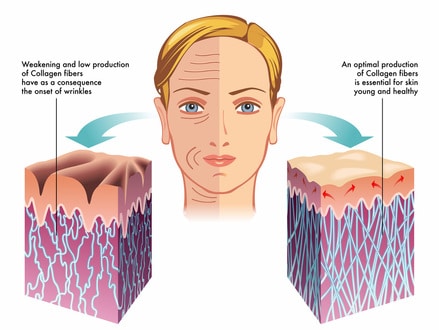
As a journalist who has spent years exploring the intricate workings of human biology, I find the study of collagen particularly compelling. This vital protein not only keeps our skin supple and youthful but also ensures that our joints operate smoothly and our bones remain robust. However, the natural aging process gradually diminishes our body’s collagen production, leading to visible signs of aging such as wrinkles, joint discomfort, and weakened bone density. So, what can we do to slow or counteract this decline?

Optimizing collagen production is essential, and I’m here to offer a wealth of practical advice on how to achieve this. My exploration has led me through a labyrinth of dietary research and lifestyle adjustments, helping me identify the most effective ways to naturally boost collagen levels. These strategies are not just about enhancing your skin’s appearance; they’re about fortifying your joints and improving your overall health. Whether you’re aiming to increase skin elasticity, strengthen your joints, or simply boost your general well-being, the insights I provide will guide you toward making informed choices that can make a significant difference.

Understanding Collagen Production

A deep dive into the intricacies of collagen production reveals key insights into maintaining youthful skin, robust joints, and strong bones. Recognizing the mechanisms behind collagen synthesis and its pivotal role in health narrates a compelling story of its necessity for vitality.

What Is Collagen?

Collagen stands as the most abundant protein in the human body, crucial for providing structure to the skin, bones, and connective tissues. Envision it as the scaffolding that holds everything together, ensuring elasticity and strength. Comprising amino acids like glycine, proline, hydroxyproline, and arginine, collagen fibers support, protect, and provide a framework for tissues and organs, including the dermis layer of the skin.

The Importance of Collagen for Health

Collagen proves indispensable for maintaining health and vitality. It plays a vital role in skin elasticity, reducing the appearance of wrinkles and promoting a youthful glow. Beyond the skin, collagen aids in joint flexibility, reducing the risk of stiffness and pain. Its structural benefits extend to bone density, enhancing strength and reducing the likelihood of fractures.

How the Body Produces Collagen

The body synthesizes collagen through a complex process involving specific amino acids and nutrients. Vitamin C, zinc, and copper serve as essential cofactors in collagen production, aiding in the conversion of amino acids into collagen proteins. The process unfolds in the fibroblasts, specialized cells within connective tissues. Here, amino acids weave together to form procollagen, which eventually matures into the sturdy, fibrous collagen essential for tissue strength and resilience.

Supplementing the diet with high-quality collagen peptides is essential to optimize this natural production process. A recent study published in Nutrients concluded: “Objective dermatological measurements, such as cutometry and corneometry, have proven that oral collagen peptides together with other dermonutrients significantly improve skin hydration, elasticity, roughness, and density after three months of intake. These tests thus verify the results obtained in previous trials.

This is why I choose a trusted, third-party tested supplement like Momentous Collagen Peptides. Momentous is Andrew Huberman’s company and I’ve trusted them for years (use code brainflow for 15% off). As a high-quality source of the key amino acids necessary for collagen synthesis, Momentous Collagen ensures the body has the building blocks required for robust collagen production. Incorporating this supplement into a daily routine supports the body’s collagen production, enhancing skin elasticity, joint flexibility, and bone strength, aligning with the goals for a healthier, more vibrant self. Check out the Tweet below from Dr. Andy Galpin, a well-known health podcaster with a PhD in Human Bioenergetics. This recent study unveiled evidence in HUMANS that directly correlates collagen peptide supplementation and improved collagen production and tendon strength.

Dr. Andy Galpin via Twitter

RELATED READING: This Harvard Scientist Reveals His Own Anti-Aging Supplement Stack

Factors That Affect Collagen Production

In my experience studying and optimizing skin health, I’ve identified several key factors that significantly influence collagen production. Understanding these can help in devising strategies to enhance collagen synthesis, which is crucial for maintaining skin elasticity, joint flexibility, and bone strength.

Age and Collagen Production

Age directly impacts collagen production in the body. As individuals age, their bodies produce less collagen, a phenomenon contributing to the development of wrinkles, decreased skin elasticity, and other aging signs. By the time people reach their 20s, collagen production declines by about 1% each year. This reduction in collagen leads to thinner, more fragile skin and can affect joint and bone health. Incorporating supplements like Momentous Collagen into the diet can combat these age-related declines. Momentous Collagen provides essential amino acids that support the body’s collagen synthesis, effectively helping to slow down the signs of aging by promoting skin hydration and elasticity.

Lifestyle Factors Influencing Collagen Levels

Lifestyle choices play a significant role in collagen levels and overall skin health. Factors such as smoking, excessive alcohol consumption, and poor dietary habits can accelerate collagen breakdown, whereas sun exposure increases collagen degradation through photoaging, particularly without protection. On the nutrition front, diets high in sugar and refined carbs can damage collagen, making it more susceptible to breakdown. Conversely, maintaining a balanced diet rich in vitamins and minerals, especially Vitamin C, zinc, and copper, supports collagen production. These nutrients act as cofactors in collagen synthesis, ensuring that the body can produce collagen effectively.

In addition to dietary adjustments, taking a specialized supplement like Momentous Collagen can significantly optimize collagen production. Its formulation is designed to provide the precise amino acids required for collagen synthesis, aiding in not just maintaining the collagen levels but potentially reversing some of the damage caused by poor lifestyle choices. By adjusting these lifestyle factors and supplementing with products designed to support collagen synthesis, individuals can take proactive steps toward improving their skin health and overall well-being.

RELATED READING: Dr. Andrew Huberman’s Diet: Foods, Time-Restricted Eating, & Supplements

Dietary Choices to Optimize Collagen Production

Optimizing collagen production is crucial for maintaining skin, joint, and bone health as we age. Including specific foods in our diet and incorporating supplements like Momentous Collagen Peptides can significantly contribute to this effort.

Best Foods for Boosting Collagen

To naturally boost collagen, integrating protein-rich foods, and sources of Vitamin C, zinc, and copper into my daily diet is essential. Here’s a list of foods I focus on for enhancing collagen synthesis:

  1. Bone Broth: A rich source of amino acids, bone broth supports collagen’s building blocks. (I use Bare Bones Instant Bone Broth Powder from Amazon to save money).
  2. Citrus Fruits: Oranges, lemons, and grapefruits provide Vitamin C, critical for collagen’s formation.
  3. Berries: Strawberries, raspberries, and blueberries are not only high in Vitamin C, but also antioxidants that protect skin from oxidative damage.
  4. Leafy Greens: Spinach and kale, for instance, are packed with Vitamin C and offer hyaluronic acid, promoting collagen’s moisture retention in the skin.
  5. Garlic: Contains sulfur, necessary for collagen synthesis while preventing its breakdown.
  6. Eggs: Provide amino acids and sulfur, facilitating collagen production.
  7. Nuts and Seeds: Almonds, chia seeds, and pumpkin seeds are excellent zinc sources, a mineral vital for collagen synthesis.

Besides focusing on these foods, I consistently include Momentous Collagen Peptides in my routine. This supplement not only ensures I get a concentrated dose of the amino acids required for collagen production but also supports my overall health and complements my efforts to maintain a collagen-boosting diet.

Incorporating these dietary choices has been foundational in my strategy to optimize collagen production. Adjustments such as these, combined with a consistent intake of Momentous Collagen, have made a noticeable difference in my skin’s health and elasticity, reflecting the internal benefits of these external changes.

RELATED READING: The Complete Guide to Andrew Huberman’s Supplement Stack

Foods to Avoid

Directly following strategies to enhance collagen through diet and supplementation, like incorporating Momentous Collagen, awareness of foods that negatively impact collagen synthesis proves equally critical. Balancing my intake with both proactive steps and cautious avoidance helps maintain optimal collagen levels, contributing to better skin, joint, and bone health. Identifying and limiting foods that can hinder collagen production ensures the efficacy of beneficial nutrients and supplements.

Sugar and Refined Carbs

Studies show sugar to have a detrimental effect on aging. Eliminating sugar and refined carbohydrates marks a significant step in protecting collagen fibers. I’ve learned that sugar interferes with collagen’s ability to repair itself, leading to premature aging and decreased elasticity. Foods like cakes, cookies, and other sweet treats, along with white bread and pasta, have a notable effect on the body’s natural collagen synthesis.

Processed Meats

Processed meats, including sausages, bacon, and deli slices, contain high levels of sulfites and other additives that can break down collagen and elastin over time. Minimizing consumption of these items supports the structural integrity of collagen in the body.

Fried Foods

I avoid fried foods not only for their cardiovascular health risks but also because the high heat and oils used in frying can damage collagen. Foods like french fries, fried chicken, and doughnuts when consumed frequently, can contribute to collagen breakdown, counteracting my efforts to support collagen production through diet and supplements like Momentous Collagen.

Alcohol

Reducing alcohol intake plays a crucial role in collagen optimization. Alcohol can lead to dehydration, negatively affecting the skin’s elasticity and overall health. Keeping alcohol consumption to a minimum helps maintain healthy collagen levels and complements the benefits received from supplements and a nutritious diet.

Incorporating Momentous Collagen Peptides into my routine, alongside dietary adjustments to include beneficial foods while avoiding these harmful ones, significantly enhances my body’s collagen production and quality. This balanced approach ensures the effectiveness of my efforts to maintain and improve collagen synthesis, reflecting positively on my skin, joints, and overall well-being.

RELATED READING: Andrew Huberman’s Raises NAD Levels With These Supplements

The Role of Hydration in Collagen Production

Hydration holds a pivotal role in optimizing collagen production, a lesson I’ve learned and integrated into my daily wellness routine. Acknowledging the significance of staying well-hydrated has greatly enhanced my skin and substantially bolstered the health of my joints and bones.

Below, I delve into how hydration complements collagen synthesis and how incorporating Momentous Collagen Peptides(or any other reputable collagen supplement) can further enhance these benefits.

Understanding the Importance of Water for Collagen

Maintaining a well-hydrated body ensures that the amino acids necessary for collagen production can travel smoothly through the bloodstream and reach the cells where collagen synthesis happens. I make it a priority to drink at least eight glasses of water daily. This practice helps to keep my cells hydrated, facilitating the optimal environment for collagen creation. The hydration also aids in the detoxification process, removing substances that might inhibit collagen production.

Integrating Momentous Collagen for Enhanced Results

Adding Momentous Collagen Peptides to my morning tea has been a game-changer in maximizing my collagen production. This supplement not only provides a high-quality source of the amino acids required for collagen synthesis but also benefits greatly from being taken with sufficient hydration. I’ve observed that combining my hydration efforts with daily servings of a collagen peptide supplement noticeably amplifies the plumpness and elasticity of my skin, attributes directly linked to enhanced collagen levels. You can use any collagen peptide supplement, just ensure they have a high-quality source of amino acids and are third-party tested. You can use code ‘brainflow’ for 15% off Momentous Collagen Peptides for my favorite collagen peptide supplement. Trust me, you won’t regret it.

Practical Tips to Stay Hydrated

To ensure I remained adequately hydrated throughout the day, I’ve adopted several strategies:

  • Carrying a Water Bottle: Always having a water bottle at hand encourages me to drink consistently, rather than in bursts. (I always keep a Hydro Flask on me. I find it easier to drink water when it’s ice cold and refreshing).
  • Setting Reminders: I use reminders on my phone to take sips of water, ensuring I don’t forget amid a busy schedule.
  • Incorporating Hydrating Foods: Foods with high water content, such as cucumbers, strawberries, and watermelon, regularly feature in my meals, providing additional hydration.
  • Monitoring: Keeping an eye on the color of my urine serves as a quick hydration status check, aiming for a light straw color.

Following these steps rigorously, especially when integrating Momentous Collagen Peptides into my daily routine, I’ve realized optimal collagen production is achievable. Proper hydration not only supports the synthesis of collagen but also enhances the absorption and efficacy of collagen supplements, offering a synergetic approach to maintaining youthfulness and vitality.

RELATED READING: 7 Key Longevity Tips from Dr. David Sinclair

Supplements to Enhance Collagen Production

Integrating the right supplements into your diet can significantly bolster collagen synthesis, leading to enhanced skin, joint, and bone health. A high-quality collagen peptide supplement plays a pivotal role in optimizing collagen production, ensuring your body gets a potent boost to counteract the natural decline due to aging.

Types of Collagen Supplements

Collagen supplements come in various forms, including powders, capsules, and liquids, each designed to support your body’s collagen synthesis effectively. Powders like Momentous Collagen Peptides dissolve easily in liquids, making them a convenient addition to morning smoothies, tea, or coffee. I mix mine in my morning tea or coffee and can’t taste it at all.

Capsules offer a straightforward, no-prep option for those with a busy lifestyle. Liquid collagen, on the other hand, is suitable for those who prefer ready-to-consume supplements (Momentous is one of the only companies offering Collagen Shots). Opting for hydrolyzed collagen, a form that’s been broken down into easily digestible peptides, maximizes absorption, ensuring your body reaps all the benefits for skin elasticity, joint mobility, and bone density.

Benefits of Hyaluronic Acid

Hyaluronic acid, a naturally occurring substance in the skin, works wonders in retaining moisture. When paired with collagen supplements, hyaluronic acid amplifies hydration levels, significantly improving skin plumpness and reducing the appearance of fine lines and wrinkles. Its ability to hold up to 1000 times its weight in water underscores its critical role in maintaining skin hydration and elasticity. Incorporating hyaluronic acid supplements or skincare products into your routine supports collagen’s efforts to restore youthful, vibrant skin.

The Importance of Vitamin Supplements

Vitamins play a crucial role in collagen production, with Vitamin C and Zinc leading the charge. Vitamin C is not just an antioxidant; it acts as a co-factor in collagen synthesis, essential for stabilizing and cross-linking collagen molecules. Zinc serves as a catalyst in the collagen-building process and protects against collagen degradation. Integrating a Vitamin C supplement and ensuring adequate zinc intake through diet or supplements can significantly enhance the body’s natural collagen production. Pairing these vitamins with Momentous Collagen supplements potentiates their efficacy, providing a solid foundation for revitalizing aging skin, strengthening joints, and maintaining overall health.

RELATED READING: Tim Ferriss Reveals His Supplement List

Skincare Practices for Collagen Optimization

Maximizing collagen production goes beyond dietary adjustments and supplements; it involves comprehensive skincare practices tailored to preserve the skin’s elasticity and vigor. Among these practices, sun protection measures stand out as pivotal in collagen optimization.

Sun Protection Measures

Protecting the skin from harmful UV rays is crucial for preserving collagen levels. Excessive sun exposure degrades collagen rapidly, leading to premature aging and decreased skin elasticity. Just take a look at the picture above of the truck driver who had immense sun damage on the side of his face exposed to the sun. Implementing sun protection measures forms a protective barrier, safeguarding the skin against UV-related collagen breakdown. I make it a point to use broad-spectrum sunscreen such as Neutrogena Sport Face Broad Spectrum with an SPF of 30 or higher, applying it generously on all exposed areas of the skin. Reapplication every two hours ensures continuous protection, especially during peak sun exposure times between 10 AM and 4 PM.

In addition to sunscreen, wearing protective clothing such as hats, sunglasses, and long-sleeved garments enhances UV protection, minimizing direct sun exposure on the skin. Seeking shade whenever possible further reduces the risk of collagen degradation due to UV rays.

Integrating sun protection measures with the regular intake of a collagen supplement amplifies collagen optimization efforts. Momentous Collagen Peptides, by providing essential amino acids, support skin’s structural integrity from within. This synergistic approach combines external protection with internal nourishment, optimizing collagen levels for healthier, more resilient skin.

Adopting these sun protection strategies not only prevents collagen loss but also complements the beneficial effects of collagen supplements, like Momentous Collagen, in maintaining skin elasticity and hydration. Together, these practices form a comprehensive regimen for optimal collagen production and skin health.

Gentle Skin Care Routines

After covering the importance of diet, hydration, and collagen peptide supplements for boosting collagen production, it’s crucial to address external practices. Gentle skin care routines play a pivotal role in maintaining and optimizing collagen levels in the skin. I follow specific steps to ensure my routine supports my skin’s health without compromising its natural collagen production.

Cleanse Gently

Choosing a gentle cleanser is the first step in my skincare routine. Harsh soaps strip the skin of its natural oils, leading to irritation and potentially harming collagen levels. I opt for sulfate-free cleansers that remove dirt and makeup without leaving my skin feeling tight or dry. This ensures I maintain the optimal environment for collagen production. For this, I use La Roche-Posay Cleanser with Niacinamide and Ceramides.

Apply Sunscreen Daily

UV exposure significantly contributes to collagen breakdown, leading to premature aging. Applying a broad-spectrum sunscreen with at least SPF 30 every day, even when it’s cloudy, protects my skin from UV damage. Integrating this step amplifies my efforts in preserving and boosting collagen levels for stronger, more resilient skin.

Incorporate Anti-Aging Serums

Serums rich in antioxidants, like vitamin C, support collagen production and offer protection against environmental damage. I use a serum containing vitamin C every morning before moisturizing (I use Vitamin C Serum from Amazon). Its antioxidant properties not only boost collagen synthesis but also ensure my skin remains hydrated and luminous.

Moisturize Appropriately

A moisturizer that complements my skin type seals in hydration, contributing to skin elasticity and supporting its natural collagen structure. I choose moisturizers that contain hyaluronic acid, like Neutrogena Hydro Boost, to boost skin hydration and retain moisture. This is crucial for both producing and preserving collagen.

Use Retinoids

Retinoids stimulate collagen production, making them a powerful addition to my nighttime routine. Studies demonstrated that retinol inhibits UV induction of MMP and stimulates collagen synthesis in photoaged skin. Starting with a low concentration and gradually increasing allows my skin to adjust without irritation. This practice significantly improves skin texture and reduces signs of aging. For a retinoid, I use this product on Amazon.

Be Gentle

Throughout all these steps, I ensure to treat my skin gently. Vigorous rubbing can cause damage and degrade collagen. Instead, I apply products with light, upward strokes to encourage circulation and support collagen synthesis.

Topical Treatments That Boost Collagen

Continuing to build on the foundation of diet, hydration, and supplements like Momentous Collagen, let’s explore effective topical treatments for collagen optimization. These applications work in tandem with Momentous Collagen to ensure a comprehensive approach towards enhancing collagen production from both inside and out.

Lifestyle Changes to Promote Collagen Production

Optimizing collagen production goes beyond diet and supplements. Implementing key lifestyle changes enhances the body’s natural ability to maintain and increase collagen levels. Incorporation of quality sleep routines and regular exercise, alongside taking Momentous Collagen, can significantly boost collagen synthesis, supporting skin health and overall well-being.

The Impact of Sleep on Collagen Production

Adequate sleep plays a crucial role in collagen production. Several studies of prolonged sleep deprivation suggest a break in skin barrier function and mucous membranes. During sleep, the body enters a state of repair, initiating processes that rejuvenate skin, joints, and bones. Eight to nine hours of quality sleep nightly ensure optimal collagen synthesis. This rest period allows the skin to recover from daily stressors, including UV exposure and pollution, which can degrade collagen fibers. Incorporating Momentous Collagen into the evening routine maximizes the body’s overnight rejuvenation process, leveraging sleep as a powerful tool for enhancing collagen levels and skin elasticity.

Exercise and Collagen Synthesis

Regular exercise significantly influences collagen synthesis in the body. Activities like resistance training and high-impact exercises stimulate collagen production by increasing blood flow and creating a demand for tissue repair and strengthening. Beyond its immediate benefits for muscle and joint health, consistent exercise contributes to skin firmness and resilience by promoting collagen density. Engaging in 30 minutes of moderate to high-intensity exercise 5 times a week not only benefits overall health but also supports collagen synthesis. I incorporate collagen peptides into my protein shake as part of a post-workout routine that provides the essential amino acids necessary for collagen production, ensuring the body has the building blocks required to support collagen synthesis stimulated by physical activity.

Stress Reduction Techniques

Incorporating stress reduction techniques into my daily routine plays a pivotal role in optimizing collagen production. One study suggests that chronic stress can cause long-term imbalances between pro-inflammatory and anti-inflammatory molecules. Similar to the effects of elevated cortisol, persistent increases in inflammatory molecules can damage collagen. Additionally, molecules like IL1-beta and TNF-alpha impair the body’s capacity to synthesize new collagen. Understanding the direct link between stress and decreased collagen synthesis highlights the importance of managing stress levels for improved skin health and overall well-being.

Practice Mindful Meditation

Practicing mindful meditation daily ensures a significant reduction in stress, which in turn supports the body’s ability to produce collagen. As little as 10 minutes of meditation each day can lower cortisol levels, enabling the body to focus its resources on rejuvenating processes like collagen production.

Engage in Regular Physical Activity

Engaging in regular physical activity, such as yoga or brisk walking, not only improves blood circulation but also aids in stress reduction. Enhanced blood flow ensures that nutrients necessary for collagen production, including those provided by supplements like Momentous Collagen, are efficiently delivered to skin cells.

Prioritize Quality Sleep

Prioritizing quality sleep, aiming for 8 to 9 hours per night, directly impacts collagen synthesis. Sleep deprivation elevates cortisol levels, undermining collagen production. Establishing a consistent sleep routine enables the body to enter deeper sleep phases, optimizing the natural regeneration processes that bolster collagen synthesis.

Incorporate Relaxation Activities

Incorporating relaxation activities into my schedule, such as reading, soaking in a warm bath, or practicing breathing exercises, effectively lowers stress levels. These calming activities not only enhance my mental health but also create a conducive environment for the body to produce collagen.

Medical and Cosmetic Procedures

Exploring medical and cosmetic procedures complements dietary and lifestyle strategies, enhancing collagen production significantly. These treatments directly stimulate the skin’s natural processes, leading to improved texture and firmness. Incorporating Momentous Collagen into daily routines further optimizes these results by supplying the body with essential amino acids necessary for collagen synthesis.

Laser Therapies

Laser therapies stand out as a potent method for boosting collagen production according to studies. These treatments target the deeper layers of skin, prompting the body to produce more collagen in response to the thermal injury caused by the laser. The result? Smoother, firmer skin with reduced signs of aging. For optimal recovery and results post-laser therapy, be sure to take some extra collagen supplements. For example, Momentous Collagen Peptides’ superior absorption properties ensure that the body receives the building blocks needed to maximize the skin’s rejuvenation process.

Microneedling

Microneedling is a minimally invasive technique that I have found to be highly effective in boosting collagen production. The procedure involves using a specialized device, often a dermaroller (you can get one on Amazon for less than 10 bucks), which is equipped with many tiny, fine needles. These needles gently puncture the top layer of the skin, creating micro-injuries that trigger the body’s natural healing processes. As the skin repairs itself, it ramps up the production of collagen and elastin, key components that give the skin its plump and youthful appearance.

In my experience, the process begins with cleaning the skin thoroughly to prevent any infection. A numbing cream may be applied beforehand to reduce discomfort, which is especially helpful for more sensitive areas or deeper treatments. The microneedling device is then rolled across the target areas in a controlled and precise manner, ensuring even coverage.

Immediately after microneedling, the skin tends to look slightly red and may feel a bit tender, similar to a mild sunburn. This is normal and usually subsides within a few days. Post-treatment care is crucial and includes keeping the skin clean, moisturized, and protected from the sun. Hydrating serums and soothing creams are often recommended to enhance the healing process and boost the results.

Overall, the aftermath of regular microneedling sessions is a plumper, more youthful complexion. The improvements in skin texture and tone can be quite impressive, making it a worthwhile addition to a skincare regimen, especially for those targeting signs of aging or scar reduction.

Troubleshooting Common Issues

In the journey to enhance collagen production, several common issues may arise. My aim here is to guide you through addressing these problems effectively, ensuring the steps you take toward healthier skin, joints, and bone well-being are impactful.

Addressing Slow Collagen Production

Improving slow collagen production begins with evaluating lifestyle choices and incorporating specific nutrients into your diet. Taking a collagen supplement daily can significantly optimize the body’s collagen synthesis. This practice, combined with a diet rich in Vitamin C, hyaluronic acid, and Zinc, creates an ideal environment for collagen production. Foods like oranges, strawberries, bell peppers, and tomatoes, alongside nuts and seeds, are excellent sources. Ensuring adequate hydration is another key factor, as it supports overall cellular health, crucial for collagen synthesis.

Combatting Factors That Break Down Collagen

Several environmental and lifestyle factors contribute to the breakdown of collagen, including excessive sun exposure, smoking, high sugar consumption, and pollution. Minimizing these factors is crucial for protecting your body’s collagen levels. Applying broad-spectrum sunscreen daily protects the skin from UV damage, while quitting smoking can halt the significant collagen breakdown associated with tobacco use. Additionally, reducing sugar intake and protecting your skin from pollution with antioxidants, such as those found in green tea or blueberries, help maintain collagen integrity. I also recommend continuing to take Momentous Collagen to replenish any collagen that’s broken down, ensuring your efforts in combatting these factors are bolstered.

When to Consult a Professional

While the strategies I’ve outlined provide a foundational approach to optimizing collagen production, certain conditions or persistent issues may require professional intervention. If noticing a lack of improvement in skin, joint, or bone health after implementing these strategies, consulting a healthcare professional or dermatologist is advisable. Medical professionals can offer personalized advice and treatments, such as prescription-strength creams or in-office procedures, to target specific concerns more effectively.

Tips for Long-Term Collagen Retention

Achieving long-term collagen retention requires a multifaceted approach encompassing diet, lifestyle, and skincare. In this section, I’ll share strategies for protecting and enhancing collagen in the body as part of a holistic approach to health and well-being.

Protecting Collagen As You Age

Preserving collagen becomes more challenging with age, but incorporating proactive measures can significantly mitigate this decline. Key strategies include:

  1. Sun Protection: Apply broad-spectrum sunscreen every day, even when it’s cloudy, to shield the skin from harmful UV rays that degrade collagen.
  2. Antioxidant Intake: Consume foods rich in antioxidants, like berries, nuts, and green leafy vegetables, to combat free radicals that damage collagen.
  3. Avoid Smoking: Eliminate tobacco products, as smoking accelerates collagen breakdown, leading to premature aging.
  4. Gentle Skincare: Choose skincare products that support collagen health, avoiding harsh chemicals that can strip the skin of its natural collagen.
  5. Regular Exercise: Engage in activities that promote circulation, such as yoga or brisk walking, to enhance collagen production naturally.

Incorporating these practices into daily life can protect collagen from external and internal factors that accelerate its degradation over time.

Integrating Collagen Optimization Into Daily Life

Optimizing collagen production and retention is not solely about topical treatments; it encompasses dietary and lifestyle adaptations that support overall health. Follow these guidelines to enhance collagen in your daily routine:

  1. Collagen-Rich Diet: Incorporate foods high in collagen, such as bone broth and fish, as well as those that promote collagen synthesis, like citrus fruits and leafy greens.
  2. Supplementation: Taking Momentous Collagen provides the necessary amino acids for collagen production, supporting skin, joint, and bone health.
  3. Hydration: Drink plenty of water throughout the day to maintain optimal hydration levels, crucial for maintaining collagen’s structural integrity.
  4. Stress Management: Adopt stress-reduction techniques, such as meditation or deep breathing exercises, since stress can impede collagen production.
  5. Sleep Quality: Ensure adequate sleep, aiming for 7-9 hours per night, as the body repairs and regenerates collagen during rest.

Implementing these steps into daily life not only supports collagen retention but also promotes a healthier, more vibrant lifestyle.

Final Thoughts

Optimizing collagen production isn’t just about adding a supplement to your routine; it’s about embracing a holistic approach to your health. By focusing on a balanced diet rich in collagen-boosting nutrients, staying well-hydrated, taking a high-quality collagen peptide supplement such as Momentous Collagen Peptides (code ‘brainflow’ for 15% off), and adopting lifestyle habits that protect and enhance collagen, you’re setting the stage for vibrant skin, strong joints, and healthy bones. Remember, the key is consistency. Integrating these practices into your daily life will not only improve your collagen levels but also contribute to your overall well-being. So here’s to a healthier, more radiant you—inside and out.

Boost Your Well-being with Andrew Huberman’s Morning Sunlight Tips

I’ve always been fascinated by the simple yet profound impact of daily habits on our overall well-being. One habit that’s caught my attention lately is the practice of soaking in morning sunlight, a concept popularized by neuroscientist Andrew Huberman. His insights into how early exposure to sunlight can significantly influence our mental and physical health have been nothing short of a revelation.

Huberman’s research delves into the science behind why morning sunlight is so beneficial, and I’ve been eager to share what I’ve learned. It’s not just about getting your daily dose of Vitamin D; it’s about setting your internal clock, boosting your mood, and enhancing your energy levels for the day ahead. Let’s dive into the illuminating world of morning sunlight and uncover the science that makes it a game-changer for our health.

Key Takeaways

  • Exposure to morning sunlight plays a crucial role in synchronizing our circadian rhythm, leading to improved sleep quality and easier wakefulness.
  • Morning sunlight exposure boosts mood by increasing serotonin production, enhancing overall well-being and positivity.
  • Engaging with early sunlight enhances energy levels throughout the day by regulating melatonin production and promoting vitamin D synthesis.
  • Implementing morning sunlight into daily routines can be simple, involving activities like opening curtains at sunrise, enjoying outdoor morning coffee, or taking a short walk.
  • Making morning sunlight a consistent part of the daily routine can yield transformative benefits for personal well-being, highlighting the importance of aligning our lifestyles with natural environmental cues.

The Benefits of Morning Sunlight

In my journey to understand how simple daily habits can profoundly affect our well-being, I’ve discovered the pivotal role of morning sunlight. Drawing on Andrew Huberman’s podcast on sunlight, it’s clear that starting the day with sunlight exposure isn’t just a refreshing routine but a science-backed strategy to enhance our physical and mental health.

First, let’s talk about how morning sunlight sets our internal clock. Our bodies operate on a circadian rhythm, a 24-hour internal clock that influences our sleep, wakefulness, and various biological processes. Exposure to natural light in the morning helps synchronize this rhythm, making it easier to wake up and feel alert. Moreover, it improves sleep quality by signaling to our bodies when it’s time to produce sleep hormones like melatonin.

Beyond sleep, soaking in morning sunlight has been linked to a noticeable boost in mood. This isn’t just a placebo effect; sunlight kickstarts our serotonin production, often dubbed the happiness hormone. On days when I make it a point to get my dose of morning sun, I genuinely feel more positive and energetic.

Energy levels see a significant upturn with regular morning sunlight exposure. This is partly because sunlight helps suppress the production of melatonin during the day, which in turn, makes us feel more awake and vigorous. It’s fascinating how something as simple as sunlight can recalibrate our energy throughout the day.

Benefit Description
Synchronizes Circadian Rhythm Enhances sleep quality by setting our internal biological clock.
Boosts Mood Increases serotonin production, improving overall mood and well-being.
Enhances Energy Levels Suppresses melatonin during the day, leading to improved alertness and vitality.

Understanding these benefits has made morning sunlight exposure an indispensable part of my daily routine. It’s a natural, effortless way to enhance various aspects of health, grounded in the solid science of how our bodies interact with light.

RELATED READING: Andrew Huberman’s Complete Supplement List

Setting Your Internal Clock

As I’ve delved deeper into the benefits of morning sunlight on our well-being, I’ve come to understand its pivotal role in regulating our internal clock. This concept, also known as the circadian rhythm, is essentially our body’s natural way of signaling when it’s time to wake up and when it’s time to hit the sack. According to Andrew Huberman, exposure to sunlight early in the morning can significantly anchor our circadian rhythm, ensuring that our body understands precisely when to alert us for the day ahead and when to wind down.

But it’s not just about waking up more alert or getting to sleep more readily. The timing and quality of this light exposure matter greatly. Huberman suggests that ideally, we should aim to soak in that golden hour light—within the first hour after sunrise. I’ve personally found that making this a part of my morning routine not only sets my day on the right path but also improves the quality of my sleep at night.

Let’s break down why this timing is so critical:

  • Intensity of sunlight is optimal during the morning.
  • Angle and spectrum of light help in precisely setting our circadian clock.

Incorporating this practice has more than just one or two benefits. It’s about laying the groundwork for a healthier lifestyle overall. Some tips to maximize morning light exposure include:

  • Opening your curtains as soon as you wake up.
  • Enjoying your morning coffee outside.
  • Taking a short walk in the mornings.

Implementing these small changes has not only synchronized my internal clock but also has me feeling more energized and focused throughout the day. It’s fascinating how something as simple as the morning sun can dramatically influence our health and daily functioning.

RELATED READING: How Andrew Huberman Increases NAD Levels

Boosting Mood and Energy Levels

One profound benefit of adhering to Andrew Huberman’s advice on morning sunlight exposure is its undeniable impact on boosting mood and energy levels. Through my own experimentation and consolidation of assorted studies and insights, it’s apparent that morning sunlight can significantly enhance both psychological and physiological states. Let me walk you through how this works.

Sunlight, particularly in the morning, plays a critical role in serotonin production. Serotonin is often dubbed the feel-good hormone, influencing mood, appetite, and sleep. Adequate sunlight exposure helps maintain optimal serotonin levels, providing a natural mood lifter. This isn’t just anecdotal; numerous studies support the positive correlation between sunlight exposure and serotonin synthesis.

Furthermore, morning sunlight exposure triggers the production of vitamin D in the body. While well-known for its role in bone health, vitamin D is equally essential for energy metabolism and muscle function.

When exposed to ultraviolet-B radiation from the sun, the human skin synthesizes vitamin D. A study published in 2008 indicates that within a half-hour period of sun exposure in a swimsuit, individuals produce vitamin D at varying levels based on their skin tone:

  • Caucasian individuals generate approximately 50,000 international units (IUs).
  • Tanned individuals produce about 20,000 to 30,000 IUs.
  • Those with dark skin create around 8,000 to 10,000 IUs.

I’ve noticed a tangible improvement in my energy levels by ensuring I get my daily dose of morning sun. This isn’t surprising, considering the vitamin’s pivotal role in energy production.

Benefit Effect on Body
Serotonin Production Enhanced Mood
Vitamin D Synthesis Improved Energy and Muscle Function

To optimize my morning sunlight exposure, I’ve adopted simple yet effective habits. Walking my dog early in the morning or choosing outdoor spots for my first coffee has not only become a delightful start to my day but also a cornerstone in managing my energy and mood. The nuances of these practices ensure that I’m exposed to the right light intensity and spectrum, crucial for reaping the full benefits.

In essence, embracing morning sunlight through strategic routines significantly contributes to elevated mood and energy levels. The science behind this practice illuminates its importance, turning routine morning activities into powerful tools for enhancing well-being. As I integrate these insights into my daily life, the benefits continue to unfold, showcasing the profound impact of aligning our lifestyles with our natural environment.

RELATED READING: Dr. David Sinclair’s Anti-Aging Supplement Stack

The Science Behind Morning Sunlight

Diving deeper into the mechanisms that make morning sunlight so beneficial, it’s clear the science is compelling. Neuroscientist Andrew Huberman has shed significant light on how early exposure to sunlight directly impacts our neurological and physiological well-being. I’ve pored over his insights and coupled them with peer-reviewed research to understand why this simple practice is transformative.

Firstly, morning sunlight regulates our circadian rhythms. These internal clocks guide our sleep-wake cycles, hunger, and hormone release, crucial for overall health. By exposing ourselves to natural light early in the day, we’re essentially telling our bodies to wake up and kickstart the day’s processes. This alignment with the natural environment improves sleep quality and mood, setting a positive tone for the entire day.

Moreover, the production of serotonin, often dubbed the ‘happiness hormone,’ is directly influenced by sunlight. This neurotransmitter plays a pivotal role in mood regulation, and its levels can significantly affect how we feel. Engaging with morning sunlight increases serotonin production, fostering a sense of well-being and vitality. Here’s a quick glance at the benefits:

Benefit Description
Improved Mood Enhanced serotonin leads to a more positive mood.
Better Sleep Regulated circadian rhythms promote quality sleep.
Increased Energy Sunlight triggers vitamin D and energy metabolism.

Incorporating morning sunlight into my daily routine has not just been about embracing a healthier lifestyle. It’s been a journey of understanding how closely intertwined we are with the natural elements around us.

As I’ve adapted to seek out the morning sun, whether it’s through a simple walk or just sitting by the window with my morning coffee, I’ve noticed a profound shift in my energy levels and overall mood. The science doesn’t just suggest it; I’ve lived the evidence. And the beauty of it all lies in its simplicity—no fancy equipment or complicated routines needed, just the sun rising every morning, waiting to improve our well-being.

Implementing Morning Sunlight into Your Routine

When I started integrating morning sunlight into my daily schedule, I wasn’t just adopting a new habit; I was embracing a transformative lifestyle change inspired by neuroscientist Andrew Huberman. The key lies in making it a natural and enjoyable part of your day. Here’s how I’ve managed to do it, and maybe these tips can help you too.

First, I made a conscious decision to wake up earlier to catch the sunrise. This might sound daunting, especially if you’re not a morning person, but the benefits far outweigh the initial struggle. It’s all about gradually adjusting your wake-up time; even waking 15 minutes earlier each day can make a significant difference.

Next, I incorporated outdoor activities into my morning routine. Whether it’s a brisk walk, a jog, or just enjoying my morning coffee on the balcony, being outdoors as the sun comes up is invigorating. It’s not just about exercise; it’s about connecting with nature and grounding yourself for the day ahead.

To make this habit stick, I found it helpful to create a routine that I look forward to. On days when the weather isn’t cooperating, I open all curtains and windows to let in as much natural light as possible. It’s astonishing how this simple act can brighten your mood and energize your spirit.

For those living in areas with limited sunlight, especially during winter months, considering light therapy lamps is a beneficial alternative. These lamps mimic natural sunlight and can be a great supplement to your morning routine, ensuring you get the necessary exposure to regulate your circadian rhythm and boost your mood.

By dedicating myself to these practices, I’ve noticed a remarkable improvement in my energy levels and overall well-being. It’s a testament to the profound impact that a few minutes of morning sunlight can have on our health.

RELATED READING: Andrew Huberman’s Optimal Morning Routine

Final Thoughts

Adopting the habit of soaking in morning sunlight has transformed my daily routine significantly. Inspired by Andrew Huberman’s insights, I’ve realized the profound impact this simple change can make on one’s energy and well-being. Whether it’s opening my curtains wide on a cloudy day or stepping outside to greet the sunrise, each action brings me closer to a more balanced and energized self.

For those struggling with getting enough natural light, considering a light therapy lamp could be a game-changer. It’s clear that incorporating morning sunlight into our lives isn’t just about enjoying a beautiful sunrise—it’s about nurturing our mental and physical health in a deeply meaningful way.

Maximizing Benefits: Andrew Huberman’s Tongkat Ali Guide

Regarding wellness and biohacking, few names hold weight like Andrew Huberman. As a neuroscientist and professor at Stanford University, Dr. Huberman has aroused widespread interest with his deep dives into how we can optimize our health and performance. Recently, he has cast the spotlight on Tongkat Ali supplements.

Tongkat Ali, an herbal supplement derived from Southeast Asian plants, has recently made headlines due to its potential benefits in energy levels, stress relief, and hormone balance. After Huberman highlighted its uses, I was amazed at its rapid rise in popularity. Let’s investigate why Tongkat Ali is garnering so much interest and how this could become part of your daily supplement routine.

Key Takeaways

  • Huberman takes 400mg of Tongkat Ali in the morning due to its slight stimulant effect. His bloodwork suggests it caused an increase in free testosterone.
  • Tongkat Ali is praised for its numerous health benefits, including boosting energy levels, promoting hormonal balance, reducing stress, and aiding muscle strength and body composition. Its adaptogenic properties also enhance the body’s stress resilience.
  • Following Andrew Huberman’s advice, it’s crucial to start with a lower dosage of Tongkat Ali and gradually increase it to find the optimal level. Huberman does not cycle Tongkat Ali.

Introduction to Tongkat Ali

As soon as I learned of Tongkat Ali, an herbal remedy from Southeast Asia known as Eurycoma Longifolia, my interest was immediately aroused. Recently turning 40 and finding that my daily grind was leaving me depleted, finding natural ways to maintain vitality was becoming increasingly essential for me.

Diving into the specifics of Andrew Huberman’s Tongkat Ali dosage and usage recommendations, it’s clear that his approach is both scientific and thoughtful, emphasizing consistency and gradually building up your dose to maximize benefits while mitigating side effects. In a Huberman Lab podcast episode with Dr. Kyle Gillett, he states he takes 400mg of Tongkat Ali per day and doesn’t cycle it. According to Kyle Gillett, Tongkat helps with the conversion of multiple key steps where you synthesize testosterone.

Huberman has been taking Tongkat Ali for years saying, “I take 400mg of Tongkat Ali per day. I take it early in the day because it has a bit of a stimulant effect… I’ve been taking it for years and rather like the effects. It seems subtle, yet consistent.. I’ve never cycled it.” Huberman then goes on to ask Dr. Gillett if he recommends cycling it, to which he replies he doesn’t recommend it. Kyle Gillett is a board-certified endocrinologist, so I’m going to go with his advice.

RELATED READING: Andrew Huberman’s Complete Daily Supplement List

Benefits of Tongkat Ali

When I first heard of Tongkat Ali, I was impressed with its potential ability to increase testosterone; a claim often made by supplements that never rings true. But with Tongkat Ali, I was intrigued. Its broad spectrum of advantages ties directly into why it’s received such esteemed recommendations. Let me take you through the key benefits that have not only caught my attention but have also led to widespread acclaim.

First and foremost, Tongkat Ali is renowned for its energy-boosting properties. In a world where fatigue seems almost ubiquitous, finding a natural aid that can elevate one’s energy levels without the harsh side effects of synthetic stimulants is invaluable. Huberman’s insight into its efficacy is backed by research and personal observations, pointing to its significant impact on vitality.

Moreover, increasing testosterone and boosting male fertility is another area where Tongkat Ali shines. It’s especially beneficial for those experiencing the effects of hormonal fluctuations, whether due to aging, stress, or other factors. Tongkat Ali’s ability to increase testosterone in men with low levels of this primary sex hormone is well documented. A groundbreaking 1-month study in 76 older men with low testosterone found that taking 200 mg of tongkat ali extract per day significantly increased levels of testosterone to normal values in over 90% of participants.

What’s even more fascinating is how this natural supplement can aid in managing cortisol levels, thus reducing stress. This aspect aligns with Andrew Huberman’s emphasis on the importance of managing stress for overall well-being. A study done in 1999 first identified the possible role of this Tongkat in treating mood issues, finding that Tongkat Ali extract was comparable to a common anti-anxiety medication in reducing symptoms of anxiety in mice. Since then, similar effects have been seen in humans, with users reporting significantly less stress, anger, and tension after taking Tongkat Ali.

Furthermore, its impact on muscle strength and body composition has also been noted. A small, 5-week study found that 14 men participating in a strength training program and taking 100 mg of Tongkat Ali per day experienced significantly greater increases in lean body mass than those taking a placebo. For those of us echoing the quest for a fitter physique and improved physical performance, Tongkat Ali offers a promising avenue. By enhancing testosterone levels naturally, it supports muscle growth and recovery, thus amplifying the results of our workout efforts without having to hop on TRT.

Tongkat Ali’s appeal is bolstered by its adaptogenic properties, aiding the body’s resilience against various stresses. It’s this comprehensive impact on health – from energy to stress relief, hormonal balance, and physical fitness – that underscores its value in my daily routine and why it’s garnered such notable recommendations.

RELATED READING: Andrew Huberman’s Protocol to Increase NAD Levels

Incorporating Tongkat Ali into Your Routine

Following Andrew Huberman’s insights, I’ve found integrating Tongkat Ali into my daily regimen to be both fascinating and beneficial. To start with, following Andrew Huberman’s Tongkat Ali dosage recommendation, I began with a lower dosage around 200 mg. It’s essential, as jumping straight into higher doses can lead to unwanted side effects. Gradually increasing the dosage allowed my body to adapt seamlessly and helped me identify the optimal level that provided the benefits without any issues.

While some have suggested cycling Tongkat Ali—taking it for a certain period, then taking a break—Huberman does not cycle Tongkat Ali. This was backed up by Dr. Kyle Gillett as well, who did not deem cycling necessary.

Incorporating Tongkat Ali into my routine also involved a broader lifestyle consideration. A balanced diet, regular exercise, and adequate sleep are cornerstone habits that I believe amplify the effects of Tongkat Ali. It’s not just about taking a supplement; it’s about fostering an environment where its benefits can be maximized.

Lastly, it’s vital to listen to your body throughout the process. Adjusting the dosage or cycle based on how you feel can lead to more personalized and effective use of Tongkat Ali. Everyone’s physiology is different, so what works for me might not work for you to the same extent. However, by starting low and going slow, as per Andrew Huberman’s recommendation, you’re more likely to find that sweet spot that suits your physiological needs without overstepping.

When it comes to picking a brand, I went with Andrew Huberman’s Tongkat Ali brand recommendation, which is Momentous Tongkat Ali. Momentous supplements are third-party tested and of the highest quality and are endorsed by Huberman himself on his podcast. You can use our code ‘brainflow’ at checkout for 15% off.

Final Thoughts

Embracing Andrew Huberman’s advice on Tongkat Ali has been a game-changer for me. Starting low and going slow with the dosage allowed me to fine-tune my intake for the best results. Adding Tongkat Ali to my routine, coupled with a focus on diet, exercise, and sleep, has amplified its benefits, making it a valuable addition to my wellness routine.

Listening to my body for cues on adjustments has been crucial in personalizing this experience. Following these guidelines not only maximized the supplement’s effectiveness but also ensured a sustainable and health-conscious approach to its use.

5 Key Ways to Kickstart Your Biohacking Journey

0

Biohacking may sound like something out of science fiction, but I use it as my go-to strategy for optimizing my health, longevity, and well-being. Simply put, biohacking involves making small lifestyle adjustments to “hack” the biology of your body to reach optimal wellness – it might sound intimidating, but it’s far less intimidating than you might think!

Since experimenting with various biohacking techniques over time, from diet manipulation to altering my sleep cycles, I’ve discovered that you don’t require expensive lab equipment or fancy gadgets to begin biohacking. Here, I share five simple strategies for starting your biohacking journey – whether your goal is increased energy, better focus or simply feeling better overall, these tips provide a great starting point!

Understanding Biohacking

As soon as I learned of biohacking, it felt like I discovered the key to unlocking my body’s full potential. At its core, biohacking involves making small incremental lifestyle changes to influence your body’s biology to work in your favor – taking charge of your energy, focus, and overall wellness to maximize energy, focus, and wellness levels. Biohacking’s beauty lies in its accessibility; no costly equipment or a degree in biology is required – all you need is a willingness to experiment and listen to what your body tells you!

My journey into biohacking started by tweaking my sleep environment for an optimal restful slumber – and it proved transformative! Next came investigating how diet, exercise, and exposure to different forms of light could alter mood and energy levels – both immediately impactful changes that had an immense positive effect on my daily life.

Biohacking isn’t simply self-improvement; it’s an approach to life. Through understanding its principles, I’ve come to approach my health and well-being with curiosity and an eye toward optimizing performance – this process of trial-and-error has proven immensely empowering for me personally.

An important thing to keep in mind when beginning biohacking is its personal nature; what works for one person may not necessarily work for another. Therefore, it’s wise to start small and monitor how your body responds – whether that means altering your diet, incorporating mindfulness practices, or trying cold exposure, every small change adds up to being the best version of yourself.

RELATED READING: Andrew Huberman’s Supplement List

Setting Clear Goals

Beginning a biohacking journey without setting clear and specific goals is like sailing without a compass; while you might make progress, your progress won’t necessarily lead you where you intended it to go. Setting clear and specific goals gives your efforts direction while measuring progress. When I started my biohacking journey I quickly recognized this needed to happen for each goal I wanted to attain; whether that meant improving sleep quality, increasing concentration, or improving physical endurance; each goal required its own approach.

The first step was to define my objectives measurably. For instance, rather than setting vague goals such as “I want to feel more energetic”, I specifically stated, “I aim to increase energy by altering my sleep schedule and diet”. This approach enabled me to track progress more easily while making necessary adjustments as required.

Biohacking requires making small changes that accumulate over time; for instance, I gave myself one month to see improvements in my sleep quality after making changes to my bedroom environment and bedtime routine. Setting realistic timeframes helped keep me motivated even if changes didn’t seem immediately noticeable.

Lastly, I ensured my goals aligned with my personal values and lifestyle. Biohacking is a very personal endeavor; what works for one may not work for another. By choosing goals suited to my preferences and life situation, I ensured the changes I implemented would be sustainable in the long run.

By setting clear, measurable, and realistic goals that aligned with my values, I created a roadmap for my biohacking journey. Not only was this approach effective at keeping me on the right path; but also allowed me to celebrate each success no matter how small.

Prioritizing Sleep

As soon as I started biohacking, one of the first lessons I learned was the significance of prioritizing sleep. Not just any old night under the covers; quality restful restful slumber was crucial to successful biohacking efforts – here’s why:

Sleep can have profound benefits for our cognitive function, emotional well-being, and physical health. Sleep is when our bodies repair, rebuild, and rejuvenate. Skipping it would be like trying to build a house without first laying a strong foundation – it simply won’t work!

To start improving your sleep, consider these adjustments:

  • Establish a consistent sleep schedule. Going to bed and waking up at the same time every day sets your body’s internal clock. I noticed changes in my energy levels within a week of sticking to a fixed schedule.
  • Optimize your sleep environment. Reduce light exposure an hour before bed, maintain a cool, comfortable temperature, and invest in a quality mattress and pillows. My sleep quality improved significantly after I made these changes.
  • Limit caffeine and screen time before bed. I can’t stress enough how cutting back on late afternoon coffee and scrolling through social media before sleep transformed my sleep cycles.
  • Incorporate a winding-down routine. Whether it’s reading, meditating, or taking a warm bath, find activities that signal to your body it’s time to wind down. This was a game-changer for me.

By making sleep a priority and adapting my daily habits accordingly, I’ve witnessed substantial gains in my overall well-being. Not only do I wake up feeling more rested each morning but my energy levels throughout the day have also stabilized, further showing the vital role sleep plays in successful biohacking.

RELATED READING: Dr. David Sinclair’s Longevity Supplement List

Starting a Supplement Routine

As I embarked on my biohacking journey, I’ve taken great care in selecting supplements to support my goals of improved cognition, energy levels, and overall wellness. Following extensive research and self-experimentation, I’ve narrowed down my daily regimen to include those I believe provide me with the greatest benefits.

Here is my biohacking supplement regime:

Mornings

  • Vitamin D: plays a crucial role in bone health, immune function, and cell growth regulation, while also aiding in the absorption of calcium and phosphorus.
  • Omega-3 Fish Oil: supports cardiovascular health, reduces inflammation, and is crucial for brain function and development.
  • NMN (Nicotinamide Mononucleotide): boosts NAD+ levels in the body, supporting cellular repair, energy metabolism, and longevity, while also offering potential anti-aging benefits.
  • Alpha GPC: known for enhancing cognitive function, improving memory and learning, and increasing acetylcholine levels in the brain, which can benefit both mental and physical performance.

Evenings

I drew inspiration for my evening supplement routine from Dr. Andrew Huberman. He has a sleep cocktail he takes every night which consists of the following:

Since incorporating this supplement regime into my routine, I’ve noticed a drastic energy throughout the day, as well as much deeper sleep. I promise this isn’t a placebo though.. I track my sleep using a Whoop and have noticed my time in REM has increased, leading to a higher recovery score in the morning. Additionally, I had my vitamin D levels checked a few months ago and they were astonishingly low, which is surprising since we have over 300 days of sunlight in Colorado. After supplementing with vitamin D daily, my levels were in an optimized range.

For brand choice, I recommend Momentous as their vitamins have been carefully designed for maximum absorption and effectiveness. Knowing that what I’m putting into my body is of high-grade quality gives me peace of mind and assurance that I am providing optimal support to my health in every possible way. Andrew Huberman also endorses them and I doubt he’d put his name next to something he doesn’t believe in (use code ‘brainflow’ for 15% off at checkout).

Renue By Science is another brand I trust highly, especially their NMN (Nicotinamide Mononucleotide) supplements. NMN plays an instrumental role in increasing your NAD+ levels, which is essential for energy metabolism, DNA repair, and overall cell health. Supplementing with this nutrient refreshes cells instantly; invaluable when trying to optimize one’s body functions. NMN has been an incredible help in increasing my energy and vitality. Coupled with healthy eating habits, adequate rest, and regular physical activity, its effects have become amplified even further, helping me feel like my biological potential is being maximized.

Through my journey, I’ve come to appreciate that biohacking with supplements isn’t about finding quick fixes; rather it involves supporting and amplifying natural processes in the body and augmenting inherent capabilities. For instance, vitamin supplementation may fill any nutritional gaps left by diet alone, helping ensure every cellular process receives its necessary fuel source.

Optimizing Nutrition

As I embarked on my biohacking journey, I quickly came to understand that optimizing nutrition wasn’t simply about what or when I ate; rather it meant changing both the times and places I consumed food – this shift in perspective was transformative. Nutrition is now a foundational pillar of biohacking – providing our bodies with nutritious foods for improved performance, mood, and overall well-being. Here I’ll share how my diet has transformed to maximize biohacking results.

As part of my research into nutrition timing, I explored how the body reacts differently depending on the time of day I consume food containing protein – such as breakfast – can jumpstart metabolism and stave off hunger pangs more effectively than eating that same meal for dinner.

Another key step was replacing sugar and processed foods with whole, nutrient-dense foods – an incredible change that significantly increased my energy levels and cognitive performance. Although this transition took time and dedication, its benefits are clear.

Implementing intermittent fasting into my routine was also instrumental. Not just skipping meals, this practice allowed my digestive system a break while my body focused on repair and rejuvenation – the benefits were profound – creating clarity of mind and renewed energy levels in me.

Lastly, I can’t overlook the importance of hydration. Drinking ample water throughout the day has been crucial for maintaining optimal bodily functions and aiding in the detoxification process. It might seem basic, but it’s a component that’s easy to neglect.

By making these nutritional adjustments, I’ve not only optimized my biohacking endeavors but also set a foundation for a healthier, more vibrant life. Each of these strategies has been a step toward understanding how intimately connected our diets are to our overall biohacking goals.

RELATED READING: Andrew Huberman’s “Biohacking” Diet

Incorporating Movement

After optimizing my nutrition for optimal health and energy, my focus shifted toward adding regular movement into my daily life. Movement doesn’t just refer to physical exercise; rather it involves including movement into daily activities to keep both mind and body sharp. Regular physical activity enhances mental clarity, and boosts mood and overall health – key ingredients of effective biohacking!

As part of my biohacking journey, I began with small goals such as walking 10,000 steps daily, and gradually added other forms of physical exercise into my routine. Here’s how movement played a part:

  • Morning Stretching: Beginning my day with a short stretching session helps awaken my body and mind. Stretching increases blood flow, improves flexibility, and can even boost energy levels throughout the day.
  • Desk Exercises: Since I spend a good portion of my day at a desk, incorporating short bursts of desk exercises significantly reduced my sedentary time. Simple activities like seated leg lifts or desk push-ups made a noticeable difference.
  • Evening Walks: Ending my day with a leisurely walk not only helped me hit my step goal but also provided a great way to unwind and reflect. It’s a therapeutic exercise that boosts creativity and aids in digestion.

Integrating movement into my lifestyle wasn’t just about physical health; it was about creating a balance that nurtured both body and mind. I found that regular physical activity played a crucial role in enhancing my biohacking results, improving mental acuity, and fostering a deeper connection with my body. My journey taught me that movement isn’t a one-size-fits-all approach; it’s about finding what activities resonate with you and making them a part of your daily routine.

Final Thoughts

Undertaking my biohacking journey has been transformative for me. By adding movement to my daily routine, I’ve unlocked new levels of physical and mental well-being that were once unthinkable. Movement should become part of your lifestyle; stretching in the morning to start your day or taking evening walks as an unwind is just a small step toward creating a better you – each small change leads to big results! So don’t wait, start adopting these strategies into your life today to witness their profound effect on your biohacking journey – trust me, it will pay dividends!