What is NMN? The Complete Science-Based Guide

0

NMN has become one of the most talked-about supplements in the longevity space. Harvard researchers study it. Biohackers swear by it. And if you’ve heard David Sinclair talk about aging, you’ve probably heard him mention NMN more than a few times.

But what actually is this stuff? Does it work? And is the hype justified by real science?

I’ve spent months digging through clinical trials, meta-analyses, and expert opinions to put together the most complete guide on NMN you’ll find anywhere. No fluff. No overselling. Just what the research actually shows.

What is NMN?

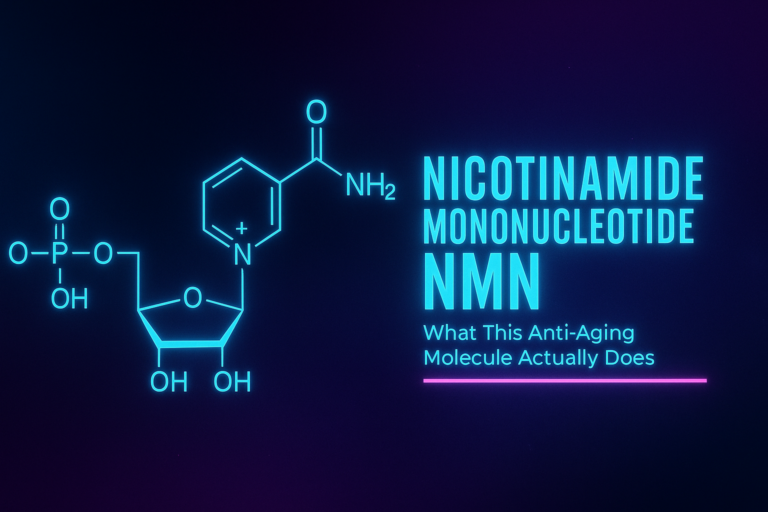
NMN stands for nicotinamide mononucleotide. It’s a molecule your body makes naturally, and it serves one critical purpose: helping your cells produce NAD+.

Think of NMN as the raw material your body uses to manufacture NAD+, which is a coenzyme found in every cell. NAD+ powers hundreds of biological processes including energy production, DNA repair, and the activation of longevity genes called sirtuins.

Here’s the problem. NAD+ levels drop by roughly 50% by the time you hit middle age. This decline is linked to many hallmarks of aging: lower energy, slower recovery, metabolic dysfunction, and increased disease risk.

The logic behind NMN supplementation is straightforward. Give your body more of the building blocks it needs, and it can produce more NAD+. More NAD+ means your cells function more like they did when you were younger.

At least that’s the theory. Let’s look at what the research actually shows.

Foods That Naturally Contain NMN

NMN exists in trace amounts in several foods. Edamame has the highest concentration at around 1.88mg per 100 grams. Broccoli contains 0.25-1.12mg per 100g. Avocados have 0.36-1.60mg per 100g. Cucumber and cabbage also contain small amounts.

The catch? You’d need to eat roughly 100 pounds of broccoli to get a single 250mg dose of NMN. That’s why supplements exist.

How NMN Works in Your Body

When you take NMN, it gets absorbed in your gut and enters your bloodstream within minutes. Research shows NMN is detectable in blood within 2-3 minutes and reaches tissues within 15 minutes.

Once inside your cells, enzymes called NMNATs convert NMN directly into NAD+. This is a one-step conversion, which is part of why researchers became interested in NMN specifically. It’s the most direct precursor to NAD+ that your body can actually absorb.

If you’re looking to try NMN, quality matters more than most supplements. My readers consistently use Renue By Science Pure NMN Powder because they publish third-party test results and it’s one of the most affordable options at under $1/gram. Code FLOW10 saves 10%.

Why NAD+ Declines With Age

NAD+ doesn’t just randomly disappear as you get older. Three specific things drive the decline.

First, an enzyme called CD38 becomes more active with age and inflammation. CD38 literally consumes NAD+, breaking it down faster than your body can replace it. Studies published in Nature show CD38 activity increases significantly in older tissues.

Second, DNA damage accumulates over time. Your body uses NAD+ to power PARP enzymes that repair damaged DNA. More damage means more NAD+ gets used up in repair processes.

Third, the enzyme that makes NAD+ (called NAMPT) becomes less active with age. Your production drops while your consumption increases. It’s a losing battle without intervention.

What NAD+ Actually Does

NAD+ isn’t just another molecule floating around in your cells. It’s essential for survival. Here’s what it does:

Energy production: NAD+ is required for your mitochondria to convert food into ATP, the energy currency your cells run on. Without adequate NAD+, energy production suffers.

DNA repair: Every day your DNA gets damaged thousands of times by normal metabolic processes, UV exposure, and environmental factors. NAD+ powers the repair machinery that fixes this damage.

Sirtuin activation: Sirtuins are a family of proteins (SIRT1-7) that regulate cellular health, metabolism, and aging. They’re sometimes called longevity genes. Sirtuins cannot function without NAD+.

Circadian rhythm: NAD+ levels naturally fluctuate throughout the day and help regulate your internal clock. Disrupted NAD+ metabolism is linked to sleep problems and metabolic dysfunction.

What Human Clinical Trials Show About NMN

Animal studies on NMN have been impressive. Mice given NMN show improved energy, better insulin sensitivity, enhanced blood vessel function, and in some cases extended lifespan.

But mice aren’t people. What matters is whether these benefits translate to humans. Here’s what the clinical trials actually show.

Summary of Key Human Trials

Study Participants Dose Duration Key Findings
Yoshino 2021 (Washington University) 25 prediabetic women, 55-75 250mg/day 10 weeks Improved muscle insulin sensitivity; no weight loss
Yi 2023 (India) 80 healthy adults, 40-65 300-900mg/day 60 days Walking distance improved up to 50% at highest dose
Igarashi 2022 (Tokyo) 42 older men, 65+ 250mg/day 12 weeks Improved gait speed and grip strength
Meiji 2024 (Japan) Healthy adults, 65-75 250mg/day 12 weeks Maintained walking speed, improved sleep quality
Liao 2021 (Amateur runners) Middle-aged athletes 300-1200mg/day 6 weeks Enhanced aerobic capacity and VO2max
Katayoshi 2023 36 middle-aged adults 250mg/day 12 weeks Reduced arterial stiffness, lower LDL cholesterol
Pencina 2023 (MIB-626) 30 overweight adults, 45+ 2000mg/day 28 days Substantial NAD+ increase, weight loss, lower cholesterol

What 2024 Meta-Analyses Reveal

Two major meta-analyses published in 2024 analyzed all available human trial data. Here’s what they found:

Zhang et al. (August 2024) analyzed 12 randomized controlled trials with 513 total participants. NMN significantly elevated blood NAD+ levels across all studies. However, most clinically relevant outcomes like glucose, cholesterol, and body composition were not significantly improved compared to placebo.

The researchers noted that “an exaggeration of the benefits of NMN supplementation may exist in the field.” Five of the 12 studies showed high risk of bias.

Wang et al. (August 2024) analyzed 9 trials with 412 participants and found more positive results. Significant improvements in gait speed. Significant reduction in liver enzymes (ALT). Positive effects on insulin resistance at smaller doses.

My take: NMN definitely raises NAD+ levels in humans. The physical performance benefits (energy, endurance, walking speed) seem real. Metabolic benefits are less clear and may require longer trials or specific populations to detect.

Evidence-Based Benefits of NMN

Not all claimed benefits of NMN have equal evidence. Here’s how they stack up based on current human research.

Strong Evidence

Increases NAD+ levels: Every human trial shows NMN supplementation raises blood NAD+ by 40% or more within 4 weeks. This is the most consistent finding across all research.

Safe at tested doses: No serious adverse effects have been documented at doses up to 1,250mg daily for 12+ weeks. Side effects are rare and mild.

Moderate Evidence

Improved physical performance: Multiple trials show improvements in walking distance, gait speed, grip strength, and aerobic capacity. The Yi 2023 study showed up to 50% improvement in 6-minute walking distance at higher doses.

Better sleep quality: The Meiji 2024 trial found improved sleep quality in older adults, particularly with evening dosing.

Reduced arterial stiffness: The Katayoshi study showed improved vascular function and lower LDL cholesterol after 12 weeks.

Limited or Mixed Evidence

Insulin sensitivity: The Yoshino study showed improved muscle insulin sensitivity in prediabetic women. But 2024 meta-analyses found effects vary significantly and aren’t consistent across populations.

Weight loss: Only the high-dose Pencina study (2000mg/day) showed weight loss. Standard doses haven’t demonstrated this effect.

Anti-aging effects: While NAD+ decline is linked to aging, no human trials have yet demonstrated that NMN slows biological aging markers. The animal data is promising but hasn’t been replicated in humans.

NMN vs NR: Which Should You Take?

If you’ve researched NAD+ boosters, you’ve probably encountered NR (nicotinamide riboside) as well. Both raise NAD+ levels. Both have clinical research behind them. So which one is better?

Factor NMN NR
Position in NAD+ pathway One step from NAD+ Two steps from NAD+
Human clinical trials 20+ published 40+ published
Tissue distribution May reach muscle, brain, heart, fat Primarily liver and blood
FDA status Legal as supplement (Sept 2025) GRAS status
Researcher preference David Sinclair uses NMN Charles Brenner advocates NR
Cost Similar pricing Similar pricing

There’s an ongoing scientific debate about how NMN enters cells. Dr. Charles Brenner (who helped develop NR commercially) argues NMN must first convert to NR before entering cells. Sinclair’s team discovered a transporter called Slc12a8 that may allow direct NMN entry. The debate continues.

From a practical standpoint, both work. No head-to-head human comparison exists. David Sinclair takes NMN. Peter Attia has expressed interest in both. Dr. Eric Verdin at the Buck Institute takes 250mg of each together.

My recommendation: NMN is a reasonable choice given the research and that it’s one metabolic step closer to NAD+. If you want to hedge your bets, some people take both.

Interested in how other researchers approach NMN? Check out Andrew Huberman’s NMN protocol for another science-backed perspective.

How to Take NMN: Dosage, Timing, and Forms

Getting dosage and timing right can make a real difference in results. Here’s what the research supports.

Evidence-Based Dosage by Age

Age Starting Dose Maintenance Dose Notes
Under 35 250mg/day 250-500mg/day NAD+ decline less pronounced at this age
35-50 250-500mg/day 500-750mg/day NAD+ decline beginning
Over 50 500mg/day 500-1000mg/day More pronounced NAD+ decline

Clinical trials have tested doses up to 1,200mg daily for 60+ days and 2,000mg daily for 28 days with no serious adverse effects. Start low and increase gradually based on how you respond.

Best Time to Take NMN

Most experts recommend taking NMN in the morning. NAD+ levels naturally fluctuate throughout the day as part of your circadian rhythm, peaking during waking hours. Morning dosing aligns with this natural pattern.

However, the 2024 Meiji study found that older adults who took NMN in the evening reported improved sleep quality. If sleep is a priority, evening dosing might be worth trying.

David Sinclair takes his NMN first thing in the morning.

Capsules vs Powder vs Sublingual vs Liposomal

You’ll find NMN in several forms: standard capsules, loose powder, sublingual tablets, and liposomal formulations.

Here’s the reality check: no peer-reviewed human trials have directly compared these delivery methods. Marketing claims about sublingual being “2x more bioavailable” lack scientific validation.

What we know for certain is that standard oral capsules effectively raise NAD+ levels. Every clinical trial showing benefits used oral delivery.

That said, liposomal formulations theoretically offer better absorption by encapsulating NMN in fat-soluble particles that survive stomach acid better. If you want to maximize potential absorption, liposomal versions are worth considering.

For a breakdown of the top options, check out my guide to the best NMN powders.

๐Ÿ’ฐ Most Affordable High-Quality NMN

Renue By Science Pure NMN Powder is what I recommend to readers who want lab-tested NMN without overpaying. At 100 grams per container, you’re looking at roughly 3+ months of supply at standard dosing.

โœ“ Third-party tested with published COAs
โœ“ 99%+ purity verified
โœ“ USA-based company
โœ“ Under $1 per gram (one of the lowest costs per dose available)

Use code FLOW10 at checkout for 10% off your order.

Get Renue By Science NMN Powder โ†’

Want enhanced absorption? They also offer Liposomal NMN for better bioavailability.

Safety Profile and Side Effects

Based on all published human clinical trials, NMN has a strong safety profile at tested doses.

What Clinical Trials Show

Doses up to 1,250mg daily for 4-12 weeks have been tested with no serious adverse effects reported. The high-dose Pencina study tested 2,000mg daily for 28 days, also without safety concerns.

Minor side effects reported in some studies include:

Mild digestive discomfort (usually temporary), occasional headaches in the first week, rare reports of skin itching, and temporary sleep changes when taken late in the day.

These effects are uncommon and typically resolve within days of starting supplementation.

Who Should Avoid NMN

While NMN appears safe for most healthy adults, certain groups should exercise caution or avoid it entirely:

Pregnant or breastfeeding women: No safety data exists for these populations. Avoid until more research is available.

People with kidney or liver disease: These organs process NMN. Impaired function could affect how your body handles supplementation.

Diabetics on medication: NMN may affect blood sugar levels. Work with your doctor to monitor and adjust medications if needed.

Those with active cancer: This is theoretical, but some researchers express concern that boosting NAD+ could potentially support cancer cell metabolism. The research is unclear, but caution is warranted.

People on blood thinners or blood pressure medications: Potential interactions haven’t been fully studied. Consult your doctor before starting.

The Methylation Concern

Dr. Eric Verdin from the Buck Institute has raised concerns about NMN and homocysteine levels. When your body processes NMN, it uses methyl groups, which could theoretically raise homocysteine (a cardiovascular risk marker).

This is why David Sinclair takes TMG (trimethylglycine) alongside his NMN. TMG is a methyl donor that may help offset any methylation burden. Whether this is necessary remains debated, but it’s a reasonable precaution at higher doses.

How Long Until NMN Works?

One of the most common questions I get is about timeline. Here’s what to realistically expect based on the research:

Days 1-7: NAD+ levels begin rising within hours of your first dose. You probably won’t feel anything dramatic yet, though some people report subtle energy changes within the first week.

Weeks 2-4: This is when most people start noticing effects. Improved energy levels, better mental clarity, and easier recovery from exercise are commonly reported. NAD+ levels are typically up 40%+ by this point.

Weeks 4-8: Benefits tend to become more pronounced. The clinical trials showing improved walking distance and endurance ran for 6-12 weeks. Physical performance improvements seem to build over time.

Months 3-6: Longer-term benefits like improved sleep quality, sustained energy, and potentially cardiovascular markers may become apparent. The Katayoshi study showing reduced arterial stiffness ran for 12 weeks.

One important note: NAD+ levels return to baseline approximately 4 weeks after stopping NMN. This isn’t a supplement you take for a month and get permanent benefits. Consistency matters.

Individual variation is also significant. A 2024 study found the coefficient of variation in NAD+ response ranged from 29% to 113% between individuals. Some people are high responders. Others see more modest effects. Give it at least 8 weeks before deciding if it’s working for you.

The David Sinclair Connection

You can’t discuss NMN without mentioning David Sinclair. The Harvard genetics professor has become the most prominent voice in longevity research, and NMN is central to his personal protocol.

His Research at Harvard

Sinclair’s lab has published numerous studies on NAD+ and aging. His work focuses on sirtuins, the longevity proteins that depend on NAD+ to function. Research published in Frontiers in Cell and Developmental Biology from his lab has demonstrated NMN’s effects on various aging markers in animal models.

In June 2024, his team released a preprint showing NMN increased female mouse lifespan by 8.5%. Interestingly, no lifespan extension was observed in male mice. This research hasn’t been peer-reviewed yet, but it adds to the growing body of animal evidence.

His Personal Protocol

Sinclair has publicly shared his supplement regimen multiple times. According to his recent interviews, he takes:

1 gram of NMN each morning, along with 1 gram of resveratrol mixed with coconut yogurt for absorption. He also takes TMG (trimethylglycine) as a methyl donor, vitamin D3, vitamin K2, and a low-dose aspirin. He uses metformin occasionally and takes rapamycin about 4 times per year.

I’ve written a complete breakdown of David Sinclair’s full supplement list if you want the details on everything he takes and why.

He’s described resveratrol as the “accelerator pedal” for sirtuins and NMN as the “fuel.” Both work together in his view to maximize sirtuin activity.

One thing Sinclair emphasizes: he doesn’t recommend others follow his exact protocol. He’s essentially running an experiment on himself. Your needs, health status, and risk tolerance are different from his.

Scientific Controversy

In March 2024, Sinclair resigned as president of the Academy for Health and Lifespan Research following criticism that he had “overhyped” research findings, particularly claims about age reversal in animal models. He pledged to be “more scientifically accurate” in his public communications.

This doesn’t invalidate his research, but it’s worth knowing. The longevity field generates enormous excitement, and sometimes claims get ahead of the evidence. Sinclair’s actual peer-reviewed publications remain respected. His podcast statements have sometimes been less measured.

Is NMN Legal? Understanding FDA Status

The regulatory status of NMN has been confusing over the past few years. Here’s what happened and where things stand now.

The 2022 Exclusion

In November 2022, the FDA ruled that NMN could not be marketed as a dietary supplement. Why? Because a company called Metro International Biotech had begun investigating NMN as a potential drug before it was widely sold as a supplement.

Under FDA rules, once a substance is under investigation as a new drug, it can be excluded from the supplement market. This ruling caused chaos. Amazon removed NMN products. Supplement companies scrambled to understand what was legal.

The September 2025 Reversal

On September 29, 2025, the FDA reversed its position. The agency acknowledged that NMN had been marketed as a dietary supplement (starting in 2017) before the drug investigation began. This meant NMN met the criteria to remain a legal supplement.

Current status: NMN is fully legal to buy and sell as a dietary supplement in the United States. Products have returned to major retailers. The regulatory uncertainty is resolved.

How to Choose a Quality NMN Supplement

The supplement industry has quality control issues. NMN is no exception. Here’s how to find a product worth buying.

What to Look For

Third-party testing: Reputable brands pay independent labs to verify purity and potency. Look for companies that publish these test results (called Certificates of Analysis or COAs) on their website.

Purity above 99%: Quality NMN should test at 99%+ purity. Lower purity products may contain contaminants or degradation products.

Proper storage: NMN can degrade when exposed to heat, moisture, and light. Good brands use opaque bottles and may recommend refrigeration. Avoid products shipped in clear containers or stored in warm warehouses.

USA manufacturing: Domestic manufacturing typically means better quality control and regulatory oversight. Many cheap NMN products are made overseas with questionable standards.

Red Flags to Avoid

Products with no third-party testing or COAs available. Unusually cheap prices (quality NMN costs money to produce). Outrageous health claims like “reverse aging” or “cure disease.” Clear bottles that expose NMN to light degradation. Companies that won’t answer questions about their sourcing or testing.

Where to Buy NMN

After testing and researching dozens of NMN brands, Renue By Science consistently comes out on top for quality and value. Here’s why they’re my go-to recommendation:

Third-party testing: They publish Certificates of Analysis for every batch. You can actually verify what you’re getting.

99%+ purity: Independent labs confirm their NMN tests at pharmaceutical-grade purity levels.

USA-based: Manufactured domestically with proper quality controls, not sourced from questionable overseas suppliers.

Affordable: Their 100g Pure NMN Powder is one of the most cost-effective options on the market. At standard dosing (500mg/day), that’s over 3 months of supply for under $1/gram.

My Top Picks from Renue By Science

Pure NMN Powder (100g) โ€” Best value. Ideal if you want to control your exact dose and don’t mind mixing powder into a drink or taking it sublingually. This is what most of my readers choose.

Liposomal NMN Powder โ€” Premium option. The liposomal delivery system encapsulates NMN in fat-soluble particles for potentially better absorption. Worth it if bioavailability is your priority.

Use code FLOW10 at checkout for 10% off either product.

For a deeper look at the brand, read my full Renue By Science NMN review.

Ready to Try NMN?

Shop Pure NMN Powder Shop Liposomal NMN

Code FLOW10 saves 10% at checkout

Frequently Asked Questions

What is NMN?

NMN (nicotinamide mononucleotide) is a naturally occurring molecule that your body converts into NAD+, a coenzyme essential for cellular energy, DNA repair, and healthy aging. NMN is found in trace amounts in broccoli, avocados, edamame, and cucumber, but supplements provide meaningful doses.

How much NMN should I take daily?

Clinical trials show 250-500mg daily is effective for most adults, with safety demonstrated up to 1,200mg. Start at 250mg and increase gradually. Adults over 50 may benefit from 500-750mg daily based on more pronounced NAD+ decline.

Is NMN safe to take?

Human clinical trials show NMN is well-tolerated at doses up to 1,250mg daily for 12+ weeks with no serious adverse effects. Minor side effects may include temporary digestive discomfort. Consult a doctor if pregnant, have liver or kidney disease, or take diabetes medications.

How long does it take for NMN to work?

NAD+ levels begin rising within hours. Most people notice energy improvements within 2-4 weeks. Physical performance benefits typically appear after 6-12 weeks of consistent use based on clinical trial timelines.

Is NMN better than NR?

Both effectively raise NAD+ levels. NMN is one metabolic step closer to NAD+ and may have broader tissue distribution. NR has more published human research. David Sinclair uses NMN. No head-to-head human comparison study exists, so either is a reasonable choice.

When is the best time to take NMN?

Most experts recommend morning, aligning with natural circadian NAD+ patterns. Some research suggests evening dosing may benefit older adults for sleep quality. Take with food containing healthy fats to potentially improve absorption.

Is NMN FDA approved?

NMN is not FDA-approved as a drug but is legal to sell as a dietary supplement in the United States as of September 2025, when FDA reversed its 2022 exclusion decision.

What does David Sinclair take?

Harvard researcher David Sinclair has publicly shared he takes 1 gram of NMN daily in the morning, along with 1 gram of resveratrol with coconut yogurt, TMG, vitamin D, vitamin K2, and occasionally metformin and rapamycin. He emphasizes he doesn’t recommend others follow his exact protocol.

What are NMN side effects?

Clinical trials report minimal side effects. Some users experience mild digestive discomfort, headaches, or temporary sleep changes, typically resolving within days. No serious adverse effects have been documented at standard doses in published research.

Does NMN really work?

Human trials consistently show NMN increases blood NAD+ levels by 40%+ and improves some physical performance measures like walking distance and endurance. However, 2024 meta-analyses note that benefits for metabolic markers are less dramatic than animal studies suggested. Effects vary between individuals.

Is NMN the same as vitamin B3?

NMN is related to vitamin B3 but not the same thing. Vitamin B3 (niacin or niacinamide) is a precursor further back in the NAD+ synthesis pathway. NMN is one metabolic step closer to NAD+ than standard B3 forms, which is why it may be more effective at raising NAD+ levels.

Can I take NMN with other supplements?

Yes. David Sinclair and other researchers commonly combine NMN with resveratrol (a sirtuin activator) and TMG (a methyl donor). Vitamin D, vitamin K2, and omega-3 fatty acids are also commonly taken alongside NMN. No dangerous interactions have been documented with common supplements.

The Bottom Line

NMN is one of the most promising longevity supplements available today, backed by growing human clinical research. It reliably raises NAD+ levels. It appears safe at tested doses. And there’s reasonable evidence for benefits like improved energy, physical performance, and potentially cardiovascular health.

That said, it’s not a miracle molecule. The 2024 meta-analyses remind us that benefits may be more modest than animal studies suggested. Individual response varies significantly. And we don’t yet have long-term human data on anti-aging effects.

If you’re interested in supporting healthy aging and have the budget for it, NMN is worth considering. Start with 250mg daily, give it at least 8 weeks, and pay attention to how you feel. Source from a reputable company that publishes third-party test results.

The science is promising. The safety profile is reassuring. And the worst case scenario is you’ve supported a molecule your body makes naturally anyway.


References

  1. Yoshino M, et al. (2021). Nicotinamide mononucleotide increases muscle insulin sensitivity in prediabetic women. Science. PubMed
  2. Yi L, et al. (2023). The efficacy and safety of ฮฒ-nicotinamide mononucleotide (NMN) supplementation in healthy middle-aged adults. GeroScience. PubMed
  3. Igarashi M, et al. (2022). Chronic nicotinamide mononucleotide supplementation elevates blood nicotinamide adenine dinucleotide levels and alters muscle function in healthy older men. NPJ Aging. PubMed
  4. Liao B, et al. (2021). Nicotinamide mononucleotide supplementation enhances aerobic capacity in amateur runners. Journal of the International Society of Sports Nutrition. PubMed
  5. Katayoshi T, et al. (2023). Nicotinamide mononucleotide improves arterial stiffness and reduces serum LDL cholesterol levels. GeroScience. PubMed
  6. Zhang H, et al. (2024). Effects of nicotinamide mononucleotide supplementation on metabolic health: A systematic review and meta-analysis. Nutrients. PubMed
  7. Wang L, et al. (2024). Nicotinamide mononucleotide supplementation and physical function: A meta-analysis of randomized controlled trials. GeroScience. PubMed
  8. Covarrubias AJ, et al. (2020). NAD+ metabolism and its roles in cellular processes during ageing. Nature Reviews Molecular Cell Biology. Nature
  9. Hong W, et al. (2020). Nicotinamide Mononucleotide: A Promising Molecule for Therapy of Diverse Diseases by Targeting NAD+ Metabolism. Frontiers in Cell and Developmental Biology. Frontiers
  10. Shade C. (2020). The Science Behind NMNโ€“A Stable, Reliable NAD+ Activator and Anti-Aging Molecule. Integrative Medicine. PMC

Medical Disclaimer: This article is for informational purposes only and does not constitute medical advice. Consult with a healthcare provider before starting any new supplement regimen, especially if you have existing health conditions or take medications.
Complete Guide to BPC-157: Benefits, Dosage, and What Science Really Says

0

They call it the “Wolverine peptide” for a reason.

BPC-157 has become one of the worst-kept secrets among athletes, biohackers, and anyone dealing with stubborn injuries. Joe Rogan credits it with healing damage that should have taken months in just weeks. Professional athletes use it to get back on the field faster. And thousands of everyday people are finding out what this peptide can do for everything from torn tendons to chronic gut problems.

Andrew Huberman, the Stanford neuroscientist, shared his own experience on his podcast:

“I had an L5 root compression injury after performing deadlifts that wasn’t healing with massage and electric therapy. After just 2 injections of BPC-157, I was pain-free with all symptoms alleviated.”

Dr. William Seeds, who has spent over a decade working with peptides in clinical settings, calls the results he’s seen “amazing” and describes peptide therapy as offering physicians “nearly miraculous opportunities” for treating injury and disease.

Having researched this peptide extensively and spoken with dozens of users, the pattern is consistent: BPC-157 works for a lot of people when other treatments have failed. But it’s not FDA-approved, human trials are limited, and quality varies wildly between vendors. This guide covers what the science actually shows, how to use it properly, and what to realistically expect.

What Is BPC-157?

BPC-157 stands for Body Protection Compound-157. It’s a chain of 15 amino acids derived from a protective protein naturally found in human gastric juice. Your stomach produces this compound to protect and repair the gut lining. Scientists isolated the active sequence and synthesized it into a stable, more potent form.

Think of it as a repair signal that your body already recognizes. When you take BPC-157, it travels to damaged areas and accelerates healing. Unlike most supplements that target one system, this peptide appears to help repair muscle, tendons, ligaments, gut tissue, and even nerves.

What sets BPC-157 apart from other peptides is its stability. Most peptides break down quickly in the digestive system, but BPC-157 survives stomach acid and remains active throughout the body. This means it can be taken orally for gut issues or injected for musculoskeletal problems, and it works systemically regardless of where you administer it.

Research published in Current Pharmaceutical Design describes BPC-157 as having effects on multiple healing pathways simultaneously, which may explain why it seems to help such a wide range of conditions.

If you’re looking to try BPC-157, source quality matters. For injectable, most of my readers use Paramount Peptides. You’ll need to create an account to see prices, but it’s worth it. Code BRAINFLOW saves 15%. For oral capsules, Infiniwell’s BPC Rapid Pro is the go-to option (code IW15 saves 15%). Both are USA-made and third-party tested.

How BPC-157 Works in Your Body

BPC-157 triggers several healing mechanisms at once, which is part of what makes it effective for different types of injuries.

The peptide increases production of growth factors in damaged tissue, essentially telling your cells to shift into repair mode. A study in the Journal of Applied Physiology found that BPC-157 significantly upregulates growth factor receptors and activates the FAK-paxillin pathway, which controls cell movement and tissue repair.

It also promotes angiogenesis, the formation of new blood vessels. This matters because injuries to tendons and ligaments often heal slowly due to poor blood supply. By increasing blood vessel growth, BPC-157 brings more oxygen and nutrients to areas that would otherwise struggle to repair themselves. Research in the Journal of Molecular Medicine confirmed that BPC-157’s therapeutic effects are associated with VEGF receptor activation and increased blood vessel formation.

At the same time, BPC-157 modulates inflammation. It doesn’t just suppress inflammation blindly but appears to regulate the inflammatory response, reducing harmful inflammation while still allowing the healing process to proceed. Research published in Gut describes this as part of the peptide’s “cytoprotection” mechanism, essentially protecting cells from damage while promoting repair.

The peptide also demonstrates antioxidant activity and may influence genes that control tissue regeneration. It shields cells from oxidative stress and creates an environment where healing can happen faster and more completely.

What BPC-157 Can Do: The Benefits

Based on animal research and user reports, BPC-157 shows benefits across several areas. The strongest evidence exists for tendon and ligament repair, gut healing, and general tissue regeneration.

Tendon and Ligament Repair

This is where BPC-157 has the most impressive track record. Athletes dealing with torn Achilles tendons, rotator cuff injuries, tennis elbow, or chronic tendinitis often report significant improvements within weeks rather than months.

A study in the Journal of Orthopaedic Research found that BPC-157 promoted Achilles tendon healing in rats, showing increased load-bearing capacity, better functional scores, and faster collagen development compared to controls. The peptide works by stimulating tendon fibroblasts (the cells that rebuild tendon tissue) while organizing collagen formation for stronger repairs.

What makes this particularly useful is that tendons normally have poor blood supply, which is why they heal so slowly. BPC-157’s ability to promote new blood vessel formation addresses this limitation directly.

Gut Healing

Given its origin in gastric juice, BPC-157 is particularly effective for digestive issues. It heals stomach ulcers, repairs intestinal damage from NSAIDs like ibuprofen, and has shown benefits for inflammatory bowel conditions in animal studies.

Research in Current Medicinal Chemistry focused specifically on BPC-157 for ulcerative colitis, showing that the peptide strengthens the gut barrier and promotes mucosal healing. Users with IBS, Crohn’s, or leaky gut often report symptom relief within the first few weeks of use.

Muscle and Bone Recovery

BPC-157 accelerates muscle regeneration after tears, strains, or intense training. Recovery times are often cut significantly, with users returning to full strength faster than expected. For bone injuries, research published in Biomedicines shows the peptide improves healing at the muscle-tendon junction and may support bone density at injury sites.

Nerve Protection and Brain Health

One of the more unexpected findings about BPC-157 is its effect on the nervous system. Research in the Journal of Orthopaedic Surgery and Research found that BPC-157 improved spinal cord injury healing and led to functional recovery in rats. It appears to protect against nerve damage, reduce brain inflammation, and may help with peripheral nerve issues like sciatica.

A review in Current Neuropharmacology describes BPC-157 as affecting a “brain-gut axis” with effects on both central and peripheral tissue. Users often report improved mood, better focus, and reduced anxiety as side benefits.

Dosage Protocols and How to Use BPC-157

There are no official dosing guidelines since BPC-157 isn’t FDA-approved. What follows comes from user surveys, practitioner experience, and scaling from animal research. This is not medical advice.

Dosing by Condition

ConditionInjectable DoseOral DoseDuration
Mild injuries/maintenance250mcg/day500mcg/day2-4 weeks
Moderate injuries500mcg/day750mcg/day4-6 weeks
Severe injuries/post-surgery750-1000mcg/day1000-1500mcg/day6-8 weeks
Gut healing250-500mcg/day500-1000mcg/day4-8 weeks

How to Reconstitute Injectable BPC-157

BPC-157 comes as a freeze-dried powder that needs to be mixed with bacteriostatic water before injection. Getting this right matters because improper handling can destroy the peptide.

Start by letting the vial reach room temperature for about 15 minutes. Never reconstitute cold peptide. Draw bacteriostatic water into an insulin syringe. For a 5mg vial, most people add 2ml of water, which creates a concentration of 2.5mg/ml (or 2500mcg/ml). This makes dosing math simple: 0.1ml equals 250mcg.

When adding the water, aim it at the vial wall and let it run down slowly. Don’t spray directly onto the powder. Once the water is in, swirl the vial gently until the powder dissolves completely. Never shake it, as this can damage the peptide structure. The solution should be clear. If it stays cloudy, the peptide may be compromised.

Store reconstituted BPC-157 in the refrigerator and use within 3-4 weeks. Unreconstituted powder can be kept in the freezer for a year or more.

Injection Technique

For localized injuries, inject subcutaneously as close to the injury site as safely possible. Clean the area with an alcohol swab and let it dry. Pinch the skin, insert the needle at a 45-degree angle into the fatty layer, and inject slowly. Wait a few seconds before removing the needle. Rotate injection sites to prevent irritation.

For systemic effects or gut healing, inject into abdominal fat similar to how diabetics inject insulin. The peptide will distribute throughout your body regardless of injection location, but many users prefer injecting near the problem area for musculoskeletal issues.

Most protocols call for once or twice daily injections, split 12 hours apart for stable blood levels. Some people do fine with once daily dosing.

Oral Administration

For gut issues specifically, oral BPC-157 works well and is more convenient than injections. Take 500-1000mcg on an empty stomach, holding it under your tongue for 60-90 seconds before swallowing. First thing in the morning or before bed works best.

Oral dosing requires higher amounts than injection since some is lost during digestion. Figure roughly 1.5-2x the injectable dose for equivalent systemic effects. For gut-specific healing, oral may actually be preferable since the peptide makes direct contact with intestinal tissue.

Infiniwell’s BPC Rapid Pro delivers 500mcg per capsule with SNAC absorption technology designed to survive stomach acid and improve bioavailability. For people who want the benefits without dealing with needles, it’s one of the better oral options available. Use code IW15 for 15% off.

Cycling

Most people run BPC-157 in cycles rather than continuously. For acute injuries, 2-4 weeks at full dose is usually enough. Chronic injuries might need 4-6 weeks on, followed by 2-4 weeks off. Some athletes use a maintenance protocol of 250mcg daily for 4 weeks during intense training blocks, then take a month off.

Post-surgery, starting immediately at 500-750mcg daily for 4-6 weeks is a common approach.

Injectable vs Oral: Which Works Better?

This comes up constantly, and the honest answer depends on what you’re treating.

Injections offer near-100% bioavailability and allow you to target specific injury sites. Most serious users and practitioners prefer subcutaneous injection for musculoskeletal problems because the results tend to be faster and you can use lower doses. The downside is the inconvenience of reconstitution and needles.

Oral administration is easier and works well for gut issues where direct contact with intestinal tissue may actually be beneficial. For systemic healing, oral BPC-157 is roughly 80-90% as effective as injection when you account for the higher dose needed. It’s also more practical for travel and daily use.

My take: use injectable for specific injuries where you want targeted effects, oral for gut problems or general systemic support. Some people use both, injecting near an injury site while also taking oral for overall benefits.

Side Effects and Safety

The safety profile of BPC-157 is one of its more compelling features, though important caveats exist.

In animal toxicology studies, no adverse effects were observed even at doses thousands of times higher than typical human use. Research has documented no organ damage in studies lasting several weeks, and the peptide appears to actually protect the liver, kidneys, and heart rather than stress them.

User reports generally align with this. Most people tolerate BPC-157 without issues. When side effects do occur, they’re usually mild: slight redness at injection sites, temporary fatigue during the first few days, occasional headaches, or unusually vivid dreams. Some users report these fade after the first week.

A few things to watch for: BPC-157 may lower blood pressure, so anyone on blood pressure medication should monitor their levels. Some people experience histamine-like reactions when starting, which can be minimized by beginning with lower doses. The peptide affects dopamine and serotonin levels, which usually improves mood but could theoretically cause adjustment effects when stopping.

Who Should Avoid BPC-157

Pregnant or nursing women should not use BPC-157 since no safety data exists for these populations. People with active cancer should avoid it due to theoretical concerns about growth promotion, even though some research suggests the peptide may actually inhibit tumor-related pathways. Anyone with severe low blood pressure should be cautious. Competitive athletes need to know that WADA banned BPC-157 as of January 2022.

The main caveat is that no long-term human clinical trials have been completed. The peptide appears safe based on everything we know, but “everything we know” has limits. Quality also varies dramatically between vendors, and contaminated or degraded product could cause problems that pure BPC-157 wouldn’t.

Special Considerations: Cancer and Erectile Function

BPC-157 and Cancer

The relationship between BPC-157 and cancer is complicated. As a growth-promoting agent that increases blood vessel formation, there’s theoretical concern it could accelerate tumor growth if cancer is present.

Interestingly, some research points in the opposite direction. BPC-157 inhibits tumor necrosis factor-ฮฑ, which is involved in cancer development. Some studies suggest it may selectively promote healthy cell growth while not affecting or even inhibiting cancer cells. But this research is preliminary, and the prudent approach is to avoid BPC-157 if you have active cancer or a recent history of it.

Erectile Function

An unexpected benefit that male users frequently report is improved erectile function. The mechanisms make sense: BPC-157 increases dopamine (which affects arousal), improves blood vessel function, and may repair vascular tissue. Some men with venous leak or Peyronie’s disease have reported improvements, though clinical evidence for this specific use doesn’t exist.

This isn’t why most people try BPC-157, but it’s a common enough report that it’s worth mentioning.

Legal Status

In the United States, BPC-157 exists in a gray area. It’s legal to purchase for “research purposes” and can be prescribed off-label by physicians, but it’s not FDA-approved and can’t be marketed as a dietary supplement. Most people buy it from peptide research suppliers.

For athletes, the situation is clearer: WADA officially banned BPC-157 as of January 1, 2022. If you’re subject to drug testing, avoid it entirely, even during off-season. Detection windows aren’t well established, but assume at least 2-4 weeks after your last dose.

International laws vary. It’s generally available in the UK, Canada, and most of Europe as a research chemical. Australia requires a prescription.

BPC-157 vs TB-500

These two peptides often get compared because they’re both used for healing, but they work differently.

BPC-157 focuses on localized repair, gut healing, and works through growth factor modulation. It’s dosed in micrograms (250-500mcg) and taken daily. TB-500 works more systemically through cell migration and cytoskeleton reorganization. It’s dosed in milligrams (2-5mg) and taken 2-3 times per week.

For tendon and ligament injuries or gut issues, BPC-157 is usually the first choice. For muscle injuries, systemic inflammation, or overall recovery, TB-500 may work better. Many users stack both for serious injuries, running BPC-157 daily alongside TB-500 twice weekly for 4-8 weeks. The combination reportedly works better than either alone.

Paramount Peptides offers a Wolverine Blend with both peptides (10mg BPC-157 + 10mg TB-500) for people who want to run them together. Code BRAINFLOW saves 15%.

Real User Experiences

User reports on BPC-157 are overwhelmingly positive, but it’s worth looking at specific cases rather than vague testimonials.

Achilles tendinitis, 8 months of PT with minimal improvement: “Started injecting 300mcg twice daily near the tendon. By week 2 the morning stiffness was gone. Week 4 I could run again without pain. I finished 6 weeks total. That was 8 months ago and it hasn’t come back.”

Post rotator cuff surgery, age 52: “Surgeon told me 12-16 weeks minimum before I could lift overhead. Started BPC at 500mcg/day right after surgery. At my 6-week checkup he said the healing looked like I was 8-10 weeks out. Back to light lifting at week 9.”

Chronic gut issues (IBS-D for 12 years): “Tried every elimination diet, probiotics, even prescription meds. Nothing worked long term. Took oral BPC-157 at 500mcg morning and night. First week was rough actually, more cramping. Week 2 things calmed down. By week 5 I was having normal bowel movements for the first time in over a decade. Still doing well 6 months later.”

Tennis elbow, 2 years chronic: “This one surprised me because it was an old injury I’d basically given up on. Injected 250mcg twice daily about an inch from where it hurt most. Took longer than the acute injury reports I’d read – probably 5 weeks before I noticed real improvement. But by week 8 the pain was maybe 80% gone. Not a miracle cure but way better than anything else I tried.”

Not every report is positive. Some people see minimal results, especially for very old injuries or conditions that may have causes beyond what BPC-157 can address. Managing expectations matters.

Where to Buy BPC-157: Trusted Sources

Source quality matters more than price when it comes to peptides. Contaminated, underdosed, or degraded products won’t work and could cause problems that pure BPC-157 wouldn’t. After testing multiple vendors and talking to dozens of users, two sources consistently stand out.

Paramount Peptides (Injectable)

Paramount has become the gold standard for research peptides in the US. Every batch is manufactured domestically and undergoes third-party testing for purity, potency, and sterility. They publish certificates of analysis for each product, so you know exactly what you’re getting. Their customer service actually responds to questions, and shipping is fast.

For injectable BPC-157, Paramount is the go-to choice among serious users. The 10mg vial gives you enough for a full 4-6 week cycle at standard doses. You’ll need to create an account to see pricing, but code BRAINFLOW saves 15% at checkout.

Infiniwell (Oral)

For people who want the benefits of BPC-157 without injections, Infiniwell’s BPC Rapid Pro is the best oral option available. They use SNAC absorption technology that helps the peptide survive stomach acid and reach systemic circulation. At 500mcg per capsule, the dosing is convenient and consistent.

Infiniwell has over 2,700 reviews with a 4.8-star rating. They’re third-party tested, ship from the US, and offer subscribe-and-save options for ongoing use. Oral BPC-157 works particularly well for gut healing but also provides systemic benefits.

Which Should You Choose?

For musculoskeletal injuries where you want targeted effects, go with Paramount’s injectable. For gut healing, general systemic support, or if you just don’t want to deal with needles, Infiniwell’s oral capsules work well. Some people use both: injecting near an injury site while taking oral for overall benefits.

Frequently Asked Questions

How quickly does BPC-157 work?

Most users notice initial improvements within 3-7 days, with significant changes by weeks 2-3. Acute injuries typically respond faster than chronic ones. Gut issues often improve within the first week or two.

Can I use BPC-157 long-term?

Some people have used it for months or years without reported issues, but long-term safety data doesn’t exist. Most practitioners recommend cycling: 4-8 weeks on, 2-4 weeks off.

Should I stop training while using BPC-157?

Unlike traditional injury recovery, many people can maintain moderate training while using BPC-157. The peptide often allows continued activity that would normally be impossible. Don’t push through severe pain, but light to moderate exercise is usually fine.

Does BPC-157 work for old injuries?

Many users report improvement in chronic, years-old injuries, though results tend to take longer than with acute injuries. Old scar tissue and structural changes may limit how much improvement is possible.

Will BPC-157 show up on a drug test?

Standard employment drug tests don’t screen for peptides. WADA-compliant sports testing can detect it. Assume it’s detectable for at least 2-4 weeks after last use if you’re an athlete.

What’s the shelf life of reconstituted BPC-157?

Use reconstituted BPC-157 within 3-4 weeks when refrigerated. Unreconstituted powder lasts 1-2 years in a freezer.

Can women use BPC-157?

Yes, it appears equally effective and safe for women. Avoid during pregnancy and breastfeeding due to lack of safety data.

Does BPC-157 build muscle?

It has mild anabolic effects and improves recovery (which allows more frequent training), but it’s not primarily a muscle-building compound. The main benefit is faster recovery from training and injuries.

The Bottom Line

BPC-157 occupies an interesting space in the supplement world. The animal research is strong, the safety profile appears excellent, and thousands of users report real benefits. But it’s not FDA-approved, human trials are limited, and quality control in the gray market is inconsistent.

For people dealing with injuries that won’t heal, chronic gut issues, or post-surgical recovery that’s stalled, BPC-157 offers a research-backed option when conventional treatments have failed. The mechanisms make biological sense, and the risk-reward calculation favors trying it for many people.

If you decide to use it, source matters more than anything. USA-made, third-party tested peptides from established vendors cost more than random suppliers, but you’re actually getting what you paid for. Start with conservative doses, track your response, and consider working with a practitioner who understands peptides.

The future likely depends on whether proper human trials happen. Until then, BPC-157 remains a promising compound that’s already helping people, even without official validation.

Scientific References

  1. Sikiric P, et al. (2018). “Brain-gut axis and pentadecapeptide BPC 157: Theoretical and practical implications.” Current Neuropharmacology, 16(8), 1035-1045. PMC6142015
  2. Seiwerth S, et al. (2018). “BPC 157 and standard angiogenic growth factors. Gastrointestinal tract healing, lessons from tendon, ligament, muscle and bone healing.” Current Pharmaceutical Design, 24(18), 1972-1989. PubMed
  3. Chang CH, et al. (2014). “The promoting effect of pentadecapeptide BPC 157 on tendon healing involves tendon outgrowth, cell survival, and cell migration.” Journal of Applied Physiology, 116(3), 274-285. PubMed
  4. Hsieh MJ, et al. (2017). “Therapeutic potential of pro-angiogenic BPC157 is associated with VEGFR2 activation and up-regulation.” Journal of Molecular Medicine, 95(3), 323-333. PubMed
  5. Sikiric P, et al. (2020). “Stable gastric pentadecapeptide BPC 157 and organoprotection.” Gut, 69(12), 2333-2334. BMJ Gut
  6. Krivic A, et al. (2006). “Achilles detachment in rat and stable gastric pentadecapeptide BPC 157.” Journal of Orthopaedic Research, 24(5), 982-989. PubMed
  7. Sikiric P, et al. (2013). “Focus on ulcerative colitis: stable gastric pentadecapeptide BPC 157.” Current Medicinal Chemistry, 20(34), 4306-4316. PubMed
  8. Japjec M, et al. (2021). “Stable gastric pentadecapeptide BPC 157 as therapy for the disable myotendinous junctions in rats.” Biomedicines, 9(11), 1547. PMC8614789
  9. Perovic D, et al. (2019). “Stable gastric pentadecapeptide BPC 157 can improve the healing course of spinal cord injury.” Journal of Orthopaedic Surgery and Research, 14(1), 199. PMC6598286
  10. World Anti-Doping Agency. (2022). “2022 Prohibited List.” WADA

This article is for informational purposes only. BPC-157 is not FDA-approved and should not be used without consulting a healthcare provider. Always source peptides from reputable, third-party tested suppliers.

5 Best Peptides for Muscle Growth & Strength

0

Building muscle isn’t just about lifting heavy and eating protein anymore. While those fundamentals still matter, there’s a new tier of performance optimization that serious athletes and biohackers are tapping into: peptides.

Unlike anabolic steroids that force unnatural muscle growth at the cost of your health, peptides work by amplifying your body’s existing signals for growth, recovery, and repair. They tell your pituitary to release more growth hormone, instruct muscle cells to proliferate, and speed up tissue healing, all using the same molecular language your body already speaks.

The result? You can train harder, recover faster, and build muscle more efficiently than you could naturally, without the severe side effects that come with traditional performance-enhancing drugs.

Let’s look at five peptides with solid research backing their muscle-building potential. These are the compounds actually being used by competitive athletes, bodybuilders, and anyone serious about maximizing their physique.

CJC-1295 + Ipamorelin: The Growth Hormone Foundation

If you’re going to use peptides for muscle growth, this combination should be your starting point. We covered these peptides in depth in our guide to anti-aging peptides, but their muscle-building applications deserve their own spotlight.

Why They Work for Muscle Growth

Growth hormone is one of the most potent natural anabolic signals in your body. It doesn’t just build muscle directly. It triggers your liver to produce IGF-1, which then stimulates muscle protein synthesis and satellite cell activation.

GH also ramps up lipolysis (fat burning), creating the holy grail of body recomposition: simultaneous muscle gain and fat loss. The problem? GH production tanks after your twenties. By 40, you’re producing a fraction of what you had at 20, which directly correlates with how hard it becomes to build and maintain muscle as you age.

CJC-1295 works by mimicking growth hormone-releasing hormone (GHRH), keeping your GH levels elevated for days thanks to its extended half-life. Ipamorelin triggers rapid GH pulses without spiking cortisol or prolactin.

A 2005 study published in the Journal of Clinical Endocrinology & Metabolism showed that combining GHRH analogs with GHRPs creates synergistic GH secretion that mimics youthful patterns.

What the Research Shows

Studies on growth hormone secretagogues consistently show solid body composition changes. Research from 1993 in the Journal of Clinical Endocrinology & Metabolism found that GH-releasing peptides increased lean body mass and reduced body fat in older adults.

While these studies focused on aging populations, the mechanisms apply to anyone with suboptimal GH levels, which honestly includes most people over 30.

Athletes and bodybuilders consistently report faster recovery between workouts as muscles repair and rebuild more efficiently. Improved sleep quality since GH enhances deep sleep where most muscle growth occurs. Visible fat loss, particularly in stubborn abdominal and visceral areas. Better muscle fullness from increased glycogen storage and muscle cell hydration. And enhanced workout performance with improved energy and training capacity over time.

Dosing Protocol for Muscle Building

A typical muscle-building protocol involves injecting 100-300 mcg each of CJC-1295 (no DAC) and Ipamorelin subcutaneously before bed or post-workout on an empty stomach.

Most users dose 5-7 days per week for 3-6 months with periodic breaks. The key is avoiding carbs or fats 2 hours before and 30 minutes after injection for maximum GH release.

Most users notice improved recovery within 2-3 weeks and visible body composition changes by 8-12 weeks. I source my CJC-1295 and Ipamorelin from Limitless Life Nootropics. They carry both peptides individually or you can run them together. 99%+ purity, third-party tested, and code BRAINFLOW saves you 15%.

Tesamorelin: The Stubborn Fat Destroyer

If CJC-1295 is the foundation, Tesamorelin is the heavy artillery.

This GHRH analog is FDA-approved for reducing abdominal fat in HIV patients, but bodybuilders figured out its powerful recomposition effects go way beyond medical applications.

What Makes Tesamorelin Special

Tesamorelin is one of the most potent GH secretagogues available. Clinical trials showed it raised IGF-1 levels by an average of 181 ng/mL, a significant jump that translates to powerful anabolic effects.

But here’s what sets it apart from other GH peptides.

A 2010 study in The Lancet showed it specifically targets visceral adipose tissue (deep belly fat) while preserving or even building lean muscle. In that 26-week trial, HIV patients using Tesamorelin experienced a 15% reduction in visceral fat, improved insulin sensitivity despite GH typically impairing glucose metabolism, maintained or increased lean body mass, and better lipid profiles.

For physique athletes, this is the dream scenario: cutting fat while maintaining muscle during caloric deficits.

Get Competition-Ready Faster

Tesamorelin is particularly effective during cutting phases when you’re trying to reveal muscle definition. Many competitive bodybuilders add it 12-16 weeks before a show to strip away stubborn midsection fat while maintaining fullness. The insulin sensitivity benefits also help prevent the metabolic slowdown that typically occurs during extended calorie deficits.

The Science Behind the Abs

Tesamorelin’s mechanism is straightforward but effective. By stimulating sustained GH release, it creates a metabolic environment that favors lipolysis (fat breakdown) over lipogenesis (fat storage).

The sustained elevation in GH and IGF-1 also triggers muscle protein synthesis, helping you retain hard-earned muscle even in a caloric deficit. Results typically become visible within 8-12 weeks, with peak effects around the 6-month mark.

Many users report their abs becoming visible for the first time in years, even at higher body weights.

Standard protocol involves 1-2 mg injected subcutaneously before bed on an empty stomach, used daily or 5-6 days per week for 3-6 months. It’s most effective during cutting phases or body recomposition periods.

Quality matters a lot with Tesamorelin given its potency and specific mechanism. Limitless Life Nootropics carries pharmaceutical-grade Tesamorelin with complete COA documentation showing purity levels that ensure consistent metabolic effects without injection site reactions from impurities.

IGF-1 LR3: Direct Muscle Growth Activation

While the previous peptides work by increasing growth hormone, IGF-1 LR3 skips the middleman and delivers the muscle-building signal directly.

This is as close as peptides get to pure anabolism.

Understanding IGF-1’s Role

Insulin-like Growth Factor 1 (IGF-1) is the primary mediator of growth hormone’s effects. When GH hits your liver, it produces IGF-1, which then circulates to muscle tissue and binds to receptors that trigger protein synthesis as muscles build new contractile proteins.

Satellite cell activation where dormant muscle stem cells proliferate and fuse to existing fibers. Nutrient partitioning so glucose and amino acids preferentially shuttle into muscle cells. And reduced protein breakdown allowing muscles to retain more of what they build.

The “LR3” modification extends IGF-1’s half-life from about 20 minutes to 20-30 hours and reduces binding to IGF-binding proteins, keeping it active and available to muscle tissue much longer.

What the Research Shows

IGF-1’s muscle-building effects are well-established in the scientific literature.

A 2012 study in Cell Metabolism showed IGF-1 directly stimulates muscle hypertrophy through multiple pathways, including mTOR activation (the same pathway activated by resistance training and protein intake). Animal studies show dramatic muscle growth with IGF-1 administration, and human case studies (primarily from athletic doping investigations) confirm its powerful anabolic effects.

Users consistently report intense muscle pumps during training, noticeable muscle fullness within weeks, faster recovery between sessions, increased vascularity, and measurable size gains over 4-8 week cycles.

Proper IGF-1 LR3 Protocol

IGF-1 LR3 requires careful dosing due to its potency. Most users inject 20-50 mcg per day post-workout or split into bilateral injections into trained muscles.

Intramuscular administration is preferred though subcutaneous works. Cycles should be limited to 4-6 weeks max, followed by equal time off to prevent receptor desensitization.

Critical safety note: IGF-1 LR3 can cause hypoglycemia, especially if you inject and don’t eat. Always consume carbs plus protein within 30 minutes post-injection to leverage nutrient partitioning and prevent low blood sugar. Keep fast-acting carbs nearby during your first few uses.

Because of IGF-1’s direct cellular effects, pharmaceutical-grade quality is a must. Paramount Peptides offers rigorously tested IGF-1 LR3 (code BRAINFLOW saves 10%). Impure IGF-1 can contain fragments or degradation products that won’t work properly or could cause unpredictable effects.

BPC-157: The Recovery Accelerator

BPC-157 doesn’t directly build muscle, but it might be the most important peptide on this list.

Here’s the thing: you can’t build muscle if you’re constantly injured or undertrained due to nagging pain.

The Injury Prevention Advantage

BPC-157 (Body Protection Compound-157) is a synthetic peptide derived from a protective protein in stomach acid. While it hasn’t undergone extensive human clinical trials, the existing research and massive anecdotal evidence from athletes make it one of the most popular recovery peptides available.

Research published in 2017 in the Journal of Physiology and Pharmacology showed that BPC-157 accelerates tendon healing by promoting collagen formation and increasing growth factor expression at injury sites.

Additional studies show it enhances angiogenesis (new blood vessel formation) to injured areas, reduces inflammation without suppressing immune function, protects and heals the gut lining which is huge for athletes with GI issues, and may have neuroprotective effects.

For hard-training athletes, this translates to fewer missed workouts due to injury, faster recovery from muscle strains, and the ability to train at higher volumes without breaking down.

Oral BPC-157: Skip the Needles

Not a fan of injections? Infiniwell BPC-157 Rapid Pro offers pharmaceutical-grade oral BPC-157 with advanced absorption technology. Their enteric-coated capsules survive stomach acid and deliver BPC-157 intact to your intestinal tract. Perfect for systemic healing and gut health.

Prefer targeted injection for specific injuries? Limitless Life Nootropics offers injectable BPC-157 in 6mg and 10mg vials for localized healing.

Real-World Applications

Competitive powerlifters and bodybuilders use BPC-157 to heal tendonitis like tennis elbow, golfer’s elbow, and patellar tendinopathy. Recover from muscle tears and strains. Reduce chronic joint pain. Speed up post-surgery recovery. And prevent injury during high-volume training blocks.

Many athletes report injuries that should have taken 6-8 weeks healing in 2-3 weeks with BPC-157 protocols.

For oral use targeting systemic or gut healing, take 500-1000 mcg once or twice daily. For injectable use targeting specific injuries, inject 250-500 mcg subcutaneously near the injury site or intramuscularly 1-2 times daily for 4-6 weeks, though many use it ongoing during heavy training.

BPC-157 is remarkably safe with virtually no reported side effects in research or user experiences. It’s one of the few peptides many athletes use continuously throughout training cycles.

TB-500: Systemic Recovery and Flexibility

If BPC-157 is the targeted healing tool, TB-500 is the systemic recovery enhancer.

Together, they create what many call the “Wolverine Stack” for near-miraculous healing capacity.

How TB-500 Works

TB-500 is a synthetic version of Thymosin Beta-4, a peptide naturally found in high concentrations in blood platelets and wound healing sites.

Its primary actions include promoting cell migration so injured cells move to damage sites faster. Reducing inflammation without suppressing immune response. Increasing angiogenesis as new blood vessels supply healing tissues. Preventing fibrosis by reducing scar tissue formation for functional healing. And upregulating actin which is critical for cell structure and mobility.

Unlike BPC-157 which works more locally, TB-500 has systemic effects. It circulates throughout your body seeking out damaged or inflamed tissue and speeding up repair.

Research and Evidence

TB-500 has been studied extensively in horses where it’s used to treat racing injuries and shows impressive healing properties.

Research published in 2010 in the Journal of Clinical Investigation showed Thymosin Beta-4 accelerated wound healing and reduced scarring in animal models through multiple cellular mechanisms. Athletes using TB-500 report dramatic improvement in chronic injuries within 2-3 weeks.

Increased flexibility and range of motion that was previously limited. Reduced muscle tightness and spasms even in chronically tight areas. Faster recovery from intense training sessions. And improved hair and nail growth as a side effect of enhanced cellular health.

TB-500 Protocol

TB-500 is typically used in loading and maintenance phases.

During the loading phase in weeks 1-4, inject 4-8 mg per week split into 2 injections (for example, 2mg Monday and Thursday) via subcutaneous or intramuscular administration. Location doesn’t matter much due to systemic effects.

During the maintenance phase from week 5 onward, reduce to 2-6 mg per month to maintain benefits. Many users cycle 4 weeks on followed by 2 weeks off to prevent tolerance while maintaining therapeutic effects.

TB-500 requires gentle handling after reconstitution. Don’t shake vigorously as it’s more delicate than some peptides. Limitless Life Nootropics carries the active TB-500 Fragment 17-23 in 5mg and 10mg vials starting at $28.59. Code BRAINFLOW saves 15%.

The BPC-157 + TB-500 Stack

Many athletes stack these peptides for full-spectrum recovery.

Use BPC-157 at 250-500 mcg twice daily to target specific injuries and support gut health, combined with TB-500 at 2-4 mg twice weekly for systemic healing and improved flexibility. This combination addresses healing from multiple angles and works especially well during injury recovery or preventively during high-volume training phases.

If you want the easy route, Limitless sells a pre-mixed BPC-157/TB-500 nasal spray so you don’t have to reconstitute or inject anything (code BRAINFLOW saves 15%).

Building Your Peptide Protocol: What Actually Works

Here’s the truth about peptides for muscle growth: they’re not magic, but they’re not hype either.

The research and real-world evidence clearly show that strategic peptide use can significantly boost muscle building, fat loss, and recovery.

The Hierarchy of Effectiveness

  1. Foundation (everyone): CJC-1295 + Ipamorelin for GH optimization
  2. Cutting/recomp (add when needed): Tesamorelin for fat loss
  3. Advanced muscle building (experienced users): IGF-1 LR3 for direct growth
  4. Injury prevention/recovery (as needed): BPC-157 and/or TB-500

Sample Protocols by Goal

Beginner muscle building:

  • CJC-1295/Ipamorelin: 200 mcg each before bed, 5 nights/week
  • Duration: 3-6 months
  • Expected: Better recovery, improved sleep, gradual body recomposition

Advanced recomposition:

  • Tesamorelin: 1 mg before bed daily
  • CJC-1295/Ipamorelin: 200 mcg each post-workout
  • BPC-157 Oral: 500 mcg morning and night
  • Duration: 3-6 months
  • Expected: Significant fat loss, muscle preservation, excellent recovery

Maximum muscle growth (experienced):

  • CJC-1295/Ipamorelin: 250 mcg each post-workout and before bed
  • IGF-1 LR3: 40 mcg post-workout, 4 weeks on/4 weeks off
  • TB-500: 4 mg per week (loading), then 2 mg per week (maintenance)
  • Expected: Rapid muscle growth, enhanced recovery, increased training capacity

Critical Success Factors

Training must be on point. Peptides amplify what you’re already doing, so if your programming is random or you’re not progressively overloading, peptides won’t fix that.

Nutrition drives results. You need adequate protein at 0.8-1g per pound of body weight, sufficient calories for growth, and strategic nutrient timing around peptide administration to maximize their anabolic effects.

Sleep is critical. GH peptides work best with 7-9 hours of quality sleep since this is when your body actually builds muscle tissue and releases natural growth hormone.

Source quality matters. Degraded or impure peptides won’t just fail to work. They can cause injection site reactions, allergic responses, or unpredictable effects that set back your training.

Patience pays off. Peptides work over weeks and months, not days. Most users see initial changes around week 3-4, with full effects showing by month 3. Consistency beats intensity with peptide protocols.

Quick Reference: Recommended Sources

PeptidePrimary BenefitSource
CJC-1295 + IpamorelinGH optimization, recovery, fat lossLimitless Life Nootropics
TesamorelinAbdominal fat reduction, recompositionLimitless Life Nootropics
IGF-1 LR3Direct muscle growth, nutrient partitioningParamount Peptides (Code: BRAINFLOW)
BPC-157 (Oral)Systemic healing, gut healthInfiniwell Rapid Pro (Code: IW15)
BPC-157 (Injectable)Targeted injury healingLimitless Life Nootropics
TB-500Systemic recovery, flexibilityLimitless Life Nootropics
Wolverine Stack SprayCombined BPC-157 + TB-500Limitless Life Nootropics

Discount Codes:

  • Limitless Life Nootropics: Code BRAINFLOW for 15% off all products
  • Paramount Peptides (IGF-1 LR3): Code BRAINFLOW for 10% off
  • Infiniwell BPC-157: Code IW15 for 15% off

The Bottom Line on Muscle-Building Peptides

Peptides represent a middle ground between natural training and pharmaceutical intervention. They’re not as powerful as anabolic steroids, but they’re way more effective than standard supplements. And they work with your body’s existing systems rather than overriding them.

The five peptides covered here each serve distinct purposes. CJC-1295 plus Ipamorelin create the hormonal foundation for growth. Tesamorelin strips away stubborn fat while preserving muscle. IGF-1 LR3 directly activates muscle growth pathways. BPC-157 keeps you healthy and training consistently. And TB-500 provides systemic recovery and flexibility enhancement.

Used intelligently alongside proper training, nutrition, and recovery, peptides can help you build muscle faster, recover more efficiently, and maintain consistency. That adds up to physique goals that would be difficult or impossible naturally, especially as you age past your physical prime.

Start conservatively with foundational peptides like CJC-1295/Ipamorelin before adding more advanced compounds. Source from reputable suppliers with third-party testing. Monitor your response and adjust based on results and side effects. And give them time to work since cellular changes happen over weeks and months, not days.


Medical Disclaimer: The information provided in this article is for educational purposes only and is not intended as medical advice. Peptides discussed are research compounds and may not be FDA-approved for muscle building or performance enhancement. Always consult with a qualified healthcare provider before starting any peptide therapy. Individual results may vary, and peptides may not be suitable for everyone. This article does not constitute a doctor-patient relationship, and the author is not liable for any decisions made based on this information.

Affiliate Disclaimer: This article contains affiliate links to products we recommend. If you purchase through these links, we may earn a commission at no additional cost to you. We only recommend products from suppliers we trust and believe offer genuine value. Our editorial content is not influenced by affiliate partnerships, and all opinions expressed are our own based on research and available evidence.

BPC-157 vs TB-500: Which Healing Peptide Is Right for You?

0

Peptides are confusing. There are hundreds of them, they all have weird alphanumeric names, and everyone online seems to have a different opinion on which ones actually work. When I started looking into healing peptides specifically, two names kept coming up over and over: BPC-157 and TB-500.

These are far and away the most popular peptides for tissue repair, injury recovery, and general healing. Athletes use them. Biohackers swear by them. Even some forward-thinking doctors have started recommending them off-label. But here’s the thing: they work completely differently, they’re better for different situations, and choosing the wrong one means slower results and wasted money.

I’ve spent way too many hours digging through research papers, user reports, and practitioner protocols trying to understand when to use which. This guide is everything I wish existed when I started. No fluff, no recycled bro-science, just a straight comparison based on what the research actually shows and what real people experience.

Which Healing Peptide Should You Choose?

Let me save you some time. Here’s how to decide based on your specific situation:

You should use BPC-157 if:

You have a tendon or ligament injury. Achilles tendonitis, tennis elbow, golfer’s elbow, rotator cuff issues, patellar tendonitis, plantar fasciitis. BPC-157 has the strongest evidence for connective tissue healing. Research shows it upregulates growth hormone receptors specifically in tendon fibroblasts, which is exactly what you need for these injuries.

You’re dealing with gut problems. IBS, leaky gut, ulcers, inflammatory bowel issues, NSAID-induced stomach damage. BPC-157 was literally discovered in gastric juice. It’s what the peptide evolved to do. Oral administration works well for gut-specific issues.

You have one specific injury. BPC-157 works best when injected near the problem area. If you have a single injury you’re trying to heal, the localized approach makes more sense than TB-500’s systemic distribution.

You want the most-researched option. BPC-157 has more published studies than TB-500, with consistent positive results across dozens of animal trials. If research volume matters to you, BPC-157 wins.

You should use TB-500 if:

You have multiple injuries at once. Bad shoulder AND bad knee? General wear and tear from years of training? TB-500 distributes throughout your entire body after a single injection. You don’t need to inject each injury site separately.

You have a muscle injury. Strains, tears, pulled muscles. Research confirms TB-500’s cell migration mechanism is particularly effective for muscle tissue repair. It acts as a chemoattractant for myoblasts, helping cells move to the damaged area faster.

You want improved flexibility. This is TB-500’s surprise benefit. Users consistently report better mobility and reduced stiffness, likely from reduced adhesions and improved tissue quality.

You have heart concerns. TB-500 has the strongest cardiac healing data of any peptide. Studies show it promotes cardiomyocyte survival, reduces scar tissue after heart attacks, and improves cardiac function. If heart health is a priority, TB-500 is the clear choice.

You don’t want to inject near your injury. Some injury locations are awkward to inject. With TB-500, you can inject in your belly fat and the peptide will find its way to the injury site on its own.

You should use both (Wolverine Stack) if:

You have a significant injury. Partial tears, surgical recovery, major trauma. The combination attacks the problem from two angles: BPC-157 brings in blood vessels and growth factors locally while TB-500 enhances cell migration systemically.

You want the fastest possible healing. Practitioner reports suggest the stack heals injuries roughly 50% faster than either peptide alone. If time matters and budget isn’t the primary constraint, the combination makes sense.

You’re an athlete with accumulated damage. Years of training create multiple small issues throughout the body. The stack addresses both specific problem areas (BPC-157) and general systemic repair (TB-500).

What Is BPC-157?

BPC-157 stands for Body Protection Compound-157. It’s a 15-amino acid peptide that was originally isolated from human gastric juice by Croatian researchers in 1993. Yes, stomach juice. The researchers noticed this particular fragment had unusual protective and healing properties, which is how it got the “body protection compound” name.

The peptide is synthetic, meaning it’s made in a lab, but it’s based on a sequence that naturally occurs in your stomach. Its structure includes an unusual triple-proline sequence that makes it remarkably stable, even in the harsh acidic environment of the digestive tract. This stability is why BPC-157 can be taken orally, unlike most peptides that get destroyed by stomach acid.

How BPC-157 Works

Think of BPC-157 as a construction foreman for your body’s repair crews. It doesn’t do the building itself. Instead, it calls in more workers and gives them better tools.

The primary mechanism is angiogenesis, the formation of new blood vessels. BPC-157 activates the VEGFR2 pathway, which tells your body to grow more blood vessels in the area. More blood vessels means more oxygen, more nutrients, and more building materials reaching the injury site. This is huge for tendons and ligaments, which naturally have poor blood supply and heal slowly because of it.

BPC-157 also upregulates growth hormone receptors. A 2018 study found that GHR was among the most abundantly upregulated genes after BPC-157 exposure in tendon fibroblasts. It doesn’t increase growth hormone itself. It makes your cells more sensitive to the growth hormone you already have. This effect persists for at least three days after a single treatment.

The peptide also modulates the nitric oxide system through two independent pathways. Nitric oxide is essential for blood flow and healing. Research shows BPC-157 disrupts an inhibitory complex that normally suppresses nitric oxide production, essentially taking the brakes off your body’s healing response.

What the Research Shows

BPC-157 has been studied extensively in animals. A 2025 systematic review found 36 animal or in vitro studies with remarkably consistent positive results. The review noted BPC-157 “helps promote healing by boosting growth factors and reducing inflammation” with improved outcomes in muscle, tendon, ligament, and bone injury models. Only one human study exists, a small 12-person case series where 7 out of 12 people with chronic knee pain felt relief for over six months after a single BPC-157 injection.

For tendons, a 2003 study showed BPC-157 accelerated transected rat Achilles tendon healing with improved biomechanical strength, superior fibroblast formation, and reestablishment of full tendon integrity. Follow-up research revealed the mechanism: BPC-157 promotes tendon fibroblast outgrowth, cell survival under stress, and cell migration through activation of the FAK-paxillin pathway. For ligaments, studies demonstrate improved medial collateral ligament healing after surgical transection.

For gut healing, the evidence includes Phase II trial data in ulcerative colitis (no toxicity reported), plus extensive animal studies on fistula healing, ulcer protection, and reversal of short bowel syndrome. BPC-157 counteracts NSAID-induced gastric damage and stabilizes intestinal permeability.

For neuroprotection, studies show improved consciousness and reduced brain lesion progression after traumatic brain injury, functional recovery maintained up to 360 days after a single treatment for spinal cord injury, and interactions with dopamine and serotonin systems.

The caveat: almost all BPC-157 research comes from one group at the University of Zagreb. Independent replication is limited. This doesn’t mean the research is wrong, but it’s worth knowing.

BPC-157 Benefits Summary

  • Accelerates tendon and ligament healing
  • Heals gut lining and protects against ulcers
  • Promotes new blood vessel formation
  • Upregulates growth hormone receptors
  • Neuroprotective effects
  • Counteracts NSAID damage
  • Can be taken orally (for gut issues)
  • Excellent safety profile in all studies

BPC-157 Drawbacks

  • Works best locally, so injection location matters
  • Most research from a single group (limited independent replication)
  • Only one small human study exists
  • Banned by WADA since 2022
  • Not FDA approved

If BPC-157 sounds like the right fit for your situation, I recommend checking out Limitless Life Nootropics. They carry the injectable form in 6mg ($61.99) and 10mg vials with 99%+ purity. Use code BRAINFLOW for 15% off.

What Is TB-500?

TB-500 is the synthetic version of Thymosin Beta-4, a naturally occurring 43-amino acid peptide first isolated from bovine thymus tissue in 1966. Unlike BPC-157’s narrow gastric origin, Thymosin Beta-4 exists throughout your entire body. It’s in your blood, tears, saliva, wound fluid, and nearly every cell type except red blood cells.

When you get injured, platelets and white blood cells release Thymosin Beta-4 at the wound site in high concentrations. It’s part of your body’s innate healing response. TB-500 is essentially giving your body more of what it already produces naturally during injury.

The full peptide weighs about 4,921 daltons, making it larger than BPC-157. Some commercial TB-500 products contain just the active actin-binding fragment (LKKTETQ) rather than the complete sequence, which is worth asking about when sourcing.

How TB-500 Works

TB-500 operates through a completely different mechanism than BPC-157. Instead of triggering growth factors, it manipulates actin, the protein that forms your cells’ internal scaffolding.

Here’s the simple version: cells need to move to heal injuries. Immune cells travel to injury sites. Fibroblasts move in to deposit collagen. Endothelial cells form new blood vessels. All of this movement requires cells to constantly restructure their internal skeleton. TB-500 is the body’s primary regulator of this process.

TB-500 binds to G-actin (the individual building blocks) and prevents them from assembling into rigid filaments. This keeps a pool of mobile actin available for rapid reorganization. Think of it as keeping your cells flexible and ready to move rather than locked in place.

The peptide also acts as a chemoattractant for endothelial cells, producing a 4-6 fold increase in migration at very low concentrations. Research shows it enhances MMP-2 secretion, which clears pathways through tissue for migrating cells.

TB-500 has strong anti-inflammatory effects. It suppresses NF-kB activation, reduces pro-inflammatory cytokines (TNF-alpha, IL-1beta, IL-6), and increases anti-inflammatory IL-10. Its oxidized form actively disperses neutrophils and prevents their adhesion to blood vessel walls.

What the Research Shows

TB-500 has actually progressed further toward clinical application than BPC-157. Over 1,700 human subjects have received the ophthalmic formulation (RGN-259) in Phase 2/3 trials. A Phase 1 study testing IV doses up to 1,260 mg over 14 days found it “well-tolerated with minimal risk for toxicity.”

For wound healing, a Phase 2 clinical trial review showed TB-500 accelerated dermal healing in various animal models including diabetic and aged mice. In human trials for stasis and pressure ulcers, it accelerated healing by almost a month in patients that responded. Earlier research demonstrated TB-500 increased reepithelialization by 42-61% in rat wound models while stimulating keratinocyte migration 2-3 fold at remarkably low concentrations.

The cardiac healing evidence is particularly strong. A landmark 2004 Nature study demonstrated that Thymosin Beta-4 promotes cardiomyocyte migration and survival after coronary artery ligation in mice. Follow-up research identified it as the first molecule shown to initiate simultaneous myocardial and vascular regeneration after systemic administration.

For neurological applications, rats treated 6 hours after traumatic brain injury showed reduced cortical lesion volume, reduced hippocampal cell loss, and improved spatial learning. Studies in multiple sclerosis models demonstrated improved functional recovery and enhanced myelin repair.

For hair growth, a 2004 FASEB Journal study showed a twofold increase in actively growing hair follicles after 7 days of treatment, working through the Wnt signaling pathway.

TB-500 has been used extensively in horse racing for decades, with abundant (though less formal) evidence of accelerated injury recovery in equine athletes.

TB-500 Benefits Summary

  • Works systemically (injection location doesn’t matter)
  • Excellent for muscle injuries and tears
  • Strong cardiac protection and repair
  • Improves flexibility and reduces stiffness
  • Powerful anti-inflammatory effects
  • More human trial data than BPC-157
  • May promote hair growth
  • Good for multiple simultaneous injuries

TB-500 Drawbacks

  • Must be injected (oral doesn’t work)
  • More expensive than BPC-157
  • Requires loading phase protocol
  • Theoretical cancer concerns (elevated in some tumors)
  • Banned by WADA
  • Not FDA approved

For TB-500, I source mine from Limitless Life Nootropics. They carry the active TB-500 Fragment 17-23 in 5mg and 10mg vials starting at $28.59. Same deal: US-made, third-party tested, and code BRAINFLOW saves you 15%.

The Wolverine Stack: Using BPC-157 and TB-500 Together

The “Wolverine Stack” combines BPC-157 and TB-500 for maximum healing speed. The name comes from the X-Men character known for rapid regeneration. It’s become one of the most popular peptide protocols among athletes and biohackers dealing with significant injuries. If you want the easy route, Limitless sells a pre-mixed nasal spray with both peptides so you don’t have to reconstitute or inject anything (code BRAINFLOW saves 15%).

Why the Combination Works

The rationale isn’t just “more peptides = better.” These two work through genuinely complementary mechanisms:

BPC-157 increases actin production at the gene level. It’s telling your cells to make more building materials.

TB-500 is an actin-binding protein that helps sequester and use that actin where it’s needed. It’s the logistics system that deploys those building materials effectively.

BPC-157 works best locally near the injection site. TB-500 distributes systemically. Together, you get both targeted repair at the injury and body-wide healing support.

Practitioner reports suggest the combination heals injuries roughly 50% faster than either peptide alone. This isn’t from controlled studies, but it’s consistent enough across user reports to be worth noting.

Wolverine Stack Protocol

Here’s the standard protocol most practitioners recommend:

BPC-157: 250-500 mcg once daily, injected subcutaneously near the injury site

TB-500: 2-2.5 mg twice weekly, injected subcutaneously anywhere (abdomen is common)

Duration: 8-12 weeks for significant injuries. Some practitioners recommend a maximum of 90 consecutive days before taking a break.

Cost: Expect to spend $150-400 for a full cycle depending on injury severity and peptide source quality.

When to Use the Stack vs Single Peptide

The Wolverine Stack makes sense for:

  • Partial tendon or muscle tears
  • Post-surgical recovery
  • Major trauma
  • Injuries that haven’t responded to single peptide use
  • Athletes with accumulated damage from years of training

A single peptide is probably sufficient for:

  • Minor strains and sprains
  • Tendonitis and overuse injuries
  • Gut healing (BPC-157 alone)
  • General maintenance and prevention
  • Budget-conscious protocols

If you’re going the Wolverine Stack route, Limitless sells a BPC-157 + TB-500 nasal spray blend that simplifies things. Both peptides pre-mixed in a convenient spray format with 10mg BPC-157 and 25mg or 50mg TB-500 Fragment 17-23. No reconstitution needed.

Dosing Protocols: How to Actually Use These Peptides

Important disclaimer: Neither peptide is FDA-approved. No official dosing guidelines exist. These protocols come from animal study dose conversions, limited human research, and accumulated practitioner experience. Start conservative and adjust based on response.

BPC-157 Dosing

Body WeightDaily DoseFrequencyDuration
Under 150 lbs200-300 mcgOnce daily4-8 weeks
150-200 lbs250-500 mcgOnce daily4-8 weeks
Over 200 lbs400-500 mcgOnce or twice daily4-8 weeks
Gut issues (oral)250-500 mcg1-2x daily on empty stomach4-6 weeks

Injection location matters for BPC-157. The peptide works best when injected subcutaneously near the injury site. Rotator cuff issue? Inject around the shoulder. Achilles tendonitis? Inject near the ankle. Gut problems? Inject in the abdominal area or take orally.

Some people split their daily dose into two injections (morning and evening) for slightly more consistent levels, but once daily works fine for most.

TB-500 Dosing

TB-500 uses a loading phase followed by maintenance:

PhaseWeekly DoseFrequencyDuration
Loading4-8 mg totalSplit into 2-3 injections4-6 weeks
Maintenance2-4 mg total1-2 injectionsOngoing as needed

Common loading protocol: 2-2.5 mg twice weekly for 4-6 weeks

Common maintenance protocol: 2 mg once weekly or 2 mg every two weeks

Injection location doesn’t matter for TB-500. It distributes systemically regardless of where you inject. Most people use abdominal subcutaneous injection for convenience.

Timing Considerations

Both peptides are typically injected on an empty stomach or away from meals, though this isn’t strictly necessary. Some practitioners recommend morning injection to align with natural growth hormone patterns, but evidence for this is limited.

For the Wolverine Stack, you can inject both peptides at the same time. Some people use the same syringe (drawing BPC-157 first, then TB-500), though using separate syringes is also fine.

Reconstitution and Storage: The Practical Stuff

Both peptides arrive as lyophilized (freeze-dried) powder that needs to be mixed with bacteriostatic water before use. This sounds complicated but it’s actually straightforward.

What You’ll Need

  • Bacteriostatic water (contains 0.9% benzyl alcohol as preservative)
  • Insulin syringes (29-31 gauge, U-100)
  • Alcohol swabs
  • The peptide vials

Reconstitution Steps

  1. Swab the tops of both the peptide vial and bacteriostatic water with alcohol
  2. Draw bacteriostatic water into your syringe
  3. Insert needle into peptide vial at an angle, aimed at the glass wall
  4. Slowly trickle the water down the vial wall (never squirt directly onto powder)
  5. Let it sit for a minute, then gently roll the vial between your fingers
  6. Never shake. The solution should be perfectly clear when fully dissolved.

Easy Dosing Math

For BPC-157 (typically 5mg vials): Add 2mL bacteriostatic water. This gives you 2.5mg/mL, or 250mcg per 10 units on a U-100 insulin syringe.

For TB-500 (typically 5mg vials): Add 2mL bacteriostatic water. This gives you 2.5mg/mL. For a 2.5mg dose, draw 100 units (1mL).

Storage

Before reconstitution: Store in freezer (-20ยฐC) for long-term storage or refrigerator for weeks to months.

After reconstitution: Store in refrigerator (36-46ยฐF). Use within 30 days. Never freeze reconstituted peptides, as freeze-thaw cycles destroy the peptide structure.

Keep away from light. Some people wrap vials in foil for extra protection, though this probably isn’t necessary if stored in a dark refrigerator.

Side Effects and Safety

Both peptides have remarkably clean safety profiles in research. That said, no long-term human studies exist for either, so some uncertainty remains.

BPC-157 Safety

Preclinical safety data is reassuring. Studies found no minimum toxic dose and couldn’t achieve a lethal dose across a 3,300-fold dosing range. No teratogenic, genotoxic, anaphylactic, or local toxic effects were observed. A 2025 IV safety study in two healthy adults found doses up to 20mg well-tolerated with no adverse events.

Reported side effects from user experience:

  • Injection site irritation (at higher doses)
  • Mild nausea (uncommon)
  • Headache (rare)
  • Minor anxiety in some chronic fatigue patients (rare)

TB-500 Safety

Phase 1 trials testing IV Thymosin Beta-4 at doses up to 1,260mg found it well-tolerated with only mild-to-moderate adverse events. Ophthalmic trials enrolling over 1,700 subjects documented no safety issues.

Reported side effects from user experience:

  • Injection site reactions (redness, tenderness)
  • Headaches in first 2-3 days (usually transient)
  • Mild fatigue or lethargy
  • Transient “head rush” immediately after injection

The Cancer Question

Both peptides promote angiogenesis (blood vessel growth). This raises the theoretical concern: could they feed existing tumors?

For BPC-157, preclinical data actually suggests the opposite. One study showed BPC-157 inhibited uncontrolled cell proliferation and suppressed the VEGF pathway in melanoma cells. It doesn’t seem to promote cancer, and might actually inhibit it.

For TB-500, studies have found elevated Thymosin Beta-4 expression in various cancers. However, this doesn’t mean exogenous administration causes cancer. Key findings: TB-4 has “no role as a cancer initiator,” overexpression “did not increase cell number in tumors” in transgenic mice, and in blood cancers, decreased TB-4 expression correlates with poor prognosis.

The reasonable position: Neither peptide appears to cause cancer. However, if you have active malignancy or high cancer risk, the pro-angiogenic and pro-migratory properties could theoretically support tumor growth. Avoid use in these situations until more data exists.

Regulatory and Legal Status

Neither peptide is FDA-approved for any use. The FDA classifies both as Category 2 bulk drug substances, meaning they “may present significant safety risks” and cannot legally be compounded by pharmacies.

WADA status: Both are prohibited at all times, in and out of competition. BPC-157 was specifically named in the 2022 Prohibited List, the first substance explicitly added to the S0 category. TB-500 falls under S2.3 (Growth Factors and Growth Factor Modulators). No Therapeutic Use Exemption is possible for either.

All major sports leagues (NFL, NBA, MLB, NHL, UFC, PGA, NCAA) follow WADA guidelines. The U.S. Department of Defense also prohibits both for service members.

For personal use: Neither is DEA-scheduled, so possession isn’t illegal like anabolic steroids. However, sale for human use violates FDA regulations. The gray market operates under “research chemical” disclaimers.

What Results to Expect (And When)

Realistic expectations matter. These peptides accelerate healing, they don’t create miracles overnight.

BPC-157 Timeline

Week 1-2: Reduced pain and inflammation at injury site. Some users notice improved sleep. Gut issues often show early improvement.

Week 3-4: Noticeable healing progress. Improved range of motion. Reduced swelling. Gut symptoms often substantially improved.

Week 5-8: Continued healing. Many acute injuries resolve. Chronic issues show significant improvement but may not fully resolve.

TB-500 Timeline

Week 1-2: Reduced inflammation. Some users notice improved flexibility almost immediately. Loading phase in effect.

Week 3-4: More noticeable healing. Muscle injuries often show significant improvement. Flexibility benefits become more apparent.

Week 5-6: Loading phase complete. Major improvements in most injuries. Transition to maintenance dosing.

Factors That Affect Results

  • Injury severity: Minor strains heal faster than partial tears
  • Injury age: Acute injuries respond better than chronic, long-standing issues
  • Overall health: Good nutrition, sleep, and general health support healing
  • Continued aggravation: Keep training through injury and results will suffer
  • Peptide quality: Contaminated or underdosed products obviously work worse

Common Mistakes to Avoid

Injecting BPC-157 far from the injury. Unlike TB-500, BPC-157 works best locally. Injecting in your belly for a shoulder injury is less effective than injecting near the shoulder.

Skipping the TB-500 loading phase. The loading phase saturates tissues. Going straight to maintenance doses means slower results.

Expecting overnight miracles. These peptides accelerate natural healing processes. They don’t bypass them entirely. A 6-week injury might heal in 3-4 weeks. It won’t heal in 3 days.

Using poor quality peptides. Studies show 12-58% of tested peptides contain unknown substances or wrong concentrations. Source matters enormously.

Continuing to aggravate the injury. Peptides help healing, but they can’t outpace continued damage. If you keep training through injury, you’ll keep getting hurt.

Freezing reconstituted peptides. Freeze-thaw cycles destroy peptide structure. Only freeze lyophilized powder, never the reconstituted solution.

Using regular saline instead of bacteriostatic water. Regular saline has no preservative. Your peptide will degrade and potentially grow bacteria. Always use bacteriostatic water.

Where to Buy BPC-157 and TB-500

Sourcing quality peptides matters more than almost any other factor. The research chemical market has minimal regulation, and testing shows significant quality variation between suppliers.

What to look for in a supplier:

  • Third-party testing: Certificates of Analysis (COAs) from independent labs, not just in-house testing
  • HPLC purity reports: Should show 98%+ purity
  • Mass spectrometry: Confirms correct molecular weight/identity
  • US-based manufacturing: Generally higher quality standards
  • Reputation: Established track record in peptide communities

I’ve tested a lot of peptide suppliers over the years and keep coming back to Limitless Life Nootropics. Here’s why they check all the boxes:

  • US-manufactured with pharmaceutical-grade synthesis protocols
  • Triple-tested: purity, endotoxins, and sterility on every batch
  • COAs published for every product (not just available on request)
  • 99%+ purity verified by independent labs
  • Same-day shipping on most orders

They carry BPC-157 in 6mg and 10mg vials starting at $61.99, TB-500 Fragment 17-23 in 5mg and 10mg options from $28.59, and a BPC-157/TB-500 nasal spray blend for needle-free Wolverine Stack protocols. Use code BRAINFLOW for 15% off your order.

Avoid suppliers who don’t provide COAs, have prices dramatically below market rate, make explicit medical claims, or have numerous complaints about product quality.

BPC-157 vs TB-500: Side-by-Side Comparison

FeatureBPC-157TB-500
What it is15-amino acid peptide from gastric juice43-amino acid peptide from thymus gland
How it worksPromotes blood vessel growth, upregulates growth hormone receptorsRegulates actin, enhances cell migration
Best forTendons, ligaments, gut healing, localized injuriesMuscles, systemic healing, flexibility, multiple injuries
Injection locationNear injury site (location matters)Anywhere (distributes systemically)
Can take orally?Yes, especially for gut issuesNo, must inject
Typical dose250-500 mcg daily2-2.5 mg twice weekly
Cycle length4-8 weeks4-6 weeks loading, then maintenance
Half-life~15-30 minutesA few minutes
Monthly cost$50-100$80-150
Research qualityExtensive animal data, limited human trialsAnimal data plus Phase 1/2 human trials
WADA statusBanned (since 2022)Banned

Frequently Asked Questions

What is the difference between BPC-157 and TB-500?

BPC-157 and TB-500 are both healing peptides but work through different mechanisms. BPC-157 promotes angiogenesis (new blood vessel formation) and upregulates growth hormone receptors locally near the injection site. TB-500 enhances cell migration systemically throughout the body by regulating actin. BPC-157 is better for gut issues and localized injuries like tendons and ligaments. TB-500 is better for widespread healing, muscle injuries, and improved flexibility.

Can you take BPC-157 and TB-500 together?

Yes, BPC-157 and TB-500 can be taken together in what’s called the “Wolverine Stack.” The combination works because they use complementary mechanisms. BPC-157 increases actin production at the gene level while TB-500 helps use that actin for cell migration. Common protocol: BPC-157 250-500mcg daily injected near the injury site, plus TB-500 2-2.5mg twice weekly injected anywhere, for 8-12 weeks.

Which is better for tendon injuries, BPC-157 or TB-500?

BPC-157 is generally better for tendon injuries. Research shows it specifically upregulates growth hormone receptors in tendon fibroblasts and promotes blood vessel formation in tissue that naturally has poor blood supply. It also has more published research on tendon healing specifically. TB-500 can help tendons too, but BPC-157 is the first choice for tendonitis, partial tears, and similar connective tissue injuries.

Which is better for muscle injuries, BPC-157 or TB-500?

TB-500 is generally better for muscle injuries. Its cell migration enhancement brings fibroblasts and immune cells to damaged muscle tissue more efficiently. It also works systemically, so you don’t need to inject directly into the injured muscle. For major muscle strains or tears, TB-500 alone or the Wolverine Stack (both peptides together) typically produces faster results than BPC-157 alone.

Does BPC-157 need to be injected near the injury?

Yes, BPC-157 works best when injected subcutaneously near the injury site. Unlike TB-500, which distributes systemically regardless of injection location, BPC-157’s effects are more localized. For a shoulder injury, inject around the shoulder. For gut issues, inject in the abdominal area or take orally. Systemic injection (like in belly fat for a knee injury) will still have some effect, but local injection is more effective.

Can BPC-157 be taken orally?

Yes, BPC-157 can be taken orally, especially for gut-related issues. Its unusual stability (from a triple-proline sequence) allows it to survive stomach acid. Oral administration is particularly effective for IBS, leaky gut, ulcers, and inflammatory bowel conditions. For injuries elsewhere in the body, injection is generally preferred as it delivers higher concentrations to the target tissue.

How long does it take for BPC-157 to work?

Most users notice initial effects from BPC-157 within 1-2 weeks, including reduced pain and inflammation. Significant healing typically becomes apparent by weeks 3-4, with continued improvement through weeks 5-8. Gut issues often respond faster, sometimes within 3-10 days. Results vary based on injury severity, age of injury, and individual response. Acute injuries generally respond faster than chronic conditions.

How long does it take for TB-500 to work?

TB-500 typically shows initial effects within 1-2 weeks, often starting with improved flexibility and reduced inflammation. The loading phase (4-6 weeks) is when most healing occurs. Significant injury improvement is usually apparent by weeks 3-4. The loading phase completes around week 5-6, at which point you can transition to maintenance dosing. Major injuries may require the full 8-12 week protocol.

Are BPC-157 and TB-500 legal?

Neither peptide is FDA-approved. They’re sold as “research chemicals” not intended for human use. Personal possession isn’t illegal (they’re not DEA-scheduled), but sale for human consumption violates FDA regulations. Both are banned by WADA and prohibited in professional sports, military service, and NCAA athletics. Athletes subject to drug testing should not use either peptide.

Do BPC-157 or TB-500 cause cancer?

No evidence shows either peptide causes cancer. BPC-157 research actually suggests potential anti-cancer effects in some models. For TB-500, while elevated levels are found in some tumors, studies show it has “no role as a cancer initiator.” The theoretical concern is that their pro-angiogenic properties could support existing tumor growth. The reasonable precaution is avoiding use if you have active cancer or very high cancer risk.

What’s the best dose for BPC-157?

The standard BPC-157 dose is 250-500 mcg once daily, injected subcutaneously near the injury site. Lighter individuals (under 150 lbs) often use 200-300 mcg. Heavier individuals (over 200 lbs) may use 400-500 mcg or split into twice-daily doses. For gut issues taken orally, 250-500 mcg once or twice daily on an empty stomach is typical. Cycles usually run 4-8 weeks.

What’s the best dose for TB-500?

TB-500 uses a loading phase of 4-8 mg per week (typically 2-2.5 mg twice weekly) for 4-6 weeks, followed by maintenance dosing of 2-4 mg per month. The loading phase saturates tissues and addresses acute injury. Maintenance sustains benefits. Injection location doesn’t matter since TB-500 distributes systemically. Subcutaneous abdominal injection is most common for convenience.

Bottom Line

BPC-157 and TB-500 are the two most popular healing peptides for good reason. Both show consistent positive effects in research and user experience. They work through genuinely different mechanisms, which means choosing the right one (or combining them) matters for getting the best results.

For localized injuries like tendons, ligaments, and joints, BPC-157 is usually the better choice. For systemic healing, muscle injuries, or improved flexibility, TB-500 makes more sense. For significant injuries where you want maximum healing speed, the Wolverine Stack combines both.

The evidence gap between preclinical promise and clinical proof remains real. Neither peptide is FDA-approved, and long-term human safety data is limited. Users accept some uncertainty. That said, the available evidence suggests both peptides are remarkably safe at typical doses, with no serious adverse events in existing human trials.

If you decide to experiment, source from reputable suppliers with third-party testing, use proper reconstitution and storage protocols, start with conservative doses, and maintain realistic expectations. These peptides accelerate healing. They don’t replace proper rest, rehabilitation, or medical care when needed.

If you’re ready to try either peptide, grab your BPC-157 or TB-500 from Limitless Life Nootropics and use code BRAINFLOW for 15% off.

How to Actually Change Your Life in 2026

0

I’ve tried to change my life more times than I can count. New Year’s resolutions, fresh starts on Monday, “this time will be different” energy that lasted maybe two weeks before I was back to my usual patterns.

Sound familiar?

The problem was never motivation. I had plenty of that, at least initially. The problem was that I kept trying to overhaul everything at once, relying on willpower alone, and expecting myself to become a completely different person overnight.

That approach has about a 9% success rate, according to research on New Year’s resolutions. Which means 91% of us are setting ourselves up to fail before February even arrives.

What finally worked wasn’t a 47-step transformation plan or a dramatic life makeover. It was understanding a few core principles about how change happensโ€”in our brains, our habits, and our daily choices. Once I stopped fighting against human nature and started working with it, things clicked.

If 2026 is the year you want to do things differently, these six shifts are where I’d start.

1. Believe Your Brain Can Change (Because It Can)

Before anything else, you need to believeโ€”really believeโ€”that change is possible for you. Not in a vague, inspirational-poster kind of wayโ€”in a “my brain is physically capable of rewiring itself” kind of way.

The science on this is encouraging. Your brain isn’t fixed. It’s constantly forming new neural connections based on what you do and think repeatedly. Neuroscientists call this neuroplasticity, and it means that the patterns you’ve been stuck in for years aren’t permanent. They’re just well-worn paths that can be redirected with consistent effort.

Carol Dweck’s research on mindset backs this up. People who believe their abilities can be developedโ€”what she calls a growth mindsetโ€”persist longer through challenges and bounce back faster from setbacks. People who think they’re stuck with whatever traits they were born with tend to give up when things get hard. Her book Mindset is worth reading if you want to dig deeper into this.

I used to fall into the second camp. “I’m just not a morning person.” “I’ve never been good with money.” “I don’t have the discipline for that.” These weren’t facts about meโ€”they were stories I kept telling myself until they felt true.

Changing your life starts with changing that internal narrative. Not toxic positivity or pretending everything is fine. Just a genuine belief that where you are now isn’t where you have to stay.

2. Stop Relying on Willpower (Design Your Environment Instead)

Willpower is wildly overrated. It’s a limited resource that depletes throughout the day, and if you’re counting on it to carry you through every temptation and decision, you’re going to run out of gas.

A smarter approach is to set up your environment so good choices become the default. Most of our daily actions aren’t conscious decisionsโ€”they’re automatic responses to whatever’s in front of us. If there’s a jar of cookies on the counter, you’ll eat the cookies. If there’s a bowl of fruit instead, you’ll eat the fruit. Not because you have superhuman discipline, but because you’re human and humans reach for what’s easy.

I finally lost the weight I’d been carrying when I stopped trying to resist junk food and just stopped keeping it in the house. No willpower required. The battle was already won at the grocery store.

This works for any habit. Want to read more? Put a book on your pillow so it’s the first thing you see at bedtime. Want to exercise in the morning? Sleep in your workout clothes and put your sneakers right next to the bed. Want to stop mindlessly scrolling? Delete the apps from your phone and make yourself log in through the browser every timeโ€”that small friction is often enough to break the autopilot.

The formula is simple: make good behaviors require fewer steps, and make bad behaviors require more steps. Reduce friction for what you want to do. Add friction for what you don’t.

Your environment will shape your behavior whether you design it intentionally or not. Might as well make it work for you.

Related: Mel Robbins’ Morning Routine (And How to Build Your Own)

3. Focus on Who You’re Becoming (Not Just What You’re Doing)

Most people set goals like “lose 20 pounds” or “save $10,000” or “run a marathon.” Outcome-based goals. And there’s nothing wrong with having a target, but I’ve come to believe that lasting change happens when you shift your identity, not just your actions.

James Clear explains this well in Atomic Habits. Instead of “I want to lose weight,” try “I’m becoming someone who takes care of their body.” Instead of “I want to write a book,” try “I’m becoming a writer.” The difference is subtle but powerful. One is about an outcome you’re chasing. The other is about a person you’re becoming.

When your identity shifts, your behavior follows naturally. A person who sees themselves as a reader doesn’t have to force themselves to pick up a bookโ€”it’s just what they do. A person who identifies as someone who doesn’t drink anymore doesn’t have to wrestle with the decision at every happy hour.

So how do you shift your identity? Small wins, accumulated over time. Every time you show up to work out, you’re casting a vote for “I’m an active person.” Every time you choose the salad, you’re voting for “I’m someone who eats well.” No single vote is decisive, but eventually, the votes add up and the identity becomes undeniable.

Start by asking yourself: who is the kind of person who could achieve what I want? Then start doing the small things that person would do. You don’t have to feel like that person yet. The identity comes from the evidence you create.

Related: 10 Atomic Habits Hacks That Actually Work

4. Stack New Habits Onto Old Ones

One of the biggest reasons new habits fail is that we try to remember to do them at random times. “I should meditate more” is a nice intention, but without a specific trigger, it gets lost in the chaos of daily life.

Habit stacking solves this by attaching a new behavior to something you already do automatically. It looks like: “After I [current habit], I will [new habit].”

Your existing habits are already wired into your brainโ€”they happen without effort. When you piggyback a new behavior onto one of these established routines, you’re borrowing that neural pathway instead of trying to build one from scratch.

Some stacks that have worked for me:

After I pour my morning coffee, I write down three things I’m grateful for in a 5-minute gratitude journal. After I sit down at my desk, I take three deep breaths before opening my laptop. After I brush my teeth at night, I read for ten minutes.

None of these are dramatic. They’re small enough to actually happen, and they’re attached to things I was already doing. Over months, these stacks have added up to a morning routine, a mindfulness practice, and about 30 extra books a yearโ€”all without relying on motivation or willpower.

Keep the new habit tiny at firstโ€”two minutes of meditation, five pages of reading, ten push-ups. Once it’s locked in, you can expand it. But in the beginning, make it so small that skipping it would feel ridiculous.

I use a simple planner to map out my habit stacks and track streaks. Watching those check marks accumulate becomes its own motivation after a while.

5. Build Systems (Goals Are Overrated)

Goals are useful for setting a direction, but systems are what get you there. A goal is “I want to write a book.” A system is “I write 500 words every morning before checking email.”

This distinction matters more than it seems. When you’re goal-focused, you spend most of your time in a state of “not there yet.” You’re always looking at the gap between where you are and where you want to be, which can be demoralizing over the long haul. When you’re system-focused, you get a win every day you execute the system. The outcome takes care of itself as a byproduct.

People who build good systems don’t need to constantly motivate themselves. The system runs automatically. You don’t decide whether to work out each morningโ€”your system says Tuesday is leg day, so you do leg day. You don’t wonder what to eat for lunchโ€”your meal prep system has it ready in the fridge.

Think about the major areas of your lifeโ€”health, work, relationships, finances, personal growthโ€”and ask yourself: what’s my system here? If you don’t have one, you’re relying on willpower and good intentions, which we’ve already established aren’t reliable.

Some systems worth building:

A sleep system. Same bedtime and wake time, no screens an hour before bed, room cold and dark. Sleep affects everything elseโ€”your mood, your focus, your ability to resist impulses. Magnesium glycinate an hour before bed has helped me fall asleep faster without feeling groggy the next day. And a sunrise alarm clock makes waking up way less brutal than a blaring phone alarm.

A focus system. Designated blocks of time for deep work with notifications silenced, a clear priority list each morning, and a rule that you work on the hardest thing first before checking email. Multitasking is a mythโ€”your brain can only focus on one thing at a time, and switching between tasks costs you more than you realize.

A weekly review system. Every Sunday, spend 30 minutes looking at what worked last week, what didn’t, and what the top priorities are for the week ahead. This keeps you from drifting and catches small problems before they become big ones.

Related: How to Plan Your Year Without Overcomplicating It

6. Expect Resistance (And Have a Plan for It)

You will not feel like doing the right thing most of the time. That’s not a flaw in your characterโ€”it’s how brains work. They’re wired to conserve energy and avoid discomfort, which means every time you try to do something new or hard, there’s going to be internal resistance.

The people who successfully change their lives aren’t the ones who never feel resistance. They’re the ones who expect it and have strategies to get through it anyway.

The five-minute rule has saved me more times than I can count. When I don’t want to do something, I tell myself I only have to do it for five minutes, and then I can stop. Usually, getting started is the hardest partโ€”once I’m five minutes in, the resistance fades and I keep going. But even if I do stop at five minutes, that’s five minutes more than zero.

Another tactic that works: when an urge to skip a habit hits, don’t fight it head-on. That tends to make it stronger. Instead, just notice it. “Huh, I really don’t want to go to the gym right now. Interesting.” Take a breath. Let the urge exist without acting on it. Usually, it passes within a minute or two if you don’t feed it with attention.

You’ll also slip up sometimes. Miss a workout, eat the thing you said you wouldn’t, skip the morning routine. When this happens, the worst thing you can do is spiral into “well, I already blew it, might as well give up.” One missed day doesn’t erase your progress. Two missed days in a row is where habits start to unravel. So the rule is simple: never miss twice. Get back on track immediately, without drama or self-flagellation.

Be kinder to yourself than you think you deserve. Self-compassion isn’t softโ€”it’s strategic. People who treat setbacks as data rather than evidence of personal failure are the ones who actually stick with change long-term.

Related: 15 New Year’s Resolutions That Actually Stick

One More Thing: Get Someone in Your Corner

Accountability changes everything. One study found that people who committed to a goal with an accountability partner had a 65% success rate. Those who scheduled regular check-ins with that partner? 95%.

That’s not a small difference. That’s the difference between “probably won’t happen” and “almost certainly will.”

Find someoneโ€”a friend with similar goals, a coach, a workout buddy, an online communityโ€”and make your commitment real by saying it out loud to another human. Schedule regular check-ins. Knowing you’ll have to report your progress to someone who’s paying attention is sometimes the only thing that gets you moving on days when your motivation is completely absent.

This isn’t meant to be a solo journey. Most people who successfully change their lives have someone in their corner. Let that be true for you too.

Start Before You’re Ready

Changing your life isn’t a one-time event. It’s a series of small, boring, consistent choices that compound over time. There won’t be a perfect moment to start, and waiting for one is just another form of resistance.

Pick one thing from this list. Just one. Maybe it’s designing your environment to make one good habit easier. Maybe it’s starting a tiny habit stack tomorrow morning. Maybe it’s texting a friend right now and asking if they want to be accountability partners.

Whatever it is, do it before the motivation fades. That first small action creates evidence that you’re the kind of person who follows through, and that evidence starts building a new identity.

2026 can be the year things finally shift. Not because you white-knuckled your way through a dramatic transformation, but because you understood how change actually works and stopped fighting against yourself.

Everything you need is already in place. A brain that can rewire, an environment you can design, an identity waiting to shift, habits ready to stack, and systems that will carry you when motivation won’t.

Now go pick your one thing and start.