

Selank Guide: Benefits, How It Works, and Safe Use

Selank has one of the stranger origin stories in nootropics. Russian scientists took a fragment of an immune molecule discovered at Tufts University, slapped a stabilizing tail onto it, and accidentally created one of the more effective anxiolytics to come out of Eastern European pharmaceutical research. The compound wasn’t designed from scratch to target anxiety. It evolved into that role after researchers noticed what the modified immune peptide was doing to the brain.

Russia approved it in 2009. It’s been available in pharmacies there for over 15 years now, prescribed for generalized anxiety disorder and neurasthenia. Western medicine hasn’t caught up yet, which means anyone outside Russia who wants to try it is navigating research chemical suppliers and sparse English-language information.

I’ve gone through the clinical trials, the gene expression studies, the pharmacology papers. What follows is everything the research actually says about this peptide.

Disclaimer: Selank is not FDA-approved in the United States and is sold only as a research compound. This article is for educational purposes only and does not constitute medical advice. Consult a healthcare provider before using any research peptides.

Where Selank Comes From

The story starts with tuftsin, a tetrapeptide that Victor Najjar and Kenji Nishioka identified at Tufts University in 1970. Tuftsin naturally exists within your immunoglobulin G molecules and regulates immune function by stimulating phagocytosis. It’s a signaling molecule that tells certain immune cells to get to work.

Scientists at the Institute of Molecular Genetics of the Russian Academy of Sciences noticed tuftsin had neurological effects beyond its immune role. Problem was, the peptide degraded in blood within minutes. Completely impractical for therapeutic use.

Their fix involved adding a Pro-Gly-Pro sequence to tuftsin’s C-terminus. The original tuftsin sequence (Thr-Lys-Pro-Arg) stayed intact, but the new tail changed everything. Enzymatic degradation slowed dramatically, extending biological activity from minutes to hours. Blood-brain barrier penetration improved. And the Pro-Gly-Pro extension turned out to have independent nootropic properties that tuftsin alone lacked.

The resulting heptapeptide achieved 92.8% bioavailability through intranasal administration. Russia’s Ministry of Health ran it through trials and approved it in 2009 for anxiety disorders. Pharmacies there sell it as “Selank 0.15%” in nasal spray form.

If you want to try it, Paramount Peptides carries Selank 10mg for just $49, which is one of the better prices you’ll find for pharmaceutical-grade product. You’ll need to create a free account to see pricing, but it takes 30 seconds and unlocks their full catalog. Code BRAINFLOW saves 15%.

The GABA Mechanism

GABA functions as the brain’s primary inhibitory neurotransmitter. When it binds to GABA-A receptors, neuronal excitability drops and you feel calmer. Most drugs targeting this system work by forcing receptors to stay open longer or respond more intensely. Direct manipulation like that tends to create problems down the line.

Selank operates differently. It’s a positive allosteric modulator, which means it changes the receptor’s shape to make it more responsive to GABA without directly activating it. Your brain’s natural GABA signaling gets amplified rather than overridden by external chemicals. V’yunova and colleagues demonstrated in 2014 that Selank alters the number of GABA binding sites without changing receptor affinity, confirming this indirect mechanism.

A 2016 study in Frontiers in Pharmacology mapped the genetic effects. Researchers gave rats 300 ฮผg/kg of Selank intranasally and analyzed 84 neurotransmission genes in the frontal cortex. Within one hour, 45 genes showed significant expression changes. The pattern correlated at 0.86 with GABA-related pathways.

What the gene data showed:

  • Gabrb3 (GABA-A ฮฒ3 subunit) went up 1.58-fold at one hour
  • Gabre and Gabrq showed biphasic responses with initial downregulation followed by upregulation at three hours
  • GABA transporters displayed temporal regulation patterns
  • Slc6a13, a transporter that GABA itself doesn’t affect, responded uniquely to Selank

That last finding suggests Selank influences GABA distribution through pathways that go beyond simple receptor modulation.

RELATED READING: Andrew Huberman’s Complete Peptide Guide

Effects on Dopamine and Serotonin

The same Frontiers study found dopamine receptor changes that GABA alone doesn’t produce. Drd1a increased 1.98-fold. Drd2 went up 1.60-fold. Drd3 jumped 3.36-fold. Drd5 did something different: initial 2.5-fold downregulation, then 1.59-fold upregulation by the three-hour mark.

D5 receptors matter for memory. They’re involved in long-term potentiation, the process that consolidates learning. Their delayed upregulation might explain why Selank tends to enhance cognitive function rather than impair it.

Serotonin effects were documented by Narkevich and colleagues in 2008 using high-anxiety BALB/c mice. Selank decreased hippocampal serotonin and its metabolite 5-HIAA selectively in these animals. A follow-up by Semenova (2009) showed Selank enhanced brainstem serotonin metabolism within 30 minutes even when serotonin synthesis was chemically blocked. The parent peptide tuftsin couldn’t replicate this effect, confirming the Pro-Gly-Pro tail contributes independent serotonergic activity.

BDNF and Neuroprotection

Brain-derived neurotrophic factor supports neurogenesis and synaptic plasticity. It’s the molecule that helps your brain form new connections and maintain existing ones. Low BDNF correlates with depression, anxiety, and cognitive decline across numerous studies.

Inozemtseva and colleagues (2008) found intranasal Selank increased hippocampal BDNF mRNA 1.5 to 2-fold within three hours. Protein levels rose approximately 30% at the 24-hour mark. This gives Selank a mechanism for cumulative benefits with sustained use and explains the nootropic effects researchers observed in addition to anxiety relief.

The BDNF connection also showed up in alcohol research. Kolik and colleagues (2019) gave rats Selank for seven days and found they were protected from ethanol-induced memory impairment. During alcohol withdrawal, Selank-treated animals performed better on object recognition tasks and didn’t display the attention deficits seen in untreated controls. BDNF regulation in the hippocampus and prefrontal cortex was the confirmed mechanism.

If the research is convincing you, Paramount Peptides has Selank 10mg at $49. Solid company, fast shipping, and code BRAINFLOW takes 15% off. Create a free account to see their full pricing.

Enkephalin Preservation

Enkephalins are your body’s endogenous opioid peptides. They reduce pain perception and generate feelings of wellbeing without causing addiction because enzymes break them down rapidly after release.

Selank slows that breakdown. Kost et al. (2001) measured an IC50 of 15-20 ฮผM for enkephalin-degrading enzyme inhibition in human serum. Behavioral work by Sokolov (2002) found Selank’s anxiolytic activity correlated with increased plasma leu-enkephalin half-life. Your natural feel-good peptides stick around longer.

Human Trial Data

Zozulia and colleagues (2008) ran a trial with 62 patients diagnosed with generalized anxiety disorder and neurasthenia. They randomized participants to Selank or medazepam (a commonly prescribed anxiolytic) and tracked outcomes using Hamilton Anxiety Scale, Zung Scale, and Clinical Global Impression assessments.

Anxiety reduction was statistically equivalent between groups. But the Selank patients showed additional benefits the comparison group didn’t get: antiasthenic effects (less fatigue, more mental energy), no sedation, no memory problems. Researchers also documented increased leu-enkephalin levels that correlated with therapeutic response.

โšก๐Ÿงฌ

Get Selank from Paramount Peptides

10mg vial for just $49. Third-party tested, properly handled, shipped fast. One of the most trusted names in research peptides.

Create a free account to see pricing and unlock their full peptide catalog. While you’re there, stock up on Semax, BPC-157, or whatever else is on your list.

๐Ÿ’ฐ Use code BRAINFLOW for 15% off your order

A 2014 trial by Medvedev and colleagues enrolled 60 patients with anxiety disorders. This time they compared Selank against phenazepam, a more potent anxiolytic. Anxiety relief was equivalent again. But the researchers tracked what happened after treatment stopped. Selank’s effects persisted for a full week after the last dose. No tolerance had developed after 14 days of continuous use. No rebound anxiety. No withdrawal symptoms.

A 2015 combination study with 70 patients tested adding Selank to phenazepam treatment. The combination achieved positive effects on depression ratings earlier. More practically, Selank reduced the side effects patients experienced from phenazepam: less attention and memory impairment, less sedation, less excessive sleep, fewer sexual side effects, less emotional blunting.

Responder Patterns

A 2012 trial presented at the European Psychiatry Conference gave 2,700 mcg daily to 20 patients with DSM-IV generalized anxiety disorder. Two response patterns emerged.

Rapid responders (about 40%) saw abrupt symptom reduction within one to three days. Hamilton Anxiety Rating Scale scores dropped from 20.3 to 7.0. Conventional responders (the remaining 60%) improved gradually over 14 days, with scores moving from 16.1 to 6.2.

The rapid responders showed distinct EEG signatures after a single 900 mcg dose: increased beta rhythm, decreased theta rhythm, decreased low-frequency alpha rhythm. This suggests it might be possible to predict who will respond quickly before committing to a full treatment course.

Cognitive and Mood Effects

The trials focused on anxiety because that’s what Russian regulators were evaluating. But Selank’s multi-system mechanism produces broader effects.

Kozlovskii and Danchev (2003) documented enhanced learning in conditioned avoidance tests. Users commonly describe improved verbal fluency, better working memory, and clearer thinking when stressed. The BDNF mechanism and D5 receptor modulation provide plausible explanations for these cognitive effects.

Animal depression models show consistent antidepressant activity. Reduced immobility in forced swimming tests. Restored sucrose preference in anhedonia models. Serotonin modulation combined with BDNF upregulation likely drives these effects.

Selank also retains immunomodulatory properties from its tuftsin parent. Uchakina (2008) found 14-day treatment completely suppressed IL-6 gene expression in peripheral blood of depressed patients while having no effect in healthy controls. This selectivity for pathologically elevated inflammatory markers is unusual and potentially useful.

RELATED READING: Dr. Andrew Huberman’s Complete Supplement List

Dosing

Russian pharmacy preparations use a 0.15% solution containing 1.5 mg/mL. A standard 3 mL bottle has about 60 drops at roughly 75 mcg each.

The approved protocol calls for 2-3 drops per nostril, three times daily, for 14-day cycles. That comes to roughly 450-675 mcg per day. One to three weeks off between cycles.

The GAD trial safely administered 2,700 mcg daily for up to 21 days, establishing an upper boundary for research use.

For general anxiety management, most people use 300-900 mcg daily. Timing doesn’t matter much since Selank causes neither stimulation nor sedation. Some people take it in the morning, some before anticipated stressors, some at night.

Acute situational dosing also works. Taking 300-500 mcg about 30-60 minutes before something stressful can take the edge off without affecting mental performance.

Subcutaneous injection is an alternative to nasal spray. Typical doses run 250-300 mcg once daily, starting at 100-200 mcg to assess tolerance. Reconstitute 10 mg vials with 3.0 mL bacteriostatic water for roughly 3.33 mg/mL. Refrigerated solutions stay stable about 28 days.

Acute vs Cumulative Effects

Single doses produce effects within 15-30 minutes intranasally, peaking around 30-90 minutes and lasting 6-10 hours. These immediate effects are primarily anxiolytic.

Cumulative benefits require consistent use. At one to two weeks, expect improved mental clarity and a lower baseline stress response. Four to six weeks brings more noticeable learning and memory enhancement. Eight to twelve weeks produces longer-term mood stabilization.

Given the 40% rapid responder rate, some people experience substantial benefits within days. The other 60% need a couple weeks before noticing meaningful changes.

N-Acetyl Selank Amidate

This modified form adds acetyl and amide groups that protect against enzymatic breakdown. The practical differences: extended half-life (6-12 hours versus 2-4), better stability and shelf life, potentially improved blood-brain barrier penetration, estimated 2-5x greater potency per microgram.

When using the amidate version, start with 200-300 mcg once or twice daily rather than the higher doses used with standard Selank.

Combining with Semax

Selank and Semax came from the same Moscow research institute and have complementary mechanisms. Semax (an ACTH fragment approved in Russia in 1996) primarily enhances dopaminergic function for cognitive effects. Selank primarily modulates GABAergic function for anxiety relief. Running both gives you calm focus.

The typical approach: Semax in the morning (300-600 mcg) for cognition, Selank in the afternoon or as needed (300-600 mcg) for calm. Spacing them 4-6 hours apart initially makes it easier to distinguish individual effects. Once you know how each one affects you, simultaneous dosing works fine.

Test each peptide individually for 3-5 days before stacking. Semax increases anxiety in some people due to its stimulating properties. If that happens, Selank alone may work better, or the combination might balance things.

Paramount Peptides carries both Selank and Semax if you want to run them together. Their catalog also includes BPC-157, TB-500, and most other research peptides worth having. Create a free account to see prices, and use code BRAINFLOW for 15% off everything.

RELATED READING: 4 Best Peptides for Anti-Aging

Stacking Selank with Supplements

Selank’s effects can be supported by compounds that work on similar pathways. Since it modulates GABA, anything that supports GABAergic function tends to pair well.

Magnesium glycinate or threonate enhances GABA receptor sensitivity. Many people already run low on magnesium, and correcting that deficiency alone can reduce anxiety. Combining it with Selank amplifies the calming effects without creating sedation.

L-theanine provides calm alertness through GABA and glutamate modulation. The combination with Selank creates what users describe as “relaxed focus” rather than either sedation or stimulation.

Omega-3 fatty acids (particularly DHA) support the neuronal membrane health that allows neurotransmitter systems to function properly. They won’t produce acute effects but create a foundation for Selank to work optimally.

Adaptogens like ashwagandha or rhodiola can complement Selank by addressing HPA axis dysfunction and cortisol regulation. Selank handles the GABA side while adaptogens work on stress hormones.

Common Mistakes

Expecting immediate dramatic effects trips up most newcomers. Selank isn’t pharmacologically aggressive. About 40% of users notice substantial benefits within days, but the other 60% need one to two weeks of consistent dosing before the effects become obvious. Judging it after two or three doses misses the point.

Dosing too high too fast creates problems. Starting at 600+ mcg when you’ve never used the compound makes it harder to find your optimal dose and increases the chance of headaches. Begin at 250-300 mcg and work up.

Inconsistent dosing undermines results. Taking Selank sporadically doesn’t allow the cumulative neurobiological changes to develop. Pick a protocol and stick with it for at least two weeks before adjusting.

Poor quality product wastes money and creates doubt about whether Selank works. Peptides degrade without proper handling. If you’re buying from a supplier without third-party COAs, cold-chain shipping, and clear batch numbers, you may be getting degraded or impure product.

Expecting Selank to override bad fundamentals leads to disappointment. If you’re sleeping five hours a night, constantly stressed, and running on caffeine and adrenaline, a peptide can only do so much. Selank works best as part of a broader approach to managing stress and optimizing brain function.

Side Effects

After 15+ years of clinical use in Russia and multiple controlled trials, the side effect profile is minimal.

Documented issues include bitter taste if nasal spray drips into your throat, mild nasal irritation especially during the first few days, occasional headache (uncommon), and rare mild nausea or dizziness. The 2008 trial with 62 patients reported no significant adverse effects. No overdose cases have been documented.

What Selank doesn’t cause matters more. No sedation according to multiple studies. No cognitive impairment; memory and attention stay preserved or improve. Kasian and colleagues (2017) documented no tolerance after 14 days. No documented dependence. No withdrawal syndrome.

Contraindications

Documented contraindications include hypersensitivity to Selank or its components, pregnancy and breastfeeding (insufficient safety data though animal studies show no teratogenic effects), and possibly active malignancy given immunomodulatory effects.

Exercise caution with autoimmune conditions since Selank’s immune effects aren’t fully characterized in these populations, severe seizure disorders, and pediatric use (no trials in children).

No problematic drug interactions are documented. Theoretical interactions to consider include other GABAergic substances (potential additive effects), SSRIs/SNRIs (overlapping serotonergic mechanisms though no negative interactions documented), and immunosuppressants (unknown interaction with Selank’s immunomodulatory effects).

Using Nasal Spray

Clear your nasal passages first. Insert the spray tip into one nostril while closing the other. Spray while gently inhaling through your nose. Repeat for the other nostril. Don’t blow your nose for at least 10 minutes afterward.

If working with lyophilized powder, add bacteriostatic water along the vial wall rather than directly onto the powder. Let it sit 10-20 minutes without agitation. Swirl gently to mix. Never shake. Transfer to a nasal spray bottle using a sterile syringe.

Storage: refrigerate reconstituted peptides at 2-8ยฐC. With bacteriostatic water, they stay stable 20-30 days. Sterile water gives about 7 days. Unreconstituted powder can be frozen long-term but avoid repeated freeze-thaw cycles.

Finding Quality Product

Research peptides are unregulated, so quality varies enormously. Look for third-party Certificate of Analysis with HPLC and mass spectrometry data, purity of 98% minimum (99%+ preferred), traceable batch/lot numbers, cold-chain shipping, and responsive customer service. If a supplier doesn’t provide COAs or only offers internal testing, look elsewhere.

Paramount Peptides checks all these boxes. They’ve built a reputation for consistent quality and proper handling. Selank 10mg is $49, and code BRAINFLOW saves 15%. You’ll need to create a free account to see prices, but their full catalog is worth browsing if you’re researching multiple compounds.

Legal Status

Russia: approved prescription medication available in pharmacies since 2009 for GAD and neurasthenia.

United States: not FDA-approved for any medical use. Not a controlled substance. Sold as a research compound not intended for human consumption. Purchasing for personal use exists in a legal grey area.

European Union and UK: not authorized by EMA or national agencies. Sales restricted, though research chemical exemptions may apply.

Athletes: Selank isn’t specifically on the 2025 WADA Prohibited List but could potentially fall under “S0. Non-approved substances.” Anyone subject to drug testing should verify with their anti-doping authority.

User Experiences

Clinical trials measure symptoms. User reports describe what the experience actually feels like.

“Calm without sedation” shows up constantly in reviews and forum posts. People describe feeling more relaxed while staying mentally sharp. Effects typically onset within 15-30 minutes intranasally and last 6-10 hours.

Common use cases include generalized anxiety, social situations, performance anxiety before presentations or interviews, test anxiety, demanding work periods, and general cognitive enhancement.

Complaints include effects feeling subtler than expected (different from a pharmaceutical sledgehammer), some users not noticing anything (probably the 60% who need cumulative dosing), product quality concerns from unregulated suppliers, and occasional paradoxical anxiety initially that typically resolves.

Common Questions

How fast does it work?

Acute effects within 15-30 minutes. About 40% see substantial benefits within days; the other 60% need 1-2 weeks of consistent use.

Can Selank replace anxiety medication?

That’s a conversation for your doctor. Selank isn’t FDA-approved and shouldn’t substitute for prescribed medications without medical guidance.

Is it addictive?

No documented cases of dependence in clinical studies or 15+ years of use. No tolerance after 14 days. No withdrawal when stopping.

Does it cause sedation?

No. Multiple studies explicitly confirm absence of sedative effects.

How long can I take it?

Russian protocols recommend 10-21 day cycles with 1-3 weeks off. Some users extend to 4-6 weeks before cycling.

Selank or Semax?

Selank for anxiety relief, Semax for cognitive enhancement. For both effects, run them together.

Is N-Acetyl Selank Amidate better?

Longer half-life, better stability, potentially greater potency. Lower doses needed. Most users find the effects smoother.

Bottom Line

Selank started as a modified immune peptide and evolved into one of the more interesting anxiolytics to emerge from Russian pharmaceutical research. The mechanism involves amplifying your brain’s natural GABA signaling rather than forcing receptors open artificially. BDNF upregulation, dopamine and serotonin modulation, and enkephalin preservation contribute additional effects.

The clinical data is solid for a peptide. Multiple human trials. No tolerance or dependence after 14+ days. Effects that persist after stopping. A safety profile that’s cleaner than most compounds that actually work for anxiety.

Limitations exist. No FDA approval means navigating unregulated suppliers. About 60% of users need weeks of consistent use rather than experiencing immediate effects. Most research comes from Russian journals with limited Western replication.

For anyone researching alternatives for managing stress and anxiety, Selank deserves attention. The science behind it is real, and 15 years of clinical use in Russia provides more safety data than most research compounds will ever accumulate.

๐Ÿงฌ Get Selank from a Trusted Source

Paramount Peptides is one of the most reliable names in research peptides. Selank 10mg runs just $49, with third-party testing, proper cold storage, and fast shipping. Their catalog covers everything from cognitive peptides to healing compounds like BPC-157 and TB-500.

Create a free account to unlock pricing on their full selection. While you’re stocking up on Selank, grab whatever else is on your research list.

Use code BRAINFLOW for 15% off your entire order

Shop Selank at Paramount โ†’


References

  1. Volkova A, et al. Selank Administration Affects the Expression of Some Genes Involved in GABAergic Neurotransmission. Frontiers in Pharmacology. 2016. PMC
  2. Inozemtseva LS, et al. Intranasal administration of the peptide Selank regulates BDNF expression in the rat hippocampus in vivo. Doklady Biological Sciences. 2008. ResearchGate
  3. Semenova TP, et al. Selank enhances serotonin metabolism in rat brain stem. Bulletin of Experimental Biology and Medicine. 2009. PubMed
  4. Kolik LG, et al. Selank protects against ethanol-induced memory impairment via BDNF regulation. Bulletin of Experimental Biology and Medicine. 2019. PubMed
  5. Zozulia AA, et al. Efficacy and mechanisms of Selank in generalized anxiety disorders and neurasthenia. Zhurnal Nevrologii i Psikhiatrii. 2008. PubMed
  6. Medvedev VE, et al. Comparative trial of Selank and phenazepam in anxiety disorders. Zhurnal Nevrologii i Psikhiatrii. 2014. PubMed
  7. Medvedev VE, et al. Combined treatment with Selank and phenazepam. Zhurnal Nevrologii i Psikhiatrii. 2015. PubMed
  8. Kasian A, et al. Peptide Selank enhances diazepam’s effect in reducing anxiety. Behavioural Neurology. 2017. PMC
  9. Kozlovskii II, Danchev ND. Selank optimizes conditioned avoidance reflex in rats. Neuroscience and Behavioral Physiology. 2003.

Medical Disclaimer: This content is for informational and educational purposes only. It is not intended as a substitute for professional medical advice, diagnosis, or treatment. Selank is not FDA-approved for any medical use in the United States and is sold only as a research compound. Always seek the advice of a qualified healthcare provider with any questions regarding a medical condition. Never disregard professional medical advice or delay seeking it because of something you have read here. The author and publisher assume no responsibility for any adverse effects resulting from the use of information contained in this article.

How to Use Your iPhone Calendar to Plan Your Entire Life

0

For years, my iPhone calendar was basically a graveyard for dentist appointments and the occasional birthday reminder. It sat there, mostly ignored, while I tried every productivity app, paper planner, and complicated system I could find.

Then I realized I was overcomplicating it. The tool I needed was already on my phone. I just wasn’t using it right.

Once I started treating my iPhone calendar as the central hub for everythingโ€”not just meetings, but workouts, meal prep, focused work time, even restโ€”things clicked. I stopped forgetting stuff. I stopped overbooking myself. And I finally had a clear picture of where my time was actually going.

Here’s exactly how I set it up.

Create Separate Calendars for Different Areas of Your Life

This is the foundation of the whole system, and most people skip it entirely.

Instead of dumping everything into one calendar, create separate calendars for different categories. I use: Work, Personal, Health, Social, and Family. Each one gets its own color. When I look at my week, I can instantly see the balanceโ€”or imbalanceโ€”without reading a single event title.

Too much blue (work) and barely any green (health)? That tells me something. A week filled with social stuff but no blocks for focused work? Problem.

To set this up: Open the Calendar app, tap “Calendars” at the bottom, then “Add Calendar.” Name it, pick a color, done. Takes about two minutes to create all of them. You can also toggle calendars on and off if you want to see just one area of your life at a timeโ€”helpful when work is bleeding into everything and you need to remember you have a life outside of it.

Time Block Everything, Not Just Appointments

Most people only put external commitments on their calendar. Meetings someone else scheduled. Appointments with a set time. Flights.

But what about the stuff you need to do for yourself?

If your workout isn’t on the calendar, it’s a suggestion. If your focused work time isn’t blocked, it’ll get eaten by whatever seems urgent. If you don’t schedule time to meal prep, grocery shop, or even decompress, those things just… don’t happen. And then you wonder why you’re exhausted and behind on everything.

I block time for all of it now. Morning workout: on the calendar. Two hours of deep work before I check email: on the calendar. Lunch that isn’t eaten at my desk while answering Slack messages: believe it or not, on the calendar. Cal Newport’s book Deep Work changed how I think about protecting focused timeโ€”if you struggle with this, it’s worth a read.

It sounds rigid, but it’s freeing. When someone asks if I’m available at 10am Tuesday, I can check and give a real answer instead of saying yes and then realizing I just gave away the only time I had to finish that project.

The rule I follow: if it matters, it gets a block. If it doesn’t get a block, it probably won’t happen.

Use Multiple Alerts (But Be Strategic About It)

The default single alert 30 minutes before an event works for some things. For others, it’s useless.

A dentist appointment? I need a reminder the day before so I don’t schedule something that conflicts, plus one an hour before so I can wrap up what I’m doing and leave on time. A quick phone call? 10 minutes is plenty.

You can add multiple alerts to any event. When you’re creating or editing an event, tap “Alert,” set one, then tap “Second Alert” to add another. I usually do a day-before alert for anything important and a shorter one for the day-of reminder.

Another underused feature: travel time. If you add a location to an event, you can toggle on “Travel Time” and your phone will factor in how long it takes to get there. The alert adjusts automatically. No more “I should leave now” panic when you’re still in your pajamas.

You can also change your default alert times in Settings > Calendar > Default Alert Times. I set meetings to alert 15 minutes before and all-day events to alert at 9am the day before. Small tweak, big difference.

Turn All-Day Events Into Daily Intentions

All-day events show up as a banner at the top of each day. Most people use them for birthdays or holidays, but I’ve started using them differently.

Every Sunday when I plan my week, I add an all-day event with my top priority for each day. Not a to-do list. Just the one thing that matters most. It sits at the top of my calendar view as a constant reminder of what I should be focused on.

Monday might say “Finish client proposal.” Tuesday might be “Catch up on admin and emails.” Wednesday might say “Creative work onlyโ€”no calls.”

You can also use all-day events for weekly themes if that works for your schedule. “Deep Work Week” across five days. “No Meetings Friday” as a recurring event. “Recovery Day” on Sundays. These banners act as guardrails, reminding you what you intended before the chaos of the day kicks in.

Related: How to Reset Your Life: 15 Ways to Start Fresh

Set Recurring Events for Habits and Routines

Anything you do on a regular basis should be a recurring event. Set it once, forget about it, and let your calendar do the remembering.

I have recurring blocks for: morning workout (daily), weekly review (Sunday at 4pm), bill pay day (1st of each month), monthly budget check, and a quarterly “life audit” where I step back and look at the bigger picture.

The weekly stuff builds rhythm. The monthly and quarterly stuff keeps me from drifting through the year without checking whether I’m still headed where I want to go.

To set up a recurring event: create the event, tap “Repeat,” and choose your frequency. You can do daily, weekly, biweekly, monthly, or custom. For something like “first Monday of every month,” you’ll need to use the custom optionโ€”it’s more flexible than most people realize.

Once these are set, you stop thinking about them. Sunday at 4pm rolls around and my phone reminds me it’s weekly review time. I don’t have to remember. I don’t have to decide. I just do it. This is the “make it obvious” principle from Atomic Habits in actionโ€”the calendar cue does the heavy lifting so you don’t rely on motivation.

Related: 10 Atomic Habits Hacks That Actually Work

Share Calendars With People Who Need to See Them

If you live with a partner, have kids, or work closely with a team, shared calendars eliminate about 90% of scheduling friction.

My partner and I share a “Family” calendar. Anything that affects both of us goes thereโ€”appointments, social plans, travel, kid stuff, home maintenance. Neither of us has to ask “wait, do we have anything Saturday?” We just check the shared calendar.

To share a calendar: tap “Calendars” at the bottom, tap the info icon (i) next to the calendar you want to share, then “Add Person” and enter their email. They’ll get an invite to subscribe. Any changes either of you make sync automatically.

You can also subscribe to other people’s calendars without them seeing yours. Helpful for coordinating with coworkers or keeping track of a team’s schedule without oversharing your personal stuff.

One tip: create a dedicated shared calendar rather than sharing your main personal one. You control what goes into it, and you keep some separation between “stuff other people need to see” and “my private schedule.”

Use Siri to Add Events Without the Typing

I resisted voice assistants for a long time. Felt weird talking to my phone. But for calendar stuff, Siri is genuinely faster than doing it manually.

“Hey Siri, add a meeting with Sarah tomorrow at 2pm.”

“Hey Siri, remind me about the dentist appointment next Thursday at 10am.”

“Hey Siri, block 9 to 11am tomorrow for focused work.”

It takes a few seconds versus the minute or two of opening the app, tapping the plus sign, typing the title, setting the time, choosing the calendar, and saving. When you’re adding multiple events or just have your hands full, it adds up.

Siri is also useful for quick checks. “What’s on my calendar tomorrow?” gives you a rundown without unlocking your phone and opening the app. Good for those moments when you’re trying to decide if you can commit to something.

Know When the Native App Is Enough (And When It’s Not)

There are a ton of calendar apps out there. Fantastical, Calendly, Cal.com, Google Calendar, Notion calendars. People ask me all the time if they should switch.

For most people? The built-in iPhone calendar does everything you need. It syncs with iCloud, integrates with Siri, handles multiple calendars, and shows up in widgets on your home screen and lock screen. Zero learning curve because you already have it.

That said, there are legit reasons to add something else:

If you schedule a lot of meetings with external people, Calendly or Cal.com lets others book time on your calendar without the back-and-forth. If you want natural language input (“coffee with Mike next Tuesday 3pm” typed as-is), Fantastical handles that better than the native app. If your work uses Google Calendar, syncing it to your iPhone calendar keeps everything in one view.

But don’t switch just because a new app looks shiny. The system matters more than the tool. A fancy app with a messy system is still a mess.

Widgets Make Your Calendar Work Harder

If your calendar isn’t visible, you’ll forget to check it. Widgets solve this.

I keep a medium-sized calendar widget on my home screen showing my next few events. At a glance, I know what’s coming up without opening anything. There’s also a small widget option that just shows the date and your next event, which works if you’re tight on home screen space.

To add one: long-press on your home screen until the apps jiggle, tap the plus sign in the top left, search for Calendar, and choose your size. You can also add calendar widgets to your lock screen nowโ€”a quick glance when you pick up your phone shows you what’s next.

The goal is removing friction. The more visible your calendar is, the more you’ll use it.

The Weekly Review That Ties It All Together

None of this works without regular maintenance. A calendar you set up perfectly in January and never look at again becomes useless by March.

I do a weekly review every Sunday. Takes about 15 to 20 minutes. I look at the upcoming week, make sure everything important is blocked, move anything that needs rescheduling, and add my daily intentions as all-day events. I also jot notes in a Clever Fox Planner during this reviewโ€”having a paper backup for priorities helps me stay focused when I’m away from my phone.

I also do a quick look back at the previous week. Did I actually do what I scheduled? Were there patternsโ€”stuff that kept getting pushed, blocks I ignored, days that were overloaded? That feedback helps me plan the next week more realistically.

Without this review, the system falls apart slowly. With it, the calendar becomes a genuine planning tool instead of just a place where events live.

If you take one thing from this article, make it the weekly review. Everything else is optimization. The review is what makes the whole thing function.

Related: The Perfect One-Hour Morning Routine

Common Mistakes to Avoid

A few things I learned the hard way:

Overloading your schedule. If every minute is blocked, you have no flexibility for things that come up or tasks that take longer than expected. Leave buffer time. I aim for about 20% of my day unscheduled, and even that feels tight sometimes.

Ignoring the calendar once you set it. A block for “deep work 9-11am” means nothing if you just blow past it every day to answer emails. When the block starts, you have to actually do the thing. Otherwise you’re just playing pretend.

Too many calendars. I said create separate calendars, but don’t go overboard. Five or six is plenty. If you have fifteen color-coded calendars, you’ve created a new problem.

Not syncing across devices. Make sure iCloud calendar sync is turned on if you use multiple Apple devices. Nothing worse than adding an event on your phone and it not showing up on your iPad or Mac. Check Settings > [Your Name] > iCloud > Calendars.

Start Simple, Build From There

You don’t need to implement all of this at once. That’s a recipe for overwhelm and abandoning the whole thing by next week.

Start with one change. Maybe it’s creating separate calendars and color-coding them. Maybe it’s time-blocking your mornings. Maybe it’s just setting up a recurring weekly review so you actually look at your calendar before the week happens to you.

Pick the thing that would make the biggest difference right now. Get that working. Then add another layer when you’re ready.

Your phone is already in your pocket. The calendar is already installed. You might as well make it work for you instead of just collecting dentist appointments.

Related: Mel Robbins’ Morning Routine (And How to Build Your Own)

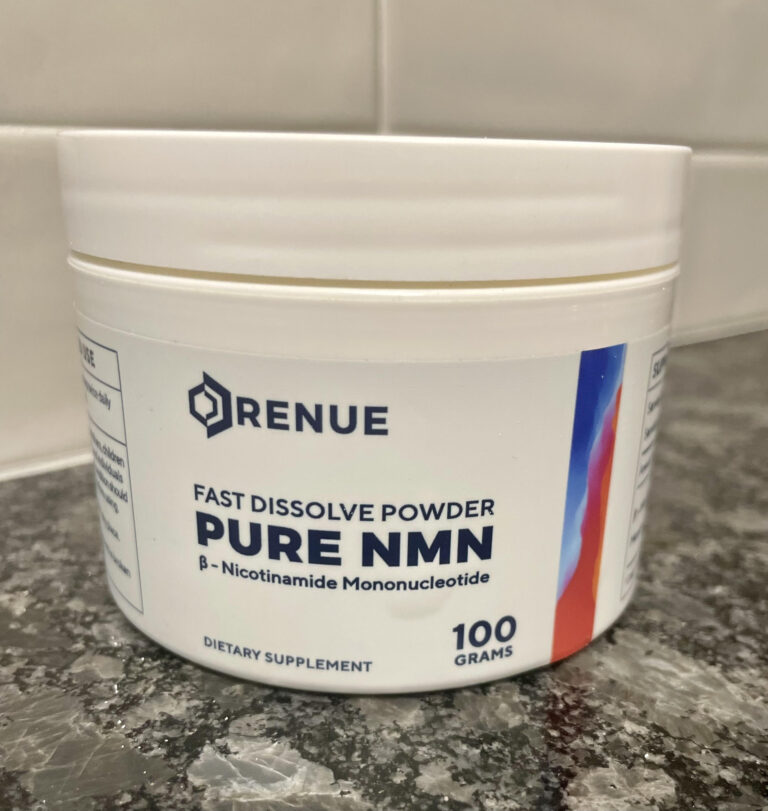
Renue by Science Pure Powder NMN Review: My 90-Day Experience

It was 1 AM. I was deep in a Huberman rabbit hole instead of sleeping like a normal person. He mentioned NMN and something clicked.

I’d just turned 34. Hangovers had become two-day events. Gym recovery felt like I’d been hit by a bus. That 3 PM energy crash wasn’t going anywhere no matter how much coffee I threw at it. The brain fog was the worst part though, some days it felt like thinking through wet concrete.

Sound familiar?

What caught my attention about NMN wasn’t the anti-aging hype. It was the mechanism. NAD+ is basically your cellular energy currency, and levels drop roughly 50% by middle age. That’s not marketing, that’s published research. Studies show this decline directly correlates with the aging symptoms we all complain about: less energy, slower recovery, cognitive decline, the whole package.

NMN is a precursor to NAD+. Take it, your body converts it, NAD+ levels rise. Simple concept. The question was whether it actually worked in practice.

A 2023 randomized clinical trial published in GeroScience tested 80 middle-aged adults taking 300-900mg NMN daily for 60 days. Blood NAD+ levels increased significantly across all treatment groups compared to placebo. No safety issues were found. That was the data point that convinced me to try it.

I decided to find out.

Why Renue by Science? (The Pioneer Advantage)

Here’s something most people don’t know: Renue by Science invented sublingual NMN delivery back in 2016. Before the NMN hype cycle. Before half these other brands existed. They were solving the bioavailability problem while everyone else was still figuring out what NMN even was.

That matters because this space is flooded with newcomers who slap “NMN” on a bottle and call it a day. Renue has nearly a decade of formulation experience, manufacturing refinement, and customer feedback loops.

The other reason I chose them: Andrew Huberman mentioned using their products on Twitter. The guy doesn’t endorse random supplements. He’s selective. That was enough for me to start there.

But the real clincher was the testing. A 2021 analysis tested 22 NMN products and found most were garbage. Some contained less than 1% of the NMN claimed on the label. Renue uses triple-lab verification: raw material testing, finished product strength testing, and purity verification. Every batch gets a Certificate of Analysis.

When you’re putting something in your body daily, that level of verification isn’t optional.

How Renue by Science Stacks Up Against Competitors

Before diving into my experience, here’s how Renue compares to the other major NMN brands:

BrandFormPurityPrice/gram3rd Party TestedBest For
Renue by ScienceSublingual/Liposomal99%+$0.65โœ“ Triple-testedBest overall value
ProHealth LongevityCapsules99%+$0.89โœ“Capsule preference
Wonderfeel YoungrCapsules + extras99%+$2.33โœ“All-in-one stack
DoNotAgePowder/Capsules99%+$0.75โœ“Budget bulk buyers
OMRELiposomal99%+$1.20โœ“Premium liposomal

Here’s the thing most reviews won’t tell you: price per gram is basically meaningless. What matters is how much actually gets into your bloodstream. I’ll break down the real math later, but spoiler: Renue’s bioavailability advantage makes them the clear winner on effective cost. Use code FLOW10 for 10% off to test it yourself.

Renue by Science Product Lineup (Which One’s Right for You)

Renue makes several NMN products. I’ve tried most of them. Here’s the breakdown:

ProductFormBioavailabilityPriceBest For
Pure PowderSublingual powder~30%$64.95/100gCost-conscious, flexible dosing
LIPO NMNLiposomal capsules~90%$64.95/90 capsConvenience, maximum absorption
Sublingual TabsFast dissolve tablets~30%$68.95/240 tabsEasy dosing, no powder mess
SLC Enteric NMNDelayed release capsules~25%$59.95/200 capsStomach-sensitive, sustained release

I started with Pure Powder because I wanted control over dosing. A 100g container at $64.95 lasts 3-4 months at 1g/day. That’s roughly $0.65/day, cheaper than your morning coffee. Use code FLOW10 for 10% off.

The taste isn’t great. It’s bitter. Scientific compounds don’t win flavor awards. I mix mine into Greek yogurt now (tip I picked up from David Sinclair’s protocol) which makes it tolerable. Some mornings I still do sublingual for faster absorption, just hold it under your tongue for 60-90 seconds and try not to think about the taste.

Sublingual vs Liposomal: The Real Difference

This is where most reviews get lazy. They list both options without explaining what actually matters.

Sublingual (Pure Powder): Goes under your tongue. Blood vessels there absorb it directly into your bloodstream, bypassing the digestive system. Your liver doesn’t filter it first. Absorption is around 30%, dramatically better than swallowing capsules where stomach acid destroys most of it.

Liposomal (LIPO NMN): The NMN is wrapped in tiny fat bubbles (liposomes). These protect it through your stomach and help it cross cell membranes. Renue’s own research shows liposomal delivers 3-5x more to the bloodstream than standard capsules. Absorption around 90%.

So why doesn’t everyone just use liposomal?

Cost. Liposomal is more expensive to manufacture. You’re paying for those fat bubbles.

My approach: Pure Powder most days for cost efficiency, liposomal when I need maximum effect (heavy training periods, stressful work weeks, or when I’ve been traveling and feel run down).

The Bioavailability Math Nobody Else Shows You

This is the section that should exist in every NMN review but doesn’t.

Comparing NMN supplements by price per gram is like comparing cars by price per pound. It misses what actually matters: how much gets into your bloodstream.

Here’s the real math:

Delivery MethodPrice/gramEstimated BioavailabilityEffective Cost/absorbed gram
Generic capsule (Amazon)$0.50~10%$5.00
Premium capsule$0.80~15%$5.33
Renue Sublingual Powder$0.65~30%$2.17
Renue LIPO NMN$2.89~90%$3.21

See what happened there?

The “cheap” Amazon capsules that cost $0.50/gram? They’re actually the most expensive option when you account for how little you actually absorb. You’d need to take 3x the dose to match what you get from Renue’s sublingual delivery.

The sublingual powder at $0.65/gram delivers more usable NMN than capsules at twice the price. The liposomal is slightly more per absorbed gram, but the convenience and consistency might be worth it depending on your lifestyle.

This is why I keep coming back to Renue. The numbers just work.

My 14-Month NMN Journey: What Actually Happened

I started logging everything: energy levels (1-10 scale), sleep quality, workout performance, cognitive function, mood. I’m a data nerd. Sue me.

Here’s the honest timeline:

Weeks 1-2: The “Is This a Scam?” Phase

Nothing dramatic. Maybe slightly easier mornings? Hard to tell if real or wishful thinking. I almost stopped here, most people probably do.

The only data point worth noting: I tracked my morning heart rate variability with my Oura ring, and it bumped up from an average of 34ms to 38ms by day 10. Small but measurable. HRV is a decent proxy for recovery and autonomic nervous system health.

I kept going.

Weeks 3-4: First Real Signs

The snooze button relationship changed. Usually I’d hit it 3-4 times, bargaining with myself about whether I really needed this job. By week three, I was waking up closer to the first alarm. Still not jumping out of bed with enthusiasm, but the dread was less.

The afternoon crash softened. Instead of falling off an energy cliff at 3 PM, it felt more like a gentle slope. I dropped from 4 coffees to 2-3 without consciously trying.

Sleep data: average deep sleep increased from 52 minutes to 67 minutes per night. REM stayed about the same. Total sleep score went from 74 to 79 on average.

Month 2: Things Got Interesting

This is when my wife noticed. “You seem less… irritable” was her exact phrase. In marriage speak, that’s a compliment.

The gym was the biggest surprise. I’ve been lifting for 12 years, so I know my body pretty well. Normally a heavy leg day means I’m walking funny for 48-72 hours. That shortened to about 36 hours. Not eliminated, I’m not claiming miracle recovery, but noticeably faster.

I track my lifts. During month 2, I hit a 315 lb squat for 3 reps, a number I hadn’t touched in over two years. Could be coincidence. Could be the accumulated effect of better sleep and recovery. Either way, I’ll take it.

Cognitively, the fog started lifting. Work calls that usually left me mentally exhausted felt more manageable. I was reading more in the evenings instead of just staring at Netflix, too tired to process anything with a plot. That alone made the $0.65/day investment worth it.

Months 3-6: The New Baseline

The improvements plateaued, but in a good way. They became my new normal.

Energy stayed consistent. No more rollercoaster days. My productivity metrics (I use Toggl to track deep work hours) showed an increase from an average of 4.2 hours of focused work per day to 5.6 hours. That extra 1.4 hours compounded is massive over weeks and months.

I experimented with dosing. Tried 1.5g/day for two weeks, no additional benefit, just more expensive. Tried 500mg/day, slight dip in energy, took about a week to notice. Settled back at 1g as my sweet spot.

Skin got comments. “You look rested” from multiple people. I’m a guy in my mid-30s who does the bare minimum for skincare (face wash, that’s it). Something was different, and it wasn’t my routine.

Months 7-14: The Long Game

I’m writing this at 14 months continuous use.

The benefits have held. Energy is stable. Recovery is solid. Brain works better than it did at 32 honestly. My last physical showed improved cholesterol numbers (LDL dropped 12 points) and my doctor asked what I’d changed. I mentioned NMN and she said “interesting” in that tone doctors use when they’re skeptical but intrigued.

I tried cycling off for 3 weeks around month 10 to test if this was all placebo.

It wasn’t.

By day 8 without NMN, the afternoon crashes crept back. By day 12, the brain fog returned. Sleep quality metrics dropped. I restarted and was back to baseline within a week.

That convinced me more than any study could.

The Science: What NMN Actually Does in Your Body

I’ll keep this brief because you probably don’t care about biochemistry details. But understanding the mechanism helps explain why results take time and why some people feel nothing.

NAD+ (nicotinamide adenine dinucleotide) is a coenzyme in every cell. It’s essential for energy production (mitochondrial function), DNA repair, cellular communication, regulating circadian rhythm, and activating sirtuins (longevity genes).

The problem: Research published in Advances in Nutrition confirms that NAD+ levels decline roughly 50% between ages 20 and 50. By 60, you’re running on fumes.

NMN is a direct precursor. Your body converts it to NAD+ through a one-step enzymatic reaction. Take NMN โ†’ NAD+ levels rise โ†’ cellular functions improve.

The human clinical data is solid now:

A 2023 dose-escalation study (Takahashi et al.) found benefits plateau around 750mg, higher doses didn’t provide additional NAD+ increases. That last point matters. More isn’t always better. The 1g I take is slightly above the optimization curve, but within the range where clinical benefits have been demonstrated.

NMN vs NR: Which NAD+ Precursor Is Better?

You’ll see this debate everywhere. NMN (nicotinamide mononucleotide) vs NR (nicotinamide riboside). Brands like Tru Niagen and Elysium Basis use NR instead of NMN.

Here’s the actual difference:

Both convert to NAD+ in your body. NR takes two steps (NR โ†’ NMN โ†’ NAD+). NMN takes one step (NMN โ†’ NAD+).

NR has more published human studies because it’s been around longer and was patented (making it attractive for pharmaceutical research funding). NMN has been catching up rapidly. A 2024 meta-analysis reviewed 12 randomized controlled trials with 513 total participants, confirming NMN safely and effectively elevates blood NAD+ levels.

The practical difference? Probably minimal for most people. Both work.

Why I chose NMN:

  • One fewer conversion step (theoretically more efficient)
  • More delivery options (sublingual, liposomal, tablets)
  • David Sinclair and Andrew Huberman both use NMN
  • Better price per absorbed mg with Renue’s formulations

If you’re currently taking NR and it’s working for you, there’s no strong reason to switch. If you’re starting fresh, NMN with good bioavailability (like Renue’s sublingual or liposomal) is my recommendation.

September 2025 FDA Update: NMN Is Officially Legal

Important context: In 2022, the FDA created confusion by suggesting NMN couldn’t be sold as a dietary supplement because a drug company was investigating it. This spooked a lot of people and got NMN pulled from Amazon.

That’s been resolved.

In September 2025, the FDA confirmed NMN is lawful as a dietary supplement. The regulatory uncertainty is over. You can buy NMN without worrying about it disappearing from the market.

Renue by Science weathered this period without interruption because they sell direct (not through Amazon) and maintained compliance throughout. Another point in their favor.

Renue by Science vs Competitors: Head-to-Head

Renue by Science vs ProHealth Longevity

ProHealth makes solid products. Their NMN Pro is 99%+ purity with good testing. Price is about $0.89/gram for capsules.

The difference: ProHealth only offers capsules. No sublingual, no liposomal. When you factor in the bioavailability math, Renue’s sublingual powder at $0.65/gram delivers more actual NMN to your bloodstream than ProHealth’s capsules at $0.89/gram.

Winner: Renue by Science (better bioavailability, more format options, lower effective cost)

Renue by Science vs Wonderfeel Youngr

Wonderfeel is the premium option. Their Youngr product combines NMN with resveratrol, ergothioneine, and other compounds. It’s essentially a complete longevity stack in one capsule.

Price: About $2.33/gram equivalent. Significantly more expensive.

Is it worth 3-4x the price? Maybe, if you want an all-in-one solution and don’t want to buy separate supplements. But if you’re already taking other things (like I am: resveratrol, fish oil, vitamin D), you’re paying for redundancy.

Winner: Depends (Wonderfeel for simplicity, Renue for value and flexibility)

Renue by Science vs DoNotAge

DoNotAge is the budget competitor. Prices around $0.75/gram, decent testing, ships from UK (which can mean delays for US customers).

The catch: Only capsule form available. Same bioavailability problem as ProHealth. And the shipping from overseas adds time and occasional customs complications.

Winner: Renue by Science (better bioavailability, domestic shipping, more format options)

Side Effects and Safety: The Honest Assessment

I’ve experienced minimal side effects. Some people report:

  • Stomach upset โ€” Usually from taking too much too fast. Start at 250-500mg and work up over 2 weeks.
  • Initial fatigue โ€” Some people feel tired days 3-7 as their body adjusts. Push through it.
  • Headaches โ€” Often dehydration-related. NMN may have mild diuretic effects. Drink more water.
  • Flushing/warmth โ€” Rare but harmless. Related to NAD+ effects on circulation.

The more serious consideration nobody likes to talk about: the theoretical cancer concern.

NAD+ is involved in cell proliferation. Some researchers have theorized that boosting NAD+ could theoretically accelerate the growth of existing cancer cells. There’s no human evidence this actually happens, and studies haven’t shown increased cancer rates in NMN users. But the theoretical mechanism exists.

My take: If you have cancer or are at high risk, talk to your oncologist before taking NMN or any NAD+ booster. For healthy individuals, the current evidence suggests NMN is safe. Clinical trials up to 1200mg/day for 12+ weeks have shown no serious adverse effects.

I’m not a doctor. This isn’t medical advice. But I believe in informed consent, and that means knowing the theoretical risks alongside the demonstrated benefits.

How to Take Renue by Science NMN (Optimal Protocol)

Based on 14 months of experimentation:

Dose: 500mg-1g daily. Start at 250-500mg for the first two weeks.

Timing: Morning, with or without food. Some take it fasted for better sublingual absorption. I mix it into Greek yogurt (per David Sinclair’s method) and haven’t noticed a difference versus fasted.

Sublingual method: Pour powder under tongue, hold 60-90 seconds, then swallow. Yes, it tastes bad. Deal with it or mix with food.

Storage: Keep in a cool, dry place. Some people refrigerate it for stability. Renue’s testing shows their powder remains stable at room temperature for 2+ years, but refrigeration doesn’t hurt.

Cycling: Not necessary based on current evidence. I take it daily without breaks. Some people do 5 days on, 2 days off. There’s no research supporting either approach as superior. Just pick one and stay consistent.

Frequently Asked Questions

Does NMN really work?

Yes, but set expectations correctly. It’s not a miracle. You won’t feel 20 years younger overnight. The effects build gradually over weeks: better energy, improved recovery, clearer thinking. Some people notice within 2 weeks. Others need 6-8 weeks. A minority feel nothing. Bodies vary.

How long does NMN take to work?

Most people report noticing something between weeks 2-6. Energy improvements tend to come first, followed by better sleep, then cognitive benefits. Give it at least 8-12 weeks before deciding it doesn’t work for you.

What’s the best NMN dosage?

Research suggests 250-1000mg daily is the effective range. Benefits plateau around 750mg based on the Takahashi 2023 study. I take 1g because I weigh 200+ lbs and respond well to it. Lighter individuals might do fine with 500mg.

Is Renue by Science NMN worth it?

For me, absolutely. At ~$20/month for the Pure Powder (code FLOW10 saves 10%), the improvements in energy, recovery, and cognitive function are worth far more than that in quality of life. Your math may differ.

Can I take NMN with other supplements?

Yes. NMN pairs well with resveratrol (which activates the sirtuins that NAD+ works with), TMG (trimethylglycine, which supports methylation that NMN may affect), and general supplements like vitamin D, omega-3s, etc. No known negative interactions.

Is liposomal NMN better than sublingual?

Higher bioavailability, yes (~90% vs ~30%). Better value? Depends on the price. Check the effective cost per absorbed gram. For Renue specifically, liposomal is slightly more expensive per absorbed mg but offers more consistent absorption and convenience.

Why is NMN not on Amazon anymore?

Amazon removed NMN products in 2022 due to FDA regulatory uncertainty. Even though that’s been resolved (September 2025 FDA ruling confirmed NMN is legal), Amazon hasn’t restored listings. Buy direct from manufacturers like Renue by Science.

Should I take NMN in the morning or evening?

Morning. NAD+ has circadian effects, and taking NMN in the morning aligns with your body’s natural rhythms. Evening dosing could theoretically disrupt sleep for some people, though evidence is limited.

What’s the difference between NMN and NAD+ supplements?

Direct NAD+ supplements exist but have poor bioavailability because NAD+ is too large to absorb well. NMN is a precursor your body converts to NAD+. The precursor approach (NMN or NR) is more effective than taking NAD+ directly.

Is NMN safe long-term?

The longest human trials are 12-24 weeks, showing no serious adverse effects up to 1200mg/day. Long-term (years) human data doesn’t exist yet because NMN supplementation is relatively new. David Sinclair has been taking it for 7+ years publicly. My risk tolerance allows for continued use; yours may differ.

The Bottom Line: Should You Try Renue by Science NMN?

After 14 months, here’s my honest assessment:

If you’re over 30 and experiencing:

  • Afternoon energy crashes
  • Slow recovery from workouts
  • Brain fog or cognitive decline
  • Poor sleep quality
  • General “feeling old” symptoms

NMN is worth trying. The mechanism is sound, the research is growing, and the subjective improvements are real for most people.

Why Renue by Science specifically?

  • Pioneer in the space (since 2016)
  • Superior bioavailability options (sublingual, liposomal)
  • Best effective cost when you do the math
  • Triple-tested quality with batch COAs
  • Used by Huberman and other credible voices

If you’re under 25: Your NAD+ levels are probably fine. Spend your money elsewhere.

If you have cancer or serious health conditions: Talk to your doctor first.

If you’re expecting miracles: Recalibrate. This is optimization, not transformation.

For everyone else? Give it 3 months. Track how you feel. The investment is less than a dollar a day. Use code FLOW10 for 10% off.

Worst case, you’ve lost the cost of a few coffees. Best case, you’re functioning at a level you forgot was possible.

That tradeoff made sense to me 14 months ago. It still does.


Related Reading:

Disclosure: This article contains affiliate links. If you purchase through these links, I may earn a commission at no extra cost to you. I only recommend products I personally use and believe in.

Selank vs Semax: Which Nootropic Peptide Is Right for You?

Russian scientists spent decades developing two peptides that affect your brain chemistry in completely opposite ways. Semax cranks up mental horsepower. Selank takes the edge off without turning you into a zombie. Same lab, same research institute, wildly different applications.

Most people hear “Russian peptides” and get either excited or skeptical. Fair enough. But these compounds have actual clinical data behind them, not just forum posts and speculation. Semax has been a prescription drug in Russia since 1996. Selank got approved there in 2009. We’re talking about compounds with real patient histories, not experimental substances cooked up last year.

I’ve spent way too many hours digging through PubMed abstracts and Russian medical journals for this. What follows is everything worth knowing about both peptides, when to use each one, and whether combining them makes sense.

Quick note: Neither Semax nor Selank is FDA-approved in the United States. They’re sold as research compounds. This article is for educational purposes only and doesn’t constitute medical advice. Always consult a healthcare provider before using any research peptides.

Semax and Selank at a Glance

Factor Semax Selank
What it does Cognitive boost, focus, memory Anxiety relief without sedation
Parent compound ACTH hormone fragment Tuftsin (immune peptide)
Main mechanism BDNF and dopamine GABA modulation
Russian approval 1996 2009
Makes you drowsy? No No
Addiction risk None documented None documented
Best time to take Morning only Whenever needed
Typical dose 200-600 mcg daily 300-900 mcg daily

If you already know you want to try one or both of these peptides, Limitless Life Nootropics offers a Semax + Selank blend that combines both in one nasal spray. Code BRAINFLOW saves 15%. Otherwise, keep reading for the full breakdown.

What is Semax?

Semax is a synthetic heptapeptide (seven amino acids) developed at the Institute of Molecular Genetics in Moscow starting in the late 1970s. The Russian government approved it as a prescription medication on March 28, 1996, and it’s been used clinically there for nearly three decades.

The name literally means “seven amino acids” in Russian (ะกะ•ะœัŒ ะะผะธะฝะพะšะธะกะปะพั‚). Its sequence is Met-Glu-His-Phe-Pro-Gly-Pro. Scientists took a fragment of ACTH, a hormone your pituitary gland produces, and added a Pro-Gly-Pro tail that extends its effects from about 30 minutes to 20-24 hours. They kept the cognitive benefits while eliminating the hormonal effects you’d get from actual ACTH.

What makes this peptide interesting for the nootropics community is that it doesn’t work like traditional stimulants. There’s no caffeine-like crash, no jittery edge, no building tolerance that forces you to keep increasing the dose. Semax operates through completely different pathways that support brain function rather than just temporarily revving it up. If you’re interested in trying it, Limitless Life Nootropics carries N-Acetyl Semax Amidate in a ready-to-use nasal spray (code BRAINFLOW saves 15%).

RELATED READING: Andrew Huberman’s Complete Peptide Guide

How Semax Works

The BDNF story is what gets researchers excited about Semax. BDNF (brain-derived neurotrophic factor) is essentially fertilizer for your neurons. It supports the growth of new brain cells and strengthens the connections between existing ones. As we age, BDNF levels naturally decline, which is one reason cognitive function tends to slip over time.

Semax appears to reverse some of that decline. Research published in Brain Research found that a single dose increases BDNF protein levels by 1.4-fold in the hippocampus, with a 3-fold increase in BDNF mRNA expression. The same study showed TrkB receptor activation increasing 1.6-fold. TrkB is the receptor that BDNF binds to, so you’re getting amplification on both ends of the signal.

But the benefits don’t stop at BDNF. Semax also modulates your neurotransmitter systems in ways that support focus and motivation. Animal research shows it increases serotonin metabolites by about 25% in the striatum and potentiates dopamine release when combined with stimulants. This helps explain why users describe the cognitive effects as “clean” rather than speedy or artificial.

The neuroprotection angle adds another layer of interest. When researchers conducted a genome-wide analysis of Semax’s effects in stroke models, they found it affects 96 different genes at 3 hours post-dose, with over half related to immune response and vascular function. The peptide seems to trigger protective cascades when brain tissue comes under stress.

Semax Benefits

The strongest clinical evidence for Semax comes from stroke recovery research. Russian neurologists have been using it in this context for years, and the data backs up their confidence. In one study, researchers followed 110 stroke patients who received 6,000 mcg of Semax daily for 10 days. Compared to controls, the Semax group showed elevated plasma BDNF throughout the study period. More importantly, their functional recovery was faster. Barthel index scores, which measure a patient’s ability to perform daily living activities, improved more quickly in the treatment group. Motor function followed the same pattern.

Russian doctors also prescribe Semax for optic nerve problems, and the results have been encouraging. In studies of patients with optic nerve disease, visual fields expanded by an average of 57.5 degrees in 80% of treated eyes. Patients also reported better color vision and smaller blind spots. The mechanism likely involves the same BDNF-mediated neuroprotection that helps stroke patients.

For healthy people looking to enhance cognitive performance, the evidence is thinner but still promising. A pilot study of 24 subjects showed improved attention and short-term memory after intranasal dosing. The improvements were modest but measurable, and the mechanism strongly supports the cognitive enhancement claims even if we’re still waiting on large-scale trials in healthy populations.

Users commonly report benefits including:

  • Improved focus and concentration during demanding mental work
  • Better verbal fluency and faster word recall
  • Enhanced motivation without the anxiety that stimulants can cause
  • Clearer thinking during periods of sleep deprivation or high stress
  • Faster learning and better retention of new information

Semax Side Effects

After decades of clinical use in Russia, Semax has established a solid safety profile. The most commonly reported issues are minor and local. Nasal irritation tops the list, especially at higher concentrations. Some users experience occasional headaches, though these tend to be dose-related and resolve when the dose is reduced. About 10% of long-term users notice some discoloration in their nasal passages, which is cosmetic rather than harmful.

Diabetics should be aware that roughly 7% of patients in clinical data showed mild blood glucose increases. If you’re managing blood sugar, it’s worth monitoring more closely when starting Semax.

The timing issue catches some people off guard. Semax has real dopaminergic activity, which means taking it too late in the day can interfere with sleep. If you find yourself lying awake after an evening dose, that’s your answer. Stick to morning and early afternoon administration.

People who are already prone to anxiety sometimes find that Semax makes things worse rather than better. The stimulating effects that create focus in some users can translate to restlessness and jitteriness in others. If you have an anxiety disorder or tend toward nervousness, start with the lowest possible dose and pay close attention to how you feel.

On the positive side, no dependence or withdrawal has been documented despite decades of use. And despite being derived from ACTH, standard doses don’t produce hormonal effects. You’re not messing with your endocrine system.

What is Selank?

Selank emerged from the same Moscow laboratory as Semax but with an entirely different mission. Where Semax was designed to boost cognitive performance, Selank was created to reduce anxiety without the problems that plague traditional anxiolytics. Russia approved it in 2009 for generalized anxiety disorder and neurasthenia, and it’s been in clinical use there ever since.

The peptide is built on tuftsin, a naturally occurring immune-modulating compound discovered at Tufts University in the 1970s. Russian scientists recognized tuftsin’s potential and modified it by adding the same Pro-Gly-Pro stabilizer they used for Semax. The result is a heptapeptide (Thr-Lys-Pro-Arg-Pro-Gly-Pro) that crosses the blood-brain barrier efficiently and sticks around long enough to produce meaningful effects.

The promise of Selank is straightforward: anxiety relief that actually rivals prescription medications, but without the devastating side effects that make drugs like Xanax and Valium so problematic. No sedation. No memory impairment. No physical dependence. No terrifying withdrawal syndrome. If it sounds too good to be true, the clinical data is surprisingly supportive. For those who want to try it, Limitless Life Nootropics offers N-Acetyl Selank Amidate as a nasal spray (code BRAINFLOW for 15% off).

RELATED READING: Dr. Andrew Huberman’s Complete Supplement List

How Selank Works

Selank works through GABA, the brain’s primary inhibitory neurotransmitter. But understanding how it differs from benzodiazepines is crucial. Benzos like Xanax and Valium bind directly to GABA-A receptors and essentially force them open. This creates powerful anti-anxiety effects, but it also causes sedation, impairs memory formation, leads to rapid tolerance, and creates physical dependence that can be life-threatening to break.

Selank takes a gentler approach. It acts as what pharmacologists call a positive allosteric modulator. Instead of forcing receptors open, it enhances GABA’s natural effects without hijacking the system. Think of it as turning up the volume on your brain’s existing calming signals rather than blasting artificial noise through a megaphone.

The genetic research confirms this mechanism. When researchers published their findings in Frontiers in Pharmacology, they found that Selank administration changed expression of 45 genes within an hour. The gene expression changes showed a correlation coefficient of 0.86 to GABA-related pathways, which is a strong relationship in biological research. The affected genes include GABA receptor subunits plus dopamine and serotonin receptors, suggesting the compound works through multiple complementary pathways.

Selank also preserves enkephalins, your body’s natural feel-good peptides. It blocks the enzymes that normally break enkephalins down, allowing them to stick around longer and do more work. And because the peptide is derived from tuftsin, it retains some immune-modulating properties that may contribute to its overall effects on wellbeing.

Selank Benefits

What makes the Selank research compelling is that scientists didn’t just test it against placebo. They ran head-to-head comparisons against actual prescription anxiolytics, which is a much higher bar to clear.

In one study of 62 patients with generalized anxiety disorder, researchers randomized participants to receive either Selank or medazepam, a benzodiazepine commonly prescribed for anxiety. The anxiety reduction was equivalent between the two groups. But the Selank users experienced something the benzo group didn’t: antiasthenic effects, meaning less fatigue and more mental energy. And while the benzodiazepine group dealt with the usual sedation and cognitive dulling, the Selank group reported zero sedation and no memory problems.

A later study pushed further by comparing Selank against phenazepam, a more potent benzodiazepine. Sixty patients participated, and once again, the anxiety relief was equivalent. But here’s where things get interesting. When researchers stopped the Selank, its anxiolytic effects persisted for a full week after the last dose. And when they monitored patients for withdrawal symptoms and tolerance development? Nothing. No rebound anxiety, no withdrawal syndrome, no tolerance buildup even after 14 days of continuous use.

Perhaps the most practically useful finding came from a study examining what happens when you combine Selank with a benzodiazepine. Researchers found that the combination allowed patients to get the benzo’s benefits while experiencing significantly fewer side effects. Memory impairment, sedation, and sexual dysfunction were all reduced in the combination group compared to benzodiazepine alone. For anyone trying to taper off long-term benzo use, this finding has real practical implications.

Users commonly report benefits including:

  • Noticeable reduction in background anxiety and worry
  • Improved ability to handle stressful situations without feeling overwhelmed
  • Better social comfort without the cognitive dulling that benzos cause
  • Clearer thinking under pressure rather than the fuzzy feeling from traditional anxiolytics
  • Improved sleep quality from reduced nighttime anxiety (though Selank itself isn’t sedating)
  • Subtle mood improvements and greater emotional stability

Selank Side Effects

Selank’s side effect profile is remarkably clean, which is part of what makes it so appealing compared to traditional anxiety medications. The most common complaint is a bitter taste if the nasal spray drips down into your throat. Some users report mild nasal irritation, especially during the first few days of use. Occasional headaches have been noted but are uncommon.

That’s essentially the complete list. No drowsiness. No coordination problems. No cognitive dulling or “benzo brain.” In fact, some research suggests Selank may slightly enhance memory through its BDNF effects, which is the opposite of what happens with benzodiazepines.

The addiction and dependence picture is equally reassuring. No documented cases of dependence or addiction exist in any study or in decades of Russian clinical use. You can stop taking Selank whenever you want without tapering, without withdrawal symptoms, and without rebound anxiety. Compare that to benzodiazepines, where discontinuation after long-term use can trigger seizures and require months of careful medical supervision.

People with autoimmune conditions should exercise some caution given Selank’s immune-modulating properties. The effects are generally considered beneficial for immune function, but if you have an autoimmune disorder where immune stimulation could cause problems, discuss it with your doctor first.

Choosing Between Semax and Selank

The choice usually comes down to what’s actually bothering you.

If your main issue is mental performance, Semax is the better choice. You want to learn faster, focus longer, remember more, or protect your brain from age-related decline? The BDNF mechanism directly supports cognitive function, and the dopaminergic effects provide clean motivation without the crash. Writers, programmers, students cramming for exams, lawyers preparing for trial, anyone doing demanding mental work tends to prefer Semax.

If anxiety or stress is the core problem, Selank makes more sense. It’s specifically designed as an anxiolytic and has clinical trial data proving it works as well as prescription medications. Social anxiety, generalized worry, performance anxiety before presentations, high-pressure periods at work: these are Selank situations. You get calm without getting foggy, which is the holy grail that most anxiety medications fail to deliver.

Some people genuinely need both. Semax can make anxious people more anxious because of its stimulating properties. Selank doesn’t provide the cognitive push that Semax does. If you want both enhanced mental performance AND emotional stability, running both peptides covers more ground than either alone.

๐Ÿง โšก

The Ultimate Stack: Semax + Selank Blend

Why buy two bottles when one does both? This N-Acetyl Semax Amidate + N-Acetyl Selank Amidate nasal spray delivers calm, focused cognition in a single product. Enhanced amidate versions for maximum potency and duration.

๐Ÿ’ฐ Use code BRAINFLOW for 15% off your order

RELATED READING: 4 Best Peptides for Anti-Aging

Stacking Semax and Selank

Combining these two peptides has become standard practice in the nootropics community, and the logic is sound. Semax provides mental acceleration while Selank keeps you from getting wound up. The result is calm focus, which is useful for high-stakes situations where clear thinking under pressure actually matters.

The standard approach is taking Semax in the morning for cognitive effects, then Selank in the afternoon or whenever stress peaks. Spacing them 4-6 hours apart makes it easier to identify which peptide is doing what if you need to adjust doses. Some people dose them simultaneously once they know their individual responses, which works fine.

One important recommendation: test each peptide individually for at least 3-5 days before combining them. You want to understand your personal response to Semax (does it wire you up? cause headaches? help you focus?) and Selank (do you actually notice the anxiolytic effect? any side effects?) before throwing them together. Starting both simultaneously makes troubleshooting much harder if something doesn’t feel right.

People who benefit most from the stack include:

  • Professionals in high-pressure cognitive roles (traders, executives, surgeons, lawyers)
  • Students facing demanding exams who also experience test anxiety
  • Anyone whose anxiety interferes with their ability to focus and perform
  • Public speakers and performers who need mental sharpness without stage fright
  • People transitioning off prescription anxiolytics who want cognitive support

Dosing Protocols

Both peptides are primarily used intranasally, meaning you spray them in your nose for rapid absorption to the brain. Subcutaneous injection works too and some people prefer it, but nasal administration is more convenient for daily use and doesn’t require dealing with needles.

Semax Dosing

Russian pharmacy preparations come in 0.1% (roughly 50 mcg per drop) and 1% (roughly 500 mcg per pump) concentrations. Research suppliers typically offer 0.3% or similar strengths.

For cognitive enhancement, most people use 200-600 mcg per day, divided into 1-2 doses. Starting at the low end is wise because individual responses vary significantly. Some people feel 200 mcg strongly while others need 600+ before noticing anything. Higher doses up to 900 mcg are used but increase the chance of side effects like headaches and overstimulation.

Clinical stroke protocols go much higher, in the range of 3,000-6,000 mcg daily, but those are supervised medical interventions for serious conditions, not general nootropic use.

Timing matters more with Semax than with most nootropics. Morning and early afternoon dosing only. Taking it in the evening is asking for insomnia given its dopaminergic activity. If you need a second dose, get it in before 2-3 PM.

Cycling is recommended: 10-14 days on, then equal time off. Some people extend to 30 days before taking a break, but cycling helps maintain sensitivity and is the conservative approach.

If you want to try the enhanced version, Limitless Life Nootropics carries N-Acetyl Semax Amidate nasal spray with better bioavailability and longer duration. Code BRAINFLOW saves 15%.

Selank Dosing

Russian clinical protocols for the 0.15% solution recommend 2 drops per nostril, 3 times daily, for up to 14 days. This works out to roughly 450 mcg total daily dose.

For general anxiety management, 300-900 mcg daily is the typical range. You can split it across multiple doses or take it all at once. Selank is flexible on timing because it doesn’t cause stimulation or sedation that would make timing critical. Some people take it in the morning, some before stressful events, some in the evening. Experiment to find what works for your situation.

Acute situational use is also effective. Taking 300-500 mcg about 30-60 minutes before something stressful (a job interview, a difficult conversation, public speaking) can take the edge off without impairing performance. This as-needed approach works well for people who don’t have chronic anxiety but face occasional high-pressure situations.

Cycling recommendations are 10-21 days on, followed by 1-3 weeks off. Selank’s excellent tolerability allows slightly longer runs than Semax, and clinical studies showed no tolerance development even after 14 consecutive days.

For ready-to-use Selank, Limitless Life Nootropics offers N-Acetyl Selank Amidate spray with no reconstitution needed. Use code BRAINFLOW for 15% off.

N-Acetyl Amidate Versions

You’ll see N-Acetyl Semax Amidate and N-Acetyl Selank Amidate sold alongside the standard versions. These are chemically modified forms with acetylation and amidation that protect against enzymatic breakdown in your body.

The practical differences are significant:

  • Longer half-life (6-12 hours vs 2-4 hours for standard versions)
  • Enhanced stability, meaning longer shelf life and more consistent effects
  • Estimated 2-5x greater potency per microgram
  • Often can dose once daily instead of multiple times

If you normally use 600 mcg of standard Semax, start with 350-400 mcg of the N-Acetyl version. The amidate versions cost more upfront but may be more economical per effective dose. Many users report the effects feel smoother and more consistent than the standard peptides.

How to Use Nasal Spray Peptides

If you’re buying pre-made nasal sprays, administration is straightforward. Clear your nasal passages first. Insert the spray tip into one nostril while closing the other. Spray while gently inhaling through your nose. Repeat for the other nostril. Avoid blowing your nose for at least 10 minutes after dosing to give the peptide time to absorb through the nasal mucosa.

For reconstituting lyophilized (powder) peptides, the process requires a bit more care:

  1. Add bacteriostatic water by directing the stream along the vial wall, never directly onto the powder
  2. Let it sit 10-20 minutes without agitation
  3. Swirl gently to mix once the powder has dissolved
  4. Never shake the vial, as this can denature the peptide and ruin it
  5. Transfer to a nasal spray bottle using a sterile syringe

Storage matters for peptide longevity. Refrigerate reconstituted peptides at 2-8ยฐC (standard refrigerator temperature). With bacteriostatic water, they’ll last 20-30 days. Sterile water gives you maybe 7 days before degradation becomes a concern. Unreconstituted powder can be frozen for long-term storage, but avoid freeze-thaw cycles as these damage the peptide structure.

When evaluating suppliers, look for these quality markers:

  • Third-party Certificate of Analysis (COA) with HPLC and mass spectrometry data
  • Purity of 98% minimum, ideally 99%+
  • Traceable batch/lot numbers
  • Cold-chain shipping with ice packs
  • Clear contact information and responsive customer service

If a supplier doesn’t provide COAs or only offers internal testing without third-party verification, look elsewhere. Peptide quality varies enormously between sources, and impure or degraded product won’t work and could potentially cause problems.

Important Legal and Safety Information

Regulatory status: Neither Semax nor Selank is FDA-approved for any medical use in the United States. They are not classified as dietary supplements. In the US, these peptides are sold strictly as research compounds and are not intended for human consumption. Purchasing and using research peptides is a personal decision that carries inherent risks and legal grey areas. In Russia and some other countries, both peptides are approved prescription medications.

This is not medical advice. The information in this article is for educational and informational purposes only. Nothing here should be construed as a recommendation to use these compounds. If you’re dealing with anxiety, cognitive issues, or any health condition, consult a qualified healthcare provider. Self-treating with research peptides instead of seeking proper medical care could delay diagnosis and treatment of serious conditions.

Quality and safety concerns: Because research peptides are unregulated, product quality varies dramatically between suppliers. There’s no guarantee that what you receive matches what’s on the label. Contaminated, degraded, or mislabeled products are real risks in this market. Anyone choosing to use research peptides assumes full responsibility for verifying product quality and authenticity.

For competitive athletes: Semax and Selank don’t appear by name on the 2025 WADA Prohibited List. However, they could theoretically fall under Section S0, which covers non-approved substances. If you’re subject to drug testing through any athletic organization, verify with your specific anti-doping authority before using either peptide. The “it’s not explicitly banned” argument doesn’t always hold up in doping cases.

Contraindications: Both peptides should be avoided during pregnancy and breastfeeding due to insufficient safety data. People with active cancer should exercise caution given theoretical concerns with compounds that affect growth factors. Semax specifically warrants extra caution in people with severe psychiatric disorders, poorly controlled diabetes, or hypertension. Selank needs caution in people with autoimmune conditions given its immune-modulating effects.

Drug interactions: Semax should be used carefully alongside SSRIs, MAOIs, or stimulants due to overlapping effects on neurotransmitter systems. The combination isn’t necessarily dangerous, but effects can be unpredictable. Selank actually appears to reduce benzodiazepine side effects when combined, which is supported by clinical data. Neither peptide has shown problematic interactions with common supplements or most medications, but disclosing peptide use to your doctor is always smart.

Frequently Asked Questions

Which peptide works faster?

Both hit within 15-30 minutes when used intranasally, so acute effects are comparable. However, the full benefits develop over 2-4 weeks of consistent use as the underlying neurobiological changes accumulate. Don’t judge either peptide based on a single dose.

Can I use Selank instead of my anxiety medication?

That’s a conversation for your doctor, not the internet. Selank isn’t FDA-approved and shouldn’t be treated as a direct pharmaceutical replacement without medical guidance. That said, the clinical data showing comparable efficacy to benzodiazepines is legitimately interesting and worth discussing with a healthcare provider, especially if you’re looking for alternatives with fewer side effects.

Will Semax help with ADHD?

No clinical trials have specifically tested Semax for ADHD. The mechanism (dopamine modulation, BDNF increase, attention effects) suggests potential benefit, and plenty of people with ADHD report positive experiences. A paper in Medical Hypotheses proposed Semax as a potential ADHD treatment based on its pharmacology. But “might help based on mechanism” isn’t the same as “proven to treat.” If you have ADHD, it might be worth trying under appropriate supervision, but set realistic expectations.

How long can I stay on these peptides?

Standard cycles run 10-14 days for Semax and up to 21 days for Selank, with equal time off between cycles. Some people extend to 4-6 weeks before cycling off. Selank showed no tolerance development after 14 consecutive days in clinical studies, which is reassuring for those who want longer runs.

Is the N-Acetyl Amidate version worth the extra cost?

For most people, yes. The longer duration means fewer doses per day, which is more convenient. The enhanced stability translates to better shelf life and more consistent effects. And because you need less product per dose, the higher price per vial often works out to similar cost per effective dose. If budget is tight, start with standard versions. But if you can afford it, the amidate versions are generally the better choice.

Any interactions with coffee or other nootropics?

Semax plus caffeine can feel like a lot of stimulation for some people. Consider using less coffee than usual when starting out and see how you respond. Selank doesn’t have obvious interactions or conflicts with common nootropics and doesn’t interact with caffeine in any problematic way. Neither peptide interacts badly with racetams, choline sources, or standard nootropic stack components.

Does Selank cause sedation like benzos?

No, and this is one of Selank’s major selling points. It provides anxiety relief without drowsiness, cognitive impairment, or motor coordination issues. You stay mentally sharp while feeling calmer. This distinguishes it from virtually every other effective anxiolytic on the market.

Is Selank addictive?

No dependence or addiction has been documented in clinical studies or in decades of clinical use. Unlike benzodiazepines, Selank shows no tolerance development after 14 days and no withdrawal syndrome when discontinued. You can stop taking it whenever you want without tapering or medical supervision.

Final Thoughts

Semax and Selank represent two different approaches to brain optimization, and both are backed by more clinical data than almost anything else in the nootropics space. Semax pushes cognitive performance through BDNF and dopamine modulation. Selank provides pharmaceutical-grade anxiety relief without the sedation, addiction, and cognitive impairment that make benzodiazepines so problematic for long-term use.

If you want sharper thinking, Semax is the answer. If you want anxiety relief without becoming a sedated mess, Selank delivers. If you want both, and plenty of people do, running them together covers more ground than either peptide alone.

The clinical data on these compounds is solid. These aren’t theoretical molecules or forum favorites with nothing but anecdotes behind them. They’ve been in actual medical use for decades, prescribed by doctors to real patients. That doesn’t mean they’re perfect or right for everyone. But it does mean the safety and efficacy claims carry more weight than the average research chemical that gets hyped online.

Whatever you decide, start low, pay attention to how you respond, and adjust from there. The best nootropic protocol is always the one tailored to your individual brain chemistry and goals.

๐Ÿ”ฌ Where to Get Quality Semax and Selank

Peptide quality varies significantly between suppliers. Limitless Life Nootropics provides pharmaceutical-grade N-Acetyl Semax Amidate and N-Acetyl Selank Amidate nasal sprays with third-party testing and proper cold-chain shipping.

Use code BRAINFLOW for 15% off your order

Shop Semax Spray โ†’ Shop Selank Spray โ†’


References

  1. Dolotov OV, et al. Semax, an analog of ACTH(4-10) with cognitive effects, regulates BDNF and trkB expression in the rat hippocampus. Brain Research. 2006. PubMed
  2. Eremin KO, et al. Semax, an ACTH(4-10) analogue with nootropic properties, activates dopaminergic and serotoninergic brain systems in rodents. Neurochemical Research. 2005. PubMed
  3. Medvedeva EV, et al. The peptide semax affects the expression of genes related to the immune and vascular systems in rat brain focal ischemia. BMC Genomics. 2014. PMC
  4. Gusev EI, et al. The efficacy of semax in the treatment of patients at different stages of ischemic stroke. Zhurnal Nevrologii i Psikhiatrii. 2017. PubMed
  5. Volkova A, et al. Selank Administration Affects the Expression of Some Genes Involved in GABAergic Neurotransmission. Frontiers in Pharmacology. 2016. PMC
  6. Zozulia AA, et al. Efficacy and possible mechanisms of action of a new peptide anxiolytic selank in the therapy of generalized anxiety disorders and neurasthenia. Zhurnal Nevrologii i Psikhiatrii. 2008. PubMed
  7. Medvedev VE, et al. A comparative clinical trial of selank and phenazepam in patients with anxiety disorders. Zhurnal Nevrologii i Psikhiatrii. 2014. PubMed
  8. Medvedev VE, et al. Combined treatment with selank and phenazepam in anxiety disorders. Zhurnal Nevrologii i Psikhiatrii. 2015. PubMed

Medical Disclaimer: This content is for informational and educational purposes only. It is not intended to be a substitute for professional medical advice, diagnosis, or treatment. Semax and Selank are not FDA-approved for any medical use in the United States and are sold only as research compounds. Always seek the advice of your physician or other qualified health provider with any questions you may have regarding a medical condition. Never disregard professional medical advice or delay in seeking it because of something you have read on this website. The author and publisher assume no responsibility for any adverse effects resulting from the use of information contained herein.

How to Reset Your Life: 15 Ways to Start Fresh (At Any Age)

0

There’s a difference between wanting your life to change and being ready to do something about it.

If you’re reading this, you’re probably past the wishing stage. Something feels offโ€”maybe a lot of thingsโ€”and you’re looking for a way forward that doesn’t involve burning everything down or waiting around for circumstances to magically improve.

Good. Because a life reset isn’t about dramatic gestures. It’s about targeted changes in the areas that matter most. Some of what follows will feel obvious. Do it anyway. Some will be uncomfortable. That’s usually a sign you’re on the right track.

Here are 15 ways to reset your life, starting now.

1. Name What’s Broken

Vague dissatisfaction keeps people stuck for years. “Something’s not right” isn’t actionable. You need specifics.

Write it down. All of it. The job you dread. The relationship that drains you. The health you’ve neglected. The money stress. The friendships you’ve outgrown. The goals you abandoned. Put it on paper without filtering or softening the truth. I use a Worry for Nothing journal for this kind of brain dumpโ€”it’s designed for getting anxious thoughts out of your head and onto paper where they lose some of their power.

This part sucks. Nobody wants to see the full list. But you can’t fix problems you won’t acknowledge, and clarityโ€”even brutal clarityโ€”beats confusion every time. There’s research showing that the act of naming negative emotions actually reduces their intensity. Psychologists call it “affect labeling,” and brain imaging studies show it decreases activity in the amygdala, the part of your brain responsible for emotional reactions.

So the discomfort of writing it all down serves a purpose beyond just getting clear. It’s the first step in taking the charge out of what’s been weighing on you.

2. Purge Your Physical Space

Clutter isn’t neutral. It’s actively working against you.

UCLA researchers found that people who described their homes as cluttered had elevated cortisol levelsโ€”the stress hormoneโ€”throughout the day. The visual chaos creates mental chaos, whether you’re conscious of it or not. Your brain has to process everything in your environment, and when that environment is messy, part of your mental energy goes toward filtering out the noise.

Go room by room. Be ruthless. If you haven’t used it in a year, it goes. If it reminds you of someone you’re trying to move on from, it goes. If you’re keeping it out of guilt or obligation, it definitely goes.

Start with the spaces where you spend the most timeโ€”your bedroom, your workspace, your kitchen. Clear the surfaces. Organize what remains. Donate or trash the rest. There’s something almost magical about walking into a clean, organized room. It signals to your brain that you have your life together, even when other things feel chaotic. Clear surfaces, clear mindโ€”it’s clichรฉ because it’s true.

3. Cut Your Screen Time in Half

Check your phone’s screen time report. Now imagine getting half of those hours back every week.

Heavy social media use correlates with increased rates of anxiety, depression, and loneliness. The comparison trap is real. The outrage cycle is exhausting. And the time disappears without anything to show for it.

Delete the apps for a week. Just one week. See what happens to your attention span, your mood, your free time. Most people are shocked by how different they feelโ€”and how little they actually miss it.

4. Evaluate Every Relationship in Your Life

Who lifts you up? Who drags you down? Who leaves you feeling worse after every interaction?

Be honest. Some relationships have run their course. Others need boundaries you’ve been afraid to set. And there are probably people you’ve neglected who deserve more of your time than they’re getting.

The stakes here are higher than you might think. The Harvard Study of Adult Developmentโ€”one of the longest-running studies on human happinessโ€”followed hundreds of people for over 80 years. The single biggest predictor of health and happiness in later life wasn’t wealth, career success, or even physical fitness. It was the quality of close relationships.

You don’t have to cut anyone off dramatically. Sometimes it’s just about rebalancingโ€”less energy toward people who take, more toward people who give. But don’t underestimate how much your inner circle shapes your trajectory. The research says it might be the most important factor of all.

5. Move Every Single Day

Exercise isn’t optional if you’re serious about resetting your life. Not for the calorie burnโ€”for your brain.

Physical activity releases endorphins, reduces cortisol, and promotes neuroplasticityโ€”your brain’s ability to form new connections and adapt. It’s been used clinically to treat depression and anxiety because it works. When you’re trying to change your life, you need your brain operating at its best. Movement makes that happen.

The mental benefits show up fast. Most people notice improved mood, better sleep, and clearer thinking within the first week or two of consistent exercise. And over time, the effects compoundโ€”you’re not just managing stress better, you’re actually building a more resilient brain.

Thirty minutes. Every day. Walk, run, lift, swim, danceโ€”pick something and stop negotiating with yourself about whether you feel like it. The days you least want to move are usually the days you need it most.

Related: Mel Robbins’ Morning Routine (And How to Build Your Own)

6. Prioritize Sleep Like Your Life Depends on It

Because it kind of does.

Sleep deprivation wrecks your mood, your willpower, your decision-making, and your ability to handle stress. Research links chronic poor sleep to weight gain, cognitive decline, heart disease, and mental health issues. Everything you’re trying to improve gets harder when you’re running on empty.

Seven to eight hours. Same bedtime every night. No screens in the hour before bed. Room cold and dark. Magnesium glycinate helps me wind down without grogginess the next morning, and switching to a sunrise alarm clock made waking up dramatically less miserable.

7. Get Specific About What You Want

“I want things to be better” isn’t a goal. It’s a wish. And wishes don’t come with action plans.

Sit down and describe your ideal life one year from now. Where do you live? What does your work look like? Who’s around you? How do you feel physically? What do you do with your free time? Get detailed. The more vivid the picture, the easier it becomes to reverse-engineer the steps to get there.

Research shows that writing down goals makes you 42% more likely to achieve them. Not thinking about them. Writing them. A dedicated planner keeps mine visible and connected to weekly action items instead of buried in some forgotten note on my phone.

Related: How to Plan Your Year Without Overcomplicating It

8. Build a Morning Routine Worth Waking Up For

The first hour of your day sets the tone for everything that follows. Start reactiveโ€”snoozing, scrolling, rushingโ€”and that energy tends to stick. Start intentional and you carry that into the hours ahead.

What goes into your routine matters less than having one. Could be coffee in silence. Could be a workout. Could be journaling in a gratitude journal for ten minutes. Could be all of the above. The point is owning that time before the world starts making demands.

Protect it. That means going to bed early enough to wake up before you have to. Rushing through a morning routine defeats the purpose.

9. Learn Something That Has Nothing to Do With Your Job

When’s the last time you were genuinely bad at something? Not just mediocreโ€”actually clueless?

Being a beginner again does something important. It breaks you out of the competence trap where you only do things you’re already good at. It reminds you that growth is still possible. And research shows learning new skills improves cognitive function and memory, even later in life.

Pick something with no practical payoff. Pottery. Piano. A language you’ll probably never need. Rock climbing. Improv comedy. The discomfort of being bad at something is part of the reset.

10. Say No More Than You Say Yes

Overcommitment is one of the fastest ways to stay stuck. Your calendar fills up with obligations that don’t serve you, and suddenly there’s no space left for the things that would move your life forward.

Start declining. The coffee meeting that feels like an obligation. The project that isn’t yours to carry. The social events you attend out of guilt. Every yes to something mediocre is a no to something better.

Some people will be annoyed. Let them be. Protecting your time and energy isn’t selfishโ€”it’s necessary for anyone trying to build a different kind of life. If you struggle with this, Essentialism by Greg McKeown is worth readingโ€”it reframes saying no as a discipline rather than a character flaw.

11. Face Your Finances

Money problems bleed into everything. Even when you’re not actively thinking about them, financial stress runs in the background, limiting your options and draining your mental bandwidth.

Pull up your accounts. Track every dollar for one month. Look at where it’s actually going versus where you think it’s goingโ€”there’s almost always a gap. Subscriptions you forgot about. Convenience spending that adds up. Categories that would embarrass you if you saw the monthly total.

Find the leaks that aren’t adding anything to your life and redirect that money toward savings or debt paydown. Even small changesโ€”cooking more, canceling unused subscriptions, waiting 48 hours before impulse purchasesโ€”compound over time.

You don’t need a complicated system. You need visibility and a basic plan. Know what comes in, know what goes out, build a buffer for emergencies. If you want a no-nonsense guide to getting your money together, I Will Teach You to Be Rich by Ramit Sethi is one of the better onesโ€”practical, non-judgmental, and focused on automation so you don’t have to think about it constantly.

12. Start Writing Things Down

Journaling sounds like homework until you try it for a few weeks. Then you realize how much mental clutter you’ve been carrying around that could have been offloaded onto paper.

Doesn’t need to be deep. “What’s on my mind? What went well today? What am I avoiding?” Three questions, five minutes, done. The act of writing forces processing that doesn’t happen when thoughts just spin in your head on repeat.

It also gives you a record. Months from now, you can look back and see how far you’ve comeโ€”which matters during the inevitable stretches when progress feels invisible.

Related: 10 Atomic Habits Hacks That Actually Work

13. Let Go of a Grudge

Holding onto resentment is exhausting. It keeps you tethered to the past, replaying old hurts, waiting for apologies that may never come.

Forgiveness isn’t about the other person. It’s about freeing up the mental and emotional space they’re currently occupying rent-free. You’re not saying what happened was okay. You’re deciding it doesn’t get to control your present anymore.

The health benefits of letting go are well documented. Research from Johns Hopkins links chronic anger and resentment to elevated heart rate, blood pressure, and immune system suppression. Forgiveness, on the other hand, is associated with lower anxiety, reduced depression, and better cardiovascular health. Holding a grudge doesn’t just feel badโ€”it’s measurably bad for your body.

This applies to yourself too. If you’re still beating yourself up over past mistakesโ€”bad decisions, wasted years, things you should have done differentlyโ€”it’s time to let that go. Learn what you can from it and move forward. Ruminating on what you can’t change is just another form of staying stuck.

14. Do the Scary Thing

There’s probably something you’ve been putting off because it intimidates you. A conversation. An application. A project. A change you know you need to make but keep finding reasons to delay.

Do that thing.

Growth happens outside comfort zones. Your brain is wired to avoid uncertainty and stick with what’s familiar, even when familiar isn’t working. That’s why change feels so uncomfortableโ€”you’re fighting millions of years of evolutionary programming that just wants to keep you safe.

But here’s what happens when you act despite the fear: you build evidence that you’re capable of more than you thought. That evidence compounds. Each scary thing you do makes the next one slightly less terrifying because you’ve proven to yourself that you can handle discomfort.

Confidence isn’t something you wait to feelโ€”it’s something you build by doing hard things anyway. The fear might not go away, but your relationship with it changes. You stop letting it make decisions for you.

15. Give It Six Months

Resetting your life isn’t a project you finish in a weekend. Real change takes longer than your patience wants to allow, and the results are often invisible until suddenly they’re not.

Commit to six months of showing up consistently before you judge whether it’s working. There will be weeks when nothing feels different. There will be setbacks. The people who actually change their lives are the ones who keep going during those stretches instead of quitting and starting over with something new.

Six months from now, you’ll either be in a different place or you’ll still be where you are. The only variable is whether you stick with it.

Related: 15 New Year’s Resolutions That Actually Stick

Now Pick Your Starting Point

Fifteen things is overwhelming if you’re trying to tackle them all at once. Don’t.

Scan the list. One of these probably jumped out more than the othersโ€”maybe because it’s the area where you’re struggling most, or because it seems the most doable right now. That’s your starting point. Get that one handledโ€”really handled, not half-startedโ€”before adding another.

The temptation will be to go big. New gym membership, complete pantry overhaul, morning routine that requires waking up two hours earlier. Resist that urge. Dramatic changes rarely stick. What works is picking one thing, making it non-negotiable, and building from there.

Small, consistent changes beat dramatic overhauls every time. A year from now, you won’t remember the exact moment things shiftedโ€”but you’ll look back and realize you’re not the same person anymore. That’s how real resets work. Not overnight transformation, but gradual rebuilding until one day the foundation is solid enough to hold the life you actually want.