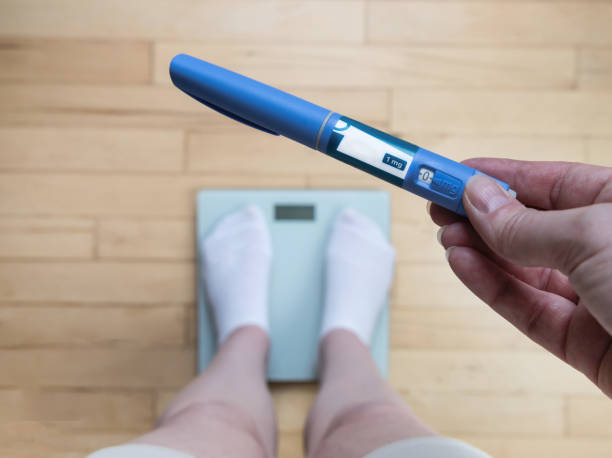
9 Signs Your GLP-1 Dose Needs Adjusting (And 3 That Aren’t the Dose)

Is this dose actually doing anything?

It’s a question that crosses the mind of almost every person on a GLP-1 medication at some point. Maybe the appetite suppression that felt so strong in the first few weeks has faded. Maybe the side effects never really went away. Maybe you’re losing weight but feeling terrible, or feeling fine but the scale hasn’t budged. Whatever the version, the underlying worry is the same: is this the right dose for me?

The honest answer is that dosing GLP-1 medications is not a one-and-done decision. Semaglutide (Ozempic, Wegovy) and tirzepatide (Mounjaro, Zepbound) both follow a titration schedule where you start low and gradually increase. But where you land on that schedule, and how long you stay there, varies wildly from person to person. Your prescriber set a starting path, but your body writes the rest of the story.

According to clinical guidance from obesity medicine specialists, the goal is to find the lowest effective dose. Not the highest dose available. Not the dose your friend takes.

The one where your appetite is manageable, your weight is trending in the right direction, and the side effects aren’t running your life.

Here’s how to tell if you’re not there yet.

Signs Your Dose Might Be Too Low

A dose that’s too low doesn’t always look like “nothing is happening.” Sometimes it’s subtle. You’re losing weight, but slowly. You’re less hungry, but not enough to change how much you actually eat. The medication is doing something, just not enough to matter.

Your appetite came back early

During the first few weeks on a new dose, most people notice a significant drop in appetite. Food noise gets quieter. Cravings ease up. If that effect wore off within two to three weeks of being on the same dose, and you’re not yet at your target weight, it may be time to move up.

This is different from a plateau. A plateau means you’ve been losing weight and it stopped. A dose that’s too low means the appetite suppression itself is fading, which usually happens before the weight loss stalls. You might find yourself thinking about food more, snacking between meals again, or finishing portions that used to feel too big.

You haven’t lost weight in four or more weeks

On an effective dose, most people lose weight consistently for the first several months. If the scale hasn’t moved in a month and you’re still in the early or mid-phase of treatment (not yet at a healthy weight or your goal), your dose may not be strong enough to maintain the calorie deficit your body needs at its current size.

Make sure you rule out other causes first. Water retention, hormonal fluctuations, increased muscle from exercise, and constipation can all mask fat loss on the scale for a couple of weeks. But a genuine four-week stall in the first six months of treatment usually warrants a dose conversation.

Related Reading: GLP-1 Plateau? 8 Reasons Your Weight Loss Stalled (And How to Fix It)

You’re still on the starter dose

Both semaglutide and tirzepatide have starter doses that are not meant to produce results. Semaglutide begins at 0.25 mg weekly. Tirzepatide starts at 2.5 mg. These exist purely to let your body adjust before moving to a dose that actually has clinical effect. If you’ve been sitting on the starter dose for more than four to six weeks without titrating up, you’re essentially taking a dose that was never designed to do the heavy lifting.

Some telehealth providers or busy clinics are slow to schedule follow-ups, which means patients can end up parked on an ineffective dose for months without realizing it. If that sounds familiar, reach out to your prescriber. Don’t wait for them to call you.

Signs Your Dose Might Be Too High

More medication is not always better. A dose that’s too high doesn’t help you lose weight faster. It makes you miserable. And when you’re miserable, you eat less than your body needs, skip nutrients, get dehydrated, and potentially create bigger health problems than the ones you started with.

A 2025 study from Harvard Medical School and the CDC found that while serious side effects from semaglutide are uncommon overall, nearly 70% of emergency visits related to the drug involved gastrointestinal problems.

And an unexpected finding: about 17% of ER visits were for dangerously low blood sugar, even in people not taking other diabetes medications. Researchers suggested some of these patients may have been starving themselves because of extreme appetite suppression at higher doses.

Nausea that doesn’t quit

Some nausea is normal when you start a new dose or titrate up. It usually fades within a week or two as your body adjusts. What’s not normal is nausea that lasts more than two to three weeks on the same dose, nausea that prevents you from eating at all, or nausea so bad that you dread injection day.

Persistent severe nausea is your body sending a clear message: this is too much. It’s not a sign of the medication “working hard.” It’s a sign of gastrointestinal distress that can lead to dehydration, nutritional deficiencies, and eventually to people quitting the medication entirely.

You can’t keep food down

Vomiting after meals, especially if it happens regularly, is a red flag that your dose is too aggressive. GLP-1 medications slow gastric emptying, which is part of how they reduce appetite. But at too high a dose, that slowing can become excessive. Food sits in your stomach too long, and your body’s response is to reject it.

This is not something to push through. Repeated vomiting causes dehydration, electrolyte imbalances, and esophageal irritation. If you’re throwing up more than occasionally after a dose increase, call your prescriber before your next injection. They may drop you back to the previous dose or extend the time between increases.

You’re eating fewer than 800 calories most days

There’s suppressed appetite, and then there’s functionally not eating. If your GLP-1 has killed your appetite so thoroughly that you’re consistently taking in fewer than 800 to 1,000 calories, your dose may be doing more harm than good.

At that calorie level, your body can’t get enough protein to preserve muscle, enough micronutrients to maintain organ function, or enough energy to keep your metabolism from tanking. The weight you lose at that point is increasingly muscle, not fat. And muscle loss is what makes regain so likely if you ever reduce or stop the medication.

If eating feels impossible, a protein shake can bridge the gap on the worst days. Orgain Organic Protein goes down easier than solid food when your stomach is staging a protest.

I’ve recommended it to people who were barely eating 600 calories a day and couldn’t face another bite of chicken. Twenty-one grams of protein in a drink you can sip over an hour is sometimes the difference between dangerous undereating and getting through the day with enough fuel to function.

Related Reading: What to Eat When GLP-1 Kills Your Appetite (But You Still Need Nutrition)

Signs That Aren’t About the Dose at All

Not every problem on a GLP-1 medication is a dosing issue. Sometimes the dose is fine and something else entirely is going on. Mistaking a lifestyle problem for a dose problem leads to unnecessary increases (and unnecessary side effects).

You’re dehydrated

GLP-1 medications reduce thirst right alongside appetite. You’re eating less, drinking less, and getting less water from food. Meanwhile, common side effects like diarrhea and vomiting (especially during dose changes) can drain fluids faster than you replace them.

Dehydration mimics a lot of dose-related symptoms. Fatigue, headaches, dizziness, constipation, brain fog. Before assuming your dose needs to change, check whether you’re actually drinking enough water. Aim for at least 64 ounces daily.

If plain water feels like a chore, LMNT electrolyte packets make it easier to stay on top of. They replace the sodium, potassium, and magnesium you’re missing from smaller meals, and they taste good enough that you actually finish the bottle. Deceptively simple fix for what sometimes feels like a medication problem.

Your nutrition tanked

Eating 1,200 calories of crackers and toast is very different from eating 1,200 calories of protein, vegetables, and healthy fats. If the quality of what you’re eating dropped as the quantity dropped, you’re going to feel terrible regardless of what dose you’re on.

A 2025 review published in PMC noted that GLP-1 medications affect gastrointestinal function well beyond simple appetite suppression. They alter how your body absorbs nutrients, how quickly food moves through your system, and how your gut communicates with your brain.

Poor food choices on top of those changes can amplify side effects that have nothing to do with your dose.

If you’re feeling off, keep a simple food diary for three days before asking for a dose adjustment. You might find the fix is in the kitchen, not the pharmacy.

Filling nutritional gaps with a daily multivitamin is a practical safety net while you figure things out. Amazon Basics multivitamin gummies cover the basics without adding another pill to swallow, which matters when your stomach is already sensitive.

They’re not a replacement for real food, but they catch the shortfalls that happen when you’re eating half of what you used to.

You’re not sleeping or you’re over-stressed

Sleep deprivation messes with ghrelin and leptin, the two hormones most directly involved in hunger signaling. High stress elevates cortisol, which promotes fat storage and increases cravings. Both of these can overpower the effects of your GLP-1 medication and make it look like the dose isn’t working when really the problem is everything happening around the dose.

The Titration Schedule: What Most People Get Wrong

Standard titration for semaglutide looks like this: 0.25 mg for four weeks, then 0.5 mg, then 1 mg, then 1.7 mg, then 2.4 mg. Each step lasts at least four weeks. For tirzepatide, it’s similar: 2.5 mg to start, then 5 mg, 7.5 mg, 10 mg, 12.5 mg, and up to 15 mg.

Those schedules are guidelines. They’re not contracts. And the biggest mistake people make is treating titration like a race to the top.

If you’re losing weight steadily and tolerating your current dose well, there is zero reason to increase just because the schedule says you can. The goal is the lowest effective dose. Staying at 1 mg of semaglutide when 1 mg is working saves you from side effects, costs less, and leaves room to increase later if you genuinely need it.

The second mistake is the opposite: suffering through side effects because you think you’re supposed to. If a dose increase made you violently nauseous for three weeks, you don’t have to white-knuckle it. Going back to the previous dose for another month and then trying again more slowly is a perfectly valid approach. Some prescribers will even do half-step increases for patients who are sensitive.

Related Reading: The Complete GLP-1 Side Effects Guide

When to Switch Medications Instead of Adjusting Dose

Sometimes the issue isn’t the dose. It’s the drug.

Semaglutide and tirzepatide work through different mechanisms. Semaglutide targets GLP-1 receptors only. Tirzepatide hits both GLP-1 and GIP receptors, which tends to produce greater appetite suppression and more weight loss in clinical trials. Head-to-head data showed average weight loss of about 20% with tirzepatide compared to roughly 14% with semaglutide.

If you’ve maxed out your semaglutide dose and still aren’t seeing adequate results, switching to tirzepatide is a reasonable next step. It’s not failing. It’s matching the biology. Some people’s bodies simply respond better to dual-receptor activation.

The reverse is also true. If tirzepatide side effects are unbearable even at lower doses, semaglutide’s single-receptor approach might be easier to tolerate. There’s no rule that says you have to stick with the first medication prescribed.

One important note if you do switch: you restart the titration from the bottom regardless of what dose you were on before. Going from 2.4 mg semaglutide directly to a mid-range tirzepatide dose is not recommended.

Your body needs to adjust to the new drug’s mechanism, and skipping that adjustment phase is how people end up in the ER with severe GI distress.

Questions to Bring to Your Next Appointment

Most prescriber visits for GLP-1 medications last about ten minutes. You can make those minutes count by walking in with specific observations instead of general feelings.

Here’s what’s worth tracking before your next visit:

  • Your average weekly weight for the last month. Not daily numbers, just the weekly trend. This gives your prescriber actual data instead of “I feel like it’s not working.”
  • When side effects happen and how long they last. “I get nauseous for two days after every injection” paints a very different picture than “I feel nauseous sometimes.”
  • How many calories and grams of protein you’re eating on an average day. If tracking sounds like too much effort, just photograph your meals for a few days. That visual record is more useful than you’d think.
  • Any changes in sleep, stress, exercise, or other medications. Your prescriber can’t factor these in if they don’t know about them.

Your prescriber needs to know if you’re undereating. A dose increase on top of 700 daily calories is a bad idea, and that context changes the entire conversation.

And if you’re blending protein shakes to get your intake up on rough appetite days, a Magic Bullet blender sitting on the counter serves as a visual cue to actually do it. It costs less than a co-pay and the single-serve cup means you’re not committing to a giant batch you won’t finish.

Small tools like that end up being weirdly important when motivation is low and your appetite is fighting you.

Related Reading: How to Increase GLP-1 Naturally: Supplements and Foods That Actually Work

The Dose Is a Dial, Not a Switch

The best way to think about GLP-1 dosing is as a dial you’re turning in small increments, not a light switch that’s either on or off. Finding the right setting takes time, honesty with your prescriber, and a willingness to pay attention to what your body is telling you between appointments.

Too low and the medication can’t do its job. Too high and the side effects do more damage than the weight loss is worth. The sweet spot is somewhere in the middle, and it might shift as your body changes during treatment.

Don’t suffer through side effects you don’t have to. Don’t sit on a dose that clearly isn’t working because you’re too polite to ask for more. And don’t chase the maximum dose if a lower one is already giving you results.

The right dose is the one where you’re losing weight, keeping food down, preserving muscle, and still able to live your life without spending every day feeling like garbage.

That answer is worth being a little pushy at your next doctor’s visit to find.

Thymosin Alpha-1 (Tฮฑ1) Guide: Benefits, Dosage, Clinical Trials & Immune Support

I spent three months reading every clinical trial I could find on Thymosin Alpha-1. Not skimming abstracts. Actually reading them. Full methodology, patient outcomes, the works.

What I found surprised me.

This peptide has been studied in over 11,000 people across 30+ clinical trials. It’s approved by regulators in 35 countries. Doctors in China, Italy, India, and across Latin America have been prescribing it for decades. Yet most people in the biohacking space barely know what it does.

Meanwhile, peptides with a fraction of the research get all the hype. BPC-157 has zero published human trials. TB-500 has even less. Thymosin Alpha-1 has more human evidence behind it than virtually every other peptide combined, and it sits in relative obscurity.

This is everything you need to know about Tฮฑ1. What it does, why people are using it, how to dose it properly, and where the evidence actually holds up.

What Is Thymosin Alpha-1?

Your thymus is a small organ behind your breastbone. Think of it as the training camp for your immune system. It’s where your T-cells learn to recognize and fight off viruses, bacteria, and abnormal cells.

Thymosin Alpha-1 is one of the key signaling peptides your thymus produces to keep that whole operation running smoothly. Researcher Allan Goldstein first isolated it in 1977, and the synthetic version is an exact copy of what your body makes naturally.

Here’s the problem. Your thymus starts shrinking after puberty. By your 40s and 50s, it’s mostly been replaced by fat. Less thymus means less Tฮฑ1, and less Tฮฑ1 means your immune system gets lazy. You catch colds easier. Vaccines don’t work as well. Recovery from illness drags on longer than it used to. It happens to everyone as we age.

The idea behind supplementing with Tฮฑ1 is simple: give your immune system back the signal it’s been losing, so it works more like it did when you were younger.

Quick note before we go further: Thymosin Alpha-1 is NOT the same as TB-500 (Thymosin Beta-4). I see people mix these up all the time. Same name origin (both come from the thymus), completely different peptides made by different genes. TB-500 is for tissue repair. Tฮฑ1 is for immune function. Apples and oranges. If tissue repair is what you’re after, I covered the Wolverine peptide stack in a separate breakdown.

Why People Are Taking Thymosin Alpha-1

The research covers a wide range of potential benefits, but here’s what’s actually driving people to use it:

  • Getting over long COVID fatigue and brain fog that won’t go away
  • Bouncing back faster when they get sick
  • Strengthening immune function as they get older
  • Making flu shots and other vaccines actually work better
  • Supporting the body alongside cancer treatments
  • Fighting chronic infections like EBV, Lyme, and mold illness
  • Adding an immune layer to their anti-aging protocol
  • Reducing how often they catch colds, viruses, and seasonal bugs
  • Helping exhausted immune cells start working again
  • Balancing an overactive immune system (autoimmune support)

Not all of these carry the same weight in the research. Some are backed by serious clinical data. Others are based on what practitioners see in their patients and what users report online. I’ll break down exactly which is which as we go.

Our Top Pick for Research Peptides

Paramount Peptides

USA-manufactured in Southern California. 12+ years in the industry. Every batch synthesized in-house and verified at 99%+ purity through HPLC and mass spectrometry. For research use only.

โœ” In-House Synthesis   โœ” 99%+ Purity   โœ” Third-Party Tested   โœ” Free Shipping Over $300

Shop Thymosin Alpha-1 โ†’

Use code BRAINFLOW for 15% off your order

How It Actually Works in Your Body

Most immune supplements do one thing. They either crank your immune system up, or they calm it down. Tฮฑ1 does both at the same time, and that’s what makes it unusual.

When you take Tฮฑ1, it activates alarm sensors on your immune cells called Toll-like receptors (TLR2 and TLR9 specifically). This triggers a chain reaction that essentially tells your body “hey, wake up and start paying attention.” From there, a bunch of things happen at once.

Your dendritic cells (think of them as scouts) get better at spotting threats. Your T-cell count goes up, both the helper cells that coordinate attacks and the killer cells that take out infected or abnormal cells. Your overall immune balance shifts toward a stronger antiviral response. And research shows Tฮฑ1 can actually reverse T-cell exhaustion, which is when your killer cells have been fighting so long they basically give up and stop working. That’s a big deal for anyone dealing with chronic infections or long-term illness.

But the really interesting part is the other side of the equation. Tฮฑ1 also activates something called the IDO pathway, which produces regulatory T-cells. These are your immune system’s peacekeepers. They prevent everything from going overboard and attacking your own healthy tissue. So you get a stronger defense against threats AND a lower risk of your immune system turning on itself. That two-for-one combo is genuinely rare.

This is actually why some doctors use it for patients with autoimmune issues. It’s not just boosting immunity, it’s teaching the immune system to work smarter. That distinction matters.

What It’s Actually Good For (And What It’s Not)

Too many peptide articles cherry-pick the wins and pretend the losses don’t exist. I’m going to give you the full picture, good and bad.

Chronic Hepatitis B: The Strongest Evidence

This is where Tฮฑ1 originally made its name. Multiple controlled trials have shown it can produce sustained viral suppression rates 4 times higher than placebo in chronic HBV patients.

What’s interesting is the timeline. You might not see much difference during treatment itself. The real results show up 6 to 12 months after you stop. Your immune system essentially gets reprogrammed and keeps fighting on its own. When combined with antiviral drugs, the results get even better, with seroconversion rates jumping to 26.5% versus 6.1% on the antiviral alone.

And compared to interferon-alpha (which makes people feel absolutely terrible with fatigue, flu symptoms, and blood count drops), Tฮฑ1 showed similar or better long-term results with basically no side effects beyond injection site soreness.

Making Vaccines Actually Work: Proven in Older Adults

This is one of the most practical uses. If you’re over 60 and the flu shot just doesn’t seem to do much for you, this is exactly where Tฮฑ1 shines. A study on elderly veterans found that adding Tฮฑ1 around vaccination increased effective immunization from 52% to 69%. Another trial showed flu infection rates dropping from 19% down to 6%.

For kidney dialysis patients who couldn’t respond to the hepatitis B vaccine at all (really common in that population), Tฮฑ1 boosted response rates from 17% to 64%. That’s not a marginal improvement. That’s the difference between a vaccine working and being useless.

Cancer Support: A Partner, Not a Cure

Let me be very clear: Tฮฑ1 does not cure cancer. Nobody should treat it that way. But the data on using it alongside cancer therapies is getting really hard to ignore.

The biggest headline came from melanoma research. A Phase II trial with 488 patients tested Tฮฑ1 alongside chemotherapy with no additional side effects. But a follow-up study was the real bombshell. Patients who received Tฮฑ1 first and then later got a checkpoint inhibitor drug had a median survival of 57.8 months versus 7.4 months without the Tฮฑ1 priming. Same cancer drug. Wildly different survival times.

The idea is that Tฮฑ1 warms up the immune environment around tumors so immunotherapy drugs actually have something to work with. For lung cancer, a meta-analysis of 27 trials and nearly 2,000 patients found that adding Tฮฑ1 to chemo improved survival, quality of life, AND reduced chemo side effects. That last part is rare. Usually things that make treatment work better also make the side effects worse.

Sepsis: The Data Fell Apart

Smaller trials had everyone excited. Meta-analyses looked good. Then the TESTS trial published in the BMJ tested it in over 1,100 patients across 22 hospitals. Double-blinded. Placebo-controlled. The gold standard.

Result? Mortality was basically identical. 23.4% versus 24.1%. No benefit. I include this because honest reporting matters more than hype.

COVID Recovery and Post-Viral Fatigue

This is probably the most talked-about use in the peptide community right now. Early pandemic data showed Tฮฑ1 cutting severe COVID mortality from 30% to 11% in one study. But the largest trial (771 patients) found no overall benefit for the average hospitalized patient. The pattern that emerged was that it helped older patients and those whose immune cells were severely depleted, but didn’t move the needle for people whose immune systems were already working reasonably well.

Where it gets interesting is post-COVID. Tons of people in the peptide community report Tฮฑ1 clearing up the lingering fatigue and brain fog that just won’t quit after a bad COVID infection. That’s anecdotal, not clinical trial data, but the volume of similar reports is hard to dismiss entirely. The mechanism makes sense too, since Tฮฑ1 specifically targets T-cell exhaustion, which is a known feature of long COVID.

If post-viral recovery is what brought you here, Tฮฑ1 is one of the more logical peptides to look into. I personally source mine from Paramount Peptides since they manufacture everything in-house and test at 99%+ purity. Code BRAINFLOW saves you 15% if you go that route.

Anti-Aging and General Immune Support

I know this is why a lot of you are actually reading this. And I’ll be straight with you: no controlled study has proven that healthy people taking Tฮฑ1 live longer or get sick less often.

The logic is solid though. Your thymus shrinks, Tฮฑ1 drops, immune function declines. Replacing it should help. And lab markers do improve when people supplement. But improved bloodwork and actually living healthier aren’t always the same thing. Nobody has closed that gap with hard proof yet.

That said, plenty of longevity doctors prescribe it. Dr. Sandra Kaufmann recommends roughly four courses a year for immune maintenance. If you’re building an anti-aging peptide stack, Tฮฑ1 absolutely belongs in the conversation. Just go in knowing you’re working with strong biological reasoning, not bulletproof clinical proof.

How to Dose Thymosin Alpha-1

Dosing is pretty straightforward compared to a lot of other peptides. Here’s what most people follow.

Standard Immune Support Protocol

Most anti-aging and functional medicine doctors prescribe 1.0 to 1.5 mg subcutaneously, two to three times per week. Courses typically run 8 to 16 weeks.

A popular cycling approach:

  • 5 injections per week for 4 weeks
  • 3 months off
  • Repeat 3 times per year

This gives your immune system a concentrated boost then lets it run on its own before the next round. Some doctors prefer a steadier 2 to 3 times per week approach over a longer period. No strong evidence that one method beats the other, so it really comes down to what your practitioner recommends and how you respond.

The clinical trial standard was 1.6 mg twice weekly, which is what the pharmaceutical version (Zadaxin) is dosed at. Cancer trials sometimes went up to 6.4 mg. For vaccine enhancement, protocols typically ran 4 to 5 weeks bracketing the vaccination date.

How to Reconstitute and Inject

Most research-grade Tฮฑ1 comes as lyophilized (freeze-dried) powder. Add 2 to 3 mL of bacteriostatic water to a 10 mg vial. That gives you roughly 3.3 to 5 mg per mL. Inject the water slowly along the side of the vial and swirl gently. Don’t shake it.

Once mixed, store it in the fridge and use within 7 to 30 days. Unmixed powder can sit in the freezer long-term. For the actual injection, use an insulin syringe (29 or 31 gauge), inject subcutaneously into your belly, thigh, or upper arm, and rotate sites each time. Most people inject in the morning but there’s no strict timing requirement.

One nice thing about Tฮฑ1 compared to a lot of other peptides: it doesn’t mess with your hormones at all. No testosterone suppression. No PCT needed. No impact on the HPG axis. Run your course and stop. Simple.

If needles aren’t your thing, Paramount Peptides actually has an oral Thymosin Alpha-1 option, which is one of the first of its kind on the market. Same compound, no injection required. Definitely worth a look if subcutaneous injections are a dealbreaker for you. Code BRAINFLOW saves 15% there too.

Trusted by Researchers Nationwide

Get Thymosin Alpha-1 from Paramount Peptides

99%+ purity verified through HPLC and mass spectrometry. Synthesized in-house at their Southern California facility. Available in both injectable vials and oral form. For research purposes only.

Shop Now โ†’

Use code BRAINFLOW for 15% off

Safety and Side Effects

Across 11,000+ people studied in clinical trials, the only consistent side effect is mild irritation at the injection site. Some redness, maybe a little burning that goes away fast. That’s it.

In a 488-patient melanoma trial testing doses up to 6.4 mg (four times the standard), zero serious side effects were linked to Tฮฑ1. Separate safety studies pushed to 16 mg twice weekly for a full month (10x the normal dose) with no issues. The safety margin on this peptide is genuinely massive.

A few people who should avoid it:

  • Organ transplant recipients on immunosuppressive drugs. Tฮฑ1 could work against those medications.
  • Anyone being deliberately immunosuppressed for medical reasons.
  • Pregnant or breastfeeding women. No evidence of harm, but no safety data either.

The autoimmune question comes up all the time. Won’t boosting the immune system make autoimmune conditions worse? Not necessarily. Remember that IDO pathway from earlier? The one that creates regulatory T-cells? That gives Tฮฑ1 built-in anti-overreaction properties. Some doctors actually prescribe it for autoimmune patients. But there aren’t large autoimmune-specific trials yet, so if that’s your situation, work with a doctor who knows the research.

Thymosin Alpha-1 vs Other Peptides

People confuse these constantly, so let me clear it up.

Tฮฑ1 vs BPC-157: Totally different purpose. BPC-157 heals gut lining and repairs tissue. Tฮฑ1 modulates your immune system. BPC-157 has zero published human trials. Tฮฑ1 has 30+. They complement each other nicely though, which is why the Tฮฑ1 plus BPC-157 stack is so popular. If you’re looking into BPC-157, I put together a review of the best BPC-157 supplements.

Tฮฑ1 vs TB-500: Different genes, different function. TB-500 is tissue repair. Tฮฑ1 is immune modulation. Major practical difference: TB-500 is banned by WADA. Tฮฑ1 is not. The Court of Arbitration for Sport confirmed this, so competitive athletes can use Tฮฑ1 with zero issues. Both appear in popular recovery and growth stacks but for completely different reasons.

Tฮฑ1 vs LL-37: LL-37 kills pathogens directly. Tฮฑ1 trains your immune system to be better at its job. Different layers of defense. Stacking them for broad-spectrum coverage makes sense.

Tฮฑ1 vs Selank: Selank is mainly for anxiety and focus with a mild immune side benefit. If immune function is your goal, Tฮฑ1 is in a completely different league.

Of all the peptides currently used in the biohacking world, Tฮฑ1 has the strongest clinical evidence by a wide margin. Nothing else is even close.

What Real Users Are Saying

Andrew Huberman has discussed Tฮฑ1 across several podcast episodes. Dr. Craig Koniver, one of his guests, described it as making the immune system “work more efficiently” rather than just cranking it up. Peter Attia has mentioned it on The Drive in the context of immune modulation and longevity.

William Faloon and the Life Extension Foundation have been pushing for wider availability since 1981. They’ve publicly argued that many lives could be saved if this peptide were more accessible.

On Reddit, Tฮฑ1 gets a ton of respect but not much excitement. That’s because the effects are mostly internal. You’re not going to feel jacked or wired after your injection. The changes happen under the hood. Bloodwork is really the only way to see what’s happening. The most frequent positive report is post-COVID recovery. People consistently describe it clearing up fatigue and brain fog that lingered for months after infection.

Popular stacks include Tฮฑ1 plus BPC-157 for immune and gut support, Tฮฑ1 plus Epitalon for longevity, and Tฮฑ1 plus LL-37 for full-spectrum immune coverage. If you’re stacking, sourcing matters. I run my Tฮฑ1 through Paramount Peptides because they synthesize everything in-house with 99%+ purity and full third-party testing. Code BRAINFLOW gets you 15% off if you want to check them out.

Who Should Actually Consider Thymosin Alpha-1

The strongest case belongs to people dealing with chronic hepatitis B, older adults who need vaccines to actually do their job, cancer patients using it as a complement to immunotherapy or chemo (under medical supervision), and anyone recovering from long COVID or chronic viral infections like EBV and Lyme.

It also makes reasonable sense for people over 50 with documented immune decline, anyone dealing with mold toxicity or chronic inflammation, and as part of a broader anti-aging peptide protocol.

If you’re a healthy 30-year-old with no specific immune issues, I’ll level with you. There’s no hard proof it’ll make a noticeable difference for you right now. The theory is solid. The proof isn’t there yet. Make sure your vitamin D, zinc, sleep, and basics are locked in first before spending money on Tฮฑ1.

Where to Buy Thymosin Alpha-1

Sourcing matters with any peptide, but especially with Tฮฑ1. You want a company that actually synthesizes in-house rather than reselling imported powder, and that provides real purity testing on every batch.

My go-to is Paramount Peptides. They’re an American-owned manufacturer based in Southern California with over 12 years in the industry. Everything is synthesized in-house (not outsourced), tested at 99%+ purity via HPLC and mass spectrometry, and every batch comes with a Certificate of Analysis.

They carry Tฮฑ1 in two formats:

Use code BRAINFLOW at checkout for 15% off your order. Free shipping kicks in at $300. All products are for research purposes only.

Frequently Asked Questions

Is Thymosin Alpha-1 the same as TB-500?

No. Different genes, different sequences, different function. Tฮฑ1 is immune modulation. TB-500 is tissue repair. TB-500 is also banned by WADA while Tฮฑ1 is not.

How long until I notice results?

Don’t expect to “feel” much. The effects are mostly internal. For immune support, practitioners run 8 to 16 week courses. For hepatitis B, the response builds over months and keeps improving even after you stop. Bloodwork is the best way to actually track changes.

What are the side effects?

Mild injection site irritation. Across 11,000+ people studied, no serious side effects have been attributed to Tฮฑ1, even at 10x the standard dose.

Can I use it with an autoimmune condition?

Possibly. Tฮฑ1 has both immune-boosting and immune-regulating properties. Some doctors do prescribe it for autoimmune patients. But no large autoimmune trials exist, so work with a knowledgeable physician.

Do I need PCT?

No. Tฮฑ1 doesn’t touch your hormones at all. No testosterone suppression, no HPG axis impact, no post-cycle therapy needed.

Can athletes use it?

Yes. Tฮฑ1 is not on the WADA Prohibited List. Completely legal for competition.

Final Thoughts

Thymosin Alpha-1 is probably the most underrated peptide out there. More human clinical data than anything else in the peptide space. An incredibly clean safety record. And a unique ability to boost immune defense while keeping overreaction in check.

It’s not a miracle compound. The sepsis data fell apart. COVID results only held up in specific groups. The anti-aging case is strong on paper but unproven in healthy people.

But for anyone with a real immune challenge, whether that’s chronic infection, post-viral fatigue, cancer treatment support, or age-related immune decline, the evidence is genuinely compelling. And the emerging cancer immunotherapy data (57.8 months versus 7.4 months in melanoma) could change the entire conversation if it holds up in larger trials.

For now, Tฮฑ1 is what it’s always been. A clinically validated immune modulator with real utility for the right person, backed by more research than any other peptide on the market.

AOD-9604 Peptide: Benefits, Dosage, Side Effects & Protocol

0

Here’s the thing about AOD-9604 that nobody in the peptide space wants to say out loud. A pharmaceutical company spent over $50 million developing it, ran six clinical trials on nearly a thousand people, and then walked away.

And somehow, it’s more popular now than it ever was during those trials.

That disconnect is worth understanding. Because the real story of AOD-9604 isn’t as simple as “miracle fat burner” or “failed drug.” The truth sits somewhere in between, and it’s actually more interesting than either extreme.

This guide breaks down everything. The science, the trials, what went wrong, what the research shows, what people are actually experiencing, and how it stacks up against every alternative on the market. No fluff, no sales pitch. Just the full picture so you can make your own call.

What Is AOD-9604?

AOD stands for Anti-Obesity Drug. The “9604” is just a lab designation.

AOD-9604 is a small peptide. Sixteen amino acids long, snipped from the tail end of human growth hormone. It corresponds to amino acids 176 through 191 of HGH, with one important tweak: the first amino acid (phenylalanine) was swapped out for tyrosine. That single change adds one extra oxygen atom on an aromatic ring, and it turns out to matter a lot for stability and biological activity.

The peptide was invented by Professor Frank Ng at Monash University in Melbourne, Australia. Ng had spent decades studying human growth hormone and noticed something that caught his attention: the C-terminal fragment of HGH seemed to drive fat metabolism independently of the receptor that triggers all the other growth hormone effects.

Think about that for a second. Full HGH does a ton of things. Burns fat, builds muscle, retains water, spikes IGF-1, messes with blood sugar, grows bones. AOD-9604 was designed to isolate just the fat-burning piece. No IGF-1 spike. No insulin resistance. No water retention. No acromegaly risk.

The commercial development was picked up by Metabolic Pharmaceuticals Limited, an ASX-listed biotech company out of Melbourne, and they poured serious money into bringing it to market through the late 1990s and 2000s.

Quick Specs

The molecular weight comes in at 1,815.10 g/mol with a CAS number of 221231-10-3. Its amino acid sequence is H-Tyr-Leu-Arg-Ile-Val-Gln-Cys-Arg-Ser-Val-Glu-Gly-Ser-Cys-Gly-Phe-OH, and the molecule contains a disulfide bridge between Cys-7 and Cys-14 that gives it a cyclic shape. Half-life in the blood is roughly 4 minutes (yes, really, it works fast and clears fast). It’s manufactured through solid-phase peptide synthesis (SPPS), then purified via HPLC.

AOD-9604 vs. HGH Fragment 176-191: They’re Not the Same Thing

This is probably the single biggest misconception floating around the peptide community, and it drives researchers crazy.

AOD-9604 and HGH Fragment 176-191 are different molecules. They get used interchangeably on forums, vendor sites, and even some clinic websites. But they shouldn’t be.

The natural fragment (HGH Frag 176-191) starts with phenylalanine. AOD-9604 starts with tyrosine. One amino acid difference, one extra hydroxyl group. It sounds trivial until you realize that every single human clinical trial, all six of them, was conducted on AOD-9604 specifically. HGH Fragment 176-191, as noted on its own Wikipedia page, “has not been studied in humans.”

So when you see someone cite clinical safety data for “HGH Frag 176-191,” they’re actually referencing AOD-9604 data. The distinction matters because AOD-9604 has a specific modification designed for enhanced stability, the tyrosine substitution may affect receptor interactions, and only AOD-9604 carries the clinical trial safety record. If you’re going to use one, at least know which one you’re getting.

๐Ÿงฌ Third-Party Tested AOD-9604 (6mg Vials)

Paramount Peptides is our go-to source for AOD-9604. Every batch independently verified for purity and identity before it ships.

  • โœ“ 99%+ Purity – Verified via HPLC and mass spectrometry
  • โœ“ Made in USA – Manufactured domestically in Southern California
  • โœ“ Free Shipping – On every order

Save 10% with code BRAINFLOW

Shop AOD-9604 at Paramount Peptides โ†’

How AOD-9604 Works: The Mechanism (Simplified)

The mechanism behind AOD-9604 is clever, even if not fully mapped out at every level. The researchers who developed it were upfront about this. A 2014 paper by Morรฉ and Kenley in the Journal of Endocrinology and Metabolism acknowledged that the exact receptor-level mechanism isn’t completely understood. But here’s what the research has established:

It Turns on Fat Burning

AOD-9604 ramps up the expression of beta-3 adrenergic receptors (ฮฒโ‚ƒ-AR) in fat tissue. These receptors are basically the “burn fat now” switches on your fat cells. In obese mice, ฮฒโ‚ƒ-AR levels were suppressed. AOD-9604 restored them to near-normal levels.

A landmark 2001 study published in Endocrinology by Heffernan et al. showed this beautifully. Obese mice treated with AOD-9604 saw a 216% increase in fat oxidation rates. When they repeated the experiment in mice genetically engineered without ฮฒโ‚ƒ-AR receptors, the chronic weight loss effect disappeared, confirming the receptor’s role. (PubMed)

It Blocks New Fat Creation

On the flip side, AOD-9604 inhibits an enzyme called acetyl-CoA carboxylase (ACC), a key player in de novo lipogenesis (your body creating new fat from non-fat sources like carbs). In human fat tissue samples tested in vitro, this effect reduced glucose-to-lipid conversion by about 50%.

So you get a two-pronged attack: existing fat gets broken down faster, and new fat gets created slower.

What It Doesn’t Do (And This Is Key)

Here’s where AOD-9604 separates itself from full HGH in a really meaningful way. The full 191-amino-acid human growth hormone molecule needs to bind two receptor sites simultaneously to activate the GH receptor. AOD-9604 only contains a partial overlap with one of those binding sites and completely lacks the other. It physically cannot activate the GH receptor.

That means no IGF-1 elevation (confirmed across all six human trials), no blood sugar disruption (tested via oral glucose tolerance tests), no water retention, no cell proliferation concerns, and no appetite changes like you’d see with GLP-1 drugs. It’s working through an entirely separate, non-GH-receptor pathway.

The current theory is that HGH functions as something like a pro-hormone, a parent molecule whose fragments can have their own distinct biological effects. AOD-9604 exploits one of those fragment-specific pathways.

The Clinical Trials: What $50 Million in Research Actually Found

This is the part most AOD-9604 articles either skip entirely or cherry-pick from. Let’s not do that. Here’s every trial, laid out.

Animal Studies: Where It All Looked Incredibly Promising

The preclinical work was exciting. And that’s not hype.

Obese Zucker rats given oral AOD-9604 at 500 ยตg/kg/day for 19 days showed a greater than 50% reduction in body weight gain compared to controls (15.8g vs 35.6g). No negative effects on insulin sensitivity. Published in Hormone Research by Ng et al. in 2000. (PubMed)

In ob/ob mice (a genetic obesity model), AOD-9604 delivered fat oxidation increases of over 200%. And importantly, it didn’t cause hyperglycemia or reduce insulin secretion, both of which full HGH tends to do. (PubMed)

Fat cell studies across mice, rats, pigs, dogs, and even human tissue samples showed something interesting: AOD-9604 preferentially released fat from obese fat cells but didn’t have much effect on lean ones. That selectivity is rare and potentially significant.

Human Trials: Six Studies, Nearly 1,000 People

Metabolic Pharmaceuticals ran six randomized, double-blind, placebo-controlled trials between 2001 and 2007:

METAOD001 (Phase I) – 15 healthy males, single IV doses from 25 to 400 ยตg/kg. Result: safe, well-tolerated, no issues.

METAOD002 (Phase IIa) – 23 obese males, single IV doses. Result: no effect on IGF-1 levels, safe.

METAOD003 (Phase IIa) – 17 obese males, single oral doses up to 54 mg. Result: safe orally.

METAOD004 (Phase IIa) – 36 obese males, 7 days of oral dosing up to 54 mg/day. Result: safe.

METAOD005 (Phase IIb, 12 weeks) – Around 300 obese adults, oral doses from 1 to 30 mg/day. Result: the 1 mg/day group lost 2.6 kg vs. 0.8 kg for placebo, a statistically significant difference of about 1.8 kg (4 lbs) over three months.

METAOD006 (Phase IIb, 24 weeks, “OPTIONS” trial) – 536 obese adults, oral doses of 0.25, 0.5, and 1 mg/day for 24 weeks. Result: no statistically significant weight loss at any dose compared to placebo.

The safety data across all six trials was reviewed and published by Stier, Vos, and Kenley in the Journal of Endocrinology and Metabolism (2013). Their conclusion was that AOD-9604’s safety profile was “indistinguishable from placebo.” No serious adverse events, no anti-drug antibodies, no metabolic disruptions. (Full Text)

So… Did It Work or Not?

The honest answer: the 12-week trial showed a modest but real signal. The 24-week confirmatory trial couldn’t replicate it. Development was terminated in March 2007.

But the story doesn’t end there, and this is where context matters.

Why the Trials Failed (And Why That Might Not Be the Whole Story)

Four factors converged to sink AOD-9604’s clinical program, and understanding each one is important if you’re trying to evaluate whether the peptide has legitimate potential.

1. The Lifestyle Intervention Problem

The OPTIONS trial (METAOD006) required all participants, including the placebo group, to follow a structured diet and exercise program. This is standard in obesity drug trials, but it creates a problem. If your placebo group is already losing weight from lifestyle changes, there’s less room for the drug to show a measurable additional effect. This design choice has historically masked small-to-moderate drug effects.

2. Oral Delivery of a Peptide Is Rough

Think about what you’re asking a 16-amino-acid chain to do when you swallow it as a pill. It has to survive stomach acid, survive digestive enzymes, get absorbed through the gut lining, and make it into systemic circulation. All while having a serum half-life of about 4 minutes.

Every clinical trial used oral delivery. That’s worth letting sink in.

The subcutaneous injection route, which is how virtually every clinic and researcher uses AOD-9604 today, bypasses all those oral bioavailability issues. It puts the peptide directly into systemic circulation. And here’s the kicker: subcutaneous injection was never tested for efficacy in any human trial.

This is the single biggest piece of context missing from most discussions about AOD-9604. The route that failed (oral) isn’t the route people are using. The route people are using (injectable) was never tested for fat loss.

3. Species Differences in Fat Metabolism

ฮฒโ‚ƒ-adrenergic receptors, the key target of AOD-9604’s mechanism, play a much larger role in rodent fat metabolism than in human fat metabolism. This is a well-documented species difference that has torpedoed other anti-obesity drug candidates before. Rodent brown adipose tissue is rich in ฮฒโ‚ƒ-AR. Adult human fat tissue? Not so much.

4. The Dose-Response Curve Made No Sense

In the 12-week trial, only the 1 mg/day dose showed results. Higher doses (5, 10, 20, 30 mg/day) did not produce greater weight loss. That’s an inverted dose-response relationship, which is biologically unusual and raises questions about whether the 1 mg result was a statistical fluke.

Benefits: What’s Backed by Research vs. What’s Anecdotal

Let’s sort the claims into tiers based on actual evidence.

Fat Loss: The Main Event

Evidence tier: Moderate in animals, weak-to-moderate in humans

The animal data is solid. Consistent fat oxidation increases, weight reduction, preferential action on obese fat cells. The human data is mixed: one positive 12-week trial, one failed 24-week trial. The injectable route (which most people use) has zero efficacy data.

That said, anecdotal reports from the community are split about 50/50 between people who swear by it and people who saw nothing. More on that in the community section below.

Joint and Cartilage Repair

Evidence tier: Promising but very early (animal only)

A 2015 study by Kwon and Park in Annals of Clinical and Laboratory Science injected AOD-9604 combined with hyaluronic acid directly into the joints of rabbits with osteoarthritis. The combination showed enhanced cartilage regeneration compared to either treatment alone. (PubMed)

It’s a single study in 32 rabbits. No human data exists for joint repair. But it’s interesting enough that several clinics now offer AOD-9604 + BPC-157 stacks specifically targeting joint recovery.

Muscle Preservation

Evidence tier: Theoretical

AOD-9604 doesn’t interact with the GH receptor, so it doesn’t trigger catabolism (muscle breakdown) or anabolism (muscle building). In theory, this means fat loss without muscle loss. But nobody has actually measured lean body mass changes in a controlled setting with AOD-9604. It’s a reasonable inference, not proven data.

Anti-Aging

Evidence tier: Anecdotal only

No studies. People extrapolate from the growth hormone connection, but since AOD-9604 literally cannot activate the GH receptor, there’s no mechanistic basis for traditional “anti-aging” HGH effects.

Dosing Protocols

Important note: What follows reflects doses used in clinical research settings and those commonly referenced in published literature and community forums. This is informational context, not a recommendation.

What Clinical Trials Used

All trials administered AOD-9604 orally. Doses ranged from 0.25 mg to 54 mg/day. The only dose that showed a signal in the 12-week trial was 1 mg/day oral.

What the Research Community Typically References

The injectable protocols that dominate current use have no clinical trial backing but are widely discussed in research forums. Most protocols call for 200-300 mcg/day subcutaneous as a starting range, with 300-500 mcg/day being standard. Weight-based guidance usually breaks down to 300 mcg for under 160 lbs, 400 mcg for 160-200 lbs, and 500 mcg for over 200 lbs.

Timing is morning on an empty stomach. The rationale is that elevated insulin from eating may blunt lipolytic signaling, so most protocols suggest waiting 30-60 minutes before eating. Cycle length is typically 8-12 weeks on, 4 weeks off. Most clinic literature suggests expecting 4-6 weeks for early changes and 8-12 weeks for more noticeable results.

Reconstitution (For Lyophilized Powder)

A typical 5 mg vial reconstituted with 2.0 mL of bacteriostatic water yields a concentration of 2,500 mcg/mL. At that concentration, 300 mcg equals 0.12 mL (12 units on a standard insulin syringe) and 500 mcg equals 0.20 mL (20 units).

Inject the water slowly down the inside wall of the vial. Swirl gently, don’t shake. Peptides are fragile.

If you’re sourcing AOD-9604 for research, purity matters more than price. We’ve had consistently good results with Paramount Peptides’ 6mg AOD-9604 vials. Third-party tested, US-made, ships fast. Use code BRAINFLOW to save 10%.

Storage

Before reconstitution, refrigerate or freeze. The powder is stable for 1-3 years frozen and up to 2 years refrigerated. After reconstitution, keep it in the fridge at 2-8ยฐC and use it within 28 days. Don’t freeze the reconstituted solution, and keep it away from light and temperature swings.

Side Effects and Safety Profile

If there’s one area where AOD-9604 shines, it’s safety. Across six clinical trials involving roughly 925 participants, the safety profile was described as “indistinguishable from placebo.” There were zero withdrawals or serious adverse events attributed to the peptide, no anti-AOD-9604 antibodies detected at any time point up to 24 weeks, and no changes in IGF-1, blood glucose, or insulin sensitivity. A complete battery of genotoxicity tests came back clean (Ames test, chromosomal aberration, micronucleus assay), and chronic toxicology studies ran clean through 6 months in rats and 9 months in monkeys.

(Source: Morรฉ & Kenley, J Endocrinol Metab, 2014)

What Users Commonly Report

Forum and community feedback on side effects is dead consistent. Most people report next to nothing. The most common report is mild injection site reactions like redness or slight itching. Some people get occasional mild headaches in the first week, and there are rare reports of mild fatigue or lightheadedness early on. These tend to resolve within a few days.

What It Definitively Does NOT Cause

No GH suppression (it can’t interact with the GH axis), no thyroid effects, no insulin resistance (clinically tested and confirmed), no water retention, no appetite suppression or increase, and no mood changes.

The Long-Term Gap

The longest human trial ran 24 weeks. That’s it. There is no multi-year safety data. This is a legitimate limitation worth acknowledging, even given the excellent short-term profile.

Regulatory Status: Where Things Stand in 2026

FDA Status

AOD-9604 is not FDA approved for any use. It never has been.

In December 2024, the FDA’s Pharmacy Compounding Advisory Committee (PCAC) reviewed AOD-9604 and voted against including it on the 503A Bulks List. The committee cited concerns about immunogenicity risk, peptide-related impurities, and limited long-term safety data. (PCAC Meeting Documents)

Here’s the wild part: Dr. Edwin Lee, an endocrinologist who appeared in support of AOD-9604 at this meeting, explicitly stated that “AOD9604 was ineffective for weight loss” and “should not be considered as a weight loss peptide.” His argument was for its safety profile and potential cartilage/bone applications instead.

The GRAS Myth

You’ll see some websites claim AOD-9604 is “FDA approved.” This is misleading at best.

What happened was a privately convened expert panel (not the FDA itself) determined AOD-9604 to be “Generally Recognized As Safe” (GRAS) for use in foods at doses up to 1 mg/day. This is a food-additive classification. It does not constitute drug approval. It doesn’t apply to injectable medications. And the FDA’s own actions, placing it on a safety concerns list and then having their advisory committee vote against compounding, directly contradict any notion of broad regulatory endorsement.

Worldwide Status

  • Australia (TGA): Schedule 4 (Prescription Only) since June 2015
  • Europe (EMA): No marketing authorization
  • UK (MHRA): Unapproved
  • Canada: Unapproved
  • WADA: Explicitly prohibited under S2 (Peptide Hormones, Growth Factors). Athletes, take note

The WADA ban has been in effect since around 2013 and was central to the Essendon Football Club scandal in Australia, where a sports scientist administered AOD-9604 to 34 AFL players.

How AOD-9604 Compares to Everything Else

One of the most useful things you can understand about AOD-9604 is where it sits relative to other options. Here’s the full breakdown.

AOD-9604 vs. Full HGH

AOD-9604 Full HGH
How it works Direct fat metabolism, non-GH receptor GH receptor activation, systemic effects
Fat loss Modest/variable Proven, especially visceral fat
IGF-1 elevation None Significant
Insulin resistance None Common with chronic use
Water retention None Very common
Muscle building No Yes
Monthly cost $100-200 $800-3,000+
Legal status Research chemical Prescription controlled substance

The tradeoff is clear. Full HGH is more effective but comes with a laundry list of side effects, costs 5-15x more, and requires a prescription. AOD-9604 is far gentler and cheaper but has a much weaker evidence base.

AOD-9604 vs. Semaglutide (Wegovy) and Tirzepatide (Zepbound)

This is the comparison everyone wants right now, and it’s not close in terms of raw efficacy.

AOD-9604 Semaglutide Tirzepatide
Average weight loss ~2-3% (inconsistent) ~15% ~20-22%
FDA approved No Yes Yes
How you take it Daily injection Weekly injection Weekly injection
GI side effects Minimal Common (nausea, vomiting) Common
Muscle loss concern None Significant Significant
Monthly cost $100-200 $200-1,350 $500-1,100
Appetite suppression None Primary mechanism Primary mechanism

GLP-1 drugs blow AOD-9604 out of the water for pure weight loss numbers. But they also come with nausea that can last weeks, potential muscle loss that worries a lot of people, and in many cases weight regain when you stop. AOD-9604’s advantages are tolerability, muscle preservation (theoretical), cost, and accessibility.

Some clinics are now combining AOD-9604 with low-dose GLP-1 agonists, targeting both appetite suppression and direct fat metabolism simultaneously. There’s no published data on this combination, but it’s becoming a talked-about protocol.

AOD-9604 vs. CJC-1295 + Ipamorelin

AOD-9604 CJC-1295 + Ipamorelin
Mechanism Direct fat metabolism GH secretagogue (stimulates pituitary)
Scope of benefits Fat loss primarily Fat loss + muscle + sleep + recovery
IGF-1 effects None Moderate elevation
Monthly cost $100-200 $200-500

CJC-1295/Ipamorelin is considered the “gold standard” peptide stack for body recomposition because it raises actual growth hormone output, which benefits multiple systems. AOD-9604 is more targeted, fat metabolism only, which is either a feature or a limitation depending on your goals.

AOD-9604 vs. Tesamorelin

Tesamorelin is the one peptide in this space with actual FDA approval (for HIV-associated lipodystrophy). It’s a GHRH analog that stimulates pituitary GH release and has Phase III clinical trial data showing real visceral fat reduction. AOD-9604 has a milder mechanism, no approval, and weaker efficacy data. But it also costs less and has fewer systemic hormonal effects.

AOD-9604 vs. 5-Amino-1MQ

5-Amino-1MQ is a small molecule NNMT inhibitor with a completely different mechanism (NAD+/SIRT1 pathway). It comes in oral capsules, which is a major convenience advantage. But it has zero human clinical trial data. AOD-9604 has more clinical evidence, even if that evidence is mixed. Both sit in roughly the same monthly price range.

What Real Users Actually Experience

Reading through Reddit threads, peptide forums, and clinic reviews paints a picture that’s more nuanced than either the promotional material or the skeptics suggest.

The Positive Camp

Roughly half of reports are positive. People describe fat loss accelerating beyond what diet and exercise alone were producing, with results becoming particularly noticeable in “stubborn” areas like the lower belly and love handles after 6-8 weeks. Side effects are reported as nearly zero across the board. Best results came when AOD was stacked with clean eating and consistent training, and some users report improved body composition even without major scale changes.

One recurring pattern: people who were already lean and trying to drop the last few percentage points of body fat seemed to report the most satisfaction. The “going from 12% to 10%” crowd tends to be happier than the “going from 25% to 20%” crowd.

The Skeptical Camp

The other half is less enthusiastic. “Ran it for 2 months, didn’t notice much of anything” is a common refrain. “The 50/50 shot” has become a community saying, basically flip a coin whether it works for you. Several users pointed out that their results could easily be attributed to the diet changes they made at the same time. A few experienced users were blunt: “AOD is one of those peptides to go from 7% to 6%, not 18% to 17%.” Price-to-effect ratio came up frequently as a concern.

The Honest Synthesis

The community views AOD-9604 as a “maybe.” A relatively cheap, extremely safe peptide that might give you an extra edge if your diet and training are already dialed in. It’s not going to transform anyone’s physique on its own. Think of it as a potential accelerator, not a replacement for the fundamentals.

The people who seem happiest with it tend to already be in decent shape and targeting the last stubborn fat, using it as part of a broader stack (often with CJC/Ipa or a GLP-1), patient enough to run 8-12 week cycles, and realistic about expectations going in.

Common Stacks Referenced in the Community

No clinical data exists for any of these combinations. But for informational context, these are the most frequently discussed protocols in research forums:

AOD-9604 + CJC-1295/Ipamorelin – The most popular combo for body recomp. AOD in the morning fasted, CJC/Ipa at bedtime. The idea is hitting fat metabolism directly (AOD) while also boosting natural GH output (CJC/Ipa) during sleep.

AOD-9604 + BPC-157 – Popular among athletes dealing with injuries. BPC-157 for tissue healing, AOD for fat management. Both administered morning.

AOD-9604 + Semaglutide or Tirzepatide – An emerging combination. GLP-1 for appetite control and major weight loss, AOD for potential additional fat metabolism support. Some clinics are actively offering this protocol.

If you’re running AOD-9604 as part of a stack, sourcing from the same vendor keeps things simple. Paramount Peptides carries AOD-9604 alongside most of the popular compounds mentioned above, and the code BRAINFLOW works sitewide for 10% off.

๐Ÿ”ฌ Ready to Run AOD-9604?

Paramount Peptides’ 6mg vials give you roughly 12-20 days of use at standard research doses. One of the better price-per-dose options we’ve found.

  • โœ“ 99%+ Purity – Every batch independently verified
  • โœ“ Made in USA – In-house manufacturing, not resold imports
  • โœ“ Full COA Documentation – Certificates of analysis available
  • โœ“ Quality Guarantee – If it tests negative at any HPLC lab, full refund

Save 10% with code BRAINFLOW

Get AOD-9604 from Paramount Peptides โ†’

Is AOD-9604 Worth It? The Honest Assessment

Let’s cut to it.

The evidence says: AOD-9604 has an outstanding safety profile validated across nearly 1,000 human participants and multiple animal studies. Its fat-loss mechanism is scientifically plausible and well-documented in rodent models. But the definitive human weight-loss trial failed. And the injectable route everyone uses today was never tested for fat-loss efficacy.

What the evidence doesn’t capture: The failed trials used oral delivery. The injectable route bypasses the biggest limitation of oral peptide delivery. It’s entirely plausible, and plenty of researchers think likely, that subcutaneous AOD-9604 performs differently than oral. We just don’t have the controlled trial to prove it.

The real-world picture suggests: About half of users report meaningful fat-loss benefits beyond diet and exercise alone. The other half doesn’t. Side effects are close to nonexistent either way. At $100-200/month, the financial risk is relatively low.

Where it fits: AOD-9604 is not a standalone fat-loss solution. It’s not even close to what GLP-1 drugs can deliver. But for someone who’s already putting in the work, training hard, eating right, managing their sleep, it represents a low-risk option that might provide an extra push. Particularly for stubborn fat. The safety margin is wide enough that the downside of “it didn’t do much for me” is basically the cost.

FAQ

What does AOD-9604 stand for?
Anti-Obesity Drug 9604. It was the 9,604th compound in its research designation series, developed as a potential pharmaceutical treatment for obesity.

Is AOD-9604 FDA approved?
No. It has never been FDA approved for any medical use. It received GRAS (Generally Recognized As Safe) status as a food additive at doses up to 1 mg/day, but this is a food classification, not a drug approval.

What’s the difference between AOD-9604 and HGH Fragment 176-191?
They’re different molecules. AOD-9604 has a tyrosine substitution at the N-terminus that HGH Fragment 176-191 lacks. Only AOD-9604 has been studied in human clinical trials.

Does AOD-9604 affect blood sugar or insulin?
Clinical trials specifically tested this and found no effect on glucose metabolism or insulin sensitivity at any dose tested, up to 24 weeks of use.

Does AOD-9604 increase IGF-1?
No. This was confirmed across all six human trials. AOD-9604 cannot activate the GH receptor and does not stimulate IGF-1 production.

Is AOD-9604 banned in sports?
Yes. WADA has explicitly prohibited AOD-9604 under Section S2 (Peptide Hormones, Growth Factors, Related Substances) since approximately 2013.

How long does AOD-9604 take to show results?
Community reports typically reference 4-6 weeks for early changes and 8-12 weeks for more noticeable results. Clinical trial data from the 12-week study showed measurable differences emerging over the first 3 months.

Should AOD-9604 be taken on an empty stomach?
Most protocols call for morning administration in a fasted state, with 30-60 minutes before eating. The rationale is that lower insulin levels may optimize the lipolytic signaling pathway.

Can you take AOD-9604 with other peptides?
Many community protocols involve stacking AOD-9604 with other compounds. No clinical data exists on combinations. Anyone considering multi-peptide protocols should work with a knowledgeable healthcare provider.

How does AOD-9604 compare to semaglutide for weight loss?
In terms of raw efficacy, semaglutide produces dramatically more weight loss (~15% vs ~2-3%). AOD-9604’s advantages are better tolerability, no appetite-related side effects, no muscle loss concern, lower cost, and easier access.


This article is for educational and informational purposes only. AOD-9604 is a research peptide that is not approved by the FDA for any medical use. Nothing in this article should be taken as medical advice. Always consult with a qualified healthcare professional before making any decisions related to your health.


Sources

  1. Heffernan M, Summers RJ, et al. “The effects of human GH and its lipolytic fragment (AOD9604) on lipid metabolism following chronic treatment in obese mice and ฮฒโ‚ƒ-AR knock-out mice.” Endocrinology, 2001. PubMed
  2. Heffernan MA, Thorburn AW, et al. “Increase of fat oxidation and weight loss in obese mice caused by chronic treatment with human growth hormone or a modified C-terminal fragment.” Int J Obes, 2001. PubMed
  3. Ng FM, Sun J, et al. “Metabolic studies of a synthetic lipolytic domain (AOD9604) of human growth hormone.” Hormone Research, 2000. PubMed
  4. Stier H, Vos E, Kenley D. “Safety and Tolerability of the Hexadecapeptide AOD9604 in Humans.” J Endocrinol Metab, 2013. Full Text
  5. Morรฉ MI, Kenley D. “Safety and Metabolism of AOD9604, a Novel Nutraceutical Ingredient for Improved Metabolic Health.” J Endocrinol Metab, 2014. Full Text
  6. Kwon DR, Park GY. “Effect of Intra-articular Injection of AOD9604 with or without Hyaluronic Acid in Rabbit Osteoarthritis Model.” Ann Clin Lab Sci, 2015. PubMed
  7. Wikipedia. “HGH Fragment 176-191.” Link
  8. FDA PCAC Meeting Documents. FDA-2024-N-4777-0009. December 4, 2024. Regulations.gov

12 Daily Habits of Women Who Have Their Life Together

You know that woman. The one who shows up looking pulled together, somehow on time, never scrambling to find her keys or apologizing for forgetting something. She’s not frantic. She’s not complaining about how busy she is. She just seems to have things handled.

It’s tempting to assume she’s just built different. Better genes, more money, fewer responsibilities, some secret advantage you don’t have access to.

But when you actually look at what these women do differently, it’s rarely anything dramatic. It’s small daily habits, repeated so consistently they’ve become automatic. Nothing flashy. Nothing requiring superhuman discipline. Just a handful of practices that keep the chaos from piling up.

Here’s what actually shows up over and over again.

1. They Don’t Start the Day Reacting

The first thing most people do when they wake up is grab their phone. Emails, texts, news, social media. Within seconds of consciousness, they’re already responding to what other people want from them.

Women who have their life together tend to do the opposite. They protect the first chunk of their morning from outside input. No phone for the first 30 minutes. Sometimes longer.

This isn’t about being anti-technology or performing some wellness ritual. It’s practical. When you start your day reacting, you’re handing your agenda over to everyone else. When you start with intention, you decide what matters before the world starts demanding things.

What they do instead varies. Some exercise. Some journal. Some just sit with coffee in silence. The specific activity matters less than the protected space.

2. They Move Their Body (But Not Always at the Gym)

Regular movement shows up in almost every “how do you manage everything” conversation. But it’s rarely the intense two-hour gym session social media makes it seem like.

More often it’s a 20-minute walk. A quick yoga flow in the living room. Taking the stairs. Stretching while the coffee brews.

The women who maintain this habit long-term have usually figured out that consistency beats intensity. A short daily walk does more for your energy and mental state than a punishing workout you only do twice a month when you’re feeling motivated.

Harvard Health research confirms what these women know intuitively: even light movement reduces stress hormones and improves mood. You don’t need to be drenched in sweat for it to count.

See also: Best Morning Routine for Women: Science-Backed Steps

3. They Plan Tomorrow Before Today Ends

This one sounds almost too simple, but it separates the put-together from the perpetually overwhelmed more than almost anything else.

Before bed or at the end of the workday, they spend five minutes identifying what needs to happen tomorrow. Not a massive to-do list. Usually just the top three things that actually matter.

This does two things. First, it gets those tasks out of your head so you’re not lying awake running through them at 2 AM. Second, it means you wake up knowing exactly what to focus on instead of spending your freshest brain hours figuring out what to do.

I resisted this habit for years because it felt like homework. Then I tried it for a week and couldn’t believe the difference. Mornings felt calmer. I stopped that frantic “where do I even start” spiral. A simple weekly planner made it stick because I had one consistent place to dump everything.

4. They Have a Uniform (Even If They Won’t Call It That)

Decision fatigue is real. Every choice you make depletes a limited daily supply of willpower. The more decisions you burn on things that don’t matter, the less capacity you have for things that do.

Women who seem effortlessly put together often have a narrower wardrobe than you’d expect. A few silhouettes that work. A consistent color palette. Outfits they can grab without agonizing over whether it looks right.

This doesn’t mean boring or repetitive. It means they’ve figured out what works for their body and their life, and they stopped wasting mental energy on daily “what do I wear” stress.

Some take it further and lay out clothes the night before. Takes 60 seconds in the evening, saves 15 minutes of closet staring in the morning.

5. They Actually Drink Water

Sounds ridiculous to include. Everyone knows they should drink water. But knowing and doing are different things.

Chronic mild dehydration is shockingly common, and the symptoms are subtle enough that most people don’t connect them. Afternoon brain fog. Low energy. Headaches. Difficulty concentrating. All things we blame on sleep or stress or just being busy.

Women who have their act together tend to have a water system. A bottle they actually like using. A habit of drinking a full glass first thing in the morning. Refill triggers built into their day.

I got an Owala bottle last year and my water intake probably doubled just because I liked using it. Stupid simple, but it worked.

See also: 15 Morning Habits That Will Change Your Life

6. They Protect Their Sleep Like It Matters

Not “I’ll sleep when I’m dead” energy. Not staying up until 1 AM scrolling then complaining about being tired. Actual, defended, non-negotiable sleep.

This usually means a consistent bedtime, even on weekends. A wind-down routine that signals sleep is coming. A bedroom that’s dark, cool, and not doubling as an office or entertainment center.

The Sleep Foundation has mountains of research on what poor sleep does to mood, decision-making, and stress tolerance. The women who seem to handle everything well usually aren’t running on five hours. They’ve made sleep a priority, not a luxury.

It’s not always possible with young kids, demanding jobs, or health issues. But when it is possible, they choose it.

7. They Know Where Their Stuff Lives

Keys. Wallet. Phone. Sunglasses. The things you grab every time you leave the house.

Put-together women aren’t tearing apart their homes looking for these things. They have a spot. The spot never changes. The stuff goes there every single time.

Boring? Absolutely. But it eliminates an entire category of daily stress and running-late moments. That’s the pattern with most of these habits. Individually they seem insignificant. Together they remove enough friction that life feels easier.

8. They Say No More Than You’d Expect

The calendar of someone who has their life together is usually less full than you’d assume. They’re not cramming every hour with obligations, favors, and “quick coffee” meetings they don’t actually want to attend.

Saying no is a skill they’ve developed out of necessity. They know their time and energy are finite. They know that every yes to something unimportant is a no to something that matters.

This doesn’t mean being cold or unhelpful. It means being realistic about capacity and honest about priorities. The people who seem to have it together often protect their time more fiercely than anyone realizes.

See also: How to Build a Daily Routine That Actually Works

9. They Do Small Maintenance Before It Becomes Big Problems

Putting gas in the car before it’s on empty. Answering the email before it becomes a crisis. Filing the paperwork when it arrives instead of letting it pile up.

These women handle small things quickly because they’ve learned that small things become big things when ignored. The two-minute task you avoid today becomes the 30-minute emergency next week.

There’s a concept in productivity circles called the “two-minute rule.” If something takes less than two minutes, do it immediately. Don’t add it to a list. Don’t schedule it for later. Just handle it and move on.

Sounds basic. Works remarkably well.

10. They Take Breaks Without Guilt

This one might be the most counterintuitive. You’d think women who have everything handled are working constantly, optimizing every moment, never sitting still.

Actually, the opposite is often true. They’ve learned that rest is part of the system, not the enemy of it. They take actual lunch breaks. They have evenings that aren’t just overflow work time. They do things purely for enjoyment without needing to justify it as self-care or productivity.

Burnout makes everything harder. The women who sustain having their life together long-term are usually the ones who build in recovery, not the ones who grind relentlessly until they crash.

11. They Check In With Themselves

Some version of regular self-reflection shows up in almost every put-together woman’s routine. For some it’s journaling. For others it’s a weekly review of what worked and what didn’t. Some just take a few minutes of quiet to notice how they’re actually feeling.

The format matters less than the practice. Without some way of checking in, it’s easy to drift. You wake up six months later and realize you’re stressed about things you could have addressed earlier if you’d been paying attention.

This doesn’t require elaborate rituals. Five minutes at the end of a week asking “what drained me, what energized me, what do I need to adjust” is enough to stay aligned with what actually matters to you.

12. They’ve Stopped Waiting for Perfect Conditions

Maybe the biggest differentiator. Women who have their life together aren’t waiting until they have more time, more money, more energy, more support. They work with what they have, right now, imperfectly.

They exercise in whatever window they can find, even if it’s 15 minutes. They eat healthy when possible and don’t spiral when it’s not. They start the project before they feel ready. They implement the system knowing they’ll have to adjust it.

Perfect conditions basically never arrive. The people who wait for them stay stuck. The people who start anyway are the ones who eventually look like they have it all figured out.

See also: How to Reset Your Life: 15 Ways to Start Fresh

The Real Secret

None of these habits are complicated. None require special equipment, extensive time, or unusual discipline. They’re just small choices, made repeatedly, until they become automatic.

That’s what looks like “having your life together” from the outside. It’s not one big thing. It’s a dozen tiny things that reduce friction, prevent chaos, and free up mental energy for what actually matters.

You don’t need to adopt all twelve tomorrow. Pick one or two that address your biggest pain points. Let those become automatic. Then add another if you want.

That woman who seems to have it all figured out? She’s not operating with some secret playbook you don’t have access to. She just started before she felt ready, kept going imperfectly, and let small habits stack up over time.

You can do the same thing. Starting today, with whatever you have, exactly where you are.

4 Best BPC-157 Capsules on the Market: In-Depth Review

If you’ve been chasing faster recovery or trying to heal stubborn injuries, you’ve probably heard about BPC-157. It’s a regenerative peptide that’s gotten a lot of buzz for helping with joint pain, muscle repair, and gut issues.

The traditional route? Injections. But let’s be honestโ€”not everyone’s excited about needles.

That’s where oral tablets and capsules come in. They’re convenient, straightforward, and if you pick the right brand, they can deliver real results.

After testing several options myself and digging into the research, I’ve found four BPC-157 options that actually stand out. Here’s what you need to know.

Top 4 BPC-157 Capsules & Tablets

Why BPC-157 Matters for Recovery

BPC-157 is a synthetic peptide derived from a protein found in your stomach. It’s been studied primarily in animal models, where research has shown some compelling findings:

What the research shows:

A 2003 study in the Journal of Orthopaedic Research found that BPC-157 accelerated Achilles tendon healing in rats by promoting tendon-to-bone healing and improving biomechanical properties of the repaired tissue.

Research published in Current Pharmaceutical Design (2018) demonstrated that BPC-157 helped protect and repair gastrointestinal tissue in animal models, including reducing damage from NSAIDs and promoting ulcer healing.

A 2019 review in Current Opinion in Pharmacology showed BPC-157 reduced muscle damage and improved healing in rats with severe muscle injuries, potentially through effects on growth factor signaling.

The catch with oral BPC-157? Your stomach acid can break it down before it gets to work. Multiple reviews note that BPC-157 shows stability in gastric juice under certain conditions, but absorption rates from oral administration in humans remain poorly documented.

That’s why formulation mattersโ€”a lot. The best tablets and capsules use special forms or protective ingredients to get the peptide where it needs to go.

What I Looked For

โœ“ Dosage Clarity

Know exactly how much BPC-157 you’re getting per tablet

โœ“ Absorption Technology

Arginine salt forms or enhancers that protect the peptide

โœ“ Value for Money

Quality doesn’t have to mean emptying your wallet

โœ“ Third-Party Testing

Verification that what’s on the label is in the bottle

โœ“ Real User Feedback

Actual recovery experiences, not marketing hype

The Four That Made the Cut

1. InfiniWell BPC-157 Rapid Pro โ€“ Best Overall

What it is: 500 mcg capsules with rapid-release technology and SNAC (an absorption enhancer)

InfiniWell earned the top spot because it’s built for fast action. Each capsule delivers 500 mcg of pure BPC-157, and the rapid-release formula means it starts working in your upper GI tract quickly. I took one capsule twice daily, and within three weeks, my post-workout soreness dropped noticeably. That nagging elbow pain? Less pronounced.

The absorption enhancer (Salcaprozate Sodium) is the real differentiator here. It’s designed to protect the peptide through your stomach so you’re actually absorbing it instead of wasting it. While there’s limited published research on SNAC specifically with BPC-157, the compound has been studied as an absorption enhancer for other peptides like insulin.

The trust factor: InfiniWell is used by integrative medicine clinics and has over 2,700 reviews averaging 4.8 stars. People report reduced joint pain and faster injury recovery consistently. The precision dosing (no mystery blends) gave me confidence I wasn’t gambling with quality.

The pricing: At $159.95 for 60 capsules (about $2.67 per dose), it’s the most expensive option. However, use code IW15 for 15% off, bringing it down to $135.96 ($2.27 per dose). Subscription options offer additional savings, making it more accessible for long-term use.

Pros:

  • Rapid-release technology with SNAC absorption enhancer
  • Clinically trusted and used by healthcare practitioners
  • 4.8โ˜… rating from over 2,700 reviews
  • Pharmaceutical-grade, precise dosing (500 mcg per capsule)
  • Made in cGMP facility with quality transparency
  • 15% off with code IW15

Cons:

  • Highest base price at $159.95 for 60 capsules
  • Product line can be confusing (multiple versions available)
  • Still premium pricing even with discount code

Best for: Anyone who wants the most trusted, professionally-backed option and needs faster-acting relief for acute injuries or gut issues.

2. Paramount Peptides BPC-157 โ€“ Best Budget

What it is: 500 mcg tablets in stable arginine salt form

Paramount Peptides delivers serious value without cutting corners. At $92 for 30 tablets ($3.07 per dose before discount), this becomes the most affordable quality BPC-157 when you use code BRAINFLOW for 15% offโ€”dropping it to $78.20 ($2.61 per tablet).

Each tablet contains 500 mcg of BPC-157 in the arginine salt form, which provides better stability through your digestive system compared to standard peptide formulations. While Paramount doesn’t use fancy absorption enhancers like SNAC, the arginine salt form is a proven approach backed by pharmaceutical research on improving oral peptide delivery.

I tested Paramount for four weeks during a period of increased training volume. My shoulder discomfort from overhead pressing improved noticeably by week three, and overall recovery between sessions felt smoother. The tablets are small, easy to swallow, and I experienced zero digestive issues.

The quality commitment: Every batch undergoes third-party testing by Colmaric Analyticals, a respected independent lab. Paramount publishes Certificates of Analysis showing purity and potency verification. They’re transparent about their manufacturing standards and use pharmaceutical-grade ingredients.

The practical advantage: With 30 tablets per bottle, you’re getting a full month supply at 1 tablet daily or 15 days at 2 tablets daily. This makes it easy to test BPC-157 without a major financial commitment. If you respond well, you can stock up. If not, you’re only out $78 with the discount code.

Why not #1? Paramount lacks the advanced absorption technology of InfiniWell’s SNAC system, and it doesn’t have thousands of reviews yet (though early feedback is strong). But for budget-conscious users who want legitimate, tested BPC-157, this is excellent value.

Pros:

  • Best budget option at $92 for 30 tablets
  • 15% off with code BRAINFLOW ($78.20 total)
  • Arginine salt form for improved stability
  • Third-party tested by Colmaric Analyticals
  • Published Certificates of Analysis available
  • Pharmaceutical-grade ingredients
  • Small, easy-to-swallow tablets
  • Perfect trial size to test BPC-157

Cons:

  • Only 30 tablets per bottle (vs 60 for most competitors)
  • No specialized absorption enhancer like SNAC
  • Smaller review base compared to established brands
  • Requires 2 bottles per month for 2-tablet daily dosing

Best for: Budget-conscious athletes, anyone new to BPC-157 who wants to test it affordably, or those who need verified quality without premium pricing.

3. LVLUP Health BPC-157 Double Strength โ€“ Best for Maximum Potency

What it is: 1,000 mcg capsules with added PEA (500 mg) and hyaluronic acid (100 mg)

LVLUP goes all-in on potency. Each capsule has double the BPC-157 of standard options, plus anti-inflammatory PEA and joint-supporting hyaluronic acid. The label suggests 2 capsules daily (2,000 mcg total), but honestly, one capsule at 1,000 mcg felt strong enough for me. My joint stiffness decreased and recovery speed improved during heavy training.

The science on the added ingredients: PEA (Palmitoylethanolamide) has been studied in human trials for pain and inflammation. A 2023 meta-analysis in Nutrients reviewing multiple clinical studies found PEA effective for chronic pain conditions. Hyaluronic acid has documented benefits for joint health, with a 2012 study in The Scientific World Journal showing oral hyaluronic acid improved joint function and reduced pain in osteoarthritis patients.

Who needs this much? Serious athletes rehabbing injuries, larger individuals who find lower doses ineffective, or anyone wanting the option to dose up when needed. The added ingredients made a real differenceโ€”my knees felt less creaky, likely from the hyaluronic acid.

The price reality: At $169.99 for 60 capsules (about $2.83 per dose), it’s the most expensive upfront. But you’re getting double the total BPC-157 per bottle. If you calculate cost per milligram, it’s actually competitive. The question is whether you need that much peptide.

The considerations: LVLUP markets this as a “research product” (common in the peptide world). No formal money-back guarantee is listed, and lab reports aren’t publicly postedโ€”though they claim rigorous testing. It arrived fine for me, but know what you’re buying.

Pros:

  • Highest potency at 1,000 mcg per capsule
  • Added PEA (500 mg) backed by human clinical studies
  • Hyaluronic acid (100 mg) for joint support
  • Flexible dosing (500 mcg or 1,000 mcg options)
  • BPC-157 arginine salt form for stability
  • Made in USA GMP facility

Cons:

  • Most expensive at $169.99 per bottle
  • No publicly posted lab reports/COAs
  • No formal money-back guarantee
  • May be excessive dosing for average users
  • Marketed as “research product” with disclaimers

Best for: Advanced users, athletes with serious recovery demands, or anyone who wants maximum strength and doesn’t mind the premium.

4. Apeiron Elementals BPC-157 โ€“ Best for Medical-Grade Quality

What it is: 500 mcg pharmacy-grade capsules, with an optional CurcuPrime version

Apeiron has deep roots in anti-aging medicine, and their BPC-157 reflects that clinical focus. Each capsule delivers 500 mcg of pure peptideโ€”no extra ingredients in the standard version, just pharmaceutical-grade BPC-157. I took one capsule morning and night for a month, and my Achilles tendon discomfort improved significantly. Mobility was better, post-exercise soreness minimal.

The quality emphasis: Manufactured in an FDA-registered, cGMP facility in Nevada with third-party lab testing. Hundreds of 5-star reviews praise it for workout recovery and gut healing. It’s a trusted name in functional medicine circles.

The CurcuPrime option: Apeiron offers a “Prime” version with bioavailable curcumin added for extra anti-inflammatory support. Curcumin has substantial research backingโ€”multiple studies show curcumin’s anti-inflammatory effects, though bioavailability remains a challenge (which is why enhanced forms like CurcuPrime exist). It’s slightly pricier at around $140 for 60 capsules versus $130 for the standard. I tried the Prime version and felt good on it, though it’s hard to isolate what the curcumin contributed versus the BPC-157 alone.

Pricing: $130 for 60 capsules ($2.17 per dose), or $70 for 30 if you want to trial it. Subscribe-and-save drops it 15% to about $111. It’s mid-to-high rangeโ€”cheaper than InfiniWell and LVLUP, but more than Paramount.

Why fourth place? Not because of qualityโ€”it’s excellent. But Paramount offers better budget value, and InfiniWell has specialized absorption tech with more clinical adoption. Apeiron is still top-tier, just in a competitive field.

Pros:

  • Pharmaceutical-grade, FDA-registered facility production
  • Third-party lab tested for purity and potency
  • Hundreds of 5-star reviews from verified users
  • Optional CurcuPrime version with enhanced curcumin
  • 15% subscribe-and-save discount available
  • Trusted in functional medicine and anti-aging circles
  • Trial size available (30 capsules for $70)

Cons:

  • Mid-to-high pricing at $130 for 60 capsules
  • No specialized absorption enhancers like SNAC
  • Pure BPC-157 only (no synergistic ingredients in standard version)
  • CurcuPrime version adds cost without clear added benefit
  • More expensive than Paramount with similar stability

Best for: Those who want a proven, medical-grade option from a peptide-specialist brand, especially if you’re already working with a functional medicine practitioner.


Quick Comparison Table

FeatureInfiniWellParamountLVLUPApeiron
Dosage500 mcg500 mcg1,000 mcg500 mcg
Tablets/Bottle60306060
Price/Bottle$159.95$92.00$169.99$130.00
With Discount$135.96 (IW15)$78.20 (BRAINFLOW)N/A$110.50 (Subscribe)
Cost Per Dose$2.27 w/ code$2.61 w/ code$2.83$2.17 (or $1.84 sub)
Special TechnologySNAC EnhancerArginine SaltPEA + HAPure Formula
Third-Party TestingYesYes (Colmaric)ClaimedYes
Best ForClinical TrustBudget TestingMax PotencyMedical Grade

How to Use BPC-157 Tablets/Capsules

Typical dosing: Most people take 500-1,000 mcg daily, split into 1-2 doses. I found taking one tablet/capsule on an empty stomach in the morning and one before bed worked well. (Note: these dosing recommendations come from user reports and manufacturer guidelines, not clinical trials.)

Timeline: Don’t expect overnight results. Animal studies typically show effects developing over 2-4 weeks, and user reports mirror this timeframe. My joint improvement came around week three.

What to combine it with: BPC-157 works well alongside collagen for joint support, omega-3s for inflammation, or probiotics for gut health. Avoid taking it with heavy meals, as food can interfere with absorption.

Safety notes: BPC-157 isn’t FDA-approved for human use (it’s sold as a research peptide), so long-term safety data is limited. Most users report no side effects, but if you have underlying health conditions or take medications, check with a healthcare provider first.

Understanding the Research Limitations

Here’s what you need to understand: oral BPC-157 isn’t as well-studied as injectable forms, and even injectable forms have only been studied in animals. The entire body of BPC-157 research consists of:

  • Animal studies: Primarily conducted on rats, showing benefits for tendon healing, muscle repair, and gastrointestinal protection
  • Cell culture studies: Demonstrating potential mechanisms of action
  • Zero large-scale human clinical trials: No published randomized controlled trials in major peer-reviewed journals
  • Anecdotal human evidence: Thousands of user reports and experiences from the biohacking and athletic communities

The oral bioavailability question is realโ€”peptides typically break down in stomach acid, which is why most therapeutic peptides are injected. The formulations designed for oral absorption (arginine salts, absorption enhancers) are attempting to solve this problem, but we don’t have human pharmacokinetic studies proving how much actually gets absorbed.

That said, my experience and thousands of user reports suggest quality oral tablets/capsules can work. Whether that’s due to partial absorption, local effects in the GI tract, or other mechanisms isn’t fully clear. You’re not getting injection-level delivery, but you’re getting enough to make a difference for many people.

If you’ve got a serious injury, injections might still be the gold standard based on the available animal research. But for general recovery, gut support, or managing chronic aches, these tablets and capsules are a solid, needle-free option worth trying.

Which One Should You Choose?

I personally start newcomers on Paramount to test tolerance affordably, then use InfiniWell when I’ve got an acute issue that needs faster relief. That approach gives the best balance of budget-friendly testing and targeted support when needed.

Final Thoughts

BPC-157 tablets and capsules have legitimately changed how I recover. Whether it’s bouncing back from workouts, dealing with old injuries, or keeping my gut in check, having a reliable peptide supplement has been worth it.

All four of these products deliver real benefitsโ€”they’re just optimized for different needs and budgets. Start with what makes sense for your situation, give it time, stay consistent, and listen to your body. Recovery isn’t instant, but over several weeks, the cumulative effects are noticeable.

And remember: supplements support health, they don’t replace it. Keep training smart, eating well, and managing stress. That’s where the real healing happens.