
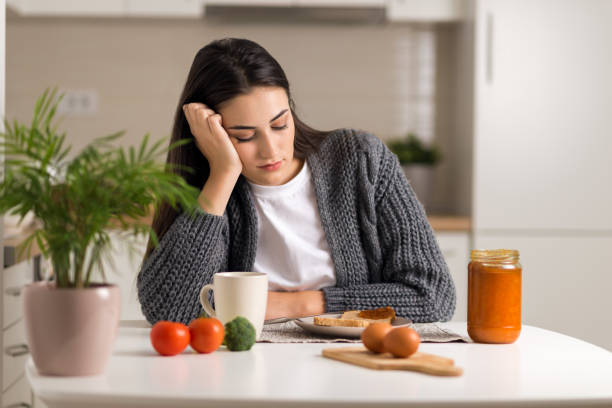

You’re standing in front of an open fridge at noon. Nothing looks good. Nothing sounds good. You ate half a yogurt for breakfast and you’re still not even close to hungry.
And yet somewhere in the back of your mind, you know this isn’t right.
GLP-1 medications like Ozempic, Wegovy, Mounjaro, and Zepbound are doing exactly what they’re supposed to do. Your appetite is quieter than it’s been in years. The constant food noise? Gone. The late night snacking? A thing of the past. But here’s the part that catches people off guard: your body didn’t stop needing nutrition just because your brain stopped asking for it.
This is the silent problem nobody talks about when the weight starts falling off. You’re eating less (great), but you might also be eating far too little of the stuff your body actually runs on (not great).
Let’s talk about what to do about it.
The Weird Paradox of Losing Weight But Running on Empty
Here’s a number that stopped me in my tracks. A 2025 study published in Frontiers in Nutrition looked at the actual food diaries of people on GLP-1 medications. What they found was kind of alarming. Participants were falling short on calcium, iron, magnesium, potassium, vitamin A, vitamin C, vitamin D, vitamin E, vitamin K, and choline.
That’s not one or two gaps. That’s basically the whole alphabet.
The researchers also found that only 43% of participants hit even the minimum recommended protein intake for preserving muscle during weight loss. And most people weren’t eating enough fruits, vegetables, grains, or dairy to meet basic dietary guidelines.
This isn’t about willpower or laziness. When your appetite drops by 25% or more (which is exactly what these medications are designed to do), every bite you take carries more weight. The margin for junk food, empty calories, or skipped meals gets razor thin. What you eat when you’re barely eating matters more than it ever has.
What Your Body Actually Needs Right Now
Protein Is the Non-Negotiable
You’ve probably heard this already, but it’s worth repeating because the numbers are honestly a little scary. In the STEP 1 trial, one of the biggest studies on semaglutide, participants lost an average of about 13.6 kilograms. Of that total weight loss, roughly 38% came from lean body mass, not fat. That includes muscle.
Losing nearly four out of every ten pounds from muscle instead of fat is a big deal. Muscle is what keeps your metabolism running. It’s what keeps you strong and mobile as you age. And once it’s gone, it’s much harder to rebuild than fat is to lose.
Most experts now recommend somewhere between 1.2 and 1.6 grams of protein per kilogram of body weight per day for people actively losing weight on GLP-1 medications. For a 180-pound person, that works out to roughly 98 to 130 grams of protein daily. If you’re strength training (and you should be), you might need even more.
The tricky part? Hitting those numbers when you can barely finish half a chicken breast.
The Vitamins Quietly Dropping Behind the Scenes
A large retrospective study of over 461,000 adults on GLP-1 medications found that 22.4% developed a diagnosed nutritional deficiency within their first year of treatment. Vitamin D was the most common, but iron, calcium, and B vitamins showed up frequently too.
What makes this tricky is that you might not notice these deficiencies at first. They creep in slowly. Fatigue you blame on stress. Hair that thins so gradually you don’t connect it to your medication. Nails that suddenly break more easily. Brain fog you chalk up to a bad night of sleep.
A daily multivitamin helps, but it’s not a silver bullet. Most multivitamins are formulated for someone eating 2,000+ calories a day. If you’re eating closer to 1,200 or 1,400, a standard multi won’t cover the gap on its own. Talk to your doctor about getting blood work done a few months into treatment. It’s one of those things that’s easy to skip but really worth doing.
That said, something is still better than nothing. These Amazon Basics multivitamin gummies are under ten bucks and cover the basics without swallowing a horse pill on an already queasy stomach. Gummies go down way easier than tablets when nausea is an issue. Pop two in the morning and at least you’ve got a baseline covered while you work on getting more nutrients from actual food.
Fiber Still Matters (Especially Now)
Constipation is one of the top side effects people report on GLP-1 medications. Makes sense when you think about it. Your stomach is emptying slower. You’re eating less food overall. There’s just less volume moving through your system.
Fiber helps keep things moving. But here’s the catch: if you increase fiber too fast, you’ll trade constipation for bloating and gas, which is somehow worse when you already feel full all the time. Add fiber gradually. An extra serving of vegetables today, some berries tomorrow, maybe some oats the day after. Give your gut a week or two to adjust before going all in.
Related Reading: 15 Must-Have Foods for Long-Term Success on GLP-1 Medications
How to Eat When Literally Nothing Sounds Good
This is the part where most nutrition advice falls apart for GLP-1 users. Telling someone to “eat balanced meals” is useless when the thought of food makes them want to crawl back into bed.
So here’s the shift that actually helps: eat by the clock, not by hunger. Set reminders on your phone if you have to. Three small meals and two snacks, spaced roughly three hours apart. You’re not waiting for hunger cues that may never come. You’re treating food like medication, because right now, that’s basically what it is.
Keep portions tiny. We’re talking a few bites of protein, a small handful of something with fiber, maybe a piece of fruit. That’s it. If you try to sit down to a full plate, your brain and your stomach are both going to say no. Small and frequent beats big and overwhelming every single time.
Meal prep helps more than you’d expect too. When you’re not hungry, the last thing you want to do is stand in a kitchen deciding what to cook. Having containers of shredded chicken, pre-portioned Greek yogurt, hard boiled eggs, or overnight oats in the fridge removes the decision entirely. You open, you eat, you move on.
One more thing. Eat slowly. Your stomach is emptying at a crawl right now. Shoving food down fast is a fast track to nausea. Take your time, chew thoroughly, and stop before you feel stuffed. “Comfortably not empty” is the goal. Not full.
Meals That Go Down Easy
Morning (Even If Breakfast Sounds Terrible)
Breakfast is usually the hardest meal for people on GLP-1 medications. You wake up and your body says absolutely not. But skipping breakfast means you’re already behind on protein and nutrients before the day even starts.
Smoothies are honestly a lifesaver here. You can pack 30+ grams of protein into something that goes down like a cold drink. A scoop of protein powder, a handful of spinach (you won’t taste it), half a banana, some frozen berries, and a splash of milk or almond milk. Done in two minutes, consumed in five.
I’ve been using Orgain Organic Protein in my morning smoothies and it’s one of the few powders that doesn’t make me gag when my appetite is low. 21 grams of plant-based protein per scoop, no weird chemical aftertaste, and it actually blends smooth instead of turning into a chalky mess. The creamy chocolate fudge flavor mixed with frozen bananas tastes like a milkshake. If you’re forcing yourself to eat in the morning, this makes it a lot easier.
If smoothies aren’t your thing, try Greek yogurt with a few nuts and berries. Or a single scrambled egg with a piece of toast. The bar is low right now. Something is always better than nothing.
Midday Fuel That Doesn’t Take Much Effort
Lunch on GLP-1 medications doesn’t need to be a production. Cottage cheese with some fruit. A small turkey and avocado wrap. A cup of bone broth with a handful of crackers and cheese. Half a tuna salad sandwich on whole grain bread.
The pattern you want to aim for is simple: a protein source, something with fiber, and ideally a healthy fat. You don’t need to hit all three perfectly every time. But if most of your meals have at least two of those three, you’re doing better than the majority of GLP-1 users out there.
Dinner Without the Dread
By evening, some people find their appetite has woken up a little bit. Others are still running on fumes. Either way, keep dinner simple and soft. Foods that are easy to chew and digest tend to go down better than anything heavy or greasy.
Baked salmon with roasted sweet potato. A small bowl of chicken soup with some whole grain bread. Ground turkey stir fry with rice and soft cooked vegetables. Scrambled eggs (yes, again) with sautéed spinach. None of this needs to be fancy. It just needs to get nutrients in.
If you’re eating out and struggling with portions, don’t feel weird about ordering an appetizer as your main course. Restaurants are used to it by now. A cup of soup and a small side salad with protein on top can be a perfectly solid dinner.
Related Reading: The GLP-1 Restaurant Survival Guide
The Liquid Nutrition Strategy
When chewing feels like a chore, drinking your nutrition is a real option. Not as a long-term replacement for actual food, but as a bridge for the days or weeks when solid meals just aren’t happening.
Protein shakes are the obvious one. Look for something with at least 20 grams of protein and minimal added sugar. A lot of the pre-made options at the grocery store are loaded with sweeteners that can trigger nausea on GLP-1 medications, so check labels or make your own at home.
Bone broth is another underrated option. It’s warm, savory, easy on the stomach, and gives you collagen and some protein without feeling like a meal. Keep a carton in the fridge and heat up a mug when you need something but can’t face actual food.
Electrolytes are the other liquid worth paying attention to. When you’re eating less food, you’re also getting fewer electrolytes from food. Combine that with the dehydration risk that already comes with GLP-1 medications and you’ve got a recipe for headaches, fatigue, and muscle cramps. I keep LMNT electrolyte packets in my desk drawer and toss one in a water bottle every afternoon. No sugar, solid dose of sodium, potassium, and magnesium. Tastes good enough that I actually drink the whole thing instead of letting it sit there for three hours. The citrus salt flavor is the one to start with if you’ve never tried them.
Smoothie bowls let you sneak in a surprising amount of nutrition. Blend frozen fruit, protein powder, a handful of greens, and some nut butter into a thick base, then top it with granola and seeds. It feels more like a treat than a health food, which honestly makes all the difference when your appetite is on strike.
You don’t need a $300 Vitamix for any of this. A Magic Bullet sits on your counter, takes up barely any space, and blends a single-serving smoothie in about 15 seconds. You blend right in the cup you drink from, toss it in the dishwasher, done. Removing every possible barrier between you and actually eating is the whole game right now.
Foods That Make Everything Worse
Not all foods are created equal when your stomach is already moving in slow motion. Some things are going to sit like a brick and make you miserable. A few to watch out for:
- Fried or greasy foods take forever to digest under normal circumstances. On GLP-1 medications, they take even longer. The nausea and bloating aren’t worth it.
- Super spicy meals can irritate an already sensitive stomach. If you love heat, dial it way back during the adjustment period.
- Carbonated drinks create gas in a digestive system that’s already sluggish. Swap soda and sparkling water for flat water or herbal tea until things settle down.
- Large portions of raw vegetables can cause bloating. Cooked or steamed veggies are much easier on your system right now.
- High-sugar foods and drinks cause blood sugar spikes that can make nausea worse. They’re also wasting valuable calorie space on stuff your body doesn’t need.
This doesn’t mean these foods are permanently off the table. Most people find they can reintroduce things gradually as their body adjusts. But in those first weeks especially, sticking to gentler options makes the whole experience way more manageable.
Related Reading: How to Adjust Your Workouts on GLP-1 Medications
A Sample Day That Actually Hits Your Numbers
People keep saying “eat more protein” and “eat nutrient dense foods” without ever showing what that looks like in practice. So here’s an example day. It’s not a rigid plan. Just a template to show that you can hit your targets even with a tiny appetite.
7:30 AM – Protein smoothie (protein powder, frozen berries, spinach, almond milk, tablespoon of peanut butter). About 30g protein.
10:30 AM – Small handful of almonds and a string cheese. About 12g protein.
1:00 PM – Half a turkey and cheese wrap with a side of baby carrots and hummus. About 22g protein.
4:00 PM – Greek yogurt cup with a drizzle of honey and some granola. About 15g protein.
7:00 PM – Small piece of baked salmon (about 4 ounces), half a sweet potato, steamed broccoli. About 28g protein.
That’s roughly 107 grams of protein across five small eating windows. None of those meals are big. None of them require a ton of effort. And none of them are going to make you feel like you swallowed a bowling ball.
Adjust the specifics to whatever foods you actually like and can tolerate. The framework is what matters: protein at every eating opportunity, some fiber and vegetables worked in throughout the day, healthy fats here and there, and nothing so large it triggers nausea.
Related Reading: The GLP-1 Morning Routine for Better Results
When to Talk to Your Doctor
There’s a difference between reduced appetite and barely being able to eat. If you’re consistently eating under 800 calories a day, if you’re losing weight faster than 2-3 pounds per week, if you’re dealing with hair loss, constant fatigue, dizziness, or muscle weakness, those are signals your body is running too low on fuel.
Your dose might need adjusting. Your doctor might want to run labs to check for deficiencies. Either way, don’t just push through it and assume this is normal. Being on a GLP-1 shouldn’t feel like starving. If it does, something needs to change.
About 92% of patients in one large study hadn’t seen a dietitian before starting their GLP-1 prescription. If you have the option, even one or two sessions with a registered dietitian who understands these medications can make a huge difference. They can look at what you’re actually eating (or not eating) and build a plan around your appetite, your food preferences, and your specific nutritional gaps.
The medication is doing its job. Now it’s your turn to make sure the food you do eat counts for something.