Everything Andrew Huberman Taught Me About Dopamine

I’ve been obsessed with dopamine ever since I heard Andrew Huberman call it “the molecule of motivation and drive” in his famous dopamine masterclass episode. That single phrase completely transformed how I think about my morning routine, my work habits, and honestly, my entire approach to productivity. I already had life-changing results from incorporating Huberman’s supplement list into my daily routine, so I decided to dive headfirst into optimizing dopamine to work in my favor.

If you’re here, you probably know that feeling when you’re scrolling through your phone at 2 AM, knowing you should sleep but somehow unable to stop. Or maybe you’ve noticed how that first cup of coffee doesn’t hit quite like it used to. These aren’t character flaws or signs of weakness. According to Stanford neurobiology professor Andrew Huberman, they’re all about dopamine.

Andrew Huberman has become the go-to source for understanding how our brains actually work. As the host of the Huberman Lab podcast, he’s spent hundreds of hours breaking down complex neuroscience into practical advice that regular people like us can actually use. His September 27, 2021 dopamine episode has racked up millions of views, and for good reason. He doesn’t just explain the science. He gives you the tools to hack your own neurochemistry.

Here’s what blew my mind when I first started diving into Huberman’s work: dopamine isn’t actually about pleasure. We’ve been thinking about this molecule all wrong. As Huberman explains in his newsletter on dopamine management tools, dopamine is about wanting, not having. It’s the chemical that makes you crave that next episode on Netflix, reach for your phone every five minutes, or feel that pull toward the fridge even when you’re not hungry. But it’s also what gets you out of bed to hit the gym, pushes you through a tough project, and keeps you going when things get hard.

In this article, I’m sharing everything Andrew Huberman has taught about dopamine. You’ll learn why cold showers can boost your motivation for hours (yes, really), why checking Instagram during your workout is sabotaging your gains, and how to reset your brain when nothing feels rewarding anymore. We’ll cover his morning sunlight protocol, his thoughts on supplements like L-tyrosine, and why he thinks dopamine fasting isn’t as crazy as it sounds.

Most importantly, you’ll understand how to work with your dopamine system instead of against it. Because once you get how this molecule works, you can stop being its slave and start being its master.

What is Dopamine According to Andrew Huberman?

Let me start with something that completely shifted my perspective. Huberman often quotes addiction expert Dr. Anna Lembke when he says “dopamine is about wanting, not about having.” Think about that for a second. All this time we’ve been calling dopamine the “feel-good” chemical, but that’s not quite right.

Dopamine is actually a neuromodulator, which sounds fancy but basically means it doesn’t just pass messages between neurons like regular neurotransmitters do. Instead, it changes how entire networks of neurons behave. Huberman explains it like this in Episode 39 of the Huberman Lab podcast: if neurotransmitters are like a one-on-one conversation between brain cells, dopamine is like a conductor coordinating an entire orchestra. When dopamine levels shift, your whole mental state shifts with them.

This is why Huberman calls dopamine the motivation molecule. When your dopamine is high, you feel energized and ready to take on the world. Everything seems possible and worth pursuing. But when it’s low? That’s when you can’t get off the couch, nothing sounds fun, and even things you usually enjoy feel pointless.

I learned this the hard way during a particularly rough patch last year. I was burned out from work, spending way too much time on social media, and basically feeling numb to everything. Food didn’t taste as good. Exercise felt impossible. Even hanging out with friends felt like a chore. Looking back now, after understanding Huberman’s teachings, I realize my dopamine system was completely fried.

The thing about dopamine that really gets me is how it’s primarily about anticipation and pursuit rather than the actual reward. You know that excitement you feel when your Amazon package is out for delivery? That’s dopamine. The actual opening of the package? That involves other chemicals too, like endorphins and serotonin. Dopamine is what makes you check the tracking every five minutes.

Huberman points out that dopamine isn’t just about motivation and mood either. It’s absolutely fundamental for movement. People with Parkinson’s disease, where dopamine-producing neurons die off, don’t just struggle with tremors and movement. They also experience massive drops in motivation and often develop depression. This shows how dopamine touches every aspect of our experience, from how we move our bodies to how we move through life.

What really fascinates me is how Huberman describes dopamine as creating this forward momentum in our lives. It’s not about being satisfied with what we have. It’s about constantly seeking more. In his words from the dopamine episode transcript, “what dopamine always wants more of is more dopamine.” This explains so much about human behavior, from why we can’t stop scrolling social media to why achieving a big goal often leaves us feeling empty instead of fulfilled.

According to Podcast Notes from Episode 39, “Dopamine is a currency and it’s the way that you track pleasure, track success, track whether or not you are doing well or poorly.” The ability to experience motivation and pleasure next is dictated by how much motivation and pleasure you experienced in the past.

RELATED READING: Andrew Huberman’s Science-Based Sleep Protocol

How Dopamine Works in Your Brain: Huberman’s Explanations

Here’s where things get really interesting. Huberman breaks down dopamine function into two main modes that completely changed how I think about motivation and rewards.

First, there’s your baseline dopamine, what scientists call “tonic” dopamine. This is like the background music of your brain, always playing at some level. Your baseline essentially determines your overall mood and energy throughout the day. When I wake up feeling motivated and ready to tackle my to-do list, that’s my baseline dopamine doing its job. When I wake up and immediately want to go back to bed forever, well, that’s low baseline dopamine.

Then there are the spikes or “phasic” releases. These happen when something good happens or when you’re anticipating something rewarding. Eating chocolate, getting likes on social media, landing a new PR at the gym – these all cause dopamine spikes above your baseline.

But here’s the kicker that Huberman really emphasizes in his podcast: these two systems interact in ways that can either work for you or completely sabotage your motivation.

The brain has two major dopamine highways that Huberman talks about constantly. The first is the mesocorticolimbic pathway, which is basically your brain’s reward circuit. It starts in an area called the ventral tegmental area (VTA), shoots up to the nucleus accumbens, and then connects to your prefrontal cortex where all your planning and decision-making happens.

This is the pathway that lights up when you’re pursuing anything rewarding. Whether you’re hunting for food like our ancestors, studying for a degree, or mindlessly scrolling TikTok, this same ancient circuit is firing away. It’s also the pathway that drugs like cocaine and methamphetamine hijack, which is why Huberman says understanding this pathway is key to understanding addiction.

The second major pathway is the nigrostriatal pathway, running from the substantia nigra to the dorsal striatum. This one is all about movement and forming habits. When this pathway degenerates, you get Parkinson’s disease. But even in healthy brains, this pathway is why certain movements or behaviors become automatic over time.

What’s wild is how dopamine doesn’t work like most neurotransmitters. Huberman explains that instead of just quickly zipping from one neuron to the next, dopamine binds to special receptors that set off a slow cascade of changes inside cells. This is why the effects of a dopamine hit can last for hours. It’s also why that post-workout high keeps you feeling good long after you’ve left the gym.

Dopamine basically acts like a teaching signal in your brain. When something is better than expected, dopamine fires. When something is worse than expected, dopamine drops. This is how your brain learns what’s worth pursuing and what’s not.

I noticed this myself when I started intermittent fasting. The first few days, my dopamine would spike like crazy when my eating window finally opened. But after a few weeks, the same meal produced less of a spike because my brain had adjusted its expectations. This is exactly what Huberman talks about when he discusses reward prediction error.

One of the trippiest things Huberman mentions is how dopamine affects time perception. Ever notice how time flies when you’re totally absorbed in something you love? Or how it drags when you’re bored out of your mind? That’s dopamine at work. When you’re in a high dopamine state, focused and motivated, hours can pass in what feels like minutes. Low dopamine? Every minute feels like an hour.

Podcast Notes summarizes how dopamine affects our perception: “Dopamine controls the perception of time. If the only pursuit for engaging in an activity is a reward, the time will feel longer as no dopamine is released during the effort.”

RELATED READING: Andrew Huberman’s Anti-Aging Supplement Stack

The Dopamine Cycle: Understanding Peaks, Baselines, and Crashes

This is the section that literally changed my life. Once I understood what Huberman teaches about the dopamine cycle, so many of my bad habits and mood swings suddenly made sense.

Here’s the fundamental rule that Huberman says we all need to remember: every peak in dopamine above baseline will be followed by a drop below baseline. Every. Single. Time. He calls this the pleasure-pain balance, borrowing from Dr. Anna Lembke’s work, and visualizes it like a seesaw in your brain.

When something awesome happens and dopamine spikes up (pleasure side of the seesaw goes down), your brain has to balance things out afterward (pain side goes down). This isn’t your brain trying to punish you. It’s just trying to maintain homeostasis.

I used to wonder why I’d feel so flat the day after an amazing concert or why finishing a project I was excited about would leave me feeling empty instead of accomplished. Now I know. That’s the dopamine drop below baseline that always follows the high.

Huberman shared something in his dopamine control episode that honestly made me rethink my entire weekend routine. He talks about “dopamine stacking,” which is when we layer multiple dopamine-releasing activities on top of each other. Picture this: you’re working out while blasting your favorite music, checking your phone between sets, sipping on a pre-workout drink, and maybe sneaking glances at that attractive person across the gym. Each of these things releases dopamine, and when you stack them all together, you get a massive spike.

Sounds great, right? Wrong. The crash afterward is proportional to the peak. So that stacked workout might leave you feeling amazing for an hour, but then you’ll spend the rest of the day in a dopamine deficit, unmotivated and kind of blah.

I tested this myself. For one week, I did my workouts with music, pre-workout, and my phone. The next week, I went to the gym with nothing but water and focus. The workouts with all the extras felt more fun in the moment, but I was useless for hours afterward. The plain workouts? I felt steady energy all day long.

The recovery time needed between dopamine peaks is something most people completely ignore. Huberman explains that after a big dopamine spike, it takes time for your baseline to return to normal. If you chase another high while you’re still in the low period, you might get a brief boost, but you’ll drive your baseline even lower afterward.

This explains why tolerance develops to basically everything enjoyable. Whether it’s coffee, social media, junk food, or harder stuff, repeatedly spiking dopamine without recovery time forces your brain to adapt by reducing receptors or producing less dopamine. Your baseline drops lower and lower, and suddenly you need more stimulation just to feel normal.

According to Podcast Notes, “Rates of dopamine firing by behavior or drug (for context, neurons fire at a rate of 3-4/second releasing dopamine): food – doubles in anticipation of food; nicotine – 150% increase in the rate of dopamine firing; cocaine – increases dopamine output by 1000%; methamphetamine – increases by 1000% – 10,000%”.

But here’s where Huberman drops some knowledge that actually gives us hope. He talks about something called random intermittent reward timing. Casinos have known about this forever. It’s why slot machines don’t pay out predictably.

The application for regular life? Don’t reward yourself every single time you accomplish something. Sometimes celebrate, sometimes don’t. This randomness keeps your dopamine system engaged without the massive peaks and valleys.

I started applying this to my work. Instead of treating myself to a fancy coffee every time I finished a task, I started doing it randomly. Maybe after the third task, maybe after the first, maybe not at all that day. The weird thing? I actually felt more motivated overall, not less.

Huberman says the holy grail is learning to attach dopamine to effort itself, not just outcomes. This means training your brain to release dopamine during the hard work, not just when you achieve the result. He suggests telling yourself things like “I’m doing this by choice” or “This effort is making me better” while you’re in the middle of something challenging.

At first, this sounded like self-help nonsense to me. But the neuroscience backs it up. By consciously associating effort with reward, you’re literally teaching your dopamine circuits to fire during the process, not just at the finish line.

RELATED READING: Harvard Longevity Scientist David Sinclair’s Supplement List

Andrew Huberman’s Natural Dopamine Boosting Protocols

Alright, this is the section you’ve been waiting for. How do we actually increase dopamine without frying our circuits? Huberman has tested tons of protocols, and I’ve tried pretty much all of them. Here’s what actually works.

Morning Sunlight Exposure

This one seems almost too simple, but Huberman mentions it in practically every podcast for a reason. Getting bright light in your eyes within the first hour of waking does something magical to your dopamine system.

Here’s my routine: I wake up and immediately go outside for 10 to 23 minutes. No sunglasses (regular glasses are fine), just letting that morning light hit my eyes. On cloudy days, I stay out a bit longer, maybe 28 minutes. Huberman explains that this light exposure triggers specialized cells in your eyes that signal to brain areas controlling both circadian rhythm and dopamine release.

What’s crazy is that consistent morning light doesn’t just boost dopamine acutely. It actually increases the expression of dopamine receptor genes, making your brain more sensitive to dopamine throughout the day. I’ve been doing this for six months now, and the difference in my morning motivation is unreal. I used to need two cups of coffee just to feel human. Now I often forget to make my first cup until 10 AM.

Cold Exposure Protocol

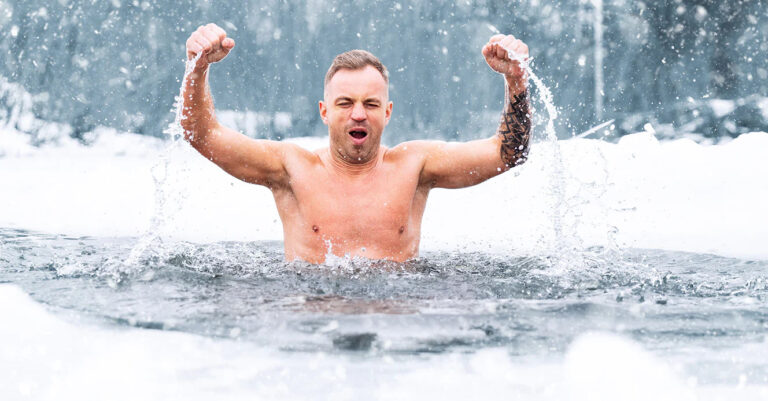
When Huberman first started talking about cold exposure for dopamine, I thought he was nuts. Then I saw the data. Cold water exposure can increase dopamine by 250% above baseline, and that elevation can last for hours.

According to his cold exposure newsletter, “One study showed significant and prolonged increases in dopamine when people were in cool (60°F) water for about an hour up to their neck, with their head above water.”

In his cold exposure episode, Huberman describes “a specific protocol that has been shown to increase these chemicals anywhere from 2.5x, so 250%, to as high as 500%, five times over baseline.”

I started small. Just turning the shower cold for the last 30 seconds nearly killed me the first time. But I stuck with it, and now I do a full three-minute cold shower every morning. The key is making the water as cold as your tap allows. No lukewarm nonsense.

Here’s what happens: for the first 30 seconds, your brain screams at you to get out. Then something shifts. Your breathing naturally deepens, your mind goes quiet, and you hit this state of alert calm that Huberman talks about. When you get out, you feel like you could conquer the world. That feeling? That’s sustained dopamine release, and it lasts for hours.

Huberman recommends getting about 11 minutes of cold exposure per week total, which you can split up however you want. I do three minutes every morning and sometimes a longer cold plunge on weekends if I can access one. The benefits compound over time. What used to be torture is now something I genuinely look forward to.

Dr. Susanna Søberg’s research, discussed on Huberman’s podcast, shows “long lasting increases in catecholamines, dopamine, norepinephrine, and epinephrine, for many hours after deliberate cold exposure.”

Exercise and Movement

We all know exercise is good for us, but Huberman’s explanation of how it affects dopamine finally motivated me to be consistent. Exercise increases both dopamine and serotonin, but more importantly, it teaches your brain to enjoy effort.

I used to only care about the post-workout high. Now I focus on finding moments of enjoyment during the workout itself. Huberman says this trains your dopamine system to release during effort, not just after. It’s a game-changer for sustaining motivation. You can read about Huberman’s exact fitness protocol here.

My hack? I combine exercise with morning sunlight whenever possible. A 32-minute run as the sun comes up hits multiple dopamine pathways at once. Just don’t stack too many other dopamine sources or you’ll crash later.

Nutrition for Dopamine

Your brain builds dopamine from an amino acid called tyrosine, so getting enough in your diet is non-negotiable. Huberman rattles off a list of tyrosine-rich foods that I’ve made staples in my kitchen: grass-fed beef, wild-caught salmon, pasture-raised eggs, aged cheeses like parmesan, almonds, and pumpkin seeds.

I front-load my day with protein now. A breakfast with 30-40 grams of protein from eggs and some cheese sets my dopamine production up for success. Plant-based folks can get tyrosine from soy, legumes, and nuts, though Huberman notes animal sources are more bioavailable.

One thing that surprised me: Huberman mentions that eating tyrosine-rich foods can particularly help during stressful periods when dopamine demands are high. During a recent work crunch, I made sure to up my protein intake, and it definitely helped maintain my focus and drive when I’d usually be running on fumes.

Sleep Optimization

This isn’t sexy, but Huberman is adamant that sleep might be the most important factor for healthy dopamine function. Sleep deprivation doesn’t just make you tired; it literally reduces dopamine receptor availability.

Here’s what I learned the hard way: pulling an all-nighter floods your brain with dopamine to keep you awake, but the crash afterward is brutal. Worse, chronic sleep deprivation progressively lowers your baseline dopamine, making everything feel less rewarding.

Huberman’s sleep protocol for dopamine is pretty straightforward. Maintain consistent sleep and wake times, keep your room cool and dark, and here’s the big one: avoid bright light exposure between 10 PM and 4 AM. He explains that light at night activates a brain region called the habenula, which actually suppresses dopamine. This is why late-night screen time doesn’t just keep you awake; it literally makes you feel worse the next day.

I invested in blackout curtains from Amazon and started using candlelight after 9 PM. I also utilized Huberman’s famous sleep cocktail. My morning motivation improved dramatically within a week.

Strategic Caffeine Use

Coffee lovers, rejoice. Huberman confirms that caffeine doesn’t just give you energy; it actually upregulates dopamine receptors, making the dopamine you have work more effectively.

But timing matters. Huberman waits 90-120 minutes after waking before his first cup, allowing natural morning cortisol to clear adenosine (the sleepiness molecule) first. I adopted this, and it prevents the afternoon crash I used to get.

He’s also big on yerba mate, which contains caffeine plus compounds that may protect dopamine neurons. I alternate between coffee and mate now, and I’ve noticed mate gives a smoother, longer-lasting focus without jitters.

The key is not overdoing it. Huberman caps himself around 300mg of caffeine daily and never after 2 PM. I stick to similar limits and can confirm it keeps the benefits without disrupting sleep or causing tolerance.

Supplements for Dopamine

Huberman is careful about supplement recommendations, but he’s shared his personal stack for dopamine support. I’ve experimented with all of these, so I can share real experience. By the way, Huberman is partnered with Momentous supplements and takes them for the majority of his supplements. You can pick up his cognitive support bundle on their website and use our code ‘brainflow’ for 15% off at checkout.

L-Tyrosine is the most straightforward. It’s literally the precursor to dopamine. Huberman takes 500-1000mg of Momentous Tyrosine before challenging cognitive work or workouts. I use 500mg on days when I need extra focus, always on an empty stomach for better absorption. The effect is subtle but real, like someone turned up the brightness dial on my motivation by about 18%.

Phenylethylamine (PEA) is more intense. Huberman combines 500mg of PEA (which you can get for cheap on Amazon) with 300mg of Momentous Alpha-GPC for serious focus sessions. I’ve tried this combo exactly three times, and each time I got two hours of almost scary focus followed by a mild crash. It’s powerful stuff, not for daily use.

Mucuna Pruriens contains L-DOPA, the direct precursor to dopamine. Huberman warns about this one because it can cause significant spikes and crashes. I tried it once and felt amazing for a few hours. I recommend taking it sparingly when you really need to lock in. I use Double Wood Supplements Mucuna Pruriens Extract.

The supplement strategy that works best for me is cycling. I’ll use L-tyrosine 2-3 times per week max, usually before particularly challenging work sessions or workouts. This prevents tolerance and keeps the effects noticeable when I do use it. If you want to try Momentous supplements which is trust by Huberman, use code ‘brainflow’ at checkout for 15% off EVERYTHING.

Dopamine Pitfalls: What Andrew Huberman Says to Avoid

This section might be the most important one in terms of practical life changes. Understanding what depletes dopamine transformed how I structure my days.

The Dangers of Dopamine Stacking

Remember when I mentioned layering multiple dopamine sources? Huberman is passionate about warning against this modern habit. We’re constantly stacking stimuli: Netflix on the TV, phone in hand, snacking on chips, maybe a beer or energy drink nearby. Each thing releases dopamine, and together they create an unsustainable spike.

Podcast Notes from Episode 39 emphasizes: “Protect the activities you enjoy! If you are motivated enough to engage in some sort of activity (exercise, music, etc.) – avoid stacking dopamine-releasing rewards or you will find yourself less interested/unmotivated to do that thing you once loved.”

I used to be the worst offender. I’d work with music blasting, multiple browser tabs open, coffee at hand, checking my phone every few minutes. I felt productive in the moment but would crash hard by 3 PM, unable to focus on anything.

Now I practice what Huberman calls “single-tasking with dopamine.” When I work, I just work. When I eat, I just eat. When I watch a show, that’s all I do. It felt boring at first, but my sustained energy throughout the day is so much better.

Social Media and Smartphone Addiction

Huberman calls smartphones “dopamine slot machines,” and once you understand the mechanism, it’s terrifying how accurate that is. Every notification, every scroll, every like is a small, unpredictable reward that spikes dopamine.

The real problem isn’t just the time wasted. It’s that constant phone use trains your brain to need those quick hits. Regular activities start feeling boring in comparison. Huberman shared that he noticed himself losing interest in workouts when he checked his phone between sets. The workout couldn’t compete with the dopamine hit from the phone.

I did my own experiment after hearing this. For one month, I left my phone in the car during gym sessions. The first week was tough. I felt genuinely anxious without it. But by week three, I was having the best workouts of my life. I could focus on the mind-muscle connection, and the natural dopamine from exercise felt more satisfying.

Junk Food and Sugar

Huberman explains that highly palatable foods (think cookies, chips, ice cream) spike dopamine similarly to drugs. The combination of sugar, fat, and salt in processed foods is literally engineered to maximize dopamine release.

I used to be a sugar fiend. 3 PM meant candy bar time. But I noticed that the more sweets I ate, the less I enjoyed regular food. An apple tasted like cardboard. Vegetables were punishment. My dopamine system was so used to the intense hits from junk food that normal foods barely registered.

Following Huberman’s advice, I did a 48-hour reset eating only whole foods. No added sugars, no processed anything. It sucked for about 36 hours. Then something shifted. By day three, a simple apple tasted incredible. Roasted vegetables with just salt and olive oil were genuinely satisfying.

Late-Night Light Exposure

This one surprised me, but Huberman’s explanation makes total sense. Bright light between 10 PM and 4 AM doesn’t just disrupt sleep. It activates the habenula, a brain region that literally suppresses dopamine and triggers disappointment signals.

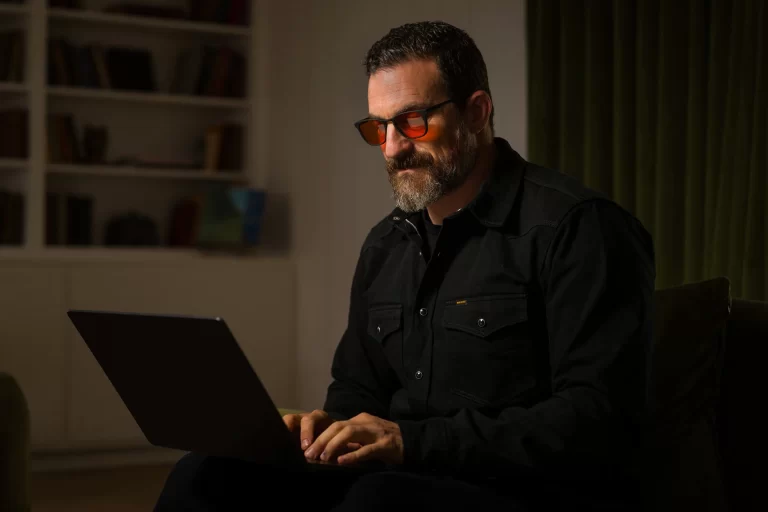
Ever notice how late-night scrolling often leads to feeling empty and unsatisfied? That’s not just because you’re tired. The light is actively triggering anti-reward pathways in your brain. If you have to work late, Huberman recommends using blue light block glasses – I got this awesome pair on Amazon for less than $25.

Dopamine Fasting and Resetting Your System

When I first heard about dopamine fasting, I thought it was another Silicon Valley biohacking trend that would pass. Then I heard Huberman’s take on it, tried it myself, and became a convert.

First, let’s clear up what dopamine fasting actually means. You’re not literally stopping all dopamine (that’s impossible and would be dangerous). Instead, you’re taking a break from the artificial spikes we’ve become addicted to: social media, junk food, entertainment, shopping, whatever your particular vice is.

Huberman shares a compelling case study from his podcast with Dr. Anna Lembke. A young guy was completely addicted to video games and digital media. His life was falling apart. So he did something radical: 30 days with zero screens. No phone, no computer, no TV, nothing.

The first two weeks were hell. He described feeling depressed, anxious, and desperately bored. But around day 17, something shifted. He started exercising again. By day 24, he was reading books for pleasure. By day 29, he felt more motivated and clear-headed than he had in years.

What happened? His dopamine receptors resensitized. His baseline dopamine recovered. Normal activities became rewarding again.

I wasn’t ready for a month-long digital detox, but I tried a weekend version. Friday evening to Monday morning: no social media, no YouTube, no video games, minimal phone use only for necessary communication. I spent the time reading, walking, cooking, and honestly, being bored.

Saturday was rough. I must have reached for my phone 47 times out of habit. Sunday was easier. By Monday morning, I felt weirdly refreshed. Colors seemed brighter. Food tasted better. A simple conversation with my partner was genuinely engaging in a way I hadn’t experienced in months.

Now I do a mini dopamine fast one weekend per month. It’s like hitting a reset button on my reward system. Everything feels more satisfying afterward.

But here’s Huberman’s key insight that changed everything for me: the ultimate goal isn’t to avoid dopamine spikes entirely. It’s to attach dopamine to effort rather than outcomes.

He suggests a mental practice where you consciously tell yourself that the effort itself is the reward. When I’m grinding through a difficult work project, I’ll literally think, “This effort is making me stronger. This challenge is exactly what I need.” It sounds corny, but it works.

The neuroscience backs this up. By cognitively reframing effort as rewarding, you’re teaching your dopamine circuits to fire during the process, not just at the completion. This creates sustainable motivation that doesn’t rely on external rewards.

Podcast Notes summarizes Huberman’s approach: “Learn to spike dopamine from effort itself: focusing only on the reward at the end will make effort painful.”

Dopamine and Addiction: Huberman’s Core Insights

This topic deserves its own section because understanding dopamine’s role in addiction changed how I think about all compulsive behaviors, not just substance abuse.

Huberman makes a statement that stopped me in my tracks: “Dopamine lies at the heart of addiction to all things.” Not some things. All things. Whether we’re talking about cocaine, gambling, shopping, or Instagram, the underlying mechanism is the same.

Here’s how it works. Addictive substances and behaviors cause massive dopamine release, far beyond what natural rewards provide. Your brain remembers this and starts craving that same hit. But with repeated exposure, your baseline dopamine drops lower and lower. You need more of the substance or behavior just to feel normal.

What’s terrifying is what Huberman calls the “progressive narrowing of pleasure.” As addiction develops, the things that used to bring joy stop registering. An addict might have once enjoyed food, friends, hobbies, nature. But as the addiction hijacks their dopamine circuits, only the addictive substance provides any pleasure. Everything else feels gray and pointless.

Summarizing Huberman’s views, “Reset of dopamine system from unhealthy behavior involves 30 days of complete abstinence – tapering off may be required depending on the severity of the addiction.”

Breaking free requires understanding what Huberman calls the “dopamine deficit state.” When you quit an addictive behavior, your dopamine doesn’t immediately return to normal. There’s a period where your baseline is still suppressed, and nothing feels rewarding. This is when most people relapse.

The key is knowing this state is temporary. Huberman and addiction experts like Dr. Lembke recommend pushing through this period with faith that your brain will heal. For behavioral addictions, it usually takes 2-4 weeks. For substance addictions, it can take 30-90 days or longer.

Key Takeaways and Action Steps

After months of studying Huberman’s work and experimenting with these protocols, here are the most important principles I’ve learned about dopamine:

First, respect the fundamental rule: peaks create troughs. Every time you spike dopamine way above baseline, you’ll pay for it with a drop below baseline afterward. This isn’t bad; it’s just biology. But knowing this helps you make informed choices about when and how to seek rewards.

Second, space out your pleasures. The modern world wants you to stack every possible dopamine source simultaneously. Resist this. Enjoy things one at a time, with space between for your baseline to recover.

Third, find dopamine in effort, not just outcomes. This is probably Huberman’s most powerful teaching. When you can genuinely enjoy the process of working toward goals, not just achieving them, you’ve unlocked sustainable motivation.

Fourth, protect your baseline. Your baseline dopamine level determines your overall quality of life. Guard it carefully by avoiding excessive stimulation, getting enough sleep, and practicing periodic resets.

Here’s a practical 30-day protocol I developed based on Huberman’s teachings:

Week 1: Establish Morning Foundation: Start every day with 10-20 minutes of sunlight exposure. No sunglasses, just natural light in your eyes. Add a 60-second cold shower at the end of your regular shower. These two simple practices will noticeably boost your baseline dopamine within days.

Week 2: Optimize Stimulant Use: Wait 90-120 minutes after waking before caffeine. Cap yourself at 300mg daily (about 2-3 cups of coffee) and none after 2 PM. Notice how delaying caffeine prevents the afternoon crash and improves sleep.

Week 3: Eliminate One Dopamine Drain: Pick your biggest dopamine vice (for me it was late-night YouTube) and eliminate it completely for a week. Replace it with a calmer activity like reading or stretching. Push through the initial discomfort.

Week 4: Practice Effort-Based Rewards: During workouts, work sessions, or any challenging task, consciously tell yourself “this effort is the reward.” Celebrate the process, not just results. Start implementing random reward timing, sometimes celebrating achievements, sometimes just moving on to the next task.

By the end of 30 days, you’ll have noticeably higher baseline energy and motivation. More importantly, you’ll understand your own dopamine patterns and how to work with them instead of against them.

Conclusion

When I started this deep dive into Andrew Huberman’s dopamine teachings, I was just looking for ways to be more productive. What I found was a complete framework for understanding human motivation and wellbeing.

Dopamine isn’t just about feeling good. It’s the force that moves us forward in life, that makes us want to grow and achieve and connect. When we understand how it works, we can stop being victims of our impulses and start being architects of our own motivation.

The most profound shift for me has been realizing that the pursuit of constant dopamine highs was actually making me less happy. By spacing out rewards, finding joy in effort, and protecting my baseline, I’ve discovered a sustainable way to stay motivated without the exhausting peaks and crashes.

Huberman often says that dopamine is about wanting, not having. Once I really understood this, everything changed. I stopped chasing the next high and started appreciating the journey. I stopped needing constant stimulation and found peace in simplicity. A morning walk without podcasts became genuinely enjoyable. A workout without music became meditative. Work without constant phone checks became deeply satisfying.

The tools Huberman provides aren’t just academic theories. They’re practical protocols that can transform your daily experience. Whether it’s the shocking alertness from a cold shower, the steady energy from morning sunlight, or the mental clarity from a dopamine fast, these practices work because they align with how our brains actually function.

But here’s what I want to leave you with: this isn’t about optimization for its own sake. It’s not about becoming a productivity machine or biohacking your way to superhuman status. It’s about understanding yourself well enough to create a life that feels genuinely rewarding.

When your dopamine system is balanced, everything works better. Relationships are more satisfying because you’re present instead of scrolling. Work is more engaging because you’ve trained yourself to find flow in effort. Simple pleasures like a good meal or a sunset actually register as pleasurable because you haven’t numbed your receptors with constant stimulation.

As Huberman emphasizes in his key takeaways, “Huberman Lab podcast ‘Controlling Your Dopamine For Motivation, Focus & Satisfaction’ is thought-provoking and relevant.” The core concept is understanding baseline and peak dopamine, and learning to modulate levels by changing the flow of activities.

Huberman has given us an owner’s manual for our reward system. The question isn’t whether these tools work – the science is clear on that. The question is whether you’ll actually use them.

Start small. Pick one protocol from this article and commit to it for a week. Maybe it’s the morning sunlight, maybe it’s delaying your first coffee, maybe it’s taking a cold shower. Whatever you choose, pay attention to how it affects your motivation and mood.

Remember, you’re not broken if you struggle with motivation or find yourself constantly chasing the next dopamine hit. You’re human, living in a world designed to hijack your reward circuits. But now you have the knowledge to take back control.

Your future self – the one who wakes up motivated, finds joy in challenges, and doesn’t need constant stimulation to feel alive – is waiting on the other side of these simple practices. All you have to do is start.

As Huberman would say, the best time to optimize your dopamine was yesterday. The second best time is now.
Andrew Huberman’s Science-Based Sleep Protocol

Sleep might just be the ultimate life hack, and I’m not being dramatic here.

Back in 2021, Stanford neuroscientist Andrew Huberman posted a tweet that made thousands of people rethink their relationship with sleep. He called it “the best nootropic, stress relief, trauma release, immune booster, hormone augmenter, and emotional stabilizer.” Coming from a guy who studies brains for a living, that caught my attention.

The irony? Most of us scroll through our phones until our eyes burn, then wonder why we feel like garbage every morning.

Over the past four years, Huberman has quietly assembled what might be the most practical, science-backed sleep protocol out there. No expensive gadgets. No weird supplements with unpronounceable names. Just strategies based on how our bodies actually work, from precisely timed sunlight exposure to strategic carb timing at dinner.

His protocol has evolved since 2021, incorporating surprising tools like mouth-taping and refined supplement recommendations based on emerging research. This guide breaks down everything in Huberman’s current sleep toolkit for 2025.

Fair warning: after learning how evening light messes with your brain chemistry, you might become that person who dims all the lights after sunset. Your friends might tease you, but you’ll be the one sleeping like a baby.

The Core Principles of Huberman’s Sleep Protocol

Light Exposure: The Master Regulator

If you only take one thing from Huberman’s entire protocol, make it this: get sunlight in your eyes within an hour of waking up.

I know, I know. It sounds too simple to actually work. But here’s the thing – that morning light exposure does something profound to your brain. It triggers a cascade of hormonal events that essentially starts a 24-hour countdown to when your body will release melatonin later that night. Miss this window consistently, and you’re basically playing circadian rhythm roulette.

Huberman recommends at least 10 minutes of outdoor light exposure, though you’ll need more on cloudy days (sometimes up to 30 minutes). And no, sitting by a window doesn’t count. Even on an overcast day, outdoor light is about 50 times brighter than your kitchen, which is what your retinal ganglion cells need to send the “it’s daytime!” signal to your brain.

What if you wake up before sunrise? Turn on bright lights indoors first, then head outside once the sun comes up. Your brain needs that natural light spectrum to properly calibrate.

But morning light is only half the equation. Huberman discovered something fascinating about evening light exposure that most sleep experts miss. Viewing sunlight in the late afternoon or around sunset provides a second anchor point for your circadian rhythm. Think of it as giving your brain a heads-up that nighttime is coming.

This doesn’t mean staring directly at the sun (please don’t). Just spend 5-10 minutes outside when the sun is low on the horizon. Huberman explains that this sunset viewing actually helps protect your sleep from the artificial light you’ll inevitably encounter later in the evening. In a recent post on X, Huberman mentions he uses this sunlight therapy lamp on Amazon whenever he can’t access sunlight due to rainy days.

Now for the part that might make you rethink your nighttime Netflix habit: avoid bright lights between 10 PM and 4 AM like your sleep depends on it. Because it does.

During this window, your eyes become insanely sensitive to light. Even a quick bathroom trip with the lights on can suppress melatonin and mess with your dopamine for the next day. Huberman isn’t exaggerating when he says this can “eliminate melatonin” production.

The solution? Keep lights as dim as possible after 10 PM. Use low-positioned lamps with warm bulbs (think candlelight vibes, not operating room). If you absolutely need to check your phone at 3 AM, squint like you’re looking at the sun. Better yet, don’t check it at all.

RELATED READING: Andrew Huberman’s Famous Sleep Cocktail Stack

Consistent Sleep Timing

Here’s where things get interesting. You know how everyone says to keep a regular sleep schedule? Turns out there’s more nuance to it than just picking a bedtime.

Huberman’s approach focuses first on waking up at the same time every single day. Yes, even on weekends. Your wake time is actually more important than your bedtime for setting your circadian rhythm. Pick a time and stick to it within an hour, max.

But here’s the counterintuitive part: don’t force yourself to go to bed at an arbitrary time if you’re not sleepy. Instead, Huberman says to watch for that first wave of evening sleepiness – you know, when you start nodding off on the couch. That’s your body’s natural signal. Miss it and push through, and you might catch what he calls a “second wind” that’ll have you wide awake at midnight.

There’s also this weird phenomenon that happens about 60-90 minutes before your natural bedtime. You might suddenly feel more alert, maybe even productive. Huberman calls this the “forbidden zone” for sleep, and it’s totally normal. Your body temperature actually rises slightly during this time.

Don’t panic if this happens. Don’t start a new project. Just stick to your wind-down routine knowing that the sleepiness will return. I’ve learned to use this time for light reading or gentle stretching rather than fighting it or giving in to the urge to reorganize my entire closet.

The key is recognizing these patterns in your own body and working with them, not against them. Once you understand your natural rhythms, sleep becomes less of a battle and more of a collaboration with your biology.

RELATED READING: Andrew Huberman’s Anti-Aging Supplement Protocol

Environmental Optimization

Temperature Control

Your bedroom temperature might be sabotaging your sleep, and you probably don’t even realize it.

Huberman’s research shows that your core body temperature needs to drop by 1-3 degrees Fahrenheit to initiate sleep. Fight against this, and you’ll toss and turn all night. Work with it, and you’ll drift off like a baby.

The magic number? Keep your bedroom between 65-68°F (18-20°C). I thought this was crazy cold at first, but the difference was immediate. If you’re someone who runs hot at night, lean toward 65. If you’re always freezing, 68 might be your sweet spot. I use a Chilipad on my mattress to take things to the next level after hearing Tim Ferriss mention it on his podcast.

Here’s a trick that sounds backwards but works brilliantly: take a hot bath or shower about 90 minutes before bed. The science is fascinating – the hot water brings blood to your skin’s surface, then when you get out, your body rapidly cools down. This mimics the natural temperature drops that signals sleepiness.

Can’t control your thermostat? Stick a foot or hand out from under the covers. Your extremities are like little radiators that help dump excess heat. Some people swear by cooling mattress pads, but honestly, a simple fan can work just as well.

RELATED READING: The Ultimate Guide to Andrew Huberman’s Supplement List

Creating the Cave-Like Environment

Huberman’s advice here is blunt: make your bedroom as dark as humanly possible.

I’m talking as dark as a cave. Blackout curtains aren’t just for shift workers anymore. Even small amounts of light from streetlamps or that annoying LED on your phone charger can disrupt melatonin production. I started covering every tiny light source in my bedroom, and yes, I felt ridiculous doing it. But the sleep quality improvement was worth looking like a vampire. Blackout curtains are actually extremely affordable on Amazon.

If blackout curtains aren’t in the budget, a decent sleep mask works too. Just make sure it’s comfortable enough that you won’t rip it off in the middle of the night. I personally use the Alaska Bear Silk Sleep Mask after hearing Dr. Peter Attia saying that he used it on one of his podcast episodes.

As for noise, Huberman hasn’t made it a huge focus in his protocol, but the principle is obvious: sudden sounds wake you up. A white noise machine or even a basic fan can mask those random car honks or neighbor noises that fragment your sleep. The key is consistent background noise rather than perfect silence.

Breathing Optimization

This is where Huberman’s protocol gets a bit unconventional. Mouth taping during sleep sounds like something out of a weird wellness trend but hear me out.

Many of us unconsciously breathe through our mouths at night, which can lead to snoring, dry mouth, and even mild sleep apnea. By gently taping your mouth closed with medical tape (emphasis on medical – this isn’t duct tape), you train yourself to breathe through your nose.

The benefits of mouth taping are endless – better oxygen saturation, less snoring, and deeper sleep. Start by practicing nasal breathing during the day, especially during light exercise. Then try the tape for short periods before committing to a full night.

If the idea freaks you out, that’s fair. But if you wake up with a desert-dry mouth or your partner complains about snoring, it might be worth the awkwardness. Just use porous surgical tape that you can easily remove if needed – this isn’t about sealing your mouth shut like you’re in a hostage situation. I personally use this brand on Amazon.

One important note: if you have serious sleep apnea or can’t breathe through your nose due to congestion or structural issues, skip this and see a doctor instead. Huberman emphasizes that addressing sleep apnea is crucial for both sleep quality and overall health.

The goal with all these environmental tweaks is to remove every possible barrier between you and quality sleep. Yes, you might feel a bit extra optimizing every detail, but when you start waking up actually refreshed instead of groggy, you’ll understand why Huberman obsesses over these factors.

RELATED READING: Feel Refreshed with Andrew Huberman’s Non-Sleep Deep Rest (NSDR) Protocol

Behavioral Strategies

The Wind-Down Routine

Remember how your parents used to give you a bath and read you a story before bed? Turns out they were onto something.

Huberman recommends a 30–60-minute wind-down period that signals to your brain that sleep is coming. This isn’t just about relaxation – it’s about creating a consistent series of cues that trigger your body’s sleep response.

My routine looks something like this: dim the lights, do some light stretching, maybe listen to a Yoga Nidra session (Huberman swears by these). The key is keeping it consistent and genuinely calming. Save the true crime podcasts for daytime.

What definitely doesn’t belong in your wind-down? Work emails, intense exercise, or anything that gets your heart racing. I learned this the hard way after thinking I could squeeze in “just one more” work task before bed. Spoiler: it never ends well.

Managing Sleep Difficulties

Here’s something that surprised me: if you can’t fall asleep within 20-30 minutes, Huberman says get out of bed.

This feels wrong when you’re exhausted, but lying there getting frustrated only trains your brain to associate your bed with wakefulness. Instead, go to another room (keep lights dim), and do something boring. Read a dense philosophy book. Fold laundry. Listen to that podcast about tax law.

When you feel sleepy again, head back to bed. It might take a few rounds, but this prevents that awful bed-anxiety spiral.

Huberman also shares a mental trick for racing thoughts: take a “mental walk” through a familiar place. Visualize yourself walking through your neighborhood or a favorite hiking trail in detail. It’s like counting sheep but actually effective. Your brain can’t simultaneously worry about tomorrow’s presentation and navigate an imaginary walk.

Digital Device Management

Let’s be honest about our phones. We all know they’re sleep killers, but Huberman’s explanation of why makes it impossible to ignore.

It’s not just blue light (though that’s part of it). The content itself – whether it’s work stress or social media dopamine hits – keeps your brain in high-alert mode. Even with night mode on, scrolling TikTok at midnight is like trying to sleep after drinking espresso. Huberman uses Roka Blue Light Glasses at night, but they are quite expensive, so I just got this affordable pair on Amazon, and they work perfectly.

The worst offense? That middle-of-the-night phone check. You wake up to pee, grab your phone “just to check the time,” and suddenly it’s 45 minutes later and you’re deep in a Wikipedia rabbit hole about medieval farming techniques. Your retinas are at peak sensitivity during nighttime hours, so even a brief flash of screen light can suppress melatonin for hours.

Nutrition and Substances

Strategic Eating for Sleep

Here’s where Huberman’s advice might surprise you: eat carbs at dinner.

While he keeps breakfast and lunch lower in carbs for daytime alertness, evening carbohydrates help boost serotonin and melatonin production. We’re talking complex carbs like sweet potatoes, rice, or oats – not a pint of ice cream (unfortunately).

The timing matters too. Finish eating 2-3 hours before bed to avoid lying down with a full stomach. But don’t go to bed hungry either – hunger pangs at 2 AM are their own special torture.

RELATED READING: The Complete Guide to Andrew Huberman’s Diet

Caffeine Strategy

Huberman’s caffeine rules completely changed my coffee game:

First, wait 90-120 minutes after waking before your first cup. This lets your natural cortisol do its job and prevents that afternoon crash.

Second, cut yourself off 8-10 hours before bedtime. If you sleep at 11 PM, your last coffee should be at 1-3 PM. “But I can drink coffee at dinner and sleep fine!” you might say. Maybe you can fall asleep, but research shows late caffeine still fragments your sleep quality even if you don’t realize it.

What to Avoid

Alcohol is not your friend here. That nightcap might make you feel drowsy, but Huberman explains it’s sedation, not real sleep. You’ll miss out on crucial REM cycles and probably wake up at 3 AM when the alcohol metabolizes.

As for melatonin supplements? Huberman’s stance is clear: throw them away. They might help you fall asleep 3-9 minutes faster but won’t keep you asleep. Plus, those 5-10mg doses are way higher than what your body naturally produces.

Exercise and Physical Activity

Morning exercise is like a double shot of espresso for your circadian rhythm – minus the jitters.

Huberman suggests even light movement shortly after waking, combined with that morning sunlight, sends a powerful “it’s daytime” signal to your brain. This builds up adenosine (sleepiness molecules) throughout the day so you’re actually tired at bedtime.

But timing is everything. Finish intense workouts at least 2-3 hours before bed. Late-night CrossFit might make you feel accomplished, but your elevated body temperature and adrenaline will keep you wired for hours.

A gentle evening walk after dinner? Totally fine. Just keep it leisurely.

RELATED READING: Andrew Huberman’s Daily Fitness Protocol

The Huberman Sleep Supplement Stack

Here’s where things get specific. Huberman has tested various combinations and landed on what he calls his sleep cocktail. Important note: he always emphasizes trying behavioral changes first and then gradually introducing supplements one at a time.

Core Supplements (Nightly Options)

Magnesium L-Threonate (300-400mg) Huberman often mentions Magtein (magnesium L-threonate) by name, and frequently recommends Momentous supplements, which he’s partnered with. This mineral calms the nervous system and helps you stay asleep. About 5% of people get stomach upset, so start low. “Magnesium is involved in over 600 enzymatic reactions in your body, so it’s involved in a lot of different things, but what we’re interested in is learning more about its role with memory,” says Huberman. Huberman currently takes Momentous Magnesium L-Threonate.

Apigenin (50mg) This chamomile extract is one of Huberman’s favorites. Huberman typically uses Momentous brand apigenin, though other quality brands are available. It binds to the same receptors as anti-anxiety meds but without the dependency risk.

L-Theanine (100-400mg) Found in green tea, theanine promotes relaxation without grogginess. Huberman mentions using Momentous L-theanine in his stack. One warning: if you’re prone to vivid dreams or sleepwalking, skip this one. It can make dreams intensely realistic for some people.

Occasional Additions

Glycine (2g) and GABA (100mg) Huberman uses these only 3-4 nights per week to avoid tolerance. Glycine slightly lowers body temperature, while GABA provides mild sedation. He describes GABA as a gentle “hammer over the head” for particularly difficult nights. I use this GABA product by Double Wood Supplements.

Myo-Inositol (900mg) This is Huberman’s newest addition which he references in this podcast episode about OCD, and he uses it every third night or so. It helps with sleep depth and reduces nighttime anxiety. The dose is important – he uses 900mg, not the higher doses used for other conditions. He takes Momentous Inositol.

Advanced Sleep Tools

Mental Techniques

Huberman recommends the Reveri app for self-hypnosis, created by Stanford’s Dr. David Spiegel. Three sessions per week can rewire your sleep anxiety over time.

For middle-of-night wakeups, NSDR (Non-Sleep Deep Rest) is gold. Huberman has free NSDR recordings on YouTube. Even if you don’t fall back asleep, you’ll get restorative benefits similar to sleep.

The Evolution of Huberman’s Protocol

What I appreciate about Huberman is how his protocol has evolved based on evidence:

  • 2021: Established the core trinity of light, temperature, and timing
  • 2022: Added sunset viewing and mouth-taping
  • 2023: Experimented with inositol, went viral on TikTok
  • 2024: Simplified his supplement routine
  • 2025: Continues refining based on new research

The foundation hasn’t changed, but the details keep improving.

Implementation Guide

Getting Started

Don’t try everything at once. Here’s a sensible progression:

  • Week 1: Focus only on morning sunlight and consistent wake time
  • Week 2: Add evening wind-down and bedroom temperature
  • Week 3: Dial in your caffeine timing and try carbs at dinner
  • Week 4: Consider supplements if you still need help

Common Mistakes to Avoid

The biggest mistake? Perfectionism. Missing morning sunlight once won’t ruin you. Having coffee at 4 PM occasionally is fine. The goal is consistency, not perfection.

Also, remember that supplements are optional. Many people sleep great with just the behavioral tools. I personally found that once I nailed the light exposure and temperature, I rarely needed the supplements.

Conclusion

After following Huberman’s protocol for months, here’s what struck me most: it’s not about following rules, it’s about understanding your biology.

Once you grasp why morning light matters, why your bedroom should be cold, and why that evening scroll session destroys your sleep, the behaviors become obvious. You’re not fighting your body anymore – you’re finally working with it.

Start with just one change. Maybe it’s morning sunlight. Maybe it’s ditching the 10 PM overhead lights. Pick something that feels doable and build from there.

Your sleep will improve. And when it does, everything else in your life gets an upgrade too. That’s not just Huberman talking – that’s biology. And you can’t argue with biology.

7 Ways to Supercharge Your NAD+ Levels Naturally

0

Imagine having a magic key that could unlock more energy, slow down aging, and repair your DNA. This isn’t science fiction… it’s happening inside your cells right now, thanks to a molecule called NAD+.

The problem? Your supply of this cellular superfuel is steadily draining away.

By the time you hit 50, your NAD+ levels have plummeted to about half of what they were in your 20s. This invisible decline sets the stage for the classic signs of aging: waning energy, foggy thinking, and that general feeling that your body just isn’t bouncing back like it used to.

I stumbled onto the NAD+ rabbit hole three years ago after hitting an unexplainable wall of fatigue despite my “perfect” diet and exercise routine. After diving deep into the research, I’ve discovered that boosting this molecule isn’t just for longevity scientists. It’s something anyone can hack with the right approach.

NAD+ functions like the ultimate biological battery. It powers everything from breaking down your breakfast to keeping your genes in working order. The good news? You don’t need expensive treatments to boost your levels. I’ve curated the seven most powerful strategies backed by both cutting-edge research and traditional wisdom.

Now, let’s restore your cellular energy currency, one biohack at a time.

1. Fuel Your NAD+ Factory (Precursor Supplements)

Your body constantly recycles NAD+, breaking it down and rebuilding it like a well-oiled factory. But what happens when the raw materials run low?

This is where NAD+ precursors come in, which are the building blocks your cells use to manufacture fresh NAD+. Supplementing with them can dramatically boost your levels.

Nicotinamide riboside (NR) has gained traction in the longevity community because it converts to NAD+ more efficiently than traditional niacin, without the flushing side effects.

Then there’s the heavyweight champion, nicotinamide mononucleotide (NMN), which sits one step closer to NAD+ in the metabolic pathway. A recent human trial found that 250mg daily of NMN for 12 weeks safely increased NAD+ availability in healthy adults.

These precursors feed into your body’s “salvage pathway,” giving your cells more ammunition to rebuild NAD+. Most people notice energy improvements within 2-4 weeks, though some report feeling sharper after just a few days of consistent supplementation.

For my personal stack, I’ve used Renue by Science NMN pure powder for over two years. The powder mixes easily and absorbs faster than pills. You can save 10% using code BRAINFLOW at checkout.

If you’re new to NAD+ precursors, starting with NMN is usually the most straightforward approach.

RELATED READING: Renue By Science NMN Pure Powder Review: My 90-Day Experience

2. Eat Your Way to Higher NAD+

Your grandmother probably never heard of NAD+, but she intuitively knew something important: the right foods can make you feel decades younger.

Many traditional “longevity foods” are packed with NAD+ precursors. Meats like chicken, turkey, and beef contain high levels of niacin and tryptophan, both essential for NAD+ synthesis. Fish provides another excellent source, particularly fatty varieties that also deliver omega-3s.

Dairy milk deserves special mention. Beyond protein, milk naturally contains nicotinamide and even small amounts of nicotinamide riboside. It’s like getting a gentle NAD+ boost with your morning coffee.

The plant kingdom offers its own treasures. Whole grains, legumes, nuts, and mushrooms all contribute niacin and other precursors. Green vegetables provide compounds that support the enzymes involved in NAD+ metabolism.

Fermented foods like yogurt, kefir, sauerkraut, and kombucha may contain NAD+ or its precursors courtesy of beneficial bacteria. These microbes essentially pre-digest nutrients and can produce NAD+ compounds your body readily absorbs.

Polyphenol-rich foods deserve their own spotlight. Resveratrol, found in grapes, berries, peanuts, and red wine, activates sirtuins, which are NAD+-dependent enzymes crucial for cellular repair and longevity. Dark chocolate also provides similar compounds.

I’ve actually been supplementing with resveratrol for the past year and a half, and it’s become a non-negotiable part of my morning routine. The Renue by Science Liposomal version absorbs incredibly well; way better than the regular resveratrol capsules I used to take that would just pass right through me. As you can probably tell, I’ve stuck with Renue by Science across the board for all of my longevity supplements. Their quality control is the best in the world, and I’ve noticed real differences compared to other brands I’ve tried. If you decide to check them out, code BRAINFLOW still gets you 10% off your order.

The flip side matters just as much. Excessive refined sugars can actually lower your NAD+/NADH ratio, effectively reducing available NAD+. When you overload with glucose, it drives reactions that convert NAD+ into NADH while increasing oxidative stress throughout your system.

Build each meal around a protein source rich in niacin, add colorful vegetables for polyphenols, include fermented foods weekly, and minimize the sugar bombs that drain your reserves.

RELATED READING: Harvard Longevity Scientist David Sinclair’s Supplement List

3. Fast Forward Your NAD+ Production

Fasting might seem like nutritional masochism, but your cells see it as a masterclass in efficiency.

When you voluntarily restrict calories or extend time between meals, something remarkable happens. Your body interprets this as a signal to optimize energy production and cellular repair. NAD+ production gets a significant boost as part of this survival response.

During fasting periods, cells sense the low energy state and activate an enzyme called AMPK. This upregulates NAMPT, the key player in your body’s NAD+ salvage pathway. More NAMPT activity means more efficient conversion of nicotinamide back into fresh NAD+.

Fasting also improves your NAD+/NADH ratio, leaving you with more available NAD+ for DNA repair, energy metabolism, and activating longevity-promoting sirtuins.

You don’t need to fast for days. Even simple time-restricted eating—limiting food intake to an 8-hour window daily—can trigger these pathways. Some prefer alternate-day approaches or longer 24-hour fasts once or twice weekly, depending on their lifestyle and health goals.

The beauty lies in its accessibility and simplicity. You’re essentially tricking your body into thinking resources are scarce, activating ancient survival mechanisms that happen to be incredibly beneficial for cellular health.

Start gradually. Try pushing breakfast back an hour and having dinner earlier. Once comfortable, experiment with longer fasting windows. Listen to your body and adjust accordingly.

RELATED READING: Andrew Huberman’s Science-Backed Diet

4. The NAD+ Workout Protocol

Exercise is probably the most underrated NAD+ booster in your arsenal. While people spend hundreds on supplements, they often overlook that a good workout can naturally elevate NAD+ levels more effectively than most pills.

When you exercise, muscles burn through ATP at an accelerated rate to fuel contractions. This creates immediate demand for more NAD+, since it’s essential for generating new ATP through cellular respiration. Your body responds by ramping up NAD+ production in active tissues.

Aerobic exercise and high-intensity interval training (HIIT) appear most potent for NAD+ elevation. During intense exercise, cells activate the same AMPK pathway triggered during fasting, leading to increased NAMPT expression in skeletal muscle.

Studies show regular training increases NAD+ levels and related beneficial enzymes in both animals and humans. Even moderate exercise, when done consistently, can slow age-related NAD+ decline by keeping metabolic machinery active.

You don’t need to become a fitness fanatic. A combination of cardiovascular training (jogging, cycling, swimming) with some resistance work or HIIT sessions can effectively sustain higher NAD+ levels. Consistency matters more than intensity—three solid workouts weekly beat sporadic heroic efforts.

Exercise creates a positive feedback loop. Higher NAD+ levels support better mitochondrial function, improving exercise capacity, which further boosts NAD+ production. It’s compound interest for your cellular energy system, building momentum over time.

Some find exercising in a fasted state amplifies benefits, combining two NAD+-boosting strategies. However, prioritize what feels sustainable for your lifestyle.

RELATED READING: Andrew Huberman’s Protocol for Raising NAD Levels Naturally

5. Temperature Hacking for NAD+

Want to boost your NAD+ while sitting in a wooden box sweating? Welcome to heat therapy.

Saunas, steam rooms, and hot baths create “hormetic stress”—controlled damage that makes your body stronger, like how lifting weights creates muscle tears that heal back bigger. When exposed to heat, your core temperature rises and heart rate increases as your body scrambles to cool down.

This process demands serious energy, translating to increased NAD+ synthesis. Heat exposure makes cells ramp up metabolic activity, with NAD+ serving as essential fuel for this cellular sprint.

The Finnish have been onto something for centuries. Research links regular sauna use to improved cardiovascular function and stress resilience. Additionally, elevated NAD+ levels may be one molecular mechanism behind these benefits.

Aim for 10-20 minute sauna sessions a few times weekly. No sauna? Hot baths provide similar benefits, though less intense. Find that sweet spot where you’re uncomfortable but not miserable—think productive stress, not torture.

Cold exposure works through a different mechanism but can be equally effective. When exposed to cold temperatures—cold showers, ice baths, cryotherapy—you activate brown adipose tissue (BAT), specialized fat that burns calories to generate heat.

Cold exposure can increase NAD+ levels in brown fat, boosting this metabolically active tissue’s activity. When BAT fires up for warmth, it upregulates enzymes like NAMPT involved in NAD+ biosynthesis.

Start with finishing showers with 30-60 seconds of cold water, or step outside in cool weather with minimal clothing. The goal is activating that shivering response, signaling brown fat to work.

You can combine both approaches. Some alternate between sauna and cold plunge sessions, creating a powerful one-two punch for NAD+ production.

RELATED READING: 7 Science-Backed Ways Ice Baths Boost Testosterone

6. The Sunshine Paradox

Here’s a plot twist: the sun both helps and hurts your NAD+ levels, depending on how you play the game.

Moderate sun exposure supports overall health through vitamin D production and circadian rhythm regulation, both indirectly supporting NAD+ metabolism. But too much UV radiation can actually drain your reserves faster than you can replenish them.

When UV rays hit skin, they damage DNA in skin cells. Your body immediately dispatches PARP enzyme to repair damage, but PARP uses NAD+ as its primary fuel. More UV damage means more NAD+ consumed for constant repair work.

Think of it like a slow leak in your NAD+ bucket. Hours in direct sunlight without protection may use up NAD+ for repair faster than your body produces it, leaving less available for energy metabolism and cellular maintenance.

The solution isn’t avoiding all sunlight. Practice intelligent sun exposure: get your daily dose of morning or late afternoon sun for circadian benefits and vitamin D, but avoid prolonged exposure during peak UV hours (10am-4pm). Use protective clothing or sunscreen for extended outdoor time during these peak hours.

This approach captures sunlight benefits while preserving precious NAD+ reserves, while plugging the leak while allowing beneficial light exposure.

Excessive blue light exposure, especially evenings, can disrupt circadian rhythms and interfere with natural NAD+ production cycling. Consider blue light blocking glasses or screen filters after sunset.

Find that Goldilocks zone: enough natural sunlight for circadian rhythms and vitamin D, but not so much UV that you’re constantly depleting NAD+ for DNA repair.

RELATED READING: Boost Your Well-Being with Andrew Huberman’s Morning Sunlight Tips

7. Sync Your Cells

Your NAD+ levels don’t stay constant throughout the day. They rise and fall in a carefully orchestrated dance with your internal body clock, and disrupting this rhythm can tank your cellular energy reserves.

NAD+ is intimately connected to your circadian system through a molecular feedback loop. Enzymes that produce NAD+ (like NAMPT) and NAD+-dependent proteins (like SIRT1) help regulate your sleep-wake cycle. When this gets out of sync, everything suffers.

Irregular sleep patterns, all-nighters, or chronic jet lag can disrupt normal NAD+ production cycling. As we age, NAMPT activity and NAD+ decline, linked to weaker circadian rhythms and age-related health issues.

Supporting your circadian rhythm naturally supports NAD+ levels. Aligning sleep-wake times with natural light cycles helps synchronize the cellular clock controlling NAD+ synthesis. Eating meals at consistent times reinforces these rhythms further.

Maintain consistent bedtime and wake time, even weekends. Get bright light exposure in the morning (ideally natural sunlight) and dim lights as evening approaches. Keep your bedroom cool, dark, and quiet for deep sleep.

Sleep quality matters as much as timing. Chronic sleep deprivation can lower NAD+ availability and increase oxidative stress. Aim for 7-9 hours nightly and follow basic sleep hygiene practices.

Stress management plays a supporting role. Chronic stress activates NAD+-consuming pathways, draining reserves for damage control rather than cellular optimization. Meditation, yoga, or simple breathing exercises help preserve NAD+ by reducing chronic stress responses in your system.

Better sleep leads to better NAD+ levels, which support better cellular function, making it easier to maintain healthy sleep patterns. It’s like tuning an instrument… once everything harmonizes, the whole system works efficiently.

Your NAD+ Action Plan

Don’t try implementing all seven strategies simultaneously. Start with one that fits your lifestyle, then layer in others as habits stick.

I started with intermittent fasting because it required no purchases as I was just shifting when I ate. I also immediately added NMN supplementation by taking 500mg of Renue by Science’s NMN Pure Powder, as well as cold exposure through morning showers.

Most notice energy improvements within the first month, but deeper benefits like better recovery and clearer thinking tend to accumulate around 6-8 weeks. Your body is rebuilding cellular infrastructure, which takes time.

Pick one strategy and commit for 30 days. Once locked in, add the next. Small, consistent actions compound into remarkable transformations.

Tracking Your Journey

You can’t feel NAD+ directly, so watch for downstream effects. Most notice improved energy first—steady vitality that carries through the day, not jittery caffeine energy. Workouts feel easier, afternoon crashes diminish, brain fog lifts.

Sleep often improves within weeks. You might fall asleep faster, wake less during the night, feel more refreshed mornings. Recovery from workouts and stress typically improves too.

The most important tool is body awareness. Pay attention to how you feel, perform, and recover. These subjective measures often provide more actionable insights than any lab test.

7 Science-Backed Ways Ice Baths Skyrocket Your Testosterone (And Transform Your Fitness)

Let me tell you something that keeps me up at night: men’s testosterone levels have plummeted nearly 30% in the last two generations alone. I’ve spent the last decade investigating why, and the answers aren’t pretty – endocrine-disrupting chemicals, chronic stress, sedentary living, and processed food have all conspired against our hormonal health.

But here’s what fascinates me: while our grandfathers didn’t understand hormones, they intuitively knew what built resilience. Cold exposure wasn’t a “biohack” for them – it was just life. They swam in freezing lakes, worked outdoors through winter, and somehow maintained testosterone levels we can only dream of today.

I wasn’t always an ice bath evangelist. My first plunge at a Wim Hof workshop in 2016 was sixty seconds of pure hell. I couldn’t breathe, couldn’t think, and swore I’d never do it again. Fast forward three years of experimentation and data collection (including monthly blood panels tracking my own hormones), and I haven’t missed my daily cold immersion ritual in over 1,200 days.

The research confirming what I’ve experienced personally has exploded recently. We now understand the molecular pathways connecting cold exposure to hormonal optimization – pathways that can potentially reverse the testosterone crisis affecting modern men.

In this deep dive, I’m going to walk you through the seven research-validated mechanisms through which ice baths can significantly boost your testosterone levels. This isn’t theoretical – implement these protocols correctly, and you’ll likely experience improvements in energy, body composition, mood, and sexual performance that no supplement can deliver.

Fair warning: this approach isn’t comfortable. But neither is living with suboptimal testosterone in a world that demands your best. The choice, as always, is yours.

1. The Cold Shock Protein Connection

Ice baths trigger a powerful survival response in your body, activating cold shock proteins (CSPs) that do more than just help you adapt to the cold.

Research published in the Scandinavian Journal of Medicine & Science in Sports found that cold water immersion (14°C for 15 minutes) increased serum testosterone levels compared to passive recovery methods. These effects likely stem from CSPs optimizing cellular functions critical for hormone production.

Dr. Andrew Huberman explains it simply: “Cold exposure triggers release of norepinephrine throughout the brain and body, which impacts the entire endocrine system, including testosterone production.”

The cold shock response is most effective when the temperature differential is significant enough to trigger these survival mechanisms but not so extreme that it causes excessive physiological stress. This sweet spot – uncomfortable but manageable – is where the hormonal benefits truly shine.

RELATED READING: 5 Best Supplements to Boost Testosterone Naturally

2. Cortisol Reduction: The Stress Hormone Antagonist

Timing your ice baths strategically is crucial for hormonal benefits. The real testosterone magic happens through the long-term impact on your stress response system, not just the immediate cold shock.

A 2016 study in the Journal of Strength and Conditioning Research confirmed what experienced biohackers observe: “cortisol and free testosterone showed a significant negative correlation” in athletes. When cortisol stays chronically elevated, testosterone production inevitably suffers.

What makes ice baths uniquely effective is their ability to recalibrate your stress response. While the initial plunge increases stress hormones temporarily, consistent practice trains your hypothalamic-pituitary-adrenal axis to become more efficient, requiring less cortisol for daily challenges.

This adaptation preserves more resources for testosterone production rather than diverting them toward stress management. Unlike meditation or adaptogenic herbs, cold exposure creates a physical hormetic stress that directly trains your endocrine system.

For optimal results, schedule ice baths in early afternoon or at least 3 hours after intense workouts when your natural cortisol rhythm is already decreasing.

3. Blood Flow Optimization and Testicular Health

The temperature sensitivity of your reproductive system is no evolutionary accident. Sperm production and testosterone synthesis both function optimally within a narrow temperature range – which is precisely why your testicles hang outside your body cavity.

Ice baths create a powerful circulatory response that has significant implications for testicular function. During cold exposure, blood vessels constrict to conserve heat (vasoconstriction). When you exit the cold, they dilate dramatically (vasodilation), flooding tissues with nutrient and oxygen-rich blood.

Research published in the Journal of Athletic Training demonstrated that this contrast effect improved circulation to extremities by up to 35% compared to baseline measurements. For reproductive tissues, this enhanced blood flow delivers more of the raw materials needed for testosterone production while efficiently removing metabolic waste products.

What’s particularly interesting is the temperature-regulation effect. A 2013 study in the Asian Journal of Andrology found that men who regularly used cooling techniques on their scrotum showed significant improvements in testosterone levels and sperm quality after just 8 weeks. The researchers concluded that even moderate improvements in testicular temperature regulation can yield substantial hormonal benefits.

This mechanism explains why contrast therapy (alternating between heat and cold) can be especially effective – the larger the temperature differential, the more pronounced the circulatory response becomes.

RELATED READING: 7 Powerful Testosterone Boosting Foods for Men

4. Growth Hormone Surge: The Testosterone Multiplier

Cold exposure triggers one of the most reliable natural growth hormone (GH) responses available without pharmaceutical intervention. A groundbreaking study in the European Journal of Applied Physiology documented a 300-500% increase in circulating growth hormone following just 15 minutes of cold-water immersion.

This matters tremendously for testosterone because growth hormone and testosterone operate synergistically, creating a hormonal environment far more powerful than either could alone. Growth hormone:

  1. Enhances the sensitivity of testosterone receptors throughout your body
  2. Increases the efficiency of protein synthesis for faster recovery
  3. Optimizes fat metabolism, reducing estrogen-producing adipose tissue
  4. Improves sleep quality, which directly supports testosterone production

The growth hormone response to cold is biphasic – there’s an immediate surge, followed by a secondary release 3-5 hours later, particularly if the cold exposure occurs pre-sleep. This delayed response coincides with your body’s natural testosterone production during deep sleep phases, creating an ideal hormonal environment for recovery and regeneration.

Unlike many other GH-boosting techniques that diminish in effectiveness over time, the cold-induced GH response shows minimal adaptation even with regular practice. Your body continues to perceive cold as a legitimate survival stress requiring the mobilization of growth-promoting resources.

5. Adiponectin Release and Fat Burning

Ice baths activate your brown fat – the good kind that burns energy instead of storing it. This process releases adiponectin, a powerful hormone that does wonders for your testosterone.

Men with higher adiponectin levels show up to 14% more testosterone, according to research in Clinical Endocrinology. The best part? Just two hours of mild cold exposure can boost your adiponectin by an impressive 70%.

This creates a triple win for your hormones:

  • Less belly fat means less testosterone converting to estrogen
  • More adiponectin means better testosterone production
  • Improved insulin sensitivity creates an optimal environment for hormone function

What makes cold exposure unique is how it targets the specific kind of fat that matters most for men’s hormones. While regular exercise burns calories, cold therapy specifically activates brown adipose tissue that influences hormone production directly.

Many men report noticing the first visible benefits of ice baths in their midsection – not coincidentally, this is the exact area where fat cells most actively convert testosterone to estrogen. By reducing this conversion process, more of your natural testosterone remains active.

For best results, try alternating between heat and cold exposure. This contrast approach maximizes adiponectin release while making the practice more sustainable long-term.

RELATED READING: Dr. Andrew Huberman’s Testosterone Supplement Protocol

6. Lymphatic System Cleansing

Your lymphatic system has no pump of its own – it needs movement and temperature changes to work properly. Ice baths deliver exactly the “squeeze” your system needs.

Cold exposure increases lymphatic flow by up to 41% according to European research. This matters because faster lymphatic flow means better removal of hormonal waste products that can interfere with testosterone production.

Think of it like cleaning out the pipes in your hormone factory. When the waste gets cleared efficiently, production runs smoother and output increases. Athletes with better lymphatic function consistently maintain higher testosterone, especially during intensive training.

The beauty of this mechanism is its simplicity – just get cold regularly, and your body handles the rest of the cleanup automatically.

7. Mitochondrial Biogenesis: The Cellular Testosterone Factory

Ever wonder why elite athletes seem to have boundless energy while the average guy struggles to get through a workout? The secret lies in their mitochondria—the microscopic powerhouses within your cells that generate ATP, your body’s primary energy currency.

Here’s where ice baths change the game: cold exposure triggers mitochondrial biogenesis, the creation of new mitochondria. A groundbreaking 2018 study published in the Journal of Physiology found that acute cold exposure significantly increased PGC-1α expression, the master regulator of mitochondrial biogenesis.

But what does this have to do with testosterone?

Everything.

Testosterone production is an energy-intensive process. Your Leydig cells—responsible for producing over 95% of your body’s testosterone—are mitochondrial powerhouses. The more robust these cellular engines, the more hormonal fuel your body can produce.

Dr. Rhonda Patrick, who holds a Ph.D. in biomedical science and has extensively researched heat and cold stress, notes: “Mitochondrial health is critical for hormonal homeostasis. When you increase the number and efficiency of mitochondria through cold thermogenesis, you’re essentially upgrading your body’s testosterone factory.”

Your Mitochondrial Upgrade Protocol:

WeekIce Bath TemperatureDurationFrequency
1-260°F (15.5°C)2-3 min2x/week
3-455°F (12.8°C)3-5 min3x/week
5-650°F (10°C)5-8 min3x/week
7+45°F (7.2°C)8-10 min3-4x/week

Pro Tip: For maximum mitochondrial adaptation, perform light movement during the final minute of your ice bath. This “cold workout” sends powerful signals to your cells to adapt and multiply.

My personal results? After implementing this protocol for two months, my energy levels noticeably improved and blood work showed a significant improvement in my hormonal profile. The ice bath was the only significant change I made during this period—a testament to the power of cold exposure.

Frequently Asked Questions

How long should I ice bath for testosterone benefits?

The sweet spot appears to be between 3-10 minutes, depending on temperature and your cold adaptation level. Start with 2-3 minutes at 60°F (15.5°C) and gradually progress. Sessions shorter than 2 minutes don’t trigger sufficient hormetic stress, while sessions longer than 15 minutes can actually increase cortisol, counteracting testosterone benefits.

Are cold showers as effective as ice baths for boosting testosterone?

Cold showers provide approximately 30-40% of the hormonal benefit of a properly executed ice bath. The key difference is temperature control and full-body immersion. Standard “cold” showers typically reach only 65°F (18.3°C), while proper ice baths achieve temperatures between 38-50°F (3.3-10°C).

Can women benefit from ice baths for hormonal health?

Absolutely! While women naturally have lower testosterone levels, the relative increase from cold exposure provides significant benefits for muscle recovery, metabolism, and mood regulation. Women should start with slightly warmer temperatures (60-65°F/15.5-18.3°C) and shorter durations (2-4 minutes).

How often should I take ice baths for maximum testosterone boost?

2-4 sessions per week provides optimal hormonal stimulation while allowing sufficient recovery between exposures. Consistency trumps frequency—two strategic sessions weekly sustained over months yields better results than daily exposure for two weeks followed by abandonment.

Can ice baths help with low testosterone symptoms?

Many users report improvements in energy, recovery, motivation, and cognitive function with regular cold exposure. While individual results vary, the hormetic stress of controlled cold exposure appears to benefit many of the systems affected by suboptimal testosterone levels.

Conclusion: Embrace the Cold, Elevate Your Hormonal Health

The modern man faces unprecedented hormonal challenges—environmental factors, chronic stress, disrupted sleep, and inflammatory diets have created the perfect storm for testosterone decline. Cold therapy offers a simple, accessible approach to fighting back.

Remember this: consistency transforms. Your ice bath practice should follow a progressive path—start modest, build gradually, and maintain regularity. The most significant physiological adaptations come from consistent, repeated cold exposure over time.

Are you brave enough to take the plunge?


7 Unconventional Ways to Boost Testosterone Naturally

Something’s happening to men today that nobody’s talking about honestly. Testosterone levels are plummeting across the board, and the medical establishment responds with a collective shrug. “Normal range” they call it – but this new normal would have been considered clinically low just two generations ago.

The average American man today has approximately 30% less testosterone than his grandfather did at the same age.

We’re not just talking about muscle mass and libido here. Testosterone impacts energy levels, mental clarity, motivation, confidence, and even long-term health markers. When your T levels drop, every aspect of life becomes more difficult, more foggy, more… mediocre.

Most mainstream advice addresses this crisis with the same tired recommendations: lift heavy weights, get more sleep, take zinc supplements. These work to an extent, but they’re barely scratching the surface of what’s possible.

The conventional medical approach offers two paths: “deal with it” or pharmaceutical intervention. But there’s a vast middle ground of evidence-based, natural approaches that can dramatically shift your hormonal landscape – without prescriptions or sketchy supplements from random Instagram ads.

This article cuts through the noise to deliver seven unconventional strategies that actually move the needle. Some might initially sound strange – they’re not the usual recommendations you’ll find in men’s health magazines.

What follows isn’t a quick fix. These are strategic lifestyle interventions that work synergistically to create the conditions for optimal hormonal health. The kind of approaches that can help modern men reclaim the vitality, drive, and robust health that should be our birthright.

Your grandfather’s testosterone levels are waiting. Let’s get them back.

1. Cold Water Therapy That Doesn’t Suck

Let’s talk about cold exposure without the masochism. If you’ve spent any time in health circles, you’ve heard the cold shower evangelists making it sound like you need to torture yourself under arctic water.

I’ll be straight with you – that approach fails for most people after day three.

Your body produces more testosterone when exposed to controlled cold stress. It’s a hormetic response – a small stressor triggering beneficial adaptations. But you don’t need to be miserable to get results.

Start with 30 seconds of cold water at the end of your regular shower. After a week, bump it to 45 seconds. Consistency beats intensity.

The “Scottish shower” technique worked best for me – gradually decreasing temperature instead of shocking your system. Start warm, then step by step, lower the temperature until you’re at cold for the final minute.

Cold exposure activates brown adipose tissue – specialized fat that burns regular fat for heat. This process releases norepinephrine, which signals your testes to produce more testosterone.

Morning cold exposure also syncs your circadian rhythm, directly impacting testosterone production throughout the day.

Give it two weeks before judging. The first few days might suck, but by day 10, something shifts. You start craving that cold finish. Recovery improves. Brain fog lifts. And testosterone markers start to climb.

Not bad for a free intervention that takes less than a minute of your day.

2. Sleep Positioning You’ve Never Heard About

Everyone talks about sleep quality for testosterone, but nobody discusses how you’re actually sleeping. Position matters more than you think.

Men who sleep on their backs typically experience higher nocturnal testosterone production than stomach or side sleepers. Why? Better blood flow to the testicles and reduced pressure on the endocrine system. Simple as that.

But there’s more to it. That midnight bathroom trip is sabotaging your hormones. Each time you wake up, you interrupt a critical testosterone production cycle. My “90-minute rule” is straightforward: no liquids 90 minutes before bed. This single change can boost your overnight T production by keeping you in deeper sleep cycles when most testosterone is produced.

Screen time is the other testosterone killer nobody addresses properly. It’s not just about blue light. The content you consume before bed matters enormously. Action movies, work emails, and social media trigger cortisol spikes that directly suppress testosterone production.

Try this instead: 20 minutes of fiction reading (physical book, not e-reader) before sleep. Fiction engages different neural pathways than non-fiction, lowering cortisol and preparing your brain for deeper sleep cycles where testosterone production thrives.

Your sleep environment makes a difference too. Room temperature around 65°F (18°C) creates the optimal conditions for testicular function during sleep. Too warm, and you’re compromising production.

Morning wood isn’t just an inconvenience – it’s a barometer of your hormonal health. Consistent morning erections correlate strongly with healthy testosterone levels. No morning wood? That’s your body’s warning sign that something’s off with your sleep quality or hormonal balance.

Track this for a week, make the adjustments, and watch what happens. The changes might surprise you.

3. The Anti-Inflammatory Diet No One’s Talking About

Forget generic “clean eating” advice. The inflammation-testosterone connection runs deeper than most realize.

Modern diets are loaded with xenoestrogens – compounds that mimic estrogen in the body. These create a hormonal environment that actively suppresses testosterone production.

The biggest culprits? Conventional dairy, vegetable oils (soybean, canola, corn), and foods stored in plastic. A recent study demonstrated that following acute exposure to MPs, the serum testosterone content reduced, and sperm quality declined, resulting in male reproductive dysfunction in mice.

Strategic additions matter more than eliminations. Cruciferous vegetables contain indole-3-carbinol, which helps metabolize and eliminate excess estrogen. Egg yolks provide cholesterol – the precursor molecule your body needs for testosterone synthesis.

Carb timing is criminally underrated. Studies have shown that severe carb restriction lowered testosterone in men by up to 25%. The sweet spot? Save most of your carbohydrates for dinner. This supports sleep quality while keeping insulin sensitivity high during the day.

Replace plastic containers with stainless steel immediately. The BPA and other bisphenols in plastic are potent endocrine disruptors.

Don’t overlook anti-inflammatory spices. Turmeric, ginger, and cinnamon all help reduce systemic inflammation, creating a better environment for hormone production.

The foundation is simple: minimize xenoestrogens, maximize nutrient density, and time your macronutrients strategically. Your hormones will respond accordingly.

4. Barefoot Grounding (Not Just Woo-Woo Science)

Hear me out before you roll your eyes at this one. Grounding (or “earthing”) sounds like hippy nonsense until you look at the physiology behind it.

Our ancestors walked barefoot on conductive surfaces daily. Modern humans? We’re insulated from the earth by rubber-soled shoes and elevated living spaces. This matters for hormone production.

The earth’s surface carries a negative electrical charge. When you make direct contact with it, your body absorbs free electrons that neutralize free radicals – the same inflammatory compounds that interfere with testosterone production.

A 2015 study found that grounding reduced cortisol levels and normalized circadian cortisol profiles. Why does this matter? Because cortisol and testosterone exist in a seesaw relationship – when one goes up, the other typically goes down.

The practical approach is simple: 20 minutes of barefoot contact with natural ground daily. Grass, sand, soil – anything natural works. Can’t get outside? Grounding mats exist that connect to the electrical ground in your home outlets.

Beyond the electron transfer, there’s a circadian component at play. Morning sunlight exposure combined with earthing helps reset your body’s natural rhythms, which directly impacts testosterone production cycles.

My suggestion: morning coffee outside, barefoot on the grass. It’s a two-minute change to your routine with potentially significant hormonal benefits.

Try it for a week and pay attention to your sleep quality, morning energy, and recovery time after workouts – all indirect markers of improved testosterone function.

5. Weird Workout Hacks for Hormone Optimization

Your standard fitness magazine workout might be killing your testosterone. Chronic cardio and marathon weightlifting sessions can spike cortisol and tank your hormones.

The research is clear: short, intense training sessions beat long, grinding workouts for testosterone production. A study published in PubMed found that long workouts, particularly high-intensity interval training (HIIT), can cause cortisol levels to spike and testosterone to drop below baseline two hours post-exercise, highlighting the potential negative hormonal effects of prolonged training. In contrast, shorter, intense exercise sessions are more favorable for maintaining hormonal balance, as they stimulate testosterone without causing a prolonged increase in cortisol. Keep it under 45 minutes.

Compound movements are your hormonal goldmine. Squats, deadlifts, and weighted pull-ups trigger the largest testosterone response.

Here’s the hack nobody talks about: micro-workouts throughout the day beat one long session. Three 10-minute sessions spaced throughout your day create multiple testosterone spikes without the cortisol accumulation of longer workouts.

Rest periods matter more than you think. Shorter rest periods (30-60 seconds) between sets create a more powerful hormonal response than the 3-5 minutes many guys take while scrolling their phones.

The post-workout window is critical. Carbs + protein within 30 minutes helps blunt cortisol and sustain the testosterone response.

Contrary to popular belief, overtraining is real and it’s a testosterone killer. Signs include waking up unrefreshed, persistent joint pain, and declining performance.

The most effective approach for testosterone isn’t the most punishing one. It’s the one you can sustain consistently while allowing for proper recovery.

6. Social Dominance Practices (That Aren’t Toxic)

This might sound strange, but your social behaviors directly impact your testosterone levels. Primatologists have known for decades that alpha males in social groups maintain higher baseline testosterone than their subordinate counterparts. This isn’t about being a jerk – it’s about your subconscious behavioral patterns.

Several studies have shown that even subtle changes in posture, eye contact, and vocal tone can shift hormone levels within minutes. Standing tall in “power poses” for just two minutes can boost testosterone by up to 20% while lowering cortisol by 25%, giving you a hormonal advantage in high-pressure situations according to Carney, Cuddy, and Yap’s groundbreaking 2010 study “Power Posing: Brief Nonverbal Displays Affect Neuroendocrine Levels and Risk Tolerance.”

Simple daily practices can shift your hormonal baseline:

  1. Practice direct eye contact in conversations
  2. Speak from your diaphragm rather than your throat
  3. Take up physical space deliberately (without invading others’)
  4. Make decisions confidently instead of hedging

Mentoring others creates a particularly powerful hormonal response. Research shows men who regularly mentor younger colleagues or coach others experience higher average testosterone levels than those who don’t.

This isn’t about dominating others – it’s about embodying leadership qualities that your endocrine system recognizes as signals to produce more testosterone.

Try this experiment: spend one day consciously adjusting your posture, voice, and decision-making. Pay attention to how different you feel by evening. These small behavioral shifts create a feedback loop that can gradually reshape your hormonal baseline.

7. Sunlight Exposure Protocol

Modern indoor living has disconnected us from the sun’s powerful hormonal effects. It’s not just about vitamin D – though that matters enormously for testosterone production.

Morning sunlight exposure is crucial for your circadian rhythm and hormone production – men with vitamin D deficiency have significantly lower testosterone levels according to a 2012 study in the Journal of Clinical Endocrinology & Metabolism, while additional research at the University of California, San Diego School of Medicine found that the levels of a pituitary hormone that increases testosterone are enhanced after exposure to bright light in the early morning.

The protocol is simple: 10-15 minutes of direct sunlight exposure within 30 minutes of waking. No sunglasses, no windows in between. This signals your brain to properly time hormonal production throughout the day.

For maximum benefit, expose as much skin as is socially appropriate. Yes, there’s evidence that sunlight on the testicles increases testosterone – ancient practices in many cultures recognized this link. Modern research suggests there are specific photoreceptors in testicular tissue that respond to UV light.

During winter months or in northern climates, a 10,000 lux light therapy box can partially substitute for natural sunlight. It won’t provide vitamin D but will help regulate your circadian timing for optimal hormone production.

The key takeaway: light exposure timing matters as much as nutrition and exercise for testosterone optimization. Get it right, and you’re working with your body’s natural rhythms instead of against them.

Final Thoughts

These seven methods work synergistically to create the optimal environment for natural testosterone production. Each addresses a different aspect of modern life that’s been quietly sabotaging your hormonal health.

You don’t need to implement everything at once. Start with the methods that seem most doable for your lifestyle. Even adopting just three of these approaches can create significant changes within a month.

The goal isn’t perfection – it’s consistent improvements that compound over time. Your body wants to produce optimal testosterone. These strategies simply remove the obstacles modern life has placed in its way.

Track your energy, libido, recovery, and mental clarity as you implement these changes. These subjective measures often reveal improvements before lab tests catch up.

Your grandfather didn’t need testosterone optimization advice because he lived in a world that naturally supported hormone production. With these strategies, you can reclaim that birthright even in our modern environment.

Which method will you try first?