The 25 Most Popular Motivational Quotes of All Time

0

You know that quote your mom has hanging in her kitchen? The one your boss posted in the break room? That line from a graduation speech that still gives you chills?

These aren’t just random feel-good phrases. These are the quotes that have survived decades (sometimes centuries) because they actually work. They’ve been shared millions of times, translated into every language, and somehow still hit different when you need them most.

I tracked down the 25 most popular motivational quotes of all time. The ones that show up everywhere from Pinterest boards to Fortune 500 boardrooms. And yes, I made sure to get the attributions right (because nothing kills inspiration faster than a fake Einstein quote).

Ready to find your new favorite? Let’s dive in.

Dreams That Changed the World

“All our dreams can come true, if we have the courage to pursue them.”
— Walt Disney

This coming from a man who was fired from a newspaper for “lacking imagination.” Look how that turned out.

“The future belongs to those who believe in the beauty of their dreams.”
— Eleanor Roosevelt

This quote has launched a thousand vision boards and counting.

“Your time is limited, so don’t waste it living someone else’s life.”
— Steve Jobs

From his legendary 2005 Stanford commencement speech. Still the most watched graduation speech on YouTube.

The Success Mindset

“Whether you think you can, or you think you can’t—you’re right.”
— Henry Ford

Ford basically invented the “mindset is everything” movement with this one.

“I’ve failed over and over and over again in my life. And that is why I succeed.”
— Michael Jordan

He missed 9,000 shots and lost 300 games. This quote is why every athlete has it on their wall.

“Innovation distinguishes between a leader and a follower.”
— Steve Jobs

Classic Jobs. Short, sharp, and impossible to argue with.

When Life Hits Hard

“The greatest glory in living lies not in never falling, but in rising every time we fall.”
— Nelson Mandela

He spent 27 years in prison. He knew something about getting back up.

“It does not matter how slowly you go as long as you do not stop.”
— Confucius

Said 2,500 years ago. Still the perfect reminder for tough days.

“Float like a butterfly, sting like a bee.”
— Muhammad Ali

The most iconic sports quote ever. Six words that defined an era.

Ancient Wisdom, Modern Truth

“The unexamined life is not worth living.”
— Socrates

He said this at his trial. Heavy? Yes. True? Also yes.

“Darkness cannot drive out darkness; only light can do that. Hate cannot drive out hate; only love can do that.”
— Martin Luther King Jr.

Written in 1963. More relevant now than ever.

“This above all: to thine own self be true.”
— William Shakespeare

From Hamlet. Four centuries later, it’s still the best advice.

Finding Yourself

“Be yourself; everyone else is already taken.”
— Often attributed to Oscar Wilde

Even if he didn’t say it, it sounds exactly like something he would say.

“The only impossible journey is the one you never begin.”
— Tony Robbins

This one makes you want to start right now.

“I’ve learned that people will forget what you said, people will forget what you did, but people will never forget how you made them feel.”
— Maya Angelou

The ultimate truth about human connection.

Stop Waiting, Start Doing

“Be the change you wish to see in the world.”
— Attributed to Mahatma Gandhi

Everyone thinks Gandhi said exactly this. He didn’t, but his actual quotes basically mean the same thing.

“The way to get started is to quit talking and begin doing.”
— Walt Disney

The man who built an empire on a cartoon mouse knows about action.

“Yesterday is history, tomorrow is a mystery, today is a gift of God, which is why we call it the present.”
— Often attributed to Eleanor Roosevelt or Alice Morse Earle

This one gets attributed to everyone. Doesn’t matter who said it first; it’s perfect.

Building Excellence

“We are what we repeatedly do. Excellence, then, is not an act, but a habit.”
— Will Durant

Durant wrote this about Aristotle’s philosophy. Most people think Aristotle said it. Either way, it’s gold.

“The only way to do great work is to love what you do.”
— Steve Jobs

Three appearances on this list? The man knew how to drop wisdom.

Take the Leap

“The biggest risk is not taking any risk… In a world that’s changing really quickly, the only strategy that is guaranteed to fail is not taking risks.”
— Mark Zuckerberg

He said this before Facebook conquered the world. Coincidence? Doubt it.

“Life is 10% what happens to you and 90% how you react to it.”
— Charles R. Swindoll

The ultimate personal responsibility quote.

Your Why Matters

“The two most important days in your life are the day you are born and the day you find out why.”
— Often attributed to Mark Twain

Even if Twain didn’t say it, whoever did was a genius.

“Don’t count the days; make the days count.”
— Muhammad Ali

The man was a philosopher who happened to box.

“In the middle of difficulty lies opportunity.”
— Albert Einstein

Einstein saw opportunity where others saw problems. That’s probably why he was Einstein.

The Truth About These Quotes

Here’s something interesting: half of these quotes are probably misattributed. Gandhi never said those exact words about being the change. That Einstein quote might not be Einstein’s. Mark Twain gets credit for things he never said.

But you know what? It doesn’t matter.

These quotes survive because they work. They’ve been tested by millions of people facing real problems, chasing real dreams, dealing with real life. They stick around because when you need them, they deliver.

The real power isn’t in who said them. It’s in what happens when you believe them.

So here’s my challenge: Pick one quote from this list. Just one. Write it somewhere you’ll see it every morning. Live with it for a week. Actually think about what it means for your life right now.

Because these aren’t just pretty words to share on social media. They’re tools. They’re weapons against doubt. They’re fuel for dreams.

And they’re yours for the taking.

Which one speaks to you?

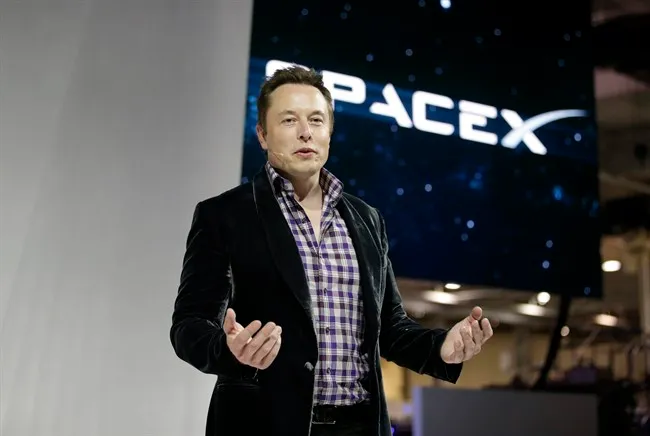
25 Elon Musk Quotes That Will Transform Your Mindset

0

Let’s be honest. Most of us have had that moment where we’re scrolling through success stories at 2 AM, wondering how some people seem to operate on a completely different level.

Here’s the thing about Elon Musk: love him or hate him, the guy has figured out how to turn “that’s impossible” into “okay, what’s next?” And after digging through his most powerful quotes from real interviews and biographies, I realized something. His success isn’t about being a genius (though that probably helps). It’s about thinking differently than 99% of people.

These aren’t just motivational poster quotes. They’re mental shifts you can actually use. Ready? Let’s go.

Challenge Everything You Think You Know

“The only rules are the ones dictated by the laws of physics. Everything else is a recommendation.”

Sit with that for a second. How many “rules” are you following just because someone said so? This quote from Walter Isaacson’s biography basically sums up why Musk does things that make other CEOs nervous.

“Well, I do think there’s a good framework for thinking. It is physics. You know, the sort of first principles reasoning. What I mean by that is boil things down to their fundamental truths and reason up from there, as opposed to reasoning by analogy.”

Translation: Stop copying what everyone else does. Start asking why things work the way they do.

“One of the really tough things is figuring out what questions to ask. Once you figure out the question, then the answer is relatively easy.”

This one hits different when you realize most of us spend our time solving the wrong problems.

When Life Knocks You Down (And It Will)

“When something is important enough, you do it even if the odds are not in your favor.”

This is the quote that explains why he dumped his PayPal millions into rockets and electric cars when everyone thought he’d lost his mind.

“Never. I don’t ever give up. I’d have to be dead or completely incapacitated. For my part, I will never give up, and I mean never.”

Not exactly subtle, but when you’re trying to land rockets on floating platforms, subtle doesn’t cut it.

“Optimism, pessimism, fuck that. We’re going to make it happen. As God is my bloody witness, I’m hell-bent on making it work.”

This raw moment from Isaacson’s biography? That’s what it actually sounds like when someone refuses to accept failure as an option.

“Persistence is very important. You should not give up unless you are forced to give up.”

Simple advice that’s ridiculously hard to follow.

Take the Leap While You Still Can

“When starting SpaceX I thought the odds of success were less than 10%, and I just accepted that I would probably just lose everything. But that maybe we would make some progress.”

Imagine being okay with a 90% chance of failure. That’s the difference between thinking about starting something and actually doing it.

“Take risks now. Do something bold. You won’t regret it.”

He told this to USC graduates, but honestly? It applies whether you’re 22 or 52.

“I always have optimism, but I’m realistic. It was not with the expectation of great success that I started Tesla or SpaceX… It’s just that I thought they were important enough to do anyway.”

Notice the pattern? It’s not about guaranteed success. It’s about doing what matters.

Your New Relationship with Failure

“Failure is an option here. If things are not failing, you are not innovating enough.”

Most companies say they love innovation. SpaceX literally explodes rockets and calls it data.

“It’s not how well you avoid problems. It’s how fast you figure out what the problem is and fix it.”

This completely flips the script on perfectionism.

“Move fast, blow things up, repeat.”

Three steps to innovation. Who knew it could be that simple?

Dream So Big It Scares You

“I’m going to colonize Mars. My mission in life is to make mankind a multiplanetary civilization.”

When someone asked him what he’d do after PayPal, this was his answer. Talk about thinking bigger.

“Mars would just be the greatest adventure. Ever. And very exciting. And I think we need things in life that are exciting and inspiring. It can’t just be about solving some awful problem. There have to be reasons to get up in the morning.”

This is why your goals need to excite you, not just pay the bills.

“I think fundamentally the future is vastly more exciting and interesting if we’re a spacefaring civilization and a multiplanet species than if we’re not. You want to be inspired by things. You want to wake up in the morning and think the future is going to be great.”

What’s your version of Mars? What makes you excited about tomorrow?

“The United States is literally a distillation of the human spirit of exploration. This is a land of adventurers.”

He connects space exploration to something deeper: our need to keep pushing boundaries.

You’re More Capable Than You Think

“I think it is possible for ordinary people to choose to be extraordinary.”

Read that again. It’s a choice, not a birthright.

“I think most people can learn a lot more than they think they can. They sell themselves short without trying. One bit of advice: It is important to view knowledge as sort of a semantic tree — make sure you understand the fundamental principles, i.e. the trunk and big branches, before you get into the leaves/details.”

This learning method? It’s how he taught himself rocket science. Literally.

“I think it’s very important to have a feedback loop, where you’re constantly thinking about what you’ve done and how you could be doing it better. I think that’s the single best piece of advice: constantly think about how you could be doing things better and questioning yourself.”

Continuous improvement sounds boring. But it’s actually the secret sauce.

“It’s very important to actively seek out and listen very carefully to negative feedback. This is something that people tend to avoid because it’s painful, but I think this is a very common mistake.”

Nobody likes criticism. But the people who use it get better faster.

The Bigger Picture

“I thought about the things that will truly affect humanity. I came up with three: the internet, sustainable energy, and space travel.”

This is how he picks his projects. Not “what will make money?” but “what actually matters?”

“Life cannot be merely about solving problems. It also had to be about pursuing great dreams.”

Balance fixing what’s broken with building what could be amazing.

“The only thing that makes sense to do is strive for greater collective enlightenment.”

He wrote this as a teenager. Some people just think differently from the start.

The Truth Will Set You Free (But First It Might Hurt)

“Always take the position that you are to some degree wrong, and your goal is to be less wrong over time. One of the biggest mistakes people generally make, and I’m guilty of it too, is wishful thinking.”

This might be the most important quote on the list. Being wrong isn’t failure. Staying wrong is.

So What Now?

Here’s what I learned from collecting these quotes: Musk isn’t successful because he’s fearless. He’s successful because he moves forward despite the fear. He doesn’t avoid failure; he learns from it faster than everyone else. He doesn’t think he knows everything; he assumes he’s wrong and works to get less wrong.

The real question isn’t whether you agree with everything Elon Musk does or says. The question is: which of these mindset shifts could change your life if you actually applied them?

Pick three quotes from this list. Write them down. Put them where you’ll see them every day. Then actually try living by them for a month.

Because here’s the truth: the difference between ordinary and extraordinary really might just be a choice. And that choice is yours to make.

What are you waiting for?

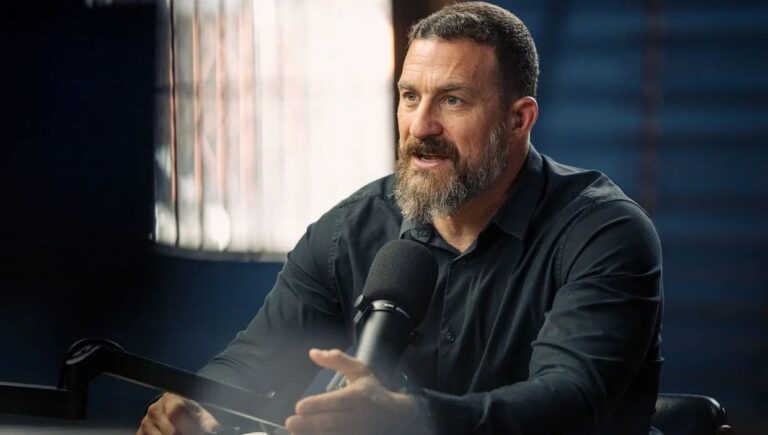
Andrew Huberman’s NAD+ Protocol: What He Takes and Why

If you’ve been following the longevity space, you’ve probably heard about NAD+. Dr. Andrew Huberman, the Stanford neuroscientist who hosts the popular Huberman Lab podcast, has been pretty open about his approach to boosting NAD+ levels. Let’s break down what he does, why he does it, and what the science actually says.

First Things First: What’s NAD+ and Why Should You Care?

NAD+ (nicotinamide adenine dinucleotide) is basically the cellular energy currency your body can’t function without. Think of it as the middleman that helps convert the food you eat into energy your cells can actually use. It’s also involved in repairing DNA and keeping your cells healthy as you age.

Here’s the problem: NAD+ levels tank as we get older. Research shows that by middle age, you’ve lost about half of what you had in your youth. Some researchers think this decline is partly why we feel less energetic and our bodies don’t repair themselves as well as we age.

In discussing NAD+ pathways on his podcast, Huberman explained that NAD+ production is “highly active in young animals and humans” and closely tied to how our mitochondria (the cell’s power plants) function.

The recent buzz around NAD+ comes from animal studies showing that boosting these levels can improve mitochondrial function, help repair DNA, and even extend lifespan in lab mice. But here’s where Huberman gets refreshingly honest: we don’t have proof this works for human lifespan extension yet.

As he put it in that same podcast episode: “There are some animal data suggesting that increasing NAD+ can increase lifespan. But frankly, that is not why I take NR and NMN.”

Huberman’s Daily NAD+ Supplement Routine

So what exactly does Huberman take? His daily protocol includes:

He revealed this protocol in detail during his 2023 Ask Me Anything episode: “I do indeed take an NR supplement every day. I take 500 mg of NR. I also have separately taken an NMN supplement. I take sublingual NMN, about 1 to 2 grams as a sublingual powder.”

Both supplements come from Renue By Science – their liposomal NR for optimal absorption and sublingual NMN powder, which Huberman specifically recommends for their quality and purity. He takes both supplements in the morning, typically within an hour or two of waking up and at least 30 minutes before his first meal (which he usually eats around 11 AM).

Andrew Huberman’s NMN & NR Brand Situation

When it comes to brands, things got a bit complicated. Huberman initially used Momentous NMN (a company that sponsors his podcast), but had to switch when the FDA ruled in late 2022 that NMN couldn’t be sold as a dietary supplement anymore (because it’s being investigated as a drug).

In a Twitter update, he told his followers: “Renue by Science is the only source I’m aware of now. Most companies including Momentous (the brand I used to take) have stopped selling it due to the FDA ruling. Note: I have zero affiliation with Renue by Science, but I do like their sublingual NMN in the morning.”

The fact that he buys it himself and isn’t paid to promote it makes his recommendation pretty straightforward. If you’re looking to try the exact same high-purity NMN powder that Huberman uses, Renue By Science offers it in sublingual form. Pro tip: Use code BRAINFLOW at checkout to save 10% on your order.

As for NR, he mentioned he “tried and likes NR too” but found it expensive to maintain at his preferred 500 mg dose. That’s partly why he relies more heavily on NMN now (which you can get from Renue By Science here with code BRAINFLOW for 10% off). However, if you want to follow his complete protocol, Renue By Science’s liposomal NR offers superior absorption compared to standard NR supplements – and with code BRAINFLOW, you’ll save 10% on that too. Dr. Charles Brenner (a leading NAD+ researcher) believes NR might be the better option, so having both in your stack like Huberman does could offer complementary benefits.

What Benefits Does Huberman Actually Notice?

After about 4-5 months of daily NMN use, Huberman shared on Twitter some interesting observations: “My hair grows ridiculously fast, energy elevated (I take it in the morning), slight appetite reduction.”

He was quick to add that he “can’t be sure it’s the NMN” and acknowledged it could be placebo. But these effects were noticeable enough for him to mention publicly.

The energy boost is something he’s more confident about. In his AMA episode, he stated that taking NMN + NR gives him “a lot more sustained mental and physical energy throughout the day.” At 48 years old, he’s willing to use safe tools to maintain his energy levels, though he’s always been a naturally high-energy person.

But again, Huberman keeps it real. He calls these benefits “entirely subjective” and regularly reminds his audience that NAD+ supplements aren’t some fountain of youth. His goal is “healthspan” (feeling good now) rather than betting on unproven lifespan extension.

He’s also mentioned improved recovery, particularly when using NAD+ IV infusions after feeling worn down or recovering from illness. This makes sense given that NAD+ is central to cellular repair and energy production. (For more on Huberman’s recovery protocols, including his use of BPC-157 for healing, check out his peptide recommendations.)

Want to Try Huberman’s Exact NAD+ Protocol?

If you’re curious about testing these benefits yourself, you can get the same supplements Huberman uses daily:

Use discount code BRAINFLOW to save 10% on both products – that brings the cost down significantly, especially if you’re planning to take them long-term like Huberman does.

The NAD+ IV Experience: Not for the Faint of Heart

Speaking of IV infusions, Huberman has tried NAD+ drips twice, receiving 500-1000 mg directly into his bloodstream. He tried this when feeling particularly run down to see if it would speed recovery.

The verdict? It works, but it’s rough. During the infusion, he experienced:

  • Significant nausea
  • Chest and leg pressure (“like someone was stepping on my chest”)
  • General discomfort throughout

These side effects disappeared about 10 minutes after finishing, but it’s clearly not a pleasant experience. Many people take anti-nausea medication beforehand, but Huberman chose not to.

The upside: He felt “much, much better” afterward, with improved sleep and a big energy boost in the following days. His takeaway? NAD+ infusions can work but are “expensive, inconvenient, and uncomfortable.” He doesn’t plan to do them regularly, maybe just a couple times a year in special circumstances.

For most people, he thinks the daily oral supplements are far more practical, even if they raise NAD+ more gradually.

Beyond Supplements: Natural Ways to Support NAD+

Here’s where Huberman’s approach gets interesting. He consistently emphasizes that behavioral practices are the foundation, with supplements playing a supporting role. (For a complete overview of all his supplements, see Huberman’s full supplement guide.) His recommendations for naturally supporting NAD+ include:

Exercise

Physical activity is one of the most powerful tools for metabolic health. Studies show that exercise increases NAMPT, an enzyme that helps recycle NAD+ in cells. It also triggers release of BDNF in the brain, supporting neuroplasticity as we age. Huberman does intense resistance training and cardio each week, which likely helps maintain his NAD+ metabolism naturally.

Intermittent Fasting

Huberman typically doesn’t eat until around 11 AM, effectively fasting for 16+ hours daily. While he does this primarily for cognitive and metabolic benefits, research indicates that fasting can support NAD+ levels by affecting similar pathways. It lowers insulin and may increase NAD+/NADH ratios.

Sauna Use

Huberman is a big advocate for regular sauna use, citing Finnish studies linking it to reduced mortality and cardiovascular benefits. Heat exposure activates heat shock proteins that help repair damaged proteins in cells. His typical protocol involves 3 sessions per week at 80-100°C for 20-30 minutes.

Cold Exposure

On the flip side, cold plunges or showers provide a different kind of beneficial stress. Cold triggers adrenaline release, reduces inflammation, and stresses mitochondria in a good way. Studies show that the surge in metabolism from cold exposure may actually increase NAD+ recycling. Huberman often alternates between sauna and cold for what he calls benefits to “overall cellular health.”

Quality Sleep

While not specifically mentioned for NAD+, Huberman constantly stresses that nothing beats good sleep for health and longevity. NAD+ gets replenished during sleep, and DNA repair (which requires NAD+) goes into high gear. He’s adamant: “No pill can replace excellent behavioral protocols. No amount of supplementation can compensate for poor sleep, nutrition, or exercise.”

The Science Behind It All

When discussing NAD+ mechanisms with experts like David Sinclair, Huberman explains the science in accessible terms:

Energy Production: NAD+ is central to mitochondrial energy generation. It carries electrons in cellular respiration, helping convert food into ATP (cellular fuel).

DNA Repair and Sirtuins: NAD+ activates enzymes that repair DNA and regulate aging. Research demonstrates that NAD+ is required for PARP enzymes (which fix DNA breaks) and sirtuins (often called “longevity genes”). Raising NAD+ increases sirtuin activity, which helps maintain genomic stability and reduce inflammation.

Cellular Resilience: By middle age, lower NAD+ stores leave cells more vulnerable to stress. Boosting NAD+ can restore some youthful capacity for cell maintenance, potentially translating to less fatigue, better cognitive function, and reduced muscle loss.

Importantly, Huberman stays scientifically cautious. He’s interviewed experts on both sides of the debate, including Dr. David Sinclair (who has his own comprehensive longevity supplement protocol) and Dr. Charles Brenner. For those interested in Huberman’s other anti-aging approaches, his peptide guide covers additional recovery and longevity tools he uses.

The Bottom Line

Andrew Huberman’s approach to NAD+ is refreshingly balanced. Yes, he takes daily supplements (1-2g NMN plus 500mg NR) and has experimented with IV drips. Yes, he reports real benefits like increased energy, faster hair growth, and better recovery.

But he’s also the first to say these aren’t magic pills. He doesn’t claim they’ll extend lifespan, and he constantly emphasizes that core lifestyle factors “have a huge outsized effect compared to anything you could take in a pill or infusion.”

Get Started with Huberman’s Protocol

Ready to try it yourself? Here’s exactly what Huberman takes:

For those interested in following his protocol, the practical steps are straightforward: take about 1 gram of quality NMN sublingually each morning (he uses Renue By Science’s pure NMN powder – save 10% with code BRAINFLOW), add 500 mg of liposomal NR if your budget allows (also 10% off with BRAINFLOW), and be consistent. But remember to embed this in a lifestyle that supports your cells through exercise, smart eating patterns, heat and cold exposure, and good sleep.

As Huberman tweeted about keeping NMN available: “Keeping NMN on the market as a supplement would be wonderful for many people that want to take it” – but it’s not a cure-all on its own.

His goal isn’t immortality. It’s to feel as vigorous and healthy as possible for as long as possible. And that’s probably a goal worth pursuing, whether you choose to supplement or not.

Andrew Huberman’s Science-Backed Morning Routine

I’ll be honest, when I first heard about Andrew Huberman’s morning routine, I was skeptical. Another wellness guru telling me to wake up at 5 AM? No thanks. But then I actually looked into who this guy is, and my perspective completely changed.

Dr. Andrew Huberman isn’t your typical morning routine influencer. He’s a legit Stanford neuroscientist who studies how our brains work. And his Huberman Lab podcast? It’s like having a brilliant friend explain complex science in a way that actually makes sense. Millions of us tune in every week because he breaks down the “why” behind everything.

What got me hooked was realizing his morning routine isn’t about being perfect or productive for productivity’s sake. It’s about working with your biology, not against it. Huberman figured out how to hack our natural systems to feel more alert, focused, and genuinely good throughout the day.

In this guide, I’m breaking down his entire morning protocol, including the science that makes it work and the specific products he swears by. I’ve also included his newest recommendations from 2025 and some modifications I’ve discovered work for different schedules and lifestyles.

The best part? You don’t need to adopt every single element. Even implementing a few of these practices can make a noticeable difference in how you feel. Trust me, once you understand the “why” behind each step, you’ll actually want to try them.

So let’s get into it. Here’s exactly how one of the world’s leading neuroscientists starts his day, and how you can too.

Who Is Dr. Andrew Huberman?

If you haven’t heard of Andrew Huberman yet, you’re missing out on one of the most trusted voices in health and neuroscience today. He’s a tenured professor at Stanford School of Medicine, where he runs his own lab studying how the brain controls vision, fear, and arousal states.

But here’s what makes him different from other scientists: Huberman has this incredible ability to translate complex research into practical advice we can actually use. His Huberman Lab podcast has exploded in popularity because he doesn’t just tell you what to do. He explains how your brain and body work, then gives you tools to optimize them.

His specialty? Understanding how light, temperature, and timing affect our nervous system. Turns out, these are the exact factors that make or break a morning routine.

RELATED READING: Andrew Huberman’s Science-Backed Supplement Stack

Why Morning Routines Matter

Huberman often says something that stuck with me: “The first 90 minutes of your day set the template for everything that follows.” At first, this sounded like typical self-help fluff. Then he explained the science.

When you wake up, your body kicks off a cascade of hormonal and neurological processes. Cortisol spikes (which is actually good in the morning), body temperature rises, and your brain shifts from sleep mode to wake mode. How you handle these natural processes determines whether you’ll feel energized or groggy, focused or scattered.

Think of it like this: your morning is when your brain and body are most programmable. The habits you engage in don’t just affect the next hour; they create ripple effects that last all day. Get morning light? You’ll sleep better that night. Move your body early? Your focus stays sharper in the afternoon. Skip these steps? You’re fighting an uphill battle against your own biology.

As Huberman explained in his interview with Dr. Rhonda Patrick, these morning practices trigger specific biological cascades. The cortisol spike from morning light exposure doesn’t just wake you up. It starts your body’s internal countdown to melatonin release at night.

“Getting morning sunlight, movement, and mindfulness in place creates a domino effect for a focused, productive day,” he shared. It’s not about being a morning person. It’s about understanding your biology and using it to your advantage.

Quick Overview: Huberman’s Morning Routine

Before we dive deep, here’s what Huberman’s complete morning looks like:

  • Wake up at 5:30-6:30 AM (no alarm needed)
  • Hydrate with 16-32 oz water plus electrolytes (Huberman uses LMNT electrolytes)
  • Get 10-30 minutes of sunlight within the first hour
  • Move your body (walk, stretch, or workout)
  • Practice meditation or Yoga Nidra (10-30 minutes)
  • Cold exposure (1-3 minute cold shower or plunge)
  • Wait 90-120 minutes before having caffeine
  • First meal around noon (intermittent fasting)

Now let’s break down each element and the science behind it.

Consistent Early Wake-Up

Huberman wakes up somewhere between 5:30 and 6:30 AM. Every. Single. Day. No alarm clock needed. I know what you’re thinking because I thought the same thing. How the hell does anyone do that naturally?

Here’s the secret: he goes to bed at the same time every night too. Usually between 10 and 11 PM. Weekends included. Your body actually learns this pattern and starts releasing cortisol about half an hour before your regular wake time. It becomes your personal biological alarm clock.

“I typically wake up around 6:00 AM, often naturally, without an alarm,” Huberman shared in his daily routines newsletter. The consistency matters more than the exact time. Pick a schedule and stick with it.

But life happens, right? Sometimes you sleep like crap. Here’s where Huberman does something genius. Instead of oversleeping (which screws up your rhythm), he stays in bed but does what he calls Non-Sleep Deep Rest. Basically, it’s a type of meditation that lets your brain recover without actual sleep.

“I’ll do 10 to 30 minutes of Yoga Nidra, which is a form of NSDR,” he says. Huberman has his own guided Yoga Nidra session on Youtube. I was skeptical until I tried it after a terrible night’s sleep. Felt way better than if I’d just dozed for another hour.

The research backs this up too. Keeping consistent sleep-wake times predicts longevity better than how many hours you sleep. Your entire hormonal system runs on this schedule. Mess with it, and everything from your appetite to your focus gets wonky.

RELATED READING: Harvard Scientist Dr. David Sinclair’s Longevity Supplement Stack

Hydration Protocol

First thing Huberman does after waking? Pounds water. We’re talking 16 to 32 ounces, which sounds like a lot until you realize you’ve just gone 7-8 hours without any fluids. Your brain is literally dehydrated.

“I like to hydrate first thing in the morning. I try to drink 16 to 32 ounces of water,” he mentioned in a GQ interview. But here’s the kicker – plain water isn’t optimal. He adds salt. Yeah, salt.

Your nervous system runs on electrolytes. Sodium, potassium, magnesium – these minerals help your neurons fire properly. After fasting all night, you need to replenish them. Huberman uses LMNT electrolyte mix, which has no sugar but perfect mineral ratios. A pinch of sea salt works too if you’re on a budget.

Some mornings, he’ll also mix in AG1 (Athletic Greens) as part of his legendary daily supplement protocol which you can read about here. This green powder has been part of his routine since 2012. “It’s the simplest way for me to get my base of important vitamins, minerals, and probiotics,” he explains. One scoop, add water, done.

I’ve tested both approaches extensively. Plain water? You’ll pee it out in 20 minutes. Add electrolytes? You actually feel the mental clarity kick in. It’s wild how much proper hydration affects your brain function. Even mild dehydration tanks your cognitive performance.

Pro tip from my own experience: prep your morning drink the night before. Water bottle, electrolytes, whatever – have it ready. The less friction between you and hydration, the more likely you’ll actually do it.

Morning Sunlight Exposure

Okay, this is the big one. The habit that probably has the most science behind it. Within 30 to 60 minutes of waking, Huberman gets sunlight in his eyes. Not through a window. Not wearing sunglasses. Direct outdoor light hitting his retinas.

“Whether it’s sunny or cloudy, strive to get bright light in your eyes within 30-60 minutes of waking,” he emphasizes constantly in his episode on using light to optimize health. The duration depends on conditions. Bright sunny day? 5-10 minutes does it. Cloudy? 10-20 minutes. Super overcast? Up to half an hour.

Why does this matter so much? Morning light triggers a massive cascade of biological processes. Your cortisol spikes by about 50% (the good kind that wakes you up). More importantly, it sets a timer in your brain. Roughly 14-16 hours later, your pineal gland will dump melatonin to help you sleep.

I used to think my kitchen lights were bright enough. Nope. Huberman points out that indoor lights are literally 100 times dimmer than outdoor light on a cloudy day. Your brain needs that intensity to properly wake up.

Since starting this habit, my sleep has transformed. Used to take me an hour to fall asleep. Now? 15 minutes max. The morning light exposure fixed my nighttime sleep. It sounds backwards but it works.

During winter or if you live somewhere perpetually dark, a 10,000 lux SAD lamp can substitute. Huberman recently mentioned in a post on X that he uses this brand of lux lamp on Amazon. But natural light beats artificial every time. Even on the gloomiest day, bundle up and get outside. Your brain will thank you later.

RELATED READING: Everything Andrew Huberman Taught Me About Dopamine

Mindfulness & NSDR Practice

After getting his light exposure, Huberman does something that surprised me: he meditates. But not in the way you’d expect. His go-to is Yoga Nidra, which he calls a “zero-cost neural reset.”

“If you find you’re too agitated or sleepy in the morning, doing 10 minutes of NSDR or meditation can basically give you a clean mental slate,” he explains in his Master Your Sleep episode. NSDR means Non-Sleep Deep Rest. Fancy name, simple practice.

You literally just lie down and follow a guided audio. That’s it. No sitting cross-legged, no emptying your mind, no weird breathing patterns. Just lying there following instructions. Huberman uses free YouTube videos. Takes 10-30 minutes depending on how much time you have.

His lab discovered this practice can boost dopamine by 65%. That’s huge. Most people chase dopamine through coffee, social media, whatever. This gives you a natural hit that actually improves focus instead of scattering it.

Some mornings he’ll do breathing exercises instead. His favorite is the “physiological sigh” – two quick inhales through your nose, then a long exhale through your mouth. His research showed just 5 minutes of this significantly reduces stress and anxiety.

I’ll admit, I resisted meditation for years. Felt too woo-woo. But Yoga Nidra is different. It’s more like a power nap for your brain. Now I’m hooked. On stressful mornings, those 10 minutes completely change my mental state.

Movement & Exercise

Here’s where Huberman goes hard. After meditation, he exercises for 45 to 60 minutes. But before you think you need to become a gym rat, hear me out. The specifics matter less than the consistency.

“I alternate between resistance training and cardiovascular training,” he explains. Weights one day, cardio the next. Nothing crazy intense – he keeps it at about 80-85% effort. Save the all-out efforts for later in the week when your body’s fully awake.

The genius part? He always starts gentle. During his sunlight walk, he’s already moving. Then some light stretching or mobility work. By the time he hits the actual workout, his body’s primed and ready. No shocking the system from bed to bench press.

Morning exercise works because it aligns with your natural hormone rhythms. Testosterone and growth hormone peak in the early hours. Your body temperature is rising. Working out during this window amplifies these natural processes.

On cardio days, he might jump rope, run, or cycle. Weight days follow a basic push-pull-legs split. Nothing fancy. He keeps his phone in another room and cranks music for focus. The workout itself matters less than doing it consistently.

Look, I get it. 45-60 minutes sounds daunting. But even 15-20 minutes of movement changes everything. Can’t hit the gym? Do bodyweight stuff in your living room. Go for a brisk walk. Do some yoga. The point is moving your body while those morning hormones are surging.

Huberman usually works out fasted, claiming it improves fat burning and mental clarity. But if you need fuel, eat something light. The movement matters more than the fed/fasted debate.

RELATED READING: Andrew Huberman’s Complete Fitness Protocol

Cold Exposure

This is where things get spicy. After his workout, when his body’s nice and warm, Huberman deliberately makes himself cold. Really cold. We’re talking 1-3 minutes of water below 60°F.

“I aim for water that’s uncomfortably cold,” he says. Cold shower, cold plunge, doesn’t matter. What matters is that gasp-inducing temperature that makes you question your life choices.

Why torture yourself like this? The dopamine boost is insane – 2.5 times baseline levels – according to his newsletter on cold exposure. And unlike the spike from drugs or junk food, this elevation lasts for hours without a crash. Plus you get norepinephrine flooding your system, sharpening focus and mood.

But Huberman sees it as more than just brain chemicals. It’s mental training. “People use cold exposure to shift their body state and train their mental state so they can better cope with stress in real life.” Every cold shower is practice for handling discomfort calmly.

Start small. Seriously. End your normal shower with 30 seconds of cold. That’s it. Work up gradually. Focus on slow, controlled breathing. Don’t tense up or hyperventilate. Huberman suggests “counting walls” – looking around and counting objects to distract from the shock.

I started with just splashing cold water on my face. Now I do full cold showers three times a week. The energy boost is undeniable. But more importantly, I’ve noticed I handle daily stressors way better. Traffic, work drama, whatever – it all feels more manageable after voluntarily freezing my ass off in the morning.

Quick safety note: skip this if you have heart issues or other health concerns. And never force it. The goal is controlled stress, not dangerous shock.

Delayed Caffeine Intake

Ready for the most controversial part of Huberman’s routine? He waits 90 to 120 minutes after waking before touching caffeine. I know. I KNOW. But stick with me here.

“I delay my caffeine intake to 90 minutes to 2 hours after I wake up,” Huberman states. So if he’s up at 6, that first cup doesn’t happen until 7:30 or 8. This timing hack literally changed my life.

Here’s why it works. When you wake up, you’ve still got adenosine (the sleepiness chemical) floating around. Caffeine blocks adenosine receptors. Drink it too early, and you’re just masking the problem. Few hours later when the caffeine wears off? All that adenosine comes flooding back. Hello, 11 AM crash.

By waiting, you let your body clear out adenosine naturally. Cortisol does its thing. Then when you finally have caffeine, it actually works properly. No crash, just sustained energy.

When he does caffeinate, Huberman mixes it up. Sometimes black coffee. Often yerba mate, especially Mateína, which he helped develop. “Yerba mate provides a smoother boost without jitters,” he notes. The combo of caffeine plus other compounds gives cleaner energy than coffee alone.

He’s militant about the 2 PM cutoff too. Caffeine has a 5-7 hour half-life. That 3 PM latte? Still messing with your sleep at 10 PM. Not worth it.

The first week of delayed caffeine sucked. Not gonna lie. But once I adapted? Game changer. More consistent energy, better sleep, and weirdly, I need less caffeine overall. Use that 90-minute window for water, sunlight, exercise. By the time you’re done, you’ve earned that coffee.

The First Meal: Timing and What Huberman Eats

Huberman doesn’t eat breakfast. There, I said it. His first meal usually lands around noon, sometimes later. That’s roughly 16 hours of fasting from dinner the night before.

“I find I have much more energy and focus when I don’t eat breakfast,” he revealed in his FoundMyFitness interview. This isn’t about losing weight or calorie restriction. It’s about mental performance.

When he does break his fast, it’s almost always protein heavy. We’re talking 3-4 pasture-raised eggs. Or grass-fed beef. Wild-caught fish. Quality protein paired with vegetables and healthy fats. Avocado is a staple. Minimal sugar, basically no refined carbs.

This approach keeps blood sugar rock steady. No post-meal crash. No afternoon brain fog. He saves most carbs for dinner, which actually helps with sleep (carbs help tryptophan cross the blood-brain barrier).

But here’s the thing – Huberman listens to his body. Super hard workout? He might eat earlier. Feeling genuinely hungry? He’ll have something. The intermittent fasting is a tool, not a religion.

I’ve experimented with every eating schedule imaginable. Some days I fast until noon, others I’m starving by 10. The key insight from Huberman’s approach: when you do eat, make it count. Protein and fat for sustained energy. Save the carb-heavy stuff for later.

Also, fasting affects people differently. Some folks thrive on it. Others feel like garbage. Women especially might experience hormonal weirdness with extended fasting. Test it yourself, but don’t force it if your body’s screaming for food.

Huberman’s Morning Toolkit

Throughout his routine, Huberman uses specific products he’s tested extensively. Here’s the essential gear:

AG1 by Athletic Greens – His nutritional insurance policy. One scoop contains 75+ vitamins, minerals, and probiotics. “I’ve been using AG1 since 2012. It’s the simplest way for me to get my base of important vitamins, minerals, and probiotics.” Expensive but comprehensive.

LMNT Electrolytes – Zero sugar, perfect mineral ratios. Huberman adds a packet to his morning water. The sodium-potassium-magnesium combo optimizes hydration and neural function. Cheaper alternative: pink salt and No-Salt (potassium chloride).

Mateína Yerba Mate – Huberman partnered to create this specific blend. Yerba mate provides caffeine plus theobromine and other compounds for sustained energy without jitters. His coffee alternative on many mornings.

10,000 Lux Light Therapy Lamp – For dark winters when outdoor light isn’t available. Brands like Verilux or Carex work well. Sit in front of it for 20-30 minutes while working. Not as good as real sunlight but better than nothing.

Advanced Stuff: Occasionally, Huberman takes Momentous L-Tyrosine (dopamine precursor) or Momentous Alpha-GPC (for focus) before intense work sessions. He specifically uses the Momentous brand for these supplements due to their quality and purity standards and even recently partnered with them. Use code ‘brainflow’ for 15% off any product from the Momentous Huberman Collection.

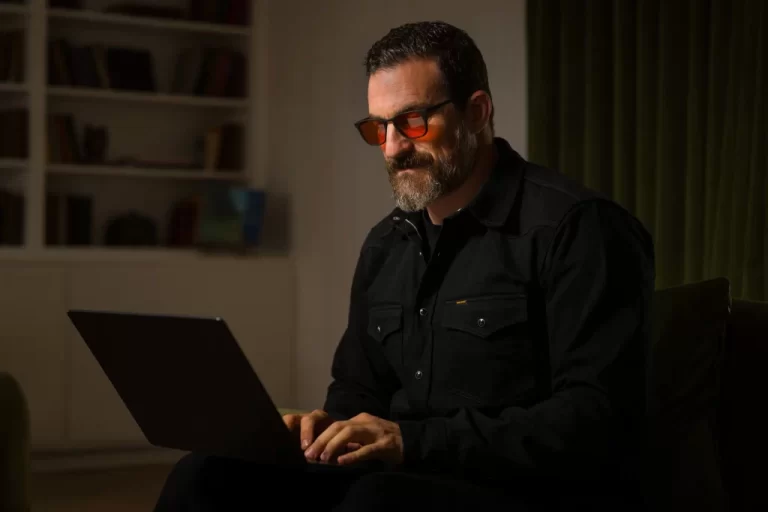
Evening note: While not part of his morning routine, Huberman wears blue-light blocking glasses after sunset. Protects melatonin production. But never wear these in the morning – you want maximum light exposure then.

These tools support the routine but aren’t mandatory. I started with just adding salt to my water and noticed improvements. Build up gradually based on what works for your body and budget.

Sample Morning Timeline

Here’s exactly how Huberman’s morning flows:

6:00 AM – Wake naturally. Quick mental check. Feeling rested? Get up. Tired? 10-minute Yoga Nidra first.

6:15 AM – Chug 500ml water with LMNT and AG1.

6:20 AM – Outside for sunlight. Easy walk around the block.

6:45 AM – Back inside for 10 minutes meditation or breathing.

7:00 AM – Workout time. Today’s leg day.

7:45 AM – Post-workout cold shower. 2 minutes of questioning life choices.

8:00 AM – Finally, coffee. Or yerba mate if feeling fancy.

8:30 AM – Deep work begins. Brain is firing on all cylinders.

12:00 PM – First meal. Steak and salad today.

This isn’t set in stone. Travel, bad sleep, life stuff – it all requires adjustments. The key is maintaining the sequence when possible: hydrate, light, move, cold, caffeinate, work, eat.

You can compress this too. Got 30 minutes? Hit the essentials: water, quick walk in sunlight, few minutes of breathing. Still way better than scrolling your phone in bed for an hour.

Conclusion & Key Takeaways

After diving deep into Huberman’s routine, here’s what really matters: this isn’t about perfection or turning yourself into a productivity robot. It’s about understanding how your brain and body actually work, then using that knowledge to feel better.

Every piece of this routine targets specific biological systems. Light exposure sets your circadian clock. Hydration fires up your neurons. Exercise releases feel-good chemicals. Cold builds resilience. Delayed caffeine prevents crashes. Together, they create a foundation that makes everything else easier.

Testing this stuff on myself and seeing the results has been eye-opening. Better sleep, sharper focus, more stable energy throughout the day. Not because of placebo or positive thinking, but because of measurable changes in hormones and neurotransmitters.

Start small. Pick one or two practices. Maybe just morning sunlight and proper hydration. Nail those for a week, then add something else. Even Huberman says he doesn’t hit every element every day. Life happens. The goal is consistency with the core principles, not rigid perfection.

Your morning sets the trajectory for your entire day. By front-loading these evidence-based practices, you’re not just optimizing a routine. You’re building a sustainable foundation for better health, sharper thinking, and honestly, just feeling good in your own skin.

Give it a week. Track how you feel. Adjust what doesn’t work. Keep what does. Your future self will thank you.


Andy Galpin’s Daily Supplements for Peak Performance

I’ll never forget the day I realized I’d been training like an idiot for years.

There I was, crushing my third pre-workout of the week, wondering why my joints felt like rusty hinges and my recovery time rivaled that of a 90-year-old. Meanwhile, this guy Andy Galpin was out there deadlifting small cars at 40+ years old with the recovery time of a college athlete. A CSU Fullerton professor who literally studies human performance for a living.

The difference? It wasn’t just his training. It was his supplement game.

Now, before you roll your eyes and assume this is another “take 47 pills a day” article, hear me out. Galpin isn’t your typical supplement-pushing influencer. The man has a PhD in Human Bioenergetics. He advises elite athletes. He actually publishes peer-reviewed research. When he says he takes something, it’s because the science is rock solid, not because someone’s paying him to hawk their magic beans.

I’ve been following Galpin’s supplement protocol for the past year, and the results have been game-changing. My joints no longer sound like bubble wrap when I squat. My energy stays consistent throughout the day. And perhaps most importantly, I can actually keep up with my training schedule without feeling like death warmed over.

But here’s what sets Galpin apart: his “food-first” philosophy. He’s not trying to replace real nutrition with pills. Instead, he uses supplements strategically to fill gaps and enhance what he’s already doing right with diet, sleep, and training.

The Complete Andy Galpin Supplement Stack (2025)

Morning Stack

Throughout the Day

Evening Stack

Now let’s break down why this exercise scientist takes each supplement and how it fits into his performance-focused lifestyle.

Morning Supplements: Setting the Foundation

The Multivitamin Strategy

Andy pops 2 capsules of Momentous Multivitamin every single morning, then another 2 with dinner. Four caps total might seem excessive, but there’s method to the madness.

In his Business Insider interview, Galpin basically said he’s in the “better safe than sorry” camp when it comes to micronutrients. Sure, he eats clean. But between training stress, travel, and the general chaos of life, a multi acts as nutritional insurance.

The split dosing trick? That’s pure genius. Your gut can only absorb so much vitamin C or B12 at once. By spacing it out, you’re not just creating expensive pee.

Omega-3: The Inflammation Fighter

Four grams of Momentous Omega-3 might sound like a lot. It is. But when you’re beating your body up like Galpin does, inflammation becomes public enemy number one.

He told Business Insider straight up: “I take it for brain health and inflammation reduction.” No fluff. Just facts.

The research on omega-3s is pretty damn convincing. We’re talking reduced muscle soreness, better heart health, and even mood improvements. Galpin splits his dose between breakfast and dinner, probably to avoid the dreaded fish burps.

Vitamin D3: The Performance Hormone

Dude lives in California. Sunshine capital of the world. Still takes 5,000 IU of Momentous Vitamin D3 every day.

Why? Because vitamin D is basically a hormone that does everything. Muscle function. Brain health. Immune support. Gut integrity. The works.

“I take it for muscle, brain, and gut health,” Galpin explained. Smart man knows that outdoor time doesn’t always equal optimal blood levels. Athletes especially tend to run low.

L-Glutamine: The Gut Guardian

This one caught me off guard. Five grams of Momentous L-Glutamine in the morning, another 5g at night. That’s old-school bodybuilder territory.

But Galpin’s reasoning is solid. “I use it primarily for gut health and immune support,” he stated. Turns out glutamine literally feeds your intestinal cells. When you train hard, your body burns through it like crazy.

Plus, he mentioned it helps with muscle recovery during the proliferation phase. At these doses, any excess just converts to other aminos. No downside, potential upside. I’m sold.

Rhodiola: The Stress Crusher

Two hundred milligrams of Momentous Rhodiola every morning keeps Galpin’s stress in check. This adaptogenic herb is like nature’s chill pill.

“200mg daily helps with stress management and muscular endurance,” he explained. The guy even co-authored a research review on rhodiola. When someone studies something that deeply, then takes it daily? That’s a strong endorsement.

Morning timing makes sense. Some people find rhodiola slightly stimulating. Last thing you want is to pop it before bed and stare at the ceiling all night.

Green Tea Extract: The Antioxidant Shield

Galpin downs 225mg of green tea extract for immune support. While he never specified which brand, I’ve been using Renue by Science Liposomal Green Tea Extract. The liposomal coating means way better absorption than regular caps. Use code ‘brainflow’ for 10% off if you want to try it.

“I use it to support my immune system,” he said simply. The science backs this up. Those polyphenols fight oxidative stress from training like tiny molecular warriors.

AG1: The Nutritional Insurance Policy

Every morning starts with AG1 (Athletic Greens) on an empty stomach. Galpin’s been a partner with them forever, but his reasoning goes beyond sponsorship dollars.

“Getting your nutrition right is often very hard. AG1 helps move in the right direction… it fills in gaps when your nutrition isn’t perfectly dialed.”

One scoop. 75+ ingredients. Vitamins, minerals, probiotics, adaptogens. Is it necessary? Probably not. Is it convenient as hell? Absolutely.

Performance Supplements: The Game Changers

Creatine: Not Just for Meatheads

If Galpin could only take one supplement, it’d be Momentous Creatine Monohydrate. Seven and a half grams daily. Not 5. Not 10. Exactly 7.5.

“Creatine provides numerous short- and long-term health benefits,” he stated. We’re not just talking bicep pumps here. The research shows brain benefits, sleep support, even neuroprotection potential.

His dosing philosophy is simple: scale by body size. Little person? Maybe 3 grams. Big dude? Could go up to 10. At around 200 pounds, Galpin sits right in that 7.5g sweet spot.

Timing? Doesn’t matter. Just get it in daily. Mix it in coffee, protein shake, whatever. Consistency beats optimization every time.

Collagen: The Joint Saver

Two collagen “shots” before every workout. About 20 grams total of Momentous Collagen Peptides. Not for beauty. For bulletproofing joints against decades of heavy lifting.

“I take two collagen shots prior to a workout for joint health,” Galpin explained. That 30-60 minute pre-workout window supposedly helps amino acids reach connective tissue when it matters most.

Does it work? Some research says yes. Anecdotally, my creaky knees have been way happier since I started this protocol.

Evening Recovery Stack

Magnesium: The Sleep Optimizer

Two hundred milligrams of Momentous Magnesium before bed changed my sleep game completely. Galpin takes it for muscle recovery and sleep quality.

“Most high-exercising people are going to benefit from magnesium supplementation,” he said. Truth. Hard training depletes magnesium faster than Netflix depletes your weekend.

Magnesium touches over 300 enzymatic processes. Muscle relaxation. Nervous system regulation. The good stuff. Momentous uses forms that actually absorb without destroying your stomach.

Evening L-Glutamine

Round two of glutamine comes at night. Another 5 grams to support overnight gut repair and immune function. Splitting the dose keeps blood levels steady. Your intestinal cells stay fed. Recovery stays on point.

Evening Multivitamin

Final 2 caps of Momentous Multivitamin go down with dinner. Same reasoning as morning. Steady nutrient availability beats single mega-doses.

The Galpin Training Schedule

Timing matters, so here’s exactly how Andy structures his supplement routine:

Morning Routine:
First thing: AG1 on empty stomach. Let it work its magic while you wake up.
With breakfast: Multivitamin (2 caps), Omega-3 (2g), Vitamin D3, L-Glutamine (5g), Rhodiola, Green Tea Extract.

Pre-Workout:
Collagen shots (20g total) about 30-60 minutes before training. Give those aminos time to circulate.

Flexible Timing:
Creatine (7.5g) whenever. Seriously. Just take it daily. I throw mine in my post-workout shake.

Evening Routine:
Dinner: Multivitamin (2 caps), remaining Omega-3 (2g).
Before bed: Magnesium (200mg), L-Glutamine (5g).

The Science of Personalization

Here’s the kicker. Galpin doesn’t just follow some cookie-cutter protocol. Dude gets blood work done quarterly. Adjusts based on results. Scales doses to body size and training load.

“What works for me may not be ideal for everyone. Anyone considering a similar regimen should consult with a professional.”

Translation: Don’t be an idiot. Test, don’t guess.

The Real-World Results

After a year on this protocol, here’s my honest assessment:

Immediate improvements:
Sleep quality went through the roof. Thank you, magnesium. Energy levels stabilized. No more 3pm crash. Post-workout soreness cut in half. Omega-3s and glutamine putting in work.

Long-term benefits:
Joint pain? What joint pain? Collagen is legit. Stress doesn’t hit the same. Rhodiola keeps me level. Getting sick way less. That glutamine-AG1 combo is clutch.

What surprised me:
Going from 5g to 7.5g creatine actually made a difference. Who knew? Split-dosing the multivitamin eliminated that afternoon energy dip. Pre-workout collagen timing seems to matter. My knees agree.

The Bottom Line

Look, Andy Galpin’s supplement stack isn’t revolutionary. It’s not sexy. It’s just smart.

The man takes proven compounds at research-backed doses with strategic timing. No proprietary blends. No exotic Russian peptides. No BS.

At 40+ years old, he’s still crushing weights and recovering like someone half his age. That’s not genetics. That’s intelligent supplementation supporting world-class training.

His golden rule bears repeating: “Food first.” Get your diet dialed. Train smart. Sleep enough. Then, and only then, add supplements to fill the gaps.

Because here’s the truth nobody wants to hear. The best supplement stack on earth won’t fix a garbage lifestyle. But combine Galpin’s protocol with solid fundamentals? That’s when magic happens.

Science led the way. Galpin showed us the path. Now it’s on you to walk it.