5 Best Resveratrol Supplements in 2025 – A Biohacker’s Review

Hey there, fellow health enthusiasts! So, you’ve heard about resveratrol, that famous compound from red wine that might help you live longer and feel better? You’re in the right place. We’ve spent countless hours researching and testing to bring you the absolute best resveratrol supplements available in 2025.

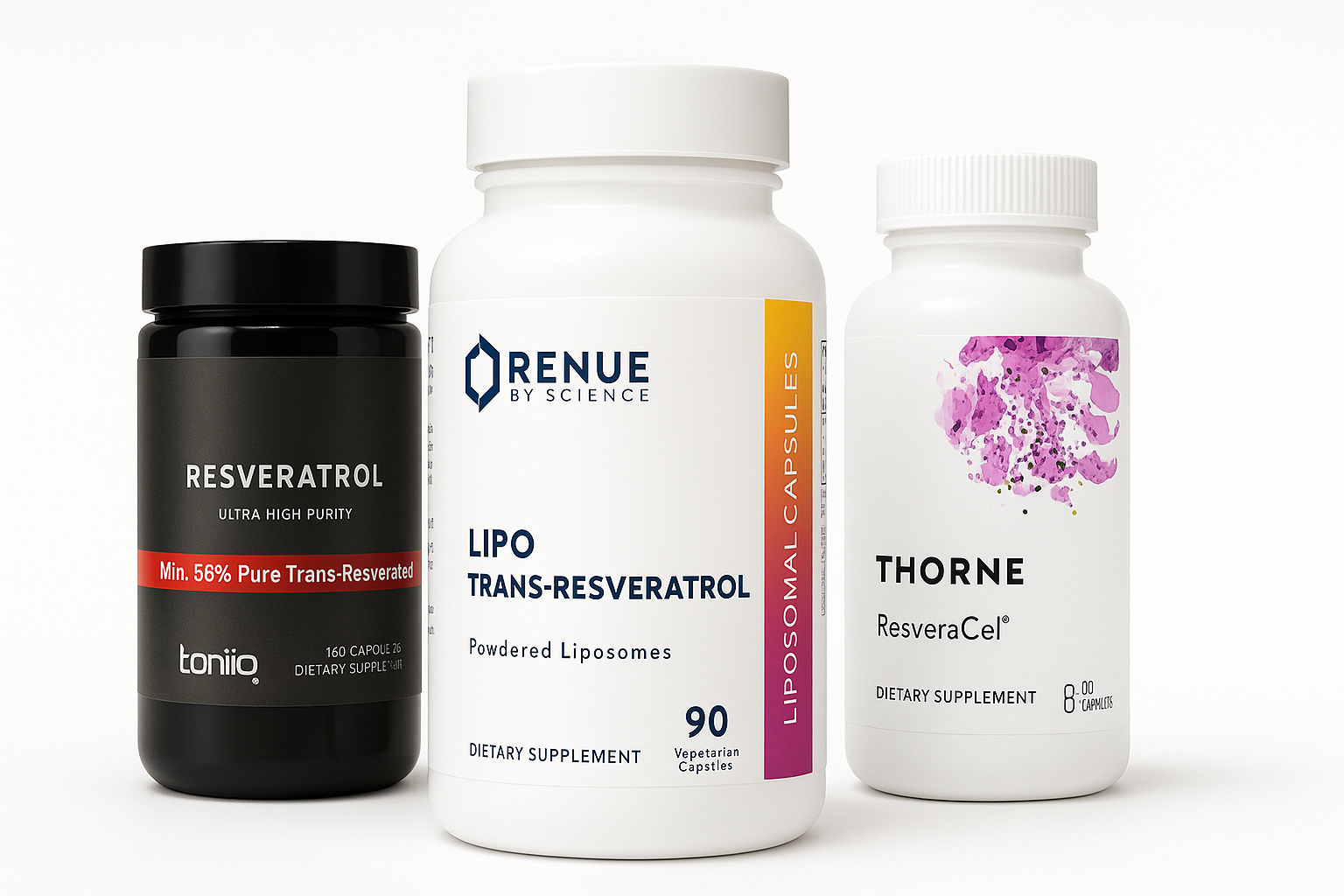
Quick Summary: Our Top Resveratrol Picks

Whether you’re looking to support your heart health, boost your brain function, or just age a little more gracefully (who isn’t?), we’ve got you covered. Let’s dive into our top picks and find the perfect resveratrol supplement for your needs.

What’s the Deal with Resveratrol?

Okay, so resveratrol is this incredible antioxidant found naturally in grapes, red wine, berries, and even peanuts. Remember the whole “French Paradox” thing? Yeah, that’s partly thanks to resveratrol.

Scientists got really excited about it when they discovered it might actually mimic the effects of calorie restriction (without the hunger!) and activate these special “longevity genes” called sirtuins. Pretty cool, right?

Now, I know what you’re thinking: didn’t resveratrol have some overhyped moments back in the day? Totally true. But here’s the thing: modern research is still finding plenty of legitimate benefits:

Heart Health Hero: Resveratrol supports your blood vessels from the inside out. It helps boost nitric oxide production and fights oxidative stress, which can lead to healthier blood pressure. Clinical trials have shown real improvements in cardiovascular markers, especially for people dealing with hypertension.

The Longevity Connection: This is where it gets really interesting. Resveratrol activates SIRT1 and related pathways that have been linked to longer lifespans in various organisms. A meta-analysis found it extended lifespan in 6 out of 11 species tested. While we’re still figuring out the human implications, the research is seriously promising. If you’re interested in longevity science, check out Dr. David Sinclair’s complete supplement protocol. He’s been a huge advocate for resveratrol.

Fighting Inflammation: Your body’s inflammatory response is necessary for healing, but chronic inflammation? Not so much. Resveratrol acts as both an antioxidant and anti-inflammatory agent, helping neutralize free radicals and calm inflammatory responses that contribute to aging and disease.

Brain and Metabolism Boost: Here’s something exciting. Studies show resveratrol can improve metabolic markers in overweight adults, including lower blood pressure, cholesterol, and fasting glucose. Plus, there’s growing evidence it might enhance brain health by improving blood flow and reducing neuroinflammation. Some trials even report better memory performance in older adults taking higher doses.

The bottom line? Resveratrol is like a Swiss Army knife for cellular health. It’s not going to replace a healthy lifestyle (sorry!), but it might give you that extra edge you’re looking for.

How to Pick a Quality Resveratrol Supplement

Before we jump into our top picks, let’s talk about what separates the good stuff from the not-so-great options out there.

Absorption is Everything: Here’s a bummer. Standard resveratrol has terrible bioavailability. We’re talking less than 1% actually making it into your bloodstream. That’s why the best supplements use special delivery methods like liposomal technology, micronized particles, or absorption enhancers like black pepper extract.

Trans-Resveratrol is What You Want: Resveratrol comes in two forms, and trans-resveratrol is the bioactive one your body can actually use. Quality supplements will clearly state “trans-resveratrol” on the label.

Quality Manufacturing Matters: Since supplements aren’t as tightly regulated as pharmaceuticals, you want brands that go the extra mile with cGMP-certified facilities and third-party testing. The products we recommend all meet these standards.

Dosage and Add-ons: Research studies use anywhere from 50mg to over 500mg daily. More isn’t always better though. Sometimes a lower dose with better absorption beats a mega-dose your body can’t use. Some products include synergistic ingredients like quercetin, which can be awesome, but if you want pure resveratrol, that’s cool too.

Price Points: Expect to pay anywhere from $0.50 to $1.00 per serving for quality resveratrol. We’ve got options for every budget below.

Our Top 5 Resveratrol Supplements for 2025

1. Best Overall: Renue By Science LIPO Trans-Resveratrol

Let me tell you why this one takes the crown. Renue By Science (they used to be called Alive By Science) has absolutely nailed the absorption problem with their liposomal technology. If you’ve read our in-depth review of their NMN supplement, you know this company doesn’t mess around when it comes to bioavailability.

Each capsule delivers 125mg of trans-resveratrol wrapped in tiny phospholipid bubbles that protect it through your digestive system. It’s like giving resveratrol a VIP pass straight into your bloodstream. Even though 125mg might sound modest compared to some other products, the liposomal delivery makes it work like a much higher dose, without the stomach upset some people get from mega-doses.

What really impressed us is their commitment to quality. Every batch goes through four rounds of testing in ISO-certified labs. They even publish their Certificates of Analysis online, which is pretty rare in this industry. At around $0.47 per serving, it’s surprisingly affordable for such advanced technology. Plus, our readers can save 10% with code BRAINFLOW, making it an even better deal.

Users rave about this one, especially biohackers and longevity enthusiasts. Many report feeling more energetic and focused, particularly when taking it in the morning. One tester on our team swears it gives them an “exercise energy surge” before workouts.

Where to Buy: You can purchase Renue By Science LIPO Trans-Resveratrol directly from their official website (remember to use code BRAINFLOW for 10% off).

The only downsides? It sells out frequently (which tells you something about its popularity), and they don’t offer subscription discounts. But honestly, for worry-free resveratrol that you know your body is actually absorbing, this is our top pick.

2. Best Pure Resveratrol: Toniiq Ultra High Purity

Sometimes you just want the pure stuff, no bells and whistles. That’s where Toniiq shines with their 98% pure trans-resveratrol.

Each serving packs a whopping 600mg of resveratrol. One of the highest doses you’ll find. And we’re talking pharmaceutical-grade purity here. While many competitors use 50% extracts padded with other compounds, Toniiq gives you the real deal.

Their testing protocol is seriously impressive too. Every batch goes through their 5-point testing system checking for purity, heavy metals, microbes, and potency. At around $0.86 per serving, it’s excellent value for such a high-quality, high-dose product.

Users report improvements in overall wellness, energy, and even skin health after a few weeks of consistent use. The effects tend to be subtle at first (this isn’t an energy drink) but over time, people notice real benefits. Just remember to take it with food or healthy fats to maximize absorption.

Where to Buy: Get Toniiq Ultra High Purity Resveratrol from Amazon or directly from their official website.

The main drawback? It doesn’t include any absorption enhancers, so you’re relying on the high dose to compensate for bioavailability issues. But if you want pure, potent resveratrol and nothing else, this is your winner.

3. Best Budget Pick: NOW Foods Natural Resveratrol

Look, not everyone wants to spend big bucks on supplements, and that’s totally fine. NOW Foods proves you don’t have to sacrifice quality for affordability.

At just $0.22 per serving, this is hands-down the best value in quality resveratrol. Each capsule provides 200mg of trans-resveratrol, plus they throw in some red wine extract and grape seed extract for extra antioxidant power.

NOW has been around since 1968, and they’ve built their reputation on providing solid supplements at fair prices. Their GMP-certified facilities and rigorous testing mean you’re getting a product you can trust, even at this price point.

With over 10,000 customer reviews averaging 4.7/5 stars, people clearly love this stuff. Users commonly report improvements in blood pressure, cholesterol, and general vitality. It’s become super popular among folks following longevity protocols who want an affordable daily resveratrol option.

Where to Buy: Find NOW Foods Natural Resveratrol at Amazon, iHerb, or your local health food store.

Is it as fancy as some pricier options? Nope. But for basic, reliable resveratrol that won’t break the bank, NOW Foods delivers exactly what you need.

4. Best for Maximum Absorption: ProHealth Longevity Micronized Powder

If you’re serious about absorption (and you should be!), ProHealth’s micronized resveratrol powder is a game-changer.

By grinding resveratrol into ultra-fine particles (less than 5 microns), they’ve dramatically increased the surface area for absorption. Think of it like the difference between trying to dissolve a sugar cube versus powdered sugar. The fine powder wins every time.

Each scoop delivers a massive 1000mg dose of 98% pure trans-resveratrol. And because it’s a powder, you can easily adjust your dose or mix it into smoothies, coffee, or whatever you like. Many users stir it into their morning coffee with a splash of coconut oil for better absorption.

ProHealth has been in the longevity game for over 30 years, and it shows. Their powder is manufactured in an FDA-registered facility and third-party tested for purity. At $0.70-$0.80 per serving (less if you buy in bulk), it’s reasonable for such a high dose.

Where to Buy: Purchase ProHealth Micronized Trans-Resveratrol from their official website or on Amazon.

The main downside? Well, it’s a powder, so there’s an extra step involved. And yes, it can get a bit messy if you’re not careful. That ultra-fine powder likes to puff up when you open the jar. But for maximum absorption and flexibility, this is tough to beat.

5. Best All-in-One Formula: Thorne ResveraCel

Sometimes you want it all in one convenient package. Thorne’s ResveraCel combines resveratrol with complementary longevity compounds for a comprehensive anti-aging supplement.

Each serving includes 150mg of trans-resveratrol, 300mg of nicotinamide riboside (a premier NAD+ booster), 250mg of highly absorbable quercetin phytosome, and 85mg of betaine for methylation support. It’s like getting four supplements in one. If you’re interested in NAD+ boosters, you might want to check out our guide to the best NMN supplements as an alternative or addition to NR.

The synergy here is brilliant. NAD+ levels naturally decline with age, which can limit how well resveratrol activates those longevity sirtuins. By including NR to boost NAD+, plus quercetin to potentially extend resveratrol’s activity, Thorne has created a really thoughtful formula.

Thorne is the brand many healthcare practitioners recommend, and for good reason. Their quality standards are exceptional, and they regularly update their formulas based on the latest research.

Where to Buy: Get Thorne ResveraCel from Amazon, iHerb, or directly from Thorne’s website.

At around $2 per serving, yes, it’s pricey. But when you consider you’re replacing multiple supplements, it actually becomes pretty reasonable. Users report improved energy, better exercise recovery, clearer thinking, and just an overall sense of vitality.

The main consideration is whether you want all these ingredients. If you’re just looking for pure resveratrol, this might be overkill. But for a cutting-edge longevity stack in two capsules a day? ResveraCel is hard to beat.

Which Resveratrol Supplement is Right for You?

Alright, so how do you choose between these excellent options? Here’s my take:

New to resveratrol or on a budget? Start with NOW Foods. It’s affordable, reliable, and gives you a solid introduction to resveratrol’s benefits without any risk.

Want the best absorption technology? Go with Renue By Science’s liposomal formula. It’s our overall winner for good reason. You know your body is actually using what you’re taking. Don’t forget to use code BRAINFLOW for 10% off!

Prefer pure, high-dose resveratrol? Toniiq is your answer. Nearly 600mg of pharmaceutical-grade trans-resveratrol per serving is seriously impressive.

Hate swallowing pills? ProHealth’s powder lets you mix your resveratrol into whatever you’re drinking. Plus, the micronized particles mean better absorption.

Looking for a complete longevity stack? Thorne ResveraCel saves you from juggling multiple bottles while addressing several aging pathways at once.

The Bottom Line

Listen, resveratrol isn’t a magic bullet. But the research supporting its benefits for heart health, brain function, and healthy aging is pretty compelling. Combined with a good diet, regular exercise, and solid sleep, a quality resveratrol supplement might give you that extra edge in your wellness journey.

All five of these supplements are excellent choices. It really comes down to your personal preferences and goals. If I had to pick just one, Renue By Science’s LIPO Resveratrol gets my vote for hitting that sweet spot of effectiveness, quality, and value, especially with our exclusive 10% discount using code BRAINFLOW.

Remember to be patient with resveratrol. The benefits tend to be subtle and build over time. Take it consistently, ideally with some food or healthy fats, and give it at least a few months to work its magic.

Here’s to your health and longevity! Got questions about these supplements or resveratrol in general? Drop them in the comments below. I’d love to help you find your perfect match.

Always consult with your healthcare provider before starting any new supplement, especially if you have health conditions or take medications. Resveratrol can have mild blood-thinning effects and may interact with certain drugs.

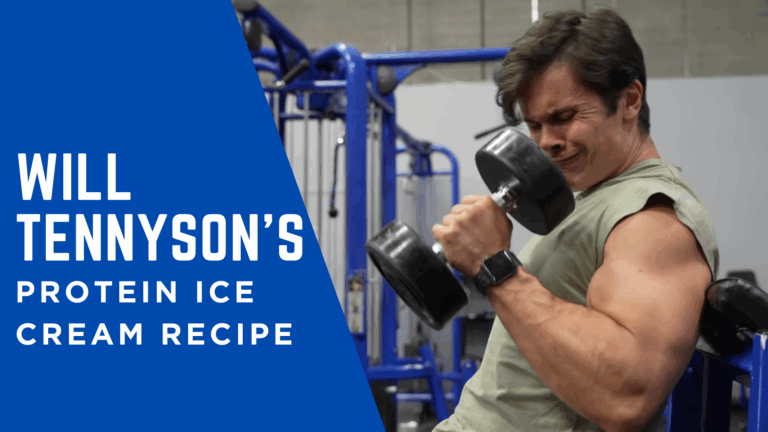
Will Tennyson’s Delicious High Protein Ice Cream Recipe

Will Tennyson’s Protein Ice Cream Recipe: The Ultimate High-Protein Dessert Guide

Craving a massive bowl of ice cream that won’t wreck your diet? You’re in luck! YouTube fitness star Will Tennyson has this infamous protein ice cream recipe that’s absolutely game-changing for dessert lovers. We’re talking about a giant chocolatey “ice cream” packed with around 36 grams of protein yet somehow only 275 calories in the entire thing. Creamy, delicious, and totally diet-friendly. Will even jokes that his trusty Vitamix blender needed a “hiatus” after churning out so many batches for his fans!

In typical Will Tennyson fashion, he presents the recipe with tons of humor and super handy tips that make healthy eating actually feel fun and indulgent.

This comprehensive guide breaks down Will Tennyson’s protein ice cream step by step. You’ll get the exact ingredients and measurements, preparation instructions, Will’s own witty commentary and key tips, plus a full nutritional breakdown. We’ll even dive into some food science about why this dessert keeps you so full. So grab your blender and get ready to enjoy a guilt-free frozen treat that satisfies your sweet tooth AND your muscle-building goals!

What Is Will Tennyson’s Protein Ice Cream?

Will Tennyson’s protein ice cream is basically a low-calorie, high-protein twist on traditional ice cream that’s gained a cult following among fitness enthusiasts. Think of it as a big chocolate protein fluff. You blend protein powder, almond or cashew milk, ice, and a few special ingredients that whip up into this voluminous, creamy dessert. Will first shared this recipe on his YouTube channel and Instagram after tons of followers begged for the “infamous protein ice cream”.

What makes this recipe so special? Besides Will’s hilarious commentary, it’s the absolutely massive portion you get for so few calories. We’re talking a blender-full of chocolate peanut butter flavored ice cream you can literally eat with a spoon, all for under 300 calories total. People often call it “anabolic ice cream” because it’s loaded with protein and perfect for muscle-building or fat-loss diets.

Will himself uses a whey-casein protein blend, which is key to getting that thick, ice-cream-like texture. He’s known for saying it’s the only protein powder you should use (tongue-in-cheek, of course). He plugs his favorite Blue Star Nutraceuticals Cocoa Mocha Peanut Butter flavor, joking “Is it the only protein powder you can use? Yes.” Then he adds that this unusual cocoa-mocha-PB flavor is “a flavour you don’t see everyday with protein! It’s bomb.” While his specific brand isn’t available on Amazon, Chris Bumstead’s Raw Nutrition Chocolate Peanut Butter protein powder works just as well and gives you that same amazing chocolate peanut butter flavor with the perfect whey-casein blend.

Despite Will’s humorous delivery, the result is seriously delicious. The texture? Like chocolate soft-serve or a fluffy Wendy’s Frosty. Rich, creamy, and surprisingly indulgent for something so healthy. Adding a few low-calorie ingredients (like xanthan gum and sugar-free pudding mix) gives it this luscious thickness and sweetness without loads of sugar or fat.

Many who try it admit “it ain’t pretty, but it sure is tasty,” as one fan said about this chocolate protein fluff. Sure, it’s a bit of a franken-food dessert. Not quite the same as premium ice cream. But when you’re dieting, a giant bowl of chocolate goodness that actually supports your fitness goals? That’s a dream come true.

Ingredients for Will Tennyson’s Protein Ice Cream

One of the best parts about Will’s protein ice cream recipe is how it uses simple, everyday ingredients with just a few clever additions. No ice cream maker needed either, just a strong blender! Here are the exact ingredients and measurements you’ll need, based on Will’s original recipe:

  • Whey-Casein Protein Powder (40 g): This is your star player, providing both the protein and flavor base. Will uses a blend of whey and casein protein (he recommends Blue Star Nutraceuticals) for the best texture. A chocolate or peanut butter flavored protein works great. Will’s favorite is Cocoa Mocha Peanut Butter. Since his brand isn’t available on Amazon, Chris Bumstead’s Raw Nutrition Chocolate Peanut Butter protein powder is an excellent alternative that provides the same whey-casein blend and delicious flavor. Using a blend is important because casein protein is thicker than whey and helps create that creamy ice cream consistency. If you only have whey, you can still use it, but the end result might be a bit less thick.
  • Unsweetened “Milked Nut” of Choice (300 ml): In Will’s words, “300ml of milked nut of choice” which is his playful way to say non-dairy nut milk. He often uses unsweetened cashew milk for its creamy texture. That’s about 1¼ cups. This adds volume and creaminess with minimal calories since cashew or almond milk only has about 25 to 30 calories per cup.
  • Xanthan Gum (1 tsp or about 3 g): A little xanthan gum goes a LONG way to thicken the mixture. This gluten-free soluble fiber swells in liquid, giving the ice cream a thick, creamy mouthfeel. It also helps hold air when blending for extra fluffiness. It’s basically a secret weapon in many protein ice cream recipes because it prevents ice crystals and makes the texture way smoother. The NOW Foods Xanthan Gum is a great option that’s pure and affordable. Don’t have xanthan gum? You can substitute a similar tiny amount of guar gum. In a pinch, even a teaspoon of cornstarch or arrowroot could work as a thickener, but xanthan is most effective and has zero calories.
  • Unsweetened Cocoa Powder (10 g or about 1 heaping Tbsp): Cocoa powder gives that rich chocolate flavor without adding sugar. Will adds about 5 to 10 grams. This also deepens the color so it looks more like real chocolate ice cream. Use unsweetened cocoa, either natural or Dutch-process. The Viva Naturals Organic Cocoa Powder is perfect for this recipe. Just 10 grams of cocoa has about 20 calories, totally worth it for chocolatey goodness.
  • Coconut Flour (10-12 g or about 1 Tbsp): This unique addition might surprise you, but coconut flour (a high-fiber, low-carb flour) acts as an extra thickening agent. Just a small amount, around a tablespoon, makes the mixture more substantial and adds fiber without making it taste like coconut. It helps create that spoonable ice cream body. Nature’s Eats Coconut Flour is a great choice that’s finely ground and perfect for this recipe. If you don’t have coconut flour, you could try a spoonful of instant pudding mix or powdered oats. But coconut flour is super absorbent and low in calories, so it’s ideal here.
  • Sugar-Free, Fat-Free Jell-O Pudding Powder (8 g or about 1 Tbsp): This might sound odd, but sugar-free pudding mix is a beloved trick in the protein dessert world. Will adds about 8 grams of fat-free, sugar-free Jell-O pudding powder. Usually the dry mix of instant pudding, any flavor that complements your protein powder. The Sugar-Free Jell-O Chocolate Fudge Pudding Powder works perfectly with the chocolate protein. This adds sweetness and a creamier texture thanks to thickeners in the pudding mix, with minimal calories (about 30 for 8 grams). It basically makes the ice cream taste more like actual ice cream by mimicking the mouthfeel of custard. This is optional, but Will’s recipe uses it for that “secret sauce.” If you prefer not to use it, you might want a bit more xanthan gum and a sweetener of choice to compensate.
  • Ice (about 4 cups or 32 oz): Lots of ice is what transforms this from a protein shake into “ice cream”! Use about 32 ounces of ice. That’s roughly 4 cups, or fill your blender about two-thirds with ice cubes. The ice gives the volume and frozen texture. Make sure your blender can handle ice though. A high-powered blender like a Vitamix works best to pulverize the ice into a smooth, fluffy consistency. Pro tip: If your ice cubes are really large, you can briefly crush them first or use smaller cubes to make blending easier.
  • Cold Water (a splash as needed): Will’s ingredient list mentions water if needed for consistency. Usually the 300 ml of cashew milk plus the melting ice provides enough liquid. But keep a little cold water or more almond milk on hand. Sometimes a few tablespoons of extra liquid help the blender blades catch if things are too thick initially. Add sparingly though because too much water can make it runny.

That’s it! All these ingredients are widely available and each serves a specific purpose: high-quality protein, flavor, sweetness, thickness, and volume. The entire recipe is gluten-free and dairy-free as long as your protein powder is. Everything is “healthy” by most standards too. We’re using sugar-free, low-carb, or high-fiber components to keep calories low but taste and texture high.

How to Make Will Tennyson’s Protein Ice Cream (Step-by-Step)

Making this protein ice cream is quick and easy. The prep time? Maybe 5 to 10 minutes, and you’ll go from craving to digging into a big bowl of fluffy ice cream in no time. Here’s how to do it:

  1. Combine Dry Ingredients: In a high-powered blender (a Vitamix is ideal), add all your dry ingredients first. That includes the protein powder (40 g), xanthan gum (1 tsp), coconut flour (about 1 Tbsp), sugar-free pudding mix (8 g), and cocoa powder (10 g). Blend or pulse these powders together for a few seconds while dry. This helps evenly distribute the gums and flavors, preventing clumps. It’s a pro tip so you don’t end up with blobs of gum or powder later!
  2. Add the Milk (and a Little Liquid): Pour in the 300 ml of unsweetened cashew milk or almond milk into the blender with the powders. If your blender tends to struggle, you can also add a splash of water at this point to help. Now blend on low-medium speed for about 15 to 30 seconds until it starts forming a smooth chocolatey base. It’ll already be somewhat thick from the xanthan and coconut flour absorbing liquid.
  3. Incorporate the Ice (Blend, Blend, Blend!): Here’s where the magic happens! Gradually add the ice to the blender. It helps to add the ice cubes in stages. For example, add half of the 4 cups of ice and blend on high. Use your blender’s tamper if it has one to push the ice down, or stop and stir as needed. Then add the remaining ice and continue blending on high. You might need to blend for a minute or two, depending on your blender’s power. Blend until all the ice is crushed and the mixture expands into a thick, smooth ice cream. The consistency should become similar to soft-serve. Very thick, but still able to move slowly in the blender. If the blender gets stuck or the mixture isn’t moving, add a bit more liquid (water or almond milk) just a tablespoon at a time, and keep blending. You’ll see it fluff up in volume significantly as air gets whipped in.
  4. Check Texture & Adjust (if needed): Stop the blender and check your protein ice cream’s texture. Too thick? Like almost paste-like where the blades can’t spin? Add another splash of liquid and blend a bit more. Too thin or slushy? Toss in a couple more ice cubes and blend again, or even add an extra pinch of xanthan gum. You want that Goldilocks consistency. Thick and creamy, but not so solid that your spoon could stand upright by itself. It should resemble soft-serve ice cream that you can scoop, not a runny shake.
  5. Serve and Enjoy Immediately: Once you’ve got a luxuriously thick, fluffy chocolate protein ice cream in your blender, it’s time to eat! Scoop it out into a big bowl (or two). This recipe makes a huge single serving if you’re following Will’s lead. He usually demolishes the whole thing himself after a workout! Or you can split it into 2 or 3 smaller servings if you’re feeling generous. You can eat it as-is, or top it with a few low-calorie toppings. Pro tip: The ice cream is best enjoyed immediately after blending. That’s when it’s creamiest and airiest, like freshly churned soft-serve.
  6. (Optional) Freeze for Later: Want a firmer, more scoopable ice cream? Have leftovers? (A rare scenario!) You can transfer the mixture to an airtight container and freeze it for 1 to 2 hours. It’ll firm up a bit more like ice cream. However, if you freeze it solid overnight, it’ll turn rock-hard because there’s so much water and so little fat. Should that happen, let it sit at room temp for 10 to 15 minutes, then re-blend or vigorously stir to restore creaminess. Honestly though, we doubt you’ll have leftovers. This stuff is too good to put down!

That’s all it takes to make Will Tennyson’s protein ice cream. The process is basically like making a thick protein smoothie, but with a higher solid-to-liquid ratio so it turns into ice cream. Clean-up is easy too. Just rinse your blender before the remnants dry up. Now get a spoon and dig in!

Serving suggestions: Will often enjoys this straight up, but you can add fun yet still healthy toppings if you like. Some great options that won’t add many calories include a few fresh berries, a drizzle of sugar-free syrup, a sprinkle of crushed nuts or cocoa nibs, or a dollop of fat-free whipped topping. Keep in mind the base ice cream is already quite voluminous and filling, so you might not even need extras.

Will Tennyson’s Tips, Tricks & Taste Test Insights

One reason Will Tennyson’s recipe has become so popular (beyond the nutrition) is Will’s personality and the tips he shares while demonstrating it. He has this lighthearted, lightly sarcastic style that makes the cooking process super entertaining. Here are some key tips and funny commentary from Will’s presentation of the protein ice cream:

  • Use a Whey-Casein Blend for Best Results: Will emphasizes using a whey/casein protein blend or a protein powder containing both types rather than pure whey isolate. Why? Texture! As Will hints, it’s kind of a non-negotiable if you want that authentic ice cream feel. “Is it the only protein powder you can use? Yes,” he says with a wink. The casein protein in the blend thickens the mixture significantly. Casein is known to make shakes and batters much thicker than whey alone. This yields a creamier, less icy final product. Many folks who’ve tried similar recipes agree that casein is the secret to a creamy protein fluff instead of a runny slush. So if you have a blend or straight casein powder, use it! If you only have whey, consider adding a bit more xanthan gum or pudding mix to compensate.
  • Choose a Tasty Protein Flavor (Don’t Be Bland): The protein powder flavor will largely determine your ice cream’s taste, so pick one you love. Will’s choice was a unique Cocoa Mocha Peanut Butter flavor from Blue Star Nutraceuticals. He jokes it’s an unusual flavor for protein and that “it’s bomb.” Since his specific brand isn’t on Amazon, Chris Bumstead’s Raw Nutrition Chocolate Peanut Butter protein delivers that same amazing taste. Using a chocolate peanut butter or chocolate caramel type protein can make the ice cream taste amazing. Vanilla protein works too. It’ll just taste like vanilla ice cream, which you can then mix with other extracts or fruits. If your protein powder isn’t very sweet, you might add a bit of your favorite zero-calorie sweetener to the mix. Will’s recipe doesn’t explicitly add extra sweetener since the pudding mix and protein’s sweetness usually suffice. But always adjust to your taste.
  • Blend Like Your Gains Depend On It: Will blends the mixture thoroughly and with enthusiasm, and you should too. Getting that volume and smooth texture requires the blender to pulverize the ice completely and whip air into the mixture. A lesser blender might need a bit more patience. Stop and stir, etc. But the goal is to end up with no icy chunks. When Will first made this, he ran his blender so hard that he humorously noted “the Vitamix is currently on a little hiatus” because he overworked it. So make sure your blender can handle it. Maybe don’t run it for too long in one go to avoid overheating. If you smell your blender’s motor, give it a break! In short: powerful blender + patience = perfect protein ice cream.
  • “Milked Nut of Choice” – Will’s Humor with Ingredients: Will has a knack for funny phrasing. In the recipe caption he wrote, “300ml milked nut of choice.” By that he simply means any plant-based milk you prefer. Almond, cashew, whatever. Little jokes like this (“milked nut” instead of nut milk) are classic Will Tennyson. He keeps the tone light, proving that healthy cooking doesn’t have to be boring. He also jokingly insists on his branded protein, likely because he’s sponsored, which gives the whole tutorial a playful vibe rather than a strict one. Don’t be afraid to channel that same spirit. Experiment with ingredients and have fun with it!
  • Texture and Taste Expectations: If you watch Will’s video, you’ll notice he’s genuinely pleased with how voluminous the ice cream turns out. He might tease that it’s a “massive bowl of gains” or something to that effect. When you first make it, you might be surprised too. It can make 2 to 3 pints worth of “ice cream” volume! The texture, as Will describes, is like a creamy soft-serve that you can keep in the freezer to firm up if desired. One thing Will and others note: because it’s so voluminous and filled with air, it melts faster than regular ice cream. So don’t linger too long. Get eating! Also, while it’s delicious for a protein dessert, remember it’s not high in sugar or fat. The taste is more like a light ice cream. Will often cracks jokes about how bodybuilders will convince themselves anything tastes good when dieting. But in this case, it honestly is a satisfying treat.
  • Satiety Factor (aka the “Filling-ness”): Will has mentioned in various diet videos that this kind of recipe is a lifesaver when cutting weight because it fills you up. A huge bowl of fluffy ice cream can leave you stuffed. He’s even done 10,000 calorie challenges or full day of eating videos where volume like this is key to feel full on fewer calories. So one of his tips is: eat slowly and enjoy it, because it’s a lot of food volume. He’s joked that the bloated stomach feeling after a bowl of protein fluff is real. In a funny scene you might see him patting his belly like he just ate Thanksgiving dinner, despite it being under 300 calories. The upside? You likely won’t be hungry for a while after downing this high-protein dessert!
  • Experimenting with Flavors: While Will’s go-to version is chocolate-based, he encourages variety. In fact, he’s tried many recipes on his channel. For this ice cream, he suggests you can add different flavors or mix-ins to keep things interesting. Want strawberry ice cream? Use a strawberry or vanilla protein, add some frozen berries or a packet of sugar-free strawberry Jell-O. Craving mint chocolate? Add a dash of peppermint extract to the base and maybe some sugar-free chocolate chips on top. Will’s ethos is that flexible dieting should still be fun. So he often says feel free to get creative with extracts, spices, or toppings. Just be mindful of adding lots of calorie-dense mix-ins. Keep them light if you want the calories low.

Overall, Will Tennyson presents this recipe in a very approachable, humorous way, which we’ve channeled here. The key tips: use the right kind of protein, blend thoroughly (a good blender like a Vitamix helps), and don’t take it too seriously. It’s okay if your kitchen counter ends up with a bit of protein splatter or if the final product looks like “brown fluff.” As Will implies, the taste and macros are what count. And on those fronts this recipe delivers big time.

Nutritional Breakdown (Calories & Macros)

So how does Will Tennyson’s protein ice cream stack up nutritionally? In a word: impressive. You get an enormous serving for very few calories, and it’s high in protein with minimal sugar and fat. Here’s the approximate breakdown for the entire batch (the whole recipe as listed above):

  • Calories: ~275 kcal for all of it
  • Protein: ~36 g of protein
  • Carbohydrates: ~22 g total carbs (most of which are fiber or sugar alcohols from the xanthan, coconut flour, and pudding mix, so “net carbs” are low)
  • Fat: ~7 g of fat (coming mainly from the protein powder, cocoa, and a bit from coconut flour & nut milk)

If you split that into two generous servings, each would be about 137 calories, 18g protein, 11g carbs, 3.5g fat. But let’s be honest, most of us will eat the whole thing!

Compare this to a pint of regular ice cream, and you’ll see why this recipe is such a diet hack. A typical pint of Ben & Jerry’s can range from 1000 to 1400 calories with 60 to 100g of sugar and relatively little protein. Even the “light” protein ice creams from the store like Halo Top usually have about 300 to 400 calories per pint and maybe 20g protein at most. Will’s protein ice cream, on the other hand, gives you a massive portion for about 275 calories and a whopping 36 grams of protein. That’s equivalent to eating about 5 egg whites and a chicken breast, but in the form of chocolate ice cream!

The high protein content is fantastic for anyone aiming to build or preserve muscle while losing fat. Protein is the most satiating macronutrient, meaning it helps keep you full and curb cravings. Here you’re basically eating a protein shake in “ice cream” form. Dessert with the benefits of a protein supplement. There’s very little added sugar (practically none, since we used sugar-free ingredients), and the carbs mostly come from fiber which also aids in satiety and digestion.

To break down the macros by ingredient roughly: the protein powder contributes the bulk of the protein (30 to 35g) and some calories (about 150 kcal depending on brand). The cashew milk, cocoa, pudding mix, etc., contribute some carbs but very modest calories. The coconut flour adds a few grams of fiber and maybe 20 to 30 kcal. The beauty is that ice and water add zero calories but all the volume. The end result is a huge bowl that will fill your stomach. A true example of “volume eating” at its finest.

Nutrient highlights: Besides macros, you’re also getting micronutrients from the ingredients. Calcium and vitamin D from the fortified almond/cashew milk, iron and magnesium from the cocoa powder, and perhaps some potassium as well. If you top it with berries or nuts, you’ll add extra vitamins and healthy fats. It’s a dessert that adds nutritional value to your day rather than just empty calories.

Do note that because this recipe is so high in fiber (xanthan gum, coconut flour) and sugar alcohols if your pudding mix uses any, a huge portion could cause a bit of digestive discomfort in some people. Bloating or gas. Will sometimes jokes about the “gut buster” effect. All that volume and fiber can fill you up quickly. So if you have a sensitive stomach, maybe start with half a serving and see how you feel. And as always, drink some water along with it to help the fiber do its job.

Overall, you can enjoy Will Tennyson’s protein ice cream guilt-free. It’s literally designed to satisfy sweet cravings while supporting a lean, healthy diet. This is why Will and his followers love it. It’s dessert “hackery” at its best!

Why Is This Protein Ice Cream So Filling & Healthy? (The Science of Satiety)

You might be wondering how this concoction manages to be so low in calories yet so satisfying. Let’s briefly dig into the science and nutrition behind the key ingredients and why they make this protein ice cream a dieter’s delight:

  • High Protein = Satiety and Muscle Fuel: Each batch has about 36g of protein, which is substantial. Protein not only helps repair and build muscle (great post-workout treat!), but it also activates hormones that signal fullness. In fact, diets higher in protein are known to increase satiety and reduce overall appetite. Casein protein, in particular, digests slower than whey, providing a steadier release of amino acids and potentially keeping you full longer. Whey gives a more immediate fullness effect, while casein’s thickness and slow digestion sustain that fullness. By using a blend, you get the best of both worlds. As one nutrition expert noted, casein can be especially good in recipes because it thickens liquids versus whey which “just mixes in,” yielding a more substantial food that takes longer to eat and digest. All this means you feel satisfied and nourished after eating this protein ice cream, rather than experiencing a sugar crash as with regular ice cream.
  • Xanthan Gum and Fiber Volume: Xanthan gum might sound like a strange “lab” ingredient, but it’s actually derived from fermenting plant fibers and is totally safe. It’s common in gluten-free baking. In this recipe, that 1 teaspoon of xanthan gum absorbs a ton of liquid and creates a gel-like structure that traps air. This contributes to the fluffy volume and prevents ice crystals from forming, so the texture stays creamy. Xanthan gum is providing the mouthfeel of fat without any calories. Additionally, it’s pure soluble fiber, which means it can help slow digestion a bit and promote satiety. If you’ve ever had a fiber supplement drink that thickens up, you know it can make you feel quite full. Here, it’s seamlessly integrated into a dessert! The coconut flour adds some insoluble fiber as well, which bulks up the mixture. Fiber is well-known to increase fullness and reduce hunger because it adds bulk in the stomach and slows the absorption of nutrients. So the combination of xanthan gum and coconut flour in Will’s ice cream is a big reason why a 275-calorie dessert can feel like a full meal in your belly.
  • Lots of Water (from Ice) = Huge Volume, Low Calorie Density: The cornerstone of this recipe is ice. Frozen water. When blended, the ice essentially turns into tiny ice particles and air whipped together with the other ingredients. The result is a voluminous semi-frozen foam that is mostly water by weight, but with enough thickener, protein, and flavor to resemble ice cream. This is a classic example of volumetrics or volume eating. Foods that are high in water and fiber have a very low calorie density, meaning you can eat a large weight/volume of food for relatively few calories. Your stomach’s stretch receptors then signal that you’re full due to the volume of food consumed. A bowl of Will’s protein ice cream can easily be 2+ pounds of food volume thanks to the ice, yet it’s under 300 calories! By contrast, a pint of premium ice cream might be about 500 grams (a bit over a pound) but pack 1000+ calories because it’s dense with cream and sugar. The water and air in the protein ice cream dramatically cut the calorie density. It’s the same principle behind eating broth-based soups or big salads for weight management. High water content, low calories. Here you’re just applying it to dessert. The satiety from such a dessert is both immediate (your stomach is physically full) and lasting (protein and fiber to keep you full).
  • Low Sugar, Steady Energy: Regular ice cream is loaded with sugar, which causes a blood sugar spike and then a crash, often leaving you craving more sweets. Will’s protein ice cream uses sugar-free sweeteners from the pudding mix and possibly your protein powder and only a small amount of natural sugars. Maybe a few grams from the milk. This means it won’t spike your blood glucose much. The combination of protein and fiber further blunts any sugar hit. So you won’t get that sudden energy spike or an insulin crash afterward. This dessert is diabetic-friendly and won’t derail your diet with sugar overload. By satisfying your sweet tooth with a protein-packed treat, you may actually find your overall daily cravings for sugary stuff go down.
  • Casein vs. Whey for Dessert Applications: Another scientific tidbit. Casein protein (found in dairy) has a property where it forms a gel in the acidic environment of the stomach. This is one reason it digests slowly and can keep you feeling full. It literally can form a custard-like gel. In our recipe, we kind of mimic that gel property in the blender by using casein or a blend plus thickeners to form an ice cream gel/foam. Whey protein on its own tends to stay liquidy and can make things foamy but not as creamy. Casein adds creaminess and stability. Food science FTW! By choosing the right protein, we alter the rheology (texture behavior) of the mixture to our advantage. If you used pure whey and no xanthan, you’d likely end up with something closer to a slushie that separates. The casein and xanthan stabilize the air bubbles and ice crystals, yielding a marshmallowy, soft-serve consistency that holds up for a while. That’s pretty neat chemistry for a simple home recipe!

In summary, Will Tennyson’s protein ice cream leverages principles of nutritional science and food chemistry. High protein, high fiber, high water, air incorporation, thickeners. All to create a dessert that is deceptively healthy. It fills you up, feeds your muscles, and satisfies your sweet cravings while keeping calories in check. No magic, no trick. Just smart ingredient choices.

FAQ: Tips and Common Questions

Still have questions about making the perfect protein ice cream or customizing it to your needs? Below we answer some common FAQs to help you out:

Q: Can I make this recipe vegan or dairy-free?

A: Yes! The base recipe is already dairy-free if you use plant-based milk. To make it completely vegan, simply use a vegan protein powder (plant-based blend) instead of whey/casein. Choose a flavor you enjoy. Many people have made vegan versions successfully. Just note that plant protein powders like pea or soy might not fluff quite as much as casein, but adding a bit more xanthan gum can help. Also ensure your sugar-free pudding mix is dairy-free since some brands may contain a bit of milk powder. Otherwise, everything else (almond milk, cocoa, etc.) is vegan-friendly.

Q: What if I don’t have xanthan gum?

A: Xanthan gum is strongly recommended for the best thick texture, but if you don’t have it on hand, you can try a few alternatives. One option is guar gum, a similar thickener. Use the same small amount, about half to 1 teaspoon. If you don’t have those, you could use a teaspoon of cornstarch or arrowroot powder to thicken. Mix it with a little cold water or almond milk before blending to avoid clumps.

Another alternative is to use a bit more sugar-free pudding mix since it contains thickeners. For example, use a whole 11g packet of pudding powder, which will add extra thickening. The texture might end up slightly less silky, but you’ll still get a decent protein ice cream. In short, you need something to thicken and add creaminess. Even a scoop of Greek yogurt could add body, though it adds some dairy. But for the true Will Tennyson fluff experience, grab a bag of NOW Foods Xanthan Gum. It’s worth it and lasts forever.

Q: Can I use just whey protein (or a different protein powder)?

A: You can use whey, but be aware the texture will be thinner and more icy. Whey protein doesn’t thicken like casein does, so your ice cream may turn out more like a milkshake if no other thickeners are present. If using only whey, definitely use the coconut flour and pudding mix. You might even increase the xanthan gum to 1½ teaspoons to compensate. Another tip is to use slightly less liquid. Maybe 200ml instead of 300ml milk when using whey-only.

Also, collagen protein will not work for this. Collagen doesn’t fluff at all. Plant proteins vary. A pea/casein blend or soy isolate might work decently, while rice or hemp protein could be grainy. Ideally, stick to the script. A 50/50 blend of casein and whey or a protein powder that is formulated as a blend will give the best creamy, fluffy outcome. Chris Bumstead’s Raw Nutrition protein has the perfect blend for this recipe. If you only have isolate, you can still make a yummy frozen treat. Just manage expectations on thickness.

Q: How many calories and macros are in this, exactly?

A: The entire recipe yields roughly 275 calories, 36g protein, 22g carbs, 7g fat. These numbers can vary a bit depending on the brands of ingredients, especially the protein powder and pudding mix. For example, if your protein powder is a bit higher in fat/carbs or you use slightly more milk, it could be about 300 calories. But it’s still very macro-friendly.

If you split it into two servings, each would be about 140 calories, 18g protein, 11g carbs, 3.5g fat. Compare that to even a single half-cup serving of regular ice cream which is about 150 to 200 calories, 2 to 4g protein, and tons of sugar. You’re getting a huge volume here for similar calories but 5 to 8 times the protein. So in short, the macros are excellent. And yes, it basically counts as a protein shake in terms of nutrition. So you could even justify having it for breakfast or post-workout!

Q: Do I really need a high-powered blender?

A: It really helps. Will uses a Vitamix, which can handle blending ice on the regular. If you have a NutriBullet, Ninja, Oster, etc., make sure it’s one that can crush ice. The reason a good blender matters is the volume. There’s a lot of ice and not a ton of liquid, so weaker blenders might cavitate. The blades spin without catching the mixture.

If you don’t have a strong blender, here are some tips. Try making a half batch. Less volume equals easier blending. Add the ice cubes slowly and use slightly less ice overall. You’ll get a smaller yield, but it’ll blend easier. You can also try using crushed ice or smaller ice cubes. Some people have success using a food processor instead of a blender. The wider base can sometimes handle the ice better, chopping it like shaved ice then mixing with the protein paste. So while a high-power blender like a Vitamix is ideal for that super smooth, fluffy result, you can experiment with what you have. Just be patient and prepared to stop and stir often if needed. And remember to add that splash of water if the mixture isn’t moving.

Q: What other flavors or mix-ins do you recommend?

A: There are endless variations! Will’s recipe is chocolate-based, but you can modify the ingredients to create new flavors:

  • Vanilla Ice Cream: Use vanilla protein powder, vanilla sugar-free pudding mix, omit the cocoa. You could add a tiny bit of vanilla extract for extra flavor. Top with some cinnamon for a “snickerdoodle” vibe.
  • Strawberry or Fruity: Use vanilla or strawberry protein, add a packet of sugar-free strawberry Jell-O or a few freeze-dried strawberry pieces. You can throw in a handful of real strawberries, but note that adds carbs and will slightly raise calories. Using frozen berries instead of some of the ice is a popular move. For example, 100g frozen strawberries plus the rest ice.
  • Peanut Butter Chocolate: Add 1 to 2 tablespoons of PB2 (powdered peanut butter) or peanut butter flavor drops. This will amp up the peanut butter taste without many calories. You can also drizzle a little sugar-free chocolate syrup on top.
  • Mint Chocolate Chip: Add half a teaspoon of peppermint extract to the mix, use vanilla or chocolate protein, and add some sugar-free chocolate chips like Lily’s brand as a mix-in at the end. Mint chocolate protein ice cream for about 300 calories? Yes please.
  • Cookies & Cream: Use vanilla protein, add a cookies & cream sugar-free pudding mix if available, and crumble in a single Oreo Thin if you can afford about 35 extra calories. It gives you real cookie bits.
  • Pumpkin Spice: Feeling seasonal? Vanilla protein plus a spoon of canned pumpkin plus pumpkin pie spice plus vanilla pudding mix. You might need a touch more sweetener, but it’s a fun twist.

Really, you can get creative without straying far from the macro-friendly nature. Will encourages experimenting with different extracts, fruits, and toppings to keep things interesting. Just be mindful of anything that adds a lot of sugar or fat. If you tossed a bunch of peanut butter or chocolate candies in, it’s no longer a 275-calorie dessert! But a little goes a long way. A few raspberries or a sprinkle of nuts on top won’t break the calorie bank but can add nice texture and flavor.

Q: Can I make it ahead of time and freeze it?

A: You can, but the texture will change. If you freeze the blended protein ice cream for more than a few hours, it will become quite hard and icy because it’s mostly water and has no fat. One workaround if you want to meal-prep it: freeze it in portions, then when you want to eat it, let it thaw on the counter for 10 to 15 minutes, and re-blend it to fluff it back up.

Another option is to pour the mixture into popsicle molds and make protein ice cream pops. These can be a fun way to consume it and they store well. Generally though, it’s best fresh. If you do have leftovers in the freezer, seal them tightly to prevent freezer burn and consume within a week or two for best quality. But realistically, you’ll likely polish it off immediately because it’s most delicious right after blending. Plus, knowing it’s low-calorie, you won’t feel the need to moderate your portion as you would with normal ice cream.

Q: I tried it and my ice cream came out more like a smoothie. What did I do wrong?

A: Don’t worry! A few things might cause a runny result, and they’re easy to fix:

  • Too much liquid: Make sure you measured the almond/cashew milk correctly. 300 ml (about 1¼ cup) is usually perfect, but if you accidentally poured more, that could thin it out. Next time, use a bit less liquid.
  • Not enough thickener or ice: That 1 tsp of xanthan and the coconut flour really help. If you skipped the coconut flour, consider adding it next time. Also ensure you added plenty of ice. The recipe calls for about 4 cups. Less ice means less volume and a less frozen result.
  • Blender heat: Blending for too long can actually warm up the mixture, melting the ice. High-power blenders can generate heat quickly. It might be that you over-blended, especially if using a Vitamix on turbo speed for 3+ minutes straight. Try blending just until it’s smooth and thick, no longer.
  • Protein type: As discussed, pure whey can be harder to fluff. If you used whey isolate and it’s soupy, try adding a tad more xanthan or a handful more ice and blend again. In some cases, chilling the blender cup in the freezer beforehand can help keep everything cold during blending.

If all else fails, you might still drink it as a super thick shake. But we know you’re aiming for ice cream. Follow the steps closely, and maybe watch Will Tennyson’s video for a visual cue of the texture. Once you nail the technique, you’ll be making perfect protein ice cream every time.

Happy blending and enjoying! With this recipe, you can satisfy your ice cream cravings daily if you want, with zero guilt. As Will Tennyson has shown, eating healthy doesn’t mean sacrificing dessert. You just have to get a little creative in the kitchen. Now you have all the info and tips needed to whip up the ultimate protein ice cream. Trust us, after one giant bowl of this stuff, you’ll wonder how you ever survived cutting season without it.

Go ahead. Grab a spoon and dig into your homemade protein ice cream. Your taste buds will thank you, and your abs won’t complain either! Enjoy the gains and the sweetness, all in one.

The 10 Best Core Exercises for Strength, Stability, and Longevity

Let’s be honest: when most of us think about core exercises, we picture endless crunches and that burning sensation in our abs. But here’s what I’ve learned after years of working with women who want to stay strong and independent as they age: your core is so much more than just your six-pack muscles.

It’s your body’s natural corset, wrapping around your entire midsection and acting as the command center for pretty much everything you do. From picking up grandkids to carrying groceries, your core is secretly running the show.

Why Your Core Matters More Than You Think

Research shows that women with stronger cores have significantly better balance and are less likely to experience those scary falls that can change everything in an instant. In fact, one study found that just 4 weeks of core stability training enhanced balance ability in older women with back pain.

But it’s not just about preventing falls (though that’s huge). A strong core means less back pain, better posture, and the confidence to keep doing all the things you love. It’s about maintaining your independence and feeling strong in your own body. When you combine core work with healthy daily habits, you’re setting yourself up for long-term success.

I’ve put together these 10 exercises because they work. They’re not fancy Instagram tricks; they’re proven movements that build real, functional strength that translates to your daily life.

The Foundation Four: Where Everyone Should Start

1. Dead Bug: Your New Best Friend

Don’t let the silly name fool you. This exercise is pure gold for learning how to control your core while moving your limbs, exactly what you need for real life.

Lie on your back with your arms reaching toward the ceiling and your knees bent at 90 degrees, like you’re sitting in an invisible chair. Here’s the key: press your lower back firmly into the floor. Now slowly lower one arm behind your head while straightening the opposite leg, hovering it just above the ground. The magic happens when you keep that lower back glued down. No arching allowed!

Start with 5 reps per side. Yes, just 5. Quality beats quantity every single time.

2. Bird Dog: Balance Meets Strength

This one’s a game-changer for your entire back side. Start on your hands and knees, then extend one arm forward and the opposite leg back. Sounds simple? Try holding it for 10 seconds without wobbling.

The secret sauce here is imagining you have a cup of coffee balanced on your lower back. Don’t spill it! This teaches your deep core muscles to fire up and protect your spine. Work up to holding for 30 seconds, then switch sides.

3. Pallof Press: The Anti-Rotation Warrior

You’ll need a resistance band for this one, but it’s worth the investment. Studies have shown that exercises focusing on resisting rotation are particularly effective for improving functional stability.

Attach a band to something sturdy at chest height. Stand sideways to the anchor point, hold the band with both hands at your chest, then press it straight out. The band wants to twist you; your job is to stay perfectly still. It’s harder than it looks and incredibly effective for building that deep stability we all need.

4. Bear Crawl Hold: Total Body Integration

Get on all fours, then lift your knees just an inch off the ground. That’s it. Hold it.

Your entire core will light up like a Christmas tree. This position forces every stabilizing muscle to work together, creating strength that actually helps you in daily life. Start with 15-second holds and build from there. Trust me, 15 seconds will feel like forever at first.

Dynamic Stability: Moving with Confidence

5. Single-Leg Glute Bridge: Where Core Meets Power

Your glutes and core are best friends, and this exercise gets them working together beautifully.

Lie on your back, plant one foot firmly on the ground, and hug the other knee to your chest. Push through your planted foot to lift your hips up, creating a straight line from knee to shoulder. The single-leg aspect forces your core to work overtime to keep you stable. Do 10 to 12 reps, then switch legs.

6. Turkish Get-Up: The Ultimate Functional Movement

Okay, this one’s a bit more complex, but stick with me. You don’t need to do the full movement to get benefits.

Start by lying on your back, holding a light weight (or even a water bottle) in one hand, arm extended toward the ceiling. The goal is to move from lying down to standing up while keeping that arm vertical the entire time. Just practice the first few steps: rolling to your side, pushing up to your elbow, then to your hand. These partial movements alone will revolutionize your stability.

7. Half-Kneeling Chop: Real-World Strength

This mimics so many movements we do daily, like reaching for something on a high shelf, putting groceries away, even gardening.

Get into a half-kneeling position (one knee down, one foot forward). Using a band or light weight, perform a diagonal chopping motion from high to low. The half-kneeling position challenges your balance while the chopping motion trains your core to control rotation. It’s functional fitness at its finest.

Advanced Integration: Taking It Up a Notch

8. Side Plank Variations: Lateral Power

Research indicates that lateral core strength is crucial for preventing falls and maintaining balance during daily activities.

Start with a basic side plank on your forearm. Can you hold it for 20 seconds? Great! Now try lifting your top leg, or reaching your top arm under your body and back up. These variations target those often-neglected side muscles that keep you stable when life throws you curveballs. If you’re looking for more targeted work, you can also incorporate these specific ab exercises into your routine.

9. Standing Marching with Resistance: Walk This Way

Loop a resistance band around your feet and march in place, focusing on controlled, deliberate movements. This directly improves your walking pattern and helps prevent those shuffling steps that can lead to trips and falls.

Lift each knee high, pause at the top, then lower with control. The band adds just enough challenge to wake up those stabilizing muscles. Do this for 30 to 60 seconds. It’s harder than it looks!

10. Farmer’s Walk: Carry On

This might be the most practical exercise on the list. Grab a weight in one hand (start with 10 to 15 pounds) and walk. That’s it.

The uneven load forces your core to work overtime to keep you upright. Switch hands halfway through. This directly translates to carrying groceries, luggage, or anything else life throws at you. Evidence shows that functional exercises like loaded carries significantly improve real-world strength and stability.

Making It Work in Real Life

Here’s the thing: you don’t need to do all 10 exercises every day. In fact, please don’t! Start with 3 or 4 exercises, 3 times a week. Quality over quantity, always.

Mix and match based on how you’re feeling. Maybe Monday is Dead Bug, Bird Dog, and Farmer’s Walk. Wednesday could be Bear Crawl Hold, Single-Leg Bridges, and Side Planks. Keep it interesting, keep it challenging, but most importantly, keep it consistent. If you’re a morning person, these exercises pair perfectly with an early morning routine to start your day strong.

Listen to Your Body (It’s Smarter Than You Think)

Some days, that Bear Crawl Hold will feel impossible. That’s okay! Drop to your knees, do a regular plank, or just practice breathing deeply while engaging your core. Progress isn’t always linear, and that’s perfectly normal.

Pay attention to how you feel during daily activities. Notice when you bend down to pick something up. Does it feel easier? When you’re carrying groceries, do you feel more stable? These real-world improvements matter so much more than how long you can hold a plank.

The Bottom Line

Building a strong, stable core isn’t about achieving a flat stomach or doing hundreds of crunches. It’s about creating a foundation that supports you through all of life’s adventures. It’s about maintaining your independence, preventing injuries, and feeling confident in your body’s abilities.

These 10 exercises are tools in your toolkit. Use them wisely, progress gradually, and celebrate every small victory. Because every time you practice that Bird Dog or nail that Farmer’s Walk, you’re investing in a future where you can keep doing all the things you love.

Remember, the best exercise program is the one you actually do. So start where you are, use what you have, and do what you can. Your future self will thank you for every single rep.

Ready to get started? Pick three exercises from this list and give them a try today. Your core, and your entire body, will thank you for it.

8 Best Natural Vitamins That Help Improve Memory and Increase Focus

Can Vitamins Help Improve Memory?

The nutrients and vitamins we put into our body have a drastic effect on our brain. As we age, our cognitive function begins to decline, making it harder to recall what we had for breakfast yesterday.

Thankfully, studies have shown that certain vitamins have a beneficial effect on brain function and can help improve memory, creativity, and overall cognitive function. Not only have some vitamins been proven to help improve current brain function and memory, but they also have been shown to help reduce the risk of dementia and Alzheimer’s disease. A comprehensive review published in 2021 found that specific micronutrient supplementation can significantly impact cognitive performance in aging populations.

We have compiled a list of the the top vitamins that have been proven to improve memory and cognitive function in scientific studies. Whether you are attempting to get a “limitless” memory, or simply trying to reduce age-related declines in cognitive function – your best bet is to supplement with a combination of the following vitamins and supplements.

Top Vitamins That Help Improve Memory

Magnesium

Magnesium plays a crucial role in having a healthy brain and nervous system. Did you know only 32% of Americans get their recommended daily allowance of magnesium? A study published in Neuron magazine in 2010 by researchers from MIT and Tsinghua University found that increasing magnesium in the brain improves working memory, learning abilities, and short and long-term memory. Susumu Tonegawa, one of the authors of the study from MIT said, “This study not only highlights the importance of a diet with sufficient daily magnesium, but also suggests the usefulness of magnesium-based treatments for aging-associated memory decline.”

Another study suggested that increasing magnesium levels also increases brain plasticity. Brain plasticity, also know as neuroplasticity is the brain’s ability to change and adapt throughout life. The human brain is actually able to reorganize itself by forming new connections between brain cells, and magnesium has been shown to help.

Magnesium can be found in dark chocolate, avocados, nuts and seeds, bananas, and leafy green vegetables. It is also a good idea to supplement with magnesium. But did you know that a small amount of magnesium found in your typical supplement actually gets into the brain? This is why you need to make sure your magnesium supplement contains magnesium l-threonate. By binding magnesium to l-threonate, the magnesium is able to cross the blood-brain barrier, allowing a much larger amount of absorption.

Recommended Magnesium Supplement: Dr. Mercola Magnesium L-Threonate 2,000 mg

Vitamin B-12

Vitamin B-12 is an essential vitamin that the brain and body NEEDS to work efficiently. If you go to the doctor for symptoms of memory loss, your doctor will likely test your B-12 levels. Vitamin B-12 deficiency, which is most common in older adults and vegetarians, can cause memory loss among other symptoms. In these cases, vitamin B-12 supplements can help improve memory.

Vitmain B-12 can be found in animal products such as meat, fish, and dairy. If you are deficient in B-12, it is best to consider a B-12 supplement – as you will likely not be able to get the amount you need through food.

Recommended Vitamin B-12 Supplement: Jarrow Formula’s Methyl B-12, 5,000 mcg

Omega-3 Fatty Acids

A recent study showed that supplementing with Omega-3 fatty acid pills improved the working memory. The study, which was conducted in 2012 and published in PLoS ONE, found that the individuals in the study supplementing with Omega-3 were able to increase their working memory by up to 23%. There are multiple others studies that conclude the same – Omega-3 fatty acids improve memory and other mental abilities. A 2020 meta-analysis confirmed that omega-3 supplementation has beneficial effects on cognitive function, particularly in older adults with mild cognitive impairment.

In the study, participants took 2,000 mg of omega-3 per day. Your body does not produce omega-3, and 2,000 mg is a high level of omega-3. It is recommended to take an omega-3 fish oil supplement, as you will likely not be able to consume 2000 mg through food.

Recommended Omega-3 Supplement: Dr. Tobias Omega-3 Fish Oil Triple Strength, Non-GMO, 180 count

Folate

Folate is another one of the B vitamins (vitamin B9), and plays a key role in producing healthy blood cells and maintaining healthy oxygen levels in the blood. Folate is also one of the main vitamins responsible for memory recall. Folate deficiency can result in memory problems.

In one study, folate deficiency was shown to be associated with depression and dementia, especially in older people. The study states:

“Folic acid is important in the nervous system at all ages, but in elderly people deficiency contributes to ageing brain processes, increases the risk of Alzheimer’s disease and vascular dementia and, if critically severe, can lead to a reversible dementia.”

Based on multiple studies, folate deficiency can be associated with memory loss, increased risk of Alzheimer’s disease, and even dementia. For our brain to function properly, we need to get about 400 micrograms of folate per day. Our bodies do not store folate, so it is best to ensure you are eating foods high in folate such as leafy green vegetables, fruits, nuts, seeds, and eggs. Supplementation is a also a great way to increase folate levels.

Recommended Folate Supplement: Life Extension Optimized Folate, 100 count

Gingko Biloba

Gingko biloba extract is derived from the dried green leavess of the gingko biloba tree. Gingko biloba is one of the top-selling herbal supplements for memory aid. Gingko biloba is touted for treating memory loss, depression, anxiety, concentration problems, and much more.

Gingko biloba has broad health applications, which is why it is so popular. Gingko biloba contains high levels of flavonoids and terpenoids. These both have antioxidant properties, and are believed to prevent cell damage caused by free radicals. Ginkgo can also increase blood circulation. A study done in 2008 revealed an increase of blood flow to certain parts of the body in people with heart disease who supplemented with gingko biloba. The study found an average increase in nitric oxide of 12% in the participants, which is responsible for dilating blood vessels and promoting healthy blood flow.

The research on how effective gingko biloba is for improving memory is hit or miss. Some studies have shown an improvement in cognitive function, while others have either been inconclusive or did not show any improvement at all. Many people who take gingko biloba claim to notice an increase in focus and concentration, and there are more studies to be done. So as of now, gingko biloba is a great supplement – but be sure to do your own research if you decide to take it to improve your memory.

Recommended Gingko Biloba Supplement: Nutricost Gingko Biloba Extra Strength 120 mg, 240 capsules

Huperzine-A

Huperzine-A, a compound derived from the Chinese club moss Huperzia serrata native to India and Southeast Asia, is renowned for it’s benefits to the brain and memory. Huperzine-A is used in the treatment of Alzheimer’s disease, and is also used as a supplement to improve memory.

Huperzine-A causes an increase in acetylcholine, which is one of the chemicals that our nerves use to communicate in the brain, muscles, and other areas of the body.

The results of one study done in 1999, showed an improvement in learning and memory among adolescent students who supplemented with huperzine-A versus a placebo group. If you want a cognitive boost, you may want to consider supplementing with huperzine-A.

Recommended Huperzine-A Supplement: Source Naturals Huperzine-A 200 mg

Acetyl-L-Carnitine

Acetyl-L-carnitine is an amino acid that plays a crucial role in cellular energy production. It does this by assisting in the transport of fat into the mitochondria, where it is then oxidized and converted into ATP – or energy for the cell. Acetyl-L-carnitine protects and improves memory, and can be used as a treatment for depression and Alzheimer’s.

There have been many studies that have shown a relationship between memory improvement and supplementing with acetyl-l-carnitine, especially in older people and people suffering from Alzheimer’s. Acetyl-l-carnitine is extremely bio-available, with the ability to cross the blood-brain barrier.

According to the University of Michigan School of Medicine, several clinical trials suggest that acetyl-l-carntine delays onset of ARCD and improves overall cognitive function in the elderly. The school also says that acetyl-L-carnitine levels may decrease with advancing age.

So, based on numerous studies, acetyl-l-carnitine has been shown to increase memory and cognitive function, especially in older people. Most research on acetyl-l-carnitine has used 500mg capsules, three times per day.

Recommended Acetyl-L-Carnitine Supplement: NOW Acetyl-L-Carnitine 500 mg, 200 capsules

Vitamin B-6

Vitamin B-6 is a water-soluble vitamin that can be found in a wide range of foods, as well as being available as a dietary supplement. As with the rest of the B-vitamins, vitamin B-6 has a multitude of cognitive benefits. Vitamin B-6 plays an important role in regulating mood and preventing mental fatigue because B-6 is needed for your brain to produce serotonin.

The University of Oregon reported that according to a few studies, there is an association of cognitive decline in people with Alzheimer’s and low vitamin B-6 levels. Some additional studies have linked having low vitamin B-6 levels to cognitive, but it hasn’t really been proven whether supplementing with B-6 improves memory in people without dementia and Alzheimer’s. Regardless, vitamin B-6 is an essential micro nutrient with a wide range of health benefits. Also, be sure to eat your bananas – one banana provides 34% of your daily vitamin B-6.

Recommended Vitamin B-6 Supplement: Life Extension Vitamin B-6, 250 mg

Conclusion

Memory and cognitive function are complex processes that can be supported through proper nutrition and supplementation. The vitamins and nutrients discussed in this article – magnesium, vitamin B-12, omega-3 fatty acids, folate, ginkgo biloba, huperzine-A, acetyl-L-carnitine, and vitamin B-6 – have all shown promise in scientific studies for their ability to support brain health and improve memory function.

While these supplements can be beneficial, it’s important to remember that they work best as part of a comprehensive approach to brain health that includes a balanced diet, regular exercise, adequate sleep, and mental stimulation. Additionally, the effectiveness of these supplements can vary between individuals, and some may work better for certain age groups or conditions than others.

Before starting any new supplement regimen, especially if you’re taking medications or have existing health conditions, it’s advisable to consult with a healthcare professional. They can help you determine which supplements might be most beneficial for your specific needs and ensure there are no potential interactions with your current medications.

Remember, maintaining cognitive health is a lifelong journey. By combining the right nutrients with healthy lifestyle choices, you can support your brain’s function and potentially preserve your memory well into your later years. Whether you’re looking to enhance your current cognitive performance or protect against age-related decline, these natural vitamins and supplements offer a scientifically-backed approach to supporting your brain health.


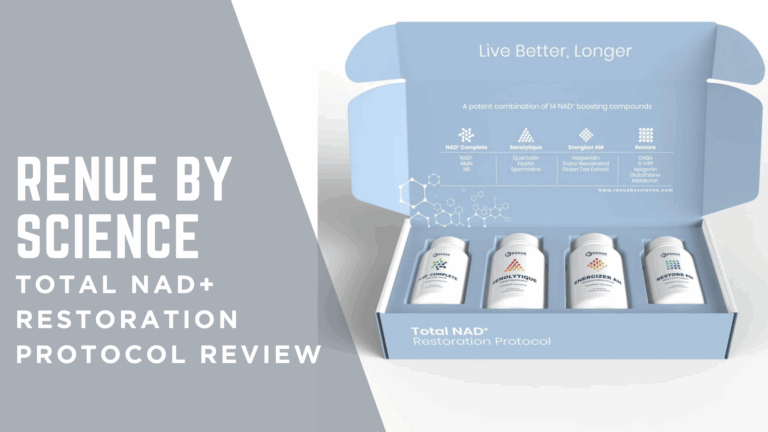
My 8-Week Journey with Renue By Science’s Total NAD Restoration Protocol – A Comprehensive Review

I hit my early 40s last year. Not old, but not young either.

That’s when the afternoon crashes started hitting different. You know the feeling – 2 PM rolls around and suddenly your eyelids weigh 50 pounds. Coffee helps for an hour, then you crash harder. Recovery from workouts? Forget about it. What used to take a day now takes three.

Enter Renue By Science and their Total NAD Restoration Protocol. I’d been reading about NAD+ decline (apparently we lose half our levels by middle age – terrifying) and this kit promised something different. Not just another NAD booster, but a whole system targeting multiple aging pathways.

Eight weeks later, here I am. Did it work? Let’s dig in.

What is the Total NAD Restoration Protocol?

Four supplements. One goal: cellular rejuvenation.

The Total NAD Restoration Protocol includes NAD+ Complete, Senolytique, Energizer AM, and Restore PM. Think of it as a coordinated assault on aging – while one supplement boosts NAD+, another clears out zombie cells, a third supercharges your mitochondria, and the fourth ensures deep, restorative sleep.

But why NAD+? Simple: it’s the molecule that keeps your cells humming. Powers hundreds of enzymatic reactions. Repairs DNA. Without it, cells literally can’t produce energy efficiently. The kicker? NAD+ levels nosedive as we age – we’re talking 40-50% decline by our 40s and 50s. No wonder we feel like crap.

Quick note: If you’re ready to jump in, grab the Total NAD Restoration Protocol here and use code BRAINFLOW to save 10% on your order. That’s what I did, and it knocked a nice chunk off the price.

My Starting Point (Spoiler: Not Great)

Here’s where I was: early 40s, decent shape on paper, falling apart in practice. Energy levels reminiscent of a sloth. Brain fog thick enough to cut with a knife. Sleep? Sure, I got 7-8 hours, but I’d wake up feeling like I’d been hit by a truck.

I’d tried standalone NMN before (check out my detailed review of Renue’s NMN here). Meh results. But this comprehensive approach intrigued me. Could hitting multiple aging mechanisms simultaneously actually move the needle?

Time to find out.

Breaking Down Each Component

NAD+ Complete: The Morning Game-Changer

Two capsules. Empty stomach. Every morning.

This bad boy packs NMN, NR, and Trigonelline in a liposomal formula. Translation: it’s like a triple-threat of NAD+ precursors wrapped in a delivery system that actually gets absorbed (Renue claims >90% bioavailability vs the usual 10% – huge if true).

The science backs it up. Clinical trials on NMN show significant NAD+ increases in middle-aged adults. Real studies, real humans, real results.

Week 2 hit different. That 2 PM wall? Still there, but more like a speed bump. By week 4, I added an extra mile to my runs without dying. Placebo? Maybe. But when you’re cruising through afternoons without mainlining espresso, who cares?

Senolytique: The Zombie Cell Assassin

Twice weekly. No more, no less.

Senolytique contains Quercetin, Fisetin, and Spermidine – sounds like a Harry Potter spell, works like cellular spring cleaning. These compounds hunt down senescent cells (the zombies that accumulate with age and spew inflammatory garbage).

The Mayo Clinic dropped a bombshell study showing fisetin extended lifespan in mice by 10%. Not just healthspan – actual lifespan. And spermidine? It triggers autophagy – basically Marie Kondo-ing your cells.

You can’t feel cells dying. But around week 4, something shifted. Morning stiffness? Gone. Post-workout soreness? Cut in half. Even my seasonal allergies chilled out (senescent cells pump out inflammatory signals – maybe there’s a connection?).

Weird but true: I started waking up actually refreshed. Not “okay I guess I’m awake now” but genuinely ready to tackle the day.

Energizer AM: Liquid Motivation

Remember being 25 and bouncing out of bed? This is the closest I’ve gotten since.

Energizer AM with Resveratrol, EGCG, and Hesperidin might sound like a wellness influencer’s smoothie recipe, but the research is legit. Resveratrol activates SIRT1, mimicking calorie restriction benefits. (Fun fact: resveratrol is one of Dr. David Sinclair’s core longevity supplements). Hesperidin improved cycling performance in athletes after 8 weeks.

Combined with NAD+ Complete, mornings became my superpower. Clean energy, no jitters, no crash. Week 6, I destroyed my personal best on a 10-mile bike ride. On a Tuesday. The steady, sustained energy felt different from coffee – less “LET’S GO!” and more “I could do this all day.”

Best part? No 3 PM face-plant into my keyboard.

Restore PM: The Sleep Alchemist

GABA, 5-HTP, Apigenin, Melatonin, and Glutathione walk into a bar… and put everyone to sleep.

Bad joke, but this nighttime formula is no laughing matter. Studies show GABA/5-HTP combos significantly improve sleep quality. Apigenin binds to GABA receptors, creating a natural sedative effect.

My sleep tracking app told the story: average time to fall asleep dropped from 45 to 20 minutes. Middle-of-the-night wake-ups? Nearly eliminated. But numbers don’t capture the feeling of waking up actually restored, not just conscious.

Pro tip: Take it on a full stomach. I learned this the hard way via 5-HTP-induced heartburn. Lesson learned.

Eight Weeks Later: The Verdict

The Good Stuff

Energy? Through the roof. Not manic, bouncing-off-walls energy, but sustained, clean fuel that lasted all day. Friends started asking if I’d had work done. (Is cellular rejuvenation considered work?)

Sleep quality transformed everything else. Better mood, clearer skin, sharper thinking. My resting heart rate dropped 5 BPM. VO2 max increased from 42 to 44. Small changes, but trending in the right direction.

Recovery time cut in half. Sunday’s long run no longer meant Tuesday’s hobble. Joints stopped creaking like a haunted house. Even my skin looked… alive? Hydrated? Whatever it was, I’ll take it.

The Not-So-Good

Let’s be real: $207 for a month’s supply isn’t pocket change. That’s a car payment for some people. The pill schedule takes commitment – mornings require NAD+ Complete and Energizer AM, evenings need Restore PM, and don’t forget Senolytique twice weekly. Miss a few doses and you’ll notice.

The NAD+ Complete went on backorder during my second month. Popular product problems, but annoying when you’re in a groove. Plan ahead.

Also, this specific combination hasn’t been studied as a complete protocol. We’re connecting dots from individual ingredient studies. Your mileage may vary.

Sensitive stomachs beware – the liposomal formulas are rich. Start slow, take with food when needed.

How It Stacks Up

I’ve tried standalone NMN. I’ve tried resveratrol. I’ve tried them all separately. This hits different.

It’s the synergy. While basic NAD+ boosters give you energy, they don’t clear senescent cells. They don’t optimize sleep. They don’t turbocharge mitochondria. Trying to recreate this stack yourself? Good luck matching the quality and bioavailability of Renue’s liposomal delivery system.

The Reddit community even has threads on optimal timing – that’s how dedicated the user base is.

Bottom Line: Worth Every Penny

Eight weeks changed my perspective on aging. This isn’t about turning back the clock – it’s about making sure the clock keeps accurate time.

The Total NAD Restoration Protocol delivered. More energy, better sleep, faster recovery, mental clarity – check, check, check, and check. It’s comprehensive, science-backed, and actually works.

Is it perfect? No. Is it cheap? Definitely not. But if you’re serious about longevity and tired of half-measures, this is the real deal. Renue By Science created something special here – a coordinated attack on aging that actually moves the needle.

I’m continuing the protocol. The benefits far outweigh the cost and minor inconveniences. In my early 40s, I feel better than I did a decade ago. That’s not marketing fluff – that’s my lived experience.

Will it work for you? Only one way to find out. But if you’re reading this, exhausted at 2 PM, wondering where your energy went – maybe it’s time to restore what time took away.

Your cells will thank you.

Remember: Use code BRAINFLOW at checkout to save 10% on your Total NAD Restoration Protocol order.