5 Spermidine Benefits for Men (And Why Longevity Experts Are Taking Notice)

0

Imagine if the secret to living longer was hiding in your breakfast bowl of wheat germ or that piece of aged cheddar in your fridge.

Sounds far-fetched? Not according to a growing body of research on spermidine, a compound that’s causing serious excitement in longevity circles. When populations with the highest spermidine intake show significantly lower rates of cardiovascular disease and all-cause mortality, even skeptics start paying attention.

Named after its initial discovery in semen (yes, really), spermidine is now recognized as one of the most promising natural compounds for extending healthspan. And before you ask, no, you don’t need to do anything weird to get its benefits. This polyamine is found in everyday foods and supplements, and its effects go far beyond what its awkward name might suggest.

1. Spermidine Promotes Longevity and Cellular Health in Men

The Autophagy Connection

Here’s the thing about aging: it’s essentially your cells forgetting how to take out the trash.

Over time, damaged proteins and dysfunctional organelles accumulate in your cells like junk in a garage. This cellular debris drives everything we associate with aging, from wrinkles to organ dysfunction. Spermidine triggers autophagy, your body’s cellular recycling program that clears out this junk before it causes problems.

Think of autophagy as Marie Kondo for your cells. It identifies what no longer “sparks joy” (or function) and removes it, leaving your cells cleaner and more efficient.

What the Research Actually Shows About Spermidine and Longevity

The longevity data is where things get interesting for men seeking anti-aging benefits from spermidine.

A 2018 study published in Science found that mice given spermidine in their drinking water lived up to 25% longer than controls. That’s the equivalent of adding 20 years to human life if the effects translate (though we’re not mice, obviously).

More compelling for humans: populations with naturally high spermidine intake show remarkable longevity markers. The residents of the Italian town of Limone sul Garda, known for their exceptional lifespans, consume a diet naturally rich in spermidine. Coincidence? Researchers don’t think so.

Beyond Basic Anti-Aging

Spermidine doesn’t just help you live longer; it helps you age better.

It reduces inflammaging, that chronic, low-grade inflammation that accelerates aging. It protects telomeres, those protective caps on your DNA that shorten with age. It even appears to rejuvenate immune function in older adults.

Dr. Frank Madeo, who’s been researching spermidine for over a decade, calls it “the most promising anti-aging compound that nobody’s heard of.” Coming from someone who’s tested hundreds of longevity molecules, that’s saying something.

2. Spermidine Improves Heart Health and Blood Pressure

The Cardiovascular Crisis in Men

Let’s address the obvious: heart disease kills more men than any other cause. One in four men will die from cardiovascular disease. Those aren’t odds you want to gamble with.

Enter spermidine supplements.

The Science of Cardiovascular Protection

A landmark study in Nature Medicine followed 829 participants for 20 years. Those with the highest spermidine intake had a 40% lower risk of heart failure and cardiovascular mortality. That’s not a marginal improvement; that’s game-changing.

How does spermidine benefit heart health? Several mechanisms:

Arterial flexibility: Spermidine helps maintain elastic arteries. Stiff arteries are like old garden hoses – they crack under pressure. Flexible arteries are like new rubber tubing – they expand and contract with each heartbeat, reducing strain on your heart.

Blood pressure regulation: By enhancing nitric oxide production, spermidine helps blood vessels dilate properly. Multiple studies show reductions in both systolic and diastolic blood pressure with spermidine supplementation.

Mitochondrial health: Your heart cells are packed with mitochondria (the cellular powerhouses) because your heart never stops working. Spermidine helps these mitochondria function optimally, giving your heart the energy it needs.

Real-World Application for Men’s Heart Health

Men over 40 should take particular note. This is when cardiovascular risk starts climbing exponentially. Adding spermidine to your regimen could be like adding an insurance policy for your heart.

But here’s the key: spermidine enhances, not replaces, other heart-healthy habits. You still need exercise and a decent diet. Think of spermidine as the multiplier that makes your other efforts more effective.

3. Spermidine Enhances Cognitive Function and Memory

Your Brain on Spermidine

Forget brain fog. Let’s talk about brain preservation.

Research published in Aging Cell showed that spermidine supplementation improved memory performance in aging mice by 30%. But here’s what’s really interesting: it didn’t just slow decline; it actually reversed some age-related cognitive impairment.

The Mechanisms That Matter for Brain Health

Clearing protein aggregates: Those plaques and tangles associated with Alzheimer’s? Spermidine helps clear them through enhanced autophagy. It’s like having a cleaning crew for your brain working 24/7.

Reducing neuroinflammation: Chronic brain inflammation is linked to everything from depression to dementia. Spermidine acts as a natural anti-inflammatory specifically in neural tissue.

Boosting BDNF: Brain-derived neurotrophic factor is like Miracle-Gro for your neurons. Spermidine increases BDNF production, helping maintain and create new neural connections.

The Focus Factor

Here’s something the research papers don’t emphasize enough: many men report improved focus and mental clarity within weeks of starting spermidine supplementation.

This isn’t the jittery, unsustainable boost you get from your fourth cup of coffee. It’s more like someone cleaned the windshield you didn’t realize was dirty. Everything just seems clearer.

A small human trial in 2023 found that older adults taking spermidine for three months showed significant improvements in memory tests compared to placebo. We’re not talking about marginal statistical differences here, but noticeable, real-world improvements.

4. Spermidine Boosts Metabolic and Liver Health

The Metabolic Advantage

If you’re over 35, you’ve probably noticed your metabolism isn’t what it used to be. That pizza that used to disappear without consequence now seems to take permanent residence around your midsection.

Spermidine might help level the playing field.

How Spermidine Revs Your Metabolic Engine

Research in Cell Metabolism found that spermidine acts as a caloric restriction mimetic. In plain English: it tricks your body into thinking you’re eating less than you are, triggering beneficial metabolic changes without actual starvation.

Specifically:

  • Enhanced fat oxidation (you burn fat more efficiently)
  • Improved insulin sensitivity (better blood sugar control)
  • Increased thermogenesis (you burn more calories at rest)
  • Better mitochondrial function (more cellular energy)

The Liver Connection

Your liver is your body’s chemical processing plant. When it’s not functioning optimally, everything suffers – from hormone balance to fat metabolism.

Spermidine has been shown to:

  • Prevent fatty liver disease
  • Reduce liver inflammation
  • Protect against alcohol-induced liver damage
  • Support detoxification pathways

For men who enjoy the occasional beer (or several), this hepatoprotective effect is particularly relevant. While it’s not a license to binge drink, spermidine offers your liver some additional support.

The Practical Metabolic Impact

Men taking spermidine often report:

  • Less bloating after meals
  • More stable energy throughout the day
  • Easier weight maintenance
  • Better recovery from cheat meals

It’s not a miracle fat burner, but it optimizes your metabolism to work more like it did in your twenties.

5. Spermidine Supports Male Fertility and Hormonal Health

The Reproductive Health Factor

This is where spermidine’s unfortunate name actually makes sense.

The compound is highly concentrated in seminal fluid for a reason: it’s essential for sperm function. But its benefits extend far beyond fertility.

The Fertility Connection

Studies show that spermidine levels in seminal plasma correlate directly with:

  • Sperm motility (how well they swim)
  • Sperm count
  • Overall sperm quality
  • Fertilization capacity

For men trying to conceive, especially those over 35 when sperm quality naturally declines, spermidine supplementation could make a real difference.

Beyond Baby-Making: Hormonal Benefits

But here’s what most articles miss: spermidine’s effects on male hormones go beyond reproduction.

Research suggests spermidine may:

  • Support healthy testosterone levels
  • Reduce cortisol (stress hormone) production
  • Improve the testosterone-to-cortisol ratio
  • Help maintain muscle mass with aging

One overlooked benefit: erectile function. By improving cardiovascular health and blood flow, spermidine indirectly supports erectile health. No, it’s not Viagra, but healthy blood vessels are essential for performance.

The Aesthetic Angle

Some men report improvements in hair thickness and skin quality with spermidine supplementation. While the research here is limited, it makes biological sense – healthier cells should produce healthier hair and skin.

How to Actually Use Spermidine: Dosage and Timing

Supplement Strategy

Here’s what the marketing won’t tell you: not all spermidine supplements are created equal.

Forms available:

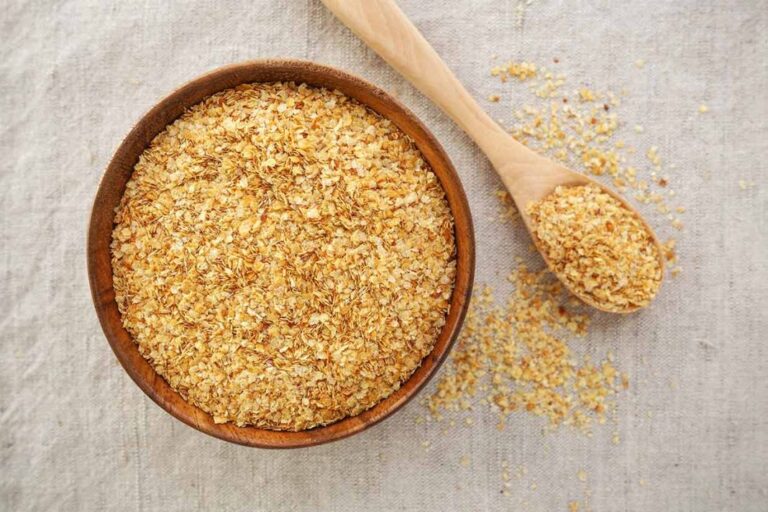
  • Wheat germ extract (most common, well-studied)
  • Synthetic spermidine (more concentrated, less research)
  • Fermented soy extract (good for those avoiding gluten)

Dosing that makes sense:

  • Starting dose: 1-2mg daily
  • Maintenance dose: 5-10mg daily
  • Advanced protocols: Up to 15mg daily (under supervision)

Timing matters:

Take spermidine with your first meal of the day. It works best when your autophagy is naturally elevated (after overnight fasting). Some longevity experts like those following Dr. David Sinclair’s supplement protocol take it alongside their NAD+ boosters for synergistic effects.

Food Sources vs. Supplements

You can get spermidine from food, but here’s the reality check:

To get 5mg of spermidine daily, you’d need to eat:

  • 200g of wheat germ (800+ calories)
  • 1kg of mushrooms
  • 500g of aged cheese (hello, cholesterol)

Suddenly, that supplement bottle looks more reasonable.

That said, incorporating spermidine-rich foods makes sense:

  • Wheat germ (sprinkle on yogurt)
  • Shiitake mushrooms
  • Aged cheeses (in moderation)
  • Fermented soy (natto, if you can stomach it)
  • Green peas
  • Broccoli

Who Should Be Careful

While spermidine has an excellent safety profile, some people should proceed with caution:

Avoid if you have:

  • Active cancer (spermidine can theoretically promote cell growth)
  • Severe kidney disease
  • Are taking immunosuppressants

Talk to your doctor if you’re:

  • On blood pressure medication (effects may be additive)
  • Taking blood thinners
  • Have an autoimmune condition

Comparing Spermidine to Other Longevity Supplements

How does spermidine stack up against the competition?

vs. NMN/NAD+ boosters: Different mechanisms. NAD+ focuses on energy metabolism; spermidine on cellular cleanup. Many experts take both, as detailed in our guide to NMN’s longevity benefits.

vs. Resveratrol: Resveratrol activates sirtuins; spermidine triggers autophagy. Again, complementary rather than competing.

vs. Metformin: Metformin requires a prescription and can cause digestive issues. Spermidine is available OTC with minimal side effects.

vs. Rapamycin: Rapamycin is prescription-only with significant side effects. Spermidine offers some similar benefits with a much better safety profile.

The consensus among longevity researchers? Spermidine should be part of a stack, not a standalone solution. Biohackers like those following Bryan Johnson’s Blueprint supplement stack often include spermidine as one component of their comprehensive longevity protocol.

What the Experts Are Saying About Spermidine

Dr. Valter Longo, director of the USC Longevity Institute, includes spermidine in his own supplementation routine. “It’s one of the few compounds that extends lifespan across multiple species,” he notes.

Meanwhile, emerging research from 2024 is exploring spermidine’s potential in:

  • Long COVID recovery
  • Vaccine response improvement
  • Cancer prevention
  • Neurodegenerative disease prevention

The European Food Safety Authority has already approved spermidine-rich wheat germ extract as a novel food, acknowledging its safety and potential benefits.

The Bottom Line on Spermidine Benefits for Men

Spermidine isn’t just another overhyped supplement destined for the discount bin. The research is robust, the safety profile is excellent, and the potential benefits touch nearly every aspect of male health.

Is it a magic bullet? No. Will it let you eat garbage and live to 120? Definitely not.

But for men serious about longevity and maintaining peak performance as they age, spermidine offers something valuable: a scientifically-backed tool that works at the cellular level to slow aging and optimize health.

Start with a quality wheat germ extract supplement, 1-2mg daily. Give it three months. Track how you feel. Most men notice improvements in energy and mental clarity first, with other benefits accumulating over time. For those wanting the most bioavailable form, Renue by Science’s Lipo Spermidine delivers superior absorption through liposomal technology – and readers can save 10% with code BRAINFLOW.

Remember: the best time to start thinking about longevity was 20 years ago. The second best time is now.

7 Daily Habits to Live a Longer, Healthier Life

0

What if I told you that people who adopt eight simple lifestyle habits by age 40 live an average of 24 years longer than those who don’t?

That’s not wishful thinking. It’s the finding from a massive 2023 study presented at Nutrition 2023 analyzing over 700,000 American veterans that should make us all sit up and pay attention. The best part? You don’t need expensive supplements, extreme diets, or a trust fund to implement these life-extending habits.

Whether you’re 25 or 65, the habits that extend lifespan are surprisingly accessible. And while genetics play a role in longevity, research consistently shows that lifestyle choices matter far more than most people realize.

1. Be Physically Active Every Day

The Science Is Clear

If exercise came in pill form, it would be the most prescribed medication in history. That’s not hyperbole.

Physical inactivity increases your risk of early death by 30 to 45 percent, making it as dangerous as smoking. Meanwhile, people who exercise regularly don’t just live longer; they live better, maintaining independence and vitality decades later than their sedentary peers.

What “Active” Really Means

Forget the myth that you need two-hour gym sessions or marathon training. The longevity benefits kick in at surprisingly modest levels of activity.

The sweet spot appears to be around 150 minutes of moderate exercise per week. That breaks down to just over 20 minutes daily. A brisk walk counts. So does gardening, dancing to your favorite music while cleaning, or playing with your kids at the park.

Strength training twice a week adds another layer of protection, particularly against age-related muscle loss that starts accelerating after 30. We’re talking about 15 to 20 minutes of bodyweight exercises, resistance bands, or light weights. Nothing extreme.

Making It Stick When You’re Busy

In Your 30s and 40s: Schedule exercise like a meeting. Early morning workouts eliminate excuses and ensure nothing else crowds them out. Keep resistance bands in your office for quick strength sessions between calls.

In Your 50s and 60s: Focus on activities that also challenge balance and flexibility. Tai chi, yoga, and swimming provide multiple benefits while being gentle on joints. Join group classes for the social element, which independently boosts longevity.

In Your 70s and Beyond: Consistency trumps intensity. Daily walks, chair exercises, and water aerobics maintain function. The goal shifts from building to maintaining, and that’s perfectly fine.

The Compound Effect

Here’s what most people miss: exercise benefits compound over time. The person who walks 15 minutes daily for 30 years will be in dramatically better shape than someone who does sporadic intense workouts. Start where you are. A five-minute walk is infinitely better than no walk.

2. Eat a Healthy, Balanced Diet

Beyond the Mediterranean Diet Hype

Yes, the Mediterranean diet correlates with longer life. But you don’t need to eat like a Greek fisherman to get the benefits.

The longevity formula is simpler than most diet books suggest: eat mostly plants, not too much processed food, and enough protein to maintain muscle mass as you age. That’s it. No superfoods required. While some longevity experts like Dr. David Sinclair advocate for specific supplements, the foundation remains whole foods.

The Practical Approach

Think of your plate as real estate. Half goes to vegetables and fruits. One quarter to lean protein. One quarter to whole grains or starchy vegetables. Add a thumb-sized portion of healthy fats like nuts, olive oil, or avocado.

This isn’t about perfection. It’s about patterns.

Having pizza on Friday night won’t shorten your lifespan. Eating processed foods for most meals probably will. The difference between occasional indulgence and daily habit is everything when it comes to longevity.

Age-Adjusted Nutrition

Under 50: Focus on variety and establishing good patterns. Your metabolism is forgiving, but the habits you build now determine your health trajectory. Prioritize whole foods over supplements.

Over 50: Protein becomes increasingly important. Aim for 25 to 30 grams per meal to maintain muscle mass. Calcium and vitamin D matter more for bone health. Consider smaller, more frequent meals if digestion becomes an issue. Women in this age group might also benefit from targeted anti-aging supplements alongside a healthy diet. For those interested in NAD+ boosters to support cellular energy and longevity, Renue by Science offers high-quality options that have gained attention after Andrew Huberman mentioned using the brand on Joe Rogan’s podcast. Use code BRAINFLOW for 10% off your order.

Over 70: Appetite often decreases, making nutrient density crucial. Every bite should count. Smoothies and soups can help when chewing becomes difficult. Stay hydrated; thirst signals weaken with age.

The Social Side of Eating

Cultures with the longest-lived people share meals. They eat slowly, with others, and stop before they’re full. The Blue Zones research shows that how you eat matters almost as much as what you eat. Make at least one meal daily a social event, even if it’s a video call with family during lunch.

3. Get Sufficient Sleep Every Night

Sleep researchers have a saying: “Sleep is not optional equipment.”

Yet somehow we’ve created a culture that treats sleep deprivation as a badge of honor. The data tells a different story. People who consistently sleep less than six hours nightly have a 13 percent higher mortality risk. Those who sleep seven to eight hours live longest.

Why Sleep Matters More Than You Think

During sleep, your brain literally washes itself. The glymphatic system, discovered in 2012, removes toxic proteins that accumulate during waking hours. These include the beta-amyloid associated with Alzheimer’s disease.

Your body also uses sleep to regulate hormones that control hunger, stress, and growth. Shortchange sleep, and you’re essentially aging yourself faster at the cellular level.

Creating a Sleep Sanctuary

Temperature matters more than most people realize. The ideal bedroom temperature for sleep is between 60 and 67 degrees Fahrenheit. Your body needs to cool down to initiate sleep, which is why a hot bath before bed actually helps; it draws blood to the surface, cooling your core when you get out.

Light is the other critical factor. Even small amounts of light can disrupt melatonin production. Blackout curtains, eye masks, or simply turning your alarm clock away from you can make a significant difference.

When Sleep Becomes Elusive

For Shift Workers: Consistency is impossible, so focus on sleep quality. Use blackout curtains, white noise, and keep the same pre-sleep routine regardless of when you’re sleeping.

For New Parents: Sleep when the baby sleeps isn’t just advice; it’s survival. Forget the dishes. Prioritize rest over a clean house.

For Chronic Insomniacs: Cognitive behavioral therapy for insomnia (CBT-I) has better long-term outcomes than sleeping pills. Many apps now offer guided CBT-I programs. Natural sleep aids like magnesium glycinate can also help – this specific form from Doublewood is well-absorbed and less likely to cause digestive issues. If you’ve tried everything, see a sleep specialist. Sleep apnea affects millions and is vastly underdiagnosed.

4. Avoid Smoking and Other Toxic Substances

This might seem obvious in 2024, but the statistics remain stark. Smoking still accounts for one in five deaths in the United States. If you smoke, quitting is the single most impactful thing you can do for longevity.

The Quitting Reality

Most successful ex-smokers try to quit between 6 and 30 times before it sticks. That’s not failure; it’s practice.

What works varies by person. Nicotine replacement therapy doubles quit rates. Prescription medications like varenicline can triple them. Combining methods works even better. Cold turkey has the lowest success rate but works for some people. The best method is the one you’ll actually try.

The Alcohol Question

The research on alcohol has shifted dramatically. The old “one glass of red wine is good for your heart” advice? Largely debunked. The latest evidence suggests no amount of alcohol is beneficial for health.

That doesn’t mean you need to become a teetotaler. But if you’re drinking for health benefits, stop. If you’re drinking for enjoyment, moderate means two drinks or less per day for men, one or less for women. Binge drinking, even occasionally, significantly increases mortality risk.

The Hidden Toxins

Prescription opioids have created a silent epidemic. What starts as legitimate pain management can spiral into dependency. If you’re prescribed opioids, have an exit strategy from day one. Ask about alternatives. Set a firm end date.

Secondhand smoke still kills 41,000 Americans annually. If you live with a smoker, establish outdoor smoking rules. Your lungs will thank you.

5. Manage Stress and Mental Health

Chronic stress doesn’t just feel bad; it literally shortens your telomeres, the protective caps on your DNA that correlate with lifespan.

Understanding Your Stress Response

Not all stress is created equal. Acute stress, like a deadline or workout, can actually be beneficial. It’s chronic stress that kills. The difference? Recovery time. If you’re constantly in fight-or-flight mode, your body never gets to repair itself.

The most dangerous stress is the kind you feel you can’t control. Studies on British civil servants found that low-control, high-demand jobs correlated with earlier death, regardless of income level. CEOs often outlive their assistants, despite having objectively more stressful jobs, because they have more control.

Practical Stress Management

The Two-Minute Rule: Can you fix it in two minutes? Do it now. Otherwise, schedule it. Half of stress comes from mental load, not actual problems.

The Circle of Control: Write down your stressors. Divide them into things you can control, things you can influence, and things you can’t control. Focus your energy accordingly.

The 4-7-8 Breath: Inhale for 4, hold for 7, exhale for 8. Three cycles activate your parasympathetic nervous system. It’s free, portable, and more effective than most anxiety medications for acute stress.

Building Your Support Network

Social isolation is as deadly as smoking. But “social” doesn’t mean Facebook friends. It means people you could call at 2 AM if you needed help.

Quality beats quantity. Three close friends who truly know you are worth more than 30 acquaintances. Make the effort to maintain these relationships. Schedule regular calls. Show up for the important moments. Be vulnerable. The people who live longest have strong social networks, and that’s not coincidence.

When to Seek Professional Help

If you’ve been feeling down for more than two weeks, see someone. If anxiety interferes with daily life, see someone. If you’re using alcohol or other substances to cope, see someone.

Mental health treatment has come a long way. Teletherapy makes it accessible. Many therapists offer sliding scales. Your employer might offer an Employee Assistance Program with free sessions. There’s no trophy for toughing it out.

6. Maintain a Healthy Weight

Let’s address the elephant in the room: weight loss advice is everywhere, most of it is garbage, and the diet industry makes billions from our collective failure.

Here’s what actually matters for longevity.

The Numbers That Matter (And Don’t)

BMI is flawed but useful at population levels. For individuals, waist circumference might be more telling. If your waist is more than half your height, you’re likely carrying dangerous visceral fat, regardless of what the scale says.

But obsessing over numbers misses the point. The habits that naturally lead to healthy weight are what extend lifespan. Focus on behaviors, not outcomes.

The Set Point Reality

Your body has a weight range it defends vigorously. Crash diets trigger starvation responses that slow metabolism and increase hunger hormones. This is biology, not weakness.

Sustainable weight loss means 1 to 2 pounds per week, maximum. Anything faster triggers compensatory mechanisms that virtually guarantee regain. The people who maintain weight loss long-term lose slowly and never stop the habits that got them there.

Practical Strategies That Actually Work

Protein at Every Meal: Aim for 20 to 30 grams. It preserves muscle during weight loss and keeps you full longer.

Volume Eating: Fill up on vegetables. You can eat an entire bag of spinach for fewer calories than a small cookie. Your stomach doesn’t count calories; it measures stretch.

Sleep and Stress: Poor sleep increases ghrelin (hunger hormone) and decreases leptin (satiety hormone). Chronic stress increases cortisol, which promotes belly fat storage. Sometimes the best diet intervention is a nap.

Strength Training: Muscle burns calories at rest. Every pound of muscle increases your daily calorie burn. As you age, maintaining muscle becomes even more critical for metabolism and function.

7. Keep Your Brain Active and Engaged

Cognitive decline isn’t inevitable. The brain remains plastic throughout life, capable of forming new connections and even generating new neurons in certain regions.

Beyond Crossword Puzzles

Brain training apps make big promises but deliver mixed results. What consistently works? Novel, complex activities that challenge multiple cognitive domains simultaneously.

Learning a musical instrument engages motor, auditory, and executive functions. Learning a new language creates new neural pathways and might delay dementia by several years. Dancing combines physical activity, coordination, social interaction, and memory.

The key word is “learning.” Doing the same crossword puzzle style for 30 years provides diminishing returns. Your brain needs progressive challenges.

The Purpose Factor

People with a strong sense of purpose live longer. In Okinawa, they call it “ikigai.” In Costa Rica, “plan de vida.” The concept transcends cultures: knowing why you wake up in the morning correlates with longevity.

Purpose doesn’t mean grand ambition. It might be raising grandchildren, tending a garden, or volunteering at the library. What matters is feeling needed and engaged with life. Retirement without purpose correlates with cognitive decline and earlier death.

Social Engagement as Brain Training

Conversation is cognitively demanding. You’re processing language, reading social cues, accessing memories, and formulating responses in real-time. It’s a full-brain workout disguised as coffee with friends.

Join a book club. Take a class. Volunteer somewhere that interests you. The combination of social interaction and mental stimulation provides double benefits. Online communities count, but in-person interaction seems to have additional benefits, possibly due to the complexity of processing non-verbal communication.

Protecting Your Cognitive Reserve

Think of cognitive reserve as your brain’s savings account. The more you build up through education, challenging work, and mental stimulation, the more you can afford to lose before showing symptoms of decline.

This is why highly educated people might have significant brain pathology at autopsy but showed few symptoms in life. They had reserve to spare. It’s never too late to make deposits in this account. Every book you read, every new skill you learn, every problem you solve adds to your reserve.

Implementing These Habits: The 1% Method

Trying to overhaul your entire lifestyle overnight is a recipe for failure. Instead, improve by 1 percent weekly.

  • Week 1: Add a five-minute walk after lunch.
  • Week 2: Replace one processed snack with fruit.
  • Week 3: Set a consistent bedtime.
  • Week 4: Call one friend you’ve been meaning to contact.

Small changes compound. After a year of 1 percent improvements, you’re not 52 percent better; you’re 67 percent better thanks to compounding. After two years, you’re nearly three times better. This is how ordinary people achieve extraordinary health outcomes.

The Bottom Line

The 2023 Veterans study found that adopting these eight lifestyle factors by middle age could add 24 years to life for men and 23 years for women. Even more encouraging? Adopting them later in life still provided substantial benefits. Starting at 50 added 21 years. Starting at 60 added 18 years.

It’s never too late to start, and it’s never too early either.

The habits that extend life aren’t complicated or expensive. They’re simple, daily choices that compound over time. Exercise a little. Eat real food. Sleep enough. Don’t smoke. Manage stress. Maintain healthy weight. Keep learning.

The science has shown us the path. The choice to walk it is yours.

Remember: you don’t have to be perfect. You just have to be consistent. Start with one habit. Master it. Add another. In a year, you’ll be amazed at the transformation. In a decade, you’ll have added years to your life and life to your years.

The Perfect Morning Routine for Men (According to Science)

0

Everyone knows that morning person who seems to have their life together before most of us even open our eyes. While becoming that person might feel impossible when you’re hitting snooze for the third time, building a powerful morning routine is actually more achievable than you might think.

The secret isn’t about following some CEO’s elaborate 4 AM ritual, but rather about creating sustainable habits that genuinely work for your lifestyle. Whether you’re inspired by Jeff Bezos’ morning routine or Andrew Huberman’s science-based approach, the key is finding what works for you.

Wake Up at a Consistent Time Every Day

Your body operates on an internal clock called the circadian rhythm, and it absolutely loves predictability. When you wake up at the same time every morning, including weekends, something remarkable happens. Your body starts preparing for wake time about an hour before your alarm even goes off, gradually increasing your body temperature and releasing cortisol to help you feel alert.

The transition doesn’t have to be dramatic. If you currently wake up at 7:30 AM but want to start getting up at 6:00 AM, don’t set your alarm for 6:00 tomorrow morning. Instead, shift your wake time by just 15 minutes every few days. This gradual approach helps your body adjust without the shock of suddenly losing 90 minutes of sleep.

Resisting the snooze button might be the hardest part, but it’s crucial. Those extra nine minutes of sleep between alarms don’t provide restorative rest. In fact, they often leave you feeling groggier than if you’d simply gotten up with the first alarm. Place your alarm across the room if you need to, forcing yourself to physically get out of bed to turn it off.

Start Your Day with Hydration

Before you reach for that coffee mug, your body needs something even more fundamental: water. During the night, you lose fluids through breathing and perspiration, leaving you mildly dehydrated by morning. According to research on morning hydration, even mild dehydration can impair concentration, mood, and energy levels.

Drinking 16 to 20 ounces of water immediately after waking helps kickstart your metabolism and flush out toxins that have accumulated overnight. A smart water bottle can help you track your hydration throughout the day, ensuring you maintain optimal levels. Some people add a squeeze of lemon for flavor and an extra vitamin C boost, though plain water works just as well. For those looking to optimize their hydration even further, adding LMNT electrolytes, the same brand neuroscientist Andrew Huberman uses, can help replace minerals lost during sleep.

Keep a water bottle or glass by your bedside table so you can hydrate before your feet even hit the floor. This simple habit takes less than a minute but sets a positive tone for the entire day.

Fuel Your Body with a Nutritious Breakfast

The debate about whether breakfast is truly “the most important meal of the day” continues to rage in nutrition circles, but one thing remains clear: if you’re going to eat breakfast, make it count. A bowl of sugary cereal might taste good, but it’ll leave you crashing by mid-morning. Instead, focus on combining protein, healthy fats, and complex carbohydrates for sustained energy.

Eggs remain a breakfast staple for good reason. They’re versatile, quick to prepare, and packed with protein and nutrients. Scramble them with vegetables, fold them into an omelet, or hard-boil a batch on Sunday for the week ahead. Pair your eggs with whole grain toast or a small portion of oatmeal for those complex carbohydrates your brain needs to function optimally.

Greek yogurt offers another excellent protein source, especially when topped with berries and a handful of nuts or granola. The combination provides probiotics for gut health, antioxidants from the berries, and healthy fats from the nuts. If you’re pressed for time, overnight oats prepared the evening before can be grabbed from the fridge and eaten on the go.

For those who struggle with appetite in the morning or simply don’t have time for a sit-down meal, smoothies can be a game-changer. Blend Optimum Nutrition protein powder, a trusted brand that many fitness enthusiasts rely on for quality and taste, with spinach, frozen berries, a banana, and your milk of choice for a portable breakfast that doesn’t sacrifice nutrition. The key is ensuring you’re getting adequate protein and not just blending fruit juice with ice.

Incorporate Movement to Energize Your Day

Morning exercise doesn’t require a gym membership or an hour of free time. Even modest physical activity can dramatically improve your energy levels and mental clarity for hours afterward. Harvard Medical School research demonstrates that exercise boosts memory and thinking skills through several mechanisms, including increased production of brain-derived neurotrophic factor (BDNF).

Start with what feels manageable. Five minutes of stretching can relieve the stiffness from sleep and improve circulation. A series of bodyweight exercises like pushups, squats, and planks takes less than ten minutes but activates major muscle groups. If you prefer yoga, an affordable yoga mat from Amazon provides the perfect foundation for your practice. If you have more time, a 20-minute walk or jog provides cardiovascular benefits while exposing you to natural morning light, which helps regulate your circadian rhythm.

The type of exercise matters less than consistency. Some men prefer yoga for its combination of strength, flexibility, and mindfulness. Others enjoy the intensity of a quick HIIT workout or the meditative rhythm of a morning run. Experiment with different activities until you find something you actually look forward to rather than dread.

Remember that morning exercise becomes easier over time as your body adapts. What feels impossible in week one often becomes automatic by week four. The endorphin release and sense of accomplishment from completing a morning workout can transform your entire outlook on the day ahead.

Create Mental Space Through Mindfulness

Taking even five minutes for mental preparation can be the difference between a reactive day and a proactive one. This doesn’t necessarily mean sitting in lotus position and chanting, though traditional meditation certainly has its benefits. Mental preparation can take many forms, and the best approach is the one you’ll actually stick with.

Some men find journaling helpful, spending a few minutes writing about their thoughts, goals, or gratitudes. Others prefer to sit quietly with their morning coffee, avoiding phones and screens while their mind naturally organizes the day ahead. A Nespresso machine makes this ritual quick and easy, delivering quality coffee without the morning hassle. Research on morning routines and mental health shows that these quiet moments of reflection can significantly reduce stress and improve focus throughout the day.

Deep breathing exercises offer another simple yet powerful tool. Try the 4-7-8 technique: inhale for four counts, hold for seven, and exhale for eight. Just three or four cycles can activate your parasympathetic nervous system, promoting calm alertness rather than anxious energy.

If traditional mindfulness practices don’t resonate with you, consider reading a few pages from an inspiring book or listening to a podcast that makes you think. The goal is simply to engage your mind intentionally rather than immediately bombarding it with emails, news, or social media.

Approach Grooming as Self-Respect

How you present yourself affects how you feel about yourself, even if no one else sees you all day. A rushed, haphazard grooming routine sends a subconscious message that you don’t value yourself enough to invest a few extra minutes in self-care.

Take a proper shower, not a 30-second rinse. Use this time to mentally transition from sleep mode to work mode. Some men swear by cold showers for their alertness benefits, though the science on this remains mixed. What matters more is being present during your grooming routine rather than rushing through it on autopilot.

Maintain your facial hair properly, whether that means a clean shave or a well-groomed beard. Apply moisturizer to combat environmental damage and signs of aging. These aren’t vanity projects; they’re investments in your appearance and confidence that pay dividends in both personal and professional interactions.

Choose clothes that fit well and make you feel confident, even if you’re working from home. The psychological phenomenon known as “enclothed cognition” suggests that what we wear influences how we think and behave. Dressing intentionally, even casually, reinforces a professional mindset and personal standards.

Plan Your Priorities Before the Day Plans You

Before diving into the chaos of emails and meetings, take a few minutes to identify what truly needs to happen today. Not everything on your to-do list carries equal weight, and without clear priorities, you’ll likely spend your day responding to whatever seems most urgent rather than what’s actually most important.

Write down three main objectives for the day. These should be substantial enough to move your goals forward but realistic enough to actually complete. Having these priorities clear in your mind helps you make better decisions about how to spend your time when inevitable distractions arise.

Review your calendar to avoid surprises. Check for any meetings, deadlines, or appointments you might have forgotten about. This simple review prevents the stress of last-minute scrambling and allows you to mentally prepare for the day’s commitments.

Some men find it helpful to visualize successfully completing their key tasks. This mental rehearsal primes your brain for success and can increase motivation and focus when you actually begin working.

Common Morning Mistakes to Avoid

The biggest morning routine killer is immediately reaching for your phone. Those first few minutes after waking are precious for setting your own agenda, but once you start scrolling through emails or social media, you’ve handed control of your morning to other people’s priorities and problems. Try leaving your phone in another room overnight or at least keeping it in airplane mode until you’ve completed your morning routine.

Another common mistake is trying to implement too many changes at once. You see an article about someone’s 15-step morning routine and try to copy it exactly, only to burn out within a week. Start with one or two habits and only add more once those first changes feel automatic. Building a morning routine is a marathon, not a sprint.

Neglecting sleep in favor of an early morning routine completely defeats the purpose. If you’re getting up at 5 AM but only sleeping five hours, you’re not optimizing anything. You’re just slowly destroying your health. Adults need seven to nine hours of sleep for optimal functioning, and no amount of morning optimization can overcome chronic sleep deprivation.

Perfectionism also sabotages many morning routines. Missing one day doesn’t mean you’ve failed. Life happens, and flexibility is part of sustainability. If you miss your morning workout because you’re sick or skip breakfast because you’re running late, simply get back on track the next day without guilt or self-criticism.

Customize Your Routine to Your Life

Your ideal morning routine depends entirely on your goals, constraints, and preferences. A single man training for a triathlon will have different morning priorities than a father of three young children. A creative professional might need more quiet reflection time, while a sales executive might benefit from energizing music and movement.

Consider your chronotype as well. While many successful people are early risers, not everyone is naturally a morning person. If you’re genuinely more alert and productive in the evening, forcing yourself into a 5 AM wake time might be counterproductive. Work with your natural rhythms rather than against them when possible.

Seasonal adjustments make sense too. Your summer morning routine might include outdoor exercise and fresh fruit, while winter mornings might call for indoor yoga and warm oatmeal. Adapting your routine to circumstances shows wisdom, not weakness.

The most important factor is consistency in the elements that matter most to you. Maybe you can’t always exercise for 30 minutes, but you can always do five minutes of stretching. Maybe you can’t always eat a home-cooked breakfast, but you can always drink that glass of water. Identify your non-negotiables and protect them.

Building Momentum for Long-Term Success

A successful morning routine creates a ripple effect throughout your entire day. When you start with intention and self-care, you’re more likely to make healthy choices at lunch, stay focused during afternoon meetings, and have energy left for evening activities with family or friends.

Track your progress without obsessing over it. A simple check mark on a calendar for each successful morning can provide visual motivation. After a month of consistent check marks, you’ll have tangible proof of your commitment and discipline.

Be patient with the process. Research suggests it takes an average of 66 days for a new behavior to become automatic, though this varies significantly between individuals and habits. Your morning workout might feel natural after three weeks, while meditation might take three months to stick.

Remember that the goal isn’t to become a productivity robot or to impress others with your discipline. The goal is to start each day feeling prepared, energized, and aligned with your values and objectives. A thoughtfully crafted morning routine is one of the most powerful tools for taking control of your life and moving consistently toward your goals.

The Bottom Line

Creating an effective morning routine doesn’t require perfection or extreme measures. It requires identifying what genuinely helps you feel prepared for the day and then protecting that time fiercely. Start small with just one or two changes, build consistency before adding complexity, and remember that the best morning routine is the one you actually follow.

Whether you’re aiming to improve your fitness, advance your career, or simply feel less chaotic, an intentional morning routine provides the foundation. You don’t need to wake up at 4 AM or follow a celebrity’s routine to see benefits. You just need to be deliberate about how you spend those first precious hours of consciousness.

The compound effect of starting each day well cannot be overstated. Over weeks and months, those morning habits build into significant life changes. The man who consistently exercises for 15 minutes each morning will be in dramatically better shape after a year than the one who occasionally does two-hour workouts. The man who spends five minutes planning his day will accomplish more than the one who jumps straight into reactive mode.

Your morning routine is an investment in yourself that pays dividends all day long. Make that investment wisely, consistently, and with full awareness that you’re worth the effort.

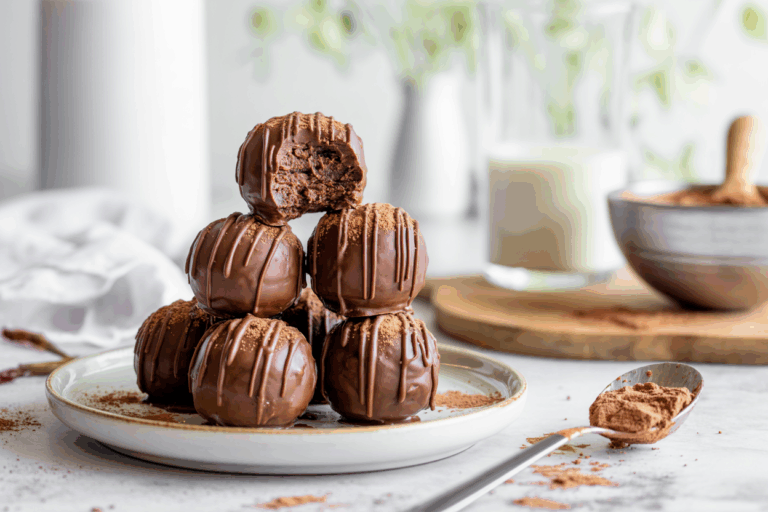
No-Bake Cottage Cheese Brownie Batter Protein Balls

Cottage cheese in a dessert sounds wrong.

I know. I thought the same thing when I saw this recipe trending. But after making these 50+ times, I can confirm… you literally cannot taste the cottage cheese. At all.

What you CAN taste is rich, fudgy brownie batter that somehow packs 6 grams of protein per ball.

Why This Recipe Works

Cottage cheese becomes completely invisible when blended. It just adds creaminess and protein.

The combination of cocoa powder and chocolate protein powder creates that authentic brownie flavor. Almond flour gives structure without making them dry.

Best part? No baking. No waiting. Mix, roll, eat.

Ingredients You Need

The Base:

Optional Chocolate Coating:

  • 1/2 cup dark chocolate chips
  • 1 teaspoon coconut oil

Step-by-Step Instructions

Step 1: Blend Your Base

Add cottage cheese, peanut butter, maple syrup, and vanilla to your food processor.

Blend for 30 seconds until completely smooth. No lumps allowed – this is crucial for texture.

Step 2: Add Dry Ingredients

Add protein powder, cocoa powder, almond flour, and salt.

Pulse until it forms a thick dough. It should stick together when pressed but not be wet.

Too dry? Add a teaspoon of water. Too wet? Add more almond flour.

Step 3: Roll Into Balls

Scoop 1-1.5 tablespoons of dough per ball. I use a small cookie scoop for uniform size.

Roll between your palms until smooth. Place on a parchment-lined plate.

You should get exactly 12 balls from this recipe.

Step 4: Chill

Freeze for 15 minutes or refrigerate for 30 minutes.

This firms them up and improves the texture dramatically. Don’t skip this step.

Step 5: Optional Chocolate Coating

Melt chocolate chips with coconut oil in 30-second microwave bursts.

Dip each ball, letting excess drip off. Return to parchment.

Refrigerate 5 more minutes to set the chocolate.

Why Cottage Cheese Is the Secret Weapon

Cottage cheese has casein protein, which digests slowly and keeps you full longer.

One serving contains 14 grams of protein naturally. When blended in a food processor, it creates an incredibly creamy texture without adding oil or butter.

Plus, it’s rich in calcium, B vitamins, and selenium. You’re basically eating a multivitamin disguised as brownie batter.

Storage Guidelines

Refrigerator: Store in an airtight container for up to 7 days. They actually get better after day 2.

Freezer: Freeze for up to 3 months. They become like fudgy truffles when frozen – some people prefer them this way.

Room temperature: Good for 2-3 hours (perfect for lunchboxes or gym bags).

Nutrition Facts (Per Ball)

  • Calories: 110
  • Protein: 6g
  • Carbs: 8g
  • Fat: 7g
  • Fiber: 2g
  • Sugar: 4g

Compare that to a store-bought protein ball: usually 150+ calories, 3g protein, and 12g sugar.

These have double the protein for fewer calories. Math that actually makes sense.

Recipe Variations

Peanut Butter Cup Version

Use PB2 powder instead of cocoa for half the amount. Tastes like Reese’s.

Mint Chocolate

Add 1/4 teaspoon peppermint extract. Dip in dark chocolate. Basically healthy Thin Mints.

Birthday Cake

Use vanilla protein powder instead of chocolate. Add sprinkles. Kids go crazy for these.

Extra Protein (8g per ball)

Add an extra half scoop of protein powder and 2 tablespoons Greek yogurt.

More Protein Ball & Overnight Oats Recipes

Can’t get enough protein treats? Here’s your next obsession list:

Birthday Cake Batter Protein Balls – The funfetti version that tastes like cake batter. Same no-bake method, completely different flavor. Perfect for when chocolate isn’t your mood.

Chai Spiced Protein Energy Balls – Warm spices meet protein power. These taste like a chai latte in ball form. Cinnamon, cardamom, and ginger make them addictively cozy.

Brownie Batter Protein Overnight Oats – If you love these protein balls, you need the overnight oats version. Same brownie flavor but in a spoonable breakfast form. 25g protein to start your day.

Pumpkin Cheesecake Protein Overnight Oats – Fall flavors meet overnight oats perfection. Tastes like pumpkin cheesecake with 28g protein. The secret pudding mix hack makes them incredible.

Liquid Protein Options

Sometimes you want to drink your protein instead:

The Maple Pecan Protein Shake brings cozy fall vibes. Our Caramel Iced Coffee Protein Shake combines caffeine with gains. And the Pumpkin Spice Protein Coffee Shake is basically PSL meets protein powder.

Common Questions

Can I taste the cottage cheese?

No. Absolutely not. Once blended with chocolate and peanut butter, it disappears completely.

What if I don’t have a food processor?

A high-powered blender works. The Hamilton Beach processor I use costs under $40 though.

Can I use Greek yogurt instead?

Yes, but the texture will be slightly different. Use thick Greek yogurt, not regular.

Are these kid-friendly?

My kids think they’re getting candy. They have no idea they’re eating cottage cheese and protein powder.

Can I make them bigger?

Sure. Make 8 larger balls instead of 12. Each will have about 9g protein.

Pro Tips for Perfect Protein Balls

Use room temperature cottage cheese. It blends smoother than cold.

Don’t over-process. Once the dough comes together, stop. Over-mixing makes them dense.

Wet your hands slightly when rolling. Prevents sticking.

Make a double batch. They disappear fast. Trust me on this.

Quality ingredients matter. Good cocoa powder and real peanut butter make them taste expensive.

When to Eat These

Pre-workout for quick energy. Post-workout for protein. Afternoon snack to avoid the vending machine.

I keep 3 in my gym bag at all times. They’ve saved me from many poor food choices.

My kids get them in lunchboxes. My husband steals them for dessert. I eat them for breakfast when I’m running late.

There’s literally no wrong time for a brownie batter protein ball.

The Bottom Line

These protein balls shouldn’t work. Cottage cheese in dessert sounds like a Pinterest fail waiting to happen.

But they’re genuinely delicious. Like, hide-them-from-your-family delicious.

Six grams of protein. Minimal sugar. Tastes like brownie batter. No baking required.

Make a batch tonight. By tomorrow, you’ll be planning your second batch.

The cottage cheese secret is out. Your snack game will never be the same.

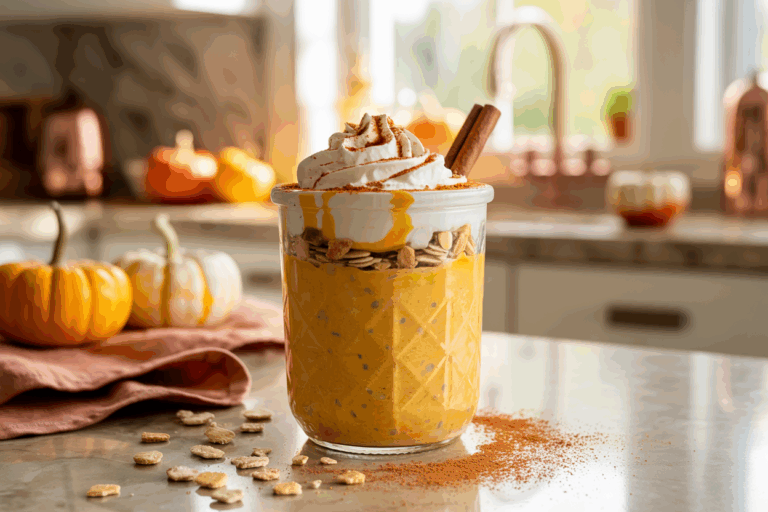
Pumpkin Cheesecake Protein Overnight Oats Recipe

Yield: 2 servings (meal prep friendly)
Active Time: 5 minutes
Total Time: 6 hours (including overnight chill)
Protein Per Serving: 28g

When Pumpkin Pie Met Cheesecake (And Had a Protein Baby)

Every October, the internet explodes with pumpkin recipes that taste like cardboard dressed up in cinnamon. This isn’t one of them. These overnight oats legitimately taste like someone blended a slice of pumpkin cheesecake into your breakfast bowl, then somehow added 28 grams of protein and 10 grams of fiber without ruining everything.

The secret? A bizarre combination of Jell-O sugar-free cheesecake pudding mix and real pumpkin puree that shouldn’t work but absolutely does. I discovered this combo by accident last fall when I grabbed the wrong pudding box, and now it’s the only way I make overnight oats from September through November.

The Ingredient List That Raised Eyebrows

Base Layer (Split Between 2 Mason Jars):

The Toppings That Make It Instagram-Worthy:

  • Sliced banana (classic choice)
  • Chopped pecans or walnuts
  • Whipped cream (we’re adults, we can have whipped cream for breakfast)
  • Extra sprinkle of cinnamon

Assembly Instructions (The Order Matters)

Start with a large mixing bowl – trying to mix this directly in jars is asking for a mess. Whisk together the pumpkin puree, protein powder, pudding mix, vanilla, and pumpkin pie spice until it forms a smooth paste. It’ll look too thick. That’s normal. Now slowly stream in your milk while whisking constantly, like you’re making gravy. This prevents the dreaded protein powder clumps that ruin everything.

Once smooth, fold in the chia seeds. Now here’s where people mess up: grab your two 16-oz mason jars and put 1/2 cup oats in EACH jar first. Then divide the pumpkin mixture between them, pouring it over the oats. Stir each jar thoroughly – scrape the bottom to make sure those oats aren’t sitting dry down there.

Seal. Refrigerate. Go to bed dreaming of pumpkin cheesecake.

What Happens Overnight (Food Science Alert)

While you sleep, multiple chemical reactions transform your jar of pumpkin sludge into something magical. The oats absorb liquid and release their starches, creating creaminess. The chia seeds form a gel that thickens everything to pudding consistency. The pudding mix (yes, the artificial stuff) provides both flavor and additional thickening power through modified cornstarch. And the pumpkin? It infuses everything with beta-carotene, fiber, and legitimate nutrients that make this healthy despite tasting like dessert.

Morning Reality Check

Open jar. Admire the thick, pudding-like consistency. Give it a good stir – overnight separation is normal. If it’s too thick (sometimes protein powder + chia seeds + pudding mix = cement), add a splash of milk. Taste. Adjust sweetness if needed. Top with banana slices and pecans. Take photo. Post to stories. Eat while scrolling through jealous comments.

Nutritional Breakdown That Actually Matters

Per Serving:
– 380 calories (filling breakfast, not a snack)
– 28g protein (more than most people get at lunch)
– 45g carbs (sustained energy, not a sugar spike)
– 10g fiber (your digestive system says thank you)
– 11g fat (healthy fats from nuts and chia)
– 200% daily Vitamin A (hello, glowing skin)

Compare that to actual pumpkin cheesecake: 450+ calories, 35g sugar, 4g protein. Or a Starbucks Pumpkin Cream Cold Brew with a pastry: 500+ calories, 45g sugar, 8g protein. This wins every nutritional comparison while tasting just as indulgent.

Storage Strategy for Meal Prep Masters

Refrigerator Life: 5 days maximum in sealed containers. Days 1-3 are peak texture. Days 4-5 are softer but still delicious. Day 6? Don’t risk it.

Freezer Option: Yes! Freeze in individual portions for up to 2 months. Leave 1-inch headspace in jars for expansion. Thaw overnight in fridge. Texture changes slightly but flavor remains excellent.

Travel Hack: These transport beautifully in sealed jars. No heating required. Perfect desk breakfast or post-gym meal.

Troubleshooting Common Disasters

“It tastes like pumpkin cardboard” – You need more spice and sweetness. Double the cinnamon, add a splash of maple syrup. The pudding mix might be old (it loses potency).

“It’s soup, not oats” – Too much liquid or not enough thickeners. Next time: more chia seeds, less milk, or add a tablespoon of oats.

“The texture is gummy” – Over-mixed or used instant oats instead of old-fashioned. Also happens if you used too much xanthan gum (if you added any).

“Where’s the cheesecake flavor?” – The pudding mix is crucial. Or substitute with 2 tablespoons cream cheese + extra vanilla + sweetener.

Advanced Variations for Overachievers

PROTEIN EXPLOSION (35g): Add 1/4 cup Greek yogurt + extra half scoop protein powder. Now you’re at competition prep levels.

ACTUAL CHEESECAKE: Swirl in 2 tablespoons softened cream cheese. Top with crushed graham crackers. No longer healthy but absolutely worth it occasionally.

PUMPKIN SPICE LATTE VERSION: Replace 1/4 cup milk with cold brew concentrate. Morning caffeine and protein in one jar. Similar vibes to our Pumpkin Spice Protein Coffee Shake but in oat form.

KETO ATTEMPT: Replace oats with hemp hearts and flax meal, use sugar-free sweetener, add MCT oil. Different texture but macros align.

Seasonal Transition Guide

When pumpkin season ends (tragic), these oats adapt beautifully to other flavors. Try our Maple Pecan Protein Shake for similar cozy vibes in liquid form. The Caramel Iced Coffee Protein Shake brings the sweetness without the pumpkin. But honestly? I make these year-round using canned pumpkin. No shame in eating pumpkin cheesecake oats in July.

Real Reviews from Real Humans

My sister (notorious pumpkin hater): “I hate that I love these.”

My trainer: “Finally, someone who gets enough protein at breakfast.”

My 5-year-old nephew: “Can I have the orange pudding again?”

Random gym bro who saw my jar: “Bro, is that baby food?” (After tasting) “Bro, send me that recipe.”

The Pumpkin Cheesecake Commitment

Look, you could keep buying those sad protein bars that taste like cardboard held together with false hope. You could continue pretending that plain Greek yogurt with a sad sprinkle of granola counts as an exciting breakfast. You could keep spending $8 on açai bowls that leave you hungry an hour later.

Or you could take 5 minutes tonight to mix pumpkin, protein powder, and pudding mix in a jar. Wake up to something that tastes like fall festival dessert but fits your macros. Make your coworkers jealous. Hit your protein goals without suffering.

The choice seems obvious. Grab your mason jars. Buy that weird pudding mix. Embrace the pumpkin cheesecake breakfast life.

Your taste buds and your gains will thank you.