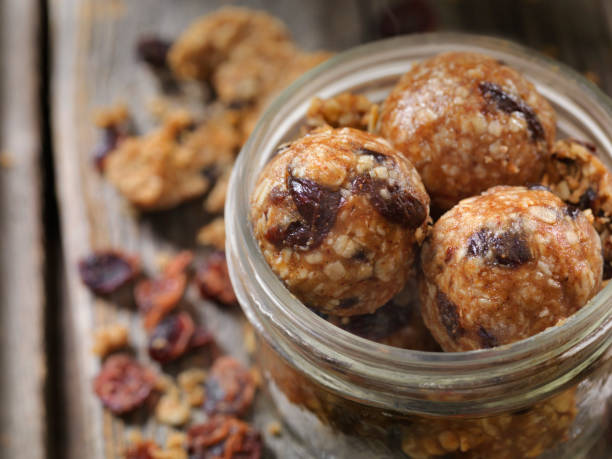
Cranberry Oatmeal Energy Balls Recipe (5 Ingredients, No Baking Required)

Sometimes you need something sweet that won’t completely derail your day. These cranberry oatmeal energy balls are that thing.

They’re made with five real ingredients – oats, nut butter, honey, nuts, and dried cranberries. No food processor required. No baking. No complicated steps. Just mix everything in a bowl, roll into balls, and refrigerate. Twenty minutes of work, and you’ve got a week’s worth of grab-and-go snacks.

The texture is what makes them addictive. Chewy from the oats and cranberries. Creamy from the nut butter. Slightly crunchy from the chopped almonds. And that tart-sweet cranberry flavor? It cuts through the richness in a way that keeps you reaching for another one.

These aren’t those dry, chalky protein balls that taste like cardboard. These actually taste good. Like trail mix compressed into bite-sized form.

Why Energy Balls Work Better Than Granola Bars

Store-bought granola bars and energy bars are basically candy bars with better marketing. They’re loaded with syrups, oils, and ingredients you can’t pronounce.

These energy balls are different. You know exactly what’s in them because you put it there yourself.

The oats provide complex carbs and soluble fiber. The nut butter adds protein and healthy fats. The nuts give you more protein plus omega-3s. The cranberries bring antioxidants and natural sweetness. And the honey? Just enough to bind everything together and add a touch of sweetness.

Each ball has roughly 95 calories with about 3g of protein. The combination of carbs, protein, and fat means they’ll actually keep you satisfied – not just spike your blood sugar and leave you hungry thirty minutes later.

And because there’s no refined sugar (just honey and the natural sugars in dried fruit), you don’t get that crash that comes with conventional snacks.

What You’ll Need

This makes about 16 balls.

Ingredients:

Optional Add-ins:

  • 1 tablespoon ground flaxseed (adds fiber and omega-3s)
  • ½ teaspoon cinnamon (for warmth)
  • 1 teaspoon vanilla extract (for depth)

That’s it. Five main ingredients. Everything else is optional.

A note on oats: old-fashioned rolled oats give you a chunkier texture with more visible oat pieces. Quick-cooking oats create a more uniform ball that holds together slightly better. Either works – it’s just a texture preference.

For the nut butter, use the natural kind where the oil separates on top. The drippy consistency makes mixing easier. I grabbed a jar on Amazon and it’s been perfect for these – that pourable texture is exactly what you want. If you’re using the no-stir kind (like Skippy or Jif), you might need to add a teaspoon or two of water to get the right consistency.

Let’s Make These

Step 1: Mix the Base

In a medium bowl, combine the oats, chopped almonds, and dried cranberries. If you’re adding any dry ingredients like flaxseed or cinnamon, throw them in now. Stir everything together so it’s evenly distributed.

If you’re using sliced almonds, give them a rough chop first – you want pieces, not whole slices, so they distribute better throughout the balls.

Step 2: Add the Wet Ingredients

Pour in the peanut butter and honey. If you’re using vanilla extract, add it now too.

Using a sturdy spoon or spatula, stir everything together. This will take a minute or two – you’re basically coating every piece of oat and cranberry with nut butter and honey. Keep mixing until you have a cohesive mixture that holds together when you press it.

The mixture should be thick and slightly sticky. If it feels too dry or crumbly (this happens with thicker nut butters), add a teaspoon of water and mix again. If it’s too wet and sticky, add a tablespoon more oats.

Step 3: Roll Into Balls

Scoop out about 1 to 2 tablespoons of the mixture at a time. Press it firmly in your hand to compress it, then roll it between your palms into a ball.

The warmth of your hands helps everything stick together. If the mixture is sticking to your hands too much, dampen your palms slightly with water or spray them with a tiny bit of cooking spray.

You should get about 16 balls total if you’re using 2 tablespoons per ball. Smaller balls (1 tablespoon) will give you closer to 24.

Step 4: Chill

Place the rolled balls on a plate or small baking sheet. Stick them in the fridge for at least 30 minutes. This firming period helps them hold their shape and makes them less sticky to handle.

After they’ve chilled, transfer them to an airtight container. They’ll keep in the fridge for up to a week, or in the freezer for 2-3 months.

How These Taste

The first bite gives you that chewy oat texture – familiar and comforting. Then the cranberries hit with their tart sweetness. The nut butter provides creaminess and richness. And the chopped almonds add little bursts of crunch throughout.

It’s like eating trail mix, but in a more convenient, less messy form. The honey adds just enough sweetness to balance the tartness of the cranberries without making these taste like candy.

They’re substantial. One or two will actually satisfy you, unlike most snacks that leave you reaching for more thirty seconds later.

When to Eat These

Honestly? Whenever. But here are the times they’re especially clutch:

Mid-afternoon energy slump: That 3pm crash when you need something to get you through to dinner. These deliver sustained energy without the caffeine jitters or sugar crash.

Pre-workout fuel: Eat one about 30 minutes before exercise. The carbs from oats give you quick energy, while the protein and fat provide staying power.

Post-workout recovery: The protein helps with muscle recovery. The natural sugars help replenish glycogen. And they taste way better than a protein shake.

Breakfast on the run: Pair two energy balls with a piece of fruit and a coffee. It’s not a full breakfast, but it’ll get you through to lunch.

Late-night sweet craving: When you want something sweet before bed but don’t want to eat a bowl of ice cream. These satisfy the craving without the guilt or the sugar overload.

Storage and Make-Ahead Strategy

These are perfect for meal prep. Make a batch on Sunday, and you’ve got snacks sorted for the entire week.

In the fridge, they’ll keep for 5-7 days in an airtight container. After about a week, they start to dry out a bit.

In the freezer, they’ll last 2-3 months. They thaw quickly – pull one out and let it sit for 10-15 minutes, and it’s ready to eat. Or eat them frozen for a firmer, almost fudge-like texture.

Stack them with parchment paper between layers to prevent sticking. This is especially important if you’re freezing them.

Variations Worth Trying

The base recipe is great, but once you’ve made it a few times, try these tweaks:

Different dried fruits: Swap cranberries for raisins, chopped dates, dried cherries, or chopped dried apricots. Dates make them sweeter and stickier. Apricots add a tangy brightness.

Different nuts: Use walnuts for omega-3s, cashews for creaminess, or pumpkin seeds for a nut-free version. Each brings a different flavor and nutrient profile.

Add chocolate: Fold in 2-3 tablespoons of mini dark chocolate chips. Because chocolate and cranberry is a classic combination. This adds about 20 calories per ball.

Make them vegan: Use maple syrup or brown rice syrup instead of honey. Both work well as binders.

Protein powder boost: Add 2 tablespoons of vanilla protein powder to the mix. You’ll need an extra tablespoon of water or nut butter to compensate for the dryness. This bumps the protein to about 4g per ball.

Roll in toppings: Once formed, roll the balls in shredded coconut, finely chopped nuts, or cocoa powder. This adds visual interest and prevents sticking.

Spice variations: Try ½ teaspoon of pumpkin pie spice, or cardamom, or ginger. Spices change the entire flavor profile without adding calories.

Troubleshooting Common Issues

Too crumbly, won’t hold together: Your nut butter is too thick, or you didn’t add enough. Add warm water, one teaspoon at a time, until the mixture becomes cohesive. Alternatively, warm the nut butter slightly before mixing – this makes it more pourable and easier to incorporate.

Too sticky, impossible to roll: You added too much honey or your nut butter is very drippy. Add more oats, one tablespoon at a time, until it reaches the right consistency. Or refrigerate the entire mixture for 15 minutes before rolling – cold dough is easier to handle.

Balls fall apart after chilling: You didn’t compress them enough when rolling. The key is to really press and squeeze the mixture in your hand before you start rolling. This creates cohesion.

Taste is bland: Add a pinch of salt. Even though these are sweet, salt enhances all the other flavors. Also consider adding vanilla extract or cinnamon.

Why These Are Better Than Store-Bought

Most energy balls and protein bites at the store cost $1-3 per serving. These cost maybe 30-40 cents per ball to make at home.

More importantly, you control the ingredients. No sketchy preservatives. No hidden sugars. No ingredient list that requires a chemistry degree to understand.

You can also customize them to your preferences and dietary needs. Nut-free? Use sunflower seed butter and pumpkin seeds. Need more protein? Add protein powder. Want less sugar? Use unsweetened dried cranberries and reduce the honey.

The store-bought versions can’t offer that flexibility.

The Real Appeal Here

These energy balls are stupidly easy to make. There’s no skill required. No special equipment. No precise measurements that need to be perfect.

If you can stir ingredients in a bowl and roll things between your hands, you can make these. And once you’ve made them once, you don’t even need to look at the recipe again.

They’re forgiving. Too sticky? Add oats. Too dry? Add nut butter or water. Can’t find cranberries? Use raisins. Don’t like almonds? Use whatever nuts you have.

This is one of those recipes that becomes a template. Once you understand the basic ratio (1 cup oats + â…“ cup nut butter + 3 tablespoons sweetener + â…” cup mix-ins), you can improvise endlessly.

More Healthy Snack and Breakfast Recipes

If you’re looking for more make-ahead breakfast options, these high-protein gingerbread overnight oats are perfect for busy mornings – just grab from the fridge and go.

For something warm and cozy, try these high-protein gingerbread pancakes or this high-protein pumpkin French toast.

And if you want more cookie-style treats, check out these healthy gingerbread cookies and these iced gingerbread oatmeal cookies.

For more baked goods that are actually healthy, this healthy chocolate chip pumpkin bread is perfect for meal prep.

Nutrition Facts

Per energy ball (based on 16 balls):

  • Calories: 95
  • Protein: 3g
  • Carbohydrates: 13g
  • Fiber: 2g
  • Sugar: 7g
  • Fat: 4g
  • Saturated Fat: 0.5g
  • Sodium: 15mg
  • Iron: 0.6mg
  • Potassium: 85mg

Bottom Line

These cranberry oatmeal energy balls are the easiest healthy snack you’ll ever make. Five ingredients. No baking. Twenty minutes of work. And you’ve got two weeks’ worth of snacks if you freeze half the batch.

They taste like trail mix in ball form. They’re actually satisfying instead of leaving you hungry. And they cost a fraction of what you’d pay for the store-bought version.

Make a batch this weekend. Keep them in the fridge. Reach for them when you need something sweet, something substantial, or something to get you through to your next meal.

Your future self will thank you for having these ready to grab.

Iced Gingerbread Oatmeal Cookies Recipe (No Refined Sugar, Bakery-Style)

You know that moment when you can’t decide between gingerbread cookies and oatmeal cookies? This recipe solves that problem permanently.

These iced gingerbread oatmeal cookies are thick, soft, and loaded with molasses and warming spices – then topped with a sweet vanilla glaze that hardens into that perfect bakery-style finish. But here’s what makes them different: zero refined flour, zero refined sugar in the cookies themselves, and somehow they still taste like you spent all afternoon in a fancy bakery. They’re made with oats, whole wheat flour, maple syrup, and molasses – ingredients that actually do something good for your body while tasting incredible.

The texture is what gets people. Chewy but not dense. Substantial but not heavy. And that gingerbread flavor? It’s all there – the deep molasses richness, the warming ginger kick, the cinnamon comfort – all finished with a sweet vanilla glaze.

If you love traditional gingerbread cookies, you should also try these healthy gingerbread cookies – they’re soft, chewy, and perfect for decorating with cookie cutters.

Why These Work Better Than Regular Gingerbread Cookies

Most gingerbread recipes rely on white flour and white sugar to carry the flavor. These don’t need that crutch.

The oats create moisture and chewiness while adding fiber and protein. Whole wheat pastry flour keeps things tender without the refined carbs. And the sweetness comes entirely from maple syrup and molasses – no granulated sugar anywhere in the cookie base.

Here’s what that means for you: no blood sugar spike and crash. No afternoon energy slump. Just steady, sustained energy from real ingredients.

Each cookie (with icing) has about 105 calories. You could eat two of these and still be well under the calorie count of a single Starbucks cookie. Not that anyone’s counting, but it’s nice to know.

The best part? They’re a one-bowl recipe. No mixer needed. You can have cookie dough ready in 20 minutes, and most of that is just stirring.

What You’ll Need

This makes about 15 cookies.

Dry Ingredients:

  • 1 cup instant oats (quick-cooking oats work best here)
  • ¾ cup whole wheat flour
  • 1½ teaspoons ground ginger
  • 1 teaspoon cinnamon
  • â…› teaspoon nutmeg
  • â…› teaspoon ground cloves
  • 1½ teaspoons baking powder
  • ¼ teaspoon salt

Wet Ingredients:

  • 2 tablespoons coconut oil or butter, melted and cooled
  • 1 large egg white, room temperature
  • 1 teaspoon vanilla extract
  • ¼ cup unsulphured molasses, room temperature
  • ¼ cup pure maple syrup, room temperature
  • 2-3 tablespoons milk (dairy or almond)

Vanilla Icing (Not Optional – This Is What Makes Them Special):

  • ½ cup powdered sugar
  • 1-2 tablespoons milk
  • ¼ teaspoon vanilla extract
  • Pinch of salt

A note on oats: instant oats are key. They’re finer than rolled oats, which helps these cookies hold together. If you only have rolled oats, pulse them a few times in a food processor to break them down.

The egg white keeps these lower in fat and calories while still binding everything together. If you want to use a whole egg instead, just reduce the milk by 1 tablespoon to compensate for the extra moisture from the yolk.

Let’s Make These

Step 1: Mix Your Dry Ingredients

In a mixing bowl, whisk together the oats, whole wheat flour, baking powder, ginger, cinnamon, nutmeg, cloves, and salt. Make sure everything’s evenly distributed – you want those spices in every bite.

Step 2: Combine Your Wet Ingredients

In another bowl, whisk the melted coconut oil (or butter), egg white, and vanilla until smooth. Make sure your oil isn’t too hot or it’ll cook the egg white, which is weird.

Step 3: Add the Natural Sweeteners

Stir the molasses into your wet mixture first, then add the maple syrup. Both should be at room temperature – cold molasses will cause your melted oil to solidify into clumps, and nobody wants to deal with that.

The mixture will be thick and dark. That’s exactly right.

Step 4: Bring It Together

Pour your dry ingredients into the wet ingredients. Stir gently until everything’s just combined. The dough will be moist and sticky – don’t panic. That’s how it should look.

Stop stirring as soon as you don’t see any dry streaks. Overmixing develops gluten, which makes cookies tough instead of tender.

Step 5: Chill the Dough

Cover the bowl and stick it in the fridge for 30 minutes. This step does two things: it lets the oats absorb moisture (which improves texture), and it firms up the dough so the cookies don’t spread into pancakes in the oven.

While you’re waiting, preheat your oven to 325°F and line a baking sheet with parchment paper or a silicone mat.

Step 6: Shape the Cookies

After chilling, the dough will be much easier to work with. Use a spoon or cookie scoop to drop about 15 equal portions onto your prepared baking sheet. Each should be roughly 2 tablespoons of dough.

Here’s the thing: this dough doesn’t spread much on its own. You need to flatten each mound with a spatula or the back of your spoon into a disk about â…œ-inch thick. If you skip this step, you’ll end up with tall, dome-shaped cookies that don’t bake evenly – and the icing won’t look as good.

Step 7: Bake

Slide them into the oven for 10-12 minutes. The edges will turn lightly golden and the centers might look slightly soft. That’s perfect.

Don’t overbake these. Seriously. They firm up as they cool, and if you bake them until they look “done,” they’ll be dry and crumbly once they cool down.

Step 8: Cool Completely

Let the cookies sit on the baking sheet for about 10 minutes. They’re delicate when hot, so this resting period prevents them from breaking apart when you move them.

After 10 minutes, transfer them to a wire rack to cool completely. This is critical – you must wait until they’re completely cool before icing, or the glaze will melt and slide right off.

Step 9: Make the Vanilla Icing

In a small bowl, whisk together the powdered sugar, 1 tablespoon of milk, vanilla extract, and a pinch of salt. The mixture should be thick but pourable. If it’s too thick, add another teaspoon of milk at a time until you reach the right consistency. If it’s too thin, add a bit more powdered sugar.

You want it to be thick enough that it won’t run off the cookies, but thin enough that it spreads smoothly.

Step 10: Ice the Cookies

Once the cookies are completely cool, it’s time for the best part. You have two options:

Option 1 – Drizzle: Transfer the icing to a zip-top bag, snip off a tiny corner, and drizzle in a zigzag pattern across each cookie. This gives you that classic iced oatmeal cookie look.

Option 2 – Dip: Dip the top of each cookie directly into the icing bowl, let the excess drip off, then place back on the wire rack. This gives you full coverage and looks more polished.

Let the icing set for about 30-60 minutes. It will harden to a smooth, slightly shiny finish. Don’t stack or store the cookies until the icing is completely dry to the touch.

How These Taste

The first thing you notice is the texture. They’re soft and chewy with just enough structure to hold together. Not cakey, not crunchy – right in that perfect middle zone.

Then the flavor hits. Deep molasses sweetness balanced by sharp ginger and warm cinnamon. There’s a subtle nuttiness from the oats and whole wheat flour that adds complexity without being obvious. And that vanilla icing? It adds just the right amount of sweetness and that bakery-style finish that makes these feel special.

They taste like the holidays. Like cold mornings and warm kitchens and the kind of comfort that only comes from spices and sweetness.

And because the cookies themselves are made with whole grains and natural sweeteners, you can enjoy the icing guilt-free. The small amount of powdered sugar on top is the only refined sugar in the entire recipe.

Storage and Make-Ahead Tips

Once the icing is completely set, these keep well in an airtight container for 4-5 days at room temperature. Layer them with parchment paper between layers to prevent sticking. They actually taste even better the next day once the flavors have had time to meld.

You can freeze the un-iced cookies. Stack them with parchment paper between layers, seal in a freezer bag, and they’ll keep for up to 3 months. Thaw at room temperature, then ice them fresh.

If you want to prep ahead, you can make the dough, chill it, then freeze the whole bowl covered in plastic wrap. When you’re ready to bake, thaw it in the fridge overnight, then proceed with shaping and baking.

Don’t freeze iced cookies – the icing doesn’t thaw well and can become sticky or weepy.

Why Natural Sweeteners Make a Difference

Maple syrup and molasses aren’t just sugar by another name. They come with minerals and antioxidants that refined sugar doesn’t have.

Molasses contains iron, calcium, and potassium. Maple syrup has manganese and zinc. It’s not like these cookies are a health supplement, but when you’re going to eat something sweet anyway, you might as well get a few nutrients along with it.

More importantly, natural sweeteners have more complex flavors than white sugar. Molasses brings that deep, almost smoky richness. Maple syrup adds a subtle warmth. Together, they create depth that plain sugar can’t match.

Variations You Should Try

Extra ginger: If you’re a ginger fanatic, bump it up to 2 teaspoons. Some people can’t get enough of that spicy kick.

Add chocolate drizzle: After the vanilla icing sets, melt some dark chocolate and drizzle it over the top. Ginger and dark chocolate is an underrated combination.

Make them vegan: Use a flax egg (1 tablespoon ground flaxseed mixed with 3 tablespoons water, let sit 5 minutes) instead of the egg white. For the icing, use plant-based milk. The texture will be slightly different but still good.

Protein boost: Add 2 tablespoons of vanilla protein powder to the dry ingredients. You might need an extra tablespoon of milk to compensate for the dryness.

Gluten-free: Use certified gluten-free oats and swap the whole wheat flour for a 1:1 gluten-free baking blend. The texture will be a bit more delicate, but they’ll still work.

Cream cheese icing: Mix 2 oz softened cream cheese with ¼ cup powdered sugar and a splash of milk for a tangy twist on the classic vanilla icing.

When to Make These

Obviously, they’re perfect for the holidays. The icing makes them feel special enough for cookie exchanges, holiday parties, or gift boxes.

But honestly, these are good any time you want a cookie that looks impressive without requiring hours of decorating. The simple drizzle or dip method takes minutes but looks bakery-professional.

They’re also great for meal prep. Make a batch on Sunday and you’ve got grab-and-go snacks for the entire week. The icing actually helps them stay fresh longer by sealing in moisture.

And if you’re bringing something to a cookie exchange or holiday party, these stand out. They look polished (because of the icing), they taste incredible, and when people ask for the recipe, you get to be the person who made the “healthy” cookies that nobody realized were healthy.

Speaking of holiday parties, if the season is stressing you out, check out these 10 tips to avoid holiday stress. Because baking should be fun, not another source of anxiety.

The Real Reason to Make These

There’s something satisfying about making cookies that are actually made from real ingredients. No weird additives. No ingredient list that reads like a chemistry experiment. Just oats, flour, spices, and natural sweeteners doing what they’re supposed to do.

These cookies prove you don’t need refined sugar or white flour to make something delicious. The whole grains add flavor and nutrition. The natural sweeteners bring complexity. And the result is a cookie that tastes better and makes you feel better than the conventional version ever could.

Plus, your kitchen will smell amazing while they’re baking. That’s worth the effort right there.

More Healthy Holiday Recipes

If you’re into the gingerbread flavor profile, you need to try these high-protein gingerbread pancakes – they deliver 30g of protein per stack and taste like dessert for breakfast.

For overnight meal prep, these gingerbread overnight oats are clutch. Mix them before bed, wake up to breakfast that’s ready to eat.

And if you want more fall-inspired recipes, this high-protein pumpkin French toast and healthy chocolate chip pumpkin bread are both worth making.

Nutrition Facts

Per cookie (based on 15 cookies, with icing):

  • Calories: 105
  • Protein: 2g
  • Carbohydrates: 20g
  • Fiber: 1g
  • Sugar: 11g
  • Fat: 2g
  • Saturated Fat: 2g
  • Sodium: 80mg
  • Iron: 0.9mg
  • Potassium: 110mg

Bottom Line

These iced gingerbread oatmeal cookies are the kind of recipe you’ll make over and over. They’re easy, they look impressive, and they deliver on flavor without requiring you to sacrifice your health goals.

The texture is perfect. The flavor is complex and satisfying. The icing makes them feel special. And the ingredient list is full of things you can actually pronounce.

Make them this week. Your kitchen will smell like the holidays, you’ll have a batch of bakery-style cookies that you can actually feel good about eating, and everyone who tries them will ask for the recipe. That’s a rare combination, and it’s worth taking advantage of.

Now grab your mixing bowl and let’s get started.

Healthy Gingerbread Cookies Recipe (Soft, Chewy, and Actually Good for You)

There’s something about pulling a tray of gingerbread cookies from the oven that immediately transforms your kitchen. The scent – dark molasses, warming ginger, cinnamon cutting through the air – it’s nostalgia you can smell. You know that sugary, slightly guilty feeling that comes with traditional holiday baking? This recipe skips that part entirely.

These healthy gingerbread cookies taste like the real deal. Soft, chewy, perfectly spiced. But they’re made with whole grain flour, way less sugar, and ingredients you can actually pronounce.

If you’re looking for more ways to enjoy gingerbread flavors this season, check out these high-protein gingerbread pancakes or these gingerbread overnight oats for breakfast options that’ll keep you full all morning.

Why This Recipe Actually Works

Most “healthy” cookie recipes feel like a compromise. You bite in, and immediately you’re thinking about the real version. Not here.

The secret is using a blend of whole wheat and all-purpose flour. The whole wheat brings fiber and nutrients, while the all-purpose keeps things tender instead of dense and brick-like. Molasses does the heavy lifting flavor-wise – that deep, almost caramel-like richness that defines gingerbread. And because molasses naturally contains minerals like iron and potassium, you’re getting nutrition alongside taste.

We’ve cut the sugar by about a third compared to standard recipes. Coconut sugar replaces refined white sugar, giving you a lower glycemic option that still delivers sweetness. Honestly? You won’t miss the extra sugar. The molasses and spices create such a robust flavor profile that these cookies taste indulgent without the crash.

Here’s the best part: you control the texture. Bake them for 8 minutes and you get soft, almost cake-like cookies that practically melt in your mouth. Push them to 12 minutes and they’ll crisp up as they cool, giving you that classic snap when you bite down. Your kitchen, your rules.

And if you’re the type who loves decorating cookies (or if you have people in your life who do), the dough holds its shape beautifully. Cut out gingerbread people, stars, Christmas trees – whatever brings you joy. Top them with a simple icing, or keep things totally wholesome with chopped nuts pressed into the dough before baking.

What You’ll Need

This makes about 30 cookies, depending on your cutter size.

Dry Ingredients:

  • 1½ cups whole wheat flour (spelt works too)
  • 1½ cups all-purpose flour
  • 1 tablespoon ground ginger
  • 1 tablespoon ground cinnamon
  • ¼ teaspoon nutmeg
  • ¼ teaspoon ground cloves
  • ½ teaspoon baking soda
  • ½ teaspoon salt

Wet Ingredients:

Optional Icing:

  • ½ cup powdered sugar
  • 1 tablespoon water (adjust for consistency)

A quick note on molasses: regular unsulphured molasses is your safest bet. It’s sweet, mellow, kid-friendly. Blackstrap molasses is more nutritious but has a bitter edge that can be polarizing. Unless you’re already a blackstrap fan, stick with the regular stuff.

If you want to go sugar-free, you can swap in a granulated monk fruit or erythritol blend. Just keep the volume the same and avoid liquid sweeteners – they’ll throw off the dough consistency.

Let’s Make These Cookies

Step 1: Mix Your Dry Ingredients

Grab a large mixing bowl. Whisk together both flours, all your spices, the baking soda, and salt. You want everything evenly distributed so every cookie gets the same flavor punch.

Step 2: Cream the Butter and Sugar

In another bowl, beat your softened butter with the coconut sugar until it looks fluffy and pale. A good hand mixer makes this easy (I grabbed mine for about $27 on Amazon and it’s been a workhorse), but you can do it by hand – just takes a bit more elbow grease. The mixture should resemble brown sugar butter, light and airy.

Step 3: Add the Egg and Molasses

Beat in your egg first, then the molasses. Mix until just combined. Don’t go overboard here – once everything’s incorporated, stop. Overbeating can cause the butter to separate, and nobody wants that.

Step 4: Bring the Dough Together

Gradually fold your dry ingredients into the wet mixture. Start with a spatula, then switch to your hands when it gets thick. The dough should feel slightly sticky but hold together when you press it. If it’s crumbly, your hands will warm it up and make it pliable.

Step 5: Chill (Seriously, Don’t Skip This)

Divide your dough in half. Flatten each piece into a disk, wrap in plastic, and refrigerate for 30 minutes. This isn’t optional – chilling makes the dough easier to roll and prevents your cookies from spreading into sad puddles in the oven.

If you’re planning ahead, you can freeze these wrapped disks for up to three months. Future you will be grateful.

Step 6: Roll and Cut

Preheat your oven to 350°F. Line a baking sheet with parchment paper.

Pull one dough disk from the fridge. If it’s rock-hard, let it sit for a couple minutes. On a lightly floured surface, roll it out to about ¼-inch thickness. Too thin and the cookies get crispy (which is fine if that’s your vibe). Too thick and the centers stay doughy.

Cut out your shapes with a Christmas cookie cutter set. Gingerbread people are classic, but honestly, any shape works – stars, trees, snowflakes, whatever makes you happy. Gather the scraps, re-roll, and keep cutting until you’ve used it all. Repeat with the second disk.

Step 7: Bake

Place cookies on your prepared baking sheet about half an inch apart – they don’t spread much. Slide them into the oven.

For soft, chewy cookies: 8 minutes.
For crispy cookies: 10-12 minutes.

They’ll look slightly underdone when you pull them out. That’s perfect. They continue cooking on the hot pan and will firm up as they cool. Overbaking is the enemy here.

Step 8: Cool Completely

Let the cookies rest on the baking sheet for 10-15 minutes. This cooling period is crucial for texture. Then transfer them to a wire rack.

If you’re icing them, wait until they’re completely cool. Warm cookies will melt your icing into a gloppy mess.

Step 9: Decorate (Or Don’t)

For simple icing, mix your powdered sugar with water until smooth. Spoon it into a zip-top bag, snip off a tiny corner, and pipe away. Faces, buttons, swirls – whatever makes you happy.

The icing will harden in about two hours. Wait until it’s dry before stacking or storing.

If you’re keeping things sugar-free or just prefer a cleaner look, skip the icing entirely. These cookies are genuinely delicious naked. Or press some chopped pecans or sliced almonds onto the dough before baking for texture and visual interest.

How to Store These

Airtight container, room temperature. They’ll stay soft for about a week. If you want them to last longer, freeze them – they thaw quickly and taste just-baked.

Each cookie clocks in around 75-80 calories. Not nothing, but reasonable enough that you can enjoy two with your coffee and not derail your entire day.

Pro Tips and Variations

Temperature matters. Room temperature eggs and softened butter mix more easily and create better texture. Cold ingredients create a lumpy, harder-to-work-with dough.

Flour measuring is critical. Spoon your flour into the measuring cup and level it off. Don’t scoop directly from the bag – you’ll pack in too much flour and end up with dry, crumbly cookies.

Make them vegan: Swap butter for coconut oil (they’ll be slightly crisper) and use a flax egg (1 tablespoon ground flaxseed + 3 tablespoons water, let sit for 5 minutes).

Spice adjustments: Love ginger? Bump it to 1½ tablespoons. Sensitive to cloves? Cut it back to â…› teaspoon. This is your recipe – adjust to your palate.

Gluten-free option: Use a 1:1 gluten-free baking flour blend in place of both flours. The texture will be slightly different, but still good.

Add mix-ins: Fold in â…“ cup of chopped crystallized ginger for extra zing, or mini chocolate chips if you want to blur the line between gingerbread and dessert.

Why These Actually Taste Better Than Store-Bought

Commercial gingerbread cookies are often loaded with high-fructose corn syrup and artificial flavors. They taste vaguely of gingerbread, but there’s a flatness to them.

When you make these at home, you control everything. Real molasses. Fresh spices. Butter (or good quality coconut oil). The depth of flavor is incomparable.

And there’s something satisfying about knowing exactly what went into the food you’re eating. No mysterious additives. No preservatives. Just real ingredients doing their job.

The Sensory Experience

When these cookies are baking, the smell alone is worth making them. It’s warm, spicy, slightly sweet – the kind of aroma that makes people wander into the kitchen asking what you’re making.

The first bite gives you that signature gingerbread snap (or chew, depending on your baking time), followed by the complex sweetness of molasses balanced against the heat of ginger and cinnamon. There’s a subtle earthiness from the whole wheat flour that adds depth without making things heavy.

They pair perfectly with coffee, tea, or a cold glass of milk. Or honestly, just eaten standing at the counter while they’re still slightly warm.

More Healthy Holiday Recipes You’ll Love

If you’re trying to navigate the holidays without completely abandoning your health goals, you’re not alone. These cookies are just one piece of the puzzle.

For breakfast, try this high-protein pumpkin French toast that delivers 13g of protein per slice, or bake a loaf of healthy chocolate chip pumpkin bread for meal prep.

And if the holidays are stressing you out (because let’s be real, they usually do), check out these 10 tips to avoid holiday stress. Because enjoying cookies should be fun, not anxiety-inducing.

Why You Should Make These This Week

Holiday baking doesn’t have to derail your health goals. These cookies prove you can have tradition, flavor, and nutrition coexisting peacefully on the same baking sheet.

They’re forgiving enough for beginners but delicious enough that experienced bakers will add them to their regular rotation. Whether you’re making them for a cookie exchange, a holiday party, or just because it’s Tuesday and you want something sweet that won’t wreck you – this recipe delivers.

The whole wheat flour adds fiber that keeps you satisfied longer than regular cookies. The reduced sugar means no energy crash an hour later. And the spices? They’re not just for flavor – cinnamon and ginger both have anti-inflammatory properties.

Make a double batch. These disappear fast, and having a stash in the freezer means you’re always 20 minutes away from fresh-baked gingerbread cookies whenever the craving hits.

Nutrition Facts

Per cookie (based on 30 cookies):

  • Calories: 78
  • Protein: 1.5g
  • Carbohydrates: 13g
  • Fiber: 1g
  • Sugar: 5g
  • Fat: 2.5g
  • Saturated Fat: 1.5g
  • Sodium: 55mg
  • Iron: 0.8mg
  • Potassium: 95mg

Final Thoughts

These healthy gingerbread cookies belong in your regular rotation, not just during the holidays. They’re proof that you don’t have to choose between eating well and enjoying the foods that make life worth living.

The recipe is forgiving, the ingredients are accessible, and the results speak for themselves. Soft or crispy, iced or plain, decorated or simple – they work every time.

Next time you’re craving something sweet, something nostalgic, something that fills your kitchen with that unmistakable holiday scent, pull out this recipe. Your taste buds will thank you. Your body will thank you. And everyone who gets to eat these cookies will definitely thank you.

Now go preheat that oven. Your kitchen is about to smell incredible.

Chris Bumstead’s Supplement Stack: What the 6X Mr. Olympia Actually Takes

0

Chris Bumstead doesn’t mess around when it comes to supplements.

The six-time Mr. Olympia Classic Physique champion has built one of the most aesthetic physiques in bodybuilding history, and while his training and diet do the heavy lifting, his supplement stack fills in the gaps that food and workouts can’t cover alone.

What’s interesting about Chris’s approach is how it’s evolved. Early in his career, he took the basics. Protein, creatine, a multivitamin. But as he climbed the ranks and dealt with health issues (including a serious gut problem that nearly derailed his career), he got smarter about what goes into his body.

Now his stack is split into two categories. Performance supplements that help him train harder and recover faster. And health supplements that keep his organs, joints, and cardiovascular system functioning while he pushes his body to extremes.

Chris Bumstead’s Complete Supplement List

Core Daily Supplements (Year-Round)

Training Supplements

Situational/Prep Supplements

  • Revive Greens – Travel and busy periods
  • Revive Immune – Contest prep and high-stress periods
  • Curcumin Extract – 1,000mg during intense training blocks
  • Fiber Supplement – Off-season digestion support

Let me walk you through what he actually takes and why each piece matters.

The Foundation: Whey Protein Isolate

Chris drinks whey protein isolate twice a day. One scoop in the morning, another in the evening.

Product: CBum Itholate Protein

At 240+ pounds of lean muscle, his protein needs are massive. We’re talking 250 to 300 grams daily depending on whether he’s bulking or cutting. Getting all that from chicken and rice would mean eating nonstop.

Whey isolate solves that problem. It’s about 90% protein by weight with almost no carbs or fat. Two scoops give him 50 grams of protein without messing up his macros. More importantly, it digests fast. After a brutal leg workout, his muscles get amino acids within 30 minutes.

The isolate form matters. Regular whey concentrate has lactose and fat that can cause bloating. Chris used to have serious digestive issues, so he sticks with isolate even though it costs more. His gut health is worth it.

For off-season bulking, Chris also uses Raw Grass Fed Protein which provides additional whole-food protein sources to support his massive caloric needs when building muscle.

Creatine Monohydrate: The Supplement That Never Left

If Chris could only take one supplement for the rest of his life, it would probably be creatine.

Product: Raw Creatine

He’s been taking 5 grams daily since his early twenties. No loading phase. No cycling. Just consistent daily use that’s backed by decades of research showing it increases strength and muscle mass when combined with resistance training.

Here’s what creatine actually does. Your muscles store phosphocreatine, which regenerates ATP during heavy lifts. More creatine in your muscles means you can crank out an extra rep or two before hitting failure. Those extra reps compound over months and years into significant strength gains.

The muscle fullness is real too. Creatine pulls water into muscle cells, making them look fuller and more volumized. Some people call it “water weight” like it’s a bad thing. But that intracellular water creates an anabolic environment that signals muscle growth. Chris loves the pumped look it gives him, especially on stage.

He doesn’t drop creatine even during contest prep. Most bodybuilders cut it the last week to avoid subcutaneous water. Chris keeps it in because it helps him maintain strength when calories are brutally low. He’ll sacrifice a tiny bit of water retention to keep lifting heavy.

Five grams a day. Every day. For years. If you want to understand the full science behind why creatine is so effective, the research is rock solid.

Fish Oil: The Health Insurance Policy

Chris takes 10 to 12 grams of fish oil daily, which translates to about 3 to 4 grams of EPA and DHA omega-3 fatty acids.

Product: Revive MD Omega-3

That’s a lot. Way more than most people take. But bodybuilding at the elite level is incredibly inflammatory. Heavy weights beat up your joints. Low body fat stresses your hormones. Fish oil is his main tool for managing that inflammation without taking ibuprofen constantly.

The joint benefits are obvious. His shoulders, elbows, and knees take thousands of pounds of stress every week. Omega-3s help reduce the chronic low-grade inflammation that could turn into serious problems over time.

But he’s also thinking long-term about his heart. Bodybuilders, especially big guys carrying 240+ pounds year-round, put strain on their cardiovascular system. Fish oil supports healthy blood lipids and blood pressure. It’s preventative medicine for someone who plans to do this for decades.

He even counts the 100 calories from his fish oil toward his daily macros during contest prep. That shows you how serious he is about it. When every calorie matters and he’s starving, he still makes room for fish oil.

Multivitamin: Covering the Basics

Contest prep nutrition is repetitive by design. Chicken, rice, asparagus. Repeat six times a day for months.

Product: Revive MD Multivitamin

Chris knows that diet, while effective for fat loss, doesn’t cover all his micronutrient needs. So he takes a high-quality multivitamin every day to fill the gaps.

The Revive MD formula is designed specifically for athletes. It has higher doses of B vitamins for energy metabolism, vitamin D for hormone production and bone health, and zinc for testosterone and immune function.

The timing matters too. He takes it with breakfast to improve absorption of fat-soluble vitamins (A, D, E, K) from his meal.

Is a multivitamin going to make or break your physique? No. But when you’re trying to win Mr. Olympia, you can’t afford to be deficient in anything.

Pre-Workout: The Training Catalyst

Chris co-owns Raw Nutrition and formulated his own pre-workout called Thavage.

Product: Thavage Pre-Workout

He takes it about 30 minutes before training. One or two scoops depending on how he feels and what time of day he’s training. The name “Thavage” comes from his online persona and the savage mindset he brings to every workout.

The formula hits three targets. Energy from caffeine (around 300-350mg per serving). Pumps from citrulline and nitric oxide boosters that increase blood flow. And focus from nootropics that help him maintain mind-muscle connection through brutal 90-minute sessions.

Beta-alanine is in there too. It buffers lactic acid buildup, letting him push through the burn on high-rep sets. You’ll feel the tingles about 15 minutes after taking it. Some people hate that sensation, but Chris sees it as a sign the pre-workout is kicking in.

During contest prep when energy is low, pre-workout becomes even more critical. It’s the difference between going through the motions and actually training with intensity when you’re exhausted from low calories and cardio. When you’re eating 2,800 calories and doing two-a-days, that caffeine boost is non-negotiable.

He’s smart about timing though. Won’t take it after 3 PM because it’ll mess with sleep. And sleep is when you grow.

For additional pump and performance support, Chris also uses Raw Pump2, which provides vasodilation and muscle fullness during training without stimulants. He’ll stack this with his pre-workout on leg days when he wants maximum blood flow to his quads and hamstrings.

Glutamine: The Gut and Recovery Support

Chris takes 10 grams of L-glutamine daily, split into two 5-gram doses.

Product: Revive L-Glutamine

Most people think of glutamine as a muscle recovery aid, and it does help with that. But for Chris, glutamine is primarily about gut health.

He’s dealt with serious digestive issues in the past. The cells lining your intestines use glutamine as their primary fuel source. Supplementing helps maintain the integrity of that gut lining, especially when you’re eating massive amounts of food (off-season) or dealing with the stress of extreme dieting (contest prep).

The immune support matters too. Hard training suppresses your immune system temporarily. Glutamine feeds immune cells, helping him avoid getting sick during critical training blocks.

He mixes one dose in his morning shake and another in his evening shake. Tasteless, dissolves easily, zero hassle. When your gut is working properly and you’re not getting sick, training consistency goes way up.

EAAs: Essential Amino Acid Support

During training sessions and throughout the day, Chris uses essential amino acids to support muscle protein synthesis and recovery.

Product: Raw EAA Plus

EAAs contain all nine essential amino acids that your body can’t produce on its own. Unlike BCAAs which only contain three amino acids, EAAs provide complete muscle-building support. Chris actually dropped BCAAs from his stack years ago once he realized EAAs were superior.

He sips on EAAs during his training sessions to prevent muscle breakdown and kickstart recovery while he’s still in the gym. This is especially important during contest prep when he’s in a caloric deficit and his body is more prone to breaking down muscle tissue for energy.

The convenience factor matters too. When you’re training twice a day like Chris does during peak prep, having amino acids readily available in liquid form means faster absorption and less digestive stress compared to eating a full meal between sessions. He’ll drink them between his morning cardio and afternoon weight training, keeping his body in an anabolic state all day.

Greens Powder: Micronutrient Insurance

Chris doesn’t take greens powder every single day, but he keeps it on hand for travel and busy periods.

Product: Revive Greens

When he’s home and cooking, he eats plenty of vegetables. But when he’s traveling for appearances, guest posing, or photo shoots, getting enough greens becomes difficult. That’s when the powder comes out.

His greens supplement contains concentrated extracts of spinach, kale, spirulina, chlorella, and various antioxidant-rich fruits. One scoop gives him a broad spectrum of phytonutrients, vitamins, and minerals that might be missing from a day of airport food. Some formulas include digestive enzymes and probiotics too, which help with the gut health he’s always prioritizing.

He mixes it with water first thing in the morning when he’s using it. Quick, convenient, tastes decent enough. It’s not a replacement for real vegetables, but it’s a smart backup plan.

Immune Support: Vitamin C and Beyond

During contest prep, Chris adds specific immune-supporting supplements to his stack.

Product: Revive Immune

The reasoning is simple. When you’re training twice a day, doing hours of cardio weekly, and eating minimal calories, your immune system takes a beating. Getting sick two weeks before a show could ruin months of preparation.

The Revive Immune formula contains vitamin C along with zinc, vitamin D, and other immune-supporting nutrients. Vitamin C supports immune cell function and acts as an antioxidant that helps manage the oxidative stress from all that training volume. It also plays a role in collagen synthesis, which matters for joint and connective tissue health.

He doesn’t take it year-round. Just during the most stressful training phases when his body is most vulnerable. This strategic approach to supplementation—using certain products only when needed—is something you’ll see in other science-based protocols rather than taking everything all the time.

Electrolytes: Hydration and Performance

Chris mixes electrolytes into his water throughout the day, but especially before fasted morning cardio.

He’ll brew a cold brew coffee, add electrolyte powder (sodium, potassium, magnesium), and sip it while walking on the treadmill for 45 minutes. The caffeine wakes him up, and the electrolytes prevent cramping and maintain performance even in a fasted state.

When you’re low-carb during prep, you lose a lot of water and electrolytes. Glycogen stores less water in your muscles when carbs are restricted. Sodium helps maintain muscle fullness and prevents that flat, depleted look that can happen when you cut carbs too aggressively. Potassium and magnesium prevent cramping and support muscle contractions during training.

He doesn’t just use them during prep either. Year-round, during heavy training, he’s sweating profusely and needs to replace what he loses. A typical leg session has him going through two or three bottles of water mixed with electrolytes.

The mental clarity benefit is real too. Even mild dehydration or electrolyte imbalance can cause brain fog. Staying properly hydrated with electrolytes helps him stay sharp during posing practice and long training days. When you’re trying to nail your mandatories for the judges, you need your brain firing on all cylinders.

Curcumin (Turmeric Extract): Joint and Inflammation Support

When training volume is at its highest and Chris’s joints are screaming, he brings in curcumin.

He takes about 1,000mg daily of a curcumin extract standardized for active compounds, usually split into two doses with meals for better absorption.

Curcumin is a natural anti-inflammatory that works differently than NSAIDs. It reduces inflammatory markers without the gut and kidney issues that come with chronic ibuprofen use. For someone who’s been lifting heavy for over a decade, managing chronic inflammation is crucial for longevity in the sport.

The joint relief is noticeable. His shoulders, elbows, and knees feel better. Recovery between sessions improves. He can train with high frequency without feeling beat up all the time. He doesn’t take it off-season when training is lighter, but during prep when volume is maxed out and recovery is compromised by low calories, curcumin becomes essential.

Combined with his high-dose fish oil, it creates a powerful natural anti-inflammatory stack that keeps him training hard without breaking down.

Kidney and Organ Support

One aspect of Chris’s supplement philosophy that sets him apart is his focus on organ health.

Product: Revive Kidney

Professional bodybuilding places enormous stress on internal organs. The high protein intake, supplement use, and extreme training demands can tax the kidneys, liver, and cardiovascular system over time.

After experiencing serious health complications during his 2018 Mr. Olympia prep, Chris realized he needed to prioritize his health alongside his performance. This led him to partner with Revive MD, a company focused on health optimization for athletes.

The Revive Kidney formula contains ingredients like astragalus, cordyceps, and NAC (N-acetyl cysteine) that support kidney function and help the body process the high protein loads that come with bodybuilding.

This proactive approach to organ health is part of what allows Chris to compete at the highest level year after year without breaking down. He’s not just thinking about the next show—he’s thinking about being healthy enough to enjoy his retirement from the sport.

What Chris Doesn’t Take (And Why That Matters)

Notice what’s missing from this list.

No testosterone boosters. No fancy “cutting” formulas. No proprietary blends with 47 ingredients you can’t pronounce.

Chris’s supplement philosophy is surprisingly simple. Take things that are proven to work. Take them consistently. Don’t chase the newest hype supplement that promises magical results.

He used to take BCAAs during workouts but dropped them once he realized he was getting plenty of amino acids from his frequent protein meals and EAAs. Why spend money on something redundant?

He also stopped using thermogenic fat burners in the final weeks of prep. They helped initially, but he found he could get just as lean without them by adjusting diet and cardio. Plus, they stressed his nervous system and affected sleep quality. When you’re already running on fumes during prep, the last thing you need is stimulants keeping you wired at night.

The lesson? More supplements don’t equal better results. Chris has refined his stack over ten years to include only what actually moves the needle.

Contest Prep vs. Off-Season: How His Stack Changes

Chris’s core supplements stay consistent year-round. Whey protein, creatine, fish oil, multivitamin. Those never change.

But other things shift based on his training phase.

During off-season when he’s eating 4,000+ calories and trying to grow, he might add a fiber supplement to help digest all that food. He’ll drink his greens powder less frequently because he’s eating more whole vegetables. His pre-workout dose might be lower because he has more natural energy from abundant food.

Contest prep is when things get more dialed in. Immune support gets added. Curcumin comes in for joint health. Electrolytes become more important because he’s low-carb and depleted. Pre-workout doses go up because energy is tanking.

The last two weeks before a show, he might cut the fish oil dose slightly to avoid any water retention from the high fat intake. Some guys drop creatine too, but Chris usually keeps it.

The point is his supplement strategy adapts to what his body needs at that specific time. It’s not random. Every change has a purpose.

The Bigger Picture: Supplements Are the Supporting Cast

Here’s what Chris would tell you if you asked him about supplements.

They work. But they’re maybe 5% of the equation.

Training is 40%. Nutrition is 40%. Recovery and sleep are 15%. Supplements fill in that last 5%.

If your training sucks, no amount of creatine will save you. If you’re not eating enough protein, whey powder won’t fix that. If you’re sleeping four hours a night, fish oil won’t make up for it.

But when everything else is dialed in and you’re competing at the highest level, that 5% matters. Chris is competing against guys who are also training perfectly, eating perfectly, and recovering perfectly. Supplements are one tiny edge that adds up over time.

The consistency is what matters most. He’s been taking creatine daily for over a decade. Same with whey protein. Same with fish oil. That cumulative effect of showing up every single day with the basics is what builds a champion physique.

For perspective on how other elite performers approach supplementation, check out Joe Rogan’s supplement stack. Everyone’s finding their own version of what works, but the commonality is consistency over complexity.

Should You Copy Chris’s Stack?

Probably not exactly.

Chris is a 240-pound professional bodybuilder who trains twice a day and has specific health issues he’s managing. Your situation is different.

But the principles apply to everyone. Start with the basics: protein, creatine, a multivitamin, fish oil. Get those dialed in first. Take them consistently for months, not weeks.

From there, add things based on your specific needs. If you train fasted in the morning, electrolytes make sense. If your joints hurt, maybe add curcumin. If you struggle with energy, a pre-workout could help.

Don’t take something just because Chris takes it. Take it because it solves a problem you actually have.

And remember that supplements are called supplements for a reason. They supplement a good diet and training program. They don’t replace them. If you’re interested in how Chris structures his actual training, check out his push pull legs split—that’s where the real magic happens.

Chris has spent ten years refining his approach through trial and error, blood work, and feedback from his body. He’s dropped things that didn’t work. He’s added things as new issues came up. His stack today looks different than it did five years ago, and it’ll probably look different five years from now.

That evolution based on results and how you feel is the real lesson. Not the specific products. Start simple. Stay consistent. Adjust based on what actually works for your body.

Key Takeaways from Chris Bumstead’s Supplement Philosophy

1. Consistency Over Complexity

Chris has taken the same core supplements for over a decade. Whey protein, creatine, fish oil, and a multivitamin form the foundation of his stack. He doesn’t jump from product to product chasing the latest trend. This consistency compounds over years into real results.

2. Health First, Performance Second

After experiencing serious health issues during his 2018 prep, Chris shifted his philosophy. He now prioritizes organ health and longevity alongside performance. The addition of kidney support, immune support, and high-dose omega-3s reflects this mature approach to supplementation.

3. Adapt to Your Training Phase

Chris doesn’t take the same stack year-round. His supplements adapt based on whether he’s bulking, maintaining, or prepping for a show. During prep, he adds immune support and increases certain supplements. During off-season, he focuses more on digestion and growth.

4. Quality Over Quantity

Notice Chris doesn’t have a cabinet full of 30 different supplements. He’s refined his stack down to what actually works. He’s dropped things like BCAAs and thermogenic fat burners because they didn’t provide enough benefit to justify their use.

5. Listen to Your Body

Chris adjusts his supplement intake based on how his body responds. Blood work, energy levels, joint health, and digestive function all inform his decisions. This individualized approach is more effective than blindly following a one-size-fits-all protocol.

The Science Behind Chris’s Choices

What separates Chris from many fitness influencers is that his supplement choices are backed by both research and real-world results.

Research consistently shows that creatine monohydrate increases strength by an average of 8% when combined with resistance training. A 2024 meta-analysis confirmed that creatine supplementation significantly increases both upper and lower body strength in adults under 50.

The omega-3 fatty acids in fish oil have been extensively studied. A meta-analysis of omega-3 supplementation showed significant reductions in joint pain and inflammation for those with inflammatory conditions. Research on rheumatoid arthritis patients found that omega-3s reduced inflammatory markers and improved joint function.

Chris’s focus on gut health through glutamine supplementation is also science-based. Glutamine serves as the primary fuel for intestinal cells and helps maintain gut barrier integrity, especially important for athletes eating large amounts of food or dealing with training stress.

This evidence-based approach, combined with over a decade of personal experimentation and feedback from his body, has created a supplement stack that’s both effective and sustainable.

Final Thoughts: The Real Secret

After analyzing Chris Bumstead’s supplement stack, one thing becomes clear: there is no magic pill.

His success comes from consistency, hard work, intelligent programming, and a well-designed diet. Supplements enhance that foundation but never replace it.

As Chris himself says, “What isn’t measured isn’t managed.” He tracks everything—his food, his training, his body weight, his sleep. His supplement stack is just one piece of a meticulously managed system.

If you’re looking to build an impressive physique, start with the basics. Train hard with progressive overload. Eat enough protein and calories to support your goals. Get 7-9 hours of quality sleep. Manage stress. Once those fundamentals are in place, add supplements strategically based on your individual needs.

Remember: Chris Bumstead didn’t win six Mr. Olympia titles because of his supplement stack. He won because he outworked everyone, stayed consistent for years, and made intelligent decisions about his training, nutrition, and recovery. The supplements just helped him optimize that final 5%.

References and Sources

  1. Rawson ES, Volek JS. Effects of creatine supplementation and resistance training on muscle strength and weightlifting performance. J Strength Cond Res. 2003 Nov.
  2. Effects of Creatine Supplementation and Resistance Training on Muscle Strength Gains in Adults <50 Years of Age: A Systematic Review and Meta-Analysis. Nutrients. 2024 Oct.
  3. Effect of omega-3 polyunsaturated fatty acids supplementation for patients with osteoarthritis: a meta-analysis. Journal of Orthopaedic Surgery and Research. 2023 May.
  4. A meta-analysis of the analgesic effects of omega-3 polyunsaturated fatty acid supplementation for inflammatory joint pain. PubMed. 2007.
  5. The Effect of Omega-3 Fatty Acids on Rheumatoid Arthritis. PMC. 2020 Jul.
  6. Omega-3 Fatty Acids for Your Health. Arthritis Foundation. 2023 May.
  7. Chris Bumstead Shares His Supplement Stack And Shredded Shoulders Workout In Prep For 2022 Olympia. Fitness Volt. 2022 Dec.
  8. Chris Bumstead: “The Comeback Kid” – Revive MD Athlete Profile. PricePlow Blog. 2021 Dec.
  9. Chris Bumstead’s 3,508-Calorie Full Day of Eating to Start His Off-Season Bulk. BarBend. 2024 Jul.
  10. Chris Bumstead’s Ultimate Bulking Guide. BarBend. 2025 May.
  11. Bodybuilder Chris Bumstead Shows Off 2,806-Calorie Full Day of Eating and Workout Supplements in Prep for 2024 Mr. Olympia. Fitness Volt. 2024 Sep.

 

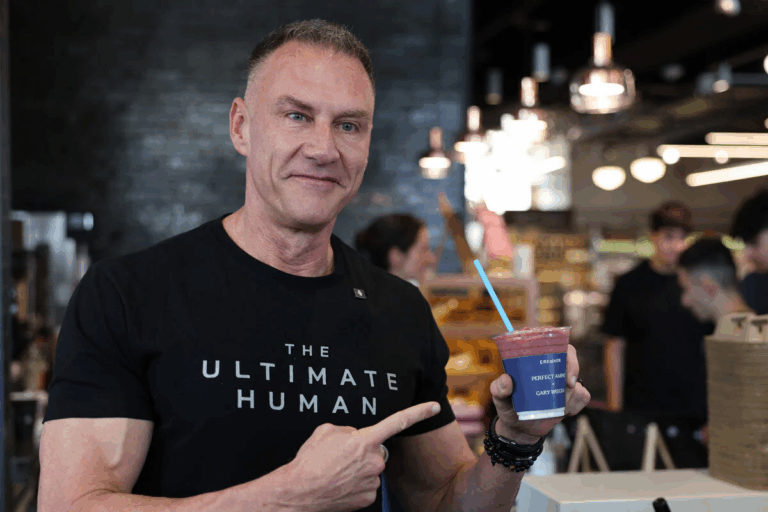
Gary Brecka’s Smoothie Recipe: The Complete Guide to His Perfect Amino Lean Body Smoothie

I’ll be honest with you. When I first heard about Gary Brecka’s smoothie, I thought it was just another wellness guru selling overpriced supplements in a blender.

But then I looked at what’s actually in it.

This isn’t your typical protein shake with some berries thrown in. Brecka, a human biologist who’s worked with everyone from NFL players to Fortune 500 CEOs, built this smoothie like an engineer designing a high-performance engine. Every ingredient has a specific job. Nothing is there for show.

The Perfect Amino Lean Body Smoothie does three things most breakfast options can’t pull off at once. It keeps your blood sugar steady so you don’t crash by 10 AM. It feeds your muscles without making you feel stuffed. And it actually wakes up your brain instead of just masking fatigue with caffeine.

Let me walk you through exactly what’s in this thing and why it works.

What Goes in the Blender

Here’s your shopping list:

  • 1 scoop PerfectAmino (essential amino acids)
  • 1 scoop Reds powder (beetroot, mushrooms, turmeric blend)
  • 1 cup hydrogen-infused water
  • 1 cup coconut water or coconut milk
  • Half an avocado
  • Half cup cauliflower rice (yes, really)
  • 1 cup mixed berries (blueberries, raspberries, strawberries)
  • 2 tablespoons coconut cream
  • Splash of lemon juice
  • Monk fruit sweetener to taste

Your first thought is probably “cauliflower in a smoothie?” I had the same reaction.

But it works because frozen cauliflower rice is basically tasteless and adds bulk without sugar. You won’t even know it’s there.

The whole thing takes about five minutes to make. Blend everything until smooth in a high-speed blender. Drink it within 30 minutes of waking up. That last part matters more than you’d think.

The 30/30/30 Method (And Why Morning Timing Changes Everything)

Brecka is big on something he calls the 30/30/30 method. Thirty grams of protein within thirty minutes of waking up, followed by thirty minutes of light cardio.

The morning timing isn’t just for convenience.

When you wake up, your cortisol is naturally high. Your body is deciding whether to burn fat or muscle for fuel. If you don’t eat, it often picks muscle. If you eat a bunch of carbs, your insulin spikes and fat burning stops. This smoothie threads the needle. The protein and healthy fats tell your body to preserve muscle. The low sugar content keeps insulin quiet. Your body stays in fat-burning mode even while you’re feeding it nutrients.

People who follow this timing report something interesting. They’re less hungry all day. Not in a jittery, appetite-suppressant way. Just genuinely less obsessed with their next meal.

If you’re curious about the full supplement strategy behind this approach, check out Gary Brecka’s complete supplement stack for the bigger picture on his optimization protocol.

PerfectAmino: Not Your Average Protein Powder

Most protein powders give you way more than you need. Your body can only use so much at once. The rest either gets stored as fat or just makes expensive urine.

PerfectAmino is different.

It’s pure essential amino acids in the exact ratio your body uses to build muscle. Almost 99% of it gets used for protein synthesis. Compare that to whey protein, where only about 40% actually builds muscle. One scoop of PerfectAmino does the work of six scoops of whey. But it has almost no calories because there’s no waste to process.

For someone trying to build muscle while losing fat, that’s huge. You get the muscle-building signal without the extra calories your body might store.

What’s the Deal with Reds Powder?

The Reds blend is where things get interesting from a performance angle.

It’s packed with beetroot, which your body converts to nitric oxide. Nitric oxide relaxes your blood vessels. More blood flow means more oxygen to your brain and muscles. You think clearer. Your muscles work better. You might even notice better pumps if you work out.

Research backs this up. A study published in Nutrients found that beetroot juice increases nitric oxide levels and improves blood pressure by enhancing vascular function.

Then there’s cordyceps mushroom. This stuff has been used in Chinese medicine forever, but Western research is catching up. Cordyceps appears to help your mitochondria (the energy factories in your cells) produce ATP more efficiently. More efficient energy production means you feel less wiped out.

Reishi mushroom and turmeric handle the inflammation side.

Hard training, stress, and even just existing in modern life creates inflammation. These ingredients help dial it down without suppressing your immune system the way some medications do.

Hydrogen Water: Sounds Fake But Actually Does Something

I was skeptical about hydrogen water. It sounds like something sold on late-night infomercials.

But molecular hydrogen is actually a selective antioxidant. It targets the most damaging free radicals in your cells without messing with the beneficial ones your body uses for signaling. Your mitochondria take a beating from oxidative stress. That’s partly why you feel tired after intense training or stressful periods. Hydrogen water helps protect those mitochondria so they keep producing energy efficiently.

Does it work as well as the studies suggest? Hard to say for certain. But it doesn’t hurt, and the research is promising enough that serious athletes are using it.

If you don’t want to buy pre-made hydrogen water, I use this hydrogen water bottle as a more economical alternative. You just fill it with regular filtered water and it infuses hydrogen on demand. Works great and pays for itself after a few months.

If you skip hydrogen water entirely and just use regular filtered water, the smoothie still works. You lose some antioxidant benefits, but everything else still functions.

Why Avocado Matters More Than You Think

Avocados get praised for their healthy fats, which is true but incomplete.

They’re loaded with lutein, a compound that concentrates in your brain and eyes. Studies show people who eat an avocado daily see improvements in memory, processing speed, and attention after just six months. The monounsaturated fats keep your blood sugar stable and help you absorb the fat-soluble vitamins from the berries and greens. They also keep you full. Not stuffed, just satisfied enough that you’re not thinking about food an hour later.

Plus, avocado makes the smoothie creamy without dairy.

If you’ve ever had a watery protein shake, you know why that matters.

The Secret Weapon: Cauliflower Rice

Cauliflower is basically a cheat code for adding volume and fiber without carbs.

Half a cup gives you bulk so the smoothie feels substantial. The fiber slows down absorption of the natural sugars from the berries. Your blood sugar rises gently instead of spiking. It also provides choline, which your body uses to make acetylcholine. That’s the neurotransmitter involved in memory and muscle activation. Not a huge amount, but it adds up when you’re drinking this daily.

The best part?

You can’t taste it at all when it’s blended with everything else.

Speaking of clever ingredient hacks, Dr. Rhonda Patrick’s smoothie uses a similar approach with greens you can’t taste but get all the benefits from.

Berries Without the Sugar Crash

Blueberries, raspberries, and strawberries are all relatively low in sugar compared to tropical fruits.

But they’re packed with anthocyanins. These compounds cross the blood-brain barrier and reduce oxidative stress in your brain tissue. Research shows regular berry consumption improves memory and executive function, especially as you age. The fiber content is high too. One cup of raspberries has 8 grams of fiber. That’s more than most people get in an entire breakfast.

The mix of three different berries isn’t just for variety. Each type brings different polyphenols and antioxidants. Blueberries are high in anthocyanins. Strawberries give you vitamin C and ellagic acid. Raspberries add ellagitannins. Together, they create a broader spectrum of protection than any single berry could.

Coconut Everything

Coconut water brings electrolytes. After sleeping for eight hours, you’re mildly dehydrated whether you realize it or not. The potassium, sodium, and magnesium help with muscle function and nerve signaling.

Coconut milk and cream add medium-chain triglycerides (MCTs).

Your liver converts these quickly into ketones, which your brain loves as fuel. MCTs give you energy without needing insulin, which fits perfectly with the low-carb approach Brecka uses. The fats also trigger satiety hormones. You feel satisfied faster and stay satisfied longer.

Monk Fruit: Sweet Without the Insulin Spike

This is the difference between a smoothie you’ll actually drink daily and one that sits in your fridge because it tastes like punishment.

Monk fruit extract is hundreds of times sweeter than sugar but doesn’t affect your blood sugar at all. The sweet compounds (mogrosides) pass through your body without being metabolized into glucose. Brecka’s whole approach is about keeping insulin low in the morning. Regular sugar or honey would defeat that purpose.

Monk fruit lets the smoothie taste good without breaking the metabolic state you’re trying to maintain.

Don’t Skip the Lemon

That splash of lemon brings vitamin C, which is obvious. Less obvious is how it primes your digestion. The acidity stimulates your stomach to produce digestive enzymes. When you’re about to drink a smoothie with fats, protein, and fiber, that digestive support helps you break everything down efficiently.

The sour taste also seems to wake people up in a way that’s hard to describe.

It’s refreshing in the morning when you’re still half asleep.

How It All Works Together

Here’s where the recipe gets clever.

Each ingredient individually is fine. But Brecka structured this so everything amplifies everything else. The fats from avocado and coconut help you absorb the fat-soluble antioxidants in the berries and Reds powder. Vitamin C from lemon and strawberries helps your body use the vitamin E from avocado more effectively. The fiber from cauliflower and berries slows absorption so you get steady energy instead of spikes.

The amino acids from PerfectAmino give your muscles building blocks right when they need them after the overnight fast.

The antioxidants from berries, Reds, and hydrogen water protect those muscles from the oxidative stress of training. Your blood vessels dilate from the beetroot nitrates. More blood flow means more oxygen and nutrients reaching your brain and muscles. You think clearer. You perform better.

The low insulin response from minimal sugar keeps your body in fat-burning mode. You’re feeding yourself high-quality nutrients while still mobilizing stored fat for energy.

It’s not magic. It’s just thoughtful stacking of complementary effects.

This synergistic approach mirrors what other health optimizers do. Dr. Andrew Huberman’s supplement stack follows similar principles of layering compounds that work better together than apart.

Who Should Actually Try This

This smoothie makes the most sense for people who want to lose fat without losing muscle.

If you’re trying to build strength while cutting body fat, the high protein utilization and low calories give you both at once. The 30/30/30 method timing helps preserve muscle even in a calorie deficit. People who struggle with morning brain fog tend to notice the difference quickly. The healthy fats, antioxidants, and stable blood sugar provide clear-headed energy without the coffee crash.

It’s also solid for anyone doing intermittent fasting or low-carb eating.

The smoothie breaks your fast with nutrients that don’t spike insulin, so you stay in a fat-adapted state. Athletes using it before morning training report better endurance and less soreness afterward. The combination of amino acids, electrolytes, and antioxidants supports both performance and recovery.

When to Skip It

If you’re trying to bulk up and need maximum calories, this probably isn’t enough by itself. It’s designed for lean muscle building and fat loss, not mass gaining.

People with coconut allergies obviously need to substitute. Regular milk or oat milk can work, though you lose some of the MCT benefits.

The supplement cost adds up.

PerfectAmino and a quality Reds powder aren’t cheap. If you’re on a tight budget, you can get maybe 70% of the benefit with just whey protein, frozen berries, and regular vegetables. You’ll miss some of the specialized compounds, but the fundamentals still work.

Pregnant or nursing women should talk to their doctor before loading up on concentrated supplements like these. The food ingredients are fine, but the supplement doses might need adjusting.

Making Smart Substitutions

Don’t have hydrogen water? Regular filtered water is fine. You lose the molecular hydrogen benefits, but everything else still functions. Or grab a hydrogen water bottle that lets you make it fresh whenever you need it.

Can’t afford PerfectAmino?

A high-quality EAA supplement with all nine essential amino acids is the next best thing. You’ll need more of it (maybe two scoops instead of one) because the amino acid ratio won’t be as optimized. No Reds powder? You can use plain beet powder plus a greens supplement. Add a turmeric capsule and some mushroom powder if you want the full effect. It’s more complicated but achieves similar results.

Hate avocado texture? Use a quarter cup of raw cashews or macadamia nuts instead.

Different fats, but they’ll still keep you full and help with nutrient absorption. Running low on berries? Any mix of low-sugar fruits works. Just keep it under a cup total and prioritize berries over tropical fruits to avoid blood sugar spikes.

Mistakes That Wreck the Results

The biggest mistake is drinking this too fast.

Chugging a smoothie because you’re rushed makes your stomach work harder and can cause bloating. Sip it over 15 to 20 minutes. Your body absorbs nutrients better when they arrive gradually rather than all at once.

Some people skip the fat (no avocado or coconut) to save calories. Bad idea. You need fat to absorb the vitamins and antioxidants. Without it, you’re wasting half the nutrients.

Others add extra fruit because they want it sweeter.

That defeats the entire low-insulin purpose. If you need more sweetness, use more monk fruit sweetener instead. Using hot liquid kills the amino acids and damages some of the nutrients. Everything should be cold or room temperature.

And timing matters more than people think. Drinking this at noon doesn’t give you the same metabolic benefits as having it within 30 minutes of waking up.

Your cortisol rhythm and insulin sensitivity are different throughout the day.

For perspective on how other health influencers handle morning nutrition, check out the evolution of Joe Rogan’s kale shakes to see how approaches differ.

What Happens Week by Week

First week, most people notice better morning energy. Not a caffeine buzz, but steady alertness that lasts into the afternoon. You’ll probably feel less hungry mid-morning. The protein and fat keep you satisfied longer than a typical breakfast.

Week two or three is when the mental clarity becomes obvious.

People describe it as thinking through fog clearing. Conversations are easier. Work feels less draining.

If you’re also following the 30 minutes of light cardio, fat loss usually becomes visible around week three or four. It’s not dramatic daily, but when you compare photos a month apart, the difference shows. Energy during workouts often improves in the second week. Better blood flow and nutrient delivery mean you can push harder without feeling destroyed afterward.

Sleep sometimes gets better too, which surprises people.

The theory is that stable blood sugar all day prevents the cortisol spikes that interfere with sleep quality.

Is This Actually Worth It?

Gary Brecka’s smoothie works because it addresses multiple systems at once. It keeps your metabolism in fat-burning mode while feeding your muscles. It reduces inflammation while increasing blood flow. It stabilizes your blood sugar while giving your brain premium fuel.

Is it the only way to accomplish these things?

No. You could eat a careful breakfast of eggs, vegetables, and berries and get similar results. But this smoothie is faster and more consistent. You don’t have to think about it or cook. Five minutes in a good blender and you’re done.

The real test isn’t whether the science is perfect. It’s whether you’ll actually do it every day.

Most people find this easier to stick with than complicated meal prep. And consistency beats perfection every time.

If you’re going to try it, commit to 30 days. That’s enough time to notice the real differences, not just placebo effects or day-to-day randomness.

Your body will tell you if it’s working.