
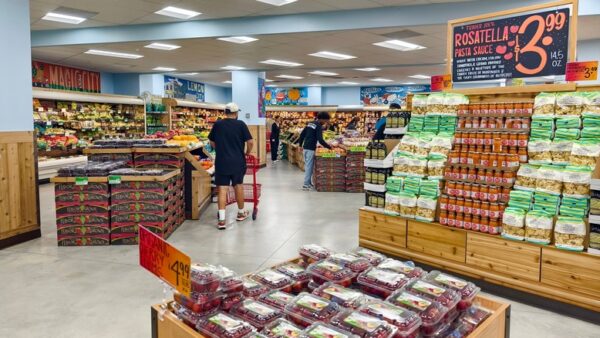
My Trader Joe’s cart used to be a mess. Mango stickers, a frozen thing that looked good on the endcap, maybe some crackers. Zero plan, zero protein, and I’d be hungry again by 3pm no matter what I bought.
Once I started building the cart around protein instead of vibes, shopping there got a lot more useful. Here’s what’s worth grabbing, organized by section so you’re not wandering the whole store with a list that makes no sense geographically.
Why Trader Joe’s Specifically Works for This
Portion size is the real reason this store fits a GLP-1 appetite better than a regular grocery chain. Almost everything here comes in single or double servings instead of family-size tubs, which matters a lot when your appetite from one week to the next is unpredictable.
No membership fee either, which matters if you’re also trying Costco for the bulk stuff. You can walk in, grab six things, and walk out in under ten minutes. That’s not nothing on a day when cooking, or even deciding what to eat, feels like too much.
There’s a food-waste angle too, one people on these medications don’t talk about enough. Buying in bulk when your appetite is unpredictable means a lot of food going bad before you get to it. Single-serve sizes mean less guilt, less waste, and less pressure to finish something just because it’s already open.
Why Protein Is Doing Most of the Work Here
GLP-1 medications and protein are already working the same angle. Research has found that high protein intake directly stimulates the release of GLP-1 and PYY, the same gut hormones your medication is designed around, which is part of why a protein-heavy plate keeps you fuller than a carb-heavy one at the same calorie count. That connection between protein and GLP-1 release isn’t a coincidence, it’s the same system from two directions.
There’s a less talked about reason it matters this much. Rapid weight loss on these medications doesn’t only burn fat. A body composition analysis from the SURMOUNT-1 trial found a meaningful share of total weight lost on tirzepatide came from lean mass, not just fat. That’s muscle.
Eating enough protein is one of the few levers you control here. A case series on preserving lean tissue during GLP-1 driven weight loss pointed to adequate protein intake, alongside resistance training, as the main defense. None of this requires perfect eating. It requires a cart that isn’t accidentally all carbs.
Dairy and Eggs
Start here. This aisle is the cheapest protein per dollar in the whole store, and almost none of it requires cooking.
- 1. Organic Whole Milk Plain Greek Yogurt (17g protein, 3/4 cup, ~$3.69). Skip the flavored versions, most of them are more sugar than yogurt at this point, and add your own berries or a drizzle of honey instead. Thick enough that it feels like eating something real, which matters on days your appetite is barely there. This is the base of half my breakfasts and most of my late-night “I should eat something” moments.
- 2. 4% Milkfat Small Curd Cottage Cheese (13g, 1/2 cup, ~$2.49). The full-fat version tastes like something, unlike the sad 1% tubs that taste like wet chalk. Good straight up with black pepper, blended into a dip with hot sauce, or stirred into eggs before you cook them for a protein boost you won’t even notice. Keeps for over a week in the fridge, so it’s forgiving if your appetite skips a day.
- 3. Hard-Boiled Eggs, pre-peeled (12g for 2 eggs, ~$3.99). Overpriced for what it is, peeling your own eggs costs pennies, and I buy it anyway every single week because peeling eggs myself just never happens. Grab two straight out of the fridge with a little salt when you’ve got zero energy to prep anything else. Protein and fat together like this tend to sit well even on a slow-digesting stomach.
- 4. Part-Skim Mozzarella String Cheese (8g per stick, ~$0.40). Forty cents a stick. Keep a bag in your car, your desk drawer, your purse, wherever you’ll find it when a GLP-1 hunger window shows up out of nowhere and closes just as fast. Not glamorous, just useful.
- 5. Egg Frittatas, two-pack (25g for both, ~$3.49). Eggs, whey protein, Swiss cheese, vegetables, all pressed into something that reheats in two minutes flat. The texture is closer to a dense quiche than scrambled eggs, which some people love and some find a little rubbery. Either way, 25 grams before 8am is hard to beat for the price.
Breakfast, For the Days You Have an Appetite
Mornings are hit or miss on a GLP-1. On the miss days, half of these still work cold, straight from the fridge, no stovetop required.
- 6. Chicken Breakfast Sausage Patties (13g for 2 patties, $2.99). Sage-seasoned, peppery, way better than they have any right to be for the price. Pan fry for two minutes a side if you want them crisp, or microwave straight through if you can’t be bothered, they hold up fine either way.
- 7. Protein Pancakes (20g for the full package, $3.79). Made with cottage cheese and eggs instead of flour, so they land somewhere between a pancake and a dense egg patty, a little eggy if you’re expecting Sunday-morning fluffy. I’m fine with that trade for 20 grams of protein in something that still feels like breakfast food.
- 8. Chocolate Almond Protein Smoothie (23g, ready to drink, $3.49). No blender, no cleanup, just grab and go. Lives in my car’s cupholder more mornings than I’d like to admit, usually on the days I know I won’t sit down to eat before noon. If you’d rather mix your own with the yogurt or cottage cheese above and a scoop of protein powder, a basic Velomix shaker bottle (2-pack, under $10) handles it without a blender.
Heat-and-Eat Meals With Real Protein In Them
This is where Trader Joe’s earns its reputation, and where it’s easiest to accidentally grab something that’s mostly sauce and rice. Every one of these clears 20 grams.
- 9. Beef Birria (32g, $7.99). Slow-cooked in a rich chile and tomato broth, the most protein per dollar on this entire list. Eat it straight from the bowl or shred it into tortillas if you’ve got the appetite for assembly. Pricier than most of this section, but it’s closer to a restaurant portion than a frozen dinner.
- 10. Family Style Meat Lasagna (21g per cup, $7.49). Four cheeses, real ground beef and pork, a full pan that feeds two or feeds me for two days depending on how hungry the week’s going. Reheats better than most lasagna, doesn’t dry out in the microwave the way a lot of frozen pasta does.
- 11. Butter Chicken with Basmati Rice (24g, $4.49). Portion out the rice if you’re watching carbs, the chicken and sauce alone still carry most of the protein and all of the flavor. Creamy, a little sweet, one of the better frozen curries I’ve had from anywhere, not just a grocery store freezer case.
- 12. Cheeseburger Burrito (27g, $4.49). Strange concept on paper, a burger stuffed into a tortilla, and it works better than it should. Cheddar, beef, burger toppings, all in something you can eat one-handed at your desk without a fork.
- 13. BBQ Teriyaki Chicken (31g, $6.49). My go-to when I want something that doesn’t taste like diet food. Sweet, a little sticky, pairs with rice or just eaten on its own straight out of the container if you’re not feeling fancy that night.
- 14. Salsa Verde Chicken Enchiladas (24g, $4.99). Dark meat chicken wrapped in corn tortillas under a tomatillo and green chile sauce. Heavier than it looks on the package, which is a good problem to have when finishing a meal is the hard part.
- 15. Chicken & Cheddar Cheese Sandwich (34g, $5.49). The single highest protein count on this list, and it’s a sandwich you grab on the way out the door, no heating required. Cranberry aioli keeps it from being dry, which is where most grab-and-go sandwiches fail.
- 16. Spaghetti with Meat & Sauce (27g, $4.49). House-made pasta, real Romano cheese, a meat sauce that tastes like somebody’s grandmother made it rather than a factory. Comfort food that happens to also be a legitimate protein source, which is rare in the pasta aisle.
- 17. Chicken Lettuce Wraps (29g, $5.99). Ground chicken, water chestnuts, a sesame-forward sauce, served over lettuce instead of rice. Lighter in feel than the number on the label suggests, but it fills you up anyway, probably the crunch doing some of the work.
- 18. Honey Walnut Shrimp (24g per cup, $6.99). Dessert-adjacent in flavor, a sweet cream sauce over battered shrimp with candied walnuts, and still 24 grams of protein per serving. Best treated as an occasional pick rather than a weekly regular, just given the sugar content.
- 19. Southwest Style Chicken Quesadillas (23g, $4.49). Beans and chicken both contributing real protein here, which is rarer than it should be in a quesadilla. Crisps up nicely in a skillet if you have two extra minutes instead of microwaving it soggy.
- 20. Chicken Caesar Wrap (33g, $5.49). Spinach tortilla, real chicken breast instead of the sad deli-meat kind, a Caesar dressing that doesn’t drown the whole thing. One of the few cold, no-prep options on this list that still hits past 30 grams.
Stuff You Can Throw in a Bag and Forget About
Appetite on these meds is unpredictable. Some days you want a full meal, some days you want to eat exactly three bites of something at 2pm and move on with your life. This section is for the second kind of day. A small insulated lunch bag is worth having if any of these are coming to work or the gym with you, the string cheese and smoked salmon especially don’t do well sitting in a hot car.
- 21. Beef Jerky, Original (11g per ounce, $3.99). No real surprises here, it’s just reliably good, the kind of thing you throw in a bag and forget about until you need it. Chewy enough that a small amount feels like you ate something.
- 22. Mini Uncured Salami Sticks (17g, $1.99). Cheapest protein per dollar on this entire list, snacks included. Shelf-stable, no fridge required, good for the glovebox or a desk drawer you never clean out.
- 23. Turkey Sticks (7g, $3.99). Milder and less salty than the beef or salami versions, a better fit if spicy or smoky snacks aren’t your thing. Lower protein count than the salami sticks, but easier to eat several in a row without getting sick of them.
- 24. Roasted Chickpeas, Sea Salt (6g per ounce, $2.29). Crunchy enough to satisfy a chip craving without the chips, though the protein count is modest compared to everything else in this section. Good as a texture fix more than a serious protein source.
- 25. Peanut Butter Squeeze Packs (7g, $4.99). Pricier than a jar for the same amount of peanut butter, but there’s no spoon, no cleanup, nothing to wash. I keep two or three in my bag at all times for the moment hunger shows up with no warning.
- 26. Protein-Packed Chewy Granola Bars (10g, $3.99). Doesn’t taste like cardboard, which a lot of “protein bars” fail at. Soft and chewy rather than the dense, chalky texture you get from most gym-aisle protein bars.
If You’re Skipping Meat Some or All of the Time
Plant-based protein at Trader Joe’s is a mixed bag. A lot of their meatless options lean on starch and oil more than actual protein. These two don’t.
- 27. Organic 3 Grain Tempeh (19g per 3oz, $2.49). Soybeans, rice, and barley pressed into a dense block that’s bland straight out of the package. Pan fry it with soy sauce and garlic for five minutes and it turns into something worth eating, one of the better plant protein counts on this entire list.
- 28. Organic Shelled Edamame (9g per 1/2 cup, $2.49). Microwave from frozen in about 4 minutes, dump it on a salad, toss it with sesame oil and salt, or eat it plain straight from the bowl. Lower protein than the tempeh, but zero effort and almost no cleanup.
From the Seafood Case
Fish doesn’t get enough credit on these lists. It digests easier than red meat when your stomach’s already running slow, and both of these need zero prep.
- 29. Wild Smoked Atlantic Salmon (16g per 2oz, $4.99). Lay it over cottage cheese with a sprinkle of everything bagel seasoning for a lazy, high-protein breakfast that takes about ninety seconds to put together. Better protein-to-price ratio of the two salmon options here.
- 30. Everything But The Bagel Seasoned Smoked Salmon (11g, $6.49). Buttery texture, sesame and garlic baked right into the fish itself instead of sprinkled on after. Pricier than the wild smoked version above and lower in protein per serving, but the flavor’s strong enough that I still buy it on rotation.
A Few Things That Look Healthy But Aren’t Pulling Their Weight
Trader Joe’s is excellent at packaging. A lot of their “healthy” aisle is still mostly carbs wearing a green label and a picture of a leaf on the front. Worth knowing before you fill the cart with the wrong stuff by accident and wonder later why you’re still hungry an hour after eating.
- Most granola, even the “protein” varieties that aren’t the chewy bars above, runs light on protein and heavy on oats and dried fruit. Check the label, don’t assume the word protein on the bag means much.
- Veggie chips and lentil crisps feel virtuous and function like regular chips calorically. Fine occasionally, just don’t count them as a protein source.
- Smoothie-style juices, even the green ones, are mostly fruit sugar with a little kale thrown in. Not the same category as the protein smoothie above.
- Hummus is a fine snack but it’s not a protein source on its own. Pair it with something, don’t rely on it alone.
Building an Actual Cart Out of This
Don’t buy all 30. Nobody’s fridge has room and nobody’s appetite on a GLP-1 can get through that much food in a week anyway. Grab 2 or 3 from each section, see what you reach for again on autopilot, and adjust next trip. The Greek yogurt and hard-boiled eggs have stayed on my list every single week for over a year. Half the frozen meals rotate in and out depending on my mood.
Prices shift a little store to store and month to month, so treat these as close estimates, not gospel. And if your nearest Trader Joe’s is an hour away, a Costco-focused version of this same list is coming next, since a lot of these categories overlap.
A sample day out of this list, if it helps: Greek yogurt with the egg frittata for breakfast, a string cheese and some jerky between meals if you’re hungry, and one of the heat-and-eat chicken meals for dinner. That’s close to 70 grams of protein without cooking a single thing from scratch.
On a lower-appetite day, scale it down instead of skipping meals entirely. Half the egg frittata in the morning, a string cheese at lunch, and the smoked salmon over cottage cheese for dinner still gets you somewhere respectable on protein without forcing down a full plate you don’t want.
One more habit worth building. Flip the package over before it goes in the cart and check grams of protein against the serving size, not just the front label. A lot of these meals list two servings per package when most people on a reduced appetite eat the whole thing in one sitting, which changes your actual protein math more than people realize. A cheap Etekcity food scale settles the math fast if you’re tracking protein closely instead of eyeballing it.
FAQ
What should I prioritize if I only have 10 minutes in the store?
Greek yogurt, hard-boiled eggs, cottage cheese, and two or three of the heat-and-eat chicken meals. That covers breakfast, a snack, and dinner without much thought.
How much protein should I be eating on a GLP-1?
Most research on preserving lean mass during rapid weight loss points toward 25 to 30 grams per meal, roughly 0.6 to 0.8 grams per pound of your goal body weight per day. Your prescriber or a dietitian can give you a number specific to your situation.
Are the frozen meals here too high in sodium?
Some run high, especially the Asian-inspired ones. If you’re watching sodium specifically, check the label before you toss it in the cart, and lean more toward the simpler options like the lasagna or birria.
Where can I buy high-protein snacks if I don’t have a Trader Joe’s nearby?
A few solid Amazon equivalents cover the same ground: Chomps beef sticks and Built Puff protein bars hit the same niche as the grab-and-go section above.
Does Trader Joe’s restock the same items every week?
Mostly, but Trader Joe’s is known for rotating and discontinuing items without warning. If something on this list disappears from your store, that’s a Trader Joe’s thing, not a sign you’re shopping wrong.
Can I meal prep with these frozen and refrigerated meals?
Yes, most of the heat-and-eat options hold up fine for 3 to 4 days refrigerated. Buy a few of the same meal on one trip if you want actual meal prep instead of grabbing something different each night, and portion them into glass meal prep containers instead of eating straight from the packaging, which helps with the portion-control side of this too.
Is this cheaper than a meal delivery service built for GLP-1 users?
By a wide margin. Most of these meals land between $4 and $8 each, where a lot of subscription meal delivery services built around weight loss medications run $10 to $15 per meal for similar protein counts.
One Trip at a Time
You don’t need a perfect pantry overhaul this week. Swap two or three low-protein regulars for something off this list, see how it sits with your appetite, and build from there. That’s basically how my own cart stopped being a grab bag of whatever looked good by the door, one trip at a time, no overhaul required.
Product availability, pricing, and formulations at Trader Joe’s change frequently and vary by location. This article is for educational purposes only and is not medical or nutrition advice. Talk to your prescriber or a registered dietitian about your specific protein and calorie needs.
This article contains affiliate links. BrainFlow may earn a commission on qualifying purchases at no additional cost to the reader. We only recommend sources we trust.