

DSIP is one of the most misunderstood peptides in the biohacking space. The name says “delta sleep-inducing peptide” but the research tells a more complicated story.
The sleep effects are real but inconsistent. They show up strongest in people whose sleep is already messed up and barely register in healthy sleepers. What does show up consistently is stress modulation, pain relief, antioxidant protection, and some of the most dramatic withdrawal treatment results ever published.
Most DSIP articles online present the sleep benefits as a sure thing. They are not. But what DSIP actually does well is arguably more interesting than what it was named for.
This guide covers what DSIP is, what the research actually shows (good and bad), dosing protocols, side effects, the 2026 FDA situation, and how it compares to melatonin and prescription sleep meds.
If you have been through the melatonin, magnesium, and sleep hygiene checklist and still wake up feeling like you barely slept, DSIP is one of the more interesting options to look into.
Nearly half off everything at Everest Peptides
Everest Peptides' card processor is offline right now, so instead of waiting it out they're running a bank payment sale. Every peptide is 40% off, and code BRAINFLOW stacks another 15% at checkout. Pay with Zelle or Pay by Bank, same day shipping before 3pm ET, every batch third-party tested with the COA on the product page. Rated 4.9 on Trustpilot.
Shop the 40% off sale Code BRAINFLOW at checkout. Zelle and Pay by Bank only during the sale.What Is DSIP?
DSIP stands for Delta Sleep-Inducing Peptide. It is a nine-amino-acid peptide (Trp-Ala-Gly-Gly-Asp-Ala-Ser-Gly-Glu) that was first isolated from rabbit brains in 1977 by Schoenenberger and Monnier at the University of Basel in Switzerland.
Your body actually makes DSIP naturally. It has been found in the hypothalamus, pituitary, gut, plasma, cerebrospinal fluid, and even breast milk at measurable concentrations. Plasma levels follow a circadian rhythm with peaks in the late afternoon.
The fact that your body produces DSIP endogenously and that levels fluctuate with your sleep-wake cycle suggests it plays a real physiological role. The question is whether adding more from the outside actually helps, and the answer depends a lot on your baseline.
What makes DSIP unique in the peptide world is that after almost 50 years of research, nobody has found its gene, its receptor, or its precursor protein.
That is unprecedented. Every other known neuropeptide has all three identified. DSIP has none.
A 2006 review in the Journal of Neurochemistry called DSIP “a still unresolved riddle” and concluded the sleep hypothesis is “extremely poorly documented and still weak.” That is not a great endorsement for a peptide named after sleep. But the non-sleep benefits reviewed in the same paper were more convincing.
People look into DSIP for several reasons:
- Sleep quality improvement: multiple human studies show DSIP helps normalize disrupted sleep patterns, especially in chronic insomniacs
- Stress and cortisol modulation: animal data shows DSIP dampens the stress response at the pituitary level without shutting down cortisol production entirely
- Pain relief: DSIP triggers your body’s own endorphin release (Met-enkephalin) rather than binding opioid receptors directly
- Antioxidant protection: DSIP boosts SOD, catalase, and glutathione activity and protects mitochondria from hypoxic damage
- Withdrawal support: the largest DSIP study ever (107 patients) showed 87-97% improvement in alcohol and opiate withdrawal symptoms
- Remarkably safe: no dose of DSIP has ever killed an animal in any study. The LD50 has literally never been determined because it cannot be reached
Given the immunogenicity concerns the FDA flagged with DSIP, purity is not optional here. We source ours from Paramount Peptides because they publish batch-specific COAs with HPLC and mass spec verification. Code BRAINFLOW saves 10%.
DSIP crosses the blood-brain barrier easily. Banks et al. (1984) confirmed this using radiolabeled DSIP, showing it gets through via passive diffusion.
That is why subcutaneous and even nasal spray delivery can produce brain effects. Most peptides cannot cross the BBB, which makes DSIP unusual.
🇺🇸 Our Trusted Peptide Source
Paramount Peptides: DSIP
99%+ purity · HPLC & mass spec verified · In-house synthesis · 12+ years in business · Code BRAINFLOW saves 10%
Shop DSIP at Paramount → Code BRAINFLOW Saves 10%For laboratory and research use only. Not for human consumption.
How DSIP Works
Nobody knows exactly how DSIP works. There is no identified receptor for it, which is a first in neuropeptide science.
Researchers have proposed it might interact with GABA receptors, NMDA receptors, or alpha-1 adrenergic receptors, but nothing has been confirmed.
What we do know is what it does downstream. DSIP affects multiple systems at once rather than hitting one specific target. Think of it less like a drug and more like a regulatory signal that nudges several systems toward balance.
For sleep, it appears to modify how deeply you sleep rather than forcing you to fall asleep. Think of melatonin as telling your brain when to sleep. DSIP seems to influence how restorative that sleep is once you get there.
For stress, it dampens the HPA axis response. Animal research shows DSIP reduces CRF-stimulated cortisol release at the pituitary level. It dials down the stress signal without disabling your ability to produce cortisol when you actually need it.
Nakamura et al. (1989) showed that DSIP does not bind opioid receptors directly. Instead, it triggers your brainstem to release Met-enkephalin, one of your body’s natural painkillers.
This indirect opioid mechanism is why DSIP shows pain relief without the addiction risk of direct opioid drugs.
For antioxidant defense, DSIP upregulates your body’s own protective enzymes: SOD, catalase, glutathione peroxidase. One study showed DSIP pretreatment completely prevented hypoxia-induced damage to mitochondrial respiration in rats.
The big picture: DSIP seems to work as a broad stress-protective and sleep-normalizing peptide rather than a targeted drug with one specific action. That makes it harder to study but potentially useful for people dealing with overlapping issues like poor sleep, high stress, and chronic pain.
DSIP Benefits
Sleep Quality
The sleep data on DSIP is a mixed bag, and you should know that upfront. Some studies show clear improvement, others show almost nothing. The pattern that emerges is this: DSIP helps when sleep is already broken.
The best positive study tested 14 chronic insomniacs over 7 nights in a double-blind, placebo-controlled setup. DSIP normalized their sleep efficiency, daytime alertness, and performance to healthy control levels. The effects even carried over into the first post-treatment night.
An earlier study in 6 healthy volunteers showed a 59% increase in total sleep time within about 2 hours of a morning IV dose. No sedation on EEG, just natural-feeling sleep pressure.
But the most rigorous independent study (16 insomniacs, double-blind) found only weak improvements and concluded DSIP is “not likely to be of major therapeutic benefit.” That study came from a different research group than the positive ones, which is worth noting.
DSIP is not a sleeping pill. It does not sedate you and it does not knock you out.
What it seems to do is push disrupted sleep toward normal patterns. If your sleep is already good, you probably will not notice much. If your sleep is chronically off from stress, the research and community reports are more encouraging.
Community feedback lines up with this. People with stress-driven insomnia or poor sleep quality tend to report the best results. People who sleep fine and are looking for “even deeper sleep” tend to be underwhelmed.
Most people who respond well notice it within the first week, with effects building over 2 to 4 weeks of repeated use. Some of the original research showed benefits that persisted for months after stopping.
If you are 2 weeks in and noticing nothing, check your source quality and try adjusting the dose down before giving up.
Stress and Cortisol
This might actually be DSIP’s strongest suit, even though it gets less attention than the sleep angle.
Animal research shows DSIP reduces the stress-induced cortisol spike by acting at the pituitary level. It does not shut cortisol down entirely (you need cortisol for normal function), it just prevents the overreaction.
One study found DSIP’s stress-protective effects were stronger in stress-vulnerable animals than stress-resistant ones. That tracks with the sleep data: DSIP seems to help most when something is already off.
Research on depressed patients found that DSIP levels dropped in response to CRH stimulation, while healthy controls showed a slight increase. Basal DSIP and cortisol were both elevated in depressives and highly correlated. This suggests DSIP plays a real role in stress regulation, not just sleep.
If you are running a high-stress lifestyle and your sleep suffers because of it, this is where DSIP makes the most theoretical sense. It addresses both the stress response and the downstream sleep disruption.
A lot of people in the peptide community who report the best DSIP results are high-performers, entrepreneurs, and athletes dealing with chronically elevated cortisol. The pattern in the research matches: DSIP seems to help most when your stress system is already running hot.
Pain and Recovery
DSIP’s pain relief works through your body’s own endorphin system. Rather than binding opioid receptors (like morphine or fentanyl), it triggers Met-enkephalin release from your brainstem. Natural pain relief, natural pathway.
A small human pilot study treated 7 chronic pain patients with IV DSIP over multiple sessions. Six of the 7 showed significant pain reduction along with reduced depression scores. Uncontrolled and tiny, but the dual pain-and-mood improvement is consistent with the Met-enkephalin mechanism.
Dick et al. (1984) treated 107 patients going through alcohol or opiate withdrawal with IV DSIP. Improvement rates hit 87-97% across both groups.
Somatic symptoms resolved quickly, anxiety took longer.
These were open-label studies from the 1980s with no placebo control, so take the exact numbers with caution. But 107 patients is a decent sample size and the results were consistent across both substance types.
For people dealing with chronic pain alongside poor sleep, DSIP hits both issues through one mechanism. The Met-enkephalin release that reduces pain also promotes relaxation and sleep drive. That dual action is hard to get from other compounds without stacking multiple things.
Antioxidant and Neuroprotection
DSIP boosts your body’s own antioxidant defense system. Animal studies show it increases SOD, catalase, glutathione peroxidase, and glutathione reductase activity. It also protects mitochondria from oxidative damage under stress conditions.
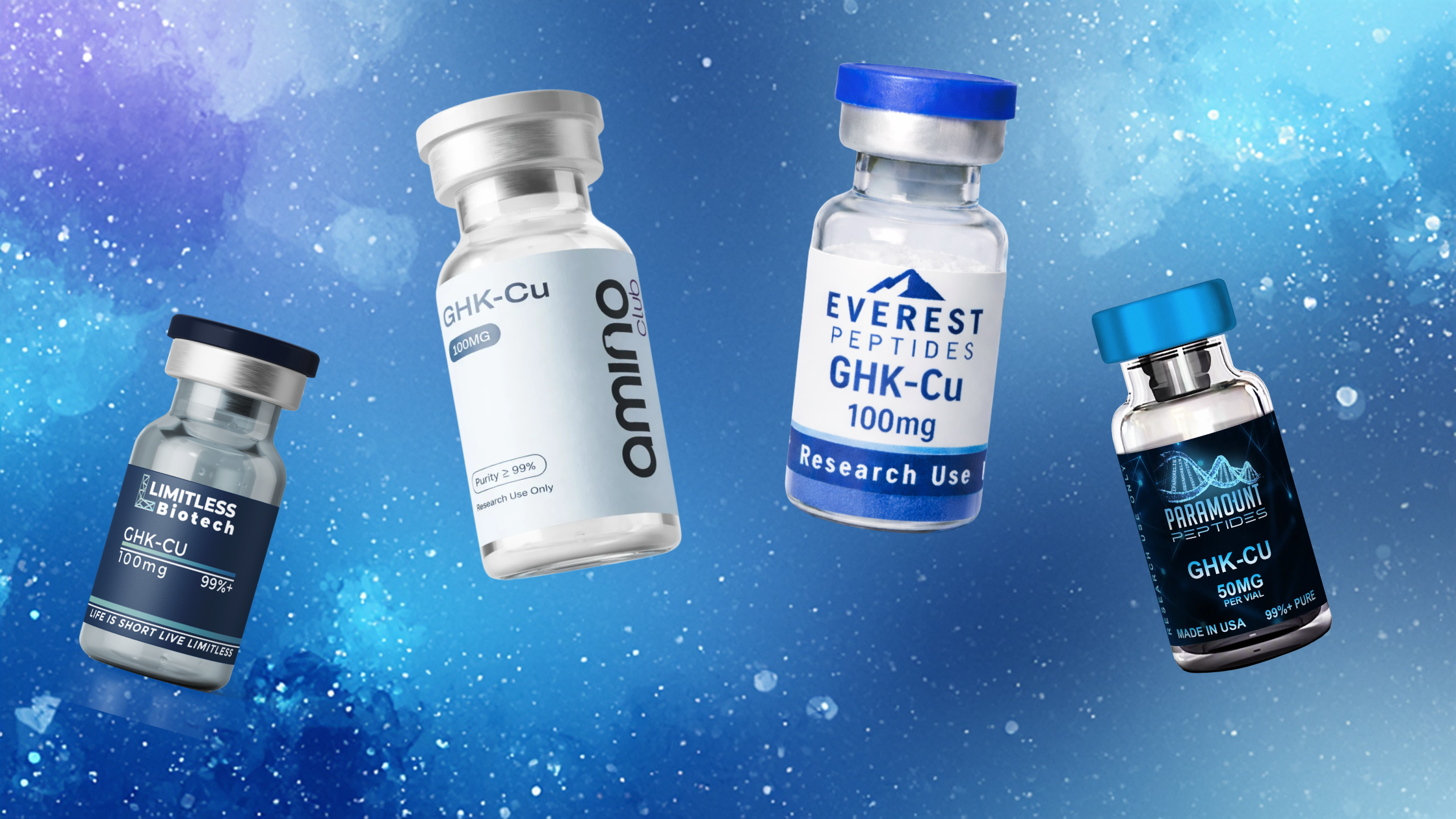
If you are interested in peptides with antioxidant properties, GHK-Cu works through a different but complementary pathway.
A 2021 study tested intranasal DSIP in rats after stroke and found improved motor function recovery. A long-term mouse study showed DSIP reduced spontaneous tumor incidence by 2.6x and increased maximum lifespan by about 24%. Single study, single mouse strain, never replicated, but interesting data points.
For the biohacking crowd, the antioxidant and mitochondrial protection angle is underrated. Most people take DSIP for sleep, but the cellular protection data is actually more consistent than the sleep data.
If you are already into longevity protocols with peptides like tesamorelin or compounds from our fat loss peptide guide, the antioxidant angle gives DSIP a secondary value beyond sleep.
DSIP vs Melatonin vs Prescription Sleep Aids
These three get compared constantly but they do completely different things.
| Feature | DSIP | Melatonin | Rx Sleep Meds |
|---|---|---|---|
| What It Does | Normalizes sleep depth and architecture | Signals when to sleep (circadian timing) | Forces sleep via GABA sedation |
| Best For | Stress-driven poor sleep quality | Jet lag, circadian rhythm issues | Acute insomnia, short-term use |
| Sedation? | No | Mild at higher doses | Yes (that is the point) |
| Deep Sleep Effect | May increase delta wave activity | No direct effect on depth | Actually suppresses deep sleep |
| Morning Hangover? | No | Rare | Common |
| Tolerance Risk | Not documented | Possible at high doses | Yes (significant) |
| Evidence Quality | Limited (small human studies) | Strong (many meta-analyses) | Very strong (Phase III trials) |
| How You Take It | Injection or nasal spray | Oral (OTC) | Oral (prescription) |
The key distinction: melatonin tells your brain when to sleep, prescription meds force your brain to sleep, and DSIP (if it works as proposed) improves how deeply and restoratively you sleep once you get there.
Prescription sleep meds like Ambien and benzos actually suppress deep sleep, which is the exact sleep stage your body needs most for recovery, memory consolidation, and growth hormone release. DSIP takes the opposite approach by promoting delta wave activity. That is a meaningful difference if recovery is part of your goal.
For most people, melatonin is the obvious first choice because it is cheap, OTC, and well-studied for circadian issues.
DSIP is for a different problem: people who fall asleep fine but wake up feeling unrested, or whose sleep quality has tanked from chronic stress.
Dosing Protocol
DSIP has a U-shaped dose-response curve, which means both too little and too much reduces the effect. If a higher dose gives you worse results, try going lower instead of higher.
This is backwards from how most compounds work and it catches a lot of people off guard.
Subcutaneous Injection
Start at 100 mcg and increase by 50 mcg every week or two based on response. Most people settle in the 200 to 300 mcg range. Inject 30 to 60 minutes before bed.
Rotate injection sites between abdomen, thigh, and upper arm. Some people find DSIP works best when paired with their existing wind-down routine rather than used in isolation.
Nasal Spray
Intranasal dosing runs a bit higher than subcutaneous, typically 150 to 300 mcg total, split between nostrils. Same timing: 30 to 60 minutes before bed.
Nasal delivery gets DSIP to the brain quickly but absorption varies from person to person and even day to day depending on congestion. Some people prefer subcutaneous for the consistency and switch to nasal only when traveling.
Reconstitution and Cycling
For a 5 mg vial: add 2 mL bacteriostatic water to get 2,500 mcg/mL. For a 250 mcg dose, draw 10 units (0.1 mL) on a U-100 insulin syringe. Swirl gently, never shake.
Store reconstituted vials in the fridge and use within 4 weeks. DSIP degrades faster than most peptides once in solution, so do not let it sit at room temperature.
Cycle 2 to 4 weeks on, 2 weeks off. Some people run it 3 to 5 nights per week rather than nightly.
The original research showed cumulative benefits with repeated dosing and effects that persisted even after stopping. One early study reported improvements lasting 3 to 7 months after a course of DSIP. That carry-over effect is unusual for any sleep compound.
A 5 mg vial from Paramount Peptides gives you about 20 doses at 250 mcg, which covers a full 3-week cycle. At their current pricing with code BRAINFLOW (10% off), it is one of the more affordable peptide protocols to run.
| Route | Dose Range | Timing | Notes |
|---|---|---|---|
| Subcutaneous | 100-300 mcg | 30-60 min before bed | Start low, titrate up slowly |
| Nasal Spray | 150-300 mcg | 30-60 min before bed | Split between nostrils |
| Cycle | N/A | 2-4 weeks on, 2 off | Or 3-5 nights/week ongoing |
🇺🇸 Recommended Source for DSIP
Paramount Peptides: DSIP
DSIP degrades faster than most peptides and purity is critical for avoiding immune reactions. The FDA flagged immunogenicity as the primary safety concern with compounded DSIP.
99%+ purity · HPLC & mass spec COA · In-house synthesis in Southern California · 12+ years in business · Code BRAINFLOW saves 10%
Get DSIP at Paramount Peptides → 10% Off with BRAINFLOWFor laboratory and research use only. Not for human consumption.
Side Effects
DSIP has one of the cleanest safety records of any peptide studied. No dose has ever killed an animal in any experiment. The researchers could not even determine an LD50 because it was impossible to reach a lethal dose.
The first human study reported zero side effects in all 6 volunteers. That said, community reports and clinical notes mention headache (most common, usually means dose is too high), mild nausea, occasional dizziness, and vivid dreams.
Some people report paradoxical insomnia at certain doses. This ties back to the U-shaped dose-response curve. If DSIP is making your sleep worse, try reducing the dose before assuming it does not work for you.
The FDA’s main concern with DSIP is immunogenicity, meaning the potential for your immune system to react to the injected peptide. This risk goes up with lower-purity products that contain synthesis byproducts. No published cases of serious immune reactions to DSIP exist, but the concern is real in theory.
No long-term safety data exists and all human studies were short-term (days to 2 weeks).
No drug interaction studies have been formally conducted. Use caution combining DSIP with sedatives, benzodiazepines, or alcohol.
Who Should Avoid DSIP
Since long-term safety data does not exist and the mechanism is not fully understood, play it safe if you fall into any of these groups:
- Pregnant or breastfeeding (DSIP is found naturally in breast milk, but supplemental dosing is unstudied)
- Anyone on sedatives, benzodiazepines, or Z-drugs (potential additive CNS depression)
- People taking ACE inhibitors like captopril (may slow DSIP breakdown and increase exposure)
- Anyone with known peptide allergies or immune sensitivities
FDA Status and Legality in 2026
DSIP (listed as Emideltide) was placed on the FDA Category 2 “do not compound” list in September 2023. The FDA specifically cited immunogenicity risk as its primary concern. Category 2 means compounding pharmacies cannot legally prepare DSIP for patients.
In February 2026, HHS announced that about 14 of the 19 Category 2 peptides would be moved back to Category 1. Whether DSIP is among those 14 is not confirmed.
Given that the FDA flagged immunogenicity specifically for DSIP, its return to Category 1 is less certain than peptides like BPC-157 or KPV. The immunogenicity concern is specific to DSIP and was called out separately from the general safety language used for other peptides.
No formal reclassification has been published yet, so DSIP remains Category 2 until that changes.
Research peptides are available from online vendors in a legal gray area. Our Huberman peptide guide covers the broader 2026 regulatory picture.
Stacking DSIP with Other Peptides
DSIP pairs well with other peptides depending on what you are trying to accomplish.
DSIP + Selank is the most popular sleep-focused stack. Selank reduces anxiety (a common root cause of poor sleep) while DSIP works on sleep architecture. Different mechanisms, complementary effects.
DSIP + Epithalon targets sleep from two angles. Epithalon boosts your body’s own melatonin production (circadian timing) while DSIP works on sleep depth. This covers both when you sleep and how well you sleep.
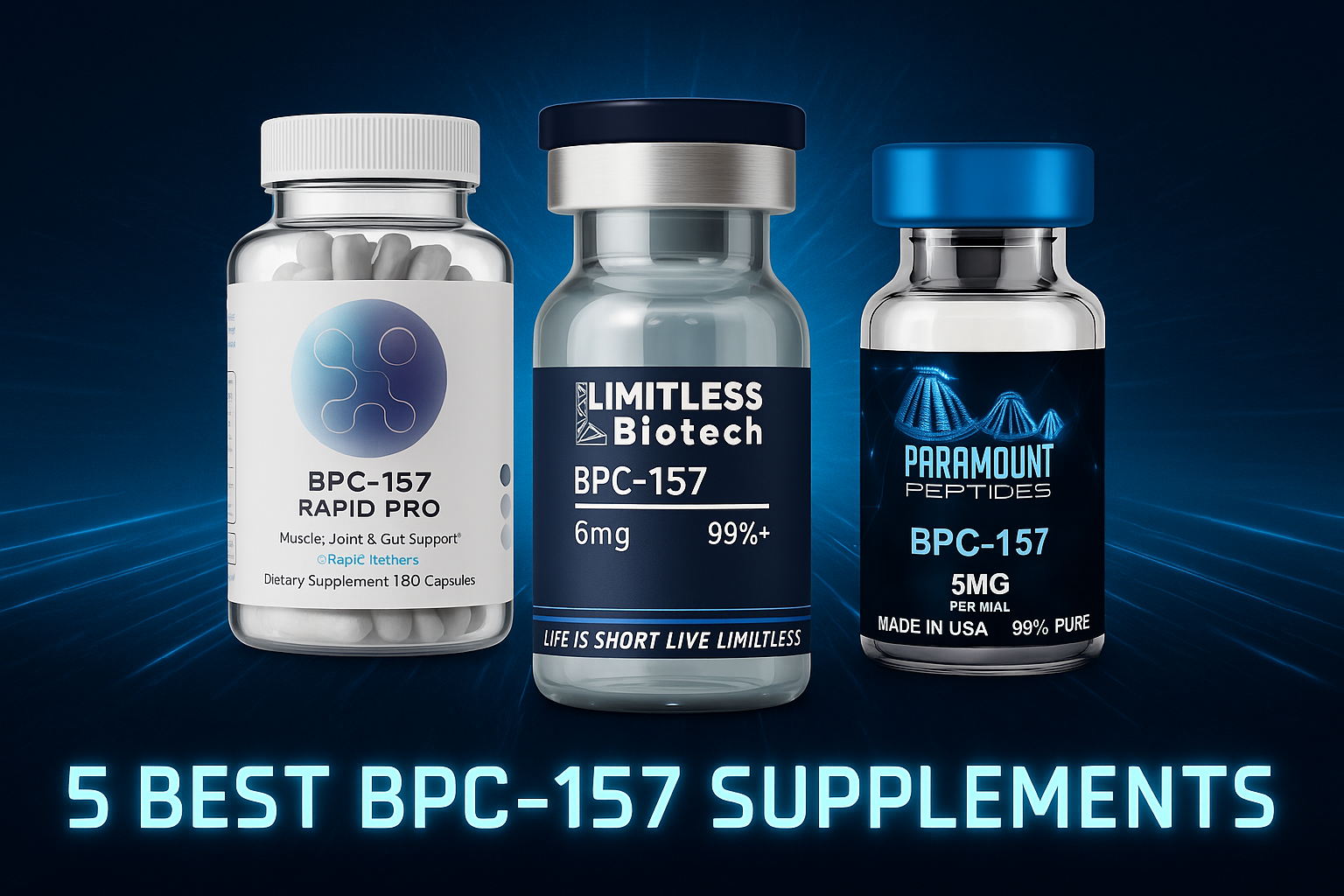
DSIP + BPC-157 is popular in the recovery crowd. Deep sleep is when your body does most of its repair work, so pairing a sleep-quality peptide with a tissue-repair peptide makes sense for athletic recovery.
If you are dealing with gut issues alongside poor sleep (which is extremely common), the DSIP + BPC-157 combination addresses both. Our BPC-157 guide covers the gut healing side in detail.
DSIP + low-dose melatonin (0.3 to 0.5 mg) covers the full sleep equation: melatonin handles timing, DSIP handles depth. Neither one sedates.
For protocol ideas beyond sleep, check out our peptides for men guide.
Where to Buy DSIP
Purity matters more with DSIP than with many other peptides. The FDA’s immunogenicity concern is specifically about impurities in synthetic peptides triggering immune reactions. Lower-purity products carry higher risk.
DSIP also degrades faster than most peptides once reconstituted. Improper storage or product sitting on a shelf too long means reduced potency by the time it reaches you. This is one of the more common reasons people say DSIP “did nothing” for them.
Look for a COA that shows HPLC purity at 98%+, mass spectrometry identity confirmation, and endotoxin testing. Third-party verification (not just the manufacturer’s own testing) is ideal.
We run DSIP from Paramount Peptides and have for a while now. In-house synthesis in Southern California, 12+ years in business, 99%+ purity with batch-specific COAs you can actually verify. Code BRAINFLOW saves 10% on any order.
Given the immunogenicity concern, this is not a peptide where you want to gamble on the cheapest source you can find. Check current DSIP pricing at Paramount here.
Frequently Asked Questions
Is DSIP a sleeping pill?
No. DSIP does not sedate you or knock you out. It works more like a sleep normalizer that pushes disrupted patterns toward normal.
People with good sleep typically notice very little effect. People with stress-driven or chronic insomnia tend to see more benefit.
How is DSIP different from melatonin?
Melatonin tells your brain when to sleep (circadian timing). DSIP appears to influence how deeply you sleep once you are there. They work through completely different mechanisms and can be combined at low doses.
Is DSIP FDA approved?
No. DSIP has never been FDA approved for any use and it is currently on the Category 2 restricted list.
A potential reclassification was announced in February 2026 but the formal updated list has not dropped yet.
Can you take DSIP orally?
Oral bioavailability is disputed. One review claimed DSIP can be absorbed from the gut, but a lab study using intestinal cell models suggested it cannot cross the lining. Stick with subcutaneous injection or nasal spray for reliable delivery.
Does DSIP boost growth hormone?
In rats, yes. Animal studies show DSIP stimulates GH release through hypothalamic pathways.
But a human study in 8 women found DSIP did not change GH levels at all. The animal-to-human translation appears to fail for this one.
Is DSIP safe?
The safety record is remarkably clean. No lethal dose has ever been found in any animal and human studies report minimal side effects.
The main theoretical concern is immunogenicity from impure product. No long-term human safety data exists.
What does the U-shaped dose response mean?
It means more is not better. DSIP works best in a specific dose range, and going above or below that range can reduce the effect.
If a higher dose gives you worse results, try lowering it. This is the most common dosing mistake people make with DSIP.
Can you stack DSIP with Selank?
Yes, this is the most popular sleep-anxiety stack in the peptide community. Selank handles the anxiety component while DSIP handles sleep architecture.
Different pathways with no known interactions.
Final Verdict
DSIP is a peptide with an identity crisis. It was named for sleep induction but its strongest evidence is in stress protection, pain relief, antioxidant defense, and withdrawal treatment.
That does not mean the sleep benefits are fake. Community feedback is consistently positive from the right user profile: high-stress, poor sleep quality, waking up unrested despite adequate sleep duration. If that describes you, the research gives a reasonable basis for trying it.
The sleep data is mixed but it works best when sleep is already disrupted, especially by stress.
If you are looking for something to knock you out at night, DSIP is not it. If your issue is unrestorative sleep tied to a high-stress life, the research and community feedback are more promising.
The safety profile is about as clean as it gets for any compound. The tradeoffs are a limited evidence base (small studies, mostly from the 1980s), an uncertain regulatory future, and a mechanism that science still has not fully figured out.
For people who have already tried melatonin, sleep hygiene, and stress management but still wake up feeling wrecked, DSIP is worth researching. Pair it with Selank if anxiety is part of the picture.
Keep the dose low, respect the U-shaped curve, and source from somewhere that takes purity seriously. Given the immunogenicity concern, this is one peptide where quality of supply directly affects safety.
Related Reading
- BPC-157 Guide: Benefits, Dosing, and How It Works
- KPV Peptide: The Complete Guide
- Best Peptides for Men in 2026
- GHK-Cu Peptide: The Complete Guide
- Andrew Huberman Peptide Guide
DSIP is not FDA-approved for any indication. All information in this article is provided for educational and research purposes only and does not constitute medical advice.
DSIP is sold as a research peptide for laboratory use only. Consult a qualified healthcare provider before beginning any peptide protocol.
3 Comments