
Your body already produces its own weight loss hormone, and you can boost it naturally without spending $1,000 a month on prescriptions.
GLP-1, the same hormone mimicked by medications like semaglutide and tirzepatide, responds dramatically to specific foods and supplements.
But here’s what the supplement industry doesn’t want you to know: most “GLP-1 boosters” on the market are worthless. Today, we’re cutting through the hype to reveal what actually increases your natural GLP-1 production based on real science, not marketing claims.
The Science of Natural GLP-1 Production
Your L-cells, located throughout your intestines, are constantly monitoring what you eat.
When they detect certain nutrients, they release GLP-1, which then slows digestion, increases insulin sensitivity, and signals fullness to your brain. Research published in Nutrients shows that natural GLP-1 secretion can be enhanced by 40-60% through dietary interventions alone.
The problem? Modern processed foods bypass this system entirely.
They’re absorbed so quickly that your L-cells barely register them. Meanwhile, the foods that strongly trigger GLP-1 are the exact ones most people avoid: bitter vegetables, fermented foods, and specific types of fiber.
Understanding how to naturally optimize GLP-1 gives you a powerful tool for appetite control and metabolic health, whether you’re using it alone or to enhance the effects of GLP-1 medications.
Foods That Powerfully Increase GLP-1
Protein: The GLP-1 Trigger
Protein is the macronutrient that most potently stimulates GLP-1 release.
Studies in the American Journal of Clinical Nutrition found that whey protein increases GLP-1 by up to 60% within 30 minutes of consumption.
But not all proteins are equal. Whey protein produces the strongest GLP-1 response, followed by casein, egg protein, and plant proteins. The key is consuming 25-30g per meal to trigger significant hormone release.
This is why protein-forward breakfasts keep you satisfied for hours while carb-heavy ones leave you hungry by 10 AM.
For consistent morning protein that maximizes GLP-1, I use Momentous Grass-Fed Whey Protein (save 15% with code BRAINFLOW). It’s the same brand Andrew Huberman trusts, and it produces the strongest GLP-1 response I’ve experienced from any protein powder. Mix it with berries and spinach for a complete GLP-1-boosting breakfast.
For maximum effect, consume protein at the beginning of your meal.
This primes your GLP-1 system before other foods arrive, enhancing the overall hormonal response. Greek yogurt, cottage cheese, eggs, and lean meats are excellent whole food options.
Fiber: The Sustained Release System
Soluble fiber doesn’t just trigger immediate GLP-1 release; it creates a sustained elevation lasting hours.
Research in Molecular Nutrition & Food Research shows that beta-glucan from oats and barley increases GLP-1 levels for up to 4 hours post-consumption.
The magic happens through fermentation.
When soluble fiber reaches your colon, beneficial bacteria ferment it into short-chain fatty acids (SCFAs), particularly butyrate and propionate. These SCFAs then stimulate L-cells to produce GLP-1. It’s a delayed but powerful effect.
Aim for 10-15g of soluble fiber per meal from sources like oats, beans, apples, citrus fruits, and psyllium husk. Start gradually if you’re not used to high fiber intake, increasing by 5g weekly to avoid digestive discomfort.
Healthy Fats: The Amplifier
Monounsaturated and omega-3 fats trigger robust GLP-1 release while also making your cells more sensitive to the hormone.
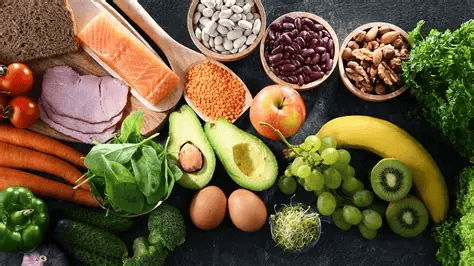
Olive oil, avocados, nuts, and fatty fish are particularly effective. Mediterranean diet studies consistently show improved GLP-1 function, largely attributed to high monounsaturated fat intake.
The combination of fat with protein creates a synergistic effect.
This is why eggs cooked in olive oil or salmon with avocado produces stronger appetite suppression than either food alone. Include 15-20g of healthy fats per meal for optimal GLP-1 stimulation.
Bitter Foods: The Unexpected Heroes
Your gut has taste receptors, and bitter compounds activate them to release GLP-1.
Arugula, Brussels sprouts, kale, and radicchio contain glucosinolates that trigger these receptors. Coffee and dark chocolate (85% cacao or higher) work through similar mechanisms.
Don’t mask the bitterness entirely with sweeteners or dressings. You want these compounds interacting with gut receptors. Start with small amounts if you’re not used to bitter foods, gradually increasing as your palate adapts.
Fermented Foods: The Gut Health Connection
Fermented foods support GLP-1 production through multiple pathways.
They provide probiotics that produce SCFAs, contain bioactive peptides that may stimulate L-cells, and improve overall gut health. Yogurt, kefir, sauerkraut, kimchi, and miso are excellent choices.
Consume fermented foods daily, ideally with meals containing prebiotics (fiber) to feed beneficial bacteria. This combination maximizes SCFA production and sustained GLP-1 elevation.
Related Reading:
Supplements That Actually Increase GLP-1
Berberine: The Natural Metformin
Berberine is perhaps the most potent natural GLP-1 enhancer available.
Clinical trials published in Frontiers in Pharmacology show berberine increases GLP-1 secretion while improving insulin sensitivity and reducing inflammation.
The effective dose is 500mg three times daily with meals. Start with 500mg once daily to assess tolerance, as some people experience digestive upset initially.
Berberine works best when combined with a protein-rich meal, amplifying the natural GLP-1 response.
After testing numerous brands, I personally use Renue by Science Lipo Berberine. It’s the gold standard in bioavailable berberine – their liposomal delivery system ensures maximum absorption where standard berberine fails. Renue by Science is trusted by longevity researchers worldwide for their pharmaceutical-grade purity and third-party testing. Use code BRAINFLOW to save 10% on your order.
Probiotics: The Specific Strains Matter
Not all probiotics influence GLP-1.
Research identifies specific strains that increase GLP-1: Lactobacillus plantarum, Lactobacillus gasseri, and Akkermansia muciniphila show the strongest effects.
Look for multi-strain probiotics containing at least 10 billion CFUs of documented GLP-1-enhancing strains.
For a probiotic that contains the right strains for GLP-1 support, I recommend Physician’s Choice 60 Billion Probiotic. It includes multiple Lactobacillus strains proven to enhance GLP-1, plus prebiotics to fuel their growth. Take with your fiber-rich meals for maximum colonization.
Curcumin: The Inflammation Fighter
Curcumin from turmeric increases GLP-1 while reducing inflammation that can impair L-cell function.
The challenge is bioavailability; standard turmeric has minimal absorption. Use curcumin supplements with piperine (black pepper extract) or phospholipid formulations for 20-30x better absorption.
Effective dosing is 500-1000mg of bioavailable curcumin daily. Take with meals containing fat to further enhance absorption.
For optimal absorption and GLP-1 support, I use NatureWise Curcumin with BioPerine. The added black pepper extract increases absorption by 2000%, ensuring the curcumin actually reaches your L-cells to stimulate GLP-1. Effects become noticeable after 4-6 weeks of consistent use.
Green Tea Extract (EGCG)
Epigallocatechin gallate (EGCG) from green tea enhances GLP-1 secretion while providing metabolic benefits.
Studies show 300-400mg EGCG daily increases postprandial GLP-1 levels. This equals about 3-4 cups of high-quality green tea.
For therapeutic doses without drinking tea all day, I trust Renue by Science Lipo Green Tea Extract. Their liposomal EGCG delivers 10x better absorption than standard green tea supplements. Renue’s commitment to purity means no fillers or artificial ingredients – just pure, bioavailable EGCG. Save 10% with code BRAINFLOW.
Resveratrol: The Longevity Compound
Resveratrol increases GLP-1 secretion while activating SIRT1, a longevity pathway that improves metabolic health.
Effective doses range from 150-500mg daily. Trans-resveratrol is the active form; ensure your supplement specifies this.
I’ve been using Renue by Science Pure Resveratrol Powder for two years now. It’s 99% pure trans-resveratrol – the exact form used in research studies. Their powder form lets you dial in your exact dose and mix with quercetin for enhanced absorption. This is what longevity researchers actually use. Remember to use code BRAINFLOW for 10% off.
Timing Strategies for Maximum GLP-1
When you eat matters almost as much as what you eat for GLP-1 optimization.
Your L-cells are most responsive in the morning, with sensitivity declining throughout the day. This is why protein-rich breakfasts provide superior appetite control compared to protein at dinner.
Eat protein first at each meal, followed by vegetables, then carbohydrates.
This sequencing maximizes GLP-1 release while minimizing glucose spikes. Studies show this simple change can increase GLP-1 response by 30%.
Allow 4-5 hours between meals to let GLP-1 levels fully reset. Constant grazing blunts your GLP-1 response over time. Three solid meals typically work better than six small ones for hormone optimization.
Consider time-restricted eating within a 10-12 hour window. This improves GLP-1 sensitivity while providing metabolic benefits. Earlier eating windows (7 AM-7 PM) align better with natural circadian GLP-1 rhythms.
Lifestyle Factors That Enhance Natural GLP-1
Exercise: The Sensitivity Booster
Both aerobic and resistance exercise improve GLP-1 secretion and sensitivity.
High-intensity interval training (HIIT) shows particularly strong effects, increasing GLP-1 response to meals for up to 24 hours post-exercise.
Exercise in a fasted state for maximum GLP-1 enhancement. Even a 20-minute morning walk before breakfast improves your hormonal response to meals throughout the day.
Sleep: The Foundation
Poor sleep devastates GLP-1 function.
Sleep restriction studies show just one night of poor sleep reduces GLP-1 response by 20-30%. Chronic sleep deprivation can cut GLP-1 production in half.
Prioritize 7-9 hours of quality sleep. Keep consistent sleep-wake times, even on weekends.
For deeper, more restorative sleep that optimizes GLP-1, I take Double Wood Magnesium Glycinate before bed. This highly absorbable form of magnesium calms the nervous system and improves sleep quality without morning grogginess. Better sleep equals better GLP-1 function.
Stress Management: The Hidden Factor
Chronic stress increases cortisol, which suppresses GLP-1 secretion and increases appetite for high-calorie foods.
Meditation, deep breathing, and yoga can significantly improve GLP-1 function by reducing stress hormones.
Practice 5-10 minutes of deep breathing before meals. This simple intervention can increase GLP-1 response by 15-20% while improving digestion.
Creating Your GLP-1 Enhancement Protocol
Morning Routine
- Upon waking: 16oz water with lemon
- Before breakfast: 10-minute walk or light exercise
- Breakfast: 30g protein (eggs or Greek yogurt) with berries and nuts
- Supplement: Berberine 500mg with breakfast
Midday Strategy
- Lunch: Large salad with grilled protein, olive oil dressing, beans
- Include: Bitter greens like arugula
- Supplement: Probiotic with lunch
- After lunch: 5-minute walk
Evening Protocol
- Dinner: Salmon with Brussels sprouts and quinoa
- Supplement: Curcumin with dinner
- Post-dinner: No snacking to allow GLP-1 reset
- Before bed: Magnesium for sleep quality
Related Reading:
Realistic Expectations and Results
Natural GLP-1 enhancement won’t produce the dramatic effects of pharmaceutical doses, but improvements are significant.
Most people report noticeable appetite reduction within 2-3 weeks, with full benefits developing over 2-3 months.
Expect to feel satisfied with smaller portions, reduced cravings (especially for sweets), more stable energy throughout the day, and gradual, sustainable weight loss of 1-2 pounds per week.
These changes build slowly but create lasting metabolic improvements.
Track your progress through hunger levels (1-10 scale before and after meals), energy stability, cravings frequency, and weekly weight trends. Photos and measurements often show progress when the scale doesn’t.
Need Stronger GLP-1 Support?
Natural methods can boost GLP-1 by 40-60%, but sometimes that’s not enough. If you’ve tried these strategies for 3+ months without reaching your goals, medical support might be appropriate.
MEDVi offers a middle ground: Prescription GLP-1 medications at just $179/month (75% less than pharmacies), combined with the natural strategies in this guide for optimal results.
- ✓ Same active ingredients as Ozempic & Mounjaro
- ✓ 2-minute online assessment
- ✓ Approved within 24 hours
- ✓ Works alongside natural methods for maximum effect
Their quick assessment determines if you’re a candidate for medical support to complement your natural efforts.
No payment required • Know in minutes if you qualify
Common Mistakes to Avoid
Don’t expect overnight results. Natural GLP-1 enhancement is gradual.
Taking mega-doses of supplements won’t speed results and may cause side effects. Stick to researched doses.
Avoid processed “GLP-1 boosting” products. Most are expensive placebos. Focus on whole foods and evidence-based supplements.
Don’t neglect sleep and stress management. These lifestyle factors can override dietary interventions.
Never stop eating adequate calories thinking it will boost GLP-1. Severe restriction actually suppresses GLP-1 production. Maintain at least 1,200 calories (women) or 1,500 (men) daily.
The Bottom Line: A Sustainable Approach
Naturally increasing GLP-1 through foods, supplements, and lifestyle changes offers a sustainable path to better metabolic health.
While not as dramatic as medications, these strategies work with your body’s natural systems rather than overriding them.
Start with dietary changes: prioritize protein, add soluble fiber, include healthy fats, and embrace bitter foods. Layer in evidence-based supplements like berberine and resveratrol from trusted sources like Renue by Science (save 10% with code BRAINFLOW).
Support everything with adequate sleep, regular exercise, and stress management.
This approach takes patience and consistency, but the benefits extend far beyond weight loss. You’re building metabolic flexibility, improving gut health, and creating sustainable habits that last a lifetime.
Whether you’re using these strategies alone or alongside GLP-1 medications, optimizing your natural production is always beneficial.
Remember, your body wants to regulate appetite properly. By providing the right inputs through food, supplements, and lifestyle, you’re simply helping it do what it’s designed to do.
The power to enhance your GLP-1 naturally is literally on your plate. And if you find you need additional medical support, affordable options like MEDVi can work synergistically with these natural methods for optimal results.
Always consult with a healthcare provider before starting new supplements, especially if you have existing medical conditions or take medications.