
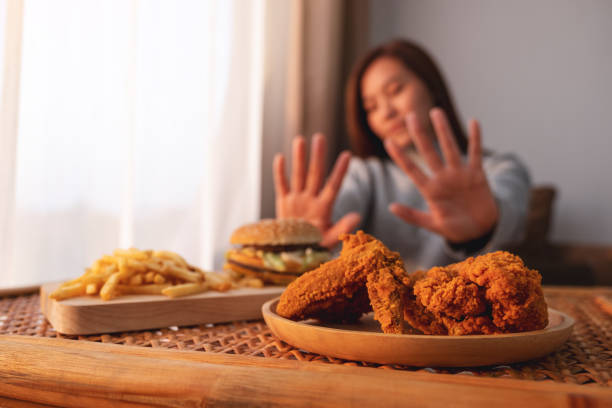

You started your GLP-1 medication expecting things to change. And they did. Your appetite quieted down. The constant food noise in your brain finally went silent. You stopped thinking about lunch at 9 AM.
But what nobody warned you about: what you eat matters just as much as how much you eat now. Maybe even more.
GLP-1 medications like Ozempic, Wegovy, Mounjaro, and Zepbound work by slowing down your digestion and keeping you fuller longer. That’s what makes them so effective. But it’s also why certain foods can completely derail your progress or make you feel absolutely miserable.
I’ve spent months researching the clinical data and talking to people actually taking these medications. The pattern is clear. Some foods that seemed harmless before can now trigger brutal side effects or stall your results entirely.
Here are the ten foods you need to rethink if you’re serious about thriving on GLP-1 therapy.
1. Greasy Fried Foods
This one tops every list for good reason. Fried chicken, french fries, onion rings, anything that took a swim in hot oil is now your stomach’s worst enemy.
Fat already takes the longest to digest of any macronutrient. Your GLP-1 medication slows digestion even further. Put those together and you’ve got food sitting in your stomach for hours longer than it should. Nausea that won’t quit. Bloating that makes you feel six months pregnant. Sometimes actual vomiting.
Cleveland Clinic researchers specifically call out high-fat foods as a major trigger for worsening GLP-1 side effects. The slower gastric emptying combined with fat’s natural digestive demands creates a perfect storm of discomfort.
I’m not saying you can never eat anything fried again. But that basket of mozzarella sticks you used to demolish without thinking? Those days are probably behind you. If you do want something crispy, an air fryer is a solid workaround. You get the texture without drowning everything in oil, and most people on GLP-1s tolerate air-fried food much better than the deep-fried version.
When eating out, grilled or baked options are your best bet. Most restaurants will sub grilled chicken for fried if you ask. It’s a small change that makes a huge difference in how you feel afterward. And this applies no matter how you’re getting your GLP-1s – whether it’s prescribed through your doctor, filled at a compounding pharmacy, or you’re sourcing research-grade compounds from a supplier like Amino Club (code BRAINFLOW saves 20%). The dietary side of this is the same across the board.
2. Sugary Drinks and Sodas
Regular soda. Sweet tea. Those fancy coffee drinks with pumps of vanilla and caramel. Fruit juice that’s marketed as healthy but is really just sugar water with vitamins sprinkled on top.
GLP-1 medications work partly by helping regulate your blood sugar. When you dump a bunch of liquid sugar into your system, you’re fighting against what the medication is trying to do. But there’s another problem that doesn’t get talked about enough. Liquid calories don’t trigger the same fullness signals that solid food does. Your brain doesn’t register them the same way.
So you’re taking in hundreds of empty calories that do nothing to satisfy you while spiking your blood sugar and potentially diminishing your medication’s effectiveness. A single Starbucks Frappuccino can pack 400+ calories, and you won’t feel even slightly more full after drinking it.
Water is your best friend now. If plain water bores you, try sparkling water with a squeeze of lemon or lime. Herbal teas work great too, and there are some genuinely good options out there if you branch out beyond the standard chamomile. Peppermint tea can actually help with nausea, which is a nice bonus when you’re adjusting to your dose.
One thing worth mentioning: a lot of people on GLP-1s find that their taste for sweet drinks just disappears over time. Things that tasted normal before suddenly taste overwhelmingly sweet. Your palate is changing, and honestly that works in your favor here.
Related Reading: GLP-1 Hydration Guide
3. Processed Deli Meats and Hot Dogs
Bologna. Salami. Those pre-packaged lunch meats that seem so convenient. Hot dogs at every summer barbecue.
These foods are loaded with sodium, preservatives, and often hidden fats that can trigger inflammation and worsen digestive symptoms. The high sodium content also contributes to water retention, which messes with your ability to track actual progress on the scale. You might be losing fat but the number won’t budge because you’re holding onto water from all that sodium.
Beyond the side effect concerns, processed meats are just empty calories when you’re eating less overall. When your appetite is reduced, every bite needs to count nutritionally. A few slices of deli ham give you surprisingly little protein compared to the same calories from actual chicken breast or fish. And the protein you do get comes packaged with nitrates, sodium, and fillers that aren’t doing your body any favors.
The real fix is meal prepping actual protein on the weekend. Grill a few chicken breasts, bake some salmon, hard boil a dozen eggs. Takes maybe an hour and sets you up for the whole week. When Tuesday hits and you’re staring into the fridge wanting something easy, you’ll reach for the prepped chicken instead of the Oscar Mayer.
If you’re working on building better daily habits, this is one of the highest-impact changes you can make. It solves the convenience problem without sacrificing nutrition.
Related Reading: Best Peptides for Weight Loss
4. Alcohol
This one hurts to write because I get it. A glass of wine with dinner. Cocktails with friends. Beer at the game.
But alcohol and GLP-1 medications have a complicated relationship that goes deeper than most people realize.
First, alcohol can increase your risk of low blood sugar, especially if you’re also managing diabetes. Second, it’s pure empty calories that your reduced appetite can’t really afford. A couple glasses of wine is 300 calories you could’ve spent on actual food that keeps you full and nourished. Third, and this is the part that catches people off guard, alcohol lowers your inhibitions around food choices.
You know how after a couple drinks, those loaded nachos suddenly seem like a fantastic idea? That effect doesn’t go away because you’re on medication. But the consequences hit harder now. You eat the greasy food, your slowed digestion can’t handle it, and you spend the rest of the night feeling awful.
Ohio State’s nutrition experts recommend limiting alcohol consumption significantly while on GLP-1 therapy. Both alcohol and the medication affect your liver, so combining them regularly isn’t ideal for your long-term health either.
If you do drink occasionally, stick to lower-calorie options and have them with food. A glass of dry wine or a simple spirit with soda water is a lot easier on your system than a sugary margarita or a heavy craft beer. But honestly, many people find they naturally lose interest in alcohol once they start GLP-1s anyway. The same appetite suppression that reduces food cravings seems to dampen the desire to drink for a lot of users.
Exploring GLP-1 Research Compounds?
Amino Club carries research-grade GLP-1 receptor agonist compounds alongside their full peptide lineup. Every batch is 99%+ purity guaranteed with independent third-party lab testing from accredited US laboratories. Free shipment protection on every order.
Use code BRAINFLOW for 20% off your first order + free shipping
5. Carbonated Beverages
Even the zero-calorie ones. Even sparkling water for some people.
When digestion slows down, gas has nowhere to go. Carbonation introduces extra air into your digestive system, and that air gets trapped. The bloating, pressure, and discomfort can last for hours. WeightWatchers nutrition experts note that even healthy fats can cause issues when digestion is slowed, and carbonation makes everything worse.
Some people tolerate sparkling water just fine. Others find that any carbonation at all makes them feel like they’re about to pop. You’ll have to figure out where you fall on that spectrum, and it might change as you adjust to the medication.
If you were a diet soda person before starting medication, this adjustment might be the toughest one on this list. A lot of people lean on diet soda as their zero-calorie treat, and giving it up feels like losing a crutch. Try weaning off gradually rather than quitting all at once. Replace one can per day with flat water, herbal tea, or water infused with fruit. Cucumber and mint in a pitcher of water sounds boring until you actually try it.
One hack that’s worked for a lot of people: if you miss the ritual of cracking open a cold can, stock your fridge with flavored still water in cans. It scratches the same itch without the carbonation issue.
6. Spicy Foods
Hot wings. Thai food with five-star heat levels. That ghost pepper hot sauce you put on everything.
Spicy foods can irritate your stomach lining even under normal circumstances. When your stomach is emptying more slowly, capsaicin has more time to cause problems. Heartburn, acid reflux, and nausea are common complaints, and they tend to be worse than what you’d experience without the medication.
This is also one of those areas where timing matters. Eating spicy food on an empty stomach is rough even for people not on GLP-1s. On the medication, it can be genuinely painful. If you’re going to eat spicy, make sure you’ve had something bland and protein-rich first to coat your stomach. Don’t make a spicy dish the first thing you eat that day.
The sensitivity often decreases as your body adjusts to the medication over time. Many people find they can gradually reintroduce moderate spice after the first few months. So if you love spicy food, you probably don’t have to give it up permanently. Just dial it back during the adjustment phase, especially when you’re ramping up your dose. Start with mild heat and work your way up based on how your body responds.
Worth noting: ginger actually tends to be well-tolerated and can help with nausea. So if you’re craving something with a kick, ginger-forward dishes might be a better option than straight-up chili heat while you’re adjusting.
Related Reading: GLP-1 Lunch Ideas: Stay Full
7. White Bread, Pasta, and Refined Carbs
Plain bagels. White rice. Regular pasta. Crackers. Anything made with refined flour that’s been stripped of its fiber and nutrients.
These foods spike your blood sugar quickly, then crash it just as fast. You end up hungry again sooner, fighting against the appetite suppression your medication provides. They’re also nutritionally empty, giving you calories without much actual benefit. And when you’re eating less food overall, wasting calories on something that doesn’t serve your body is a bad trade.
UCLA Health’s Dr. Vijaya Surampudi recommends focusing on whole grains, fruits, vegetables, and lean proteins instead. These foods provide steady energy without the blood sugar roller coaster.
The swaps are easier than you’d think. Cauliflower rice or brown rice instead of white. Whole grain bread instead of white bread. Chickpea pasta or lentil pasta instead of regular, which actually gives you a solid protein boost at the same time. These aren’t dramatic lifestyle overhauls. They’re small switches that add up over weeks and months.
One thing to keep in mind with carbs specifically: you don’t need to go full keto or eliminate them entirely. Your brain runs on glucose and your workouts need glycogen. The goal is choosing carbs that give you sustained energy and actually contain nutrients, not cutting them out altogether. A sweet potato is a completely different animal than a white dinner roll, even though they’re both “carbs.”
Related Reading: The Ultimate GLP-1 Diet Plan: What Foods to Eat and Avoid
8. Cream-Based Sauces and Rich Dairy
Alfredo sauce. Heavy cream in your coffee. Full-fat ice cream. Those creamy salad dressings that make everything taste amazing but sit in your stomach like concrete.
High-fat dairy products fall into the same category as fried foods when it comes to digestion speed. They take a long time to process under normal circumstances, and even longer when your stomach is already moving slowly from the medication. The richness that used to feel indulgent now often just feels heavy and nauseating.
The tricky part is that dairy sneaks into a lot of foods you wouldn’t think about. Cream-based soups, quiche, creamy pasta dishes, cheese-heavy casseroles. If a recipe calls for heavy cream, half-and-half, or lots of butter, it’s going to be harder on your system than something built around broth, tomato, or olive oil.
Not all dairy is a problem though. Low-fat Greek yogurt is actually one of the best foods you can eat on GLP-1s. It’s packed with protein, has probiotics that support gut health, and most people digest it without issues. Cottage cheese is another winner. It’s the heavy, high-fat dairy that tends to cause problems, not dairy as a whole category.
If you’re a coffee person who can’t imagine life without cream, try switching to a splash of oat milk or almond milk. It takes a few days to adjust but most people stop missing the cream pretty quickly. If you’re exploring different approaches to optimizing your energy levels, cutting back on heavy dairy is one of the changes people notice fastest.
9. Large Portions of Anything
This isn’t a specific food, but it might be the most important item on this list.
Before GLP-1 medication, you could probably power through a big meal even if you felt stuffed afterward. Uncomfortable, sure, but manageable. Now overeating has real consequences. Your body cannot process large amounts of food efficiently anymore, and eating past the point of comfortable fullness often triggers nausea, vomiting, and severe bloating that can last for hours.
The medication is designed to help you eat less. Fighting against that signal by forcing down large portions defeats the entire purpose and makes you feel terrible in the process. This is especially true at restaurants, where portion sizes are built for people eating 2,500-3,000 calories a day. A standard restaurant entree might be two or three meals worth of food for you now.
A few strategies that help. Use smaller plates at home. It’s a psychological trick, but it works. Serve yourself about half of what you normally would and wait twenty minutes before deciding if you want more. At restaurants, ask for a to-go box when your food arrives and put half away before you start eating. That way you’re not staring at a full plate trying to use willpower to stop eating.
Eat slowly. Actually chew your food. Put your fork down between bites. These sound like things your grandmother would say, but they matter more now than ever because the consequences of overeating are so much more immediate and uncomfortable.
Most people find they need far less food than they expected to feel satisfied. A meal that would’ve been a snack before might genuinely fill you up now. Trust that signal. Your body isn’t lying to you.
Related Reading: High-Protein Meals for GLP-1 Users
10. Sugary Breakfast Cereals and Pastries
Frosted flakes. Pop-tarts. Donuts. Muffins from the coffee shop that are cake pretending to be breakfast.
Starting your day with a sugar bomb is a bad idea for anyone. But when you’re on GLP-1 medication and eating less overall, a sugary breakfast is a waste of precious eating capacity. You get a blood sugar spike followed by a crash. Zero protein to preserve muscle mass. Minimal nutrients. And you’ve used up a significant chunk of your reduced appetite on something that does nothing for you.
Protein at breakfast matters more now than ever. When you’re in a caloric deficit (which most GLP-1 users are), your body can start breaking down muscle for energy if you’re not getting enough protein. Muscle loss is the number one concern that doctors and dietitians flag for GLP-1 patients, and a protein-rich breakfast is one of the easiest ways to protect against it.
Nutrition experts consistently recommend eating protein first at every meal to ensure you get enough before feeling full. Eggs are probably the most versatile option – scrambled, hard boiled, made into an omelet with vegetables. Greek yogurt with a handful of berries and some nuts. Cottage cheese with fruit. A protein smoothie if you’re not into solid food in the morning.
If you’re someone who doesn’t usually eat breakfast, the medication might actually make that easier since your appetite is suppressed anyway. But when you do eat your first meal, make it count. Front-loading protein early in the day sets you up to hit your protein goals even when your appetite drops off later.
Related Reading: Best High-Protein Snacks for GLP-1 Users
What to Eat Instead
Knowing what to avoid is only half the picture. Let’s talk about what actually works, because the goal isn’t just eliminating foods – it’s building a way of eating that supports the medication and makes you feel good.
Protein needs to be the foundation. I can’t stress this enough. On GLP-1s your appetite is reduced, which means you’re eating fewer total calories, which means you’re at higher risk of losing muscle along with fat. Protein is what prevents that. Chicken breast, fish, eggs, tofu, shrimp, lean ground turkey, low-fat Greek yogurt, cottage cheese – these should be showing up at every single meal. Aim for at least 25-30 grams of protein per meal if you can.
Vegetables are your secret weapon for volume. When you can’t eat much, vegetables let you fill your plate without burning through your calorie budget. Leafy greens, broccoli, cauliflower, peppers, zucchini, asparagus, green beans. Roast them with a little olive oil and seasoning and they actually taste great. The fiber also helps with the constipation that a lot of GLP-1 users deal with, which is a nice secondary benefit nobody talks about.
Fruits are fine and you should eat them. There’s a weird diet culture thing where people act like fruit is bad because it contains sugar. It’s not. Berries are particularly great because they’re lower in sugar and packed with antioxidants, but any fruit is better than a pastry. An apple with some almond butter is a solid snack that gives you fiber, healthy fat, and something sweet without the blood sugar crash.
For carbs, go with whole grain versions of what you already like. Brown rice, quinoa, oats, whole grain bread, sweet potatoes. These digest more slowly, keep your blood sugar stable, and actually contain vitamins and minerals. You don’t need to eat a ton of them, but don’t fear them either.
Healthy fats in reasonable amounts round things out. Avocado, olive oil, nuts, seeds, fatty fish like salmon. The key word is reasonable – fat slows digestion the most of any macronutrient, and your digestion is already slowed. A quarter of an avocado on your eggs is great. Half an avocado might sit heavy. You’ll learn your limits pretty quickly.
A day of eating might look something like this: eggs with spinach and a slice of whole grain toast for breakfast. Grilled chicken over a big salad with olive oil dressing for lunch. Salmon with roasted broccoli and a small portion of brown rice for dinner. Greek yogurt with berries as a snack if you need one. Nothing complicated, nothing expensive, and you’re hitting your protein targets while staying in a caloric deficit.
The people who do best on GLP-1s are the ones who meal prep. Even just a little bit on Sunday – grilling chicken, roasting a sheet pan of vegetables, cooking a batch of rice or quinoa – sets you up to eat well all week without having to think about it when you’re tired and hungry.
Related Reading: How to Exercise on GLP-1: Best Workouts for Fat Loss and Muscle Retention
The Adjustment Period Is Real
Many of these food sensitivities are worst during the first few weeks on medication and whenever you increase your dose. Your body needs time to adapt. What makes you miserable at week two might be totally fine at week twelve.
Keep a simple food journal during the adjustment period. Doesn’t need to be fancy. Just note what you ate and how you felt an hour or two afterward. Patterns will emerge. Maybe fatty foods always bother you but spicy is fine. Maybe dairy is your trigger but fried food is manageable in small amounts. Everyone’s different, and the only way to figure out your personal triggers is to pay attention.
Something else worth tracking: how much water you’re drinking. Dehydration is common on GLP-1s because you’re eating less food (which normally contributes to your water intake) and some people experience nausea that makes them not want to drink either. But dehydration makes every side effect worse. Force yourself to sip water throughout the day even when you don’t feel thirsty. A lot of the nausea and headaches people blame on the medication are actually just dehydration.
If you’re struggling with the adjustment phase, remember that feeling stuck is temporary. The first few weeks are the hardest. It gets easier. Your body adapts. The side effects lessen. And once you find your groove with eating, the whole process becomes pretty automatic.
Eating Out on GLP-1s
Restaurant meals are where a lot of people trip up, because you’re not in control of how the food is prepared. A few strategies that make it easier.
Look at the menu before you go. Decide what you’re ordering ahead of time when you’re not hungry or influenced by what everyone else is getting. Most restaurants post their menus online. Pick something protein-forward with vegetables and you’re usually in good shape.
Don’t be afraid to modify. Ask for grilled instead of fried. Get the sauce on the side. Sub a side salad for fries. Servers deal with dietary requests all day long and no one is going to bat an eye.
Appetizer portions are often perfect now. A lot of people on GLP-1s find that an appetizer-sized portion is actually all they need for a meal. Ordering from the appetizer menu or getting a half portion when available saves money and keeps you from facing a mountain of food you can’t finish.
Skip the bread basket. It lands on the table before your meal, you eat a couple pieces out of habit, and now you’ve filled up on empty refined carbs before your actual protein and vegetables arrive. Just ask them not to bring it.
The Big Picture
GLP-1 medications are powerful tools. But they work best when you work with them instead of against them.
That means making peace with eating less. It means accepting that some of your old favorite foods just don’t agree with you anymore. It means prioritizing nutrition over volume and protein over everything else.
The upside that nobody expects: many people report that their food preferences naturally shift over time. The greasy, sugary foods that used to seem irresistible lose their appeal. Healthier options start tasting better. Your palate literally changes. A lot of users describe it as finally feeling free from the foods that used to control them.
You’re eating less now, so make every bite work for you. Choose foods that support your goals, preserve your muscle, and make you feel good after eating them. Your body is going through a significant change. Give it the right fuel, and you’ll be amazed at what becomes possible.
Related Reading: How to Increase GLP-1 Naturally: Supplements and Foods That Actually Work
Quick Reference: Foods to Limit on GLP-1s
Keep this list handy when grocery shopping or deciding what to order at restaurants.
Limit or avoid: Fried foods, sugary drinks, processed meats, alcohol, carbonated beverages, very spicy foods (especially early on), refined carbs, heavy cream-based dishes, oversized portions, sugary breakfast items.
Prioritize instead: Lean proteins at every meal, vegetables for volume and fiber, fruits for natural sweetness, whole grains in moderate amounts, plenty of water, herbal tea, low-fat dairy like Greek yogurt and cottage cheese, and meals you prepare yourself where you control the ingredients.
Remember that this is personal. What bothers one person might be fine for another. Pay attention to your body’s signals and adjust accordingly. The goal isn’t perfection. It’s building a way of eating that supports the medication and helps you feel your best while the weight comes off.