
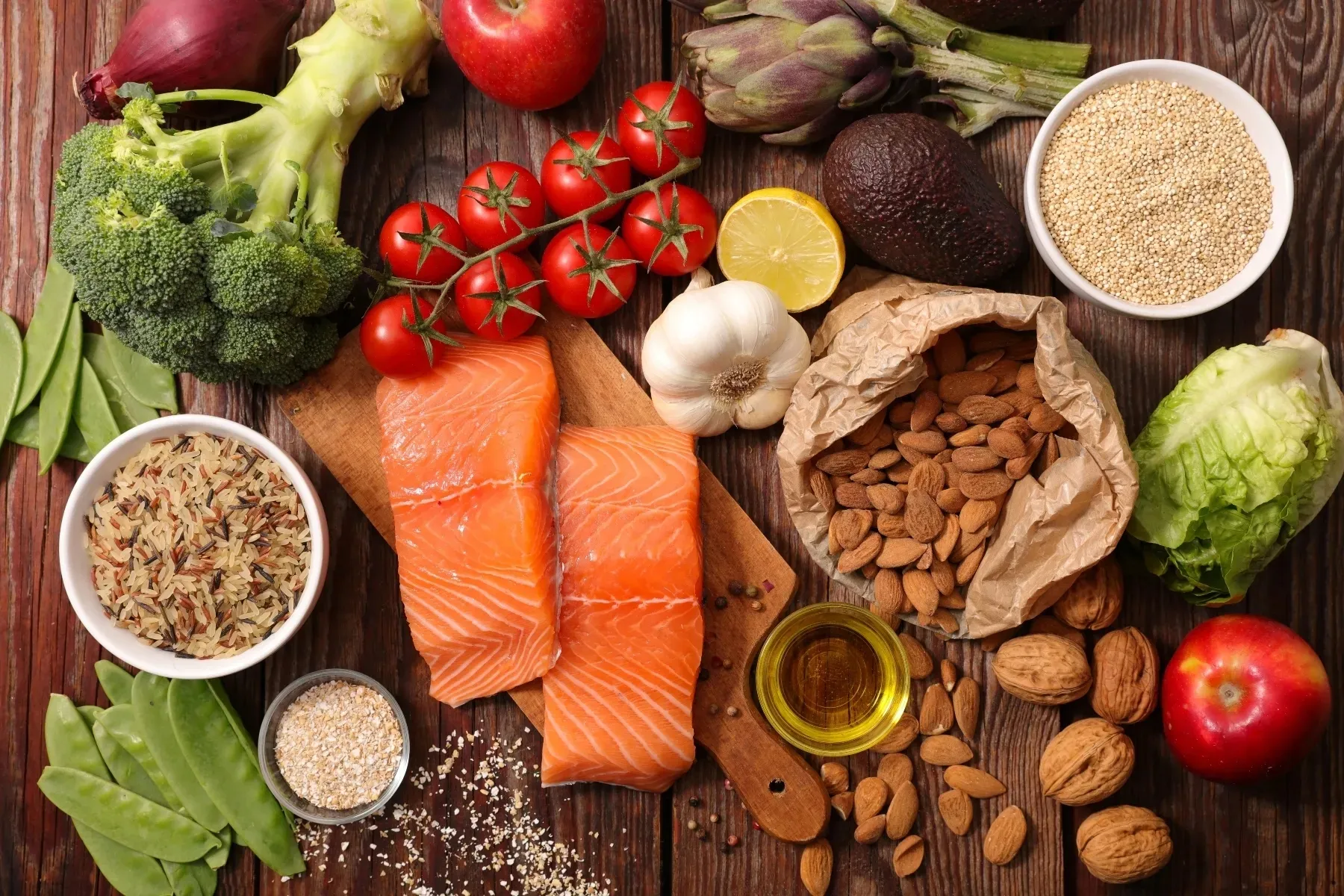

You’re eating 40% less on GLP-1 medications, but most people have no idea how to maximize those limited calories.
Get it wrong, and you’ll lose muscle mass along with fat, experience nutrient deficiencies, and regain everything when you stop the medication. Get it right, and you can transform your body composition in ways that actually last.
Here’s the truth nobody’s telling you: GLP-1 drugs aren’t magic. They’re tools that work best with the right nutritional strategy. Whether you’re on Ozempic, Wegovy, Mounjaro, or considering starting, this guide shows you exactly how to eat for maximum results while preserving your health.
I’ve spent months digging into the research on this because the standard advice (“just eat less”) completely misses the point. When you’re already eating less by default, the question isn’t how much you eat. It’s what you eat. And most people are getting it wrong in ways that will catch up with them.
Understanding Your New Relationship with Food on GLP-1s
Research published in the New England Journal of Medicine shows that people on GLP-1 medications naturally reduce calorie intake by 16-39%. This dramatic decrease happens because the drugs slow gastric emptying and increase satiety signals. You’re simply not hungry.
But here’s the challenge: when you’re eating 1,200 calories instead of 2,000, every bite matters exponentially more. You can’t afford empty calories. You can’t skip protein. You can’t ignore micronutrients. The margin for error shrinks to almost nothing.
Most people on GLP-1s make critical mistakes. Eating too little protein (hello, muscle loss). Avoiding fats entirely (goodbye, hormone production). Living on processed “diet” foods that leave them malnourished despite losing weight.
The scale goes down, but so does their energy, hair quality, and overall health. That’s not the kind of weight loss anyone should be celebrating.
Your body doesn’t care that you’re on medication. It still needs specific nutrients to function. And when your food intake drops by a third or more, you need to be strategic about every single meal.
The Foundation: Protein Is Non-Negotiable
If you remember nothing else from this guide, remember this: you need 100+ grams of protein daily, regardless of how little appetite you have.
Research in Clinical Nutrition found that inadequate protein intake during rapid weight loss leads to significant lean muscle loss, slower metabolism, and weight regain. This is the number one problem with GLP-1 weight loss that nobody talks about enough.
Think about it. You’re losing 1-2 pounds per week. Without adequate protein, up to 25% of that could be muscle. That’s not weight loss. That’s a body composition disaster.
Your goal isn’t just to weigh less. It’s to preserve the metabolically active muscle that keeps your metabolism running while you lose fat. Muscle is what prevents the rebound weight gain that so many people experience when they stop GLP-1s.
Prioritize complete proteins at every meal: eggs, Greek yogurt, cottage cheese, chicken breast, fish, lean beef, tofu, or protein powder. If you can only manage three bites of dinner, make them protein bites. Everything else is secondary.
Daily Protein Distribution
- Breakfast: 30-40g (3 eggs + Greek yogurt)
- Lunch: 30-35g (4 oz chicken breast + cottage cheese)
- Dinner: 30-35g (4 oz salmon or lean beef)
- Snacks: 10-20g (protein shake or nuts)
Can’t eat that much solid food? Protein shakes, bone broth, and Greek yogurt become your best friends. Liquid calories are easier to consume when appetite is suppressed.
I keep Momentous Grass-Fed Whey Protein stocked at all times (save 15% with code BRAINFLOW). It’s the same brand trusted by Andrew Huberman and used by elite athletes. Unlike cheaper proteins that can cause bloating on GLP-1s, Momentous mixes smoothly and actually stays down when nausea hits.
I blend it with berries and spinach for a complete meal replacement that provides 25g of clean protein. On days when the thought of chewing food makes your stomach turn, a well-made shake can be the difference between hitting your protein target and falling 40 grams short.
Related: Andrew Huberman’s Complete Supplement List
Strategic Carbohydrates: Quality Over Quantity
GLP-1 medications improve insulin sensitivity, but that doesn’t mean carbs don’t matter.
Studies in Diabetes Care show that blood sugar stability enhances GLP-1 effectiveness and reduces side effects like nausea. The wrong carbs at the wrong time can make your side effects significantly worse. The right carbs can actually help you feel better.
Focus on fiber-rich, complex carbohydrates that provide sustained energy and support digestive health. You need at least 25-35g of fiber daily to prevent the constipation that plagues many GLP-1 users. This is not optional. Constipation on GLP-1s can get serious if you’re not proactive about fiber.
Best Carb Choices
Whole grains like steel-cut oats, quinoa, and brown rice provide B vitamins and sustained energy. Start with smaller portions (1/4 to 1/2 cup cooked) since GLP-1s slow digestion significantly. What used to be a normal serving now feels like Thanksgiving dinner.
Legumes pull double duty, providing both carbs and protein while feeding beneficial gut bacteria. Lentils, chickpeas, and black beans are some of the most nutrient-dense foods you can eat on limited calories.
Non-starchy vegetables should fill half your plate at every meal. Broccoli, spinach, bell peppers, and cauliflower provide volume without calories, helping you feel satisfied despite smaller portions. They’re also packed with micronutrients you desperately need on reduced calories.
Fruits, especially berries, provide antioxidants and fiber with controlled sugar. Limit to 1-2 servings daily, always paired with protein or fat to slow absorption. An apple with almond butter beats an apple alone every time.
Carbs to Minimize
White bread, pastries, and sugary snacks cause blood sugar spikes that worsen GLP-1 side effects. Many users report increased nausea after eating simple carbs. Your body is telling you something. Listen to it.
Alcohol also hits differently on GLP-1s. Like, completely differently. Many users report severe nausea and delayed gastric emptying after even one drink. If you do drink, stick to one serving with food and see how you react before pushing it.
For Research Purposes Only
Paramount Peptides | 99%+ Purity, USA-Manufactured
If you’re exploring peptide research alongside your health optimization journey, Paramount Peptides is where I source my compounds. They’re an American-owned manufacturer based in Southern California with 12+ years in the industry. Every batch is synthesized in-house and verified through HPLC and mass spectrometry testing.
Their catalog includes research-grade BPC-157, Thymosin Beta 4, GHK-Cu, NAD+, and specialized blends like the Wolverine Stack and KLOW collection. All compounds exceed 99% purity. Not “up to 99%” like some vendors claim. Actually verified above 99%.
🧬 Free shipping on orders over $300 | All products are for laboratory research use only | Peptide vials, tablets, topicals, and sublingual strips available
Use code BRAINFLOW for 15% off your order
Healthy Fats: Essential for Hormone Health
Don’t fear fat just because you’re trying to lose weight. This is one of the biggest mistakes I see people make on GLP-1s.
You need healthy fats for hormone production, vitamin absorption, and satiety. Research in Nutrients shows that moderate fat intake improves GLP-1 response and enhances weight loss sustainability. Cutting fat too aggressively can actually stall your progress and mess with your hormones in ways you’ll feel.
Aim for 40-60g of healthy fats daily from sources like avocado, olive oil, nuts, seeds, and fatty fish. These fats also help with the absorption of fat-soluble vitamins (A, D, E, K) that many GLP-1 users become deficient in.
Add 1/4 avocado to meals, drizzle olive oil on vegetables, or snack on 10-15 almonds. Small amounts provide big benefits without overwhelming your reduced stomach capacity.
Omega-3 fatty acids from salmon, sardines, or supplements are particularly important for reducing inflammation during rapid weight loss. Your body is going through a lot right now. Give it the building blocks it needs.
Meal Timing and Frequency on GLP-1s
Forget traditional three-meals-a-day thinking. With slowed gastric emptying, smaller, more frequent meals work better for most GLP-1 users.
Large meals often trigger nausea, bloating, and discomfort that can last for hours. I’ve talked to people who forced themselves to eat a “normal” dinner and spent the entire evening miserable. It’s not worth it. Eat less, eat more often.
Optimal Eating Schedule
- 6-7 AM: Light protein-rich breakfast
- 9-10 AM: Small snack if needed
- 12-1 PM: Moderate lunch with vegetables
- 3-4 PM: Protein snack
- 6-7 PM: Smaller dinner
- 8-9 PM: Optional light protein if hungry
Stop eating 2-3 hours before bed to prevent reflux, a common GLP-1 side effect. If you experience morning nausea, try starting with just protein and adding other foods as the day progresses.
Listen to your body’s new signals. You might feel full after just a few bites. Stop immediately. Pushing through fullness on GLP-1s often leads to vomiting or severe discomfort lasting hours. This isn’t like before where you could just tough it out. Your digestive system is operating on completely different rules now.
Related: 15 Morning Habits That Will Change Your Life
Hydration: More Critical Than You Think
This is the most underrated part of the GLP-1 diet conversation. GLP-1 medications can reduce your thirst sensation while you still need just as much water. Maybe more.
Dehydration worsens every common side effect. Constipation, fatigue, headaches, brain fog, all of it gets worse when you’re not drinking enough. Aim for 80-100 ounces of fluid daily.
Water should be your primary beverage, but bone broth, herbal tea, and sugar-free electrolyte drinks count too.
One important tip: avoid drinking large amounts with meals as this can worsen nausea. Instead, sip throughout the day between meals. Think of it as constant low-level hydration rather than chugging a glass at mealtime.
Add a pinch of sea salt and lemon to water for natural electrolytes. Many GLP-1 users report feeling noticeably better with proper electrolyte balance, especially during the initial adjustment period when side effects are at their worst.
Sample 7-Day GLP-1 Meal Plan
Here’s a realistic week of eating on GLP-1s. Nothing fancy, nothing that requires a culinary degree. Just practical meals that hit your protein targets and keep side effects manageable.
Day 1
- Breakfast: 2 scrambled eggs with spinach, 1/2 cup berries
- Snack: Greek yogurt with almonds
- Lunch: Grilled chicken salad with olive oil dressing
- Snack: Protein shake
- Dinner: Baked salmon, steamed broccoli, 1/4 cup quinoa
Day 2
- Breakfast: Protein smoothie with spinach and berries
- Snack: Cottage cheese with cucumber
- Lunch: Turkey and avocado lettuce wraps
- Snack: Hard-boiled egg
- Dinner: Lean beef stir-fry with mixed vegetables
Day 3
- Breakfast: Greek yogurt parfait with low-sugar granola
- Snack: Apple slices with almond butter
- Lunch: Lentil soup with side salad
- Snack: Protein bar (check for 15g+ protein, under 5g sugar)
- Dinner: Grilled shrimp, zucchini noodles, marinara
Day 4
- Breakfast: Overnight oats with protein powder, chia seeds, berries
- Snack: Turkey roll-ups with cheese
- Lunch: Tuna salad over greens with olive oil
- Snack: Handful of walnuts
- Dinner: Chicken thighs with roasted sweet potato and asparagus
Day 5
- Breakfast: 2 eggs over easy, 1/2 avocado, whole grain toast
- Snack: Protein shake
- Lunch: Black bean bowl with salsa, Greek yogurt, and veggies
- Snack: Celery with peanut butter
- Dinner: Baked cod with roasted cauliflower and quinoa
Day 6
- Breakfast: Cottage cheese with peaches and a sprinkle of granola
- Snack: Hard-boiled egg and handful of cherry tomatoes
- Lunch: Grilled chicken wrap with hummus and veggies (whole wheat)
- Snack: Greek yogurt
- Dinner: Turkey meatballs with zucchini noodles and marinara
Day 7
- Breakfast: Protein pancakes (protein powder + egg + banana)
- Snack: Mixed nuts and dark chocolate square
- Lunch: Salmon salad with avocado and lemon dressing
- Snack: Bone broth with a pinch of sea salt
- Dinner: Slow cooker chicken with bell peppers, onions, and brown rice
Adjust portions based on your tolerance and appetite. Some days you’ll eat most of this. Other days you’ll barely get through half. Both are okay. The key is consistently prioritizing protein and vegetables, even on low-appetite days.
Managing Common GLP-1 Side Effects Through Diet
Clinical trials published in Diabetes, Obesity and Metabolism report that up to 44% of GLP-1 users experience gastrointestinal side effects. That’s nearly half. The good news is that the right dietary choices can make a massive difference in how you feel.
For Nausea
Eat bland, room-temperature foods. Cold foods often trigger less nausea than hot. Ginger tea and peppermint actually help here, not just folk remedies.
Small frequent meals are your best defense. Avoid spicy, greasy, or heavily seasoned foods, especially in the first few weeks. Some users find success with the BRAT diet (bananas, rice, applesauce, toast) during severe nausea episodes.
If nausea is worst in the morning, try keeping crackers or dry toast by your bed and eating a few before you even stand up. This sounds like pregnancy advice because it basically is. The mechanism is similar.
For Constipation
Increase fiber gradually, not suddenly. A sudden jump in fiber when your digestion is already slow will make things worse, not better.
Add prunes, chia seeds, or psyllium husk. Stay hydrated (this is where that 80-100 ounces becomes critical). Consider magnesium citrate supplements. Movement and exercise also help maintain regularity.
If you’re not going at least every other day, talk to your doctor. GLP-1 constipation can escalate if you ignore it.
For Fatigue
This often signals inadequate calories or nutrients. If you’re dragging through the day, you’re probably not eating enough. I know that sounds counterintuitive when you’re trying to lose weight, but severe restriction on GLP-1s will backfire.
Ensure you’re getting minimum calories (1,200 for women, 1,500 for men) and consider a multivitamin. B12 supplementation may help, as rapid weight loss can deplete stores faster than most people realize.
For Acid Reflux
Avoid tomatoes, citrus, chocolate, and caffeine. Eat smaller portions and stay upright for at least 30 minutes after meals. Lying down after eating on GLP-1s is asking for trouble.
Some users need prescription acid reducers while adjusting to the medication. Don’t tough this out if it’s affecting your quality of life. Talk to your prescriber.
Related: 10 Atomic Habits Hacks That Actually Work
Supplements to Consider on GLP-1s
Reduced food intake almost always means nutrient gaps. You’re eating less food, which means less of everything, including the vitamins and minerals your body needs to function.
Research in the Journal of Clinical Medicine suggests specific supplements benefit rapid weight loss patients:
- Multivitamin: Covers basic micronutrient needs when food intake is low
- Protein powder: Helps reach daily targets when appetite is suppressed
- Vitamin D: Often deficient during weight loss, especially if you’re indoors a lot
- B-complex: Supports energy metabolism when calories are restricted
- Omega-3: Reduces inflammation during rapid body composition changes
- Probiotics: Supports gut health, which GLP-1s can disrupt
- Magnesium: Helps with constipation, sleep, and muscle recovery
- Fiber supplement: If dietary intake is insufficient (and for most GLP-1 users, it is)
- Collagen: May help with skin elasticity as you lose weight
Always discuss supplements with your healthcare provider, especially if you have other medical conditions or take additional medications. This isn’t a “take everything on the list” situation. It’s a “figure out what you specifically need” conversation.
Exercise and the GLP-1 Diet
Exercise amplifies GLP-1 benefits, but your reduced calorie intake affects performance. You’re not going to set any personal records right now. That’s fine. That’s not the goal.
Focus on resistance training to preserve muscle mass. This is arguably more important than any cardio you could do. Aim for 2-3 strength sessions weekly, even if they’re just 20 minutes. Bodyweight exercises count. Resistance bands count. Anything that challenges your muscles counts.
Time carbohydrates around workouts for energy. A small banana before and protein shake after provides fuel without overwhelming your system.
Walking remains the best cardio for GLP-1 users. It’s gentle, aids digestion, and doesn’t dramatically increase appetite like intense cardio might. Aim for 7,000-10,000 steps daily. A 20-minute walk after dinner also helps with blood sugar and digestion.
Listen to your body. Some days you’ll have less energy, and that’s okay. A lighter workout is always better than no workout. And no workout is always better than pushing so hard you feel sick for the rest of the day.
Transitioning Off GLP-1 Medications
Eventually, you might stop GLP-1 medications. This is where most people get scared, and they should be paying attention.
Studies show that without lifestyle changes, weight regain is common after stopping. The habits you build while on GLP-1s determine whether your results are temporary or permanent. This is why the “just take the drug” approach fails so many people.
Continue prioritizing protein and vegetables. Maintain smaller portion sizes. Your stomach has adapted to less food, and if you let it, it’ll stay that way. But if you go back to loading up plates like before, it’ll stretch right back out.
Keep the meal timing that works for you. Most importantly, don’t return to old eating patterns that led to weight gain initially. That’s not “going back to normal.” That’s going back to the problem.
Consider working with a registered dietitian during transition. They can help adjust calories appropriately as your appetite returns while maintaining weight loss.
The Psychology of Eating on GLP-1s
GLP-1 medications change your relationship with food in ways nobody prepares you for.
Many users report that food “noise” disappears. The constant thoughts about eating, the planning of meals, the cravings that used to run your day. All of it goes quiet. This is liberating but also disorienting if you’re not expecting it.
You might grieve the loss of food as entertainment or comfort. That’s a real thing and it’s completely normal. Food has been tied to your emotions, your social life, your stress relief for years or decades. When that connection weakens overnight, it can feel like something is missing.
Find new coping mechanisms. Pick up hobbies that aren’t centered around eating. Some users benefit from therapy to address emotional eating patterns that the medication reveals but doesn’t resolve.
GLP-1s are tools, not cures. They provide a window of opportunity to reset your habits and learn what your body actually needs versus what your mind wants. Use this time wisely. The medication won’t last forever, but the habits you build during it can.
Common Mistakes to Avoid
Don’t eat too little thinking it speeds weight loss. Severe restriction leads to muscle loss, nutrient deficiencies, and metabolic slowdown. The goal is steady, sustainable loss. Not a crash.
Avoid comparing your journey to others. Weight loss rates vary based on starting weight, dosage, and individual biology. Focus on your progress, not Instagram transformations from people who may or may not be telling the full story.
Don’t ignore warning signs. Severe fatigue, hair loss, or mood changes signal problems. These aren’t normal side effects of weight loss. They’re signs that something in your nutrition needs to change. Work with your healthcare provider to adjust your approach.
Never skip protein to save calories. This is the fastest way to lose muscle and set yourself up for rebound weight gain. Protein is your insurance policy for maintaining metabolism. Cut carbs if you need to cut something. Cut fats slightly if you must. But never cut protein.
Don’t treat this like a temporary diet. The entire point is building eating habits that will sustain your results after the medication stops. If you’re white-knuckling through a restrictive plan you hate, you’ll drop it the second the prescription ends. Build something you can live with long-term.
The Bottom Line
Success on GLP-1 medications comes down to consistency with the basics. Prioritize protein at every meal. Fill half your plate with vegetables. Include healthy fats. Stay hydrated. Listen to your body’s new signals.
This isn’t a temporary diet. It’s training for your future relationship with food. The habits you build while on GLP-1s determine whether you maintain your results or end up back where you started. Every meal is a chance to practice.
The number on the scale matters less than most people think. What matters is preserving muscle, maintaining energy, and feeling good in your body. When you focus on those things, the weight loss follows naturally. And more importantly, it stays off.
Your GLP-1 medication has given you a window. This nutrition plan makes sure you use it wisely, lose weight in a way that’s actually healthy, and build habits that last long after the prescription runs out.
The best diet isn’t the most restrictive one. It’s the one that nourishes your body while working with your medication. Not against it.
This guide is for educational purposes only. Always work with your healthcare provider and consider consulting a registered dietitian for personalized nutrition planning while on GLP-1 medications.
Related: How to Reset Your Life and Start Fresh