NAD+ is one of those longevity topics that sounds almost fake the first time you hear the pitch: more energy, slower aging, better metabolism, sharper focus, DNA repair, the works. When one molecule supposedly does all of that, your gut should tell you to slow down.
Here’s the twist: NAD+ is not internet hype. It’s a real coenzyme your cells use every second of every day, and without it you would not be able to turn food into usable energy at all. The biology is genuinely fascinating, and longevity researchers have spent two decades chasing why it matters.
The honest story is more interesting than “take NAD+ and reverse aging.” It’s a story about a molecule that quietly runs your cellular electrical system, declines as you get older, and has become the centerpiece of a supplement and IV-clinic boom that sometimes races way ahead of the science.
This guide separates the molecule from the marketing. We’ll cover what NAD+ actually does, the difference between NAD+, NMN, and NR, the common dosage ranges people discuss, the truth about NAD+ injections and IV therapy, the real benefits research supports, side effects, legal status, and where the hype gets out over its skis.
⚡ Brainflow Take
NAD+ is one of the most important molecules in cellular energy, mitochondrial function, and healthy-aging research. The science is strongest around NAD+ biology and precursors like NR and NMN, while the marketing around NAD+ IVs and injections often runs ahead of the evidence. Still, NAD+ is absolutely worth understanding if you care about longevity, energy, and cellular health.
Potential NAD+ Benefits Researchers Are Studying
- Cellular energy production
- Mitochondrial function
- Healthy-aging pathways
- DNA repair support
- Brain health and cognitive function
- Metabolic health and blood sugar regulation
- Exercise performance and recovery
- Inflammation and immune function
- Skin and cellular repair
Keep one thing in mind as you read that list: “researchers are studying it” and “it’s proven” are miles apart. Some of these are backed by solid human data. Others are mechanistic ideas or animal findings that haven’t crossed into humans yet. I’ll grade each one honestly as we go.
Everest Peptides NAD+
Research-grade NAD+, independently tested at 99.94% purity by Freedom Diagnostics. Most vendors charge over $80 for lower-purity material. This is the verified option in a category full of under-dosed products.
500mg Vial
$69.99
$53.99
on sale ($59.99) + 10% off with BRAINFLOW
Use Code at Checkout
BRAINFLOW
What Is NAD+?
NAD+ stands for nicotinamide adenine dinucleotide. It’s a coenzyme, which means it’s a helper molecule that enzymes need in order to do their jobs. And it’s not rare or exotic. NAD+ sits inside every living cell you have, from your skin to your brain to your heart muscle.
Its main role is energy. NAD+ helps convert the food you eat into a usable form of cellular energy by shuttling electrons during chemical reactions called redox reactions. The Cleveland Clinic describes it cleanly: NAD+ is the form that’s ready to accept electrons, and it picks them up and carries them where your cells need them.
That makes it central to mitochondrial function. Mitochondria are the structures inside your cells that produce most of your energy, and the chemistry they run on depends heavily on NAD+. No NAD+, no energy production. It’s that fundamental.
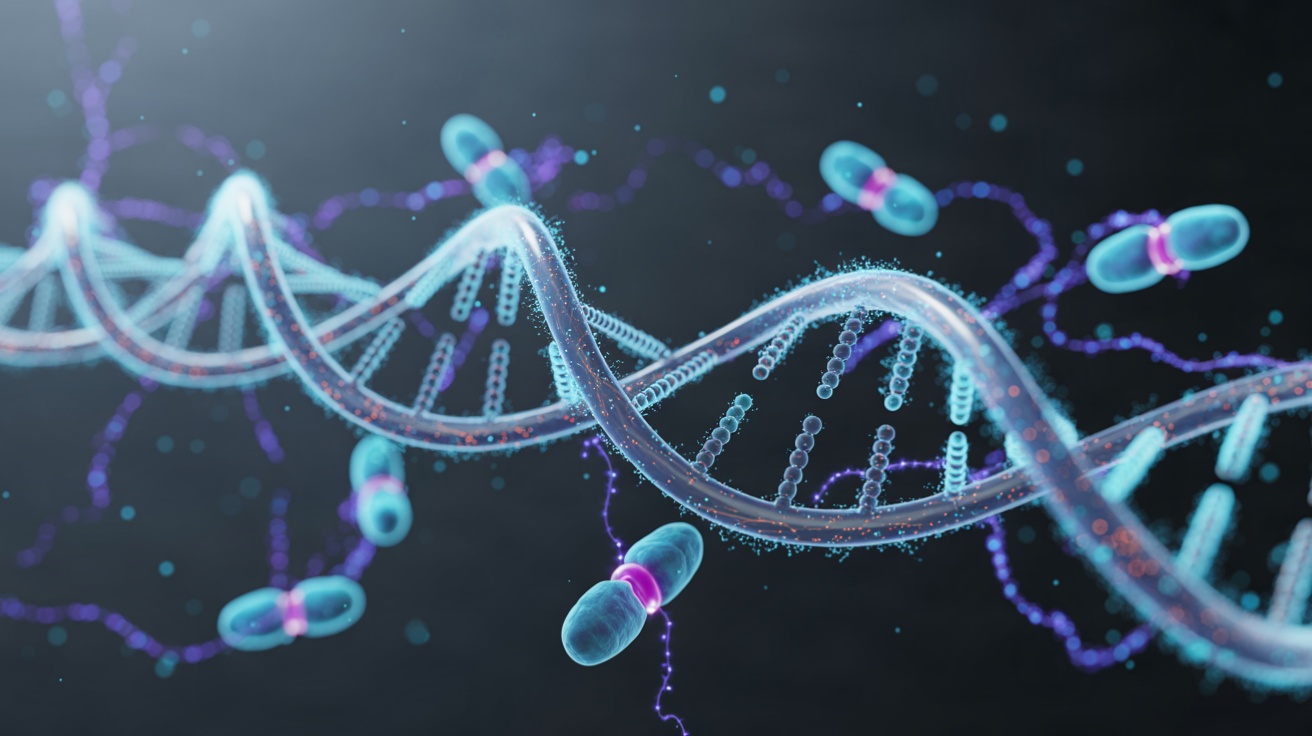
But energy is only half the story. NAD+ is also used by a set of enzymes involved in DNA repair, stress responses, and aging biology. These enzymes literally consume NAD+ as they work, which becomes important later when we talk about why levels seem to drop with age.
One quick clarification, because the supplement world muddies this constantly: NAD+ is not a stimulant, a hormone, or a peptide. It won’t hit you like caffeine. It’s closer to cellular infrastructure, the wiring that lets everything else run, rather than a switch you flip for an instant effect.
Is NAD+ a Peptide?
Short answer: no. Plenty of people search for “NAD peptide,” and it’s an understandable mix-up, but NAD+ is not a peptide. Peptides are short chains of amino acids linked by peptide bonds, things like BPC-157, GHK-Cu, or MOTS-c. NAD+ is a dinucleotide, a coenzyme built from two nucleotides rather than amino acids. Different class of molecule entirely.
So why does everyone call it the “NAD peptide”? Because NAD+ lives in the same world as peptides. The same research-grade suppliers carry it, the same longevity stacks include it, and the same biohacking forums talk about it. When a peptide vendor lists NAD+ right next to BPC-157 and GHK-Cu, people reasonably assume it belongs to the family. Chemically it doesn’t, but in the cellular-health toolkit it sits shoulder to shoulder with them.
Because it’s such a foundational molecule, NAD+ is also studied and sold as a research compound in its own right. If you go looking for it, the research-grade NAD+ from Everest Peptides is third-party tested at 99.94% purity by Freedom Diagnostics, which counts for a lot in a category where what’s on the label and what’s in the jar don’t always line up.
Why NAD+ Matters for Energy and Aging
Think of it this way. NAD+ is not the gas in the car. It’s more like part of the electrical system that lets the engine turn fuel into motion. You can have a full tank, but without the wiring, nothing moves.
Your mitochondria depend on NAD+ chemistry to generate ATP, the molecule your cells actually spend for energy. That alone would make NAD+ important. But it also powers two families of enzymes that longevity scientists are obsessed with: sirtuins and PARPs.
Sirtuins are sometimes called “longevity enzymes” because they help regulate metabolism, stress resistance, and cellular maintenance. PARPs are repair crews that spring into action when your DNA gets damaged. Both of them run on NAD+. When they’re busy, they burn through your NAD+ supply.
Here’s where it connects to aging. NAD+ levels appear to decline with age across several human tissues. A frequently cited study in PLoS ONE measured NAD+ in human skin and found a strong negative correlation with age, meaning older tissue tended to have less of it. Similar declines have been reported in liver, brain, muscle, and blood.
Why does it drop? The newer thinking is that it’s less about your body making less NAD+ and more about your body destroying more of it. An enzyme called CD38 ramps up with age and chronic inflammation, and it chews through NAD+ aggressively. Research in Cell Metabolism showed CD38 rises in multiple tissues as mice age and drives much of the NAD+ decline.
Lifestyle stacks on top of that. Aging, inflammation, metabolic stress, heavy alcohol use, poor sleep, and chronic overnutrition all appear to pull on NAD+ biology in unhelpful directions. That combination, a molecule that’s essential, declines with age, and gets hammered by modern living, is exactly why longevity researchers keep circling back to it.
How NAD+ Works in the Body
This is the part most articles skip or botch. If you understand this section, you’ll understand NAD+ better than most of the people selling it.
NAD+ and NADH: The Electron Shuttle
NAD+ and NADH are two sides of the same coin. NAD+ is the “empty” oxidized form, ready to grab electrons. NADH is the “loaded” reduced form, carrying electrons it picked up from the breakdown of food. Your cells constantly flip back and forth between the two, and that flipping is how energy gets moved around. NADH then drops its electrons into the mitochondrial electron transport chain, which ultimately produces ATP.
Sirtuins, PARPs, and CD38
Beyond energy, three groups of enzymes use NAD+ as fuel. Sirtuins handle metabolic and stress-response signaling. PARPs handle DNA repair. CD38 is involved in immune signaling and, less helpfully, in degrading NAD+. The catch is they all draw from the same finite NAD+ pool, so when one group is working overtime, less is available for the others. That competition is a big reason “just flood the body with NAD+” is more complicated than it sounds.
How Your Body Makes NAD+
Your body builds NAD+ through a few routes. The main one is the salvage pathway, which recycles nicotinamide back into NAD+ using a rate-limiting enzyme called NAMPT. There’s also the Preiss-Handler pathway from niacin (nicotinic acid), and the de novo pathway that starts from the amino acid tryptophan in your diet.
This is where NAD+ and its precursors get confusing. NMN and NR are molecules one or two steps away from NAD+. Your body converts NR into NMN, and NMN into NAD+. Niacin and niacinamide are vitamin B3 forms that feed into the pathways too. They’re all “upstream” of NAD+, which is why supplement brands love calling them NAD+ boosters.
That sounds simple, but biology rarely is. Where you raise NAD+, in the blood versus inside specific tissues, matters enormously, and a high blood NAD+ reading does not automatically mean your brain or muscle cells got the memo. Hold onto that idea, because it comes back when we talk about IV therapy.
NAD+ Benefits: What the Research Actually Suggests
Now the part you came for. I’m going to spend more words on the benefits the research actually backs and move fast through the ones that are mostly wishful thinking. Where the floor is solid, I’ll say so. Where it’s plywood laid over a hole, I’ll say that too.
NAD+ and Cellular Energy
Start here, because this is the one claim nobody can really argue with. Your cells cannot produce ATP without NAD+ ferrying electrons through the process. That isn’t a marketing line, it’s just how the machinery runs.
The tricky leap is from “essential inside the cell” to “I’ll feel more energetic after a capsule.” If you’re healthy and eating enough, topping up a molecule you weren’t short on may do very little you can actually notice. Someone running low on the inputs is a different story.
NAD+ and Mitochondrial Health
Your mitochondria depend on NAD+ chemistry, full stop, and in animals, restoring NAD+ tends to improve how they work. Human results are spottier: levels go up in trials, but the performance gains don’t reliably follow, a theme you’ll keep bumping into with this molecule.
NAD+ and Healthy Aging
This is the headline that built the entire industry, so slow down with me here. The animal data is genuinely exciting. The human data is genuinely thinner. The whole NAD+ debate basically lives in that gap.
Roughly how the evidence splits:
- In animals: raising NAD+ or its precursors has improved markers of healthspan, metabolism, and mitochondrial function across study after study.
- In humans: we have strong evidence that NAD+ falls with age and that precursors can push it back up. We do not have evidence that doing so slows or reverses aging.
Impressive in mice, unproven in people. That distinction is the single most important thing to carry out of this article, and it’s why I get twitchy whenever a brand stamps “reverse aging” on a label. The molecule is fascinating. The anti-aging promise is a sales line the science hasn’t earned.
NAD+ and DNA Repair
Your cellular repair crew, the PARP enzymes, can’t operate without NAD+. So yes, NAD+ is wired deep into DNA repair. What that does not mean is that swallowing it patches up your genome or shields you from damage. Nobody has shown that in a human, and the distance between “involved in” and “fixes” is enormous.
NAD+ and Brain Health
The most interesting brain finding so far came out of the NADPARK trial, where nicotinamide riboside actually raised NAD+ inside the brains of Parkinson’s patients. That matters because it shows a precursor can get past the blood-brain barrier and change something you can measure up there. Whether it sharpens thinking in a healthy 35-year-old is a completely different question, and one nobody has answered.
NAD+ and Metabolic Health
I’d rather hand you the messy version than a cherry-picked win. A well-known study in Science found NMN improved muscle insulin sensitivity in prediabetic, postmenopausal women. Real result, real journal. Then a later meta-analysis pooled several trials and found no consistent effect on blood sugar markers at all.
So which reading wins? Most likely it does something for certain metabolic profiles and nothing for others. If your metabolism is already humming along, don’t expect fireworks.
NAD+ and Exercise Performance
A handful of NMN trials have reported small bumps in things like walking distance and aerobic capacity, mostly in older or untrained people, and often in studies funded by the companies selling the stuff. Read that however you want to. A trained lifter chasing a new PR should look elsewhere.
NAD+ and Skin Aging
Mostly marketing, honestly. Niacinamide earns its spot in topical skincare, but the claim that oral or IV NAD+ rewinds your skin doesn’t have the clinical trials to stand on. Good story, thin proof, skip the hype.
NAD+ and Fatigue
This is where the stories and the science pull in opposite directions. NAD+ sits at the center of energy production, so reaching for it when you’re wiped out feels intuitive, and plenty of IV and supplement users swear they feel a lift afterward.
The controlled evidence for fatigue specifically? Slim. And fatigue happens to be exactly the kind of subjective thing placebo loves to “fix.” I’m not saying those people imagined it. I’m saying I can’t point you to a trial that proves the molecule, rather than the ritual and the hope, did the work.
NAD+ vs NMN vs NR: What’s the Difference?
This is where NAD+ and its precursors get genuinely confusing, and it’s the single most useful thing to understand before you spend a dollar on any of it.
NAD+ is the molecule your cells actually use. NMN and NR are precursors, the raw materials your body converts into NAD+. NR becomes NMN becomes NAD+. Niacin and niacinamide are vitamin B3 relatives that also feed the NAD+ pathways. NADH is just the reduced, electron-carrying form of NAD+.
Here’s the part the brands gloss over. Taking NAD+ orally may not work the way taking a precursor does, because NAD+ is a large molecule that tends to get broken down in the gut before it’s absorbed intact. That’s a big reason NR and NMN, not oral NAD+ itself, have the most direct human supplement research behind them. NR in particular has been shown to be orally bioavailable and to raise blood NAD+ in humans, and a six-week trial confirmed it does so reliably and safely in middle-aged and older adults.
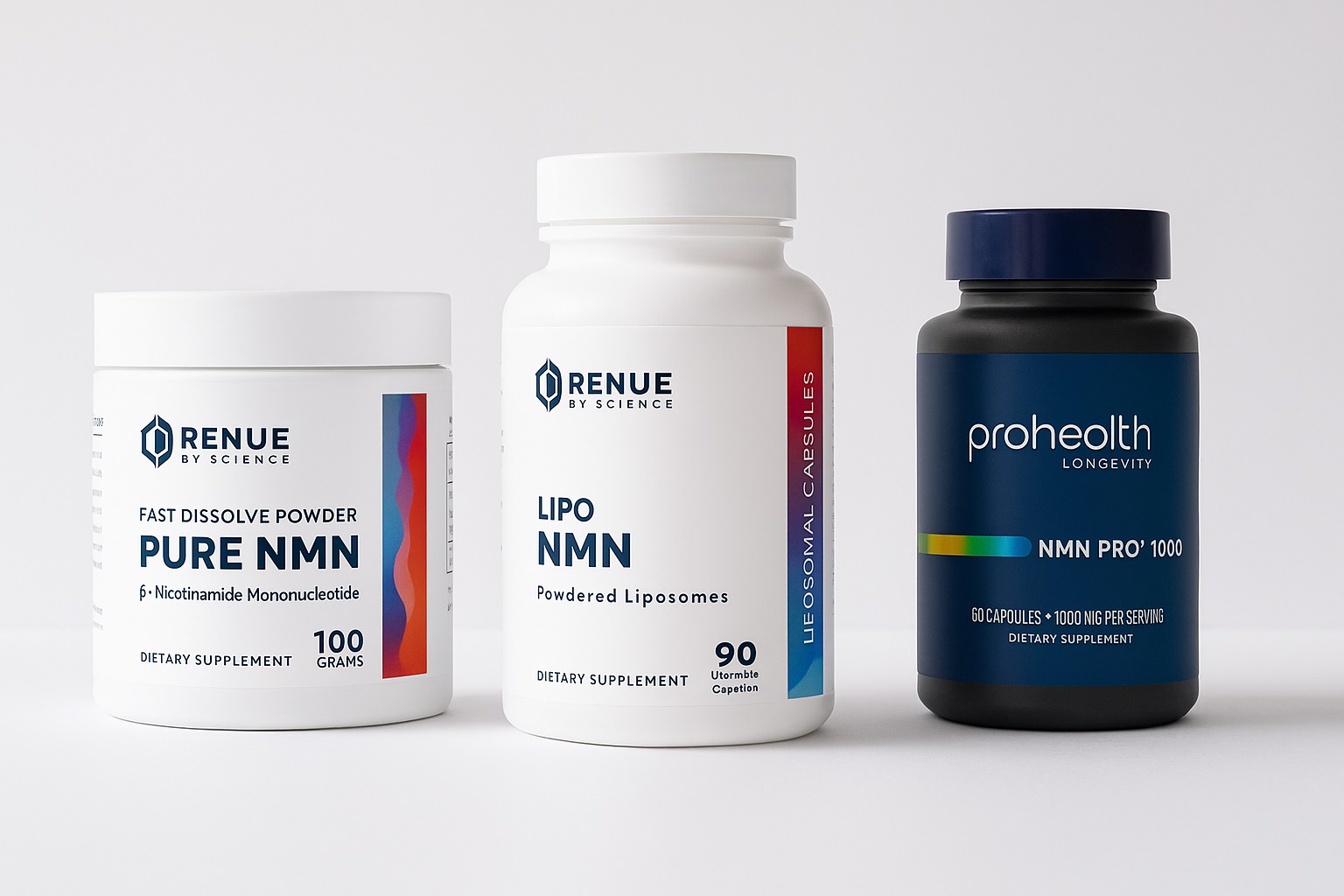
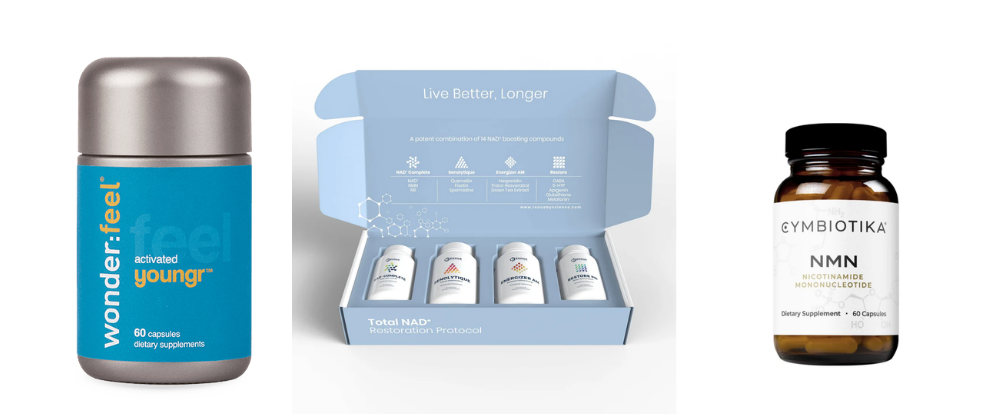
So when a label screams “NAD+ booster,” it might mean NAD+, NMN, NR, niacin, or niacinamide. They are not interchangeable, and they don’t have equal evidence. Here’s the cheat sheet.
If you want the deeper dives, NMN and NR each deserve their own breakdown [internal link: NMN benefits] [internal link: NR supplement guide]. For this article, the takeaway is simple: precursors have the better human research, and “NAD+ booster” on a label tells you almost nothing until you read the actual ingredient. And whatever form you’re looking at, purity is the variable that actually separates the good from the garbage, which is why I point people toward verified, research-grade material like Everest Peptides NAD+, tested at 99.94% by Freedom Diagnostics.
NAD+ Dosage: Common Ranges People Use
Because people search for NAD+ dosage constantly, it’s worth looking at the ranges that show up in studies, on supplement labels, in clinic protocols, and in user discussions. What follows is a map of what’s out there, not a prescription.
Read this first. This section is for educational purposes only. It summarizes commonly reported or studied ranges and should not be read as a personal dosing recommendation. NAD+ IVs, injections, high-dose niacin, and any protocol involving medical conditions, pregnancy, breastfeeding, or medications should be discussed with a qualified clinician.
A few things worth saying out loud about that table. Route matters a lot. Oral, injectable, and IV NAD+ are not interchangeable, and they don’t reach your cells the same way. Higher is not automatically better, partly because of that enzyme competition we covered and partly because your body has to process the excess. Niacin and niacinamide are vitamin B3 forms, not NAD+ itself, and they come with their own quirks like flushing. And tolerability varies person to person, which is exactly why the IV and injection rows belong in a clinician’s hands, not a guess-and-check experiment at home.
Research-Grade NAD+
Everest Peptides · 500mg · 99.94% Purity
Independently tested by Freedom Diagnostics. On sale at $59.99, and code BRAINFLOW takes another 10% off, bringing it to $53.99. Most vendors charge over $80 for lower purity.
Shop Everest NAD+ →NAD+ Injections and IV Therapy: What to Know
NAD+ IV therapy is everywhere right now. Wellness clinics, recovery lounges, and mobile drip services advertise it for energy, mental clarity, “detox,” addiction recovery, anti-aging, even hangovers. Prices commonly run from a few hundred dollars to well over a thousand per session, and a single infusion can take two to four hours because it has to be dripped in slowly.
People do report feeling something. Energy, a mood lift, sharper focus, a sense of recovery. Those reports are real in the sense that people are really experiencing them. The question is whether the effect comes from a genuine intracellular NAD+ boost, from the high-dose B-vitamin and hydration cocktail that often rides along, or from the simple fact that you paid a lot and sat still for three hours expecting to feel better.
Here’s the part clinics rarely mention. A pilot study tracking NAD+ in the blood during a six-hour infusion found that measurable NAD+ and its byproducts didn’t really show up in plasma until after the first two hours. The body appears to grab and metabolize the infused NAD+ extremely fast, which makes the “we flooded your cells with NAD+” pitch more complicated than it sounds. A full vein and a topped-up cell are two very different things.
The tolerability piece is worth flagging too. The most common complaint about NAD+ IVs is that the infusion itself can feel rough if it’s run too fast, with chest tightness, nausea, flushing, and a kind of pressure or anxiety that fades when the drip is slowed. That’s why these belong in a supervised clinical setting.
I’m not here to bash clinics. Some people genuinely value the experience, and injectable and IV NAD+ are being studied seriously. But the marketing claims are running ahead of the published human evidence, and the cost-to-proof ratio is steep. Go in curious, not convinced.
NAD+ Side Effects and Safety
NAD+ and its precursors are generally considered well tolerated. That label has limits, though, and what actually happens depends a lot on which form you take and how it gets into you.
NAD+ IVs most often cause issues during the infusion itself: chest tightness or pressure, nausea, cramping, flushing, an elevated heart rate, and a jittery or anxious feeling. These are usually dose-rate dependent and ease when the drip slows. Injections are generally milder per user reports but still warrant clinical oversight because you’re dealing with a compounded product going under the skin or into muscle.
On the oral side, NR and NMN have been well tolerated in trials, with mild and occasional GI complaints like nausea or stomach upset being the usual extent of it. Niacin is the outlier: it famously causes flushing, that hot, tingling, red-skin reaction, and at high sustained doses it carries liver considerations and can affect blood sugar. Niacinamide skips the flushing but can stress the liver at very high doses.
⚠ Talk to a Clinician First
If you’re pregnant or breastfeeding, have a history of cancer, take prescription medications, or are managing a health condition, talk with a qualified healthcare professional before using any NAD+ product, precursor, injection, or IV. The long-term effects of aggressive NAD+ boosting in humans are not well established, and more is not automatically better.
One nuance deserves careful wording. NAD+ supports healthy cell survival and DNA repair, which is good. But fast-growing cells, including cancer cells, are also metabolically hungry and use NAD+. Researchers have raised a theoretical question about whether aggressively boosting NAD+ could be unhelpful in someone with an existing cancer. Nobody has resolved it yet, and I’d put it firmly in the “ask your oncologist before you experiment” category if it applies to you.
Two practical safety points round this out. First, purity is a real issue in this category. Independent testing of NAD+ and NMN products has repeatedly found items that contained far less than the label claimed, sometimes almost none, so third-party Certificates of Analysis matter. This is the whole reason I lean toward research-grade material with published lab results: Everest Peptides NAD+ tests at 99.94% purity through Freedom Diagnostics, which is exactly the kind of verification this category usually lacks. Second, the long-term safety of high-dose, years-long NAD+ boosting simply hasn’t been studied in humans yet. Reasonable people can be optimistic and still admit that.
Is NAD+ Legal?
NAD+ is a natural molecule found in food and in your own body, and NAD+ supplements are sold openly in the US. So is nicotinamide riboside (NR), which has been recognized as a dietary supplement ingredient and is widely available.
NMN is the one with a messy backstory. In 2022, the FDA took the position that NMN could not be sold as a dietary supplement because it had been investigated as a drug, which threw the supplement industry into confusion. After legal and industry pushback, the FDA reversed course, confirming in late 2025 that NMN is not excluded from the dietary-supplement definition. The short version: NMN is once again sold as a supplement in the US, though the regulatory road to get there was bumpy.
NAD+ injections and IVs live in a different world. They’re typically prepared by compounding pharmacies and offered through clinics as elective wellness services rather than FDA-approved drugs. Worth sitting with that distinction for a second: a product can be perfectly legal to sell as a supplement or offer in a clinic without the FDA ever having reviewed it for safety and effectiveness the way it scrutinizes a prescription medication. Legal to buy and proven to work are two separate bars, and only one of them is cleared here.
Regulators also watch the claims. The FTC has taken action against companies marketing anti-aging products with claims they couldn’t back up. So when you see “reverse aging” or “cure fatigue” on a NAD+ product, that’s a marketing red flag, not a scientific endorsement.
Foods and Lifestyle Habits That Support NAD+
This is the part I find genuinely useful, because some of the strongest evidence for influencing NAD+ biology isn’t a supplement at all. It’s how you live.
On the food side, your body builds NAD+ from B3 precursors and the amino acid tryptophan. That means niacin-rich foods like fish, poultry, peanuts, and mushrooms, along with adequate protein for tryptophan, give your body the raw materials. Milk contains small amounts of NR. These dietary amounts are modest compared to supplement doses, but they’re the foundation the whole system runs on.
Exercise is the standout. Physical activity boosts the activity of NAMPT, the rate-limiting enzyme in the NAD+ salvage pathway, and acute exercise raises NAD+ in working muscle. If there’s a single “NAD+ booster” with deep, reproducible human evidence behind it, it’s movement.
Sleep and circadian rhythm matter because NAD+ levels actually oscillate on a daily clock, rising and falling in sync with your body’s internal timing. Chronically wrecking your sleep works against that rhythm. Fasting and calorie restriction have been shown to nudge NAD+ and sirtuin activity in a favorable direction, which fits the broader longevity picture.
On the flip side, heavy alcohol use directly burns through NAD+ during its metabolism, and chronic inflammation feeds the CD38 enzyme that degrades it. So cutting back on alcohol and managing metabolic and inflammatory health aren’t just generic wellness advice here, they map onto NAD+ biology directly.
The honest line between strong evidence and biohacker speculation: exercise, sleep, alcohol moderation, and metabolic health have real support. The trendier stuff, like specific cold plunge or sauna protocols “for NAD+,” is mostly mechanistic hope at this point. Worth doing for other reasons, just don’t oversell the NAD+ angle.
If you want the short list of levers with the most actual evidence behind them:
- Move regularly. Exercise is the most reproducible NAD+ lever we have, and it’s free.
- Protect your sleep. NAD+ runs on a daily clock, and wrecked sleep fights that rhythm.
- Go easy on alcohol. Metabolizing it burns through NAD+ directly.
- Keep metabolic and inflammatory health in check. Chronic inflammation feeds CD38, the enzyme that degrades NAD+.
- Eat enough protein and B3-rich food. These are the raw materials your body builds NAD+ from in the first place.
NAD+ vs Other Longevity Supplements
NAD+ doesn’t exist in a vacuum. Most people considering it are also looking at the rest of the longevity shelf, so here’s the quick orientation.
NAD+ vs NMN and NR: covered above. The precursors have the stronger human supplement evidence, and oral NAD+ has an absorption problem. NAD+ vs CoQ10: CoQ10 also supports the energy-producing electron transport chain, but through a different mechanism, and its benefit is clearest in people who are deficient or on statins. NAD+ vs PQQ: PQQ is marketed for mitochondrial biogenesis with thin human evidence, and is often stacked with CoQ10.
NAD+ vs creatine: if your actual goal is energy and performance, creatine has far more reproducible human evidence than NAD+ does, and it’s cheap [internal link: creatine benefits]. NAD+ vs glutathione IV: glutathione is an antioxidant, not part of NAD+ metabolism, but the two are constantly co-marketed on the same drip menus. NAD+ vs resveratrol: resveratrol is the classic sirtuin-activator pairing in the “Sinclair stack,” though its own evidence is contested [internal link: resveratrol benefits].
If you’re building a broader protocol, it’s worth seeing how NAD+ fits alongside the rest [internal link: best longevity supplements] rather than treating it as a standalone miracle.
What Real Users Say About NAD+
Anecdote, Not Evidence
The reports below come from biohacking, longevity, and supplement communities. They reflect what people say they experience. They are not clinical evidence, and they’re subject to placebo, expectation, and the fact that people who spend money on something want it to work.
NAD+ IV users tend to be the most vocal. The positive camp talks about energy, mental clarity, mood lift, and faster recovery, with some describing the experience in almost glowing terms. The negative camp talks about feeling rough during the drip, queasy, tight-chested, flu-like, and a meaningful number who walked out thinking they felt nothing worth the price.
Cost is the single most common complaint. When sessions run several hundred to over a thousand dollars and take hours, the “is this worth it” conversation dominates the threads. A lot of long-time biohackers land on injections or oral precursors as a cheaper way to chase the same goal.
NMN and NR users describe much subtler effects, usually framed as small improvements in energy or endurance over weeks rather than a noticeable hit. Plenty say they couldn’t tell any difference at all. And almost everyone, at some point, gets confused about NAD+ versus NMN versus NR, which tells you the supplement industry’s labeling is doing nobody any favors.
People also constantly compare NAD+ to glutathione IVs, CoQ10, creatine, peptides, and nootropics, usually trying to figure out which one is actually pulling the weight in their stack. That instinct, to question what’s really doing the work, is a healthy one.
My Honest Take on NAD+
NAD+ is one of the few longevity topics where the underlying biology is genuinely fascinating rather than wishful. The molecule is real, it’s essential, it declines with age, and it sits at the intersection of energy, repair, and metabolic signaling. That’s not marketing. That’s textbook cell biology.
My honest read on the research is this: the strongest, most reliable evidence is for the basic biology and for the fact that precursors like NR and NMN raise blood NAD+ in humans. The benefits people most want, dramatic energy, slowed aging, sharper brains, sit on a wobblier stack of promising human signals, strong animal data, and mechanistic optimism. I’d be lying if I dressed any of that up as settled.
The place I get most skeptical is the IV-clinic boom. Expensive, time-consuming, marketed with confidence the published data doesn’t quite earn yet. That doesn’t make it worthless, but it does make it the part of the NAD+ world where your wallet is most likely to outrun your results.
So where does that leave a curious person? Somewhere in the reasonable middle. NAD+ is a serious cellular-health topic with real but uneven human evidence, worth understanding deeply and worth approaching with calm interest instead of hype. And if you do decide to work with it, the one thing I won’t budge on is sourcing. Verified, third-party-tested, research-grade material beats mystery powders and under-dosed capsules every single time.
Where to Get Research-Grade NAD+
If purity is the thing that actually separates good NAD+ from garbage, then verification is non-negotiable. That’s the short version of why Everest Peptides is where I point people for research-grade NAD+, and it’s the source I trust and use myself. Plenty of BrainFlow readers have switched to it for the same reason. Their 500mg NAD+ tests at 99.94% purity through Freedom Diagnostics, the lab results are published, and it lands well under what most vendors charge for lower-purity material.
Get Research-Grade NAD+ at Everest Peptides
The research-grade NAD+ I trust and use myself, and the one a lot of BrainFlow readers have moved to. Tested at 99.94% purity by Freedom Diagnostics, with published lab results. Most vendors charge over $80 for lower-purity material.
500mg NAD+ · 99.94% Purity
Use code BRAINFLOW
10% off · No minimum, no exclusions
For laboratory and research use only · 99.94% purity · Third-party tested
Final Thoughts
The reason NAD+ has stayed popular isn’t just clever marketing. It sits at the center of energy, aging, mitochondrial function, and cellular repair, which makes it one of the more genuinely important molecules to understand if you care about longevity. The hype found something real to attach itself to.
The smartest approach is to separate the molecule from the marketing. NAD+ biology is real. NAD+ boosting through precursors is promising and increasingly well studied. NAD+ IVs and injections are more complicated and more expensive than the ads suggest. And the best evidence is still being written, which is honestly part of what makes this such an interesting space to follow.
If you take one thing away, let it be this: support the fundamentals first. Exercise, sleep, alcohol moderation, and metabolic health move NAD+ biology with more evidence behind them than most of what you can buy. Everything else is a layer on top of that, not a replacement for it.
Frequently Asked Questions
What is NAD+? NAD+ (nicotinamide adenine dinucleotide) is a coenzyme found in every cell. It helps convert food into cellular energy and is used by enzymes involved in DNA repair, stress responses, and aging biology.
What does NAD+ do? Its main job is energy. NAD+ shuttles electrons during the chemical reactions that produce ATP, your cells’ energy currency. It also fuels sirtuins and PARPs, enzymes tied to metabolism and DNA repair.
Is NAD+ a peptide? No. Despite “NAD peptide” being a common search, NAD+ is a dinucleotide coenzyme, not a peptide. Peptides are short chains of amino acids, like BPC-157 or GHK-Cu. NAD+ gets grouped with peptides because the same research-grade suppliers and biohacking communities cover both, but chemically they’re different classes of molecule.
What are the benefits of NAD+? Research connects NAD+ to cellular energy, mitochondrial function, healthy-aging pathways, DNA repair, and metabolic health. The strength of evidence varies a lot by benefit, from solid mechanism to early human data to mostly animal findings.
Does NAD+ give you energy? NAD+ is essential for energy production at the cellular level, so the mechanism is real. Whether a supplement or IV produces a noticeable energy boost in an already-healthy person is less certain and varies between people.
Is NAD+ good for aging? NAD+ declines with age and is central to aging research, which is why it gets so much attention. But there’s no human evidence that NAD+ reverses aging, and that claim should be treated as marketing, not science.
What’s the difference between NAD+ and NMN? NMN is a precursor your body converts into NAD+. Oral NMN has decent human evidence for raising blood NAD+, while oral NAD+ itself tends to break down in the gut before absorption.
What’s the difference between NAD+ and NR? NR (nicotinamide riboside) is another precursor, two steps from NAD+, and currently has the strongest human supplement research for reliably raising NAD+ levels.
What’s the difference between NAD+ and NADH? They’re two forms of the same molecule. NAD+ is the oxidized form ready to accept electrons; NADH is the reduced form carrying them. Cells constantly cycle between the two to move energy.
What is a common NAD+ dosage? Common ranges seen in studies and on labels include NR around 250–1,000 mg/day and NMN around 250–900 mg/day. This is not a dosing recommendation, and forms, routes, and individual factors vary widely. Discuss any protocol with a clinician.
Are NAD+ injections better than supplements? Not necessarily. Injections and IVs get NAD+ into the bloodstream, but that doesn’t automatically mean more reaches your cells, and they cost far more. The marketing claims often outrun the published evidence.
What are the side effects of NAD+? IV infusions can cause chest tightness, nausea, and flushing during the drip. Oral precursors like NR and NMN are generally well tolerated, with mild GI effects being most common. Niacin can cause flushing and, at high doses, liver concerns.
Is NAD+ legal? Is it FDA-approved? NAD+ and NR are sold as supplements in the US, and NMN’s supplement status was reaffirmed in late 2025. NAD+ IVs are offered as clinic services. But being available is not the same as being FDA-approved, which is a separate, much higher bar.
Reviewed for scientific accuracy by [Name, Credentials].
Affiliate Disclosure: This article contains affiliate links to Everest Peptides. We may earn a commission if you purchase through these links at no extra cost to you. We only recommend products we’ve researched and believe in. Everest Peptides NAD+ is sold as a research-grade compound for laboratory and research use.
Medical Disclaimer: This article is for educational and informational purposes only and does not constitute medical advice, diagnosis, or treatment. NAD+ and its precursors are not intended to diagnose, treat, cure, or prevent any disease. Nothing here is a dosing recommendation. Talk with a qualified healthcare professional before starting any supplement, injection, or IV therapy, especially if you are pregnant or breastfeeding, have a medical condition or history of cancer, or take prescription medications. Individual results vary.
Last updated: May 2026