

How much protein did you eat yesterday?
If you’re on a GLP-1 medication and you have to think about it for more than three seconds, the answer is probably “not enough.”
This is the quiet crisis nobody warns you about when you start Ozempic, Wegovy, Mounjaro, or Zepbound. The drugs work exactly as advertised. Your appetite vanishes. The weight drops. And somewhere along the way, your muscles start disappearing too.
Research presented at ENDO 2025, the Endocrine Society’s annual meeting, put a number on it. Approximately 40% of the weight lost from semaglutide comes from lean mass, including muscle. Not fat. Muscle.
That’s not a rounding error. That’s nearly half your weight loss coming from tissue you desperately want to keep.
Why This Matters More Than You Think
Muscle isn’t just for aesthetics. It’s metabolically active tissue that burns calories even when you’re sitting on the couch. Lose muscle and your resting metabolic rate drops. Your body needs fewer calories to maintain itself. And the moment you stop the medication or reduce your dose, those extra calories have nowhere to go except back onto your frame as fat.
This is how people end up in the dreaded rebound cycle. Lose 50 pounds on GLP-1s. Lose 10 pounds of that from muscle. Stop the medication. Regain 60 pounds because their metabolism now runs slower than before they started.
Muscle also matters for blood sugar control, bone density, balance, and basic functional strength. The older you get, the more critical it becomes. Sarcopenia, age-related muscle loss, is already a risk factor for people with type 2 diabetes. Losing additional muscle on top of that accelerates the decline.
The Endocrine Society study found that women and older adults are at particularly high risk for muscle loss on semaglutide. But here’s the good news buried in the same research: higher protein intake appears to protect against it.
The Math on What Your Body Actually Needs
The standard recommendation for protein is 0.8 grams per kilogram of body weight. That’s the bare minimum to prevent deficiency in a healthy adult who isn’t trying to lose weight or preserve muscle mass.
For GLP-1 users, that number is laughably low.
Clinical guidelines for patients on GLP-1 medications recommend 1.0 to 1.5 grams of protein per kilogram of body weight daily. Some experts push that even higher, to 1.6 grams per kilogram, especially if you’re doing resistance training.
Let’s translate that into real numbers.
If you weigh 180 pounds (about 82 kg), your protein target lands somewhere between 82 and 131 grams per day. If you’re actively strength training, aim for the higher end.
At 200 pounds (91 kg), you’re looking at 91 to 145 grams daily.
At 150 pounds (68 kg), target 68 to 109 grams.
Now think about what you ate yesterday and ask yourself honestly whether you came anywhere close to those numbers.
Why Getting Enough Is So Hard Right Now
GLP-1 medications reduce caloric intake by 16 to 39 percent compared to placebo. That’s according to a review of the clinical research. When you’re eating a third less food overall, hitting your protein targets requires serious intentionality.
The problem compounds because appetite suppression doesn’t care about macronutrients. You don’t feel less hungry for carbs specifically or fats specifically. You just feel less hungry, period. And when you finally do eat, there’s a good chance you’re reaching for whatever’s convenient rather than whatever has the most protein.
A cross-sectional study of GLP-1 users found that while 75% of participants reported eating more protein since starting medication, only 43% actually consumed at least 1.2 grams per kilogram. Just 10% hit 1.6 grams per kilogram. And a mere 5% reached 2.0 grams per kilogram.
People think they’re eating enough protein. They’re wrong. The perception gap is enormous.
Protein First. Everything Else Second.
When your eating window shrinks and your stomach capacity drops, the order you eat food matters. Protein has to come first. Before the salad. Before the bread. Before the side of rice.
If you get full after eating half of what’s on your plate, you want that half to be the chicken breast, not the mashed potatoes. Structure every meal so the highest-protein item gets eaten first while you still have room.
This single habit change can dramatically increase your protein intake without requiring you to eat any more food than you’re already eating. Same volume. Better composition.
Wondering what kinds of snacks work for this approach? We put together a full breakdown of high-protein snacks designed specifically for GLP-1 users.
The 25-Gram Rule
Your body can only use so much protein at once for muscle building. The research points to somewhere around 25 to 40 grams per meal as the optimal range for stimulating muscle protein synthesis.
Eating 100 grams of protein at dinner and nothing the rest of the day isn’t nearly as effective as spreading 100 grams across four meals. Your muscles need regular protein deliveries throughout the day, not one massive dump followed by hours of nothing.
Structure your eating around hitting at least 25 grams at breakfast, lunch, and dinner. Then fill gaps with protein-rich snacks.
What does 25 grams actually look like?
About 3.5 ounces of chicken breast. Four eggs. One cup of Greek yogurt plus a handful of almonds. A can of tuna. A cup and a half of cottage cheese. A protein shake with a scoop and a half of powder.
None of these are huge portions. But if you’re not measuring or paying attention, it’s easy to eat less than you think.
High-Protein Foods That Actually Work on GLP-1s
Not all protein sources are created equal when you’re dealing with reduced appetite and a sensitive stomach. Some foods pack a lot of protein into small volumes. Others require you to eat a mountain of food to hit your numbers.
Prioritize density.
Greek yogurt delivers about 17 grams per cup in a format that goes down easy even on nauseous days. Cottage cheese packs even more at 28 grams per cup. Both are cold, soft, and gentle on digestion.
Eggs are workhorses. Six grams each, easy to prepare a dozen different ways, and one of the most bioavailable protein sources that exists. Three eggs plus cheese gets you to 25 grams before you’ve finished your morning coffee.
Lean meats like chicken breast, turkey, and fish give you roughly 7 grams of protein per ounce. A 4-ounce serving (about the size of a deck of cards) hits 28 grams. Canned tuna and salmon work when cooking feels like too much effort.
For days when chewing solid food sounds miserable, protein powder fills the gap. A quality option like Orgain delivers 21 grams per scoop without a weird chemical aftertaste. Blend it with frozen fruit, a tablespoon of nut butter, and milk for a 40-gram protein smoothie that takes two minutes to make.
The Case for Tracking (At Least Temporarily)
Most people dramatically overestimate how much protein they eat. The study showing only 43% of GLP-1 users hit minimum protein targets proves the point. Everyone thinks they’re doing fine. Most aren’t.
For at least two weeks, track everything you eat with an app like MyFitnessPal or Cronometer. Weigh your food with a kitchen scale. Look at actual grams of protein consumed versus what you assumed you were eating.
The gap will probably shock you.
That “big” chicken breast you thought was 30 grams of protein? Probably closer to 18 when you weigh it. The handful of nuts you snacked on? Maybe 4 grams instead of the 10 you imagined.
You don’t need to track forever. But a couple weeks of honest data collection teaches you what real portions look like and where your gaps are hiding.
Supplements Can Bridge the Gap
Getting all your protein from whole foods is ideal. It’s also unrealistic for a lot of GLP-1 users whose appetites have completely collapsed.
Protein powder isn’t cheating. It’s a practical tool for hitting targets when eating enough food isn’t physically possible.
One shake per day can add 20 to 40 grams of protein depending on how you make it. That might be the difference between falling short and actually hitting your goals.
Other high-protein supplements worth considering: collagen peptides (10+ grams per scoop, dissolves into coffee or smoothies invisibly), protein bars for portable snacks, and bone broth for days when drinking something warm sounds better than eating.
While you’re at it, make sure you’re staying hydrated. Protein metabolism requires water, and dehydration makes everything harder. Adding electrolyte packets to your water helps replace the minerals you’re likely not getting enough of from food.
The goal is consistency, not perfection. Whatever helps you hit your numbers day after day is the right approach for you.
Resistance Training Is Non-Negotiable
Protein intake alone isn’t enough. Your muscles need a reason to stick around. That reason is mechanical stress from resistance training.
Without the signal that muscles are being used for something, your body has no incentive to maintain them during a caloric deficit. It’ll happily break them down for energy. Protein or no protein.
A case series from patients prioritizing muscle preservation on GLP-1s found that those doing resistance training 3 to 5 days per week while eating adequate protein either maintained their lean mass or actually gained muscle while losing significant body fat. One patient lost 26.8% of their body weight while increasing lean mass by 2.5%.
That’s the goal. Lose fat. Keep muscle. Or even build some.
You don’t need a gym membership or complicated equipment. Bodyweight exercises, resistance bands, or a set of dumbbells at home are enough to provide the stimulus your muscles need. Want specifics? Here’s our guide on exercise strategies for GLP-1 users.
Two to three sessions per week targeting all major muscle groups. That’s the minimum effective dose.
Meal Prep Removes the Excuses
When appetite is low, motivation to cook drops even lower. Nobody wants to spend an hour making dinner they don’t even feel like eating.
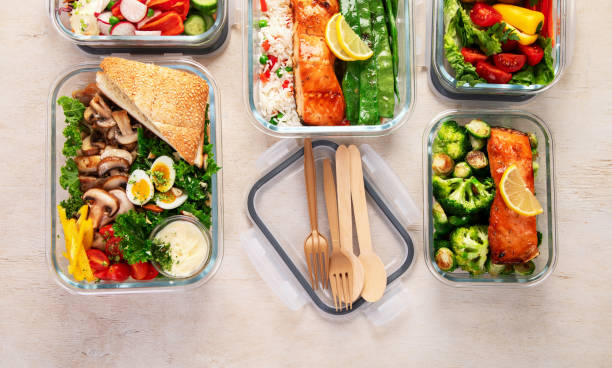
The solution is front-loading the effort. Spend one hour on a weekend preparing protein for the entire week. Grill a batch of chicken. Bake some salmon. Hard boil a dozen eggs. Portion everything into glass containers so grabbing protein takes five seconds instead of twenty minutes.
When eating feels like a chore, convenience wins. Make the highest-protein option also the easiest option and you’ll hit your targets by default.
Keep grab-and-go protein in the fridge at all times. String cheese. Deli turkey. Pre-portioned cottage cheese. Protein shakes already mixed. When you need to eat but don’t want to cook, these become your fallback.
What a High-Protein Day Looks Like
Sometimes it helps to see the whole picture laid out.
Breakfast: Three-egg omelet with cheese and vegetables. About 24 grams of protein.
Mid-morning snack: Greek yogurt cup. About 15 grams.
Lunch: 4 ounces grilled chicken over salad with feta cheese. About 35 grams.
Afternoon snack: Protein shake. About 25 grams.
Dinner: 4 ounces salmon with roasted vegetables. About 28 grams.
Evening snack if hungry: Cottage cheese with berries. About 14 grams.
Total: roughly 141 grams of protein.
Notice how the portions aren’t huge. There’s no force-feeding required. Just consistent protein at every eating occasion, spread throughout the day.
Scale this up or down based on your specific needs. The framework matters more than the exact numbers.
Watch for Warning Signs
Your body tells you when protein intake is too low. Learn to recognize the signals.
Constant fatigue that sleep doesn’t fix often points to inadequate protein. So does prolonged muscle soreness after workouts that should have recovered by now. Hair thinning or falling out. Nails that break easily. Feeling weaker even though you’re exercising regularly.
These symptoms take time to develop, which is part of the problem. By the time they show up, you’ve been undereating protein for weeks or months.
Don’t wait for warning signs. Track your intake proactively. Assume you’re eating less than you think until the data proves otherwise.
Curious about other ways to support your body on GLP-1s beyond diet? Some people are combining their medication with peptides that support fat loss and muscle retention.
The Long Game
GLP-1 medications can produce dramatic weight loss. Whether that weight loss improves your health long-term depends almost entirely on what kind of weight you lose.
Lose mostly fat while preserving muscle and you’ll end up lighter, stronger, more metabolically healthy, and far less likely to regain the weight.
Lose a significant chunk of muscle along with the fat and you’re setting yourself up for metabolic slowdown, rebound weight gain, and a body that’s actually weaker than before you started.
Same medication. Same weight loss. Completely different outcomes based on whether you prioritized protein.
For those also interested in naturally supporting their GLP-1 levels through diet, we covered foods and supplements that boost your body’s own GLP-1 production.
Forty percent muscle loss is the default. It doesn’t have to be your outcome.
Eat the protein. Lift the weights. Track your intake. And stop assuming you’re eating enough when you probably aren’t.