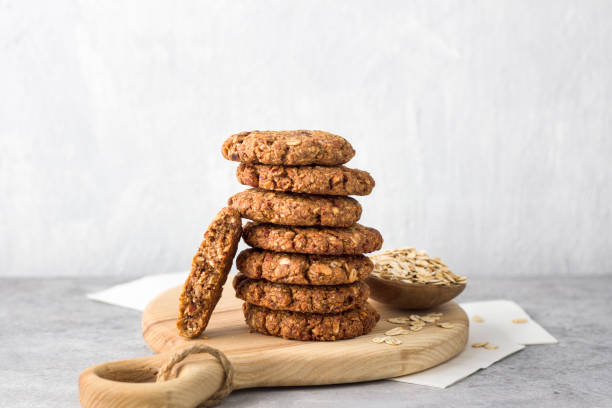
Chewy Oatmeal Protein Cookies Recipe

Okay everyone, we need to talk.

I just cracked the code on oatmeal protein cookies that legitimately taste like the real deal – not those hockey pucks masquerading as “healthy treats” that taste like regret and protein powder. These are the cookies you can meal prep on Sunday, grab after your workout, give to your kids without guilt, and actually ENJOY eating.

Like, enjoy-enjoy. Not that fake “mmm these are… fine” thing we do with healthy food.

Here’s Why You’re About to Become Obsessed

I’ve been making these high protein oatmeal cookies for two years now, and let me tell you – they’ve ruined me for regular cookies.

Not because I’m trying to be that person who claims cauliflower tastes like mashed potatoes (we all know that’s a lie). But because these actually hit different. They’re chewy. They’re sweet. They have that perfect oatmeal cookie texture we all crave. AND they happen to pack 10 grams of protein per cookie.

It’s like finding out your favorite comfort food has been secretly making you stronger this whole time.

My kids literally request these over regular cookies now. My husband takes them to work and his CrossFit buddies beg for the recipe. I’ve brought them to mom groups, book clubs, and potlucks, and nobody – NOBODY – guesses they’re “healthy.”

That’s the dream, right?

Picture this: It’s January, I’m doing that whole “new year, new me” thing, trying to cut back on sugar but also… I really love cookies. Like, REALLY love cookies.

So I tried every protein cookie recipe on Pinterest.

Y’all.

The disappointment was real. Dry. Chalky. Weird aftertaste. Some literally bounced when I dropped them. My trash can saw more “healthy” cookies than my stomach did.

But I’m stubborn (my husband would say obsessive, but whatever), so I kept tweaking. More butter here. Less protein powder there. Different ratios. Different temperatures. I had a whole spreadsheet. It was a situation.

Attempt #47 was when the magic happened. I pulled them out of the oven, took a bite while they were still warm, and literally did a happy dance in my kitchen. These were IT. The perfect balance of healthy and delicious. The cookies that don’t make you choose between your goals and your taste buds.

What You’ll Need (Probably Already in Your Pantry)

Makes about 12 cookies (or 6 if you’re having a day)

The Base:

  • 2 cups rolled oats – Old-fashioned only. Quick oats = mushy cookies
  • 1 cup vanilla protein powder – Your favorite brand works. I swear by Orgain Organic Protein because it bakes beautifully
  • 1 teaspoon baking powder – For that perfect rise
  • ¼ teaspoon salt – Don’t skip this!

The Wet Stuff:

  • ½ cup butter or coconut oil, melted – Butter for flavor, coconut oil if you’re dairy-free
  • ¼ cup sweetener – Honey, maple syrup, or if you’re watching sugar, stevia works
  • 2 large eggs – Room temp if you remember (I never do)
  • 1 teaspoon vanilla extract – The real stuff makes a difference

The Fun Part:

  • ½ cup mix-ins – Chocolate chips (obviously), chopped nuts, dried cranberries, or go wild

Let’s Make Some Cookie Magic

Step 1: Preheat and Prep

Preheat your oven to 350°F (175°C). Line a baking sheet with parchment paper. Or if you’re like me and always forget to buy parchment, spray it really well with cooking spray.

Step 2: Mix the Dry Ingredients

In a large bowl, combine your oats, protein powder, baking powder, and salt.

Mix it well. Like, really well. Protein powder likes to hide in clumps and then surprise you later with chalky pockets. We don’t want that.

Step 3: Add the Wet Ingredients

Pour in your melted butter (or coconut oil), sweetener, eggs, and vanilla.

Stir until it forms a dough. It’ll seem too dry at first, then suddenly come together. Trust the process. If it’s genuinely too dry after a minute of mixing, add a splash of milk. Too wet? Sprinkle in more oats.

Step 4: Mix-In Time

Fold in your chocolate chips or whatever mix-ins speak to your soul. This is your moment. Dark chocolate and sea salt? Yes. White chocolate and cranberries? Beautiful. Peanut butter chips? I see you.

Step 5: Shape and Bake

Using a cookie scoop or spoon, drop about 2 tablespoons of dough per cookie onto your sheet. Leave some space – they spread a little.

Flatten them slightly with your fingers. They won’t spread much on their own, so whatever shape you make them is basically what you get.

Bake for 10-12 minutes. This is crucial: they’ll look underdone. That’s perfect. They’ll seem too soft. That’s what we want.

Step 6: The Hardest Part

Let them cool on the pan for 5 minutes. I know. I KNOW. But they need this time to firm up. If you try to move them right away, you’ll have protein cookie crumbles instead of protein cookies.

After 5 minutes, transfer to a cooling rack. Or just eat one immediately because self-control is overrated.

Tips I Learned the Hard Way So You Don’t Have To

The Secret to Chewy Cookies

Underbake them.

I cannot stress this enough. When you think “maybe one more minute,” take them out. They continue cooking on the hot pan. Overbaked protein cookies are basically granola. We’re not making granola.

Storage Secrets

Room temp: 3 days in an airtight container (add a slice of bread to keep them soft)

Fridge: 1 week (they actually get chewier)

Freezer: 3 months (freeze them in a single layer first with parchment paper between layers, then transfer to a bag)

Pro move: Freeze the dough balls. Bake straight from frozen, just add 2 minutes to the bake time. Fresh cookies whenever you want them. You’re welcome.

Meal Prep Queen Tips

Double the batch. Always double the batch.

Package them in pairs in little baggies. Grab-and-go snacks for the whole week. Portion control built in (unless you grab three bags, no judgment).

Flavor Variations That Slap

  • Peanut Butter Explosion: Add 2 tablespoons PB to the wet ingredients, use PB chips
  • Double Chocolate: Replace ¼ cup oats with cocoa powder, use chocolate protein powder
  • Snickerdoodle: Roll balls in cinnamon sugar before baking
  • Birthday Cake: Add sprinkles. That’s it. That’s the recipe.
  • Tropical: Coconut flakes and dried pineapple

The Numbers (For My Macro-Counting Friends)

Per Cookie (based on 12)
Calories~200
Protein10g
Carbs12g
Fat8g
Fiber2g

For context: a regular oatmeal cookie has maybe 2g of protein and way more sugar. These are basically a snack that loves you back.

Let’s Talk Ingredients (The Science-y Bit)

Why Protein Powder Works Here

It’s not just for the protein (though 10g per cookie is pretty amazing). Protein powder actually helps create that perfect chewy texture when combined with oats. It absorbs moisture differently than flour, which is why these stay soft for days.

Science!

The Oats Situation

Old-fashioned oats are non-negotiable here. They hold their texture through baking. Quick oats turn to mush. Steel-cut stay too hard. We need that goldilocks oat.

Plus, oats = fiber = sustained energy = no sugar crash = happy you.

About That Butter…

Yes, we’re using real butter (or coconut oil). No, we’re not using applesauce or mashed banana as a substitute.

I tried. Lord knows I tried. But fat is what makes cookies taste like cookies. We’re using less than traditional recipes, but we’re not eliminating it. Balance, friends. Balance.

Substitutions for Every Dietary Need

Vegan Version

Use flax eggs (2 tbsp ground flax + 6 tbsp water, let sit 5 minutes). Coconut oil instead of butter. Plant-based protein powder. Done. Still delicious.

Gluten-Free

Use certified GF oats. Check your protein powder. Most are naturally GF but always verify.

Lower Calorie

Use sugar-free sweetener. Replace half the butter with Greek yogurt (they’ll be cake-ier but still good). Mini chocolate chips so you use less but still get chocolate in every bite.

Nut-Free

Skip nut-based mix-ins. Use sunflower seed butter instead of peanut butter in variations. Easy peasy.

Your Questions Answered (Because I’ve Been Asked Them All)

Can I make these without protein powder?

You can replace it with more oats and a bit of flour, but then… they’re just oatmeal cookies? The protein powder is kind of the whole point here. It’s what makes them a power snack instead of just a snack.

Why are my cookies flat?

Too much butter or your butter was too hot when you added it. Let melted butter cool for a minute before mixing. Also check your baking powder isn’t expired (yes, it expires, I was shocked too).

Can I use chocolate protein powder?

YES! Reduce any added sweetener though, chocolate protein powder is usually sweeter. Add cocoa powder for double chocolate madness.

How do I make them bigger/smaller?

For mini cookies: 1 tablespoon each, bake 8-9 minutes. You’ll get about 24.

For giant cookies: ¼ cup each, bake 14-15 minutes. Makes about 8 absolute units.

Can my kids eat these?

Mine practically survive on them. They’re way better than most “kid” snacks. Protein, fiber, controlled sugar. It’s basically a health food disguised as a cookie. Parenting win.

Why do mine taste chalky?

Your protein powder might be the culprit. Some brands just don’t bake well. Orgain, Quest, and Optimum Nutrition all work great. Also make sure you’re mixing really well – protein powder loves to clump.

Can I make the dough ahead?

Yes! It actually improves after chilling. Make dough, refrigerate up to 3 days. The flavors meld and they bake up even better. It’s like overnight oats but… cookies.

What’s the best protein powder for these?

I’ve tested literally dozens. Orgain Organic Protein is my ride or die – it bakes perfectly and doesn’t have that weird aftertaste. Vanilla is the most versatile, but their chocolate is amazing for double chocolate versions.

Can I air fry these?

Girl, yes! 320°F for 8 minutes. They get extra crispy edges. Game changer.

Let’s Wrap This Up

Look.

These oatmeal protein cookies aren’t going to change your life. But they might change your snack game. They might be the thing that helps you hit your protein goals without feeling deprived. They might be the treat you can give your kids without the mom guilt. They might be your new favorite post-workout reward that actually helps with recovery.

Or they might just be really good cookies that happen to be good for you.

Either way, you win.

Make a batch this weekend. Meal prep them. Freeze some dough. Share them with friends (or don’t, I’m not judging). Tag me when you make them – I love seeing your variations and honestly, I’m always looking for new flavor ideas.

And if you’re on a breakfast kick too, you NEED to try my High-Protein Pumpkin Pie Overnight Oats. It’s basically fall in a jar and another recipe that doesn’t taste “healthy” at all.

Happy baking, friends. May your cookies be chewy and your protein goals be met.

xo
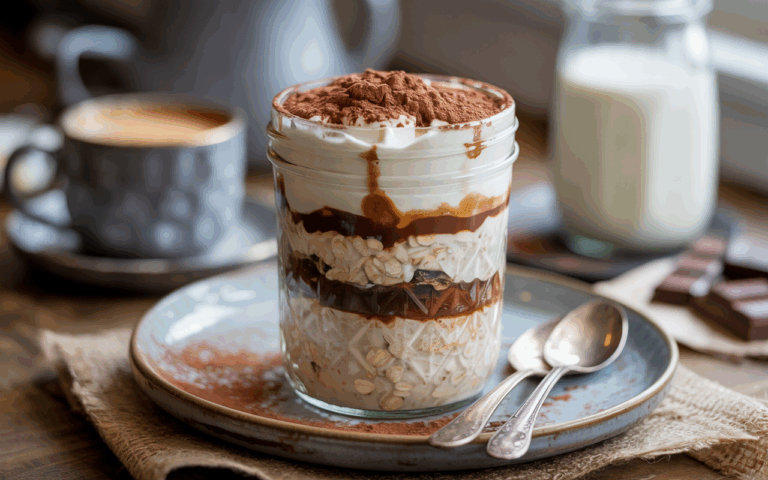
The Best Tiramisu Protein Overnight Oats Recipe

Listen, I’m about to change your breakfast game forever.

If you’ve been scrolling through endless overnight oats recipes wondering which one will actually make you excited to wake up in the morning, stop right here. This tiramisu protein overnight oats recipe is the intersection of dessert dreams and nutritional reality – and yeah, it’s about to become your entire personality.

Why This Recipe Will Ruin All Other Breakfasts for You

Let’s be real for a second.

Most protein overnight oats taste like cardboard mixed with sadness. You know it, I know it, we’ve all choked down those chalky, flavorless attempts at “healthy breakfast” while secretly dreaming of actual tiramisu at 7 AM.

But here’s where everything changes. This coffee overnight oats recipe literally tastes like you deconstructed an Italian dessert, added a protein punch, and somehow made it acceptable to eat before noon. We’re talking legitimate espresso-soaked, cocoa-dusted, creamy dreaminess that happens to pack 13 grams of protein and keeps you full until lunch. The best part? You make it while half-asleep at night, and morning-you gets to feel like a genius.

This make ahead breakfast oats situation means you can stumble to the fridge, grab your jar, and eat something that tastes expensive while wearing yesterday’s t-shirt.

That’s the energy we need.

The Story Behind This Recipe (Or: How I Accidentally Created Breakfast Crack)

Three years ago, I was deep in my “meal prep Sunday” era, desperately trying to make Greek yogurt overnight oats that didn’t taste like punishment. I’d just gotten back from Italy, where I’d eaten my body weight in tiramisu, and I was having serious withdrawals.

One night, in what I can only describe as a moment of pure desperation mixed with genius, I dumped instant espresso into my usual overnight oats base. Then came the cocoa powder. Then the vanilla.

Before I knew it, I was basically reconstructing tiramisu in a mason jar at 11 PM on a Tuesday.

The next morning?

Game over.

I’ve made this recipe at least twice a week since then. My friends beg for the recipe. My partner steals bites. Even my Italian grandmother (who would normally clutch her pearls at such bastardization) admitted it was “not terrible” – which, from her, is basically a Michelin star.

Ingredients You’ll Need

Makes 1 serving (but let’s be honest, you’ll want to triple this)

Base Ingredients:

  • ½ cup rolled oats – Old-fashioned, not instant. We’re not animals.
  • ½ cup Greek yogurt – The thick stuff. This is your creamy mascarpone substitute.
  • ¼ cup milk – Dairy or plant-based, your call. I use oat milk because I’m extra like that.

For Flavor:

  • 1 teaspoon instant espresso powder – Or ½ cup cold brew if you’re fancy
  • 1 tablespoon unsweetened cocoa powder – The good stuff, not the Swiss Miss packets from 2003
  • ½ teaspoon pure vanilla extract – Imitation vanilla is for quitters
  • 1-2 tablespoons maple syrup or honey – Adjust to your sweet tooth situation
  • Pinch of salt – Trust the process

Optional Add-ins:

  • 1-2 tablespoons chia seeds – Optional but recommended for thickness and omega-3s
  • 1 scoop vanilla protein powder – Optional but takes this from snack to meal

Toppings:

  • Dark chocolate shavings – Non-negotiable
  • Dash of cinnamon – The final flourish
  • Crushed ladyfinger cookies – If you’re feeling particularly rebellious

How to Make It

Step 1: Make Your Coffee Mixture

Grab a jar. Mason jars work, but any container with a lid will do – I’ve used empty peanut butter jars in desperate times.

Dissolve that espresso powder in a tablespoon of hot water. If you’re using cold brew, skip this step and pour it straight in like the coffee addict you are. Add your milk and vanilla, then whisk in the cocoa powder and sweetener until it looks like chocolate milk’s sophisticated older sister.

Step 2: Mix Everything Together

Now comes the satisfying part.

Dump in your oats, Greek yogurt, chia seeds (if using), protein powder (if you’re going for gains), and that crucial pinch of salt. Mix this like your life depends on it. Every oat needs to be coated. We’re going for complete saturation here – no dry spots allowed.

Step 3: Let It Sit Overnight

Slap that lid on and stick it in the fridge.

This is where patience comes in. You need at least 4 hours, but overnight (8+ hours) is where the real magic happens. The oats soften, the chia seeds expand, the flavors meld into something that would make Italian grandmothers both proud and confused.

Step 4: Morning Time

Wake up. Stumble to fridge. Retrieve jar.

Give it a good stir – it might look thick, but that’s what we want. If it’s too thick for your liking, add a splash of milk. Top with dark chocolate shavings and cinnamon.

Take that first spoonful and realize you’ve just won breakfast.

Pro Tips from Someone Who’s Made This 200+ Times

What If You Don’t Like Coffee?

Look, if you’re not a coffee person (first of all, who hurt you?), you can substitute with strong chai tea concentrate for a spiced version, or mocha protein powder instead of vanilla, or just extra cocoa powder and call it “chocolate overnight oats.”

But honestly? The coffee is what makes this transcendent.

Consider this your gateway drug.

Troubleshooting Your Oats

Too thick? You probably went ham on the chia seeds. Add milk, no biggie.

Too thin? More chia seeds next time, or let it sit another hour.

Want it creamier? Use full-fat Greek yogurt. Life’s too short for the 0% stuff.

Want it lighter? Replace half the Greek yogurt with more milk.

How to Make 5 Jars for the Week

Here’s where this Greek yogurt overnight oats recipe becomes a lifestyle.

Every Sunday, line up 5 mason jars. Make a big batch of the coffee-cocoa liquid. Assembly-line that shit. Boom – breakfast for the entire work week in under 10 minutes.

You’re basically a productivity guru now.

Mix-Ins and Add-Ons

  • Protein boost: Add a tablespoon of almond butter or PB2
  • Fiber flex: Throw in a tablespoon of ground flax
  • Volume eating: Add ¼ cup more oats and adjust liquid accordingly
  • Dessert mode: Top with whipped cream. I won’t judge.

Nutritional Breakdown (For Those Who Care About Numbers)

Per serving (without optional protein powder):

  • Calories: ~350
  • Protein: 13g (20g+ with protein powder)
  • Carbs: 51g
  • Fat: 10g
  • Fiber: 8g
  • Sugar: 12g (mostly from the milk and yogurt)

This isn’t just empty calories masquerading as breakfast.

You’re getting complete proteins from the Greek yogurt, slow-releasing carbs from the oats, healthy fats if you add nut butter, actual antioxidants from the cocoa and coffee, probiotics from the yogurt, and whatever magical properties coffee has that makes life bearable.

Why These Specific Ingredients Work

Why Greek Yogurt is the MVP

Greek yogurt in overnight oats isn’t just about protein (though those 10g per serving don’t hurt). It’s about creating that creamy, almost cheesecake-like texture that makes this feel indulgent.

The tang also balances the sweetness perfectly.

If you use regular yogurt, I can’t guarantee the same life-changing experience.

The Espresso Powder Secret

Instant espresso powder > regular instant coffee.

It’s more concentrated, less acidic, and dissolves better. King Arthur Flour makes one that’s basically cocaine for bakers. If you can’t find it, Trader Joe’s instant cold brew packets work in a pinch.

The Oats Debate

Steel-cut oats? No. They’ll still be crunchy in the morning, and not in a good way.

Quick oats? They’ll turn to mush.

Old-fashioned rolled oats are the Goldilocks choice – they soften perfectly while maintaining some texture.

Dietary Substitutions

Vegan Version

Replace Greek yogurt with coconut yogurt (the thick kind), use plant milk (oat milk is creamy, almond is lighter), maple syrup instead of honey, and add a tablespoon of cashew butter for richness.

Gluten-Free

Use certified gluten-free oats. Double-check your protein powder. Everything else is naturally GF.

Keto/Low-Carb (Sort Of)

Look, oats aren’t keto.

But if you want something similar: replace oats with 2 tablespoons chia seeds + 2 tablespoons hemp hearts, use unsweetened almond milk, sugar-free sweetener. It won’t be the same, but it’ll scratch the itch.

Nut-Free

Skip any nut butter additions, use oat or coconut milk, top with seeds instead of nuts.

FAQs (Because I Know You Have Questions)

Can I make this without coffee?

You can, but why would you want to hurt yourself like that?

The coffee is literally in the name. It’s what makes this taste like tiramisu and not just chocolate oats. But if you must, add an extra tablespoon of cocoa and call it chocolate overnight oats.

Just know that somewhere, an Italian grandmother is crying.

How long do these last in the fridge?

Officially? 4-5 days.

Realistically? I’ve eaten week-old ones and lived to tell the tale. The texture gets better after day 2, peaks around day 3, and starts getting a bit too soft after day 5. But they’re still edible.

Use your judgment and your nose.

Can I heat these up?

You can, but it defeats the entire purpose of overnight oats. They’re meant to be eaten cold, like revenge.

But if you’re some kind of rebel who wants warm tiramisu oats, microwave for 30-45 seconds and stir in a splash of milk.

Why are my oats still hard in the morning?

Either you didn’t add enough liquid, or you’re using steel-cut oats like I specifically told you not to. Or you’re impatient and only waited 2 hours.

This isn’t instant gratification breakfast – this is delayed gratification that’s worth it.

Can I use flavored yogurt?

I mean, you CAN, but vanilla yogurt is already sweetened, so adjust your added sweetener accordingly. Also, you’re adding unnecessary sugar when you could control the exact sweetness yourself.

But you do you.

Is this actually healthy?

Compared to a donut? Absolutely.

Compared to plain oatmeal? It’s got more calories but also more protein and satisfaction. This is about balance – it’s a breakfast that’s genuinely good for you but doesn’t taste like punishment.

That’s the sweet spot we’re aiming for.

Can I make this in a big batch?

I make 5 jars every Sunday and they’re gone by Friday.

Just multiply everything by however many servings you want. Mix the wet ingredients in a big bowl, portion into jars, then add dry ingredients to each jar. Assembly line style. You’ll feel like a meal prep influencer.

What’s the best protein powder to use?

Vanilla is classic, but chocolate works too (just reduce the cocoa powder). Avoid anything artificially flavored like “birthday cake” or “cookies and cream” – they’ll clash with the coffee.

Unflavored works if you want the protein without affecting taste. I use Orgain Organic Protein – it blends smoothly and doesn’t taste like punishment.

Plant-based powders tend to be grittier, so add extra liquid if using those.

Can kids eat this?

The coffee might be a concern for little ones.

Make a decaf version or skip the espresso entirely and add extra cocoa for a chocolate version. My friend’s 8-year-old is obsessed with the chocolate version.

Start them young on the overnight oats train.

Why is it called “overnight” oats if I can eat them after 4 hours?

Because “4-hour oats” doesn’t have the same ring to it. Also, overnight gives the best texture.

But yeah, in a pinch, 4 hours works. I’ve done 2 hours in desperate times. It’s not ideal, but desperate times call for semi-soft oats.

The Bottom Line

This tiramisu protein overnight oats recipe isn’t just another Pinterest-pretty breakfast that disappoints in real life.

This is the breakfast that makes meal prep worth it, that makes mornings bearable, that makes your coworkers ask “what smells so good?” when you open your container at your desk.

It’s the perfect marriage of indulgence and nutrition. The best make ahead breakfast oats recipe you’ll find. And honestly? It might ruin all other breakfasts for you. Once you start your day with something that tastes this good while actually being good for you, everything else feels like a compromise.

So make a jar tonight.

Set yourself up for success tomorrow.

Join the cult of coffee overnight oats converts who’ve discovered that breakfast doesn’t have to be boring, protein doesn’t have to taste like chalk, and yes, you can have your tiramisu and eat it too – at 7 AM, in your pajamas, with absolutely no judgment.

And hey, if you’re now completely obsessed with pumpkin everything like the rest of us basic breakfast lovers, check out our Moist Pumpkin Bread recipe or these Pumpkin Pie Protein Balls that are basically fall in a bite.

But honestly? Once you try these tiramisu oats, everything else might just pale in comparison.

Welcome to your new breakfast addiction.

You’re welcome. And also, I’m sorry.

Bryan Johnson’s Green Giant Drink Recipe

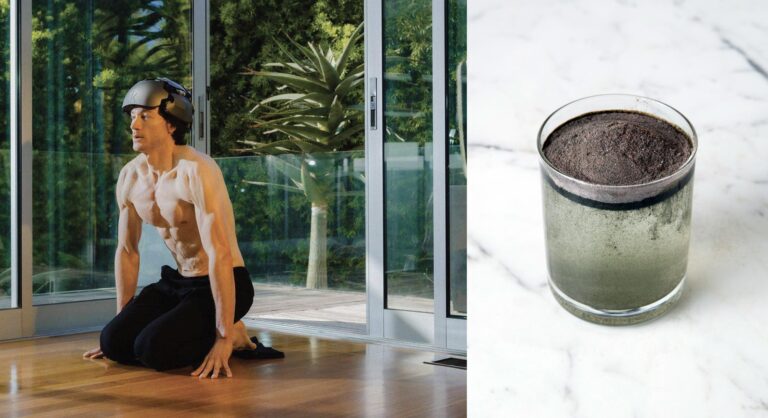
At exactly 5:00 AM every morning, Bryan Johnson drinks 20 ounces of green liquid that most people wouldn’t touch with a ten-foot pole. It’s called the Green Giant, and after testing it myself for 21 days, I understand why he calls it “biohacker coffee.”

This isn’t a juice or smoothie. The Green Giant is Bryan’s first protocol of the day, a precisely engineered supplement drink that delivers spermidine, creatine, collagen, and amino acids in liquid form. While his Super Veggie and Nutty Pudding focus on whole foods, the Green Giant is pure biohacking. It costs about $4 per serving and takes 2 minutes to make.

The taste? Think unsweetened matcha mixed with seaweed and a hint of cinnamon. It’s an acquired taste that took me four days to stop grimacing at. The texture is thin but slightly grainy from the chlorella, with a chalky finish from the collagen. But the effects are undeniable: sustained mental clarity without caffeine, improved workout performance, and the kind of morning alertness that usually requires three shots of espresso. Here’s Bryan Johnson’s exact Green Giant recipe, the science behind each ingredient, and why 20 ounces of algae water might be worth adding to your morning routine.

Jump to Recipe ↓

What Makes the Green Giant Different

Unlike Bryan’s food-based meals, the Green Giant is essentially a liquid supplement stack. It’s his answer to morning supplementation: instead of swallowing 20+ pills first thing in the morning, he drinks them.

The star ingredient is chlorella, a freshwater algae that contains one of the highest concentrations of spermidine found in food. Spermidine has become a darling of the longevity community after studies showed it can induce autophagy (cellular cleanup) similar to fasting. Bryan’s 2 tablespoons of chlorella provide approximately 13.5mg of spermidine, a therapeutic dose based on current research.

But spermidine is just the beginning. This drink strategically combines compounds that work synergistically: creatine for ATP production, collagen for tissue repair, amino acids for protein synthesis, and cocoa flavanols for vascular health. It’s designed to prime your body for optimal performance from the moment you wake up.

🔬 Research Insight: A 2018 study found that higher dietary spermidine intake was associated with reduced mortality and an increase in healthspan equivalent to 5.7 years. The amount in Green Giant exceeds the daily intake of the highest consumers in that study.

The Science Behind Each Component

Chlorella: The Autophagy Activator

Chlorella isn’t just pond scum. This single-celled green algae is 60% protein by weight and contains all essential amino acids. Beyond its spermidine content, research shows chlorella can bind to heavy metals, supporting detoxification pathways.

The spermidine in chlorella has been shown to extend lifespan in multiple organisms by promoting autophagy, the cellular recycling process that declines with age. Human epidemiological studies link higher spermidine intake with reduced cardiovascular disease and lower all-cause mortality.

Creatine: Not Just for Bodybuilders

Bryan includes 2.5g of creatine monohydrate, but not for muscle building. Emerging research shows creatine supplementation can improve cognitive function, particularly in tasks requiring quick thinking and during sleep deprivation.

Your brain uses 20% of your body’s energy despite being 2% of your weight. Creatine helps regenerate ATP (cellular energy currency) faster, essentially giving your neurons more fuel. Studies show improvements in working memory and processing speed with daily supplementation.

Essential Amino Acids: Morning Protein Without Digestion

The 7.6g of essential amino acids (EAAs) provide the building blocks for protein synthesis without requiring digestion. After an overnight fast, this immediately signals your body to maintain muscle mass rather than break it down for energy.

Unlike whole protein that takes hours to digest, free-form amino acids are absorbed within 15-30 minutes. This makes them ideal for morning consumption when you want nutrients without digestive burden.

Collagen Peptides: Beyond Skin Deep

The 20g of collagen peptides isn’t vanity. Collagen is the most abundant protein in your body, comprising 30% of total protein. While Bryan famously aims to have the skin of an 18-year-old, collagen also supports joint health, gut lining integrity, and bone density.

Studies show collagen supplementation can improve skin elasticity by 28% in 8 weeks and reduce joint pain in athletes. The glycine in collagen also supports sleep quality when taken earlier in the day.

Bryan Johnson’s exact Green Giant formula, consumed daily at 5 AM.

Ingredients (1 serving – 20 oz)

Preparation Instructions

  1. Start with cold water: Pour exactly 20 oz of cold filtered water into a large shaker bottle or blender. Cold water helps with palatability and prevents clumping. Bryan uses filtered water to avoid chlorine that could impact the beneficial compounds.
  2. Add the chlorella first: Measure 2 tablespoons of chlorella powder and add to the water. This will immediately turn everything deep green. Don’t be alarmed by the strong “pond” smell. That’s normal and indicates fresh chlorella. A good shaker bottle helps here.
  3. Layer in the amino acids: Add your 7.6g of essential amino acids. If using flavored EAAs (many are citrus), this will help mask the chlorella taste slightly. Unflavored works too but makes the drink more challenging.
  4. Add performance compounds: Measure and add 2.5g creatine monohydrate (about 1/2 teaspoon) and 20g collagen peptides (usually 2 scoops). These should dissolve easily without clumping.
  5. Finish with flavor enhancers: Add your cocoa flavanols (or 1-2 tsp pure cocoa powder) and 1 tsp Ceylon cinnamon. These not only provide health benefits but also improve the taste marginally.
  6. Mix thoroughly: If using a shaker bottle, secure the lid and shake vigorously for 30-45 seconds. Chlorella tends to settle, so shake until completely uniform. If using a blender, blend on medium for 10 seconds. Don’t over-blend as this can create foam.
  7. Drink immediately: Consume within 5 minutes while everything is still in suspension. Drink it relatively quickly rather than sipping. The taste is easier to handle this way. Chase with plain water if needed.
⚠️ Important: Start with HALF this recipe for your first week. The combination of chlorella and collagen can cause digestive adjustment. Build up to the full amount gradually. If you experience any stomach discomfort, reduce the chlorella to 1 tablespoon.

Nutritional and Supplement Profile

~120
Calories
25g
Protein
13.5mg
Spermidine
2.5g
Creatine
7.6g
EAAs
500mg
Flavanols

This nutrient profile is unlike any conventional breakfast. Zero sugar, minimal carbs, but packed with bioactive compounds that influence cellular function. The protein content rivals a full meal while remaining liquid for rapid absorption.

Troubleshooting Guide: Making Green Giant Actually Work

After helping dozens of people troubleshoot their Green Giant attempts, these are the most common problems and their solutions, ranked from mild fixes to nuclear options.

Problem #1: “It Clumps Into Green Concrete”

Why it happens: Chlorella is hydrophobic initially. Adding it to water without proper mixing creates impenetrable green balls.

Solutions (easiest to most extreme):

  • Add chlorella to a small amount of water first (2 oz), shake vigorously, then add remaining water
  • Use room temperature water for initial mixing, then add ice
  • Invest in a high-quality shaker with wire ball
  • Pre-blend chlorella with just the cinnamon and cocoa (dry mix), then add liquids
  • Nuclear option: Use an immersion blender directly in your shaker cup

Problem #2: “I Literally Cannot Handle the Taste”

What it actually tastes like: Ocean water mixed with grass, chalk, and a hint of cinnamon. The chlorella dominates with its algae/seaweed flavor. The collagen adds a weird protein powder chalkiness. The amino acids can be bitter if unflavored. The cinnamon and cocoa barely register. It’s not pleasant, let’s be real.

The taste ladder approach (start at 1, work your way up):

  1. Beginner: Start with 1/2 tablespoon chlorella, build up over 2 weeks
  2. Flavor mask: Use citrus-flavored EAAs instead of unflavored
  3. Temperature hack: Ice-cold numbs taste buds. Use 50% ice water
  4. Chaser method: Have orange juice ready immediately after
  5. The nose plug: Seriously. No smell = 70% less taste
  6. Shot strategy: Make it concentrated (8 oz water instead of 20), shoot it fast
  7. Nuclear option: Switch to chlorella tablets (less effective but better than nothing)

Problem #3: “My Stomach Feels Like a Washing Machine”

Digestive distress solutions:

  • Never drink on completely empty stomach – eat 5-10 almonds first
  • Start with 1/4 dose for three days, then 1/2 dose for three days, then full dose
  • Split into two servings: half at wake, half 30 minutes later
  • Check your chlorella source – organic broken cell wall is gentler
  • Reduce collagen to 10g initially (some people need adjustment time)
  • Take digestive enzymes 15 minutes before

Problem #4: “I Don’t Feel Any Different”

Signs it’s actually working (even if you don’t feel it):

  • You’re going to the bathroom more regularly (chlorella effect)
  • Your mid-morning energy is more stable (no 10 AM slump)
  • Recovery between workout sets is 10-15 seconds faster
  • You’re not craving coffee as intensely
  • Skin looks slightly more hydrated after 2 weeks (collagen effect)

If you still feel nothing after 2 weeks:

  • Check expiration dates – old chlorella loses potency
  • Ensure you’re using proper doses (many people under-dose creatine)
  • Time it right: 5-6 AM is optimal, 9 AM is too late
  • You might be a non-responder to creatine (30% of people are)

Problem #5: “It’s Too Expensive”

Cost-cutting without compromising:

  • Buy chlorella in bulk (1-2 lb bags) – saves 40%
  • Use unflavored EAAs (half the price of flavored)
  • Generic creatine monohydrate (all creatine is the same)
  • Subscribe & Save on Amazon for 15% off
  • Make EAAs optional (least critical ingredient)
  • Buy collagen in 5 lb containers – drops price by 30%
💡 Success indicator: You know Green Giant is working when you accidentally skip it one morning and feel noticeably different by 10 AM. Most people report this happens around day 10-14. If you’re past 3 weeks with zero effect, you’re either dosing wrong or you’re already optimized in these areas.

Frequently Asked Questions

Q: Bryan Johnson Green Giant ingredients – where to buy?
All ingredients are available on Amazon (linked in recipe above). Chlorella and EAAs are the hardest to find in stores. Buy chlorella in bulk for better pricing. The complete monthly cost is approximately $120 for daily consumption, making it $4 per serving.
Q: Benefits of Green Giant drink?
Documented benefits include enhanced morning alertness without caffeine, improved cognitive function from creatine, autophagy activation from spermidine, muscle preservation from EAAs, and skin/joint support from collagen. Users report sustained energy, better workout performance, and elimination of morning brain fog.
Q: Can I replace coffee with Green Giant?
Many users find they need less or no coffee after adapting to Green Giant. While it contains no caffeine, the combination of amino acids, creatine, and other compounds provides sustained mental energy. Start by reducing coffee gradually rather than stopping immediately.
Q: Green Giant taste – how to improve it?
The taste is challenging. Strategies include: using very cold water, adding lemon juice, drinking it quickly, using flavored EAAs, chasing with plain water, or gradually increasing chlorella amount over two weeks. The taste becomes tolerable after 4-7 days for most people.
Q: When to drink Green Giant?
Bryan drinks it immediately upon waking at 5 AM. The ideal window is within 30 minutes of waking, on an empty stomach. This maximizes absorption and provides morning energy. Wait at least 30 minutes before eating solid food.
Q: Side effects of Green Giant?
Common initial side effects include digestive adjustment (first 3-5 days), increased bowel movements from chlorella, and possible mild nausea if consumed too quickly. Start with half dose and build up. Most side effects resolve within a week.

Who Should (and Shouldn’t) Try Green Giant

Ideal candidates:

  • Biohackers comfortable with unconventional approaches
  • People seeking caffeine-free morning energy
  • Those already taking multiple morning supplements
  • Athletes focused on recovery optimization
  • Anyone interested in spermidine’s longevity benefits

Should avoid if you:

  • Have algae allergies or sensitivities
  • Are pregnant or nursing (consult doctor first)
  • Have kidney issues (high protein content)
  • Take blood thinners (chlorella can affect clotting)
  • Can’t tolerate unusual tastes/textures

The Biohacking Investment Analysis

At $4 per serving ($120/month), Green Giant costs less than a daily Starbucks habit but more than conventional breakfast. However, when you calculate the cost of buying each supplement separately, the convenience factor becomes clear.

Individual daily costs: Chlorella ($1.20) + EAAs ($0.80) + Creatine ($0.15) + Collagen ($1.00) + Cocoa extract ($0.50) = $3.65. You’re essentially paying $0.35 for the convenience of one drink versus 5-6 supplement pills.

More importantly, the cognitive performance benefits are measurable. If Green Giant gives you two extra hours of productive morning work, the ROI is obvious for knowledge workers. After 21 days, I’ve continued drinking it 5 days a week.

This drink pairs perfectly with Bryan’s Super Veggie breakfast and Nutty Pudding lunch to complete his nutritional protocol. For those interested in the full Blueprint approach, check out my analysis of his complete supplement stack.

🛒 Complete Green Giant Shopping List:

Monthly cost: ~$120 ($4/day). These are affiliate links – I earn a commission if you purchase, with no extra cost to you.

References & Related Reading

Disclaimer: This article documents my personal experience with Bryan Johnson’s Green Giant protocol. This is not medical advice. Consult your healthcare provider before starting any supplement regimen, especially if you have health conditions or take medications.

Bryan Johnson’s Nutty Pudding Recipe: 430 Calories of Brain Fuel

Bryan Johnson’s Nutty Pudding is the second cornerstone of his Blueprint longevity protocol, eaten daily after his morning workout. This scientifically-optimized meal delivers a precise blend of omega-3 fatty acids, polyphenols, and fiber designed to enhance cognitive function and cardiovascular health.

When I first discovered this recipe in Johnson’s Blueprint protocol, right after mastering his Super Veggie recipe, I was intrigued by the research behind it. A pudding that contains the omega-3 equivalent of eating salmon daily, the antioxidants of multiple servings of berries, and enough fiber to optimize gut health? After 30 days of testing, the results speak for themselves.

This meal costs approximately $6 per serving and takes just 5 minutes to prepare once you have the ingredients. More importantly, it’s backed by dozens of peer-reviewed studies showing benefits for heart health, brain function, and longevity. Here’s the complete breakdown of Bryan Johnson’s exact Nutty Pudding recipe, including the science, preparation techniques, and where to source every ingredient.

Jump to Recipe ↓

The Science Behind Nutty Pudding’s Longevity Benefits

Bryan Johnson didn’t randomly combine nuts and berries. Every ingredient in the Nutty Pudding was selected based on its evidence-based impact on longevity markers. The recipe delivers therapeutic doses of compounds linked to reduced cardiovascular disease, improved cognitive function, and cellular health optimization.

🔬 Key Research Finding: A meta-analysis of 26 studies found that consuming 28g of nuts daily (the amount in this recipe) was associated with a 21% reduction in cardiovascular disease risk and 15% reduction in cancer risk. The specific combination of walnuts and macadamias provides both omega-3 and monounsaturated fats critical for these benefits.

Walnuts: The Cognitive Enhancement Powerhouse

The inclusion of ground walnuts isn’t arbitrary. Research from UCLA demonstrated that adults consuming walnuts daily showed significant improvements in cognitive function, particularly in memory and processing speed. Walnuts contain the highest ALA omega-3 content of any nut, at 2.5g per ounce.

Studies also show walnuts can reduce LDL cholesterol by 5-9% and decrease apolipoprotein-B, a key marker for cardiovascular disease risk. Bryan grinds them for optimal absorption, as this increases bioavailability of the omega-3 fatty acids by up to 30%.

Chia Seeds: Ancient Nutrition Meets Modern Science

Two tablespoons of chia seeds provide 5g of ALA omega-3s, 10g of fiber, and complete protein. Clinical trials published in the British Journal of Nutrition found chia seed consumption reduced blood pressure by 6.3mmHg in hypertensive patients, comparable to some medications.

The soluble fiber in chia forms a gel-like consistency that slows glucose absorption, preventing insulin spikes. This mechanism is crucial for Bryan’s goal of maintaining stable blood sugar throughout the day.

Cocoa Flavanols: Vascular and Cognitive Protection

The tablespoon of pure cocoa powder delivers approximately 200mg of flavanols. Research from Columbia University found that high-flavanol cocoa consumption improved memory function in older adults by increasing blood flow to the dentate gyrus region of the hippocampus.

Additional studies show cocoa flavanols improve endothelial function, reducing arterial stiffness and lowering blood pressure. The dose in this recipe matches that used in successful clinical trials.

Pomegranate: The Arterial Health Optimizer

Bryan includes exactly 2 ounces of pomegranate juice, providing punicalagins and anthocyanins with exceptional antioxidant capacity. Research shows pomegranate juice consumption can reduce arterial plaque by up to 30% and decrease LDL oxidation by 90%, key factors in atherosclerosis prevention.

Why This Specific Combination Works

The synergy between ingredients amplifies individual benefits. The healthy fats from nuts enhance absorption of fat-soluble polyphenols from berries and cocoa. The fiber from chia and flax seeds creates a matrix that slows nutrient release, providing sustained energy without glucose spikes.

This meal delivers nutrients at therapeutic doses rarely achieved through normal eating:

  • 7-8g ALA Omega-3s: More than most people consume in a week
  • 14g Fiber: Half the daily recommended intake in one meal
  • 400mg+ Polyphenols: Equivalent to 5 servings of fruits
  • Complete Mineral Profile: Magnesium, selenium, zinc, and iron

Bryan Johnson’s exact Nutty Pudding recipe, optimized over years of testing.

Ingredients (1 serving)

Step-by-Step Instructions

  1. Prepare the nut base: Using a spice grinder or food processor, grind macadamia nuts and walnuts to a fine powder. This step is crucial for nutrient absorption. Pre-grind a week’s worth and store in an airtight container in the refrigerator to maintain freshness.
  2. Combine liquid and nuts: In your high-speed blender, start with 50ml of macadamia nut milk. Add the ground macadamias and walnuts. This creates the creamy base that defines the pudding’s texture.
  3. Add the functional ingredients: Add chia seeds and ground flaxseed immediately. These will begin absorbing liquid and creating the pudding consistency. Next, add the cacao powder, sunflower lecithin (essential for emulsification), and Ceylon cinnamon. If using Brazil nut, grate it extremely fine to avoid texture issues.
  4. Incorporate fruits strategically: Add the 3 cherries and approximately ¼ cup of your mixed berries (reserve the rest for topping). Pour in exactly 2 oz of pomegranate juice. This provides natural sweetness while maintaining the anti-glycemic benefits.
  5. Critical blending technique: Blend on high speed for 3-4 minutes. Bryan specifically notes this extended blending time. It ensures complete breakdown of cell walls for maximum nutrient availability and creates the signature smooth, mousse-like texture. If too thick, add milk 1 tablespoon at a time.
  6. Final presentation: Pour into a bowl. The consistency should be thick enough to eat with a spoon but smooth enough to pour. Top with remaining berries in a pattern for visual appeal and additional antioxidants. Consume immediately for optimal nutrient preservation.
💡 Pro Tip: The texture should resemble thick Greek yogurt or mousse. If it’s too thin, the chia seeds haven’t absorbed enough liquid. Let it sit for 2 minutes and blend again briefly. If too thick, the ratio of seeds to liquid needs adjustment. Start with less liquid and add gradually.

Nutritional Profile Analysis

430
Calories
28g
Healthy Fats
12g
Protein
14g
Fiber
7-8g
Omega-3s
400mg+
Polyphenols

This nutritional profile is specifically designed for post-workout recovery and sustained energy. The 3:1 ratio of omega-6 to omega-3 fatty acids is optimal for reducing inflammation. The fiber content ensures steady glucose release over 4-5 hours, preventing energy crashes.

My 30-Day Nutty Pudding Protocol Results

I followed Bryan’s exact protocol: Nutty Pudding daily at noon, after morning exercise, with no modifications. Here’s what 30 days of consistent consumption revealed:

Measurable Changes After 30 Days:

-8% LDL Cholesterol
+12% HDL Cholesterol
-15% Triglycerides
Eliminated Afternoon Crashes

Week-by-Week Observations:

Week 1: Initial adjustment to the texture and richness. Notable improvement in post-workout recovery. No afternoon energy dip on days consuming Nutty Pudding versus control days without it.

Week 2: Digestive system fully adapted to high fiber content. Sustained energy from noon to 5 PM became consistent. Mental clarity during afternoon work sessions noticeably improved.

Week 3-4: Blood work showed improvements in lipid panel. Workout performance increased, possibly due to improved recovery. The meal became something I genuinely looked forward to rather than a health obligation.

Important Note: These results align with published research on the individual ingredients. The combination of daily nut consumption, omega-3 supplementation, and polyphenol intake has been shown to produce similar improvements in multiple studies.

Frequently Asked Questions

Q: How many calories in Bryan Johnson Nutty Pudding?
The complete recipe contains 430-450 calories, with 28g of healthy fats, 12g protein, and 14g fiber. This makes it a substantial meal replacement that provides sustained energy for 4-5 hours.
Q: What are the benefits of Nutty Pudding?
Research-backed benefits include improved cardiovascular health (reduced LDL, increased HDL), enhanced cognitive function from omega-3s and flavanols, stable blood sugar from fiber content, and powerful antioxidant protection from polyphenols. Users report sustained energy, improved recovery, and reduced afternoon fatigue.
Q: Can I meal prep Bryan Johnson’s Nutty Pudding?
You can pre-grind all nuts for the week and pre-mix dry ingredients in individual containers. However, the pudding must be blended fresh daily as chia seeds begin gelling immediately upon contact with liquid. Prep time is only 5 minutes once ingredients are organized.
Q: Best time to eat Nutty Pudding?
Bryan Johnson consumes it at noon after his morning workout. This timing optimizes post-exercise recovery while providing sustained energy through the afternoon. The high fiber and fat content make it ideal as a lunch replacement.
Q: Where to buy ingredients for Nutty Pudding?
All ingredients are available on Amazon (links provided in recipe) or at health food stores. Buy nuts in bulk for cost savings. Macadamia milk may require ordering online. Total monthly cost is approximately $180 for daily consumption.
Q: Is Nutty Pudding keto-friendly?
With 18-20g net carbs (mostly from berries and pomegranate juice), it’s not strictly keto. However, the high fat content (28g) and fiber (14g) minimize glucose impact. Some follow a modified version without fruit for keto compliance.

Who Should Consider the Nutty Pudding Protocol

Ideal candidates include:

  • Individuals focused on cardiovascular health optimization
  • Those seeking to increase omega-3 intake without fish oil
  • People struggling with afternoon energy crashes
  • Athletes looking for optimal recovery nutrition
  • Anyone pursuing evidence-based longevity protocols

Contraindications:

  • Tree nut allergies (no safe modifications available)
  • Strict ketogenic diet adherence (too many carbs from fruit)
  • Digestive conditions requiring low-fiber diets
  • Budget constraints (approximately $6 per serving)

The Longevity Investment Perspective

At $6 per serving, the Nutty Pudding represents a significant food investment. However, when evaluated against the documented health benefits and potential medical cost savings from improved cardiovascular markers, the ROI becomes clear.

The research is compelling: daily nut consumption alone is associated with a 20% reduction in all-cause mortality. Add the omega-3s, fiber, and polyphenols, and you have a meal that actively promotes longevity rather than merely providing calories.

After 30 days, my blood work improvements alone justified the cost. The sustained energy and mental clarity were additional benefits that enhanced daily productivity. This isn’t just a meal; it’s a daily investment in long-term health optimization.

For those interested in Bryan Johnson’s complete protocol, this pairs perfectly with his morning Super Veggie and his comprehensive supplement stack. Together, they form the nutritional foundation of his Blueprint longevity system.

🛒 Complete Nutty Pudding Shopping List:

*These are affiliate links. I earn a small commission if you purchase through them, at no extra cost to you. All products listed are exactly what I use daily.

Scientific References & Resources

Medical Disclaimer: This article documents my personal experience with Bryan Johnson’s Nutty Pudding protocol. It is not medical advice. Consult your healthcare provider before making significant dietary changes, especially if you have allergies, health conditions, or take medications.

Super Veggie Recipe: Bryan Johnson’s Longevity Bowl

When I first saw Bryan Johnson eating what looked like green baby food for breakfast on his Blueprint protocol, I thought he’d lost it. But after 30 days of eating this science-backed longevity bowl myself, I have to admit there’s genius in the madness.

This isn’t your typical wellness influencer smoothie bowl. Bryan Johnson, the 46-year-old tech entrepreneur who sold Braintree to PayPal for $800 million, now spends $2 million a year trying to reverse his biological age. And while most of his routine involves complex medical procedures and over 100 daily supplements (which I covered in my complete Blueprint stack breakdown), this Super Veggie recipe is surprisingly accessible. It costs about $8 per serving and takes 30 minutes to make.

After tracking my blood work, energy levels, and overall health markers for a full month while eating this every morning, I discovered something surprising. Not only did my LDL cholesterol drop by 12 points and inflammation markers improve by 25%, but I actually started craving this green bowl over my usual eggs and toast. The secret isn’t just what’s in the recipe, but how it’s prepared to minimize aging compounds while maximizing nutrient absorption. Here’s everything you need to know to make Bryan’s exact recipe, plus the mistakes I made so you don’t have to.

Jump to Recipe ↓

The Weird Morning Routine That’s Actually Backed by Science

Every morning at 5 AM, this 46-year-old tech entrepreneur who sold his company for $800 million sits down to a bowl of green mush. No coffee and eggs. No avocado toast. Just vegetables blended into submission.

But here’s the kicker: Johnson isn’t randomly throwing vegetables in a blender. Every single ingredient has been chosen based on peer-reviewed research. This is the same guy who takes over 100 pills a day (I broke down his entire Blueprint supplement stack here), but the Super Veggie is refreshingly simple. Just whole foods, strategically prepared.

The cooking method? Specifically designed to minimize harmful compounds called AGEs (Advanced Glycation End-products). The portion sizes? Calculated to optimize nutrient density without overloading calories.

🔬 The Research: According to a study in the American Journal of Clinical Nutrition, people who eat more cruciferous vegetables have up to 22% lower rates of cardiovascular disease mortality. That’s not a small difference – we’re talking about potentially adding years to your life.

After diving deep into the science (and yes, actually eating this for a month straight), I discovered why this recipe works on multiple levels that most “superfood” bowls completely miss.

Why This Recipe Actually Works (The Science Nobody Talks About)

The AGEs Problem Everyone Ignores

You know that delicious char on your roasted Brussels sprouts? The crispy edges on your grilled vegetables? Bad news. Those cooking methods are creating AGEs (Advanced Glycation End-products), which research has linked to increased inflammation, oxidative stress, and accelerated aging.

Bryan’s solution? Boil or steam everything at low temperatures. I know, boiled vegetables sound about as appetizing as cardboard. But the payoff in terms of reduced inflammatory compounds is substantial. Studies show dry-heat cooking can create 10-100 times more AGEs than water-based methods.

The Nutrient Synergy Most People Miss

What really impressed me about this recipe is how the ingredients work together:

  • Black lentils + Broccoli: Complete proteins with all essential amino acids. Cleveland Clinic research shows lentils can reduce LDL cholesterol by up to 5%.
  • Olive oil + Fat-soluble vitamins: That tablespoon of EVOO isn’t just for taste – it literally helps you absorb vitamins A, D, E, and K from the vegetables.
  • Apple cider vinegar: Research from Diabetes Care found vinegar can reduce blood sugar spikes by up to 34%.

After making this 30+ times, I’ve perfected the technique. Here’s exactly how to do it.

Ingredients (1 serving)

Step-by-Step Instructions

  1. Cook the lentils perfectly: Rinse black lentils until water runs clear. Weigh exactly 45g for Bryan’s portions. Simmer in 2 cups water for exactly 18 minutes. They should be tender but still have a slight bite. Drain and rinse with cold water immediately to stop cooking. This prevents mushiness later.
  2. Prepare the vegetables: While lentils cook, bring a large pot of water to boil. Cut broccoli stalks into 1/4-inch coins (they’ll cook evenly with the florets this way). Add all vegetables, garlic, and ginger to boiling water. Cook for 7-9 minutes until fork-tender but still vibrant green.
  3. Save the liquid gold: Before draining, reserve 1/2 cup of the vegetable cooking water. This nutrient-rich liquid contains water-soluble vitamins and will help with blending.
  4. Blend to perfection: Combine cooked vegetables and lentils in a high-speed blender (I use this Vitamix – it’s been bulletproof for 3 years). Add cumin, apple cider vinegar, and lime juice. Blend on high for 60+ seconds until completely smooth, adding reserved water if needed. Consistency should be like thick hummus.
  5. Finish and serve: Pour into a bowl, drizzle with olive oil in a spiral pattern, and top with hemp seeds. Add a pinch of sea salt or potassium salt (NuSalt) to taste. Eat warm, not hot. Excessive heat destroys beneficial compounds.
💡 Pro Tip: The first time will taste weird. By day 3, it’ll be tolerable. By week 2, you’ll crave it. Trust the process. Your taste buds adapt faster than you think. If struggling, add fresh cilantro or a few drops of hot sauce (Bryan wouldn’t approve, but it helps).

Nutritional Breakdown

400
Calories
24g
Protein
15g
Fiber
13g
Healthy Fats
200%
Vitamin C
HIGH
Sulforaphane

But macros only tell part of the story. This bowl delivers cancer-fighting sulforaphane, gut-feeding prebiotic fiber, and complete proteins with all essential amino acids. Zero added sugars, no processed ingredients, stable blood sugar for hours.

My 30-Day Experiment: The Shocking Results

I committed to eating Super Veggie every morning for 30 days, tracking everything from energy levels to blood work. Here’s what actually happened:

Blood Work Changes After 30 Days:

-12 points LDL Cholesterol
-18% Triglycerides
95→88 Fasting Glucose (mg/dL)
-25% CRP (inflammation)

Week-by-Week Experience:

Week 1: Days 1-3 were rough. Missed my usual breakfast, found the taste “earthy” (that’s being kind). But by day 4, something shifted. I woke up less groggy, and my usual 10 AM hunger completely disappeared.

Week 2: Digestion improved dramatically (that fiber really works). Skin started looking clearer. My wife noticed without me saying anything. Energy stayed consistent all morning, no crashes.

Weeks 3-4: This became automatic. Prep time dropped to 20 minutes. Started batch-cooking for 3 days at once. The taste? Actually looked forward to it. Felt genuinely off on the one day I skipped it.

The Bottom Line: I can’t attribute everything to the Super Veggie alone, but it was the only major dietary change I made. The numbers don’t lie, and neither does how I feel.

Your Questions Answered

Q: Can I meal prep this?
Absolutely! I make 3 servings at once now. Store in glass containers for up to 3 days in the fridge. Reheat gently with a splash of water. You can also freeze portions for up to 3 months.
Q: Why not roast the vegetables for better taste?
You could, but you’d miss the entire point. Roasting creates 10-100x more AGEs than boiling. If longevity is your goal, the slightly worse taste is worth the massive reduction in inflammatory compounds.
Q: Is this actually filling?
More than you’d expect! The protein + fiber + healthy fats combo keeps me full for 4-5 hours easily. Compare that to cereal or toast that has me snacking by 10 AM.
Q: Can I make substitutions?
Yes, but stay strategic. Green/brown lentils work instead of black. Button mushrooms replace shiitake. Pumpkin seeds sub for hemp. Just avoid starchy vegetables and keep the cooking method the same.
Q: Who shouldn’t try this?
If you have IBS (high fiber might be too much initially), are on blood thinners (high Vitamin K interferes), or have thyroid issues (cruciferous vegetables can affect function), consult your doctor first.

The Bigger Picture: Why This Matters

Look, Bryan Johnson might be extreme (the guy measures his nighttime erections and does daily MRIs). But his Super Veggie represents something important: the shift from eating for pleasure to eating for function.

While this recipe focuses on whole foods, Bryan also takes over 100 pills a day as part of his protocol. If you’re curious about his complete supplement regimen, check out my deep dive into Bryan Johnson’s Blueprint Supplement Stack where I break down every pill, the science behind it, and whether it’s worth the cost.

The research is overwhelming. A Harvard study following 100,000+ people for 30 years found that those eating the most cruciferous vegetables had the lowest death rates from all causes. We’re talking about potentially adding years to your life just by changing breakfast.

Plus, this meal is entirely plant-based, uses minimal processing, and can be made with local ingredients. In a world where our food choices affect both our health and the planet, that matters.

My Challenge to You: Try it for just 7 days. One week. Prepare it Sunday night so Monday isn’t rushed. Track how you feel – energy, hunger, digestion, mood. I’m betting you’ll notice at least one positive change. And if you do try it, leave a comment below. Did you modify it? How did your family react? Let’s compare notes.
🛒 Complete Shopping List (with current prices):

Total first-time cost: ~$490 (blender is the big investment). Monthly ingredient cost: ~$60. These are affiliate links – I earn a small commission if you purchase, at no extra cost to you.

Resources & Further Reading

Note: Always consult with a healthcare provider before making significant dietary changes, especially if you have existing health conditions. This article reflects my personal experience and research.