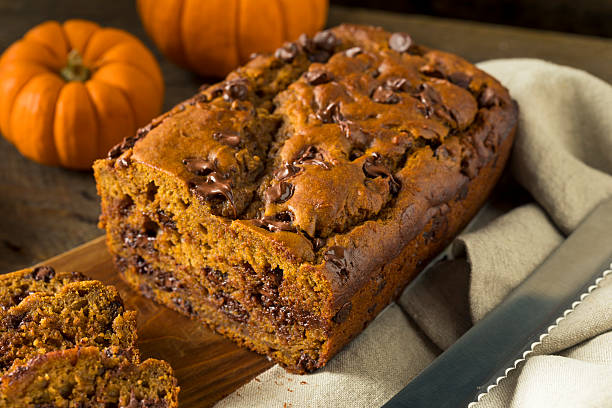
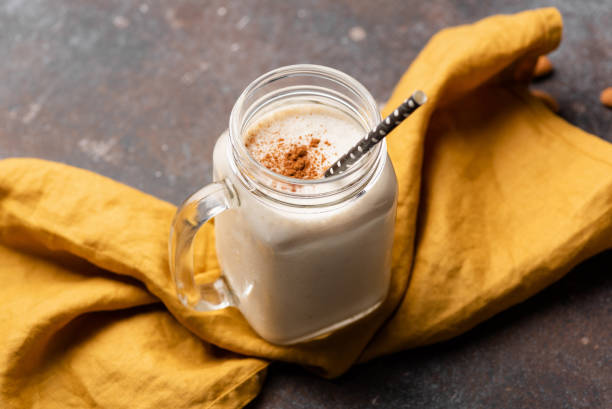
Cinnamon Roll Protein Shake Recipe

Some mornings you wake up craving a cinnamon roll but also need actual protein to function like a human being.

This shake solves that problem. It tastes like you’re drinking a blended cinnamon bun – sweet, spiced, creamy, with that signature cinnamon-vanilla flavor – but it has 20 grams of protein and takes five minutes to make.

Frozen banana makes it thick and naturally sweet. Greek yogurt adds tang like cream cheese frosting. A generous amount of cinnamon brings that bakery flavor. And protein powder turns it into something that actually keeps you full instead of just tasting good.

No refined sugar, no actual pastry, just breakfast that tastes like dessert.

Why This Works

Most cinnamon roll recipes involve yeast, rising time, rolling out dough, and at least an hour of work. You end up with something delicious but nutritionally it’s basically sugar and butter.

This shake gives you the flavor without any of that.

The cinnamon is the star here. A full teaspoon – which sounds like a lot but it’s not, it’s what makes it actually taste like a cinnamon roll instead of just vaguely cinnamon-flavored.

Frozen banana creates that milkshake thickness and adds natural sweetness so you barely need any added sugar. Greek yogurt makes it creamy and adds that slight tang that reminds you of cream cheese icing.

And with 20 grams of protein, this isn’t just flavored milk. It’s an actual meal that will hold you over for 3-4 hours.

Best for: Rushed mornings, post-workout when you want something sweet, breakfast that feels like a treat, or anytime you’re craving cinnamon rolls but don’t have two hours to bake them.

What You Need

Makes 1 large shake (16 oz)

  • 1 scoop (30g) vanilla protein powder
  • 1 cup unsweetened almond milk (or milk of choice)
  • ¼ cup plain Greek yogurt
  • ½ medium banana, frozen
  • ½ to 1 teaspoon ground cinnamon (don’t be shy with this)
  • 1 teaspoon pure maple syrup (or honey)
  • ¼ teaspoon vanilla extract
  • 1 tablespoon almond butter (optional but recommended for richness)
  • ½ cup ice cubes

Optional toppings: Whipped cream or coconut whipped cream, extra cinnamon sprinkled on top, drizzle of almond butter

How to Make It

Step 1: Make sure your banana is actually frozen. Not just cold from the fridge – frozen solid. This is what gives you that thick, frosty texture.

If you forgot to freeze banana ahead of time, use a fresh one but double the ice. The texture won’t be quite as creamy but it’ll work.

Step 2: Add the almond milk to your blender first. Liquid on the bottom helps everything blend smoother.

Step 3: Add the protein powder, Greek yogurt, frozen banana chunks, cinnamon, maple syrup, vanilla extract, and almond butter if using. Top with ice cubes.

I use Orgain vanilla protein powder for this – it’s sweet enough that you don’t need much added sugar, and it doesn’t taste chalky.

Step 4: Blend on low for a few seconds to get everything moving, then switch to high. Blend for 45-60 seconds until completely smooth and thick.

The frozen banana and protein powder need time to fully incorporate. You’ll know it’s ready when the sound changes from choppy to smooth.

Step 5: Taste it. If you want it sweeter, add another teaspoon of maple syrup and blend again. If you want more cinnamon flavor, add another ¼ teaspoon.

Start conservative with both – you can always add more, but you can’t take it back.

Step 6: Pour into a tall glass. If you’re feeling fancy, top with a swirl of whipped cream and dust with cinnamon. Or keep it simple and just drink it.

Nutrition Facts

Per shake (without almond butter):

  • Calories: 255
  • Protein: 20g
  • Fat: 5g
  • Carbs: 26g
  • Fiber: 3g
  • Sugar: 14g (mostly natural from banana and milk)

With almond butter added: 353 calories, 23g protein, 14g fat, 29g carbs

The almond butter bumps up the calories but also adds healthy fats and makes the shake more filling. It’s worth it if you’re using this as a meal replacement.

Either way, you’re getting serious protein and fiber without a ton of sugar. Compare that to an actual cinnamon roll from a bakery – usually 400-600 calories with 50+ grams of sugar and barely any protein.

Ways to Customize It

Extra thick smoothie bowl: Use only ½ cup of almond milk and a whole frozen banana. Blend until thick enough to eat with a spoon. Top with granola, sliced banana, and a drizzle of almond butter. Now it’s a cinnamon roll smoothie bowl.

Cream cheese icing swirl: Blend 2 oz softened cream cheese with 2 tablespoons Greek yogurt, a few drops of vanilla, and a bit of stevia. Pour your shake into the glass, then swirl this mixture on top. It creates ribbons of tangy frosting flavor throughout.

Higher protein version: Use 1½ scoops of protein powder instead of 1, or add an extra ¼ cup of Greek yogurt. Gets you to 30+ grams of protein, perfect for post-workout.

Oat-based for more carbs: Add ¼ cup rolled oats to the blender. This makes it thicker and heartier, and bumps the carbs up for refueling after a hard workout. You might need a bit more liquid.

Pumpkin cinnamon roll: Add ⅓ cup pumpkin puree and a pinch of pumpkin pie spice. Now you’ve got a hybrid pumpkin spice cinnamon roll situation. Fall in a glass.

Coffee version: Add a shot of cooled espresso or ¼ cup cold brew coffee. Cinnamon roll latte protein shake with caffeine and 20g protein.

Dairy-free: Use plant-based protein powder and dairy-free yogurt (coconut or almond yogurt works). Already using almond milk so you’re almost there.

Common Mistakes

Not using enough cinnamon. The recipe calls for ½ to 1 teaspoon. Use a full teaspoon. That’s what makes it taste like a cinnamon roll instead of just cinnamon-flavored protein shake. Don’t be timid with it.

Using fresh banana instead of frozen. Fresh banana makes it room temperature and thin. Frozen banana is what creates that thick milkshake texture. Keep peeled bananas in your freezer specifically for smoothies.

Skipping the Greek yogurt. The yogurt adds creaminess and that slight tang that mimics cream cheese frosting. Without it, the shake is good but not cinnamon-roll-like. The tang is important.

Using too much sweetener. Most vanilla protein powders are already sweet. The banana adds sweetness. Start with just 1 teaspoon of maple syrup. Taste it. Add more if needed. You can always add, never subtract.

Not blending long enough. Protein powder needs at least 45 seconds on high to fully incorporate. If you stop too soon, you’ll get clumps and an uneven texture.

Make-Ahead Tips

This shake is best fresh, but you can prep components ahead.

Freezer packs: Put frozen banana chunks, protein powder, and cinnamon into small freezer bags. Label them. In the morning, dump one pack into the blender with yogurt, milk, maple syrup, vanilla, and ice. Blend and done.

Night before: Blend everything the night before and store in a sealed jar in the fridge. It’ll thicken overnight. In the morning, shake vigorously or add a splash of milk and re-blend for 10 seconds.

Batch your bananas: Buy bananas, let them get ripe with brown spots, peel them, break into chunks, freeze in bags. Then you always have frozen banana ready for smoothies.

Questions People Ask

“Can I use regular milk instead of almond milk?”

Yes. Dairy milk, oat milk, soy milk, cashew milk – whatever you have. Dairy milk will add a bit more protein and make it creamier. Oat milk makes it slightly sweeter and thicker.

“What if I don’t have Greek yogurt?”

Use regular yogurt, but you’ll lose protein and thickness. Or skip it and use 1¼ cups of milk instead. The shake will be thinner and less tangy, but still good. The Greek yogurt really does make a difference though.

“Is this actually filling?”

With 20g protein and 3g fiber (or 23g protein and 4g fiber with almond butter), yes. Protein and fiber keep you full. This should hold you for 3-4 hours easy. If you’re still hungry, add the almond butter or use more protein powder.

“Can I make this without banana?”

You can use frozen cauliflower rice instead – sounds weird but it’s neutral-tasting and creates the same thick texture. You’ll need to add more sweetener though since banana provides natural sweetness. Or use frozen mango, but the flavor changes.

“Does this actually taste like a cinnamon roll?”

It tastes like the inside of a cinnamon roll blended with cream cheese frosting. Obviously it’s not exactly the same as baked dough with icing, but the flavor is surprisingly close. The cinnamon, vanilla, and slight tang from yogurt really nail it.

“What protein powder works best?”

Vanilla protein powder is key. I’ve tried this with chocolate protein and it’s weird. Vanilla or unflavored only. Whey or plant-based both work fine. Just make sure it’s a brand that doesn’t taste chalky.

Why Cinnamon Matters

Cinnamon isn’t just flavor. It actually does something.

Studies show cinnamon can help with blood sugar regulation. It slows the rate at which food empties from your stomach into your small intestine, which means more stable blood sugar instead of spikes and crashes.

That’s why this shake – despite having natural sugars from banana and maple syrup – doesn’t give you that sugar high followed by a crash an hour later. The protein, fiber, and cinnamon all work together to keep your blood sugar stable.

Plus cinnamon has antioxidants and anti-inflammatory properties. So you’re not just getting flavor, you’re getting actual nutritional benefit.

Which is a nice bonus when you’re drinking something that tastes like a cinnamon roll.

Pro Tips for Best Results

Use Ceylon cinnamon if you have it. It’s sweeter and more delicate than regular cassia cinnamon. Not essential, but it makes a difference if you’re using a full teaspoon.

Let your ingredients come to room temp except the banana. Cold Greek yogurt straight from the fridge blends less smoothly. Let it sit on the counter for 15 minutes before using.

Add a tiny pinch of salt. Seriously. Just a pinch. Salt makes sweet things taste sweeter and brings out the cinnamon flavor. It’s the same reason you put salt in baked goods.

Chill your glass beforehand. Put your serving glass in the freezer for 10 minutes before you blend. The shake stays cold and thick longer. Small detail, big difference.

Don’t skip the vanilla extract. A quarter teaspoon doesn’t seem like much, but vanilla amplifies all the other flavors. It’s what makes it taste like a baked good instead of just cinnamon-spiced protein powder.

More Healthy Fall Recipes

If you’re into protein-packed breakfast that tastes like dessert:

Pumpkin Pie Protein Smoothie – Same concept but with pumpkin and pumpkin pie spice. 28g protein, tastes like actual pumpkin pie.

Pumpkin Pie Yogurt Bowl – Spiced pumpkin yogurt bowl with crunchy toppings. 18g protein, ready in 3 minutes.

Healthy Pumpkin Pie Oatmeal – Warm, cozy oatmeal with pumpkin and spices. Perfect for cold mornings.

High-Protein Pumpkin Cinnamon Roll Muffins – Pumpkin muffins with a cinnamon swirl. Tastes like cinnamon rolls, has actual protein.

Greek Yogurt Pumpkin Muffins – Moist, naturally sweetened muffins. 184 calories each, freezer-friendly.

The Real Story

Most mornings, you don’t have time for elaborate breakfast. And most protein shakes taste like protein shakes – functional but not exciting.

This one is different because it actually tastes like something you want to drink. Not something you force down because you’re supposed to get more protein, but something that makes you look forward to breakfast.

The cinnamon and vanilla make it smell like a bakery. The frozen banana and Greek yogurt make it thick and creamy. And the 20 grams of protein mean you’re not hungry an hour later.

It takes five minutes to make. Tastes like a cinnamon roll. Keeps you full until lunch. That’s the entire pitch.

Make it once and you’ll understand why people put this in their regular rotation. It’s not a special occasion thing or a weekend treat. It’s just a really good breakfast that happens to be healthy.

Keep frozen bananas in your freezer and decent protein powder on hand. Then you’re five minutes away from something that tastes like dessert but counts as a meal.

10 Healthy Habits to Start This Month

0

There’s no better time than the start of a new month to embrace healthier habits. Whether you’re looking to boost your energy, improve your mood, or strengthen your body, small daily changes can add up to big benefits.

In fact, long-term research from Harvard found that people who adopted healthy lifestyle habits lived longer and had lower risks of cancer and heart disease. The great news is that it’s never too late (or too early!) to start.

Below are 10 impactful yet approachable habits you can start this month to become a healthier, happier you. Pick one or two to focus on each week, and by the end of the month you’ll be amazed at the positive changes.

1. Prioritize Quality Sleep

Sleep is the foundation of good health. When you’re well-rested, everything else feels easier. Most adults need around 7 to 8 hours of sleep per night.

Lack of sleep has been linked to higher risks of obesity, heart disease, and infections. Make sleep a priority by setting a consistent bedtime and creating a relaxing pre-sleep routine.

Dimming the lights, shutting off screens at least 30 minutes before bed, and keeping your bedroom dark and cool can help you fall asleep faster and sleep more soundly.

I started using the Philips SmartSleep Wake-Up Light to improve both my sleep and wake-up routine. It dims gradually in the evening and brightens slowly in the morning, working with your natural circadian rhythm instead of against it. My sleep quality improved within the first week.

If you struggle with racing thoughts at bedtime, try keeping a notebook on your nightstand. Do a quick brain dump of everything on your mind. Getting it out of your head and onto paper can help you relax.

Set a bedtime alarm 30 minutes before sleep, keep your room between 60 and 67 degrees Fahrenheit, and avoid caffeine after 2pm. Small changes tonight mean better energy tomorrow.

2. Stay Hydrated and Drink More Water

Here’s an easy habit that yields big returns: drink plenty of water every day. Our bodies (and brains) crave hydration.

Being well-hydrated helps maintain your energy levels, supports digestion, and even keeps your skin glowing. Keep a reusable water bottle with you as a visual reminder to sip often.

I keep a Hydro Flask with me everywhere. The insulation keeps water ice-cold for 24 hours, which honestly makes me want to drink more. Room temperature water never did it for me, but crisp, cold water? I’ll finish a bottle without thinking about it.

If plain water bores you, add slices of lemon, cucumber, or berries for natural flavor. Try swapping one sugary drink (soda, we’re looking at you) for water each day. Your body will thank you.

Drink a full glass of water immediately after waking up. Your body is dehydrated after sleep, and this simple habit jumpstarts your metabolism and alertness. For more on optimizing your mornings, check out these 15 morning habits that will change your life.

Don’t wait until you’re parched. Drink up throughout the day for optimal health. Aim for about half your body weight in ounces. So if you weigh 150 pounds, target 75 ounces of water daily.

3. Move Your Body Daily

You don’t need to become a marathon runner overnight, but making daily movement a habit is key to health. Regular physical activity helps control weight, strengthens your heart, improves flexibility, and boosts your mood.

Hello, endorphins!

This month, find any way to get moving that you enjoy. Take a brisk walk on your lunch break, do a 20-minute home workout, dance in your living room, or play active games with your kids or pets.

It all counts! Consistency matters more than intensity at first. A short walk every day beats one hardcore gym session a month.

According to research from the Mayo Clinic, regular exercise not only makes you physically stronger, it’s also a proven stress-buster and can improve your sleep quality.

Over time, you can ramp up the duration or mix in strength training and stretching. Put it on your calendar like an important appointment with yourself.

Moving your body each day is a celebration of what you can do, not a punishment. So find activities you love, and keep on moving!

Start small and build gradually. Week one, try 10-minute daily walks. Week two, add 5 minutes of stretching. Week three, try a beginner YouTube workout. Week four, mix it up based on what you enjoyed most.

4. Eat More Whole Foods and Greens

Upgrade your nutrition by adding wholesome foods to your plate. Focus on eating more whole foods: vegetables, fruits, whole grains, lean proteins, and healthy fats (like avocado or olive oil).

These foods are packed with vitamins, minerals, and fiber that nourish your body and help prevent diseases.

Try to fill at least half your plate with colorful veggies and fruits at each meal. Swap out refined grains for whole grains. For example, choose brown rice or whole wheat bread instead of white.

Small tweaks like choosing grilled or baked lean protein instead of fried, or snacking on nuts instead of chips, make a big difference over time.

And yes, you can still enjoy your favorite treats in moderation! This isn’t about deprivation. It’s about adding more nutrient-dense foods to crowd out the less healthy stuff naturally.

Your body will feel the difference: more steady energy, better digestion, and even healthier skin and hair. When you fuel your body with quality ingredients, it shows.

Simple food swaps make this easier. Replace white rice with brown rice or quinoa. Choose almonds or apple slices instead of chips. Swap soda for sparkling water with fresh fruit. Pick dark chocolate (70% cacao or higher) over candy. Try whole wheat or chickpea pasta instead of regular pasta.

5. Manage Stress with Mindfulness

Stress is inevitable, but how we manage it can make or break our health. Chronic stress can contribute to issues like anxiety, high blood pressure, and poor sleep.

That’s why adopting a stress-reducing habit is so valuable.

This month, experiment with mindfulness techniques to keep your cool. You could start a simple meditation practice (even 5 minutes a day of deep breathing and quiet focus does wonders), or try yoga or tai chi for a blend of movement and mindfulness.

Another idea: practice gratitude. Jot down three things you’re thankful for each day. This shifts your mindset toward positivity and can reduce stress.

I use the Five Minute Journal for this. It takes literally five minutes in the morning and evening. You write what you’re grateful for, what would make today great, and a daily affirmation. Then at night, you reflect on amazing things that happened and what you could have done better. It’s structured enough that you can’t overthink it, which is perfect for my anxious brain.

If meditation isn’t your cup of tea, no worries. Even activities like walking in nature, coloring, or taking a relaxing bath can be very calming.

The key is to give yourself permission each day to pause and decompress. Over time, you’ll notice you feel more balanced and resilient when challenges come your way.

Remember, taking care of your mental health is just as important as caring for your physical health. For science-backed approaches to habit building, explore these 10 atomic habits hacks that actually work.

6. Apply Sunscreen Daily

Skincare is self-care. One of the healthiest habits you can adopt for your future self is wearing sunscreen every single day.

Daily sunscreen (SPF 30 or higher) protects your skin from harmful UV rays that cause premature aging and increase the risk of skin cancer.

Dermatologists and doctors agree that sunscreen is the best defense against skin damage. In fact, applying a moisturizer with at least SPF 30 each morning shields your face and neck from those rays you encounter just by walking outside or sitting by a window.

Make it part of your morning routine: after washing your face, smooth on a broad-spectrum sunscreen. Many lotions or makeups have SPF built in, which makes it even easier.

Don’t forget your ears, hands, and any exposed skin. This habit is like preventive medicine for your skin. You’ll help prevent wrinkles and sunspots, and most importantly, drastically reduce your risk of skin cancer.

Look for broad-spectrum protection, SPF 30 or higher, and water-resistant formulas. Apply every morning, even on cloudy days. Reapply every 2 hours if you’re outdoors. Don’t forget your neck, ears, hands, and tops of feet.

So slather on that sunscreen. Your skin will thank you in the years to come. Future you will look back and be so grateful you started this habit now.

7. Connect with Loved Ones

Healthy habits aren’t just about diet and exercise. Your relationships play a huge role in your well-being.

Humans are social creatures, and nurturing your connections improves mental and emotional health. According to Harvard Medical School, regular social interaction can reduce loneliness, lower stress, and even help you live longer by keeping your mind sharp.

This month, make it a habit to reach out to friends or family regularly. A daily check-in or weekly coffee date goes a long way.

Text that friend you’ve been meaning to catch up with. Call your mom. Schedule a dinner with your partner where you actually talk instead of staring at screens.

Surrounding yourself with positive, supportive people will encourage your healthy lifestyle changes and make life more joyful. Community matters more than we often acknowledge.

Even introverts need connection (just in smaller doses!). Find what works for you, whether that’s weekly game nights or monthly one-on-one lunches.

Try this challenge: This week, reach out to someone you haven’t talked to in a month. This month, schedule at least one in-person meetup. Daily, send one genuine compliment or check-in text. Remember, quality conversations matter more than quantity of contacts.

8. Find a Hobby or Activity You Love

“All work and no play” isn’t healthy for anyone. Engaging in hobbies and fun activities is more than just entertainment. It’s actually a boon for your health.

Hobbies can relieve stress, spark creativity, and give you a sense of accomplishment.

This month, either dust off an old hobby you’ve neglected or try something new. Maybe you’ll start painting, gardening, writing in a journal, or learning a musical instrument.

Always wanted to try knitting, crafting, or photography? Go for it! It doesn’t matter what it is, as long as it brings you joy and engages your mind or body in a positive way.

Studies even suggest having a hobby is linked to better overall health and mood in adults. When you’re immersed in an activity you enjoy, you enter a state of “flow” that can be very restorative.

You’re not trying to monetize it or become an expert. You’re just doing something purely for the joy of it. That’s revolutionary in our productivity-obsessed culture.

Consider creative hobbies like drawing, painting, pottery, photography, or writing. Physical options include dancing, hiking, cycling, rock climbing, or martial arts. Mindful activities might be gardening, baking, woodworking, knitting, or origami. Social hobbies include book clubs, board game groups, sports leagues, or cooking classes. Learning-focused options include languages, instruments, coding, or chess.

9. Take Care of Your Oral Health (Yes, Floss!)

It’s easy to overlook, but your oral health is a crucial part of your overall health.

This month, commit to excellent dental hygiene habits: brushing twice a day and flossing once a day. Brushing cleans the surfaces of your teeth, but flossing is what really gets between teeth and along the gumline where problems can start.

Maintaining good oral health helps prevent cavities and gum disease. Some research even links gum health to heart health. Your mouth is the gateway to your body, and bacteria there can affect your entire system.

If you’ve been slacking on flossing, now’s the time to start the habit. It only takes a couple of minutes each evening.

Use a gentle technique and stick with it. Your gums might be sensitive at first, but they’ll get healthier over time. A healthy mouth means a healthier you (and a brighter smile!).

Your dentist will definitely give you a gold star at your next check-up for this one. Plus, preventing dental problems now saves you pain and money later.

Create a simple routine: In the morning, brush for 2 minutes with fluoride toothpaste. In the evening, floss first, then brush for 2 minutes. Pro tip: Keep floss on your nightstand as a visual reminder. Bonus: Use mouthwash to kill bacteria and freshen breath.

10. Practice Daily Gratitude

Ending your day on a positive note is just as important as how you start it. One powerful habit to cultivate is practicing gratitude.

This can be as simple as writing down 3 things you’re grateful for each evening, or taking a moment in the morning or night to reflect on something good in your life.

Gratitude shifts your focus away from what’s wrong to what’s going right, and that mental shift can improve your overall outlook. Over time, practicing gratitude has been linked to better mental health and higher satisfaction in relationships.

It helps train your brain to notice the positives more easily. So grab a notebook and start a little gratitude journal.

No need for grand statements. You can be grateful for a perfect cup of coffee, a friendly chat with a coworker, or even the fact that you made it through a tough day.

On harder days, it might feel difficult to find the silver linings, but that’s when this habit is most impactful. By ending each day with gratitude, you’ll cultivate a resilient, optimistic mindset that carries over into all areas of your life.

The practice takes less than five minutes but transforms how you see your life. You’ll start noticing good things throughout your day because you know you’ll be writing them down later.

When you’re stuck, try these prompts: What made me smile today? Who am I grateful to have in my life? What’s something I’m taking for granted that I shouldn’t? What challenge taught me something valuable? What comfort or privilege do I have that others might not?

Making These Habits Stick

Here’s the truth about building new habits: it’s not about willpower. It’s about systems.

Don’t try to tackle all 10 habits at once. That’s a recipe for overwhelm and failure. Instead, pick one or two to focus on this week. Once they feel natural, add another.

Stack new habits onto existing ones. Already brush your teeth every night? Add flossing right after. Always make morning coffee? Drink your water while it brews.

Track your progress somewhere visible. Put check marks on a calendar, use a habit tracking app, or keep a simple tally in your planner. Seeing your streak builds momentum.

And please, give yourself grace. You’ll have off days. You’ll skip workouts. You’ll eat the donut. That’s being human, not failing.

The goal is progress, not perfection. As long as you keep returning to your habits after setbacks, you’re winning.

Remember the two-day rule: Never skip your habit two days in a row. Missing one day is life happening. Missing two days is the start of a broken habit. If you miss today, make tomorrow non-negotiable.

For more strategies on building lasting habits, check out Andrew Huberman’s daily routine and key habits for success.

Your Healthiest Month Starts Now

Adopting even a few of these healthy habits can set you on a path to feeling better than ever. Remember, the goal isn’t to be “perfect” or to change everything at once. It’s about making steady, sustainable improvements to your lifestyle.

Pick one habit to focus on, and once it feels natural, move on to the next. By starting small and being consistent, you’ll build momentum.

Over the course of this month (and beyond), these positive habits will compound, and you’ll likely notice you have more energy, better mood, and a greater sense of control over your health.

Most importantly, be patient and kind to yourself. Change takes time, but every effort you make is worth it.

Here’s to a month of healthy new beginnings! You’ve got this.

Best Morning Routine for Women: Science-Backed Steps to Transform Your Day

Mornings set the tone for your entire day. Designing a morning routine that energizes your body and uplifts your mind can lead to improved productivity, mood, and overall wellness. The key is to find what makes you feel motivated and refreshed.

Below is an aspirational yet practical morning routine tailored for women of all ages, blending scientific insights, cozy vibes, and a dash of humor to help you rise and shine.

Wake Up at a Consistent Time

Try to wake up at the same time each morning, as consistency helps regulate your body’s internal clock. If possible, avoid hitting the snooze button. We know it’s tempting!

For the record, hitting snooze five times doesn’t count as a routine. We’ve all tried that, no judgment!

Instead, set an alarm tone that lifts your spirits. Maybe your favorite upbeat song or calming nature sounds. Many people find that waking up to music or gentle sounds (think birds chirping) helps them feel less jolted out of sleep.

I personally switched to the Philips SmartSleep Wake-Up Light last year, and honestly? Game changer. It gradually brightens like a sunrise over 30 minutes before your alarm time. No more heart-attack-inducing buzzer. Just gentle light easing you awake. It felt ridiculous spending that much on an alarm clock, but my mornings are so much calmer now.

In other words, trade the blaring buzzer for a melodic wake-up. You’ll thank yourself in the morning!

💫 Morning Hack: As you open your eyes, take a moment to stretch your arms and smile. Yes, smile! It might feel silly, but it can actually make you feel more positive about the day ahead.

Your brain is incredibly responsive to these small cues. When you smile, even artificially, it triggers the release of feel-good neurotransmitters. It’s like tricking your brain into happiness before you’ve even had coffee.

The consistency part is crucial too. When you wake up at the same time daily, your body starts to anticipate it. You might even find yourself waking up naturally before your alarm goes off. That’s your circadian rhythm working in your favor.

Let in Morning Light

Pull back those curtains and let natural light flood in. Sunlight in the morning sends a powerful signal to your brain that it’s time to wake up and be alert.

Exposure to bright light first thing helps reset your circadian rhythm (your body’s 24-hour internal clock) and boosts hormones that regulate energy. In simpler terms, a dose of morning sun can wake you up more effectively than a cup of coffee!

If it’s warm enough, crack open a window and take a few deep breaths of fresh air. If you have a porch or balcony, stepping outside for a minute (wrapped in a cozy robe, of course) can be surprisingly invigorating.

🔬 The Science Behind It

Light exposure in the morning suppresses melatonin production (the hormone that makes you sleepy) and increases serotonin (which helps regulate your mood and energy). This is why even on cloudy days, getting natural light matters.

On dark or overcast mornings when natural light is scarce, turn on bright indoor lights to help you feel more awake. Some women even invest in light therapy lamps for those winter months when sunrise happens after you need to be up.

Let there be light in your morning routine. It truly makes a difference in shaking off grogginess and lifting your mood.

Hydrate and Nourish Your Body

After a long night’s sleep, your body needs hydration. Head to the kitchen for a tall glass of water before anything else.

This simple habit helps rehydrate you and kick-start your metabolism. If you’re feeling fancy, add a squeeze of lemon for an extra refreshing zing and a dose of vitamin C.

Proper morning hydration can improve your alertness and even your mood. Think of water as an internal shower for your body. It wakes up your organs and leaves you feeling refreshed from the inside out.

💧 Hydration Goal: Aim for at least 16 ounces of water within the first 30 minutes of waking. Keep a glass or bottle by your bedside so it’s the first thing you reach for.

I keep a Hydro Flask on my nightstand now. It keeps water cold all night (even ice stays frozen), and having it right there means I actually drink it instead of telling myself I’ll get water “in a minute.” It’s become such a non-negotiable part of my routine that I feel off if I skip it.

Next, think about breakfast. While every woman’s dietary needs differ, aim to fuel yourself with a nutritious morning meal most days.

A balanced breakfast, like oatmeal with fruit and nuts, a veggie omelet, or yogurt with granola, provides the energy to power through a busy morning.

It’s not about perfection. No, you don’t need to whip up a gourmet spread at dawn. But try to include some protein (to keep you full) and fiber (for sustained energy).

Even a quick smoothie or a handful of almonds and a banana can work if you’re short on time. And don’t forget your morning coffee or tea if you love it. Savor that warm mug in your hands for a cozy, motivational boost.

🍳 Quick Breakfast Ideas

  • Greek yogurt with berries and a drizzle of honey
  • Avocado toast on whole grain bread with a poached egg
  • Overnight oats prepared the night before
  • Smoothie with spinach, banana, protein powder, and almond milk
  • Whole grain cereal with sliced almonds and fresh fruit

Just be sure to drink water alongside your caffeine to stay happily hydrated. Coffee is a diuretic, which means it can actually dehydrate you if you’re not careful.

Get Moving with Morning Exercise

Incorporating some movement into your morning routine does wonders for your energy and mood. You don’t need a hardcore 60-minute gym session at 6 AM (unless you want to!).

Even gentle stretches or a 10-minute yoga flow can wake up your muscles. If you’re feeling groggy, try a quick dance to your favorite song or a brisk walk around the block.

Not only will you feel more alert, but science backs up the benefits. According to research from the Mayo Clinic, morning exercise increases blood flow throughout the body, giving you a natural boost of energy and even improving your heart health.

Exercise may even boost important brain functions like decision-making and memory. So whether it’s a sunrise yoga session in your living room or walking the dog as the world wakes up, get your body moving.

🏃‍♀️ Movement Options for Every Mood

Feeling Energetic: Try a 20-30 minute jog, HIIT workout, or spin class
Need Gentle Start: Opt for yoga, stretching, or tai chi
Time Crunched: Do a 7-minute bodyweight circuit or dance to three songs
Weather Dependent: Walk outside on nice days, use YouTube workouts when it’s cold

Pro tip: lay out your workout clothes the night before. It’s one less thing to slow you down when you roll out of bed. And don’t worry, even if you’re not “a morning workout person,” a little stretching while still in your pajamas counts as a victory!

The important thing is that you’re moving. Your body was designed for movement, and it craves it first thing in the morning. You don’t have to become a fitness influencer overnight. Just start where you are.

Mindfulness and Me-Time

A great morning routine isn’t just about physical tasks. It should nurture your mind and soul too.

Carve out a few minutes for mindfulness or self-reflection. This could mean meditation, journaling, prayer, or simply sitting quietly with your thoughts as you sip your morning beverage.

Many women find that spending even 5-10 minutes on a mindfulness practice reduces stress and anxiety for the rest of the day. For example, a short meditation can help clear mental clutter and promote calm.

If meditation isn’t your thing, try journaling. Write down one thing you’re grateful for, set an intention for the day, or do a quick “brain dump” of any lingering worries.

I use the Five Minute Journal every single morning. The structure makes it impossible to overthink. You literally just fill in prompts: three things you’re grateful for, what would make today great, and a daily affirmation. Takes less than five minutes, but it completely shifts my mindset before the chaos starts. I’ve gone through four of these journals now, which tells you something.

🧘‍♀️ Simple Mindfulness Practices

  • 5-Minute Meditation: Sit comfortably, close your eyes, and focus on your breath
  • Gratitude Journaling: Write three things you’re thankful for
  • Morning Pages: Free-write three pages of stream-of-consciousness thoughts
  • Affirmations: Speak positive statements to yourself in the mirror
  • Visualization: Picture your day going exactly as you’d like it to

This practice helps you enter the day with a more centered and positive mindset. Light a nice candle or play soft music if it creates a soothing atmosphere. Embrace those cozy vibes.

This is your moment before the hustle begins. As one wellness coach put it, a morning routine is a gift of time you give yourself before you give your time to everyone else.

That perspective shift is powerful. So many women spend their entire day in service to others. Your job, your kids, your partner, your parents, your friends. Everyone gets a piece of you.

But these few morning minutes? They’re yours alone. Protect them fiercely.

Dress and Prep to Feel Your Best

Now it’s time to get ready for the day. Rather than a rushed, chaotic dash out the door, try to make your grooming routine a small act of self-care.

Put on an outfit that makes you feel confident. Yes, even if you’re just logging into Zoom from home. Dressy top, comfy bottoms is a valid combo!

Do your skincare regimen or splash water on your face to feel refreshed. Taking a little time to groom can actually boost your mood and confidence for the day ahead.

If you love makeup, go for that bold lipstick. If athleisure is your jam, rock those leggings. The point is to step into the day feeling put-together for you.

✨ Morning Grooming Checklist

  • Wash face or complete full skincare routine
  • Apply moisturizer and sunscreen (non-negotiable!)
  • Style hair in a way that makes you feel good
  • Choose an outfit that boosts your confidence
  • Add a signature element (favorite earrings, scarf, or lipstick)

Also, do quick prep tasks: pack your work bag or your kids’ lunches, and check the day’s schedule.

A tip: making your bed in the morning (yes, the thing Mom always nagged about) can give you a small sense of accomplishment. It’s a 2-minute task that signals “I’m up and I’ve got things under control.”

Plus, you’ll appreciate the tidy comfort when you return at night. There’s something about climbing into a made bed at the end of a long day. It just feels better.

The act of making your bed is also a commitment to not getting back in it. You’re telling yourself: I’m up, I’m dressed, I’m doing this day.

Set Intentions and Go Shine

Before you head out (or start your remote work), take a brief pause to set your intentions for the day.

Glance at your planner or to-do list and pick the top 2-3 priorities you want to focus on. This helps you feel organized and purposeful.

Maybe your intention is something like, “I will be patient and positive during today’s team meeting,” or “I will take a short walk at lunch to care for myself.”

By stating your intentions, you prime your mind to follow through. It’s the difference between reacting to whatever the day throws at you versus proactively shaping your experience.

🎯 Setting Powerful Intentions

Be Specific: Instead of “be productive,” try “complete the Johnson report by 2pm”
Include Self-Care: Build in intentions about how you’ll treat yourself
Focus on Feelings: “I will approach challenges with calm” rather than just task lists
Keep It Realistic: Three clear intentions beat ten vague ones

Finally, do something that makes you smile as you start the day. It could be listening to an empowering playlist during your commute, hugging your kids or partner, or even speaking a kind affirmation to yourself in the mirror.

“You’ve got this!” might feel cheesy when you say it out loud, but your brain is listening. And sometimes you need to be your own cheerleader.

These little feel-good rituals act as emotional fuel. Now, take a deep breath, stand tall, and step into your day.

Troubleshooting Common Morning Routine Challenges

Let’s be real. Building a morning routine sounds great in theory, but life has a way of throwing curveballs. Here are some common obstacles and how to handle them.

Challenge: I’m not a morning person. Start small. Don’t try to wake up two hours earlier overnight. Begin by waking up just 15 minutes earlier and slowly adjust. Your body needs time to adapt.

Challenge: My kids wake me up at random times. Build flexibility into your routine. Have a “full version” and a “streamlined version.” On chaotic mornings, hit the essentials: water, quick movement, intention setting.

Challenge: I hit snooze no matter what I try. Put your alarm across the room so you have to physically get up to turn it off. Once you’re standing, you’re halfway there.

🔧 Quick Fixes for Morning Struggles

Too tired? Go to bed 15 minutes earlier each night until you find your sweet spot
No motivation? Prep everything the night before to remove morning decisions
Always rushed? Track where your time actually goes for three mornings
Easily distracted? Keep your phone in another room during your routine

Challenge: I get distracted by my phone. Don’t look at it! Seriously, leave it in another room or at least turn it face down. Those notifications can wait 30 minutes.

Challenge: I don’t have time for all this. You don’t have to do everything. Pick three elements that matter most to you and build from there. A 20-minute routine is better than no routine.

How Your Morning Routine Evolves with Life Stages

Your ideal morning routine at 25 looks different than at 45 or 65. That’s not just okay, it’s expected. Let your routine grow with you.

In your 20s and 30s, you might have more energy for intense workouts but less time due to career building or young children. Your routine might be about efficiency and squeezing in self-care between responsibilities.

In your 40s and 50s, you might prioritize stress management and hormone balance. Your routine could include more mindfulness practices and gentler movement like yoga or walking.

In your 60s and beyond, your routine might focus on maintaining mobility, social connection, and cognitive health. Maybe you join a morning walking group or spend time on puzzles and reading.

🌱 Adapting Your Routine Through Life

New Moms: Be flexible and celebrate small wins. Even 5 minutes counts.
Career Peak Years: Use mornings to set boundaries and protect your energy.
Empty Nesters: Reclaim morning time for hobbies and deeper self-care.
Retirement: Structure prevents drift. Keep some routine even with more freedom.

The point is to regularly reassess. What worked last year might not serve you now. Check in with yourself every few months and adjust accordingly.

The Ripple Effect of a Solid Morning Routine

Here’s what nobody tells you about morning routines: the benefits extend far beyond the morning hours themselves.

When you start your day with intention and self-care, you set a standard for how you’ll treat yourself all day long. You’re more likely to make healthy choices at lunch. You’re more likely to set boundaries at work. You’re more likely to skip the evening doom-scrolling in favor of actual rest.

According to Psychology Today, embracing a consistent daytime routine is linked to healthier sleep cycles and better mental health. The structure provides a sense of control in an often chaotic world.

Your morning routine also affects those around you. When you’re calmer and more centered, your family feels it. Your coworkers notice it. You bring better energy into every interaction.

🌊 The Domino Effect of Good Mornings

  • Better Decision Making: You start with wins, so you keep making good choices
  • Improved Relationships: You’re patient and present with others
  • Higher Productivity: You’ve already accomplished things before work begins
  • Enhanced Mood: Endorphins and intention-setting carry you through challenges
  • Reduced Anxiety: Structure and predictability calm the nervous system

It’s not magic. It’s just consistency. Small, positive actions repeated daily compound into significant life changes.

Permission to Be Imperfect

Let’s address the elephant in the room. You’re going to mess up. You’ll oversleep. You’ll skip workouts. You’ll grab a donut instead of that balanced breakfast.

And you know what? That’s completely fine.

The goal isn’t perfection. The goal is overall consistency with plenty of room for being human. Research from Healthline shows that even partial adherence to healthy morning habits creates benefits. You don’t need a perfect score.

Some women get so caught up in doing their morning routine “right” that they quit entirely when they stumble. Don’t be that person. One rough morning doesn’t undo all your progress.

💝 Give Yourself Grace: Life happens. Kids get sick. You have a terrible night’s sleep. Work emergencies pop up. On those days, do a mini version of your routine or skip it entirely. Tomorrow is a fresh start.

The best morning routine is the one you’ll actually do. Not the one that looks prettiest on Instagram or that some influencer swears by. Yours. The one that fits your life, your body, your schedule, and your personality.

🌟 My Morning Routine Essentials

These three products genuinely improved my morning routine (not just stuff I’m recommending):

These are affiliate links, meaning I may earn a small commission at no extra cost to you.

More Morning Routine Inspiration

If you’re looking for more ways to transform your mornings, check out these related guides:

Each of these routines has different approaches, so you can mix and match what works for your lifestyle.

Your Morning Routine Revolution Starts Now

The best morning routine for women is one that balances aspiration with realism. It energizes you physically with healthy habits, lifts you mentally with mindfulness, and wraps you in a cozy, confident mood to face whatever comes.

Remember, it’s not about doing it perfectly. It’s about doing what makes you feel good and setting a tone of positivity and purpose.

With a consistent routine that fits your lifestyle, you’ll notice improvements in your mood, health, and even how you handle stress throughout the day.

Start small, be consistent, and adjust as needed. Soon you’ll craft a morning ritual that feels so nourishing, you might even (gasp!) look forward to mornings.

Here’s to mornings that help you become the happiest, healthiest version of yourself. Go seize the day! You’ve got this.

Now go make your mornings magical.

The Morning Routine That Changed Everything (And Why It Takes Exactly 2 Hours)

I used to be one of those people who’d roll out of bed fifteen minutes before work, splash water on my face, and call it a morning. You know the type—coffee in one hand, mascara in the other, cursing at red lights because I hit snooze one too many times.

Then I stumbled across a Pinterest board at 2 AM during one of those can’t-sleep nights. It was filled with those aesthetically perfect morning routine photos—the ones with golden light streaming through windows, perfectly arranged breakfast bowls, and women who looked like they’d never experienced a chaotic morning in their lives.

Here’s the thing though. I didn’t dismiss it like I usually would. Something about that night made me think: what if there’s actually something to this whole structured morning thing?

Why Two Hours Isn’t As Crazy As It Sounds

I know what you’re thinking. Two hours? Who has two hours to spend on a morning routine? I’ve got kids to feed, a job to get to, a life to live.

But here’s where it gets interesting. Those two hours aren’t about doing more—they’re about doing things intentionally. It’s the difference between mindlessly scrolling through your phone for thirty minutes versus actually waking up your brain. Between grabbing a granola bar versus giving your body fuel that’ll last until lunch.

When I started tracking my old routine, I was shocked. I was spending nearly ninety minutes in the morning anyway—just on things that left me feeling rushed and scattered. Those Instagram scrolls add up. So does standing in front of your closet for twenty minutes having a crisis about what to wear.

💡 Key Insight: The two-hour morning routine isn’t about adding time to your morning. It’s about restructuring the time you’re already spending.

The First 30 Minutes: Waking Up Without the War

Let me tell you about the biggest mistake I made initially. I set my alarm for 5 AM and expected my body to just… cooperate. Spoiler alert: it didn’t.

Your body needs a gentle transition, not a jarring alarm that makes you want to throw your phone across the room. Start with these thirty minutes, and honestly, they might be the most important ones.

When your alarm goes off, resist the phone grab. I mean it. Your emails can wait. That notification from someone who posted a photo of their breakfast? Not urgent. Instead, open your curtains. Let actual daylight hit your face. Your circadian rhythm will thank you, and you’ll feel more alert faster than any amount of caffeine can deliver.

Spend five minutes just sitting. Not meditating necessarily—though if that’s your thing, go for it. Just sit and let your brain wake up naturally. I usually sit on the edge of my bed and do some gentle stretches. Nothing fancy. Just movements that remind my body it’s time to be vertical and functional.

Then comes hydration. Room temperature water with lemon if you’re feeling fancy, or just plain water if you’re not. Your body’s been without fluids for eight hours. Give it what it needs before you dump coffee into it. I keep a water bottle on my nightstand now—it’s become such a non-negotiable part of my routine that I feel off if I skip it.

✓ First 30 Minutes Checklist

  • Open curtains for natural light
  • 5 minutes of gentle sitting/stretching
  • Drink 16oz of water
  • Complete basic personal care routine
  • Keep phone away from reach

The last part of this first block? Personal care that actually makes you feel human. Wash your face. Brush your teeth. Do your skincare routine if you have one. These aren’t revolutionary activities, but doing them slowly and intentionally instead of in a frantic rush changes everything about how you feel stepping into the next phase.

Minutes 30-60: Movement That Doesn’t Feel Like Punishment

I’m not going to tell you to run five miles or do an intense HIIT workout. Unless that genuinely makes you happy, in which case, go wild.

But for most of us? Movement in the morning should feel good, not like something we’re forcing ourselves through. This second thirty-minute block is about getting your blood flowing and your energy up.

Some mornings I do yoga. Other mornings I dance around my kitchen to whatever song gets stuck in my head. Sometimes it’s a twenty-minute walk around the neighborhood while listening to a podcast. The point isn’t the specific activity—it’s that you’re moving your body in a way that feels natural to you.

There’s actual science behind this, by the way. According to research from the Mayo Clinic, morning movement increases cortisol in a good way (yes, there’s such a thing), which helps you feel alert and focused. It also releases endorphins, which basically means you’re starting your day with a natural mood boost instead of relying solely on external factors to determine how you’ll feel.

And here’s something I discovered by accident: this is the perfect time to listen to something inspiring or educational. I’ve gotten through more audiobooks and podcasts in these morning movement sessions than I ever did trying to sit down and focus on them later in the day. Your brain is fresh, you’re moving, and information just seems to sink in better.

🎯 Pro Tip: Keep a “movement menu” on your phone with 5-6 activities you enjoy. On days when you can’t decide what to do, just pick one from the list. No decision fatigue, just movement.

The Hour One Milestone: Breakfast That Actually Matters

We’re at the sixty-minute mark now, and this is where things get real. Because breakfast has somehow become this controversial topic where everyone has an opinion and nobody agrees on anything.

Forget what the wellness influencers say you should eat. Forget keto, paleo, intermittent fasting, or whatever dietary trend is dominating Pinterest this month. This thirty-minute block is about preparing and eating food that makes your body feel good.

For me, that’s usually eggs with vegetables and a piece of whole grain toast. Sometimes it’s oatmeal with fruit and nuts. The specific meal doesn’t matter as much as these criteria: it should have protein, it should include something fresh, and it should be something you actually want to eat.

The preparation part is important too. I’m not talking about cooking a five-course meal, but there’s something meditative about chopping vegetables, whisking eggs, watching food transform from raw ingredients into something nourishing. It’s a different headspace than microwaving a frozen breakfast sandwich while checking your email.

Sit down while you eat. Put your phone in another room if you have to. This isn’t about being precious or trying to achieve some Pinterest-perfect tablescape moment. It’s about actually tasting your food and giving your brain a chance to register that you’re eating, which helps with digestion and satisfaction.

I’ll admit something: this was the hardest part of the routine for me to stick with initially. Sitting still and just eating felt wildly inefficient. But after a few weeks, it became my favorite part of the morning. It’s this little pocket of peace before the day’s demands start flooding in.

Minutes 90-105: Planning Without the Overwhelm

Alright, you’re fed, you’re awake, you’re moved your body. Now comes the strategic part.

Fifteen minutes for planning might seem excessive, but think about how much time you waste during the day figuring out what to do next. This quarter-hour investment saves you hours of scattered energy later.

Grab whatever planning system works for you. Mine’s embarrassingly low-tech—just a regular notebook and a pen. Some people swear by fancy planners or apps. Use what you’ll actually use, not what looks prettiest on Pinterest.

Write down your top three priorities for the day. Not ten things, not a massive overwhelming list. Three things. If you accomplish these three things, the day is a success. Everything else is bonus.

Then look at your calendar. What meetings do you have? What appointments? What time commitments? This isn’t about stressing over your schedule—it’s about eliminating surprises so you can move through your day with intention instead of constantly reacting.

📝 The 15-Minute Planning Framework

Minutes 1-5: Write your top 3 priorities
Minutes 6-10: Review calendar and time blocks
Minutes 11-15: Emotional check-in and journaling

I also use this time to check in with myself emotionally. How am I feeling today? What’s my energy level? Is there anything weighing on my mind that I need to address? Sometimes I journal about it for a few minutes. Other times I just acknowledge it and move on. But this check-in prevents me from carrying unexamined stress through my entire day.

Minutes 105-120: The Personal Time That Changes Everything

This final fifteen-minute block is completely yours. No productivity goals, no optimizing, no checking things off lists.

Some people read. Some people do creative work—sketching, writing, playing an instrument. Some people sit with a cup of tea and stare out the window. The activity doesn’t matter. What matters is that you’re doing something purely because you want to, not because it’s getting you closer to any goal.

I usually read during this time. Sometimes it’s fiction that has nothing to do with my life or work. Sometimes it’s poetry. Sometimes it’s essays that make me think differently about ordinary things. The point is that it’s for me, not for self-improvement or career advancement or any other external measure.

This might seem like an indulgent way to end your morning routine, but it’s actually the most important part. It reminds you that you’re a person with interests and desires beyond your responsibilities. It’s fifteen minutes where you’re not someone’s employee, someone’s partner, someone’s parent. You’re just you, engaging with something that brings you joy or curiosity or peace.

What This Actually Looks Like in Real Life

Let me be honest about something. I don’t do this perfectly every single morning. Some days I wake up late. Some days my kids need me. Some days I just… don’t feel like it.

And that’s okay.

The goal isn’t perfection. It’s having a framework that you can adapt to your actual life. Some mornings I condense everything into ninety minutes. Other mornings I stretch it to two and a half hours because I’m feeling it and have the time.

⚡ Reality Check: The routine serves you. You don’t serve the routine.

I’ve also learned that the specific activities within each time block can shift based on seasons, mood, and life circumstances. Winter mornings look different than summer ones. Monday mornings have a different energy than Saturday mornings. Let your routine breathe and evolve.

The Things Nobody Tells You About Morning Routines

After six months of this two-hour structure, here’s what surprised me: I’m more productive during my actual work hours. Not because I’m doing more, but because I’m doing things with more focus and less internal chaos.

My relationships improved too, which I wasn’t expecting. Turns out when you start your day feeling centered instead of frantic, you’re more patient with people. You have more emotional bandwidth. You’re less likely to snap at someone because you’re already running on empty.

Sleep got better. I know, it seems backward—wake up earlier, get better sleep? But when you have a consistent morning routine, your body starts naturally winding down earlier in the evening. The Sleep Foundation explains how your circadian rhythm stabilizes when you maintain consistent wake times. You’re not fighting against your biology anymore.

The most unexpected benefit? I stopped feeling like I was constantly catching up with my own life. You know that feeling where you’re always one step behind, always reacting, never quite on top of things? That started fading. Not completely—I’m still human—but significantly.

🎯 Increased Focus

More productive work hours with better concentration

💗 Better Relationships

More patience and emotional bandwidth for others

😴 Improved Sleep

Natural circadian rhythm stabilization

✨ Reduced Stress

Feel in control instead of constantly catching up

Making It Actually Happen

Here’s the practical stuff. You can’t just decide to wake up two hours earlier tomorrow and expect it to stick. Your body will revolt, and you’ll be miserable.

Start by waking up just fifteen minutes earlier than usual. Do one element of the routine—maybe just the hydration and gentle waking up part. After a week, add another fifteen minutes and another element. Build gradually until you’ve worked your way up to the full two hours.

Set yourself up for success the night before. Lay out workout clothes if that’s part of your plan. Prep breakfast ingredients. Put your phone across the room so you have to physically get up to turn off your alarm. These tiny adjustments remove friction and make following through easier.

Find an accountability method that works for you. Some people post their morning routine wins on Pinterest or Instagram. Some people have a friend they text each morning. Some people just track it privately in a journal. The method doesn’t matter as much as having some way to acknowledge when you follow through.

🚀 Your Implementation Plan

Week 1: Wake up 15 minutes earlier, add hydration + gentle wake-up
Week 2: Add 15 more minutes for light movement
Week 3: Add 15 more minutes for mindful breakfast
Week 4: Add 15 more minutes for planning time
Week 5: Add remaining time for personal activities
Week 6+: Adjust and personalize based on what feels good

When the Routine Breaks (Because It Will)

Life happens. You’ll have late nights. You’ll get sick. You’ll have houseguests or travel or emergency situations that throw everything off.

When this happens, don’t abandon the routine entirely. Scale it down. Can you do a thirty-minute version? A fifteen-minute version? Even just five minutes of intentional morning time is better than completely defaulting back to chaos mode.

And when you do get back to normal life, don’t beat yourself up about the interruption. Just start again. The routine is always there waiting for you. It doesn’t judge you for taking time away from it.

The Real Reason This Works

The reason this two-hour morning routine actually changes things isn’t because these specific activities are magical. It’s because you’re claiming the start of your day for yourself before the world starts claiming you.

Every email, every meeting, every responsibility is someone else’s agenda entering your space. The morning routine is your agenda. It’s you deciding how you want to feel and what you need before you start serving everyone else’s needs.

That’s not selfish. That’s sustainable.

Research from Harvard Medical School shows that establishing consistent morning routines can significantly impact mental health and overall wellbeing. The structure provides a sense of control and reduces decision fatigue throughout the day.

I think about the version of me that used to wake up fifteen minutes before work, stressed and scattered before my feet even hit the floor. She wouldn’t recognize the person I am now—someone who has this quiet, intentional pocket of time that’s completely mine before the day really begins.

💭 Remember This: You can create this for yourself too. It won’t look exactly like my routine. Your two hours might include meditation or journaling or calling your mom or practicing a language or tending to plants. Build it around what actually serves you, not what looks good in a Pinterest graphic.

Start tomorrow. Or next Monday if tomorrow feels too soon. But start. Wake up just a little earlier and give yourself the gift of a morning that’s yours.

Your future self—the one who’s calmer, more focused, and actually enjoying mornings instead of surviving them—will thank you for it.

Healthy Chocolate Chip Pumpkin Bread Recipe

0

The smell of pumpkin bread baking might be one of the best things about fall. That warm, spiced, slightly sweet aroma that fills your whole house and makes everyone wander into the kitchen asking when it’ll be ready.

This version is healthier than the pumpkin bread you grew up with, but you’d never know it from tasting it. It’s moist, fluffy, studded with chocolate chips, and sweetened with coconut sugar instead of refined white sugar.

Greek yogurt and coconut oil keep it tender without butter. Whole wheat flour adds fiber without making it dense. And dark chocolate chips scattered throughout because chocolate and pumpkin is an underrated combination.

Each slice has about 240 calories and 4 grams of protein. Not exactly health food, but way better than the 400-calorie slices you’d get at a coffee shop.

Why This Recipe Is Better

Traditional pumpkin bread recipes use a full cup or more of white sugar, half a cup of butter or oil, and all-purpose flour. The result is delicious but basically cake disguised as breakfast.

This recipe cuts the sugar to ¾ cup of coconut sugar, uses Greek yogurt to replace some of the fat, and swaps in whole wheat flour for extra fiber and nutrients. You still get that moist, tender crumb, but the nutrition profile is significantly better.

The Greek yogurt is the secret weapon here. It adds protein and keeps the bread incredibly moist while letting you use less oil. The slight tang works perfectly with the sweetness of the pumpkin and coconut sugar.

And the chocolate chips aren’t just for flavor – dark chocolate has antioxidants. You’re basically eating vegetables and antioxidants. That’s what we’re telling ourselves anyway.

Perfect for: Weekend baking, meal prep breakfast for the week, coffee shop-style snack that doesn’t cost seven dollars, or when you want your house to smell amazing.

What You’ll Need

Makes 1 loaf (10 slices)

  • 1½ cups white whole wheat flour (or all-purpose, or 50/50 mix)
  • 1 cup pure pumpkin puree (not pumpkin pie filling)
  • ¼ cup plain Greek yogurt (vanilla works too)
  • ⅓ cup coconut oil, melted and cooled (or olive oil)
  • ¾ cup coconut sugar (or brown sugar)
  • 1 large egg, room temperature
  • ¼ cup milk (any kind – I use almond milk)
  • 2 teaspoons pumpkin pie spice
  • 1 teaspoon ground cinnamon
  • 1 teaspoon baking soda
  • ¼ teaspoon salt
  • 1 teaspoon vanilla extract
  • ½ cup dark chocolate chips (plus extra for topping)

How to Make It

Step 1: Preheat your oven to 350°F. Line a 9×5 inch loaf pan with parchment paper, leaving some overhang on the sides so you can lift the whole loaf out later. Spray lightly with cooking oil.

The parchment paper is important. This bread is delicate when hot, and trying to flip it out of the pan without parchment usually ends badly.

Step 2: In a large bowl, whisk together the flour, coconut sugar, pumpkin pie spice, cinnamon, baking soda, and salt.

Break up any clumps of coconut sugar with your fingers or the whisk. You want everything evenly distributed so the bread rises uniformly.

Step 3: In a separate medium bowl, combine the pumpkin puree, Greek yogurt, milk, egg, melted coconut oil, and vanilla extract. Whisk until smooth.

Make sure your coconut oil is melted but not hot. I use Viva Naturals organic coconut oil – it melts quickly and has a mild flavor. If it’s too hot, it’ll cook the egg when you mix everything together. Lukewarm is perfect.

Step 4: Pour the wet ingredients into the bowl of dry ingredients. Use a spatula to fold everything together gently until just combined.

Don’t overmix. As soon as you stop seeing streaks of dry flour, stop stirring. A few small lumps are fine. Overmixing develops the gluten too much and makes the bread tough instead of tender.

Step 5: Fold in most of the chocolate chips, saving about a tablespoon to sprinkle on top. I use these dark chocolate chips – they’re affordable and melt perfectly. The batter will be thick – thicker than cake batter, more like cookie dough. That’s normal.

Step 6: Scrape the batter into your prepared loaf pan. Smooth the top with the spatula. Press the reserved chocolate chips into the top of the batter so they’re visible – this makes the finished loaf look bakery-worthy.

Step 7: Bake for 50-60 minutes. Start checking at 50 minutes by inserting a toothpick into the center. It should come out with a few moist crumbs but no wet batter.

If the top is browning too fast but the center isn’t done, tent a piece of foil loosely over the loaf around the 35-minute mark. Every oven is different, so watch it.

Step 8: Let the bread cool in the pan for 10 minutes, then use the parchment overhang to lift it out onto a cooling rack. Let it cool for at least 20 more minutes before slicing.

Hot bread falls apart when you slice it. Patience is hard, but it’s worth it for clean slices.

Nutrition Facts

Per slice (1/10 of loaf):

  • Calories: 241
  • Protein: 4g
  • Fat: 10g
  • Carbs: 35g
  • Fiber: 3g

Compare that to typical pumpkin bread from a bakery – usually 350-450 calories per slice with half the fiber and twice the sugar. This version cuts calories and boosts nutrition without sacrificing flavor.

The whole wheat flour and pumpkin give you fiber. The Greek yogurt adds protein. And you’re using unrefined coconut sugar instead of white sugar, which has trace minerals and a lower glycemic index.

Ways to Make It Your Own

Gluten-free: Use a 1:1 gluten-free flour blend like Bob’s Red Mill. The texture will be slightly different but still good. You might need to add 2-3 extra minutes of baking time.

Dairy-free: This is already pretty close. Use plant-based yogurt (coconut or almond yogurt work well) and plant-based milk. Make sure your chocolate chips are dairy-free.

Lower sugar: You can reduce the coconut sugar to ½ cup, but the bread will be less sweet. The pumpkin and spices still give it flavor, so it’s not bland, just less dessert-like.

Different mix-ins: Swap chocolate chips for chopped walnuts or pecans. Or use half chocolate chips and half nuts. Dried cranberries also work if you want something tart.

Muffins instead: Divide the batter into a 12-cup muffin tin. Bake at 350°F for 18-22 minutes instead. You’ll get a dozen muffins, perfect for grab-and-go breakfasts.

Cream cheese swirl: Beat 4 oz softened cream cheese with 2 tablespoons sugar and 1 egg yolk. Spread half the batter in the pan, dollop the cream cheese mixture on top, swirl with a knife, then add the remaining batter. Fancy.

Storage Tips

Let the loaf cool completely before storing. Wrap it tightly in plastic wrap or store slices in an airtight container.

Room temperature: Keeps for 2-3 days on the counter. After that it starts to dry out.

Refrigerator: Lasts up to 5 days in the fridge. The texture gets slightly denser when cold, but 15 seconds in the microwave brings it back to life.

Freezer: This is where pumpkin bread really shines. Slice the whole loaf, wrap each slice individually in plastic wrap, then put them all in a freezer bag. They’ll keep for 3 months.

When you want a slice, pull one out and microwave it for 30-45 seconds from frozen. Or let it thaw at room temp for an hour. Either way, it tastes freshly baked.

Common Questions

“Can I use regular whole wheat flour instead of white whole wheat?”

Yes, but the bread will be slightly denser and have a stronger wheat flavor. White whole wheat flour has all the fiber and nutrients of regular whole wheat but tastes milder and bakes lighter. If you only have regular whole wheat, use it – just know the texture will be heartier.

“What if I don’t have coconut sugar?”

Use brown sugar in the same amount. The flavor will be almost identical. I use Madhava organic coconut sugar because it has a subtle caramel taste, but brown sugar works perfectly fine and is easier to find.

“Why did my bread sink in the middle?”

Either your oven wasn’t hot enough, or you opened the oven door too early. Don’t open the oven for the first 40 minutes. Also check that your baking soda is fresh – expired baking soda won’t give you enough rise.

“Can I skip the Greek yogurt?”

You can, but you’ll lose moisture and protein. If you skip it, increase the milk to ½ cup instead of ¼ cup. The bread will still be good but slightly less moist and a bit lower in protein.

“Is this actually healthy or just less unhealthy?”

It’s legitimately healthier. Whole wheat flour adds fiber. Greek yogurt adds protein and reduces fat. Coconut sugar is less refined than white sugar. You’re using real pumpkin, which gives you vitamin A and antioxidants. Is it a salad? No. But it’s a genuinely improved version of traditional pumpkin bread.

“My bread came out dry. What happened?”

You either baked it too long or measured your flour incorrectly. Always spoon flour into your measuring cup and level it off – don’t scoop directly from the bag, which packs it down and gives you too much flour. And start checking for doneness at 50 minutes.

What Makes Greek Yogurt Work Here

Greek yogurt is a common swap in healthier baking, but it’s not just marketing. It actually does something.

The protein and acidity in Greek yogurt help create a tender crumb while letting you use less oil or butter. You get moisture without all the fat. The acidity also reacts with baking soda to give you better rise and a fluffier texture.

Plus it adds about 1.5 grams of protein per slice, which isn’t huge but adds up. Most quick breads have barely any protein. This one has 4 grams per slice, which is better.

And you can’t taste it. The pumpkin and spices completely mask any yogurt flavor. People who’ve tried this have no idea there’s Greek yogurt in it until you tell them.

Pro Baking Tips

Room temperature ingredients matter. Let your egg and Greek yogurt sit on the counter for 20 minutes before you start. Cold ingredients don’t mix as smoothly, and you’ll get a less uniform batter.

Don’t overmix. This is the number one mistake. Mix just until the flour disappears. Those few lumps in the batter will bake out. Overmixing develops gluten, which makes the bread tough and dense.

Cool the coconut oil. Melted but lukewarm is perfect. Too hot and it’ll cook the egg. Too cool and it’ll start solidifying again. Just melted and slightly warm is the sweet spot.

Use parchment paper. Seriously. Even if your pan is nonstick. This bread is tender when hot, and the parchment overhang lets you lift the whole loaf out cleanly without it falling apart.

Let it cool before slicing. I know it’s hard. The smell is incredible and you want to eat it immediately. But hot bread crumbles. Give it at least 20-30 minutes after removing it from the pan.

Serving Suggestions

This bread is great on its own, but you can make it even better.

With coffee: A warm slice with your morning coffee is perfect. The spices complement coffee really well, especially darker roasts.

Toasted with butter: Slice it, toast it lightly, spread with a little butter or almond butter. The chocolate chips get slightly melty. Dangerous territory.

Cream cheese spread: Whip softened cream cheese with a little honey and cinnamon. Spread it on a slice. Now you’ve got pumpkin bread with cream cheese frosting vibes.

Dessert mode: Warm a slice, top with a small scoop of vanilla ice cream, drizzle with caramel sauce. You’ve just made pumpkin bread à la mode and it’s phenomenal.

More Healthy Fall Recipes

If you’re baking for fall, these other recipes are worth trying:

High-Protein Pumpkin Bread – Similar to this but with cottage cheese and protein powder for even more protein. 6g per slice, no oil needed.

Greek Yogurt Pumpkin Muffins – Same flavors in muffin form. 184 calories each, naturally sweetened, freezer-friendly.

Healthy Pumpkin Pie Oatmeal – If you want something warm and cozy for breakfast. Steel-cut oats with pumpkin and spices.

No-Bake Pumpkin Protein Energy Bites – When you want pumpkin flavor but don’t want to turn on the oven. Quick, portable, protein-packed.

High-Protein Pumpkin Cinnamon Roll Muffins – Pumpkin muffins with a cinnamon swirl. Tastes like cinnamon rolls, has actual protein.

Why This Recipe Works

Most “healthy” baking recipes either taste like cardboard or require seventeen specialty ingredients you’ll never use again.

This one uses normal ingredients – flour, pumpkin, eggs, oil, sugar. The only slightly unusual thing is coconut sugar, and you can use brown sugar instead if you want.

The swaps are simple. Greek yogurt for some of the fat. Whole wheat flour for white flour. Coconut sugar for refined sugar. Dark chocolate chips because they have antioxidants and taste better anyway.

And it actually tastes good. Not “good for a healthy recipe” but genuinely good. The kind of good where you make it for a group and people ask for the recipe without knowing it’s healthier.

The pumpkin keeps it moist. The Greek yogurt keeps it tender. The chocolate chips make every bite feel indulgent. And your house smells like a pumpkin spice candle while it bakes, which is honestly half the reason to make it.

Bake this on a Sunday. Slice it up. Have breakfast figured out for the week. Or freeze individual slices and pull them out as needed. Either way, you’ve got homemade pumpkin bread that’s actually worth the effort.