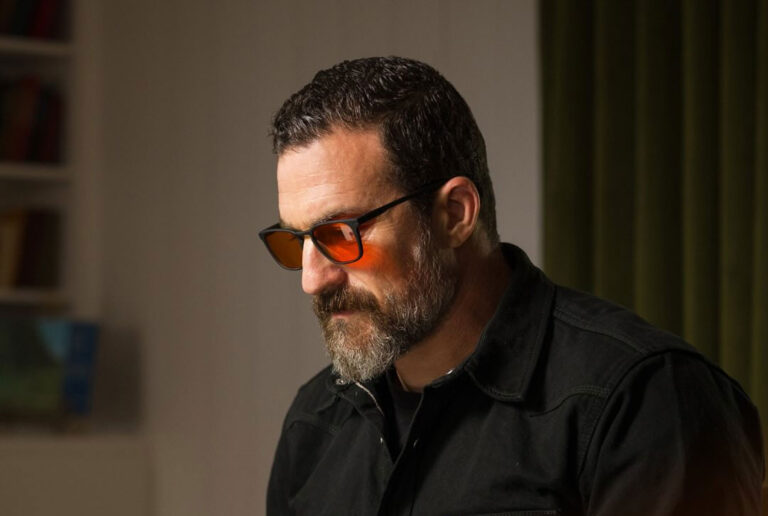
How to Wake Up at 5AM: 10 Science-Backed Strategies That Actually Work

0

Let me tell you about the first time I tried to become a 5 AM person.

I set my alarm for 4:57 AM (because apparently three extra minutes would make a difference). When it went off, I experienced what I can only describe as instant, visceral rage. I slapped the phone, buried my face in the pillow, and woke up at 8:30 AM feeling like a failure.

Attempt two through seventeen followed a similar pattern.

But here’s the thing: I eventually figured it out. Not through some magical willpower breakthrough, but by understanding how human biology actually works and using that knowledge instead of fighting it.

Now I wake up at 5 AM most days, and it doesn’t feel like I’m being personally attacked by the universe. Some mornings I’m even (brace yourself) awake before my alarm goes off.

The 5 AM club is real, and there’s a reason so many successful people swear by it. About two-thirds of CEOs report waking up by 6 AM or earlier. Tim Cook is up at 3:45 AM. Robert Iger rolls out at 4:30 AM.

These aren’t masochists. They’ve just figured out that those quiet morning hours, when the world is still sleeping and your inbox isn’t exploding, are pure gold.

Here’s how to actually make it work.

Know Why You’re Doing This Insane Thing

Before we get into tactics, you need a reason that’s stronger than your desire to stay in a warm bed.

“I should wake up early” isn’t going to cut it.

“Successful people do it” isn’t going to cut it.

You need a why that makes you genuinely excited to get up. Something specific and personal.

Maybe you want to work on a side business before your day job starts. Maybe you want an hour of peace before your kids wake up. Maybe you want to hit the gym when it’s empty. Maybe you want to write that book you keep talking about.

Whatever it is, it needs to pull you out of bed. As one early riser put it, if your goal excites you enough, you’d wake up at 3 AM if you had to.

My why? I wanted uninterrupted time to write before work emails started flooding in. That two-hour window from 5-7 AM became sacred. No meetings, no interruptions, just me and my laptop.

Write down your specific reasons. Put them somewhere you’ll see them when that 5 AM alarm goes off and your brain starts negotiating with you about why 7 AM would be better.

Don’t Jump Off the Cliff (Ease Into It)

This is where most people screw up.

They’re currently waking up at 8 AM, and they decide to start waking up at 5 AM tomorrow. That’s a three-hour shift overnight.

Your body hates this. Your circadian rhythm hates this. You will fail, feel terrible, and probably give up.

Instead, shift gradually. Move your wake time earlier by 15-30 minutes every few days.

If you’re waking up at 8 AM now, set your alarm for 7:45 tomorrow. Do that for three days. Then move it to 7:30. Then 7:15. Keep going until you reach 5 AM.

Yes, this takes longer. It’ll probably take you 2-3 weeks to make the full transition. But you’re actually likely to succeed this way, which beats the alternative of trying the cold turkey approach seventeen times and failing every time.

And here’s the crucial part: you also need to move your bedtime earlier. If you need 7-8 hours of sleep (you do), then a 5 AM wake time means you need to be in bed by 9 or 10 PM.

Shift that gradually too. Going to bed three hours earlier overnight is just as brutal as waking up three hours earlier.

Turn Your Bedroom Into a Sleep Laboratory

You can’t wake up early if you’re not sleeping well.

This seems obvious, but people constantly try to wake up at 5 AM while their bedroom is a disaster for sleep.

Temperature matters. A lot. Your room should be cool, ideally around 65°F (18°C). According to research from the Sleep Foundation, this is the optimal temperature for quality sleep.

Your body temperature naturally drops when you sleep, and a cool room facilitates that. If you’re too warm, you’ll toss and turn all night and wake up groggy no matter what time your alarm goes off.

Darkness matters too. I mean real darkness. Blackout curtains or a good sleep mask. Even small amounts of light can disrupt your sleep quality.

Noise control. If you live somewhere loud, get a white noise machine or use a fan. Earplugs work too if you can tolerate them.

Your bedroom should feel like a sleep sanctuary, not just a room where you happen to collapse at night.

Cut the Stuff That’s Sabotaging Your Sleep

You can’t wake up at 5 AM if you’re lying awake until midnight because of the choices you made at 3 PM.

Caffeine has a half-life of about 5-6 hours. That means if you have coffee at 3 PM, half of that caffeine is still in your system at 9 PM. Research shows caffeine can disrupt sleep even when consumed 6 hours before bedtime.

My cutoff is noon. No coffee, no energy drinks, no caffeinated tea after 12 PM. Some people can handle it later, but if you’re struggling to fall asleep early enough for a 5 AM wake time, try cutting caffeine earlier.

Then there’s the blue light problem. Phones, tablets, laptops, TVs. They’re all blasting your eyeballs with wavelengths that tell your brain it’s daytime.

According to the National Sleep Foundation, blue light suppresses melatonin production, making it harder to fall asleep.

I put my phone in another room at 9 PM. Not on my nightstand in airplane mode. In another room. If I need an alarm, I use an actual alarm clock (revolutionary, I know).

The first few nights you’ll instinctively reach for your phone and feel weird when it’s not there. Push through. Read a book instead. An actual paper book. Remember those?

If you absolutely must use screens in the evening, at least use blue light filtering (Night Shift on iOS, Night Light on Android, f.lux on computers).

Make 5 AM Worth Getting Up For

If the first thing on your 5 AM agenda is something you dread, you’re never going to stick with this.

Build something you genuinely enjoy into your early morning routine.

Maybe it’s a cup of really good coffee that you make with an embarrassingly fancy brewing method. Maybe it’s 20 minutes of reading that book you never have time for. Maybe it’s a podcast you love while you stretch.

For me, it’s the quiet. The house is silent, the neighborhood is asleep, and I have this bubble of peace before the day starts making demands.

If you’re working on a passion project or side hustle, that morning time can be incredibly motivating. You’re making progress on your goals before most people have even opened their eyes.

Whatever you choose, make sure at least part of your early morning feels like a reward, not a punishment. You need positive associations with 5 AM, not “ugh, here comes the suffering.”

Want to see how other successful people structure their early mornings? Check out Andrew Huberman’s science-backed morning routine or my detailed breakdown of the morning routine that changed everything for practical examples.

Do Everything the Night Before

At 5 AM, your brain is running on like 30% capacity. You can’t be making decisions.

Every decision you have to make in the morning is another opportunity to say “screw it” and go back to bed.

So remove the decisions.

If you’re working out, lay out your gym clothes the night before. Shoes too. Right where you’ll see them.

Set up the coffee maker so you just have to press one button.

If you’re meal prepping breakfast, have it ready in the fridge.

Know what you’re working on first thing. Have your workspace ready.

Write down your top three tasks for the morning before you go to bed.

The goal is to make 5 AM you operate almost on autopilot. No thinking required. Just follow the sequence you set up the night before.

This preparation makes a massive difference. It’s the difference between stumbling around trying to figure out what to do (and deciding to go back to bed instead) versus smoothly executing a plan.

Weaponize Your Alarm Clock

The snooze button is your enemy. It’s a lie your groggy brain tells you about getting “just five more minutes.”

Those extra five minutes aren’t restful. You’re not getting into deep sleep. You’re just making yourself groggier and starting the day by breaking a promise to yourself.

Here’s what works: put your alarm clock (or phone if you must use it as an alarm) across the room. Far enough that you have to physically get out of bed to turn it off.

Once you’re standing up, the battle is halfway won. Your body is vertical. Blood is moving. You’re already out of bed.

Some people use alarm apps that force you to solve a math problem or take a photo of something in your bathroom to turn them off. Sounds sadistic, but it works. Your brain has to wake up enough to complete the task, and by then the temptation to crawl back into bed is weaker.

I set two alarms. One across the room at 5:00 AM. Another (backup) in a different location at 5:05 AM. The second one has only gone off a handful of times in the past year, but knowing it’s there keeps me honest.

Whatever you do, don’t set your alarm for 4:45 with the plan to snooze until 5. You’re just making the waking up process longer and more painful.

Blast Yourself With Light Immediately

Light is the most powerful signal you can send your body that it’s time to be awake.

Your brain has these special cells that detect light and tell your master circadian clock “hey, it’s daytime now.” This suppresses melatonin (the sleep hormone) and starts ramping up cortisol (which you actually want high in the morning).

In summer, natural sunlight is ideal. Open the curtains immediately, or better yet, step outside for even 30 seconds.

In winter when it’s still dark at 5 AM, you need artificial light. Bright overhead lights work. A sunrise alarm clock (one of those lamps that gradually brightens to simulate sunrise) works even better.

I have bright lights on a timer that turn on at 4:55 AM. The room goes from dark to bright right before my alarm goes off. It’s jarring, but that’s the point.

Also, splash cold water on your face immediately. It’s unpleasant and effective. The shock wakes you up fast.

Some people take it further and do a quick cold shower. I’m not that hardcore, but I respect it.

Move Your Body Right Away

Physical movement is like a biological override switch for grogginess.

You don’t need to do a full workout (unless that’s your thing). Just move.

Do 10 jumping jacks. Do 20 squats. Do some dynamic stretches. Walk around your house. Do literally anything that gets your heart rate up even slightly.

This accomplishes two things: it gets blood flowing to your brain and muscles, and it signals to your body that sleep time is over, activity time has begun.

I do a very short mobility routine first thing. Takes maybe five minutes. Arm circles, leg swings, some cat-cow stretches, a few push-ups. Nothing intense, just enough to wake up my body.

By the time I’m done with that and I’ve made coffee, I’m actually awake. Not zombie mode anymore, but genuinely alert and ready to start the day.

If you’re planning to exercise as part of your morning routine, you can roll right into that. But even if you’re not, some kind of movement in the first 10 minutes makes a huge difference.

Do It Every Single Day (Yes, Even Weekends)

I know this is the part nobody wants to hear.

But consistency is everything when you’re trying to shift your circadian rhythm. Your body runs on a roughly 24-hour internal clock, and that clock loves predictability.

If you wake up at 5 AM Monday through Friday and then sleep until 9 AM on Saturday and Sunday, you’re constantly jet-lagging yourself. Monday morning is going to be brutal every single week.

You need to maintain your 5 AM wake time seven days a week for at least a few weeks while your body adjusts.

After it becomes natural (it will, I promise), you can occasionally sleep in a bit on weekends if you want. But even then, try not to go more than an hour past your normal wake time.

The good news? After you’ve been doing this consistently for a month or two, you might start waking up naturally around 5 AM even without an alarm. Your body’s internal clock has adjusted.

That’s when you know you’ve made it. You’re not fighting your biology anymore. You’ve reprogrammed it.

The First Two Weeks Are Going to Suck

Let me be honest with you about what’s going to happen.

The first few days, you’ll be running on motivation and novelty. It’ll be hard, but you’ll do it.

Around day 4 or 5, the novelty wears off and it becomes genuinely difficult. You’ll be tired. You’ll question why you’re doing this. You’ll be tempted to quit.

Push through anyway.

Week two is usually the worst. You’re tired from the adjustment, but you haven’t adapted yet. This is where most people give up.

Don’t be most people.

Around week three, something shifts. It starts getting easier. You’re falling asleep faster at night. Waking up doesn’t feel like torture anymore. You start seeing the benefits of those quiet morning hours.

By week four or five, it’s your new normal. 5 AM doesn’t feel early anymore. It just feels like when you wake up.

But you have to make it through those first two brutal weeks. That’s the price of entry to the 5 AM club.

Use all the strategies above. Know your why. Ease into it gradually. Optimize your sleep environment. Cut the caffeine and screens. Make mornings enjoyable. Prep the night before. Use light and movement strategically. Stay consistent.

Do all that, and waking up at 5 AM transforms from an impossible dream into just what you do.

The quiet house. The empty inbox. The productive hours before the rest of the world starts making demands. That peaceful, focused morning time where you can actually think and work on what matters.

It’s worth the adjustment period. I promise.

Welcome to the 5 AM club. The coffee’s already brewing.

How to Build a Daily Routine That Actually Works (Instead of Falling Apart by Tuesday)

0

I’ve tried building the “perfect” daily routine approximately 4,000 times.

Every single attempt started with me in full delusional optimism mode. I’d map out this beautiful, color-coded schedule where I’d wake at 5 AM, meditate for 30 minutes, journal my deepest thoughts, exercise for an hour, make a nutritious breakfast, and still have time to read philosophy before my workday even started.

Day one? Crushed it. Felt like a productivity god.

Day two? Woke up 20 minutes late, skipped meditation, grabbed a granola bar, and the whole thing collapsed like a house of cards in a hurricane.

The problem wasn’t that I lacked discipline or willpower. The problem was I was building routines that looked good on paper but ignored how humans actually function in the real world.

After years of trial and error (heavy emphasis on error), I finally figured out how to build a daily routine that doesn’t require superhuman consistency. One that bends without breaking when life inevitably gets messy.

Here’s what actually works.

Start With What Actually Matters (Not What Sounds Impressive)

The first mistake everyone makes is designing their routine around what successful people say they do, not around what they themselves actually need.

You read that some CEO wakes up at 4 AM and does hot yoga, so you think you need to wake up at 4 AM and do hot yoga. Never mind that you’re not a morning person and you hate yoga.

Before you touch a planner or set a single alarm, get brutally honest about your actual priorities.

What are the non-negotiables? For most people, it’s work or school, basic hygiene, and maybe keeping small humans or pets alive. That’s your foundation.

What are the important-but-flexible things? Exercise, quality time with family, creative projects, cooking real food, adequate sleep. These matter, but the timing can vary.

What are the nice-to-haves? Reading, elaborate skincare routines, organizing your closet, learning Italian. Great if they happen, not a crisis if they don’t.

According to research from Psychology Today, our brains actually crave predictable routines because they reduce anxiety about the unknown. But that routine needs to be built around your actual life, not someone else’s Instagram highlight reel.

Once you know your priorities, you can build a routine that protects them instead of one that looks impressive in a productivity YouTube video.

Design a Morning That Doesn’t Make You Want to Quit Life

Your morning routine sets the entire tone for your day. Get it wrong and you’re already behind before lunch.

But here’s the thing: it doesn’t need to be elaborate.

My morning routine is stupidly simple. Wake up at the same time (6:30), drink a full glass of water, take a 15-minute walk, shower, make coffee and breakfast, review my top three tasks for the day. That’s it. Takes about an hour.

No ice baths. No 90-minute meditation sessions. No journaling until my hand cramps.

The power is in the consistency, not the complexity. When you do roughly the same sequence every morning, your brain stops wasting energy on “what do I do next?” and can save that mental bandwidth for things that actually matter.

If you want to see how other people structure effective morning routines without the productivity theater, check out Andrew Huberman’s morning routine or Mel Robbins’ approach. Both are science-backed but actually sustainable.

The key principles for any morning routine:

  • Wake up at the same time every day (even weekends, sorry)
  • Start with something easy that doesn’t require willpower (like drinking water)
  • Include at least one thing you actually enjoy (for me it’s coffee, for you it might be music or a podcast)
  • Front-load a couple important tasks if you can (exercise, planning your day)
  • Keep it simple enough that you can do it on autopilot when you’re groggy

That last point is crucial. If your morning routine requires peak mental performance, it’s going to fail the first time you have a rough night’s sleep.

Map Your Energy, Not Just Your Time

Here’s something most routine advice completely ignores: you don’t have the same amount of energy all day.

Some hours you’re sharp, focused, and capable of complex thinking. Other hours you’re basically a potato with anxiety.

Most people have peak mental energy in the mid-morning, roughly 2-4 hours after waking up. For me, that’s 9 AM to noon. That’s when I do my hardest, most important work.

After lunch, I hit a natural dip. My brain feels like it’s running on dial-up internet. So I don’t schedule challenging tasks then. I do emails, administrative stuff, meetings that don’t require heavy thinking.

Late afternoon (3-5 PM), I usually get a second wind. Not as strong as the morning, but serviceable. That’s when I’ll tackle moderately challenging tasks or creative work that doesn’t need intense focus.

Evenings are for winding down. Light reading, planning tomorrow, time with family, easy household tasks.

Your energy peaks might be different. Some people are night owls who come alive after 8 PM. Some people are zombies until they’ve had lunch.

Pay attention to your natural rhythm over a week or two. When do you feel most alert? When does your brain turn to mush? When do you naturally feel like moving your body?

Then build your routine around those patterns instead of fighting them.

Build in Breaks (Or Watch Your Routine Implode)

The fastest way to burn out on a routine is to pack it so full that there’s no breathing room.

I used to schedule my days in back-to-back blocks. Work from 9-12, lunch 12-12:30, work 12:30-5, gym 5-6, dinner 6-7, side project 7-9, wind down 9-10, sleep.

It looked efficient on paper. In reality, I was constantly stressed because any small delay (traffic, a meeting running long, needing an extra few minutes on something) would cascade through the entire day.

Now I build in buffer time everywhere. I work in 50-minute blocks with 10-minute breaks. I assume tasks will take 20% longer than I think they will. I leave gaps between major activities.

Those breaks serve multiple purposes. They let you stretch, use the bathroom, grab water, or just stare out the window for a second. They give your brain a chance to process and reset.

More importantly, they create flexibility. When life throws you a curveball (it will), you have slack in the system to absorb it without everything falling apart.

A routine that’s 80% planned and 20% flexible is infinitely more sustainable than one that’s scheduled down to the minute.

Your Evening Routine Matters More Than You Think

Most people obsess over their morning routine and completely ignore their evening routine.

This is backwards. A good morning actually starts the night before.

If you stay up until 1 AM doomscrolling TikTok, there’s no morning routine in the world that’s going to save you. You’ll wake up exhausted, hit snooze seventeen times, and start your day already behind.

Your evening routine should accomplish three things: help you wind down from the day’s stress, prepare you for tomorrow, and set you up for quality sleep.

My evening routine is even simpler than my morning one. Stop working by 6 PM. Light dinner around 7. Put phone in another room at 9. Read for 20-30 minutes. Lights out by 10:30.

The consistency is what matters. Research shows that going to bed at roughly the same time each night dramatically improves sleep quality. Your circadian rhythm gets stronger, you fall asleep faster, you wake up more refreshed.

Some people like to add a brief planning session to their evening routine. Five minutes reviewing tomorrow’s schedule or jotting down the top three tasks for the next day.

This does two things: it gets those tasks out of your head so you’re not lying in bed mentally rehearsing your to-do list, and it means you wake up knowing exactly what needs to happen. No decision fatigue first thing in the morning.

Use Tools But Don’t Become a Slave to Them

There are approximately 47 million productivity apps, planners, and systems out there. Bullet journals, digital calendars, habit trackers, time-blocking apps, Pomodoro timers.

Some of them are genuinely helpful. Some of them just give you the illusion of productivity while you spend three hours color-coding your schedule.

I use exactly three tools: Google Calendar for time-based stuff (meetings, appointments), a simple notes app for my daily task list, and a basic habit tracker on my phone.

That’s it. No elaborate systems with seventeen different categories and tags and nested hierarchies.

The tool should serve the routine, not the other way around. If you’re spending more time maintaining your productivity system than actually being productive, the system is the problem.

Pick something simple that you’ll actually use. A physical planner if you like writing by hand. A digital calendar if you’re always on your phone anyway. A whiteboard on your wall if you’re visual.

The best productivity system is the one you’ll consistently use, not the one that looks prettiest or has the most features.

Build Flexibility Into the Structure

This might sound contradictory, but hear me out: the best routines are both consistent and flexible.

Consistent in the non-negotiables. I wake up at the same time, I exercise most days, I have regular work hours, I go to bed around the same time. Those anchors don’t move.

Flexible in everything else. If it’s pouring rain, my morning walk becomes 10 minutes of stretching indoors. If I have an early meeting, I shift my workout to evening. If dinner with friends runs late, I skip my reading time and just go to bed.

Life happens. Kids get sick. Cars break down. Work emergencies pop up. Friends need you. Your body needs rest.

A rigid routine shatters when reality intrudes. A flexible routine bends and adapts.

The goal isn’t perfect adherence to a schedule. The goal is maintaining the important habits even when circumstances aren’t ideal.

Can’t do your full workout? Do 10 minutes. Can’t make a healthy dinner? Grab something reasonable instead of saying “screw it” and eating garbage. Can’t do your full evening routine? At least put your phone away and get to bed on time.

Progress over perfection. Consistency over intensity.

Review and Adjust (Because You’re Not a Robot)

Your routine shouldn’t be set in stone forever.

Every couple weeks, take 10 minutes to honestly evaluate what’s working and what’s not.

Is something consistently not happening? Maybe it’s in the wrong time slot. Maybe it’s not actually a priority and you should stop pretending it is. Maybe you need to make it easier or pair it with something you already do reliably.

Is something feeling like a grind? Figure out why. Is the habit itself not right for you? Is the timing wrong? Do you need to adjust how you’re doing it?

Your life changes. Your energy levels change. Your responsibilities change. Your routine should evolve with you.

I adjust mine with the seasons. Summer mornings I walk outside early because it’s beautiful. Winter mornings I do a shorter indoor routine because I’m not dealing with darkness and cold.

When my work got busier, I shifted my workout from morning to lunch. When that stopped working, I moved it to evening. The habit stayed, the timing adapted.

Don’t be afraid to experiment. Add things, remove things, move things around. A routine is a living system, not a prison sentence.

Keep It Stupidly Simple at First

Here’s the biggest mistake I see people make: they try to overhaul their entire life at once.

They design this elaborate routine with morning meditation, journaling, exercise, meal prep, evening walks, gratitude practice, learning sessions, creative time, and twelve other things.

Then they wonder why they can’t stick to it.

If you’re building a routine from scratch, start with three things max. Maybe a consistent wake time, a morning walk, and a bedtime routine. That’s it.

Do those three things for a month until they feel automatic. Until you don’t need to think about them, you just do them.

Then add one more thing. Maybe a planning session in the evening or a workout three times a week.

Wait until that feels natural. Then add another piece.

This gradual approach might seem slow, but it’s infinitely faster than the cycle of building an elaborate routine, failing at it, feeling bad about yourself, and starting over from zero.

Simple and sustainable beats complex and abandoned every single time.

Make Time for Things That Aren’t “Productive”

This is the part that productivity culture doesn’t want to talk about.

Your routine shouldn’t be all optimization and output. It shouldn’t be every minute scheduled for maximum efficiency.

You need space for things that make you human. Play. Connection. Rest. Doing absolutely nothing.

I have “do whatever” blocks in my routine. Time that’s intentionally unscheduled. Sometimes I read. Sometimes I mess around with my guitar. Sometimes I just sit on the porch and watch birds.

Those blocks aren’t wasted time. They’re necessary breathing room in an otherwise structured day.

Include time for family and friends. Include time for hobbies that serve no purpose except enjoyment. Include time where you’re not trying to accomplish anything.

A routine that leaves no room for spontaneity, connection, and rest isn’t a life. It’s a to-do list that happens to involve your body.

The Truth About Perfect Routines

After all this, here’s what I’ve learned: there is no perfect routine.

There’s the routine that works for you right now, in this season of life, with these responsibilities and energy levels and goals.

That routine will need to change. You’ll need to adjust it when you have kids, when you change jobs, when you move, when your priorities shift, when your body changes.

The goal isn’t to find the one perfect schedule and stick to it forever. The goal is to develop the skill of building routines that serve you.

Start small. Focus on consistency over perfection. Build in flexibility. Protect the non-negotiables. Make space for rest and play. Review and adjust regularly.

Do that and you’ll have something infinitely more valuable than a color-coded schedule that looks impressive on Instagram.

You’ll have a daily structure that actually works in the real world. One that reduces stress instead of adding to it. One that helps you get important things done while still leaving room to be a human being.

That’s what a good routine actually is. Not a perfectly optimized schedule, but a framework that makes your life easier instead of harder.

Build that and everything else gets easier.

25 Healthy Habits That Actually Changed My Life (And Might Change Yours)

0

Let me be honest with you. Three years ago, I was that person who’d wake up at noon, scroll Instagram for an hour before getting out of bed, and wonder why I felt like garbage all day.

My “morning routine” was hitting snooze seven times and then panic-scrambling to get ready. My dinner was whatever I could microwave in under three minutes. And exercise? That was something I’d start “next Monday” for approximately 47 consecutive weeks.

But here’s what nobody tells you about building a better life: it’s not about one dramatic transformation moment where you suddenly become a different person. It’s about the boring, unglamorous stuff you do every single day when nobody’s watching.

I’m talking about the habits that compound. The tiny choices that seem meaningless in the moment but add up to something massive over months and years.

So I started experimenting. I’d read about successful people’s routines, try things for a few weeks, keep what worked, and ditch what didn’t. Some habits stuck immediately. Others took months before they felt natural. A few I’m still working on.

What follows are 25 habits that genuinely moved the needle for me. Not all of them will work for you (we’re different humans, after all), but I’d bet money that at least five of these could shift something meaningful in your life.

Pick a couple that resonate. Start there. Don’t try to overhaul everything at once unless you enjoy setting yourself up for failure.

The Sleep Thing Everyone Ignores Until They Can’t Anymore

Get 7-9 Hours of Quality Sleep

This one’s first because everything else falls apart without it.

I used to think sleep was for people who weren’t hustling hard enough. Then I learned that adults who consistently sleep less than 7 hours have higher rates of obesity, diabetes, heart disease, and basically every health problem you don’t want.

The National Heart, Lung, and Blood Institute has tons of research showing that adequate sleep isn’t optional. It’s foundational.

When I finally committed to a consistent sleep schedule (bed by 10:30, up at 6:30), everything else got easier. My workouts improved. My mood stabilized. I stopped reaching for my third coffee at 2 PM.

Your body needs that time to repair tissues, consolidate memories, and reset your brain chemistry. Skimping on sleep is like trying to run a marathon while someone keeps slashing your tires.

Wake Up Like You Mean It

Wake Up at a Consistent Time

Notice I didn’t say “wake up early.” I said consistent.

Maybe you’re a 5 AM person. Maybe you’re a 7 AM person. The magic isn’t in the specific hour, it’s in doing it at the same time every day (yes, even weekends).

When your body knows when to expect morning, your circadian rhythm strengthens. You start waking up naturally before your alarm. You fall asleep faster at night.

I fought this one hard because I valued my weekend sleep-ins. But once I stayed consistent for three weeks, I realized I wasn’t even tired on Saturday mornings anymore. My body had adjusted.

The early morning hours are golden for a reason though. No emails. No interruptions. Just you and whatever matters most before the world starts demanding your attention.

Hydration Isn’t Sexy But It Works

Drink Water Like It’s Your Job

I know, I know. “Drink more water” is the least exciting advice possible.

But listen, your body is roughly 60% water. Every system depends on it. When you’re even slightly dehydrated, your brain function drops, your mood tanks, and you feel sluggish.

According to research from Harvard’s School of Public Health, proper hydration affects everything from cognitive performance to sleep quality.

I started keeping a 32-ounce water bottle on my desk. The rule is simple: finish it twice before lunch, twice after. That’s a gallon. Most days I hit it.

The difference is subtle but real. Less brain fog. Better skin. Fewer headaches. And honestly, having to pee every 90 minutes forces me to take breaks from my computer, which is its own benefit.

Pro tip: Start your morning with a full glass before coffee. Your body’s been without water for 7-8 hours. Rehydrate before you caffeinate.

Eat Like You Give a Damn About Yourself

Focus on Whole Foods

I’m not going to lecture you about kale smoothies and quinoa bowls. But if your diet consists primarily of things that come in boxes with ingredient lists you can’t pronounce, you’re making life harder than it needs to be.

Fruits, vegetables, lean proteins, whole grains. That’s not revolutionary. It’s just what works.

The research on polyphenols and gut health shows that the more colorful variety you eat, the better. Your gut microbiome literally thrives on plant diversity.

I’m not perfect here. I eat pizza. I have ice cream. But most of my meals now involve actual food that grew or once walked around. The difference in how I feel is night and day compared to my Taco Bell and energy drink phase.

Start simple: add one serving of vegetables to lunch and dinner. That’s it. Don’t try to overhaul everything. Just add good stuff first.

Move Your Body or Watch It Slowly Stop Working

Exercise Daily (Even If It’s Just a Walk)

Here’s what changed my mind about exercise: I stopped thinking of it as punishment for eating and started seeing it as celebration of what my body can do.

Some days that’s a hard gym session. Other days it’s a 20-minute walk around the block. The point is moving consistently.

The Mayo Clinic’s research on exercise and stress shows that physical activity literally pumps up your brain’s feel-good neurotransmitters. It’s natural antidepressant medication with no side effects except getting stronger.

I don’t care if you lift weights, do yoga, dance in your kitchen, or chase your kids around a park. Just move. Daily. Your future self will thank you when you’re 70 and still mobile while your peers are complaining about their knees.

Get Outside Before Your Phone Ruins Your Day

Take a Daily Walk Outdoors

This habit compounds with the exercise one, but it’s worth calling out separately.

Going outside, especially in the morning, does something almost magical to your brain. Natural light helps regulate your circadian rhythm. Fresh air clears mental cobwebs.

There’s research showing that morning sunlight exposure improves your sleep-wake cycle by naturally boosting melatonin production later in the day.

I take a 15-minute walk every morning, usually with my coffee. No phone, no podcasts, just me and whatever thoughts show up. It’s become my favorite part of the day.

Even if it’s cold. Even if it’s raining. Especially if I don’t feel like it.

Be Present Before You Think You Know How

Practice Mindfulness Daily

I resisted this one for years because meditation felt too woo-woo for my taste.

Then I realized mindfulness isn’t about sitting cross-legged chanting mantras (unless you want it to be). It’s just paying attention to the present moment without judgment.

Could be five minutes of focusing on your breath. Could be fully experiencing your morning coffee without scrolling your phone. Could be noticing the temperature of the water when you wash your hands.

The habit is simple: once per day, be completely present for something. No multitasking. No planning. Just here, now.

It sounds ridiculous until you realize you’ve spent most of your life either replaying the past or rehearsing the future. Actually being present is shockingly difficult and surprisingly powerful.

Write Down What Doesn’t Suck

Keep a Gratitude Journal

I started this practice reluctantly after reading about it for the 800th time.

Every night before bed, I write three things I’m grateful for. Some days it’s big stuff (closed a huge deal, had an amazing conversation). Other days it’s pathetically small (my coffee was really good, didn’t hit any red lights).

Research from Harvard Health links gratitude practice to better emotional wellbeing, improved sleep, and lower rates of depression.

The real magic is what it does to your brain over time. You start noticing good things during the day because you know you’ll be writing them down later. Your brain becomes a good-thing-finding machine.

It’s not toxic positivity. Bad things still happen. But you get better at not letting the bad stuff consume all your mental energy.

Know Where You’re Going Before You Start Walking

Set Daily Intentions

Every morning, I spend about two minutes deciding what would make today feel successful.

Not a massive to-do list. Just one or two things that really matter.

Today it might be “finish the first draft” or “be fully present during dinner with my family” or simply “be patient with myself.”

This habit gives you a compass for the day. When you get distracted or overwhelmed (you will), you can check back: am I doing the thing that matters?

Without daily intentions, it’s too easy to spend eight hours being busy without actually accomplishing anything meaningful. You’re just reacting to whatever screams loudest.

Tomorrow’s Problems Are Tonight’s Solutions

Plan Your Day the Night Before

Five minutes before bed, I write tomorrow’s top three tasks.

That’s it. Not 47 things. Three.

Knowing what tomorrow looks like before I go to sleep does something psychological. It reduces that low-grade anxiety about “what do I need to remember?” My brain can actually rest because the plan exists outside my head.

Then when I wake up, there’s no decision paralysis. No morning fog wondering where to start. Just check the list and go.

This compounds with the daily intentions habit. Together, they make your days feel purposeful instead of chaotic.

Feed Your Brain or Watch It Atrophy

Read or Learn Something New Daily

Even 15 minutes counts.

I keep a book on my nightstand. Sometimes I read before bed. Sometimes I listen to audiobooks during my walk. Sometimes I watch a educational YouTube video with lunch.

The content matters less than the consistency. You’re training your brain to stay curious, to keep absorbing new information, to not get stale.

One article per day is 365 articles per year. One chapter per night is potentially 50+ books. The math is almost absurd when you zoom out.

Stretch Before Your Body Forces You To

Do Daily Stretching or Yoga

I’m the world’s least flexible person. I still do this.

Five minutes of gentle stretching in the morning makes my body feel less like a rusty machine. It wakes up muscles that have been dormant for eight hours.

Doesn’t have to be a full yoga flow. Just touch your toes (or try to). Rotate your neck. Open your chest. Move through your ranges of motion.

This becomes more important as you age. Flexibility you don’t use, you lose. Better to maintain it now than try to get it back at 55.

Move Before Your Body Forgets It’s Allowed To

Take Activity Breaks Every Hour

If you sit at a desk all day (I do), this habit is non-negotiable.

Set a timer for 50 minutes. When it goes off, stand up. Do 10 squats, walk around your house, shake out your limbs, anything that isn’t sitting.

Prolonged sitting is genuinely terrible for you. But these micro-movement breaks interrupt the damage. They also refresh your brain, which makes you more productive when you return to work.

I use the Pomodoro technique: 50 minutes focused work, 10 minute break. Every break includes at least two minutes of movement.

Your Phone Is Stealing Your Life

Limit Screen Time at Night

The blue light thing is real, but it’s not even the main issue.

The main issue is you’re laying in bed scrolling Instagram or reading news that makes you angry right before you’re supposed to transition into restful sleep.

Your brain can’t calm down if you’re feeding it stimulus until the second you close your eyes.

I put my phone in another room at 9 PM. If I need an alarm, I use a real alarm clock (they still make those).

The first week sucked. I’d instinctively reach for my phone out of habit. But now? I read, I stretch, I talk to my wife. You know, like people did for thousands of years before we decided to bathe our faces in light from a tiny computer until midnight.

Clear Space, Clear Mind (It’s Annoyingly True)

Keep Your Environment Tidy

I used to think this was just aesthetic preference. Nope, there’s actual science here.

Research on clutter and cortisol shows that disorganized spaces literally raise your stress hormones, especially for women.

I don’t mean your house needs to look like a magazine spread. I mean: make your bed in the morning, put your dishes in the dishwasher after meals, don’t let mail pile up on the counter.

Five minutes of tidying each day prevents the need for three hours of cleaning on Saturday. More importantly, you’re not carrying around the low-level stress of “my space is a disaster” everywhere you go.

Design Mornings That Don’t Make You Want to Quit Life

Create a Morning Routine You Actually Like

The ultra-successful love to brag about their 4 AM ice bath meditation crypto trading morning routines.

Ignore all that.

Your morning routine should include things that make you feel good and set you up for a productive day. That’s it.

Mine is: wake up, drink water, 15-minute walk, shower, coffee with breakfast, review daily plan. Takes about an hour. Nothing revolutionary.

The consistency is what matters. Your brain loves predictable patterns. When you do the same general sequence every morning, decision fatigue drops and you can save your mental energy for things that actually matter.

If you’re looking for inspiration on what actually works, I’ve written about the morning routine that changed everything for me. I’ve also broken down Andrew Huberman’s optimal morning routine and Mel Robbins’ morning routine if you want to see how successful people structure their mornings without all the BS.

Nights Aren’t Just Mini-Mornings in Reverse

Develop a Nighttime Routine

If your evening routine is “collapse into bed whenever exhaustion finally wins,” you’re missing a huge opportunity.

A consistent nighttime routine signals to your body that sleep is coming. It helps you wind down from the day’s stress.

Research shows that going to bed at roughly the same time each night dramatically improves sleep quality. Your body’s internal clock gets stronger.

My evening routine: light dinner by 7, no screens after 9, read for 20 minutes, lights out by 10:30. Boring? Absolutely. Effective? Also absolutely.

Other Humans Exist and It Matters

Connect with Loved Ones Daily

Even a two-minute phone call counts.

I text my dad every morning. I have dinner with my wife without phones on the table. I call a friend once a week just to catch up.

Humans are social animals. We need connection. Isolation is genuinely bad for your health, like smoking-cigarettes-level bad.

The habit doesn’t have to be elaborate. Just some intentional human connection every day where you’re actually present and engaged.

Small Kindness Compounds Like Interest

Do One Kind Thing Daily

Hold a door. Compliment a stranger. Text someone to tell them you’re thinking of them. Leave an encouraging comment on something.

It sounds cheesy but acts of kindness create a feedback loop. You feel better, the recipient feels better, and you’re both more likely to be kind to someone else.

I try to do something unexpectedly nice for one person every day. Sometimes it’s big (covering someone’s coffee), usually it’s small (genuine compliment to a cashier).

The cumulative effect on your own happiness is surprising. Turns out helping others might be one of the most selfish things you can do.

Talk to Yourself Like You’d Talk to a Friend

Practice Positive Self-Talk

We all have an internal narrator. Mine used to be an asshole.

“You’re going to screw this up.” “Why did you say that, you idiot?” “You’re not good enough for this opportunity.”

I’d never talk to a friend that way. So why was I talking to myself like that?

I started catching negative self-talk and reframing it. “You’re going to screw this up” becomes “This is challenging and you might make mistakes, but you’ll figure it out.”

It feels fake at first. Stick with it anyway. Over time, your default internal voice actually shifts. You become your own ally instead of your own bully.

Money Stress Is Optional If You Pay Attention

Check Your Finances Daily (Just for a Minute)

Not obsessively. Just a quick look.

I open my banking app once per day and glance at transactions. Takes 30 seconds. Keeps me aware of what’s going out and coming in.

This prevents the shock of “wait, where did all my money go?” at the end of the month. You catch subscriptions you forgot about. You notice patterns in your spending.

Financial wellness isn’t about being rich. It’s about being aware and intentional. This tiny daily habit gives you that awareness without turning into a massive chore.

Do Something Just Because It Makes You Happy

Spend Time on a Hobby Daily

Even 20 minutes.

I play guitar. Some days it’s 10 minutes of noodling around. Other days I lose an hour learning a new song.

The point isn’t productivity. The point is doing something you enjoy purely because you enjoy it. No optimization. No monetization. Just play.

Hobbies keep you human. They remind you that life isn’t just work and obligations. They’re often where creativity and joy live.

Be Here Now (Even Though Your Brain Fights It)

Practice Being Fully Present

Once per day, do one thing without multitasking.

Eat a meal without your phone. Have a conversation without planning your response while the other person talks. Take a shower without thinking about your to-do list.

Just be completely there for that one thing.

This is harder than it sounds. Your brain will resist. Do it anyway.

These moments of presence add up. They become small pockets of peace in an otherwise chaotic day.

Look Back Before You Move Forward

Reflect on Your Day Every Evening

Before bed (after gratitude journal), I ask myself three questions:

What went well today?
What could I improve tomorrow?
What did I learn?

Takes three minutes. Helps me process the day and identify patterns over time.

Without reflection, you’re just reacting to life. With reflection, you’re learning from it.

Celebrate Small or Stop Expecting Big

Acknowledge Small Wins

Did you drink enough water today? Win.
Did you not skip your workout? Win.
Did you send that scary email you’d been avoiding? Big win.

We’re conditioned to only celebrate massive achievements. Meanwhile, the small consistent wins that actually change your life go unnoticed.

I keep a “wins” list on my phone. Every time I do something I said I’d do (even tiny things), it goes on the list. On rough days, I scroll through it and remember I’m making progress.

Your brain releases dopamine when you recognize accomplishments. By celebrating small wins, you’re literally rewiring your brain to associate positive feelings with good habits. That makes them easier to maintain.

The Real Secret Nobody Wants to Hear

Here’s the truth about all 25 of these habits: none of them are magic.

Reading this article won’t change anything. Thinking “yeah, I should probably do that” won’t change anything.

The only thing that changes anything is doing something today. And then doing it again tomorrow. And the day after that.

You don’t need all 25 habits. Start with three. Maybe it’s sleep, exercise, and gratitude. Maybe it’s morning routine, hydration, and reflection. Pick what resonates.

Do those three for a month. Actually do them, not just think about doing them.

Once they feel automatic (and they will), add one more. Then another.

This is how you build a life that doesn’t feel like you’re constantly white-knuckling your way through existence. You’re not relying on motivation or willpower. You’re relying on systems that work even when you don’t feel like it.

The compound effect of small daily habits is genuinely shocking when you look back after six months or a year. You become a different person without ever having a dramatic transformation moment.

That’s the secret. That’s the whole thing.

Small choices, made consistently, while nobody’s watching.

Everything else is just details.

Andrew Huberman’s NMN Protocol: What He Takes, Why, and What the Science Actually Says

When Andrew Huberman casually dropped on Joe Rogan’s podcast that he takes “about 2 grams of NMN sublingually every morning,” the longevity supplement world lost its collective mind.

Not exactly what you’d expect from a Stanford neuroscientist, right? But that’s NMN for you: the supplement that’s got everyone from Silicon Valley biohackers to your neighbor’s CrossFit coach convinced they’ve found the molecular fountain of youth.

Here’s the thing, though. Huberman isn’t some wellness influencer shilling products between yoga poses. The guy runs an actual neurobiology lab, publishes peer-reviewed research, and when he says he’s taking something, he’s usually got receipts. So when he revealed his full NMN protocol in a 2023 AMA episode (complete with dosages, timing, and what it actually feels like), people listened.

I’ve spent the last three weeks going through every podcast episode, interview, and Instagram post where Huberman mentions NMN. And honestly? His take is way more nuanced than the “longevity miracle” headlines suggest.

What Huberman Actually Takes (And Why That Matters)

Let’s cut straight to what everyone wants to know: Yes, Huberman takes NMN. But not for the reasons you might think.

His protocol is surprisingly straightforward. Every morning, within an hour or two of waking up, he takes 1-2 grams of NMN from Renue by Science (use code ‘brainflow’ for 10% off) sublingually (that’s the under-the-tongue method). He also takes 500mg of NR (nicotinamide riboside), NMN’s chemical cousin, in capsule form. Sometimes both, sometimes he alternates. He’s experimented enough to know what works for his body.

“I take NR and NMN because I like how it makes me feel,” he said in his podcast with Peter Attia. “It increases my energy levels in the morning and throughout the day… and I can still fall asleep. I do not take it with any expectation that it’s going to increase my lifespan.”

Wait, what? The longevity supplement guy doesn’t think it’ll make him live longer?

That’s the Huberman difference. While David Sinclair is out here talking about reversing aging, Huberman’s over in the corner saying “Yeah, it gives me energy, my hair grows faster, and I feel good. That’s enough for me.” It’s refreshingly honest for someone who could easily ride the anti-aging hype train.

The Science Part (Without the Boring Lecture)

Okay, so you can’t really talk about NMN without understanding NAD+. And I promise this won’t turn into a biochemistry textbook.

NAD+ is basically cellular battery juice. Every cell in your body needs it to produce energy, repair DNA, and keep your internal machinery running smoothly. Problem is, by the time you hit 50, you’ve got about half the NAD+ you had at 20. Your cells are essentially running on a dying phone battery.

NMN is a precursor to NAD+. Think of it as raw material your body uses to make more battery juice. Huberman explains this frequently on his podcast, particularly when discussing the work of Dr. Satchin Panda and others studying cellular metabolism.

The hypothesis (championed by researchers like David Sinclair at Harvard) is that boosting NAD+ might slow aging or at least delay age-related decline. In mice, NMN supplementation improved everything from muscle function to insulin sensitivity. Some mice even lived longer, though the data’s still coming in.

But here’s where Huberman pumps the brakes. “It’s unclear and seems somewhat unlikely that simply increasing NAD in humans will by itself extend lifespan,” he’s said multiple times. He points to the National Institute on Aging’s testing program, where very few interventions actually move the needle on longevity in a meaningful way.

Translation: Don’t expect NMN to make you immortal. Expect it to maybe help you feel more energetic and mentally sharp.

What It Actually Feels Like

This is the part that gets glossed over in most articles about NMN, but it’s honestly the most interesting.

Huberman reports “a lot of sustained mental and physical energy throughout the day” when he takes NMN and NR. Not the jittery, coffee-fueled energy that crashes at 3 PM. More like a steady baseline that tapers naturally by evening without interfering with sleep.

The proof? He stopped taking them once to see what would happen. His energy levels noticeably dropped. Started taking them again, energy bounced back. It’s not a double-blind clinical trial, but for a guy who tracks his biomarkers obsessively, that’s pretty compelling personal data.

There’s also this weird side effect he mentioned in an interview: faster hair growth and thicker nails. “I’m okay with it,” he said with a laugh. Others have reported the same thing, though nobody’s quite sure why. Increased cellular metabolism, maybe? Better nutrient delivery? The science isn’t there yet.

At 48 years old, Huberman’s perspective is basically: “I’m interested in doing anything safely to keep those levels of energy as high as is reasonable.” Not chasing immortality. Just trying to feel as good in his late 40s as possible.

The NMN vs. NR Debate (And Why Huberman Takes Both)

Here’s where things get a little spicy in the longevity supplement world.

There are basically two main NAD+ precursors: NMN and NR (nicotinamide riboside). They’re chemically similar—NR is actually a precursor to NMN, which is a precursor to NAD+. It’s like NAD+ assembly line, and these are two different entry points.

Some researchers (particularly Charles Brenner, who discovered NR) argue that NR is better because it’s more stable and has more human clinical data. Others (like David Sinclair) champion NMN because it’s one step closer to NAD+ in the metabolic pathway and has shown broader effects in animal studies.

Huberman’s take? He tried both separately, and subjectively, NMN gave him more noticeable benefits. “When taking NMN, especially sublingually, I clearly feel increased energy,” he’s said. NR alone didn’t do much for him, and it was more expensive to boot.

But (and this is classic Huberman) he doesn’t dismiss NR entirely. He still takes a moderate dose alongside NMN. His reasoning is that both can boost NAD+ through slightly different pathways, so why not cover all bases? It’s a pragmatic, “let’s see what works” approach rather than picking sides in an academic turf war.

In an October 2022 tweet, Huberman mentioned using Renue by Science specifically, stating “People also like renue by science” when discussing NMN brands. He’s also confirmed on Joe Rogan’s podcast: “You can buy it from Renue by Science. I have no relationship with Renue by Science”—meaning he uses it because he trusts the quality, not because they’re paying him.

There was initially some concern about whether NMN could even get into cells effectively. That got resolved when researchers identified a specific NMN transporter (Slc12a8) in the gut. According to a study published in Cell Metabolism, this transporter specifically shuttles NMN into cells, which explains why sublingual administration might be particularly effective.

Why Huberman Chose Renue by Science (And Why That Matters)

Here’s something most people gloss over: not all NMN supplements are created equal.

When Huberman revealed he takes Renue by Science NMN, it wasn’t a random choice. Renue was actually the first company to launch a sublingual NMN product back in 2016, making them pioneers in NAD+ supplementation. They’ve been third-party tested, they publish their lab results, and they use pharmaceutical-grade manufacturing.

More importantly? They’re one of the few brands still standing after the FDA crackdown. When Amazon pulled NMN supplements in 2022, most companies folded. Renue kept selling because they had the paperwork and quality standards to back up their product.

Huberman takes his NMN as a powder under the tongue, the same sublingual powder format from Renue. Why sublingual instead of capsules? Because it bypasses your digestive system where some NMN might get broken down before reaching your cells. The powder dissolves directly into your bloodstream through the mucous membranes under your tongue.

The best part? A 100-gram container of Renue by Science NMN powder gives you a 3-month supply at 1 gram per day for just $67 when you use code ‘brainflow’ at checkout. That’s less than a dollar per day for the same NMN protocol Huberman follows.

The FDA Drama Nobody Talks About

So here’s a plot twist that caught everyone off guard in late 2022.

The FDA suddenly ruled that NMN couldn’t be sold as a dietary supplement anymore. Why? Because a pharmaceutical company (MetroBiotech, co-founded by David Sinclair) had filed for investigational new drug status for NMN. Once it’s being tested as a potential drug, federal law excludes it from the supplement definition.

Huberman explained this “drug exclusion” rule to his audience without dramatizing it. “NMN is no longer widely available due to FDA rulings,” he noted matter-of-factly. But he also pointed out that enforcement was inconsistent: you could still find it if you looked hard enough, through international sources or smaller vendors.

The supplement industry wasn’t happy. Petitions were filed. Lawyers got involved. And by October 2025, the FDA reversed course, acknowledging that NMN was marketed as a supplement before the drug trials began. It’s now legal to sell as a supplement again in the U.S.

Huberman’s reaction throughout all this? Pretty measured. He voiced mild frustration that a beneficial compound got temporarily restricted, but he didn’t go full conspiracy theory. He advised people to research product purity if buying from lesser-known suppliers and generally kept his cool while the regulatory chaos sorted itself out.

What Huberman Doesn’t Take (And Why That’s Important)

Context matters. To understand Huberman’s NMN use, you need to know what he’s avoiding.

He doesn’t currently take metformin or rapamycin—two drugs that get major hype in longevity circles. Peter Attia takes rapamycin. David Sinclair takes metformin. But Huberman? He’s sitting this one out for now.

His reasoning is simple: the human data on lifespan extension isn’t convincing enough yet to justify the potential side effects. Metformin can cause gastrointestinal issues and might blunt exercise adaptations. Rapamycin suppresses the immune system (that’s literally its job in transplant patients).

The fact that Huberman takes NMN but not these more aggressive interventions tells you something about his risk tolerance. NMN has a strong safety profile in early studies: no serious adverse effects in human trials at doses up to 1000mg daily. It’s basically a vitamin B3 derivative that your body already makes naturally.

Compare that to pharmaceuticals with known side effects, and you can see why Huberman landed where he did. “I only take supplements I deem likely safe and low-risk,” he’s emphasized repeatedly. And crucially: “I have no financial ties to any NMN or NR manufacturers.”

That last bit matters more than you might think. The supplement industry is full of people with undisclosed conflicts of interest. Huberman’s transparency about not profiting from NMN sales adds credibility to his recommendations.

The Bigger Picture: Where NMN Fits in Huberman’s Protocol

Here’s what drives me crazy about most supplement coverage—it makes everything sound like a magic bullet.

Huberman is abundantly clear that NMN is just one tiny piece of a much larger puzzle. In his episodes on health optimization, he hammers home that behavioral factors dwarf any supplement’s impact.

“There is no supplement or drug for increasing longevity that even comes close to the known improvements in health metrics from getting quality sleep and especially from regular exercise,” he’s said bluntly.

His foundational pillars are boring but effective: 7-8 hours of sleep, morning sunlight exposure (seriously, this guy will not shut up about morning sunlight), regular cardiovascular and resistance exercise, time-restricted eating, stress management, and maintaining social connections.

NMN is sprinkles on top of that foundation. If you’re not doing the basics, popping NMN pills is like putting racing stripes on a car with a busted engine.

His short list of longevity supplements includes grapeseed extract for cardiovascular health, NR and NMN for NAD+ support, and occasionally intravenous NAD+ infusions (though those are expensive). He also takes vitamin D3 and omega-3 fish oil for general health, but that’s about it.

Compare that to the supplement shelves at GNC and you realize how restrained Huberman actually is. Most longevity enthusiasts are taking 30+ supplements daily. Huberman’s sitting there with maybe 10, and he could probably name the specific mechanism of action for each one.

Should You Take NMN? (The Honest Answer)

This is where I’m supposed to give you clear guidance, but honestly, Huberman himself doesn’t do that—and for good reason.

He approaches NMN with what he calls “cautious optimism.” The early data looks promising. The safety profile seems solid. The subjective benefits are real for many people. But we’re still waiting on long-term human studies to confirm what the mouse data suggested.

A recent human trial published in Science showed that 250mg of NMN daily improved insulin sensitivity and muscle function in prediabetic women. Another study demonstrated increased blood NAD+ levels at 300mg doses. But we don’t have definitive lifespan data yet because, well, that takes decades to collect.

Huberman’s position is essentially: “I’m experimenting on myself with something that seems safe and makes me feel better. You should talk to your doctor and understand the current limitations in evidence.”

If you do decide to try NMN, a few practical considerations:

  • Start with a lower dose (250-500mg) to assess tolerance
  • Sublingual administration might be more effective than capsules. Renue by Science’s powder format makes this easy
  • Take it in the morning to avoid any potential sleep disruption
  • Source matters. Get third-party tested products from reputable manufacturers (Huberman trusts Renue by Science for exactly this reason)
  • Track how you actually feel, not just what you hope to feel
  • Give it at least 4-8 weeks before deciding if it works for you

And maybe most importantly: don’t expect miracles. Expect maybe a bit more energy, clearer thinking, better recovery. If you get more than that, great. If you get nothing, you’re out maybe $50 and learned something about your body.

Ready to try the same NMN protocol Huberman uses? Get Renue by Science NMN here and use code ‘brainflow’ for 10% off your order.

The Part Where Science Meets Reality

You know what I appreciate most about Huberman’s approach to NMN? He treats his own body like an n=1 experiment without pretending it’s scientific proof.

He’s not out here claiming NMN reversed his biological age by 10 years. He’s not selling courses on how to live to 150. He’s just a neuroscientist who read the research, tried the compound, felt better, and continued taking it while waiting for more data.

In a recent Q&A session, someone asked him point-blank if NMN would extend lifespan. His answer? “I don’t know. The mouse studies are encouraging, but mice aren’t humans. I take it for energy and vitality now, not for some hypothetical extra decade I might or might not get.”

That’s the kind of intellectual honesty that makes people trust him. He could easily oversell NMN’s benefits—plenty of influencers do. Instead, he’s clear about what we know (it boosts NAD+, seems safe, improves energy for many people) and what we don’t (whether it actually extends human lifespan).

The research continues. MetroBiotech (David Sinclair’s company) has multiple human trials ongoing. More data will emerge over the next few years. Maybe we’ll discover NMN is everything the mouse studies promised. Maybe we’ll find it’s just an expensive way to feel slightly more energetic.

Either way, Huberman’s going to keep taking it in the morning, mixing it into his yogurt or dissolving it under his tongue, and tracking how he feels. And he’ll keep being honest about what that experience is actually like, divorced from hype or financial incentive.

In a field full of snake oil salesmen and longevity gurus promising to unlock the secrets of eternal youth, that straightforward approach is weirdly refreshing. Maybe that’s the real lesson here—not whether NMN works, but how to think about supplements and aging interventions with both curiosity and skepticism.

Because at the end of the day (sorry, had to use that phrase once), we’re all just trying to feel good and stay healthy as long as possible. Some of us are willing to experiment with NAD+ precursors to get there. And if you’re going to do that, you might as well learn from someone who’s thought it through carefully rather than someone trying to sell you a $300 bottle of miracle pills.

Huberman’s still going to wake up at dawn, get his morning sunlight, do his cold plunges, and take his NMN. And if you ask him in 20 years whether it worked, he’ll probably give you the same measured, evidence-based answer he gives now: “I feel good. The data’s promising. We’ll see.”

Want to follow Huberman’s exact NMN protocol? Grab Renue by Science NMN powder here (use code ‘brainflow’ for 10% off). It’s the same brand he uses, and at under $1 per day, it’s one of the more affordable longevity experiments you can run on yourself.

For more on Huberman’s complete approach to longevity and NAD+ optimization, check out Andrew Huberman’s NAD+ Protocol: What He Takes and Why, his complete supplement list guide, and his detailed breakdown of peptides for recovery and performance.

Andrew Huberman’s Anti-Aging Protocol: His Science-Backed Daily Routine for Longevity

I’m going to level with you. When I first discovered Andrew Huberman’s longevity protocol, I thought he was completely insane.

The guy wakes up and immediately goes outside to stare at the sun for 10 minutes. He takes like 25 different supplements. He jumps into ice-cold water for fun. And he’s probably got more acronyms in his daily routine than most people use in a month (NSDR, HIIT, L-theanine, anyone?).

But here’s the thing about Huberman: he’s not some Instagram wellness guru selling you $300 adaptogenic moon dust. The man has a PhD from UC Davis, runs a neurobiology lab at Stanford, and actually reads the studies he cites. When he says something works, he’s usually got a peer-reviewed paper and his own bloodwork to back it up.

So yeah, his routine is intense. But after diving deep into his podcast episodes and the science behind what he does, I get it now. This isn’t about chasing immortality or becoming superhuman. It’s about using what we know about biology to feel better, think clearer, and ideally stick around longer.

Let’s break down exactly what Huberman does every day, why he does it, and what the actual science says.

The Morning Sunlight Thing (No, Seriously, It’s That Important)

Okay, so the first thing Huberman does after waking up is go outside and get sunlight in his eyes. Not through a window. Not with sunglasses on. Actual, direct outdoor light hitting his eyeballs for 5-10 minutes on a sunny day, or 10-20 minutes if it’s cloudy.

I know what you’re thinking. “This dude wants me to go outside before coffee? Hard pass.”

But wait, because the science here is actually wild.

Your eyes contain special cells called intrinsically photosensitive retinal ganglion cells (ipRGCs for short, because scientists love their acronyms). These cells don’t help you see better, they set your body’s master clock. When morning light hits them, they send a signal to a tiny cluster of about 20,000 neurons in your brain called the suprachiasmatic nucleus (SCN).

The SCN is basically mission control for your circadian rhythm. Once it gets the “morning has arrived” signal, it triggers a coordinated cascade of events: cortisol rises (which is good in the morning), body temperature increases, and it starts the 12-16 hour timer until melatonin gets released for sleep.

Huberman discusses this extensively with Dr. Samer Hattar, Chief of the Section on Light and Circadian Rhythms at the National Institute of Mental Health. Hattar’s research shows that even on a cloudy day, you’re getting 10,000-50,000 lux of light outdoors compared to maybe 200-500 lux from indoor artificial lights.

“Your circadian clock is actually 24.2 hours on average,” Huberman explains in his Master Your Sleep episode. “So without that morning light, you’re drifting 0.2 hours out of sync with the solar day. Do that for a week and you’re basically jet-lagged in your own time zone.”

The practical takeaway? Get outside within an hour of waking. No sunglasses, no windows, just you and the sky. Even 2-10 minutes makes a massive difference. On his podcast, Huberman calls this “in the top five” of all health behaviors you can do.

And yeah, he does it 360 days a year. Rain or shine.

The Supplement Stack That Looks Like a Pharmacy Exploded

Let’s talk about Huberman’s supplement routine, because this is where things get… extensive.

Fair warning: the man takes around 25 different supplements regularly. But before you think he’s just popping random pills, he’s incredibly systematic about this. He tracks bloodwork, cycles certain supplements on and off, and adjusts based on how he actually feels.

“Supplements are supplements,” Huberman always emphasizes. “They supplement a foundation of quality sleep, nutrition, exercise, and sunlight exposure. If those aren’t dialed in, supplements won’t save you.”

That said, here’s what he actually takes daily (according to his June 2024 interview with Rhonda Patrick):

The Non-Negotiables

Omega-3 Fish Oil – 2 grams of EPA daily

Huberman is borderline obsessed with fish oil. He takes two capsules of Momentous Omega-3 (code ‘brainflow saves 15% off your ENTIRE Momentous order) and literally puts a tablespoon of lemon-flavored Carlson’s fish oil on his morning oatmeal. With salt. (Yes, really. “To me it tastes delicious,” he says. We’re taking his word for it.)

Why? Because EPA (eicosapentaenoic acid) has solid evidence for reducing inflammation, improving mood, and supporting cardiovascular health. There’s research showing 2g of EPA daily can have antidepressant effects comparable to SSRIs in some people. Plus, omega-3s help maintain brain volume as we age, which is kind of important if you’re trying to stay sharp into your 80s.

Vitamin D3 – 4,000-5,000 IU daily (with Vitamin K2)

Despite living in sunny California, Huberman supplements with Momentous Vitamin D3. He pairs it with K2 to ensure calcium goes to your bones instead of your arteries. He aims for blood levels around 50-70 ng/mL, which is higher than the standard “sufficient” range but within the optimal zone for immune function and hormone production.

Multivitamin + Extra Zinc (15mg) and Boron (2-4mg)

The zinc and boron are specifically for testosterone support. Zinc is involved in testosterone production, and boron helps free up bound testosterone. Huberman’s mentioned that keeping these minerals optimized is part of maintaining healthy T levels without resorting to exogenous hormones.

The Testosterone Optimizers

Tongkat Ali – 400mg every morning

Fadogia Agrestis – 600mg daily (cycled 8 weeks on, few weeks off)

This is where things get interesting. Huberman has openly shared that after adding these herbal supplements, his total testosterone went from around 600 ng/dL to almost 800 ng/dL. That’s a significant jump without using synthetic testosterone.

Tongkat Ali has actual human studies backing it up. A 2022 meta-analysis confirmed it can reliably increase testosterone levels at doses of 100-600mg daily. It seems to work by supporting luteinizing hormone, which signals your testes to produce more T.

Fadogia is less studied in humans, but animal research shows it may have similar effects. Huberman cycles it because we don’t have long-term safety data, and he’s conservative despite being experimental.

Why does he care about testosterone? “It affects energy, muscle maintenance, cognitive function, libido, and overall vitality,” he explains. As you age, testosterone naturally declines. Maintaining healthy levels through non-synthetic means is part of his longevity strategy.

The Brain Boosters

Creatine – 5g daily

Most people think creatine is just for gym bros trying to get swole. But there’s growing evidence it supports cognitive function, especially under conditions of sleep deprivation or stress. It helps your brain cells produce ATP (cellular energy) more efficiently.

Huberman takes it year-round because it’s cheap, well-studied, and he notices better mental clarity on days he takes it.

Alpha-GPC – 300mg before focused work (4 days per week)

This is Huberman’s go-to for deep work sessions. Alpha-GPC increases acetylcholine in the brain, a neurotransmitter crucial for learning and memory.

“I found 300mg taken 10-20 minutes before I want to focus deeply is the sweet spot,” he says. He’ll sometimes combine it with yerba mate or coffee before a workout or writing session.

One important note: there’s been concern about Alpha-GPC potentially increasing stroke risk through TMAO elevation. To counter this, Huberman takes 600mg of garlic with every meal to help manage TMAO levels.

L-Tyrosine – 500-1000mg for focus

When Huberman has a deadline or needs sustained motivation, he uses L-tyrosine. It’s the precursor to dopamine, which drives motivation and attention. Research shows it peaks in your blood within 1-2 hours and helps with cognitive performance under stress.

The Sleep Stack

This is probably Huberman’s most famous contribution to the wellness world. His “sleep cocktail” has helped thousands of people (myself included) actually fall asleep and stay asleep.

Magnesium L-Threonate – 145mg elemental magnesium (30-60 minutes before bed)

He prefers the threonate form because it was specifically designed by MIT researchers to cross the blood-brain barrier. Once in the brain, it promotes relaxation and has evidence for improving both sleep quality and cognitive function.

Alternatively, he uses magnesium bisglycinate (200mg), which is gentler on the stomach.

Apigenin – 50mg before bed

This is a flavonoid found in chamomile. It binds to benzodiazepine receptors in the brain (same ones that Xanax hits, but way milder) and promotes sedation without the addiction or next-day grogginess.

L-Theanine – 100-400mg before bed

Found naturally in green tea, L-theanine promotes relaxation without drowsiness. It increases alpha brain waves, which are associated with a calm but alert state. Perfect for winding down without feeling knocked out.

“I’ve used this combination for years,” Huberman says. “I don’t take it every night, but when I do, I notice deeper sleep and better next-day recovery.”

Sometimes he’ll add glycine (3g) or a low dose of GABA (100mg) if sleep has been particularly difficult, but the core trio above is his foundation.

The Longevity Wildcards

NMN (Nicotinamide Mononucleotide) – 1-2g daily

NR (Nicotinamide Riboside) – 500mg daily

Both of these are NAD+ precursors. NAD+ is a coenzyme involved in energy metabolism and DNA repair, and it declines significantly with age. Boosting NAD+ is one of the hottest areas in longevity research right now.

Huberman has said he takes either NMN or NR (sometimes both) not primarily to extend lifespan, but because he subjectively feels better. “More consistent mental and physical energy throughout the day,” he describes it.

The science is still emerging. David Sinclair at Harvard is a huge proponent, but we don’t have decades of human data yet. Huberman treats it as an experiment he’s running on himself. Use code ‘brainflow’ at Renue by Science to save 10% on their NAD+ boosters.

Note: The FDA has recently taken steps to prevent NMN from being sold as a supplement, so availability may vary.

For a complete breakdown of all his supplements with dosages and timing, check out Dr. Andrew Huberman’s Supplement List: The Complete Guide. You can also learn more about his specific approach to NAD+ in Andrew Huberman’s NAD+ Protocol: What He Takes and Why.

The Workout Routine: Training Like a “Functional Athlete”

Huberman’s approach to exercise is about being prepared for anything. “I want to be in a state where if I need to walk really far and carry weight, I can do it. If I need to lift something heavy, I can do it. If I need to sprint, I can do it,” he explains on his Foundational Fitness Protocol newsletter.

Here’s his weekly structure:

3 days of resistance training (legs, torso/push-pull, arms/neck/calves)
3 days of cardiovascular work (mix of Zone 2 endurance and HIIT)
1 day of deliberate heat and cold exposure

The Resistance Training Split

Huberman does 50-60 minutes of actual training time (not counting warm-up) per session. He alternates monthly between:

  • Schedule A (Strength): 4-8 reps per set, heavier weight, 3-4 sets, 2-4 minute rest
  • Schedule B (Hypertrophy): 8-15 reps per set, moderate weight, 2-3 sets, 90 seconds rest

This periodization prevents plateaus and builds both raw strength and muscle endurance. He’s a big believer in training muscles through their full range of motion, hitting both shortened and lengthened positions.

For example, for chest he might do cable crossovers (muscle in shortened position) and incline presses (muscle in lengthened position). This approach reduces injury risk and, according to recent research, may increase muscle growth.

The Cardio Protocol

Zone 2 work: One long session per week (60+ minutes) at a conversational pace. This builds mitochondrial efficiency and aerobic base. Huberman often does a Sunday morning jog or 2-hour hike.

High-Intensity Intervals: Once weekly, he does all-out sprints, assault bike intervals, or a brutal treadmill workout. HIIT boosts VO2 max, which is one of the strongest predictors of longevity. A landmark 2018 study published in JAMA Network Open found that individuals in the lowest fitness quartile had a mortality rate nearly 4 times higher than those in the highest fitness group. Each 1 MET increase in VO2 max (equivalent to 3.5 mL/kg/min) is associated with a 10-20% decrease in mortality rate.

Skill-Based Cardio: Huberman practices Brazilian Jiu-Jitsu, which doubles as cardio and skill training. On his third cardio day, he might do a vigorous BJJ session or swimming laps.

Recovery Protocols

After intense training, Huberman uses NSDR (Non-Sleep Deep Rest) or Yoga Nidra. These are essentially guided relaxation sessions that help restore the nervous system without actually sleeping.

“A 20-minute NSDR protocol can replace a nap and help consolidate learning,” Huberman notes. He’ll often do one in the afternoon after a poor night’s sleep or particularly draining workout.

He also takes “dead days” seriously. If he feels run down, he’ll literally stay in bed for 24 hours, only getting up for food. “Recovery is training,” he reminds his listeners.

Cold Exposure: The Dopamine Hit That Hurts So Good

Huberman regularly does cold plunges or cold showers, aiming for about 11 minutes total per week of cold exposure.

Why 11 minutes? That’s the threshold identified in research showing significant metabolic benefits, including the conversion of white fat to metabolically active brown fat.

The Science of Cold

Brief cold exposure (2-5 minutes in ~50°F/10°C water) triggers a massive release of norepinephrine into your bloodstream. This converts energy-storing white fat into energy-burning brown fat, improves insulin sensitivity, and can lower resting heart rate and blood pressure over time.

But here’s the kicker: cold also dramatically boosts dopamine. A study published in the European Journal of Physiology showed that cold water exposure led to increases in dopamine levels as high as 2.5 times above baseline—comparable to cocaine, except without the subsequent crash. These elevations were long-lasting, with people reporting vast improvements in mood and cognitive attention for hours afterward.

“The mood and focus enhancement is real,” Huberman says in his cold exposure episode. “It’s not just bro science. One study showed significant and prolonged increases in dopamine when people were in cool (60°F) water for about an hour up to their neck, with their head above water. Other studies describe significant increases in epinephrine from just 20 seconds in very cold water (~40°F).”

He typically does cold exposure in the morning, 2-4 times per week. Important note: he doesn’t do it immediately after strength training, because research shows that can blunt muscle adaptation. He either does it on separate days or waits 6-8 hours after lifting.

Mental Training

Beyond the physical benefits, Huberman views cold exposure as training for stress management. “When you voluntarily put yourself in discomfort and stay calm, you’re teaching your nervous system to handle other stressors better,” he explains.

It’s not about suffering. It’s about building resilience.

Heat Exposure: Sauna for Longevity

Huberman aims for 57 minutes of sauna use per week, typically broken into 3 sessions of ~20 minutes each at 80-100°C (176-212°F).

Why Sauna?

Heat exposure induces heat shock proteins (HSPs), which help repair misfolded proteins in cells. This cellular housekeeping may prevent the accumulation of damaged proteins associated with aging and neurodegenerative diseases.

A famous Finnish study published in JAMA Internal Medicine found that men who used sauna 4-7 times per week had a 40% reduction in all-cause mortality compared to once-weekly users. After adjustment for cardiovascular risk factors, men with 4-7 sauna sessions per week had a hazard ratio of 0.37 for sudden cardiac death compared to those who used sauna once per week. Cardiovascular disease risk was dramatically lower, and compared with men who spent less than 11 minutes in the sauna, those who spent more than 19 minutes had a 52% lower risk of sudden cardiac death.

“Sauna basically mimics moderate exercise for your cardiovascular system,” Huberman notes. Heart rate increases, blood vessels dilate, and circulation improves.

He sometimes does contrast therapy: 20 minutes sauna, 3 minutes cold plunge, repeat. This gives blood vessels a workout by forcing rapid dilation and constriction.

Finishing on cold (which he usually does) provides that massive dopamine boost to end the session feeling energized.

The Eating Window: Intermittent Fasting Meets Strategic Fueling

Huberman has practiced time-restricted eating for over a decade. He typically follows a 16:8 or 14:10 fasting window, meaning he fasts for 12-16 hours overnight and eats all his calories within 8-10 hours.

Practically, this means skipping breakfast and not eating until around noon or early afternoon.

Why Fast?

Fasting triggers autophagy (cellular cleanup), improves insulin sensitivity, and according to research by Dr. Satchin Panda at the Salk Institute, helps maintain circadian rhythm consistency. Time-restricted feeding allows the daily fasting period to last more than 12 hours, imparting pleiotropic benefits ranging from prevention to enhanced treatment of diseases.

Huberman discusses this extensively with Dr. Satchin Panda on his podcast. Panda’s research shows that upon more than 24 hours of fasting, humans enter alternative metabolic phases which rely less on glucose and more on ketone body-like carbon sources. Even shorter fasting periods of 12-16 hours can activate autophagy gene expression, particularly in the liver.

Huberman also finds it improves mental clarity. “Not having food in my system keeps me sharp in the morning,” he says. Ketones produced during fasting can have neuroprotective effects.

The First Meal: Protein-Heavy, Low-Carb

When Huberman breaks his fast (often post-workout), he goes high-protein, low-carb. Steak or ground beef with vegetables. Eggs with greens. Fish with a side salad.

“I deliberately keep carbs low in this first meal to avoid the energy crash,” he explains. Large carb-heavy meals spike and crash blood sugar, leading to afternoon sluggishness.

By focusing on protein and fat, he maintains steady energy and gets 30-50g of protein early (crucial for muscle maintenance as we age).

The Evening Meal: Carb-Loading for Sleep

Dinner is when Huberman loads carbs. Pasta, rice, potatoes, or other starches.

Why the reverse of conventional wisdom? Because carbohydrates increase tryptophan uptake in the brain, which converts to serotonin and then melatonin. “Eating carbs at night helps me sleep better,” Huberman says.

Research supports this. Carb-rich evening meals can improve sleep quality and recovery. They also replenish muscle glycogen for the next day’s workout.

What He Avoids

Alcohol: Huberman has essentially eliminated alcohol. He cites research showing even moderate drinking (1-2 drinks daily) shrinks brain gray matter and disrupts sleep architecture.

“The safest amount of alcohol for health is close to zero,” he says, referencing conversations with sleep researcher Dr. Matt Walker.

Sugar: Minimal added sugars on weekdays. He’ll have fruit, but avoids sodas, pastries, and processed snacks.

Processed Junk: He sticks mostly to whole foods. Lean meats, vegetables, fruits, nuts, whole grains.

Hydration With a Twist

Huberman adds salt to his morning water. “A pinch of sea salt and lemon in my first glass,” he says. This replenishes electrolytes lost overnight and can actually reduce early-day hunger pangs.

He’s also a big fan of electrolyte drinks (often LMNT brand) especially after workouts or on low-carb days.

The Things He Avoids (Just as Important)

Huberman is vocal about minimizing exposures that accelerate aging:

Bright Light at Night: He dims lights dramatically after 8 p.m. and uses red-toned lamps. In his episode on using light for health, Huberman explains that blue light exposure between 10 p.m. and 4 a.m. suppresses dopamine and can increase depression risk over time. This occurs through activation of the perihabenular nucleus, a brain region that when stimulated at the wrong time, causes mood to worsen and reduces molecules that make us feel good.

A study published in Translational Psychiatry found that exposure to light at night, even dim light during sleep, disrupts mood through multiple mechanisms including sleep disturbance, hormone secretion disruption, and aberrant signals from intrinsically photosensitive retinal ganglion cells to brain regions involved in emotional regulation.

Chronic Sleep Deprivation: He protects his 7-8 hours of sleep like it’s a prescription. “No longevity protocol can overcome chronic sleep debt,” he says.

Tobacco: Obviously. Smoking dramatically accelerates aging through inflammation and oxidative stress.

Social Isolation: Huberman emphasizes that relationships matter. Loneliness increases inflammatory markers and is associated with worse aging outcomes.

The Blood Work

Huberman regularly tracks biomarkers through blood tests: testosterone, cholesterol, inflammatory markers (CRP), nutrient levels, and more. This data-driven approach lets him adjust his protocol based on what’s actually happening in his body, not just what he thinks should work.

The Bottom Line: What You Can Actually Use

Look, you probably don’t need to follow Huberman’s protocol exactly. The man has the time, resources, and knowledge to manage a 25-supplement stack and structured training plan.

But here’s what’s worth stealing:

1. Get morning sunlight. Non-negotiable. 5-10 minutes outside within an hour of waking. This single habit affects everything downstream: sleep, mood, metabolism, hormone levels.

2. Protect your sleep. Aim for 7-8 hours, consistent schedule, cool room, dark environment. Consider the magnesium/apigenin/theanine stack if you struggle.

3. Move regularly. Mix strength training and cardio. You don’t need Huberman’s exact split, but hit both hard and long efforts weekly.

4. Consider key supplements. Start with omega-3 (2g EPA), vitamin D, and magnesium. Add others based on your specific needs and bloodwork. Check out Dr. David Sinclair’s longevity supplement protocol for additional research-backed options.

5. Try cold exposure. Even a 30-second cold shower ending can help. Work up to longer exposures slowly.

6. Minimize alcohol. Even moderate drinking affects sleep and brain health. If longevity is the goal, less is genuinely more.

7. Fast sometimes. Time-restricted eating (12-16 hour overnight fast) is probably the easiest longevity intervention with solid evidence.

Huberman’s protocol isn’t about perfection. It’s about using what we know from biology to tilt the odds in your favor. Some of it will work for you. Some won’t. The key is experimenting, tracking what actually makes you feel better, and adjusting accordingly.

“Treat your health like an experiment,” Huberman always says. “You’re both the scientist and the subject.”

And honestly? That’s the best advice in this whole protocol.

For more detailed protocols, explore Andrew Huberman’s NAD+ Protocol and his approach to peptides for recovery and performance.