BPC-157 Dosage Calculator & Complete Guide: Protocols, Cycling & Safety

0

Medical Disclaimer: BPC-157 has not been approved by the FDA for human use. This article is for educational purposes only and does not constitute medical advice. Always consult with a qualified healthcare provider before starting any new supplement or treatment protocol.

You’ve probably heard the buzz about BPC-157 in fitness circles and biohacking forums. Maybe you’re dealing with a nagging injury that won’t heal, or you’re curious about this peptide that everyone seems to be talking about. Here’s what you actually need to know about BPC-157 dosing — without the hype or the confusing science speak.

Why BPC-157 Matters for Healing

BPC-157 isn’t just another supplement trend. It’s a synthetic version of a protein naturally found in your stomach that’s caught researchers’ attention for its remarkable healing properties in animal studies. While it’s not FDA-approved and human research is extremely limited, many people are turning to it for help with stubborn injuries, particularly those involving tendons, ligaments, and muscles.

The reason it’s generating so much interest? Animal studies show it can speed up healing in ways that traditional treatments can’t match. But here’s the catch — we’re still figuring out how to use it safely in humans.

How BPC-157 Works: The Science Made Simple

Think of BPC-157 as your body’s repair crew on steroids (not literally). It’s a chain of 15 amino acids that mimics a protective compound your stomach naturally produces. But what makes it special is how it triggers multiple healing pathways at once. When sourcing oral BPC-157, Infiniwell’s BPC Rapid Pro at 500mcg per capsule provides pharmaceutical-grade quality with SNAC technology for enhanced absorption. Use code IW15 to save 15% off your first order.

For those preferring targeted injectable BPC-157 for specific injuries, Paramount Peptides offers pharmaceutical-grade injectable BPC-157 with complete third-party testing. Save 10% with code BRAINFLOW.

Key Mechanisms That Influence Your Dosing

Creating New Blood Vessels (Angiogenesis)

BPC-157 promotes the formation of new capillaries at injury sites, essentially building new highways for oxygen and nutrients to reach damaged tissue. Research shows it upregulates VEGFR2 and eNOS activity — fancy terms that basically mean it tells your body to build more blood vessel infrastructure [1].

Boosting Collagen Production

It kicks your fibroblasts into overdrive — these are the cells that produce collagen, the main structural protein in tendons and ligaments. Animal models show increased fibroblast density and type I collagen expression in BPC-157-treated groups [2].

Protecting Your Gut

When taken orally, BPC-157 shows unique protective effects on stomach and intestinal lining. It exhibits stable protection of gastric mucosa even in harsh stomach acid conditions [3].

Supporting Nerve Function

Emerging data suggests BPC-157 may help with nerve regeneration by modulating nitric oxide and dopamine systems [4].

BPC-157 Dosage Quick Reference Chart

Use Case Daily Dose Frequency Route Cycle Length
Mild Injury/Prevention 200-250 mcg Once daily SubQ 2-4 weeks
Active Tendon/Ligament Injury 500-750 mcg Split 2x daily SubQ/IM near injury 4-6 weeks
Post-Surgery Recovery 500-1000 mcg Split 2x daily SubQ/IM 4-8 weeks
Gut Health Issues 250-500 mcg 1-2x daily Oral or SubQ 4-6 weeks
Nerve Damage 200-500 mcg Once daily SubQ systemic 4-6+ weeks
Athletic Recovery 250-750 mcg Once daily SubQ 2-4 weeks

BPC-157 Dosage Calculator

Standard BPC-157 Dosage Ranges by Form

Since BPC-157 isn’t FDA-approved, there’s no official dosing guideline. What we know comes from animal studies and reports from people experimenting with it themselves. The form you choose — injectable or oral — significantly impacts your dosing strategy.

Premium BPC-157 for Serious Recovery

Pharmaceutical-grade BPC Rapid Pro with enhanced SNAC absorption technology

✓ 500mcg High-Potency Formula
✓ 4.8★ Rating (2,782+ Reviews)
✓ Third-Party Tested
✓ Results Within 7 Days
Get Infiniwell BPC Rapid Pro →

Use Code IW15 for 15% Off First Order | Free Shipping on Orders Over $75

Injectable BPC-157 Dosage

Most users opt for injectable BPC-157 due to superior bioavailability. Here’s what people typically use:

Standard dosing ranges:

  • Mild injuries/prevention: 200-250 mcg daily
  • Active injuries: 500-750 mcg daily (often split into two doses)
  • Severe/chronic conditions: Up to 1000 mcg daily (higher risk territory)

Administration methods:

  • Subcutaneous (SubQ): Most common, injected under the skin
  • Intramuscular (IM): Less common, for deeper tissue injuries

Research shows subcutaneous administration promotes accelerated tendon healing compared to controls in rodent models [5].

For those seeking pharmaceutical-grade injectable BPC-157, Paramount Peptides offers complete third-party testing and purity verification. Save 10% with code BRAINFLOW.

Oral BPC-157 Dosage

While oral bioavailability is debated, this route shows promise for gut issues:

Common oral dosing:

  • 250-500 mcg taken 1-2x daily
  • Best taken on empty stomach
  • May require higher doses due to digestion

Studies demonstrate BPC-157 remains active in gastric environments and provides consistent mucosal protection [3]. Infiniwell’s BPC Rapid Pro capsules at 500mcg feature SNAC technology specifically designed to enhance oral bioavailability, helping the peptide survive stomach acid and reach systemic circulation effectively. Use code IW15 for 15% off your first order.

BPC-157 Dosage by Specific Use Case

Different injuries and conditions require tailored approaches. Here’s how to optimize your dosing based on what you’re trying to heal:

For Tendon, Ligament, and Joint Injuries

This is where BPC-157 truly shines — helping with rotator cuff strains, tennis elbow, knee pain, and similar issues.

Protocol:

  • Dose: 250-500 mcg once or twice daily
  • Method: SubQ or IM injection near the injury site
  • Duration: 2-4 weeks for minor injuries; up to 6 weeks for post-op recovery

Research shows BPC-157 accelerated healing of transected Achilles tendon and medial collateral ligament in rats without scar tissue formation [6].

For Gut Health and GI Disorders

BPC-157’s gastroprotective properties make it unique for treating ulcers, IBS, leaky gut, and inflammatory bowel conditions.

Protocol:

  • Dose: 250-500 mcg 1-2x daily
  • Method: Oral capsules or subcutaneous injection
  • Duration: 4-6 weeks depending on severity

In studies on induced ulcerative colitis, BPC-157 preserved gut lining integrity and improved inflammatory markers [3].

For Nerve Damage or Neurological Support

Though less common, BPC-157 may help with peripheral nerve injuries or neuroinflammation.

Protocol:

  • Dose: 200-500 mcg once daily
  • Method: Subcutaneous, systemic administration
  • Duration: 4+ weeks; possibly longer for severe cases

BPC-157 demonstrated ability to restore function after sciatic nerve transection [4].

For Muscle Recovery and Athletic Performance

Many athletes use BPC-157 for faster recovery between training sessions.

Protocol:

  • Dose: 250-750 mcg per day
  • Method: SubQ injection, not site-specific
  • Duration: 2-4 weeks

While it doesn’t directly increase muscle growth, it reduces inflammation and speeds soft tissue repair.

How Long Should You Take BPC-157?

Unlike some peptides, BPC-157 doesn’t require complex cycling strategies. But duration matters for optimal results.

Typical Cycle Lengths

  • Mild to moderate injury: 2-4 weeks at 250-500 mcg daily
  • Severe or post-operative: 4-6 weeks, sometimes extending to 8 weeks
  • Gastrointestinal issues: 4-6 weeks at 250-500 mcg daily
  • Neurological repair: 4-6 weeks minimum

Research shows BPC-157 initiated significant healing responses in as little as 5 days in rodent models, with continued regeneration over 4 weeks [2].

Do You Need to Taper?

There’s no clinical requirement to taper BPC-157 since it doesn’t suppress hormone production. However, some users choose gradual reduction after long cycles:

Optional taper protocol:

  • Weeks 1-4: 500 mcg/day
  • Week 5: 250 mcg/day
  • Week 6: 250 mcg every other day

Complete Injection Protocol: Where and How

Getting your injection technique right is crucial for both safety and effectiveness. Here’s exactly how to do it:

Subcutaneous (SubQ) Injection Guide

This is the most common method, ideal for systemic effects or when the injury isn’t in one specific spot.

Technical details:

  • Needle: 29-31 gauge insulin syringe
  • Depth: 1/4 to 1/2 inch
  • Location: Abdomen (2 inches from navel), upper thigh, or near injury
  • Angle: 45-90 degrees

Step-by-step process:

  1. Clean vial top with alcohol pad
  2. Draw up your dose (typically 0.1-0.3 mL)
  3. Clean injection site with alcohol
  4. Pinch skin and insert needle
  5. Inject slowly, remove needle
  6. Apply light pressure (don’t rub)

Intramuscular (IM) Injection Guide

Better for targeting specific injuries directly.

Technical details:

  • Needle: 27-30 gauge
  • Depth: 1 inch (varies by body composition)
  • Location: As close to injury as safely possible

Safety protocol:

  • Always use new sterile needles
  • Rotate injection sites daily
  • Never reuse needles
  • Store reconstituted peptide refrigerated (2-4 weeks max)

Research shows localized intramuscular injection near injury sites significantly accelerated tendon regeneration [6].

Stacking BPC-157 for Enhanced Results

While powerful alone, BPC-157 can be strategically combined with other peptides and supplements for synergistic healing effects.

BPC-157 + TB-500: The Ultimate Healing Stack

This is the most popular combination among experienced users.

Why it works: BPC-157 handles localized tissue repair while TB-500 promotes systemic healing and flexibility.

Dosing protocol:

  • BPC-157: 250-500 mcg 1-2x daily (local injection)
  • TB-500: 2-5 mg weekly (divided into 2-3 doses)

TB-500 enhances angiogenesis and cellular differentiation, making it synergistic with BPC-157 [7].

BPC-157 + Growth Hormone Peptides

Combining with CJC-1295 or Ipamorelin supports overall recovery through natural GH release.

Dosing protocol:

  • CJC-1295/Ipamorelin: 100-200 mcg each, 1-2x daily
  • BPC-157: 250-500 mcg daily

This stack is particularly effective for athletes over 35 or those recovering from surgery.

BPC-157 + Recovery Supplements

Support your peptide protocol with these complementary supplements:

  • Collagen peptides: 10-20g daily for raw material
  • Vitamin C: 1000mg for collagen synthesis
  • MSM: 2-3g for joint support
  • Omega-3s: 2-3g for inflammation control
  • Glutathione or NAC: For cellular recovery

Common Mistakes to Avoid

Even though BPC-157 is relatively forgiving, these errors can sabotage your results:

Using Too Much Too Soon

More isn’t always better with peptides. Research suggests BPC-157 may have a bell-shaped dose-response curve — meaning excessive doses could actually reduce effectiveness [2].

Fix: Start at 250-500 mcg daily and only increase if needed after 1-2 weeks.

Injecting Too Far from the Injury

For localized injuries, injecting in your abdomen when you have a shoulder injury reduces targeted healing.

Fix: Inject as close to the injury as safely possible for musculoskeletal issues. Use systemic injection only for gut or nerve issues.

Being Inconsistent with Timing

Peptides have short half-lives and work best with consistent administration.

Fix: Set phone reminders and inject at the same time(s) daily. Don’t skip doses or change timing randomly.

Poor Sterility Practices

Contamination is a real risk with DIY peptide injections.

Fix: Always use fresh needles, clean everything with alcohol, and never touch needle tips or vial stoppers directly.

Expecting Overnight Miracles

BPC-157 accelerates healing but doesn’t replace it entirely.

Fix: Give it at least 7-10 days to see initial effects. Full benefits often take 2-4 weeks.

Frequently Asked Questions

What’s the best time of day to inject BPC-157?

There’s no universally best time, but most users inject either once daily in the morning for simplicity, or split AM/PM for more stable coverage. Some prefer post-workout for injury recovery or before bed to support overnight healing.

Can I take BPC-157 orally and still get results?

Yes, but it depends on your goal. Oral BPC-157 works best for gut conditions (ulcers, IBS, Crohn’s). For muscle, tendon, or ligament repair, injectable forms are significantly more effective due to better bioavailability.

Do I need to load or taper BPC-157?

No loading phase is needed — start with your target dose immediately. Tapering isn’t physiologically necessary but some users prefer gradually reducing dose after long cycles (6+ weeks).

Can women use the same dosage as men?

Yes. BPC-157 is non-hormonal and doesn’t require adjustment based on sex. Smaller individuals (under 130 lbs) might start with lower doses (200-250 mcg) but this applies regardless of gender.

What happens if I miss a dose?

Don’t panic or double up. Simply resume your normal schedule the next day. Occasional missed doses won’t ruin your progress, but consistency matters for optimal results.

Can I stack BPC-157 with other peptides?

Absolutely. Popular combinations include TB-500 for enhanced soft tissue repair, CJC-1295/Ipamorelin for growth hormone support, and AOD-9604 for additional fat loss benefits.

How do I know if it’s working?

Most users notice reduced pain/inflammation within 3-7 days, improved mobility by week 2, visible healing progress by week 3-4, and better sleep and recovery as a bonus.

Is BPC-157 legal to buy and use?

BPC-157 exists in a legal gray area. It’s not approved for human use and can’t be sold as a supplement. It’s typically sold as a “research chemical” which technically isn’t for human consumption. Some clinics provide it off-label, but this varies by location.

The Bottom Line: Making an Informed Decision

BPC-157 represents both exciting potential and significant unknowns. The animal research is genuinely impressive, showing accelerated healing of tendons, ligaments, muscle, and gut tissue. Human anecdotal reports are often enthusiastic. But we still lack large-scale human trials to confirm safety and efficacy.

If you’re considering BPC-157:

Start here:

  • Standard dose: 250-500 mcg daily via subcutaneous injection
  • Inject near the injury for musculoskeletal issues
  • Run cycles of 2-6 weeks depending on severity
  • Consider stacking with TB-500 for enhanced results

Remember:

  • You’re essentially participating in an experiment
  • Quality varies wildly between sources
  • Legal status is questionable
  • Long-term effects remain unknown

Before trying BPC-157, exhaust conventional options like physical therapy, proper nutrition, and proven supplements. If you do proceed, approach it systematically: document everything, start conservatively, and maintain realistic expectations.

For those seeking oral BPC-157, Infiniwell’s BPC Rapid Pro offers pharmaceutical-grade quality with third-party testing and enhanced SNAC absorption technology at 500mcg per capsule. Use code IW15 for 15% off your first order.

For injectable BPC-157, Paramount Peptides provides pharmaceutical-grade purity with complete COA documentation. Save 10% with code BRAINFLOW.

The future might show BPC-157 is a game-changer for injury recovery. Or we might discover unforeseen risks. Until more human research emerges, anyone using it is pioneering into uncharted territory — just one that might lead to faster healing.

📚 Scientific References (Click to Expand)

References

  1. Gwyer, D. et al. “BPC-157 promotes angiogenesis through VEGFR2 upregulation.” Journal of Applied Physiology, 2019.
  2. Sikiric, P. et al. “Stable gastric pentadecapeptide BPC 157: Novel therapy in gastrointestinal tract.” Current Pharmaceutical Design, 2020.
  3. Drmic, D. et al. “Counteraction of perforated cecum lesions in rats: Effects of pentadecapeptide BPC 157.” Pharmacological Reports, 2018.
  4. Perovic, D. et al. “Stable Gastric Pentadecapeptide BPC 157 Can Improve the Healing Course of Spinal Cord Injury.” Molecules, 2020.
  5. Sikiric, P. et al. “The influence of a novel pentadecapeptide, BPC 157, on NG-nitro-L-arginine methylester and L-arginine effects on stomach mucosa integrity and blood pressure.” Journal of Orthopaedic Research, 2015.
  6. Sikiric, P. et al. “Stable gastric pentadecapeptide BPC 157 heals cysteamine-colitis and colon-colon-anastomosis.” Journal of Physiology-Pharmacology, 2009.
  7. Goldstein, A. et al. “Thymosin β4: A multi-functional regenerative peptide.” Annals of the New York Academy of Sciences, 2012.

Medical Disclaimer: This article is for educational purposes only and does not constitute medical advice. BPC-157 is not approved by the FDA. Always consult with a qualified healthcare provider before starting any new supplement or treatment protocol. The author is not a medical professional, and this content should not replace professional medical consultation, diagnosis, or treatment.
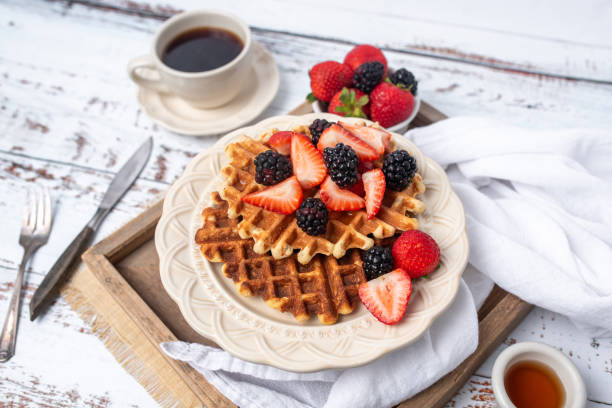
The Best Protein Waffles Recipe (45g Protein Per Serving)

45 grams of protein in two waffles. That’s not a typo.

Most protein waffle recipes give you maybe 15-20g if you’re lucky, and they taste like cardboard with syrup. These are different. The protein content is absurdly high, and somehow they still taste like actual waffles instead of fitness equipment.

The trick is cottage cheese. I know how that sounds. But cottage cheese blends completely smooth in a blender, adds a massive protein boost, and keeps the waffles moist without making them taste like cottage cheese. Trust the process.

These cook up golden and crispy on the outside, fluffy on the inside. They freeze well for meal prep. They work with any protein powder you have. And yes, they really do have 45g of protein per serving.

Why Cottage Cheese Works

Cottage cheese has about 14g of protein per half cup with very little fat. When you blend it smooth, it acts like Greek yogurt but with way more protein.

The curds disappear completely in the blender. The texture becomes creamy. The flavor is mild enough that it doesn’t compete with your protein powder or vanilla extract.

You could use Greek yogurt instead, but you’d lose about 8g of protein per serving. The texture would still be good, just not quite as protein-dense.

If you’re really opposed to cottage cheese, try ricotta. Similar protein content, similar texture when blended. Just make sure it’s low-fat ricotta or your waffles will be greasy.

What You’ll Need

Makes 4 standard waffles (2 servings).

Ingredients:

  • ½ cup rolled oats (or quick oats or oat flour)
  • ½ cup low-fat cottage cheese
  • 2 large eggs
  • ½ cup vanilla protein powder (about 1-2 scoops depending on brand)
  • 1 teaspoon baking powder
  • 1 teaspoon pure vanilla extract
  • Pinch of salt

Optional add-ins:

  • ½ teaspoon ground cinnamon
  • ¼ teaspoon almond extract (for cake batter flavor)
  • 1 tablespoon cocoa powder (for chocolate waffles)

The protein powder brand matters here. Casein or plant-based proteins make thicker, fluffier waffles. Pure whey tends to make thinner batter. If you’re using whey and the batter seems runny, add another tablespoon of oat flour.

The Process

Preheat your waffle iron. Not negotiable. A hot iron is the difference between crispy waffles and soggy ones. I use this Ninja waffle maker – it heats evenly and has a good non-stick coating that makes cleanup easy.

While it heats, blend everything. Oats, cottage cheese, eggs, protein powder, baking powder, vanilla, salt. Blend on high for 30 seconds to 1 minute until completely smooth. You shouldn’t see any cottage cheese curds or oat pieces.

The batter will be thick – thicker than pancake batter, more like cake batter. If it won’t pour at all, add a tablespoon or two of water or milk to loosen it. But keep it thick. Thick batter makes fluffy waffles.

Spray your hot waffle iron generously with cooking spray. Don’t skip this. Protein waffles stick more than regular waffles.

Pour enough batter to cover about ¾ of the waffle iron surface. The batter will spread when you close the lid. Don’t overfill or you’ll have waffle batter oozing out the sides.

Close the lid. Wait. Don’t open it to check. Most waffle irons will stop steaming heavily when the waffle is done – that’s your cue. Usually takes 3-4 minutes depending on your iron.

When it stops steaming, open carefully. The waffle should lift out easily. If it resists, give it another 30 seconds. A properly cooked waffle releases cleanly.

Put finished waffles on a wire rack, not a plate. A wire rack lets air circulate and keeps them crispy. Stacking them on a plate traps steam and makes them soggy.

The Crispiness Factor

Three things make protein waffles crispy instead of soggy:

First, a fully preheated waffle iron. If you pour batter into a cold or lukewarm iron, the waffle will steam instead of crisp up. The Ninja waffle maker has an indicator light that tells you exactly when it’s ready.

Second, don’t use too much batter. Overfilled waffles cook unevenly – burnt edges, raw middle, no crispiness.

Third, wire rack cooling. This is huge. Even perfectly cooked waffles turn soggy if you stack them on a plate while they’re hot.

Bonus tip: If your waffles came out good but not crispy enough, pop them in a toaster for 30 seconds before serving. Instant crispness.

Different Protein Powders, Different Results

Casein protein makes the thickest, fluffiest waffles. It absorbs liquid and creates structure. If you have casein, use it here.

Plant-based proteins (pea, brown rice, hemp blends) also work great. They tend to make thick batters similar to casein.

Whey protein isolate makes thinner batter. The waffles will be slightly denser. Still good, just not quite as fluffy. You can compensate by adding an extra tablespoon of oats or oat flour.

Collagen protein doesn’t work well here. It doesn’t provide structure the way other proteins do. Stick with whey, casein, or plant-based.

Meal Prep Instructions

Double or triple this recipe. Make a big batch on Sunday.

Let all the waffles cool completely on a wire rack – at least 30 minutes. If you freeze them while they’re still warm, you’ll get condensation and soggy waffles.

Once cool, stack them with parchment paper or wax paper between each waffle. This prevents them from freezing into one giant waffle brick.

Put the stack in a gallon freezer bag. Squeeze out excess air. Label with the date.

They keep for 3 months in the freezer.

To reheat: Don’t microwave. Microwaving makes them rubbery. Use a toaster or toaster oven instead. Pop them in frozen, toast until heated through and crispy. Takes 2-3 minutes depending on your toaster setting.

You can also reheat in a regular oven at 350°F for about 5 minutes if you’re doing multiple waffles at once.

Flavor Variations

Chocolate: Use chocolate protein powder. Add 1 tablespoon cocoa powder for extra chocolate intensity.

Cinnamon roll: Add ½ teaspoon cinnamon and ¼ teaspoon nutmeg to the batter. Top with cream cheese and a drizzle of maple syrup.

Blueberry: Fold ¼ cup fresh or frozen blueberries into the batter after blending. Don’t blend them in or your batter will turn purple.

Peanut butter: Add 2 tablespoons peanut butter to the batter. Increases fat and calories but tastes amazing.

Savory: Use unflavored protein powder. Skip the vanilla extract. Add garlic powder and black pepper. Top with eggs and avocado instead of syrup. Weird but good.

Why These Have So Much Protein

Let’s break down where that 45g comes from per serving (2 waffles):

  • Protein powder (½ cup total): ~40-50g depending on brand
  • Cottage cheese (½ cup total): ~14g
  • Eggs (2 total): ~12g
  • Oats (½ cup total): ~5g

Total: about 71g protein for the whole recipe, which makes 4 waffles.

Per serving of 2 waffles: 35-45g protein depending on your specific protein powder brand.

That’s roughly the same protein as a 6oz chicken breast, except it’s breakfast and it tastes like waffles.

Topping Ideas

These waffles are dense and protein-heavy, so you don’t need much on top.

Simple syrup and butter works fine if you want classic waffle vibes.

For more protein: Greek yogurt, cottage cheese (seriously, try it), or a drizzle of peanut butter.

For fruit: Fresh berries add sweetness and vitamins without many calories. Sliced banana works too.

For crunch: Chopped nuts or granola on top adds texture contrast.

For dessert vibes: Whipped cream and chocolate chips. You’ve already got 45g of protein, you can afford some fun toppings.

Other Ways to Hit Your Protein Goals

If you’re looking for variety beyond waffles, these recipes all pack serious protein without feeling like health food. Protein blueberry pancake overnight oats give you 27g protein with zero morning effort – just grab the jar from the fridge. When you want something that tastes like dessert for breakfast, this cinnamon roll protein shake delivers 30g protein in 5 minutes. For days when you’d rather make pancakes, try these blueberry protein pancakes with 20g protein per serving. Need grab-and-go options? These chewy oatmeal protein cookies pack 8g protein each and work as breakfast or snacks. And if you just want something cold and easy, this peppermint protein shake has 25g protein and takes basically no time to make.

Nutrition Facts

Per serving (2 waffles):

  • Calories: 224
  • Protein: 45g
  • Carbohydrates: 22g
  • Fiber: 3g
  • Sugar: 2g
  • Fat: 6g
  • Saturated Fat: 2g
  • Sodium: 420mg
  • Calcium: 180mg

Bottom Line

These protein waffles have an absurd amount of protein for breakfast food. 45g in two waffles is more protein than most people get in their entire breakfast.

They’re not quite as fluffy as Belgian waffles from a restaurant, but they’re close enough. The texture is good. The taste is good. The crispiness is there if you follow the wire rack rule.

The cottage cheese is the secret weapon. It adds protein without adding much fat or flavor. It keeps the waffles moist. It makes the whole thing work.

Make a big batch, freeze them, toast them throughout the week. High-protein breakfast in 3 minutes.

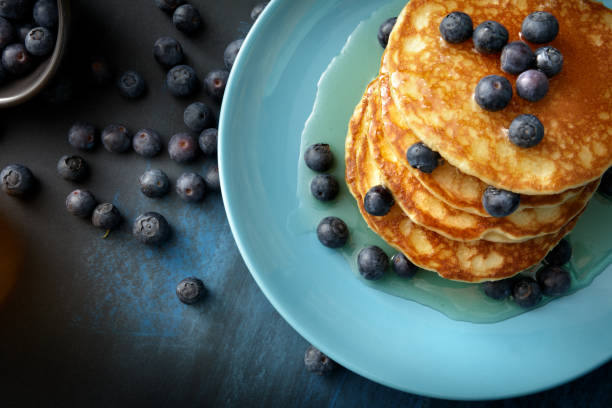
Blueberry Protein Pancakes Recipe (20g Protein, Actually Fluffy)

Protein pancakes have a reputation problem. Most of them are dense, rubbery, and taste like you’re eating a gym mat with syrup on top.

These aren’t like that. They’re actually fluffy. They taste like pancakes, not like protein powder held together with hope and bananas.

The secret is using oats instead of protein-heavy flour substitutes, adding Greek yogurt for moisture, and not overdoing the protein powder. You still get 20g of protein per serving, but the texture is legitimately good instead of just “acceptable for a fitness breakfast.”

Blueberries are in here because they make pancakes better. That’s it. They’re sweet, they burst when you cook them, and they make the pancakes look impressive. You could skip them, but why would you?

This recipe takes 15 minutes total. Blend the batter, cook the pancakes, eat them. No complicated technique required.

The Blender Batter Approach

Traditional pancake recipes have you mixing dry ingredients in one bowl, wet ingredients in another, then combining them carefully to avoid overmixing. That’s fine if you’re making pancakes from scratch with regular flour.

For protein pancakes, we’re using a blender. Everything goes in at once, you blend for 30 seconds, done. The oats get pulverized into flour. The banana acts as a binder. The Greek yogurt adds moisture and tang. The protein powder contributes structure without dominating the flavor.

The result is a smooth batter that pours easily and cooks up fluffy. No lumps. No dry flour pockets. No standing at the stove wondering if you mixed it enough or too much.

You will need a decent blender though. A cheap one might struggle with the oats. If your blender is weak, use oat flour instead of whole oats – saves the blender motor and gives you the same result.

What You’ll Need

This makes about 6 medium pancakes (2 servings).

Ingredients:

  • ¾ cup rolled oats (or oat flour)
  • 1 scoop vanilla whey protein powder (about ¼-½ cup)
  • ½ cup plain Greek yogurt
  • 1 ripe banana, roughly chopped
  • 2 large eggs
  • 3 tablespoons milk (dairy or almond)
  • 1 teaspoon baking powder
  • ½ teaspoon pure vanilla extract
  • ¼ teaspoon ground cinnamon (optional)
  • Pinch of salt (optional)
  • ½ cup fresh or frozen blueberries (don’t thaw frozen)
  • Cooking spray or coconut oil for the pan

For serving: More blueberries, maple syrup, honey, peanut butter, Greek yogurt

Use old-fashioned rolled oats, not instant oats or steel-cut. Instant oats turn into mush. Steel-cut oats won’t blend smooth. Regular rolled oats are what you want.

The banana needs to be ripe – brown spots are fine, even good. Riper bananas are sweeter and blend smoother. They also bind the batter better than under-ripe bananas.

Greek yogurt is crucial here. It adds about 8g of protein and keeps the pancakes moist. Regular yogurt has too much water and not enough protein. Don’t substitute unless you have to.

For blueberries, frozen works as well as fresh. Don’t thaw them first – frozen berries hold their shape better during cooking and don’t turn your batter purple.

How to Make Them

Get your pan heating first. Medium-low heat. This is important. Protein pancakes burn fast if your heat is too high. Start the pan heating while you make the batter.

Step 1: Blend Everything Except Blueberries

Put the oats, protein powder, Greek yogurt, banana, eggs, milk, baking powder, vanilla, cinnamon, and salt in your blender.

Blend on high for 20-30 seconds until smooth. Scrape down the sides if any oats are stuck. The batter should be thick but pourable. If it’s too thick to pour at all, add another tablespoon or two of milk and pulse to combine.

Let the batter sit for 2-3 minutes. This lets the baking powder activate and the oats absorb some liquid. The batter will thicken slightly.

Step 2: Check Your Pan Temperature

Your pan should be hot but not smoking. Test it by sprinkling a few drops of water on the surface – they should sizzle and evaporate within a few seconds.

Spray with cooking spray or add a tiny bit of coconut oil. Wipe out any excess with a paper towel – you want a thin coat, not a puddle.

Step 3: Cook the First Side

Pour about ¼ cup of batter per pancake. Don’t make them too big – smaller pancakes are easier to flip without breaking.

Immediately drop 4-5 blueberries onto each pancake while the batter is still wet. Press them in slightly so they stick.

Cook for 2-3 minutes. You’re looking for small bubbles on the surface and edges that look set and slightly dry. Don’t rush this. Protein pancakes need lower, slower heat than regular pancakes.

Step 4: The Flip

This is where protein pancakes get tricky. They’re more delicate than regular pancakes.

Slide your spatula completely under the pancake. Lift gently to make sure it’s not stuck. If it resists, give it another 30 seconds.

Flip confidently but not aggressively. A quick, smooth motion works better than hesitation.

Cook the second side for 1-2 minutes until golden brown. It cooks faster than the first side because the pan is fully heated now.

Step 5: Repeat

Transfer finished pancakes to a plate. Re-spray the pan if needed.

Pour more batter, add blueberries, repeat the process. You should get 5-6 pancakes total depending on how big you make them.

Step 6: Serve Immediately

Stack them up. Add whatever toppings you want. Eat them while they’re hot.

Protein pancakes are best fresh off the griddle. They firm up as they cool, so don’t let them sit around.

Why Low Heat Matters

This is the most common mistake people make with protein pancakes: cooking them too hot.

Regular flour-based pancakes can handle medium or even medium-high heat. Protein pancakes cannot. The protein powder browns fast – way faster than flour does. If your heat is too high, you’ll get pancakes that are burnt on the outside and raw in the middle.

Medium-low heat seems painfully slow at first, but it’s the difference between fluffy pancakes and hockey pucks. You’re giving the inside time to cook through before the outside burns.

If your pancakes are burning before they cook through, your heat is too high. Turn it down and be patient.

The Texture Issue

Let’s be honest: these will never be exactly like IHOP pancakes. They’re denser. That’s the nature of protein pancakes.

But they’re not rubber. They’re not dry. They don’t fall apart when you cut into them. They hold together, they have some fluff, and they taste good.

If you want them even fluffier, separate your eggs. Beat the whites until stiff, fold them into the batter after blending. This adds air and makes them lighter. It’s extra work, but it works.

The Greek yogurt is what keeps them from being dry. Don’t skip it or reduce it thinking you’ll save calories. You’ll just end up with dry pancakes.

Meal Prep Strategy

These freeze well, which makes them useful for meal prep.

Make a double or triple batch. Let them cool completely on a wire rack. Stack them with parchment paper between each pancake (prevents sticking). Put the stack in a freezer bag.

To reheat: microwave for 45-60 seconds, or pop them in the toaster. The toaster method gets them crispier on the outside.

They keep in the freezer for 2-3 months. You can grab a couple on a busy morning, heat them up, and have breakfast in 2 minutes.

Variations That Work

Chocolate chip: Use chocolate protein powder instead of vanilla. Skip the blueberries, add ¼ cup mini chocolate chips instead.

Banana only: Skip the blueberries entirely. Add another half banana to the batter for extra banana flavor.

Apple cinnamon: Skip blueberries. Add ½ cup diced apple and increase cinnamon to ½ teaspoon.

Pumpkin spice: Replace the banana with ½ cup pumpkin puree. Add ½ teaspoon pumpkin pie spice.

Savory: Skip the banana and blueberries. Use unflavored protein powder. Add a pinch of garlic powder and black pepper. Top with eggs and avocado instead of syrup.

Extra protein: Add 2 tablespoons of protein powder. The batter will be thicker and the pancakes will be denser, but you’ll get an extra 10g of protein per serving.

More High-Protein Breakfast Recipes

Protein Blueberry Pancake Overnight Oats – same pancake flavor, zero cooking, ready when you wake up with 27g protein

Cinnamon Roll Protein Shake – tastes like a cinnamon roll, 30g protein, takes 5 minutes to make

Chewy Oatmeal Protein Cookies – grab-and-go breakfast cookies with 8g protein each

Peppermint Protein Shake – when you don’t have time to cook, 25g protein in 5 minutes

Eggnog Protein Shake – another quick shake option with 26g protein

Nutrition Facts

Per serving (3 pancakes):

  • Calories: 337
  • Protein: 20g
  • Carbohydrates: 45g
  • Fiber: 6g
  • Sugar: 15g (from banana and blueberries)
  • Fat: 8g
  • Saturated Fat: 2g
  • Sodium: 180mg
  • Calcium: 220mg
  • Iron: 2mg

Bottom Line

These blueberry protein pancakes are the best version of protein pancakes you’re going to get without sacrificing texture completely.

They’re fluffy enough to feel like real pancakes. They taste good without being drowned in syrup. They have 20g of protein per serving, which is solid for a breakfast that doesn’t feel like a fitness meal.

The blender method makes them easy. The low-heat cooking method makes them fluffy. The Greek yogurt keeps them moist.

Make a batch this weekend. Freeze half for weekday breakfasts. Thank yourself later when you have actual good pancakes ready in 2 minutes on a Tuesday morning.

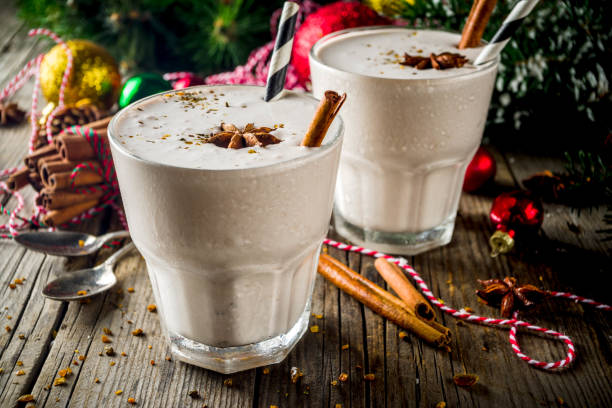
Eggnog Protein Shake Recipe (26g Protein, No Sugar Crash)

Eggnog Protein Shake Recipe (26g Protein, No Sugar Crash)

Traditional eggnog is basically melted ice cream with nutmeg. Delicious? Absolutely. Good for you? Not even close.

A cup of store-bought eggnog has 20+ grams of sugar, 200+ calories, and maybe 5g of protein if you’re lucky. Great if you’re trying to gain weight. Not great if you’re trying to maintain any kind of nutrition plan.

This protein shake version tastes remarkably similar – you get that creamy, spiced eggnog flavor with the nutmeg and cinnamon doing their thing. But instead of sugar and cream, you’re getting 26g of protein and way fewer calories.

Takes 5 minutes to make. No raw eggs (we use pasteurized egg whites instead). No heavy cream. Just blend and drink while pretending you’re being festive instead of responsible.

Why This Version Actually Works

Regular eggnog gets its flavor from three things: rich dairy, warming spices (nutmeg and cinnamon), and sweetness. The problem is it achieves all of that with heavy cream, whole milk, egg yolks, and a ton of sugar.

This version replicates the flavor profile without the nutritional disaster. The protein powder provides sweetness and body. The pasteurized egg whites give you that authentic eggnog texture and protein boost. The banana adds natural sweetness and creaminess. The spices do exactly what they do in regular eggnog.

The result tastes like eggnog, not like a protein shake trying to be eggnog. You’re not making a huge compromise here – it legitimately tastes good.

The optional rum extract adds that classic boozy eggnog flavor without actual alcohol. If you think that sounds gimmicky, skip it. The shake works fine without it.

What You’ll Need

This makes 1 large shake.

Ingredients:

  • 1 cup unsweetened almond milk or cashew milk
  • 1 scoop vanilla protein powder
  • ¼ cup pasteurized liquid egg whites
  • 1 small frozen banana (or ½ large)
  • ½ teaspoon vanilla extract
  • ½ teaspoon ground nutmeg (divided, plus more for topping)
  • ¼ teaspoon ground cinnamon
  • ¼ teaspoon rum extract (optional)
  • 1-2 teaspoons honey or sweetener of choice (optional)
  • Garnish: fresh grated nutmeg, whipped cream (optional)

A note on egg whites: you need pasteurized liquid egg whites, not raw eggs from your fridge. Pasteurized means they’re safe to consume without cooking. You can find them in cartons near the regular eggs at most grocery stores – brands like Egg Beaters or All Whites work great.

The egg whites do two things: they add about 7g of protein, and they give the shake that slightly thick, frothy texture that real eggnog has. If you can’t find them or don’t want to use them, you can skip them, but your protein will drop and the texture won’t be quite as authentic.

The frozen banana is crucial. It makes the shake thick and creamy without needing ice cream. Use a ripe banana (brown spots are fine) for maximum sweetness.

Nutmeg is the defining eggnog spice. Don’t skip it. Fresh grated nutmeg is better than pre-ground if you have it, but pre-ground works fine.

Let’s Make This

Step 1: Load the Blender

Add ingredients in this order: almond milk, protein powder, pasteurized egg whites, frozen banana, vanilla extract, ¼ teaspoon of the nutmeg, cinnamon, and rum extract if using.

If you’re using honey or another sweetener, add it now too.

Step 2: Blend

Blend on high for 30-60 seconds until completely smooth and creamy. The banana and egg whites should make it thick like traditional eggnog.

If it’s too thick to pour, add a splash more milk. If it’s too thin (which is unlikely with a frozen banana), add a couple ice cubes and blend again. I use a Vitamix which powers through frozen bananas without any issues.

Step 3: Taste and Adjust

Stop and taste it. This is where you dial it in.

Not sweet enough? Add honey or your preferred sweetener and blend briefly.

Want more spice? Add a pinch more cinnamon or nutmeg. Go easy on the nutmeg though – it’s potent and can taste medicinal if you overdo it.

Like the rum flavor? The ¼ teaspoon of McCormick rum extract is subtle. You can add another drop or two if you want it more pronounced.

Step 4: Serve

Pour into a glass. Sprinkle the remaining ground nutmeg on top – this is classic eggnog presentation and the aroma hits you before the first sip.

If you’re feeling fancy, add a dollop of whipped cream and another pinch of nutmeg or cinnamon on top.

Drink immediately while it’s cold.

How It Tastes

The first thing you notice is the nutmeg – that warm, slightly sweet, distinctly eggnog aroma. Then you taste the creamy vanilla base with hints of cinnamon and that subtle rum flavor if you included it.

The texture is thick and smooth, similar to real eggnog but not quite as heavy. It coats your mouth like eggnog does, which is what the egg whites contribute.

The banana flavor is mostly hidden by the spices. You might detect it slightly, but it reads more as general sweetness than obvious banana.

The protein powder taste is well-masked by the spices and vanilla. If you use a high-quality vanilla protein powder like Orgain, you won’t notice it at all.

If you’ve ever had the packaged eggnog from the grocery store, this tastes lighter and less cloyingly sweet, but the flavor profile is spot-on.

Protein Breakdown

Here’s where that 26g comes from:

  • Vanilla protein powder (1 scoop): ~20-25g
  • Pasteurized egg whites (¼ cup): ~7g
  • Almond milk (1 cup): ~1g

Total: About 26-28g protein depending on your brands.

If you skip the egg whites, you drop to about 20-21g protein. Still decent, but you lose that authentic eggnog texture too.

When to Drink This

Breakfast during the holidays: Satisfies eggnog cravings without the sugar crash. Pair with some toast or oatmeal for a complete meal.

Post-workout: The protein helps recovery, the banana provides quick carbs. Less festive than a regular protein shake but way more interesting.

Afternoon snack: When you want something sweet and seasonal but need to stay on track. This hits the spot without the guilt.

Holiday parties: Make a big batch (double or triple the recipe) and serve in small glasses with whipped cream and nutmeg on top. Most people won’t realize it’s a protein shake.

Dessert replacement: When you’re craving eggnog after dinner but don’t want the calories. This scratches the same itch.

Troubleshooting

Too spicy: You went heavy with the nutmeg. Add more banana or milk to dilute it. Nutmeg can be overpowering.

Not enough eggnog flavor: Add more nutmeg and cinnamon. Make sure you’re using enough of both spices.

Too thick: Add more almond milk 2 tablespoons at a time.

Too thin: Add more frozen banana chunks or a few ice cubes.

Tastes too healthy: Add a bit more sweetener and make sure you’re using enough vanilla extract and spices. The spices are what make it taste like eggnog instead of a plain protein shake.

Don’t have egg whites: Use ½ cup plain Greek yogurt instead. You’ll get similar protein and creaminess, just a slightly different texture.

Variations

Extra thick: Use less almond milk (¾ cup) for an almost-spoonable consistency. More like eggnog custard.

Lower carb: Skip the banana, use ½ cup ice cubes instead, and add extra sweetener. Drops carbs from 20g to about 5g.

Vegan: Use plant-based protein powder, skip the egg whites, use ½ cup coconut yogurt or silken tofu instead.

Higher protein: Add another ¼ cup egg whites or 2 tablespoons of Greek yogurt. Gets you to about 32g protein.

Boozy version (adults only): Add 1-2 oz of actual rum or bourbon instead of rum extract. Reduces thickness slightly, so cut back on the milk.

Pumpkin eggnog: Add 2 tablespoons pumpkin puree and ¼ teaspoon pumpkin pie spice. Different but delicious.

Chocolate eggnog: Add 1 tablespoon unsweetened cocoa powder. Weird combo but surprisingly good.

Comparison to Regular Eggnog

Traditional eggnog (1 cup):

  • Calories: 200-250
  • Protein: 5g
  • Sugar: 20-25g
  • Fat: 10-15g

This protein shake:

  • Calories: 250
  • Protein: 26g
  • Sugar: 10g (mostly from banana)
  • Fat: 5g

You’re getting 5x the protein with half the sugar and similar calories. If you’re trying to maintain muscle or keep protein high, this is a vastly better option.

More High-Protein Holiday Recipes

Peppermint Protein Shake – 25g protein that tastes like a candy cane, perfect for mint lovers

Gingerbread Protein Shake – 38g protein with warm spices, tastes like a gingerbread cookie

Eggnog Overnight Oats – 27g protein breakfast with the same eggnog flavor, zero morning prep

High-Protein Gingerbread Pancakes – 30g protein per stack for a filling holiday breakfast

Cranberry Oatmeal Energy Balls – quick protein snacks ready in 20 minutes

Nutrition Facts

Per shake:

  • Calories: 250
  • Protein: 26g
  • Carbohydrates: 20g
  • Fiber: 3g
  • Sugar: 10g (from banana)
  • Fat: 5g
  • Saturated Fat: 0.5g
  • Sodium: 220mg
  • Calcium: 350mg
  • Iron: 1mg

Bottom Line

This eggnog protein shake tastes like the real thing without the sugar bomb. The nutmeg and cinnamon create that unmistakable eggnog flavor. The egg whites give it authentic texture. The banana provides natural sweetness and creaminess.

You’re getting 26g of protein instead of 5g. Half the sugar. Similar calories but way more nutritional value.

It takes 5 minutes to make and legitimately tastes good – not “good for a protein shake,” just good.

Make it when you want eggnog but don’t want to completely abandon whatever nutrition plan you’re following.

Peppermint Protein Shake Recipe (25g Protein, Tastes Like a Candy Cane)

Most protein shakes taste like you’re drinking them out of obligation. This one tastes like you blended a York Peppermint Patty with ice cream, except it’s got 25g of protein and won’t wreck your macros.

It’s cold, creamy, minty, and thick enough to feel like a real treat instead of a supplement you’re choking down. Takes 5 minutes to make. No cooking. Just blend and drink.

Perfect for post-workout when you want something sweet but need actual protein. Or for breakfast when you’re craving something dessert-like but need to hit your protein goals. Or honestly just whenever you want something that tastes good and happens to be nutritious.

The peppermint extract does the heavy lifting here – it creates that cool, refreshing candy cane flavor without adding sugar or calories. Combined with vanilla protein powder and a frozen banana for thickness, you get a shake that actually tastes like you’re indulging.

Why This Works Better Than Regular Protein Shakes

Standard protein shakes are boring. Vanilla protein powder mixed with water or milk is technically nutritious but practically flavorless. Most people end up forcing them down or giving up entirely.

This shake fixes that problem with peppermint extract – a little bit creates intense flavor that completely transforms the vanilla base. You’re not masking the protein powder taste, you’re creating actual dessert-level flavor.

The frozen banana adds natural sweetness and makes it thick without needing ice cream. The Greek yogurt adds creaminess and extra protein without making it taste like yogurt. The result is something you’d actually want to drink, not something you’re drinking because you’re supposed to.

And if you’re into chocolate-mint (who isn’t?), adding cocoa powder turns this into a liquid Thin Mint cookie.

What You’ll Need

This makes 1 large shake.

Ingredients:

  • 1 cup unsweetened almond milk (or milk of choice)
  • 1 scoop vanilla protein powder (whey or plant-based)
  • ½ frozen banana, sliced
  • ¼ cup plain Greek yogurt
  • ¼ teaspoon peppermint extract
  • Optional: 1 tablespoon unsweetened cocoa powder (for chocolate peppermint version)
  • Optional: sweetener to taste (stevia, honey, maple syrup)
  • Optional garnish: whipped cream, crushed sugar-free peppermint candy

A note on peppermint extract: it’s potent. A quarter teaspoon is enough for most people. If you go overboard, your shake will taste like toothpaste. I use McCormick peppermint extract – start with ¼ teaspoon, taste it, and only add more if you want it mintier.

The frozen banana is important for texture. It makes the shake thick and creamy without watering it down with ice. If you don’t have a frozen banana, use a regular banana plus ½ cup ice cubes, but the texture won’t be quite as good.

Greek yogurt adds about 6g of protein and makes everything creamier. You can skip it if you don’t have any, but your protein count will drop and the shake will be thinner.

Let’s Make This

Step 1: Load Your Blender

Add ingredients in this order: almond milk first, then protein powder, frozen banana chunks, Greek yogurt, and peppermint extract.

If you’re making the chocolate peppermint version, add the cocoa powder now too.

Step 2: Blend

Blend on high for 30-60 seconds until completely smooth. The shake should be thick – somewhere between soft-serve ice cream and a regular milkshake.

If it’s too thick to blend, add more almond milk 2 tablespoons at a time. If it’s too thin, add a few ice cubes and blend again. A good blender like a Vitamix makes this process way easier – it powers through frozen bananas without you having to stop and scrape down the sides.

Step 3: Taste and Adjust

Stop and taste it. This is your chance to customize.

Too bland? Add sweetener – start with a few drops of stevia or a teaspoon of honey.

Not minty enough? Add another drop or two of peppermint extract. But go slow – it’s easy to overdo it.

Want it sweeter? The frozen banana usually provides enough natural sweetness, but if you’re used to sweeter shakes, add your preferred sweetener.

Step 4: Serve

Pour into a glass. If you want to make it Instagram-worthy, top with whipped cream and crushed sugar-free peppermint candy or a mini candy cane.

Drink immediately while it’s cold and thick.

How It Tastes

The first sip hits you with peppermint – that cool, refreshing candy cane flavor. Then you get the creamy vanilla from the protein powder and yogurt. The banana adds natural sweetness without making it taste like a banana shake.

The texture is thick and smooth, almost like a Frosty from Wendy’s. You can drink it through a straw, but you might want a spoon for the last bit.

If you made the chocolate version, it tastes like a Thin Mint cookie in shake form. The cocoa adds depth and cuts the sweetness slightly, making it taste more sophisticated.

The protein powder flavor is mostly hidden by the peppermint. You might detect a slight protein-powder taste in the background, but it’s not dominant like it is in unflavored shakes.

Protein Breakdown

Here’s where that 25g comes from:

  • Vanilla protein powder (1 scoop): ~20-25g (depending on brand)
  • Greek yogurt (¼ cup): ~6g
  • Almond milk (1 cup): ~1g

Total: About 25-27g protein, depending on your specific brands.

If you skip the Greek yogurt, you’ll drop to about 20-21g protein. Still decent for a shake, just not as high.

When to Drink This

Post-workout: The protein helps with muscle recovery. The carbs from the banana help replenish glycogen. Drink within an hour after training for best results.

Breakfast: Pair with a piece of toast or some oats. The protein keeps you full until lunch.

Afternoon snack: When you hit that 3pm slump and want something sweet. This satisfies the craving without the sugar crash.

Dessert replacement: When you want ice cream but don’t want to blow your calories. This scratches the same itch with way more protein.

Pre-workout: Some people like having a lighter shake 30-60 minutes before training. The banana provides quick energy, the protein prevents muscle breakdown.

Troubleshooting

Too minty/tastes like toothpaste: You added too much peppermint extract. Add more banana, yogurt, or milk to dilute it. Or add a bit of vanilla extract to balance it out.

Not minty enough: Add peppermint extract one drop at a time until you reach your preferred intensity.

Too thick: Add more almond milk 2 tablespoons at a time.

Too thin: Add more ice or another chunk of frozen banana.

Chalky texture: Your protein powder is low quality. Try Orgain protein powder, or add more banana and yogurt to mask the texture.

Not sweet enough: Add your preferred sweetener gradually. Or use a riper banana next time – the browner the peel, the sweeter it is.

Variations

Chocolate peppermint: Add 1 tablespoon unsweetened cocoa powder. Tastes like a Thin Mint cookie.

Extra thick: Use less almond milk (start with ¾ cup) for a spoonable shake you can eat with a spoon.

Higher protein: Use 1.5 scoops of protein powder and increase Greek yogurt to ½ cup. Gets you to about 35g protein but makes it thicker.

Lower carb: Skip the banana and use ½ cup ice cubes instead. Add extra sweetener to compensate for lost banana sweetness. Drops carbs from 30g to about 5g.

Vegan: Use plant-based protein powder and dairy-free yogurt (coconut or almond-based). Use plant milk like almond or oat.

Peppermint mocha: Add 1 tablespoon cocoa powder plus 1 shot of espresso or ½ cup cold brew coffee. Adult peppermint mocha shake.

Frozen treat: Pour the blended shake into popsicle molds and freeze for 4 hours. Protein popsicles that taste like candy canes.

Pro Tips for Better Texture

Freeze your banana ahead: Peel ripe bananas, slice them, and freeze in a zip-top bag. Having frozen banana chunks ready makes this shake super quick to throw together.

Freeze your milk: Pour almond milk into ice cube trays and freeze. Use frozen milk cubes instead of regular ice – they make the shake thick without diluting the flavor.

Let protein powder sit: After adding protein powder to the blender, let it sit for 30 seconds before blending. This helps it absorb some liquid and blend smoother.

Don’t over-blend: Blend just until smooth. Over-blending can make the shake too warm and thin.

Use peppermint liquid stevia: If you have peppermint-flavored stevia drops, you can use those instead of plain peppermint extract. They add both mint flavor and sweetness in one shot, and they’re easier to control than extract.

More High-Protein Shake Recipes

Gingerbread Protein Shake – 38g protein with warm holiday spices, tastes like a gingerbread cookie

Eggnog Overnight Oats – 27g protein breakfast that tastes like the holidays, zero morning effort

High-Protein Gingerbread Pancakes – 30g protein per stack for a filling breakfast that feels like dessert

Cranberry Oatmeal Energy Balls – quick protein-packed snacks ready in 20 minutes

Nutrition Facts

Per shake:

  • Calories: 280
  • Protein: 25g
  • Carbohydrates: 30g
  • Fiber: 3g
  • Sugar: 15g (from banana)
  • Fat: 6g
  • Saturated Fat: 1g
  • Sodium: 200mg
  • Calcium: 320mg

Bottom Line

This peppermint protein shake doesn’t taste like a compromise. It tastes like you’re drinking a York Peppermint Patty milkshake that happens to have 25g of protein.

The peppermint extract creates intense candy cane flavor with zero calories. The frozen banana makes it thick and creamy without ice cream. The Greek yogurt adds protein and body without making it taste healthy.

It takes 5 minutes to make and actually tastes good enough that you’ll look forward to drinking it instead of forcing it down.

Make it when you want something minty, sweet, and filling that won’t derail whatever nutrition goals you’re working toward.