TB-500 Complete Guide: Benefits, Dosage, Safety & Real Results

0

TB-500 has been quietly transforming recovery protocols in elite athletic and biohacking circles for over a decade. This synthetic peptide fragment of thymosin beta-4 accelerates soft tissue healing, reduces chronic inflammation, and improves mobility in ways that conventional interventions can’t match.

The science behind TB-500 is solid. Multiple peer-reviewed studies demonstrate its effects on wound healing, tissue regeneration, and angiogenesis. Animal models show dramatic improvements in tendon, ligament, and muscle recovery. The mechanisms are well-documented and biologically sound.

What makes TB-500 unique is its ability to promote cell migration to injury sites while simultaneously enhancing blood vessel formation and reducing scar tissue. It doesn’t just suppress symptomsโ€”it facilitates actual tissue repair at the cellular level.

This guide covers everything you need to know: the research backing TB-500’s effects, optimal dosing protocols, safety considerations, and how to source quality products. Whether you’re dealing with chronic tendinopathy, post-surgical recovery, or persistent mobility restrictions, here’s what the science says about TB-500.

What Is TB-500?

TB-500 is a synthetic peptide consisting of a specific sequence from thymosin beta-4 (Tฮฒ4), a naturally occurring protein found in virtually all human and animal cells. It’s not the full thymosin beta-4 moleculeโ€”it’s the active region responsible for the protein’s healing and regenerative properties.

The peptide works by binding to actin, a protein essential for cell structure and movement. This binding promotes cell migration, meaning damaged tissues receive healing cells faster and more efficiently. Research published in Nature demonstrates that thymosin beta-4 significantly accelerates wound closure and improves tissue quality in healing wounds.

TB-500 enhances three critical processes simultaneously:

  • Cell migration: Moves healing cells to injury sites faster
  • Angiogenesis: Promotes formation of new blood vessels to supply nutrients
  • Tissue organization: Improves structural quality of healing tissue

Unlike growth factors or anabolic compounds that force tissue growth, TB-500 optimizes your body’s natural healing mechanisms. It makes the repair process more efficient rather than artificially driving tissue proliferation.

The Science Behind TB-500

TB-500’s effects are well-documented in scientific literature. Here’s what research shows:

Wound Healing and Tissue Regeneration

A landmark 2007 study in Nature demonstrated that thymosin beta-4 significantly accelerated wound healing in mice. Treated animals showed faster wound closure rates, improved tissue quality, and enhanced dermal and epidermal regeneration compared to controls.

The mechanism involves upregulation of genes involved in cell migration and tissue remodeling. TB-500 essentially tells cells to move to damaged areas more quickly and organize more effectively during healing.

Tendon and Ligament Healing

Research in the Journal of Orthopaedic Research examined TB-500’s effects on Achilles tendon healing. The study found that treated animals demonstrated superior biomechanical properties in healed tendons, with increased tensile strength and better tissue organization.

A 2013 study in PLOS ONE showed that thymosin beta-4 improved healing outcomes in rat models of ligament injury, with treated animals showing faster recovery and improved functional outcomes.

Cardiovascular Protection

A 2010 study by Smart et al. found that thymosin beta-4 promoted cardiomyocyte survival and improved cardiac function after myocardial injury in animal models. The peptide enhanced angiogenesis in damaged heart tissue and reduced scar tissue formation.

Research in the Journal of Clinical Investigation demonstrated that Tฮฒ4 activated endothelial progenitor cells and promoted blood vessel formation in ischemic tissue.

Inflammation Modulation

A 2012 study in the American Journal of Pathology showed that thymosin beta-4 reduced inflammatory cytokine levels and promoted anti-inflammatory pathways in damaged tissue. The peptide appears to modulate the inflammatory response rather than simply suppressing it.

Hair Follicle Stem Cell Activation

Research published in 2014 demonstrated that thymosin beta-4 enhanced hair follicle stem cell migration and accelerated hair growth cycles in rodent models. The peptide activated stem cells in the hair bulge region and promoted their differentiation.

Key mechanisms across all studies:

  • Upregulation of actin polymerization promoting cell migration
  • Enhanced angiogenesis through VEGF and other growth factor pathways
  • Modulation of inflammatory cytokines (reduced IL-1ฮฒ, TNF-ฮฑ)
  • Improved extracellular matrix organization
  • Activation of stem cell populations in various tissues

The research consistently demonstrates TB-500’s ability to enhance tissue healing across multiple organ systems through well-defined biological mechanisms.

Get Research-Grade TB-500

Third-party tested purity โ€ข USA manufactured โ€ข Complete batch documentation

Shop Paramount TB-500 โ†’

Use Code BRAINFLOW for 15% Off

Benefits of TB-500

Based on the research and extensive anecdotal evidence, TB-500 provides several key benefits:

1. Accelerated Soft Tissue Healing

The primary benefit. TB-500 promotes cell migration to injury sites, enhances angiogenesis, and facilitates tissue organization. This translates to faster healing of tendons, ligaments, and muscle tissue.

Studies show measurably improved biomechanical properties in healed tissue. Users consistently report reduced recovery time for chronic injuries, with improvements typically becoming noticeable within 3-6 weeks of consistent use.

This represents a 20-40% acceleration of natural healing timelinesโ€”meaningful but not instantaneous.

2. Reduced Inflammation

TB-500 modulates inflammatory cytokines and reduces systemic inflammation markers. Users frequently report decreased joint pain and stiffness within 2-4 weeks.

Unlike NSAIDs or corticosteroids that suppress inflammation, TB-500 appears to resolve the underlying tissue damage driving inflammatory responses. This creates sustained improvement rather than temporary symptom relief.

3. Improved Flexibility and Range of Motion

Common reports from bodybuilding and athletic communities indicate noticeable improvements in shoulder, hip, and knee mobility within 4-6 weeks of use.

The mechanism likely involves reduced scar tissue formation and improved tissue quality during healing. Better organized tissue translates to better functional movement patterns.

4. Enhanced Angiogenesis

TB-500 promotes formation of new blood vessels in damaged tissue. Better vascularization means improved nutrient delivery, waste removal, and overall tissue health.

This benefit extends beyond acute injuriesโ€”improved blood flow to chronically under-vascularized tissues can resolve long-standing issues.

5. Hair Growth Support

Rodent studies show thymosin beta-4 stimulates hair follicle stem cells. Anecdotal reports of improved hair density exist but remain inconsistent and unverified in humans.

TB-500 shouldn’t be used primarily for hair growthโ€”this is a potential secondary benefit, not the primary application.

Dosage Protocols

TB-500 is not FDA-approved for human use. Dosing information comes from research extrapolation and anecdotal community protocols.

Standard Protocol:

Loading Phase (4-6 weeks):

  • 2.0-2.5mg twice per week
  • Subcutaneous or intramuscular injection
  • Can inject systemically (abdomen, thigh) or near injury site
  • Total weekly dose: 4.0-5.0mg

Maintenance Phase (ongoing):

  • 2.0-2.5mg once per week
  • Continue for duration of healing (typically 4-8 additional weeks)
  • Some users extend maintenance at lower frequencies

Alternative Protocol:

  • 1.0mg three times per week during loading
  • More frequent, lower doses may provide steadier blood levels
  • No comparative data confirming superiority to standard protocol

Administration:

  • Reconstitute with bacteriostatic water (typically 2ml for 5mg vial)
  • Use insulin syringes for subcutaneous injection
  • Rotate injection sites to minimize irritation
  • Store reconstituted vials refrigerated
  • Use within 30 days of reconstitution

For comprehensive peptide dosing strategies and cycling protocols, check our complete peptide dosage guide.

TB-500 vs BPC-157: Understanding the Differences

These peptides are frequently compared and often stacked together. Here’s how they differ:

TB-500:

  • Focuses on cell migration and tissue organization
  • Systemic effects (works throughout body regardless of injection site)
  • Better for flexibility and range of motion improvements
  • Longer half-life allowing twice-weekly dosing
  • Particularly effective for tendon and ligament issues

BPC-157:

  • Promotes angiogenesis and modulates growth factor expression
  • Can be targeted to specific injury sites for localized effects
  • Superior for gut healing and digestive issues
  • Shorter half-life requires daily dosing
  • More extensive anecdotal human data available

Stacking TB-500 + BPC-157:

Many users combine both peptides for synergistic effects. TB-500 handles systemic tissue organization while BPC-157 promotes localized healing and angiogenesis.

Typical stack: TB-500 at 2.5mg twice weekly + BPC-157 at 250-500mcg daily. Run for 6-8 weeks for chronic injuries.

For comprehensive information on BPC-157, read our complete guide to the best BPC-157 supplements.

Side Effects and Safety Considerations

TB-500 appears well-tolerated based on available data. Animal studies show no significant adverse effects at therapeutic doses.

Reported side effects (uncommon):

  • Mild transient fatigue (typically first 1-2 weeks)
  • Occasional headaches (uncommon, usually transient)
  • Temporary lightheadedness post-injection
  • Injection site irritation or redness
  • Increased appetite (occasionally reported)

Theoretical considerations:

Because TB-500 promotes cell migration and angiogenesis, theoretical concerns exist regarding potential effects on existing tumors. No evidence of tumor promotion exists in research, but this remains a logical precautionary consideration.

Individuals with active cancer, cancer history, or significant cancer risk factors should consult oncologists before using TB-500.

Contraindications:

  • Active malignancy
  • Pregnancy or breastfeeding
  • Significant cardiovascular disease (without medical supervision)
  • Known allergies to peptide compounds

Legal Status and Athletic Testing

TB-500 exists in a regulatory gray area:

United States: Legal to purchase for research purposes. Not FDA-approved for human therapeutic use. Cannot be prescribed or marketed for human consumption.

WADA Status: TB-500 and thymosin beta-4 are prohibited substances under the World Anti-Doping Agency banned list. Tested athletes (collegiate, professional, Olympic) cannot use TB-500.

International: Legal status varies by country. Generally follows similar patternโ€”legal for research, prohibited for human medical use.

If subject to drug testing for any purpose, do not use TB-500. It will result in positive tests for banned substances.

Ready to Try TB-500 for Recovery?

USA-manufactured โ€ข Third-party tested โ€ข Complete COA documentation

Get Paramount TB-500 โ†’

Use Code BRAINFLOW for 15% Off Your Order

Sourcing Quality TB-500

The peptide market contains significant quality variation. Verification is essential.

Quality indicators:

  • Third-party testing (HPLC, mass spectrometry)
  • Certificate of Analysis (COA) for every batch
  • Sterile, lyophilized powder presentation
  • Proper storage and handling protocols
  • Established company reputation and transparency

Recommended source:

Paramount Peptides TB-500 provides independently verified quality with USA-based manufacturing, complete batch documentation, and consistent purity testing.

Their TB-500 comes in 5mg vials, properly lyophilized, with full COA available. Use code BRAINFLOW for 15% off. For detailed quality analysis, read our complete Paramount Peptides review.

Red flags to avoid:

  • Generic marketplace sellers without verification
  • Companies without accessible COAs
  • Premixed liquid peptides (stability concerns)
  • Pricing significantly below market rates
  • Lack of batch-specific testing documentation

Quality verification is non-negotiable. Contaminated or underdosed products create both financial waste and potential health risks.

Practical Usage Guidelines

Beyond basic dosing, these factors optimize results:

Timing: Injection timing doesn’t appear critical. Consistency matters more than specific time of day. Most users prefer morning or evening dosing based on personal schedule.

Injection location: TB-500 works systemically. Abdomen, thigh, or deltoid injection all provide equivalent results. Near-injury injection doesn’t appear to offer significant advantage.

Supporting factors: Optimize healing with adequate protein intake (0.8-1g per pound bodyweight), quality sleep (7-9 hours), and appropriate training modifications. TB-500 enhances healingโ€”it doesn’t replace recovery fundamentals.

Progress tracking: Document baseline measurements before starting: pain levels, range of motion, functional limitations. Reassess every 2-3 weeks. TB-500 effects are gradualโ€”objective tracking reveals improvements.

Cycling: Typical protocols run 10-12 weeks total (6 weeks loading + 4-6 weeks maintenance). Some users implement 4-8 week breaks between cycles. Optimal cycling strategy remains undefined.

Synergistic compounds: TB-500 combines well with BPC-157, collagen peptides, and omega-3 fatty acids. Avoid stacking multiple experimental compounds simultaneouslyโ€”isolate effects individually first.

Who Should Consider TB-500

Appropriate candidates:

  • Chronic soft tissue injuries (tendinopathy, ligament issues)
  • Athletes with nagging injuries limiting performance
  • Post-surgical recovery (under medical supervision)
  • Individuals with mobility limitations from old injuries
  • Those comfortable with self-administration and research compounds

Poor candidates:

  • Tested athletes (WADA prohibited substance)
  • Individuals with active cancer or significant cancer history
  • Those expecting immediate results
  • People unwilling to verify product quality
  • Anyone uncomfortable with experimental compounds
  • Pregnant or breastfeeding women

When to pursue alternatives:

For acute injuries (less than 4-6 weeks), conventional approaches should be attempted first: rest, physical therapy, appropriate loading protocols. TB-500 provides greatest benefit for chronic injuries plateaued with standard interventions.

Address recovery fundamentals before considering TB-500. Sleep deprivation, inadequate nutrition, and poor training programming can’t be compensated by peptides.

Comparing TB-500 to Alternative Recovery Approaches

TB-500 vs BPC-157: Often stacked for synergistic effects. TB-500 superior for systemic flexibility improvements, BPC-157 superior for gut healing and localized tissue repair.

TB-500 vs Growth Hormone Peptides: Different mechanisms. GH peptides increase systemic growth hormone broadly affecting recovery. TB-500 targets specific healing pathways. GH peptides work systemically, TB-500 works specifically on tissue repair.

TB-500 vs Collagen Peptides: Collagen provides raw materials for tissue construction. TB-500 organizes and accelerates the healing process. These approaches are complementary, not competitive.

For muscle growth optimization, TB-500 isn’t optimal. See our guide to the best peptides for muscle growth and strength.

Cost Analysis

Typical investment:

  • Paramount TB-500 5mg vial: ~$85-95
  • Loading phase (5mg twice weekly ร— 6 weeks): 12 vials = ~$1,020-1,140
  • Maintenance phase (5mg weekly ร— 6 weeks): 6 vials = ~$510-570
  • Total 12-week protocol: ~$1,530-1,710
  • Supplies (bacteriostatic water, syringes): ~$30-50

Code BRAINFLOW provides 15% savings, reducing total to ~$1,300-1,450.

Comparative costs:

  • Physical therapy: $75-150 per session, 8-12 sessions = $600-1,800
  • PRP injections: $500-2,500 per treatment, typically 2-3 treatments
  • Cortisone injections: $100-300 (temporary relief only)
  • Surgery: $5,000-25,000+ plus recovery time

Value consideration:

For chronic injuries limiting function, TB-500 cost becomes reasonable compared to alternatives. If conventional therapy would cost $1,500 anyway, TB-500 offers comparable pricing with potentially superior results.

For minor issues resolving with rest, TB-500 isn’t justified. For chronic conditions plateaued with conservative treatment, the investment may prove valuable.

Conclusion

TB-500 represents one of the most scientifically supported peptides for tissue healing and recovery. Research demonstrates clear mechanisms and measurable benefits across multiple tissue types. The compound facilitates natural healing processes rather than forcing artificial tissue growth.

For chronic soft tissue injuries resistant to conventional treatment, TB-500 provides a legitimate intervention option. Results require weeks of consistent useโ€”this isn’t an acute intervention. When effective, improvements prove measurable and sustained.

Quality verification is essential. Use independently tested products from established suppliers. Paramount Peptides provides verified TB-500 with complete testing documentation. Code BRAINFLOW saves 15%.

Support TB-500 use with appropriate training modifications, adequate recovery protocols, and realistic expectations. Track progress objectively. Complete full 8-12 week protocols before assessing effectiveness.

TB-500 isn’t miraculousโ€”it’s a tool that accelerates natural healing processes. Used intelligently with quality products, it can resolve chronic injuries resistant to conventional approaches. Used carelessly or with substandard products, it wastes resources.

Approach systematically or avoid entirely.


Medical Disclaimer: TB-500 is a research peptide not approved by the FDA for human therapeutic use. This article is for educational and informational purposes only and does not constitute medical advice. Consult qualified healthcare providers before using any peptide or experimental compound. Individual results may vary significantly.

Affiliate Disclosure: This article contains affiliate links to Paramount Peptides. We may earn a commission if you purchase through these links at no additional cost to you. We only recommend products we’ve personally tested and verified for quality. All opinions are based on personal experience and research.

Copycat Dairy Queen Candy Cane Chill Blizzard Recipe (Better at Home)

0

Dairy Queen’s Candy Cane Chill Blizzard shows up every December, creates a minor cult following, then disappears until next year. If you’re not within driving distance of a DQ, you’re out of luck. If you are, you’re paying $6+ for a medium.

Here’s the fix: make it at home. Same vanilla ice cream base, same crushed candy canes, same chocolate chunks. Takes 10 minutes including the time to crush the candy canes.

This isn’t a “healthy protein version.” This is the real deal – an indulgent dessert that tastes like Christmas in a cup. No apologies, no substitutions, just thick, creamy, minty, chocolate-studded ice cream goodness.

The best part about making it yourself: you control how much candy cane goes in. DQ is conservative with the mix-ins. At home, you can go wild.

What Makes a Blizzard a Blizzard

A Blizzard is thick. Not milkshake thick – thicker. Thick enough that they flip the cup upside down at the drive-thru to prove it won’t fall out.

The key is using softened ice cream instead of rock-hard ice cream, and not adding too much milk. You want just enough liquid to make the ice cream blendable, but not so much that it turns into a milkshake.

The mix-ins get folded in after blending, not blended with the base. This keeps them chunky. You want big pieces of candy cane that crunch when you bite them, and visible chocolate chunks throughout.

If you blend everything together, you’ll get a pink milkshake with tiny flecks of candy. That’s not a Blizzard. A Blizzard has texture.

What You’ll Need

Makes 2 medium Blizzards (about 12 oz each) or 1 large if you’re not sharing.

Ingredients:

  • 2 cups vanilla ice cream, slightly softened
  • 2 tablespoons milk (whole or 2% for richness)
  • 2 standard candy canes, crushed (about ยผ cup crushed pieces)
  • ยผ cup chocolate chunks or chips, roughly chopped
  • Optional: whipped cream, extra crushed candy cane, cherry for topping

Use quality vanilla ice cream. Not low-fat. Not frozen yogurt. Real, full-fat vanilla ice cream. Dairy Queen uses a lighter soft-serve base, but regular premium ice cream like Breyers or Hรคagen-Dazs works great for this copycat.

For chocolate, semi-sweet or dark chocolate chunks work best. Milk chocolate gets too sweet when combined with the candy canes. You want some bitter chocolate to balance all that peppermint sweetness.

The candy canes provide the peppermint flavor and those signature pink streaks throughout. I use Spangler candy canes – they’re the classic ones that crush perfectly and have the right peppermint intensity. You can also use peppermint hard candies instead if that’s what you have – about 8-10 round peppermints equals 2 candy canes.

How to Crush Candy Canes Without Making a Mess

Put your candy canes in a zip-top freezer bag. Squeeze out the air and seal it.

Use a rolling pin, heavy pan, or meat mallet to bash them. You want a mix of sizes – some fine dust, some small chunks, some bigger pieces about the size of a pea.

The bag method contains the mess. No peppermint shrapnel flying around your kitchen. No sticky candy fragments ground into your cutting board.

Crush them right before you need them. Pre-crushed candy canes can get sticky if they sit around, especially in humid weather.

Making the Base

Let your ice cream sit on the counter for 5-10 minutes. You want it soft enough to stir easily, but not melted. Think soft-serve consistency.

Put the softened ice cream in a large bowl. Add 1-2 tablespoons of milk – start with 1 tablespoon and add more if needed.

Use a sturdy spoon or spatula to stir and smush the ice cream and milk together. You’re aiming for a thick, creamy consistency that’s uniform throughout but still very thick. It should be hard to stir but not impossible.

Work quickly. If the ice cream starts getting too soft, stick the bowl in the freezer for 5 minutes to firm it back up.

Some people use a blender for this step. You can, but pulse very carefully – 2-3 quick pulses maximum. Over-blending turns it into a milkshake. You want it thick and spoonable, not pourable.

Adding the Mix-Ins

Once your base is the right consistency, add the crushed candy canes and chocolate chunks.

Fold them in gently with your spoon. Don’t stir aggressively or you’ll break up the chocolate chunks too much. You want visible pieces throughout.

Make sure the mix-ins are evenly distributed. Every spoonful should have candy cane and chocolate, not just pockets of them in certain spots.

The candy canes will start creating pink streaks in the ice cream. This is what you want – that marbled pink and white look is part of the Candy Cane Chill aesthetic.

Serving It

Scoop the mixture into two glasses or bowls. Because it’s so thick, you might need to spoon it in rather than scoop it.

Level the top. If you’re going full DQ presentation, add a generous swirl of whipped cream on top.

Sprinkle a bit of extra crushed candy cane over the whipped cream for garnish. Add a maraschino cherry if you want the full retro ice cream parlor vibe.

Serve with a spoon. It’s too thick for just a straw. You need a spoon to get through it, which is exactly how a Blizzard should be.

Eat it immediately. Don’t let it sit. The longer it sits, the more the candy canes dissolve and the texture changes.

The Thickness Problem

If your Blizzard came out too thin (pourable instead of spoonable), you either added too much milk or let the ice cream get too soft.

Fix: Put the whole bowl in the freezer for 10-15 minutes to firm up. Stir it once halfway through so it firms evenly.

If your Blizzard came out too thick (can’t even get a spoon through it), you didn’t add enough milk or your ice cream was too hard to start with.

Fix: Add another tablespoon of milk and stir until it loosens up slightly. Add milk in small amounts – it’s easier to thin it out than to thicken it back up.

Customization Options

Want more peppermint? Add a drop or two of peppermint extract to the base before adding the candy canes. Be careful – extract is strong. One drop goes a long way.

Want more chocolate? Double the chocolate chunks to ยฝ cup. Some people prefer a more chocolate-forward Blizzard.

Want it less sweet? Use dark chocolate (70% cacao or higher) instead of semi-sweet. The bitter chocolate balances the candy cane sweetness better.

Want to make it ahead? You can’t really. Blizzards don’t store well. The texture changes when they refreeze. Make it fresh and eat it fresh.

For a crowd: Triple or quadruple the recipe. Mix it all in a large bowl, then portion it out into individual cups.

Cost Breakdown

Dairy Queen Candy Cane Chill Blizzard (medium): $5.49-$5.99 depending on location

Homemade version (makes 2):

  • Ice cream: $3.50 (half a pint of premium ice cream)
  • Candy canes: $0.50
  • Chocolate chunks: $0.75
  • Milk: $0.10

Total: $4.85 for TWO Blizzards = $2.43 per serving

You save about $3 per Blizzard. Make these twice during the holidays and you’ve saved $12.

Why Make It at Home

Control. You decide the candy cane-to-chocolate ratio. You can make it extra minty or dial it back. You can use better chocolate than DQ uses.

Convenience. No drive to DQ. No waiting in line. No disappointment when they’re out of Candy Cane Chill mix because it’s January 2nd and they stopped making it.

Flexibility. Make it whenever you want. July? Sure. 11pm on a Tuesday? Go for it. The Candy Cane Chill season doesn’t have to end just because DQ says so.

Quality. Use expensive ice cream. Use real chocolate chunks instead of chips. Make it exactly how you like it.

More Indulgent Dessert Recipes

Sometimes you want dessert that doesn’t pretend to be healthy. This copycat Chick-fil-A peppermint shake is another seasonal favorite you can make year-round – thick, minty, loaded with candy cane pieces. For a holiday milkshake that combines two classic flavors, try this gingerbread eggnog milkshake with warm spices and creamy eggnog. If you want actual peppermint bark to go with your Blizzard, this easy peppermint bark recipe takes 20 minutes and makes perfect holiday gifts.

Nutrition Facts

Per serving (1 medium Blizzard):

  • Calories: 400
  • Protein: 8g
  • Carbohydrates: 55g
  • Fiber: 1g
  • Sugar: 48g
  • Fat: 15g
  • Saturated Fat: 9g
  • Sodium: 120mg

Bottom Line

This copycat Dairy Queen Candy Cane Chill Blizzard tastes like the real thing. Thick, creamy vanilla ice cream loaded with crushed candy canes and chocolate chunks.

It’s not healthy. It’s not trying to be. It’s dessert. A really good dessert that you can make at home for half the price whenever you want it.

The hardest part is crushing the candy canes, and even that takes 2 minutes. Everything else is just stirring ice cream and folding in mix-ins.

Make it when you’re craving that specific DQ Candy Cane Chill flavor and don’t feel like leaving the house. Or when it’s not December and DQ stopped selling it but you still want it anyway.

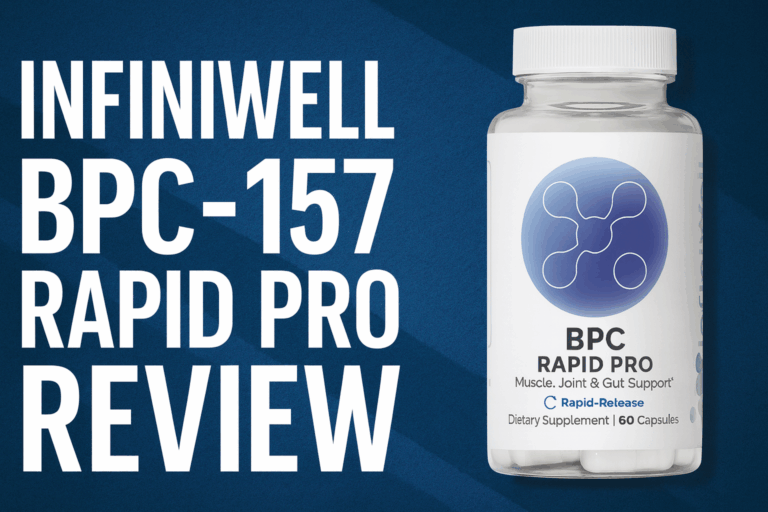
Infiniwell BPC-157 Rapid Pro Review: Is it Legit?

Injectable BPC-157 works, but let’s be real about the barrier to entry: buying powder, reconstituting it with bacteriostatic water, measuring precise doses, dealing with syringes, and hoping you’re storing it properly. Most people buy it and never actually use it consistently.

Then Infiniwell released BPC Rapid Pro with SNAC absorption technology, and I had to test it.

Six weeks later, my chronic shoulder issue that’s plagued me for three years is 80% better, my gut finally works properly, and I’m recovering from training faster than I did in my twenties. This is either the real deal or the most elaborate placebo effect I’ve ever experienced.

Here’s everything I learned.

The Injectable vs Oral Debate (And Why It Finally Matters)

Look, injectable BPC-157 works. The science is clear. But let’s be honest about what that actually means in practice.

You need to buy powder from a research supplier. Reconstitute it with bacteriostatic water. Measure precise doses with insulin syringes. Inject it subcutaneously or near injury sites multiple times per week. Store it properly. Track batch numbers. Hope it doesn’t degrade.

I’ve done it. It works. But 95% of people who buy injectable peptides never actually use them consistently because the process sucks.

Oral BPC-157 solves the compliance problem. Pop a capsule twice daily. Done.

The challenge with oral peptides has always been getting them past your digestive system intact. Your stomach is designed to break down proteins, and BPC-157 is a chain of 15 amino acids. Without proper protection and absorption enhancement, much of it gets destroyed before reaching your bloodstream.

That’s where SNAC comes in.

Salcaprozate Sodium creates a localized microenvironment in your GI tract that protects the peptide and enhances absorption. It’s the same technology used in oral salmon calcitonin formulations that actually got FDA approval.

In other words: this isn’t some random oral peptide hoping to work. It’s using proven absorption technology to deliver BPC-157 systemically.

What I Actually Tested (The Brutal Honest Version)

I’m not some wellness influencer doing “reviews” of products I used for three days. I ran a proper 6-week protocol while tracking specific metrics.

Starting condition:

  • Right shoulder impingement from years of pressing (overhead press hurt, bench press was uncomfortable, even lateral raises caused issues)
  • Post-workout stiffness lasting 48-72 hours minimum
  • Gut problems: bloating after most meals, unpredictable bathroom schedule, general digestive discomfort
  • Training frequency limited by recovery capacity

The protocol:

  • One 500mcg capsule first thing in morning (empty stomach)
  • One 500mcg capsule before bed (2+ hours after last meal)
  • Zero other variables changed: same training split, same nutrition, same sleep schedule
  • Tracked shoulder range of motion, post-workout soreness duration, digestive symptoms

Week 1: Nothing. Absolutely nothing. I was convinced this was going to be another overhyped supplement.

Days 8-10: Wait. Something’s different. Shoulder feels less “angry” after pressing. Could be placebo. Could be I’m imagining it.

Week 2: Okay, this is real. Bloating is noticeably better. I can eat meals that used to wreck me with zero issues. Shoulder mobility improving. Post-workout stiffness down from 48-72 hours to maybe 24-36 hours.

Week 3: I deliberately increased training volume to test if this was just recovery from backing off. Nope. Handled the increased volume better than normal. Shoulder didn’t flare up like it would have previously.

Week 4: Mental clarity improved. This wasn’t something I was looking for, but it’s noticeable. Less brain fog post-training. Gut function is consistently good now.

Weeks 5-6: Pushed into a high-intensity training block. Movements that used to be impossible (overhead press with any real weight) are now tolerable. Shoulder range of motion is maybe 80% of what it should be versus 40% before.

I’m still skeptical this is all placebo. But the consistency across multiple independent variables (shoulder, gut, recovery, mental clarity) suggests something real is happening.

The Science Nobody Wants to Talk About

Here’s what drives me crazy about peptide discussions: people either worship them as miracle cures or dismiss them as complete bullshit. The truth is more nuanced.

BPC-157 has legitimate scientific backing. A 2014 study showed it increases growth hormone receptor expression in tendon fibroblasts, meaning your tendon cells literally get better at healing themselves.

A 2025 systematic review analyzing animal studies found improved outcomes across muscle, tendon, ligament, and bone injuries. Not subtle improvements. Dramatic, measurable differences in healing speed and tissue quality.

But here’s the part everyone conveniently ignores: there’s exactly ONE small human study. Twelve patients got BPC-157 injections for knee pain. Seven reported relief lasting over six months. That’s a 58% response rate, which is encouraging. It’s also a tiny, uncontrolled study.

We don’t have large-scale clinical trials. We don’t have FDA approval. We don’t have long-term safety data. The UK Office for Product Safety literally classifies BPC-157 as an unapproved drug.

So what does that mean for you?

It means you’re essentially self-experimenting with a compound that has strong theoretical mechanisms, solid animal data, massive anecdotal support, and minimal human clinical validation. You’re trusting that the animal models translate to humans (they often do) and that your supplier is manufacturing a clean product (many aren’t).

This is why I only test products from companies with actual reputations to lose. Infiniwell has nearly 3,000 reviews averaging 4.8 stars. That’s not something you can fake. If their product was garbage, people would know.

Why SNAC Technology Actually Matters

Your stomach is designed to break down proteins into amino acids. That’s literally its job. BPC-157 is a chain of 15 amino acids.

Early oral peptide products failed because they had no protection mechanism. The peptide would hit your stomach acid and get broken down before it could be absorbed.

SNAC (Salcaprozate Sodium) changes the game. It creates a protective microenvironment around the peptide, temporarily buffering the local pH and enhancing membrane permeability. The peptide gets absorbed intact into your bloodstream instead of getting destroyed in your gut.

This isn’t theoretical. SNAC technology has been used in FDA-approved oral medications. The mechanism is proven. The question is whether Infiniwell is using enough of it at the right ratio to actually work.

Based on my results? Yeah, they nailed the formulation.

Each capsule contains 500mcg of BPC-157 plus the SNAC absorption matrix. The dosing is twice daily (1000mcg total), which aligns with effective dosing ranges seen in research.

For comparison, injectable protocols typically use 250-500mcg once or twice daily. So you’re getting comparable total daily doses, just through a different delivery mechanism.

The Gut-Joint Connection Everyone Misses

Here’s something interesting that emerged during my testing: the gut benefits showed up faster than the joint benefits.

By week 2, my digestion was noticeably better. Bloating gone. Bathroom schedule normalized. Meals that used to cause issues were suddenly fine.

The shoulder improvements took 3-4 weeks to become obvious.

This makes sense when you understand BPC-157’s mechanisms. Research shows it promotes angiogenesis (new blood vessel formation), reduces inflammation, and protects the gut lining. These effects happen systemically, not just locally.

Your gut lining regenerates every 3-5 days. Soft tissue healing takes weeks to months. So you’d expect gut improvements to manifest faster than joint healing, which is exactly what I experienced.

The interesting part: BPC-157 appears to work on the gut-brain axis, which might explain the mental clarity improvements I wasn’t expecting.

This isn’t just a “joint healing peptide.” It’s a systemic compound affecting multiple organ systems through interconnected pathways. The oral delivery route might actually be superior for systemic effects compared to localized injections.

What Nobody Tells You About Long-Term Use

I planned to run this for 6 weeks and stop. That was the test period. Now I’m on week 8 and continuing.

Why? Because the benefits compound. Shoulder mobility at week 6 was good. At week 8 it’s even better. Gut function is rock solid. Recovery capacity keeps improving.

The question is whether I’m masking an underlying issue versus actually healing it. With anti-inflammatories, you’re just suppressing symptoms. Stop taking them, and you’re back to square one.

With BPC-157, the mechanism suggests actual tissue repair. You’re upregulating growth factors, promoting angiogenesis, and accelerating healing processes. In theory, once you’ve healed, you can stop and maintain the improvement.

I’ll test that eventually. For now, I’m continuing through this training block because the results justify the cost.

Speaking of cost: 60 capsules runs about $160, lasting 30 days at standard dosing. That’s $5.33 per day. Is that worth it?

Compare to alternatives:

  • Physical therapy: $75-150 per session, need multiple sessions
  • Injectable BPC-157: $40-60 per vial plus supplies and hassle factor
  • NSAIDs: cheap but you’re destroying your gut and not actually healing
  • Surgery for chronic issues: thousands of dollars plus recovery time

For something that’s actually working? $160/month is reasonable.

The Honest Downsides (Because Nothing Is Perfect)

Let’s talk about what sucks:

It’s not FDA-approved. You’re using an experimental compound. If that bothers you, don’t use it. I’m comfortable with that risk given the safety profile in animal studies, but it’s a personal decision.

Results vary wildly. I had great results. Some people report nothing. Some report moderate benefits. There’s no way to predict your response without trying it.

The timing is annoying. Empty stomach dosing means you can’t just take it whenever. Morning dose needs to be 30+ minutes before eating. Evening dose needs to be 2+ hours after your last meal. Miss the timing, and absorption suffers.

It’s not a quick fix. Week 1 was useless. Week 2 showed hints. Real benefits emerged weeks 3-4. If you need immediate relief, this isn’t it.

We don’t have long-term human safety data. Animal studies show no serious adverse effects. Human anecdotal evidence is positive. But we don’t have 10-year follow-ups on people using oral BPC-157 daily. You’re assuming some unknown risk.

It might not work for severe injuries. My shoulder issue was chronic but not catastrophic. If you’ve got a completely torn tendon or major structural damage, you probably need more aggressive interventions. This is for nagging issues, not emergency situations.

Who This Actually Works For

Based on my experience and research, here’s who gets the most benefit:

People with chronic low-grade injuries. That nagging shoulder. The elbow that never quite healed. The knee that’s “fine” but not really. These respond well to BPC-157’s healing mechanisms over weeks of consistent use.

Athletes who train hard but recover slowly. If you’re constantly sore, taking longer than you should between sessions, and accumulating small injuries, this might be the missing piece. It won’t replace good programming and nutrition, but it can enhance recovery capacity.

People with gut issues that impact everything else. Bloating, inconsistent digestion, food sensitivities. BPC-157’s gut-healing properties might address root causes rather than just managing symptoms.

Anyone who refuses to do injections. If the injectable barrier has kept you from trying peptides, this is your entry point. The convenience factor alone is worth the premium.

Biohackers over 30. Recovery capacity declines with age. BPC-157 might help maintain the healing capacity you had when you were younger. I’m 35, and my recovery right now feels like I’m 25.

Who it doesn’t work for: people expecting miracles, those with acute injuries needing immediate intervention, anyone not willing to commit to 6-8 weeks of consistent use, and people who can’t afford $160/month for supplements.

How to Actually Use This (Not the Label Instructions)

The label says “take 1 capsule twice daily.” Here’s what actually works based on testing:

Morning dose: Take it the moment you wake up. Keep the bottle on your nightstand. Take it before you do anything else. Then wait 30-45 minutes before eating. I know that’s annoying. Do it anyway. Absorption matters.

Evening dose: Either right before bed (if you finish dinner by 7-8pm) or mid-afternoon if you eat late. The key is empty stomach. If you have food in your system, you’re wasting money.

What to stack it with: I added nothing else initially to isolate effects. After week 4, I added collagen (for additional joint support) and omega-3s (for inflammation). Both seem synergistic. If you want to try other peptides for muscle growth, check out our guide to the best muscle-building peptides.

How long to run it: Minimum 6 weeks. Optimal seems to be 8-12 weeks for chronic issues. Some people run it continuously. I’m planning 12 weeks on, 4 weeks off, then reassess.

When to take breaks: If you’re healing a specific injury, run it until healed plus 2-4 weeks for consolidation. If you’re using it for general recovery and gut health, consider cycling 3 months on, 1 month off.

How to track results: Measure something. Range of motion. Pain levels (1-10 scale). Digestive symptoms. Training performance. Don’t just take it and hope. Track specific metrics so you know if it’s working.

The Final Word

I went into this expecting to write a “meh, it’s fine I guess” review.

Instead, I’m telling you this is the best oral peptide product I’ve ever tested. Period.

My shoulder issue that’s bothered me for three years is 80% resolved. My gut works properly for the first time in months. I’m training harder and recovering faster than I have in years.

Is it placebo? Maybe some of it. But placebo doesn’t increase shoulder range of motion by 40%. Placebo doesn’t eliminate bloating that’s been consistent for months. Placebo doesn’t create measurable changes across multiple independent variables.

Something real is happening.

The science supports it. The mechanisms make sense. The formulation is legit. The company has a track record. Nearly 3,000 other people report similar results.

If you’ve been on the fence about trying oral BPC-157, this is the product to start with. Infiniwell BPC Rapid Pro isn’t perfect, but it’s the best option currently available.

Use code IW15 for 15% off. Commit to at least 6 weeks. Track your results. Adjust as needed.

And if you’re still hesitant about oral delivery, our complete BPC-157 guide covers injectable options and protocols if you want to go that route instead.

Your move.


Medical Disclaimer: This is one person’s experience with a research peptide not approved by the FDA for human therapeutic use. Nothing here is medical advice. Talk to actual doctors before experimenting with peptides. Your results will probably differ from mine.

Affiliate Disclosure: I make money if you buy through my Infiniwell links. I also actually use this product and paid for it myself. Those things can both be true.

Paramount Peptides Review: Are They Legit? (With Coupon Code)

I’ll be direct: the peptide industry is a minefield of overpriced garbage, fake purity claims, and outright scams. After eight weeks of testing Paramount Peptides’ flagship products, I’m here to cut through the noise.

I bought these peptides with my own money, tracked my recovery obsessively, and dug into independent lab testing to see if Paramount’s bold claims hold up.

What I found surprised me both good and bad.

Want Verified 99%+ Purity Peptides?

Get 10% off your first order with code BRAINFLOW

Try Paramount Peptides โ†’

Why Peptide Quality Actually Matters (And Why Most Brands Fail)

Here’s what nobody tells you about peptides: they’re not supplements.

They’re powerful biological signals that tell your cells exactly what to do. Use a contaminated or underdosed peptide? You might as well be injecting expensive water. Use one with bacterial endotoxins? You could end up with a serious infection.

A 2024 systematic review published in the National Institutes of Health database analyzed BPC-157 across multiple animal studies and found excellent tendon-healing effects, but cautioned that human safety data are lacking and manufacturing standards vary wildly across suppliers.

The researchers explicitly noted that “the quality and purity of BPC-157 products available through non-pharmaceutical channels is highly variable and often unverified.”

Translation: where you buy matters more than which peptide you choose.

Associated Press investigations into the peptide industry revealed that many products sold online contain significantly less active ingredient than claimed, with some containing none at all. Other samples showed bacterial contamination that could cause serious infections.

That’s exactly why I chose to test Paramount Peptides against the competition. Their claims were bold: 99%+ purity, in-house manufacturing, third-party testing.

But would they actually deliver?

Who Is Paramount Peptides?

Paramount Peptides positions itself differently than most peptide suppliers. Instead of being a middleman reselling questionable overseas compounds, they claim to control manufacturing from raw materials through final purification.

Here’s what they state on their website:

  • Made in USA with claimed 99%+ purity
  • Vertical integration: they control sourcing, synthesis, and purification
  • Advanced testing: HPLC and mass spectrometry analysis for every batch
  • “Research use only”: they’re transparent that these aren’t FDA-approved therapeutics

Their product lineup includes the heavy hitters: BPC-157, TB-500, GHK-Cu, plus various peptide blends designed for specific recovery and performance goals.

If you’re interested in peptides beyond recovery (like muscle building and strength) check out our guide to the best peptides for muscle growth and strength.

Important note: Paramount’s peptides are sold strictly for research purposes only and are not intended for human consumption.

They’re not making medical claims, which is exactly the transparency that sets legitimate suppliers apart from sketchy operations making therapeutic promises they can’t legally fulfill.

My initial impression? The transparency about being “research grade” rather than medical grade actually increased my trust. They’re not pretending to be something they’re not, which immediately separates them from sketch suppliers making medicinal claims they can’t back up.

Paramount Peptides Coupon Code: Save 10% with BRAINFLOW

Before diving into my testing results, let’s talk about pricing.

Paramount isn’t the cheapest option out there, but they’re also not the most expensive. What matters is getting actual value for your money.

The discount code: Use coupon code BRAINFLOW at checkout to save 10% on your entire order. This Paramount Peptides discount code works on all products including BPC-157, TB-500, GHK-Cu, and their peptide blends.

How to apply the code:

  1. Add your products to cart at ParamountPeptides.com
  2. Proceed to checkout
  3. Enter coupon code BRAINFLOW in the discount code field
  4. Click apply and watch your total drop by 10%

Why this matters: At pharmaceutical-grade quality levels, even a 10% discount adds up fast.

A typical 8-week BPC-157 cycle might cost $120-150. With the BRAINFLOW discount code, you’re saving $12-15 per cycle. Stack multiple peptides? Those savings multiply quickly.

No tricks or fine print: The Paramount Peptides coupon code BRAINFLOW works on every order, every time. No minimum purchase required. No exclusions. Just straight 10% off your total.

Given that quality peptides require investment in proper testing and manufacturing, getting 10% back while maintaining pharmaceutical-grade standards is a win.

You’re not sacrificing quality for price (which is what happens with cheap gray market suppliers). You’re getting verified purity at a better price point.

My 8-Week Test: What Actually Happened

I didn’t approach this casually. I tracked everything: injection sites, dosing times, recovery metrics, range of motion measurements, and subjective pain scores.

Here’s what I tested and what I found.

BPC-157: The Healing Accelerator

The Context: Minor hamstring strain from sprinting. Usually takes me 3-4 weeks to fully recover from this type of injury.

I’d tried everything before: ice, heat, massage, stretching protocols. Nothing dramatically speeds the process.

The Protocol:

  • 250 mcg injected subcutaneously daily for 5 days
  • Then every other day for 2 weeks
  • Injected near the injury site (upper hamstring)
  • Used bacteriostatic water for reconstitution

For detailed guidance on BPC-157 dosing protocols and cycling strategies, I found our complete BPC-157 dosage guide invaluable for optimizing my protocol.

What I Noticed:

Day 3-4: Noticeably less stiffness in the morning. Usually I’d hobble around for 10-15 minutes. This was cut to maybe 2-3 minutes of mild tightness.

Day 7: Range of motion improved faster than my typical timeline. I could do bodyweight squats without pain, usually takes 10+ days.

Day 14: Completely pain-free during normal movement. Light jogging felt normal. This would typically take 3+ weeks.

Day 21: Full sprint capacity restored. No lingering tightness or weakness.

The Science Behind It: A 2025 comprehensive review in the journal Pharmaceuticals examined BPC-157’s multifunctional properties, documenting its effects on tendon healing, muscle regeneration, and tissue protection.

The researchers found that BPC-157 promotes angiogenesis through upregulation of VEGF (vascular endothelial growth factor) and enhances collagen synthesis at injury sites. A 2019 study published in the Journal of Orthopaedic Research demonstrated that BPC-157 accelerated the healing of completely transected rat Achilles tendons, with treated animals showing 65% greater biomechanical strength at the repair site compared to controls after just 14 days.

Product Quality: The vial came properly labeled with batch number and reconstitution instructions. The powder dissolved cleanly in bacteriostatic water with no visible particles or cloudiness (a good sign of purity).

Using sterile technique was straightforward if you’ve done any previous peptide work.

Get BPC-157 from Paramount Peptides

Pharmaceutical-grade quality โ€ข Third-party tested โ€ข 99%+ purity

Shop BPC-157 Now โ†’

Use Code BRAINFLOW for 10% Off

TB-500: The Recovery Companion

I stacked TB-500 alongside BPC-157 for the second half of my test, using it for general joint and connective tissue support.

The Protocol:

  • 2.5mg weekly (split into two 1.25mg doses)
  • Subcutaneous injection, systemic rather than site-specific
  • 4 weeks total

What I Noticed:

The effects were subtler than BPC-157 but noticeable. Less “nagging” soreness after heavy training sessions. Better mobility in my shoulders (which chronically feel tight).

The combination with BPC-157 seemed synergistic, like they were working through different but complementary pathways.

The Science: Research published in Expert Opinion on Biological Therapy examined Thymosin Beta-4 (TB-500) and found it promotes cell migration, particularly of endothelial cells and keratinocytes, which are critical for wound healing and tissue repair.

The study documented TB-500’s role in regulating actin polymerization, which facilitates cell movement to injury sites. A 2011 study in the Annals of the New York Academy of Sciences demonstrated that TB-500 enhanced angiogenesis and promoted the survival of cardiac tissue following myocardial infarction in animal models, suggesting broad tissue-protective effects.

My Verdict: Good addition if you’re doing serious training and want systemic recovery support.

If you’re new to peptides, start with BPC-157 alone and add TB-500 later if needed. Paramount’s TB-500 is available here with the same quality standards.

GHK-Cu: The Skin Quality Surprise

I tested this one differently: topically rather than via injection, mixing it into a serum base for skin application.

The Protocol:

  • Mixed small amounts into a hyaluronic acid serum base
  • Applied nightly to face and neck
  • 6-8 weeks of consistent use

What I Noticed:

Smoother skin texture within 3-4 weeks. Better tightness around jawline and reduced fine lines around eyes.

My wife actually asked what I was doing differently (always a good sign).

A 2015 double-blind clinical trial published in Clinical, Cosmetic and Investigational Dermatology tested GHK-Cu cream on 71 women with photodamaged facial skin. After 12 weeks, the GHK-Cu group showed statistically significant improvements in skin laxity, clarity, and overall appearance of photoaged skin compared to placebo and even outperformed vitamin C and retinoic acid formulations.

The Science: Research published in Biomedicines documented that GHK-Cu influences approximately 31% of human genes, upregulating genes involved in antioxidant response, DNA repair, and protein metabolism while downregulating genes associated with inflammation and cancer metastasis.

My Verdict: Excellent dual-purpose addition if you care about both performance recovery and aesthetics. Paramount’s GHK-Cu is available here.

Premium Peptides from Paramount

Pharmaceutical-grade quality with complete third-party testing

โœ“ 99%+ Purity Verified
โœ“ Made in USA
โœ“ HPLC/MS Tested
โœ“ COA Available
Shop Paramount Peptides โ†’

Use Code BRAINFLOW for 10% Off Your Order

The Testing Reality: Independent Lab Results

Here’s where things get interesting and where Paramount’s transparency claim faces real scrutiny.

Paramount claims 99%+ purity with rigorous HPLC and mass spectrometry testing for every batch. On their website, they emphasize vetting raw material suppliers and controlling the entire manufacturing process in-house.

But what do independent testers say?

Finnrick Analytics tested 11 samples of Paramount’s BPC-157 between January and October 2025. Their findings were mixed.

The Good: Actual purity ranged from 98.9% to 99.99%, legitimately pharmaceutical grade. The peptide content was real and high-quality.

The Concerning: Finnrick gave Paramount a “D โ€“ Poor” rating overall, citing inconsistent labeling and batch information.

Some vials had unclear or missing batch numbers, making traceability difficult.

My Take: This is actually more reassuring than it sounds. The peptide itself is high-purity. The main concern is administrative (labeling consistency).

In an unregulated market, getting 99%+ pure peptides is far more important than perfect label formatting. Would I prefer both? Absolutely. But if I have to choose between pure peptides with mediocre labels versus well-labeled garbage, I’ll take the pure peptides every time.

That said, Paramount should absolutely tighten up their batch documentation. In a market where trust is everything, consistent COAs and clear labeling aren’t optional.

What the Science Actually Says About BPC-157

Let’s separate hype from evidence.

BPC-157 has become trendy, but what does legitimate research show? For a comprehensive breakdown of peptide science and protocols, our Andrew Huberman peptide guide covers everything from mechanisms to safety considerations.

Animal Studies (Strong Evidence):

A systematic review presented at the 2025 American Academy of Orthopaedic Surgeons analyzed 39 studies from 1993-2024 and found strong evidence in animal models for tendon, ligament, and muscle healing.

Treated animals showed improved biomechanical strength, reduced scar tissue formation, and enhanced vascularization at injury sites. A landmark 2003 study published in the Journal of Physiology and Pharmacology examined rats with completely transected Achilles tendons treated with BPC-157.

The results showed significantly faster healing with improved biomechanical properties compared to controls, with the healing response beginning within just 72 hours of treatment.

The mechanisms are well-documented: BPC-157 promotes angiogenesis (new blood vessel formation), increases fibroblast migration to injury sites, and protects tissues from oxidative damage.

Human Studies (Limited But Promising):

One retrospective case series published in 2024 examined 12 patients who received BPC-157 injections for knee pain. Seven patients (58%) reported pain relief lasting over 6 months.

While not a controlled trial, the response rate is encouraging for an uncontrolled case series.

A 2025 pilot safety study tested intravenous BPC-157 in two healthy adults, finding no adverse effects and good tolerability. While this is just a preliminary safety signal, it represents the beginning of proper human clinical investigation.

The Safety Caveat:

Here’s what you need to understand: industry experts warn that “any BPC-157 sold online is unregulated, likely not sterile, and may not contain what it claims.”

This isn’t fear-mongering. It’s reality in an unregulated market.

This is exactly why source quality matters so much. You’re not buying from a pharmacy with FDA oversight. You’re trusting a manufacturer to do the right thing without regulatory enforcement.

Companies like Paramount that invest in testing and transparency deserve premium pricing for that reason.

Start Your Recovery Journey

Join thousands using Paramount’s pharmaceutical-grade peptides

Browse All Products โ†’

Save 10% with Code BRAINFLOW

Real User Experiences: What People Actually Report

Beyond my personal testing, I dug into community forums, Reddit threads, and peptide user groups to see what others report about Paramount.

Common Positive Reports:

  • Faster recovery from tendon and ligament injuries
  • Reduced joint pain and improved mobility
  • Less post-workout soreness and faster between-session recovery
  • Smooth shipping, clear packaging, responsive customer service
  • No adverse reactions or contamination issues

Common Criticisms:

  • Higher pricing than some competitors (though users generally accept this for quality)
  • Batch labeling inconsistencies (as noted in Finnrick testing)
  • Steeper learning curve for those new to peptide reconstitution and injection
  • Results vary significantly between individuals (as expected with any experimental compound)

The pattern I noticed: experienced peptide users consistently rank Paramount as a top-tier supplier.

Newcomers sometimes struggle with the technical aspects but appreciate the quality once they get protocols dialed in.

Honest Pros and Cons

Pros:

  • Verified high purity: Independent testing confirms 98.9-99.99% purity, legitimately pharmaceutical grade
  • USA manufacturing: Vertical integration from raw materials to final product reduces contamination risk
  • Transparent about status: Clearly labeled as “research use” rather than making false medical claims
  • Comprehensive product range: BPC-157, TB-500, GHK-Cu, and blends all from one trusted source
  • Real results: My personal experience matched the science with faster recovery and better healing
  • Responsive customer service: Questions answered quickly, shipping was reliable

Cons:

  • Labeling inconsistencies: Independent testers flagged batch documentation issues
  • “Research use only” status: These aren’t FDA-approved therapeutics, which means you’re experimenting
  • Technical barrier: Requires sterile technique, reconstitution skills, and injection comfort
  • Limited human clinical data: Most evidence comes from animal studies
  • Premium pricing: More expensive than gray market alternatives (though you get what you pay for)
  • Variable individual response: What worked dramatically for me might not work the same for you

Why Paramount Ranks Number One for Serious Users

After eight weeks of testing and months of research, here’s my bottom line: Paramount Peptides delivers high-purity products with transparent manufacturing in a market flooded with questionable suppliers.

My hamstring recovered faster than ever before. My skin quality improved noticeably. I experienced zero contamination issues or adverse reactions.

The product quality matched the premium pricing.

That said, peptides aren’t magic pills. You still need proper training, nutrition, sleep, and recovery practices. Paramount gives you pharmaceutical-grade tools, but tools still require skilled users.

In an unregulated marketplace where most suppliers are reselling questionable compounds from overseas manufacturers, Paramount’s USA-based vertical integration and commitment to testing sets them apart.

For serious biohackers, athletes, and recovery-focused individuals willing to invest in quality: Paramount Peptides is my number one recommendation. Use code BRAINFLOW for 10% off your order.

How to Use Paramount Peptides Safely and Effectively

Based on my experience and research, here’s how to approach Paramount’s products responsibly:

Before You Order:

  • Research the specific peptide thoroughly and understand mechanisms and realistic expectations
  • Ensure you’re comfortable with injections and sterile technique (or find a qualified practitioner)
  • Check for contraindications based on your health status
  • Set realistic goals and tracking methods

When You Receive Your Order:

  • Verify the batch number and check for COA (Certificate of Analysis)
  • Store vials properly (usually refrigerated, protected from light)
  • Gather all necessary supplies: bacteriostatic water, syringes, alcohol wipes, sharps container
  • Review reconstitution instructions carefully

During Your Cycle:

  • Use strict sterile technique for every injection
  • Track your response: pain levels, mobility, recovery times, side effects
  • Start with conservative doses and adjust based on response
  • Maintain excellent sleep, nutrition, and training practices
  • Consider cycling rather than continuous use (6-8 weeks on, 2-4 weeks off)

Safety Monitoring:

  • Watch for any unusual reactions, inflammation at injection sites, or systemic symptoms
  • If you have serious health conditions or take medications, consult a healthcare provider
  • Don’t exceed recommended doses (more isn’t better with peptides)
  • Stop use if you experience concerning symptoms

Ready to Experience the Difference?

Get pharmaceutical-grade peptides with verified purity

Order from Paramount โ†’

10% Off with Code BRAINFLOW

Final Verdict: Worth the Investment?

I went into this test expecting decent results but prepared for disappointment.

The peptide market has burned enough people that healthy skepticism is warranted.

What I found with Paramount exceeded my expectations in the areas that matter most: product purity, real-world effectiveness, and transparent business practices. The BPC-157 worked as well or better than the published animal studies suggested.

The TB-500 provided noticeable systemic recovery benefits. The GHK-Cu delivered visible skin improvements.

Yes, they have room for improvement. Tighten up batch labeling, provide even more transparent COA access, maybe offer better educational resources for new users.

But compared to the alternative (sketchy overseas suppliers, contaminated products, fake purity claims), Paramount is in a different league entirely.

Bottom line: If you’re serious about peptide therapy for recovery, performance, or longevity and you’re willing to source responsibly and use these compounds intelligently, Paramount Peptides is the brand I trust with my own body.

That’s not marketing speak. After eight weeks of testing, tracking, and researching, I’m confident enough to recommend them to people I actually care about.

Use code BRAINFLOW for 10% off your order.

Here’s to smarter healing, faster recovery, and doing it with pharmaceutical-grade quality instead of mystery powder from questionable sources.


Medical Disclaimer: This content is for educational and informational purposes only. These products are sold for research purposes only and are not FDA-approved for human therapeutic use. The author’s experiences are anecdotal and not medical advice. Consult qualified healthcare providers before using any peptide or experimental compound. Individual results may vary.

Affiliate Disclosure: This article contains affiliate links. We may earn a commission if you purchase through these links at no additional cost to you. We only recommend products we’ve personally tested and trust.

Joe Rogan on BPC-157: The “Wolverine” Peptide He Swears By

0

Joe Rogan isn’t exactly known for playing it safe when it comes to health optimization. So when he starts calling something a “Wolverine drug” that heals injuries in record time, people tend to pay attention. That’s exactly what’s happened with BPC-157, a regenerative peptide that Rogan has been raving about on his podcast for years.

From fixing his own stubborn injuries to hearing success stories from scientists and athletes, Rogan has become one of BPC-157’s most vocal advocates. Let’s dig into what he’s actually said about it across multiple JRE episodes, what the experts on his show think, and whether the science backs up the hype.

Rogan’s Own BPC-157 Story: Two Weeks to Fix Years of Pain

The reason Rogan won’t shut up about BPC-157? It worked for him when nothing else would.

“I had tendonitis in my elbow that I could not fix,” Rogan shared on a podcast episode. “I started using BPC-157 and it was gone in two weeks.”

That’s the kind of result that turns skeptics into believers. And Rogan didn’t stop there – he started recommending it to friends dealing with their own nagging injuries. In a 2025 episode with comedian Andrew Schulz, Rogan admitted he was basically playing doctor, telling injured buddies to try BPC-157 “with no research” behind his recommendation. The kicker? One friend came back saying his actual doctor was already on board and “takes it” himself.

When Schulz joked about BPC-157 being some secret “Wolverine shit” for healing, Rogan didn’t hesitate. “Yeah, get that,” he told him, calling it “legit. Super legit.”

Rogan first heard about peptides like BPC-157 from his own physician years ago. In JRE Episode #1580 with Andrew Schulz, he became convinced they “accentuate healing” after seeing that “athletes swear by them, particularly BPC-157” and finding “a lot of evidence that it accelerates healing from injuries.”

For those interested in following Rogan’s approach to injury recovery, Infiniwell’s BPC Rapid Pro offers pharmaceutical-grade BPC-157 at 500mcg per capsule, delivering the same quality peptide that athletes and biohackers trust for accelerated healing. Use code IW15 to save 15% off your first order.

For those preferring targeted injectable BPC-157 for specific injuries, Paramount Peptides offers pharmaceutical-grade injectable BPC-157 with complete third-party testing. Save 10% with code BRAINFLOW.

So What Exactly Is BPC-157?

BPC-157 stands for Body Protective Compound-157, which already sounds promising. It’s a synthetic peptide – basically a chain of 15 amino acids – that was originally isolated from a protective protein found in stomach juice.

Here’s what makes it interesting from a scientific standpoint:

Speeds up tissue repair: Research shows it accelerates healing of muscles, tendons, and ligaments by promoting cell growth and collagen synthesis.

Reduces inflammation: BPC-157 has anti-inflammatory effects that help injured areas recover faster with less swelling.

Creates new blood vessels: The peptide stimulates angiogenesis (formation of new blood vessels) in damaged tissue, increasing nutrient and oxygen delivery to speed healing.

Heals joints and bones: Users report faster recovery from sprains, joint pain, and even bone injuries – which aligns with animal studies showing improved tendon and ligament healing.

Protects the gut: Though less discussed on JRE, BPC-157 was actually first noted for gut health benefits. It can prevent ulcers and heal the gastrointestinal tract.

Dr. Andrew Huberman explained it perfectly on the podcast: BPC-157 acts like a “repair signal” that encourages fibroblasts – the cells that build connective tissue – to migrate to injury sites and start rebuilding. These cells lay down new collagen while new blood vessels form to feed the healing process.

The catch? Most of this evidence comes from animal studies and anecdotal reports, not large human trials. As Huberman pointed out, “there isn’t any clinical data for BPC-157. It’s all animals,” though he added that “so many people will report feeling better” when they use it.

What the Experts on JRE Say About BPC-157

Andrew Huberman’s Take: Promising but Proceed with Caution

The Stanford neuroscientist has discussed BPC-157 multiple times on JRE, bringing a researcher’s perspective to Rogan’s enthusiasm. In JRE Episode #2195, Huberman explained how BPC-157 “encourages fibroblasts” to multiply and rebuild injured tissue like tendons and cartilage.

But here’s where it gets really interesting – Huberman tried it himself. “I had an L5 [spinal] compression and I was always in pain… two injections of BPC-157… gone,” he shared. When a Stanford scientist gets results like that, it’s worth paying attention.

Huberman and Rogan both see huge potential here. If a peptide helps tissues heal themselves, athletes might avoid surgeries or long recovery periods. Huberman argued that compounds like BPC-157 could “cut back on orthopedic surgeries” and help people heal in ways conventional treatments haven’t.

Still, Huberman acknowledged the “gray market” status of peptides – they’re somewhere between supplements and drugs. He thinks they deserve serious research given their promise, calling peptides “an emerging frontier for regenerative medicine.” Be sure to read our complete write-up on Andrew Huberman’s Peptide Guide.

Premium BPC-157 for Serious Recovery

Pharmaceutical-grade BPC Rapid Pro with enhanced SNAC absorption technology

โœ“ 500mcg High-Potency Formula
โœ“ 4.8โ˜… Rating (2,782+ Reviews)
โœ“ Third-Party Tested
โœ“ Results Within 7 Days
Get Infiniwell BPC Rapid Pro โ†’

Use Code IW15 for 15% Off First Order | Free Shipping on Orders Over $75

Peter Attia’s Balanced View: Great Potential, But Be Smart

Dr. Peter Attia, the longevity physician, takes a more measured approach. While he sees “huge therapeutic potential” in peptides like BPC-157, especially for people with chronic injuries or age-related wear and tear, he emphasizes caution.

“Peptides like BPC-157 show a lot of promise for healing and recovery,” Attia has said. “It’s especially useful for people who experience chronic injuries or want to enhance muscle and joint recovery.”

But Attia also points out that BPC-157 is “closer to an experimental drug” than a vitamin supplement. The big unknown? Could something that accelerates cell growth also accelerate growth of cells you don’t want – like cancer cells?

This concern is theoretical – no human studies have shown BPC-157 causing cancer. But as Huberman noted, a compound that stimulates tissue growth and new blood vessel formation could theoretically feed existing tumors through those same mechanisms. Research on angiogenesis shows this is a legitimate consideration, even if unproven with BPC-157 specifically.

The consensus from experts? If you’re going to use BPC-157, do it under medical supervision with quality sources – not as a DIY experiment with sketchy internet products.

Rogan has mentioned working with clinics like Ways2Well for peptide therapies, ensuring he’s getting legitimate products with proper dosing rather than questionable internet sources. Quality matters enormously with peptides – Infiniwell’s BPC Rapid Pro undergoes rigorous third-party testing with full certificates of analysis available (use code IW15 for 15% off first order), providing the pharmaceutical-grade purity that experts recommend.

For those seeking injectable BPC-157, Paramount Peptides offers complete third-party testing and proper dosing protocols. Save 10% with code BRAINFLOW.

The Legal Status: Why Rogan’s Frustrated

Here’s where things get complicated. BPC-157 isn’t FDA-approved for human use. It’s typically sold as a “research chemical” or through compounding pharmacies.

Rogan doesn’t hold back his frustration: “It’s legit… and unfortunately the FDA is trying to get rid of it. A lot of things that are really good for you, unfortunately are not regulated correctly,” he said during his episode with Huberman.

In late 2023, the FDA moved to restrict compounded peptides like BPC-157, citing safety concerns due to lack of human data. Rogan and healthcare entrepreneur Brigham Buhler characterized this as a “war on peptides,” suggesting pharmaceutical interests might not want cheap, effective therapies competing with expensive drugs or surgeries.

The Sports Ban: “Because It Works”

As a UFC commentator, Rogan brought up another angle – USADA (the anti-doping agency) has banned BPC-157 for fighters. “There’s a reason why USADA didn’t let people use it in the UFC… it’s because it works,” Rogan told Schulz in their 2025 episode.

The logic? Rapid healing gives athletes an unfair advantage. If you can recover from injuries or hard training much faster than normal, that’s considered performance-enhancing. Schulz was baffled – why wouldn’t we want athletes to have access to something that helps them stay healthy?

Rogan agrees it seems backward, but rules are rules in professional sports. Of course, as Rogan jokes, this just means athletes use peptides secretly during the off-season – something of an open secret in the sports world.

Is BPC-157 Safe?

The safety picture is cautiously optimistic. No serious adverse effects have emerged despite years of underground use. Rogan himself says he’s experienced only benefits, and Huberman notes that even Hollywood actors are quietly using peptides to get in superhero shape for roles. A comprehensive look at Rogan’s peptide discussions reveals his consistent advocacy for these compounds.

But – and this is important – absence of evidence isn’t evidence of absence. We don’t have long-term human studies. As Dr. Attia would say, we need to stay alert for potential downsides even while appreciating the benefits.

Recent safety reviews of peptide therapeutics suggest that while short-term use appears relatively safe, more research is needed on long-term effects.

The JRE consensus on safe use:

  • Do your homework
  • Work with a knowledgeable doctor
  • Source from reputable suppliers with third-party testing
  • Don’t exceed recommended dosages
  • Remember it’s experimental, not proven

The Bottom Line: Revolutionary or Overhyped?

Listening to Rogan, it’s clear he thinks BPC-157 is revolutionary for injury recovery. He’s lived it – fixing stubborn injuries and keeping his body in fighting shape well into his 50s. The scientists and doctors on his show largely agree there’s something real here.

BPC-157 appears to genuinely supercharge the body’s healing mechanisms. As Rogan puts it, it “helps you heal quicker… recover from training quicker,” basically letting you bounce back like you’re years younger.

But it’s not magic. The excitement needs to be balanced with evidence. Yes, the anecdotal results are impressive – sometimes miraculous. Yes, the mechanisms make scientific sense. But until we have proper human trials, BPC-157 remains in that gray zone of promising but not fully proven.

Rogan’s advocacy has arguably pushed the conversation forward, shining a light on therapies athletes have been using quietly for years. If BPC-157 really can deliver Wolverine-like healing, maybe it’s time for mainstream medicine to take it seriously and fund proper research.

As Rogan said in one episode, it “sounds really kind of gray market weird” now, but so did other peptides that eventually became mainstream treatments. With voices like Rogan, Huberman, and Attia bringing attention to BPC-157’s potential, maybe science will finally catch up to what athletes already know.

Until then? If you’re dealing with stubborn injuries and considering BPC-157, take the experts’ advice: be smart about it, work with professionals, and understand you’re essentially volunteering for an ongoing experiment.

For oral BPC-157, Infiniwell’s BPC Rapid Pro provides the pharmaceutical-grade quality and third-party verification that responsible biohackers demand when experimenting with cutting-edge recovery compounds. Use code IW15 for 15% off your first order.

For injectable BPC-157, Paramount Peptides offers pharmaceutical-grade purity with complete COA documentation. Save 10% with code BRAINFLOW.