
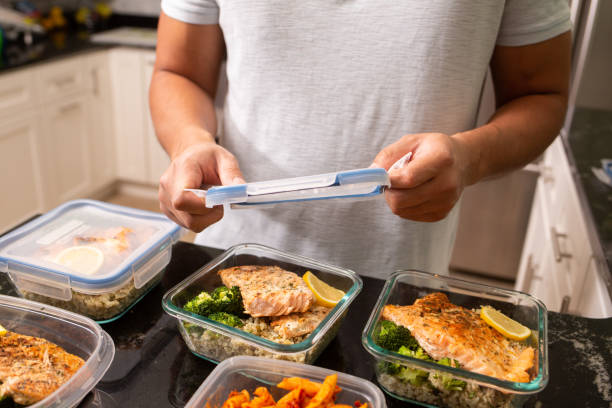

Sunday afternoon. Two hours. That’s all it takes to set yourself up for a week where you don’t have to think about food when your appetite is acting weird, your energy is low, or you just finished a dose increase and the idea of cooking makes your stomach flip.
Meal prep isn’t a new concept. But doing it while on a GLP-1 medication changes the math entirely. You’re not prepping for someone who eats three big meals a day with snacks in between. You’re prepping for someone whose appetite shows up randomly, whose portion sizes shift from day to day, and who needs to hit protein targets even when nothing sounds good.
That’s a different kind of prep. And most meal prep guides ignore it completely. This one doesn’t. Every meal here is high protein, easy on the stomach, and flexible enough to work whether you’re having a good appetite day or a “I can barely look at food” day. No complicated recipes. No ingredients you’ve never heard of. Just real food, prepped once, eaten all week.
Why Meal Prep Matters More on GLP-1 Medications
When your appetite is suppressed, you’d think eating would be the easy part. Just eat less, right? But the real challenge is eating enough of the right things. Most people on semaglutide or tirzepatide naturally cut their intake by 20 to 40 percent. That means fewer total calories, fewer total nutrients, and a much smaller window to get the protein your body needs to hold onto muscle.
A 2025 study presented at ENDO, the Endocrine Society’s annual meeting, found that roughly 40% of total weight lost on semaglutide comes from lean mass, including muscle. Women and older adults were at even higher risk. The researchers noted that higher protein intake appeared to help protect against this loss.
That statistic doesn’t get nearly enough attention in GLP-1 conversations. Losing 40 pounds sounds great until you realize 16 of those pounds may have been muscle. The medication doesn’t know the difference between fat and lean tissue. Your diet does.
Meal prep solves the biggest obstacle to eating well on these medications: decision fatigue on low appetite days. When you open the fridge and something is already made, portioned, and ready to heat, you eat it. When you have to start from scratch, you reach for crackers or skip the meal entirely. Both outcomes mean less protein, less nutrition, and a slower metabolism six months from now.
The Ground Rules
Before getting into the actual meals, here’s how this system works.
Every meal hits at least 25 grams of protein. That’s the floor. Most hit 30 or more. If you eat three of these meals a day, you’re landing somewhere between 80 and 120 grams of protein daily, which is the range most experts recommend for GLP-1 patients trying to preserve muscle.
A cheap kitchen food scale takes the guesswork out of portioning your proteins during prep. Twelve bucks, and you’ll actually know whether that chicken breast is 4 ounces or 6. It sounds tedious until the first time you realize you’ve been eyeballing half portions for two weeks and wondering why your protein numbers are off.
Everything stores well for 4 to 5 days in the fridge. A few items freeze well if you want to prep two weeks at once. Portions are built for GLP-1 appetites: smaller than standard meal prep portions, but more nutrient-dense. If you’re having a bigger appetite day, double up. If you can barely eat, have half and save the rest.
The total grocery cost for this week runs between $60 and $80, depending on where you shop. That’s less than most people spend eating out for three days, and it’s infinitely better for your macros.
Your Sunday Prep Session: The Game Plan
Here’s what you’re making in two hours. Read this section first so you can overlap cooking times. The key to staying under two hours is running the oven, stovetop, and rice cooker simultaneously. Sequential cooking is how people spend four hours on a Sunday and quit by week two.
Batch Proteins (Start These First)
These are the backbone of your week. Start them first because they take the longest and everything else can work around them.
- 2.5 lbs boneless skinless chicken breast: season with salt, pepper, garlic powder, and paprika. Bake at 400F for 22 to 25 minutes. Let cool, then slice or shred. This becomes protein for lunches and dinners all week.
- 1 lb ground turkey (93% lean): brown in a skillet with taco seasoning. This becomes your lunch base for 3 days.
- 1 dozen hard-boiled eggs: boil for 10 minutes, ice bath, peel, store. These are your grab-and-go protein for every nausea day, lazy morning, and between-meal moment.
While your proteins cook, start grains and vegetables. Don’t wait for one thing to finish before starting the next.
Batch Grains
- 2 cups dry brown rice or quinoa: cook according to package directions. This yields about 6 cups cooked, enough for most of the week. Quinoa has more protein per serving if you want to squeeze every gram out of your carbs.
- Whole wheat tortillas: no cooking required, just have them on hand for wrap days when you need something portable.
Batch Vegetables
Chop and roast a large sheet pan of mixed vegetables while proteins are still in the oven. Switch them in when the chicken comes out.
- 2 heads of broccoli, cut into florets
- 3 bell peppers (any color), sliced
- 2 zucchini, cut into half-moons
- 1 sweet potato, cubed small
Toss everything with olive oil, salt, and pepper. Roast at 400F for 20 to 25 minutes until edges are lightly browned. Roasted vegetables keep well all week and taste better cold than steamed vegetables do, which matters on nausea days when eating straight from the container is the most cooking you’re doing.
Grab-and-Go Extras
While the oven runs, knock out these quick items. They add variety without adding work during the week.
- Wash and portion mixed greens into 4 containers (salad bases ready to go)
- Slice cucumbers and cherry tomatoes, store together for toppings
- Portion Greek yogurt into individual containers with berries on top
- Make overnight oats: 4 mason jars, each with 1/2 cup oats, 1 scoop protein powder, 1/2 cup milk, and a handful of berries. Shake, refrigerate, done.
Two hours. Everything covered.
The Weekly Meal Plan
Mix and match from these options all week. Nothing requires more than 5 minutes of assembly at meal time. That’s the entire point of doing the Sunday prep.
Breakfast Options
Overnight protein oats. Grab a jar from the fridge. Eat cold or microwave for 90 seconds. Around 30g protein and 350 calories per jar. This is probably the easiest GLP-1 breakfast that exists. Zero morning effort, high protein, gentle on the stomach. Make four jars on Sunday and you’ve covered Monday through Thursday before you’re even awake.
Greek yogurt bowl. One portioned container of yogurt with berries and a tablespoon of chia seeds or granola. About 20g protein. Quick, cold, and easy to eat on low appetite mornings. The cold temperature actually helps with early-morning nausea for a lot of people.
Two hard-boiled eggs with whole wheat toast. About 18g protein. You can eat this in under three minutes. When everything sounds bad, eggs are usually tolerable because they don’t have a strong smell and go down easy.
Protein shake. One scoop of Orgain Organic Protein with almond milk and ice. Thirty seconds in a Magic Bullet, 21 grams of protein. This is your emergency breakfast for mornings when solid food feels like too much. Keep the blender on the counter, not in a cabinet. Friction is the enemy on bad appetite days.
Lunch Options
Turkey taco bowl. Scoop seasoned ground turkey over brown rice. Top with salsa, a few slices of avocado, and whatever vegetables you have. Heats up in two minutes. Around 32g protein. This one tastes better as leftovers because the seasoning soaks into the rice overnight.
Chicken and roasted veggie plate. Sliced baked chicken over roasted vegetables with olive oil or a squeeze of lemon. About 35g protein. Eat warm or cold depending on what your stomach can handle. Cold days: microwave. Nausea days: straight from the container with a fork.
Chicken salad wrap. Chop or shred baked chicken, mix with a spoonful of Greek yogurt instead of mayo, mustard, salt, and pepper. Wrap in a whole wheat tortilla with lettuce. Around 30g protein and portable if you’re taking it to work or eating at your desk.
Power salad. Mixed greens, sliced chicken, cucumbers, tomatoes, a hard-boiled egg, balsamic vinaigrette. About 35g protein. Basic because it works. When you’re eating something five days a week, you want simple, not clever.
Related: The Complete Semaglutide Food Guide: What to Eat and What to Skip
Dinner Options
Chicken stir-fry reheat. Baked chicken plus roasted vegetables with a splash of low-sodium soy sauce or teriyaki over brown rice. Under three minutes to reheat. About 33g protein. The vegetables caramelize slightly in the microwave, which actually improves the texture compared to fresh-steamed.
Turkey and sweet potato plate. Seasoned ground turkey with cubed roasted sweet potato and broccoli. Comfort food without the grease. Around 30g protein. Good for evenings when you want something warm and filling but not heavy enough to sit badly overnight.
Egg scramble with veggies. Scramble 2 to 3 eggs with leftover roasted vegetables. Add a sprinkle of cheese if your stomach can handle it. About 20 to 25g protein. This is a good lighter dinner for days when appetite tanked by evening, which happens constantly in the first few months.
Quinoa bowl. Quinoa base, baked chicken, roasted bell peppers, cucumbers, tahini or lemon olive oil. Around 34g protein. Filling without being heavy. Quinoa beats rice here on busy evenings because the protein content is higher and the texture holds up better after a few days in the fridge.
Snacks to Keep On Hand
Not everyone on GLP-1 medications snacks. Some people barely finish their meals. But for the days when you need something small between meals, have these ready without any prep required.
- Hard-boiled eggs (already done from Sunday)
- String cheese
- Apple slices with peanut butter (1 tablespoon)
- A small handful of almonds, about 15
- Cottage cheese with cucumber slices
- Turkey roll-ups: deli turkey wrapped around a pickle or pepper strip
All protein-forward. All zero cooking. That’s the point of snacks on a GLP-1: maximum nutrition, minimum friction.
Making It Work on Nausea Days
Some days, especially in weeks one through four or after a dose increase, opening your meal prep containers might sound terrible. That doesn’t mean the prep was wasted. It means you adapt the plan.
Start with the blandest option in your fridge. Plain rice with a little salt. A hard-boiled egg, eaten slowly. Overnight oats at room temperature. All of these are sitting there waiting, and eating half of one is better than eating nothing. The hard-boiled egg is usually the winner on bad days because it has no smell and takes about 60 seconds to eat.
Protein shakes become essential on these days. Orgain blended with ice and water is about as neutral as it gets. Some people add half a banana to settle their stomach. The point isn’t hitting a perfect macro target. It’s getting something in so your body has something to work with while the medication does its thing.
Broth is another tool worth keeping in the pantry. Low-sodium chicken broth warmed in a mug takes 90 seconds and gives you hydration, a little sodium, and a small amount of protein without asking much from your digestive system. It also helps with the lightheadedness that comes from eating and drinking less than your body is used to.
Stay ahead of electrolytes. LMNT in cold water goes down easy on rough days because it isn’t sweet. The sodium addresses the lightheadedness. The potassium and magnesium help with the fatigue. Keep a box on the counter next to the blender.
And eat horizontally if you need to. Lying on your left side after a small meal can speed gastric emptying when nausea is sitting on your chest. Weird advice, but it works for enough people that it’s worth mentioning.
See also: The GLP-1 Hydration Guide: Why Water Matters More Than You Think
What’s Actually Happening to Your Body (And Why Protein Matters So Much)
GLP-1 receptor agonists work by slowing gastric emptying, increasing satiety signals in the hypothalamus, and suppressing glucagon. The net result is that you eat less without consciously trying to. That part everyone knows.
What’s less discussed is that your body, when running a significant caloric deficit on reduced food intake, pulls energy from wherever it can find it. Fat is the goal. Muscle is the casualty when protein intake falls short.
Muscle tissue is metabolically expensive for your body to maintain. In a sustained deficit, if you’re not sending a consistent “keep this” signal through protein intake and resistance training, the body starts cannibalizing it. The research on this in GLP-1 users is consistent enough that it’s now a standard concern raised at endocrinology conferences, not a fringe worry.
The practical answer is boring but real: hit 80 to 120 grams of protein per day, get some form of resistance training in 2 to 3 times per week, and keep your meals prepped so the protein is actually accessible when appetite shows up. The meal prep handles the third piece. The rest is on you.
Research published in the International Journal of Obesity recommended protein targets between 0.8 and 1.6 grams per kilogram of body weight daily for GLP-1 patients. At those targets, having prepped protein ready at all times is the difference between hitting the number and falling 40 grams short every day for months.
Grocery List for the Full Week
Print this or screenshot it before you go to the store. Everything is available at a standard grocery store. Nothing here requires a specialty shop.
Proteins
- 2.5 lbs boneless skinless chicken breast
- 1 lb ground turkey (93% lean)
- 1 dozen eggs
- 1 large container Greek yogurt, plain, 32 oz
- 1 block or bag of shredded cheese (optional)
- 1 package deli turkey for roll-ups
- 1 tub cottage cheese
- 1 container protein powder (Orgain or your preference)
Grains and Carbs
- Brown rice or quinoa, 1 bag
- Whole wheat tortillas
- Whole wheat bread
- Rolled oats
Produce
- 2 heads broccoli
- 3 bell peppers
- 2 zucchini
- 1 sweet potato
- 1 bag mixed greens
- 1 container cherry tomatoes
- 2 cucumbers
- 1 avocado
- 1 lemon
- Berries, fresh or frozen
- Bananas, optional for shakes
- Apples for snacks
Pantry Staples
- Olive oil
- Salt, pepper, garlic powder, paprika
- Taco seasoning packet
- Salsa, jarred
- Low-sodium soy sauce or teriyaki
- Mustard
- Balsamic vinaigrette
- Peanut butter
- Chia seeds
- Almonds
- Low-sodium chicken broth, 1 carton
- LMNT electrolyte packets
Most pantry items are one-time purchases that last multiple weeks of prep. By week two, your grocery run is shorter, cheaper, and takes about 20 minutes.
Full list: The GLP-1 Grocery List: Everything You Need in One Trip
Scaling for Your Appetite
One of the trickiest parts of eating on a GLP-1 is that your appetite isn’t consistent week to week or even day to day. Monday you might eat 1,400 calories without trying. Wednesday you might struggle to get past 800. The prep stays the same either way. You just adjust how much you pull out of the fridge.
On low appetite days, eat half portions but eat more frequently. A few bites of chicken and rice at noon, a hard-boiled egg at 2 PM, a small yogurt bowl at 5. Spreading it out feels more manageable than sitting down to a full plate that feels impossible. And keep the Magic Bullet on the counter. When blending a shake is the only barrier between you and 20 grams of protein, that barrier needs to be as low as possible.
On higher appetite days, stack components. A full chicken and veggie plate with rice and a side of Greek yogurt might hit 500 to 600 calories and 45 or more grams of protein in one sitting. That’s a legitimately solid meal by any nutritional standard, and a good appetite day is the right time to bank some extra protein.
Don’t try to force yourself to eat when appetite is at zero. Eat small, eat often, keep the protein quality high on the smaller meals. One hard-boiled egg and a few bites of rice is still better than nothing, and “better than nothing” is the whole point of prepped food sitting in your fridge.
Storage Tips That Actually Matter
Meal prep only works if the food still tastes decent on day four. A few things that help.
Store proteins and grains separately from vegetables. Vegetables release moisture as they sit, and soggy rice or mushy chicken is the fastest way to make yourself skip a prepped meal. Combine them at reheat time, not during storage.
Glass containers beat plastic. Food stays fresher, reheats more evenly, and doesn’t absorb smells. A 10-pack of glass containers with snap lids runs about $30 and pays for itself in the first week when you’re actually eating the food instead of throwing it out.
Hard-boiled eggs last 5 days peeled, 7 days unpeeled. Peel them during prep if you want zero friction during the week. Store in a covered container with a damp paper towel to keep them from drying out.
Overnight oats last 4 to 5 days. Don’t add crunchy toppings until you’re eating them or they’ll be soggy by Tuesday.
Baked chicken freezes well for up to 3 months. If you’re having a good prep day, double your chicken batch and freeze half in labeled zip bags with the date. There will be weeks when cooking sounds impossible, and past-you stocking the freezer is the only thing standing between you and takeout three days in a row.
What About Supplements?
Even with solid meal prep, you’re eating less total food than your body is used to. Nutritional gaps happen. A daily multivitamin covers the micronutrients hardest to get when overall intake drops: vitamin D, B12, iron, zinc, and magnesium. It’s a cheap insurance policy for months when eating is unpredictable.
For readers also researching GLP-1 compounds at the clinical level, Amino Club carries GLP-3, Tirzepatide, BPC-157, GHK-Cu, and TB-500 with third-party COAs from US labs on every single batch. 99%+ purity, same-day shipping, and the most transparent testing documentation in the research peptide space. Code BRAINFLOW saves 20% on your first order.
Supplements aren’t a substitute for the food foundation. But when your eating is disrupted for months at a time, having both sides covered matters more than either one alone.
More on this: 9 Signs Your GLP-1 Dose Needs Adjusting
Common Mistakes GLP-1 Users Make With Meal Prep
Most people who try meal prep and quit do one of four things wrong. Knowing them in advance makes a difference.
They prep food they wouldn’t eat on a normal day. Bland chicken and plain rice sounds fine in theory on Sunday. By Thursday, when your appetite is already low and motivation is lower, you won’t eat it. Build meals you actually like. If you don’t like roasted zucchini, don’t prep roasted zucchini.
They make too much variety. Five different lunches sounds better than it is. You spend more time prepping, use more containers, run out of fridge space, and end up with half-used ingredients. Two or three lunch options max. Rotate the same five dinners. Boredom is manageable. Waste and complexity are not.
They don’t account for nausea weeks. Week two of a dose increase is not the week to eat your most complex meal. Have a backup. Keep the eggs, keep the broth, keep the protein powder. The backup stack should be so simple that you’ll actually use it when everything else sounds impossible.
They store everything together. Mixed greens touching warm chicken. Roasted vegetables mixed with grains before either has fully cooled. Everything goes soggy, everything smells off by Wednesday, and the whole prep gets thrown out. Keep components separate until the moment you eat them.
Protein Targets by Body Weight
The 80 to 120 gram daily range covers most people, but your actual target depends on body weight. Here’s a quick reference based on the 0.8 to 1.2 grams per kilogram recommendation most sports dietitians apply to GLP-1 patients in active weight loss.
These are targets, not rules. On bad appetite days, any protein is better than none. The targets matter most on the days you can actually eat normally.
The Prep Habit That Sticks
Most people who succeed long term on GLP-1 medications aren’t the ones with the fanciest recipes or the strictest diets. They’re the ones who figured out a simple system and repeated it every single week.
Two hours on Sunday. Same basic proteins, grains, and vegetables with small rotations to keep things from getting stale. A fridge full of ready containers that don’t require any decisions during the week when appetite is unpredictable and decision fatigue is real.
You don’t have to love cooking. You don’t have to enjoy meal prep. You just have to accept that having food ready when you need it is the difference between hitting your protein targets and losing muscle you can’t easily get back. The medication handles your appetite. The prep handles everything else.
Research Peptide Disclaimer: Amino Club products mentioned in this article are sold for laboratory research purposes only. They are not approved by the FDA for human consumption or therapeutic use. All information is for educational purposes only and does not constitute medical advice. Consult a qualified healthcare provider before beginning any peptide research protocol.