There is no Ozempic diet.
No special meal plan. No proprietary food list that came with your prescription. No secret combination of ingredients that unlocks the full potential of semaglutide or tirzepatide.
That’s actually good news. It means you don’t need to overhaul your kitchen or follow some rigid protocol that falls apart the first time you eat at a restaurant. But it also means the responsibility falls on you to figure out which foods help your medication work better, which ones make the side effects worse, and which ones quietly undermine your results without you realizing it.
Four major medical organizations published a joint advisory in 2025 that said it plainly: GLP-1 medications are most effective when paired with intentional, nutrient-dense eating patterns. The drugs handle appetite. Your food choices handle everything else.
This guide breaks down exactly what that looks like in practice. What to eat, what to skip, how to time your meals, how to deal with nausea days, and how to build a plate that supports your results without requiring a nutrition degree.
How Your Medication Changes the Way You Eat
Before getting into specific foods, it helps to understand what’s happening in your body. Semaglutide and tirzepatide both slow gastric emptying, which is a clinical way of saying food stays in your stomach longer. That’s why you feel full faster and stay full longer.
This changes the game in two ways.
First, you’re eating less overall. Most people on GLP-1 medications naturally reduce their calorie intake by 20 to 40%. That sounds great until you realize it means you’re also getting 20 to 40% fewer vitamins, minerals, and protein than before. Every bite carries more weight now.
Second, certain foods that never bothered you before might suddenly make you miserable. High-fat meals, large portions, greasy takeout, sugary drinks. Your stomach is processing everything more slowly, and foods that are hard to digest can sit there for hours, causing nausea, bloating, and that heavy “why did I eat that” feeling.
The goal of a good GLP-1 eating strategy isn’t restriction. It’s efficiency. You’re working with a smaller window of food intake, so you need to make those calories count.
The Foods That Work With Your Medication
These are the categories that should make up the majority of what you eat. Not because someone told you to, but because they deliver the most nutrition per bite while keeping side effects low.
Lean Protein
Protein is the foundation of everything on a GLP-1 medication. It preserves muscle during weight loss, keeps you full between meals, and has a higher thermic effect than carbs or fat, meaning your body burns more energy just digesting it.
Best sources:
- Chicken breast and turkey
- White fish like cod, tilapia, and sole
- Shrimp and other shellfish
- Eggs and egg whites
- Greek yogurt and cottage cheese
- Tofu, tempeh, and edamame
- Lentils, black beans, and chickpeas
A few things to know. Red meat sits in your stomach longer than poultry or fish, and since semaglutide already slows gastric emptying, that combination can cause real discomfort. If you eat beef, go lean and keep portions small. Fattier cuts like ribeye or ground beef over 85% lean tend to be the worst offenders for nausea.
Aim to eat protein first at every meal. When your appetite is reduced, you fill up faster, and you want the protein in before you run out of room. This alone can make a noticeable difference in how you feel and how much muscle you hold onto.
How much protein? Most research suggests 1.2 to 1.5 grams per kilogram of body weight daily for GLP-1 patients. For someone who weighs 170 pounds, that’s roughly 90 to 115 grams per day. If you’re also strength training (and you should be), push that closer to 1.6 to 2.0 grams per kilogram.
For the days when solid protein feels impossible, a shake can bridge the gap. Orgain Organic Protein is what I keep coming back to for GLP-1 users specifically. Twenty-one grams of plant-based protein per scoop, smooth texture that doesn’t trigger nausea, and it goes into smoothies, overnight oats, or just water when you need something quick.
It’s not a replacement for real food, but on the days when real food isn’t cooperating, it keeps you from falling behind.
Non-Starchy Vegetables
These are your volume foods. Low in calories, high in fiber, and packed with the micronutrients your body needs more than ever now that you’re eating less overall.
Best picks:
- Broccoli, cauliflower, and Brussels sprouts
- Spinach, kale, and mixed greens
- Zucchini and yellow squash
- Bell peppers (any color)
- Green beans and asparagus
- Cucumbers and tomatoes
- Mushrooms
One thing to watch: raw vegetables can sometimes cause bloating on GLP-1 medications because of the slower digestion. If that’s happening to you, try roasting, steaming, or sauteing them instead. Cooked vegetables are easier on a sensitive stomach and still deliver the same nutrients. Roasting with a light drizzle of olive oil actually makes some nutrients more bioavailable.
See also: The GLP-1 Grocery List: Everything You Need in One Trip
Fiber-Rich Complex Carbs
You don’t need to cut carbs. You need to pick the right ones. Complex carbohydrates with fiber help stabilize blood sugar, support digestion, and feed the gut bacteria that actually produce natural GLP-1 in your intestines.
Good choices:
- Oats (rolled or steel-cut, not instant flavored packets)
- Quinoa
- Sweet potatoes
- Brown rice
- Whole grain bread (check for at least 3g fiber per slice)
- Barley
- Legumes: black beans, chickpeas, lentils
A 2025 narrative review published in Nutrients found that prebiotics and fiber-rich foods may actually support GLP-1 therapy by feeding the gut microbiome. Short-chain fatty acids produced by fermenting fiber in the gut trigger additional GLP-1 release from intestinal cells. In plain terms: eating fiber helps your body produce more of the same hormone your medication is mimicking.
That’s worth repeating. The right carbs don’t just provide energy. They amplify what your medication is already doing.
Healthy Fats (in Small Amounts)
Fat isn’t the enemy, but it is the nutrient most likely to make you nauseous on a GLP-1 medication. The key is choosing the right sources and keeping portions modest.
Best options:
- Avocado (start with a quarter, not half)
- Extra virgin olive oil
- Nuts: almonds, walnuts, pistachios
- Seeds: chia, flax, pumpkin
- Fatty fish: salmon, sardines, mackerel
A quarter of an avocado is different from half an avocado when your stomach is processing food at half its normal speed. Start small and see how you feel. You can always add more later.
Omega-3 fatty acids from fish and flaxseed deserve a special mention. Research suggests they may reduce inflammation and help preserve lean mass during weight loss, both of which matter when you’re on these medications.
Hydrating Foods
Dehydration is one of the sneakiest problems on GLP-1 medications. You’re eating less food, which means less water from food. Some of these foods pull double duty by keeping you hydrated while providing nutrients.
- Watermelon and cantaloupe
- Cucumbers
- Strawberries and blueberries
- Broth-based soups
- Zucchini
- Lettuce and celery
On days when drinking water feels like a chore, eating it is a decent workaround.
For Research Purposes Only
Mile High Compounds | The Gold Standard in Peptide Testing
If you’re exploring research peptides alongside your health optimization, Mile High Compounds is where I’d start. They’re a Colorado-based supplier that runs 7x testing on every single batch: purity, sterility, endotoxins, heavy metals, identity, net content, and conformity. All compounds are sourced from cGMP-certified, FDA-audited facilities, and every order ships with a full Certificate of Analysis.
Their catalog covers BPC-157, GHK-Cu, Thymosin Beta 4, GLP-1 research compounds, peptide blends, bioregulators, and more. Same-day shipping on orders placed before 3PM PST.
🧬 7x Tested | cGMP Certified | COAs on Every Batch | Same-Day Shipping
Use code BRAINFLOW for 10% off your order
Foods to Limit or Avoid
None of these foods are permanently off limits. But while you’re on a GLP-1 medication, they’re more likely to cause problems than they’re worth.
Fried and Greasy Foods
This is the number one trigger for nausea and vomiting on semaglutide and tirzepatide. French fries, fried chicken, onion rings, doughnuts, anything cooked in a deep fryer or swimming in oil.
The problem is mechanical. Your medication already slows down how fast food leaves your stomach. High-fat, greasy food slows it down even further. The result is food sitting in your stomach for hours, causing that heavy, nauseous, “I made a terrible mistake” feeling that many GLP-1 users know too well.
If you’re craving something crispy, try air frying instead. It gets you close to the texture without the grease load. Air-fried chicken tenders with a light breading are a completely different experience than deep-fried ones when your stomach is this sensitive.
Sugary Foods and Drinks
Candy, pastries, soda, sweet tea, fruit juice, flavored coffee drinks with pumps of syrup. These spike your blood sugar fast and crash it just as fast, which can trigger nausea and energy crashes on top of whatever your medication is already doing.
Semaglutide works partly by improving blood sugar regulation. Dumping a bunch of refined sugar into that system is like slamming the brakes and the gas at the same time.
The occasional treat won’t derail your progress. But if sugary drinks are a daily habit, switching to water, unsweetened tea, or sparkling water makes a noticeable difference in how you feel on the medication. Most people are surprised by how much better their energy stays when they cut the liquid sugar.
Ultra-Processed Snacks
Chips, packaged cookies, frozen meals with ingredient lists longer than this paragraph, protein bars that are basically candy bars with a marketing budget. These foods are engineered to make you eat more, which directly fights the appetite reduction your medication provides.
They’re also calorie-dense and nutrient-poor. When you’re eating fewer total calories, you can’t afford to waste them on food that gives your body nothing useful in return. A 300-calorie bag of chips gives you sodium and fat. A 300-calorie meal of chicken, rice, and vegetables gives you protein, fiber, vitamins, and sustained energy. Same calories. Wildly different outcomes.
Alcohol
Alcohol and GLP-1 medications are not a great combination. Both slow gastric emptying. Both can cause nausea. Both affect blood sugar. Put them together and the effects compound.
Many people on semaglutide report feeling alcohol’s effects faster and stronger, even at amounts that never bothered them before. That’s partly because you weigh less and partly because the medication changes how your body processes alcohol.
If you drink, go slowly. Eat before drinking. Stick to lower-sugar options like dry wine or clear spirits with soda water. And pay attention to how your body responds, because it will likely be different than it was before you started the medication.
Spicy Foods (For Some People)
This one is individual. Some people tolerate spicy food fine on GLP-1 medications. Others find that anything with heat triggers acid reflux, heartburn, or intensified nausea.
If spicy food was never a problem for you before, try it cautiously and see what happens. If it was already borderline, your medication may push it over the edge. The slowed gastric emptying means spicy food sits longer, and the capsaicin has more time to irritate your stomach lining.
Carbonated Drinks
Soda, sparkling water, and seltzer can cause bloating and gas that’s amplified by your medication. When your stomach empties slowly, carbonation has nowhere to go. It just builds pressure.
Some people tolerate sparkling water fine. Others feel like a balloon after two sips. If you’re not sure, test it with a small amount and see how your body reacts before committing to a full can.
You might also like: The GLP-1 Restaurant Guide: How to Eat Out Without the Side Effects
Meal Timing and Portion Strategy
How you eat matters almost as much as what you eat when you’re on these medications.
Smaller Meals, More Often
Three moderate meals and one or two small snacks tends to work better than two large meals or skipping meals entirely. Your stomach is processing food more slowly now. Smaller inputs mean less backup, less nausea, and more consistent energy throughout the day.
A practical breakdown might look like this:
- Breakfast: protein-focused, 300-400 calories
- Mid-morning snack: small, 100-150 calories (Greek yogurt, handful of nuts)
- Lunch: balanced plate, 400-500 calories
- Afternoon snack if needed: 100-150 calories
- Dinner: balanced plate, 400-500 calories
Those ranges are loose on purpose. Your appetite will vary day to day, and some days you’ll eat less than others. The point isn’t to hit exact numbers. It’s to spread your intake out instead of cramming everything into one or two sittings.
Eat Slowly. Seriously.
This sounds obvious, but most people underestimate how fast they eat until they start paying attention. On a GLP-1, your fullness signals arrive sooner than they used to. If you’re eating fast, you’ll overshoot your satiety point and feel miserable 20 minutes later.
Put your fork down between bites. Actually chew your food. Have a conversation during dinner instead of scrolling your phone. These small changes give your brain time to register what your stomach already knows.
Don’t Skip Meals
Even when you’re not hungry. Especially when you’re not hungry. Your body still needs nutrients. Skipping meals leads to undereating protein, missing micronutrients, and eventually compensatory overeating when your hunger catches up with you at 9 PM.
If a full meal feels like too much, eat half of one. Something is always better than nothing on these medications.
The Nausea Toolkit: What to Eat on Bad Days
Some days, especially in the first few weeks or after a dose increase, nothing sounds good. Everything feels like it would make you sick. You still need to eat something.
Here’s what tends to work when your stomach is protesting.
Bland and Easy to Digest
- Plain crackers or toast
- White rice
- Bananas
- Applesauce
- Plain baked potatoes
- Plain oatmeal
Nothing spicy, nothing greasy, nothing with strong flavors. Think of it as the adult version of what your mom fed you when you had a stomach bug. Boring is the goal on these days.
Broth-Based Soups
Underrated and underused. Broth-based soups provide hydration, some sodium, and a small amount of nutrition without making your stomach work hard. Chicken broth with a few noodles, miso soup, or a simple vegetable soup can be enough to get you through a rough afternoon.
Keep a few cans or cartons of low-sodium chicken broth in your pantry. On bad nausea days, warming up a mug of broth is sometimes all you can manage, and that’s fine.
Cold Foods
Cold foods sometimes go down easier than hot foods. Greek yogurt, cottage cheese, smoothies, cold fruit, popsicles made from real fruit. The temperature seems to help with nausea for a lot of people, though nobody has a great explanation for why.
If even cold solid food is too much, a protein shake on ice is your fallback. A Magic Bullet blender makes this a 30-second operation. Scoop of protein powder, ice, water or almond milk, blend, done. On the worst days, this might be your only “meal” for a few hours, and that’s okay. It still delivers 20+ grams of protein, which is 20 more grams than skipping it entirely.
Ginger for Nausea Relief
Ginger has been studied for nausea relief across multiple conditions, and many GLP-1 users swear by it. Options include:
- Ginger tea (steep fresh ginger slices in hot water)
- Ginger chews or candies
- Flat ginger ale (let it go flat first so the carbonation doesn’t add to the bloating)
- Fresh ginger added to smoothies
Peppermint tea is another option that some people find helpful for settling their stomach, especially after meals.
Related Reading: The GLP-1 Hydration Guide: Why Water Matters More Than You Think
What to Drink (and What to Skip)
Hydration gets its own section because dehydration is one of the most common and most underdiagnosed problems on GLP-1 medications. When you eat less food, you also get less water from food. Add nausea or vomiting into the mix and you can dehydrate fast.
Drink More Of
- Water (8-12 cups daily, sipped throughout the day)
- Herbal tea: peppermint for nausea, ginger for stomach settling, chamomile for evenings
- Water infused with fruit or cucumber for flavor
- Bone broth (counts toward hydration and adds protein)
Drink Less Of or Skip
- Soda (sugar and carbonation, double problem)
- Fruit juice (liquid sugar with no fiber)
- Sweetened coffee drinks (a grande mocha can have 40+ grams of sugar)
- Energy drinks
- Alcohol (see above)
Sip throughout the day rather than chugging large amounts at once. Large volumes of liquid can trigger nausea on these medications, especially right before or after a meal. Try to separate drinking and eating by about 30 minutes when possible.
Electrolytes matter more than most people realize. When you’re eating less and potentially losing water through GI side effects, your sodium, potassium, and magnesium levels can drop. LMNT is my go-to electrolyte mix because it has actual functional doses of sodium and potassium with no sugar.
One packet in your morning water, one in the afternoon if you need it. It pairs with your meals rather than replacing them, and it doesn’t have the artificial sweetener taste that most electrolyte products do.
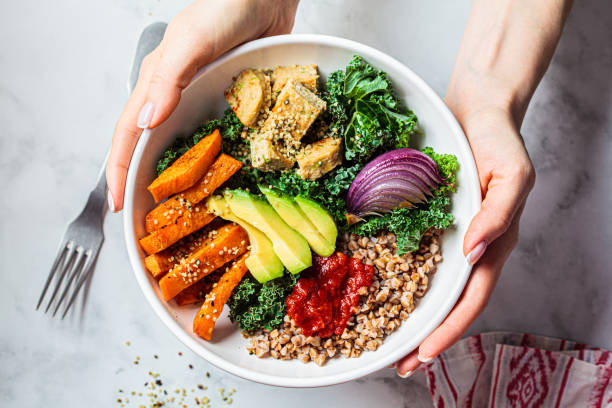
Building Your Plate: The Simple Formula
If you want one visual to guide every meal, here it is.
- Half your plate: non-starchy vegetables
- One quarter: lean protein
- One quarter: complex carbs or healthy fats
That’s it. No calorie counting required for most people, especially in the early months when appetite is naturally suppressed.
What This Looks Like in Real Life
For breakfast, two scrambled eggs with spinach and a slice of whole grain toast takes five minutes and puts protein front and center. If cooking feels like too much, Greek yogurt with berries and a tablespoon of chia seeds works just as well with zero effort.
Lunch could be grilled chicken over mixed greens with cucumbers, tomatoes, quinoa, and a drizzle of olive oil. The protein is the star. The vegetables fill the plate. The quinoa adds fiber and sustained energy. Or go portable with a turkey and avocado wrap in a whole wheat tortilla with lettuce and a side of baby carrots.
At dinner, try baked salmon, roasted broccoli and bell peppers, and half a sweet potato. Same plate formula, different ingredients. A stir-fry works too: shrimp with zucchini, snap peas, and mushrooms over brown rice, light on the oil, heavy on the vegetables.
For snacks, keep it simple. Hard-boiled eggs, string cheese, a small handful of almonds, apple slices with a tablespoon of peanut butter, cottage cheese with cucumber slices, or a protein shake when you need something fast.
Repeat this pattern with enough variety to keep things interesting and you’ll cover your nutritional bases without overthinking it.
Foods That Naturally Boost GLP-1
This is a piece most food guides leave out. Certain foods stimulate your body’s own GLP-1 production, which can work alongside your medication to keep appetite and blood sugar in check.
According to a 2025 joint advisory from four major medical organizations, dietary modulation of endogenous GLP-1 is an emerging area of interest. Foods that trigger natural GLP-1 release include:
- Prebiotic fibers: garlic, onions, leeks, asparagus, bananas
- Fermented foods: yogurt, kefir, sauerkraut, kimchi
- Resistant starches: cooled potatoes, cooled rice, green bananas, oats
- Omega-3 rich foods: fatty fish, walnuts, flaxseed
You’re feeding the bacteria in your gut that produce additional GLP-1. It’s not going to replace your medication, but it can support the effect, especially as you eventually taper down or come off the drug.
Supplements Worth Considering
When you’re eating 30 to 40% fewer calories, certain nutrients become harder to get from food alone. A 2025 expert consensus published in Obesity Pillars specifically recommended monitoring GLP-1 patients for nutritional insufficiencies and considering supplementation where gaps exist.
The most commonly flagged deficiencies in GLP-1 patients:
- Vitamin D
- Calcium
- Iron
- Vitamin B12
- Zinc
- Magnesium
All of these can cause symptoms that mimic or worsen the side effects of the medication itself. Fatigue, brain fog, muscle weakness, hair thinning. Sometimes what feels like a medication problem is actually a nutrition problem hiding underneath it.
An Amazon Basics daily multivitamin won’t fix a serious deficiency, but it covers the basics while you figure out your new eating patterns. Think of it as the floor, not the ceiling. If you’re losing hair, exhausted all the time, or noticing new symptoms three or more months in, ask your doctor to run bloodwork and check specific levels.
Fiber supplements can also help if you’re struggling with constipation, which is one of the more persistent GLP-1 side effects. Psyllium husk mixed into water or a smoothie adds bulk without adding many calories.
Common Mistakes to Avoid
After reading hundreds of GLP-1 food discussions, the same mistakes come up over and over. Here are the ones that trip people up the most.
Eating too little. The medication suppresses your appetite, and some people take that as permission to barely eat at all. Undereating leads to muscle loss, nutrient deficiencies, fatigue, hair loss, and eventually a metabolic slowdown that makes maintaining your weight harder later. You still need to eat. Just eat smarter.
Not drinking enough water is another one that catches people off guard. Dehydration sneaks up on you when you’re eating less food. Headaches, constipation, dizziness, and brain fog that people blame on the medication are often just dehydration in disguise.
Skipping protein. When everything sounds unappealing, people reach for crackers and bread because they’re easy. But if most of your reduced calories come from carbs, you’re losing muscle at an accelerated rate. Protein first. Always.
Relying on willpower instead of systems trips up a lot of people too. The ones who eat well on GLP-1 medications are not the ones with the most discipline. They’re the ones who meal prep on Sunday, keep their fridge stocked with easy proteins, and have a blender on the counter for the days when cooking feels like too much.
And finally, not adjusting as you go. What works in month one might not work in month four. Your tolerance changes, your appetite shifts, your weight changes. Check in with how you’re eating every few weeks and make adjustments instead of running on autopilot.
More on this: Thinking About Stopping GLP-1? How to Transition Without Regaining
Quick Reference: Your GLP-1 Food Cheat Sheet
Eat more of: lean protein (chicken, fish, eggs, Greek yogurt), non-starchy vegetables, legumes, whole grains, water-rich fruits like berries and melon, ginger tea, broth-based soups, prebiotic-rich foods
For the middle ground, red meat in lean cuts, starchy vegetables like potatoes and corn, whole grain pasta, nuts and nut butters, cheese, and avocado are all fine in moderation. Watch portions since these are calorie-dense.
Skip or limit: fried foods, greasy fast food, sugary drinks, candy and pastries, alcohol, ultra-processed snacks, carbonated beverages (if they cause bloating), spicy food (if it triggers reflux)
Print this out, stick it on your fridge, and don’t overthink it.
Your Diet Is the Variable You Control
The medication handles your appetite. Your doctor handles the dose. Insurance handles the cost (or doesn’t, depending on your luck). But the food you put in your body every day? That’s yours.
And honestly, that’s the part that determines whether this medication becomes a turning point or a temporary experiment. The people who get lasting results on GLP-1 medications aren’t the ones who follow some perfect diet. They’re the ones who figured out a handful of meals that work for them, built those meals into a repeatable routine, and stopped treating food like something to be afraid of.
You don’t need to eat perfectly. You just need to eat intentionally. The medication bought you time and space to build better habits. Use it.