NMN has become one of the most talked-about supplements in the longevity space. Harvard researchers study it. Biohackers swear by it. And if you’ve heard David Sinclair talk about aging, you’ve probably heard him mention NMN more than a few times.
But what actually is this stuff? Does it work? And is the hype justified by real science?
I’ve spent months digging through clinical trials, meta-analyses, and expert opinions to put together the most complete guide on NMN you’ll find anywhere. No fluff. No overselling. Just what the research actually shows.
What is NMN?
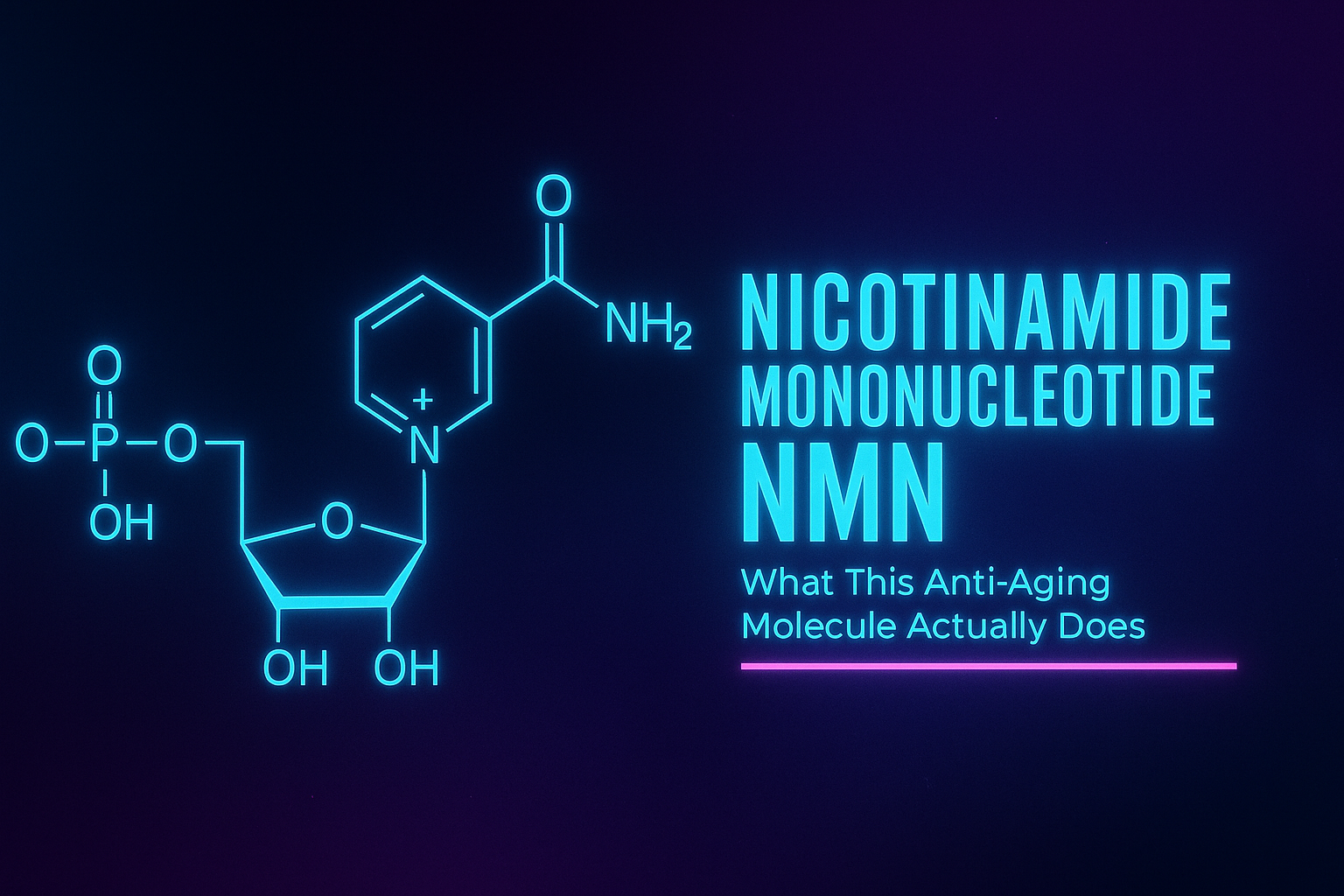
NMN stands for nicotinamide mononucleotide. It’s a molecule your body makes naturally, and it serves one critical purpose: helping your cells produce NAD+.
Think of NMN as the raw material your body uses to manufacture NAD+, which is a coenzyme found in every cell. NAD+ powers hundreds of biological processes including energy production, DNA repair, and the activation of longevity genes called sirtuins.
Here’s the problem. NAD+ levels drop by roughly 50% by the time you hit middle age. This decline is linked to many hallmarks of aging: lower energy, slower recovery, metabolic dysfunction, and increased disease risk.
The logic behind NMN supplementation is straightforward. Give your body more of the building blocks it needs, and it can produce more NAD+. More NAD+ means your cells function more like they did when you were younger.
At least that’s the theory. Let’s look at what the research actually shows.
Foods That Naturally Contain NMN
NMN exists in trace amounts in several foods. Edamame has the highest concentration at around 1.88mg per 100 grams. Broccoli contains 0.25-1.12mg per 100g. Avocados have 0.36-1.60mg per 100g. Cucumber and cabbage also contain small amounts.
The catch? You’d need to eat roughly 100 pounds of broccoli to get a single 250mg dose of NMN. That’s why supplements exist.
How NMN Works in Your Body
When you take NMN, it gets absorbed in your gut and enters your bloodstream within minutes. Research shows NMN is detectable in blood within 2-3 minutes and reaches tissues within 15 minutes.
Once inside your cells, enzymes called NMNATs convert NMN directly into NAD+. This is a one-step conversion, which is part of why researchers became interested in NMN specifically. It’s the most direct precursor to NAD+ that your body can actually absorb.
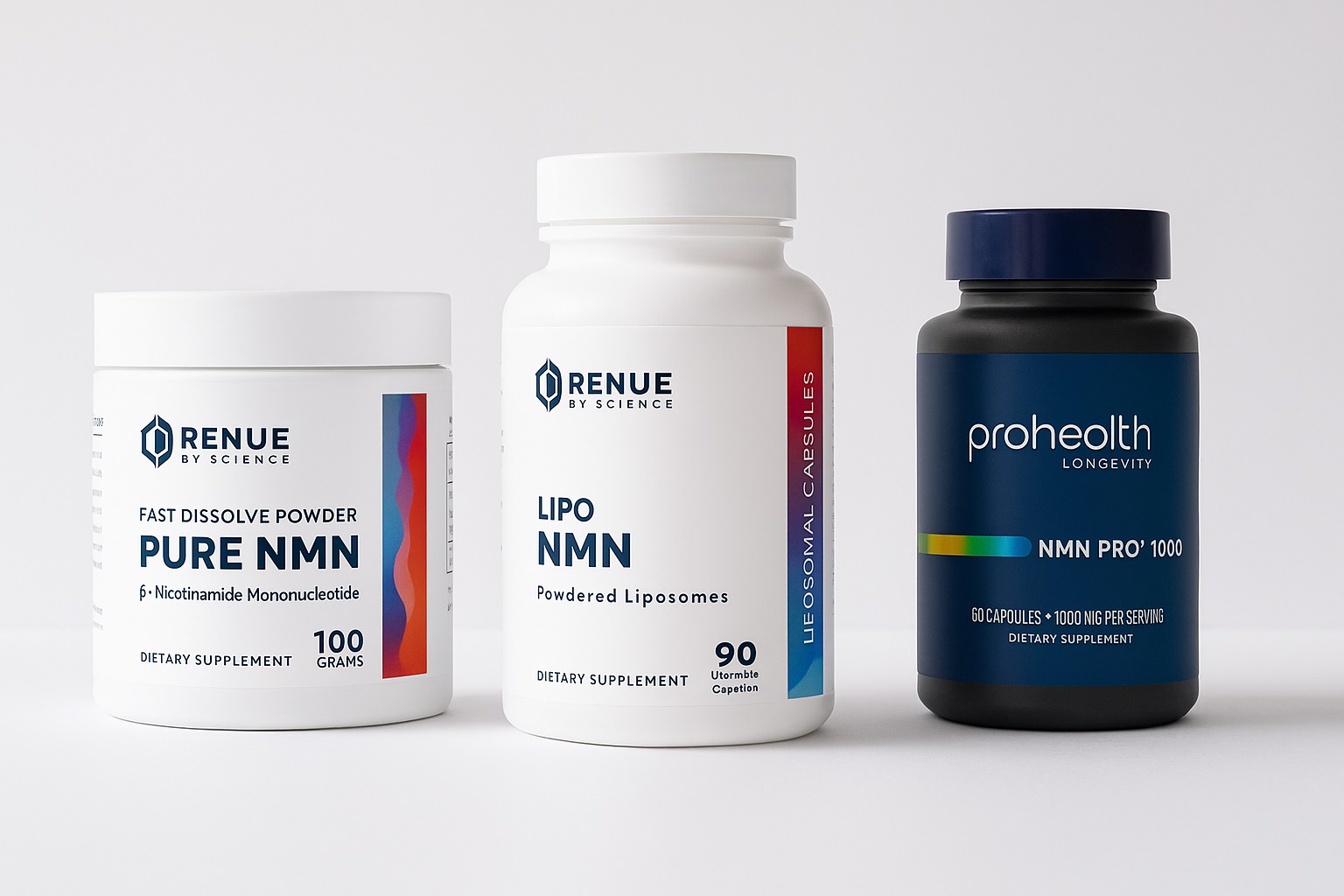
If you’re looking to try NMN, quality matters more than most supplements. My readers consistently use Renue By Science Pure NMN Powder because they publish third-party test results and it’s one of the most affordable options at under $1/gram. Code FLOW10 saves 10%.
Why NAD+ Declines With Age
NAD+ doesn’t just randomly disappear as you get older. Three specific things drive the decline.
First, an enzyme called CD38 becomes more active with age and inflammation. CD38 literally consumes NAD+, breaking it down faster than your body can replace it. Studies published in Nature show CD38 activity increases significantly in older tissues.
Second, DNA damage accumulates over time. Your body uses NAD+ to power PARP enzymes that repair damaged DNA. More damage means more NAD+ gets used up in repair processes.
Third, the enzyme that makes NAD+ (called NAMPT) becomes less active with age. Your production drops while your consumption increases. It’s a losing battle without intervention.
What NAD+ Actually Does
NAD+ isn’t just another molecule floating around in your cells. It’s essential for survival. Here’s what it does:
Energy production: NAD+ is required for your mitochondria to convert food into ATP, the energy currency your cells run on. Without adequate NAD+, energy production suffers.
DNA repair: Every day your DNA gets damaged thousands of times by normal metabolic processes, UV exposure, and environmental factors. NAD+ powers the repair machinery that fixes this damage.
Sirtuin activation: Sirtuins are a family of proteins (SIRT1-7) that regulate cellular health, metabolism, and aging. They’re sometimes called longevity genes. Sirtuins cannot function without NAD+.
Circadian rhythm: NAD+ levels naturally fluctuate throughout the day and help regulate your internal clock. Disrupted NAD+ metabolism is linked to sleep problems and metabolic dysfunction.
What Human Clinical Trials Show About NMN
Animal studies on NMN have been impressive. Mice given NMN show improved energy, better insulin sensitivity, enhanced blood vessel function, and in some cases extended lifespan.
But mice aren’t people. What matters is whether these benefits translate to humans. Here’s what the clinical trials actually show.
Summary of Key Human Trials
| Study | Participants | Dose | Duration | Key Findings |
|---|---|---|---|---|
| Yoshino 2021 (Washington University) | 25 prediabetic women, 55-75 | 250mg/day | 10 weeks | Improved muscle insulin sensitivity; no weight loss |
| Yi 2023 (India) | 80 healthy adults, 40-65 | 300-900mg/day | 60 days | Walking distance improved up to 50% at highest dose |
| Igarashi 2022 (Tokyo) | 42 older men, 65+ | 250mg/day | 12 weeks | Improved gait speed and grip strength |
| Meiji 2024 (Japan) | Healthy adults, 65-75 | 250mg/day | 12 weeks | Maintained walking speed, improved sleep quality |
| Liao 2021 (Amateur runners) | Middle-aged athletes | 300-1200mg/day | 6 weeks | Enhanced aerobic capacity and VO2max |
| Katayoshi 2023 | 36 middle-aged adults | 250mg/day | 12 weeks | Reduced arterial stiffness, lower LDL cholesterol |
| Pencina 2023 (MIB-626) | 30 overweight adults, 45+ | 2000mg/day | 28 days | Substantial NAD+ increase, weight loss, lower cholesterol |
What 2024 Meta-Analyses Reveal
Two major meta-analyses published in 2024 analyzed all available human trial data. Here’s what they found:
Zhang et al. (August 2024) analyzed 12 randomized controlled trials with 513 total participants. NMN significantly elevated blood NAD+ levels across all studies. However, most clinically relevant outcomes like glucose, cholesterol, and body composition were not significantly improved compared to placebo.
The researchers noted that “an exaggeration of the benefits of NMN supplementation may exist in the field.” Five of the 12 studies showed high risk of bias.
Wang et al. (August 2024) analyzed 9 trials with 412 participants and found more positive results. Significant improvements in gait speed. Significant reduction in liver enzymes (ALT). Positive effects on insulin resistance at smaller doses.
My take: NMN definitely raises NAD+ levels in humans. The physical performance benefits (energy, endurance, walking speed) seem real. Metabolic benefits are less clear and may require longer trials or specific populations to detect.
Evidence-Based Benefits of NMN
Not all claimed benefits of NMN have equal evidence. Here’s how they stack up based on current human research.
Strong Evidence
Increases NAD+ levels: Every human trial shows NMN supplementation raises blood NAD+ by 40% or more within 4 weeks. This is the most consistent finding across all research.
Safe at tested doses: No serious adverse effects have been documented at doses up to 1,250mg daily for 12+ weeks. Side effects are rare and mild.
Moderate Evidence
Improved physical performance: Multiple trials show improvements in walking distance, gait speed, grip strength, and aerobic capacity. The Yi 2023 study showed up to 50% improvement in 6-minute walking distance at higher doses.
Better sleep quality: The Meiji 2024 trial found improved sleep quality in older adults, particularly with evening dosing.
Reduced arterial stiffness: The Katayoshi study showed improved vascular function and lower LDL cholesterol after 12 weeks.
Limited or Mixed Evidence
Insulin sensitivity: The Yoshino study showed improved muscle insulin sensitivity in prediabetic women. But 2024 meta-analyses found effects vary significantly and aren’t consistent across populations.
Weight loss: Only the high-dose Pencina study (2000mg/day) showed weight loss. Standard doses haven’t demonstrated this effect.
Anti-aging effects: While NAD+ decline is linked to aging, no human trials have yet demonstrated that NMN slows biological aging markers. The animal data is promising but hasn’t been replicated in humans.
NMN vs NR: Which Should You Take?
If you’ve researched NAD+ boosters, you’ve probably encountered NR (nicotinamide riboside) as well. Both raise NAD+ levels. Both have clinical research behind them. So which one is better?
| Factor | NMN | NR |
|---|---|---|
| Position in NAD+ pathway | One step from NAD+ | Two steps from NAD+ |
| Human clinical trials | 20+ published | 40+ published |
| Tissue distribution | May reach muscle, brain, heart, fat | Primarily liver and blood |
| FDA status | Legal as supplement (Sept 2025) | GRAS status |
| Researcher preference | David Sinclair uses NMN | Charles Brenner advocates NR |
| Cost | Similar pricing | Similar pricing |
There’s an ongoing scientific debate about how NMN enters cells. Dr. Charles Brenner (who helped develop NR commercially) argues NMN must first convert to NR before entering cells. Sinclair’s team discovered a transporter called Slc12a8 that may allow direct NMN entry. The debate continues.
From a practical standpoint, both work. No head-to-head human comparison exists. David Sinclair takes NMN. Peter Attia has expressed interest in both. Dr. Eric Verdin at the Buck Institute takes 250mg of each together.
My recommendation: NMN is a reasonable choice given the research and that it’s one metabolic step closer to NAD+. If you want to hedge your bets, some people take both.
Interested in how other researchers approach NMN? Check out Andrew Huberman’s NMN protocol for another science-backed perspective.
How to Take NMN: Dosage, Timing, and Forms
Getting dosage and timing right can make a real difference in results. Here’s what the research supports.
Evidence-Based Dosage by Age
| Age | Starting Dose | Maintenance Dose | Notes |
|---|---|---|---|
| Under 35 | 250mg/day | 250-500mg/day | NAD+ decline less pronounced at this age |
| 35-50 | 250-500mg/day | 500-750mg/day | NAD+ decline beginning |
| Over 50 | 500mg/day | 500-1000mg/day | More pronounced NAD+ decline |
Clinical trials have tested doses up to 1,200mg daily for 60+ days and 2,000mg daily for 28 days with no serious adverse effects. Start low and increase gradually based on how you respond.
Best Time to Take NMN
Most experts recommend taking NMN in the morning. NAD+ levels naturally fluctuate throughout the day as part of your circadian rhythm, peaking during waking hours. Morning dosing aligns with this natural pattern.
However, the 2024 Meiji study found that older adults who took NMN in the evening reported improved sleep quality. If sleep is a priority, evening dosing might be worth trying.
David Sinclair takes his NMN first thing in the morning.
Capsules vs Powder vs Sublingual vs Liposomal
You’ll find NMN in several forms: standard capsules, loose powder, sublingual tablets, and liposomal formulations.
Here’s the reality check: no peer-reviewed human trials have directly compared these delivery methods. Marketing claims about sublingual being “2x more bioavailable” lack scientific validation.
What we know for certain is that standard oral capsules effectively raise NAD+ levels. Every clinical trial showing benefits used oral delivery.
That said, liposomal formulations theoretically offer better absorption by encapsulating NMN in fat-soluble particles that survive stomach acid better. If you want to maximize potential absorption, liposomal versions are worth considering.
For a breakdown of the top options, check out my guide to the best NMN powders.
💰 Most Affordable High-Quality NMN
Renue By Science Pure NMN Powder is what I recommend to readers who want lab-tested NMN without overpaying. At 100 grams per container, you’re looking at roughly 3+ months of supply at standard dosing.
✓ Third-party tested with published COAs
✓ 99%+ purity verified
✓ USA-based company
✓ Under $1 per gram (one of the lowest costs per dose available)
Use code FLOW10 at checkout for 10% off your order.
Get Renue By Science NMN Powder →
Want enhanced absorption? They also offer Liposomal NMN for better bioavailability.
Safety Profile and Side Effects
Based on all published human clinical trials, NMN has a strong safety profile at tested doses.
What Clinical Trials Show
Doses up to 1,250mg daily for 4-12 weeks have been tested with no serious adverse effects reported. The high-dose Pencina study tested 2,000mg daily for 28 days, also without safety concerns.
Minor side effects reported in some studies include:
Mild digestive discomfort (usually temporary), occasional headaches in the first week, rare reports of skin itching, and temporary sleep changes when taken late in the day.
These effects are uncommon and typically resolve within days of starting supplementation.
Who Should Avoid NMN
While NMN appears safe for most healthy adults, certain groups should exercise caution or avoid it entirely:
Pregnant or breastfeeding women: No safety data exists for these populations. Avoid until more research is available.
People with kidney or liver disease: These organs process NMN. Impaired function could affect how your body handles supplementation.
Diabetics on medication: NMN may affect blood sugar levels. Work with your doctor to monitor and adjust medications if needed.
Those with active cancer: This is theoretical, but some researchers express concern that boosting NAD+ could potentially support cancer cell metabolism. The research is unclear, but caution is warranted.
People on blood thinners or blood pressure medications: Potential interactions haven’t been fully studied. Consult your doctor before starting.
The Methylation Concern
Dr. Eric Verdin from the Buck Institute has raised concerns about NMN and homocysteine levels. When your body processes NMN, it uses methyl groups, which could theoretically raise homocysteine (a cardiovascular risk marker).
This is why David Sinclair takes TMG (trimethylglycine) alongside his NMN. TMG is a methyl donor that may help offset any methylation burden. Whether this is necessary remains debated, but it’s a reasonable precaution at higher doses.
How Long Until NMN Works?
One of the most common questions I get is about timeline. Here’s what to realistically expect based on the research:
Days 1-7: NAD+ levels begin rising within hours of your first dose. You probably won’t feel anything dramatic yet, though some people report subtle energy changes within the first week.
Weeks 2-4: This is when most people start noticing effects. Improved energy levels, better mental clarity, and easier recovery from exercise are commonly reported. NAD+ levels are typically up 40%+ by this point.
Weeks 4-8: Benefits tend to become more pronounced. The clinical trials showing improved walking distance and endurance ran for 6-12 weeks. Physical performance improvements seem to build over time.
Months 3-6: Longer-term benefits like improved sleep quality, sustained energy, and potentially cardiovascular markers may become apparent. The Katayoshi study showing reduced arterial stiffness ran for 12 weeks.
One important note: NAD+ levels return to baseline approximately 4 weeks after stopping NMN. This isn’t a supplement you take for a month and get permanent benefits. Consistency matters.
Individual variation is also significant. A 2024 study found the coefficient of variation in NAD+ response ranged from 29% to 113% between individuals. Some people are high responders. Others see more modest effects. Give it at least 8 weeks before deciding if it’s working for you.
The David Sinclair Connection
You can’t discuss NMN without mentioning David Sinclair. The Harvard genetics professor has become the most prominent voice in longevity research, and NMN is central to his personal protocol.
His Research at Harvard
Sinclair’s lab has published numerous studies on NAD+ and aging. His work focuses on sirtuins, the longevity proteins that depend on NAD+ to function. Research published in Frontiers in Cell and Developmental Biology from his lab has demonstrated NMN’s effects on various aging markers in animal models.
In June 2024, his team released a preprint showing NMN increased female mouse lifespan by 8.5%. Interestingly, no lifespan extension was observed in male mice. This research hasn’t been peer-reviewed yet, but it adds to the growing body of animal evidence.
His Personal Protocol
Sinclair has publicly shared his supplement regimen multiple times. According to his recent interviews, he takes:
1 gram of NMN each morning, along with 1 gram of resveratrol mixed with coconut yogurt for absorption. He also takes TMG (trimethylglycine) as a methyl donor, vitamin D3, vitamin K2, and a low-dose aspirin. He uses metformin occasionally and takes rapamycin about 4 times per year.
I’ve written a complete breakdown of David Sinclair’s full supplement list if you want the details on everything he takes and why.
He’s described resveratrol as the “accelerator pedal” for sirtuins and NMN as the “fuel.” Both work together in his view to maximize sirtuin activity.
One thing Sinclair emphasizes: he doesn’t recommend others follow his exact protocol. He’s essentially running an experiment on himself. Your needs, health status, and risk tolerance are different from his.
Scientific Controversy
In March 2024, Sinclair resigned as president of the Academy for Health and Lifespan Research following criticism that he had “overhyped” research findings, particularly claims about age reversal in animal models. He pledged to be “more scientifically accurate” in his public communications.
This doesn’t invalidate his research, but it’s worth knowing. The longevity field generates enormous excitement, and sometimes claims get ahead of the evidence. Sinclair’s actual peer-reviewed publications remain respected. His podcast statements have sometimes been less measured.
Is NMN Legal? Understanding FDA Status
The regulatory status of NMN has been confusing over the past few years. Here’s what happened and where things stand now.
The 2022 Exclusion
In November 2022, the FDA ruled that NMN could not be marketed as a dietary supplement. Why? Because a company called Metro International Biotech had begun investigating NMN as a potential drug before it was widely sold as a supplement.
Under FDA rules, once a substance is under investigation as a new drug, it can be excluded from the supplement market. This ruling caused chaos. Amazon removed NMN products. Supplement companies scrambled to understand what was legal.
The September 2025 Reversal
On September 29, 2025, the FDA reversed its position. The agency acknowledged that NMN had been marketed as a dietary supplement (starting in 2017) before the drug investigation began. This meant NMN met the criteria to remain a legal supplement.
Current status: NMN is fully legal to buy and sell as a dietary supplement in the United States. Products have returned to major retailers. The regulatory uncertainty is resolved.
How to Choose a Quality NMN Supplement
The supplement industry has quality control issues. NMN is no exception. Here’s how to find a product worth buying.
What to Look For
Third-party testing: Reputable brands pay independent labs to verify purity and potency. Look for companies that publish these test results (called Certificates of Analysis or COAs) on their website.
Purity above 99%: Quality NMN should test at 99%+ purity. Lower purity products may contain contaminants or degradation products.
Proper storage: NMN can degrade when exposed to heat, moisture, and light. Good brands use opaque bottles and may recommend refrigeration. Avoid products shipped in clear containers or stored in warm warehouses.
USA manufacturing: Domestic manufacturing typically means better quality control and regulatory oversight. Many cheap NMN products are made overseas with questionable standards.
Red Flags to Avoid
Products with no third-party testing or COAs available. Unusually cheap prices (quality NMN costs money to produce). Outrageous health claims like “reverse aging” or “cure disease.” Clear bottles that expose NMN to light degradation. Companies that won’t answer questions about their sourcing or testing.
Where to Buy NMN
After testing and researching dozens of NMN brands, Renue By Science consistently comes out on top for quality and value. Here’s why they’re my go-to recommendation:
Third-party testing: They publish Certificates of Analysis for every batch. You can actually verify what you’re getting.
99%+ purity: Independent labs confirm their NMN tests at pharmaceutical-grade purity levels.
USA-based: Manufactured domestically with proper quality controls, not sourced from questionable overseas suppliers.
Affordable: Their 100g Pure NMN Powder is one of the most cost-effective options on the market. At standard dosing (500mg/day), that’s over 3 months of supply for under $1/gram.
My Top Picks from Renue By Science
Pure NMN Powder (100g) — Best value. Ideal if you want to control your exact dose and don’t mind mixing powder into a drink or taking it sublingually. This is what most of my readers choose.
Liposomal NMN Powder — Premium option. The liposomal delivery system encapsulates NMN in fat-soluble particles for potentially better absorption. Worth it if bioavailability is your priority.
Use code FLOW10 at checkout for 10% off either product.
For a deeper look at the brand, read my full Renue By Science NMN review.
Frequently Asked Questions
What is NMN?
NMN (nicotinamide mononucleotide) is a naturally occurring molecule that your body converts into NAD+, a coenzyme essential for cellular energy, DNA repair, and healthy aging. NMN is found in trace amounts in broccoli, avocados, edamame, and cucumber, but supplements provide meaningful doses.
How much NMN should I take daily?
Clinical trials show 250-500mg daily is effective for most adults, with safety demonstrated up to 1,200mg. Start at 250mg and increase gradually. Adults over 50 may benefit from 500-750mg daily based on more pronounced NAD+ decline.
Is NMN safe to take?
Human clinical trials show NMN is well-tolerated at doses up to 1,250mg daily for 12+ weeks with no serious adverse effects. Minor side effects may include temporary digestive discomfort. Consult a doctor if pregnant, have liver or kidney disease, or take diabetes medications.
How long does it take for NMN to work?
NAD+ levels begin rising within hours. Most people notice energy improvements within 2-4 weeks. Physical performance benefits typically appear after 6-12 weeks of consistent use based on clinical trial timelines.
Is NMN better than NR?
Both effectively raise NAD+ levels. NMN is one metabolic step closer to NAD+ and may have broader tissue distribution. NR has more published human research. David Sinclair uses NMN. No head-to-head human comparison study exists, so either is a reasonable choice.
When is the best time to take NMN?
Most experts recommend morning, aligning with natural circadian NAD+ patterns. Some research suggests evening dosing may benefit older adults for sleep quality. Take with food containing healthy fats to potentially improve absorption.
Is NMN FDA approved?
NMN is not FDA-approved as a drug but is legal to sell as a dietary supplement in the United States as of September 2025, when FDA reversed its 2022 exclusion decision.
What does David Sinclair take?
Harvard researcher David Sinclair has publicly shared he takes 1 gram of NMN daily in the morning, along with 1 gram of resveratrol with coconut yogurt, TMG, vitamin D, vitamin K2, and occasionally metformin and rapamycin. He emphasizes he doesn’t recommend others follow his exact protocol.
What are NMN side effects?
Clinical trials report minimal side effects. Some users experience mild digestive discomfort, headaches, or temporary sleep changes, typically resolving within days. No serious adverse effects have been documented at standard doses in published research.
Does NMN really work?
Human trials consistently show NMN increases blood NAD+ levels by 40%+ and improves some physical performance measures like walking distance and endurance. However, 2024 meta-analyses note that benefits for metabolic markers are less dramatic than animal studies suggested. Effects vary between individuals.
Is NMN the same as vitamin B3?
NMN is related to vitamin B3 but not the same thing. Vitamin B3 (niacin or niacinamide) is a precursor further back in the NAD+ synthesis pathway. NMN is one metabolic step closer to NAD+ than standard B3 forms, which is why it may be more effective at raising NAD+ levels.
Can I take NMN with other supplements?
Yes. David Sinclair and other researchers commonly combine NMN with resveratrol (a sirtuin activator) and TMG (a methyl donor). Vitamin D, vitamin K2, and omega-3 fatty acids are also commonly taken alongside NMN. No dangerous interactions have been documented with common supplements.
The Bottom Line
NMN is one of the most promising longevity supplements available today, backed by growing human clinical research. It reliably raises NAD+ levels. It appears safe at tested doses. And there’s reasonable evidence for benefits like improved energy, physical performance, and potentially cardiovascular health.
That said, it’s not a miracle molecule. The 2024 meta-analyses remind us that benefits may be more modest than animal studies suggested. Individual response varies significantly. And we don’t yet have long-term human data on anti-aging effects.
If you’re interested in supporting healthy aging and have the budget for it, NMN is worth considering. Start with 250mg daily, give it at least 8 weeks, and pay attention to how you feel. Source from a reputable company that publishes third-party test results.
The science is promising. The safety profile is reassuring. And the worst case scenario is you’ve supported a molecule your body makes naturally anyway.
References
- Yoshino M, et al. (2021). Nicotinamide mononucleotide increases muscle insulin sensitivity in prediabetic women. Science. PubMed
- Yi L, et al. (2023). The efficacy and safety of β-nicotinamide mononucleotide (NMN) supplementation in healthy middle-aged adults. GeroScience. PubMed
- Igarashi M, et al. (2022). Chronic nicotinamide mononucleotide supplementation elevates blood nicotinamide adenine dinucleotide levels and alters muscle function in healthy older men. NPJ Aging. PubMed
- Liao B, et al. (2021). Nicotinamide mononucleotide supplementation enhances aerobic capacity in amateur runners. Journal of the International Society of Sports Nutrition. PubMed
- Katayoshi T, et al. (2023). Nicotinamide mononucleotide improves arterial stiffness and reduces serum LDL cholesterol levels. GeroScience. PubMed
- Zhang H, et al. (2024). Effects of nicotinamide mononucleotide supplementation on metabolic health: A systematic review and meta-analysis. Nutrients. PubMed
- Wang L, et al. (2024). Nicotinamide mononucleotide supplementation and physical function: A meta-analysis of randomized controlled trials. GeroScience. PubMed
- Covarrubias AJ, et al. (2020). NAD+ metabolism and its roles in cellular processes during ageing. Nature Reviews Molecular Cell Biology. Nature
- Hong W, et al. (2020). Nicotinamide Mononucleotide: A Promising Molecule for Therapy of Diverse Diseases by Targeting NAD+ Metabolism. Frontiers in Cell and Developmental Biology. Frontiers
- Shade C. (2020). The Science Behind NMN–A Stable, Reliable NAD+ Activator and Anti-Aging Molecule. Integrative Medicine. PMC
Medical Disclaimer: This article is for informational purposes only and does not constitute medical advice. Consult with a healthcare provider before starting any new supplement regimen, especially if you have existing health conditions or take medications.