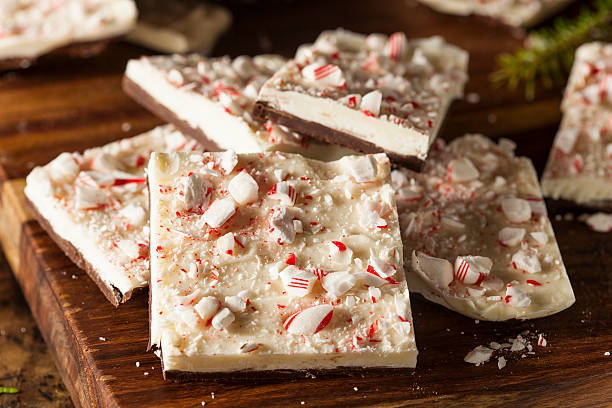
There’s a reason Williams Sonoma charges $50 for a tin of peppermint bark. It’s objectively delicious – layers of dark and white chocolate studded with crushed candy canes, delivering that perfect combination of rich, creamy, and minty-crunchy in every bite.
Here’s what they don’t want you to know: it’s stupid easy to make at home.
Five ingredients. Two layers. Zero baking required. You’re basically melting chocolate, pouring it into a pan, and crushing some candy canes on top. That’s it. No candy thermometer. No fancy equipment. No culinary degree needed.
The hardest part is waiting for the layers to set in the fridge. And honestly, that’s not even hard – it’s just patience.
Why Bother Making It Yourself
Store-bought peppermint bark is expensive. A small box costs $15-20 minimum, and it’s gone in two days if you’re sharing with people who appreciate good chocolate.
When you make it at home, you spend maybe $12 on ingredients and end up with over a pound of bark. That’s enough to fill multiple gift tins, keep some for yourself, and still come out way ahead financially.
Plus, you control the quality. Most commercial versions use waxy chocolate that doesn’t melt properly in your mouth. When you make your own with real chocolate bars, the texture is completely different – smooth, rich, and actually melts on your tongue instead of just sitting there.
The peppermint-to-chocolate ratio is also yours to control. Like more peppermint? Add more crushed candy canes. Prefer darker chocolate? Use 70% cacao instead of semisweet. Want thicker layers? Double the recipe.
What You’ll Need
This makes about 1¼ pounds – roughly 20 pieces depending on how you break it.
Ingredients:
- 8 oz semisweet or dark chocolate, chopped (or good quality chips)
- 8 oz white chocolate, chopped (or good quality chips)
- 2 teaspoons canola oil or coconut oil, divided
- ½ teaspoon peppermint extract, divided
- 5-6 candy canes (or about 25 peppermint hard candies), crushed
A note on chocolate: this is where quality matters. Cheap chocolate chips are full of stabilizers that make them hold their shape during baking – great for cookies, not ideal for bark. They melt weird and taste waxy.
I usually go with Baker’s baking chocolate bars – they’re consistently good quality and you can get them on Amazon. The ingredient list should be short: cocoa, sugar, cocoa butter, maybe vanilla. That’s it.
The oil is non-negotiable. It prevents the chocolate from seizing when you add the peppermint extract (water-based extracts and chocolate don’t normally play well together). It also keeps the bark from becoming tooth-breakingly hard once it sets.
Let’s Make This
Step 1: Prep Your Pan
Line a 9-inch square pan with parchment paper or wax paper. If you’re using wax paper, smooth out the wrinkles – you want a flat surface so your bark doesn’t come out all bumpy and weird.
Lightly grease it with cooking spray or a tiny bit of butter. This prevents sticking and makes cleanup easier.
Step 2: Melt the Dark Chocolate Layer
You can do this two ways: double boiler or microwave.
Double boiler method: Put a couple inches of water in a saucepan and bring to a simmer. Place a heat-safe bowl on top (make sure the bottom doesn’t touch the water). Add your dark chocolate and 1 teaspoon of oil. Stir occasionally until completely melted and smooth.
Microwave method: Put the dark chocolate and 1 teaspoon of oil in a microwave-safe bowl. Microwave in 20-30 second bursts, stirring between each interval. Don’t just blast it for 2 minutes straight – chocolate burns fast and once it’s burned, it’s ruined.
Once melted and smooth, remove from heat and stir in ¼ teaspoon of peppermint extract. Mix thoroughly.
Step 3: First Layer
Pour the melted dark chocolate into your prepared pan. Use a spatula to spread it evenly across the bottom. You want complete coverage with no bare spots.
While the chocolate is still wet and soft, sprinkle about half of your crushed candy canes over the top. Press them gently into the chocolate so they stick.
Stick the whole pan in the fridge for 30-60 minutes until the chocolate is completely firm. Don’t skip this step – if the bottom layer isn’t solid, the white chocolate will melt it and you’ll end up with swirled mess instead of distinct layers.
Step 4: Melt the White Chocolate Layer
Once the dark chocolate is rock-solid, melt the white chocolate using the same method as before (double boiler or microwave). Add the remaining 1 teaspoon of oil.
White chocolate is more finicky than dark – it burns easier and seizes faster. Take your time with the microwave method, using shorter intervals if needed.
Once smooth, stir in the remaining ¼ teaspoon of peppermint extract.
Step 5: Second Layer
Pull your pan from the fridge. Pour the melted white chocolate directly over the hardened dark chocolate layer. Work quickly – white chocolate starts to set faster than you’d think.
Spread it evenly with a spatula until the dark chocolate is completely covered.
Immediately sprinkle the remaining crushed candy canes over the top. Don’t wait – you need to do this while the white chocolate is still soft so the pieces stick.
Gently press the candy cane pieces down so they adhere. You don’t need to mash them in, just make contact.
Step 6: Final Chill
Back in the fridge for another hour or until the white chocolate is completely hard.
Step 7: Break Into Pieces
Once fully set, remove the entire slab from the pan by lifting the parchment paper. Peel the paper off the back.
Now comes the fun part: break it into pieces. You can use your hands to snap it into rustic, irregular chunks. Or use a sharp knife to cut cleaner squares or triangles if you’re gifting them and want them to look polished.
Either way works. The irregular chunks look more artisanal. The clean cuts look more professional. Your call.
How to Crush Candy Canes Without Making a Mess
Put the candy canes in a zip-top freezer bag. Squeeze out the air and seal it.
Wrap the bag in a kitchen towel (this prevents the bag from splitting).
Use a rolling pin, heavy pan, or even a meat mallet to bash the candy canes into small pieces. You want a mix of fine dust and small shards – not powder, not whole chunks.
This method contains the mess. No peppermint shrapnel flying around your kitchen. No sticky fragments embedded in your cutting board.
Storage
Room temperature in an airtight container: 3-4 days (in a cool, dry place – not next to the stove or in direct sunlight)
Refrigerated in an airtight container: up to 1 week
Frozen: up to 6 months (let it come to room temp before eating or the chocolate will be too hard)
For gifting, pack the pieces in cellophane bags, decorative tins, or small boxes lined with parchment paper. Add a ribbon if you’re feeling fancy.
Peppermint bark ships well too – it’s sturdy and doesn’t need refrigeration during transit like cookies do.
Common Problems and How to Fix Them
Chocolate seized (turned grainy and clumpy): You got water in it somehow. Could be from the bowl, the utensils, or steam from the double boiler. Unfortunately, seized chocolate can’t be un-seized. Start over with new chocolate and make absolutely sure everything is bone dry.
Layers separated when breaking: The bottom layer wasn’t cold enough when you added the top layer, so they didn’t bond properly. Next time, make sure that first layer is rock-solid before proceeding.
White chocolate looks grainy or has white spots: That’s called bloom – it happens when chocolate gets too warm or experiences temperature fluctuations. It’s still safe to eat, just doesn’t look as pretty. Store in a consistent cool environment.
Too minty: You added too much extract. Remember, peppermint extract is potent – a little goes a long way. Stick to the measurements next time.
Not minty enough: Add more crushed candy canes on top next time, or increase the extract slightly (but be careful not to overdo it).
Variations Worth Trying
Dark chocolate only: Skip the white chocolate layer entirely. Just make a thick dark chocolate bark with crushed candy canes on top. Simpler, less sweet, still delicious.
Swirled: Instead of distinct layers, pour both chocolates into the pan in alternating dollops, then swirl with a knife for a marbled effect.
Different mix-ins: Try crushed Oreos, chopped nuts, dried cranberries, or other crushed candies instead of (or in addition to) the candy canes.
Flavored: Use different extracts – vanilla, almond, or orange would all work instead of peppermint. Match your toppings to your extract.
Triple layer: Add a milk chocolate layer between the dark and white for three layers. Just means more waiting for layers to set.
Why This Works as a Gift
Peppermint bark hits that sweet spot of looking impressive while being genuinely easy to make. People assume you spent hours on it when you actually spent 20 minutes of active work.
It’s shelf-stable (doesn’t need refrigeration once you’re transporting it), looks festive, and travels well. You can make a huge batch on Sunday and have gifts ready for the entire week.
And unlike cookies or brownies, peppermint bark feels fancy. It’s the kind of thing people buy from specialty food stores, so when you make it yourself, it comes across as thoughtful and upscale.
Package it nicely, tie it with a ribbon, maybe add a little tag, and you’ve got a gift that cost you $3 in materials but looks like you spent $20.
More Christmas Holiday Recipes
Looking for more festive treats that won’t completely wreck your nutrition? These healthy gingerbread cookies are made with whole wheat flour and less sugar while still delivering that classic gingerbread flavor everyone loves during the holidays.
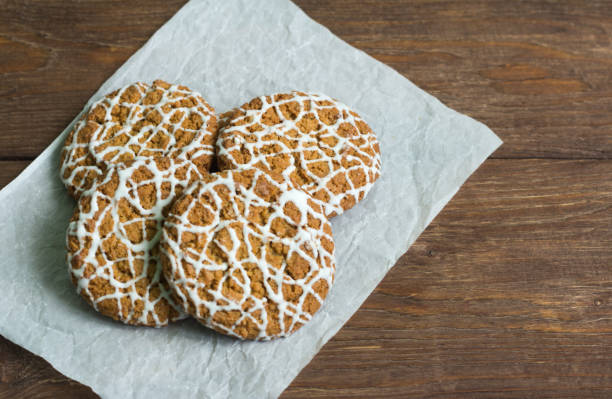
For a bakery-style cookie with vanilla glaze, try these iced gingerbread oatmeal cookies – they’re made with zero refined flour but taste indulgent enough for any Christmas cookie exchange.
Need a festive breakfast that actually keeps you full? These eggnog overnight oats pack 27g of protein and taste like the holidays in a jar – just mix before bed and wake up to breakfast that’s ready to eat.
Or warm up your morning with these high-protein gingerbread pancakes that deliver 30g protein per stack while tasting like Christmas morning.
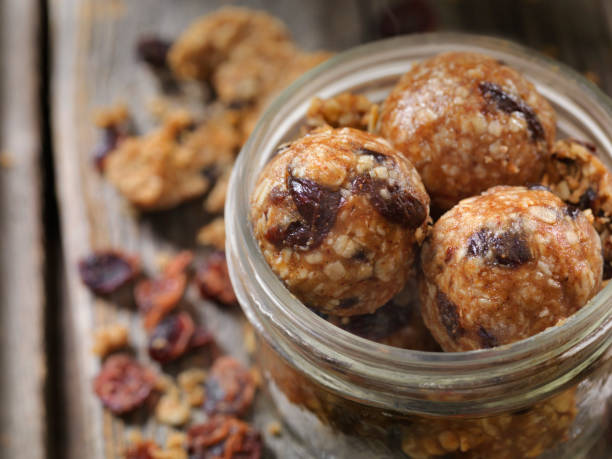
For quick grab-and-go holiday snacks, these cranberry oatmeal energy balls take just 20 minutes to make with 5 simple ingredients and no baking required – perfect for busy holiday schedules.
Nutrition Facts
Per piece (based on 20 pieces):
- Calories: 190
- Protein: 2g
- Carbohydrates: 30g
- Fiber: 1g
- Sugar: 26g
- Fat: 8g
- Saturated Fat: 5g
- Sodium: 15mg
Bottom Line
Peppermint bark is one of those recipes that makes you look like a significantly better cook than you actually are. The effort-to-impressiveness ratio is off the charts.
It takes about 20 minutes of actual work, most of which is just stirring chocolate. The rest is waiting for things to set in the fridge.
Make a batch this weekend. Keep some for yourself, give the rest as gifts. Watch people be way more impressed than the recipe warrants.
That’s the magic of peppermint bark – it’s deceptively simple but tastes expensive. And now you know the secret.