

I was standing in the vitamin aisle at Whole Foods, staring at 47 different magnesium options, when I realized I had no idea what I was doing.
Some guy next to me was loading his cart with what looked like the entire alphabet in pill form. My phone was at 3%, I had 14 browser tabs open trying to decode whether I needed magnesium glycinate or citrate, and I couldn’t remember if Joe Rogan said to take D3 with or without K2.
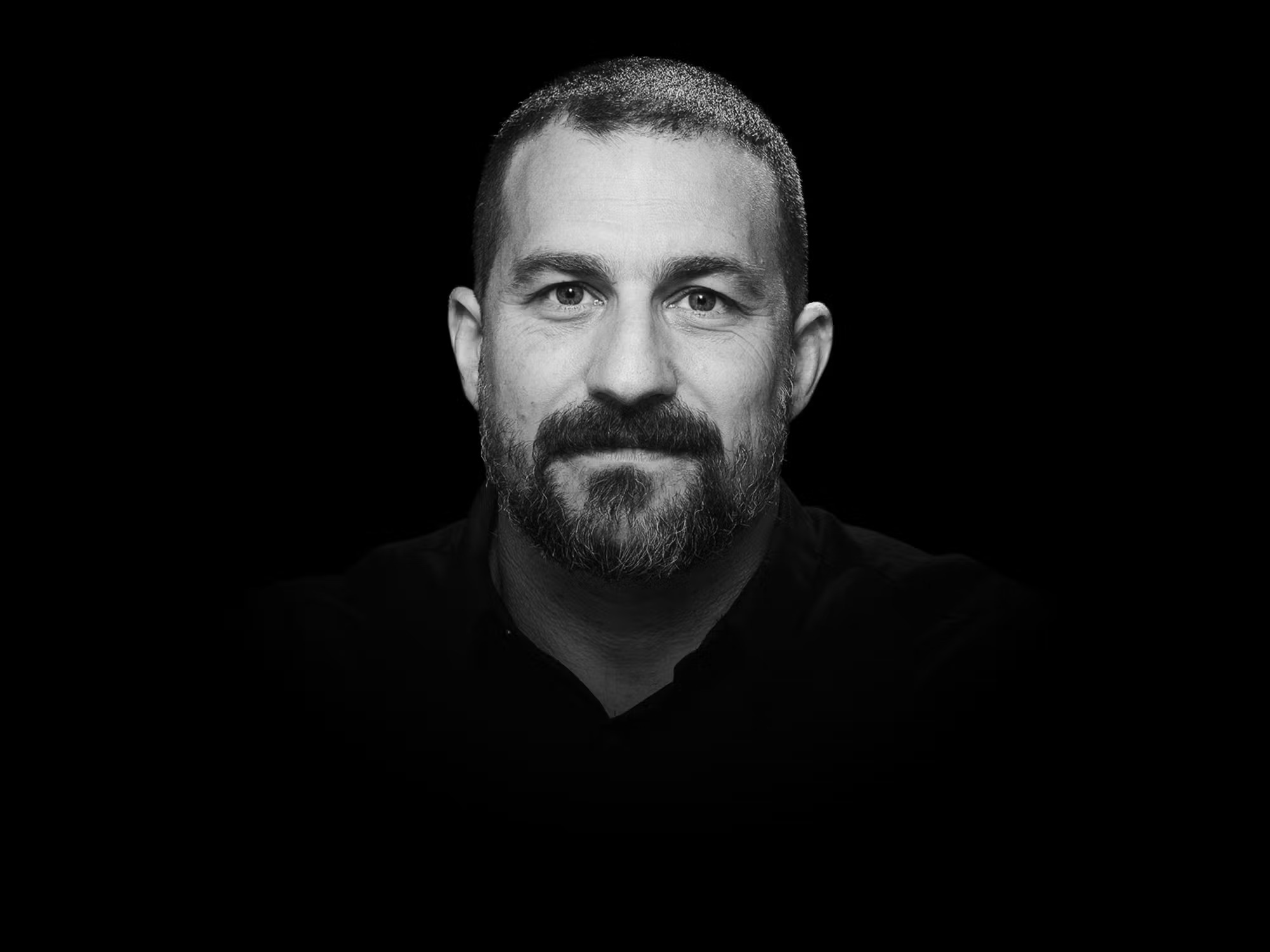
That’s when I discovered Andrew Huberman’s supplement protocol.
Huberman isn’t your typical bro-science influencer pushing the latest mushroom coffee MLM. The man has a PhD from UC Davis, runs a lab at Stanford School of Medicine, and actually reads the studies he cites. When he says he takes something, it’s because there’s research behind it, not because some supplement company slid into his DMs with a fat check.
I’ve been following his protocols for two years now. My testosterone went from “dad bod energy” to actually wanting to work out at 6 AM. My sleep improved enough that I went from doom-scrolling until 2 AM to being asleep by 10:30 and waking up without an alarm.
But what nobody tells you about Huberman’s stack is that it’s not just about popping pills. It’s about understanding why you’re taking each supplement, when to take it, and how it fits into your overall health strategy.
Quick note: Huberman has partnered with Momentous to create his complete supplement collection. Get 15% off the entire Huberman Lab collection with code BRAINFLOW here.
The Complete Huberman Supplement List
Foundational Supplements
- Momentous Grass-Fed Whey Protein – Post-workout (code BRAINFLOW 15% off)
- Momentous Creatine – 5-10g daily based on body weight (code BRAINFLOW 15% off)
- Momentous Vitamin D – 5,000-10,000 IU daily with food
- Omega-3 Fish Oil – 2-3g EPA daily (Thorne Super EPA + Carlson’s liquid)
- Vitamin K2 – For cardiac markers (pair with D3)
- Optimum Nutrition Opti-Men Multivitamin – Daily for 25+ years (includes 15mg zinc)
Longevity Supplements
- Renue by Science NMN – 1-2g sublingually each morning (code FLOW10 10% off)
- NR (Nicotinamide Riboside) – 500mg daily
Peptides for Recovery
- BPC-157 – 250-500mcg for injury recovery, injectable or oral
- Infiniwell BPC-157 Rapid Pro – 500mcg oral alternative, no injections
Focus & Cognition
- Momentous Alpha-GPC – 300-600mg, 3-5x/week max + 600mg garlic for TMAO
- Momentous L-Tyrosine – 500mg, once per week max (comes with crash)
- FitPowders PEA – 500mg once per week or every two weeks
- Rhodiola Rosea – 100-200mg pre-workout
Hormone Support
- Momentous Tongkat Ali – 400mg daily, no cycling needed (code BRAINFLOW 15% off)
- Double Wood Fadogia Agrestis – 600mg, cycle 8-12 weeks on / 2-4 weeks off
- Boron – 2-4mg daily for SHBG reduction
Sleep Stack
- Momentous Magnesium Threonate – 145mg elemental, 30-60 min before bed (code BRAINFLOW 15% off)
- Momentous Apigenin – 50mg before bed (women should avoid – estrogen suppressor)
- Momentous L-Theanine – 100-400mg before bed
- Momentous Inositol – 900mg every 2-3 nights
Digestion (Added June 2024)
- Ginger Root – ~1,000mg with meals
- Digestive Enzymes – 1 capsule with at least one meal
Now let’s get into why this Stanford neuroscientist takes each of these, backed by his actual statements from podcasts and interviews.
Foundational Supplements
Whey Protein
I used to think protein powder was just for gym bros who say “bro” unironically. Then Huberman made me realize I’d been massively under-eating protein for years.
On the More Plates More Dates podcast, Huberman mentioned he takes Momentous Grass-Fed Whey Protein post-workout and sometimes as an afternoon snack during his intermittent fasting window. Most research points to 0.7-1.0 grams of protein per pound of body weight, which is nearly impossible to hit with food alone unless you want chicken breast for breakfast.
“Protein intake triggers peptide YY and reduces ghrelin,” he explained. It keeps you from getting hangry between meals. I started adding a shake around 3pm and my evening snacking dropped off almost immediately.
Creatine
While everyone else takes creatine for gains, Huberman’s taking Momentous Creatine primarily for brain function.
“I’m not on the creatine train for gym gains,” he stated on his podcast. “I use it to support brain function and the neural networks for focus.”
His dose depends on body weight: “If you weigh 185-250 pounds, you can get away with and probably should be taking 10 grams or so of creatine per day, which is what I do.” Lighter individuals can stick to 5g.
Dr. Andy Galpin called creatine the “Michael Jordan” of supplements on Huberman’s show. It can improve short-term memory and executive function, especially when you’re running on little sleep or following a vegetarian diet. I noticed sharper recall within about two weeks of consistent use.
Vitamin D
Over 70% of Americans are deficient in what Huberman calls “hormone D” (calling it a vitamin is technically incorrect since it functions as a hormone in the body).
He takes 5,000-10,000 IU of Momentous Vitamin D daily, adjusting based on his bloodwork. He confirmed this range in his June 2024 interview with Dr. Rhonda Patrick at the 1:25:30 mark. Adequate D3 supports testosterone production, immune function, and mood regulation.
I got my levels tested before starting and was at 24 ng/mL (below the 30-50 optimal range). After three months of 5,000 IU daily, I hit 48. The difference in winter energy levels was real.
Fish Oil
Huberman is serious about his omega-3s. He aims for 2-3 grams of EPA daily, using a combination of Thorne Super EPA (2 capsules) and Carlson Labs lemon-flavored liquid (1 tablespoon on oatmeal with salt).
“I am a big believer based on really good data, peer-reviewed data, that you want to get two grams of EPA in your system every day for the anti-depressant effects, the blood lipid profile effects,” he told Derek from More Plates More Dates. He also claims to enjoy the lemon fish oil on oatmeal combo.
Omega-3 fatty acids reduce inflammation, improve mood, and support cardiovascular health.
Vitamin K2
A more recent addition to Huberman’s stack. He mentioned on the Derek MPMD interview (around 16:35) that he added K2 after noticing improved cardiac markers on his bloodwork.
K2 helps direct calcium into bones and teeth rather than letting it accumulate in arteries. This becomes especially important if you’re taking high-dose Vitamin D, since D3 increases calcium absorption. Without K2, that calcium doesn’t always end up where you want it.
Multivitamin
Huberman has been taking the same multivitamin for approximately 25 years: Optimum Nutrition Opti-Men. He acknowledged to Rhonda Patrick in their June 2024 interview that this is “more a result of habit than recent research” but that he “checks his blood markers regularly, and it certainly doesn’t appear to be causing any harm.”
This is where he gets his daily zinc (15mg) rather than taking a standalone supplement.
→ See also: Harvard Longevity Scientist David Sinclair’s Supplement List
Longevity Supplements
NMN
For years, everyone kept asking Huberman if he was on the NMN train. He stayed quiet until his appearance on Joe Rogan, where he finally confirmed it.
“I personally take about 2 grams per morning under my tongue. Definitely, subjective feeling of an increase in energy,” he said. He uses Renue by Science NMN, the same brand Rogan uses.
NMN converts to NAD+ in your body, which is the cellular currency for energy and DNA repair. NMN supplementation may improve insulin sensitivity, eye function, and other age-related markers. NAD+ levels decline significantly as we age, which is why longevity researchers like David Sinclair are obsessed with boosting them.
The FDA has been cracking down on NMN sales, and Amazon pulled it from their shelves. Renue by Science is one of the few trusted companies that still carries it.
🧬 Renue by Science NMN
Same brand Huberman & Rogan use. 6-month supply for ~$65 with code FLOW10.
NR (Nicotinamide Riboside)
In his November 2023 AMA, Huberman mentioned he also takes 500mg of NR daily. Both NMN and NR are NAD+ precursors, but they take slightly different metabolic pathways. Some researchers believe combining them provides more complete coverage for cellular energy production, though the science on whether this is necessary is still developing.
→ See also: Andrew Huberman’s Anti-Aging Supplement Stack
Peptides for Recovery
BPC-157
BPC-157 is a synthetic peptide derived from a protective protein found in stomach acid. Huberman brought it into mainstream consciousness when he discussed using it for a back injury.
“I had an L5 root compression injury after performing deadlifts that wasn’t healing with massage and electric therapy,” he said on his podcast. “After just 2 injections of BPC-157, I was pain-free with all symptoms alleviated.”
Two injections. He called it “one of the most promising peptides for recovery and repair” during his discussion with Dr. Craig Koniver.
BPC-157 promotes angiogenesis (growing new blood vessels to injury sites) and upregulates growth factor receptors. A 2019 review called its healing effects “remarkable” across multiple tissue types, though most evidence comes from rodent studies.
Huberman stopped using it once his injury healed. This isn’t a daily supplement; it’s an emergency tool for when conventional treatment isn’t working.
I tried it for a rotator cuff issue that had lingered for eight months. Physical therapy helped but I hit a plateau. Within two weeks of BPC-157 at 500mcg daily, the pain that woke me up at night stopped completely. My PT was surprised at the range of motion improvement.
The legal status is murky. It’s not FDA-approved for human use, but peptide clinics prescribe it off-label. Huberman’s stance: exhaust conventional options first. If you’ve done PT, fixed your sleep, optimized protein intake, and you’re still stuck, then it might be worth exploring with medical supervision.
💊 Infiniwell BPC-157 Rapid Pro (Oral)
No injections required. SNAC technology for stomach acid survival. 500mcg per capsule.
→ See also: Andrew Huberman’s Complete Analysis of BPC-157
Focus & Cognition
Alpha-GPC
Huberman doesn’t take Alpha-GPC daily. He uses 300-600mg about 3-5 times per week, 10-20 minutes before intense focus sessions or workouts.
“If I’ve slept well, I don’t take it,” he told Tim Ferriss around the 2hr 13m mark. “If I really want to push a workout hard, or a work session, a writing session, or data analysis session hard, I’ll take 300 mg.”
Alpha-GPC increases acetylcholine in the brain, improving cognitive function and potentially enhancing power output.
Important safety note: In April 2023, Huberman tweeted about taking 600mg garlic (allicin) alongside Alpha-GPC to reduce TMAO levels. “This is why I suggested people who take alpha GPC often take 600mg garlic caps. Or skip the alpha GPC entirely,” he wrote, citing a 10-year stroke risk study. If you’re using Alpha-GPC regularly, add garlic extract.
I use it maybe twice a week for writing sessions. The focus is sharper, like someone wiped down a foggy window.
L-Tyrosine
This one comes with a hard limit: once per week maximum.
“Every once in a while, I will rely on 500 mg of L-tyrosine, which is the precursor to dopamine and noradrenaline,” Huberman said on The Kevin Rose Show. He warns it comes with a crash and should not be used when sleep-deprived.
L-tyrosine is a precursor to dopamine and norepinephrine, which explains why it’s effective under pressure. But the crash is real, so treat this as an occasional tool rather than a daily habit.
PEA (Phenylethylamine)
Huberman’s emergency-only focus supplement. He takes 500mg once per week or every two weeks.
“When combined with Alpha-GPC, I receive a sharp increase in dopamine that lasts for around 45 minutes,” he said on his podcast. It provides an intense focus window but isn’t something to rely on regularly.
Rhodiola Rosea
Huberman takes 100-200mg before workouts. He added it after discussing adaptogenic herbs with Layne Norton in November 2022.
“Rhodiola rosea is probably the best addition to my physical performance stack that I’ve added in a long time. It’s really striking,” he stated on Tim Ferriss’s podcast. It can reduce perceived exertion and improve endurance, making hard workouts feel slightly more manageable.
→ See also: Andrew Huberman’s Complete Guide to Dopamine
Hormone Support
Tongkat Ali
Every morning, Huberman takes 400mg of Momentous Tongkat Ali. Unlike most testosterone supplements, he doesn’t cycle it.
“I take 400mg of tongkat ali per day. I take it early in the day because it has a bit of a stimulant effect… I’ve been taking it for years… I’ve never cycled it,” he told Tim Ferriss on episode #660. “My blood work tells me that it causes an increase in free testosterone for me and also an increase in luteinizing hormone.”
His testosterone reportedly went from ~600 ng/dL to the high 700s/low 800s after adding Tongkat Ali and Fadogia Agrestis. It can increase free testosterone and improve male fertility. Take it early; the mild stimulant effect can interfere with sleep if taken late.
Fadogia Agrestis
Unlike daily Tongkat, Fadogia requires cycling. Huberman uses 600mg of Double Wood Fadogia Agrestis for 8-12 weeks, then takes 2-4 weeks off.
“Fadogia increases luteinizing hormone, which stimulates the testes to produce more testosterone,” he explained on Joe Rogan #1673. Animal studies suggest testosterone increases, though human research is limited.
The cycling protocol came from Dr. Kyle Gillett’s recommendation on Huberman’s podcast, based on rat studies showing potential liver/kidney enzyme disruption at high doses. Alternatively, Gillett suggests 600mg every other day for those not doing regular bloodwork.
Boron
An underrated addition to Huberman’s hormone stack. He takes 2-4mg daily, which he mentioned on the Derek MPMD interview around the 3hr 9m mark.
Boron helps reduce SHBG (sex hormone-binding globulin), which means more of your total testosterone becomes available as free testosterone. It’s a subtle optimization rather than a heavy-hitter, but the research on SHBG reduction is solid.
→ See also: Andrew Huberman’s Protocol for Boosting Testosterone
Sleep Supplements
If you follow Huberman for nothing else, follow him for this. His sleep stack has probably helped more people than Ambien.
On Episode #84 (Sleep Toolkit), he laid out the exact formula:
“That cocktail of 50 mg of apigenin, 300-400 mg of magnesium threonate or bisglycinate, and 200-400 mg of theanine, for me, has been the best way to consistently fall asleep quickly and stay asleep most if not the entire night.”
Magnesium Threonate
Momentous Magnesium Threonate at 145mg elemental magnesium (about 2,000mg of the threonate form), taken 30-60 minutes before bed.
“Magnesium promotes relaxation by activating the parasympathetic system,” Huberman explains. It’s involved in over 600 enzymatic reactions, including those critical for memory and learning.
He prefers threonate because MIT researchers developed it to cross the blood-brain barrier effectively, something other forms struggle with. Roughly half of people are magnesium deficient, so this supplement alone can make a noticeable difference.
Apigenin
Momentous Apigenin at 50mg, 30 minutes before bed. Apigenin is the compound in chamomile tea that makes you drowsy, but concentrated.
Apigenin has anxiolytic and sedative properties, likely by binding to brain receptors that promote calm. “This consistently helps me relax and fall asleep faster,” Huberman stated in his sleep toolkit.
Warning for women: Huberman explicitly states that women should avoid apigenin because it functions as an estrogen suppressor.
L-Theanine
Momentous L-Theanine at 100-400mg (typically around 200mg) before bed. It’s an amino acid from tea that promotes relaxation without sedation.
“Theanine helps by increasing alpha-wave activity in the brain and reducing cognitive arousal,” Huberman explains. It increases alpha brain waves associated with relaxation.
Test your response first. A small percentage of people report vivid dreams or morning grogginess at higher doses. Interestingly, L-Theanine wasn’t mentioned in Huberman’s June 2024 Rhonda Patrick interview, suggesting he may have moved it to occasional use.
The Rotating Cast
Every third or fourth night, Huberman adds a “deeper hit” stack:
- GABA – 100mg
- Glycine – 2g (improves sleep quality and depth)
“I find [this combination] greatly enhances my ability to get into sleep,” he told Tim Ferriss.
Every 2-3 nights, he adds Momentous Inositol at 900mg. In Episode #78 on OCD (around 2:04:51), he said: “The depth and quality of sleep that I’ve been obtaining on myo-inositol is pretty remarkable.”
Digestion (Added June 2024)
In his June 2024 Rhonda Patrick interview, Huberman revealed some recent additions focused on digestive health:
Ginger Root at about 1,000mg with meals. It supports gastric motility, helping food move through your system more efficiently and reducing bloating.
Digestive Enzymes, one capsule with at least one meal daily. These help break down proteins, fats, and carbohydrates, which becomes more useful as natural enzyme production decreases with age.
Situational Supplements
These aren’t daily. Huberman reaches for them under specific circumstances:
AG1 (Athletic Greens) – 1-2 servings daily. He’s used it since 2012, about a decade before it became a podcast sponsor. “I’ve been using AG1 since 2012 because it’s the simplest, most straightforward way for me to get my basis of important vitamins, minerals, and probiotics.”
Ashwagandha – 300mg twice daily (early afternoon and evening) for maximum one week, then he cycles off. “I would only do this if I was feeling like I wasn’t managing my short and medium-term stress well,” he told Tim Ferriss. Never take it before exercise. It blunts the cortisol spike needed for training adaptation.
NAC – 600-900mg three times daily when fighting a cold. It reduces flu symptoms.
Supplements Huberman Avoids
What he doesn’t take matters too:
Melatonin – “Do NOT use melatonin. It’s an endogenous hormone and over-the-counter doses are way too high.” He’s repeated this across multiple episodes. The doses in most supplements far exceed what your body naturally produces.
5-HTP/Tryptophan – Causes him insomnia after initially falling asleep. He tested it on himself and found it counterproductive.
Mucuna Pruriens – “Too potent” dopamine spike with a substantial crash afterward.
Tribulus Terrestris – No observable testosterone benefits despite the marketing claims. He added it to his “doesn’t work” list in May 2023.
Excessive Turmeric – It’s a DHT inhibitor, which can harm hormone profiles if taken in large amounts.
Where to Start
If you’re new to this and feeling overwhelmed, don’t try to implement everything at once. Huberman’s full stack evolved over years of self-experimentation and bloodwork.
Start with sleep. It affects everything else. The magnesium + apigenin combo runs about $50-60/month and most people notice a difference within the first week.
Once sleep is dialed, add one supplement at a time and give it 2-4 weeks before adding another. This lets you isolate what’s actually working.
Get bloodwork done before and after. Huberman tests through Function Health twice yearly. Without data, you’re just guessing.
The Cost Reality
Following Huberman’s full protocol runs $200-300/month. That’s real money. But it breaks down into tiers:
Essentials (~$80-100/month): Sleep stack + Vitamin D + Fish Oil + Creatine
Add Hormones (~$140-160/month): Above + Tongkat Ali + Fadogia
Full Stack (~$250-300/month): Everything including NMN, Alpha-GPC, specialty items
I started with just the sleep stack. When that worked, I added D3 and fish oil. Took me about six months to build up to the fuller protocol. The code BRAINFLOW takes 15% off Momentous, which helps offset costs if you’re buying multiple supplements.
Conclusion
I think back to that day in Whole Foods, staring at 47 magnesium options with a dying phone. The guy loading his cart with random supplements probably went home and took everything wrong, at the wrong time, with the wrong expectations.
What Huberman offers isn’t just a supplement list. It’s a framework: understand the mechanism, time it correctly, track your results, and adjust based on your own biology. His June 2024 Rhonda Patrick interview revealed his actual daily stack is more modest than years of podcast mentions suggested. Maybe 8-10 truly daily supplements versus the 20+ he’s discussed at various times. Many moved to “occasional” or “situational” status.
That’s the real lesson. Supplements are tools, not magic. They work best when you’ve already nailed the basics: consistent sleep, proper nutrition, regular exercise. Huberman’s own hierarchy puts behavioral interventions first, nutrition second, supplements third.
Your optimal stack won’t look exactly like his. It’ll depend on your bloodwork, your goals, your budget, and how your body responds. But at least now you won’t be standing in the vitamin aisle with 14 tabs open, wondering if anyone actually knows what they’re doing.
Someone does. And he’s got the receipts to prove it.
Pick up the complete Huberman Lab supplement bundles with code BRAINFLOW for 15% off
Good day very nice site!! Man .. Excellent .. Amazing .. I’ll bookmark your
blog and take the feeds also? I am happy to find a lot of helpful
info right here within the put up, we need develop extra strategies on this regard, thank you
for sharing. . . . . .
Thanks for the text it is truly an informative text, thanks for posting it.
Great website can’t imagine a more informative website.
I was excited to find this website. I want to to thank you for ones time just for this wonderful read!! I definitely enjoyed every part of it and i also have you saved to fav to see new things on your website.
I blog often and I seriously thank you for your content. This great article has truly peaked my interest.
I’m going to bookmark your website and keep checking for new
details about once per week. I opted in for your
RSS feed as well.