
The Best Anti-Aging Supplement Stack That Actually Works (According to Science)

Here’s something wild: your NAD+ levels drop by half between your twenties and your fifties. Half. Scientists at the University of New South Wales discovered this back in 2012, and it sparked a gold rush in longevity research that’s still going strong today.

But here’s where it gets interesting. While everyone’s chasing the fountain of youth in a bottle, only a handful of supplements have real science backing them up. Not marketing science. Not “this worked in worms” science. Actual human trials showing measurable changes in how our cells age.

I’ve spent months digging through research papers, talking to biochemists, and yes, testing these compounds myself. What I’ve found is that the right combination, what researchers call a “stack,” can genuinely support the cellular processes that keep us vital as we age. Not magic. Not turning back time. But giving our bodies the tools they need to maintain themselves better, longer.

Why Your Cells Need More Than Good Intentions

Aging isn’t just one thing going wrong. It’s like a house with multiple systems slowly breaking down: the electrical (your mitochondria), the maintenance crew (autophagy), the repair department (DNA mechanisms), and the communication network (cellular signaling). You can’t fix everything with one supplement any more than you can renovate a house with just a hammer.

That’s why the smartest longevity researchers don’t focus on single compounds anymore. They’re looking at combinations that address multiple pathways simultaneously. And before you ask, no, this isn’t about replacing real food, exercise, or sleep. Those remain non-negotiable. Think of supplements as amplifiers for an already solid foundation.

The cost? You’re looking at $200-400 monthly for a comprehensive stack. That’s not pocket change. But compared to what people spend on less evidence-based interventions, it’s worth considering if you’re serious about cellular health. Pro tip: Use code BRAINFLOW at Renue By Science for 10% off your entire order, making this investment more manageable.

The NAD+ Question Everyone’s Asking

Let’s start with the big players: NMN and NR. These are precursors to NAD+, basically the raw materials your body uses to make this critical molecule. David Sinclair at Harvard made NMN famous, while Charles Brenner at City of Hope champions NR. Both camps have solid research.

The human evidence is honestly pretty compelling. When researchers gave prediabetic women 250mg of NMN daily, their muscle insulin sensitivity improved significantly. That’s a 2021 study from Science journal, not some sketchy supplement site. NR shows similar promise, boosting NAD+ levels by 60% in human trials.

Here’s what actually works: Take 250-500mg of NMN first thing in the morning on an empty stomach. Your NAD+ levels naturally fluctuate throughout the day, peaking in the morning, so you’re working with your body’s rhythm. If you prefer NR, 300-600mg works, and you can split it between morning and evening. Andrew Huberman follows a similar protocol, though he tends to favor NMN specifically.

Renue By Science makes both in liposomal forms, which matters because regular NMN and NR don’t absorb particularly well. Their Liposomal NMN wraps the molecule in a fat bubble that your gut can absorb more easily. It’s the difference between throwing seeds on concrete versus planting them in soil.

Want to save money? Consider their Pure NMN Powder at just $65 for 100 grams. At 500mg daily, that’s only 65 cents per day for cellular rejuvenation. That’s less than a third of your morning coffee, making it one of the most cost-effective longevity investments you can make.

If you’re team NR instead, their Liposomal NR offers the same superior absorption technology. Remember: Use code BRAINFLOW for 10% off all these products.

The Methylation Safety Net Nobody Talks About

When you boost NAD+ production, your body burns through methyl groups. Think of them as cellular currency for hundreds of processes including DNA repair. Run low on methyl groups, and you might inadvertently stress other systems.

Enter TMG (trimethylglycine). It’s not sexy. It won’t make headlines. But taking 500-1000mg alongside your NAD+ booster acts like a backup generator for your methylation cycle. Some people need more. If your homocysteine levels run high, you might benefit from 2-3 grams daily.

This isn’t theoretical. A 2023 review in Nutrients laid out the biochemistry clearly: NAD+ synthesis requires methylation, and supporting both pathways simultaneously just makes sense. Renue By Science’s TMG supplement provides pharmaceutical-grade trimethylglycine that mixes easily with water and costs a fraction of what you’d pay for fancy branded versions.

Resveratrol’s Comeback Story (With a Twist)

Remember when resveratrol was going to save us all because French people drink wine and don’t die of heart attacks? Yeah, that didn’t quite pan out as simply as we hoped. The truth is more nuanced but still interesting.

Resveratrol does activate sirtuins, those proteins that help repair DNA and manage cellular stress. The catch? By itself, resveratrol has terrible bioavailability. Your body basically ignores most of it. But pair it with quercetin, and suddenly the picture changes. Research shows quercetin acts like a molecular bodyguard, protecting resveratrol long enough for your body to actually use it.

The sweet spot seems to be 150-500mg of resveratrol with 250-500mg of quercetin, taken with dinner. Why dinner? You need fat for absorption, and most people eat their fattiest meal in the evening. Also, and this is important, don’t take these every single day. Five days on, two days off prevents your body from adapting and ignoring the signal.

A 2024 meta-analysis in Ageing Research Reviews found the benefits are most pronounced in people who already have some metabolic dysfunction. If you’re perfectly healthy, the effects might be subtle. If you’re dealing with blood sugar issues or inflammation, that’s where resveratrol-quercetin really shines.

Renue By Science offers Pure Resveratrol Powder that you can easily combine with a quercetin source for maximum synergy. Don’t forget: Code BRAINFLOW saves you 10% instantly.

Berberine: The Supplement That Acts Like a Drug

I need to be careful here because berberine is powerful stuff. It activates AMPK, the same pathway that exercise triggers, and it does it reliably enough that researchers call it “natural metformin.”

The numbers are striking. A systematic review in Frontiers in Pharmacology found berberine reduces HbA1c (that’s your three-month blood sugar average) by up to 1% in people with diabetes. It drops LDL cholesterol by 20-25 points. These aren’t subtle effects.

Take 500mg with meals containing carbohydrates, two or three times daily. Some people take it 15-30 minutes before eating to blunt glucose spikes. The first week, you might experience some digestive adjustment. That’s normal and usually passes.

Here’s something most articles won’t tell you: berberine changes your gut bacteria composition. That’s partly how it works, but it also means you should cycle it. Three months on, one month off gives your microbiome time to reset.

If you’re on diabetes medication or blood pressure pills, talk to your doctor first. Berberine can amplify their effects, potentially dropping your levels too low. Renue By Science’s Liposomal Berberine absorbs ten times better than standard capsules, which means you can use lower doses for the same effect. This superior absorption also means less GI distress for most people.

Spermidine: The Autophagy Trigger

This one has an unfortunate name, I know. But spermidine might be the most underrated longevity compound we have. It triggers autophagy, your cells’ recycling program that clears out damaged proteins and organelles.

The research is fascinating. When scientists gave older adults just 1.2mg daily, their memory performance improved measurably. That’s from a 2018 study in Cortex journal. The researchers think it’s because autophagy helps clear the cellular junk that accumulates in aging brains.

Take 1-5mg before bed. Autophagy peaks during sleep, so you’re timing the supplement to enhance a natural process. Some people cycle it: three weeks on, one week off, though the research doesn’t definitively say you need to.

Renue By Science’s Liposomal Spermidine ensures optimal absorption for maximum autophagy activation. This is one supplement where the liposomal delivery really makes a difference in effectiveness.

Making It All Work Together

Let me paint you a picture of what this looks like in real life. You wake up, drink some water, and take your NMN and TMG. Maybe you work out. The NMN will support cellular energy production during exercise.

Lunch rolls around. If you’re eating pasta or rice or bread, you take berberine with the meal. It’ll help manage the glucose spike and might even blunt the afternoon energy crash.

Dinner is your resveratrol-quercetin moment. Take them with your meal, especially if you’re having salmon or using olive oil. The fats help absorption. Before bed, spermidine goes down with your last glass of water.

But here’s the thing: you can’t out-supplement a terrible lifestyle. If you’re sleeping four hours a night, eating processed junk, and your idea of exercise is walking to the fridge, these supplements won’t save you. They’re amplifiers, not magic.

Ready to Start Your Anti-Aging Stack?

Get everything you need from Renue By Science with code BRAINFLOW for 10% off your entire order. Start with the basics (NMN + TMG) or go all-in with the complete stack. Your cellular health transformation begins today.

Shop the Stack Now →

What to Actually Expect

Nobody wants to hear this, but you won’t feel dramatically different tomorrow. Or next week. These compounds work on cellular processes that unfold over months and years, not days.

What you might notice in 4-8 weeks: steadier energy levels, better exercise recovery, improved blood sugar numbers if you track them. The real benefits happen quietly in the background: cellular repair, mitochondrial support, and autophagy enhancement.

Get bloodwork done before you start. Check fasting glucose, insulin, HbA1c, a full lipid panel, and inflammatory markers like hs-CRP. Retest in three months. That’s how you’ll know if it’s working. Some people also do biological age tests, though those are still somewhat experimental.

The Safety Stuff (Because We Should Talk About It)

Most people tolerate these supplements fine. Berberine might upset your stomach initially, so start with one dose daily and work up. NMN and NR occasionally cause mild flushing or an energy surge that some people find uncomfortable at first.

Who should be extra careful? Anyone on medications, especially for diabetes or blood pressure. Pregnant or nursing women should skip the whole stack. If you have methylation issues (you’d probably know), be cautious with TMG. And obviously, check with your healthcare provider if you have any chronic conditions.

The side effects are generally mild and temporary. But supplements this powerful deserve respect. Start low, increase gradually, and pay attention to how your body responds.

Beyond the Core Stack

Some people add extras. Magnesium glycinate (200-400mg) helps with sleep and muscle recovery. Omega-3s support brain and heart health, so aim for 2-3 grams of EPA and DHA combined. Vitamin D3 with K2 keeps your immune system happy and your calcium in the right places.

These aren’t specifically anti-aging, but they support overall health in ways that complement the core stack. Think of them as the supporting cast, not the stars of the show.

The Bigger Picture

Here’s what fascinates me about all this: we’re living through a genuine revolution in understanding how aging works at the cellular level. Ten years ago, most of these pathways were barely understood. Now we’re manipulating them with compounds you can order online.

But let’s be clear about what we’re doing here. We’re not stopping aging. We’re not reversing time. We’re giving our cells the tools they need to maintain themselves better for longer. It’s the difference between a car that falls apart at 100,000 miles and one that runs smoothly past 200,000.

The research continues evolving. Just this year, studies on fisetin and calcium alpha-ketoglutarate showed promise, though the human data isn’t quite there yet. What we know today will be refined tomorrow. That’s science.

Where This Leaves You

Building an anti-aging stack isn’t about finding the fountain of youth. It’s about taking what we know from legitimate research and applying it thoughtfully to support cellular health. NMN or NR for NAD+. TMG for methylation balance. Resveratrol and quercetin for sirtuin activation. Berberine for metabolic health. Spermidine for autophagy.

Start simple. Pick NMN or NR plus TMG. See how you feel, get your bloodwork done, then consider adding other pieces. Track your results with actual biomarkers, not just feelings. And remember: these supplements work best when they’re supporting an already healthy lifestyle, not trying to compensate for a poor one.

Renue By Science has built their reputation on third-party tested, bioavailable forms of every compound in this stack. Their liposomal delivery systems solve absorption problems that plague cheaper alternatives. Yes, quality costs more. But when you’re talking about compounds that affect fundamental cellular processes, cutting corners seems shortsighted.

🎯 Start Your Anti-Aging Journey Today

Save 10% on your entire Renue By Science order with code BRAINFLOW

Begin with the starter stack (NMN + TMG) for under $2/day or build your complete anti-aging protocol.

Get Your Stack with 10% Off →

Your cells are doing millions of things right now to keep you alive and functioning. They’ve been doing it since before you were born, and they’ll keep doing it until your last day. The question isn’t whether to support them. It’s whether you’ll do it intelligently, with science as your guide, or chase every trending supplement that promises miracles.

The choice, as always, is yours. But now at least you’re making it with real information, not marketing hype. And that’s a pretty good place to start. 
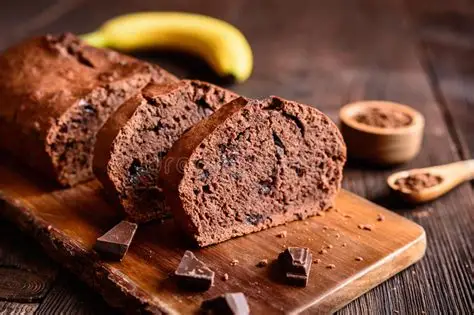
Chocolate Banana Protein Bread Recipe – 10g Protein Per Slice

0

Three overripe bananas sat on my counter last Tuesday, developing those brown spots that either mean banana bread or compost. My teenager walked by, grabbed one, looked at it with disgust, and said, “Can you make that chocolate banana bread again? But like, with more chocolate?”

Challenge accepted. Except this time, I went full protein mode. This loaf packs 10 grams of protein per slice — that’s basically a snack bar that tastes like double chocolate cake. The combination of chocolate whey protein and cocoa powder creates this insanely rich, fudgy texture that had my husband convinced I’d used a box mix.

The first time I made this, I ate three slices for dinner. With a glass of milk. Standing over the sink. Zero regrets. It’s technically bread, which means it’s technically acceptable for breakfast, lunch, dinner, or that 3 PM slump when you need chocolate but also want to hit your protein goals. I’m calling it meal prep. My trainer calls it genius.

Why This Protein Chocolate Banana Bread Actually Works

Most protein banana breads taste like someone forgot the joy. They’re either dry enough to choke a horse, dense as a brick, or have that weird artificial protein taste that no amount of chocolate chips can mask. I’ve made them all in my quest for a banana bread that doesn’t derail my macros.

This recipe works because we’re using the bananas and Greek yogurt (or applesauce) to combat the drying effect of protein powder. The riper your bananas, the better — we’re talking black-spotted, your-spouse-questions-your-sanity ripe. That natural sweetness means we can use less added sugar while still getting that bakery-level flavor.

The secret weapon? Coconut oil. I know, I know, butter is traditional. But coconut oil keeps this bread moist for days and adds this subtle richness that makes people ask what your secret is. Plus it plays perfectly with chocolate. Science? Magic? Who cares, it works.

Ingredients for High-Protein Chocolate Banana Bread

This makes one standard 9×5 inch loaf, about 10 slices (or 3 if you’re having a day):

The Wet Squad:

  • 3 medium super-ripe bananas (about 1½ cups mashed — the blacker, the better)
  • ½ cup Greek yogurt or unsweetened applesauce (yogurt adds more protein)
  • 2 large eggs (room temperature if you remember, cold if you’re like me)
  • 2 tablespoons coconut oil, melted (this is the secret to keeping it moist for days)
  • 1 teaspoon vanilla extract

The Dry Team:

  • ½ cup oat flour (or whole wheat — I use Bob’s Red Mill oat flour for the texture)
  • ¾ cup chocolate whey protein powder (about 75g — I use Optimum Nutrition Double Chocolate because it actually tastes like chocolate, not disappointment)
  • ¼ cup unsweetened cocoa powder (Dutch-processed if you want that deep, rich flavor — it makes a difference)
  • â…“ cup sugar substitute like erythritol (or ¼ cup maple syrup/honey for less “diet” vibes)
  • ¼ teaspoon salt (trust me, it makes the chocolate pop)
  • ¾ teaspoon baking soda
  • ¼ teaspoon baking powder (for extra lift)

The Fun Stuff:

  • ½ cup mini chocolate chips (plus extra for the top because we’re not savages)
  • Optional: ½ cup chopped walnuts (for people who like texture)

Swaps That Don’t Ruin Everything:

  • No protein powder? Use more oat flour but you’ll lose the protein boost
  • Sugar-free? Stick with erythritol or monk fruit sweetener
  • Nut-free? Skip the walnuts (obviously) and use sunflower seed butter instead of nut butter swirls
  • Vegan? Use flax eggs and plant protein powder

Step-by-Step Instructions for Protein Banana Bread

Let’s make some chocolate magic happen. Preheat that oven to 350°F and get ready for your kitchen to smell like a brownie and banana bread had a beautiful baby.

  1. Prep your pan. Grease a 9×5 inch loaf pan. I line mine with parchment paper too because I like easy cleanup. Leave some overhang so you can lift the bread out later like a little chocolate elevator.
  2. Mash those bananas. In a large bowl, mash your bananas until mostly smooth. A few lumps are fine — they’ll be little pockets of banana flavor. The riper they are, the easier this is. If they’re basically liquid, you’ve reached banana bread nirvana.
  3. Mix the wet ingredients. To your mashed bananas, add the Greek yogurt (or applesauce), eggs, melted coconut oil, and vanilla. Mix it all together. It’ll look like baby food. That’s… actually perfect. If you have a KitchenAid stand mixer, use it. If not, a whisk and some determination work fine.
  4. Combine the dry ingredients. In another bowl, whisk together the oat flour, protein powder, cocoa powder, sweetener, salt, baking soda, and baking powder. Break up any protein powder lumps — they like to hide and then surprise you later as weird pockets in your bread.
  5. The crucial combination. Add the dry ingredients to the wet ones. Fold gently with a spatula — we’re not making bread dough here. Mix just until you can’t see dry flour. The batter will be thick, thicker than regular banana bread. That’s the protein powder doing its thing.
  6. Fold in the chocolate. Add most of your chocolate chips (save some for the top) and fold them in. If using nuts, add them now. Try not to eat all the chocolate chips. I dare you.
  7. Into the pan. Pour the batter into your prepared pan. It won’t pour like regular batter — you might need to spread it with a spatula. Smooth the top and sprinkle those reserved chocolate chips on top. Press them in slightly so they don’t all roll off.
  8. The baking patience test. Bake for 45-50 minutes. Start checking at 40 minutes — stick a toothpick in the center. You want it to come out with just a few moist crumbs, not wet batter. If the top is browning too fast, tent it with foil.
  9. The impossible wait. Let it cool in the pan for 10 minutes. I know. The smell is torture. The chocolate is melty. You want to eat it NOW. But if you try to remove it too soon, it’ll fall apart. After 10 minutes, lift it out using the parchment overhang and cool on a wire rack.
  10. The moment of truth. Slice with a sharp knife (wipe between cuts for clean slices if you’re photographing). Serve warm with a smear of almond butter, or cold from the fridge (it gets fudgier cold), or toast a slice and add butter. There’s no wrong way.

Pro Tips for Perfect Protein Banana Bread

Banana ripeness is everything. If your bananas aren’t covered in spots, they’re not ready. The natural sugars haven’t developed enough. Pro tip: stick yellow bananas in a 300°F oven for 15 minutes to fast-ripen them.

Don’t overmix. Seriously. The second you add those dry ingredients, you’re on borrowed time. Overmixing develops gluten and activates the protein powder’s binding properties = tough, dense bread.

Room temperature ingredients mix better. But who remembers to take eggs out early? Hack: put cold eggs in warm water for 5 minutes. Microwave the coconut oil if it solidified again.

The toothpick test lies sometimes. With the chocolate chips, your toothpick might hit melted chocolate and come out looking wet even when the bread is done. Aim for the center but avoid visible chocolate chips.

Let it rest overnight. I know, more waiting. But this bread is actually better the next day. The flavors meld, the texture improves, and it slices cleaner. If you can resist.

How to Store Protein Chocolate Banana Bread

Counter: Wrapped tightly in plastic wrap or in an airtight container, it’ll last 2-3 days. After day 2, it starts getting extra moist (not in a good way).

Refrigerator: My preferred method. Wrapped well, it lasts a full week. The cold makes it extra fudgy. I actually prefer it cold — it’s like a brownie-banana bread hybrid.

Freezer: Slice first, wrap individual slices in plastic wrap, then store in a freezer bag. Lasts 3 months. Thaw overnight in the fridge or microwave for 30 seconds. Toast frozen slices directly in the toaster for a crispy outside, soft inside situation.

Troubleshooting Common Banana Bread Problems

Dry and crumbly: Either overbaked, too much protein powder, or not enough moist ingredients. Next time, check earlier and maybe add an extra tablespoon of yogurt.

Sinking in the middle: Your leavening (baking soda/powder) might be old, or the oven temperature is off. Get an oven thermometer — most ovens lie.

Bitter taste: Too much cocoa powder or your cocoa is old. Cocoa powder goes stale and bitter. Also, some protein powders are just bitter — find a better brand.

Won’t come out of the pan: Should’ve used that parchment paper, friend. Next time, grease AND line. For now, run a knife around the edges and pray.

Weird protein taste: Some protein powders are aggressive. Chocolate flavored usually masks it better than vanilla. The banana and chocolate should hide most of it, but if not, try a different brand.

Recipe Variations for Different Chocolate Banana Breads

Peanut Butter Swirl: Drop spoonfuls of peanut butter on top of the batter, swirl with a knife. It’s like a Reese’s met banana bread.

Mint Chocolate: Add ½ teaspoon peppermint extract, use mint chocolate chips. It’s controversial but delicious.

Nutella Stuffed: Pour half the batter in, add a layer of Nutella (warm it slightly to make it spreadable), top with remaining batter. Not exactly healthy but YOLO.

Protein Brownie Style: Use all chocolate protein powder (no oat flour), add an extra egg. It’s basically brownies pretending to be bread.

Mocha Version: Add 2 tablespoons instant espresso powder to the dry ingredients. Coffee and chocolate and banana? Trust me on this one.

Nutrition Facts Per Slice

Based on 10 slices per loaf:

  • About 150 calories
  • 10g protein (more than most granola bars!)
  • 20g carbs
  • 4g fat
  • 3g fiber

Compare that to regular chocolate banana bread at about 250 calories and 4g protein per slice. You’re getting more than double the protein for fewer calories. This is the math that makes me happy.

The protein keeps you satisfied way longer than regular banana bread. I can have a slice at 3 PM and make it to dinner without raiding the pantry. Regular banana bread? I’m hungry again in an hour.

Serving Suggestions for Maximum Chocolate Impact

Let’s talk presentation, because we eat with our eyes first. My go-to: slice it thick, warm it for 10 seconds in the microwave, add a dollop of Greek yogurt on top, drizzle with sugar-free chocolate syrup, sprinkle with a few extra chocolate chips. Instagram gold.

For brunch, make it fancy: cut into thick slices, arrange on a platter, dust with powdered sugar, serve with bowls of whipped cream, sliced bananas, and extra chocolate chips. People think you’re a pastry chef.

But honestly? Most of the time I eat it straight from the fridge, no plate, standing in front of the open refrigerator at 10 PM. My husband calls this “banana bread meditation.” He’s not wrong.

More High-Protein Recipes You’ll Love

If you’re into this whole “dessert that’s secretly healthy” thing, you need these other recipes in your life:

Protein Pumpkin Cinnamon Roll Muffins — Like eating a cinnamon roll that’s actually good for you. 8g protein per muffin.

High-Protein Gingerbread Pancakes — 30g protein per serving. Taste like Christmas cookies in pancake form.

High-Protein Pumpkin French Toast — 13g protein per slice. Weekend brunch game-changer.

Pumpkin Cheesecake Protein Overnight Oats — For when you need breakfast waiting in the fridge.

Pro tip: Stock up on protein powder when it’s on sale. That Orgain protein powder works in all of these recipes. One shopping trip, endless breakfast wins.

Why This Chocolate Banana Bread Is My Therapy

Real talk: I make this bread when I need comfort food that won’t derail my fitness goals. Bad day? Chocolate banana bread. Kids driving me crazy? Chocolate banana bread. Random Tuesday? You get it.

There’s something therapeutic about mashing bananas with unnecessary aggression, folding in chocolate chips while taste-testing a few (dozen), and having your house smell like a bakery. It’s stress baking that actually supports your goals instead of sabotaging them.

My teenager now makes this himself when he needs “gains bread” (his term). My younger daughter requests it in her lunch box, sliced thick with almond butter. Even my mother, who thinks protein powder is “suspicious,” admits it’s “quite nice for healthy food.”

The best part? It freezes perfectly. I always have a loaf in the freezer for chocolate emergencies. Because chocolate emergencies are real, and this bread is the solution.

Make this next time you have sad bananas on your counter. Or happy bananas. Or no bananas — go buy some and let them get spotty. Your future self will thank you when you’re eating fudgy, chocolatey, protein-packed bread that makes you feel like you’re cheating on your diet but you’re actually winning at life.

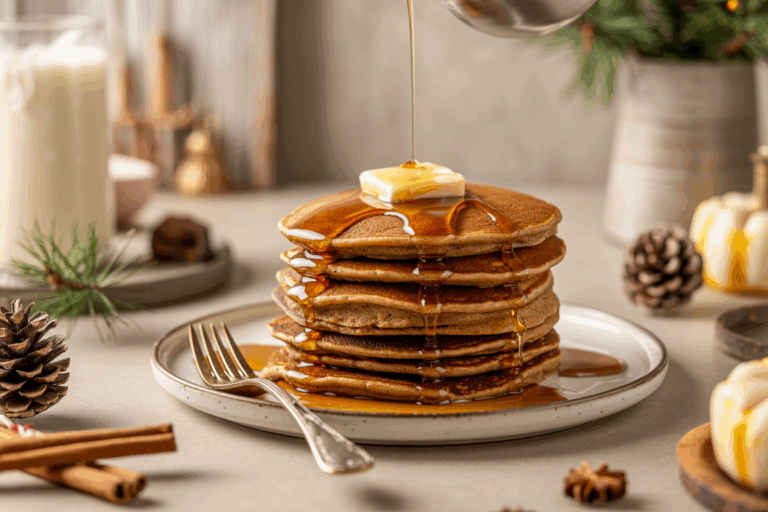
High-Protein Gingerbread Pancakes Recipe – 30g Protein Per Stack

December mornings in my house used to smell like coffee and chaos. Now they smell like gingerbread and still chaos, but at least we’re well-fed. These protein-packed gingerbread pancakes happened because my daughter asked if we could have “Christmas cookies for breakfast,” and honestly? Why not.

Except instead of sugar-bombing our morning, I created these beauties that pack 30 grams of protein per serving. That’s more than a chicken breast, friends. But they taste like those soft gingerbread cookies from the bakery — all warm spices and molasses sweetness — just in fluffy pancake form.

The first time I made these, my husband literally checked the trash to see if I’d thrown away a box from some fancy pancake mix. Nope, just Greek yogurt, protein powder, and a heavy hand with the ginger. Now I make a double batch every Sunday because apparently, we’re “gingerbread people” now. I’m not mad about it.

Why These Protein Gingerbread Pancakes Are Different

Let’s address the elephant in the room: most protein pancakes taste like disappointment covered in syrup. They’re either rubber discs that bounce when you drop them, or they’re so dry you need a gallon of milk to choke them down. I’ve made them all in my quest for the perfect high-protein breakfast.

These work because Greek yogurt is doing the heavy lifting. It adds protein without the weird texture that too much protein powder creates. The molasses isn’t just for flavor — it keeps everything moist and gives you that authentic gingerbread taste that makes you think of Christmas mornings and cozy sweaters.

And here’s my secret weapon: letting the batter rest for 2 minutes. I know, I know, patience when you’re hungry is torture. But those 2 minutes let the oat flour hydrate and the baking powder activate, giving you tall, fluffy pancakes instead of sad, flat protein pucks.

Ingredients for High-Protein Gingerbread Pancakes

This makes about 6 medium pancakes (serves 2 hungry people or 1 very hungry person — no judgment):

The Dry Squad:

  • 1 cup oat flour (I make my own by blitzing oats, but Bob’s Red Mill oat flour is perfectly fine and saves time)
  • 1 scoop unflavored or vanilla whey protein powder (about 20-25g — vanilla adds subtle sweetness)
  • 1½ teaspoons ground ginger (don’t be shy here — gingerbread needs punch)
  • 1 teaspoon ground cinnamon
  • ¼ teaspoon nutmeg (fresh grated if you’re fancy, pre-ground if you’re normal)
  • 1 teaspoon baking powder (check the date — old baking powder = flat pancakes)
  • Pinch of salt

The Wet Team:

  • 1 whole egg plus 2 egg whites (or â…“ cup liquid egg whites if you’re lazy like me)
  • ¾ cup low-fat Greek yogurt (full-fat works too but changes the macros)
  • â…“ cup milk (any kind — I use whatever’s open)
  • 2 tablespoons unsulfured molasses (this is KEY — I use Grandma’s Original Unsulfured Molasses from Amazon Fresh)
  • 1 teaspoon vanilla extract
  • Cooking spray or butter for the pan

The Toppings That Make It Special:

  • Sugar-free syrup or real maple syrup
  • Whipped cream (or whipped Greek yogurt if you’re being good)
  • Crushed gingersnap cookies (for that extra gingerbread moment)
  • Chopped pecans or walnuts

Substitutions That Actually Work:

  • Whole wheat flour instead of oat flour (use ¾ cup — it’s denser)
  • Plant-based protein powder (the texture might be slightly different)
  • Coconut yogurt for dairy-free (get the thick stuff, not the runny kind)
  • Honey or maple syrup instead of molasses (you’ll lose the gingerbread flavor but they’ll still be good)

Step-by-Step Instructions for Gingerbread Protein Pancakes

Alright, let’s make some holiday magic happen. Get your griddle ready — I use this electric griddle I picked up on Amazon because it holds the perfect 325°F temperature and fits like 8 pancakes at once. Total game-changer for feeding a crowd. But a regular non-stick pan works too!

  1. Mix your dry ingredients. In a medium bowl, whisk together the oat flour, protein powder, ginger, cinnamon, nutmeg, baking powder, and salt. The spices might clump a bit — break them up with your whisk. Your kitchen should already smell amazing.
  2. Combine the wet ingredients. In another bowl (or a large measuring cup if you’re minimizing dishes), whisk the egg, egg whites, Greek yogurt, milk, molasses, and vanilla. The molasses makes everything dark and gorgeous. If your molasses is being stubborn and not mixing, microwave the wet ingredients for 20 seconds to help it incorporate.
  3. Make the batter. Pour the wet ingredients into the dry and stir gently with a spatula. Don’t overmix — some small lumps are totally fine. The batter will be thick, thicker than regular pancake batter. That’s the protein and Greek yogurt doing their thing. If it seems too thick to pour, add a splash more milk.
  4. The crucial rest. Let the batter sit for 2 minutes. I’m serious. Set a timer. Use this time to heat your griddle to medium-low heat (about 325°F if your griddle has numbers). This rest makes the difference between flat protein discs and fluffy gingerbread clouds.
  5. Test your heat. Spray or butter your cooking surface. Flick a drop of water on it — if it dances and evaporates quickly, you’re ready. If it just sits there, too cool. If it instantly vaporizes, too hot.
  6. Pour the pancakes. Use a ¼ cup measure or small ladle to pour the batter. These don’t spread much, so make them the size you want. I usually do 4-inch pancakes. Don’t crowd them — angry pancakes don’t flip well.
  7. Watch for the bubbles. Cook for 2-3 minutes until bubbles form on the surface and the edges look set. The bubbles should pop and leave little holes that don’t immediately fill back in. That’s your flip signal.
  8. Flip with confidence. Slide your spatula completely under the pancake and flip decisively. Hesitation leads to broken pancakes and sadness. Cook another 1-2 minutes until golden brown.
  9. Keep them warm. Transfer to a plate and keep warm in a 200°F oven while you make the rest. Or just eat them as you go — I won’t tell.
  10. Stack and serve. Stack them high, add a pat of butter between layers if you’re feeling indulgent, drizzle with syrup, and maybe dust with a little powdered sugar to make them look like they’re covered in snow. Instagram optional but recommended.

Pro Tips for Perfect Protein Pancakes Every Time

Temperature is everything. Too hot and they’ll burn outside while staying raw inside. Too cool and they’ll be pale and sad. Medium-low is your sweet spot. If you have an electric griddle, 325°F is perfect.

Don’t flip too early. I know it’s tempting, but wait for those bubbles. Early flipping = broken pancakes = breakfast tragedy.

The first pancake is always weird. It’s like the griddle needs a practice round. Don’t judge the batch by the first one. It’s the sacrificial pancake.

Double the batch. These freeze beautifully. Put parchment between them, freeze in a zip bag, and reheat in the toaster. Weekday breakfast: solved.

The molasses matters. Unsulfured molasses tastes cleaner and less bitter. Grandma’s Original Unsulfured is my go-to — it’s perfectly balanced, not too intense. Blackstrap is too bitter for these. Regular sulfured molasses works but has a slight metallic aftertaste.

Storage and Meal Prep for Gingerbread Pancakes

Refrigerator: Stack with parchment between each pancake, store in an airtight container for up to 4 days. Reheat in the microwave for 30 seconds or toaster on medium.

Freezer: My favorite method. Cool completely, layer with parchment, freeze in a gallon bag for up to 3 months. Reheat straight from frozen in the toaster — they get slightly crispy edges which is actually amazing.

Batter storage: You can make the batter the night before and refrigerate it. It’ll thicken overnight, so add a splash of milk in the morning. The pancakes might be slightly denser but still delicious.

Troubleshooting Common Gingerbread Pancake Problems

Dense, heavy pancakes: You probably overmixed the batter. Next time, stir just until combined. Also check your baking powder — if it’s old, your pancakes won’t rise.

Pancakes falling apart: Your batter might be too thin. Add a tablespoon more oat flour. Or you’re flipping too early — wait for those bubbles!

Burnt outside, raw inside: Your heat’s too high. Lower it and be patient. Protein pancakes need gentler heat than regular ones.

No gingerbread flavor: Don’t be shy with the spices! And make sure your spices aren’t ancient — they lose potency. If your ginger is more than a year old, use extra.

Too “protein-y” tasting: Some protein powders are just aggressive. Try a different brand or use less protein powder and add more oat flour to compensate.

Recipe Variations for Different Dietary Needs

Chocolate Gingerbread: Add 2 tablespoons cocoa powder to the dry ingredients and fold in mini chocolate chips. It’s like a chocolate gingerbread cookie in pancake form.

Pumpkin Gingerbread: Replace ¼ cup of the yogurt with pumpkin puree. Add extra cinnamon. Basically fall and winter had a breakfast baby.

Banana Gingerbread: Mash half a banana into the wet ingredients, reduce milk slightly. Top with sliced bananas and a drizzle of almond butter.

Vegan Version: Use flax eggs (2 tbsp ground flax + 6 tbsp water), plant protein powder, coconut yogurt, and non-dairy milk. They’re slightly denser but still delicious.

Extra Indulgent: Make a cream cheese glaze with 2 oz softened cream cheese, 2 tablespoons powdered sugar, and a splash of milk. Drizzle over the stack. Not exactly health food but it’s the holidays.

Nutrition Facts Per Serving (3 Pancakes)

Here’s what you’re getting in a 3-pancake serving:

  • About 380 calories
  • 32g protein (yes, really!)
  • 43g carbs
  • 9g fat
  • 5g fiber

Compare that to regular gingerbread pancakes at about 400 calories and maybe 10g protein if you’re lucky. You’re getting triple the protein, plus the satisfaction of knowing you basically ate a health food that tastes like dessert.

The protein-carb ratio here is what makes these special. You get sustained energy instead of a sugar crash by 10 AM. I can eat these at 7 and not think about food until lunch.

Serving Suggestions for Instagram-Worthy Pancakes

Look, we all know half the joy of pancakes is making them look amazing. My go-to presentation: stack 3-4 pancakes slightly offset, dust with powdered sugar (use a fine mesh strainer for that snow effect), add a dollop of whipped cream, sprinkle crushed gingersnaps on top, and stick a cinnamon stick in at a jaunty angle.

For a holiday brunch spread, make mini pancakes (use a tablespoon to portion) and set up a pancake bar. Little bowls of toppings — whipped cream, crushed cookies, chopped nuts, mini chocolate chips, different syrups. People lose their minds over a pancake bar.

But honestly? Most mornings I eat these standing at the counter, no plate, syrup dripping, while packing lunch boxes. They taste just as good.

More High-Protein Breakfast Recipes You’ll Love

If you’re into this whole protein breakfast thing (welcome to the club), you need to check out these other recipes that have been fueling my mornings:

Protein Pumpkin Cinnamon Roll Muffins — Like eating a cinnamon roll that’s actually good for you. 8g protein per muffin and they freeze perfectly.

High-Protein Pumpkin French Toast — 13g protein per slice. Tastes like fall, works any season. My kids request this every weekend.

Pumpkin Cheesecake Protein Overnight Oats — For when you need breakfast ready when you wake up. Tastes like dessert, acts like a responsible meal.

Pumpkin Spice Protein Coffee Shake — Coffee AND breakfast in one glass. Efficiency at its finest.

Pro tip: That Orgain pumpkin spice protein powder I mentioned? Works in all of these recipes. One purchase, endless breakfast wins.

Why These Gingerbread Pancakes Changed My December Mornings

Real talk: December is chaos. Between holiday parties, shopping, and trying to make everything magical for everyone else, breakfast usually becomes whatever I can grab. These pancakes changed that.

They’re special enough that my kids think they’re getting a treat (winning!), but packed with enough protein that nobody’s having a meltdown by 10 AM. I make a huge batch on Sunday and we eat them all week — from the freezer, in the toaster, revolutionary.

My favorite thing? They make the house smell like gingerbread. It’s like a candle you can eat. My neighbor asked what I was baking at 7 AM on a Tuesday. “Breakfast,” I said, like making gingerbread pancakes on a weekday was totally normal. Now she makes them too.

The best part is watching my teenage son make these himself before early morning practice. He used to grab a Pop-Tart and call it breakfast. Now he’s flipping gingerbread protein pancakes like a short-order cook. I’m calling that a parenting win.

Make these this weekend. Make a double batch. Hell, make a triple batch. Your future rushed morning self will thank you when you’re pulling homemade gingerbread pancakes out of the toaster while everyone else is eating sad cereal.

And if you eat them for dinner sometimes? I fully support that decision. Breakfast for dinner is a love language, especially when that breakfast packs 32 grams of protein.

P.S. — Tag me when you make these! I want to see your pancake stacks. Mine are never perfectly round but they taste amazing and that’s what matters, right?

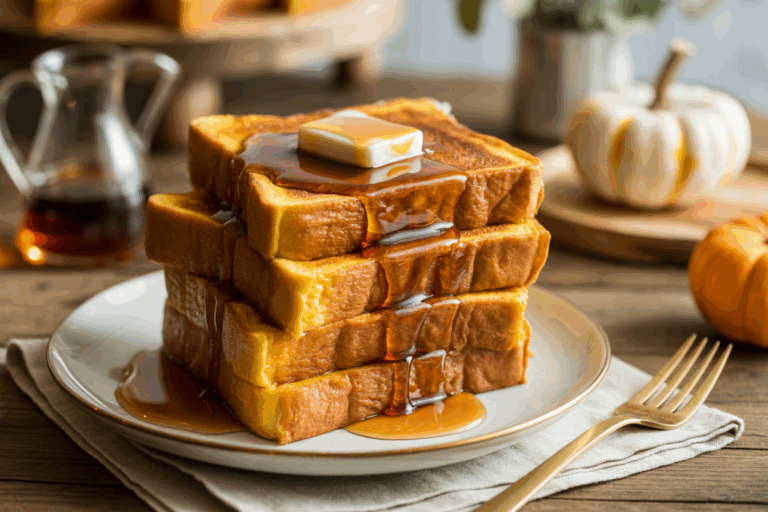
High-Protein Pumpkin French Toast Recipe – 13g Protein Per Slice

Sunday morning. Kids are still asleep. Coffee’s brewing. And I’m standing in my kitchen at 7 AM, whisking protein powder into pumpkin puree like some kind of fall-obsessed mad scientist. This is what happens when you realize regular French toast — as glorious as it is — leaves you hungry again by 10 AM.

I discovered this protein-packed version last October when my teenager asked if French toast could “actually fill me up for once.” Challenge accepted, kiddo.

These slices deliver 13 grams of protein each (that’s more than two eggs!), but here’s the kicker — they taste like pumpkin pie and French toast had the most delicious autumn baby. The protein powder and egg whites create this custard-like coating that gets crispy on the outside but stays soft and custardy inside. My husband literally thought I’d used some fancy bakery trick. Nope, just strategic protein placement.

Why This High-Protein Pumpkin French Toast Actually Works

Let’s be honest — most protein French toast recipes taste like soggy cardboard dipped in sadness. They either get rubbery from too much egg white or grainy from protein powder that won’t blend. Been there, tossed that in the trash.

This recipe works because the pumpkin puree does triple duty: it helps the protein powder blend smoothly (no chunks!), adds natural sweetness without sugar crashes, and creates that creamy texture we’re after. Plus, the combination of whole eggs and egg whites gives you protein without that weird rubbery thing that happens when you use only whites.

The real game-changer? Using thick-sliced bread. We’re talking proper French toast thickness — about ¾ to 1 inch. You want those luxurious slices that can really soak up the protein mixture while keeping a custardy center. Thin bread just gets soggy and sad. If you can’t find thick-sliced at the store, grab an unsliced loaf and cut it yourself. Trust me, thickness matters here.

Ingredients for Protein Pumpkin French Toast

This makes 3 slices — perfect for one hungry person or sharing if you’re feeling generous (I’m usually not):

The Protein-Packed Coating:

  • 3 slices thick-cut bread (¾ to 1 inch thick — grab an unsliced loaf and cut it yourself for best results, or use Texas toast)
  • 1 scoop vanilla whey protein powder (about 25g — Orgain’s pumpkin spice protein powder is absolutely perfect here)
  • ½ cup liquid egg whites (or 3 egg whites if you’re cracking them fresh)
  • 2 tablespoons pumpkin puree (canned, not pumpkin pie filling)
  • 1 teaspoon ground cinnamon (plus a dash of nutmeg if you’re feeling fancy)
  • ½ teaspoon vanilla extract
  • 2-3 tablespoons milk (any kind — you need more for thick bread)
  • Butter or cooking spray for the pan

The Toppings That Make It Special:

  • Sugar-free syrup (or regular maple syrup if you’re not watching sugar)
  • A pat of butter (because we’re not monsters)
  • Optional: Greek yogurt dollop, chopped pecans, or extra cinnamon

Swaps That Actually Work:

  • Gluten-free? Use your favorite GF bread — just make sure it’s sturdy enough to hold up
  • No protein powder? You can skip it but you’ll lose about 8g protein per serving
  • Dairy-free? Use plant milk and skip the butter for coconut oil
  • Want it richer? Replace egg whites with 2 whole eggs (adds fat but so worth it sometimes)

Step-by-Step Instructions for High-Protein French Toast

Alright, let’s make some magic. This whole thing takes about 10 minutes start to finish, which means you can make it even on a weekday. Revolutionary, I know.

  1. Mix your protein coating. In a shallow bowl (I use a pie plate because more surface area = easier dipping), whisk together the protein powder, egg whites, pumpkin puree, cinnamon, and vanilla. It’ll look thick and weird. Add the milk, one tablespoon at a time, until it’s the consistency of regular French toast batter — pourable but not too thin. The protein powder makes it thicker than usual, so don’t panic.
  2. Heat your pan properly. This is crucial — medium heat, not medium-high. Protein powder burns faster than regular French toast batter (learned this the smoky way). Heat your pan and add a little butter or spray. If you have a good non-stick pan, you’ll need less butter, but a little fat makes everything better.
  3. The dipping technique. Here’s where thick bread shines — dip each slice in the mixture for about 5-6 seconds per side. You want that protein mixture really soaking in. The thick bread can handle it without falling apart. Press down gently with a fork to help absorption if needed. The center should still have some structure, not be completely saturated.
  4. Cook the first side. Place the dipped bread in your pan. You should hear a gentle sizzle, not an angry hiss. Cook for 3-4 minutes until the bottom is golden brown. The thick bread needs a bit more time to cook through. The protein powder makes it brown faster than regular French toast, so keep an eye on it.
  5. Flip carefully. Use a wide spatula and flip confidently — thick bread is actually easier to flip than thin. Cook another 3-4 minutes on the second side. You’ll know it’s done when both sides are golden and the center feels set, not squishy. If it’s browning too fast but the center’s still raw, lower your heat.
  6. The fancy finish. If you want to be extra (and why wouldn’t you?), after both sides are cooked, stand each slice on its edge in the pan for about 30 seconds to crisp up the edges. Game changer.
  7. Stack and serve immediately. French toast waits for no one. Stack those bad boys up, add a pat of butter on top (it’ll melt into golden puddles of joy), drizzle with syrup, and maybe dust with a little extra cinnamon if you’re feeling fancy.

Pro Tips for Perfect Protein French Toast Every Time

After making this approximately 47 million times (slight exaggeration), here’s what I’ve learned:

The bread matters more than you think. Thick-cut bread is essential — we’re talking ¾ to 1 inch thick. If your store doesn’t have thick-sliced, buy an unsliced loaf and cut it yourself. Slightly stale bread (day-old) is actually perfect because it’s a bit dried out and soaks up more of the protein mixture without falling apart. Fresh bread works too, but be gentler when handling.

Temperature control is everything. Too hot and the outside burns while the inside stays gooey. Too cool and it never gets that beautiful crust. Medium heat, patience, and maybe a prayer to the breakfast gods.

The protein powder brand matters. Some blend better than others. I’ve had the best luck with vanilla or pumpkin spice flavors. Chocolate works but tastes weird with the pumpkin (learned that during an experimental phase we don’t talk about).

Don’t skip the pumpkin. I know it seems like you could just use protein powder and egg whites, but the pumpkin is what makes this not taste like diet food. It adds moisture, sweetness, and that fall flavor that makes everyone think you’re a breakfast genius.

Storage and Meal Prep for Protein French Toast

Real talk: French toast is best fresh. But I’m a realist, and sometimes you need breakfast ready to go.

Refrigerator: Cook completely, let cool, then store in an airtight container for up to 3 days. Reheat in the toaster (yes, really) for best results. Microwave works but makes them a bit soggy.

Freezer: Place parchment paper between slices, freeze in a zip-top bag for up to 2 months. Reheat straight from frozen in the toaster or toaster oven. It’s not quite as good as fresh, but it’s 1000% better than no French toast.

Meal Prep Hack: Make the protein mixture the night before and store it in a jar in the fridge. Shake it up in the morning, and you can have French toast in 5 minutes flat. I do this on Sundays and have easy French toast all week.

Troubleshooting Common Protein French Toast Problems

It’s burning on the outside but raw inside: Your heat’s too high. Lower it and be patient. Protein powder browns faster than regular batter.

The coating won’t stick: Your mixture might be too thick. Add a splash more milk. Or your bread might be too fresh and soft — slightly stale bread works better for absorption.

It tastes too “protein-y”: Use less protein powder (maybe ¾ scoop) or find a better-tasting brand. The pumpkin and cinnamon should mask most of the protein taste, but some powders are just aggressive.

It’s soggy in the middle: With thick bread, this usually means your heat’s too high (causing the outside to cook before the inside) or you’ve over-soaked the bread. Lower the heat and be patient — thick French toast needs time to cook through.

It falls apart when flipping: You might be soaking the bread too long, or your bread might be too soft. Slightly stale or toasted bread works better.

Recipe Variations for Different Protein French Toast Flavors

Banana Bread French Toast: Skip the pumpkin, mash half a banana into the mixture, add a dash of nutmeg. Top with sliced bananas and a drizzle of almond butter. Basically dessert for breakfast.

Churro Style: After cooking, immediately roll in a mixture of cinnamon and sugar substitute (or regular sugar if you’re living your best life). Serve with a side of Greek yogurt for dipping.

Savory Plot Twist: Skip the pumpkin and vanilla, use unflavored protein powder, add herbs and a pinch of salt. Serve with sliced avocado and everything bagel seasoning. Sounds weird, tastes amazing.

Birthday Cake Version: Use vanilla cake flavored protein powder, add sprinkles to the batter (yes, really), top with whipped Greek yogurt and more sprinkles. My kids lose their minds over this.

Nutrition Facts Per Slice of Protein French Toast

Here’s what you’re getting per slice (not including toppings):

  • About 110 calories
  • 13g protein (boom!)
  • 12g carbs
  • 1g fat
  • 2g fiber

Compare that to regular French toast at about 180 calories and 6g protein per slice. You’re getting double the protein for fewer calories. Math that actually makes breakfast better.

The protein keeps you full for hours. I can eat this at 7 AM and not think about food again until noon. With regular French toast? I’m raiding the pantry by 9:30.

Serving Suggestions for Instagram-Worthy Protein French Toast

Let’s be real — we eat with our eyes first, especially if you’re photographing for the ‘gram. My go-to presentation: stack three slices slightly offset, add that butter pat on top so it’s melting photogenically, drizzle syrup in an artistic pattern (or just dump it on, both work), dust with cinnamon, and add a few pecans if I’m feeling fancy.

For a brunch spread, cut the French toast into triangles and arrange on a platter with small bowls of toppings — Greek yogurt, chopped nuts, mini chocolate chips, sliced bananas. People love a French toast bar situation.

But honestly? Most mornings I eat this standing at my counter, no plate, syrup dripping on my shirt, while scrolling through my phone. It tastes just as good.

More Fall Protein Recipes You’ll Love

If you’re into this pumpkin protein situation (and honestly, who isn’t?), you’ve got to try these other fall breakfast winners I’ve been making on repeat:

Pumpkin Cheesecake Protein Overnight Oats — When you need breakfast waiting for you in the fridge. Tastes like pie, acts like a responsible adult breakfast.

High-Protein Pumpkin Pancakes — For when you want a stack of something fluffy. These have even more protein than the French toast if you can believe it.

Pumpkin Spice Protein Coffee Shake — Coffee AND breakfast in one glass. I call this efficiency. My husband calls it genius.

High-Protein Pumpkin Pie Overnight Oats — Another overnight oats option because meal prep is life, and these literally taste like pumpkin pie filling with 20+ grams of protein.

Pro tip: Get yourself that Orgain pumpkin spice protein powder and you can make all of these recipes taste like fall in a bowl. Or on a plate. You get it.

Why This Protein French Toast Changed My Morning Game

Look, I used to be a skip-breakfast person. Then I’d wonder why I was hangry by 10 AM and eating everything in sight by lunch. This French toast changed that. It’s fast enough for weekdays (seriously, 10 minutes), special enough for weekends, and keeps me full until actual lunchtime.

My teenager now makes this himself before early morning practice. My husband requests it every Sunday. Even my mother-in-law, who side-eyes anything with protein powder, admitted it was “actually quite nice” — which from her is basically a James Beard award.

The best part? It doesn’t taste like diet food or sad “healthy” French toast. It tastes like actual French toast that happens to have superpowers. The pumpkin makes it seasonal, the protein makes it functional, and the crispy edges make it absolutely crave-worthy.

Make this tomorrow morning. Or tonight for dinner — breakfast for dinner is totally valid, especially when it’s got 13g of protein per slice. Your morning self (or evening self, no judgment) will thank you.

P.S. — If you make this, tag us in your Instagram stories. I need to see your syrup-to-French toast ratios. Mine is embarrassing but delicious.

High-Protein Pumpkin Cinnamon Roll Muffins Recipe – 8g Protein Per Muffin

There’s this moment every September when I open my first can of pumpkin puree for the season. You know the one — that metallic pop of the lid, the burnt orange revealing itself, and suddenly my entire kitchen smells like possibility. Last week, that moment happened at 6 AM while my coffee was still brewing, and I thought: what if cinnamon rolls and protein bars had a baby?

Stay with me here.

I’ve been making these pumpkin cinnamon roll muffins every Sunday for three falls running now, and they’ve become something of a legend in my meal prep containers. My husband calls them “those orange things that don’t taste healthy,” which, honestly? Best compliment ever. Each muffin packs about 8 grams of protein (yes, really), but they taste like you raided a bakery case — all cinnamon-sugar swirls and tender crumb.

Why These Protein Pumpkin Cinnamon Roll Muffins Actually Work

Here’s the thing about protein baking: it usually tastes like cardboard dressed up for Halloween. Not these beauties. The secret? Greek yogurt and cottage cheese create this impossibly moist texture that protein powder alone can’t achieve. The pumpkin isn’t just here for the ‘gram either — it adds natural sweetness and keeps everything tender for days.

I started developing this recipe when my gym buddy mentioned she was eating straight protein powder mixed with water for breakfast. (I know, I know.) She needed something portable, protein-packed, and — here’s the kicker — that wouldn’t make her sad at her desk by 9 AM. These cinnamon roll muffins check all those boxes, plus they freeze like a dream.

The cinnamon roll twist happened by accident, actually. My daughter was helping one Sunday and decided to sprinkle cinnamon sugar on top “like at the coffee shop.” Sometimes the best recipes come from eight-year-olds who haven’t learned that protein muffins are supposed to be boring. Now that swirl is what makes these taste like actual cinnamon rolls — not just pumpkin muffins.

Ingredients for Pumpkin Cinnamon Roll Protein Muffins

Let’s talk shopping list. Nothing fancy here — most of this is probably hanging out in your pantry already:

The Foundation:

  • 1¼ cups oat flour (I usually make my own, but Bob’s Red Mill oat flour is perfectly ground and saves time)
  • ½ cup vanilla whey protein powder (about 50g — vanilla works great, but if you want to absolutely nail the fall vibes, Orgain’s pumpkin spice protein powder takes these to another level)
  • 1 teaspoon baking powder
  • 1 teaspoon baking soda
  • 1 teaspoon ground cinnamon (plus extra for that cinnamon roll swirl)
  • ½ teaspoon pumpkin pie spice (or just throw in some nutmeg and ginger)
  • Pinch of salt (don’t skip this — it wakes everything up)

The Wet Team:

  • 1 cup pumpkin puree (not pumpkin pie filling — learned that the hard way)
  • ¾ cup Greek yogurt (full-fat is dreamy here, but 2% works)
  • 2 large eggs, room temperature if you remember
  • 2 tablespoons maple syrup or honey
  • 1 teaspoon vanilla extract

The Cinnamon Roll Magic:

  • ½ cup mini chocolate chips (or regular ones chopped up)
  • 2 tablespoons brown sugar mixed with 1 teaspoon cinnamon for the signature cinnamon roll swirl

Rebel Substitutions That Actually Work:

  • No Greek yogurt? Blend ¾ cup cottage cheese until it’s smooth as silk
  • Hate protein powder? Add another ¼ cup oat flour and call it a day (you’ll lose some protein though)
  • Vegan? Flax eggs work here — 2 tablespoons ground flax with 6 tablespoons water

Step-by-Step Instructions for Pumpkin Cinnamon Roll Muffins

Alright, preheat that oven to 350°F and let’s do this. Grab your muffin tin — we’re making a dozen cinnamon roll muffins, so standard size. I splurged on this Wilton gold muffin pan last year and honestly? Game-changer. The muffins pop right out and bake so evenly. But any standard tin works! I always use muffin liners because I’m lazy about cleanup, but you can grease the tin if you’re feeling ambitious.

  1. Mix your dry ingredients. In a medium bowl, whisk together all your dry ingredients — the oat flour, protein powder, baking powder, baking soda, spices, and that pinch of salt. Set it aside. This is your patience-building moment.
  2. Combine the wet ingredients. In a bigger bowl (because we’re adding the dry to the wet, not the other way around — trust me on this), mix your pumpkin puree, Greek yogurt, eggs, maple syrup, and vanilla. It’ll look a bit lumpy and orange and not particularly appetizing. That’s perfect. If you have a KitchenAid stand mixer, this takes literally 30 seconds with the paddle attachment — total game-changer for my Sunday meal prep sessions. But a regular bowl and spoon work just fine too.
  3. Fold everything together gently. Here’s where people mess up: dump your dry ingredients into the wet ones and fold them together gently. We’re not making bread here; we’re not kneading. Just fold until you can’t see dry flour anymore. The batter will be thick — thicker than regular muffin batter. That’s the protein powder doing its thing. If it seems too thick to even stir, add a splash of milk. Just a splash though.
  4. Add the chocolate chips. Fold in most of your chocolate chips, saving a few for the tops (because we’re not animals, and pretty food tastes better).
  5. Divide the batter into muffin cups. Use a cookie scoop or two spoons to divide the batter between your 12 muffin cups. They should be about ¾ full.
  6. Create the signature cinnamon roll swirl. Now comes the part that makes these cinnamon roll muffins, not just pumpkin muffins — take that cinnamon sugar mixture and drop about half a teaspoon on top of each muffin. Use a toothpick or knife to swirl it in, making little figure-8s. This is what gives you that cinnamon roll flavor and look. Don’t overthink it; messy swirls look homemade.
  7. Bake for 22-25 minutes. Pop those babies in the oven. You’ll know they’re done when they spring back slightly when you poke the center, or when a toothpick comes out with just a few moist crumbs. The tops might crack a little — that’s character, not failure. The cinnamon swirl will caramelize beautifully.
  8. Cool properly (yes, it matters). Let them sit in the pan for about 5 minutes. I know, I know — the waiting is torture when your kitchen smells like a pumpkin spice latte and a cinnamon roll got married. But if you try to remove them too soon, they’ll fall apart. After 5 minutes, transfer them to a wire rack. Or, let’s be honest, eat one immediately while standing over the sink because “quality control.”

How to Store Pumpkin Cinnamon Roll Muffins

Room temperature: These cinnamon roll muffins last about 2 days in an airtight container, but they get a bit… moist. Not bad moist, just very tender.

Refrigerator: This is my go-to. They’ll keep for 5 days easy, and I actually prefer them cold. The cinnamon swirl stays perfect. Weird? Maybe. Delicious? Absolutely.

Freezer: The real MVP move. Wrap each cinnamon roll muffin in plastic wrap (or throw them all in a big freezer bag separated by parchment paper if you’re me). They freeze for up to 3 months. Microwave from frozen for 30-45 seconds, and it’s like you just baked them.

Troubleshooting Common Protein Cinnamon Roll Muffin Problems

Too dry? You probably overmeasured the protein powder or overbaked them. Protein powder is weird — it should be spooned into the measuring cup, not scooped. Next time, check them at 20 minutes.

Didn’t rise much? Check your baking soda and powder. They go bad faster than you’d think — I replace mine every 6 months now after the Great Pancake Disaster of 2022.

Taste too “protein-y”? Some protein powders are just… aggressive. Find one you actually like the taste of. I’ve tried them all, and vanilla is usually safest. Chocolate works too but decrease the cinnamon a bit.

Centers sinking? Your oven might run hot, causing the edges to set before the center is done. Try dropping the temperature to 325°F and baking a few minutes longer.

Cinnamon swirl disappeared? You might have mixed it in too much. Just do 2-3 swirls with a toothpick — you want to see that cinnamon sugar on top, like a real cinnamon roll.

Recipe Variations for Different Cinnamon Roll Muffin Flavors

Double Chocolate Cinnamon Roll Situation: Swap the vanilla protein for chocolate, add 2 tablespoons cocoa powder to the dry ingredients, use all chocolate chips, keep the cinnamon swirl. It’s basically a chocolate cinnamon roll, but with protein, so… breakfast?

Apple Cinnamon Roll Plot Twist: Replace half the pumpkin with unsweetened applesauce, add ½ cup diced apples, increase cinnamon to 1½ teaspoons in the batter, keep that swirl on top. Tastes like fall in New England.

Classic Cinnamon Roll Style: Skip the pumpkin entirely, use ¾ cup Greek yogurt and ¼ cup milk instead. Double the cinnamon sugar swirl. Add a simple glaze made from powdered sugar and milk. Boom — protein cinnamon roll muffins.

Nutrition Facts Per Cinnamon Roll Muffin

Per muffin, you’re looking at:

  • About 135 calories
  • 8g protein (that’s as much as an egg!)
  • 18g carbs
  • 4g fat
  • 2g fiber

But honestly? These numbers only tell part of the story. These cinnamon roll muffins keep me full until lunch, they don’t spike my blood sugar like regular cinnamon rolls, and my kids actually request them. That’s the real win.

Serving Suggestions for Pinterest-Perfect Cinnamon Roll Muffins

Since we’re being real here — these photograph beautifully with a dollop of Greek yogurt and a drizzle of maple syrup to really play up that cinnamon roll vibe. Add a cinnamon stick for “styling,” maybe some scattered oats. But most mornings? I eat mine straight from a Ziploc bag in my car. Both ways are valid.

For an actual fancy brunch, warm them slightly and serve with whipped cream cheese mixed with a little maple syrup and cinnamon — basically a healthier version of cinnamon roll frosting. People will think you’re a wizard. Let them.

More Fall Protein Recipes You’ll Love

Since you’re here for the pumpkin cinnamon roll goodness, let me share what else has been coming out of my kitchen this fall. I’ve been on a serious pumpkin kick (shocking, I know), and these recipes have been on heavy rotation:

Pumpkin Cheesecake Protein Overnight Oats — Tastes like dessert, acts like breakfast. I make five jars every Sunday and my mornings have never been easier.

High-Protein Pumpkin Pancakes — When you want something hot and fluffy for a lazy Saturday. These pack even more protein than the muffins, if you can believe it.

Pumpkin Spice Protein Coffee Shake — My secret weapon for busy mornings. It’s breakfast and coffee in one glass, and it actually keeps me full until lunch.

High-Protein Pumpkin Pie Overnight Oats — Another overnight oats variation because apparently I can’t stop. This one literally tastes like pumpkin pie filling, but with 20+ grams of protein.

The best part? You can use that same Orgain pumpkin spice protein powder in all of these. One purchase, endless fall breakfast options. I call that a win.

Final Tips for Perfect Protein Cinnamon Roll Muffins Every Time

Here’s what I’ve learned after making approximately 8,000 of these cinnamon roll muffins (slight exaggeration, but only slight): the best recipes are the ones that fit into your actual life. These muffins work because they’re forgiving — forgot the chocolate chips? Still good. Only have 2% yogurt? Fine. Kid added extra cinnamon while you weren’t looking? Probably improved them.

The cinnamon roll swirl is what really sets these apart from basic protein muffins. Don’t skip it, don’t be shy with it. That caramelized cinnamon sugar on top is what makes people ask for the recipe.

They freeze beautifully, travel well, and don’t require any special equipment beyond a bowl and a muffin tin. They’re fancy enough for your friend who “doesn’t eat processed foods” but simple enough to make while supervising homework on a Tuesday night.

And if you’re wondering — yes, I’ve eaten them for dinner. With a glass of wine. After a day when my toddler discovered scissors and gave the dog a haircut. No judgment in the muffin game.

Make a batch this weekend. Your future hungry self will thank you when you’re staring into the fridge at 6 AM, coffee in one hand, wondering how you’re supposed to adult today. These little cinnamon roll miracles have got your back.

P.S. — If you make these, tag me in your stories. I love seeing everyone’s cinnamon swirl patterns. Mine usually look like a toddler’s art project, but they taste amazing, and that’s what counts, right?

Keywords

protein pumpkin cinnamon roll muffins, high protein cinnamon roll muffins, pumpkin spice protein muffins, healthy cinnamon roll muffins, Greek yogurt pumpkin muffins, protein powder muffins, healthy pumpkin breakfast, meal prep protein muffins, cottage cheese muffins, fall protein recipes, cinnamon swirl protein muffins