
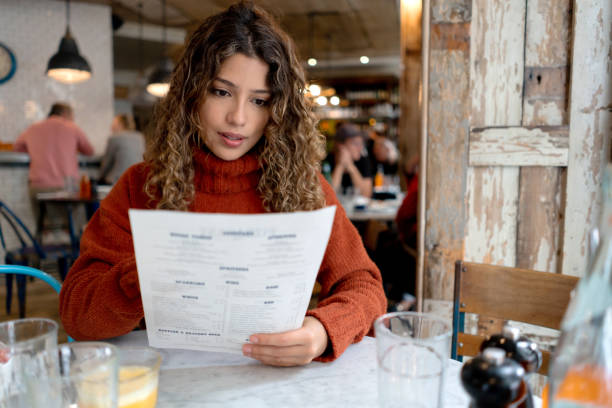

The first time I went to a restaurant on Ozempic, I ordered a $32 salmon entree and took three bites.
Three bites. Then I was completely, uncomfortably full. I spent the next hour pushing food around my plate, trying to look normal while my friends finished their meals and ordered dessert. The server kept asking if something was wrong with my food. Nothing was wrong with it. I just physically couldn’t eat it.
That experience made me avoid restaurants for almost a month. I didn’t know how to handle eating out when my appetite had basically vanished. It felt awkward, wasteful, and honestly kind of sad.
But here’s what I eventually figured out: dining out on GLP-1 medications isn’t impossible. It just requires a completely different approach than what you’re used to. Once you know the strategies, restaurants become totally manageable again.
Why Restaurants Feel So Difficult Now
GLP-1 medications do two things that make restaurant dining tricky.
First, they dramatically reduce how much food you can eat in one sitting. Your appetite is suppressed and your stomach empties slower, so what used to feel like a normal portion now feels like Thanksgiving dinner. You get full fast and stay full for a long time.
Second, they can make certain foods harder to tolerate. Rich, greasy, heavy dishes that you used to enjoy might now trigger nausea or sit like a brick in your stomach. Your body’s relationship with food has genuinely changed.
Restaurant portions are designed for people eating normal amounts. A standard entree assumes you’re going to eat the whole thing (or most of it). When your capacity has dropped to maybe a quarter of what it used to be, the math just doesn’t work anymore.
The good news is there are ways to adapt. You just have to think about restaurant meals differently than before.
The Appetizer-as-Entree Strategy
This single shift made the biggest difference for me.
Appetizers are designed to be smaller. They’re meant to be eaten before a larger meal. Which means they’re actually sized appropriately for someone whose appetite is suppressed.
A shrimp cocktail, a cup of soup, a small salad with grilled chicken, some lettuce wraps, a tuna tartare. These are entree-sized portions now. Order them without guilt or explanation.
Some restaurants have “small plates” sections that work the same way. Tapas-style places are actually ideal because everything comes in smaller portions by design. You can order two or three things and share them, eating whatever amount works for you.
If anyone asks why you’re just having an appetizer, you don’t owe them your medical history. “I’m not super hungry” or “this is plenty for me” are complete sentences.
Related Reading: The Ultimate GLP-1 Diet Plan: What Foods to Eat and Avoid
The Box-It-First Technique
If you do order an entree (maybe there’s nothing good in the appetizer section, or you really want a specific dish), ask for a to-go box right when the food arrives.
Before you take a single bite, put half or even two-thirds of the meal in the box. Close it up, set it aside. Now you’re looking at a reasonable portion that won’t overwhelm you, and you’ve got lunch or dinner for tomorrow already handled.
This removes the psychological pressure to finish what’s on your plate. You’re not wasting food because you’re literally saving it. And you don’t have to watch a half-eaten entree sit there making you feel guilty while everyone else finishes their meals.
I do this basically every time I order something substantial now. It’s become automatic. Ask for box, divide the food, eat the smaller portion, take the rest home. Simple system that works.
Sharing Works Better Than You’d Expect
Splitting dishes with whoever you’re eating with is another easy strategy.
Order one entree for two people, maybe add a side or appetizer to share. You’ll probably still have leftovers. If the other person wants more food, they can order something additional for themselves.
“We’re going to share” is all you need to say. Most restaurants are totally fine with this. Some will even split the dish onto two plates for you if you ask.
This works especially well at places with large portions, which is honestly most American restaurants. You’re not being weird or cheap. You’re being practical about how much food you can actually eat.
Choosing What to Order
Not all restaurant foods sit equally well when your digestion is slowed down and your tolerance for heavy meals has dropped.
Protein-forward dishes tend to work best. Grilled chicken, fish, shrimp, lean steak. These give you nutritional value in a smaller volume and don’t tend to trigger as much nausea as richer options.
A review published in PubMed looking at body composition during GLP-1 treatment found that protein intake affected how much muscle people retained during weight loss. Since you’re eating less overall, making protein a priority when you do eat matters more than before. Restaurant meals are a chance to get some quality protein in.
Foods that tend to cause problems: anything super greasy or fried, cream-based sauces, very rich or heavy dishes. These sit in your stomach forever when gastric emptying is already slow. A fried chicken sandwich that used to be no big deal might now leave you feeling awful for hours.
Spicy food is hit or miss. Some people tolerate it fine. Others find it makes nausea worse. Know your own patterns.
Restaurant Types That Work Well
Some cuisines are naturally easier to navigate than others on these medications.
Sushi restaurants are honestly great. Sashimi is pure protein with no filler. A few pieces of nigiri, a miso soup, maybe a small salad. The portions are naturally small, it’s easy to stop when you’re full, and there’s no visible waste if you don’t finish everything.
Mediterranean places tend to work well too. Grilled proteins, hummus, vegetables, reasonable portion sizes. A mezze platter gives you variety without overwhelming volume. Kebabs with a side salad is usually a safe bet.
Steakhouses require some navigation. Order the smallest cut they have (often a 6oz filet) and skip the sides or just get vegetables. The bread basket and baked potato that used to be part of the experience might not be worth the stomach space anymore.
Mexican can be tricky because of the chips and cheese-heavy dishes. Fajitas without tortillas (just eat the meat and vegetables), fish tacos eaten as a bowl, or a small portion of grilled protein work better than the cheesy combo platters.
Italian is probably the hardest. Pasta portions are huge and carb-heavy, which fills you up without much protein. If you really want pasta, order an appetizer portion. Otherwise, look for grilled fish or chicken dishes.
Related Reading: 10 Foods to Ditch If You Want Real Results on GLP-1 Medications
Timing Your Restaurant Meals
When you eat matters almost as much as what you eat now.
If you have a dinner reservation at 7pm, you probably shouldn’t eat a full lunch at 1pm. Your stomach is processing food slower, so that lunch might still be sitting there six hours later. You’ll show up to dinner already full and unable to eat anything.
On days when I have restaurant plans, I eat very light earlier in the day. A protein shake, maybe some yogurt, nothing substantial. This leaves actual room for dinner.
Injection timing matters too if you’re on a weekly medication. The 24-48 hours after your shot tend to be when appetite is most suppressed and side effects are strongest. Scheduling a nice dinner for the day after injection day is probably not the move. You’ll be sitting there unable to eat while paying premium prices for food you can’t touch.
If you can, plan restaurant outings for later in your injection cycle when appetite has recovered a bit and nausea is less likely to crash the party.
Dealing With Alcohol
A lot of restaurant meals involve drinks. Happy hour, wine with dinner, cocktails with friends. And alcohol on GLP-1 medications is its own thing.
Many people find their alcohol tolerance drops significantly. One glass of wine hits like two or three used to. The reasons make sense: you’re eating less food to buffer the alcohol, and slower gastric emptying means it sits in your stomach longer before absorption.
Getting unexpectedly drunk at a work dinner because you didn’t realize your tolerance had changed is not a great experience. Trust me on this.
If you’re drinking, go slower than you think you need to. One drink sipped throughout the entire meal is probably plenty. Alternate with water. Pay attention to how you feel instead of keeping pace with the table.
The STEP 4 trial published in JAMA noted that lifestyle factors, including alcohol consumption, were part of the overall picture during treatment. While moderate drinking isn’t prohibited, being aware of how differently it affects you now is worth keeping in mind.
Some people find they just don’t want alcohol as much anymore. The medication seems to reduce the appeal for some users. If that’s you, lean into it. Mocktails exist for a reason.
When Nausea Shows Up Uninvited
Sometimes you get to a restaurant and realize your stomach is not cooperating. The smell of food triggers queasiness. Nothing on the menu sounds even remotely appealing. The thought of eating makes you want to leave.
Options that have saved me in this situation:
Soup or broth. Something warm and gentle that doesn’t demand much from your digestive system. Most restaurants can accommodate this even if it’s not specifically on the menu.
Ginger in some form. Ginger ale (real ginger ale, not just ginger-flavored sugar water), ginger tea if they have it, or ginger chews you brought with you. I keep ginger chews in my bag permanently now. If queasiness hits, one or two of these can settle things enough to get through the meal.
Small bites eaten slowly. If you can manage to eat something, take tiny bites and chew thoroughly. Don’t rush. Give your stomach time to process each bite before adding more.
Permission to not eat much. Sometimes the answer is ordering something small, taking a few bites, and focusing on the company instead of the food. The people who care about you want you there. They don’t actually care how much you eat.
Related Reading: GLP-1 Side Effects Guide: What to Expect and How to Handle Them
The Social Side of Eating Out
Meals are social. And when you’re barely touching your food while everyone else has a normal meal, people notice. They comment. They worry. It can get awkward.
A few ways to handle this:
Be matter-of-fact if it comes up. “I’m on a medication that affects my appetite. I’m totally fine, just not very hungry.” You don’t have to go into detail. Most people accept a simple explanation and move on.
Order strategically so small portions don’t stand out. An appetizer on an appetizer plate looks normal. A half-eaten entree looks concerning. Choosing dishes where eating less is less visible helps.
Stay engaged with the conversation. Meals aren’t just about food. Be present, participate, enjoy the company. When you’re actively involved in what’s happening at the table, nobody cares what’s on your plate.
Take food home openly. “This was so good, I’m saving the rest for tomorrow” sounds better than leaving a mostly-full plate for the server to silently judge. It normalizes the situation and makes it clear nothing is wrong.
If you’re with people you’re close to, being honest often makes things easier. Once your friends or family understand what’s going on, they stop worrying and start adapting. They might even help by suggesting places with better options or being flexible about splitting dishes.
Fast Food and Casual Chains
Not every restaurant meal is a nice sit-down dinner. Sometimes you’re grabbing something quick at a chain restaurant or fast food place.
These can actually be easier to navigate in some ways. Portion options are more flexible. You can order kids meals, single items, or sides without anyone looking at you weird.
A grilled chicken sandwich without the bun, eaten with a fork. A small order of grilled nuggets. A side salad with some protein added. A cup of chili. These are all available at most casual chains and represent reasonable portions for where your appetite is now.
The traps to avoid: combo meals designed to be huge, anything deep fried if your stomach doesn’t tolerate it well, and drinking your calories in sodas or milkshakes when you barely have room for actual food.
What to Do Before You Go
A little preparation makes restaurant meals way easier.
Look at the menu online before you get there. Decide what you’re ordering in advance. This eliminates the stress of scanning options while hungry, tired, or pressured by a hovering server. You already know what works for you.
If you’re going somewhere new, check if they have appetizers or small plates that would work. Some restaurants are just not set up for small eaters and it’s better to know that before you’re sitting there scanning a menu full of huge entrees.
Consider timing. If you know you have dinner plans, eat light during the day so you actually have appetite when you need it.
Bring ginger chews or whatever helps you manage nausea, just in case. Having a backup plan if your stomach decides not to cooperate gives you confidence.
Related Reading: Best High-Protein Snacks for GLP-1 Users
Reframing Restaurant Meals
This is maybe the most important mindset shift.
Restaurant meals used to be about the food. Going out to eat meant consuming a specific dish you wanted. The food was the point.
Now, restaurant meals might need to be more about the experience. The company, the atmosphere, getting out of your house, celebrating something, connecting with people. The food becomes secondary.
When you stop measuring the success of a restaurant meal by how much you ate and start measuring it by whether you enjoyed yourself, the whole thing gets easier. You had a nice time, you ate what you could, you took the rest home. That’s a successful meal.
A trial published in the New England Journal of Medicine showed that people on semaglutide lost significant weight while still living their normal lives. That includes eating at restaurants. The medication doesn’t require you to become a hermit who never goes out. It just requires some adaptation.
It Gets Easier
The first few restaurant experiences on GLP-1 medications feel strange. You’re learning a new relationship with food in public. Of course it’s awkward.
But it normalizes faster than you’d expect. You figure out your go-to orders at your regular spots. You learn the timing that works for you. You stop worrying about what other people think about your portion sizes.
And honestly? Leaving a restaurant without that stuffed, uncomfortable, why-did-I-eat-so-much feeling is actually kind of nice. Not needing to unbutton your pants on the drive home. Not regretting your choices for the next three hours.
That part might even be an upgrade.
The medication changed the rules. But eating out isn’t off the table. You just play by different rules now.